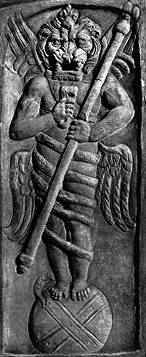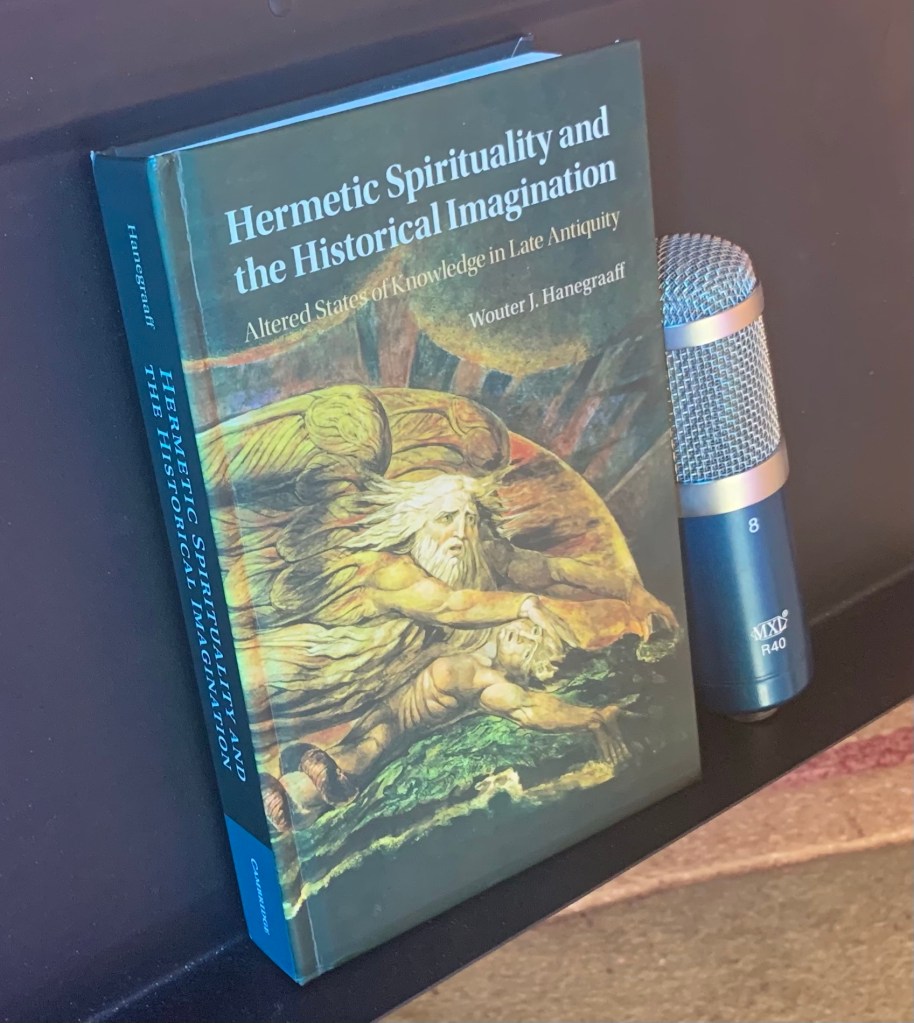
I just struck solid ground in my voice recordings.
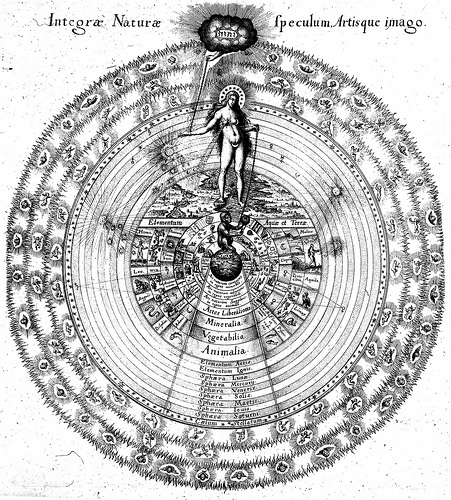
I hit solid ground while digging, not just superficial adding 1 to the fixed stars level and adding 1 to level 8 to say that level 9 is above Fate.
All of that relatively makes no substantive change.
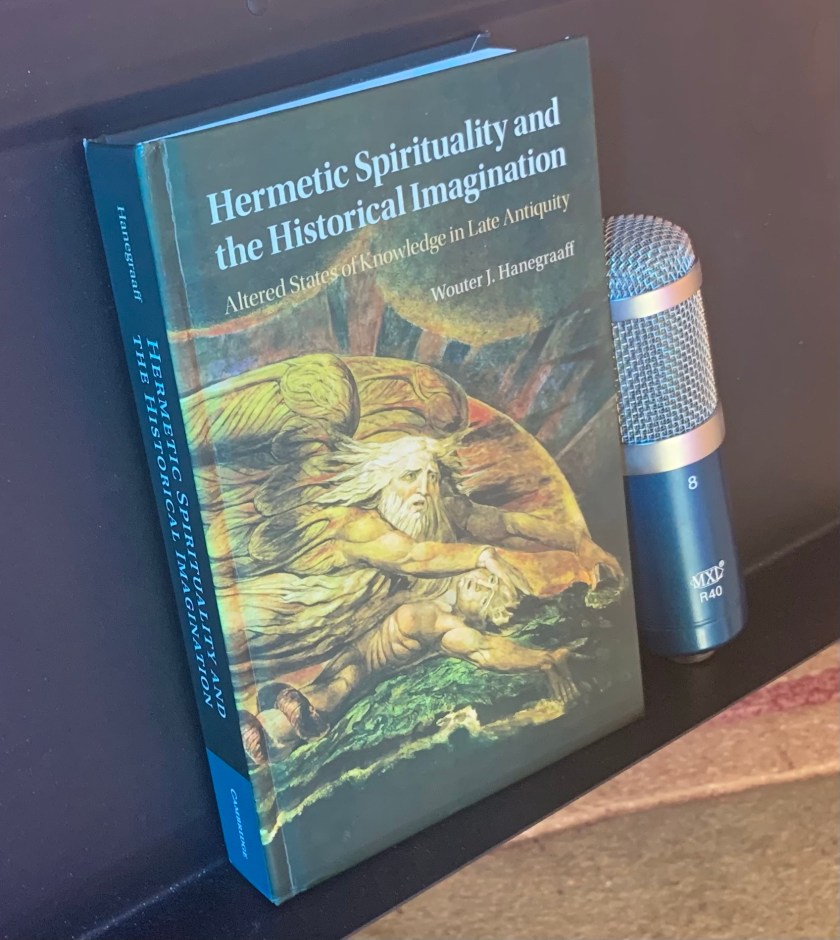
Rather, the Big Problem for Hanegraaff book Hermetic Spirituality is that:
I do NOT also add 1 to “what level does rebirth occur in?”
🤔 😲 🤯 😱 😵
I am NOT editing that aspect of his book.
I am editing his book to add 1 to the fixed stars to put them at level 8, and I am adding 1 to the level which is above Fate, so it is level 9 not level 8 which is above Fate.
Where the enormous change comes in is that I do NOT add 1 to the level at which rebirth occurs!!
I agree and I retain that aspect of his cosmos numbering, that indeed rebirth happens from level 7 into level 8, per Erik Davis’ book Led Zeppelin IV, pages 118 & 122 about the song Stairway to Heaven & the Egodeath theory.
We are reborn INTO Fate, we are not reborn out from fate!! Except in a subsequent minor sense.
We hear the song of level 9 after we sacrifice the freewill premise that “I control the source of my control-thoughts” and have fully settled in Fate-compliance in level 8.
The Saturn gate is the threatening of child thinking; ego death is surrender to the uncontrollable source of control-thoughts, then the mind is reborn into Fate, level 8.

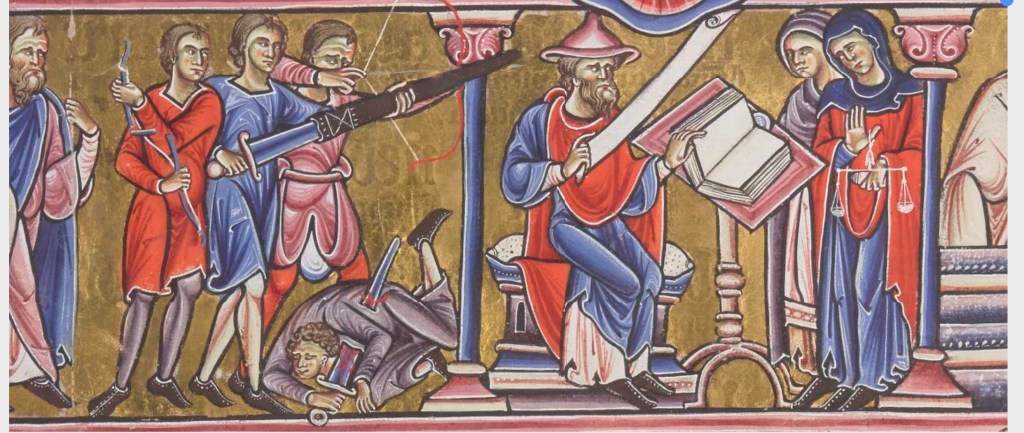
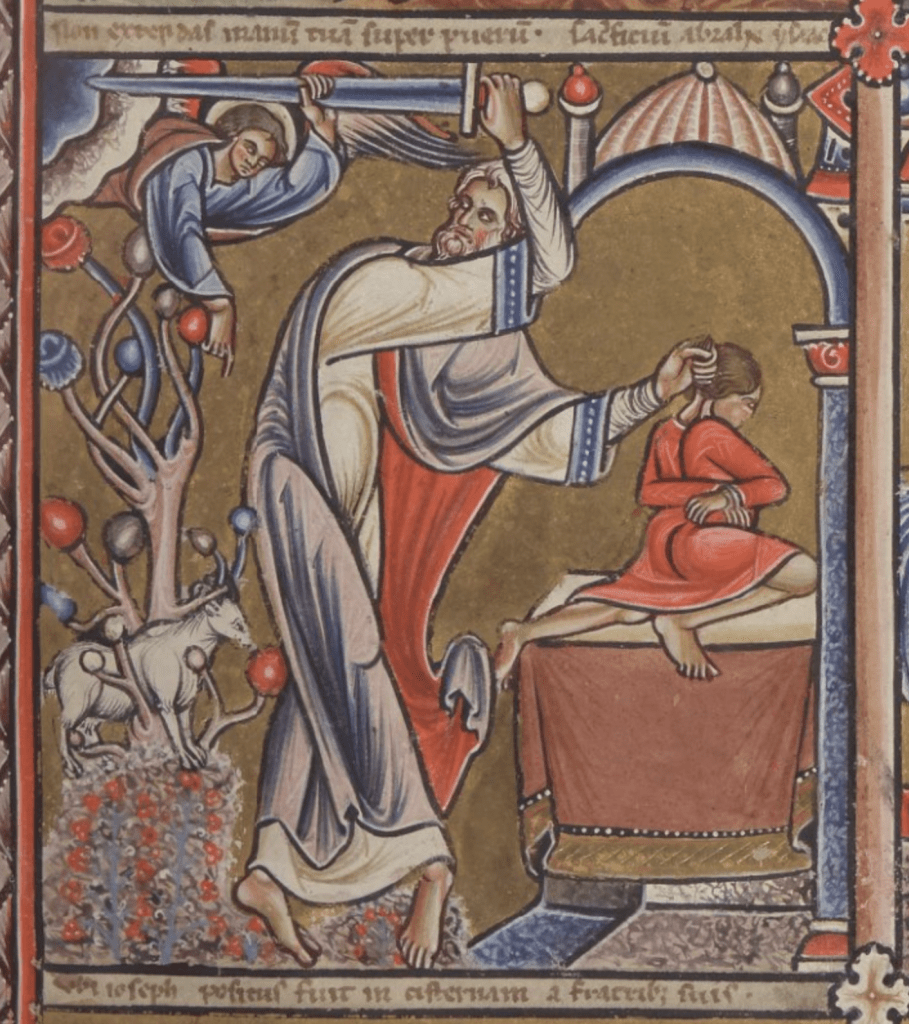
This is what is devastating to his book.
And thus I have discovered what forced Hanegraaf to be irrational and what forced him to misuse the entire set of lexicon of star-related words, why he was forced to torture and misuse all of these words and aggravate his readers by misusing all of these words about stars/ constellations/ zodiac/ cosmos/ hypercosmic and any words like those.
Because if he allows the fixed stars to be at level 8 and if he says level 9 is the level which is above fate BUT when doing so, he keeps rebirth positioned between level 7 and 8 — which the texts force him to do — that means bad news for him:
We are reborn into Fate-reverence, rather than being reborn into the level above Fate.
We sacrifice in reverent honoring of Fate.
Admit it, recognize your gnostic cosmos-hating attitude Hanegraaff, pull FATE/HEIMARMENE/eternalism back out of your Rejected wastebasket, Hanegraaff.
🚫🗑
This book is a misguided and deluded egoic attempt to place Fate below and prior to rebirth, when in fact Fate-consciousness is after and higher than ego death/ rebirth.
His unstable, malformed, upside-down, unscientific, irrational, non-standard cosmos model, and his alien cosmic lexicon, results from his trying to force Fate to be lower than rebirth.
Integrate Heimarmene
Higher levels/layers contain the lower, or “overlapping”, or enfolding per onion layers.
The Source is nondual, identified with heimarmene. If you reverence the Source, you must reverence heimarmene.
We grow upwards like a tree into higher levels, or like Maslow’s hierarchy.
We add higher levels and we per Wilber tend to exclusively identify with those newer, higher developmental levels, yet the lower levels remain our foundation which we must affirm and keep strong.
Wouter Hanegraaff needs to recognize, as he kind of does, that the Hermetic writers firmly assert that Fate remains real and affects the body even of the wise initiates.
WH states repeatedly that the Hermetic texts say that even the wise, completed initiates remain forever subject to the rule of Fate.
And Hanegraaff says to reverence the Source of all that exists.
Yet he represses/ demonizes/ dissociates from Fate, he wants to hate and deny its reality, he seems a little stuck or flummoxed:
Why do the Hermetic writers keep insisting that Fate is real and continues to rule the body even of the initiates?
Hanegraaff wishes to totally demonize Fate, but he should be reverent toward it.
(Fate = heimarmene, eternalism, no-free-will, non-branching; preexisting control thoughts; you don’t control the source of your control-thoughts.)
Hanegraaff emphasizes positive attitudes toward cosmos, body, matter, and nature, yet, he really cusses-out Fate/Heimarmene as “infection, contamination, impurity, pollution, delusion” – while claiming that the Hermetic/Gnostic view isn’t anti-cosmos.
Hanegraaff, you might not demonize the cosmos, but you sure fall headlong into the mythic stylized theme/analogy of {demonizing heimarmene/Fate}! Which you outright EQUATE with the cosmos.
What Wouter says, and what he claims that the Hermetic/Gnostic writers say:
I love the cosmos.
The cosmos is heimarmene.
I hate heimarmene.
The Hermetic/Gnostic writers sure don’t seem to “embrace and include and integrate” Fate/ heimarmene, a la Ken Wilber.
The Hermetic/Gnostic writers are taking poetic license in their railing against heimarmene; WH fails to grasp how much they love/hate/ reverence Fate even while they rail against it.
Their stance is too complex/advanced for him, and he misreads it as a purely negative stance that the Hermetists have.
Hanegraaff needs to integrate the lower levels in the higher – but his Hermetic text writers themselves don’t seem to positively integrate Fate/heimarmene.
His book works hard to argue that they have a positive mental attitude, non-dualistic… yet they sure strike a tone of dualistic hating on that damned evil accursed Heimarmene.
No wonder WH assumes “No way can Hermetic writers be saying that you’re reborn into the reality & reverence of Fate/heimarmene.”
Much fault is on the part of the Hermetic writers themselves, for taking too negative a view against Fate, while yammering about how one must reverence the Source of all that really exists.
So, we have slightly egoic and dualistic world-hating (heimarmene-hating) Hermetic writers, misread by the fully egoic Hanegraaff as if they are full-on heimarmene haters – while he defends them as “totally not anti-cosmos”.
Hanegraaff’s failure to integrate the lower levels, is actually, he’s picked it up from the Hermetic writers themselves, who poetically play with the themes / analogies, “hatred of cosmic heimarmene”.
We must consider the Hermetic/Gnostic writers as mentally garbled or less than ideal: inspired yet hardly the model of integrated levels of psychospiritual development.
They got confused in their own overly mythopoetic basis of thinking, confusing, far analogies. Their advanced-stage negativity toward the revelation of heimarmene made them as if “soured on real, mystic-revelation religion”.
The attitude of Late Antiquity:
“Mystic revelation sucks! It’s a bunch of damned mentally imprisoning eternalism/heimarmene!
“What god can save us from the evil downside of the Egodeath theory revelation?!
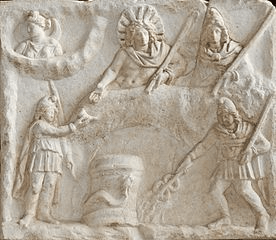
“Mithras, save us from Helios, the demiurgic god of revealed heimarmene-prison.”
See book The Gnostic New Age by April D. DeConick, about deliberate advanced-level inversion of mystic/mythic analogies, Crowleyan inversion of analogies to make radical statements, post- mystic enlightenment.
Hermetic/Gnostic writers might tell Hanegraaff “Actually, mystic rebirth into the revelation of heimarmene kind of sucks! That’s why we’re theming a negative inverted valuation of Fate in our myth system.
“We actually are — as our critics say — anti-cosmos, in that we really are anti-heimarmene.” See Luther H. Martin, see April D. DeConick.
They all need to better integrate lower levels, as cheerleader Hanegraaff is trying to argue that they do.
So we must not be limited to Hanegraaff, and especially we must beware of being limited to the attitude of the writers of Late Antiquity.
Luther H. Martin (Studies in Hellenistic Religions, 2018) traces the increasingly sour attitude, shared in the culture at large, against Fate.
Everyone believed in “heimarmene as prison”, and increasingly resented and railed against eternalism/Fate/ heimarmene, even though they knew that mystic-state rebirth is into the revelation of the power of heimarmene, and that rebirth is into reverent compliance with frozen-rock eternalism / heimarmene/ fate.
They were experientially sophisticated enough to understandably Hate Fate, while believing in it, but they are too advanced for Hanegraaff and he just doesn’t understand what the revelation of fate, rebirth into it, is about, so he can’t imagine that rebirth was understood by Late Antiquity as “rebirth into revelation of heimarmene”.
That was the problem of the day, far from Ken Wilber’s call to healthily integrate the lower levels into the higher levels.
Since we are only now discovering the revelation of heimarmene, it is easier for us to understand the less advanced mythology attitudes of early antiquity. The album Ride the Lightning kind of rails against heimarmene; Cliff Burton could explain the post-enlightenment attitude of the Hermetic/Gnostic writers who played with the analogies of “demonize heimarmene” though they knew that rebirth is into the revelation of heimarmene.
Late Antiquity’s religious mythology emphasized often the negative side of the altered-state heimarmene revelation, like my dwelling on ego death and control seizure instead of wonderful, non-duality, pollyanna, Martin Ball-eqsue forget-the-shadow positivity.




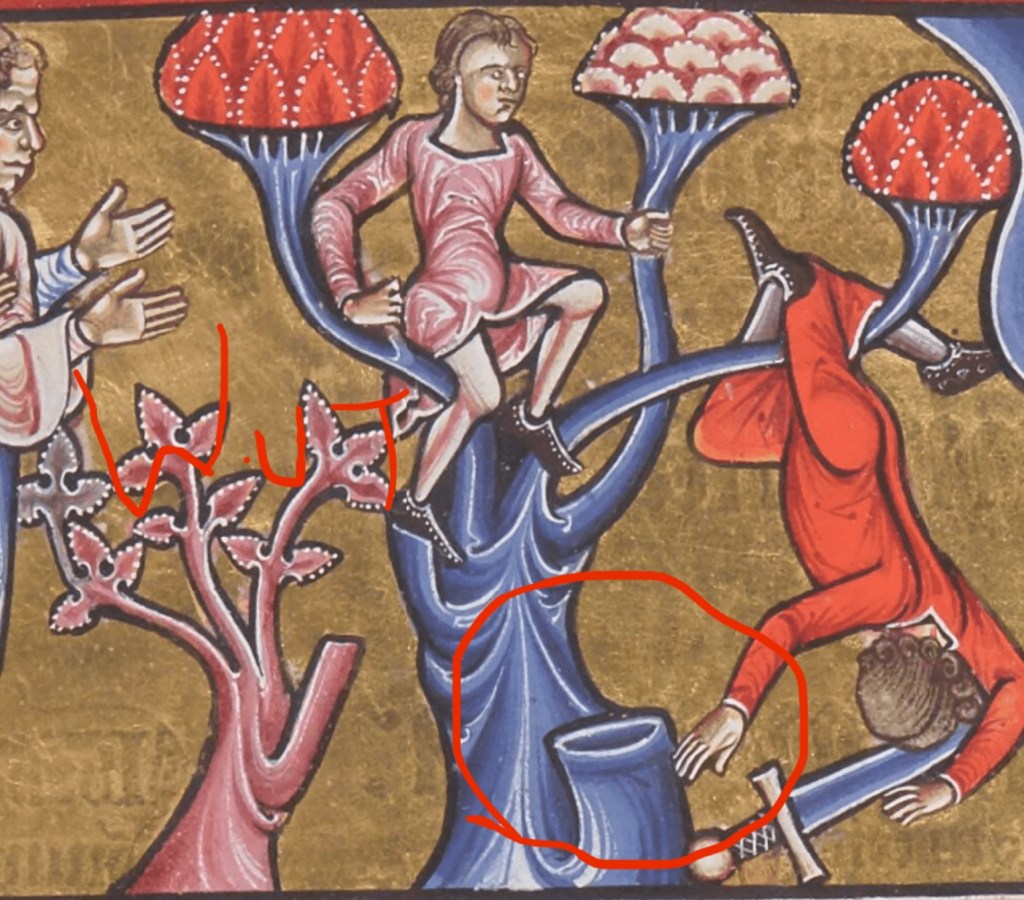

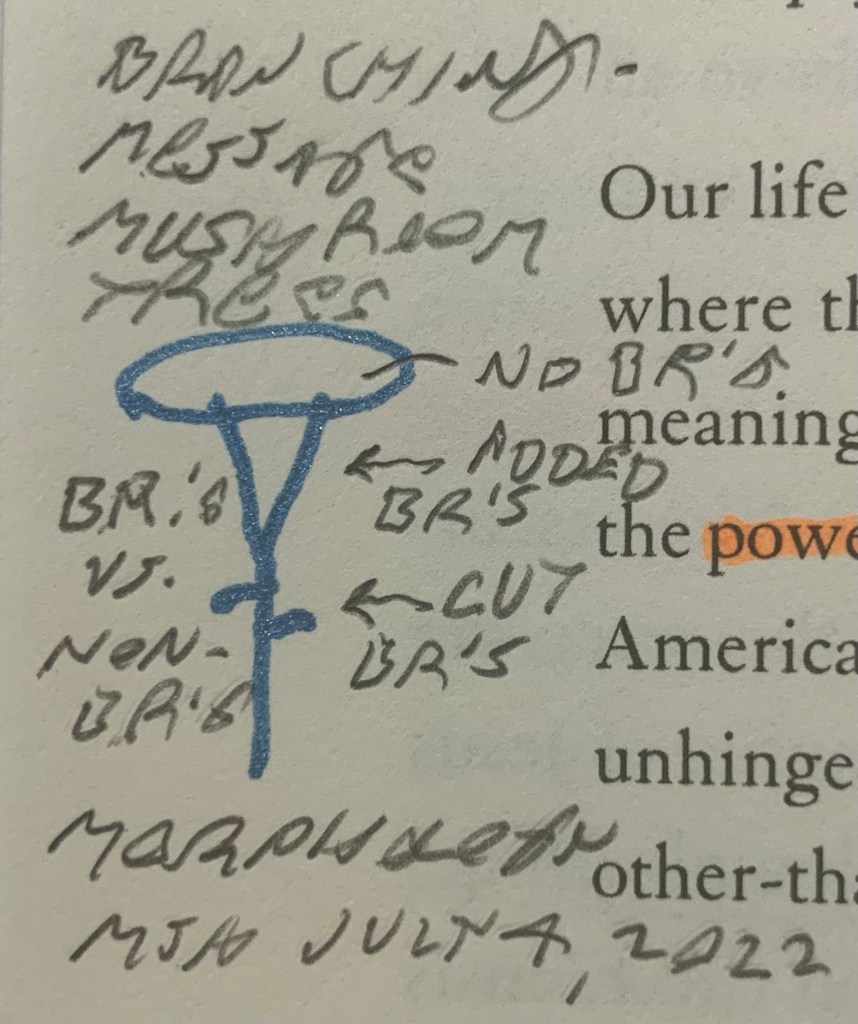
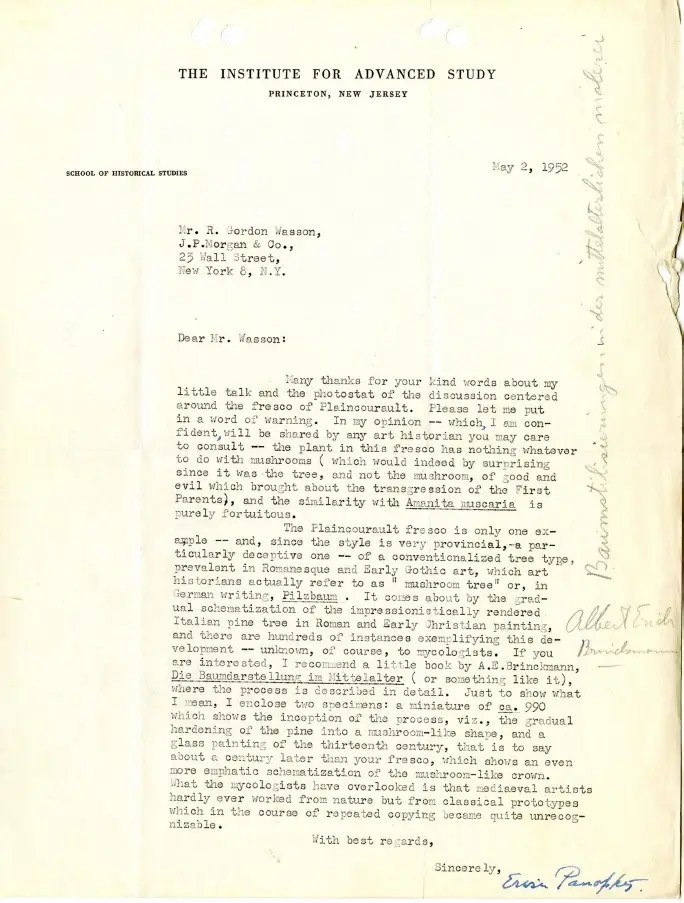

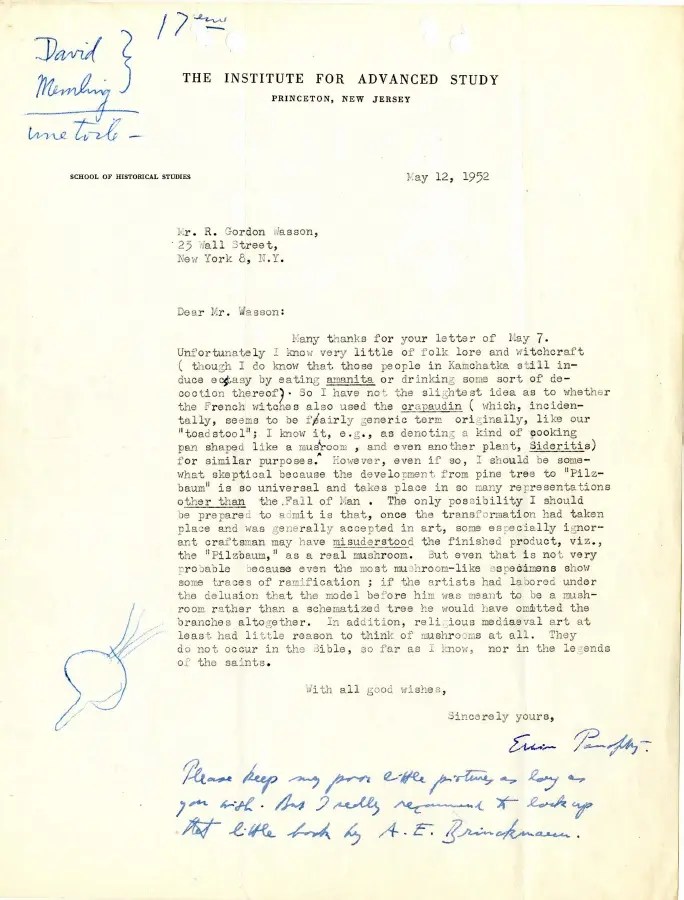



 The Egodeath theory