The Thomas Hatsis Guide to Exemplary Historiographical Methodology

Site Map

Contents:

Foreward

Testimonial transcribed from the Egodeath Mystery Show, Episode 81

I just posted The Thomas Hatsis Guide to Exemplary Historiographical Methodology – a new page at the site! So if you’re interested in professional-level, ideal Historian conduct, how to move the field forward most effectively and collaborate harmoniously with other leading-edge thinkers in the field, be sure to read my page, where I’ve extracted carefully: what makes Hatsis so ideal, such a model of exemplary historiographical methodology?

And I think I’ve got it nailed; I’ve managed to extract and carefully study the ways that Hatsis conducts himself that makes him the paradigm of historiographical methodology of how to reach 100% efficiency at collaborating with others to push the field forward on a sure-footed way, using his water-tight methodologies.

My most valuable thing I’ve ever written was, I extracted Thomas Hatsis’ exemplary historiographical methodology. This really blows away any enlightenment experience I’ve ever had, figuring out Thomas Hatsis’ methodology, which is empowering me far more than any study of Transcendent Knowledge.

– Cybermonk

Introduction

For the benefit of you amateur bloggers, I’d like to unpack how historians adjudicate historical claims, by laying out the criteria we use.

Ancient Language Skills

Botch your latin, while vigorously lecturing everyone at length about your exemplary, excellent, professional ancient language skills.

https://cyberdisciple.wordpress.com/2022/02/25/mushrooms-in-christian-art-discussed-by-tom-hatsis-and-jerry-brown-at-graham-hancocks-site/

https://cyberdisciple.wordpress.com/2021/09/26/criticism-of-mushrooms-in-christian-art-by-tom-hatsis-and-chris-bennett/

Breadth of Data

Reject 90% of the data. The more data you discard, the more sound your remaining base of data is.

Instead of text and art evidence for literal, stylized, and altered-state effects description, limit the data base to only literal, textual, explicit discussions of mushrooms in Christian materials.

Only focus on text evidence, because art evidence is wholly dependent on text evidence.

Then, when discussing art, ignore the text that’s in the art, that explicitly says what is depicted. For a great example of this historiographical methodology that we Historians use, at https://grahamhancock.com/brownj1/, find “spear”.

Recognize Your Rivals’ Allegiance to Your Designated Villain

Use your E.S.P. to dictate to others that they hold their position “because Allegro…”

A weak and unprofessional approach is to gather position statements of people in the field, that they have provided.

Instead, a much stronger position, that’s part of the methods that we Historians use, is to dictate that everyone else in the field is all followers of the weakest representative of the field that you can dredge up.

Accuracy of Representing Which Historian Holds Which Position

This isn’t important. Historians should focus on strict historical criteria, and not waste time learning and accurately representing other entheogen historians’ positions.

Claim that you agree with Carl Ruck (even though he is the main promoter of the Secret Amanita thesis). Livestream September 2021 with McKenna, Chris Bennett, & Brian Muraresku: “No, I AGREE with Carl Ruck!”

Then, because your argument requires that someone play the role of villain (other than the Ruck school of contributors to Entheos journal), and Jan Irvin left the field a decade ago, and Allegro died way back in 1988, insist that Dr. Brown holds the Secret Amanita thesis (“Dr. Brown, a follower of Allegro”), and insist that Cybermonk holds the Secret Amanita thesis: “You only hold your position because Allegro…” (personal correspondence).

Even while you market yourself as an exemplary historian, there’s no need to treat, acknowledge, mention, or discuss the main question that John Allegro raises, of the historical origin of the Jesus figure: the conventional big-bang model, versus the gradual-coalescence model, in which the Jesus figure started out as a personification of “the mushroom”, and only afterwards came to be seen as an identifiable historical individual.

Just frame Allegro’s position as “Secret Amanita Cult”, without addressing the historical problems raised by Allegro’s integrated, no-historical-Jesus theory. Leave that question to the historians.

Amount of Attention to the Top Historians of Art

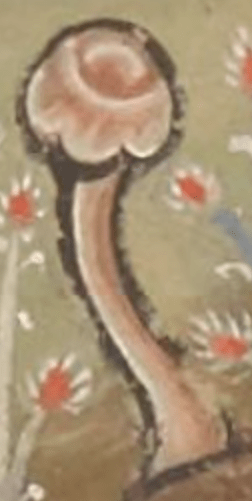
Although you know that the only significant mushroom tree is the Amanita-like tree at Plaincourault, when you make your entire article at Hancock’s site focused on that one instance of a mushroom tree, ignore the top historian of art, who urges that the main factor in interpreting Plaincourault is that it is not unique or special in any way, but is merely one instance of a type, which consists of hundreds of other instances of mushroom trees.

Don’t mention this top interpretive principle that’s specifically about interpreting this particular art instance, from the top historian of art.

Treat Plaincourault as an isolated, unique, special instance, against the urging of the top historian regarding this particular image, who says there’s nothing special at all about this mushroom tree instance. Don’t mention the top historian’s point that the data to be interpreted is an art motif type comprising hundreds of mushroom trees.

Instead, expend your limited word count telling people that it’s important to follow the interpretive principles that are used by the top historians.

Attention to Chronology

Declare Psilocybe in Christian history as “anachronistic”, by fiat.

No need to formulate a complete position statement, just use the word “anachronistic”, and you’re good, and are adhering to the methods that we Historians use to adjudicate historical claims.

Sales & Marketing

First commit to your brand marketing – “the famous debunker of all evidence for mushrooms in Christianity” – and then afterwards, do anything it takes to uphold that brand marketing, no matter how corrupt and garbled the argumentation and wholesale rejection of evidence that’s required to prop up your new rebranding from http://psychedelicwitch.com to “Psychedelic Historian”.

Crafting Position Statements and Theory Statements

Don’t clearly define your position.

By not clearly specifying what your position asserts and does not assert, this allows you to move the goalpost silently from one end of the football field to the opposite end of the field, replacing entire fields of research (mushrooms in Christian history) by a single position that you select & define to be the weakest possible, narrowest position you can possibly come up with (Amanita only + Allegro only + Plaincourault only + secret use only).

This is how we Historians operate.

Tone of Professional Communication

Bully people; make sure to communicate to them at every opportunity, “I am taunting, threatening, and insulting you.”

We Historians are pretty much the same thing as roller-derby coaches.

The professional message that you need to send, to represent refined historiographical methodology, is: I will crush you!

Use the Irvin (Phase 1) vs. Hatsis debate as the ideal model for conversing with, collaborating with, and shit-talking at each other.

Be sure to express yourself in the most explicitly insulting, taunting, offensive manner possible.

That’s how we Historians conduct ourselves, because this is the most efficient mode of collaboration, to move our field of Historical Scholarship forward the fastest – really just think of it the same as coaching girls for a roller derby match.

Attack people personally, threatening to hurt their ego (including the creator of the Egodeath theory) and “send them crying into a corner”.

This is how “we historians”, such as myself, Tom Hatsis, the ideal model of professional methodology, conduct ourselves.

Don’t ally with potential contributors. See Egodeath Mystery Show episode , “Ep70 Anti-Art Historian.mp3”.
https://egodeaththeory.wordpress.com/2021/02/19/idea-development-page-12/#Ep70-Anti-Art-Historian

Coverage of Rival Teams’ Competing Theories and Membership Lists

Critique the research coming from other theories, such as the Egodeath theory, without ever spending any time learning what the Egodeath theory asserts and what evidence it has found, interpreted, and organized.

Put low priority on Greek mythic imagery, refer to a cista mystica as a “vat”.

Keep careful track of whether others in the field are currently on your good side today, designated as a “friend”, or whether their status today is “enemy”.

Study 8th-grade girls culture and roller derby for tips on how to keep track of who’s friends & enemies today.

For example, keep careful track of whether Carl Ruck or Chris Bennett is For you or Against you, each day – are you on the inside, today, or outside?

Are you besties today, or sworn enemies who are on the outs?

Your top concern should be the shifting alliances and enmities on a daily basis.

Professional Conduct & Self-Presentation to Represent the Scholarly Field

Spill more ink bragging about your big & girthy historical methodological methodology, berating and chastising your betters, than delivering sound method.

Refer to yourself in an idealized way as the ideal representative of methodology and professionalism in the field: “how historians adjudicate historical claims, by laying out the criteria we use.”

Present this in a pompous and insulting way, to encourage others to enter the field.

Don’t just pose as a professional; sell yourself vigorously as the ideal model of professionalism, the very paradigm of what it means to be a scientific historian.

Good luck with these principles of mine. May you aspire to being an ideal professional Historian like me.

— Thomas “we Historians” Hatsis
Amateur blogger, PsychedelicWitch.com PsychedelicHistorian.com

Comments Section

Posted March 19, 2022

Yikes, who is this ass-clown who presumes to represent the field? Keep him well out! “… the methods that we historians use”?! Are you fcking sh*tting me?!

How dare you; GTFO, you embarrassing poser douche! No professional talks that way! You sound like an 8th grade girl putting on airs, gag!

This clown is about as believable and convincing as wearing a t-shirt that reads “Professional Historians Club Member”.

— Dr. J. Smith, Historian
Liberty Caps and Panaeolus Caps in the Canterbury Psalter

Site Map

Michael Hoffman, theorist of mystic-state cognitive transformation, March 15, 2022

Contents:

Intro

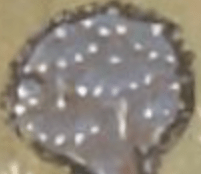
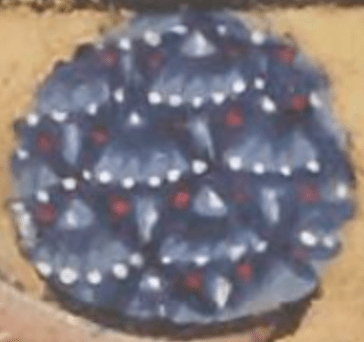
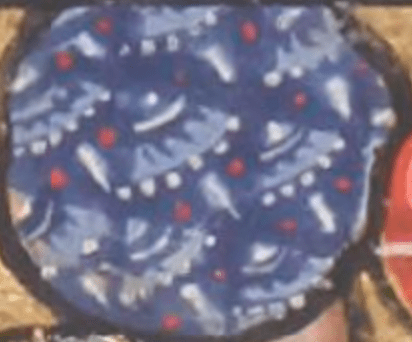
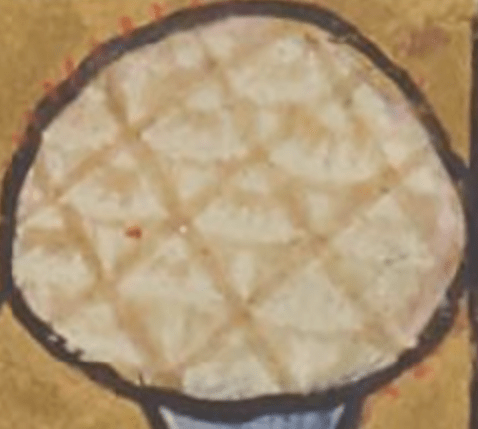
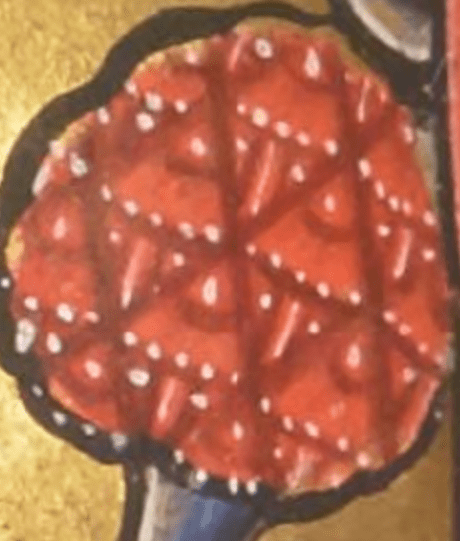
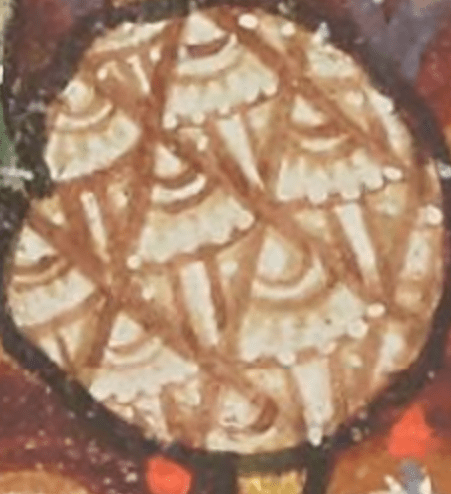
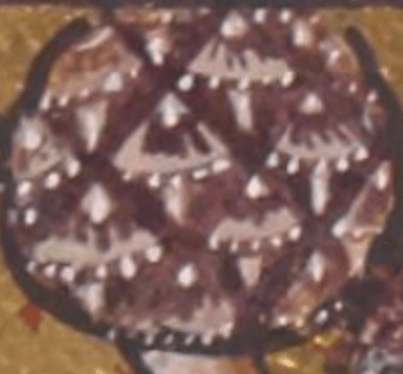
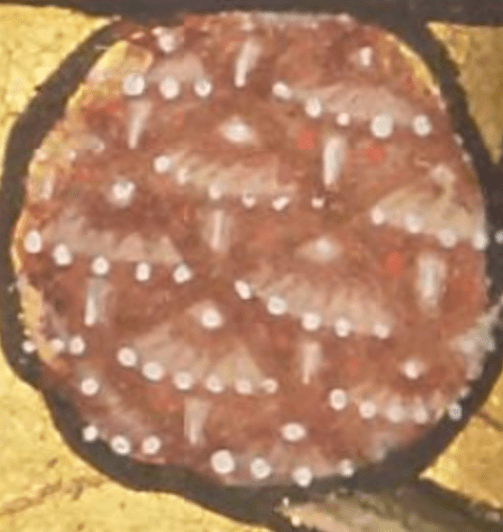
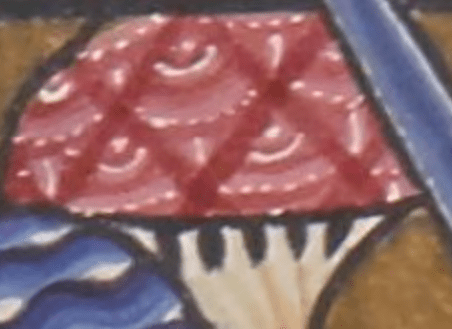
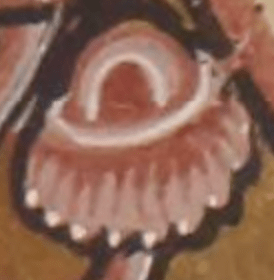
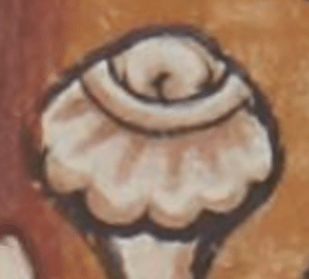
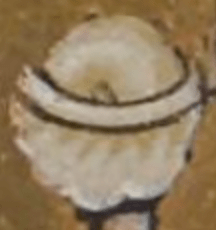
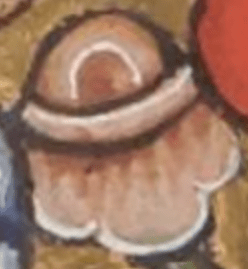
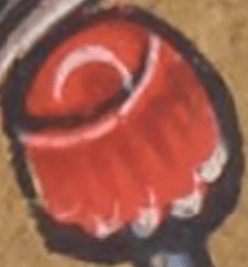
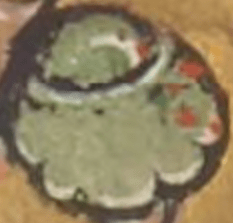
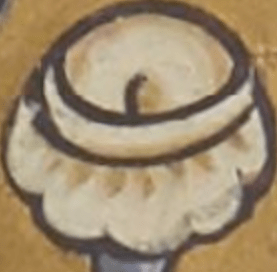
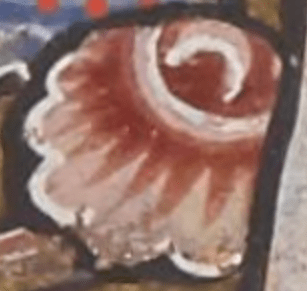
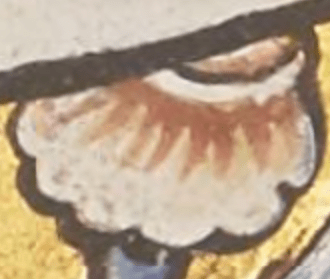
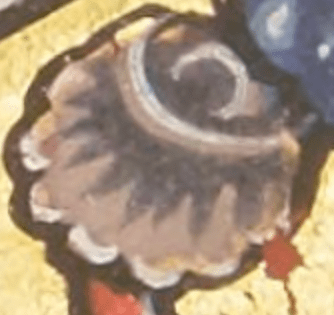
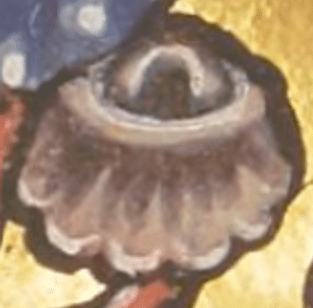
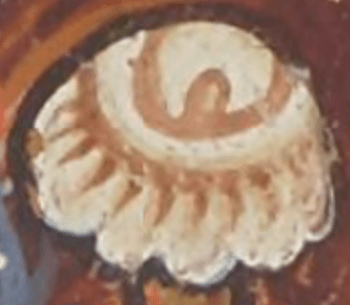
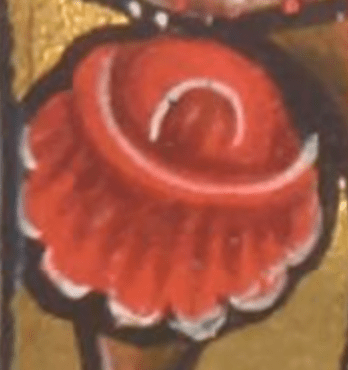
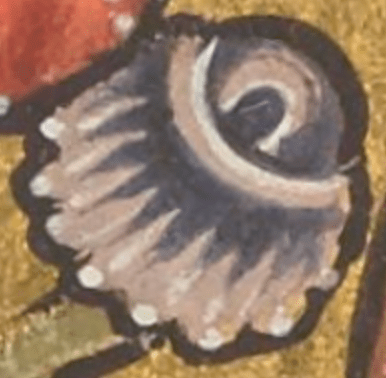
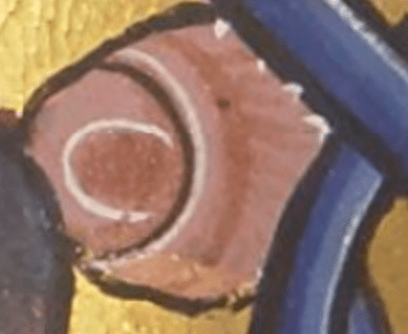
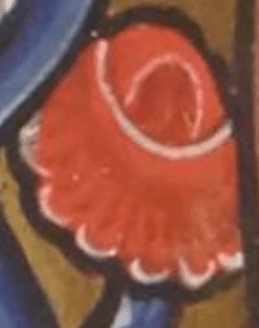
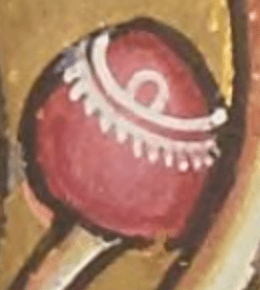
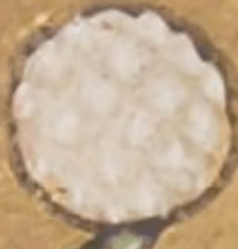
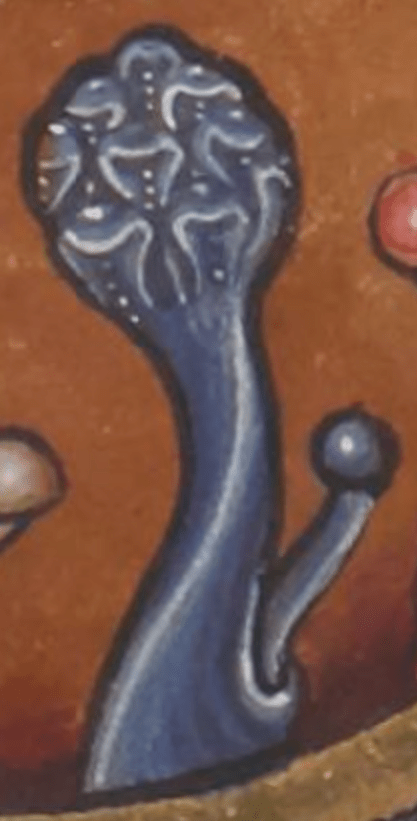
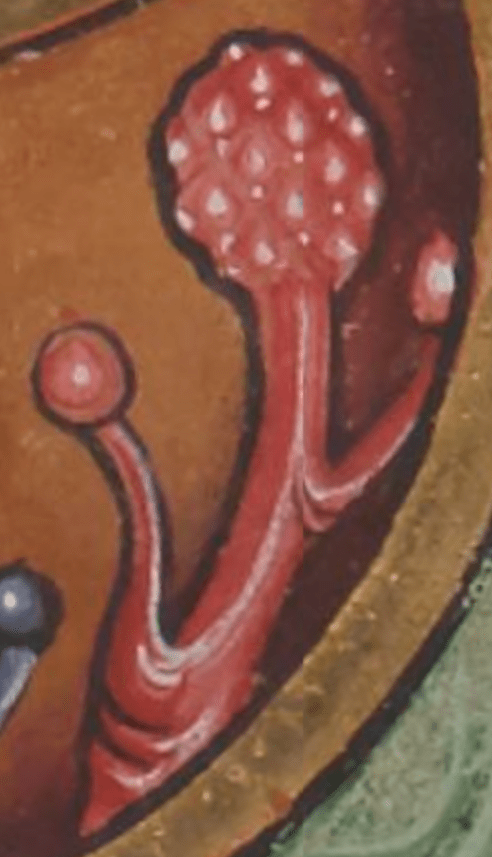
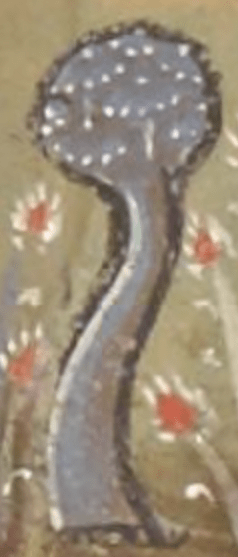
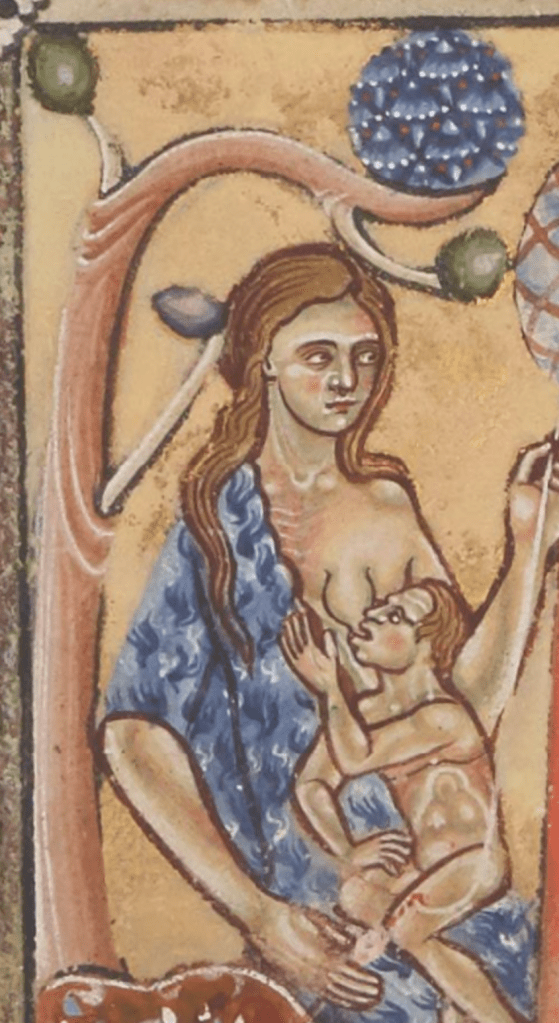
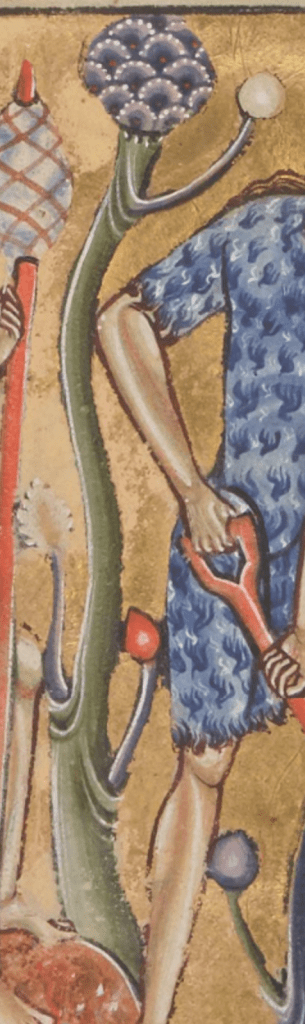
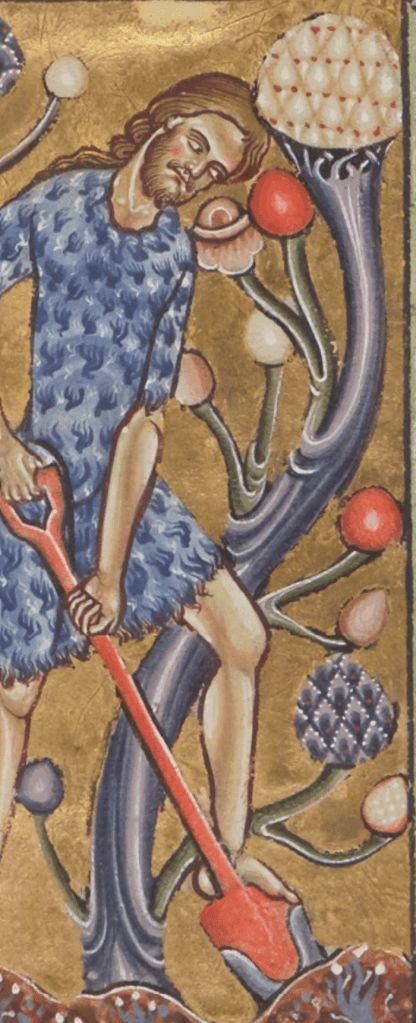
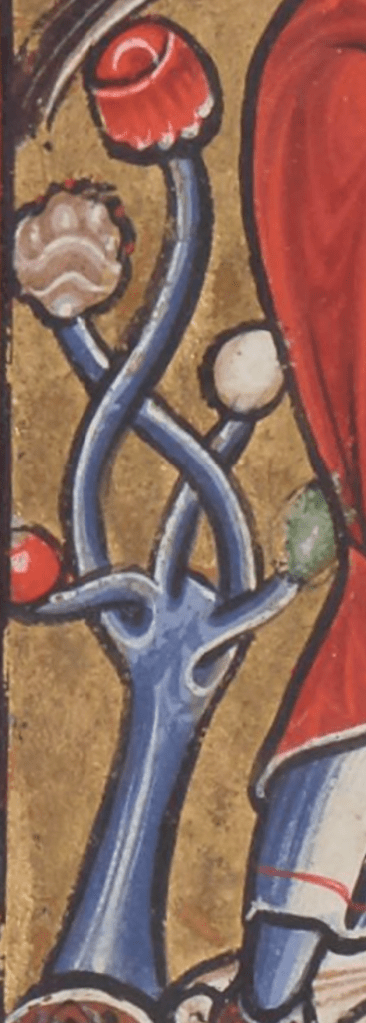
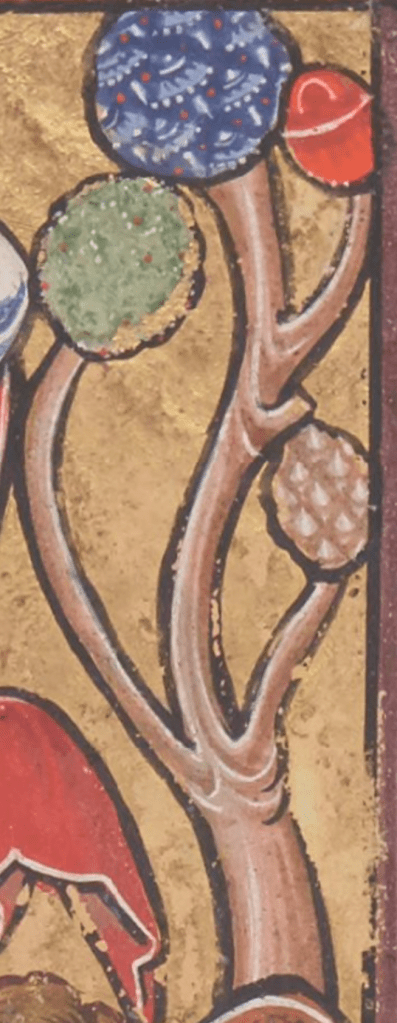
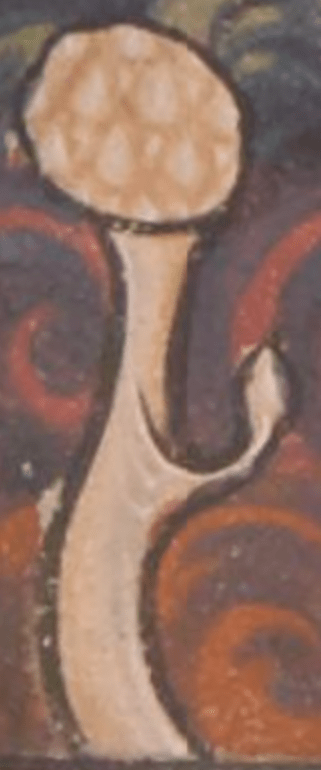
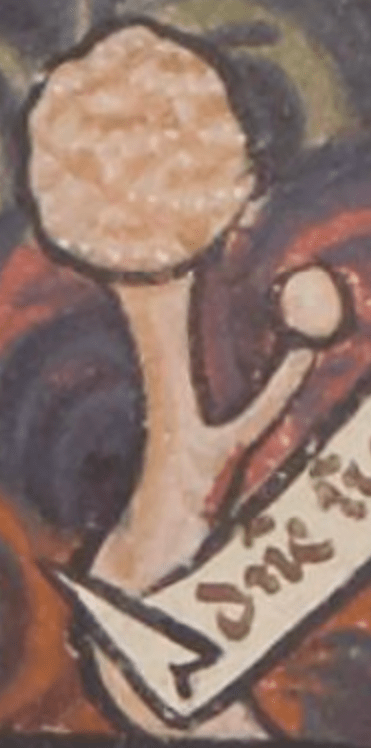
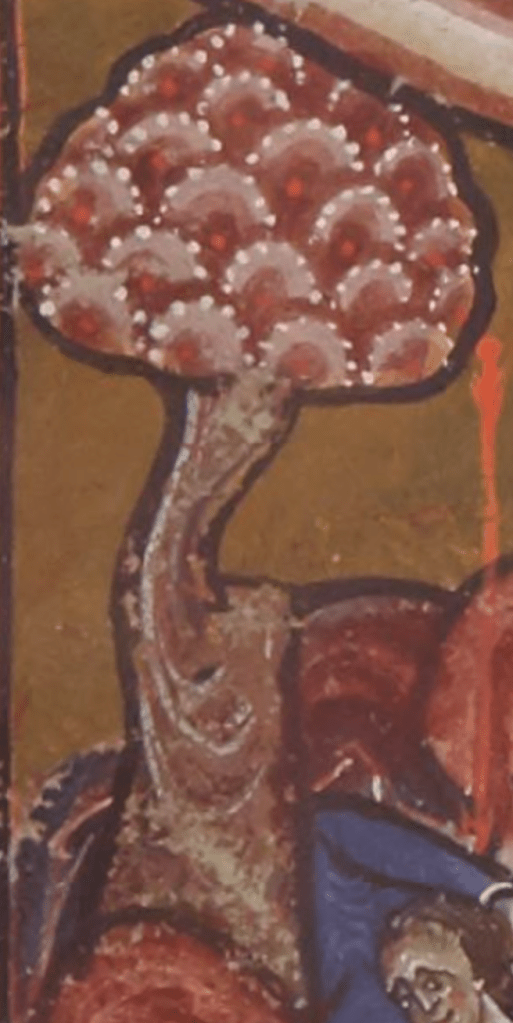
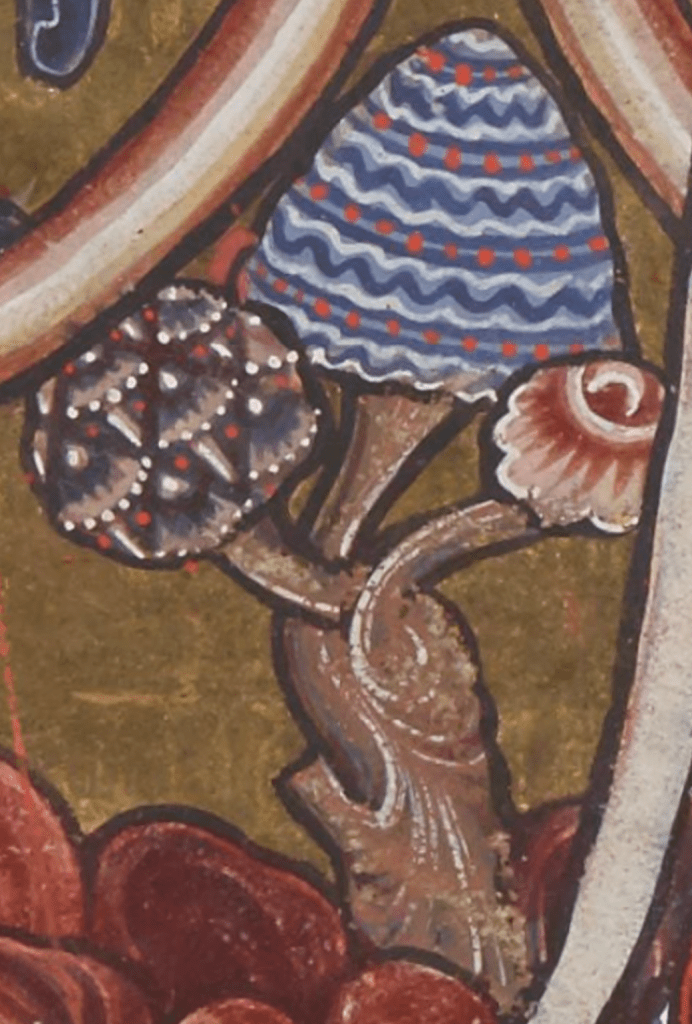
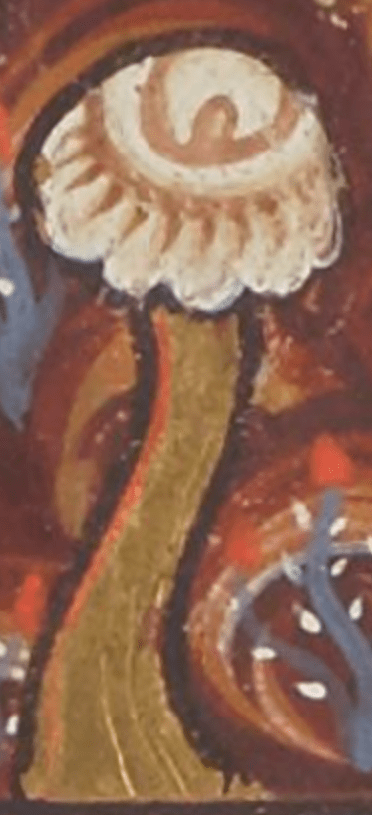
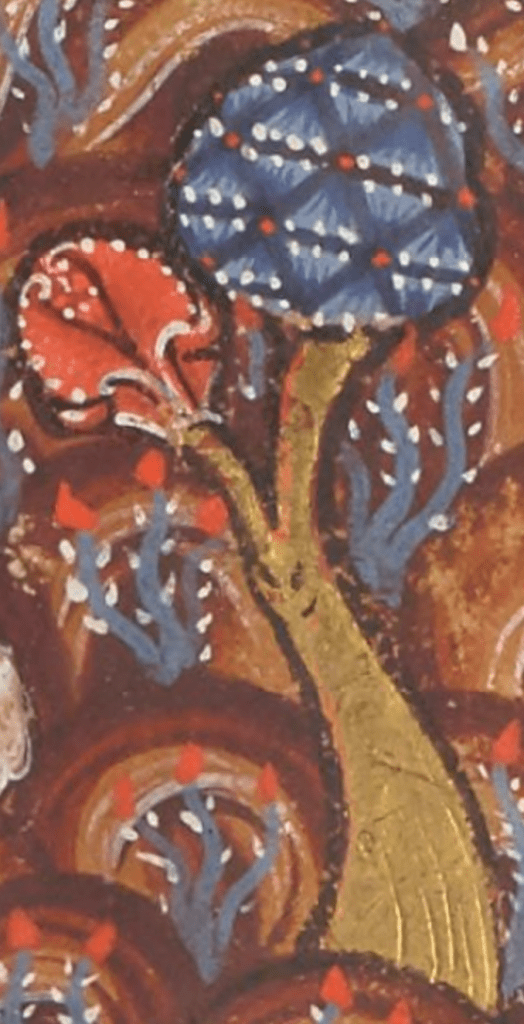
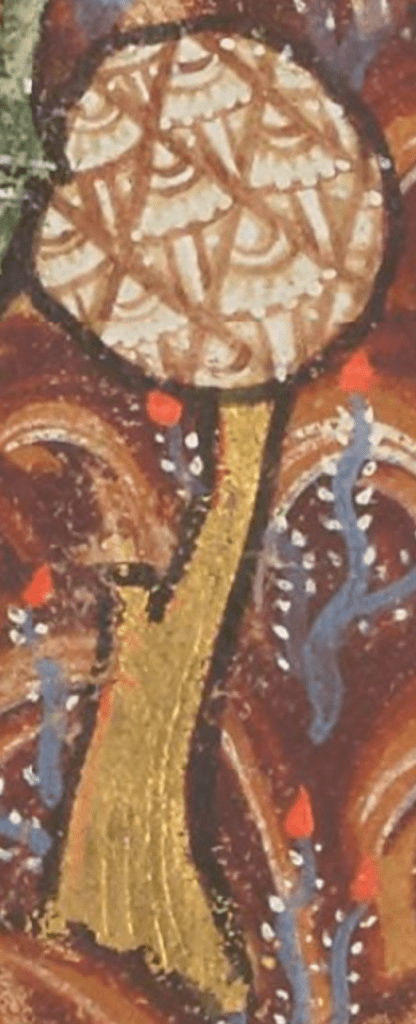
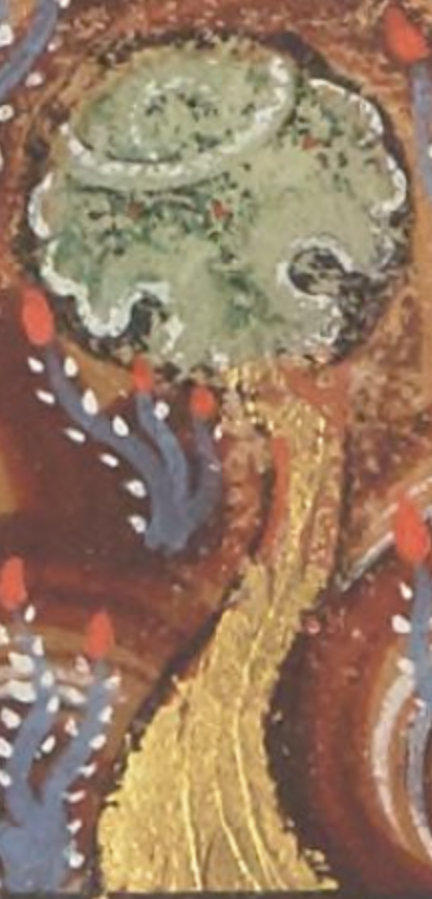
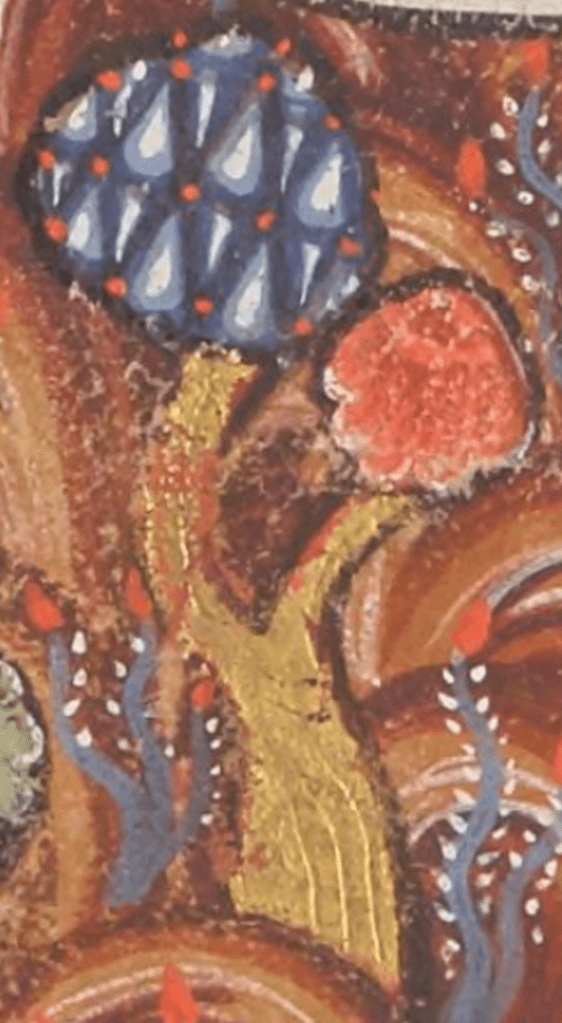
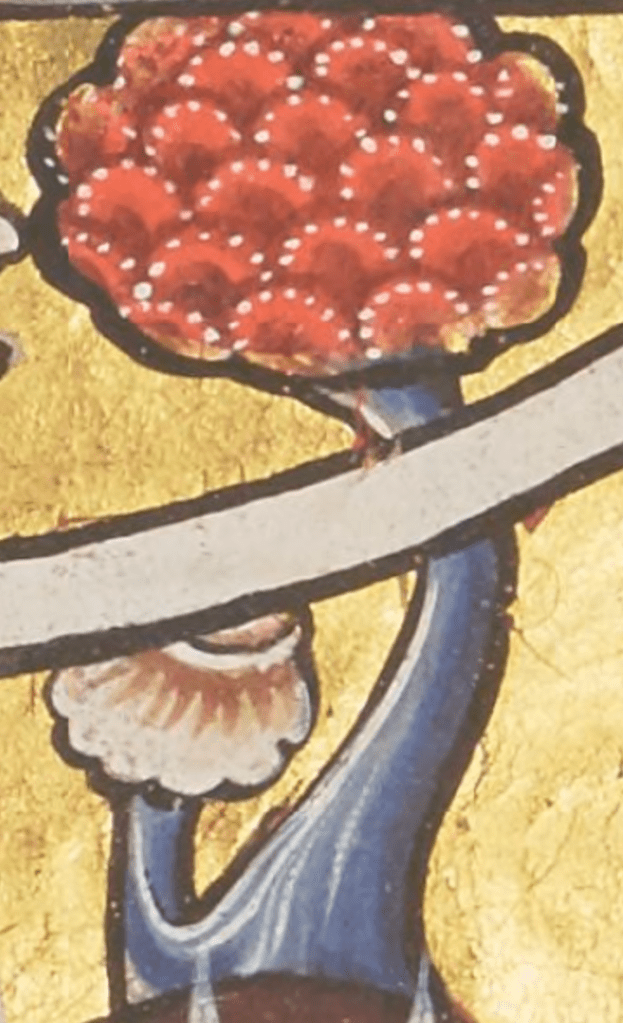
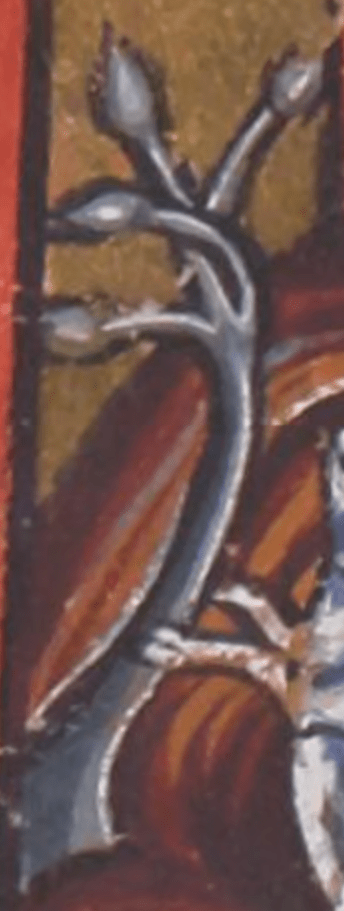
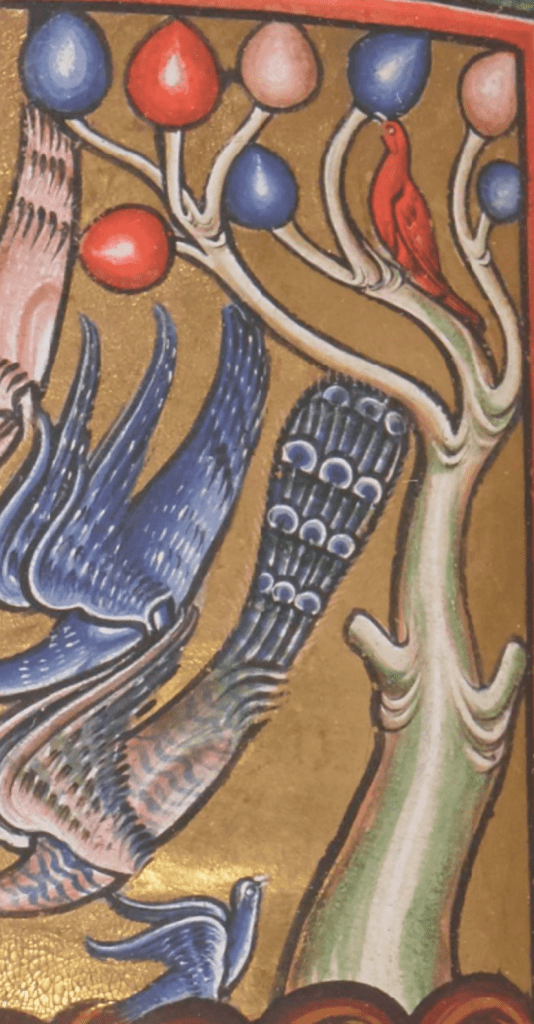
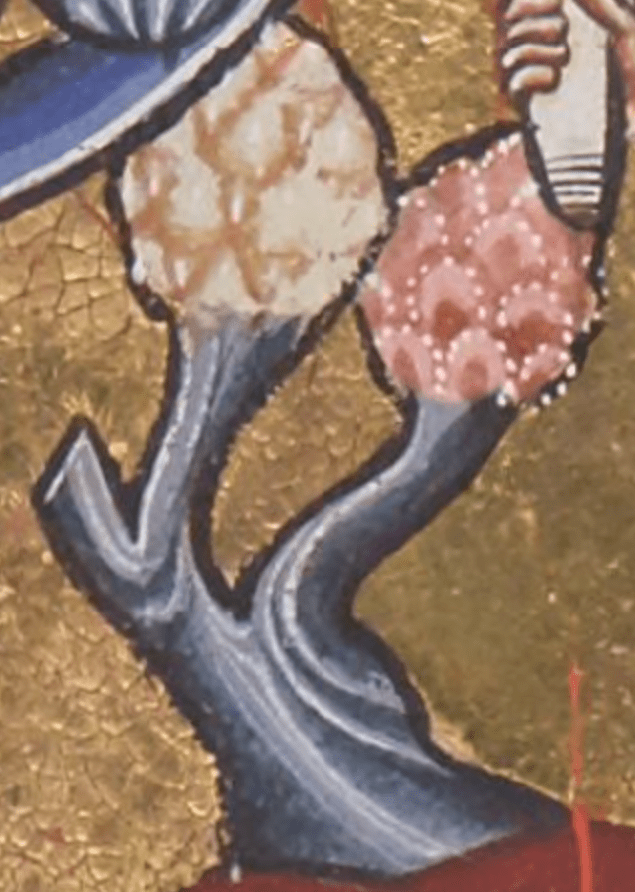
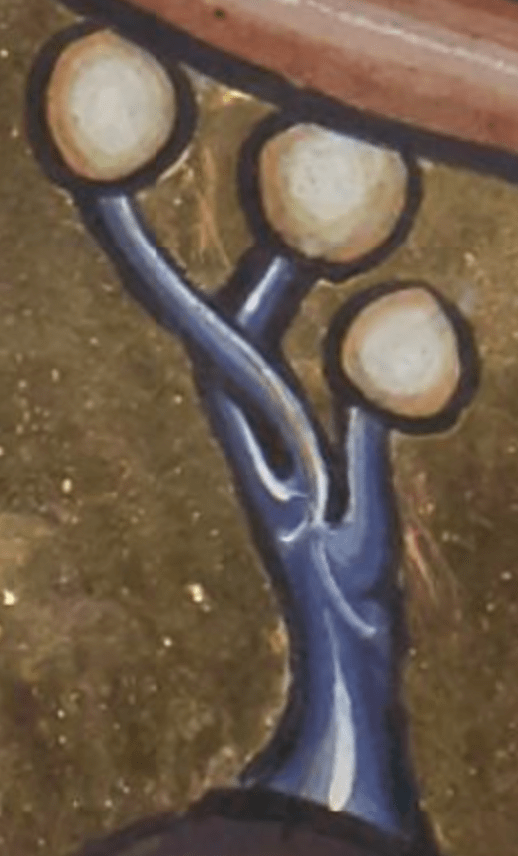
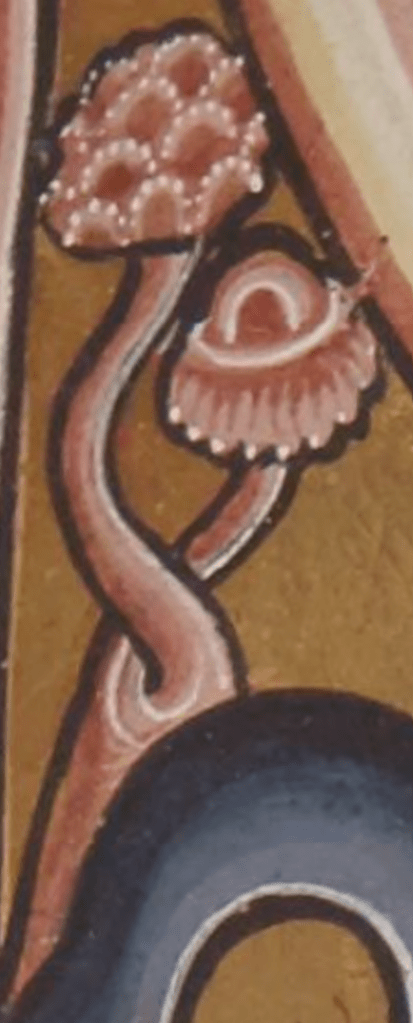
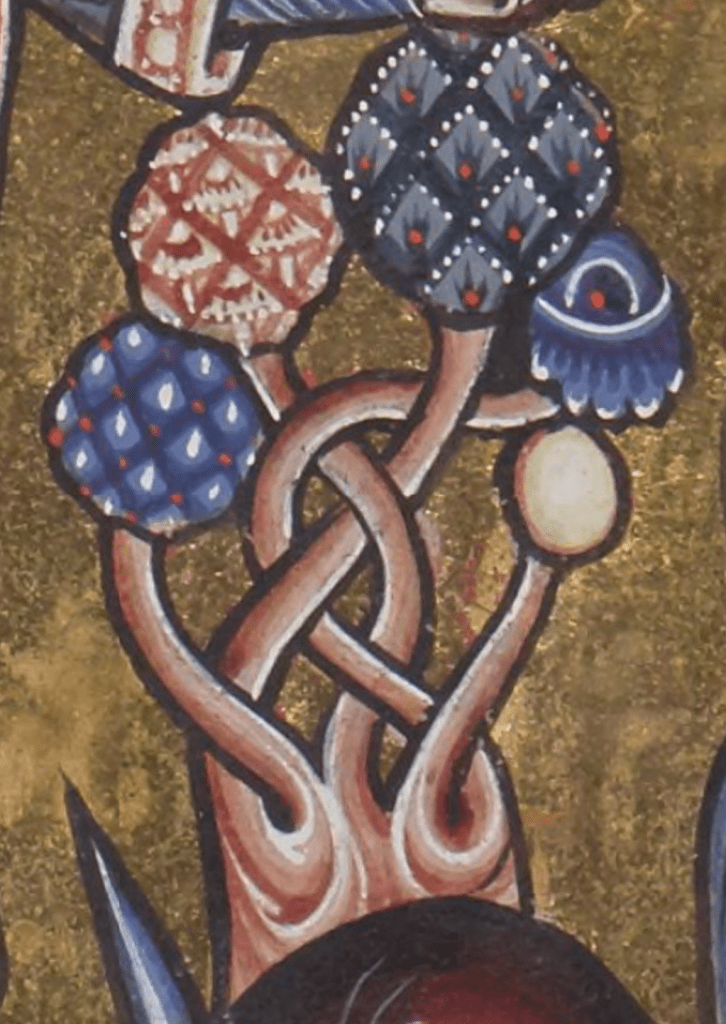
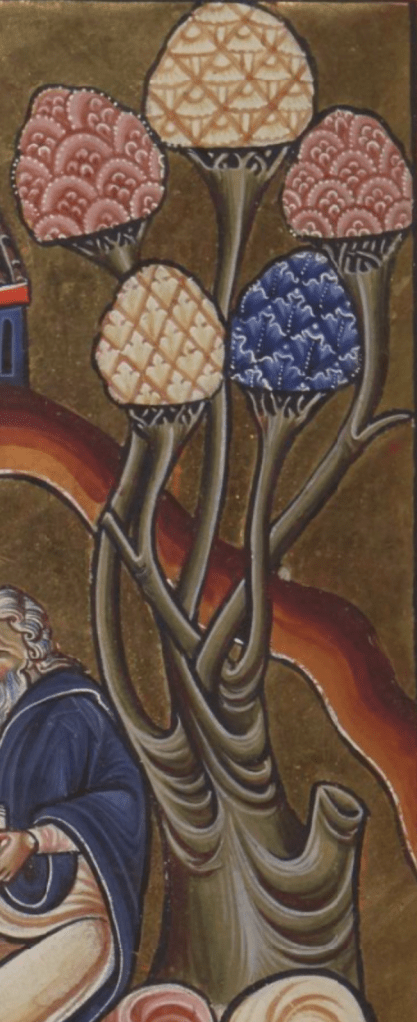
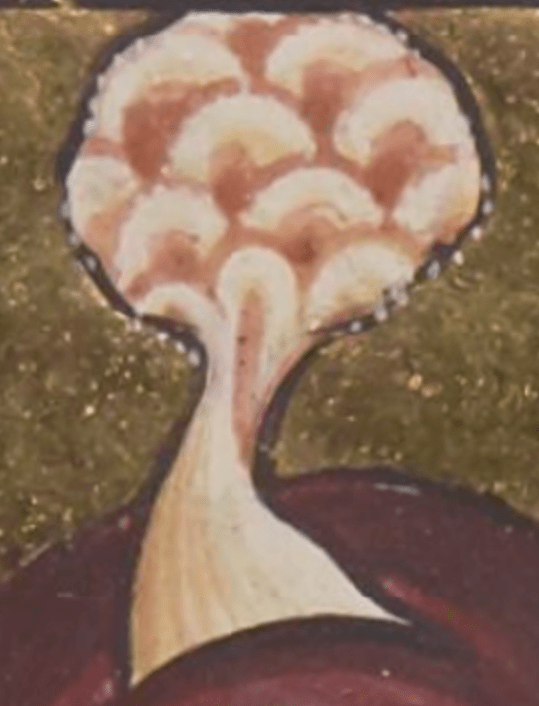
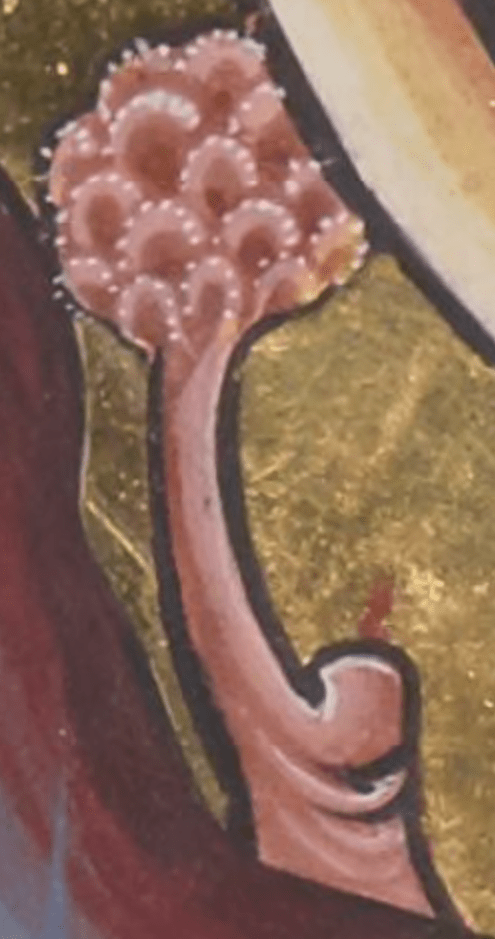
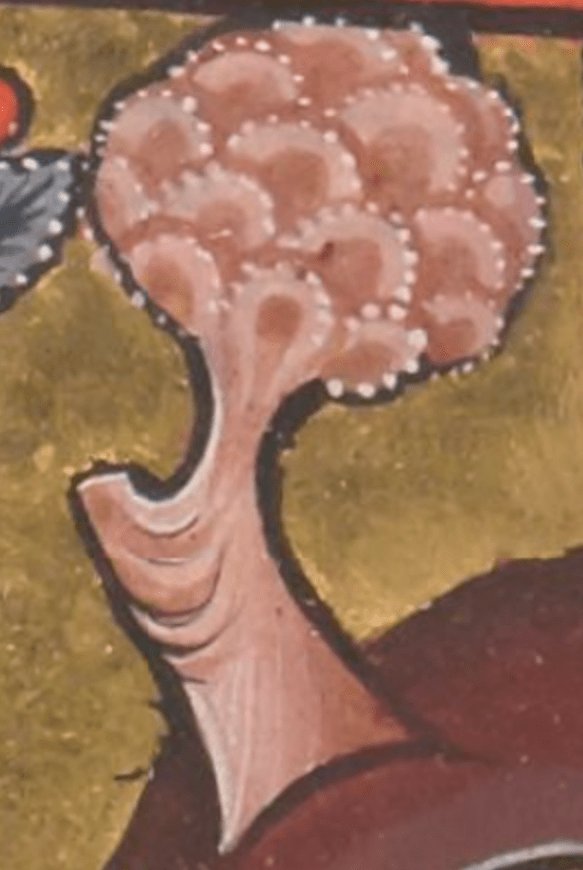
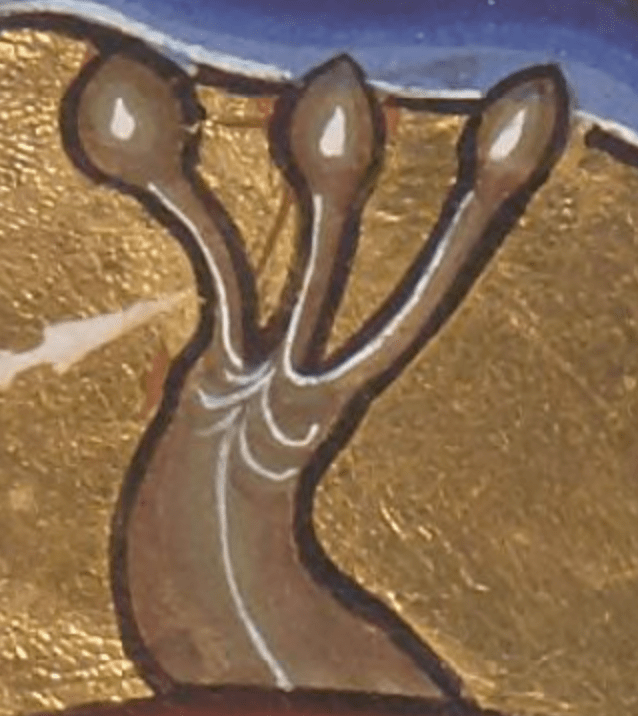
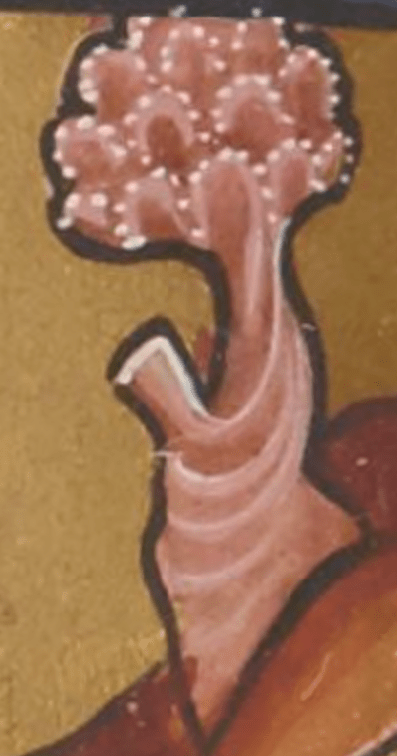
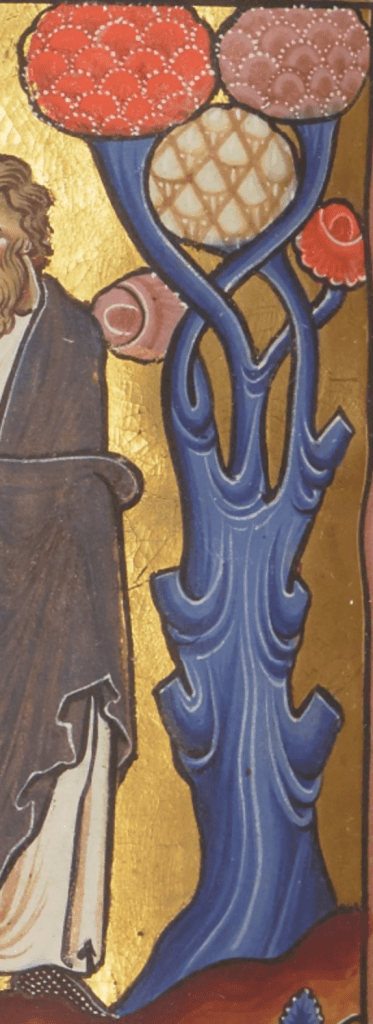
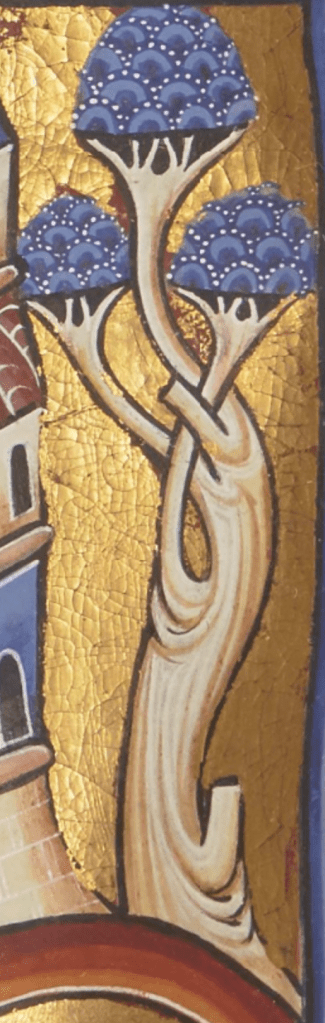
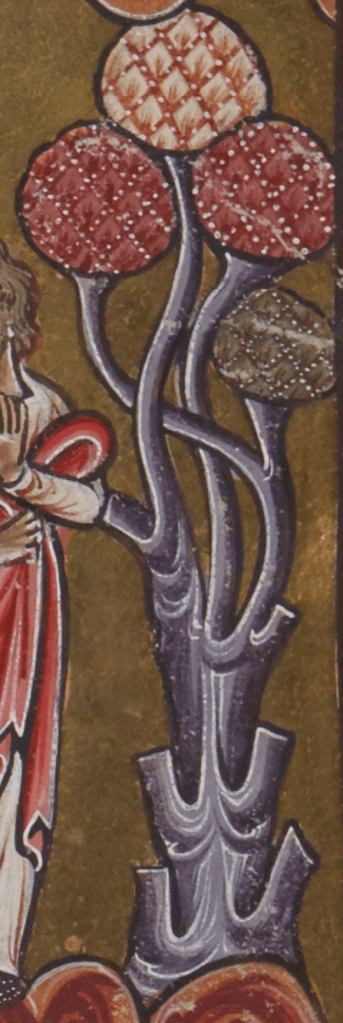
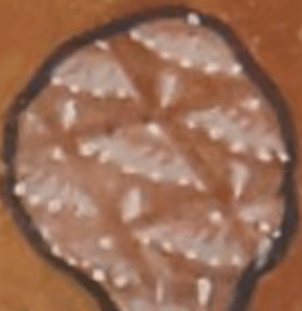
This page is quick zoom crops to study morphology patterns, in support of the Egodeath theory (analogical entheogenic eternalism and control transformation) and in support of the maximal psilocybe theory of Greek & Christian history.

It’s not tracked here which cap is from which folio. See folio pages such as https://gallica.bnf.fr/ark:/12148/btv1b10551125c/f141.item.zoom

To locate each cap, use my Inventory page, or my 75 Mushrooms page:

The 75 Mushroom Trees of the Canterbury Psalter
https://egodeaththeory.wordpress.com/2022/03/13/the-75-mushroom-trees-of-the-canterbury-psalter/

Canterbury Psalter Mushroom & Vine Inventory
https://egodeaththeory.wordpress.com/2020/12/13/canterbury-psalter-mushroom-inventory/

Liberty Caps

Web image search:
https://www.bing.com/images/search?q=%22liberty+cap%22

It’s not tracked here which cap is from which folio. See folio pages such as https://gallica.bnf.fr/ark:/12148/btv1b10551125c/f141.item.zoom

Panaeolus Caps

Web image search:
https://www.bing.com/images/search?q=panaeolus

It’s not tracked here which cap is from which folio. See folio pages such as https://gallica.bnf.fr/ark:/12148/btv1b10551125c/f141.item.zoom

Hybrid Panaeolus Vine Leaf

It’s not tracked here which cap is from which folio. See folio pages such as https://gallica.bnf.fr/ark:/12148/btv1b10551125c/f141.item.zoom

Serrated Veil

See Also

See folio pages such as https://gallica.bnf.fr/ark:/12148/btv1b10551125c/f141.item.zoom

The 75 Mushroom Trees of the Canterbury Psalter

Site Map

Michael Hoffman, March 13, 2022

Contents:

Intro

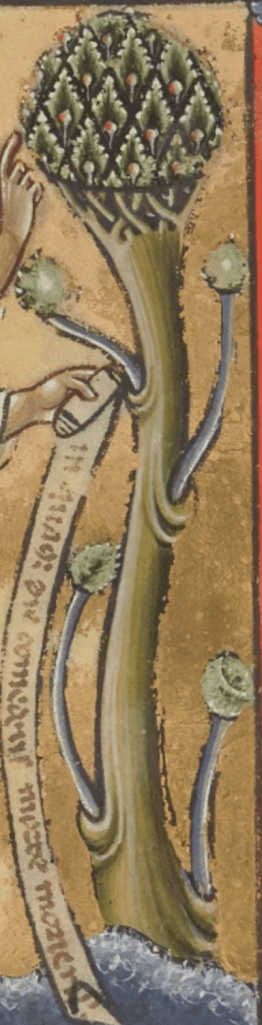
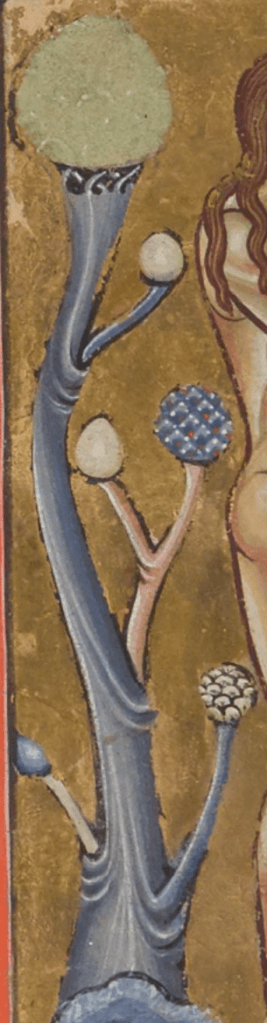
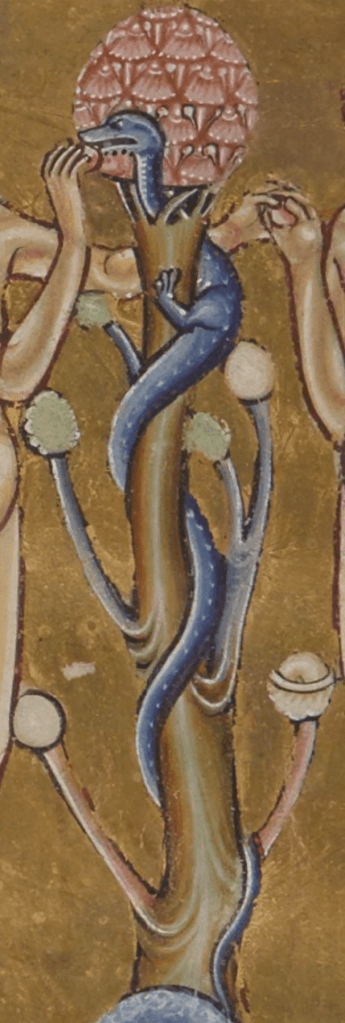
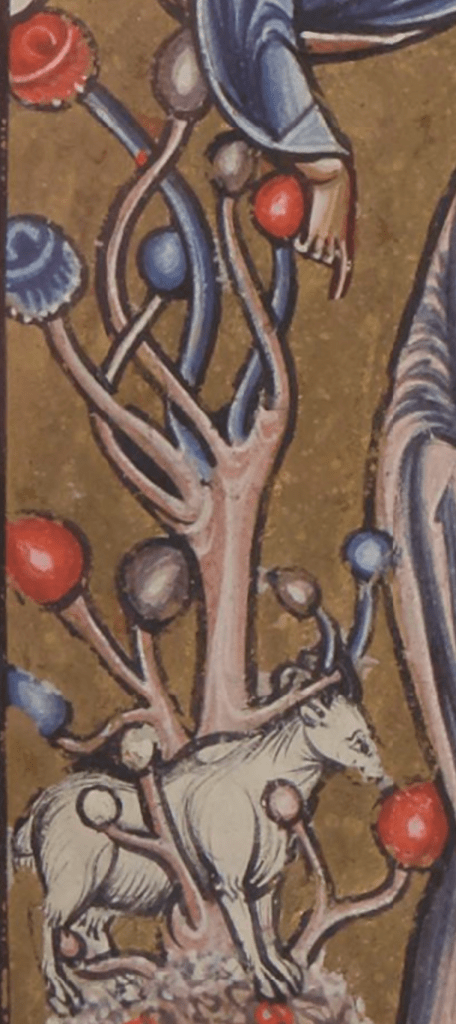
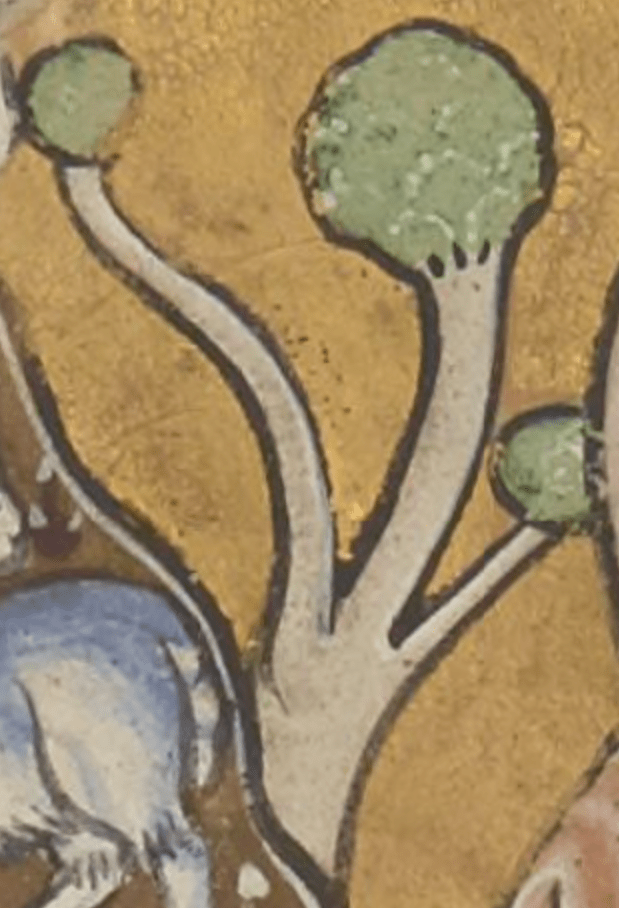
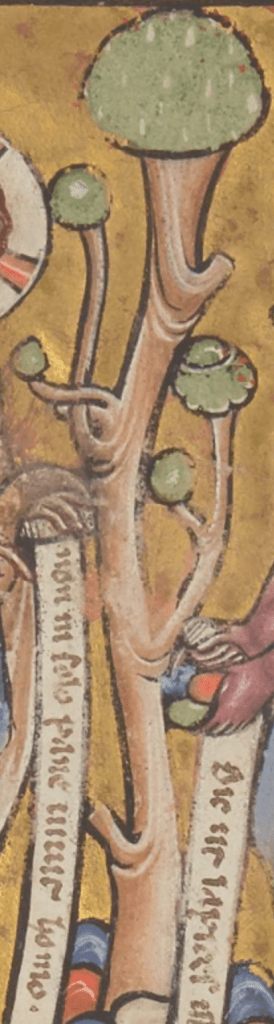
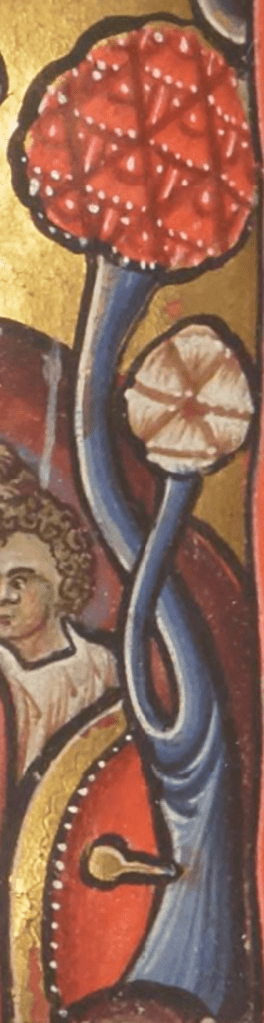
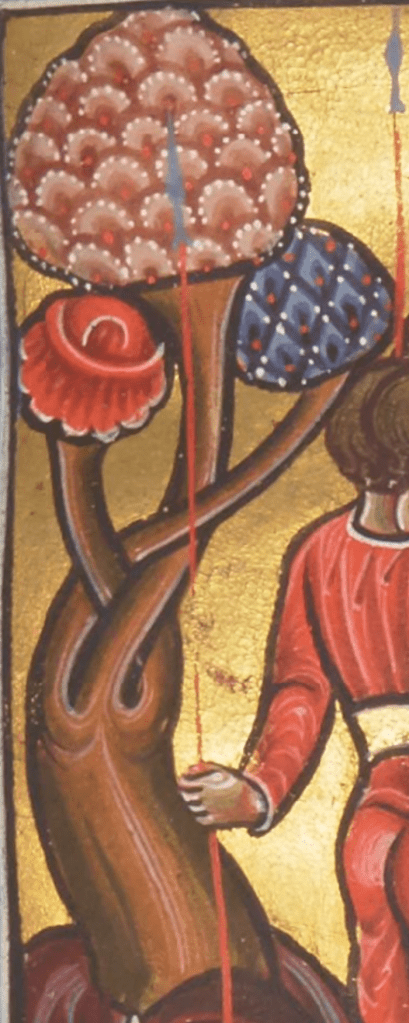
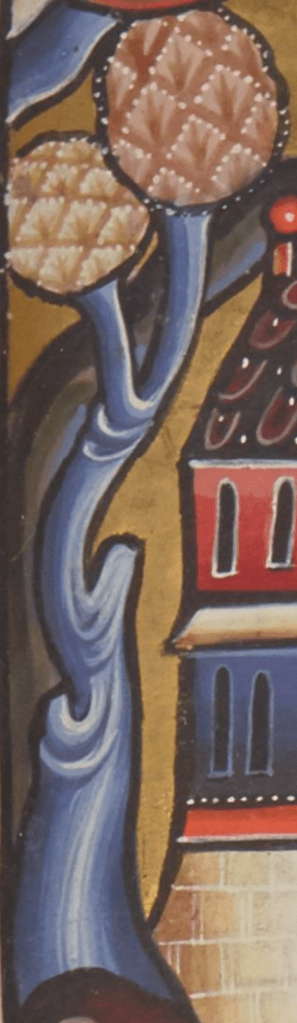
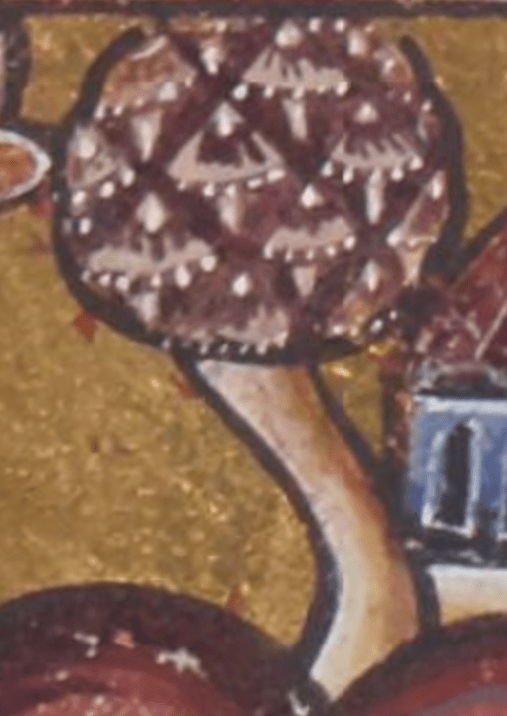
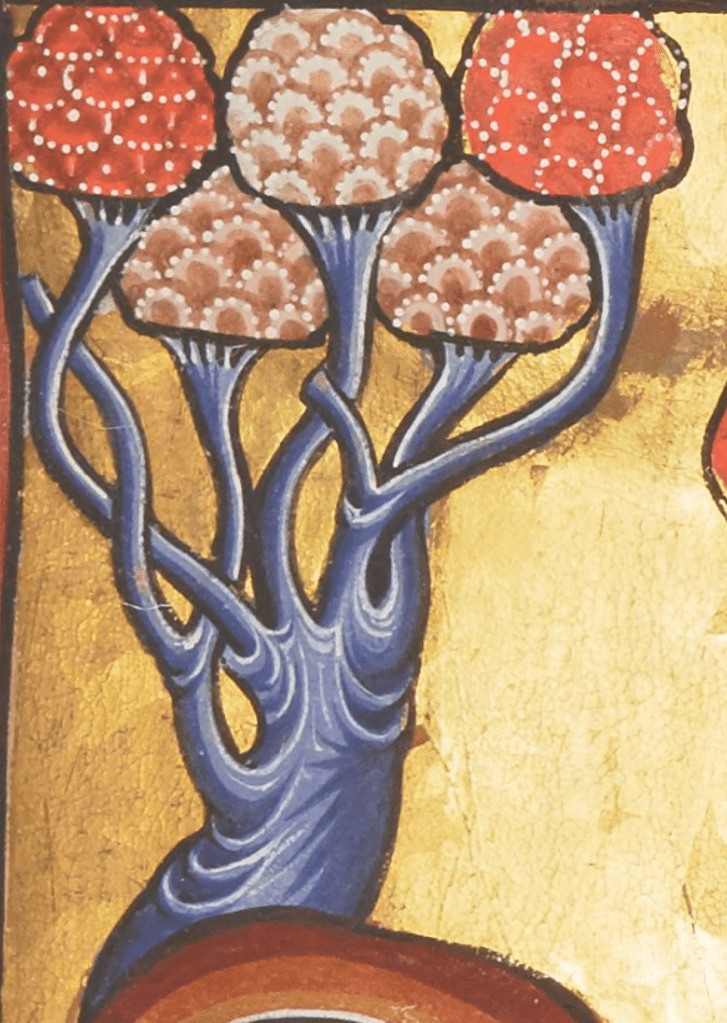
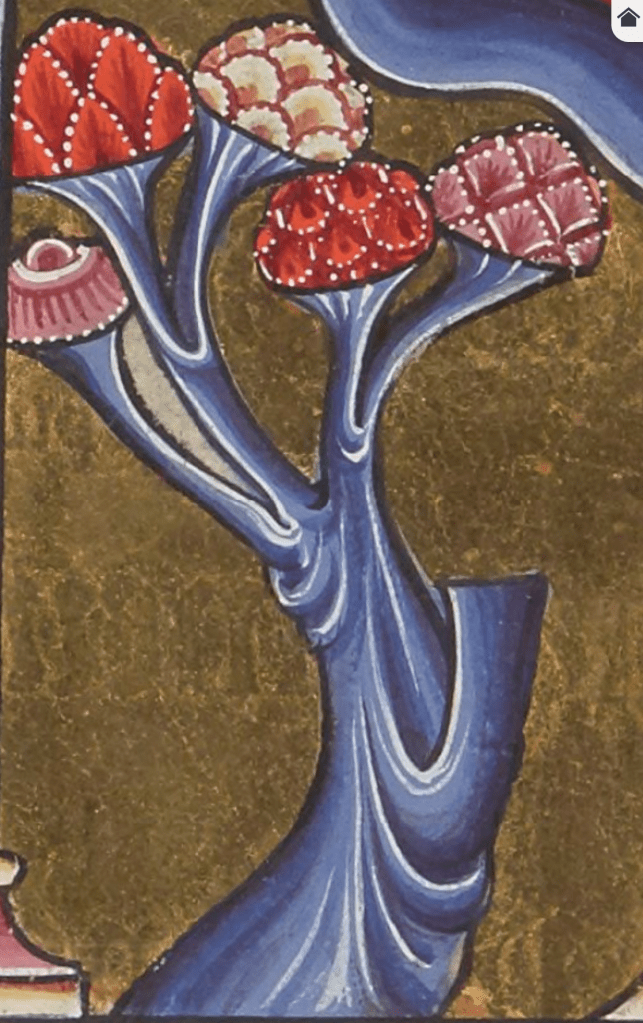
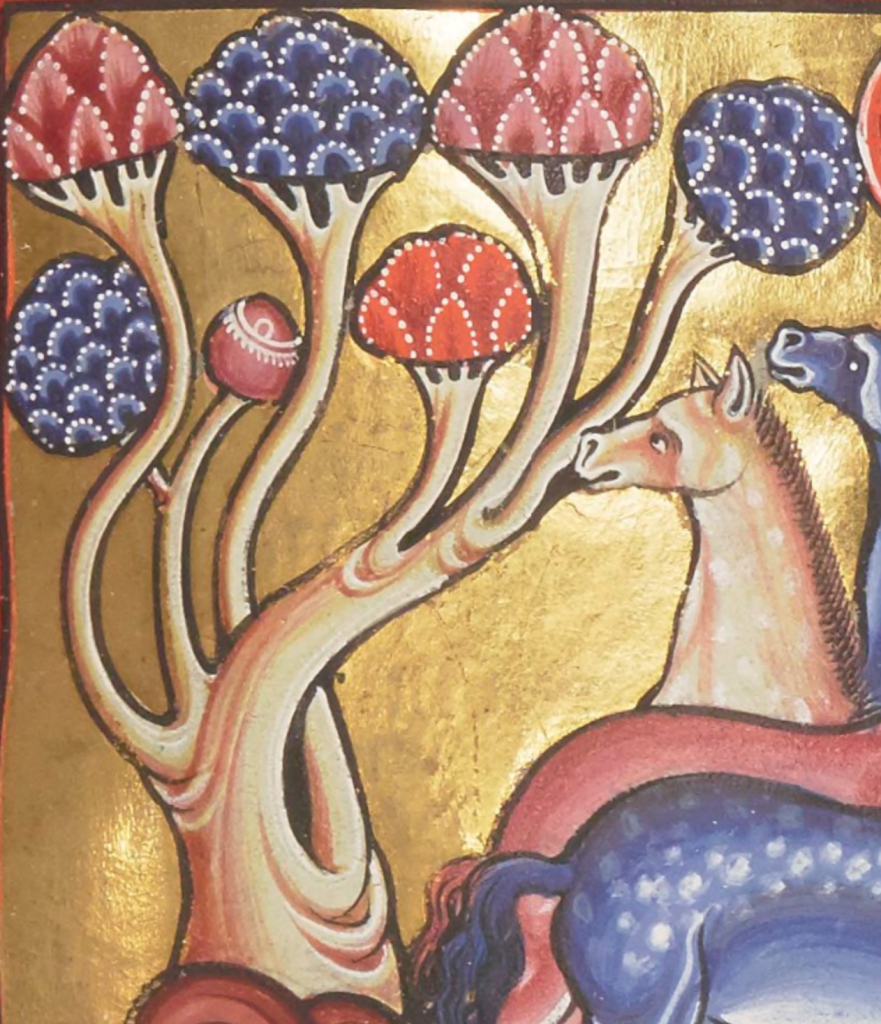
This page is for scholarly research, to explain the mystic-state transformation from the branching to the non-branching model of time, control, and possibility, by cataloging mushroom branching morphology art motifs in the Canterbury Psalter.

Branching morphology is important for branching-message mushroom trees.

Eadwine’s vine-leaf trees and vine motifs which accompany these branching-message mushroom trees, expressing the {non-branching} mytheme, are largely covered in the “Inventory” page, and find “vine” in:
Brinckmann, Mushroom Trees, & Asymmetrical Branching
https://egodeaththeory.wordpress.com/2020/12/11/brinckmann-mushroom-trees-asymmetrical-branching/

Canterbury Psalter Mushroom & Vine Inventory – presented by page/folio, with generally the whole scene.

The present page is specifically to present zoomed crops on each isolated mushroom tree in the context of the Egodeath theory (analogical psychedelic eternalism & control transformation), in order to give full attention to each individual mushroom tree.

That Inventory page also covers the altered-state lifted garment motif (identified by John Rush) of the Eadwine artists’ group that accompanies the branching-message mushroom trees and vine-leaf trees.

That Inventory page is scoped to show all mushroom trees, not all vine-leaf trees or all lifted-garment instances.

Proof that the Canterbury Psalter’s Leg-Hanging Mushroom Tree Is Psilocybe
https://egodeaththeory.wordpress.com/proof-canterbury-psalters-mushroom-trees-are-psilocybe/ – Ultimate explanation of Mushroom tree #71.

See Also

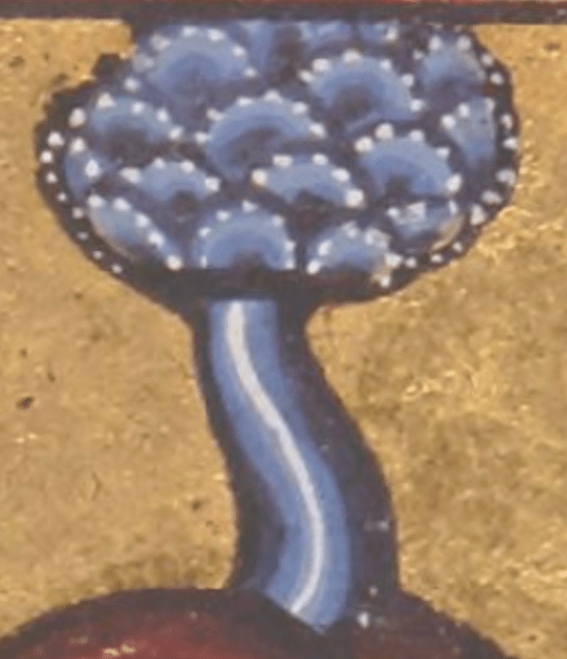
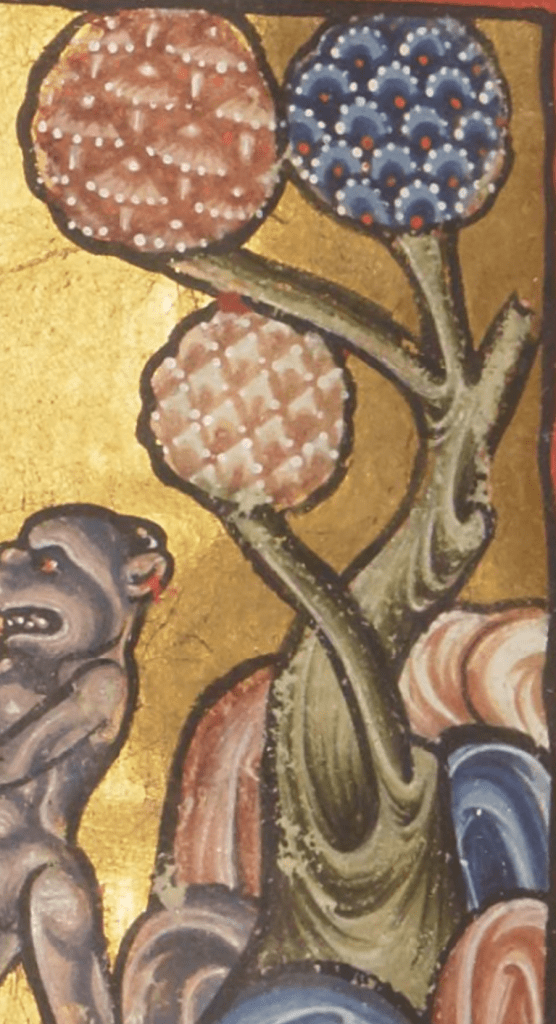
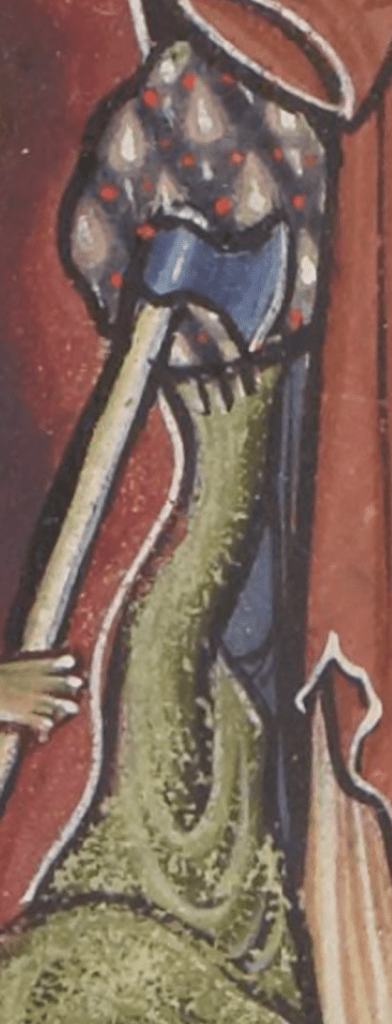
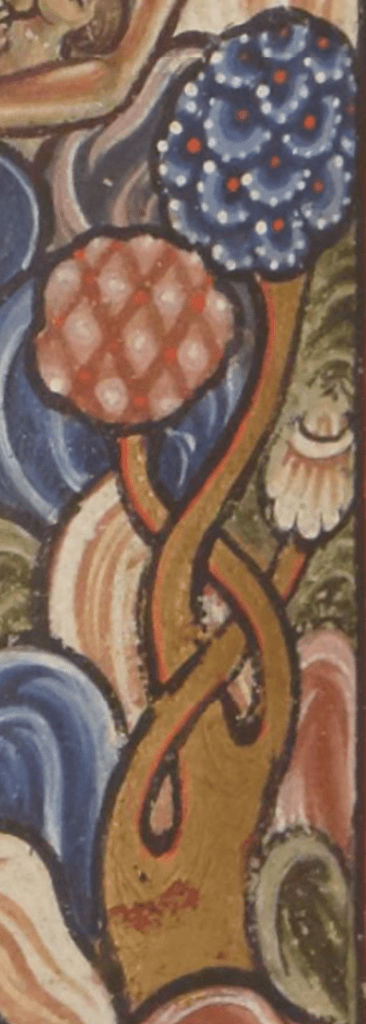
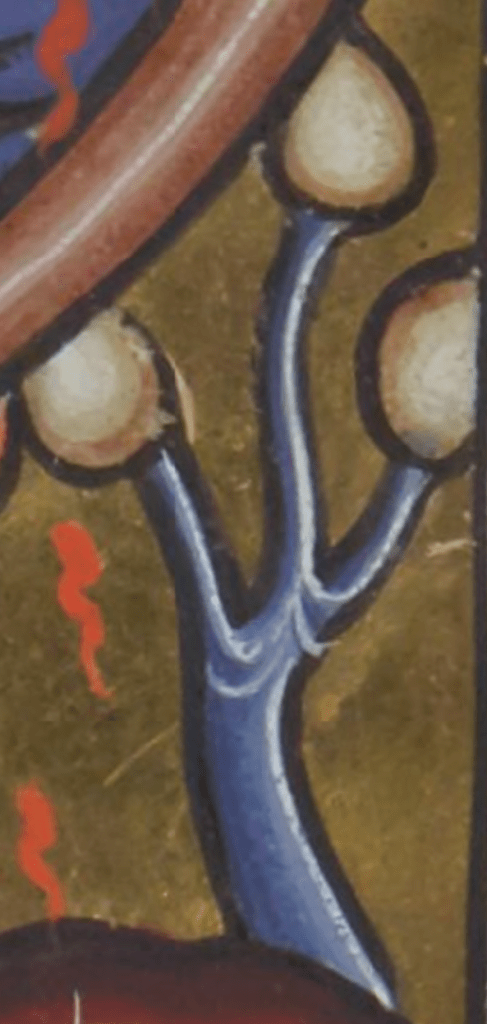
Mushroom tree #1: tan panaeolus, trident branching with 2 arms
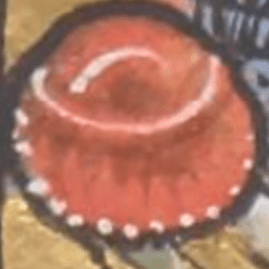
Mushroom tree #2: tan liberty caps, trident branching with 2 arms
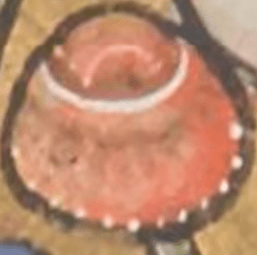
Mushroom tree #3: cubensis blue, bone shapes, 1 arm

Mushroom tree #4: white on red, two arms

Mushroom tree #5: liberty caps, non-branching

Mushroom tree #6: blue liberty caps, non-branching

Mushroom tree #7: panaeolus, non-branching

Mushroom tree #8: white on red, non-branching

Mushroom tree #9: leaf cap, veil branches, green panaeolus cap

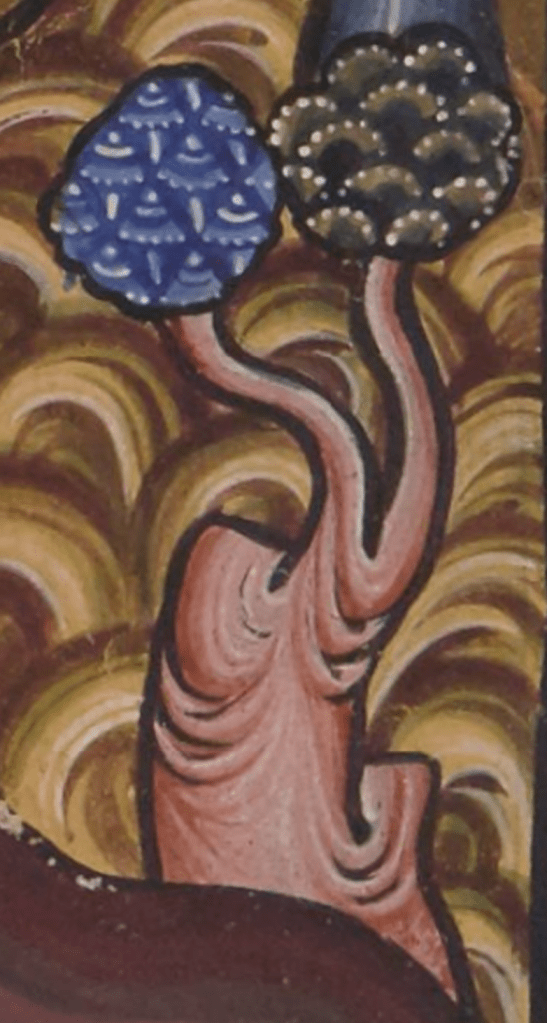
Mushroom tree #10: veil branches, blue stem, blue liberty caps, arms, branching, green fans

Mushroom tree #11: pink liberty caps, tan panaeolus, veil branches, legs on snake, leaf cap, 6 caps

Mushroom tree #12, leaf cap, blue arms, blue cones

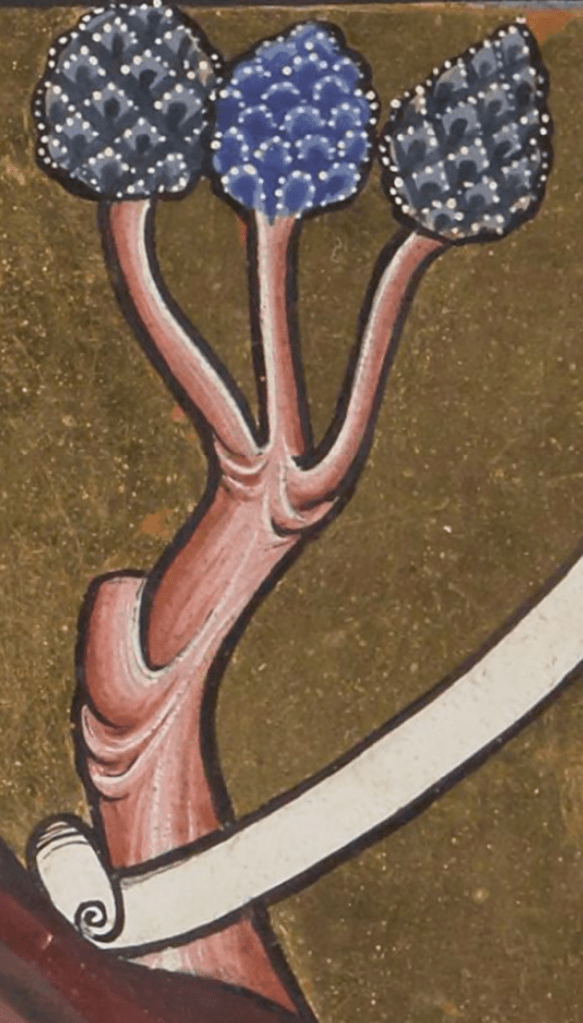
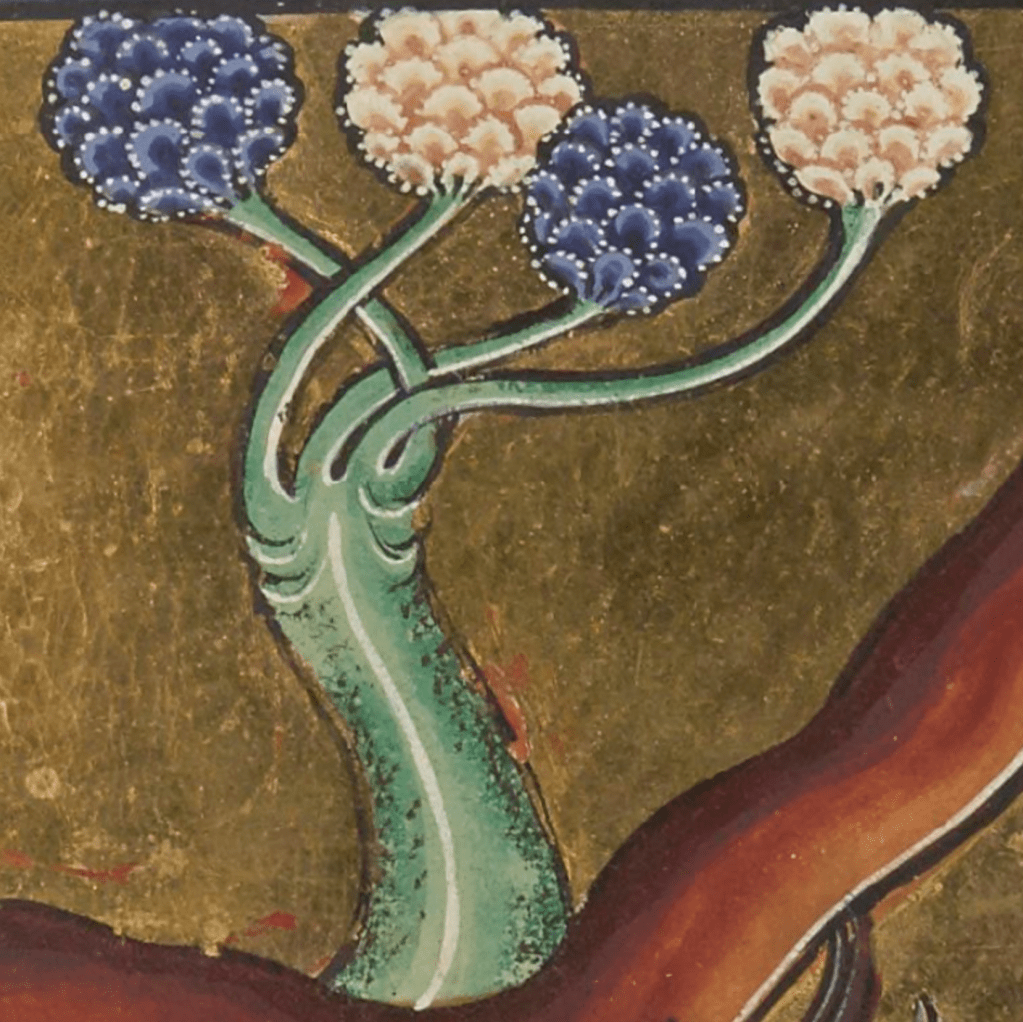
Mushroom tree #13: blue liberty caps, 4 caps, 3 arms

Mushroom tree #14: 3 arms, leaf cap, gray fans, green stem

Mushroom tree #15: pink panaeolus, veil branches, blue stem, green arms, 10 caps

Mushroom tree #16: red panaeolus, brown leaf cap, blue stem, cut branch, 6-arm trident branching

Mushroom tree #17: blue liberty caps, red panaeolus, tan cones, cut branches

Mushroom tree #18: mushroom thicket, blue panaeolus, red panaeolus, blue arms, brown stem, 16 caps

Mushroom tree #19: veil branches, 3 caps, green fans, 2 arms, trident branching

Mushroom tree #20: cut branches, 4 caps, blue fans, green stem

Mushroom tree #21: green panaeolus, cut branches, green cones, 5 caps

Mushroom tree #22: red vine leaf, tan liberty caps, tan panaeolus, blue stem, cut branches, red caps with white

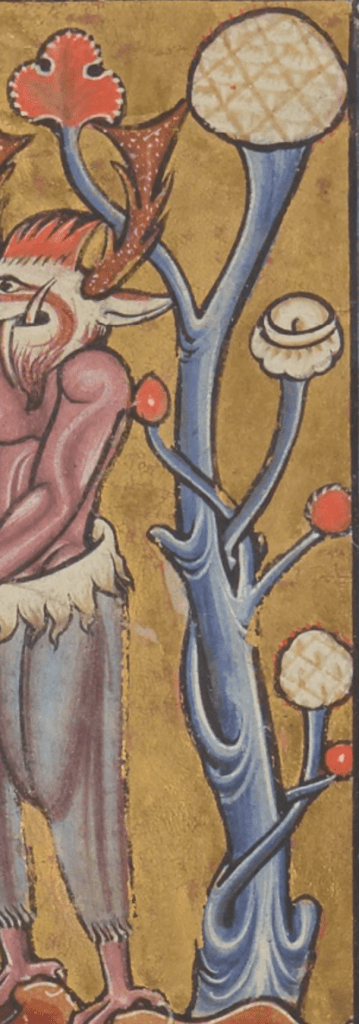
https://gallica.bnf.fr/ark:/12148/btv1b10551125c/f15.item.zoom – branching antlers of devil affirms possibilism

Mushroom tree #23: tan liberty caps, 1 arm

Mushroom tree #24: blue fans, 1 arm, blue stem

Mushroom tree #25: tan liberty caps, 1 arm

Mushroom tree #26: blue panaeolus, non-branching

Mushroom tree #27: 2x red panaeolus, blue liberty caps, red liberty caps, 30 caps, branching

Mushroom tree #28: blue liberty caps, brown cones, brown vine leaf/panaeolus hybrid, hanging right arm, veil branches, branching

https://gallica.bnf.fr/ark:/12148/btv1b10551125c/f20.item.zoom – Saved from dying in the river by right limb on non-branching area of tree; compare leg-hanging tree. Left arm is pouring into river.

Mushroom tree #29: red-brown fans, cut branch

Mushroom tree #30: liberty caps, panaeolus, blue wavy, cut branch

compare #30 & #74; find “wavy”

Mushroom tree #31: tan panaeolus, non-branching

Mushroom tree #32: blue cone-pairs, red fleur, Y-branching

Mushroom tree #33: tan liberty caps, cut branch

Mushroom tree #34: green panaeolus/vine leaf hybrid, non-branching

Mushroom tree #35: blue cones, red panaeolus, Y-branching

Mushroom tree #36: tan panaeolus, blue stem, Y-branching, red fans

Mushroom tree #37: blue liberty caps cones, 2 matching brown panaeolus, red stem, trident-branching

Mushroom tree #38: red liberty caps, tan cones/ liberty cap pairs, blue stem, Y-branching with 1 arm

Mushroom tree #39: red panaeolus, trident-branching with 2 arms

Mushroom tree #40: 2 caps, tan diamond leaves, brown diamond leaves, blue stem, cut branches, Y-branching with 1 arm

Mushroom tree #41: brown liberty caps, non-branching

Mushroom tree #42: blue fans, blue stem, non-branching

Mushroom tree #43: tan liberty caps, blue cones, veil branches, cut branches, 3 caps

Mushroom tree #44: brown panaeolus, trident-branching, blue diamond leaves, red diamond leaves, 3 caps, green stem, shared base

Mushroom tree #45, brown liberty caps, blue fans, cut branches, 3 caps

Mushroom tree #46: brown cones, cut branch, veil branches

Mushroom tree #47: blue shelf fans, brown diamonds, panaeolus cap, trident-branching with 2 arms

Mushroom tree #48: grey cones, 4 caps, 4-trident branching

Mushroom tree #49: 8 smooth caps, cut branches

Mushroom tree #50: blue stem, cut branch, sand cones, pink fans, 2 caps

Mushroom tree #51: 3 smooth sand caps, blue stem, trident-branching

Mushroom tree #52: 3 tan caps, blue stem, trident-branching

Mushroom tree #53: 2 caps, pink panaeolus, pink fans, Y-branching

Mushroom tree #54: pink liberty caps, blue panaeolus cap, tan sphere cap, 5-way branching with shared base

Mushroom tree #55: 5 caps, cut branches, veil branches, tan liberty caps, red fans, blue leaves

Mushroom tree #56: tan cones, red fans, blue fans, reddish stem, trident-branching, next to wheat tree

Mushroom tree #57: 3 caps, grey diamonds, blue fans, cut branch, trident-branching

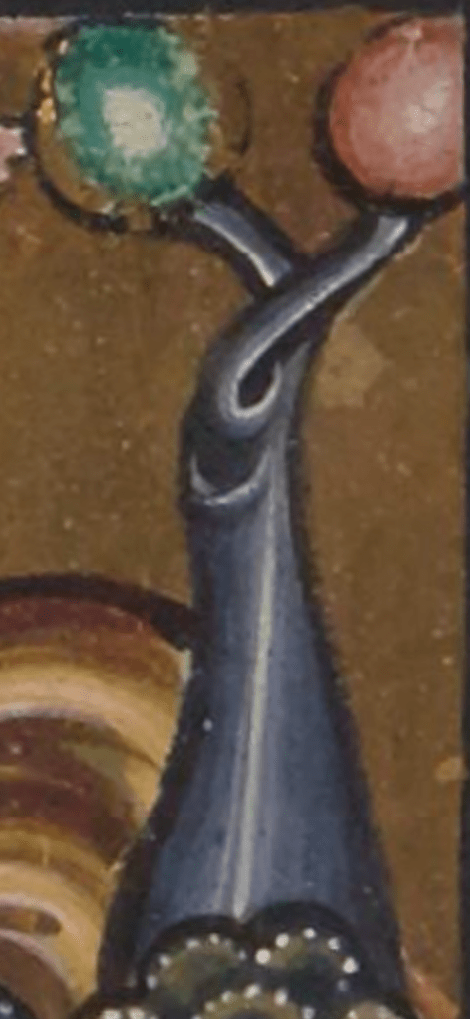
Mushroom tree #58: green & red balls, blue stem, Y-branching

Mushroom tree #59: blue panaeolus, green fans, cut branches, Y-branching

Mushroom tree #60: 4-way branching, green stem, tan fans, blue fans

Mushroom tree #61: tan fans, non-branching

Mushroom tree #62: pink fans, cut branch

Mushroom tree #63: pink fans, cut branch

Mushroom tree #64: Three shiny brown caps, trident-branching

Mushroom tree #65: 2 brown shiny caps, cut branch

Mushroom tree #66: pink fans, cut branch, pink stem

Mushroom tree #67: 5 caps, cut branches, blue stem, panaeolus cap, red panaeolus cap, red fans, tan cones, brown fans

Mushroom tree #68: 3 caps, blue fans, veil branches, cut branches

Mushroom tree #69: 4 caps, cut branches, diamond leaves

Mushroom tree #70: red liberty caps, blue stem, veil branches, cut branches, 5 caps, brown fans

https://www.google.com/search?q=shelf+fungus – When mushroom hunting, you come across a striking range of forms, including shelf fungus.

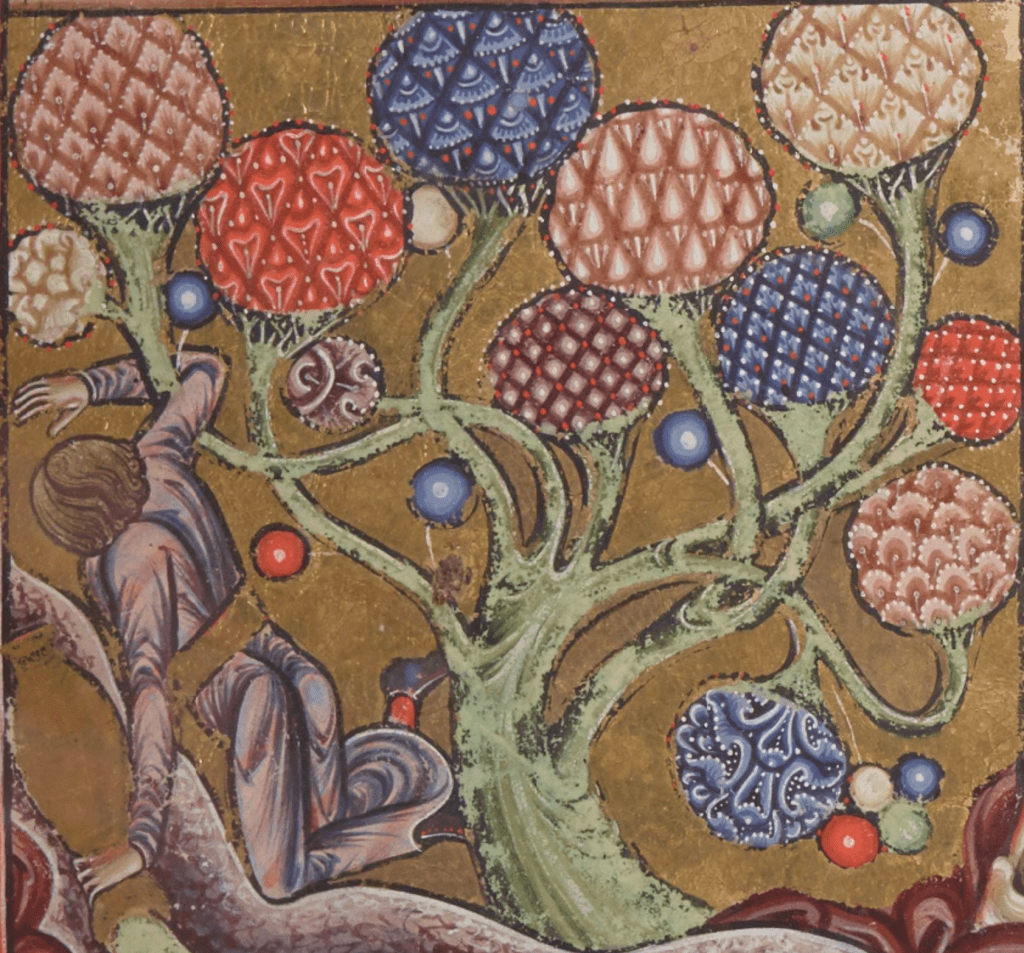
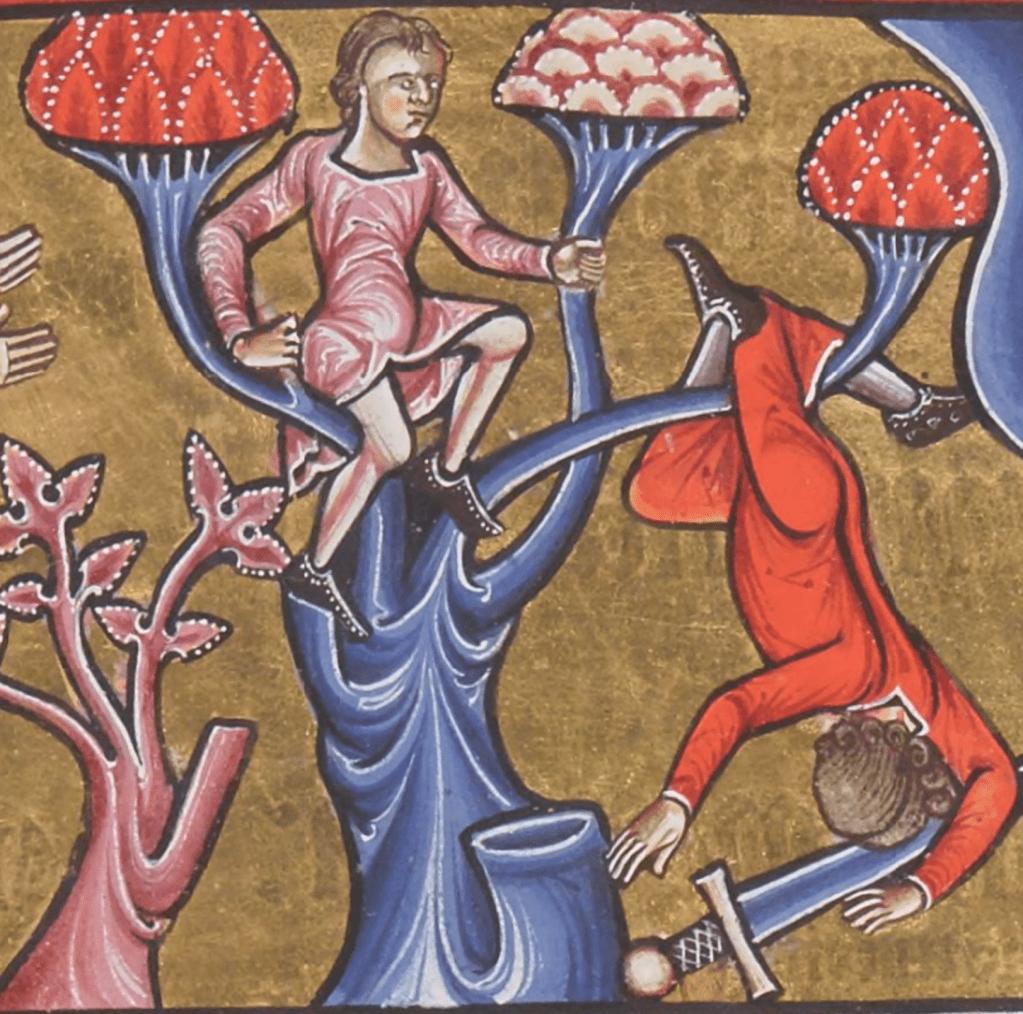
Mushroom tree #71: leg-hanging, balance, sword, veil branches, blue stem, cut branches

Proof that the Canterbury Psalter’s Leg-Hanging Mushroom Tree Is Psilocybe
https://egodeaththeory.wordpress.com/proof-canterbury-psalters-mushroom-trees-are-psilocybe/

March 16, 2022: fine-tuning my read, my interpretation & reading of this image:

This image is to be read as depicting high-capability mystic acrobatics, not just as desperate struggling to avoid cybernetic catastrophic control-failure death.

If your brow is furrowed, like that of the failing students/candidates for initiation, you interpret these men as desperately struggling to avoid death.

If your brow is un-furrowed, like that of the passing student/candidate for initiation, you are eligible to balance and dangle skillfully at God’s sword of differentiation between egoic possibilism-premised thinking vs. transcendent, eternalism-premised thinking about the foundation of personal control.

We are being shown skillful balancing and deliberate, masterful touching of the sword of control-agency death, cancelling and disproving (“cutting off”) the branching-possibilities model of personal control. In the branching model (Possibilism), future control-thoughts don’t exist already as a single set of thoughts.

In the ordinary experiential state, king ego is presumed to have the power to steer through a tree of presumably non-settled possibilities, to create one’s future control-thoughts.

In the mystic altered state, that experiential mode ceases, and the experienced branching of possibilities is cut off, along with king ego’s presumed, previously experienced power of steering among the supposed branching possibilities.

I also want to shift from characterizing these as roughly, wildly “broken off” branches to cultivated and intentional “cut off” branches, more cleanly; they are always clean cuts, as from an axe – or God’s sword – not rough breaks. Like clean mystic acrobatic skill; reference the two smiling (skilled, adept) cybercide guys. So I globally changed “broken branches” to “cut branches”.

– Michael Hoffman

Mushroom tree #72: 5 caps, pink panaeolus, red liberty caps, blue stem, veil branches, cut right branch

Specimen photo: veil branches (cortinate veil)

Mycology Start website
https://mycologyst.art/mushroom-identification/mushroom-morphology/cap-margins/

See also:
Paul Stamets book Psilocybin Mushrooms of the World, p. 202, “Diagram C” page, diagram: “Cortinate Partial Veil”

https://www.bing.com/images/search?q=cubensis

Mushroom tree #73: 7 caps, pink panaeolus, veil branches, 2 pink leaves, 1 red leaves, 2 blue fans

Mushroom tree #74: 3 caps, 2 pink liberty caps, veil branches, blue wavy cap, cut branches

Mushroom tree #75: 3 caps, trident-branching, 3×3 veil branches, blue stem, red spirals, red fans, pink diamond leaves

See Also

Canterbury Psalter Mushroom & Vine Inventory
https://egodeaththeory.wordpress.com/2020/12/13/canterbury-psalter-mushroom-inventory/

Proof that the Canterbury Psalter’s Leg-Hanging Mushroom Tree Is Psilocybe
https://egodeaththeory.wordpress.com/proof-canterbury-psalters-mushroom-trees-are-psilocybe/

Gallery of Mushrooms in Christian Art
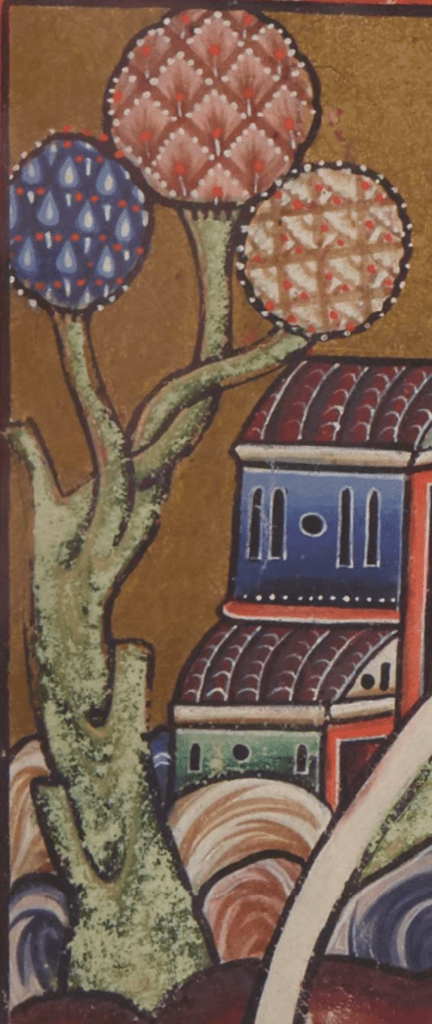
https://egodeaththeory.wordpress.com/2020/12/13/images-of-mushrooms-in-christian-art/

Defining “Compelling Evidence” & “Criteria of Proof” for Mushrooms in Christian Art
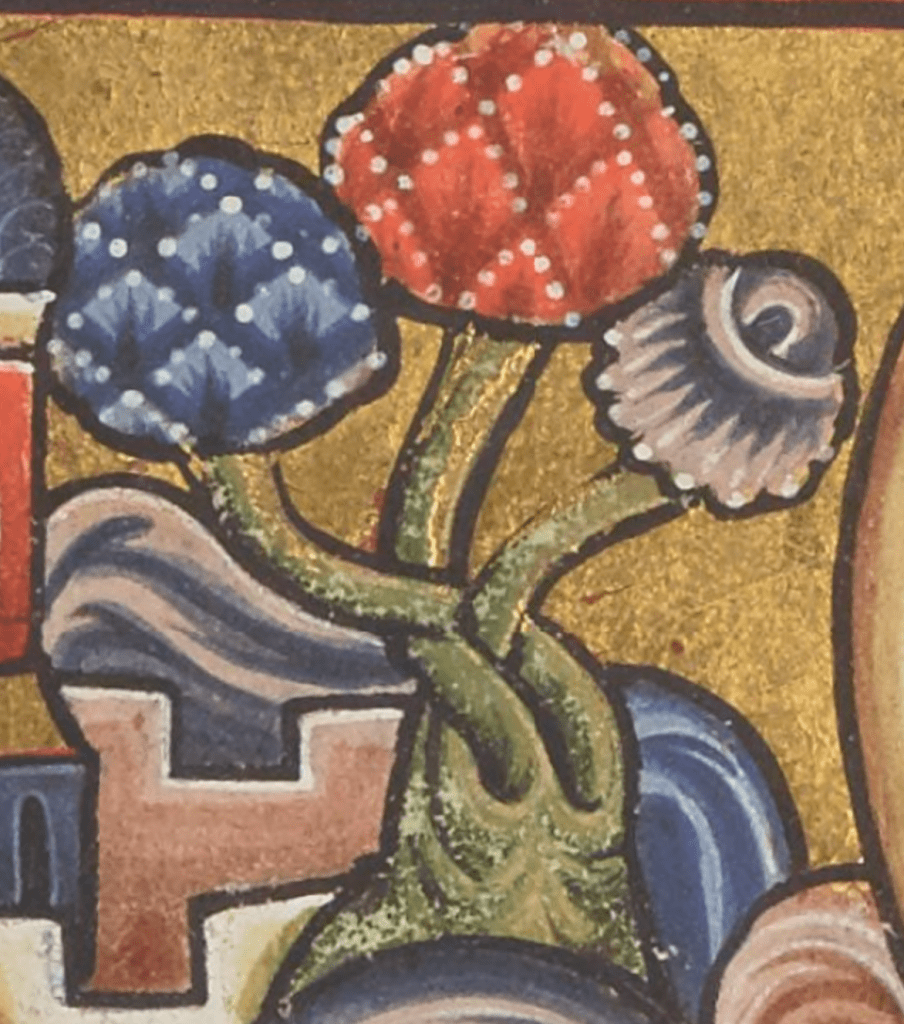
https://egodeaththeory.wordpress.com/defining-compelling-evidence-criteria-of-proof-for-mushrooms-in-christian-art/

Brinckmann, Mushroom Trees, & Asymmetrical Branching
https://egodeaththeory.wordpress.com/2020/12/11/brinckmann-mushroom-trees-asymmetrical-branching/ – Albert Brinckmann identified the theme of vine-leaf trees in medieval art in this 1906 book. This is the book that Erwin Panofsky cited in the letter to Gordon Wasson about Plaincourault’s branching mushroom tree. Wasson replaced the citation of this Brinckmann book by ellipses (and silently omitted Panofsky’s two photostat images) every time he publicly republished that letter from Panofsky.