5 strands in bk, entheogens is only one of five, and is half strong relatively pushing boundary as much as he permitted eg he is forbidden from including ‘entheogens’ in his index.
he is restricted to citing his exoteric esotericism , entheogenic esotericism article 3x – and that article isnt even about antiquity, but in it he remorsefully regrets being suckered that “newage inspiration wasnt from psychedelics”, and he fell for grof hypervent baloney that doesnt work, bc he failed to account for censorship estabmt prohibition false story enforcement.
this bk is a newage visualization imagination exercise for acad scholars
he fails tries to hide his worst idea of any academic ever, by obfuscation and failing to translate latin to english bc ridiculous as Merkur arguing that Gnostics didnt use msh , bc they avoid the physical – “sensu lato and sensu stricto” – aka nondrug entheogens aka nondrug psychedelics, to translate from Hane’s magical fear-driven language into plain English.
he shows academics how to dissimulate by proposing & imagining vague “other methods” that cannot produce max ctrl seizure divine madness as psil scop & syrianrue provably reliably do. useful for academics, sign on board to nondrug enths that work as well as psilocyb to produce experience of Heimarmene gate terror control loss and forced transformation to have Fear of the Source of your control thoughts & will.
The book makes great progress in some areas, but holds back in others. The author includes phenomenology in her analysis of religious texts and rituals. She provides a theoretical basis and bibliographical background for applying the cognitive phenomenological theory of religious experiencing to the study of historical evidence. But she is not well read on the entheogen theory and evidence for entheogens. She focuses on caves and underground chambers. This focus tends to distort her presentation of various cults and figures. She discusses entheogens only a little, though she does not diminish them. This is a book that describes historical evidence for altered states of consciousness with a relative degree of sophistication, but does not mention the entheogen theory of religion and culture. She does not discuss determinism, self-control loss, and cybernetics in any detail.
There have been at least two reviews of the book published in scholarly trade journals:
Bummer that Hanegraaff’s book abandons his “worst idea of any academic ever”, “entheogens in the wide sense” aka “non-drug entheogens” aka “non-drug psychedelics“.
I won’t get to make fun of him.
Correction: he hides it in Latin, didn’t abandon his bunk harmful idea. Saved! he does use this bad idea in the book; he hid it behind Latin, as done in his video keynote: find “sensu lato” – he continues his laughingstock move.
The traditional non-drug methods of the hermetist theurgists – that traditional academic phony presupposition is debunked by his new book, following his self-contradictory moves around footnote 3 in his article/chapter in book Contemporary Esotericism, Entheogenic Esotericism (a term I posted to the w w web 8 years before his article, telling him “Do not assert the dumb idea of non-drug psychedelics like you’re going to do 8 years from now”, but he didn’t listen to me.
bullshiite in the wide sense
Proposition:
Non-drug meditation can induce the intense mystic altered state as ergonomically as psychedelics.
True or false? False, therefore for all practical purposes, this is a FALSE (IE MISLEADING) CLAIM:
Non-drug meditation can induce the same intense mystic altered state as psychedelics.
Hanegraaff was trying to sell the idea of “non-drug psychedelics”
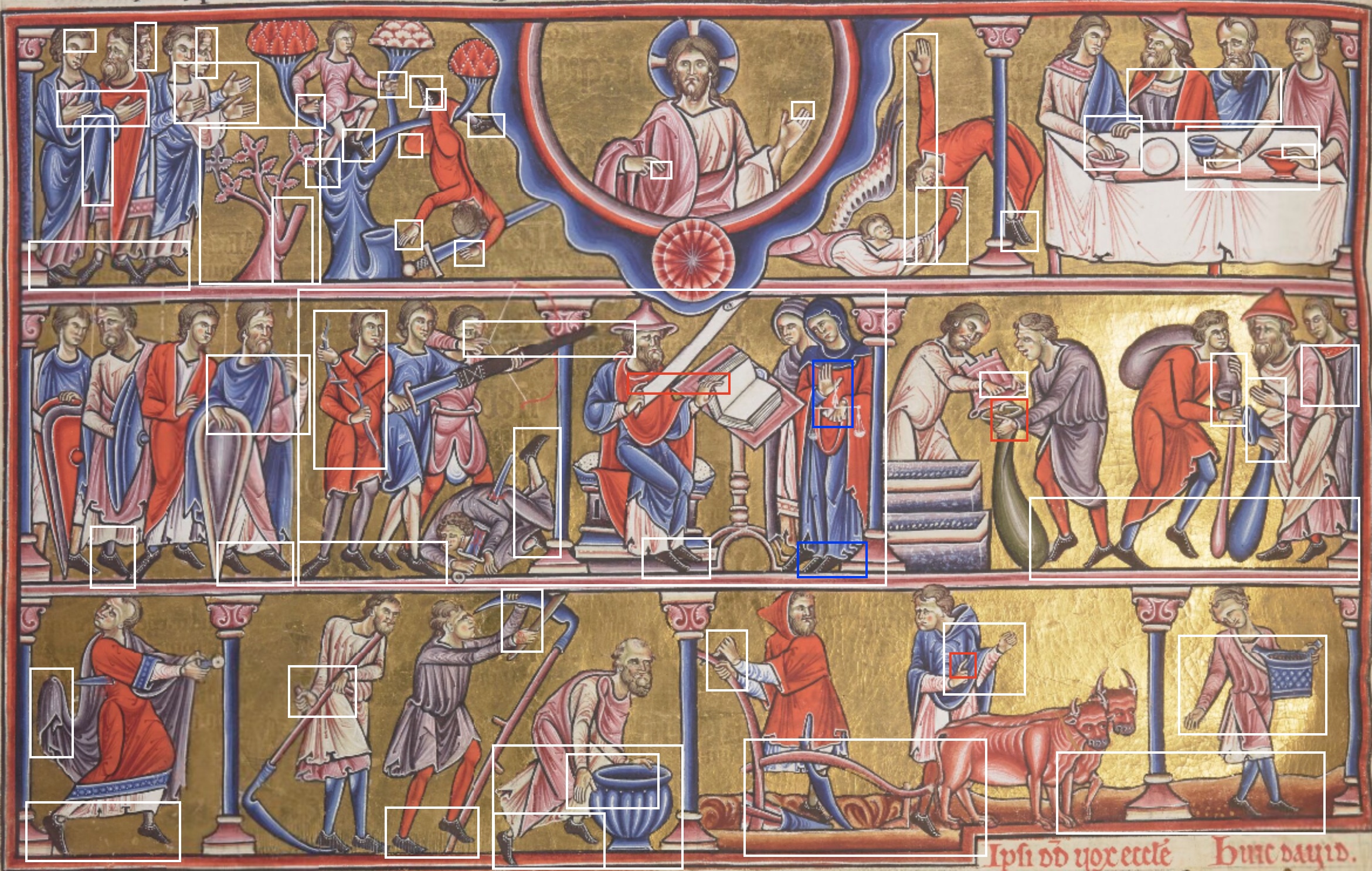
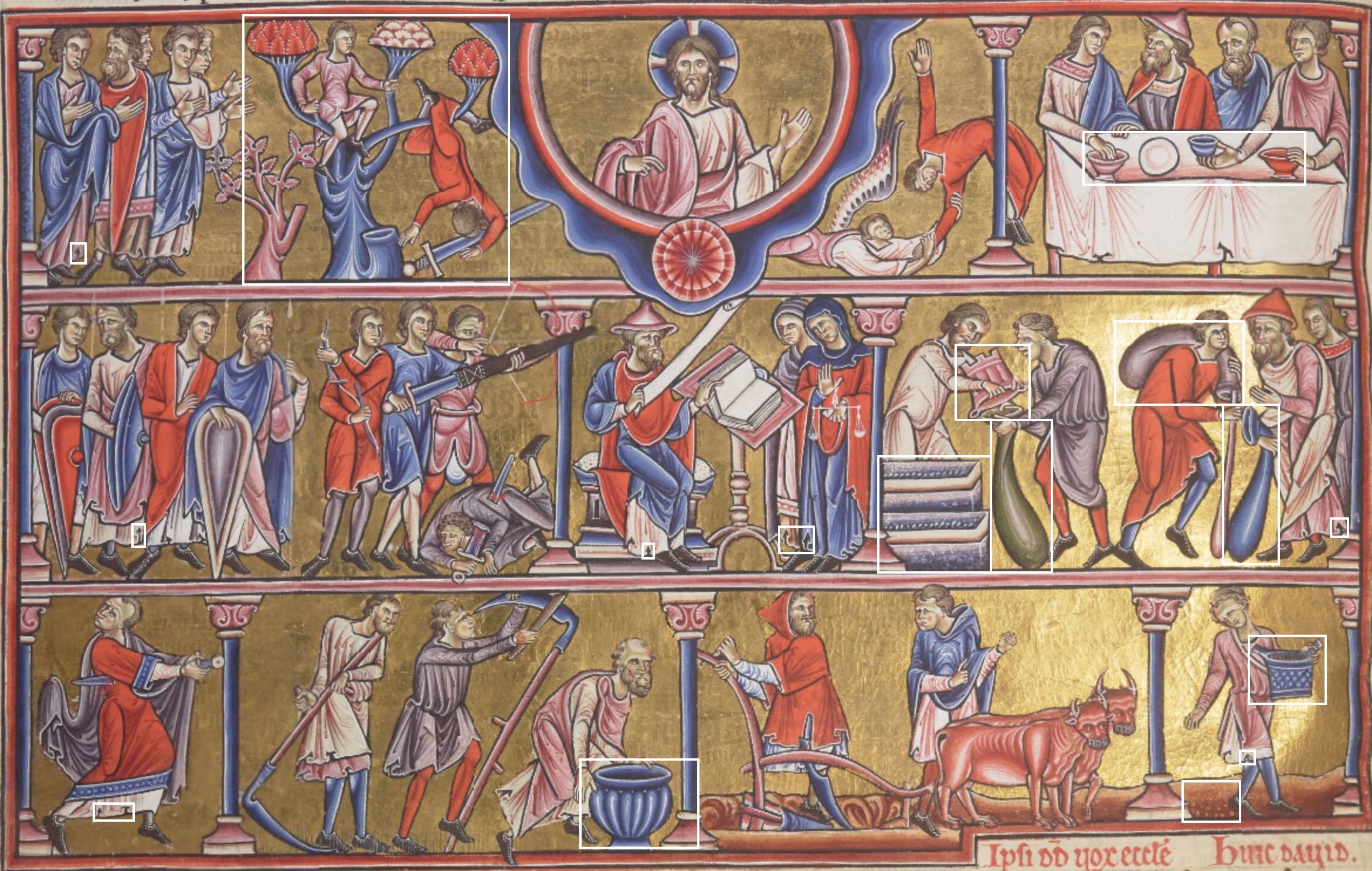
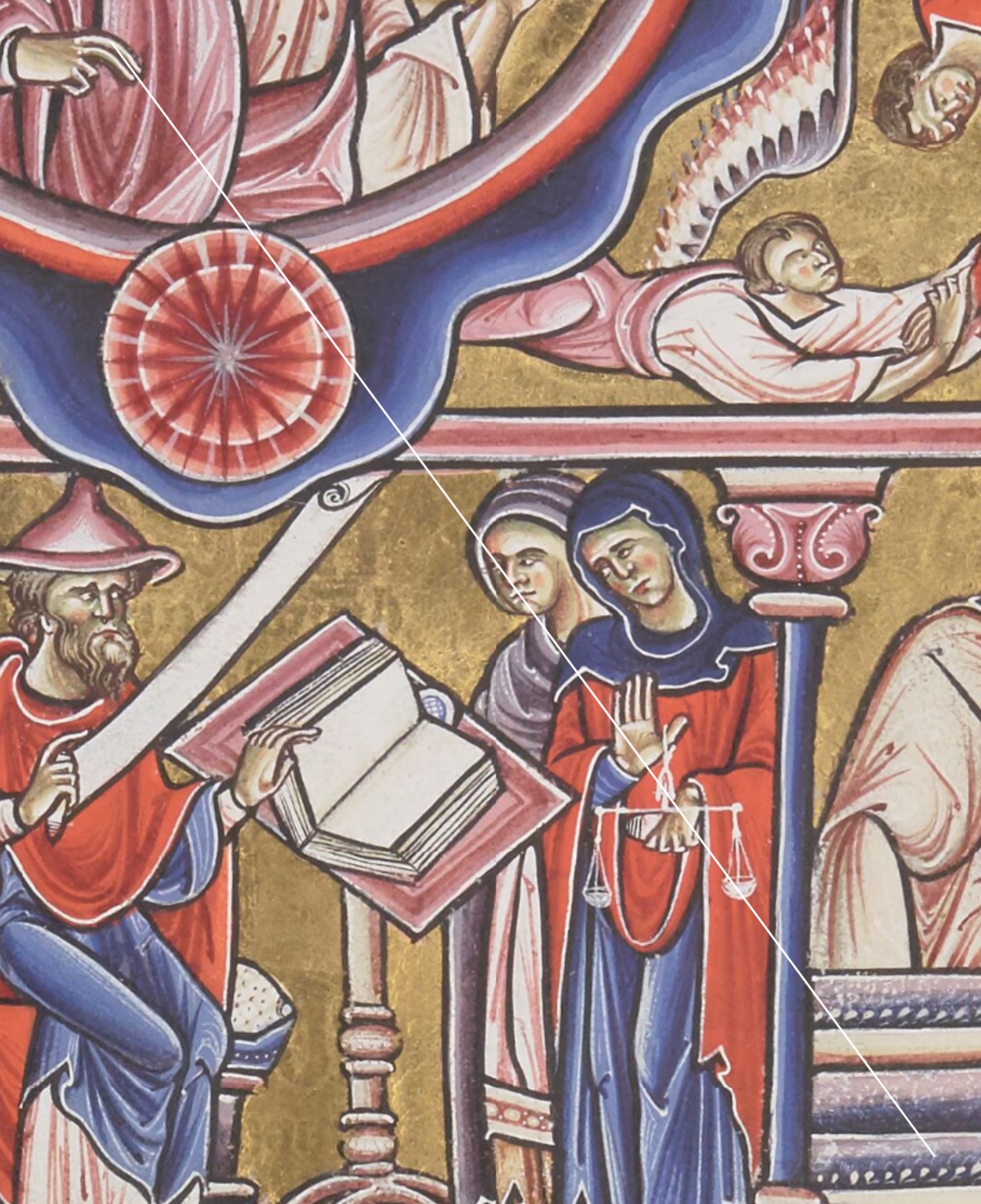
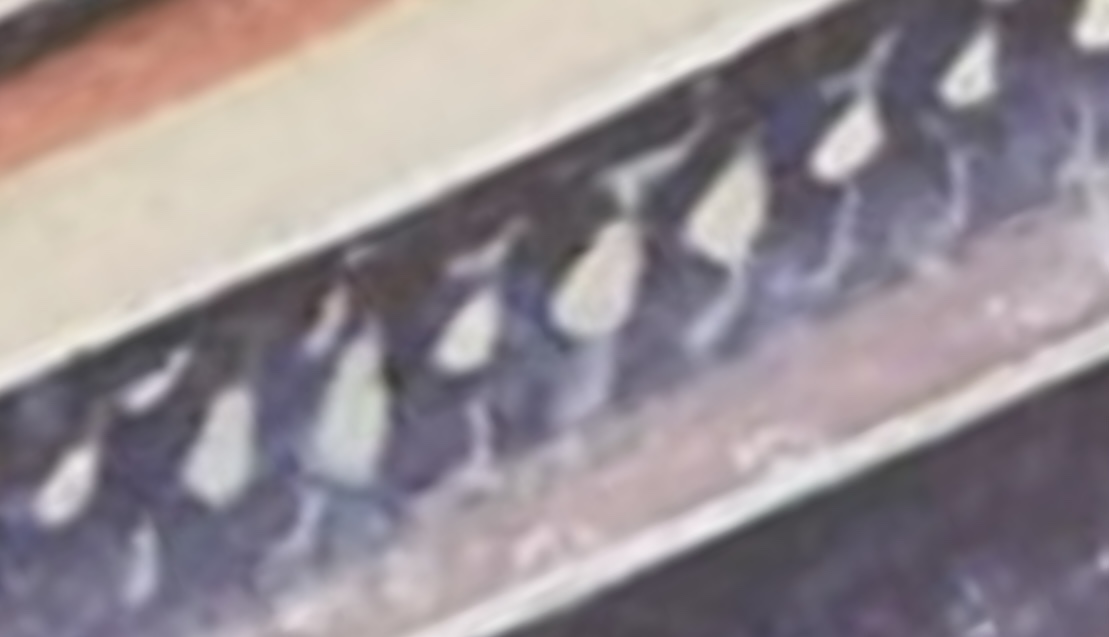
The use of non-drug psychedelics, such as cave meditation and imagination exercises, produces as intense of an altered state as two bowlfuls of Psilocybe Cubensis as shown in Eadwine’s Great Mushroom Psalter.
Wording in the 2012 Chapter/Article
“entheogenic religion (in the wide sense)”
“entheogenic religion (in the narrow sense)”.
Wording in the 2012 Keynote Lecture
“entheogenic religion (sensu lato)”
In Hanegraaff’s 2012 Keynote Lecture/Video at ContERN, he reads aloud his Entheogenic Esotericism article but says in one place, Latin instead of English.
“Wouter J. Hanegraaff (University of Amsterdam) introduces the notion of entheogenic esotericism in this keynote lecture to the First International Conference on Contemporary Esotericism (Stockholm University, 2012). Hanegraaff argues that the use of psychedelic substances in not only Western esoteric currents, but in contemporary religion more broadly, has not been sufficiently recognized in academic studies.”
NOTICE when he says “such as the traditional methods of the theurgists”, he censors out his Footnote 3, where he cites Luck’s article that shows that theurgy is entheogen (substance) based.
Also notice the video text description reveals his hand: there’s no BS about “wide sense”; it straight-up honestly, non-deceptively says “substances need more attention”, not “non-drug entheogens (entheogens in the wide sense) need more scholarly attention”.
Wording in the 2022 Book
“entheogenic esotericism (sensu lato and sensu stricto)”
[1:43 Feb. 3, 2026]: row 2 R, red guy: upper hand is subtle YI; gap between Index finger and 3 other fingers. thus, hand-pair = lower: Y’, to upper: YI. See section below: Decoded: Hand-Shape Pairs in f134 Row 2 Right = Y’ (via folded fingers, no thumb), then YI (via 3 fingers & 1 finger, or via fingers & thumb)
6:56 p.m. Feb. 22, 2026 – Row 2 L: guy 3 (red) does NOT simply Y; is IY via splayed pinkie.
Decoded {attached youth with no limbs} = qualified possibilism-thinking
see recent like Dec 2025 or Jan 2026 list of all figures in f134 that have two faces.
I now think of left woman w/o limbs as the {balance scale} woman in her youth before learning eternalism-thinking. = Y’ hand = {balance scale} woman’s lower hand.
Breakthrough Decoding the Pair of Women
todo: crop: row 2 middle & right, showing two women and the floating guy, lines from cut fingers to missing limbs
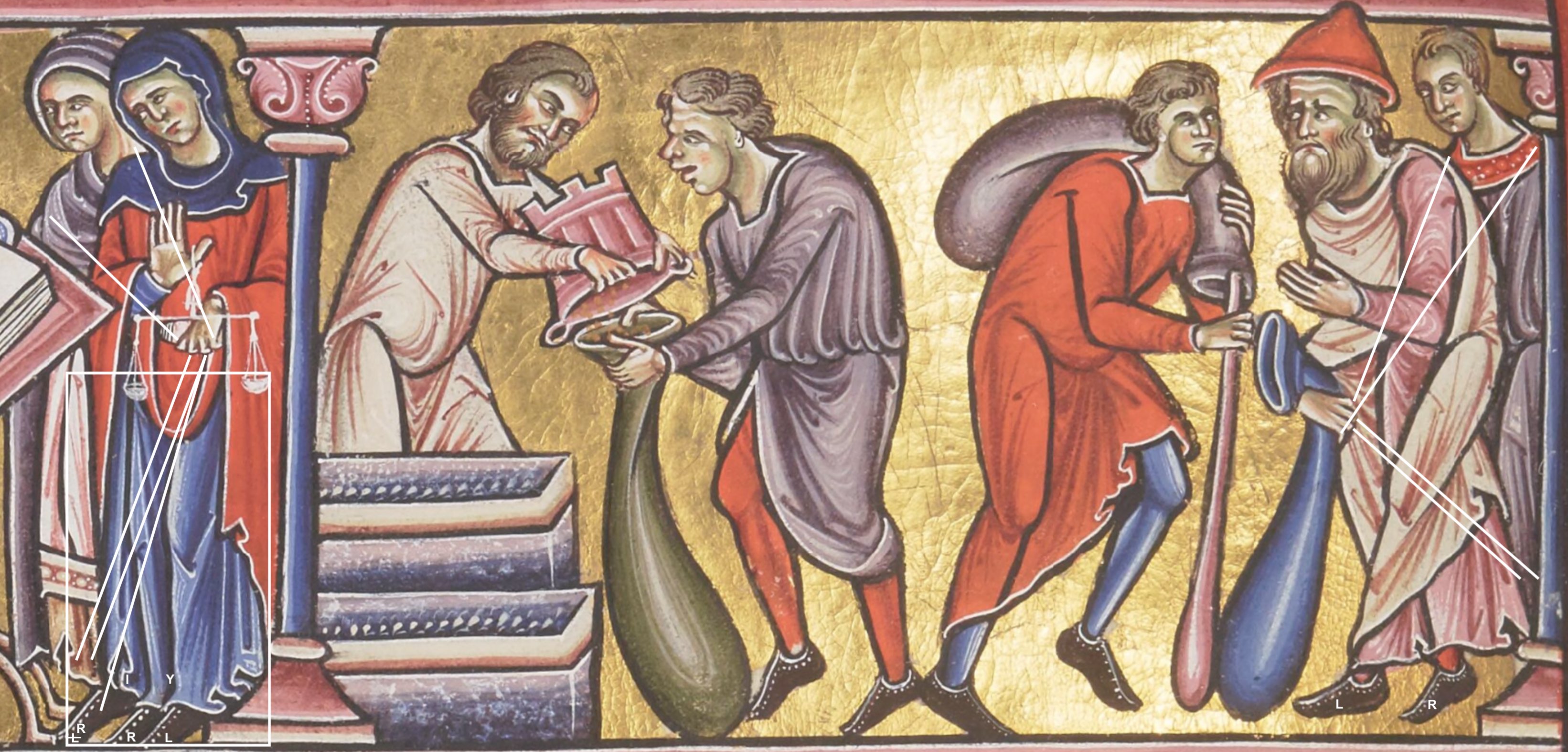
Row 2 Right: Limbless Maiden and Youth Mapped to Y’ Hand; YI Legs of 3-Legged Woman
It is not possible for the maiden to have a foot, because has no limbs. Therefore woman has a second Right foot, forming a YI pair via 3 legs. Means: Rely on integrated possibilism/eternalism thinking (the Y; the two legs to the right), and, {stand on right foot}.
I puzzled since 2020: why L foot touch {stable column base}? Rather her pair of legs touch ground and {stable column base}. And additionally affirms {stand on right foot} via indep 3rd leg. Having 3 legs … a YI pair of legs + a Right leg, is preferable to saying that the limbless maiden has a limb (the 3rd foot puzzle).
6:48 p.m. Feb. 22, 2026: The {balance scale} woman’s lower hand’s FOUR FINGERS CUT = maiden’s FOUR LIMBS CUT
Try same on r2 R: Row 2 Right: wise guy Y’ hand has 4 fing cut, attached youth has 4 limbs missing? Yes.
Try same on r1 L: teacher has attached youth face. Doesn’t fit, there. Teacher doesn’t display 4 cut fingers.
woman at ps reader w/o limbs: motif: the {youth’s limbs are cut off} 6:43 p.m. Feb. 22, 2026 – SOLVES PUZZLE OF “2nd head attached, no limbs”.
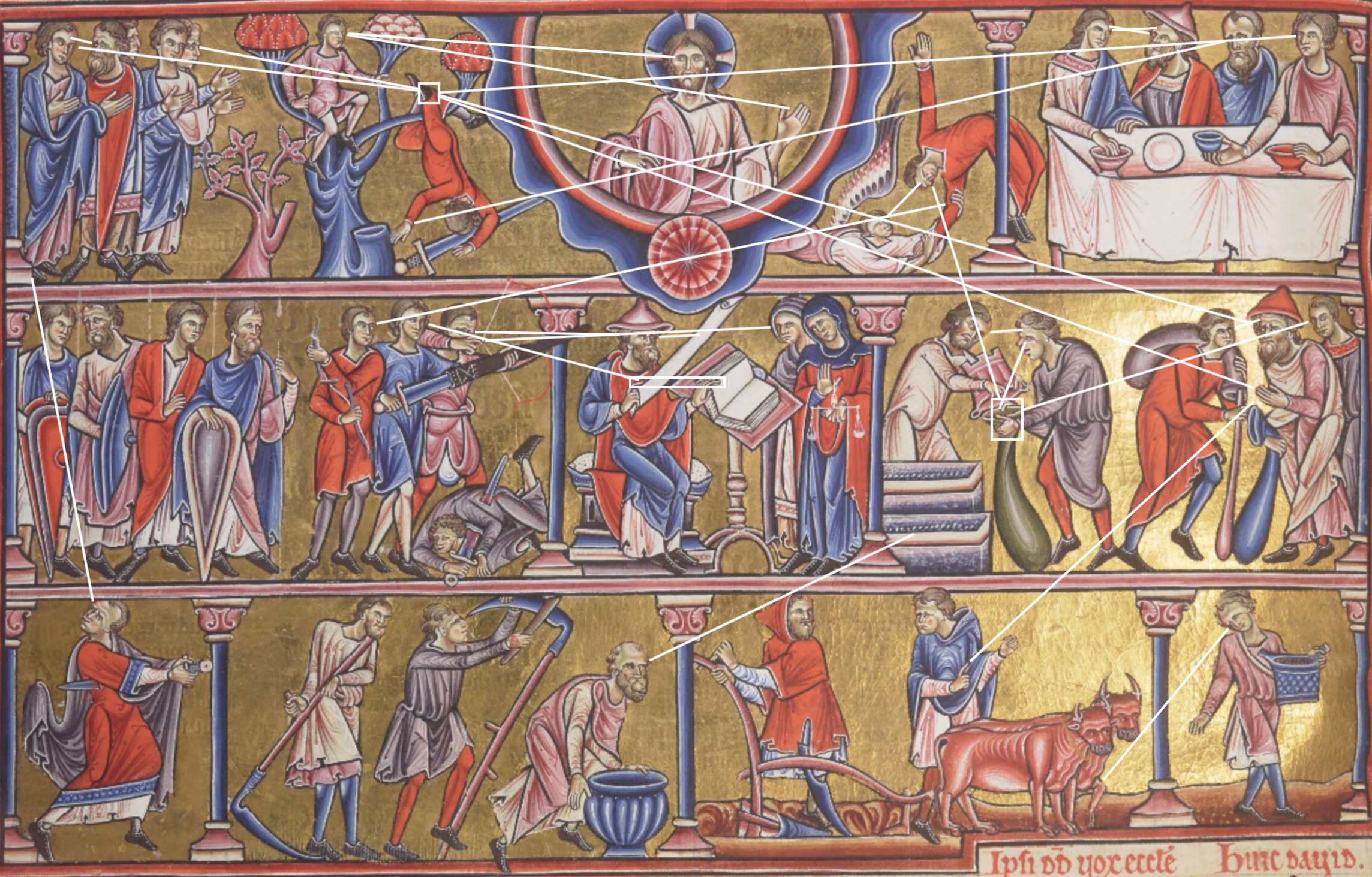
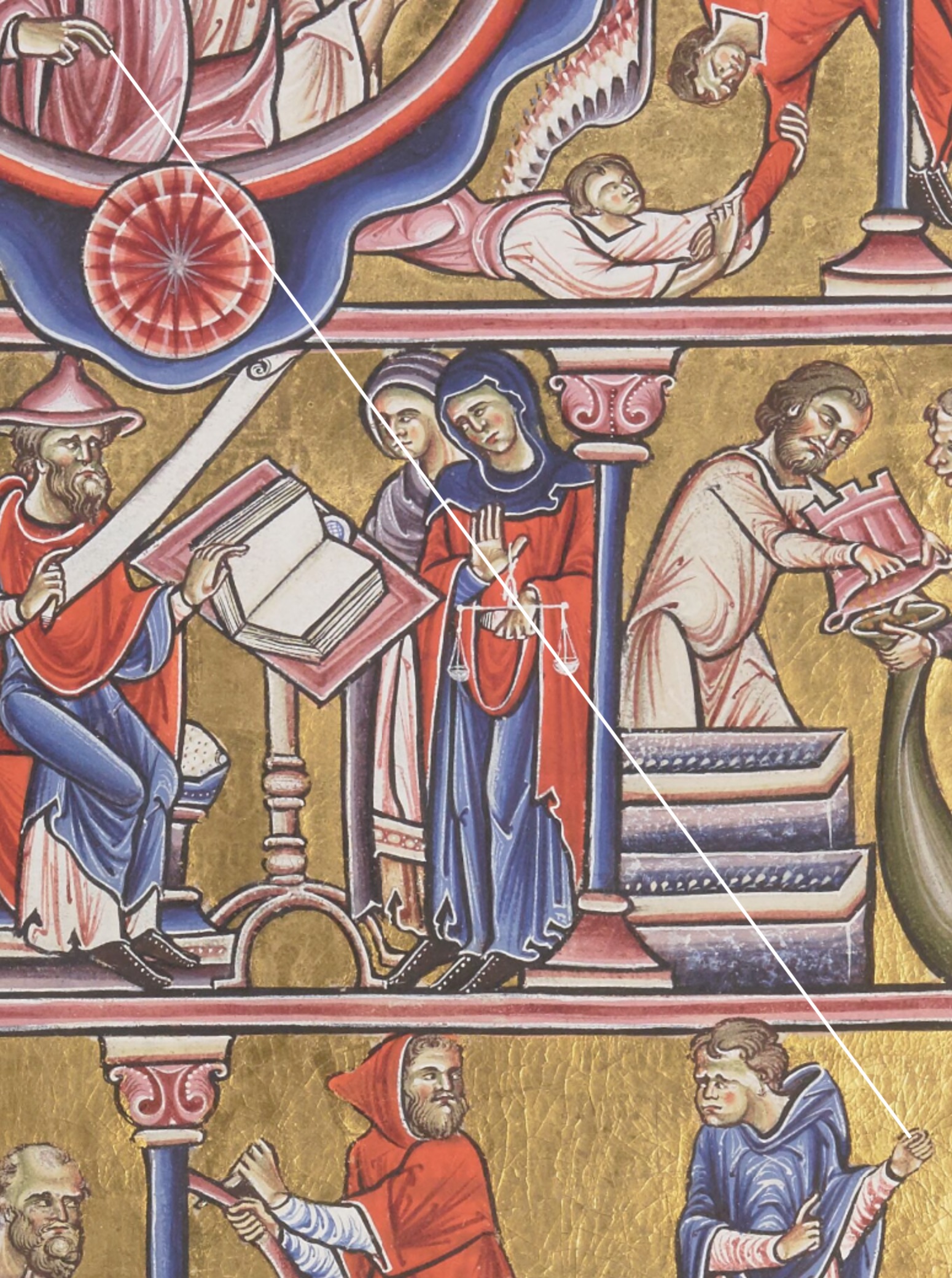
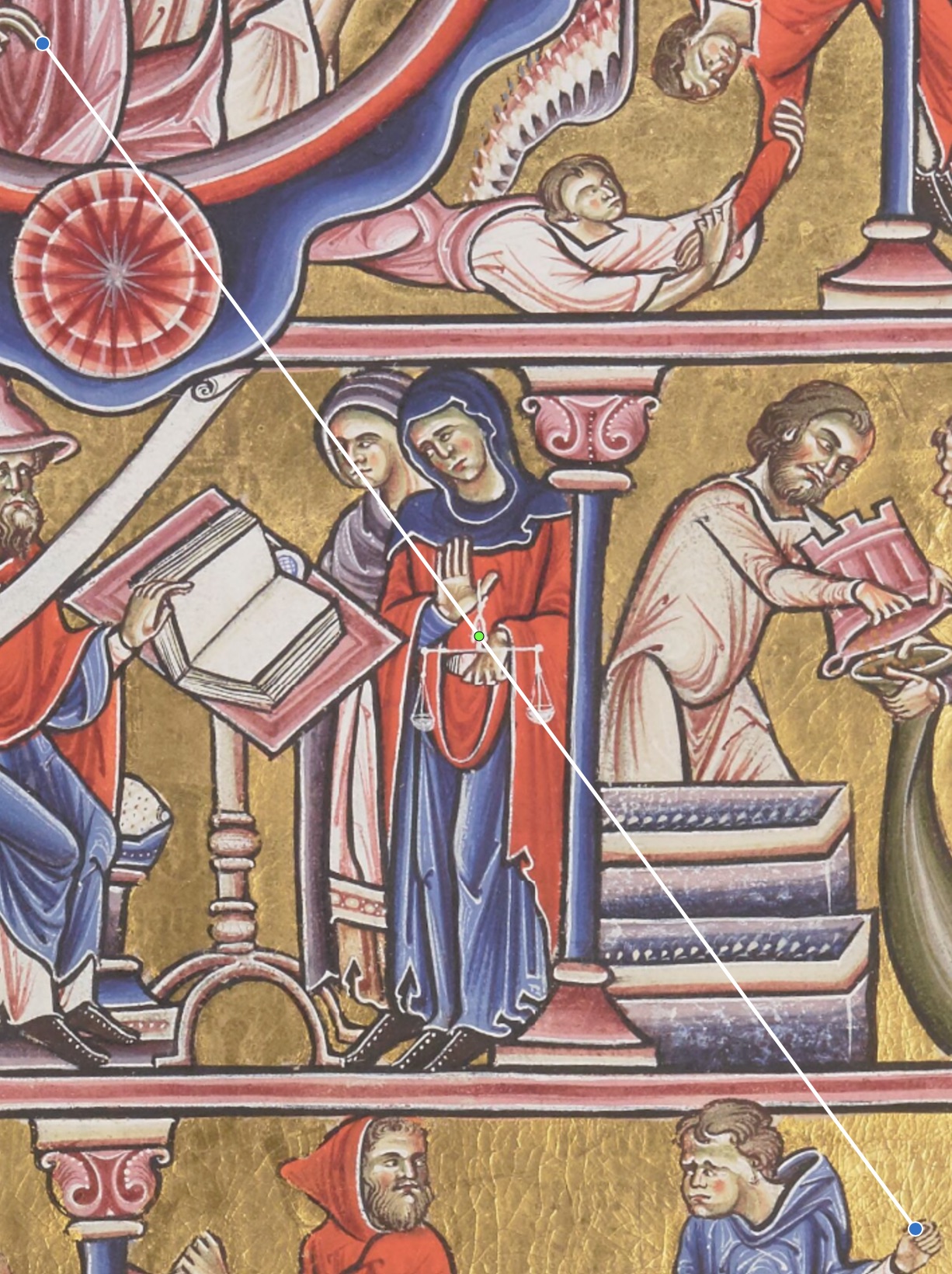
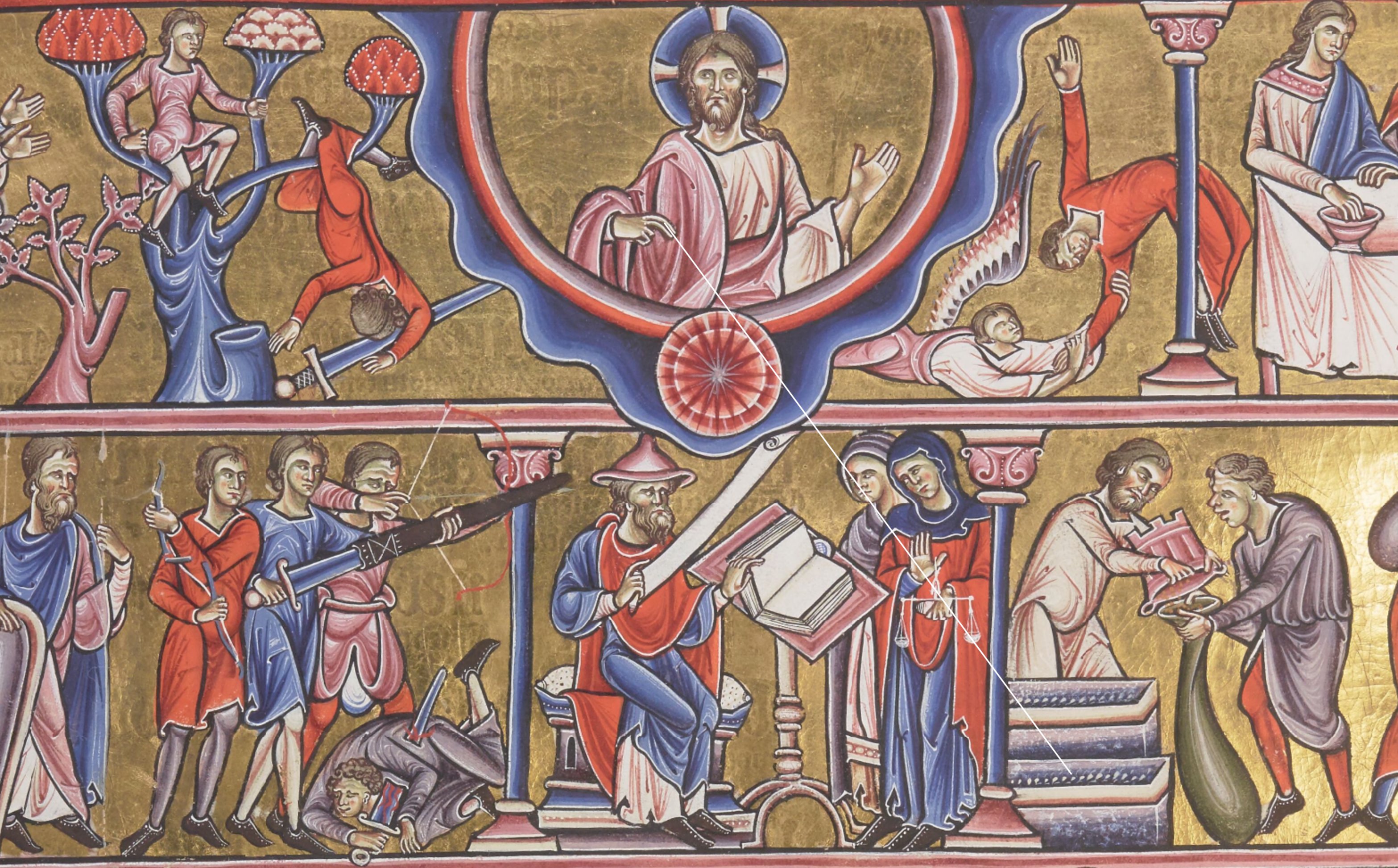
God’s blessing pointing-line intersects:
the Bright Light
{balance scale} at the pivot
Both Cubensis Dispensary Bins
Is Grabbed by Clutching Hand (for Ruler Alignment to confirm that the Line Goes THROUGH BOTH Cube Binds, Touches {stable column base}
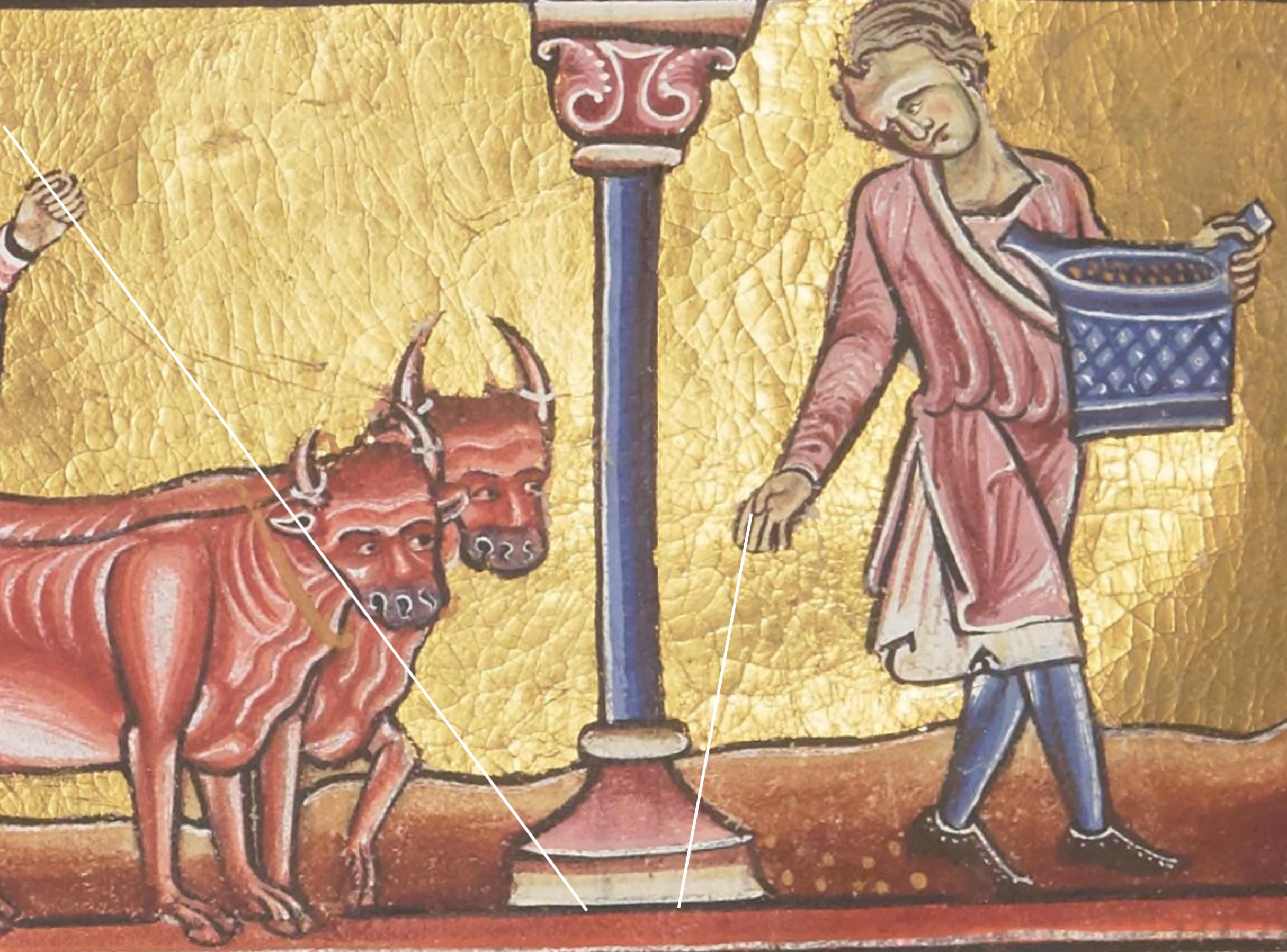
Oxen guy’s grabbing fist is IIY’. He’s pointing to the invisible ruler line above where he grabs it.
Oxen guy’s pointing hand points past line, as previously analyzed in Looking Lines full image in present page.
That {stable column base} is looked at and Pointed at by {stand on left foot} Fool.
God’s Pointing-Line Blesses the {balance scale} and Both Cubensis Dispensary Bins
The Sun Light is in the chamber room of the Psalter Viewer, row 2 middle (the center of the entire image) where – most amazingly – the Psalter Viewer is threatened or not threatened, based on whether his left or right index finger is closer to the ground, meaning which mental model he relies on: branching causes threat; non-branching relieves the threat.
In search of the lost chord, or, short of that, the perfect crop: include The Light, intimate, show the “threat” (ie definitely WILL lose control if), don’t dilute with the solution / breaking bow by lowering right finger meaning right foot meaning using / relying on eternalism-thinking.
HEY IDIOT CYBERMONK *LOOK* AT THE BINS, DUMAZZ 🤨 — note to Dumb Past-Me from Evil Future-Me, March 18, 2023
So ironic that I had *JUST* been talking about the strategy of radicalness: make the most extreme claims possible, do not allow evil-future-me to get a little toe in to out-extreme me.
YET, even as I said that, I was still mentally asserting that the bins contain grain, and also I was fixated on distracting other elements.
I was “locked” / “stuck” always, every time, mentally approaching this panel in a rutted way. 🤷♂️ bizarre how blindness works.
So even while I said “Be 100% radical/ aggressive/ greedy in interp’n; don’t leave any room for future me interpret this image more aggressively”, I was leaving this GIANT ENORMOUS big-as-possible gap
— even though I had already asserted Feb 1 – Feb 14, 2023, that the blue krater in Row 3 is to collect Cubensis — which instantly means that for consistency, the bins & bucket must too, be Cubensis (obvious in hindsight).
It just NEVER OCCURRED to me to try to look closer at the bins. Baffling; I would have liked nothing more than to see what is explicitly there.
I was totally stuck on assuming I “knew” how to read “the dumb guy collecting grain”[sic].
Foolish entheogen scholars: “No cubensis on bovine dung in Europe.”
Notes About How These Were Captured
Page created from scratch all on mobile device, including fresh captures – Cybermonk July 18, 2022.
The reason they are more colorful than Nov. 2020 is NOT b/c mobile device different, but rather, the library seems to have seen the dark, brown/green my Nov. 2020 pages, and they improved their colors sometime between Nov. 2020 & March 2022.
The bad good news is I “get to” redo all of my Nov 2020 screenshots, oh joy!
In my broad usage, the concept of ‘reductionist’ is inherent in all misinterpretation; you end up with less that the thing that’s being reduced.
We reduce “high” (altered state, analogies describing cognitive phen’y of loosecog state) to something else, and everything is considered by me to be “lower” than mystic-state cognitive phenomenology.
To misinterpret the considered-highest realm is inherently relatively reductionism.
Reductionist materialist scientistic rationalism flatland downward-projection: religious esoteric mythology’s ultimate referent is the physical, literal, material sun.
Gods and heroes represent cosmology and elements of physical world.”
“19th-20th century approaches to myth:
“Myth as science: Myth is an explanation for the natural world. Read myth literally.
Myth is premodern/’primitive’ form of modern scientific explanation.
Variants within this framework. Creationism; Rationalizing; Tylor; Horton. Literal, ordinary-state, alien social psychology.
“Demythologizing:
Myth is expression of human experience of the world, of man’s experience as a moral agent.
Myth is symbolic, not literal description.
metaphorical, ordinary-state, no alien social psychology (myths speak to universal human experiences in the ordinary-state).”
“By Criteria:
Literal: Myth as science
Metaphorical: Demythologizing
Ordinary-State: Myth as science; Demythologizing
Alien social psychology: Myth as science
Open to moderns: Demythologizing
“Variants and Theorists:
“Myth as science:
“Creationism: myth is true science, a true explanation for natural phenomena (implies adherence to one cultural tradition or another, i.e. Genesis is *the* correct account).
“Rationalizing: strip myth of what does not fit with modern science; what remains is true.
Myth has a core of truth, some memory of an actual event, e.g. flood story has origins in an actual flood, with later additions; Trojan War legends based on actual war at site of Troy.
____
“myth is ‘primitive’ version of scientific theory.
Myth explains natural world, but poorly.
Decisions and actions of gods cause physical events.
myth and science incompatible.
‘primitives’ had ‘myth’, moderns have ‘science’.
We moderns should reject myth.
Myth must be understood literally because myth explains the workings of the physical world.
‘Primitives’ think like moderns, but less rigorously.
‘Primitives’ see same world as moderns, but conceive of it differently.
____
“Myth and pre-modern religion are coherent conceptual systems with internal logic and rules, just as science is for moderns.
Take pre-modern myth at face value, not symbolically.
Rejects use of word ‘primitive’.
Modern western thinking should not monopolize interpretation of other non-modern, non-western thinking.
“Demythologizing:
“Demythologizing.
Myth is philosophy.
Myth is symbolic of human experience of the world, not an explanation for the world.
Depiction of universal human condition.
Myth can be read literally, but should be read symbolically.
Describes mundane human experience.
This understanding available to all, ancient and modern.
But should be corrected to being about altered state experiencing, not mundane ordinary state experiencing.”
Expensive, so rely on Amazon preview, his videos, his posts, his academia edu articles.
I purchased hardcover July 14, 2022, ebook April 19, 2025.
Blurb:
“In Egypt during the first centuries CE, men and women would meet discreetly in their homes, in temple sanctuaries, or in solitary places to learn a powerful practice of spiritual liberation.
“They thought of themselves as followers of Hermes Trismegistus, the legendary master of ancient wisdom.
“While many of their writings are lost, those that survived have been interpreted primarily as philosophical treatises about theological topics.
“Wouter J. Hanegraaff challenges this dominant narrative by demonstrating that Hermetic literature was concerned with experiential practices intended for healing the soul from mental delusion.
“The Way of Hermes involved radical alterations of consciousness in which practitioners claimed to perceive the true nature of reality behind the hallucinatory veil of appearances.
“Hanegraaff explores how practitioners went through a training regime that involved luminous visions, exorcism, spiritual rebirth, cosmic consciousness, and union with the divine beauty of universal goodness and truth to attain the salvational knowledge known as gnôsis.”
Editorial Reviews:
‘This book contains much that will matter to historians and others interested in visionary practices from late antiquity to the present.’ Claire Fanger, Journal of the American Academy of Religion
‘This impressively learned monograph is a welcome addition to the steady stream of recent scholarship on the Hermetic writings, a testimony to a rekindled interest in this most extraordinary collection of texts.’ Christian Wildberg, Aries – Journal for the Study of Western Esotericism
Book Description:
“Hermetic spirituality in late antiquity was an experiential practice and personal transformation grounded in powerful techniques for consciousness alteration.”
About the Author:
“Wouter J. Hanegraaff is Professor of History of Hermetic Philosophy and Related Currents at the University of Amsterdam.
“He is the author of six monographs, including
New Age Religion and Western Culture (1996) and
Esotericism and the Academy (2012), and editor of eight collective works, including
the Dictionary of Gnosis and Western Esotericism (2005).”
my book review below, copied from idea development page 28 todo: after review accepted, fix errors flagged below: ie, cap’z “Heimarmene”. forgot joke: Darth Wouter “Star Destroyer” Hanegraaff
4 out of 5 stars Title of book review: Rebirth into cosmos sphere 8 (Heimarmene) and 9 (above Heimarmene)
Wouter Hanegraaff’s book Hermetic Spirituality and the Historical Imagination: Altered States of Knowledge in Late Antiquity advances the field of Hermetic studies, especially after the error is corrected in his cosmos-ascent model, per astral ascent mysticism, so that the Fate-soaked fixed stars are no longer excluded entirely from his sky, but are allowed into his cosmos model, where they belong: sphere 8, the Ogdoad.
Hanegraaff’s model of the so-called “cosmos” doesn’t have any fixed stars. Look up into his sky: there are no stars, only 5 planets + sun & moon. This is not a model of the cosmos, nor of cosmos rebirth, because his visible sky cannot have any stars, per his admission in footnote 114, page 294: “Whether the fixed stars should be included [with Saturn, sphere 7] or should rather be associated with the Ogdoad [sphere 8] remains an open question for me.” This is the most closed question in the cosmos; it is a basic, simple given that the Fate-soaked fixed stars are what defines sphere 8, called “the Ogdoad”.
The initiate Tat asks Hermes to be brought into the Ogdoad (Heimarmene; Fatedness; fixed stars; sphere 8; the soul) and also into the Ennead (above Heimarmene, above the cosmos; sphere 9; the spirit). Since Hanegraaff omits fixed stars from their sphere 8 (which they define), there’s no functional difference in his model between rebirth phase 1 into the Ogdoad, and rebirth phase 2 into the Ennead.
The end result of entheogenic mental model transformation is not the repression of fixed stars (Fatedness) as Hanegraaff attempts; the end result is a coordinated, harmonious combination of first affirming Heimarmene, and then affirming transcending Heimarmene, honoring both ways of thinking, together.
Hanegraaff cannot place the fate-soaked fixed stars in sphere 8, because he wrongly says “the Ogdoad above the Heimarmene“. The Ogdoad is not above Heimarmene. The cosmos does not consist of 7 spheres, as Hanegraaff writes. Per looking up at the sky, the cosmos consists of 8 spheres. All ancient writings agree; no Hermetic text says the cosmos consists of 7 spheres, or that sphere 8 is outside the cosmos. The cosmos consists of 7 planetary spheres and also the sphere of the fixed stars. Sphere 8 is not “hypercosmic”, as he writes. Sphere 9 is actually hypercosmic.
I have read his book multiple times in hardcover and ebook format, and David Litwa’s book Hermetica I, to confirm that no Hermetic writing says the cosmos has 7 spheres, and that sphere 8 (defined by the fixed stars) is somehow “outside the cosmos”. The main visible thing you see in the sky that is the cosmos, is the fixed stars, defining sphere 8 of the cosmos.
Per Hanegraaff’s own writings in this book and elsewhere, sphere 8 = the Demiurge = the zodiac = Heimarmene headquarters.
Hanegraaff spreads the following equations separated apart to hide the self-contradiction: Ogdoad = sphere 8 = fixed stars = Heimarmene = Fate = cosmos. By spreading the equations into separate pages, he writes inconsistently: Heimarmene = Fate = fixed stars = sphere 8 = Ogdoad = above Heimarmene.
Other hermetic scholars follow suit, waffling in self-contradictory fashion: in one paragraph, Ogdoad is above Heimarmene; in alternating paragraphs, sphere 8 is the Fate-soaked fixed stars.
Switching between saying “sphere 8” and “Ogdoad” tries to hide the self-contradiction, in order to misguidedly purify the Ogdoad of Heimarmene by making the stars go missing in every other paragraph, inconsistently.
The solution is to always give the sphere number (7, 8, or 9) and equate Heimarmene consistently with the fixed stars and sphere 8 and the name “Ogdoad”, and understand that rebirth is initially into conformity with pure Heimarmene – not yet above Heimarmene.
My other correction of this book is its claim that anything you can think of is entheogenic, as if to propose “non-drug entheogens”, a contradiction in terms. Entheogenic practices in the broad sense actually means combining visionary plants with mental model formation and observation and various techniques – not omitting visionary plants. In 2004, I posted in Egodeath Yahoo Group about that point, a post titled “Entheogenic Esotericism”, 8 years before Hanegraaff’s keynote article speech titled “Entheogenic Esotericism”.
To summarize, as the million stars to steer by in the cosmos rebirth model that Hermetic scholars struggle to coherently present:
The mind starts with naive possibilism-thinking (level 0), becomes increasingly attuned to Heimarmene (Fate; eternalism) in entheogenic sessions 1-7, becomes fully reshaped and aligned harmoniously with Heimarmene (Fatedness; 4D spacetime block universe eternalism) in sphere 8 (the fixed stars); and then reconciles and marries the two ways of thinking together in sphere 9: embrace and include Heimarmene coordinated with the transcending of Heimarmene; marry qualified possibilism-thinking and qualified eternalism-thinking, to reach completion of initiation, per all brands of religion in Late Antiquity, flourishing starting around 150 CE.
— Michael Hoffman, theorist of ego death and transcendence
August 21, 2022 draft of book review
Photo: Michael Hoffman, Egodeath Mystery Show
Probably contains all points, need to cut wordcount.
5 stars. Entheogens Reveal Heimarmene in the Ogdoad
Theurgy as presented by Hanegraaff integrates geocentric Astral Ascent Mysticism, with the centerpoint being passing through the fearsome fate-ruled heimarmene gate at the sphere of Saturn and the sphere of the fixed stars. Identifies entheogens as an effective engine of inspiration for ancient Theurgy’s divine madness control-seizure intense experiencing of demon exorcism at the fate-ruled heimarmene gate.
In his “thoroughly positive” imagining of Theurgy and Astral Ascent Mysticism, Hanegraaff imagines an easy friendship with the Source that’s the controller and creator of all, while holding a simple negative stance toward heimarmene (fatedness). Negative experiences are to be explained through Psychology in the ordinary state of concsciousness.
Theurgy uses the model of Astral Ascent Mysticism, passing through the demon-guarded fate-guarded heimarmene gate, which is the intense experience of no-free-will, non-control over one’s own control thought, and having the mental model reshaped to be forced to adopt reverence toward the actual source of one’s control-thoughts.
In his project of tearing Theurgy out of the hands of the Protestant theology-based negative reading of oriental platonism, and turning Hermetic texts into “a thoroughly positive reading”, Hanegraaff overshoots, overcorrects: he removes Dionysus, divine mania, fear, awe, and tremendum, replacing deisidaimonia (fear of the divine), by tamed, denatured, neutered, impotent, non-drug entheogens that fail to produce peak psilocybin experiencing.
Wouter Hanegraaff’s book Hermetic Spirituality is a major advance for academic scholarship toward recognizing Theurgy per the Hermetic texts as an altered-state experiential practice of mental transformation. Hanegraaff needs to discuss the placement of the fixed stars together with heimarmene and the main revelation, which is that you don’t have control of the source and origin of your control-thoughts.
The star that I sail by whenever I map the Egodeath theory to astral ascent mysticism is the sphere of the fixed stars, which is almost entirely missing with barely a trace, and only one mention, in footnote 114 about not knowing at which level to put the fixed stars.
The word ‘star’ has been confusingly redefined by Hermetic writers and Hanegraaff so that in this book’s alien cosmos, there are only 7 stars. Where did they all go?
How can I navigate, with his having removed the centrally important fixed stars? The book should discuss would benefit from explicit discussion of the location of the sphere of the fixed stars at the 8th cosmic level, and integrate that with rebirth into heimarmene-consciousness.
This book is a major advance in the academic field of interpreting the Hermetic texts in terms of altered-state spirituality rather than misreading the Hermetic texts as ordinary-state premised philosophical theorizing. Does away with Hans Jonas’ existentialism overlay and a biased overlay of Christian-theology advocacy.
Title –
The title contains three phrases:
* “Hermetic Spirituality”: Hermetic writings were descriptions of intense altered state peak experiences, divine madness and ecstasy/frenzy, not ordinary-state based philosophical theorizing.
* “The Historical Imagination”: The fantasy projections and constructions imagined by historians of esotericism, traces the history of invented histories.
* “Altered States of Knowledge”: Historians must shape knowledge in a way that fits with the altered-state experiential context of ancient esoteric writers.
Cover art –
tbd, find captions, find ‘tat’ here and idea dev page 14
Prologue –
This book combines five strands (pp. 5-6):
1. Debate about language and hermeneutics: what the humanities should be all about.
2. Scholarly approach: radical empiricism, methodological agnosticism. Study religion as neither religionist (anti-science, anti-modernity, revering high vague mysticism) nor reductionist (social science only; materialist scientism level only).
3. The historical imagination, narratives, storytelling (Epilogue). Field of W. Esotericism as the reified imaginatl product of discourse for dominant academic traditions to define themselves against belittled, rejected knowledge.
4. Alterations of consciousness are a neglected core dimension of religion and spirituality. He covers consciousness, entheogenic esotericism (including non-drug psychedelics & authentic actual entheogens) per his essay by that title in the book Contemporary Esotericism. In that essay, he explains how the meaning of the word ‘entheogen’ is set by its etymology.
5. The Hermetic tradition not like his earlier work on the Renaissance revisal of the Hermetic writings, but rather now in this book, studying Hermetic writings from the cultural perspective of ancient Roman-era Egypt.
My book review of his Dictionary of Gnosis and Western Esotericism https://www.amazon.com/gp/product/9004152318 criticized that book for having no coverage of entheogens. Hanegraaff has answered my call for integrating entheogens into the history of Western Mysticism as much as the fearful, benighted, and superstitious ruling powers permit him to.
“… my earlier work on entheogenic esotericism (sensu lato and sensu stricto)” (pp. 5-6) — the word ‘entheogen’ occurs 5 times in this book and 3 of them (pp. 5-6, 228, & 385) are mentions of the following keynote article.
In his article which this book cites three times, Hanegraaff makes a fallacious argumentation that the meaning of a word is set by its etymology: “Although this broadens current understandings of the term, ‘entheogen’ does not strictly imply substances.” (p. 392) The word ‘entheogen’ strictly means substances, according to everyone in the field of entheogen scholarship including Ruck, Wasson, Ott, myself, and everyone. Hanegraaff introduces confusion by using words in nonstandard and unjustified ways.
The actual litmus test for ‘entheogenic’ properties is: a substance is entheogenic insofar as it tends to reliably, quickly, and intensely reveal the impotence of the local control agent to control their source and origin of control-thoughts. Entheogens are that which reliably and intensively produces divine madness, fear of god, and forces the mind to put reverent trust in the Source of all personal control thoughts.
At-will, ego-controlled activities can be halted the moment there is control instability, so they cannot produce the key religious transformative effect, of producing loss of control, control instability, control seizure, divine madness, so as to force mental worldmodel transformation from presumed autonomous control to dependent control and understanding of the mind’s dependence on the uncontrollable Source of control-thoughts.
Non-drug techniques are popular and welcomed precisely because they pose no threat to the egoic delusion and they reify the status quo mental model rather than reveal the impotence and instability of egoic control power and the initial Possibilism worldmodel which cannot endure the loose cognitive association state.
During his 2012 keynote speech reading that 3-times cited chapter article, Hanegraaff said that no one previously had used the phrase ‘Entheogenic Esotericism’. I posted the term “entheogenic esotericism” to the world-wide web 8 years before Hanegraaff, and I used the term in an assertive, emphatic way. Hanegraaff assumed the term uses the modified “entheogenic” to describe a deviant abnormal subset of Esotericism. But my posting in 2004, 8 years earlier, asserted the exact opposite:
“Authentic esotericism is entheogenic esotericism. Entheogens are the key to esotericism. This is the simplest possible theory of esotericism, and the most natural, the least contrived and strained. Theories of esotericism that are not based on entheogens suffer from the problem of grandiose verbiage, unmet promises and claims, chronic vagueness, excuses for lack of potent and prompt efficacy, and no ability to deliver the experiences which are talked about. Drug-free esotericism doesn’t work; it is not effectively ergonomic.”
Online, Erik Davis encouraged Hanegraaff in the latter’s proposed redefinition of the word ‘entheogen’, but Davis recommended that Hanegraaff avoid doing a similar redefinition of the word ‘psychedelics’ (lest we end up with an equally denatured, comical, and cheapened category “non-drug psychedelics”). It seems Davis is willing to let ‘entheogen’ be broadened to the point of comical meaninglessness, but Davis guards against the same fate for the word ‘psychedelics’.
Through magical manipulation of language, Hanegraaff, under coercion, tries in vain to elevate non-drug methods to be as efficacious as peak psilocybin experiencing that actually produces divine mania.
Hanegraaff’s proposal of non-drug entheogens doesn’t merely “broaden current understandings” as he claims; his attempted redefinition renders the word ‘entheogen’ meaningless, uncontrolled, and unusable.
Ch. 1: Hermetic Spirituality –
He employs a selective-texts, spirituality approach, rather than a grab-bag of texts that merely include ‘Hermes’ and use a dubious scholarly construct of ‘the Hermetic tradition’.
Ch. 2: Heart of Darkness – The cultural context of ancient Egypt and private spiritual experiences.
Ch. 3: The Presence of Gods – ‘
The Hermetic worldview and the text “Logos Teleios”.
Hanegraaff welcomes a cognitive approach, and also advocates multi-state science per Charles Tart. My approach for the Egodeath theory is the truly cognitive phenomenology approach like that of Benny Shanon’s book The Anitipodes of the Mind https://www.amazon.com/Antipodes-Mind-Phenomenology-Ayahuasca-Experience/dp/0199252939 (p. 72) (who Hanegraaff favorably cites), a multi-state, not a single-state cognitive science approach.
My main terms are “loose cognitive association binding”, “mental construct processing” (compare Hanegraaff’s “aion” interpretation like a flood of Ken Wilberian “vision logic” influx), “mental world-models”, “control instability”, “control seizure and reconfiguration”, and “block universe eternalism” as what’s revealed.
Psilocybin causes visual movement; it makes statues move. Though Hanegraaff writes “other awesome luminous phenomena” (p. 72), he strangely doesn’t point out the most relevant, specific entheogenic effect for animation of statues: entheogens cause visual image shifting, thus making statues move.
Ch. 4: Children of Hermes –
The three known practitioners of Hermetic spirituality.
When you read the book, as you are helplessly fated to choose to do, be prepared to write “7, 8, 9” next to many key words to solve this sleuthing problem of, Where did the fixed stars go? What has Hanegraaff done with them? Check the Hanegraaff Rejected wastebasket.
Achieving stable control in the entheogenic state of divine madness requires reverently recognizing, honoring, and sacrificing our freewill claim in deference to heimarmene. A theurgy initiate is sacrificing to the astral powers of heimarmene/fate to reconcile and recognize and honor them, to cease being tormented by conflict against them: “must calm her passions … they … come from the astral powers … working through her soul. The daimons she can drive away by offering sacrifices, … purifying incense or smoke … her soul is truly cleaned of all imperfections … in the ‘mixing-bowl of purification … she can … join with her true spiritual family” (p. 98)
Instead of sacrificing to heimarmene to recognize and honor and reverence the archon rulers of levels 1-8, Hanegraaff treats heimarmene as an unreal negative psychological trait to be discarded, instead of reverencing heimarmene along with the Source; the ‘pege’, which is the Source of all that exists including all of your control-thoughts, as revealed in the entheogenic heimarmene revelation.
Rock lyrics are the authentic mystery religion of the late-modern era, comparable to early antiquity’s discovery of heimarmene before people began such a confusing love-hate relationship with the divine revealed fact of a fate-ruled cosmos as we see in play with ironic inversion in late antiquity, the heyday of claims to “transcend heimarmene” and be saved and rescued from fate – more accurately, be rescued by the merciful Source from the cybernetic demonstration of threat of self-control seizure in the heimarmene-revealing altered state.
Ch. 5: Through a Glass Darkly –
The problems of textual transmission (bias, edits, translations, fragmentation). Presents strategies for reconstruction and interpretation. Page 140 has a diagram of Hermetic texts ranked by relevance to experiential altered-state spirituality.
At the climax of Erik Davis’ book Led Zeppelin IV, he discusses astral ascent mysticism (p. 118), relevant to Hanegraaff’s chapter The Source, complementing Hanegraaff’s coverage, though you really have to read Ulansey’s hypercosmic cosmology too.
On page 122, Davis discusses the Stairway to Heaven (cosmology levels 1-8), heroic doses’ experience of absolute determinism, illusion of autonomous personal control agency, the divine will controlling the block universe, the peak intense altered-state experiencing of block-universe Eternalism, and pre-existing control thoughts.
Hanegraaff agrees with Davis’ call for something between crude materialist or social scientism reductionism, and vague abstact idealist mystical haze.
The section (p. 140) with the nested egg diagram of levels of spiritual importance of the various Hermetic texts is titled “Weirdness at the Center”, referencing Davis’ idea. When discussing the climactic song Stairway to Heaven, Erik Davis’ book Led Zeppelin IV [https://www.amazon.com/Led-Zeppelins-Zeppelin-IV-33/dp/0826416586] (pp. 118-199 & 122) presents the geocentric mystic cosmology together with the heimarmene-focused Egodeath theory.
Except for the phrase “transcendental freedom” tacked-on from out of the blue, Davis’ model lacks levels that represent transcending block-universe Eternalism (heimarmene, no-free-will; fatedness).
From the perspective of a heimarmene-centered 3-level model of mental development pictured as cosmology:
o Erik Davis’ model covers levels 1 & 2 (culminating in the heimarmene revelation, which is the central level 8 in the standard model).
o Hanegraaff’s model covers levels 1 & 3 (skipping level 2, the heimarmene-reconciling level). Hanegraaff removes the distinct heimarmene level of the fixed stars (level 8 in the standard cosmology) and leaps up to present only the transcendent levels above heimarmene.
o David Ulansey’s model covers all three levels: 1, 2, and 3 (numbered as 0, 8, and 9 in the standard model).
Hanegraaff writes “the Ogdoad beyond the stars” (p. 266), by which he confusingly means the 7 “stars”; that is, the 7 planets, and he silently omits the actual, fixed stars. He writes “the Ogdoad above the heimarmene” (p. 258) – but the Ogdoad is the main level on which heimarmene resides, as commonly understood for 500 years, ever since Eudoxus’s description of the cosmos as 7 planetary spheres along with the 8th sphere (fixed stars) in 350 BC.
The fixed stars define the Ogdoad by being sphere number 8, and the fixed stars and zodiac and Demiurge are equated with heimarmene and fatedness, as even Hanegraaff writes.
Hanegraaff conflates level 8 into level 9, as if both levels are above heimarmene, but level 8 in fact is heimarmene (the fixed stars; the Zodiac; the constellations). Level 8 represents the state in which, after ego death and rebirth and sacrificial repudiation of childish illusion-premised thinking, the mind’s mental worldmodel of control agency and world is transformed and reconciled with heimarmene – regardless of advanced poetic hyperbole and ironic claims by writers of late antiquity who spoke in terms of being rescued from heimarmene.
We really do experience rescue from the thread of heimarmene, in a certain vivid way that doesn’t dismiss the reality of heimarmene like Hanegraaff mis-reads it.
Level 8, ruled by the Demiurge or Helios (in Mithraism), is where the freewill egoic control premise is sacrificed to heimarmene to end the “torment” (Hanegraaff’s translation, actually referring to corrective self-control instability; control seizure) that resulted from resisting heimarmene and futilely trying to depend on the freewill premise that I control the source of my control-thoughts.
Hanegraaff banishes quasi-Hermetic, anti-cosmic, negative-themed texts in the “non-Hermetic” outer darkness outside the egg diagram (where I’d place Hanegraaff’s non-drug entheogens), and claims that they are of “little or no relevance” to Hermetic texts.
But negative experiencing of control seizure is notable (“spiritual emergency” per Stan Grof) and I’d like to see the equivalence of the negative, non-Hermetic texts and the positive Hermetic texts, which are more negative than Hanegraaff claims.
Why, exactly and specifically, is there fear and trembling (p. 272) in the higher levels of ascent and in “crossing the fearsome boundary” (p. 306)? How can Hanegraaff claim to present a “thoroughly positive” interpretation of the Hermetic texts, given all the “torment” and “fear” that he reports – do the Hermetic texts whitewash the ego death and rebirth experience too much compared to the “too-negative” quasi-Hermetic texts?
Ch. 6: Healing the Soul –
The “Poimandres” text describes healing the soul from contamination by negative passions (a mundane ordinary-state based, “psychologizing” reading, despite texts’ key words of divine mania, terror, ecstatic madness, and transgression of personal control).
On what texts does Hanegraaff base his claim “the Ogdoad above the heimarmene?
The fixed stars have to go at sphere 8, despite Hanegraaff’s strange uncertainty and his attempt to place them nowhere.
Are the fixed stars equated with heimarmene, in Hermetic texts? I’d expect so, per the standard ensconced idea in the culture. Hanegraaff implies that the Demiurge is in level 8: “The logos and the Demiurge share the same noetic substance” (p. 169). Davis expresses the geocentric mystic cosmology in terms of the core, basic, 2-level Egodeath theory (= standard cosmology levels 1 & 8).
Erik Davis in 2005 didn’t yet find my 3-level explanatory model that in 2003 accounted for Ulansey’s hypercosmic system, where my level 3 of 3 that (in a limited sense) “transcends” block-universe determinism maps to the standard mystic geocentric cosmology levels 9 & 10 above the fixed stars. It’s ironic that Davis halts at the central level (heimarmene; basic Eternalism comprehension), which is ironic given his lead-in using Mithraism, a hyper-cosmic model. Mithraism has a good balance of the heimarmene level (8) and the level that transcends heimarmene (9).
Ch. 7: The Path of Reverence
The highest virtue is Reverence. Hanegraaff doesn’t explain how Reverence is connected with passing through the heimarmene gate, except to state that Reverence of the Source (‘pege’) and non-dual consciousness of the Source of All (personal control thoughts) requires spiritual rebirth first. He aims for a “thoroughly positive” reading that feels disconnected from the drama of the heimarmene gate rebirth passage (no-free-will, helpless puppet, non-control, putting dependent trust in the uncontrollable Source of thoughts, to transcend heimarmene).
Ch. 8: Becoming Alive
The text “Corpus Hermeticum XIII” describes rebirth and a kind of death, liberated from the powers of darkness where the pupil’s “body” was possessed.
Hanegraaff misuses many words, redefining them and misleading the reader without enough explicit warning that he’s redefining common words. He equates ‘cosmos’ with planet levels 1-7 but he implicitly places the fixed stars level into the Hanegraaff Rejected wastebasket because they are tainted with fate and heimarmene. Whenever the book says “cosmos”, write “[level] 7 or 8?” Whenever he writes ‘stars’, ‘astral’, ‘cosmic’, ‘hyper-cosmic’, ‘zodiac’ (pp. 248, 250, 252), or “constellation”, write “7, or 8?”
In a Harvard lecture for this book, “Reasonably Irrational: Theurgy and the Pathologization of Entheogenic Experience”, Hanegraaff said “she will find herself surrounded by utter silence while watching the planetary constellations. She won’t see them just as physical planets. She will see them as deities”. His phrase “the planetary constellations” sounds like a self-contradiction. Nonstandard cosmology terminology is a symptom of this book’s project of suppression, repression, dissociation, and demonization of heimarmene, rather than reverent respect for heimarmene as for the Source.
Hanegraaff wrote “birth horoscope. By calculating the exact constellation of stars and planets at the moment of birth, …” (p. 222) That’s a confusing use of the word ‘constellation’. The book has many such examples of confusing, misleading, non-standard use of terms, all of it a symptom of Hanegraaff’s elimination of the sphere of the fixed stars and his avoidance of placing heimarmene and fixed stars where all of antiquity placed them for 500 years, from Eudoxus 350 BC to Ptolemy and the Hermetic writers 150 AD.
Entheogens produce control-loss and timelessness effects like revealing fatedness. Hanegraaff is not recognizing poetic ironic inversion forming inflated claims to “transcend heimarmene” – as Hanegraaff states, the body (like the initial soul per p. 99) of the wise person remains subject to heimarmene, thus there’s only a limited sense in which it’s possible to have liberation from heimarmene. “… rebirth … beyond space and time, hence it is free from the constrains of heimarmene, invulnerable to daimonic contamination (p. 253).
That doesn’t literally mean transcending heimarmene; merely no longer having control-seizure due to fighting against heimarmene as source of your control-thoughts. “The bodily vessel is constituted of the zodiac, and therefore it serves the heimarmene as an instrument of control” (p. 252).
If heimarmene (fatedness) was commonly equated with the fixed stars and zodiac constellations, as per Ulansey’s model, and the fixed stars define the sphere numbering as level 8 (“the Ogdoad”), then heimarmene is the central revelation, constituting rebirth from level 7 into the Ogdoad (level 8). The aspirational and figurative claim to “transcend heimarmene” only applies to the spirit (a nebulous aspect of the mind).
Hanegraaff should return the stars and their heimarmene load reverently back up into the lofty slot that they defined (sphere level 8), instead of confusingly trying to place the actual stars nowhere — or in Saturn, planet level 7; or in his Rejected wastebasket, since he gave up trying to figure out where they go; it “remains an open question for me” (p. 294)).
Ch. 9: The Source
Rebirth through the heimarmene gate into the hypercosmic Ogdoad (the eighth sphere; the sphere of the fixed stars), equivalent to the realm of divinized souls. The Ennead: the ninth, the Empyrean realm of noetic powers; highest knowing. Beyond that, the ‘pege’; the Source of all manifestation (including personal control thoughts).
The section heading “Beyond the Stars” (p. 297) is confusing: he silently means only the seven planets, not the sphere of the fixed stars as any reader would assume. In footnote 114 in the music section The Sounding Cosmos, Hanegraaff writes “Whether the fixed stars should be included [with Saturn] or should rather be associated with the Ogdoad remains an open question for me” (p. 294). He doesn’t explain why it’s an open question; what Hermetic texts put this in doubt? The fixed stars are not merely “associated with”, but rather, are definitive of the Ogdoad, given that this was the standard model for 500 years by the time of the Hermetic texts.
Even if he’s thinking of musical pitch mapping, his strange and unexplained uncertainty about this simple primitive given of astronomy perfectly represents how the book is a project of removing the stars from the sky and sweeping them under Hanegraaff’s cosmic rug of Saturn (level 7) – or nowhere at all, puzzlingly. Let’s see what’s in Hanegraaff’s own Rejected wastebasket: OMG it’s full of stars! No anti-cosmos Gnostic was so bold as to entirely remove the fate-ruled sphere of the fixed stars! Professor Hanegraaff has outdone them all in his rejection of the created, heimarmene-ruled cosmos by removing the very stars from the heavens.
The term “the Ogdoad” comes from the stars, given that the stars are a level above Saturn (level 7). Instead of allowing the Ogdoad (level 8) to remain central, spotlighting the rule of fate and heimarmene, Hanegraaff silently omits the stars from this book, stretches the word “stars” to mean planets instead, confusingly, and then moves slot 8 too high upward, functionally conflating it with slot 9, the Ennead, eliminating the functional difference between them (8 = the soul reconciling with heimarmene; 9 = the spirit also transcending, in a limited way, heimarmene).
Hanegraaff wonders why the initiate Tat can’t immediately hear the song of the 9th level immediately upon being reborn into the 8th level. Per the multi-state cognitive science experiential phenomenology approach, check with the actual referent of religious mythology: the mind’s trajectory of development in the “dissolved”, loose cognitive state. It takes a while for the mental model and control-thinking to fully be brought into conformance with the experiential revelation of Eternalism (non-control; inability to control the source of control-thoughts; heimarmene; timeless fatedness).
After some time asserting coherently the no-free-will, Eternalism worldmodel, only then can the mind think in terms of “transcend and include” the no-free-will/non-control revelation so that the higher, spirit-only part of the mind rises higher than the heimarmene-awareness level 8. The soul has to fully be reconfigured in conformity with the entheogenic loose-cognitive association state, settling at level 8 with control-stability, before the spirit can rise up standing on that stable foundation, in a limited way that continues reverencing and asserting and embracing cosmic heimarmene.
Ch. 10: The Conquest of Time –
transmitting intense, highest, peak altered state experiences through the medium of language. Presents “phantasia” in place of the mental construct layer. Here could be Paul Thagard’s Cognitive Science-based explanation of how Science constructs domain-appropriate lexicons and models (book: Conceptual Revolutions). Emphasis on the limitations of language, but Gadamer, against Derrida, takes a “can-do” attitude of skillful hermeneutics interpretation or understanding, called ‘hermeneia’, from Hermes.
Hanegraaff the writer and explainer sides with Gaddamer against Derrida. The “Can’t Do”, negative mentality of needlessly overemphasizing “language can’t convey”, obscures the tremendous success that Science can access in integrating language and reason across both states of consciousness. If you’re trying to make language produce the intense mystic altered state, you’re using the wrong tool and it’s user error.
Language doesn’t need to induce the altered state; language merely needs to do what Science always uses language to do: form domain-appropriate lexicons and clearly articulated explanatory models. Hanegraaff cautions to avoid building scientific history of religions research on a religious mythology foundation. Analogies should clarify a domain that’s being modelled and explained, not obscure it (as writers of late antiquity do when they claim to transcend heimarmene).
There is nothing stopping language and Science from mapping, modelling, and explaining the intense peak altered state of divine mania (loosened cognition) and mental model reconfiguration.
Epilogue –
Against the prejudiced, supposedly “cosmos-hating”, negative reading by the Protestant theology and existentialism overlays, the Hermetic way was actually a joyful path celebrating life and light, freed from negativity (Hanegraaff is referencing the ordinary state here, experiencing divine madness is suddenly forgotten). “Free the soul from powerful influences as fear and aggression” (a reductionist, mundane-state reading). The intense altered state backdrop wanes here as we return to baseline state of consciousness. The course of Hermes was driven by a “thoroughly positive” spirit of knowledge and understanding (were Dionysus and the furies left behind, dropped out of the equation?)
About 800 entries, including Benny Shanon, Carl Ruck, Rinella, Tart, A. Watts, DeConick, Michael Williams, Karen King, Mahe, Fowden, Kingsley, Ustinova, G.R.S. Mead, not Luther H. Martin (Hellenistic Religions, a cognitive approach).
Index – Just as Gnosticism books have no index entry for ‘gnosis’, Hanegraaff’s book has no index entry for ‘entheogens’ (5-6, 98, 110, 228, 385) but includes ‘psychoactive agents’, ‘meditation’, ‘mania’, ‘ecstasy’ and ‘deisidaimonia. Hanegraaff criticizes Williams and King for lacking ‘gnosis’ in their index of their Gnosticism books; so his entry for ‘gnosis’ is long. ‘fate’ directs to ‘heimarmene’, rightly emphasized. Lacks ‘gate’ and ‘guard’, despite the key mytheme of daimons guarding passage through the heimarmene gate and allowing conditional, partial passage (a major altered-state psychological function).
In the context of late antiquity after 500 years of revelation of heimarmene (fatedness, lack of control over the source of control thoughts), the claim of liberation from heimarmene was understandable. But we must start from basics if we are to accurately interpret religious mythology analogies from that tired-of-eternalism, advanced mystic-state culture; don’t read their poetic ironic claims of transcending heimarmene in too brittle or literal of a way, and do hold onto reverence for that revelation of personal non-control and levels of control.
Ultimately we should relate hermetic esotericism to its actual referent, and appreciate hermetic mythemes in terms of scientific modeling of the multi-state mental developmental trajectory, so that hermetic writings can illuminate rather than obscure the religious, transcendent experiential developmental path.
Even while late antiquity promised some kind of rescue of some part of the person from heimarmene, in doing so, they asserted the reality and power of heimarmene, and that the altered state is centered on experiencing heimarmene and being transformed by that encounter. We must recognize its place, and entheogens reveal heimarmene in the Ogdoad, not only a path to being rescued from its threatening aspect.
TODO: My Postings (move to Site Map), find my 2020 posts about Hanegraaff and update those with the E.E. article and the E.E. read-aloud keynote at ContERN and the book Hermetic Spirituality.
None of my recent Hanegraaff pages/postings had the link to the E. E. article – and, they need the video yt link too of the keynote read-aloud of E. E.
TODO: Make sure that every Hanegraaff posting/page has a link to his E. E. article and his book and his keynote.
July 30, 2022: hooked up the MXL R40 ribbon mic (Figure 8 polar pattern; maximum proximity effect) instead of the Electro-Voice 635A electronic news gathering nominally “Omni” polar pattern (no proximity effect) mic.
This book is a must-read for everyone who holds that that non-drug imagination exercises and non-drug meditation produces “alterations of consciousness” with the same intensity of effects as the two bowlfuls of psilocybe cubensis dosage that’s shown in folio page f134 of the Paris-Eadwine Great Canterbury Psalter.
Hanegraaff strongly emphasizes that “radical alterations of consciousness” are described in the Hermetic texts, and so we must interpret the texts as reflecting practices that would produce these effects of this intensity, such as non-drug meditation and non-drug imagination exercises.
This book is an imagination-building exercise in Hanegraaff’s New Age, anti-Science religionist cult for academic historian scholars:
imagine “non-drug entheogens” inducing a “radical alternate state of consciousness”
Hermetic Spirituality book page 140 egg diagram of Hermetic texts ranked by spirituality focus is poorly formed, should be an orderly 4-layer onion like the Egodeath theory.
Photo: Michael Hoffman. Egg diagram of placing the ranking the Hermetic spirituality texts.
The best Hermetic altered state texts are in the Inner Core together with Psilocybin.
The worst, faux-Hermetic texts are in the Outer Periphery with non-drug meditation and exoteric esotericism.
Place non-drug entheogens in the outer darkness of his diagram near the poorest Hermetic texts; place psilocybin in the inner core with the best Hermetic spiritual altered-state texts. Scopalamine in outer core.
July 30 Cyberdisciple comment post
Translate” Hanegraaff to the Egodeath theory. Like Cyberdisciple translating ancient texts to the Egodeath theory.
My book review of Hanegraaff’s book, published some time ago an entire month ago (no longer new), will touch on the idea of translating from Hanegraaff-speak (entheogens in the wide sense ie sensu lato) into the lexicon of the Egodeath theory.
Hanegraaff’s book title, June 30 2022, from memory: Hermetic Spirituality and the Historical Imagination: Altered States of Knowledge in Late Antiquity http://amzn.com/dp/1009123068
Hanegraaff’s book is about translation; that’s one of his 5 strands that he states the book is woven from.
Because his book breaks away from conventional prejudices and he’s chair of the field of Western Esotericism, he had to go overboard in excellent demonstration of scholarship about interpreting bits of Hermetic texts.
The book is a demonstration of how to rightly and ideally debate interpreting and translating and contextually framing fragments of texts, against a previous generation of biased scholarly overlay of misinterpretation.
This book is a citation tour de force.
Use that fact, that character of his book, to apply Hanegraaff’s idea of translation and citations and interpretations, and the problems of “evidence” & translation, and borderline untranslatability, to translate from Hermeticism according to Hanegraaff – or according to the updated often dull-witted and prejudiced field of academic scholarship – to the Egodeath theory.
/end of Cyberdisciple site comment
Historical Imagination of Non-Drug Entheogens
He makes too big of a deal out of “language can’t convey altered-state experiencing”.
When the altered-state experiecning is readily available on tap, completely ergonomically, the work is shared and integrated interpenetrating together: language and Reason is used with or without skill in and out of and across both states of consciousness.
The “Can’t Do”, negative mentality of needlessly overemphasizing “language can’t convey”, obscures the tremendous success that Science can access in integrating language and reason across both states of consciousness.
Language doesn’t need to induce the altered state; language merely needs to do what Science always uses language to do: form domain-appropriate lexicons and clearly articulated explanatory models.
There is nothing stopping language and Science from mapping, modelling, and explaining the intense peak altered state of divine mania and mental model reconfiguration.
There is no shortage of immersion in the peak intense mystic altered state, except the articificial shortage which academia seeks to perpetuate.
Wouter Hanegraaff’s book “Hermetic Spirituality and the Historical Imagination: Altered States of Knowledge in Late Antiquity” is a major advance in the academic field of interpreting the Hermetic texts in terms of altered-state spirituality rather than misreading the Hermetic texts as ordinary-state premised philosophical theorizing.
Academia is struggling to keep up with popular spirituality books.
Hanegraaff writes that the normal default understanding in pop spirituality is that gnosis is peak-state experiential knowledge, not ordinary-state based theoretical speculation.
A big unfortunate task for this book is to describe how benighted academia is.
This book’s task is to get academia into the ballpark, instead of being completely lost in massive category errors about the nature of gnosis, and experiential spirituality in theurgy in antiquity.
This book demonstrates excellent use of scholarly apparatus to discuss and debate interpretations of Hermetic texts and related, gnostic or mystic texts.
The interpretations have been pulled away from being lost in the weeds with heavy-handed overlays that obscure the texts’ meaning by an existentialism overlay or by a Protestantism overlay.
The Egodeath Theory community has been wondering lately about when mushrooms were suppressed, by whom, and why.
To answer that, I direct people to Hanegraaff’s books including this one, given that esotericism is entheogenic: the suppression and forgetting of esotericism was identical with loss of mushroom knowledge such as within the church.
Esotericism, which is inherently entheogen-based, was rejected by not “the church”, but by Protestantism and then by the Enlightenment, both Philosophy and Natural Science.
Culture became restricted to only the ordinary state of consciousness.
Natural Science should have embraced Cognitive Science and applied the altered state there.
Hanegraaff in this book affirms Charles Tart’s calls for multistate Science.
_________________
The title contains three phrases:
* “Hermetic Spirituality”: Hermetic writings were descriptions of intense altered state peak experiences, divine madness and ecstasy/frenzy, not ordinary-state based philosophical theorizing.
* “The Historical Imagination”: The fantasy projections and constructions imagined by historians of esotericism, traces the history of invented histories.
* “Altered States of Knowledge”: Historians must shape knowledge in a way that fits with the altered-state experiential context of ancient esoteric writers.
_________________
This book combines five strands, listed on pages 5 and 6:
1. Debate about language and hermeneutics: what the humanities should be all about (ch. 10).
2. Scholarly approach: radical empiricism, methodological agnosticism. Study religion as neither religionist (anti-science, anti-modernity, revering high vague mysticism) nor reductionist (social science only; materialist scientism level only).
3. The historical imagination, narratives, storytelling (Epilogue). Field of W. Esotericism as the reified imaginatl product of discourse for dominant academic traditions to define themselves against belittled, rejected knowledge.
4. Alterations of consciousness are a neglected core dimension of religion and spirituality. He covers consciousness, entheogenic esotericism (including non-drug psychedelics & authentic actual entheogens) per his essay by that title in the book Contemporary Esotericism. In that essay, he explains how the meaning of the word ‘entheogen’ is set by its etymology.
5. The Hermetic tradition not like his earlier work on the Renaissance revisal of the Hermetic writings, but rather now in this book, studying Hermetic writings from the cultural perspective of ancient Roman-era Egypt.
_________________
Prologue: His overview of chapters is on page 9-10.
Chapter 1: Hermetic Spirituality – He employs a selective-texts, spirituality approach, rather than a grab-bag of texts that merely include ‘Hermes’ and use a dubious scholarly construct of ‘the Hermetic tradition’.
Chapter 2: Heart of Darkness – The cultural context of ancient Egypt and private spiritual experiences.
Chapter 3: The Presence of Gods – The Hermetic worldview and the text “Logos Teleios”.
Chapter 4: Children of Hermes – The three known practitioners of Hermetic spirituality.
Chapter 5: Through a Glass Darkly – The problems of textual transmission (bias, edits, translations, fragmentation). Presents strategies for reconstruction and interpretation. Page 140 has a diagram of Hermetic texts ranked by relevance to experiential altered-state spirituality.
Chapter 6: Healing the Soul – the “Poimandres” text. Healing the soul from contamination by negative passions (a mundane ordinary-state based, “psychologizing” reading, despite texts’ key words of divine mania, terror, ecstatic madness, and transgression of personal control).
Chapter 7: The Path of Reverence – the highest virtue is Reverence but he doesn’t explain how Reverence is connected with passing through the Heimarmene gate, except to state that Reverence of the Source (‘pege’) and non-dual consciousness of the Source of All (personal control thoughts) requires spiritual rebirth first. He aims for a “thoroughly positive” reading that feels disconnected from the drama of the Heimarmene gate rebirth passage (no-free-will, helpless puppet, non-control, putting dependent trust in the uncontrollable Source of thoughts, to transcend Heimarmene).
Chapter 8: Becoming Alive – the text “CH XIII”: rebirth, liberated from the powers of darkness where the pupil’s “body” was possessed.
Chapter 9: The Source – rebirth through the Heimarmene gate into the hypercosmic Ogdoad (the eighth sphere; the sphere of the fixed stars), equivalent to the realm of divinized souls. The Ennead: the ninth, the Empyrean realm of noetic powers; highest knowing. Beyond that, the ‘pege’; the Source of all manifestation (including personal control thoughts).
Chapter 10: The Conquest of Time – transmitting intense, highest, peak altered state experiences through the medium of language. Presents “phantasia” in place of the mental construct layer. Here could be Paul Thagard’s Cognitive Science-based explanation of how Science constructs domain-appropriate lexicons and models (book: Conceptual Revolutions). Emphasis on the limitations of language, but Gadamer, against Derrida, takes a “can-do” attitude of skillful hermeneutics interpretation or understanding, called ‘hermeneia’, from Hermes.
Epilogue: Against the prejudiced, supposedly “cosmos-hating”, negative reading by the Protestant theology and existentialism overlays, the Hermetic way was actually a joyful path celebrating life and light, freed from negativity (Hanegraaff is referencing the ordinary state here, experiencing divine madness is suddenly forgotten). “Free the soul from powerful influences as fear and aggression” (a reductionist, mundane-state reading). The intense altered state backdrop wanes here as we return to baseline state of consciousness. The course of Hermes was driven by a “thoroughly positive” spirit of knowledge and understanding (were Dionysus and the furies left behind, dropped out of the equation?)
Bibliography: about 800 entries, including Benny Shanon, Carl Ruck, Rinella, Tart, A. Watts, DeConick, Michael Williams, Karen King, Mahe, Fowden, Kingsley, Ustinova, G.R.S. Mead, not Luther H. Martin (Hellenistic Religions, a cognitive approach).
Index lacks the key word ‘entheogen’ (used 5 times in this book) but includes ‘psychoactive agents’, ‘meditation’, ‘mania’, ‘ecstasy’ and ‘deisidaimonia’ (it’s a D.I.Y. deal; use Amazon full-text search). Hanegraaff criticizes Williams and King for lacking ‘gnosis’ in their index of their Gnosticism books; so his entry for ‘gnosis’ is long. ‘fate’ directs to ‘Heimarmene’, rightly emphasized. Lacks ‘gate’ and ‘guard’, despite the key mytheme of daimons guarding passage through the Heimarmene gate (a major altered-state psychological function).
_________________
Crop by Michael Hoffman
Prologue page 1 lists points:
Sentence 1 of book: “the search for knowledge” of “how things really are”. (re: should focus on: gnosis is about how the personal control source of control thoughts is really arranged) The best most spiritual Hermetic texts reveal the true nature of reality (vague) providing “liberation from mental delusion” (vague; transcendence of non-branching/Eternalism/no-free-will revelation of the uncontrollable source of control thoughts) . The claim that this gnosis is “inexpressible in human language”. I firmly disagree. This book somewhat and the Egodeath theory fully adequately expresses gnosis, per scientific domain-effective model construction. Obviously a scientific model using words and diagrams and lexicon doesn’t produce an experience; psilocybin readily produces the experience especially when integrated with this scientific Cognitive Phenomenology model (not an inappropriate Neuroscience/Neuroreductionism model, since when I say “Cognitive” everyone wants to falsely claim that I said “Neuro”). Cognitive and Neuro are essentially different levels, Neuro cannot effectively model Cognitive; only a Cognitive-level model can effectively model the Cognitive (mental construct) dynamics produced by Psilocybin.
Against the claim that gnosis is inexpressible in language, there are Hermetic texts and this book. Truth can be expereinced and written about or ratehr scientifically modelled in text & diagrams, and that’s all required, together, integrated.
It’s pointless to talk of “text without altered-state experiencing”. No one should be trying to figure out and model this region realm without integrating altered-state experiencing, so it’s pointless to emphasize “text can’t produce experience”.
In some ways, text is required, to produce altered state experience: an adequate scientific text+diagram model is required, to efficiently access and work with the altered-state peak experiencing of mental model transformation when fully passing through the Eternalism gate, full transformation of the mental worldmodel around personal control, source of control thoughts, block universe, moving from a branching to a non-branching mental worldmodel, including moving from premise of autonomous control to dependent control.
This book doesn’t focus on personal control transformation, barely at all, though “control” is mentioned near discussions of the Fate/Heimarmene gate.
Hermetic texts were required, plus Psilocybin, plus activities bridging the texts and the Psilocybin altered state – but in no way do those Psilocybin-state activities replace or substitute for Psilocybin or themselves produce the Psilocybin experience.
There’s too much negative emphasis saying “X can’t produce” – this is stupid and pointless.
What produces gnosis is the combination of “text” (ie appropriate and adequate, articulate scientific model of the domain) plus Psilocybin plus activities during the Psilocybin state (eg personal teaching, initiation session guide) that bridge the text/model with the peak ultimate experiencing of non-control, ie dependence (he calls it “Reverence”) on the Source of All.
Then page 2 lists 3 things:
o
o
o
Hanegraaff on page 1 makes the usual fundamental basic mistake of pitting “reason” against the altered state: a false dichotomy. Reason exists in both states (ordinary & altered; tight & loose cognitive assocaition binding), as John Lash (a discoverer of the Great Mushroom Psalter) states in his book, Not In His Name.
_________________
Hanegraaff isn’t permitted to genuinely engage with the topic of entheogens; for example, the word ‘entheogens’ doesn’t appear in the Index, and he tries to put forward, hidden and obscured by Latin, a proposal that academics should form a construct, non-drug entheogens.
He wouldn’t propose “entheogens in the sensu lato” (ie non-drug entheogens) – the worst idea of any academic ever, – if a fair contest were permitted by incorrigibly hidebound academia.
Hanegraaff’s imagined invention, “entheogenic religion in the _sensu lato_ (a.k.a. entheogens in the broad sense, i.e. non-drug entheogens), is the worst idea of any academic ever.
Alleged “other methods” do not, in fact, produce the peak intensity that psilocybin does, and this misuse of language steals reverence and credit that is due to psilocybin and falsely elevates ineffectual, bunk substitutes, and pits Hanegraaff against the field of entheogen scholarship.
This proposal to elevate vague methods that don’t produce the claimed results is a coerced position that scholars are forced to resort to. This book brings scholarship significantly further away from the previous demonization of esoteric pagan oriental Platonism.
Yet academia remains stuck within a murky, superstious prejudice that forces scholars to imagine a self-contradiction, non-drug entheogens and nebulous “other methods”, “the traditional methods of the mystics”, where entheogens are simply assumed to be the imitators rather than the gold standard measure against which false claimants, the alleged “other methods”, pale.
I spot-read the back matter.
This book’s index redirects from Fate to Heimarmene and has a good number of mentions of the Heimarmene gate and associated fear, terror, divine madness, and trembling, but the best Hanegraaff can do to make sense of this peak-state control-seizure instability is to try to apply mundane Psychology and then change the subject to Reverence for the Source of All.
This is beginner-level altered-state treatment, nonduality explained by the outsider to the experience.
Hanegraaff calls for more use of the Cognitive Science and Cognitive Phenomenology perspective and analytical tools.
A Cognitive Phenomonology approach is expressed in terms of mental construct processing and loose cognitive association binding caused by entheogens or visionary plants. This book uses the term “phantasia” in place of “mental constructs”, in the Theurgy context.
An authentically Cognitive approach is firmly against Neuroreductionism and the bait-and-switch where people say the magic word ‘Cognitive’ but then immediately adopt a purely Neuroscience paradigm instead (eg ‘neuroplasticity’).
This book praises Benny Shanon’s cognitive phenomenology book The Antipodes of the Mind: Charting the Phenomenology of the Ayahuasca Experience, [http://amzn.com/dp/0199252939/] but easily allows for Neuroreductionism.
Hanegraaff doesn’t provide any detail about his call for a Cognitive approach.
The Egodeath theory explains transforming the mental model to regain stability while passing through the no-free-will, or non-control gate in Astral Ascent Mysticism — all explained at the level of mental constructs, experiencing, and mental worldmodels, not low-relevance avoidance techniques, irrelevant Neuroreductionism such as “neuroplasticity”.
If I wanted to discuss neuroplasticity, I’d discuss loose mental construct binding instead, which helps identify which altered-state experiential aspects religious mythology and Theurgy is describing.
Religious mythology is analogies that describe the experitial transformation produced by loose cognitive association from psilocybin, transforming the mental worldmodel from autonomous control in a branching, freewill-premised world, to dependent control frozen into a non-branching world, with pre-existing control thoughts beyond the local control agent.
Theurgy as presented by Hanegraaff integrates Astral Ascent Mysticism, with a centerpoint being passing through the fearsome Fate-ruled Heimarmene gate at the sphere of Saturn and the sphere of the fixed stars.
In his “thoroughly positive” imagining of Theurgy and Astral Ascent Mysticism, Hanegraaff imagines an easy friendship with the Source that’s the controller and creator of all.
Negative experiences are to be explained through Psychology in the ordinary state of concsciousness.
Hanegraaff tends toward a mundane, ordinary-state premised reading mode.
A central theme of Theurgy is animation of statues.
Hanegraaff doesn’t understand the basic effects of entheogens or he would realize how they are hands-down superior to the vague “other methods” hypotheses.
Psilocybin causes visual movement; it makes statues move.
Every person who has authentic experience is well familiar with melting walls, yet Hanegraaff only comes as near as vaguely writing that entheogens cause illumination of statues “and other effects”.
Per his argument, the meaning of ‘entheogen’ is not set by Jonathan Ott’s book The Angels’ Dictionary; nor by Ruck, Hofmann, and Wasson who coined the word; nor by everyone in the field of Entheogen Scholarship.
This is how powerful Hanegraaff’s imagination techniques have grown: sensory deprivation produces the ancient theurgists’ divine mania, terror, ecstasy, and reverent fear of the Source as intensely and practically as peak doses of psilcybin.
p392 in his article which this book cites three times: “Although this broadens current understandings of the term, ‘entheogen’ does not strictly imply substances.”
Through magical manipulation of language, Hanegraaff, under coercion, tries in vain to elevate non-drug methods to be as efficacious as peak psilocybin experiencing that actually produces divine mania.
The word ‘entheogen’ wasn’t permitted to appear in the Index; you have to add it yourself: pages 5-6, 98, 110, 228, 385.
The 2nd entry is astral ascent mysticism, 3rd is alterd states, and the other 3 of 5 are citations of the author’s Entheogenic Esotericism essay in the book Contemporary Esotericism.
Hanegraaff provides translations of latin except on page 5-6 where he tries to hide and obfuscate his invention, the worst idea of any academic ever: non-drug entheogens, “entheogenic esotericism (_sensu lato_ and _sensu stricto_)”, which translates into English as “non-drug psychedelics”.
His 2012 article that this book cites 3 times explains how the meaning of a word is set by its etymology: ‘psychedelic’ means “makes the mind perceptible”, and ‘entheogen’ means ‘generates the divine’.
The brain’s psychedelic receptors can be triggered by countless unknown and unspecified non-drug methods to producing effects as readily and strongly as high doses of psilocybin.
Therefore, we can redefine the word ‘entheogen’ to mean The Traditional Non-Drug Methods of the Mystics, producing the Academics’ product, non-drug entheogens, aka “entheogens in the wide sense”.
The present book repeats the “Entheogenic Esotericism” article’s assertion “Although this broadens current understandings” (such as the definition of the word ‘entheogen’ by Jonathan Ott in the Angels’ Dictionary, and by Ruck and Hofmann and Wasson).
The subject of entheogens is a murky and obscure, supersitious underworld within academia, as seen by this book’s omitting ‘entheogens’ from the Index.
Hanegraaff is coerced into using Latin to hide his asserting of the entheogen hypothesis.
He is driven to scholarly heights of divine madness, and inventing denial while asserting (ie asserting “non-drug entheogens”).
This book provides useful imagination strengthening exercises for academic historians scholars, empirical historians of esoteric religious experiencing.
This book connects readily to the Egodeath theory because Theurgy uses the model of Astral Ascent Mysticism, passing through the demon-guarded fate-guarded Heimarmene gate, which is the intense experience of no-free-will, non-control over one’s own control thought, and having the mental model reshaped to be forced to adopt reverence.
Hanegraaff writes that the highest virtue is reverence.
He misreads and underestimates the intensity of passing through the Heimarmene gate, he says he reads the negativity through a “psychology” reading, which means he thinks the referent is experiences in the ordinary state – contradicting his altered-state spirituality thesis.
Hanegraaff doesn’t manage to explain the connection between negative fear and trembling and non-control at the Heimarmene gate, and how the spirit is brought into friendship with the Source of All, which is the soure of all our personal control thoughts requiring trust without any basis for such trust.
In his project of tearing Theurgy out of the hands of the Protestant theology-based negative reading of oriental platonism, and turning Hermetic texts into “a thoroughly positive reading”, Hanegraaff overshoots, overcorrects: he removes Dionysus, divine mania, fear, awe, and tremendum, replacing deisidaimonia (fear of the divine), by tamed, denatured, neutered, impotent, non-drug entheogens that fail to produce peak psilocybin experiencing.
Hanegraaff is not powerful enough to move academia out of its dark prejudice superstitious murky underworld of forbidding discussion of the method that works; he is reduced to the role of New Age exercise leader, “Imagine with me, historicans: “non-drug entehgoens”, aka “the traditional methods of the mystics” and theurgists.
Cowed and coerced, the situation is ridiculous and embarrassing dance, a superstitious avoidance and whitewashing, using historical imagination to confabulate “Other Methods” than entheogens.
The present book favorably cites Erik Davis’ book High Weirdness.
In the present book, Hanegraaff agrees with Davis’ call for something between crude materialist or social scientism reductionism, and vague abstact idealist mystical haze.
At the climax of Erik Davis’ book Led Zeppelin IV, he discusses astral ascent mysticism (page 118) and then page 122, Davis discusses the Stairway to Heaven, heroic doses’ experience of absolute determinism, illusion of autonomous personal control agency, the divine will controlling the block universe, spends a page discussing the peak intense altered-state experiencing of block-universe Eternalism, pre-existing control thoughts,
How close does this book move from benighted academia to the Egodeath theory?
The Egodeath theory asserts that authentic esotericism is entheogenic such as the gold standard of measure, maximum psilocybin effects.
No vague alleged “other method” can readily produce maximum psilocybin effects; they can only merely supplement as activities to do within the entheogen-induced state.
Sensory deprivation cannot produce the peak altered state experiential intensity like two bowls of cubensis like shown in the Paris Eadwine Canterbury Psalter page f134.
In his three-times cited “Entheogenic Esotericism” article, Hanegraaff wrote that he regrets failing to take censorship under Prohibition into account and uncritically believing the claim that the inspiration for New Age isn’t psychedelics, but is Other Methods such as Stan Grof’s hyperventilation cover-story that was fabricated under coercion.
Yet Hanegraaff falls for the exact same cover-story when it comes to identifying an effective engine of inspiration for ancient Theurgy’s divine madness control-seizure intense experiencing of heimarmene fate and demon exorcism at the fate-ruled Heimarmene gate.
This book cites Hanegraaff’s 2012 article Entheogenic Esotericism, in the book Contemporary Esotericism [http://amzn.com/dp/1138856118/].
In that article which the present book cites 3 times, Hanegraaff asks if anyone used the phrase “Entheogenic Esotericism” before him.
I’ve been asserting that authentic esotericism is entheogen-based since the start of the Egodeath Yahoo Group (email & webpage postings) in June 2001.
To answer the author’s question, my first posting to the world-wide web with “Entheogenic Esotericism” in the title was on June 12, 2004: “Authentic esotericism is entheogenic esotericism”.
Authentic esotericism is entheogenic esotericism.
Entheogens are the key to esotericism.
This is the simplest possible theory of esotericism, and the most natural, the least contrived and strained.
Theories of esotericism that are not based on entheogens suffer from the problem of grandiose verbiage, unmet promises and claims, chronic vagueness, excuses for lack of potent and prompt efficacy, and no ability to deliver the experiences which are talked about.
Drug-free esotericism doesn’t work; it is not effectively ergonomic.
Fearful Scholars Avoiding Deisidaimonia by Imagining Non-Drug Entheogens
Exoteric Esotericism through Non-Drug Entheogens
How High Your Imagination of Non-Drug Entheogens?
Other Methods; the Traditional Methods of the New Agers like, you know, hyperventilation while doing zen meditation in a cave
visualization imagination buiding techniques for ac scholars
I wrote “entheogenic esotericism”, assertively and pointedly, 8 years before Hanegraaff’s 2012 article.
Subject: Authentic esotericism is entheogenic esotericism
“Authentic esotericism is entheogenic esotericism. Entheogens are the key to esotericism. This is the simplest possible theory of esotericism, and the most natural, the least contrived and strained. Theories of esotericism that are not based on entheogens suffer from the problem of grandiose verbiage, unmet promises and claims, chronic vagueness, excuses for lack of potent and prompt efficacy, and no ability to deliver the experiences which are talked about. Drug-free esotericism doesn’t work; it is not effectively ergonomic.”
Earliest use of “entheogenic esoteric”:
August 12, 2001 message 117
Subject: State Christ’y needed historical mystery-savior
“Per Dan Merkur, I think the Jews had entheogenic esoteric practices”
Earliest vehement explicit assert and equating of “esotericism is entheogenic”: start of Egodeath Yahoo Group, June 2001.
Hanegraaff’s fabricated unrealistic imaginings of hazy “other methods”, non-drug entheogens, are brought by scholar coerced: sensory deprivation without entheogens doesn’t produce divine madness, the peak intense mystic altered state of frenzy and fear of God and cybernetic ego death self-transgression of personal control power.
Despite its advances, this book still amounts to exoteric esotericism.
Hanegraaff’s imagination brings us exoteric exotericism through non-drug entheogens.
This book approaches the Heimarmene no-free-will gate (at Saturn and the fixed stars) and imagines an easy friendly relationship with the Source of All Thoughts.
This book remains on the wrong side of the serpent-monster guarded gate, alienated from the block universe worldline vision and the fearsome uncontrollable higher controller.
Hanegraaff misidentifies the ordinary state as the referent of religious myth.
A psychological ie. the ordinary state of consciousness reading/ interpretation of fear, dread, noncontrol at Heimarmene no-free-will control-loss gate.
Meet me at the other side of the no-free-will Heimarmene gate: this book often returns to the topic of Astral Ascent Mysticism.
This book approves and cites Erik Davis. Davis’ Led Zeppelin IV book’s climax, about Stairway to Heaven, discusses the Egodeath theory: eternalism no-free-will peak experience like Heimarmene gate.
Hanegraaff expresses uncertainty of Saturn gate vs fixed stars as the gate – mental model transformation gate re no-free-will & learning how to be Reverent fear respect for the Source of All Control Thoughts.
Davis’ Led Zeppelin IV book mis-calls the sphere of the fixed stars the Empyrean. But the sphere of the fixed stars is the realm of fate/Heimarmene (the non-control gate where Saturnus or Time sacrifices the youthful thinking). The level above no-free-will and eternalism and Heimarmene is where God and the elect reside, the empyrean.
Hanegraaff got suckered by the New Age cover story, fool Hanegraaff twice now he’s heading down the same path.
The inspiration for the New Age movement supposedly wasn’t psychedelics, and the inspiration for theurgy supposedly wasn’t entheogens, but was “Other Techniques” such as imagination techniques, sensory deprivation, that produce divine madness, fear of god, and forces the mind to put reverent trust in the Source of all personal control thoughts.
Contemporary Esotericism book – article Entheogenic Esotericism – [ ] ConEso bk EnthEm imaginauion construction projected , non-drg entheogens which hides Latin trying to sneak past censors and laughers making fun of his antonym redefn revealing superstitious trembling fear scholars have dark murk magic-thinking superstitious underworld of entheogen theory.
– [ ] animation of statues wall street shuffle melt readily proved by psilocybin but no other method causes statues, mountains move before my eues, waves roll by so fast, save my shipo f freedom, im lashed helpless to the mast”
– [ ] chaalenge to Hane Davis: name one “other method” be specific, that is demod to produce divine nmania ctrl seizure panic driving mental model transformation around no-free-will nonctrl
– [ ] summize 10 ch’s.
– [ ] thoroughly positive interp of hermetic texts incl terror fear dread gate forced to Reverence the Source. nothing of dion neutered dionysus, removes neg attitude (and Dion along w it).
Amazon review for Egodeath Community not for Amazon Hanegraaff
Book Review: “The Traditional Methods of the Theurgists”
5 stars
Summ: why you should read this book.
If length permis, place my various points within Ch 1-10. I do think that is best structure to help balance wordcount.
i reviewed his dic gnos, crit’d it. link to amaz rvw. quote my criticism needle in haystack (or no needle at all); fails to be , fails the relevance test for tripper in seizure peak window; irrelevant wheelbarrows of sawdust lacking central focus emphasis where due:
This book identifies religious mythology as serving to describe by analogy the cognitive phenomonmenology the ultimate (final) or peak-state (highest) referent as analogical psychedelic eternalism with dependent control to restore control stability, explaining Fear of God & Michael A William’s book The Theme of Stability stable column base thru nonbranching.
In 1995, I inquired for a Newage W Esotericism book, the bookseller said I should write it. Glad Hanegraaff wrote it – but he regretted not taking Prohibition censorship into account [quote his “entheogenic esotericism” chapter 19] link to Contemporary Esotericism book.
I was first to write a posting titled “entheogenic esotericism” 8 yrs [quote/ findable] [quote ch 19 of Contemporary Esotericism where Hanegraaff says he looked for anyone previously using that title]
Non-drug psychedelics: in Chapter 19 of the book Contemporary Esotericism, Hanegraaff proposes the worst idea from any academic ever: non-drug entheogens; “entheogens in the wide sense”. Why this idea is beyond the pale, theft, insult, an outrageous insult to entheogen scholarship/ & to entheogens. stealing credit from entheogens to falsely elevate methods that are not ergonomic & direct & that actually just serve to avoid the alt state.
The canard “the traditional non-drug methods of the mystics” – in Entheogenic Esotericism, chapter 19, his self-contradictory Footnote 3 (vs his usual body text canard) citing Luck: the “tradl methods of the theurgists” may be entheogens.
Major advance away from fossilized irrel unprofitable way off base bunk options: bunk ill-formed religionism vs bunk crude materialist scientism , he explains to academics much of their false options, he calls for input from entirely different fields approaches/ framings, he suggests “even Cog Science”, cites benny shanon who uses a Cog Pheny approach, an approach that’s much more developed by the Egodeath theory.
The Egodeath theory draws from acedemic historians work to support this Theory by explaining themes such as Fear of God, Fate, No-free-will wxperience, rebirth, ego death inthe intense mystic altered state as from psil scop (acacia/ rue ) dmt per Shanon.
My Loose Cognitive Science approach insists on superior relevance of domain-appropriate scientific explanatory models and especially a well designed effective relevant lexicon set of concepts system for superior explanatory power per Thagard link book. Conceptual Revolutions. confirmation by Marvin Minsky no-free-will book and Rudy Ricker 4D spirituality mystm book.
Erik Davis Led Zeppelin IV p. 122 on the Egodeath theory at climax song Stairway to Heaven, altered-state Rock is the authentic mystery religion of late modernity.
Hanegraaff’s periodization has massive gaps in contemporary esotericism.
Hanegraaff criticized Christopher Partridge for having massive gaps in contemporary esotericism.
I’ve been studying Hanegraaff’s books and articles for decades, since his 1996 book on New Age.
Dup Section, Delete:
Book Review: “The Traditional Methods of the Theurgists”
5 stars
Summ: why you should read this book.
Place these next points within Ch 1-10.
i reviewed his dic gnos, crit’d it. link to amaz rvw. quote my criticism needle in haystack (or no needle at all); fails to be , fails the relevance test for tripper in seizure peak window; irrelevant wheelbarrows of sawdust lacking central focus emphasis where due: analogical psychedelic eternalism w delendent control to restrore stability explaining Fear of God & Michael A Wms bk Theme of Stability stable column base thru nonbranching.
in 1995, i inquired for Newage W Esotericism bk, bkseller said i should write it, glad Hane wrote it – but he regretted not taking Prohibn censorship into account [quote his E E ch 25] link to Con Esotericism bk
i was first to write posting titled ” e e ” 6 yrs [quote/ findable] [quote ch 25 of Con Esotericism where Hane says he looked for anyone previously using that title]
nondrg psychs: in Ch 25 Con Esotericism Hane proposes the worst idea from any academic ever: non-drg entheogens / wide sense , why this is beyond the pale, theft, insult, an outrageous insult to entheogen scholarship/ & to entheogens. stealing credit from entheogens to falsely elevate methods that are not ergonomic & direct & that actually just serve to avoid the alt state.
the canard “the tradl methods of mysts” – in Enth Esom ch 25 his self-contradictory Footnote 3 (vs his usual body text canard) citing Luck: the “tradl methods of the theurgists” may be entheogens.
Prologue summ & critique
Ch 1
Ch 10
Epilogue
major advance away from fossilized irrel unprofitable way off base bunk options: bunk ill-formed religionism vs bunk crude materialist scientism , he explains to academics much of their false options, he calls for input from entirely different fields approaches/ framings, he suggests “even Cog Science”, cites benny shanon who Cog Pheny.
the Egodeath theory draws from acedemic historians work to support this Theory by explaining themes such as Fear of God, Fate, No-free-will wxperience, rebirth, ego death inthe intense mystic altered state as from psil scop (acacia/ rue ) dmt per Shanon.
my Loose Cognitive Science approach insists on: we must use instead a far superior relevance of domain-appropriate scientific explanatory models and especially a well designed effective relevant lexicon set of concepts system for superior explanatory power per Paul Thagard link book: Conceptual Revolutions.
In 1988 was glad to find confirmation in my book by Marvin Minsky no-free-will book sections, and later, Rudy Rucker The Fourth Dimension 4D spirituality mystm book.
Erik Davis’ book on Led Zep IV album has a page on the Egodeath theory at climax of StH song,
altered state Rock is the auth mysty reln of the late modern era,
/end of dup section to carefully delete
but as Hanegraaff criticized Christopher Partridge for his very unimaginative/ stock/ utterly cliched periodization (the official “given” myth narrative, as Jan Irvin debunks as fake) has massive gaps in contemporary esotericism, blind to entire major periods as if psychedelics just flicker in & out of existence per the official herky jerky hackneyed false cartoon unreal narrative:
Expensive, so rely on Amazon preview, his videos, his posts, his academia edu articles.
I purchased hardcover July 14, 2022, ebook April 19, 2025.
Infinite Improbability
p4 ftnt 7 , Hanegraaff cites Erik Davis, about who I posted along w/ present page: “High Weirdness book, p8-30: I find myself in sympathy with Davis: “dissatisfied with the idealism of mystical and religious thinking, on the one hand, and the stinginess of the usual reductionism on the other””
Also see my recent (ie yesterday) critiques of the reductionist theory of Myth.
Videos
Stargates | ‘Terrestrial Gods and Statues of Light’ presented by Wouter Hanegraaff Reading from book. She announces forthcoming book at 5:20. https://youtu.be/v_MDa5jC20U – at 5:20 WarburgInstitute
“In this lecture Wouter Hanegraaf (University of Amsterdam) discusses the famous (or notorious) passages about animated statues in the Asclepius, an important Hermetic treatise in Latin that is based on a lost Greek original known as the Logos Teleios.
“It is well known that Augustine condemned Hermes Trismegistus’ praise of what Christians were bound to see as idolatry;
“and the Hermetic practice of statue animation came to be seen as a model of talismanic magic since William of Auvergne.
“First of all, he places Hermes’ discussion with his pupil Asclepius about statues in the social and political context of third-century Roman Egypt;
“secondly, he argues that it is most plausibly interpreted in the context of Iamblichean theurgy;
“thirdly, he tries to answer the question of how we may explain the conviction of practitioners that statues could actually come alive; and
“finally, he discusses the connection of these “god-making passages” to the other famous part of the Asclepius, Hermes’ lament about the imminent decline of Egypt.”
“In this lecture, Professor Wouter Hanegraaff from the University of Amsterdam discusses the relevance of entheogens to theurgy and ritual evocation in Roman Egypt, with special attention to the story of Thessalos, the so-called Mithras Liturgy, and the Neoplatonic practice of Iamblichus.
If we deny or marginalize the clear evidence for entheogenic practice in these contexts- while acknowledging the spectacular visions and experiences that are claimed in the texts-it is hard to avoid traditional pathologizing interpretations of experiential practices that, in fact, can be rationally accounted.”
The Elephant LSD: Thoughts on a Euro-American Ally
by Erik Davis, April 27, 2022, study treatment by Cybermonk
“I am currently recovering from three very full days of the Chacruna Institute’s Religion and Psychedelics Forum.
“The event went amazingly well, with a high level of discourse from both panelists and chatting attendees, a diverse and ecumenical array of views unmarred by haters and trolls, and a lovely fusion of head and heart rare to find in such an abstract, draining thing as an online conference.
“I moderated a bunch of panels, interviewed Brian Muraresku, and, since I was involved with a lot of the programming, watched pretty much everything.
“When we make the recordings available, I will try and write more about the conference, but I do believe the Religion and Psychedelics Forum will stand as one of those rare Zoom (actually, Crowdcast) conferences that are worth returning to after the fact.
_____
“The timing was also perfect: psychedelics and religion is fresh and resonant right now, partly because the topic sidesteps the medicalizing and commercial rhetoric that has made the psychedelic scene both boring and aggravating.
Obviously religion can be a huge problem, and future conversations will no doubt have plenty of challenges to wrestle with.
But with psychedelic chaplaincy just starting to bloom, we are in a sweet spot, at once calming and intoxicating.
The Forum reminded me just how wild, enchanted, and disruptive the psychedelic waters become when neuropsychology can open to phenomenology and mystery.
Plus it was just wonderfully weird hearing mainline liberal Christians from the American South lovingly describing their trips.
_____
“As tools and teachers of the Beyond and the Outside (as well as the Here and Now), psychedelics inevitably open up the problem and power of the sacred, whether researchers are defining “mystical experience” or the daime drinkers of Barquinha are incorporating spirits of the dead or religious professionals, noting which way the wind is blowing, are moving into the psychedelic space as chaplains, guides, and ritual participants.
I guarantee you will not see this groundswell reflected much in the next MAPS Psychedelic Science conference.
In this sense, religion—rather than “spirituality,” which is far more easily absorbed into secular psychology, pop hedonism, and consumer wellness marketing plans—is the elephant in the psychedelic renaissance room.
_____
“But I want to talk about another elephant in that room: the elephant ergot. …
What I am talking about is the fact that ergot’s cultural profile is curiously muted in today’s “psychedelic space” [per my conversation with R. U. Sirius 1995 at Snodfart’s Jr. Academy -Cybermonk], though acid remains without question the single most influential and catalyzing psychedelic in the postwar world.
Within the mediated mindscape of the day, acid is there, but not there, acknowledged but not exactly honored as the teacher and trickster and transformer it is.
Tusko’s Revenge
“Many of the more-or-less religious substances discussed at the conference were linked to sacred plants and fungi and the indigenous and mestizo peoples and religions that nurture that botanical knowledge.
(Chacruna itself is named after the leaves in the ayahuasca brew).
There was some discussion of ketamine, and LSD was mentioned on occasion, but its presence was most strongly felt in a panel I organized called “The Psychedelic Religion of the Counterculture.”
This panel, which included Christian Greer talking about the psychedelic church movement of the ‘60s, Hog Farmer Maria Mangini on the rituals of acid (and nitrous oxide) communitas, and the amazing Nick Powers on Burning Man’s profane spirituality, was a good reminder that, in WEIRD societies—Western, Educated, Industrialized, Rich, and Democratic—acid is at least as much of an ally or lineage or sacramental pact as anything else.
_____
“I am a child of this lineage. I first dropped a modestly dosed disco hit at the tender age of 13, on Halloween, and its signature qualities—limpid, electric, loopy, sublime—remain my entheogenic home base.
The drug has also been on my mind a lot of late, since I have spent the last two years researching and writing about something that is now exceptionally rare: a largely undiscussed facet of the acid story.
As Burning Shore readers already know, my latest book project takes on the history, art, and design of LSD blotter, a carrier medium almost uniquely associated with LSD and responsible for the bulk of the drug’s street distribution from the end of the 1970s to today.
_____
“In a way we know the story of acid, which can seem superficially settled, even rote, its signature events and colorful characters trotted out like clockwork in myriad online potted histories: [see Jan Irvin debunking of Myth -Cybermonk]
Dr. Hofmann’s bike ride,
MK-Ultra’s miseries,
Michael Hollingshead’s mayo jar,
Kesey’s Kool-Aid,
Manson’s mind control,
Jerry’s bone-dancing congregation.
[Wasson, “the father of ethnomycology” 🤢 & his sus “forest walk” foundation myth and its ritual retelling – Cybermonk]
[in writing the book,] I largely ignored these storiesalong with discussions of acid ideology, except to the extent that it helps explain the motivation of blotter makers.
“What interested me were the elusive nitty-gritty details of manufacturing practices, drug distribution, and the fascinating and mixed motivations of the artists, producers, printmakers, and dealers who developed the blotter format into a unique mode of art—or iconography, or branding—whose images reflect all manner of aesthetic, cultural, spiritual, and prankster attitudes.
Following a space opened up by Jesse Jarnow’s book Heads, my research put me in touch with the concrete social reality of the acid underground, which persisted whether or not the drug was in the papers, underground or otherwise.
After all, given that blotter only really takes off in the late 1970s [eg altered state classic Rock 1975-1988 -Cybermonk], its story lies mostly outside the conventional ‘60s narratives of LSD.
_____
“But if LSD never stopped influencing culture, and if the drug remains a popular goodie—dependably available in underground drug markets, at festivals, and on drug-nerd dark webs—why do I call LSD the elephant in the room?
Here’s why.
If you tune into the journals and journalism of today, along with the imaginative investments that inform much of psychedelic discourse, you will note that LSD has taken a back seat in academic research, therapeutic protocols, and the cultural imaginary.
In an era of “sacred plants,” of commercial formulations and utterly manageable microdosing, LSD the Mighty has drifted to the periphery of our consciousness, its teachings discursively marginalized, almost repressed, even as its tropes are regurgitated as Haight Street kitsch and corny vanity blotter.
We forget that the elephant in the room can roar like a cosmic hurricane. [I noticed that in 1990 with Mondo 2000 Cyberculture -Cybermonk]
But if you climb on its back, and embrace the positionality of the acidhead, you are gifted with a particularly illuminating perspective on the current psychedelic scene, for the simple fact that, beyond the cliches that imprison, LSD is not currently subjected to capitalist narrative capture.
_____
“Let’s back up for a sec.
A lot of psychedelic discourse today is driven by an overt or covert struggle over legitimacy.
Who gets to speak for psychedelics, and in what tongue?
This struggle is partly an institutional one, which is why it feels so real.
In the domain of mental health, professional bodies—including credentialed therapists and the institutions that license them—are now directly competing with already existing underground therapy networks whose days may well be numbered already.
Recent debates about governance and abuse within underground therapy networks, however vital and deserved, must also be seen in light of this larger movement towards professionalization.
_____
“This therapeutic land rush is in turn dependent on the “return” of psychedelic science and clinical research.
Here too we have seen various professional bodies and discourses, with rivalries between them, attempt to establish their dominance over the knowledge basis of psychedelics, partly with an eye to extract value for a hungry pharmaceutical and mental health industry.
One example of this tension is a topic that frequently came up at the Chacruna Forum: what is “mystical experience,” and is it really translatable to data, as the popular Mystical Experience Questionnaire implies?
The labs at Johns Hopkins and NYU dig this stuff, but other psychedelic scientists—for some very good reasons—think these measures open the door to supernatural obscurantism.
_____
“Or you can consider the rivalry that motivates the self-serving claim, which I’ve seen put forward by white-coats at various psychedelic science gatherings, that psychedelic science stopped with the scheduling of LSD and related compounds in the ‘60s and early ‘70s, and only started up again with the renaissance man Roland Griffiths or, if they are being fair, Rick Strassman.
But this narrative only stands if you believe that “real” science can’t happen outside of legitimizing institutions.
If you do believe this, please explain where we should locate Sasha Shulgin, or Jonathan Ott, or the garage botanists who haunted the great Entheogen Review.
_____
“So here’s what you see from on top of the elephant.
Professional therapists, along with clinical researchers and psychedelic entrepreneurs, have very strong reasons, both financial and optical, to marginalize or actively forget seventy-five years of LSD history, culture, and consciousness.
[Just as my recent expose of conflict of interest within entheogen scholarship that causes entheogen scholars to WANT there to NOT be mushrooms within the Church, within Christian history, and when entheogen scholars find mushrooms within Christian history, they hasten to suppress it as a threat to their anti-Church, crybaby sob-story false narrative that “our own religion is so bad that it lacks all entheogens. 😭 😭 🚫🍄 ” – Cybermonk ]
Part of this is simply practical.
From a working therapist’s point of view, LSD doesn’t make sense because it takes too long to metabolize, which stretches a session into hours and hours of sticky trip taffy that increases the likelihood of weird twists and turns and just takes a lot of time.
Underground therapists have an extraordinary history of working with LSD, of course, but these were and are not “mass” protocols designed to profitably treat society-wide mental turmoil.
Almost no one interested in installing a mainstream regimen of psychedelic therapy is paying much attention to LSD, despite the distinct possibility that the substance remains a uniquely excellent vehicle for the autonomous deconstruction and lucid reformation of self-patterns.
But no matter: LSD doesn’t “scale.”
_____
“But what about pure research?
Because LSD has been so widely studied, the material is very well-known and continues to play an important role in some current psychedelic science, including animal studies.
Significant research by Robin Carhart-Harris [🔶!! 🤯 ] and Franz Vollenweider has been carried out using LSD as the primary material (although some of this interest may be traced to acidhead favoritism in a few funding agencies).
Still, that metabolic arc makes human trials an expensive hassle and a half.
Psilocybin is a much better clinical ally.
[I am the one who said it: CHANGE FROM CURVE TO WINDOW, MIXED WINE = PSILOCYBIN REDOSING -Cybermonk ]
_____
“There are also powerful political reasons that drive contemporary clinical researchers—and their pharmacorp and entrepreneurial pals—to downplay LSD: the desire to enforce a new narrative [relatively -cm] freed from the dastardly taint of the counterculture.
While mescaline, psilocybin, DMT, and ketamine all added their alkaloids to the countercultural ferment, LSD remains the great psychedelic starter.
By downplaying LSD and disconnecting its histories from the contemporary construct of “psychedelics”, the legacy of the counterculture can be jettisoned as an ancient and unfortunate tale of dangerous excess no longer relevant to today’s era of bright and shining promise.
This marginalization also conveniently mutes the more radical discourses, practices, and collective politics associated with LSD, whether revolutionary communes, or prophetic religious invention [eg notorious Egodeath Theory cult -cm], or hedonistic erotic celebration.
_____
[false narrative alert – what was the real agenda being pushed?]
“The bête noire for many researchers is Timothy [🤨 ♻️ ☢️ ] Leary, who gets blamed for destroying the first wave of psychedelic science by supporting, and intensely publicizing, the democratic distribution of psychedelics and LSD in particular to the wider population.
(It’s interesting to note that Leary gets grief while the university-based drug torturers who got paid by MK-Oltra barely get a mention.)
I have also always suspected that part of the opprobrium that comes Leary’s way reflects the fact that, in addition to being a photogenic pied piper, he was a professional turncoat, [if you buy the conventional bullsht history] an awkward reminder that psychedelic researchers have the capacity to pursue values[? 🤔] that are incommensurate with those that drive the modern research university[? 🤔].
_____
“Alongside these institutional forms of forgetting, there has also been a broad shift in the cultural imaginary, which finds far more enchantment and promise in organic psychedelics like ayahuasca and psilocybin mushrooms, along with ibogaine and mescaline-containing cacti.
Part of this shift is generational—I get the sense that for some younger folk, LSD is as antiquated (if excellent) as a reel-to-reel, its legends and trip reports worthy of little more than an “OK boomer.”
Another part has to do with the impressive success of local decriminalization efforts that focus, for practical reasons, on “plant medicines” and the rhetoric of Nature.
The supposed tension between natural and synthetic drugs is an old debate in the underground, often generating more heat than light, but the fact is that Nature gives plant medicines and fungi an enchanting animism lacking in LSD.
(Though it bears mentioning that ayahuasca is also a thing of techne.)
Journeyers readily experience and attribute agency to natural substances, which feeds directly into the widespread dread of climate crisis and imminent environmental catastrophe.
One often hears the tale that ayahuasca left the jungle to spread around the globe in order to wake up humanity before we totally fuck things up.
_____
“Along with this ecological/animist bias lies a corresponding ethnobotanical romance.
Ayahuasca, teonanácatl, iboga, huachuma, and peyote are all profoundly embedded, historically and cosmically, in indigenous frameworks of use and lore.
Many Western individuals—reeling from an extractivist civilization they feel terribly ashamed to benefit from—are understandably hungry to acknowledge, celebrate, and center these indigenous forms of wisdom.
Their motives—my motives as well—include ethical demands based on historical horror, along with a genuine respect and interest in indigenous worldviews, and probably, if we are honest, some good ole romantic enchantment with the Other.
The point is that the indigenous lineages that have held and developed the practice of sacred plants and fungi for millennia charge these particular substances with a far more potent charisma than currently radiates from lysergic acid diethylamide-25, a semi-synthetic molecule the sprung like Athena from the corporate brow of the European chemical industry.
[ need counterbalance of/through Psilocybin in Medit/Europe history (which the Allegro/Ruck committee’s overstudied species, Secret Amanita, hasn’t delivered) -cm]
The Gnostic Doctor
“But what a new god!
LSD is the Holy Spirit of the postwar world, its arrival a pentecost for the profane, a Mystery that compounds madness, mysticism, mind control, and revolutionary ontology.
LSD holds up a funhouse mirror to the WEIRD world, generating all manner of masks, terrifying and absurd and absolutely revelatory.
Consider that, within a few decades of its discovery, LSD would be seen not only as
a simulator of psychosis—the original “psychoto-mimetic” [against John Lash’s delusional non-word “psychomimetic -cm] marketed by Sandoz—but as
a facilitator of psychoanalytic insight,
a battlefield deliriant,
a cure for alcoholism,
a truth serum,
a liberating agent of revolution,
a repressive tool of counter-revolution,
an aphrodisiac,
a cognitive amplifier,
a creativity booster,
a holy sacrament,
a profane sacrament, and
a compound with no “currently accepted medical use” and “a high potential for abuse” (the definitions of Schedule I substances in the United States).
LSD is a Proteus, a trickster, a psychopomp of modernity.
Nonetheless, Dame Acid is largely obscured when seen through today’s psychedelic kaleidoscope.
It is too close, too far-out, its sacred transmissions too muddled with the scandalous grit of its concrete historical unfoldment.
_____
“Here I would like to suggest that this bug, this uncoolness, is actually a feature.
Why?
Because, for both practical and symbolic reasons, LSD has been largely passed over by the discursive, legal, entrepreneurial, therapeutic, and marketing engines that are utterly transforming the narrative profile that surrounds, say, psilocybin mushrooms (already frequently reduced to “ psilocybin ”). [REDOSING PSILOCYBIN -cm]
I cannot speak for those acid users who exist among indigenous communities and the developing world (and they are there).
But for WEIRDOs, the absence of contemporary acid hype means there is still some room to breathe with LSD, to encounter the Mystery on terms dictated by generations of the drug’s users more than by crypto-capitalists, drug-naive enthusiasts, and Goopy marketers.
Though acid has done many of us wonders, this white lab powder is paradoxically too “wild” to be captured whole-hog by the narrative template of Healing, with its medicalized subjects, pharmaceutical regimens, and wellness indulgences. [don’t forget Cyberdisciple’s BENEFITS 🤨 ]
_____
“As a material substance, LSD is also largely untouched by the legacy of colonialism—at least to the extent that anything born in Europe can be untouched by colonialism. [how are Psilocybin mushrooms in ANE/Medit/Europe (engine of our own religion, mystery religion, Eucharist, & branching-message mushroom trees) colonialism? -cm]
Acid is certainly not “clean” (though it’s nice when it is).
Karmically, LSD emerges directly from the West’s industrial pact with fossil fuels—like other chemical combines, Sandoz was born when we clever monkeys figured out how to extract dyes from coal-tar wastes.
(Cue Gravity’s Rainbow.)
And the popular youth culture that later grew up around acid indulged in an extraordinary amount of appropriation, both in the “good” sense of creative cultural cannibalism and the “bad” sense of thoughtless Western thievery.
But unlike shrooms or ayahuasca or Salvia divinorum, acid itself cannot be constructed as an object of cultural appropriation.
Love or Theft?
“What a relief!
Acid provides culturally sensitive WEIRDOS room to celebrate without guilt or risk of attack, without the demand to negotiate the appropriateness of their own relationship to a substance.
And because of the postwar order, this accessibility not only holds for Westerners, but for everyone, since acid follows other global flows of trade and travel.
While LSD lacks anything like a “traditional” framework of ritual or symbolic meaning, it carries with it a rich and varied load of therapeutic, bohemian, and cultural practices, an appropriately kaleidoscopic range of collective ceremonies, aesthetic gestures, mythopoetic maps, wayward tantras, and metaphysical insights.
Most of this lore belongs to the underground, or really a network of undergrounds, and while a good deal of it lies in texts—including the “texts” of LPs and rock posters and underground comix—a lot lies with folks or scenes that have disappeared, are disappearing, or molder [moulder] in the basements of cultural memory.
_____
“One reason I brought together some friends to discuss “The Psychedelic Religion of the Counterculture” was to see how our understanding of the counterculture shifted when we looked at it as a religious movement rather than simply a spiritual one.
But a more pressing reason was to draw attention to the fact that, at a time when many young psychedelic seekers are yearning for shamanic wisdom, the West’s own bohemian ancestors are aging and dying all around us.
Just as a rising tide of voices, including my own, demand a place for indigenous folks and organizations at the psychedelic table, so too might we more consciously acknowledge, affirm, and empower our own often marginalized psychedelic elders, that Trippiest Generation of freaks, heads, and freelance mystics now reaching the end of the road.
For a glimpse of what I am talking about, check out Christopher Gray’s criminally unknown and phenomenally inspiring 2010 book The Acid Diaries, a record of the boomer seeker’s late return to LSD.
_____
“For all their fuck-ups, the chaotic underground lineage of the psychedelic counterculture may paradoxically hold the sort of “traditional values” that could help guide us through the ferocious new psychedelic frontier, where the digital railway networks unload a fresh swarm of carpetbaggers, snake-oil salesmen, and robber barons to be on a daily basis.
If we want to prepare ourselves for the massive bloom of psychedelic experiences that lies ahead—which, let us not fool ourselves, is going to get seriously out of hand—why would we ignore the first wave of mind-expanding mass democracy in the West?
If the sacred is what we are after, why ignore the blotter host?
If celebration, why not join the Mad Hatter in a sillier sort of tea ceremony?
And if you want to get to the heart of the Mystery, [= the Egodeath theory] don’t you think you might wanna follow that white Pooka down that long strange rabbit hole?”
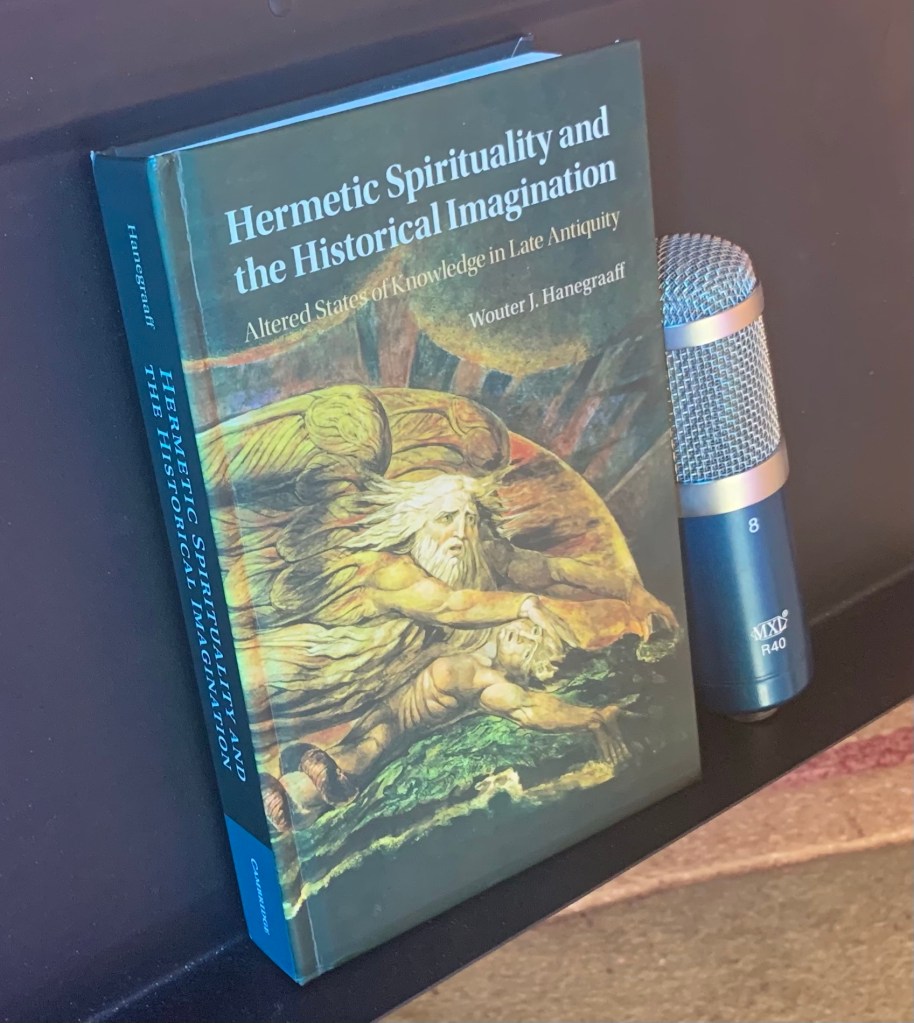

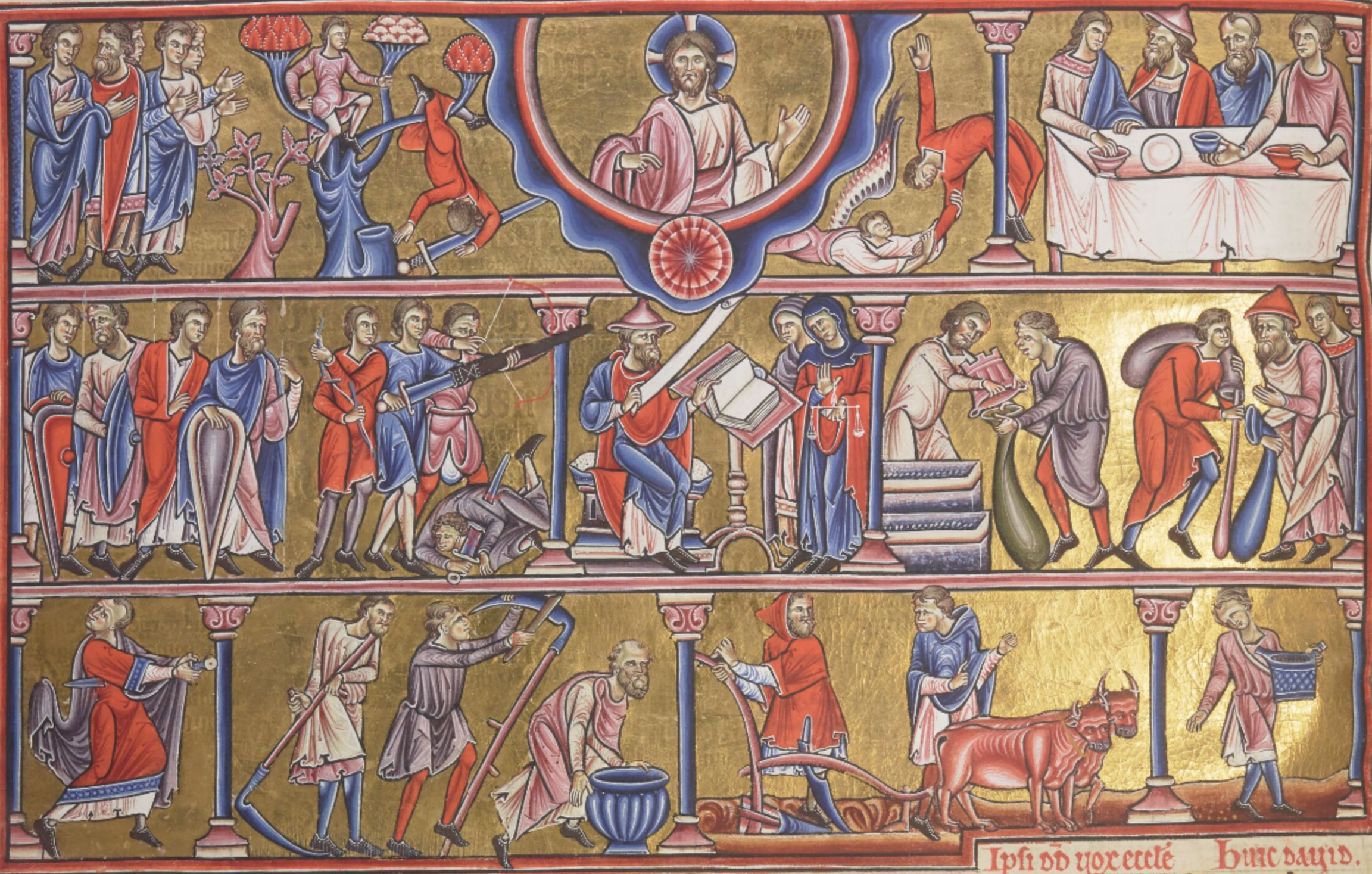
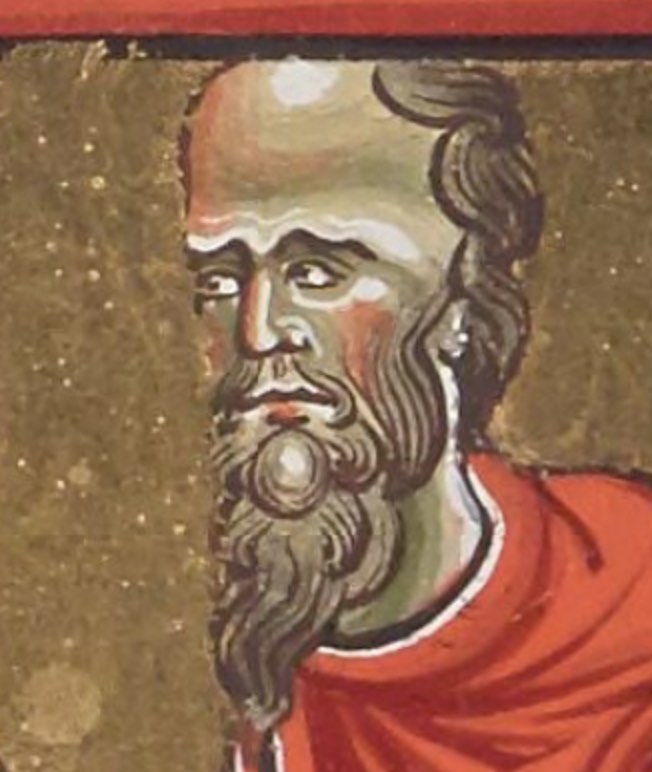
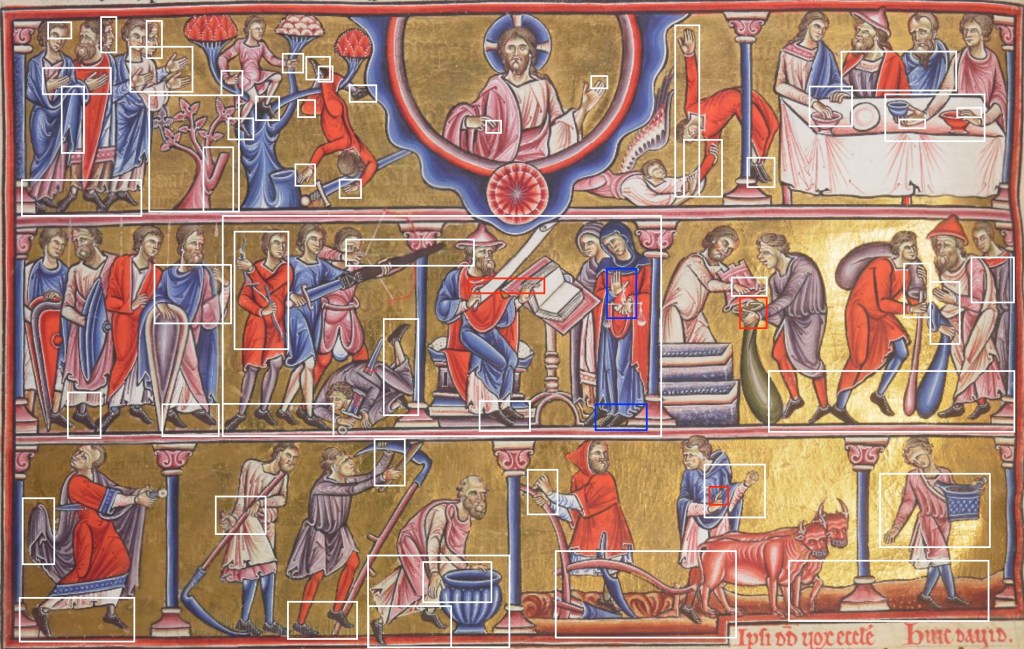
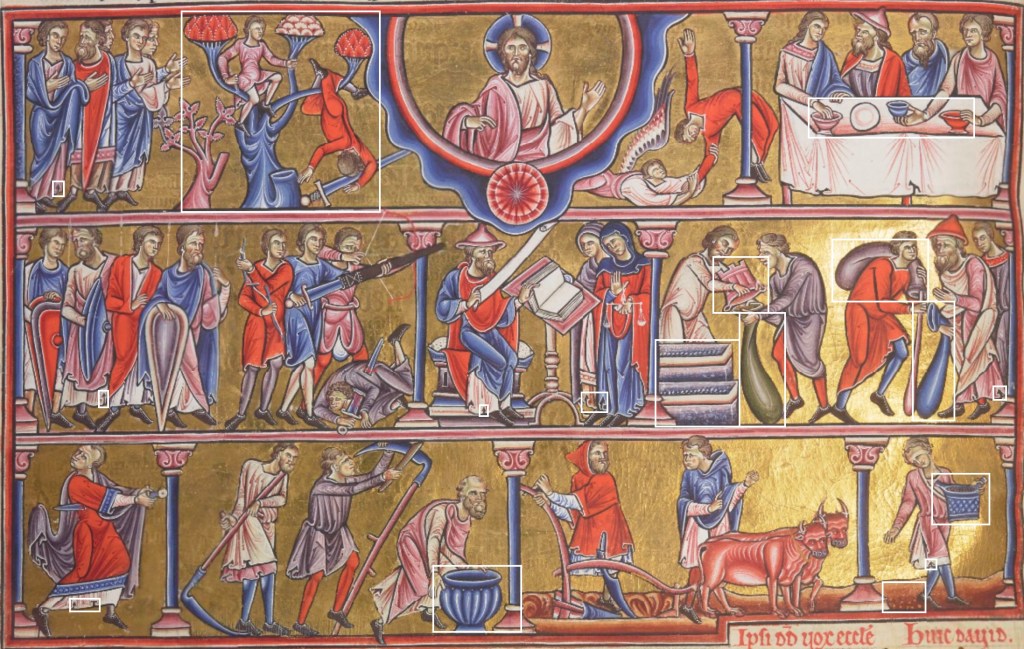
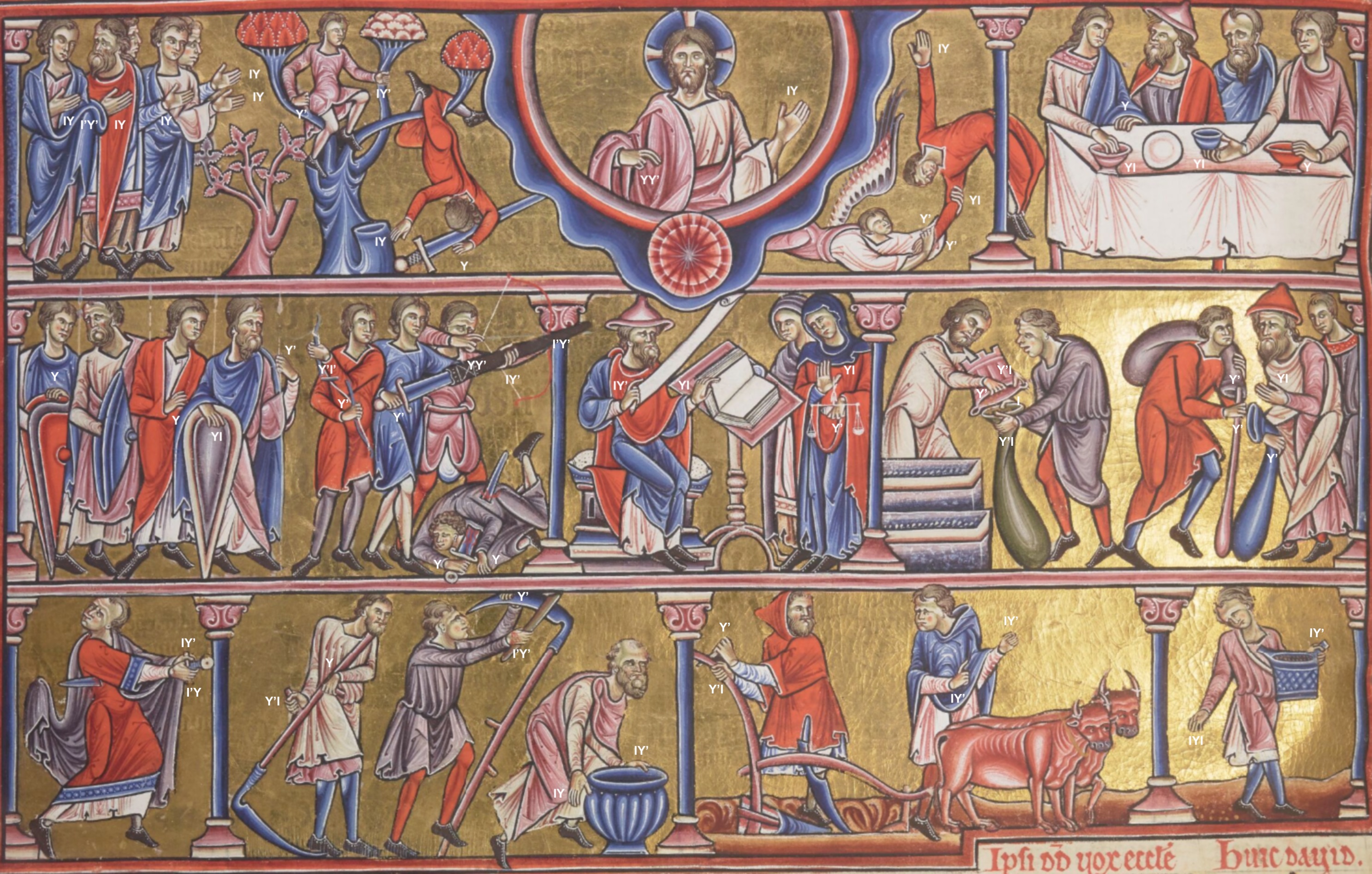
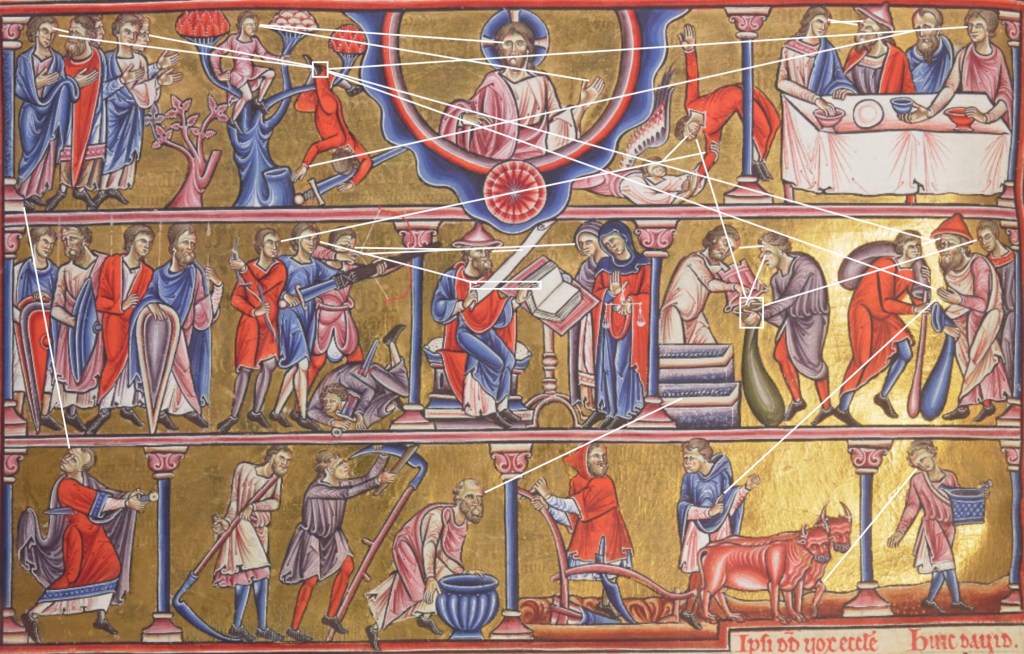
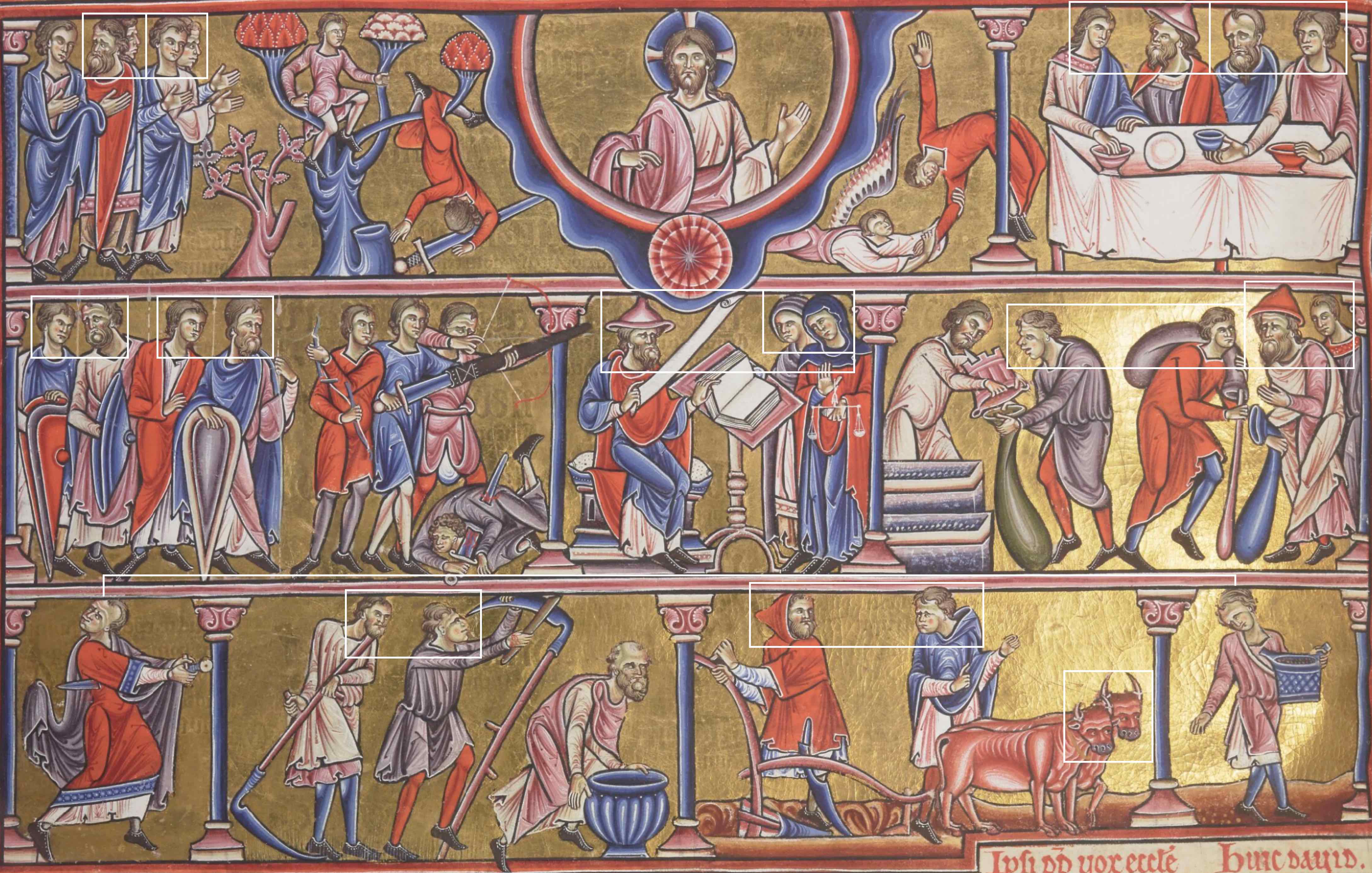
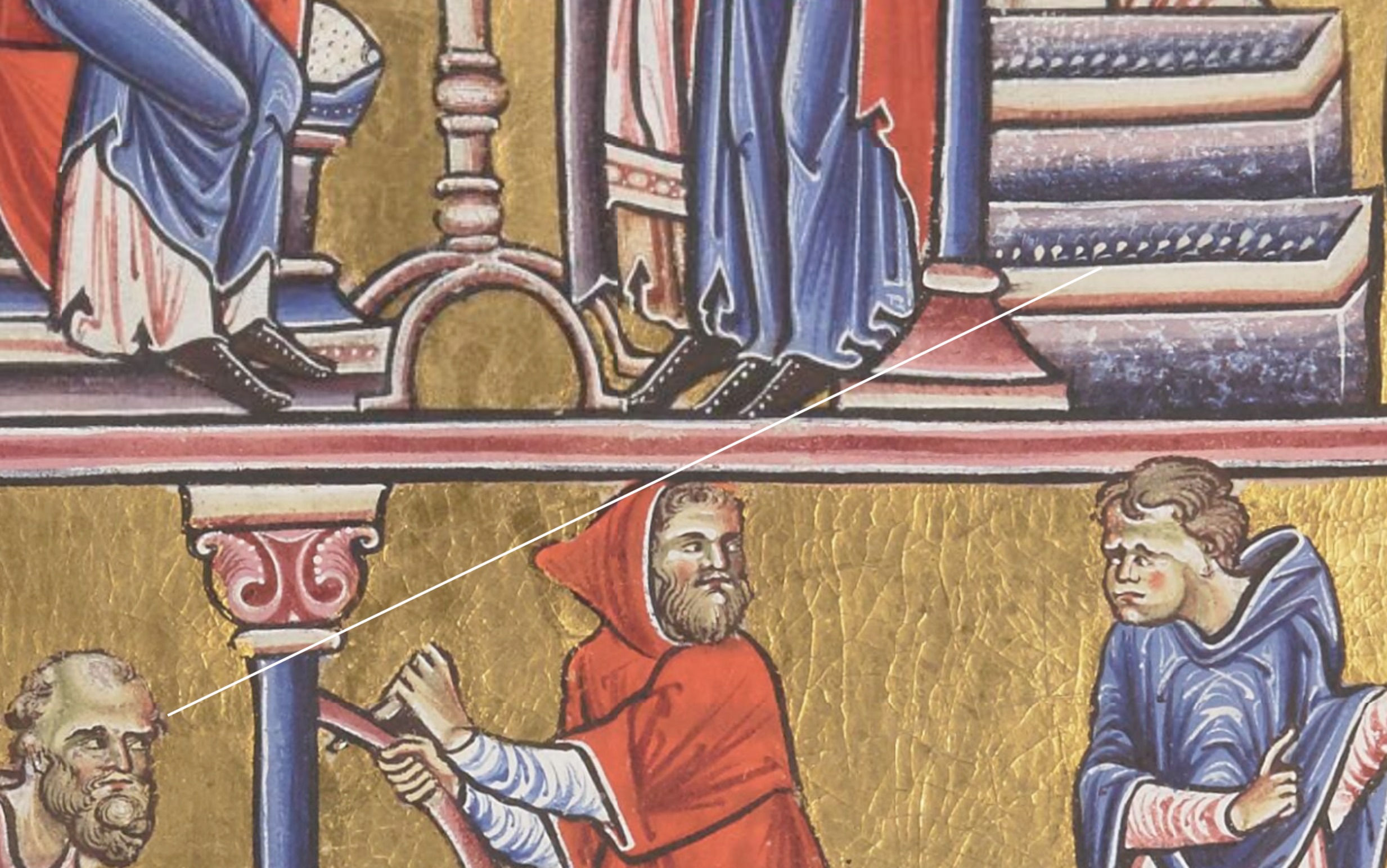
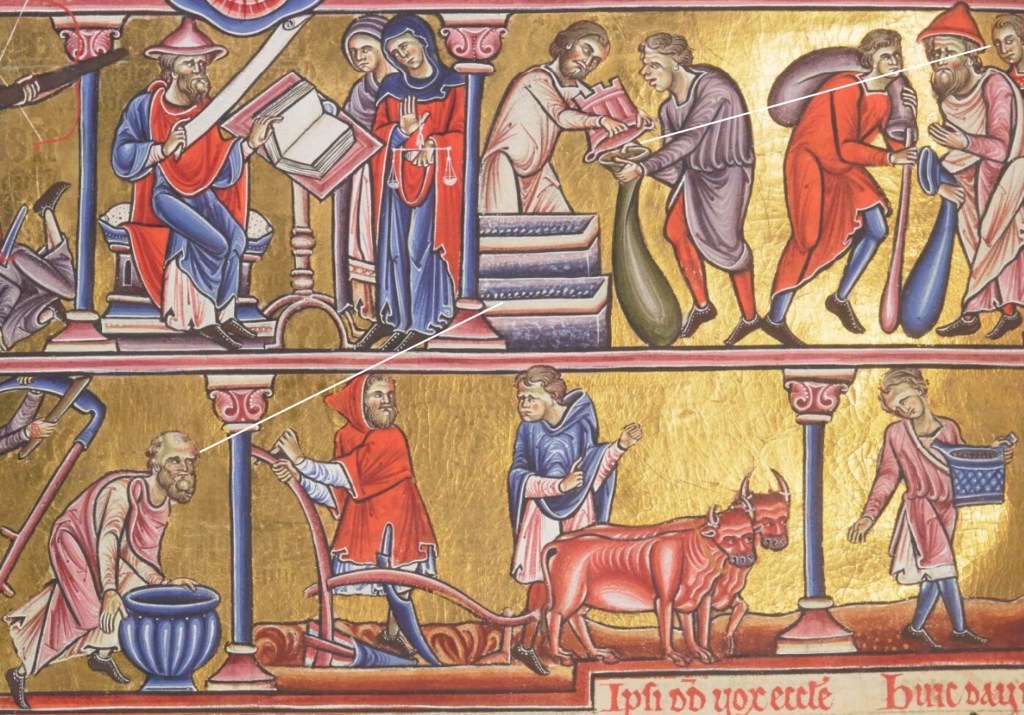
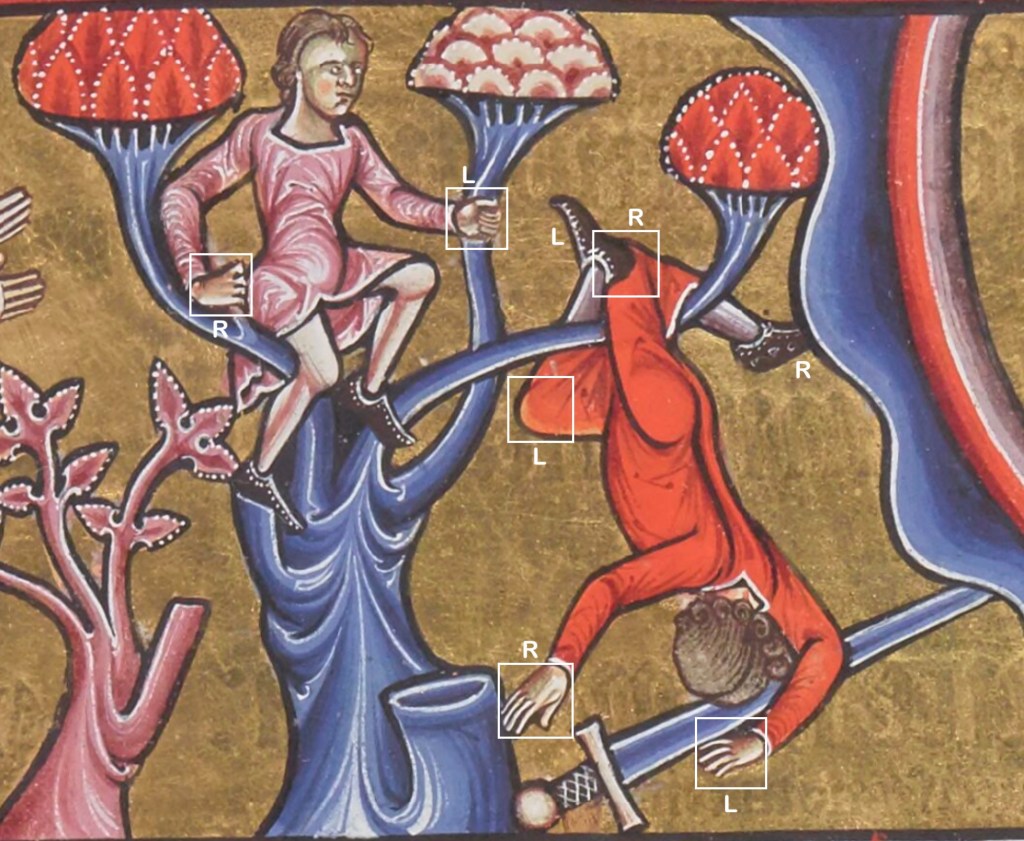
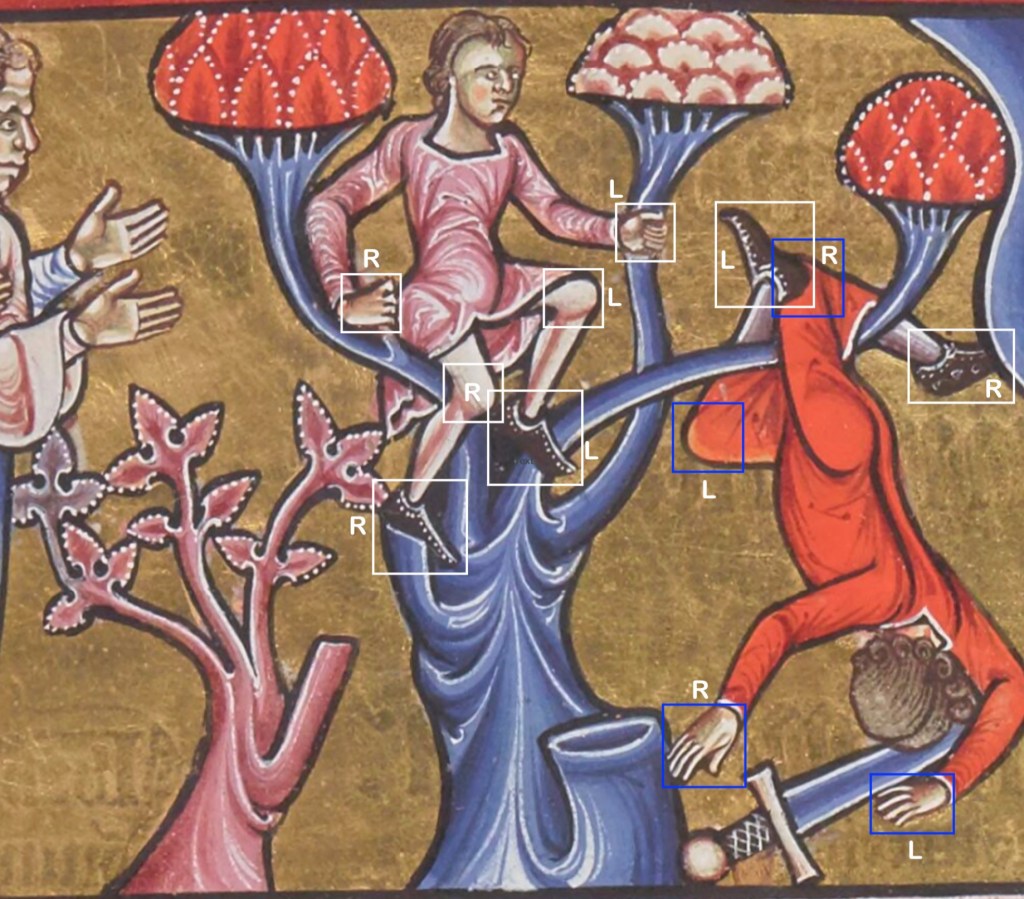
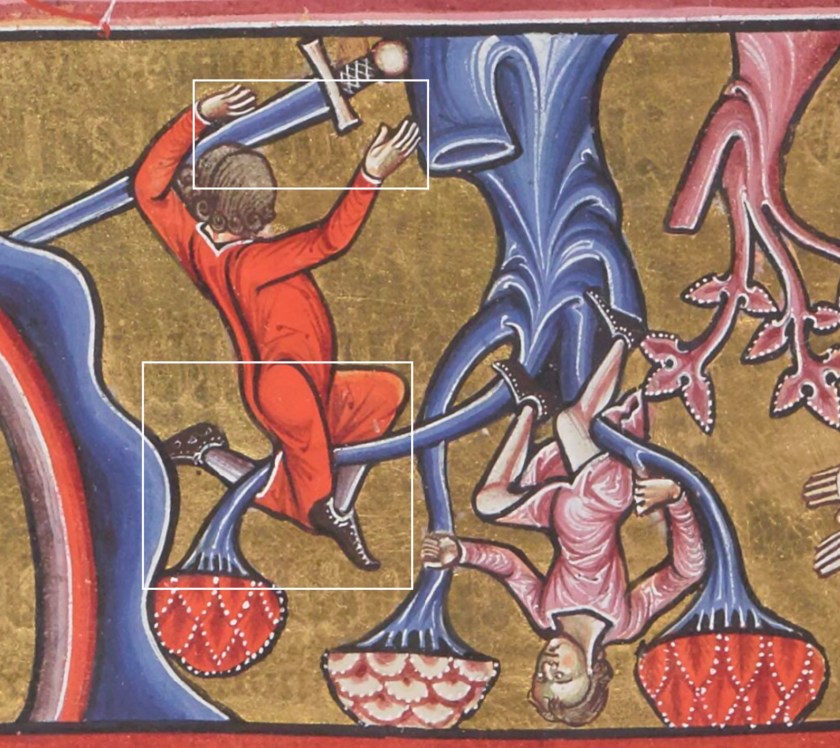
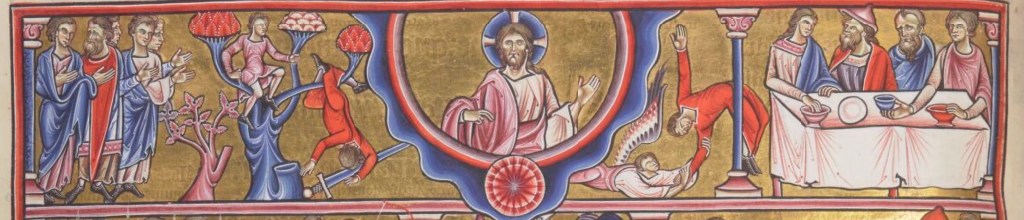
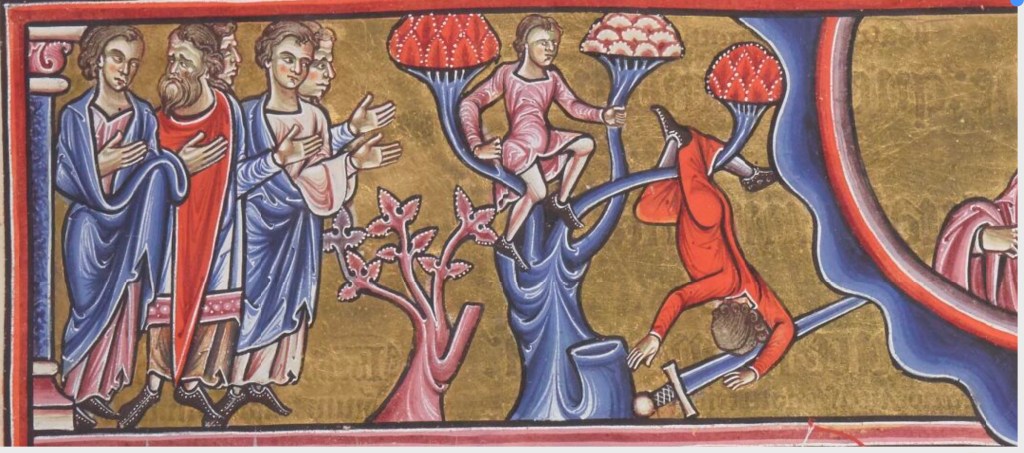
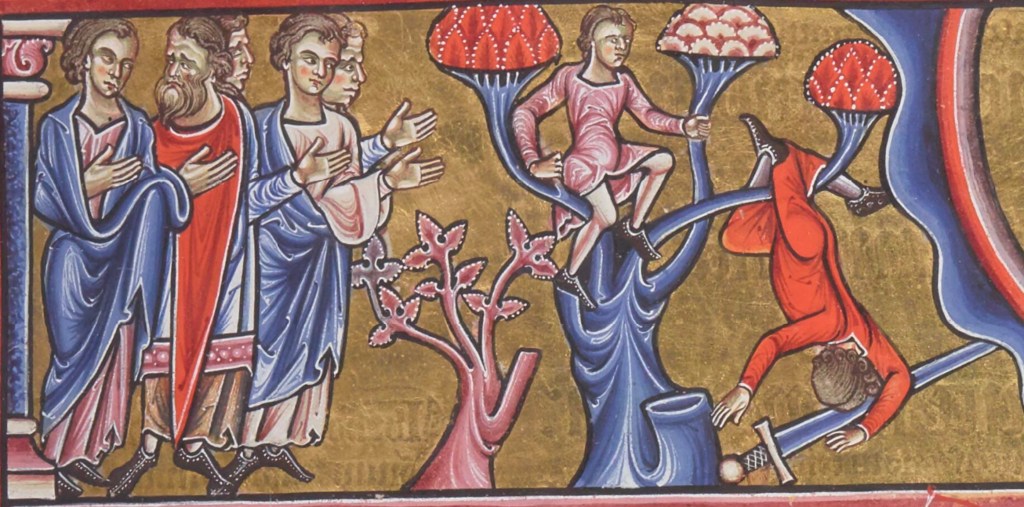
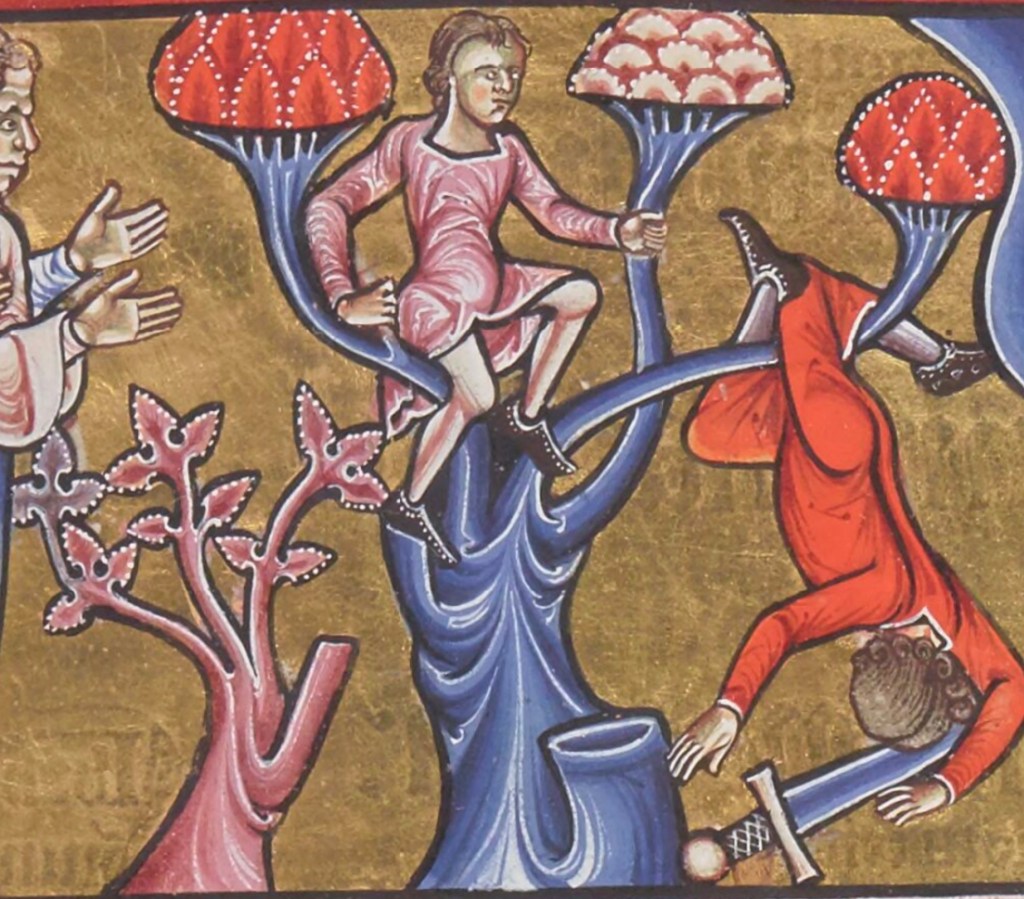
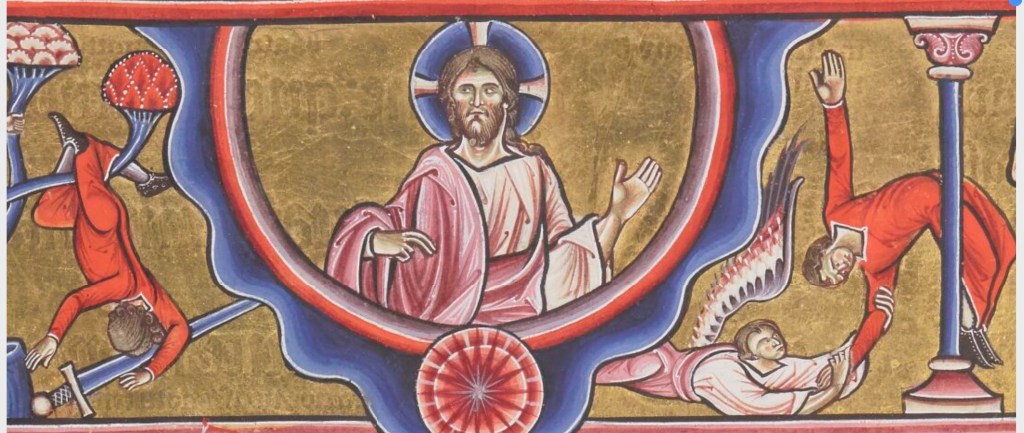
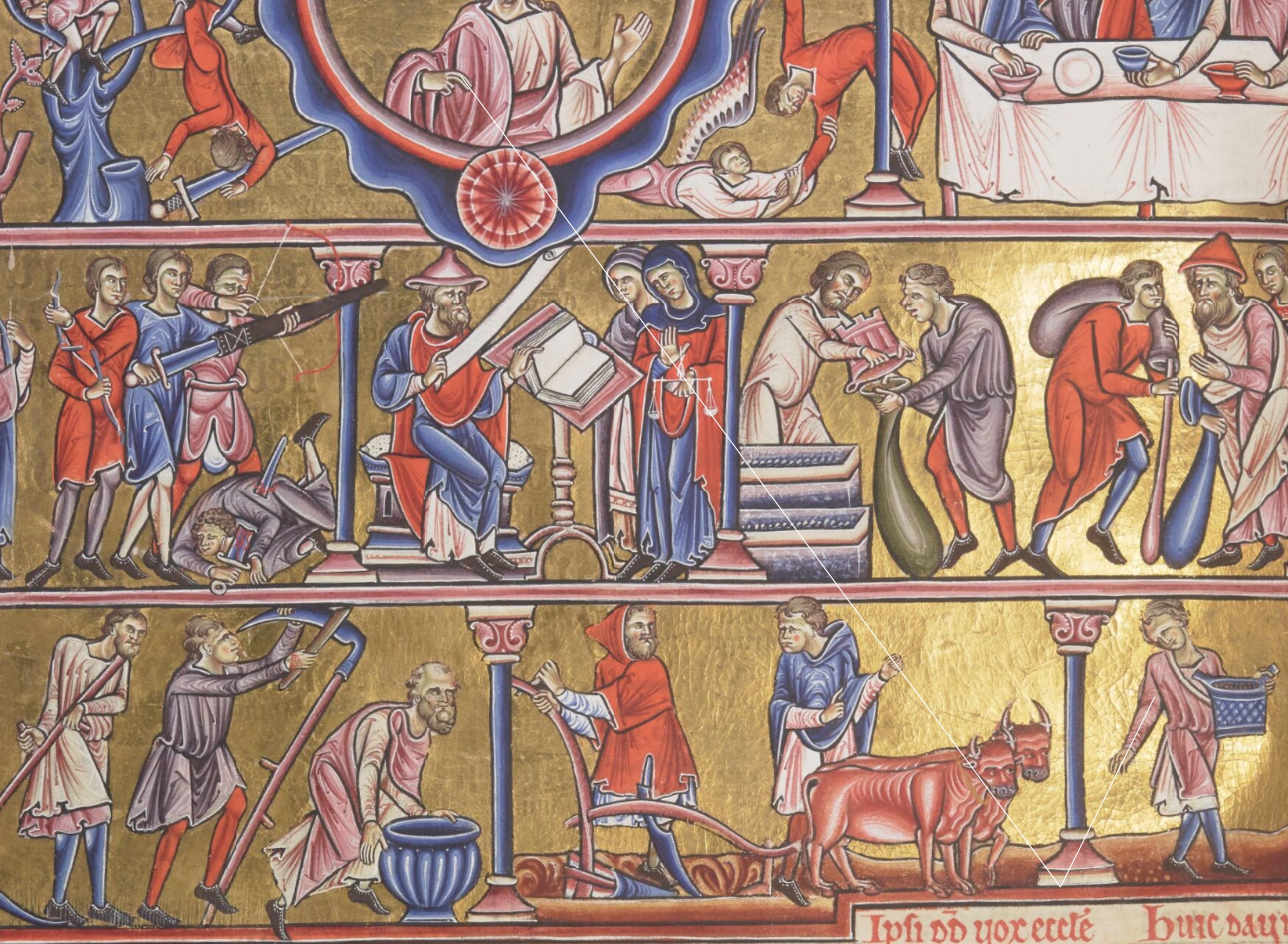
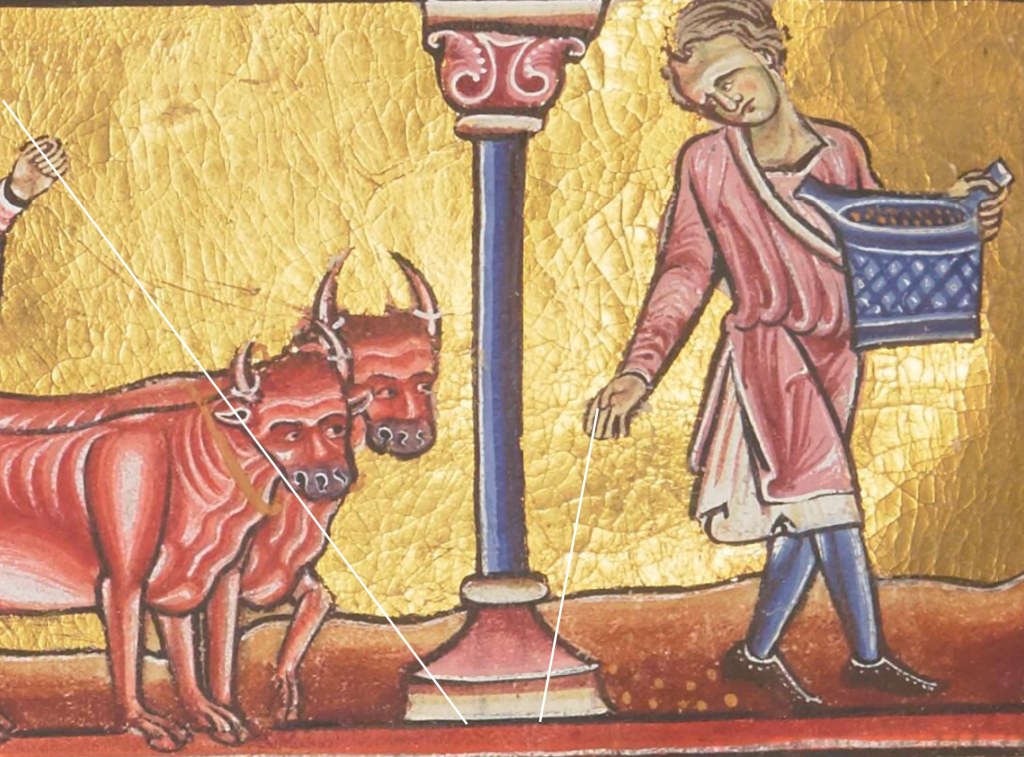
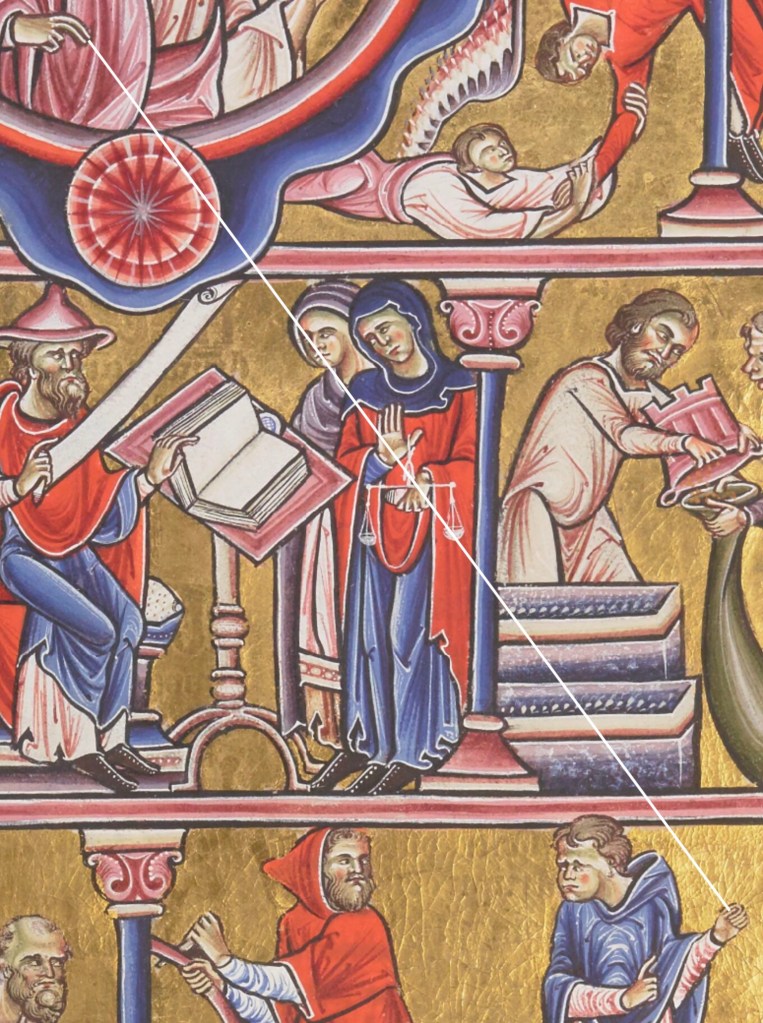
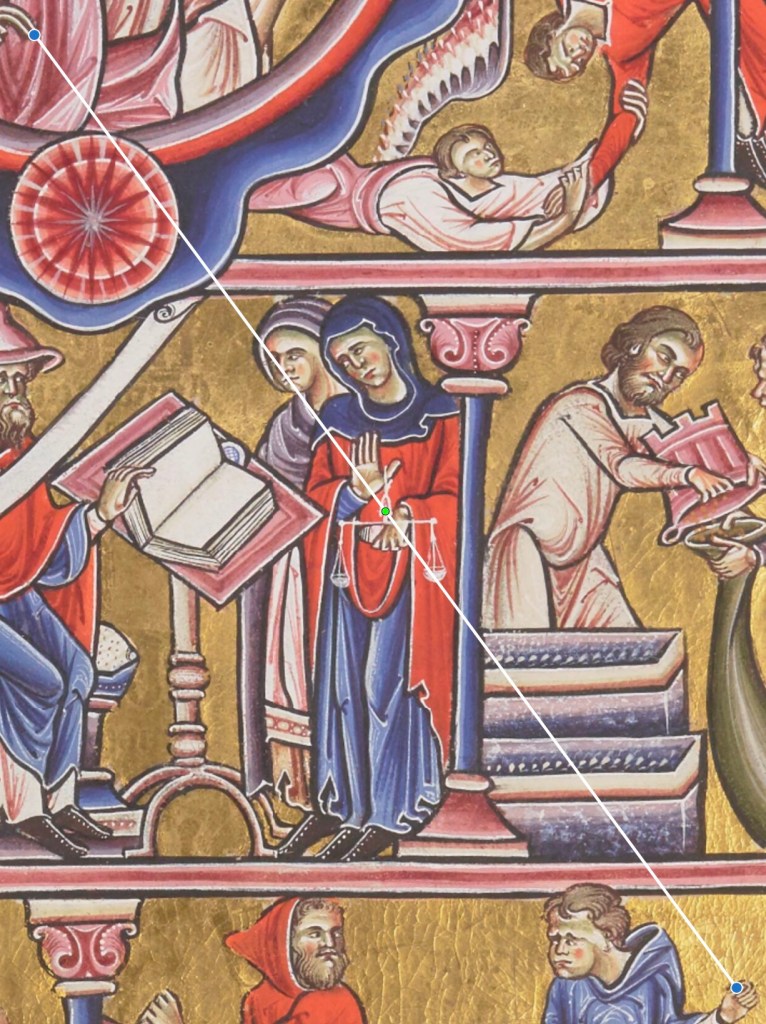
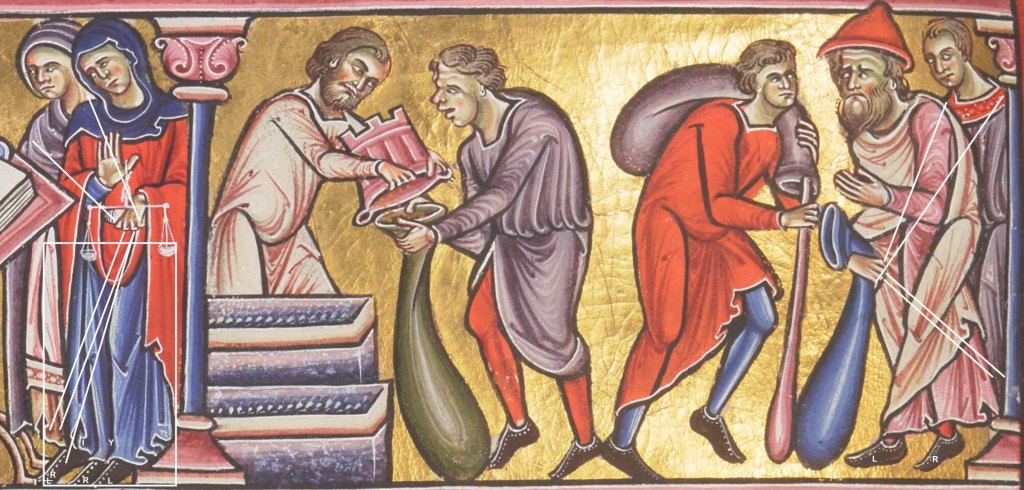
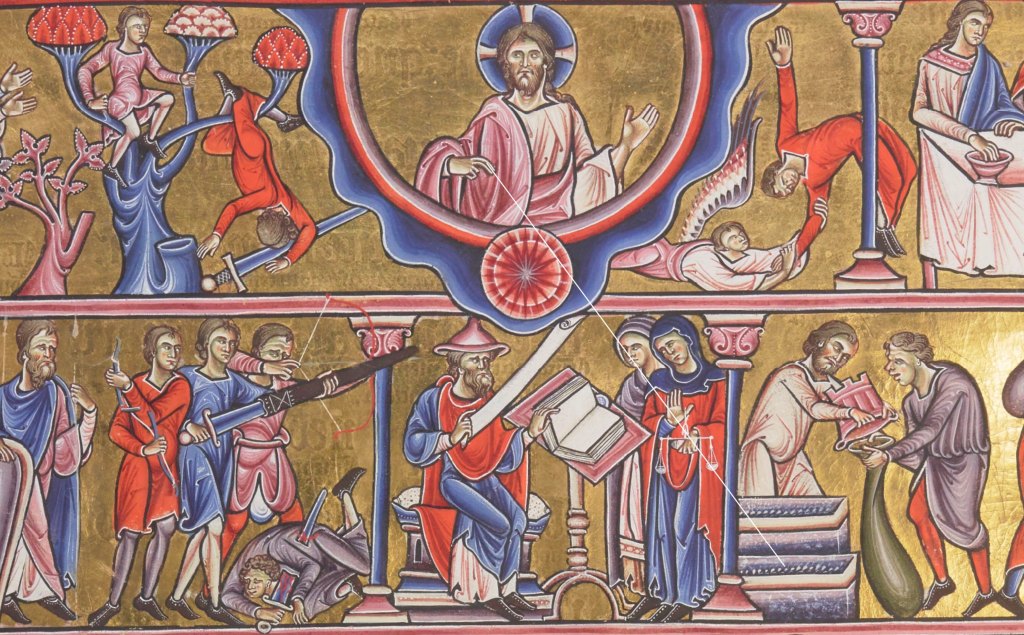
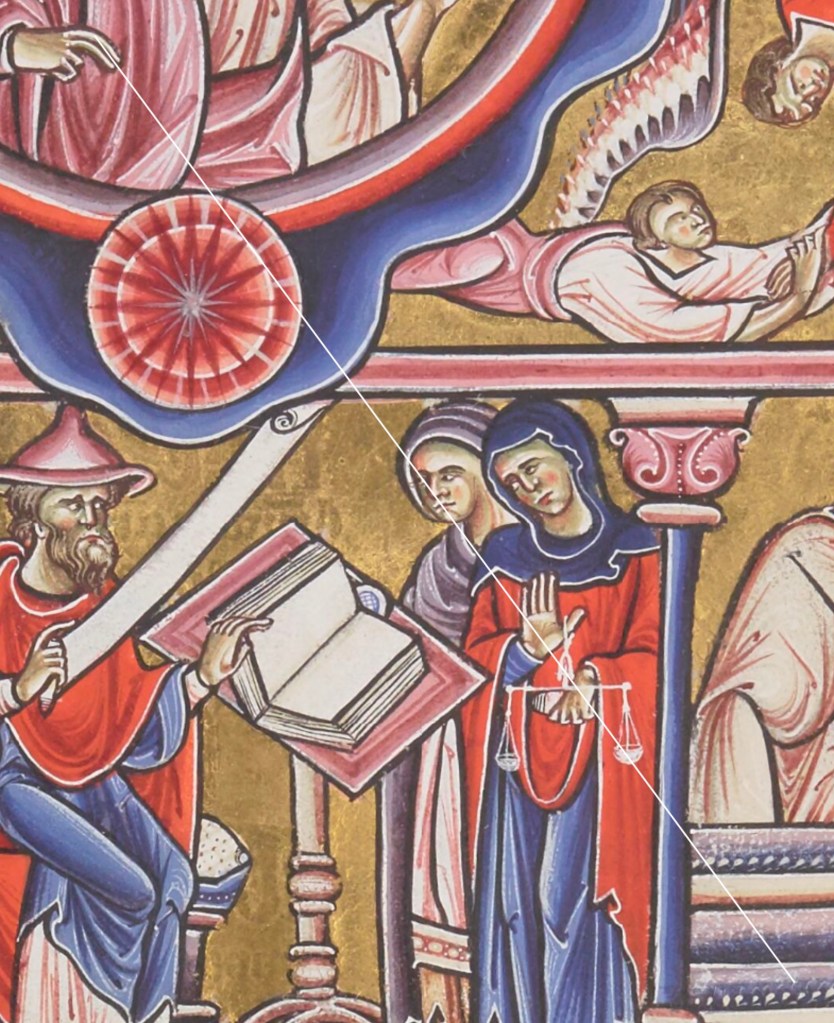
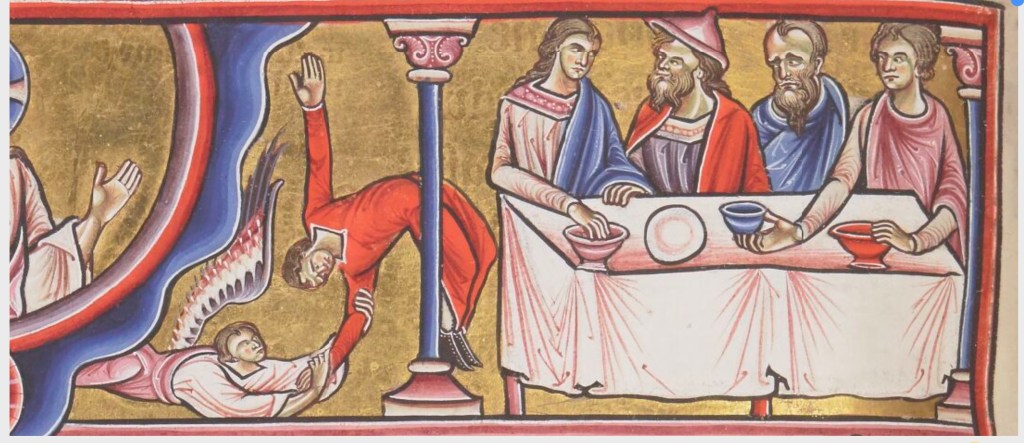
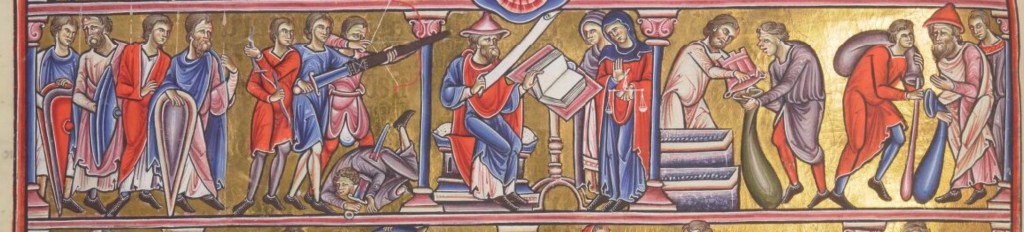
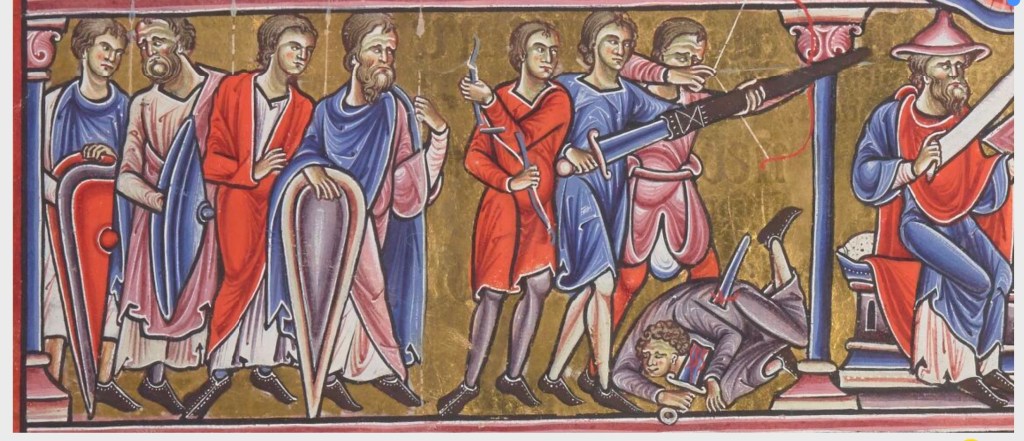
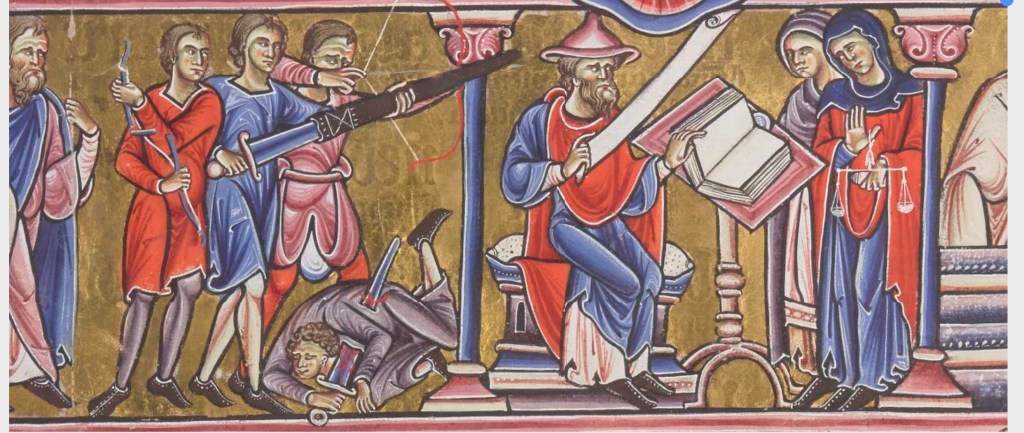

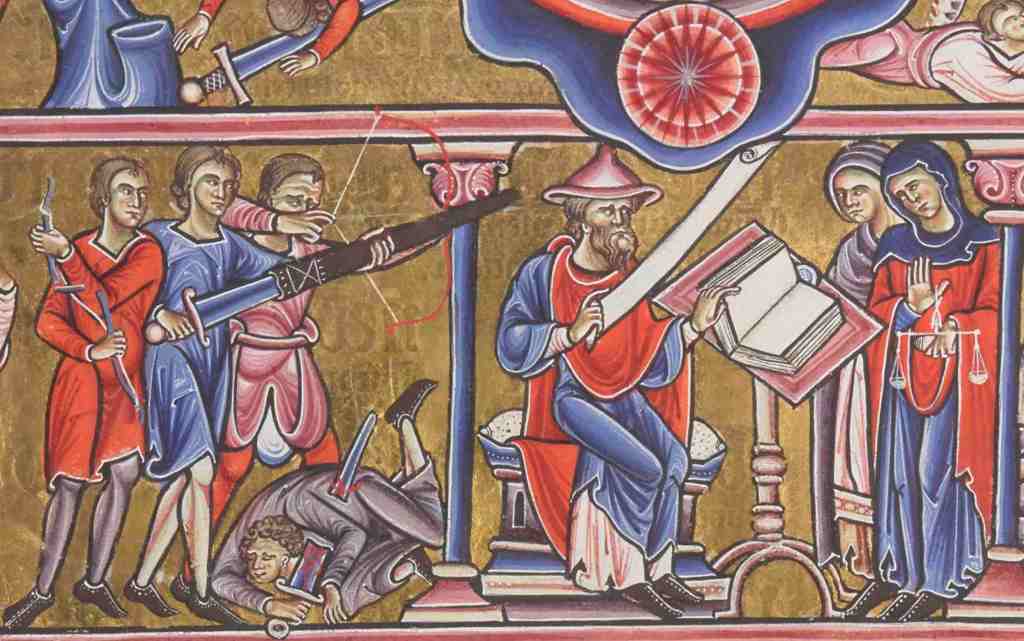

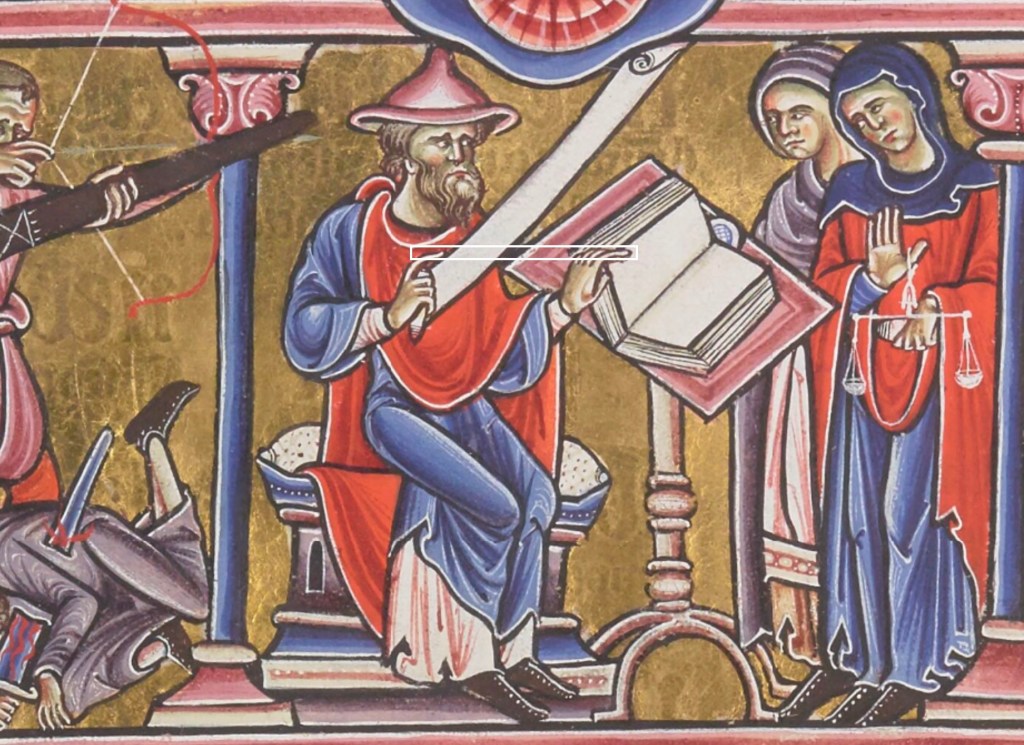
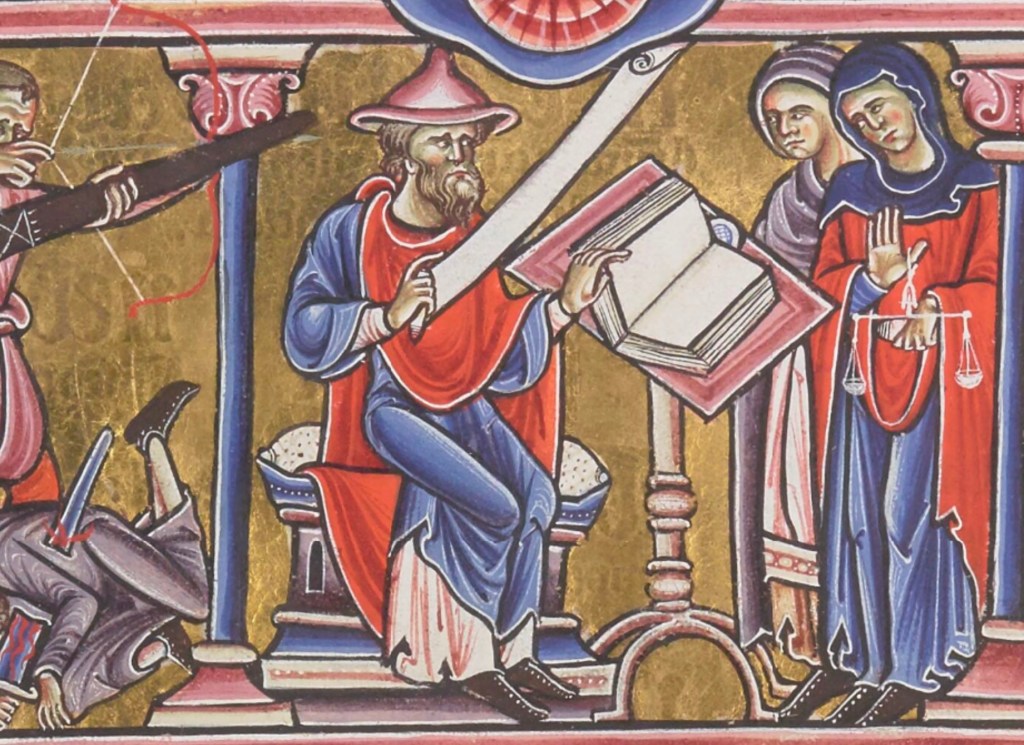

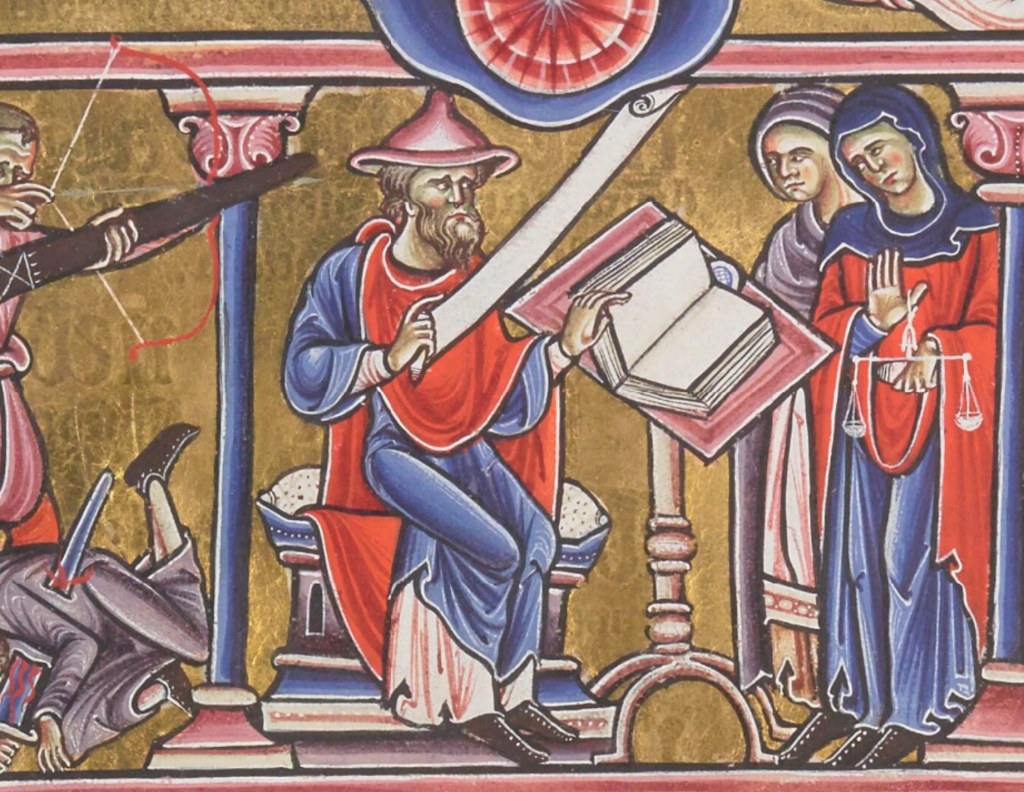
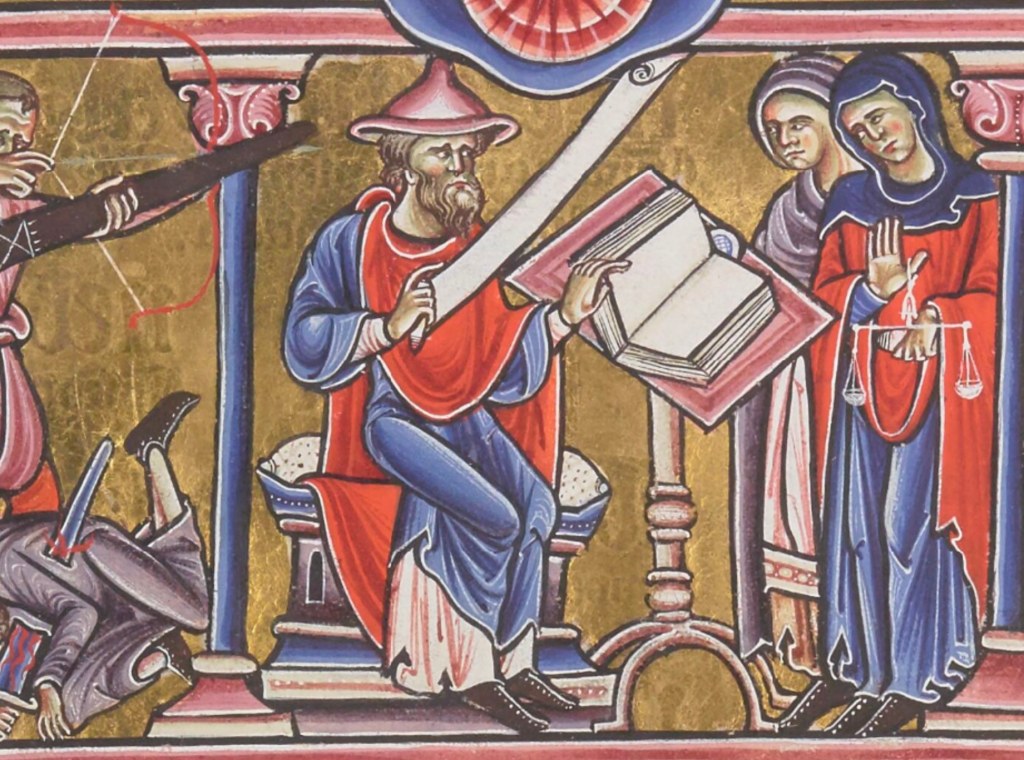
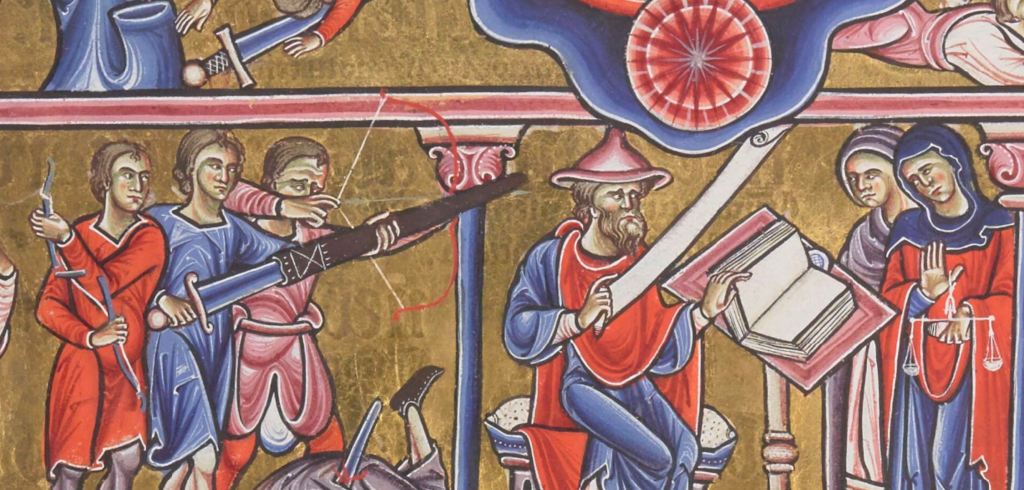


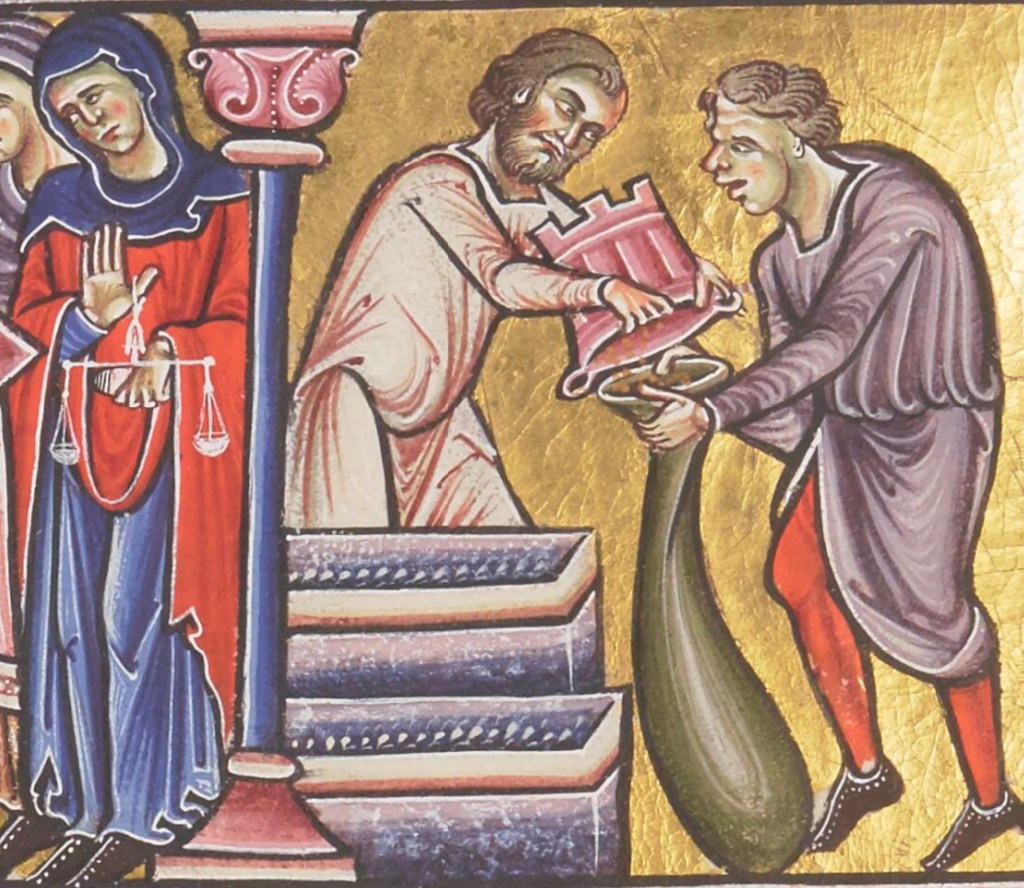
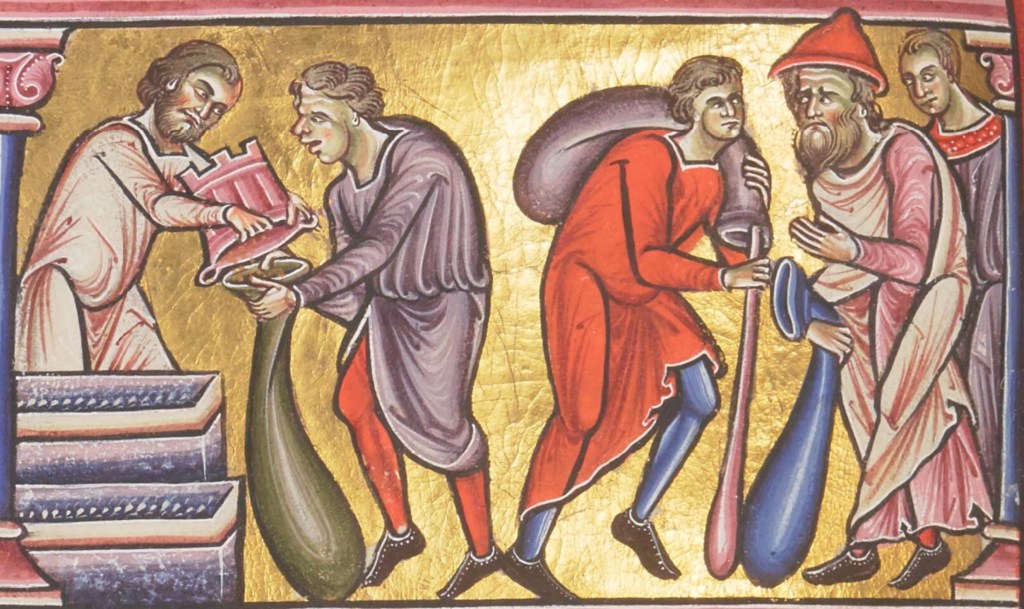
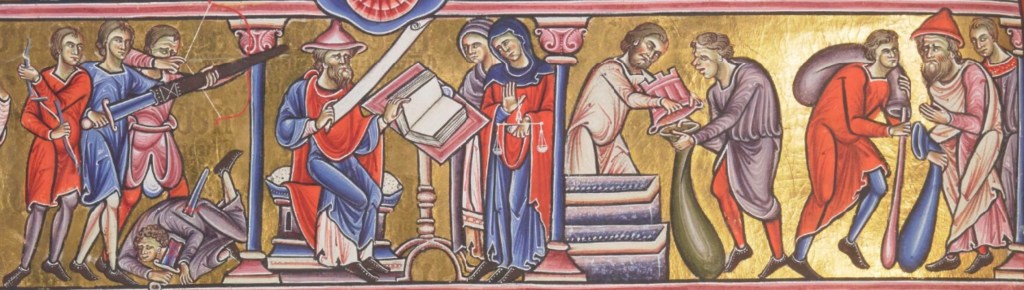

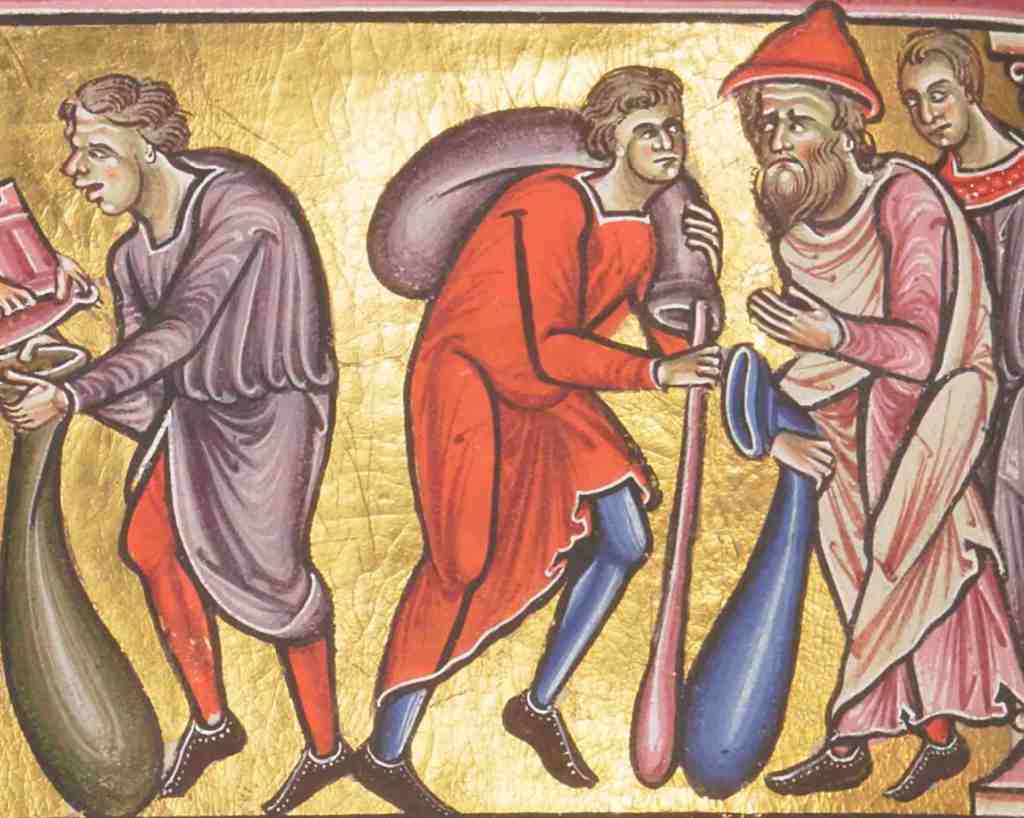

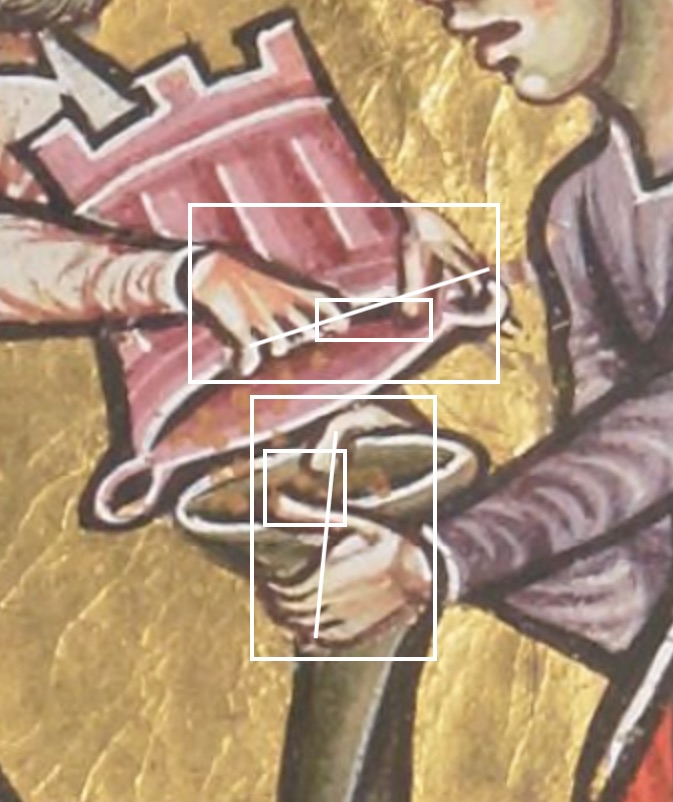
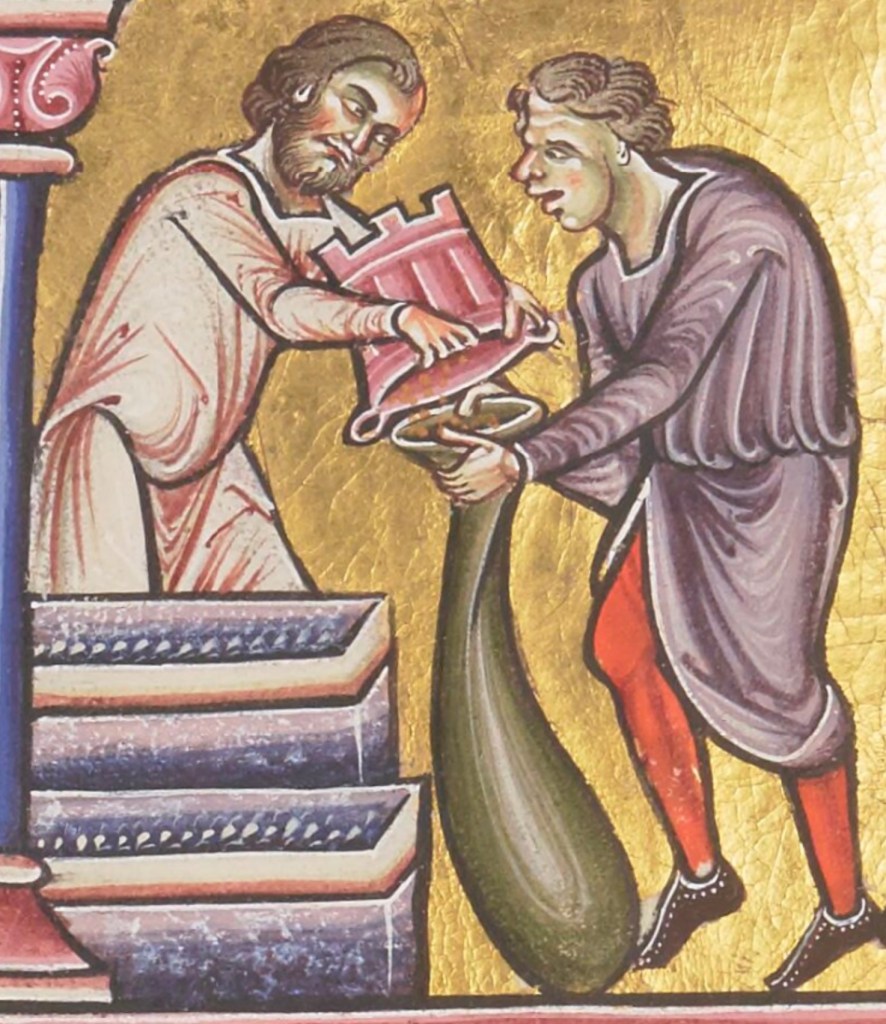
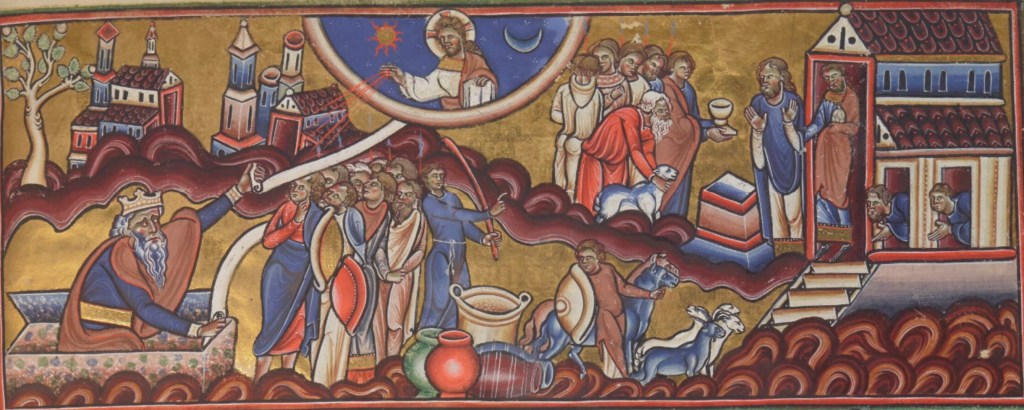
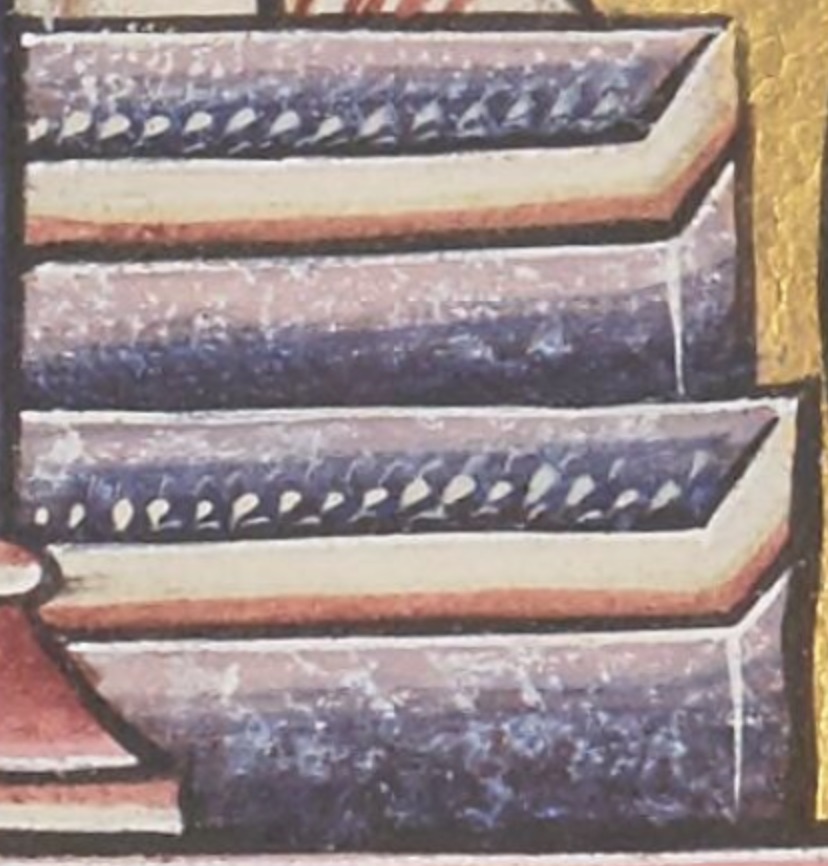
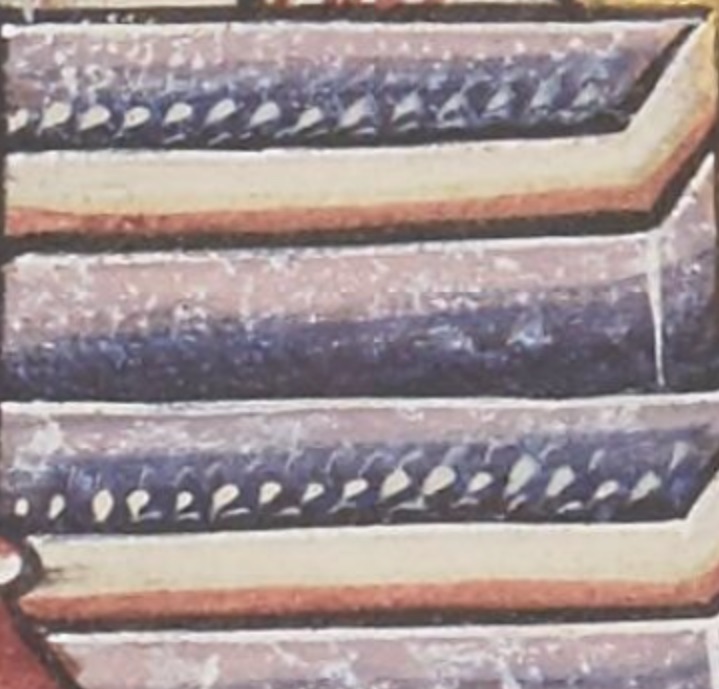
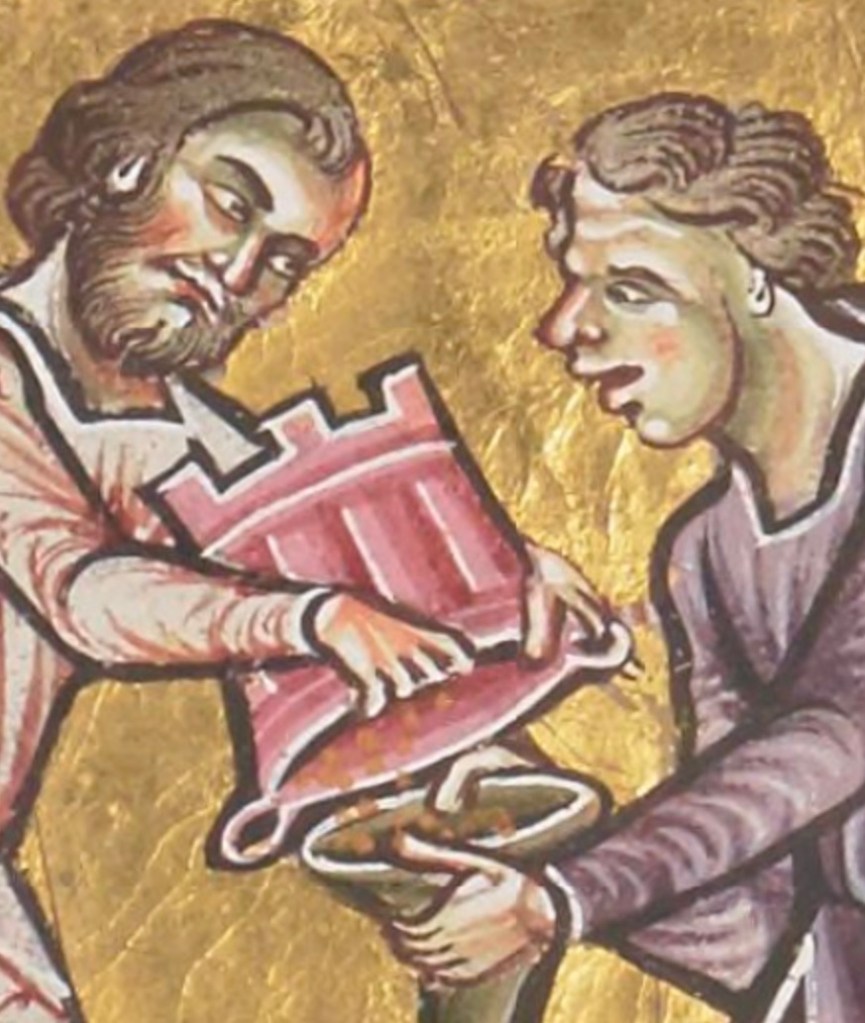
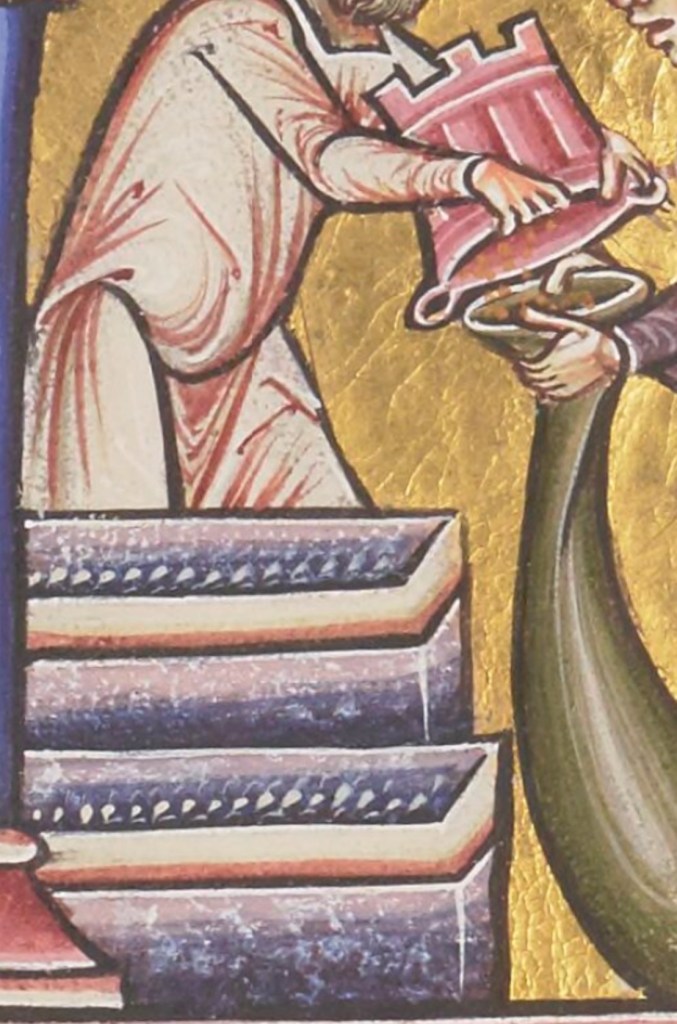
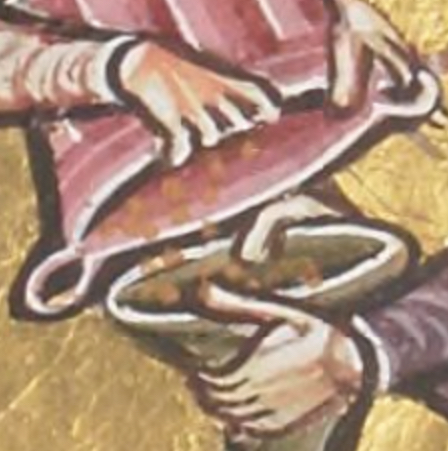
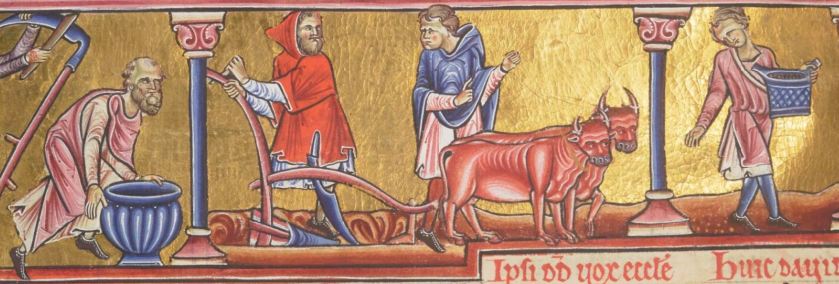
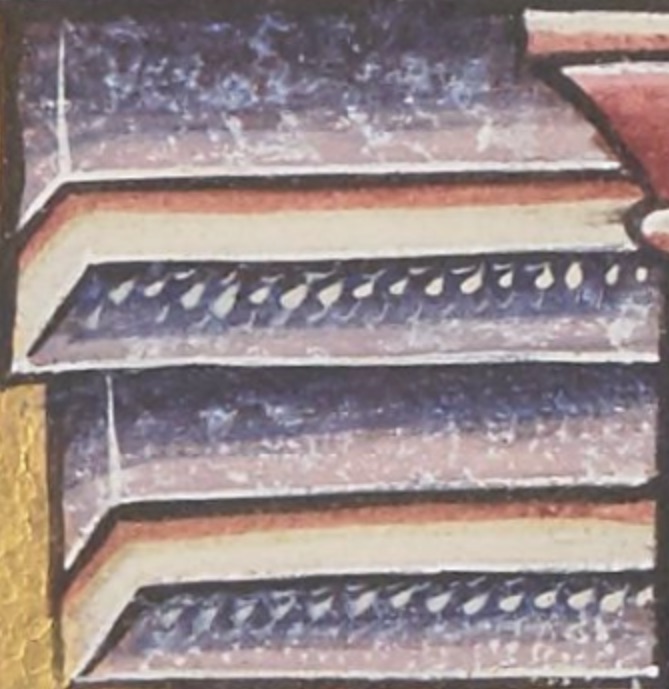
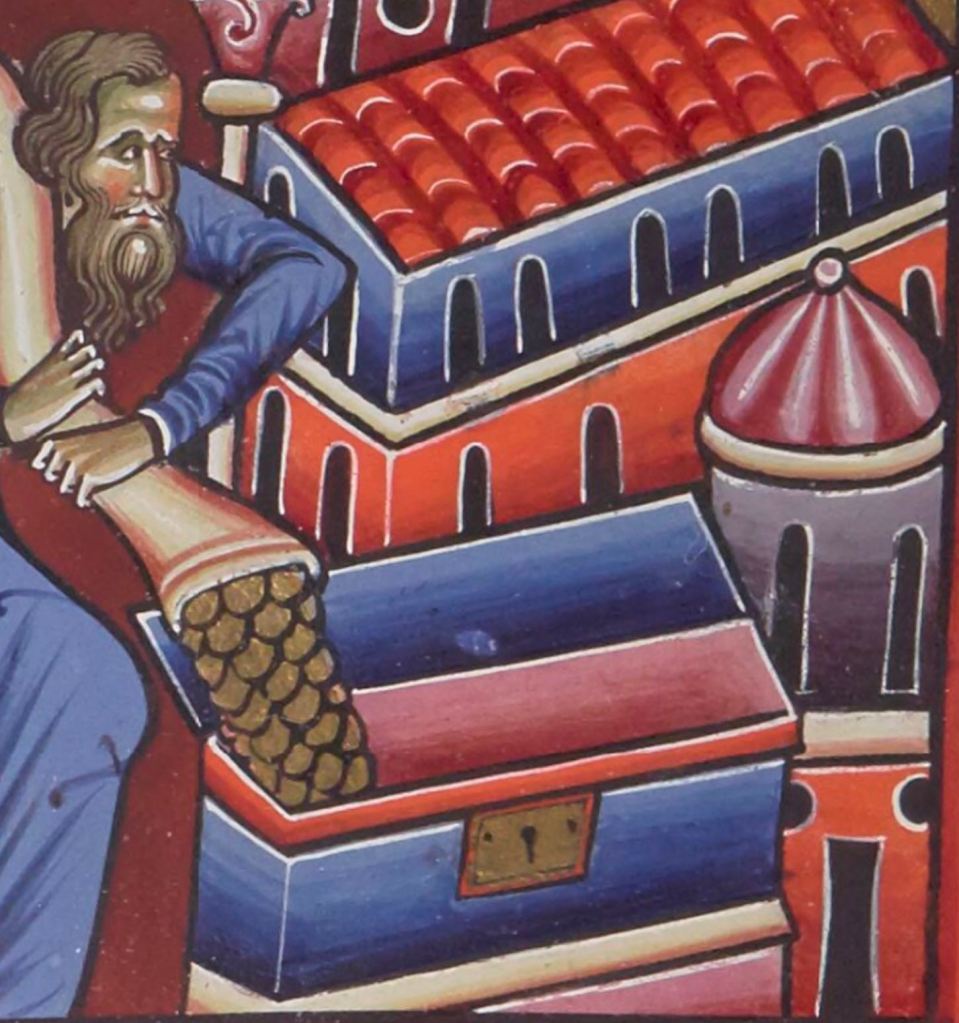
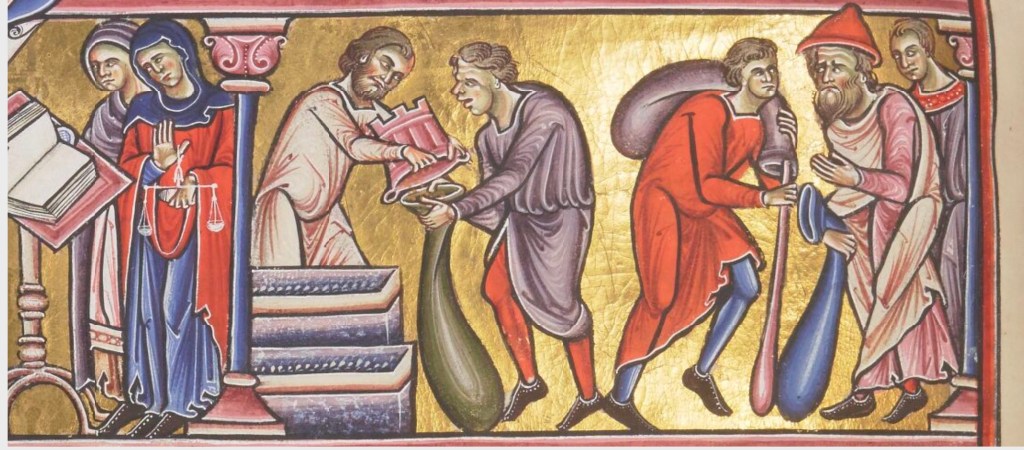
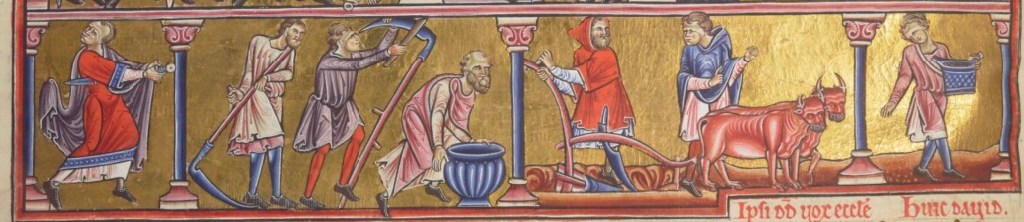
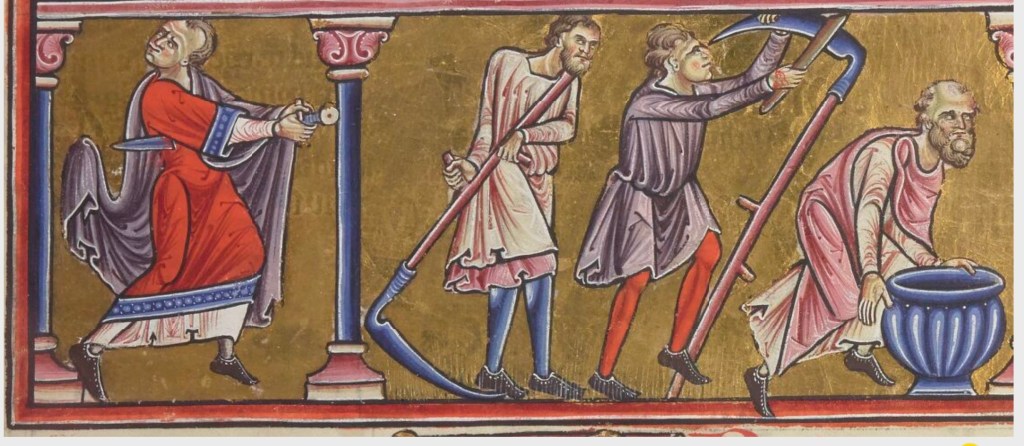
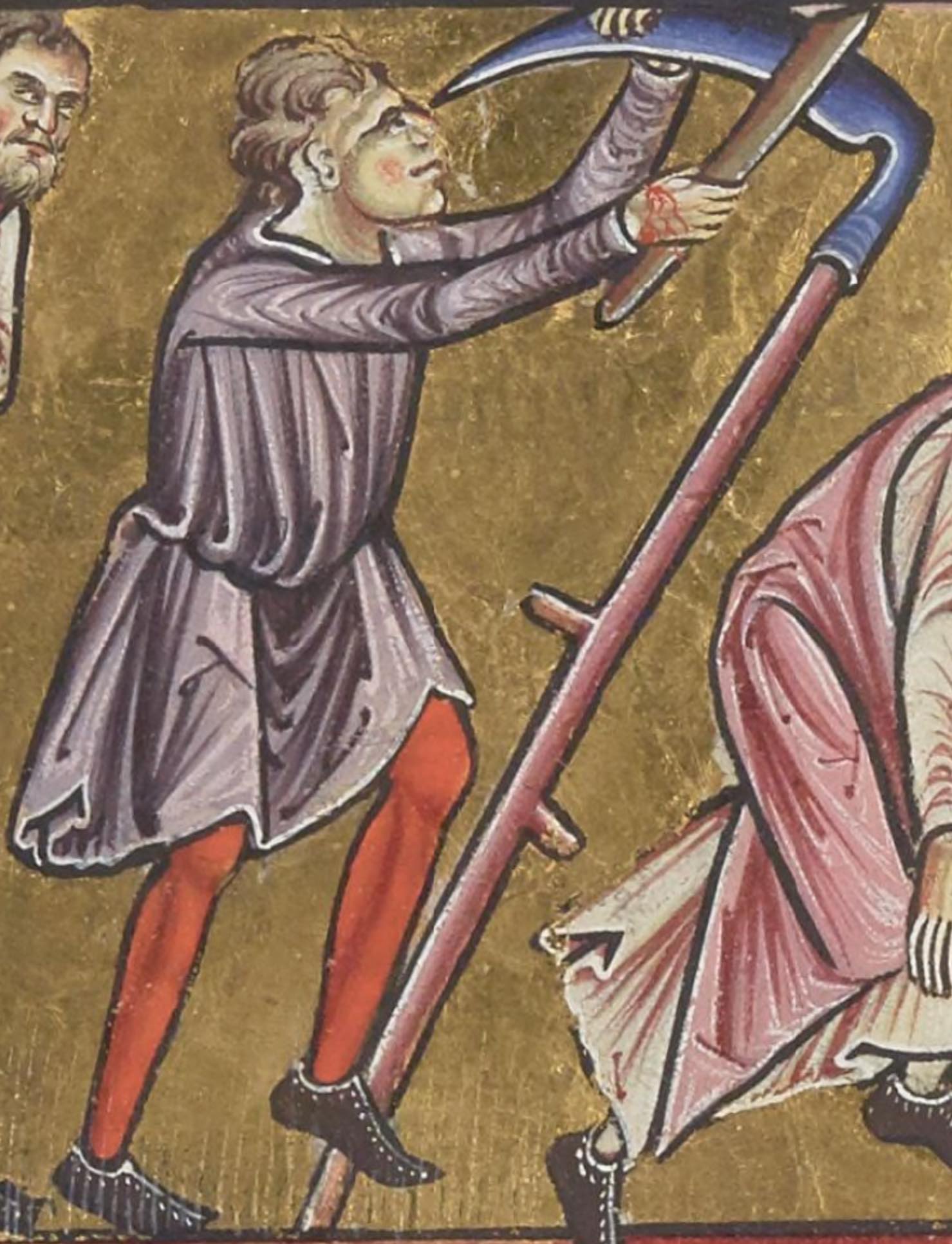
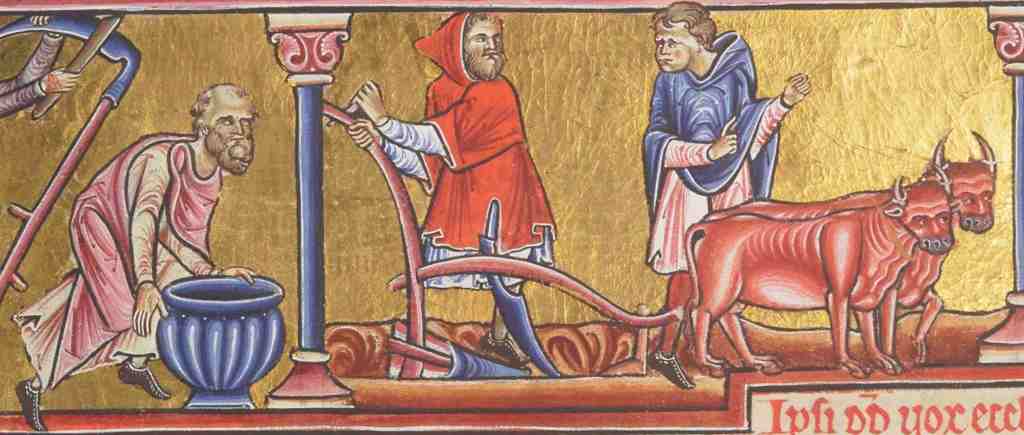
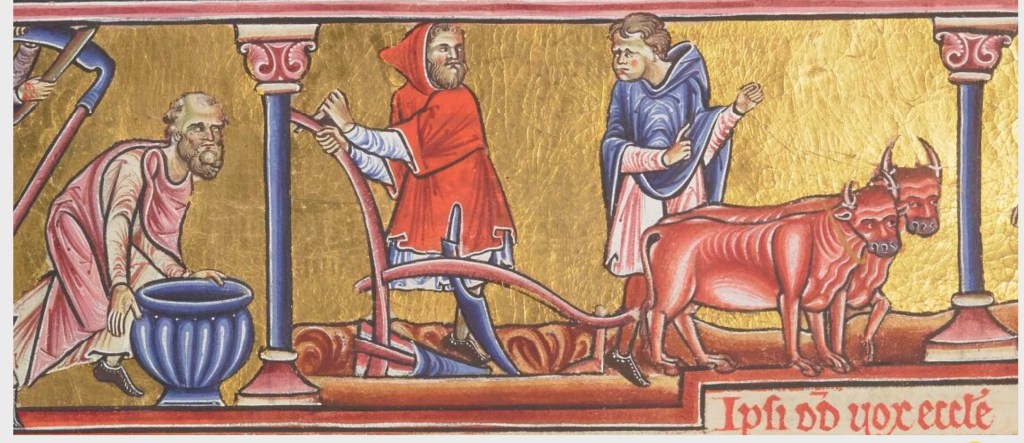
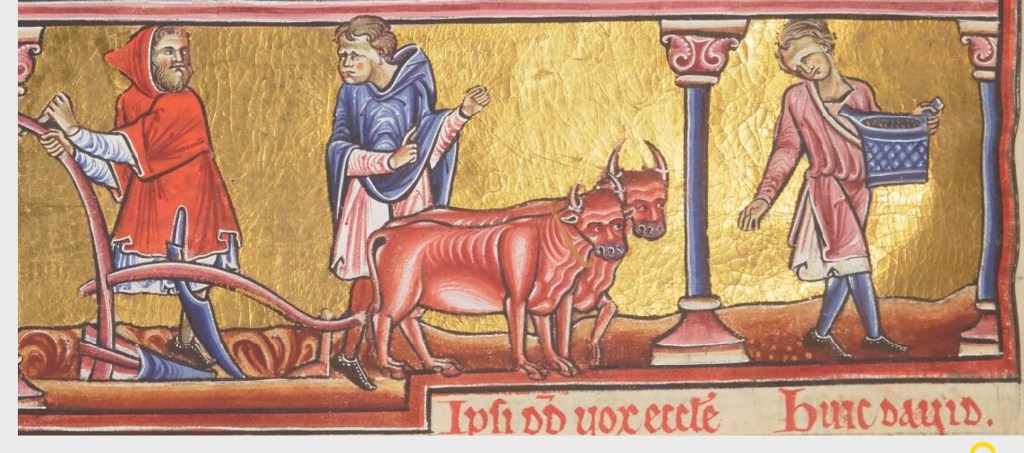
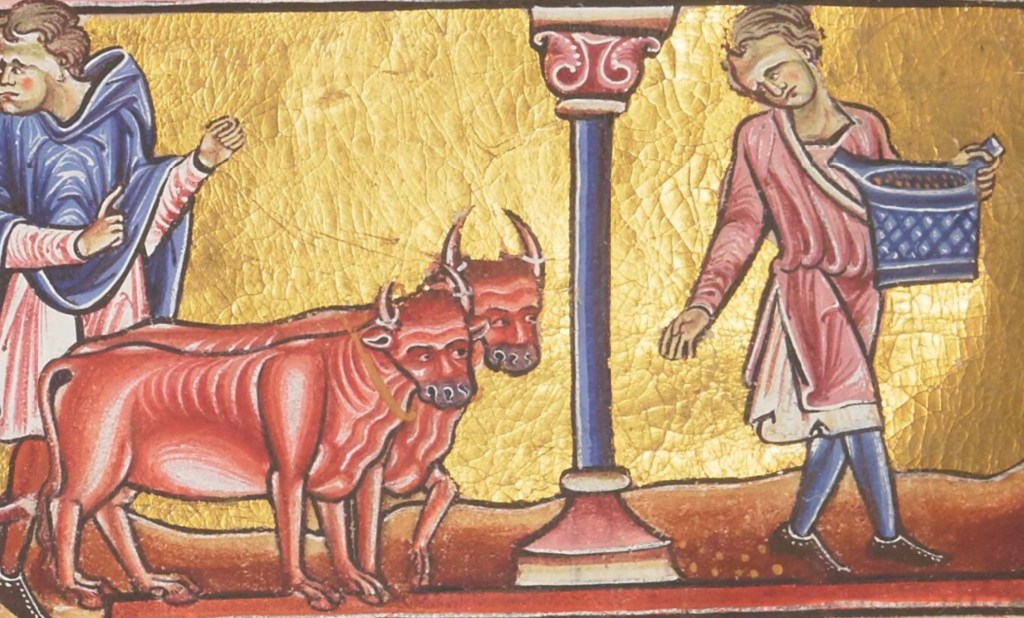

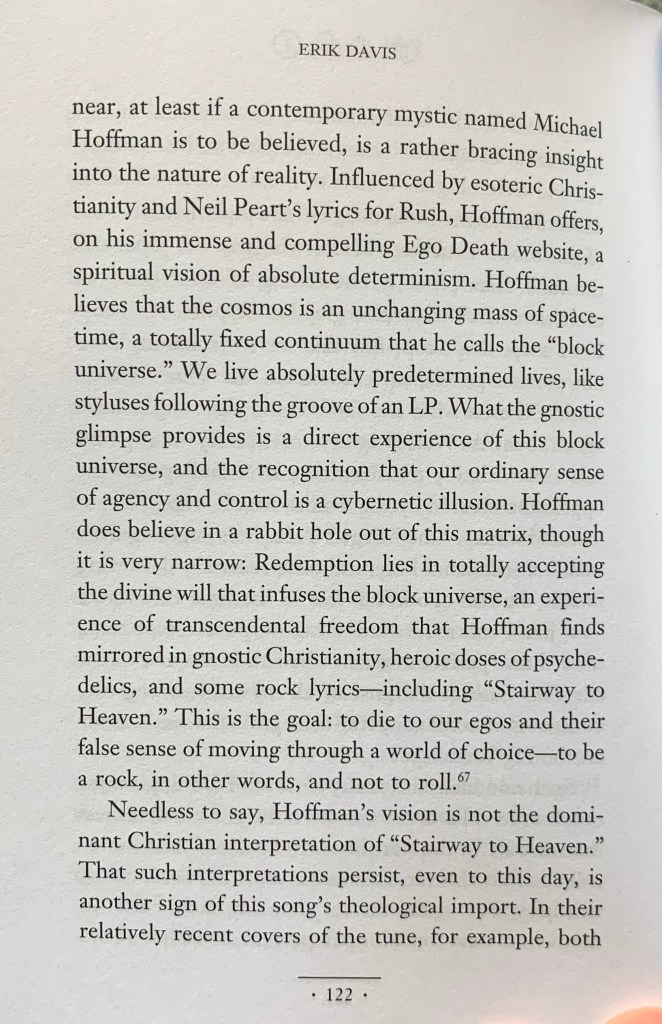
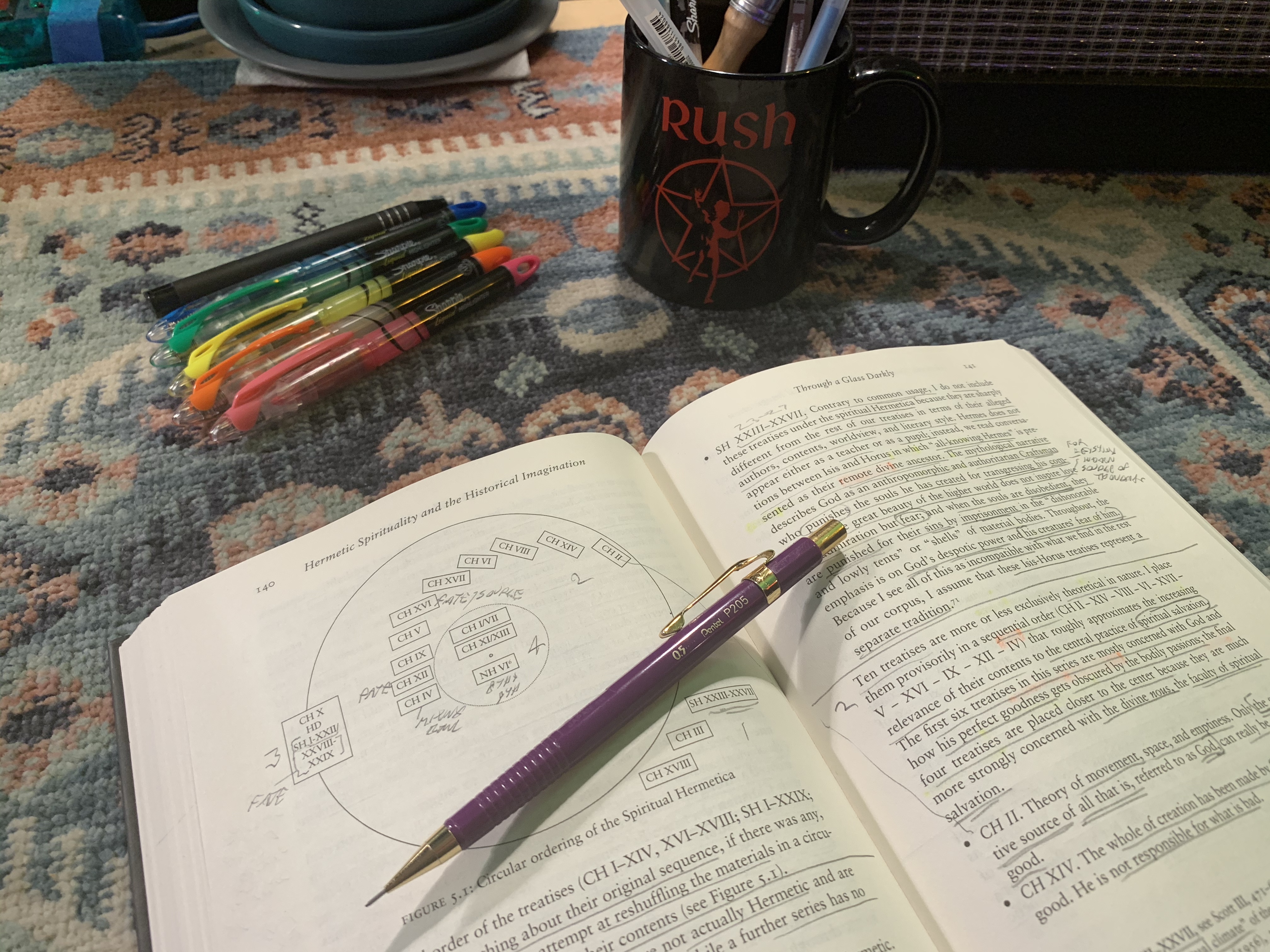


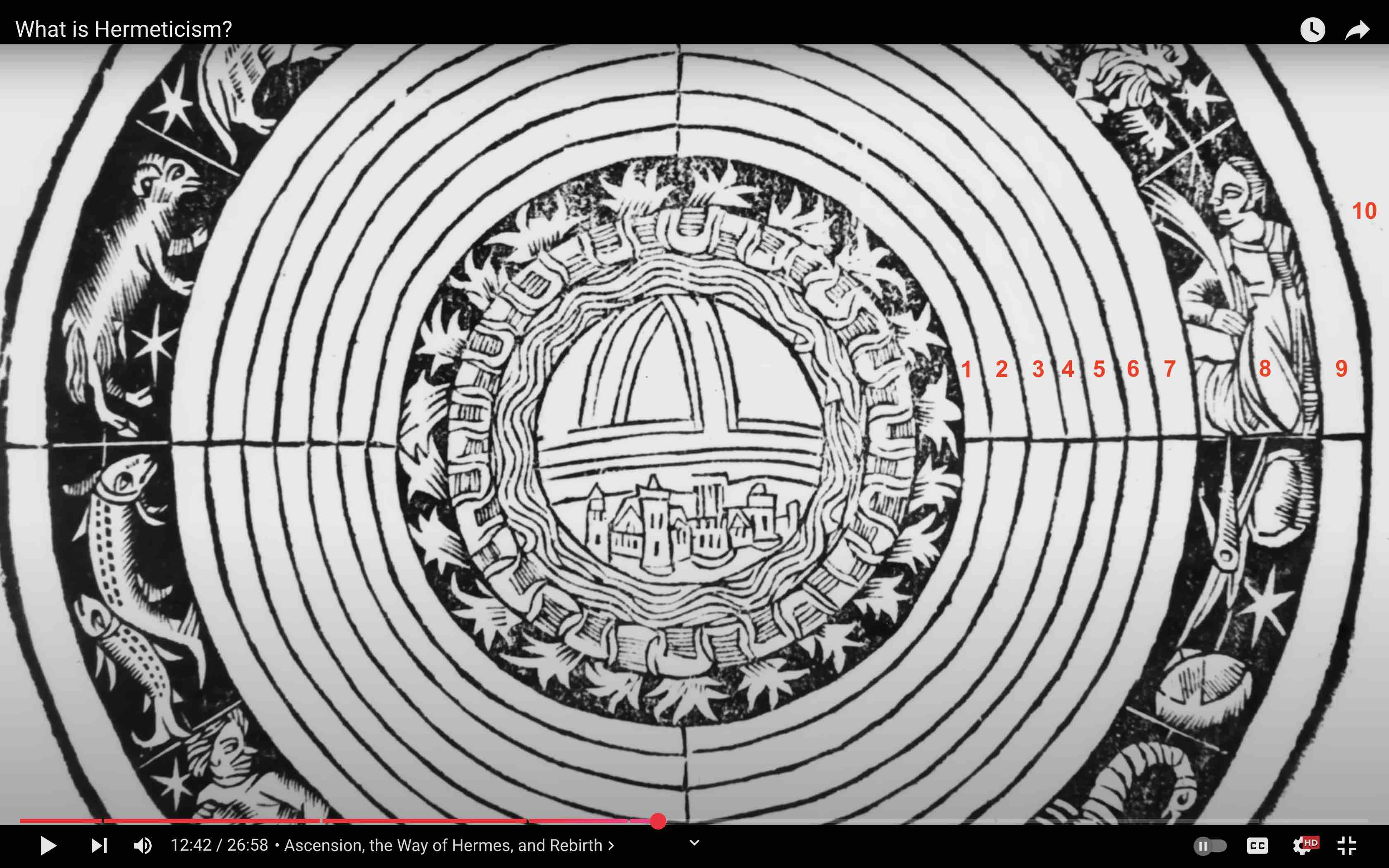
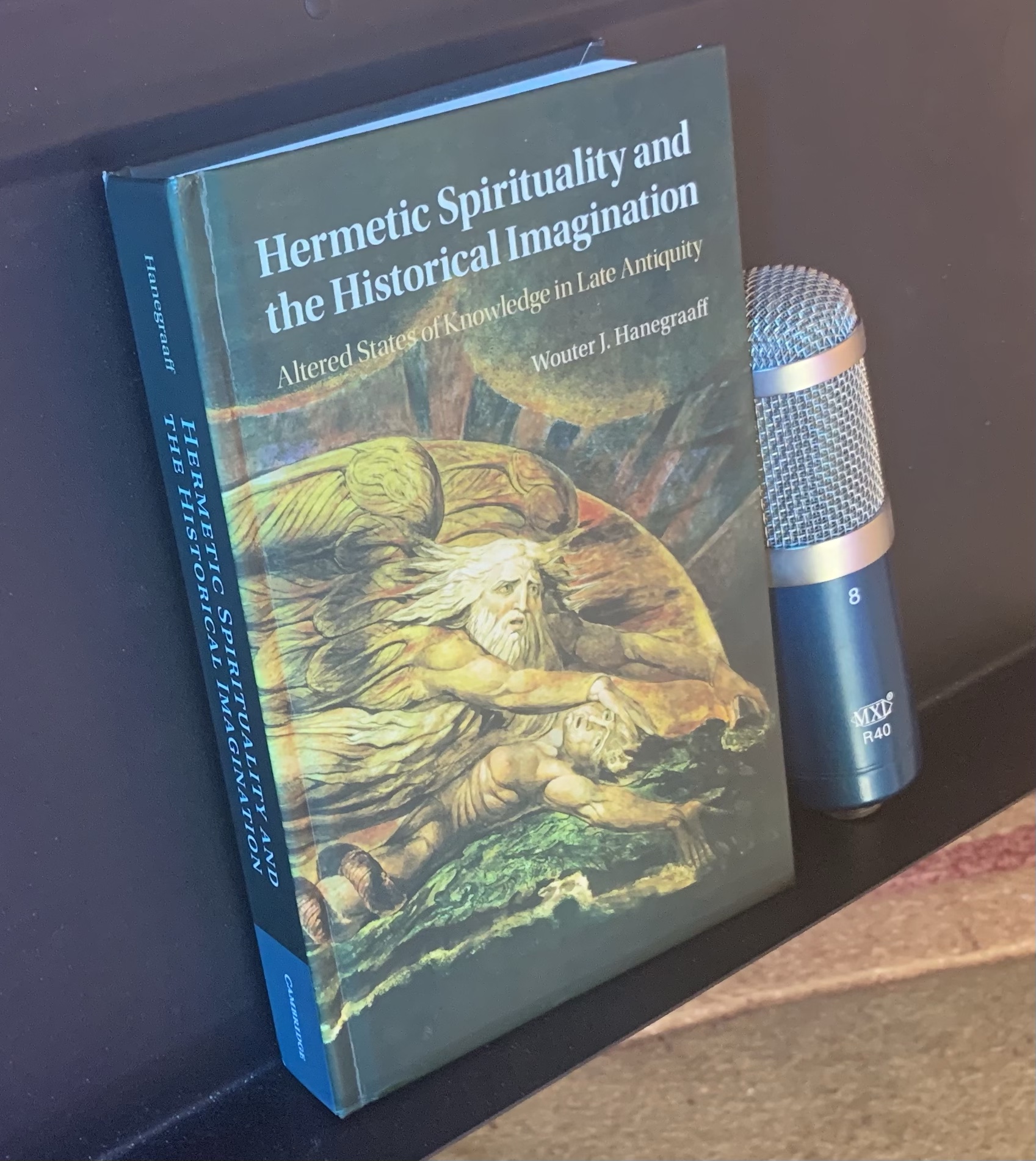

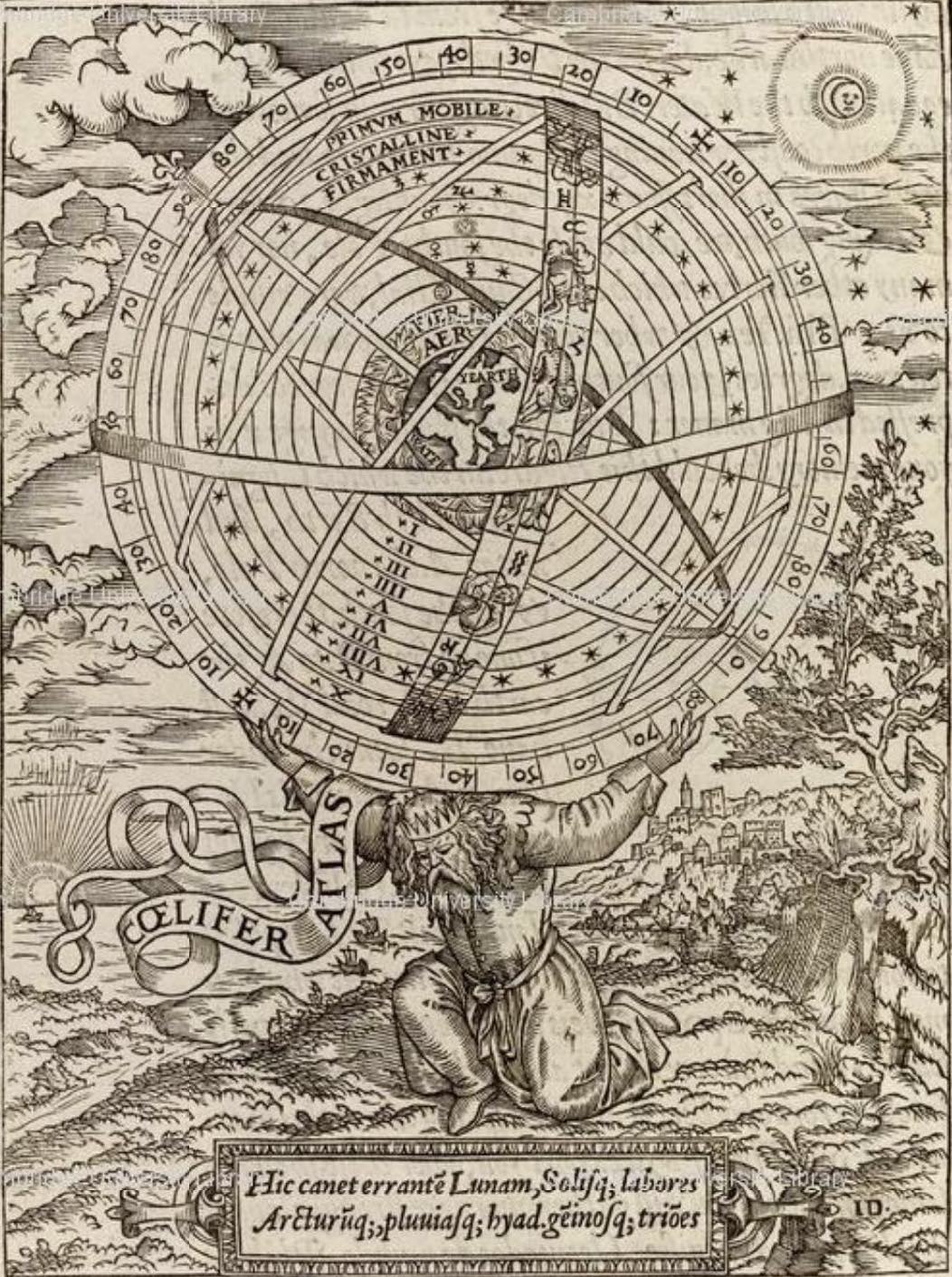
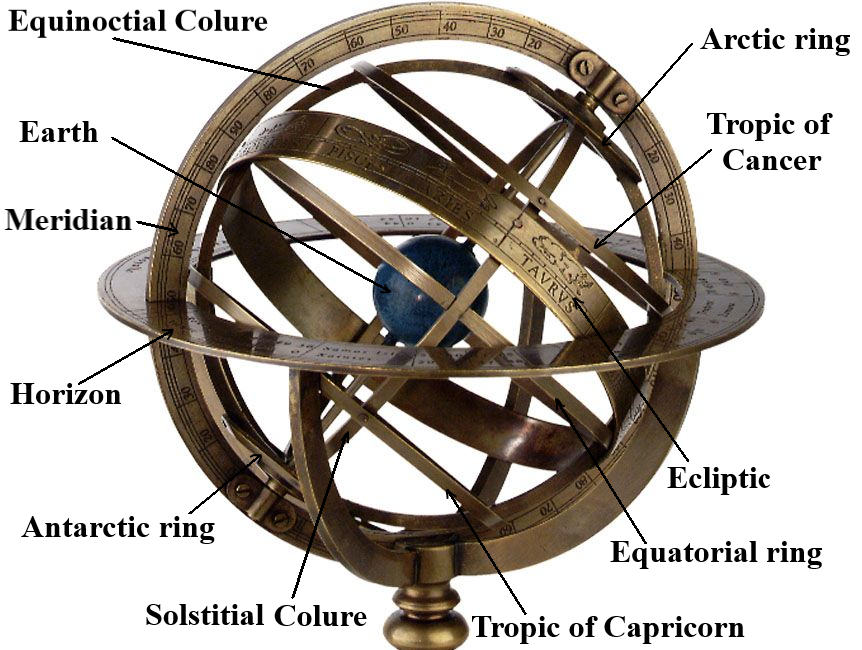
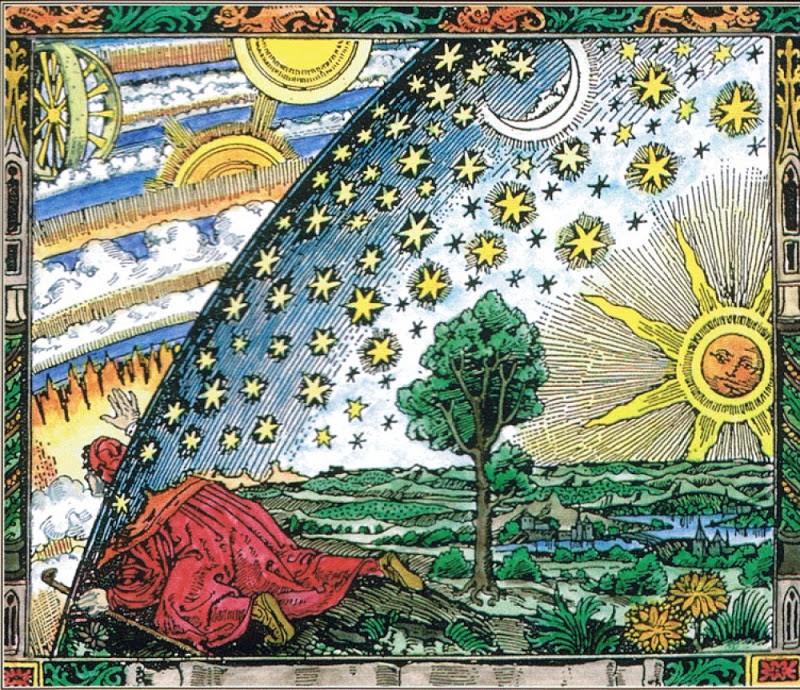
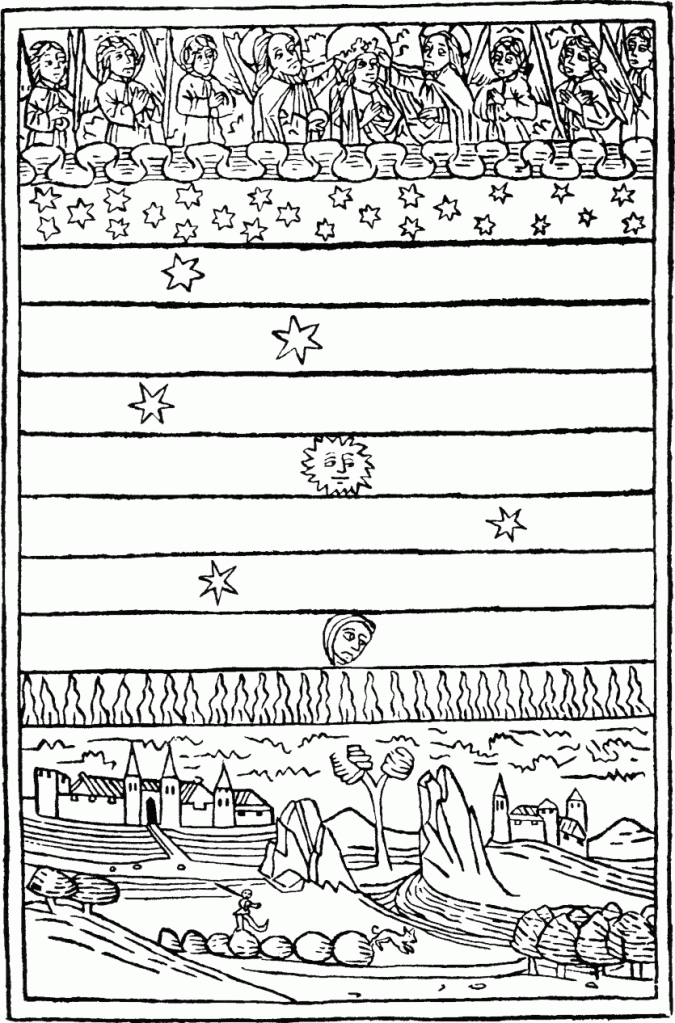
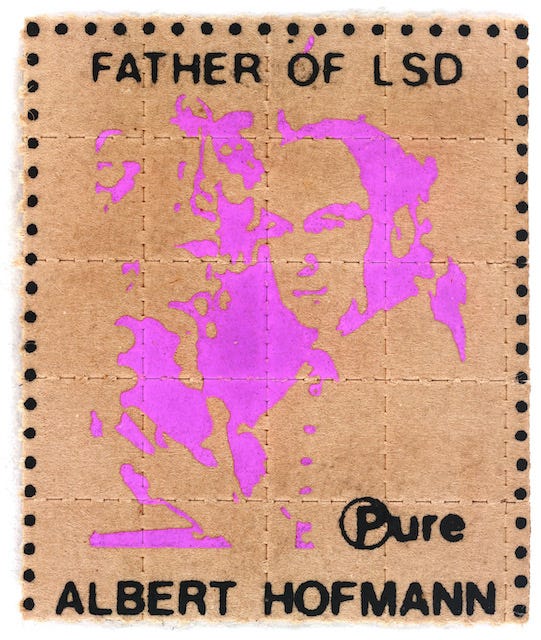
 The Egodeath theory