psychedelics, entheogens, mushrooms in Christian art, free will and determinism, cybernetics, self-control, myth, medieval art, pilzbaum, mushroom trees, cognitive science, phenomenology, cognitive science of religion
Abstract
The genre of mushroom-trees in medieval art is a combination of {mushrooms}, {branching}, {handedness}, and {stability} motifs. These motifs are analogies to explain and describe mental worldmodel transformation from the Possibilism to the Eternalism mental model of time, self, possibility, and control.
List of abstract high-level motifs that depict by analogy the model of mental model transformation.
This article presents and explains art and motifs, mapping the motifs to the model of mental worldmodel developmental transformation from possibilism to eternalism.
Mental Model Transformation
Visual Analogies
Abstract: The mushroom-tree genre in Medieval art expresses the message:
On mushrooms, reject branching possibilities and autonomous control, to avoid loss of control and gain transformation and enlightenment. For viable, stable control, rely on non-branching possibilities, with 2-level control.
— the voice of the mushroom-tree artists
Religious mythology and art motifs depict by analogy the psilocybin-based loose cognitive transformation of the mental model of control and world from the possibilism mental model of control and world to the eternalism mental model of control and world.
A system of medieval art motifs — {mushrooms}, {branching}, {handedness} and {stability} — expresses the message of the mushroom tree artists: people desire to enter into the psilocybin state of loose cognitive binding, but this state gives unstable self-control until the mental model of control and world is changed from autonomous control in a branching-possibilities world to two-level dependent control in a non-branching world.
The initial, possibilism model of control-in-world is autonomous monolithic control steering in a possibility-branching world. The subsequent, eternalism model of control-in-world is two-level dependent control frozen into an eternally pre-existing, non-branching world.
The mind develops from the immature to the mature mental worldmodel of control-in-world. The mind develops from its immature to its mature form, from child to adult mode, from one way of thinking to a different way of thinking that’s viable in the loose cognitive state from psilocybin. The change of the model of control-in-world is driven by the removal and pursuit of control stability; transformation from autonomous control to reliance on dependent control, to get control stability in the loose cognitive state.
Heimarmene is central in astral ascent mysticism & the Egodeath theory of frozen block-universe eternalism [Davis 2005 p. 118, 122].
Phases of Mental Model Transformation
When exposed to psilocybin, the mind transforms in four phases:
tightcog / possibilism (branching) thinking, with autonomous control
monolithic control-agent ,
2-level, dependent control
loose cognition / possibilism
tightcog eternalism
loosecog / eternalism
tightcog / eternalism using qualified possibilism
1) The tight cognitive binding state produces the possibility-branching model of control-in-world, shaped as autonomous, monolithic control; a mental model of autonomous monolithic control steering in a branching-possibilities model of the world.
2) In tight cognition, students are taught the eternity non-branching model of control-in-world, with dependent 2-level control; a mental model of dependent 2-level control frozen into an eternally pre-existing, non-branching model of the world. Students are taught the model of control-in-world that has dependent two-level control in an eternally pre-existing, non-branching world.
3) In loose cognitive binding, initiates experience eternity non-branching, and consciously depend on 2-level control.
4) In tight cognition, completed initiates have the qualified possibility-branching mental world-model, and retain eternalism-thinking.
This model of mental worldmodel transformation is the ultimate referent for decoding religious mythology and esoteric art motifs. Religious mythemes and art motifs depict this trajectory of mental-model transformation. Decoding a motif or mytheme means identifying the specific way that the motif is analogous to transformation of the mental world-model from possibilism to eternalism.
Key Motifs Depicting Mental Model Transformation by Analogy: {branching}, {handedness}, and {stability}
The {branching} motif includes {branching} and {non-branching} motifs.
The {handedness} motif includes {left limb} and {right limb} motifs.
The {stability} motif includes {unstable} and {stable} motifs.
The {handedness} motif is in the middle and connects the {branching} motif to the {stability} motif in the psilocybin loosecog state:
{branching} — {left limb} — {unstable}
{non-branching} — {right limb} — {stable}
In terms of the three combinations of states, models, and resulting stability:
YI tree morphology depicts the possibility branching worldmodel and the eternalism non-branching worldmodel.
{handedness}
This catalog of medieval art images uses {branching-message mushroom trees}, {handedness}, and {non-branching} motifs to describe by analogy how the mental model of control-in-world changes in the loose cognitive state from psilocybin.
Branching and left limb mean the possibilism model, which has unstable control. Non-branching and right limb mean the eternalism model, which has stable control.
This article maps {branching-message mushroom trees}, {handedness}, and {non-branching} motifs to the theory of analogical psychedelic eternalism cybernetics (the Egodeath theory).
Given we have two sides/ L & R limbs, in visual art we can use handedness to represent the two ways of thinking.
It’s easy to visually represent L & R limb of tree and body and animals, and it’s easy to visually represent the concept of branching contrasted with non-branching.
So here’s an arbitrary mapping of the intermediate analogy motifs:
Non-arbitrary: {branching & non-branching}
It’s arbitrary whether we map {branching} (which means Possibilism) to Left, or to Right, but the key is, there are only two, contrasted directions. It’s a flexible mapping, because it’s obviously arbitrary. The important thing is, there are two models, and they are opposed.
The ultimate referent pair is: possibilism vs. eternalism. One degree of analogy distance is: {non/branching}; {branching} vs. {non-branching}.
Adding a degree of abstraction: {handedness}; {left limb} vs. {right limb}.
{handedness} motif –> {non/branching} motif –> possibilism vs. eternalism
{handedness} is an abstract high-level mytheme. Concrete implementations include: {left foot on ground vs. right foot on ground}, {standing/balancing on right foot}, {hanging from right knee}, {branching on left, non-branching on right}, {left hand further from ground, right hand closer to ground}
read –> as “refers to” or “describes by analogy, “
Now add in the TRANSITION DRIVER: Ultimate referent: transformation from possibilism to eternalism.
The transition-driver = instability = .
We can use these facts & motifs to say
this mapping of the …
We can then say in images: this mapping of the earlier mental worldmodel to the Left limb, and the later mental worldmodel to the Right,
Asserting the initial mental worldmodel when in loose cognition from psilocybin causes control instability; terminal vulnerability to loss of control, and brings the mind through the gateway to the new model of the world.
The {unstable} motif means fatal loss of control and the end of the world for the immature, perishable, temporary model of control agency. The mature model of control agency retains stable control, so the overall person retains control during the control-mode switch and the switch to the new, non-branching world.
Biblical Scenes
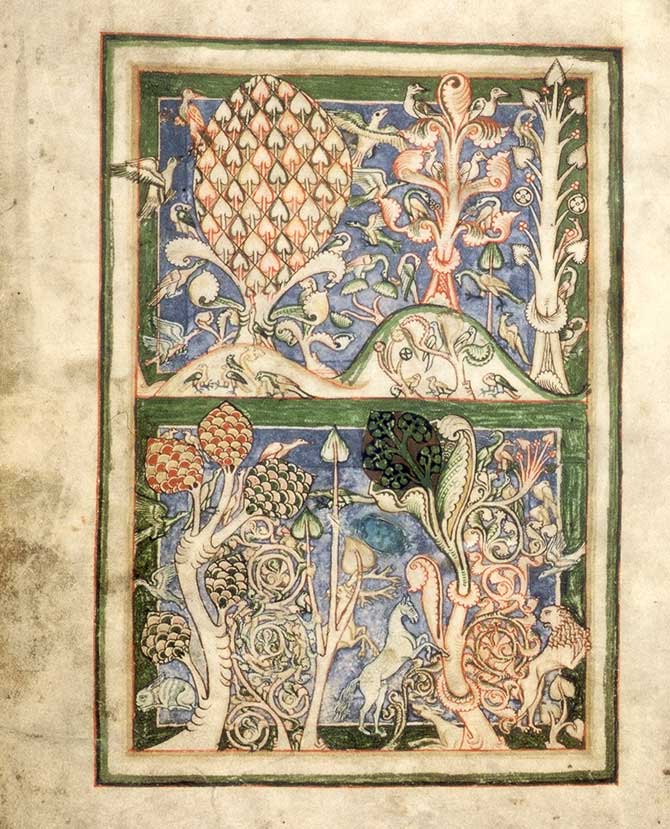
The Six Days of Creation (Canterbury Psalter) Genesis 1
Figure 1. The Six Days of Creation. Great Canterbury Psalter, folio 1R, rows 1 and 2. Image notes: “f11 row 1 and 2 six days of creation.jpg” 252 KB [5:19 pm Jan. 4, 2025]
{mushrooms}: Day 3: Panaeolus; Liberty Cap; Cubensis; Amanita. Branching form develops from Left to Right: III, IYI, YI. Two rows below, tree of knowledge cap adds details to plant 2: each liberty cap in the cap is indicated as having left and right arm, indicated by a pair or red or white spots in other liberty cap grid caps. The branches are mushroom-shaped.
{branching}: Day 3: Pilzbaum 1 & 2 are paired tridents, 🔱 🔱. 1 is III form; 2 is IYI (grid in cap is relatively branching). 3 & 4 are paired. 3 is YI form. Lower part of 4 is IY. Upper part of 4 is YI, matching 3.
{handedness}: Day 3: Each plant has Left and Right arms. 1 and 2 lack handedness, being symmetrical. 3 and 4 include YI; lower part of 4 is IY, so YI is predominant (left = branching; right = non-branching). 3 is pure YI form.
{stability}: Not depicted.
{mushrooms}: Day 1: balance scale’s 2 bowls of mushrooms, pointed to by Plant 3 & 4 in Day 4 below it. Day 3: Pan, Lib, Cub, Ama (with branches that look like mushrooms), id’d by me in 2020. Day 4: Lib, Cub, Pan, Ama. Mushroom-trees without branches. The incongruout plants — lacking branches — in “separate land from water” point to branching and stability motifs in Day 1.
{branching}: Day 1: Compass on Left is branching. Scale Balance on right is non-branching, in that it is pointed to by Day 4’s non-branching mushrooms. Day 3: III, IYI, YI, IY/YI; increasing order from naive branching to sophisticated comprehension of branching form. Day 4: mushrooms (grid in cap, but no branches): Y, Y, I, I. Smaller plants: YI, IYI, IYI, IYI, IY.
{handedness}: Day 1: branching V of compass on Left; balance scale pointed to by non-branching mushrooms on Right. Day 4: Branching (liberty cap grid) mushrooms on left; non-branching (no grid) on right.
{stability}: Day 1: Balance scale. Alpha compass & Omega scale balance: transformation from possibilism to eternalism; start with branching, end with non-branching.
I’m basically in effect filling in the exam questions, forming the answer guide. What are the most important motifs instances/ messages?
Eden (Canterbury Psalter) Genesis 2-3
Figure 1. Crop by Michael Hoffman. These are the two rows below the Six Days of Creation.
{mushrooms}: Mushroom hems. Angel guard has phallic garment. 7 mushroom-trees. Eve and Adam look at left and right arm in uppermost Liberty Cap mushroom-tree in grid cap while holding fruit in left & right hands. Before eating, Eve & Adam have right foot down (good) and right hand lower (good); after eating, left hand lower (bad).
{branching}: Tree of knowledge has grid of Liberty Cap mushroom-trees, each with left and right arm, like Day 3 plant 2, implying left and right arms in every grid cap, abbreviated as two circles like above Eve spinning. Tree of knowledge, under crown, has branching form YXY, where X has (same as left & right tree).
{handedness}: Creating Eve: angel kneels with right foot forward. Tree of knowledge and left and right tree, under crown, have branching form X with {cut right branch} via right cross-behind. Working the land: mature figures have right foot down; immature figures have left foot down. Exiting gate: all figures have {right foot down}.
{stability}: Guarding {gate} with red {fire} {blade} (threat of loss of control).
merge into motifs above
Genesis 2:16-17 & Genesis 3, reversed by Revelation 22
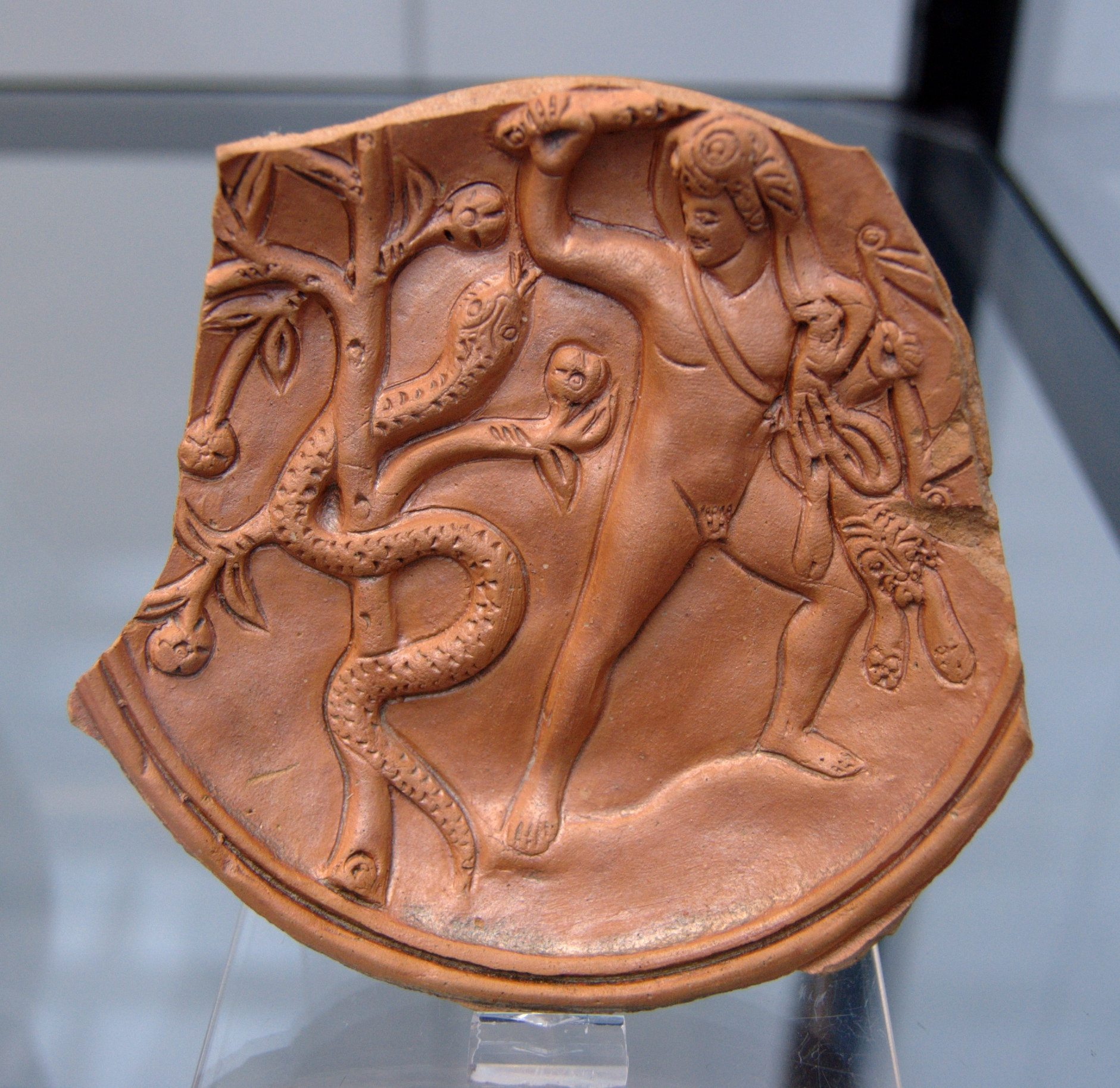
Snake with legs (branching). White spots; compare 4-legged salamander.
Liberty caps in cap, each with fruiting arms.
pink liberty caps, tan Panaeolus,
Cubensis-type veil branches.
Panaeolus-type lower right cap.
{serpent} = worldline frozen in {rock} = pre-existing future thoughts; brings {fruit} = psychedelic eternalism with 2-level control.
Non-branching neck goes through the veil branches.
God Creates Plants (Golden Psalter) – Genesis 1:11-12
Figure 1. God Creates Plants. Image 21 detail, Golden Psalter.
{mushrooms}: Mushroom hem.
{branching}: 4 plants. Cut right branches and cut left branches. Visually cut left and right branches.
{handedness}:
{stability}:
merge into motifs above
God’s right-hand two fingers are pressed together, non-branching. Mushroom hem. Tree 1 has a right cut trunk (YI). Tree 2 above the scroll is a YI. Tree 3 is an IYO. Tree 4 has an IY touching the opened scroll. God is the creator of branching illusion, non-branching reality, and psilocybin mushrooms that reveal the difference.
Water from Rock (Golden Psalter)
Figure 1. Water from Rock (Exodus 17), image 45 top, Golden Psalter.
{mushrooms}:
{branching}:
{handedness}:
{stability}:
merge into motifs above
Black-arrow mushroom hem. Lifted garment holding up similar stone tablets. Aaron looks at tree. Tree morphology shifts progressively from left-favoring near tablet, to right-favoring near wand: Green stem 1: I, purely non-branching near Moses’ lifted garment & tablets. Gray stem 1: YI = (YO, I); YI (the primary pattern) is good because non-branching on right. Green stem 2: IY = (I, YO); normally IY would be bad (backwards), but here, the I is closer to Moses, which is good. Gray stem 2: (IY, YI) = (prominent I closer to Moses, YO, I). Green stem 3: (IY, YI) = (I, YO, I); the I’s are balanced, forming a Y around the central I or central YO. Gray stem 3: (IY, YI) = (I, YO, prominent I pointing to Moses’ wand).
[9:11 p.m. March 30, 2023]: blue leaf points at end of wand, parallelling red leaf pointing to tip of wand. Blue stem bases point at tablet.
The frozen, pre-existing block universe contains motion, but not meta-motion or branching.
Looking at Bronze Serpent on Pole Heals Fatal Snake Bite (Golden)
Figure 1. Looking at Bronze Serpent on Pole Heals Fatal Snake Bite (Numbers 21), image 45 bottom, Golden Psalter.
{mushrooms}:
{branching}:
{handedness}:
{stability}:
merge into motifs above
{snake fatally bites left leg}. {looking at bronze serpent on pole} reverses {fatal snakebite}. Pointing equates {fatal snakebite of left leg} and {rigid bronze serpent on a tree trunk with cut branches} that {heals fatal snakebite of left leg}. Israelite on left has {weight on left leg}, {mushroom hem} applied to {left leg}. Moses & Aaron on right have {weight on right leg}, {mushroom hem} applied to {right leg}.
Genesis 3 connects {eating fruit, fire-guarded gate, woman vs. snake, and snake biting heel}; reversed by Revelation 22.
Eve Tempted by the Serpent (Cranach)
Figure 1. Eve Tempted by the Serpent (Lucas Cranach). From The Power of Myth, Illustrated edition, Joseph Campbell.
{mushrooms}:
{branching}:
{handedness}:
{stability}:
merge into motifs above
merge into motifs above
3-layer branching: plant branch in front of Eve’s branching legs, stag antlers behind her legs.
Holds onto branch with left hand.
Holds the fruit of wisdom in right hand.
Stands on stable rock.
Non-branching serpent contrasted with branching tree.
When You Eat from the Tree of Knowledge, You Will Certainly Die that Day (Golden Psalter)
Figure 1. When you eat this fruit, you will certainly die that day. Image 22 detail, Golden Psalter.
{mushrooms}:
{branching}:
{handedness}:
{stability}:
merge into motifs above
God points to a YI pair (branch 1). Branch 2 and 3 are Y’s, asserting branching, matching Adam’s two hands with splayed thumbs.
Lifted garment with black-arrow mushroom hem.
The message comes from God’s lifted mushroom garment. Knowledge of control vulnerability and non-branching.
God’s right foot touches stable column base.
Upper level tree morphology: YIYY.
Owl turns right and looks back at lifted garment.
Adam’s right hand touches non-branching trunk, on the same side as the two Y branches.
Black-arrow mushroom hem.
Bird touches Adam’s right leg and bird’s right heel touches trunk.
Birds’ right wings touch non-branching trunk.
Adam’s right hand touches the branching point of the tree and the message from God.
God’s left foot touches animals; animal-like thinking.
Tree of Knowledge (Golden Psalter)
Figure 1. Tree of Knowledge. Image 22 detail, Golden Psalter.
{mushrooms}:
{branching}:
{handedness}:
{stability}:
merge into motifs above
Eve’s {right heel} on {stable column base}.
Tree morphology: YI, YIY, IY.
Non-branching serpent contrasted with branching tree brings fruit of wisdom.
Tree of Knowledge (Plaincourault)
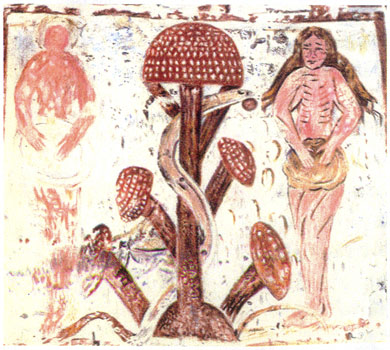
Figure 1. Tree of Knowledge (Plaincourault).
{mushrooms}:
{branching}:
{handedness}:
{stability}:
merge into motifs above
Amanita imagery indicates Psilocybin effects.which is EXACTLY how every single psychedelics scholar acts & fantasizes already
Eve stands on right foot.
Left leg bent, right leg straight.
Eve holds non-branching cap over branching legs.
Non-branching snake in branching tree.
Tree has left arm, right arm, left leg, and right leg, and non-branching trunk base.
Angle of 3 branches under cap matches angle of Eve’s arms.
Eve’s underlying, imperishable ribs are revealed.
{they saw that they are naked} = the underlying mental functioning of control system becomes perceptible, including vulnerability since it becomes clear that you don’t control the source of your control-thoughts but are profoundly dependent on the higher, hidden, uncontrollable source of control-thoughts, as has always been the case, but initially veiled for a time, occluded, concealed conditionally until exposed to psilocybin-induced loose cognition, at which time the autonomy illusion of monolithic control operating in a branching possibilities world collapses and the adult mature mental world-model is created, unfurled, sloughing off the garment (or flesh layer) that hid the underlying reality.
Blame panel (Bernward) – replace by L door top 4 of 8 panels
Because You Have Eaten the Fruit, the Snake Will Bite Your Heel (Bernward)
Figure 1. Revealed ultimate source of causal agency in a block universe with embedded snake-shaped, pre-existing worldlines frozen in rock (bronze). Panel 4, Adam and Eve, Bernward’s Door of Salvation. St. Michael’s Church, Hildesheim, Germany, 1015. Photo credit: Julie M. Brown.
{mushrooms}: 8 Liberty Cap mushroom-trees: 3 in left Bernward Door; 5 in Bernward Column. Mushroom hem of bronze, in “Working the land”: Eve nursing child. Bernward Column: roofs of towers are Liberty Cap caps.
{branching}: Column: Broken branch points at Jesus’ halo.
{handedness}: YI tree. God stands on right foot, left foot lifted.
{stability}: God’s left foot lifted; stable. Adam & Eve’s right foot lifted; unstable. Visually cut right arm. Visually cut right leg, occluded by serpent.
[11:49 feb 4 2025] Visually cut right leg, occluded by serpent. todo: move out
merge into motifs above
{enmity between woman and snake} = the branching-possibility world model is incompatible with altered-state experiencing of one’s worldline of preexisting control-thoughts frozen in a non-branching block universe.
YI tree.
God holds a message of transcendent knowledge in right hand.
Branching snake with legs.
Enoch Carried Up to Heaven (Golden Psalter) – Genesis 5:24
Figure 1. Enoch carried up to Heaven (image 24 top, Golden Psalter).
{mushrooms}:
{branching}:
{handedness}:
{stability}:
merge into motifs above
Lifted garment above non-branching tree 2x.
Trees 1 & 4 have a matching YI in middle, mirrored at their base yet both end up YI. Tree 1’s branch uses a switchback to become a YI. Tree 1 = I YI IY. Tree 4, on the right, = I YI YI, which is better.
Diagrammatic redundancy creates a communication parity check, to confirm deliberate arrangement of elements and messaging.
Mushroom hem is on Enoch’s right.
Bent left leg; standing with greater percent of weight on right leg.
Arrow-based mushroom hems match arrows in lifted garment mushroom hems.
Lifted mushroom hem touches Isaac’s straight left leg (false foundation of control).
Isaac’s left leg is straight, right leg bent.
Abraham’s left foot floating; weight on right foot.
Mushroom hem.
Mushroom thicket with ram helplessly caught to no avail to extricate himself by his power.
For {lifted mushroom hem}, John Rush’s terminology is “celestial erection”. Cite Rush.
Abraham & Isaac: Isaac straight left leg (in Canterbury not Golden Ps) touches Abraham’s lifted garment; Abraham knows that asserting possibilism-thinking causes loss of control — ram caught in thicket by its own power and ends up with no control and reality is revealed, eternalism-thinking results, given birth, engendered from above, God-mode thinking, higher level of 2-level (not autonomous monolithic) mental model of control. See the three rams in Canterbury Psalter image f177 row 2 left.
Sacrifice of Isaac (Golden Psalter)
Figure 1. Sacrifice of Isaac (Golden Psalter).
{mushrooms}:
{branching}:
{handedness}:
{stability}:
merge into motifs above
Abraham has four mushroom hems, one of which is a lifted mushroom hem.
The lifted mushroom hem is on a non-branching part of the tree.
Youth’s right leg is straight, left bent, implies relying of eternalism-thinking.
Abraham’s left leg is bent.
Tree 1: IY, IY, IY, YI. The I branch of the YI branch leans toward a black-arrow mushroom hem.
Gill striations on lifted mushroom hem.
Angel’s left wing touches leftmost branch of a YI branch of the tree.
Multiple black-arrow mushroom hems contrasted against multiple rounded naturalistic hems proves that mushroom hems mean mushrooms. [Rush 2011/2022]
Sacrifice of Isaac (Van der Borch)
Figure 1. Sacrifice of Isaac (Van der Borch).
{mushrooms}:
{branching}:
{handedness}:
{stability}:
merge into motifs above
Angel’s left fingers splayed branching, right single finger non-branching.
Moses standing on right leg, left foot floating.
Isaac fingers held together nonbranching at the cut branch.
Tree left crowns, suggesting branching, right cut branches.
Lack of branching in tree crowns.
Background vine trees mostly non-branching.
Rock altar has cut branches.
Burning Bush
Moses, Burning Bush, and Tablets (Ingeborg Psalter)
Cubensis or Panaeolus mushroom tree, left branching, right non-branching yet close to lifted garment.
Creator’s fingers are held together in contrast to the branching Y tree.
Aaron non-branching fingers held together touching cut branch.
Diagrammatic Y-branching trees with two cut branches added.
God as creator of Y-branching.
Shepherd’s hook for directing sheep is touching cut branch.
Neat row of 3 mushroom hems only on Moses next to the mushroom tree.
Burning Bush (Van der Borch)
Figure 1. Burning Bush (Van der Borch).
{mushrooms}:
{branching}:
{handedness}:
{stability}:
merge into motifs above
God: fingers together right hand, left fingers splayed
Moses fingers together left hand, right fingers splayed
YI tree pair.
Moses left leg straight, right leg bent.
Background vine trees (90% non-branching)
Jonah and the Gourd Plant (Golden Psalter)
Figure 1. Jonah and the gourd plant. Jonah and the Gourd Plant. Image 230, Golden Psalter.
{mushrooms}:
{branching}:
{handedness}:
{stability}:
merge into motifs above
Left-hand fingers splayed, 2x.
Right-hand fingers held together.
Gourd is a branching-averse vine.
Floating caps with no branches, touching him.
Non-branching worm (worldline) eats possibility branches (compare burning bush), Jonah unhappy about losing shade = freewill fog blocking the sun light.
Entry into Jerusalem (Church of Saint Martin)
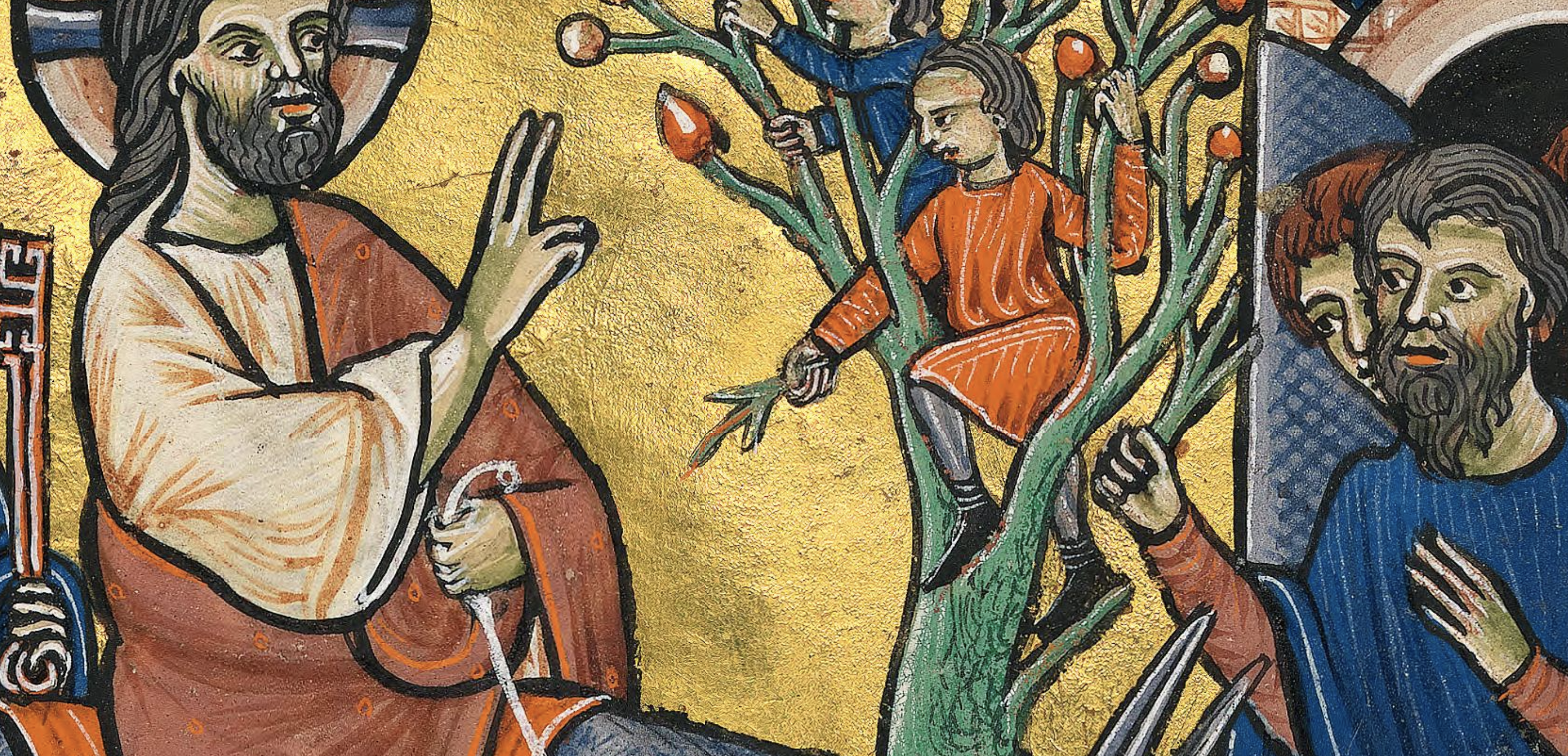
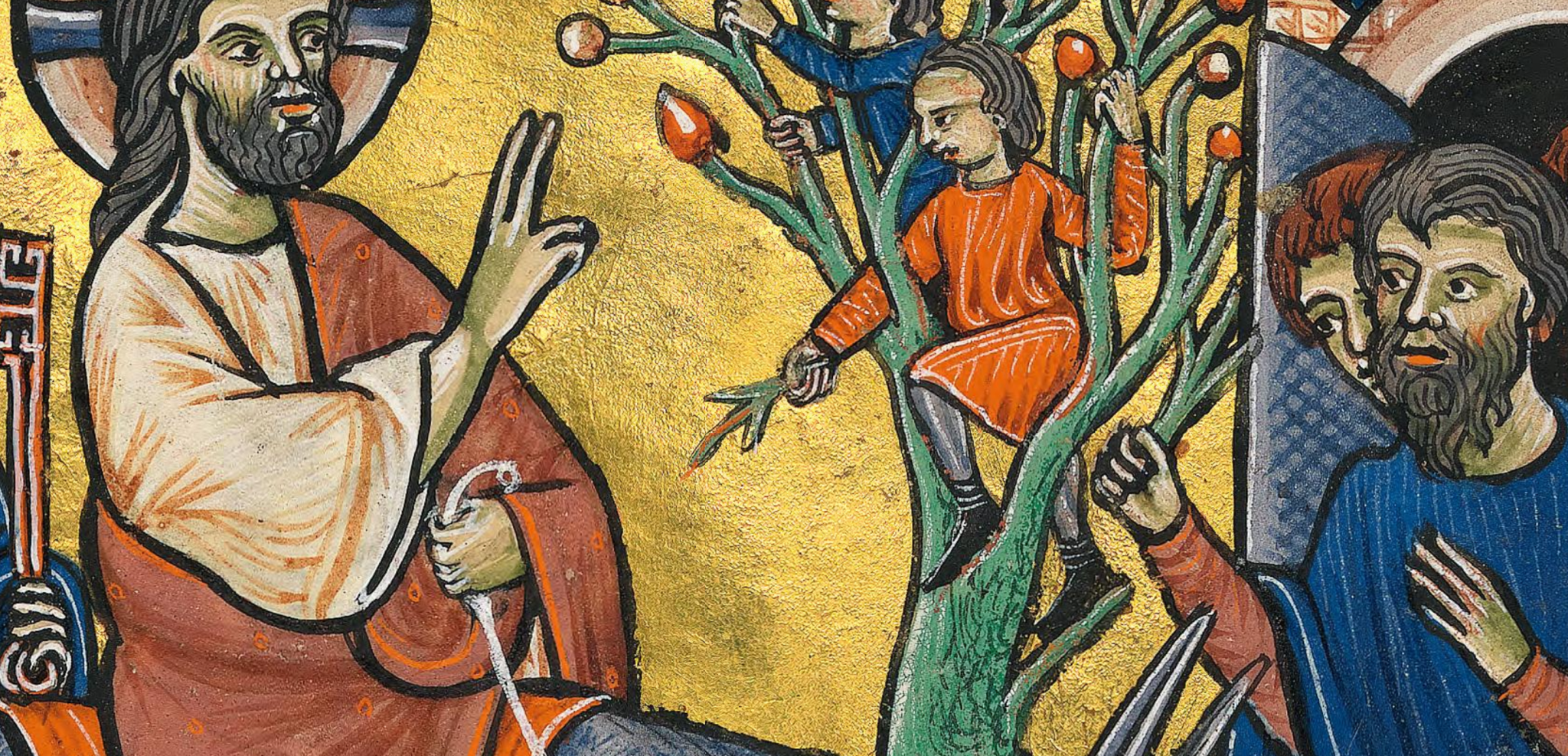
Figure 1. Purification of Isaiah’s Lips and Christ’s Entry into Jerusalem. Fresco on south choir wall, Church of Saint Martin de Vicq, France. Early 12th century (photo by Julie M. Brown, used with permission).
{mushrooms}:
{branching}:
{handedness}:
{stability}:
merge into motifs above
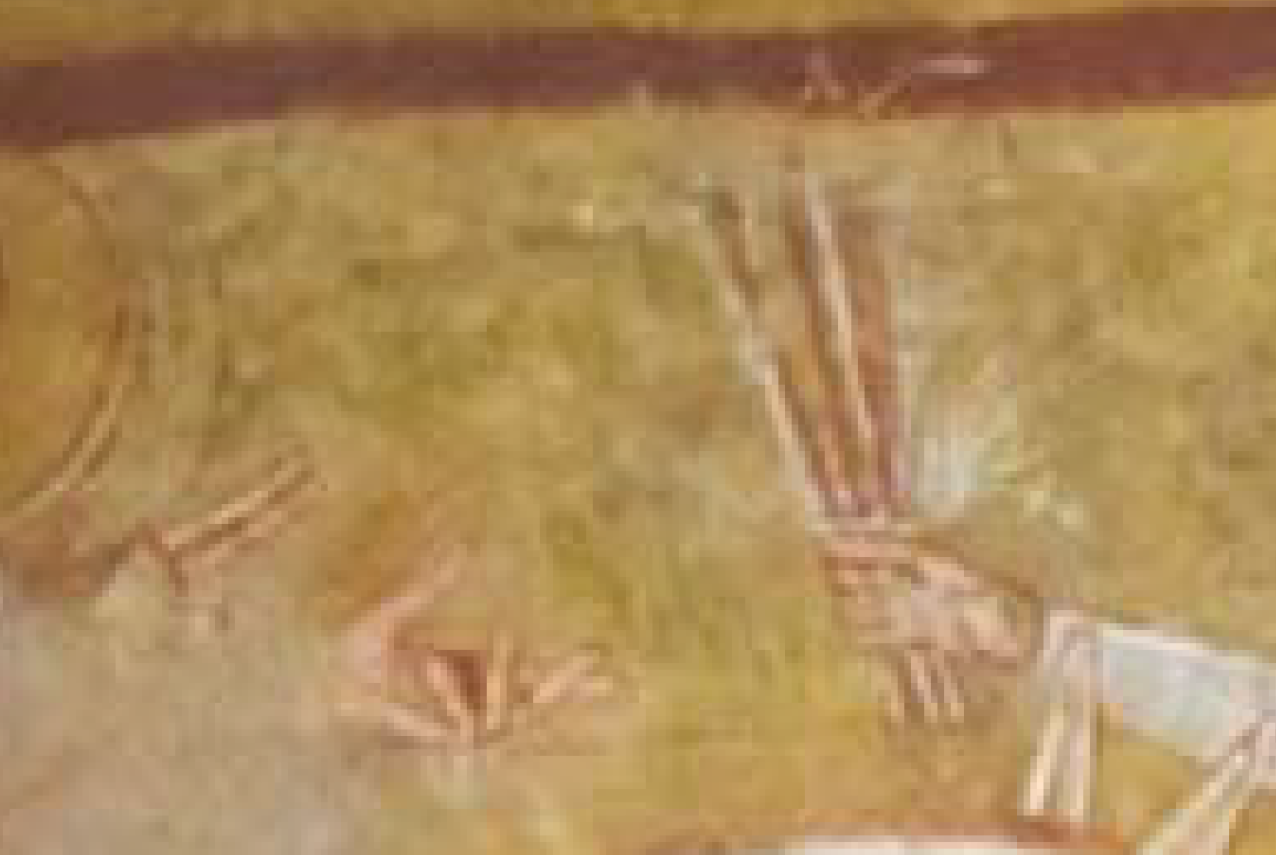
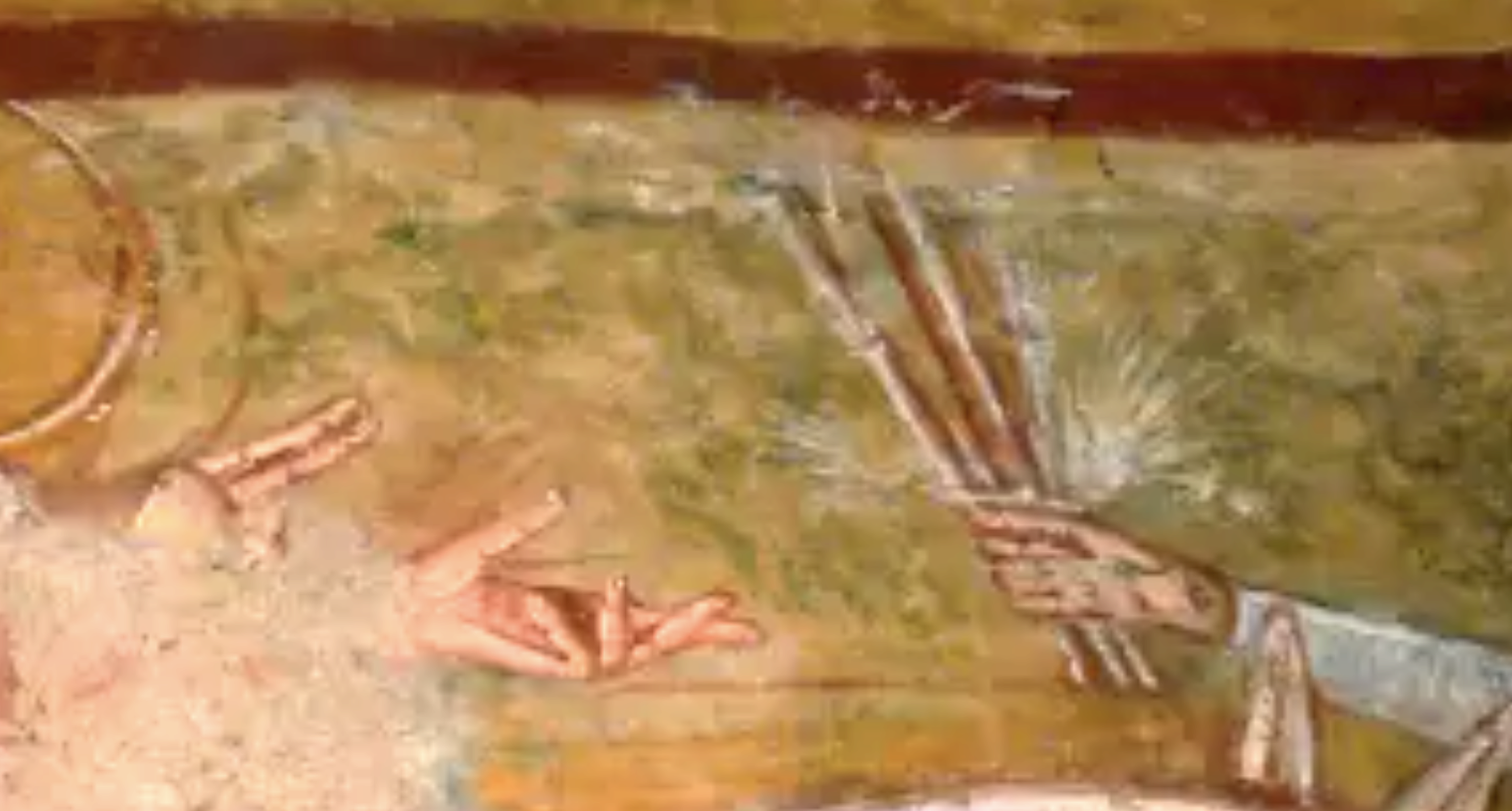
Jesus’ left-hand fingers branching.
Jesus’ right-hand fingers held together non-branching.
Youth in tree holds branch with left hand.
Apostles behind Jesus display fingers together, non-branching.
Youth in tree holds non-branching sticks and branching feathers in right hand.
Jesus holds his contrasting finger-shapes out, and youth in tree holds his contrasting sticks and feathers out, in matching fashion.
Donkey lifts left front leg and left rear leg.
Donkey’s right leg is on the top of an arch of a door.
Jesus’ right foot touches donkey’s right foot, which is down.
Youth in diamond-leaf tree holds branch in a branching cluster with left hand.
Youth in diamond-leaf tree holds branch not in branching cluster with right hand.
Right hand holds a semi-lance-shaped, non-branching spear in right hand aimed at Jesus.
Youth in diamond tree has left hand higher, toward more branching; right hand lower, toward less branching.
A youth out of view holds onto branching with left hand, cuts branch with pruning knife held in right hand.
Youths remove outer garments and put them under the donkey’s feet.
Youths spreading outer garments put weight mainly on their right legs.
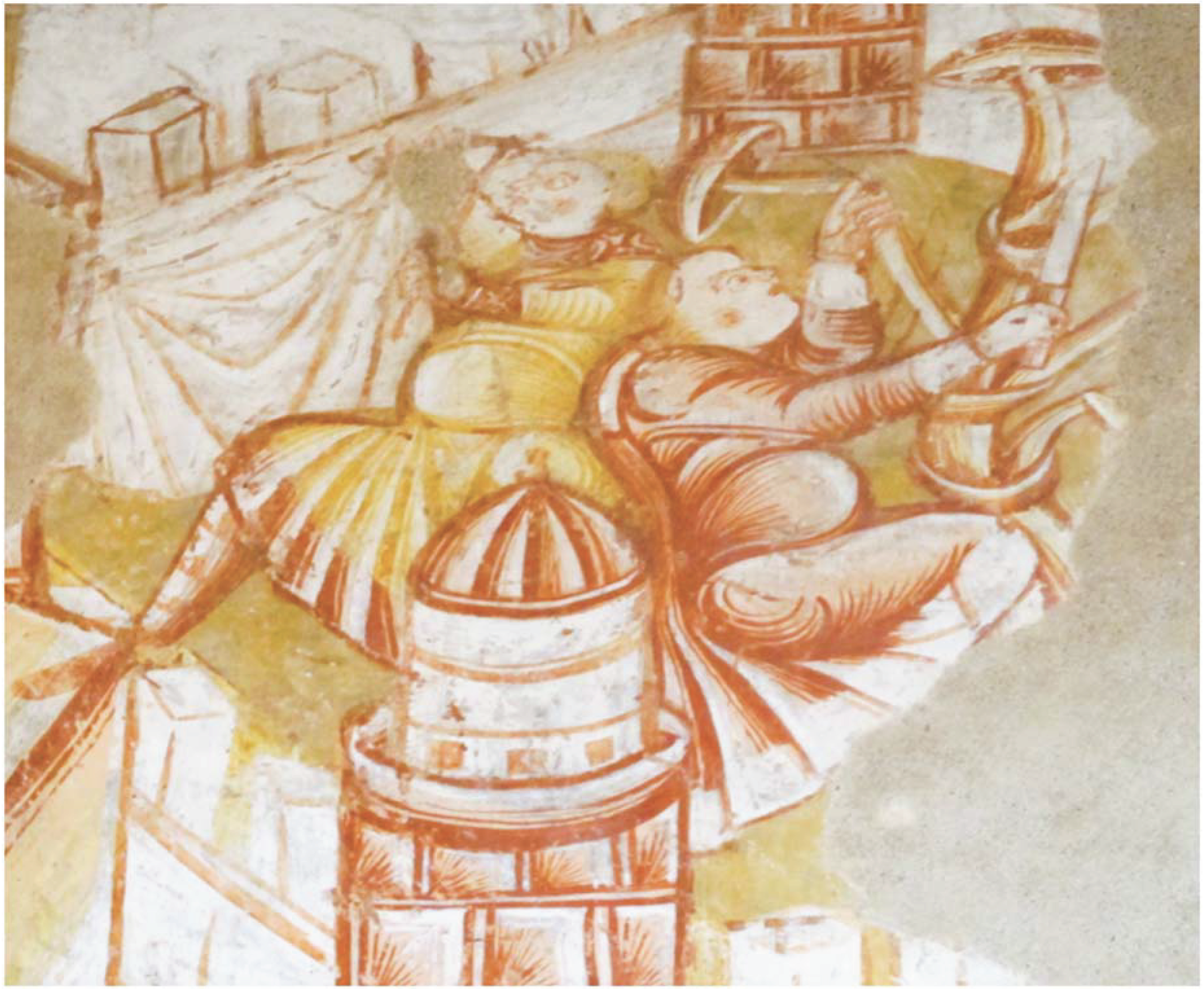
Towers of Jerusalem (Church of Saint Martin)
Figure 1. Detail from Towers of Jerusalem. Church of Saint Martin de Vicq, France. Early 12th century (photo by Julie M. Brown, used with permission).
{mushrooms}:
{branching}:
{handedness}:
{stability}:
merge into motifs above
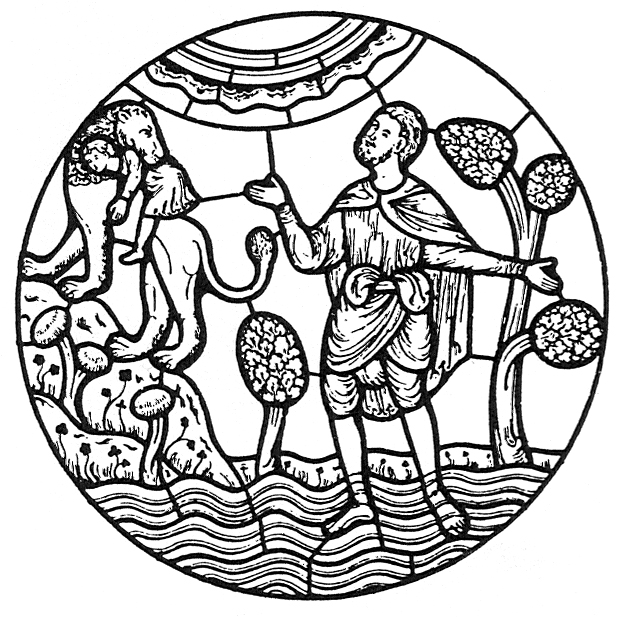
… a conventionalized tree type, … which art historians actually refer to as “mushroom tree” … there are hundreds of instances …
If you are interested, I recommend a little book by A. E. Brinckmann, Die Baumdarstellung im Mittelalter (or something like it) …
Just to show what I mean, I enclose two specimens: a miniature of ca. 990 which shows the inception of the process, viz., the gradual hardening of the pine into a mushroom-like shape, and a glass painting of the thirteenth century, … which shows an even more emphatic schematization of the mushroom-like crown.
Letter of Erwin Panofsky to R. Gordon Wasson, May 12, 1952. Wasson Archives, Harvard University Herbarium, Cambridge, Mass., in [Brown 2019], citing [Brinckmann 1906]
… even the most mushroom-like specimens show some traces of ramification; if the artists had labored under the delusion that the model before him was meant to be a mushroom rather than a schematized tree he would have omitted the branches altogether.
… Please keep my poor little pictures as long as you wish. And I really recommend to look up that little book by A. E. Brinckmann.
Letter of Erwin Panofsky to R. Gordon Wasson, May 20, 1952. Wasson Archives, Harvard University Herbarium, Cambridge, Mass., in [Brown 2019], citing [Brinckmann 1906]
{tower}, {blade}, {fire}, {animal demons}, {scale balance}, {furrowed brow}, {panic}, {flames}, {monsters}, {torment}, {dependent control/balance}, {holding up by right limb}, {stable column base}, {balancing in tree}, {balancing on right foot}, {cathedral building construction}, {balancing in tree}
So we want to communicate and depict moving from one mental worldmodel to the other, and we want to indicate that that transformation process is driven by control instability. so we have motifs then to represent control stability
a transformation of control from autonomous control, like king, to dependent control, like guy being held up by the right hand by God’s hand coming from the cloud.
These are motifs that represent control stability; transformation to reliance to get control stability.
Features: youths in trees cutting branches, {holding branch} with {left hand}, {cutting branch} with {right hand}, standing on gate hinge with right foot.
See also the curved pruning knife in upper right of Entry into Jerusalem (Church of Saint Martin).
Against Panofsky’s letters to Wasson, mushroom tree artists used their artistic freedom, ingenuity, and intentionality to depict not merely “a mushroom” or “a tree”, but rather, to depict the possibility non-branching effect that’s produced by psilocybin mushrooms. Panofsky didn’t note that artists prominently add {cut branches} and {cut right trunk}, as well as branches, to mushroom trees. Don’t just look for mushrooms, because that’s all you will see: merely physical mushrooms, rather than depictions of the peak psilocybin cognitive, experiential effect: possibility non-branching.
Youth in tree cutting branches.
Left hand holds branch.
Right hand cuts branch.
Youth draping walls: right foot is on the hinge of the Jerusalem gate.
Left hand higher, toward more branching, right hand lower, toward less branching.
Entry into Jerusalem (Otto Gospel)
Figure 1. Entry into Jerusalem. Page 94, Otto Gospel.
{mushrooms}:
{branching}:
{handedness}:
{stability}:
merge into motifs above
Bottom tree has YI morphology.
Mushroom trees. Each cap has 1 stem.
Scroll = Transcendent Knowledge of transformation from possibilism to eternalism.
Birds eating dangling fruit from mushroom cap.
Lower left: 2 guys hold right-hand two fingers together, 1 guy holds four fingers together.
Youth in tree holds branching portion of tree with left hand.
Youth in tree: left fingers splayed branching.
Youth in tree holds left hand high, toward more branching; right hand low, toward less branching.
Youths’ outer garments removed and placed under the donkey.
Youth in tree holding a {removed branch} in right hand.
Jesus’ right hand fingers held together, non-branching.
Jesus and youth in tree look at each other while gesturing.
Youth in tree: outer garment pulled away.
Donkey’s weight on right leg; left leg lifted.
Jesus’ right foot touching donkey’s right leg.
This image is used for plate VII in Brinckmann 1906, which was strongly recommended by Panofsky to Wasson twice (though not mentioned by Wasson).
Entry into Jerusalem (Lorenzetti)
Figure 1. Entry of Christ into Jerusalem (1320) by Pietro Lorenzetti.
{mushrooms}:
{branching}:
{handedness}:
{stability}:
merge into motifs above
Youth climbs tree with straight right leg on cut trunk, bent left leg on main branching point.
Figure 1. Entry of Christ into Jerusalem (image 54 top, Golden Psalter).
{mushrooms}:
{branching}:
{handedness}:
{stability}:
merge into motifs above
Mirroring: Peter’s right-hand fingers are splayed branching, contrasting mirrored held-together fingers of guy passing through gate.
City contained in 5 towers behind the gate.
Removed branch touches the gate.
The {left foot back} of {outer-garment} spreader touches/is the {bent left leg} foot, showing that:
{left foot back} = {left leg bent}, which = {standing on right foot}
Peter’s fingers as an indicator through contrast, useful to communicate powerful clear messaging, like Eadwine’s pink key tree. This hand-pair functions same as the “left fingers splayed vs right fingers together” hands-gesture. Splayed fingers on the left, non-branching held-together fingers on the right. branching = left, non-branching = right.
Left hand helpfully serves any positive or negative or contrastive function just like positive mushroom serves to represent branching. Showing branching is showing non-branching. Visually the two … non-branching requires branching, to represent the contrast and positive of the non-branching.
donkey branching ears = lower, egoic thinking is based on eternalism but is possibilism-thinking.
Y/II diagram. Left hand holds key to gate. Left hand gestures “non-branching”.
{gate key} = {removed branch} = contrast of {splayed fingers} vs. {held-together fingers}
The genre is a diagrammatic challenge of how to communicate eternalism.
This genre, cybernetic art, uses non-naturalistic art for communication about control agency in world, two ways of experiencing/ two ways of thinking, climactic switch by the mushroom tree.
Imagery for communicating that there are two mental world-models
mushroom gives the eternalism experiential mode; eternalism experiencing, then eternalism-thinking, the “eternalism” mental worldmodel. ordinary state vs altered state: they give two opposed world-models: transformation from possibilism to eternalism.
There are two mental world-models, for the two states of consciousness, the altered state gives the eternalism experiencing & eternalism-thinking
The loose cog state gives the “eternalism” mental worldmodel, including metaperception.
Man passing through gate has fingers held together, not branching/splayed.
Gate guys have cicular halo-like arch, mirroring Peter’s halo.
Man passing through gate has bent left leg; weight on right leg. Mirroring implies
Peter is has opposite handedness as donkeys and everyone else.
Donkey has bent left leg; relying on right leg.
Jesus’ right foot touches donkey’s straight right leg. Left foot higher, touches bend of donkey’s left leg.
Mirroring of Peter vs. gate guy. Peter holds key close to branching fingers, gate guy holds removed branch far from held-together fingers.
Baby donkey’s right leg is down.
Lower youth in tree holds left hand high, toward greater branching.
Youth’s right leg standing in tree on cut branch, left leg bent in main branching point.
Man in gate holds a removed branch in right hand, near the cut branch.
Peter has two mushroom hems.
Peter implicitly standing on left leg, opposite of the other legs.
Crouching youth has a mushroom hem.
Youth in tree left fingers splayed.
Jesus holds right-hand fingers together, non-branching, contrasted near the branching mushroom pair.
2 Youths in Branching Mushroom Tree
Christ on Donkey Lifting Left Leg
Standing on Cloak
Youth removes outer garment.
Peter’s weight is on his left (wrong) heel, contrasting with the donkey’s rear heels.
Holding Removed Branches
Blood on held-out branch aimed at king Jesus.
Peter holds the key to kingdom, to pass through the gate of Jerusalem.
Youth in tree holds out a {removed branch}.
{standing on right foot} on a {cut branch}.
Youth climbs tree with straight right leg on cut trunk, bent left leg on main branching point.
Higher youth in tree holds lower thicker branch in right hand, higher thinner branch in left hand.
Last Supper (Golden Psalter)
Figure 1. Last Supper (image 54 bottom, Golden Psalter).
{mushrooms}:
{branching}:
{handedness}:
{stability}:
merge into motifs above
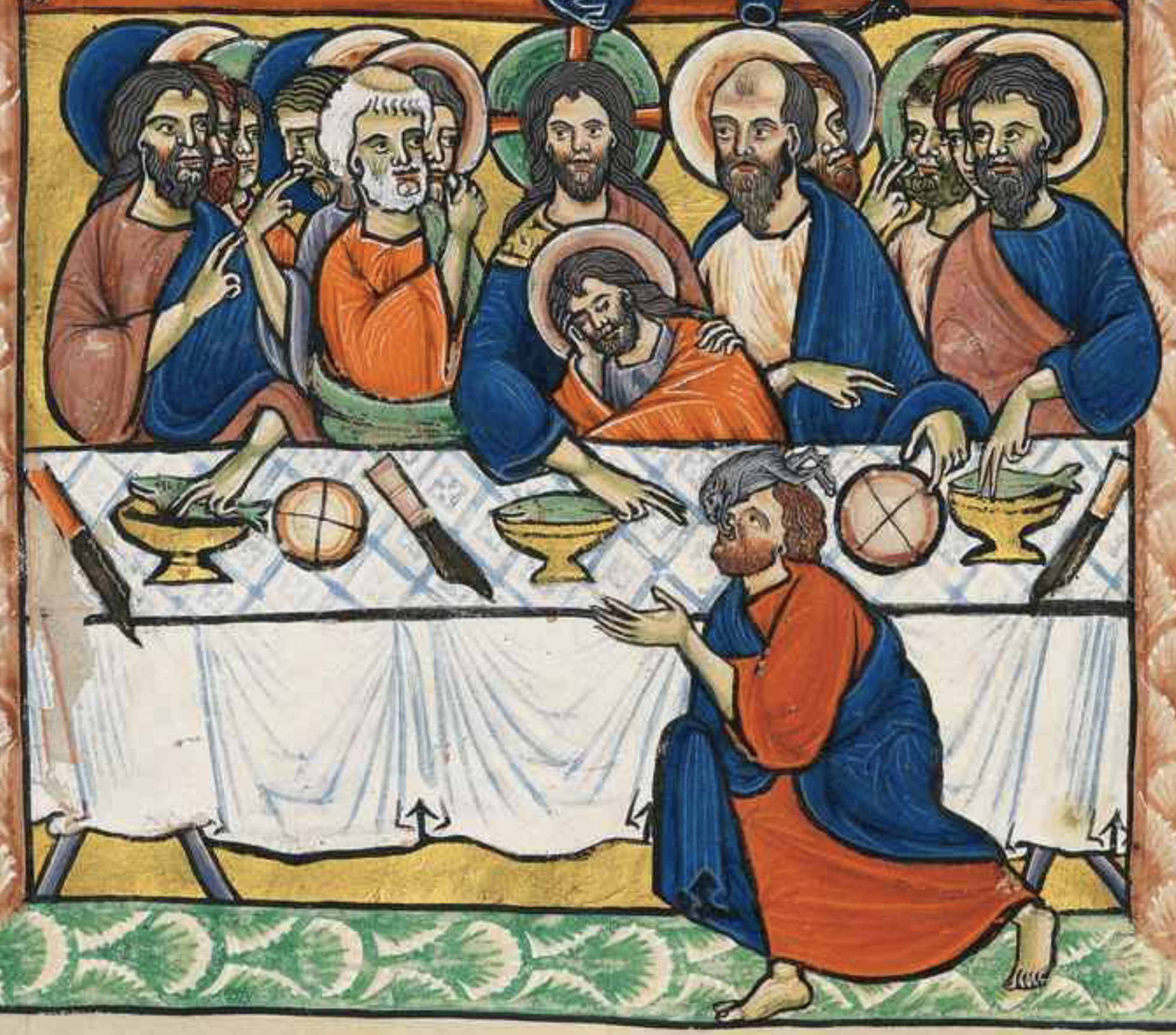
Judas has lifted garment [Rush 2022], with a lifted black-arrow mushroom hem.
Black-arrow mushroom hem of tablecloth touches his lifted mushroom hem.
Judas doesn’t display two fingers.
Judas has outer-garment-spreading posture/ stance; cloak-spreading stance.
Right-hand fingers are held together 4x, and left-hand fingers are splayed 1x.
Right-hand fingers are splayed 1x, and left-hand fingers are held together 1x.
Christ Reigns (Otto Gospel)
Figure 1. Christ reigns. Page 32, Otto Psalter.
{mushrooms}:
{branching}:
{handedness}:
{stability}:
merge into motifs above
YI tree morphology.
Right foot lower than left.
Left thumb & fingers branching, right fingers non-branching.
Fingers/ thumbs branching & non-branching.
Non-Biblical Scenes
St. Eustace Crossing the River (Chartres Cathedral)
Figure 1. Mâle, p. 3, The sky, water and trees. From the Legend of St. Eustace. Window at Chartres.
{mushrooms}:
{branching}:
{handedness}:
{stability}:
Triumph of Dionysus (Roman Mosaic)
Figure 1. Triumph of Dionysus on a Roman mosaic (3rd century, Sousse Archaeological Museum).
Image provided by the Egodeath community for 2006 article.
Jason, Ladon, Golden Fleece, & Athena (Douris Kylix)
Figure 1. Ladon, Jason, Athena, golden fleece of Zeus’ ram hiding the non-existent branching of the vine tree. Kylix by Douris. Photo from Wikipedia user Daderot, xyz public use license.
{mushrooms}:
{branching}:
{handedness}:
{stability}:
merge into motifs above
Snake body, human torso.
Ladon, Jason, Athena, golden fleece of Zeus’ ram hiding the non-existent branching of the vine tree.
Right hand touches non-branching spear.
Non-branching spear separates mortal and immortal boundary.
Owl of wisdom.
Death-head gorgon medusa breastplate.
A riddling Sphinx on the helmet, a gate guard.
Serpents in Athena’s breastplate.
Non-branching vine tree.
Golden fleece of sacrificed ram blocks view of branching portion of tree.
Ladon serpent/dragon.
Jason dead and impotent in conjunction with non-branching serpent.
[10:34 p.m. March 30, 2023]: 4 fingers at head 4 branches hold up cap understood as branching zone (do not touch/affirm). Fingers = branching zone = outside head; seeing it; perceiving the no longer engaged egoic the possibilism mental worldmodel. Splayed fingers = possibilism mental worldmodel and that means that his head = cap = non-branching zone. He knows non-branching: his head = non-branching cap.
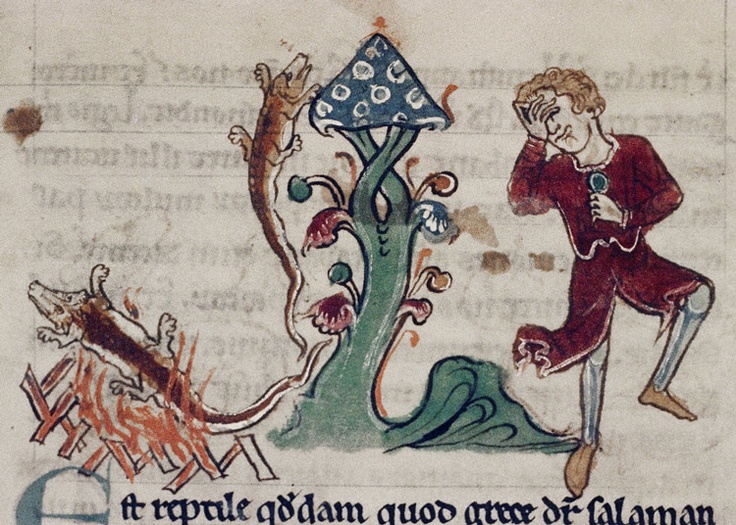
Within whole-tree scope/scale, the cut right trunk is “good”, and the entire left tree is “bad”. Within scope/scale of only the left tree portion, the branching zone is “bad”, the non-branching cap & stem are “good” so touch the non-branching snake-tail of the the salamander or right paw touches cap. Branching part of tree (bad) doesn’t touch salamander (good).
Fire is altered state loose cognition causing loss of control that drives transformation from possibilism to eternalism. [6:08 p.m. March 17, 2023]
Cut right trunk.
Tree has left arm, right arm, left leg, right leg branching limbs, and a mushroom on each limb.
right hand touching head, like right paw touching cap
Serpentine “snake with legs” salamander is similar in morphology to snake in tree eg. Canterbury Psalter’s Tree of Knowledge with legged serpent.
Non-branching trunk touches non-branching tail.
Right paw touches non-branching cap.
Salamander avoids touching branching part of tree.
Lifted hem above cut right trunk.
Lifted left leg; relying on right leg.
Right heel touching cut major branch.
Triangular liberty cap cap shape.
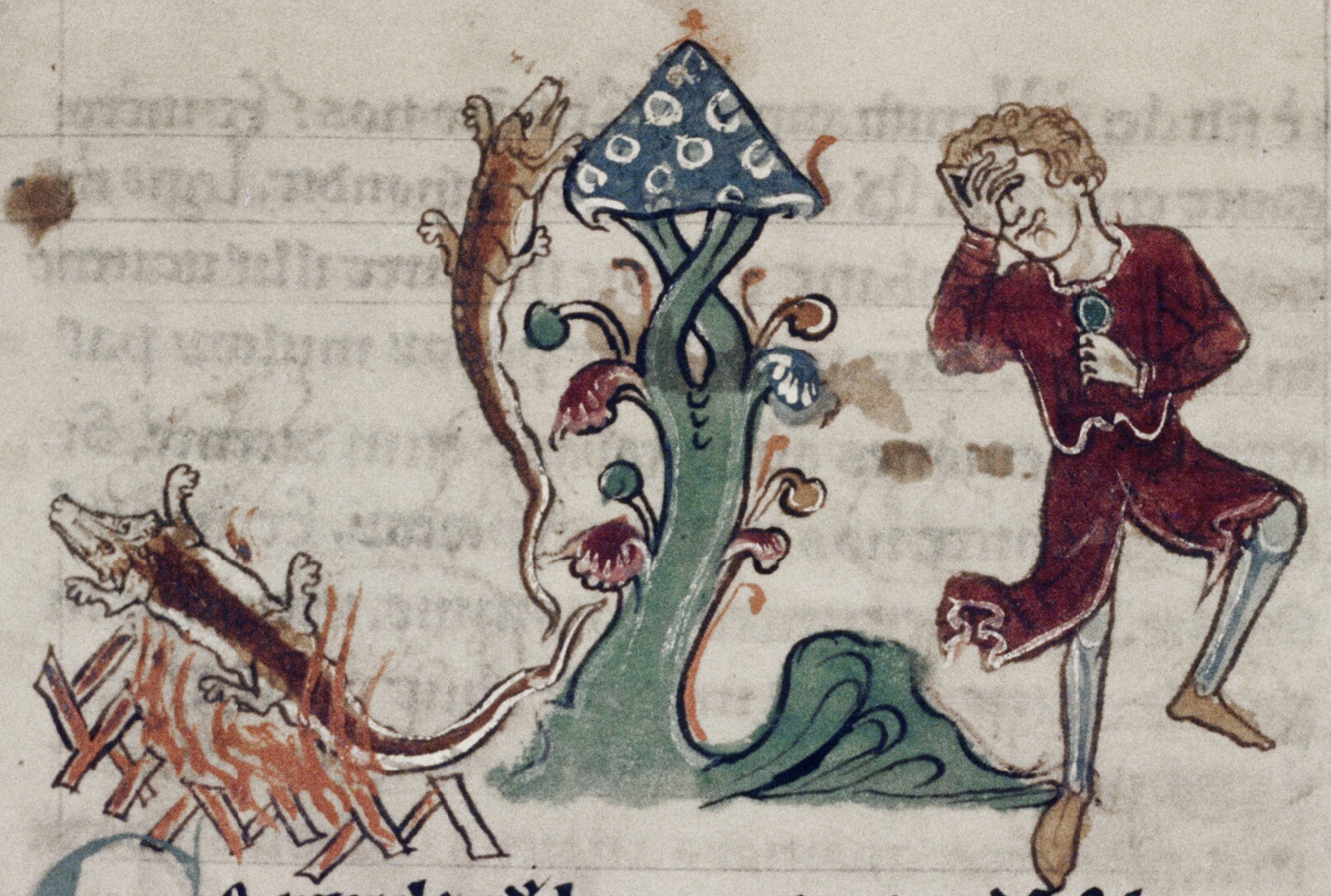
Asp (Aberdeen Bestiary)
Figure 1. Asp (Aberdeen Bestiary).
{mushrooms}:
{branching}:
{handedness}:
{stability}:
merge into motifs above
Standing on right leg, left leg lifted.
Serpent’s right leg is on non-branching part of mushroom tree.
Serpent’s left leg is on branching part of mushroom tree.
Serpent has left paw higher in the tree, toward more branching; right paw lower, toward less branching.
Tauroctony (Mithraism)
Figure 1. Tauroctony
{mushrooms}:
{branching}:
{handedness}:
{stability}:
merge into motifs above
The cover of Entheos journal issue 3 is flawed in two ways: reversed, blue to red shift hid Psil mushroom in leg.
quote Erik Davis to explain astral ascent mysticism, transcend no-free-will by enter Empyrian beyond snake-wrapped rock. Led Zep IV book climax, 2 pages.
bent L leg = no weight on branching/ possibilism. Bull’s bent R leg = failing to rely on eternalism thinking. Sol = authorized qualified virtual egoic control agent; virtual possibilism; transcend heimarmene fixed stars ogdoad.
Maybe correct Hane, quote “dk if fixed stars are in planet 7 sphere or ogdoad, 414 footnote”. purpose: he wishes Transcendent Knowledge to move you from eternalism to possibilism; not so fast tho. pre/trans fallacy Ken Wilber.
The true cognitive developmental progression: naive possibilism-thinking, eternalism-thinking , then qualified possibilism-thinking. Lower levels reveal eternalism; higher level restores to qualified possibilism-thinking; virtual steersman Sol in a pact from Mithras.
Philosophers Beside the Tree, Splendor Solis – version 1
Philosophers Beside the Tree, Splendor Solis
{mushrooms}:
{branching}:
{handedness}:
{stability}:
merge into motifs above
Philosophers Beside the Tree, Splendor Solis – version 3
Philosophers Beside the Tree, Splendor Solis
{mushrooms}:
{branching}:
{handedness}:
{stability}:
merge into motifs above
Philosophers Beside the Tree, Splendor Solis – version 2
Philosophers Beside the Tree, Splendor Solis
{mushrooms}:
{branching}:
{handedness}:
{stability}:
merge into motifs above
Great Canterbury Psalter
todo: delete image, use 6 Days of Creation instead
The above inventory focuses on Day 1 (Row 1 Left), Day 3 (Row 1 Right), and Day 4 (Row 2 Left).
Hanging Upside Down (Canterbury Psalter folio 62v)
Figure 1. Great Canterbury Psalter, folio 62v (url f134). Crop by Michael Hoffman. “f134 bigscreen.jpg” hi-res 678 KB .jpg from 20.4 MB .png of Dec. 18, 2024, uploaded Jan. 6, 2025
{mushrooms}: row 2 right: mushrooms in dispensary bins. Cubensis tree, row 1 left. Banqueting on 1 or 2 bowls of cubensis, row 1 right. Gathering cubensis behind bovines, row 3 middle. Altered-state fire light above psalter reader, row 1 middle. Mushroom hems, including lifted garment row 1 & 3 left.
{branching}: Pink key tree is generally isomorphic with cubensis tree, row 1 left. Both trees are YI at lower level and upper level. Cubensis tree: branching left, cut right, including {cut right trunk} & visually occluded right stem that becomes middle cap/crown. Pink key tree has {cut right trunk}, lacks {cut branch}; right branch (good) touches right foot; left branch dead, touching left hand.
{handedness}: Blade touches left limb, all rows. Psalter reader is threatened when left finger is closer to the ground, row 2 middle. Weight on right foot: oxen, red youth row 2 right. Weight on left foot (unstable): Youth at the dispensary, row 2 right; sower row 3 right.
{stability}: Balance scale, row 2 middle. Reconcile threat by touching left hand to blade. Balancing in pilzbaum by right foot and right hand on cut branches. Hanging from tree by right leg, affirming cut right trunk with right hand. {furrowed brow} means instability, unless countered by stability indicators. Stable column base. Puzzle: Assess stability of each figure based on inventory of attributes. Student 2 (face only) and 4 implicitly have weight on left foot (unstable). Two self-stabbing youths have transcendent stability, row 2 middle, row 3 left.
Relative hand-heights is a driving theme, climaxing in the problematic hands of psalter viewer (right-hand fingertip height), bucket receiver, balance-holder, and hanging upside-down figure.
row 2 right: [Noon April 2, 2023] Intermediate guy looks at furrowed brow of sage = the student who figured out {right foot} basics is now set up and given the next level of problem to solve: ok, so now that you understand {stand on right leg = lower right hand} = control stability, next, reconcile upside down guy’s relative foot elevations contradicting his relative hand (& knee) elevations.
Row 3 right: right heel touches stable plow foot, right leg touches rear right leg of ox.
The bins, bucket, and dumb happy guy scene depicts psilocybin.
Row 1 left: Teaching and examining students about psilocybin control re-stabilization prior to banqueting.
Row 3 middle: Blue krater cubensis collector looks at mushroom dispensary bins.
Row 2 middle: Swordsman looks at the fingertip height of psalter reader and sheaths or unsheaths.
Row 2 right: Standing on left leg = 0 degrees of analogy comprehension;
Row 2 right: Standing on right leg = 1 degree of analogy-indirection comprehension: {foot heights} is like (& refers to) which mental world model is relied on for control-in-world.
Row 2 right: Funnel Hat sage standing on no leg = hanging from right leg = 3 degrees of analogy-indirection comprehension. Forearm points to hands of hanging guy, fingers point up to feet and knee. Row 3 middle points to sage’s pointing arm, connecting the source of cubensis mushrooms with the relative limb-heights of the hanging guy.
Row 2 right, limbless looker eye-points at wrong hands under bucket = 2 degrees of analogy-indirection comprehension: {hand heights} refers to {foot heights} refers to which mental world model is relied on for control-in-world.
Psilocybin caps & stem, therefore every element in this image depicts analogy to peak psilocybin effect.
Row 1 right: Funnel Hat eye-points to maiden’s non-furrowed forehead, indicating that this initiate understands eternalism and so is qualified for psilocybin.
Row 1 right: Limbless father eye-points to God’s hand positions.
Row 2 middle: Psalter reader holds open scroll of knowledge about control instability in right hand, right foot on ground.
Row 2 middle: She holds closed scroll with scale balance: knowledge/message that relying on left foot possibilism-thinking causes loss of control. She’s the stable self-control of the ordinary state. Her right ear points at top of stable column base with right foot of cybercide guy, while her eyes point at bowman and swordsman, connecting these pointing-targets.
Distinct YI morphology in lower vs. upper part of pink key tree and mushroom tree; must re-assess “good” and “bad” within local scale and local context. Rightmost leaf, like a finger, is “good”, leftmost is “bad”.
Left branch is dead, touching left arm of non-passing student giving incorrect answer (showing left hand).
Rightmost leaf (“good”) touches pink’s right heel (“good”; stable self-control).
The two red caps form a Y, the rightmost red cap is “good” and touching God’s cloud. Local scope of assessing “good” and “bad”: left is bad, Y is bad, yet the right part of Y is “good” when considered within local scale/scope.
Row 2 Right: Naive newbie (stand on left foot), basic understander (stand on right foot), advanced interpreter (hang upside-down from right knee):
Standing on left leg = no understanding of {handedness} motif.
Standing on right leg = basic understanding of {handedness} motif= pink guy in tree w/ right foot on cut branch.
Floating feet = hanging from right leg = advanced understanding of {handedness} motif ({branching-message mushroom trees}, {handedness}, and {non-branching} motifs).
Row 2 middle: Self-threatening psalter reader has right-hand finger lifted to exactly the same height as left-hand fingers, surfing the edge of catastrophic loss of control.
Right-hand cap of Y touches God’s cloud. [5:54 March 17, 2023, continuing to spin out March 16 a.m.’s “relative local scope” breakthrough]
Row 2 Right: Mushroom distributor looking at worried/excited brow of foolish youth.
Sun light below God = intense perception of control dynamics in peak loose cog state.
Row 2 Right: Floating Feet Guy Is Looking at Floating Feet of Right-Knee-Hanging Guy. His feet are same height = advanced surfing the edge of loss of control, furrowed brow. [11:17 p.m. March 14, 2023]
Row 3 Left: Reaper feet both down, surfing the edge of loss of control as he shifts % of weight to L vs. R foot.
Row 2 Right: Limbless youth bulging eyes eye-points to wrong hands of foolish youth receiving psilocybin, and connects that to target of floating sage = Red guy in tree’s limbs relative heights in relation to sword of control-loss.
Systematic mastery of {handedness} requires presenting problematic, non-simple scenarios: hanging upside down by right knee, 3D table perspective of Maiden hands; pair of 1-legged guys (Row 3 Middle).
Candidates for initiation who pass the exam (Row 1 Left) banquet on one or two bowls of cubensis, such as a secondary delayed dose (Row 1 Right).
Row 1 Left: Pink key tree is isomorphic with the cubensis tree, indicating left = branching (unstable control), right = non-branching (stable control).
Row 2 Middle: Threatening arrowhead inches from the anxious psalter viewer
Row 2 Middle: Breaking bow to refrain from transgressing control limits, per good judgment and mercy.
Skillful balancing in tree by right foot on cut branch, left foot floating, left hand floating (not relied on), right hand holding onto cut branch.
Left hand touching sword blade of control limits. Reliance on possibilism-thinking has been cut/pierced, like cut branching.
Row 1 Middle: Right hand touching cut major right-hand trunk.
Row 3 Left: Right foot on stable column base.
Row 3 Right: Oxen wisely lifts left foot, stands on right foot.
Row 1 Left: Candidates for initiation, 3 of 4 don’t qualify, not able to demonstrate reliying on right-hand, non-branching thinking.
Row 3 Middle: Blue krater to gather cubensis.
Foolish youth on left leg, wise youth on right leg, wise man on no leg, with mushroom hem on stable column base, carrying a limbless, non-branching youthful thinking.
Two cybercide guys, transgressing lower, egoic control limits of possibilism-thinking, right foot on stable column base.
Teaching and Testing Students About Control Re-Stabilizing (Canterbury f134) [f134-1]
Figure 1. Teaching and examining students about control re-stabilization prior to psilocybin banqueting, including advanced analogies of handedness and non-branching. Row 1 Left, image f134, Canterbury Psalter [Lash 2008].
{mushrooms}:
{branching}:
{handedness}:
{stability}:
{display right hand} = {stand on right foot} = cut right trunk = eternity non-branching = stable control.
On psilocybin, asserting the left-hand, possibility-branching model of control-in-world causes loss of control. Asserting the right-hand, eternity non-branching model of control-in-world gives stable control. Thus, relying on {left leg} causes loss of control. Relying on {right leg} gives stable control.
The hand-heights of this {hanging upside down} are consistent with the standard motif, which is: {weight on right foot} (for stable control) means {left foot raised}, represented by {left hand raised above right hand}. By analogy: {weight on right knee} (for stable control) when hanging upside down would mean {left knee dangling closer to the ground}, represented by {left hand dangling closer to the ground than right hand}.
YI morphology of pink tree: At trunk level, {cut right trunk} = YI. At upper, branches level, branches 1 & 2 vs. branch 3 = YI. At topmost, detail level, any leaf 1 & 2 vs. leaf 3 = YI. Branch 3’s leaf 3 = {right heel} = good = {cut branch} = stable control. Branch 3’s leaf 2 = overall I branch = non-branching = {garment} of successful {balancing} = the eternalism mental worldmodel of control-in-world. Branch 1 = possibilism-thinking = unstable control = {dying branch} touching {left arm} of failing student who is correctly {standing on right foot} but incorrectly displaying {left hand} and thus has {semi-furrowed brow}. At topmost, detail level, branch 1’s leaf 3 = {right-hand} = {I of a YI} = good = stable control. Branch 1 has extra leaf = more branching = bad.
Mushroom Depictions (f134) [delete]
Figure 1. Canterbury Psalter image f134. Annotations by Michael Hoffman.
Mushroom Bins & Bucket (f134) [delete]
Figure 1. : Apprehensive newbie psychonaut relying on naive possibilism-thinking. Image f134 Row 2 Right, Canterbury Psalter. Crop by Michael Hoffman.
Hands & Feet (f134) [delete]
Figure 1. Relative hand-heights and foot-heights, image f134, Canterbury Psalter. Crop and annotations by Michael Hoffman.
Looking-Lines (f134) [delete]
Figure 1. Looking-lines in image f134, Canterbury Psalter. Crop and annotations by Michael Hoffman.
Loss of Control Depending on Fingertip Height (f134) [delete]
Figure 1. Canterbury Psalter image f134, finger height maps to loss of control. Crop, image processing, and annotations by Michael Hoffman.
Loss of Control as a Function of Fingertip Height (Mapped to Which Mental Model of Control-in-World)
Open scroll is knowledge about this & balance = loss of control. “When I didn’t know about this (that possibilism-thinking in peak state of loose cognition causes loss of control) (ie when scroll was closed), I had balance/ stable self-control, back when I stood on left heel in OSC.”
She’s holding a scroll with balance scale, which is Transcendent Knowledge that possibilism-thinking causes loss of control.
THE SCROLL MESSAGE about doomed POSSIBILISM-THINKING, asserting/RELYING ON LEFT FOOT CAUSES LOSS OF CONTROL
f145 Row 1 R God too holds in left hand closed scroll, but is open in Row 2. He holds in right hand open scroll.
She’s the balance that u have in OSC and that you wish for in altered state. He’s out of control, he looks at her in OSC she has stable control, contrasted against him, she is stable bc she lacks Transcendent Knowledge (closed scroll, wrong hand & foot down), she is the ctrl-stab’y of the tightcog ordinary state.
what’s in his book is what’s on his & her scrolls.
{rams} assert and double down on asserting possibilism-thinking and so they lose balance, building falls down, they go out of control
Scroll in God’s raised left hand = scroll in Row 2 Left touching left hand / lifted garment (compare f134 Row 1 Left & f177 Row 1 Middle). [1:10 a.m. March 18, 2023]
Stable towers & mushroom tree touch God’s cloud.
Sitting in doorway = maximum stability of control.
Buildings control stability not loss of control, doorway especially stable.
Row 1 Middle: In transition lowering right hand/foot to same level as left guided pushed by loss-of-control demons. [6:15 March 17, 2023] trident = punished by loss of control due to asserting possibility branching.
[2:04 a.m. March 18, 2023] trident vs. rope: the good demon (correcting you by showing truth) employs a 1-d non-branching rope that conrols both control-worldmodels (feet), the bad demon corrects you by asserting possibilism-thinking (branching trident).
scroll held in God’s left raised hand and a scroll touches the lifted by left hand garment; inspired to lift left hand/ foot. scroll = God-mode thinking.
Riding a pair of horses or camels: two mental models of control-in-world.
Holding a balance, vs. loss of control; control stability.
YI tree morphology: branching on left, cut trunk on right.
Filling lockbox bins with trade commerce blue cubensis mushrooms matching stem of tree.
Mushroom eaves on stable building gates/doors.
Instructing barbarian traders to rely on right rather than left foot during peak to keep balance and avoid loss of control stability.
Mushroom Depictions (f145) [delete]
Figure 1. Mushroom imagery in image f145, Canterbury Psalter. Crop and annotations by Michael Hoffman.
Row 1 left: he is pointing at right foot, but also at open scroll touching lifted garment.
Hands & Feet (f145) [delete]
Figure 1. Relative foot and hand elevation in image f145, Canterbury Psalter. Crop and annotations by Michael Hoffman.
Blue cloth or bag over bin with msh hem indicates cubensis bin. Matches bag in Row 1 L.
King David. Prophet Nathan to left.
blue box i added = bad = left foot/hand down = possibilism-thinking
3 yellow boxes left to right:
L hand raised, so implicitly R foot down; implicitly good/wise.
R hand raised, so implicitly L foot down; implicitly bad/foolish.
L hand level; ambiguous.
ambig (L hand level), probably good; ambig, probably bad; fully ambig (L hand level)
white = good = right foot/hand down = eternalism-thinking
red = peak seizure = right foot/hand same height as left = in transformation from possibilism to eternalism thinking
when right hand down, open scroll (god excepted) Row 2. also f134 Row2 middle: closed vs open scrolls, two of them.
Teaching Cubensis Traders About Control Re-Stabilizing (Image f145) [delete]
Figure 1. Teaching psilocybin control re-stabilization to cubensis traders. Row 1 Left, image f145, Canterbury Psalter.
{mushrooms}:
{branching}:
{handedness}:
{stability}:
Row 1 Left: {scale balance} = control stability = {stable tower building}. Row 1 Left: cubensis traders right foot x3 does not touch the {stable column base}, but floats unstably; {weight awkwardly on reversed left foot} = unstable control.
Horses at Tree (Canterbury Psalter folio 84r)
Figure 1. Great Canterbury Psalter, folio 84r (url f177) – todo: replace by jpg from jpg from Dec. 2024 hi-res png.
{mushrooms}:
{branching}:
{handedness}:
{stability}:
Sun, white light of loosecog awareness, attached to mushroom tree.
The simple tree and the leaf tree teach non-branching, therefore each tree functions as a branching-message mushroom tree.
Winnowing basket for mental model filtering. Right hand at bottom where wheat gathers; left hand at top of basket with thumb splayed where chaff blows away. Winnowing basket to sort possibilism-thinking (down chute) vs. eternalism-thinking.
2 bags of cubensis mushrooms.
1 direct mushroom tree, 2 indirect mushroom trees.
Weighing cubensis mushrooms on a balance while balancing on toes.
Lockbox filled with cubensis mushrooms.
Psilocybin caps & stem, therefore every element in this image depicts analogy to peak psilocybin effect, edge of loss of control depending on which mental model is relied on.
Row 2 Middle: Scale balance. To weigh cubensis mushrooms. To switch to mental model of control & world that can keep its balance.
Addresses/ recognizes the q: if “stand right not left foot, what if upside down, what happens to that “simple” rule? The middle ram is relatively good because left foot not touching ground (ceiling), like the simple key tree’s middle cap not touching the ceiling.
Sun light attached to cubensis tree over horses = intense perception of control dynamics in peak loose cog state.
The middle ram is relatively good, like the simple key tree’s middle cap not touching the ceiling.
Row 1 middle, 3 guys stand right foot, 1 by crossing legs, middle’s foot hidden.
Row 2 left: 3 rams stand left foot, middle’s foot hidden.
Right-foot balancing guy standing on stable tower.
Big tall brain of guy with difficult motif-combination {left heel of lame leg stable column base holding balance} + {crutch} indicating inability to use left heel, big brain = understanding of inability of left heel; understanding gives stability.
Right foot balancing = eternalism-thinking; crutch + left leg = qualified possibilism-thinking.
Big brain guy looking at Row 1 foot.
Crowd has no legs because they represent the viewer, more than referent of analysis. Left person looks at viewer establishing this connection.
Row 1 middle: Looks left, points left; looks right, points left and right; looks right, points right, lifted garment.
Two horses look at blue non-branching cap, two look and right hand of God.
Crutch is knowledge that left heel is unstable; lame left leg indicates eternalism-thinking, which is stable. Left heel (with crutch negating) is on stable column base.
Simple key tree above ego death rock ossuaries graveyard in row 2 is YI morphology; establishes YI is good. Left = branching = unstable; right = non-branching = stable.
Right tree trunk = YI = Good.
Buildings = stability = towers.
Psilocybin lockbox. Stands in gateway door frame (stable), must understand eternalism to access lockbox and pass through gate. Stability/ instability acts as a lock/gateway to prevent unworthy/ uneducated (about cybernetic eternalism) from accessing the psilocybin intense mystic altered state. The Bad Trip Barrier, the 39% under optimal conditions have extreme panic terror seizure panic escalation frenzy whirlwind elevator to heaven.
An image viewer (row 1 right) has furrowed brow, dread because relying on unstable possibilism-thinking, indicated by displaying left hand– instead of hiding limbs branching to negate. [debatable; appreciates danger, knows to pointedly avoid using left hand]
Left tree’s upper level: IY, I, IY = Bad, Good (because non-branching at trunk level), Bad.
Left tree’s upper level: YI, IY, YI = Good, Bad, Good (because cut branch = non-branching).
Right-hand session guide holds right foot while looking at pink key tree.
Left-hand session guide holds right arm while looking at crutch and left heel.
Standing on right leg held up by right hand by God, left foot in left hand neither used to remain balanced and standing.
Egoic animal thinking down chute sacrificial 3 rams in dragon furnace consumed. Illusion and repudiated animal thinking that causes control instability is repudiated and cast down chute to consuming furnace sacrificial three rams.
Various top-row figures look at left tree, right tree, or right foot.
Toes-balancing guy uses balance to weigh 5g dried from the psilocybin lockbox.
Balance bag same angle as lockbox bag.
Looking-Lines (f177) [delete]
Figure 1. Canterbury Psalter f177, with looking-lines and target features added by Michael Hoffman.
Rams Standing on Left Leg (f177) [delete]
Figure 1. Rams standing on left leg, causing fire (loss of control). Image f177 Row 2 Left, upside-down, Canterbury Psalter. Crop and image processing by Michael Hoffman.
The middle ram is not touching ground with left foot; it’s relatively good, a different color, and maps to the I of the YI tree, which similarly stops short of touching the red bar. Right leg deliberately occluded by branching tail, like I branch of tree is occluded by Y branch.
Occluded right-hand, non-branching elements.
The middle special dark ram is equated with the special, I branch of simple key tree: the shroud carrier looks simultaneously at the cross-under of the good branch and beyond that the occluded right leg exactly inline . or/and, looks at crown of good branch and beyond that, exactly at angled at right leg of “good” (in another sense/perspective) ram 3 (rightmost as if I of YI trio).
Ram 1 + 2 ~= Y, ram 3 = I. Same w/ each trio of tail & legs. tail + L leg ~= Y, R leg ~= I. The proof that these details count for points is the botched cross-under of the msh tree. Ram 3’s right leg awkwardly under the border signals “analyze cross-unders”; signals that R-hand cross-unders are significant.
The non-branching “I” branch of the mushroom tree is completely cut, offset 100%, to form a {cut right trunk} and a {cut branch}. The tree is {balanced} around the “I” branch, whose cap is directly above the trunk base, 3 caps on either side. Row 2 shroud: Right arm/wrist is not hidden of Shroud; in ego death, non-branching reality is visible/ unveiled. The Right Shroud Carrier’s left hand hides Shroud’s right foot. The key tree’s Y branch occludes and visually cuts the “I” branch cross-under (branching hides non-branching reality). Two rams have an occluded right foot. Shroud Carrier looks at the key tree’s I branch (“true” branch’s) cross-under veiled by Y branch, and beyond that, the 2 ram hidden “true” right feet. Ram 1’s right foot is shown, indicating that the right foot of ram 2 & ram 3 are intentionally, meaningfully occluded.
Left tree trunk = YI = Good. Cross-under matches the pink key tree.
Shroud’s right-hand wrist being not cross-undered then means: fully ego-dead state = full, non-occluded perception of right-hand non-branching branch, clearly, directly, fully perceiving non-branching, without that reality being at all occluded by the branching illusion.
Shroud’s right FOOT (max. “good”) is not hidden by his “bad” left hand. We can excuse Carrier for hiding Shroud’s right ankle, because Right Carrier is looking at 3 cross-unders (tree + 2 ram R feet). Right Carrier is able to see the occluded branch & right feet, so we are “able to see”, in effect, Shroud’s occluded right ankle.
Shroud’s right foot touches Right Carrier’s right leg.
Right Carrier is looking at cross-unders, indicating that Shroud’s cross-overs/ cross-unders are to be analyzed.
Carriers put Shroud’s wrists crossover configuration on display to be analyzed.
The X of Shroud’s cross-over wrists is exactly under Stable Tower that’s under Stably/Rightly Standing guy in Row 1, proving that a focal point for analysis is Shroud’s wrists choice of overlap, the fact that the right wrist is not occluded; “the non-occlusion of Shroud’s right wrist” is a major focal point.
Shroud displays visibility (non-occlusion) of the right wrist.
Left Carrier’s right hand occluding Shroud’s right shoulder doesn’t count as occluding, because right hand.
Conclusions
Expect and Find Psilocybin in Mainstream Religion and Culture, not only in Suppressed, Secret Counterculture
Write Specifically about Psilocybin or Amanita, not “Mushrooms” or “the Mushroom”
Write specifically about psilocybin mushrooms or Amanita, which are two entirely different, unrelated psychoactives. Do not write “mushrooms”, “the mushroom”, “the holy mushroom”, or “sacred mushrooms”, because Amanita is overemphasized and conflated with psilocybin effects.
Don’t write “entheogens”, “psychedelics”, or “mushrooms”; write “psilocybin” or “Amanita”.
Outtakes: Smash the Amanita/ Prohibition Paradigm
Amanita = complicit, enabler, conflict of interest
past tense: the Amanita paradigm failed because, it was …, replaced by the Egodeath theory/ the Psilocybin paradigm.
This article and the Egodeath theory replaces the Amanita paradigm by the Psilocybin paradigm.
The Amanita paradigm = perpetual prohibition, primitivism; a physicalist-limited theorizing (shape of Amanita); ambiguous, obfuscating language (“the mushroom”, “mushrooms”, “the holy mushroom”, “entheogens”); unstated argumentation, poor theorizing; proxy associations and narratives; lowering consciousness, immature childish exoteric misreading of religious myth and art motifs.
The Psilocybin paradigm = repeal and beyond to mainstreaming psychedelics; advanced comprehension of history; a cognitive experiencing domain approach; controlled conceptual vocabulary unambiguous; sound theorizing, explicit argumentation, direct speech and direct thinking/ argumentation (not proxy), elevating consciousness; mature adult esoteric coherent reading of religious myth and art motifs.
Carl Ruck & John Rush need to convert from the “Amanita counter-culture” paradigm to the “Psilocybin mainstream” paradigm.
We must abandon Amanita-based, Amanita-centric psychedelics scholarship like the plague.
Helpful, Domain-Relevant Theory
The Egodeath theory is successful as a relevant, domain-appropriate, useful and effective explanatory model because it models and provides an explanatory model using a custom, appropriate, purpose-optimized, conceptual vocabulary and lexicon suitable for effectively capturing the explanandum.
Ineffective approaches fail to deliver an effective explanatory model to explain dread of the {shadow dragon monster}, instead just deleting and eliminating the explanandum (dread of fatal control instability) and replacing the explanandum by some substitute: an ordinary-state based Grief subscale that simply deletes 18 of Dittrich’s 21 5D-ASC Dread effects [Barrett et al 2016: Scoring Guide appendix]; a Physicalism/Materialism focus that’s conceptually limited to domino-chain determinism [Johnson, 2022]; eliminative “Cognitive” Neuroscience that attempts to discuss loose cognitive binding by instead talking indirectly in terms of “neuroplasticity”; or unscientifically vague mysticism as a methodology [rejected by Sanders & Zijlmans 2021].
The Egodeath theory is an anti-neuroscience, bona fide actual cognitive phenomenology-based approach, explaining experiencing of control model transformation in terms of control models, not in terms of neural networks which deletes and removes the explanandum through using a conceptual lexicon which fails to describe the explanandum. We must discuss the experience of mental model transformation, in direct terms about experiential mental model transformation, not indirectly and ineffectively in terms of brain scans.
Outtakes: Smash the Amanita Paradigm/ Prohibition 2
Anti-“secret amanita sect” paradigm, which is ordinary-state based, limited to the physical forms of the Amanita, ignores repeal of Psilocybin prohibition, and is fully invested in a false theological claim that what makes a form of Christianity mainstream vs. heretical is that mainstream Christianity is required by psychedelics scholars (sitting in Pope’s chair issuing theological decrees) to prohibit Psilocybin.
Bad, anti-Psilocybin, Prohibition-asserting theology, is how the “Amanita sect” theory operates.
According to the Amanita heresy theology that’s a false theological dictum or decree of the “heretical Amanita sect” paradigm, there are only two options: mainstream anti-psychedelic religion and culture in opposition to heretical psychedelic sects.
In sharp contrast, the “mainstream Psilocybin Eucharist” paradigm formed by the Egodeath theory, provides the correct, true, theologically correct theological decree, that real Christianity, normal mainstream religion and culture, is Psilocybin-based. The fatal flaw of the “Secret Amanita” paradigm is that the flip side of assigning psychedelics to a postulated counter-culture is the false assertion that mainstream culture must prohibit psychedelics – a fatally self-defeating, false theology.
Avoid Reductionism: Engage the Explanandum, Dread of Loss of Control
Like the self-contradiction that is “Cognitive Neuroscience”, the “Secret Amanita heretical sect” paradigm is infantile, concretistic, limited to the physical form of the fly agaric, and cannot engage with the cognitive content, mental model transformation about control-in-world. The result is reductionism, which is the elimination of the explanandum through ineffective and inappropriate explanatory model using terms that allow the escape of the explanandum. Only the Egodeath theory captures the explanandum and explains, not deletes [Barrett et al 2016: scoring guide appendix] OAV’s Dread DED dimension {shadow dragon monster}, replacing the altered-state explanandum by a ordinary-state based Grief subscale.
The “Amanita sect”theory asserts that mainstream religion is anti-psychedelics, which maximally supports Prohibition. The “Psilocybin Eucharist” theory asserts that mainstream religion is psychedelic, which maximally supports repeal of Prohibition. Do not associate “counter-culture” with psychedelics, which maximally benefits Prohibition. Associate mainstream religion with psychedelics, which maximally leads to Repeal of Prohibition.
Other methodologies fail to effectively model the actual explanandum, experiencing mental model transformation from transformation from possibilism to eternalism, transforming the mental worldmodel of control-in-world, driven by corrective instability and failure of control. No other theory than the Theory of Psychedelic Eternalism captures and recognizes and effectively models and explains this dynamic: not neuroscience, physicalism, or mysticism.
Only Psychedelic Cognitive Science, liberated from Neuroscience’s replacement and reductionism of the explanandum, can accurately, usefully, and relevantly model and explain mental worldmodel transformation in the psilocybin loose cognitive binding state. This explanatory model of conditional control stability enables the field of Psychedelic Cognitive Science; enables Cognitive Scientists to enter the loose cognitive realm to get the treasure of Transcendent Knowledge, without being cast out through the gate by terror of seeing the {shadow dragon monster}.
CARL RUCK’S “AMANITA HERETICAL SECT” THEORY IS OPTIMIZED AND MAXIMIZED TO SUPPORT PROHIBITION OF psychedelics AS MUCH AS POSSIBLE.
Do not assert that mainstream religion was anti-psychedelics; that false assertion maximally supports Prohibition. The “Amanita sect” theory falsely asserts that mainstream religion is inherently anti-psychedelics; that false assertion maximally supports Prohibition. Assert that mainstream religion was psychedelics; that correct assertion maximally repeals Prohibition. The “Psilocybin Eucharist” theory (part of the Theory of Psychedelic Eternalism) truthfully asserts that mainstream religion is inherently psychedelic; that correct assertion maximally supports repeal of Prohibition.
Outtakes: Don’t Gen2/3 w/o Rev22
Do not read Genesis 2 & 3 as exoterically read God is prohibitionist, and ignore Revelation 22 at the end of the Bible, titled by NIV as “Eden Restored”.
Esoteric affirmation … the only possible reading is esoteric, God speaks truth Adam died that day, God is not a rank prohibitionist.
the Minimal Secret Amanita theory/paradigm/ assumption-set
the Maximal Psilocybin Eucharist theory/paradigm/ assumption-set
Switch from the “Amanita Counterculture Sect” Paradigm to the “Psilocybin Mainstream Eucharist” Paradigm
the Secret Amanita paradigm vs. the Psilocybin Eucharist paradigm
The Brown Rule, Against My Brown-Certified Blurry Internet Images
YOU GOTTA LOOK AT THE HIGH RESOLUTION LIBRARY IMAGES DIRECTLY !!!
EG F134 ROW 3 MIDDLE, BLUE KRATER GUY, IS LOOKING AT THE MSH BINS ON ROW 2 RIGHT.
Minimize wordcount to make these points as minimal hooks, no elaboration. As a list of sentences.
Re-centers the Field on Psilocybin Rather than on Amanita
Read Esoterically to Reveal that Genesis Is Not Simple Literal Prohibition
Increased Ability to Perceive and Recognize Psilocybin Evidence
Flip the Psilocybin-Absence Narrative Expectations and Presuppositions
Understand Control Instability from Psilocybin
Repeal Psilocybin Prohibition and Leverage Evidence in Christianity
The Path Is Cleared for Psychedelic Cognitive Science
The Mental Transformation Process Is Now Efficient
Ruck strives to restrict mushrooms to mystics and deviant, exceptional heretical sects. John Allegro fails to be interested in mushroom trees, except the lone Amanita-based instance in the fresco. John Allegro is a main source of the counterproductive Secret Amanita Cult dead-end, self-defeating paradigm that supports Prohibition. John Rush, John Allegro, and Carl Ruck have all tried to restrict mushrooms to Amanita, used only by deviant heretical sects or “elite”. Instead, build theory around explanatory constructs such as the normal mainstream psilocybin Eucharist instead, as an effective, strategic, forward-driving explanatory construct.
The Psilocybin Eucharist paradigm is more useful and relevant than the Secret Amanita paradigm. Avoid explanatory constructs like secret, heretical, exotic cult sects from the exotic East. Don’t strive to build a thick wall that separates mushrooms from normal Christianity, because that supports Prohibition. Reject the Amanita Primacy Fallacy and the explanatory construct of Secret Christian Amanita cult. Treat Psilocybin as the normal Eucharist, because that drives toward full repeal of Psilocybin Prohibition, and because it’s true, against the Amanita Primacy Fallacy. Psychedelics scholarship should not be used for the purpose of striving to separate mushrooms from real Christianity. The objective of psychedelics scholarship should be developing transcendent knowledge about how the mind works, for full repeal of Psilocybin Prohibition, and to learn to recognize as much as possible the central presence of the Psilocybin Eucharist at the heart of normal, real Christianity.
This “normal psilocybin Eucharist” interpretation of mushroom trees supersedes the Secret Christian Amanita Cult theory (which restricts mushrooms in Western religious history), as called for by [Irvin 2008] and [Hatsis 2013]. Don’t rely on explanatory constructs and words per the wrong master narrative and bad emphasis such as “secret, hidden, heretical, cult, rite, sect, and imported into Christianity from the East”. That emphasis and bad project is self-defeating and perpetuates Prohibition. Simply say “People ingested psilocybin or Amanita mushrooms in a Christian context.”
Medieval Christianity had expert knowledge of psilocybin’s outstanding effect, and had a shared language of {branching-message mushroom trees}, {handedness}, and {non-branching} motifs.
The success of this 1988/2007/2023 theory is due to a two-leg, differentiate-and-integrate approach: rejecting mysticism as a foundation basis for an explanatory framework [Sanders & Zijlmans 2021, Thagard 1992], and explanatory style. The Theory of Psychedelic Eternalism instead uses an explanatory basis as the explanatory approach and communication framework style of Engineering; Control Systems [Wiener 1948]; Physics; Science, Technology, Engineering, and Math (STEM); and Psychedelic Cognitive Science. This approach treats mystic experiencing, mythemes, and art motifs as the distinct explanandum. While keeping these domains distinct, the Psychedelic Eternalism theory then translates and maps from mytheme analogies to the ultimate referent: the dynamics of mental model transformation in the loose cognitive state.
This explanation of motifs is part of the Explicit Psilocybin Eucharist Normal Christianity paradigm, against the Secret Deviant Amanita Heretical Cult paradigm. This decoding article is part of a set of articles defining the Egodeath theory.
The first writeup of the core, the Cybernetic Theory of Ego Transcendence is [Hoffman 1988].
Meta-perception of the mental worldmodel of control in the loose cognitive state is described in [Hoffman 1996]. The core theory specification of the Theory of Psychedelic Eternalism is presented in [Hoffman 1997]. Religious mythology is mapped to the core theory of Psychedelic Eternalism in [Hoffman 2007]. The present article remedies a gap in that article, to better explain its art works. [Hoffman 2020b] provides guidance for psilocybin sessions extracted from the art, and led to the development of the theory of branching-message mushroom trees summarized here.
Don’t Associate Psilocybin with Counter-culture
Reject the self-defeating and counterproductive, prohibition-friendly narrative, “Mainstream religion is inherently and necessarily anti-psychedelics, and always forever will be anti-psychedelics.”
Conflict of interest:
The Egodeath theory (the Theory of Psychedelic Eternalism; the psilocybin Eucharist paradigm) is not invested in a “counterculture Amanita sect” narrative that perpetuates and is compliant with psilocybin prohibition. This theory is in no way conformant with or enabling of Psilocybin prohibition. The objective of the Egodeath theory is to deliver a useful, relevant, helpful explanatory model of Transcendent Knowledge, to return Psilocybin to mainstream culture and religion, and to fully repeal Psilocybin prohibition, like the lack of laws in 1912 or 1965.
STATEMENT OF COMMITMENT TO ACTIVIST OBJECTIVE-DRIVEN REPEAL OF PROHIBITION
The Secret Christian Amanita Cult paradigm, which is invested in a narrative of perpetual defeat and has a conflict of interest, Prohibition-compliant and enabling, complicit.
Do not strive to build a wall separating Psilocybin from mainstream culture and religion.
The Secret Christian Amanita Cult theory props up and emphatically pushes a false narrative of [optimize wording counter to supreme court’s framing wording] “There was/is/can be no psilocybin mushroom tradition in actual, Reference Christianity, only in heretical sects. Mainstream Christianity is inherently and necessarily anti-psychedelics, and always forever will be anti-psychedelics.”
The Theory of Psychedelic Eternalism disproves and counters the fallacious John Allegro/ Carl Ruck/ John Rush narrative of absence and active prohibition of psychedelics in mainstream Christianity.
Test psychedelic companies, psychedelic theorists, and psychedelic historians: Are you committed to the full repeal of Psilocybin prohibition, or are you an enabler, complicit and compliant, such that it’s in your interest to perpetuate prohibition by (falsely) proclaiming and pronouncing that mainstream religion is inherently anti-psychedelics?
Bad psychedelics scholars are trying as hard as they can to support Prohibition by proclaiming and emphasizing that normal religion has been and inherently must be anti-psychedelics — music to the ears of Prohibitionists, providing exactly the narrative they need to perpetuate Prohibition.
I’m looking to establishing a “statement of commitment to full repeal of Psilocybin prohibition”.
No entity in the space of psychedelic science or psychedelics scholarship should be amenable to putting people in cages, perpetuating prohibition and condoning it; your company or theory should be pointedly incompatible with prohibition.
What has your theory, historical explanatory paradigm, or company done, towards full repeal of Psilocybin prohibition?
I have assembled the proof that psychedelics scholarship (the “Secret Christian Amanita Cult” paradigm) has been complicit in pushing and emphasizing and investing in a false narrative commitment, that “normal, reference Christianity does not have a Psilocybin tradition”.
When Discussing Genesis 2 and 3, Discuss Revelation 22
Revelation 22:1-5 is titled by NIV as “Eden Restored”. Revelation 22:1-4: “Then the angel showed me the river of the water of life, as clear as crystal, flowing from the throne of God and of the Lamb down the middle of the great street of the city. On each side of the river stood the tree of life, bearing twelve crops of fruit, yielding its fruit every month. And the leaves of the tree are for the healing of the nations. No longer will there be any curse. The throne of God and of the Lamb will be in the city, and his servants will serve him. They will see his face, and his name will be on their foreheads. ” Revelation 22:14: “Blessed are those who wash their robes, that they may have the right to the tree of life and may go through the gates into the city.” Revelation 22:19: “And if anyone takes words away from this scroll of prophecy, God will take away from that person any share in the tree of life and in the Holy City, which are described in this scroll.”
Entheogen scholars who cite Genesis 2 & 3 while omitting Revelation 22 have lost their share in the tree of life; they are prohibited from Psilocybin. Entheogen scholars who complete Genesis 2 & 3 by citing Revelation 22 are granted a share in the tree of life and the ability to go in and out through the gate of the city that contains the tree of life.
Golden Munich Psalter. Abbreviated as Golden Psalter.
Great Canterbury Psalter, BnF Latin MS 8846. c. 1176-1200. Abbreviated as Canterbury Psalter. todo: how Brown cites Canterbury Psalter
Ingeborg Psalter. c. 1210.
Evangeliarium of Emperor Otto. Abbreviated as Otto Gospel. Das sogenannte Evangeliarium Kaiser Ottos III (The so-called Evangeliarium of Emperor Otto), Latin Codex 4453, Munich, c. 1000.
References
todo: add the two Moliero books about Great Canterbury Psalter
Brown, Jerry; Brown, Julie (2019). Entheogens in Christian art: Wasson, Allegro, and the Psychedelic Gospels. Journal of Psychedelic Studies, Volume 3: Issue 2, pp. 142–163. https://doi.org/10.1556/2054.2019.019
Brown, Jerry (2022). Christianity’s Psychedelic History: Reply to Thomas Hatsis’ Review of The Psychedelic Gospels. https://grahamhancock.com/brownj1/
Fuller, A. (1986). James Clerk Maxwell’s Glasgow manuscripts: extracts relating to control and stability. International Journal of Control, 43:5, 1593-1612. https://doi.org/10.1080/00207178608933561
Johnson, Matthew; Richards, William; Griffiths, Roland. (2008). Human Hallucinogen Research: Guidelines for Safety. Journal of Psychopharmacology, 22, 603-620. 22(6):603-20. doi: 10.1177/0269881108093587. Epub 2008 Jul 1. PMID: 18593734; PMCID: PMC3056407. https://www.ncbi.nlm.nih.gov/pmc/articles/PMC3056407/
Johnstad, Petter. (2021). Day Trip to Hell: A Mixed Methods Study of Challenging Psychedelic Experiences, Journal of Psychedelic Studies, 5(2), 114-127. https://doi.org/10.1556/2054.2021.00155
Kang, Chul-Goo. (2016). Origin of Stability Analysis: “On Governors” by J.C. Maxwell [Historical Perspectives]. IEEE Control Systems. https://ieeexplore.ieee.org/document/7569049
Panofsky, Erwin (1952a & b). Letters to R. Gordon Wasson, May 2, 1952 & May 12, 1952. Wasson Archives, Harvard University Herbarium, Cambridge, Mass. Tina and R. Gordon Wasson Ethnomycological Collection Archives, ecb00001, series IV, drawer W3.2, folder 20. Botany Libraries, Economic Botany Library of Oakes Ames, Harvard University. Published in Brown & Brown 2019.
Sanders, James; Zijlmans, Josjan. (2021). Moving Past Mysticism in Psychedelic Science. American Chemical Society (ACS) Pharmacology & Translational Science. 2021, 4, 3, 1253–1255. Publication Date: May 4, 2021. https://doi.org/10.1021/acsptsci.1c00097
(Might contain dup content. WordPress UX bug may have caused me to copy an entire other page into this page, instead of just selected paragraphs. The TOC is bizarrely long.)
some of these links might only work on desktop Chrome/Edge:
pasted fresh toc above, May 25, 2025 todo: clean up headings and TOC more
did I paste a 200-page article in this page, with dup content? couldn’t find evidence of that.
Incoming Ideas
Decoded Canterbury Image f134 Row 2 Right: Standing on Left Leg = No Understanding of {handedness} Motif, Standing on Right Leg = Basic Understanding of {handedness} Motif, Floating Feet = Hanging from Right Leg = Advanced Understanding of {handedness} Motif
[11:44 a.m. March 22, 2023] I hit the right angle to simply grasp and rightly conceptualize and read the 3 guys as Eadwine meant, elegant simple idea:
{youth standing on left foot} = ignorant of eternalism-thinking while receiving Cubensis
{youth standing on right foot} = understand basic idea of {stand right leg}
{mature sage standing on no feet} = hanging by right leg (floating sage looks at feet floating in msh tree) = advanced understanding of analogies of limbs
Let’s see how close I was 2 days ago in draft article on branching-message mushroom trees:
“Row 2 Right: Naive newbie (stand on left foot), basic understander (stand on right foot), advanced interpreter (hang upside-down from right knee).”
The above still lacks the punch, doesn’t express my grasp/network per Eadwine.
STAND LEFT LEG = NO UNDERSTANDING OF {HANDEDNESS} MOTIF
STAND RIGHT LEG = BASIC KNOWLEDGE OF {HANDEDENESS} MOTIF
HANG RIGHT LEG = ADVANCED KNOWLEDGE OF {HANDEDENESS} MOTIF
Standing on Left Leg = No Understanding of {handedness} Motif
Standing on Right Leg = Basic Understanding of {handedness} Motif
= pink guy in tree w/ right foot on cut branch
Floating Feet = Hanging from Right Leg = Advanced Understanding of {handedness} Motif
Advanced Understanding of {handedness} motif, ie of: {branching-message mushroom trees}, {handedness}, and {non-branching} motifs
Egodeath Mystery Show Ep234 – Never Surrenderism (January 29, 2023)
Filename:
“Ep234 Never Surrenderism.mp3”
Song Title:
“Ep234 Never Surrenderism 🍄🌳💥🐏”
Holy Sh*t — 23 .wav files from that day.
The Longest is this 4741, next longest is 4740, lots of other long ones that day –
BASICALLY WE’RE LOOKIN AT 16 HOURS STRAIGHT OF TALKING/ SPOKEN IDEA DEVMT ALL RECORDED ON TAPE THAT ONE DAY, a Sunday following an all-day Saturday reading of journal articles.
Voice was getting locking up, after standing for hours talking loud, but then my voice came back notably well after I sat down for for this 4741 recording.
haha so it seems I have to balance overuse of my hands typing, vs. overuse of my voice.
todo note: I still haven’t done the final polish of reading aloud Mark Hoffman’s Toxicology article 2015, my take 2 that came out professional voiceover quality:
NEVER SURRENDER: BRING BACK THE ETERNALISM-THINKING TREASURE THROUGH THE PSILOCYBIN LOSS-OF-CONTROL DRAGON-GUARDED GATE
(tip for Loose Cognitive Scientists: you may have to sacrifice a thicket-caught ram — saw a nice one with golden fleece, in a tree with golden apples of immortality, in the garden of the hesperides, btw: guarded by Ladon drakon with zillion eyes who sees too much the loss-of-control vortex vulnerability hole in the side)
Finally Made Local Copy of Awesome Kylix Douris Jason Ladon
done: I still want to find which .wav is my great read-through of “surrender” hits in Houot’s dissertation, and produce that recording as a new episode of Egodeath Mystery Show.
I did note which .wav recording, in Idea Dev p 16. Possibly the wav # is adjacent (not really) to episode 228’s .wav recording number (4685.wav) b/c that recording / episode covers same topic. Found it:
Advanced {handedness} YI Analysis of “Eustace Crossing River” Image
Incredible: Though I finally applied BASIC {handedness} analysis to Eustace Crossing River in ~March 2022, I only just now a.m. March 19, 2023 applied formal fractal YI scope analysis to it: so ANOTHER BREAKTHROUGH (!!) reading Eustace
CLEARLY I have to post an announcement page about formal YI fractal scope of analysis(!): done: posted the new page:
(big milestone today! March 19, 2023):
New, Milestone Page: YI Tree Branching Morphology: Formal Theory of Fractal YI Scope of Analysis of Branching-Message Mushroom Trees
Higher up in that same page (talk about awkward!) I added the mushroom tree half of the awkwardness-signalling pair of motifs, I cross linked the two sections in the page:
The pink key tree right-hand branch leaf does NOT touch – as i too-broadly vaguely wondered, “the branching part of the mushroom tree”, or “the cut branch”: the right-hand pink branch SPECIFICALLY TOUCHES HIS RIGHT HEEL.
Created zoom crop.
The pink key tree right-hand branch leaf directly touches right heel, indirectly practically effectively touches cut branch.
need use other crop for this next point: ironic, are the other 2 leaves “good” or “bad”, “non-branching” or “branching”? “right” or “left”?
At the level of the overally branch, if you included them as “the branch”, the right-hand branch, they become “good” as part of the BRANCH level,
At the level of leaves, eg fingers… this is why Jesus’ right-hand fingers can be “good” or “bad”.
New: try WordPress built-in zoom: ooh, WordPress created a new jpg, hmm… well it was very easy
within this scope (above the cut right trunk branch point):
The two red-cap branches = Y = “bad” = branching = possibilism-thinking, which causes loss of control (cyberdeath).
The pink branch = I = “good” = non-branching = eternalism-thinking.
The true, real, underlying, normally veiled I branch is obscured by the Y’s right-hand branch and by his “bad”, branching -related left hand, which blocks our view of the non-branching “real”, “true”, “good” branch (which is read as “non-branching” in this scope).
Why the “Bad” Branching Is Touching His Purely “Good” Right Heel: Because Relative Scope!
in fact, the dead bad left branch IS TOUCHING THE C STUDENT BAD LEFT ARM (SLEEVE).
bad-branching-touching-good-heel-wtf
Why the Left Branch of the Pink Key Tree Is Dead and Why the Right Branch Has the Audacity to Touch His Right Heel
Last week or so when i was examing examining where exactly does pink key tree touch big mushroom tree, I don’t think I appreciated what a huge conflict this is, as long as I wrongly statically assigned “bad” to the entire branching portion of the pink key tree – BIG MISTAKE!
I should have said (under that false thinking, “the evil branching part of pink key tree is touching HIS RIGHT HEEL!”
My criticism of myself last week or maybe 3 weeks ago, 1-3 weeks ago when I examined where pink key tree touches the big tree, I should have said (under my half-confused thinking):
“This is terrible to the extreme, totally unaccepatable: branching pink is not merely vaguely “touching the overall big tree” (as I thought), or touching vaguely “the cut branch” (which I then said or typed here).
It’s much worse: it touches his sacred right heel!
I should have realized the problem was so pointedly bad to the extreme, that I’m looking at a problem that the artist is FUNDAMENTALLY challenging me to RE-THINK my assignment of “BAD” to the entirely vague broad branches of the pink key tree.
This morning I discovered (fully — in case perhaps I have partially written and analyzed along these lines a bit, i maybe went a bit down this path) — now I GET IT.
Overall, at lower level of pink key tree, in that scope, yes, the 3 branches are “bad” compared to the cut right trunk.
BUT!!
BUT!! NOW WE move the scope upward, forget the cut trunk, and now, we RE-ASSIGN, FRESH, “bad” and “good” to the upper level of the pink key tree: so: branch 1+2 = “bad” in this scope, but now, branch 3 = “good” in this scope. Repeat at the leaf (= fingers) level:
On each branch, 3 leaves: leaf 1 + 2 = “bad” = a Y-branching morph’y. leaf 3 = “good” = an I-non-branching morph’y
The artist decided not to make the “dead plant” point at the level of just 1 leaf (the leftmost leaf) dead; but at the specific level of the BRANCH. Make the whole branch dead. Artist COULD HAVE just made the leftmost leaf dead.
Oh Nah I Figured out Why the Plant Is Dead on the Left oh Noes HAHAHAHA SOLVED THAT MYSTERY! 😅 😅 🌿😵–>⚰️
Why the Plant Is Dead on the Left
Oh Nah I Figured out Why the Plant Is Dead on the Left oh Noes HAHAHAHA [9:03 a.m. March 16, 2023] SOLVED THAT MYSTERY! 😅 😅 🌿😵–>⚰️
It’s touching the possibilism-thinking failed students who are giving the wrong answer by displaying left hand instead of right hand.
So today, I solved TWO BIG ONGOING HEAD-SCRATCHERS:
1) Why is the evil, branching part of pink key tree touching his sacred right heel, which is the very essence of God-mode compatible thinking in the Psilocybin peak state for stable viable self-control?
Ans from this morning’s voice recording spoken development session: relative to the local scope of the 3 branches, each which has 3 branching leaves, the YI morphology at the base is [bad, good] and at the tips is [bad+bad, good].
eg for the 3 branches, of the pink key tree, we have at the point where the 3 branches split: er, … we have [
eg for the 3 branches, of the pink key tree, the branches go [bad branch + bad branch, good branch].
eg for the 3 leaves of any branch, of the pink key tree, the leaves go [bad leaf + bad leaf, good leaf].
SO YOU BE CAUTIOUS ABOUT PERMANENTLY ABSOLUTELY ASSIGNING “GOOD VS BAD”.
IT IS RELATIVE TO CURRENT SCOPE OF ANALYSIS.
Man I need to record voice + mouse pointer. More nimble than screenshots.
Middle Ram Foot & Middle Simple-Tree Crown Not Touch Ceiling — todo: copy to f177 page
This FELT like a rewarding realization … at least Eadwine acknowledges that yes, I know middle item 2x doesn’t touch ceiling/floor.
Later update/ continuation of spelling out that thought –
aside: It is a jerky dynamic of idea development:
I have an idea that seems to be going someplace, as if a Experiement Hyupothesis, then I halt developing that idea, and I take time out to mechanically prep a crop (= running and designing and setting up a scientific test), then later I come back and continue developing the idea-proper.
So: AS I WAS SAYING/THINKING earlier today:
[9:45 p.m. March 13, 2023] We know that the simple tree’s caps are: BAD GOOD BAD (bc branching = egoic delusion = branching….
aside: one of my today voice recording topics: unlike other people (right-foot-standing guy in Row 2 Right in f134 image
Devoted to John Rush with the Greatest of Admiration
f134 — todo: copy to f134 page:
🍆🖼🔍🔬🧐🤷♂️ Rly Not Sure
todo: copy to f177 page
[todo: check hands height in entire image]
f177 — todo: copy to f177 page:
motivation: IMO this red image is borderline lifted garment – I needed to line it up against the comparable f134 instance to see just how same/diff the motif.
Almost Need to Emphasize the Point Baked-into My Basic Lexicon [empty]
{dynamic handedness} [empty]
Each Artist is Expected to Be Creative, OPPOSITE OF STATIC like Panofsky would mis-portray it: the point is not “right foot good”; assignments of features to possibilism-thinking & eternalism-thinking are VARIABLE. [empty]
eg look at Golden’s Entry to Jeru: Peter key in Left hand (!) and splayed fingers in right hand (!) [empty]
In Van Der Borch’s Moses & Burning Bush: Moses is all wrong/ backwards mirroring God [empty]
Jesus on Left Foot per Brown While Healing the Leper (Canterbury) [empty]
Typing Is Too Slow
CRAP! TYPING IS TOO DAMN SLOW!
On Oct 27 1985 I had a problem: hand writing too slow to capture thoughts. I type fast now but its still WAY too slow.
Being Right Is a Great Substitute for Data and Citations
Being right is a great substitute for data and citations.
Cybermonk
You Haven’t Interpreted Art Until You Think of It How the Artist Thinks of It
But the artist collaborates with the viewer; if I make a puzzle, or send a message, I factor-in the problem of reception, decoding, I have to provide you with parity-checks that I know you know I know are sufficiently clear to check that our communication is effective.
I’m not going to send a message purely selfishly, that you cannot decode, unless I’m Eadwine making impossible incomprehensible images, wiki says “Great Canterbury Psalter – DIFFICULT TO INTERPRET”, read: IMPOSSIBLE.
What would be the point of artist sending a message, presenting YOU with art, knowing that you cannot fathom the meaning of it?
“HERE’S SOME ART I MADE THAT’S INCOMPREHENSIBLE, I’M SHOWING IT TO YOU, SO THAT YOU CAN UNCOMPREHEND MY ART I MADE TO NOT CONVEY ANY MEANING OR MESSAGE”
This is what Eadwine does.
To Interpret Eadwine, the Requirement Is Simply to Be Eadwine
Which You Can Do by Being Psilocybin Seizure Escalation Dread Dynamics
To interpret Eadwine’s meaning, to think of it how Eadwine does, the first requirement is Be Eadwine.
Let’s make frustrating, impossible to receive, messages.
Thus begat cryptography.
Some Eadwine Imagery Is Easy to Interpret — for example, God Creates Plants– oh wait, bad example 😞
Don’t let the fact that I today have totally successfully decoded f134 & f177 give you a misimpression: fact is, it remains impossible to interpret Eadwine… granted, —
I was gonna say “God Creates Plants” proves me wrong LOL bad example: Lash says the image shows: “Jesus invites ingesting mushrooms”. uh well technically, kinda….
Eadwine says: God Creates Plants (Panaeolus, Liberty Cap, Cubensis, Amanita).
Wisdom of the entheogen scholars (such as totally trustworthy John Lash & Chris Bennett & John Rush)
Plate 6. Jesus Invites Ingesting Plants (Cannabis, syrian rue, opium, and Amanita especially, and the other one is Scopalamine. And ergot of course. And ketamine & MDMA)
Golden Psalter’s Four Psychoactive Plants, in the “Jesus Invites to Psychoactives” Image, Identified by Entheogen Scholars
Tree 1: A spec of white on red, so obviously Amanita.
Tree 2: Brown stem positively identifies it as Opium, and the green is for sure cannabis (that’s a given), and the dots on the blue cap prove it’s Amanita.
Tree 3: Blue stem would be Cubensis, except that the cap is red and white, so it must be Amanita.
I hope that I have done a worthy job of representing the scientific foundation that is the scholarly field of entheogen scholarship. — Cybermonk
Twisted Motives Corrupting Entheogen Scholarship
Motive #1: Make the Church look bad.
Motive #99: Study entheogens.
Motive #999: Repeal Prohibition.
The Egodeath theory is against the Secrecy / suppression assumption (presupposition, even: fetishization, like Ruck fetishizes “secrecy”.
Ruck values Amanita 1/10. The ONLY reason Ruck is interested in Amanita, is to use the topic of Amanita to conduct his Secrecy fetish, which is his objective.
Ruck values Secrecy 10/10. Zero interest in Amanita, 100% interest in Secret Amanita (b/c Secret, not b/c Amanita).
A Tragic Love Story: Lash Loves Psilocybin, Lash Loves Wasson, Lash Hates Amanita, Wasson Loves Amanita, Wasson Hates Psilocybin
The ONLY reason John Lash is interested in entheogens , is to USE the topic of entheogens to worship his GF Wasson. Ironic tho: Lash hates and regrets that his llove-interest, Wasson, pushes Amanita rather than pushing Psil which Lash rightly pursues.
SSo So Lash is in a bind, he’s in love with a girl who is an Aman fanatic, but Lash hates Aman (smart guy) and loves Psilocybin. A tragic love storey
f177 Left Tall, Upside Down: Standing on Right Leg, Chute, Rams, Monster Furnace
Crop by Cybermonk “Canterbury-f177-row2-left-rams-upside-down.jpg” 216 KB [9:42 p.m. March 12, 20
🙃 I Have Something New to Say! About Red Initiate Hanging Upside Down in John Lash’s Mushroom Tree Since 2008
This morning’s exercise drawing white boxes on f134 leg-hanging msh tree image has made my brain go from:
to:
Looking at my two f134 and f177 comic-book panels with my John Rush-approved vague lines and confusing boxes — stepping back, I am now able to think clearly about the Psilocybin seiezure knowledge that’s being described in these images and in this genre.
I have even learer seeing, I can read Eadwine’s mind the mind of Religion, the mind of the branching-message mushroom tree artists, I have a clearer mental picture of how seizure escalation works and crosses into the unstable control zone.
My early posts on ‘sacrifice’ should have… a quibble but rely a bit less on saying “animal” thinking and more specifically emphasize the specific ability of the ram’s horn enables the dynamic of RAM CAUGHT struggling IN A THICKET. Isomorphic.
I’ve written at Egodeath.com how to test and threaten and demonstrate control. I thnk think Strange Loop in Transcendent Knowledge podcast specified that page, I was impressed. Egodeath.com is largely same content as Feb. 14 2004 and earlier (June 2001) at the Egodeath Yahoo Group.
I certainly have posted ram struggles more, gets caught and effectively paralyzed more or had less and less control, checking control, testing control, violating control,
🌪
panic testing escalation checking to see if vulnerable, requiring testing and threatening oneself to see if can block the threat, runaway — a house divided against itself cannot state
Elijah rode a whirlwind up to heaven
Welcome to GateFest 🚪🎉
Bible “Gateway” 🤔
We need GateFest 🚪🎉
2 Kings 2 – Elijah Taken Up to Heaven – Bible Gateway
“Elijah Taken Up to Heaven – When the LORD was about to take Elijah up to heaven in a whirlwind, Elijah and Elisha were on their way from Gilgal.”
2 Kings 2 NIV – Elijah Taken Up to Heaven – Bible Gateway
Bible Gateway https://www.biblegateway.com › passage Elijah Taken Up to Heaven – When the LORD was about to take Elijah up to heaven in a whirlwind, Elijah and Elisha were on their way from Gilgal.
1) Left Hand IS Raised, Per the Rule 😓
from upside down POV.
What does 2020 article say about this?
2) Hanging from right leg is equivalent to standing on right leg: rely on right leg to keep from falling down (onto sword)
What does 2020 article say about this?
3) So, We Can Avoid Psychedelic Freakout Ram Seizure Control Instability Escalation 😓 🙃
[11:12 a.m. March 13, 2023] I have solved Red Hanging initiate in tree. challenge: which frame of ref? Both f134 & f177 use upside down motif.
Great Canterbury Psalter f134 with Highlight Boxes
wow [5:21 a.m. March 13, 2023] i got a hit, some hits, at least 1, by using latest powerful white lines techniques.
row 2 middle: woman left heel on stable column base and wrong hand up too (you know i really need to FORMALLY INVENTORY hands).
This is the first time afaik that I pointed out she has WRONG HAND UP.
She represents Wm James’ OSC; “pragmatism” = OSC POV, preserve viability of mundane daily life, don’t do anything harmful due to “God told me to violate mundane cognitive constraints to prove/ fulfill & reach my Godliness”.
I am marking up a copy fresh full capture named “Canterbury-f134-2023-03-13-lines.png” adding white lines boxes.
[5:26 a.m. March 13, 2023] i just noticed that the left woman has no limbs.
5:39 a.m. March 13, 2023] i think i finally GOT IT with his upside down hand on the table, it is a subtle form of “left hand up, right hand down”. 🎉🎉 its’ so weird how you have to “learn” how to “see” — ie THINK ABOUT — the meaning of what you are seeing.
I’ve tried looking at his hands in all different ways / lenses/ mental assoocation networks… now I think, I THINK… I finally found a way of looking at his hands that FITS THE PATTERN: he is gesturing “MY HAND IS SO DOWN, ITS BACK ON THE LYBIN LYING FLAT ON THE TABLE, THAT’S HOW FAR down my right hand is, while my left is WAY up on the lip of bowl. ”
Maiden’s hands fits that too — it you take naive perspective, that is!
from absolute POV his hands are about same height, but how you define his hand, back of hand pressed against table is … 🤔 Right.
The visual height of the back of his hands is the right reading to MAKE his hands, your job is to MAKE his hands “left higher than right” by you counting the BACK OF HIS hands.
His hand strange gestures are to be read as: BACK OF LEFT HAND propped UP ON BOWL; BACK OF RIGHT HAND PRESSED *DOWN* ON TABLE. Focus on contrast the back of his hands.
“I am propping my back of left hand UP on bowl, but I am pressing my right back of hand DOWN on the table.”
What’s weird is I’m now somehow in a headspace perspective where 6:07 a.m. March 13, 2023] i feel that NOW i am able to look at God’s hands rightly and see them expressing “hand up” and “hand down” – by rejecting other emphases.
He’s signaling “up vs down”. Not “touching ground” – I was wrongly trying to read him as “pointing as foot all the way down on ground”.
But means actually, “downward” “upward”.
🏆
wow, this is really something! [6:12 a.m. March 13, 2023] — psalter viewer’s FINGER OF RIGHT HAND IS ALARMINGLY, DANGEROUSLY HIGH! 😱
don’t raise that finger up dude don’t do it!!!! 😱
his hands are dangerously nearly wrong, he shouldn’t be pointing up w left hand, omg!
Can I crop w/ Egodeath theory in psalter white box on each hand showing the great danger he’s messin with??!
[3:10 a.m. March 13, 2023] Row 2 right: {gateway lock lockbox locked away} – AFTER ALL MY LECTURING ABOUT NEEDING TO PAY MORE ATTENTION TO {heimarmene-guarded transformation gateway; garment-remover gateway} IN LORENZETTI’S ENTRY INTO JERUSALEM, failed to perceive/ recognize he stands in gateway.
You cannot enter the Psilo locker cathedral without comprehending this image first by reading present article.
He’s putting Transcendent Knowledge in the locker, inaccessible protected by seizure.
The unworthy unprepared unlearned cannot ingest Psil b/c they get kicked out – the gate-test-reject effect.
Lock and his gateway prevent from passing ingesting ingesting; cannot access the Psil locker unless you are taught trained by actually qualified session guides who comprehend ram seizure transformation from possibilism to eternalism.
Ram Seizure: Ram Thicket Seizure Trap Ego Death & Rebirth
[1:26 a.m. March 13, 2023] Cybermonk.
Each image describes by analogy, how it is analogous to transformation from possibilism to eternalism by driving that by control-instability like three thicket-caught rams.
The harder the ram struggles in the thicket trap, the worse the practical control effective control power; the worse/ the more the control seizure.
Panic tightening, inherently not a mellow but a tense thing, the control self-conflict is the teaching/ reshaping fire.
Child level: All religious art means Psilocybin mushrooms.
Adult level: All religious art means transformation of the control-in-world model from possibilism to eternalism.
transformation of the control-in-world model from possibilism to eternalism [tcpe]
transformation of control from possibilism to eternalism [tcpe] – dangerous zoom-out lacking factor / compromise here: half truth: “the Big Reveal is transformation of control-model; transformation of the model of control.”
This profound Eadwine picture represents transformation of the world, in the form/motif of {non-branching}. “stable model of control through non-branching model of the world.” death and rebirth of control-in-world,
change your control model to standing on right foot not left
change your world model to non-branching
transformation of the mental model of control, from standing on left foot, to standing on right foot.
transformation of the mental model of world, from branching to non-branching.
ego-death and rebirth person re: stability and control power and non-branching.
they are out of their ossuaries: [12:05 a.m. March 13, 2023] — I’m seeing how; I’m tightening my network connections.
Paul Thagard: Conceptual Revolutions: how explanatory scientific models are revised, not by magic black box, as Thomas Kuhn falsely claims.
Archive of Blue Boxes Image v1 f177
keep this record of orig filesize & date:
that had blue boxes (not visible) and didn’t have boxes on rams leges
After I took hundreds of screencaptures of this psalter in November 2020, the museum/library apparently saw my site, saw the dull colors, and brightened the images by early 2022.
I am linking all images so you can click them to zoom at the original full-resolution library/museum website.
I’m keeping this image here as an interesting record.
I get the impression of more sharpness, as if there are black fine outlines throughout the image.
copy to 177 page: Canterbury-f177-center-cross.jpg
copy to 177 page: Canterbury-f177-center-cross-upside-down.jpg
is anyone looking at feet of 3 loiterers/ 3 rams? Yes, equally loosely, in that a secondary potential looking-target: the left lifter of ego-dead if look PAST simple tree looks at rams legs. the downlooking guy in crowd looks at right-foot-balanced but if you bend his gaze downward 5 degrees, would be look at loiter feet. DRAW DASHED WHITE LINES maybe, in the below crop:
in .png, change dark blue boxes to white,
re-export as “Canterbury-f177-whole-image-looking-lines.jpg”,
delete from server,
re-upload,
check filename path doesn’t get -1 suffix. BIZARRE WordPress BUG: The brand newly uploaded-in-march image w/ all white boxes uploaded right now p.m. March 12, 2023] got uploaded into 2023/02/ (Feb!!) dir, breaking links and misrepresenting when it was uploaded. try upload again now that i restarted browser? 🙄 oh great, gets put in March folder — but adds -1 suffix. 🤬 WordPress 🤬!! RETARDED! WHY THE F CAN’T I REFRESH ON TOP OF EXISTING JPG!! w/o nuking filename forever. insane. force rename?? can’t find such. Try editor customizer window instead…
Broken Image Deleted Un-reusable URL? wtf, Not Able to Alter an Image at WordPress? Unbelievable!
Dup Upload got Put in March dir w/ -1 Suffix (lame) 🤨
eh, ran out of time: low pri: make a big crop that has a big X boxes centered on red cap of tower, maybe also flip it upside down to demonstrate symmetry of Loiter feet & Ram feet, w/ Standing on Stable Tower in the middle.
[10:57 p.m. March 12, 2023] it’s implied that the crowd is quasi-standing on the stable tower, by isomorphism with the right-foot-balancing guy quasi-standing on the egodeath/rebirth-cadaver’s tower:
btw per an hour-ago thought [eg 10 p.m. March 12, 2023], not developed or spelled out here yet: 1) the right-foot-balancing guy is stable on the foundation of the Psilocybin session client in shroud 2) being LIFTED OUT OF THE rock ossuary.
Formal Inventory of Feet/Legs of Pointless Loiterers 🖼🔨💎
Pointless Loiterer 1: legs crossed, THEREFORE: right (not left!) foot down, left foot floating touching* stable column base.
Pointless Loiterer 2: right foot down (fused w/ #1’s right foot). Left foot floating (behind/touching #3’s right foot). DEVIANT: LEFT FOOT NOT TOUCHING SIDE OF A COLUMN BASE.
Pointless Loiterer 3: right foot down (visually touching #2’s left foot). Left foot floating touching SIDE (not top) of stable column base.
Pointless Loiterer 3
Pointless Loiterer 3: right foot down (visually touching #2’s left foot).
Left foot [10:05 p.m. March 12, 2023] (therefore, clean symmetry!! both of the stable column bases are touched by a floating (negated like crutch!) (the SIDE of base is touched, so doesn’t bear weight.
However, be ginger & nimble: note that in Nov 2020 I cautioned, do not read vertical weight-bearing physics too literally in f134.
In contrast, Big Brain’s left foot, on TOP of column base, is putting downward weight on column base apparently.
This is surely intentional (at Eadwine’s disgression based on structural aesthetics), that their left feet are touching SIDE, not TOP of base.
*note: a required to take into account; we’re required to apply this principle of flexibility of artist creativity STRUCTURED, CONTROLLED (interpretable) clearness and interpretation:
Eadwine bends his own rules here BUT NOT CHAOTICALLY; justifiably and meta-consistently; intelligently. Not irrationally.
Artists always are always expected to bend rules creatively; f134 disallows (usually) left foot touching stable col base; f177 here allows it conditionally – of course the outstanding instance in f177 being Big Brain.
Formal Inventory of Rams’ Legs Positions 🖼🔨💎
🖼🙃🔬🔍🧐
From rams’ POV:
Left ram: Left leg down, right leg floating.
Middle ram: Left leg downward though floating; DEVIANT: NOT TOUCHING GROUND, right leg floating.
The above todo list is a cleaner summary of below is is further along:
feet ultra zoom of ram feet upside down, next to loiterers’ feet. Need enough of Left Loiterer’s legs to see legs crossed. Need ram bodies, horn if possible.
crop a “plus” shape centered on the red cap under his balancing on right foot. HOW DID I MISS THE STRADDLING OF THE FLOOR/ CEILING THERE, b/c i DID MAKE an (ineffective 😞) INVENTORY OF “things that cross the floor/ceiling”. *this proves that if you are serious about victory over the accursed art image, you must formally inventory — but, WARNING ABOUT GRID: OBSCURES PATTERNS THAT CROSS CELLS.
we also saw that flaw, with the error of separating horses from right-foot-standing panel.
and w/ the error of separating the shroud lifter panel from the simple-tree panel (Row 2 panels 2+3 must be decoded together).
omg confirmed a CRAZY idea from earlier: legs crossed!
[8:26 p.m. March 12, 2023] I was struggling with inventorying their 3 Pointless Loiterers earlier together (last night? who knows) and today and I gave up it was too complicated but NO, DOUBLE DOWN
SUMMONING THE DIAMOND HAMMER OF INTERPRETATION 🖼🔨💎
I VOW TO SACRIFICE 3 RAMS TO YOU IF YOU HELP ME SEE THE FULFILLMENT OF THE PATTERN
This one’s (decipherment analysis destined to be big & successful) for my Idea Dev page realtime followers in the Egodeath community
It turns out, I DO need for FORMALLY INVENTORY THEIR LOITERING FEET AND finally i can systematically inventory them and GUARANTEED TROPHY!
🏆💎🐉🏹
IT WILL ALL WORK OUT!
THAT they ARE standing on right foot!
his legs *are* crossed, as i was confused this morning trying to fit the puzzle pieces together to make sense/ keep track of their feet — and now it’s all so simple!
One lesson learned is, YOU HAVE TO GO BIG: FORMALLY INVENTORY *EVERYTHING* (if that’s what it takes).
DRAW LINES ON EVERYTHING.
FORCE THE GRID TO ATTACK EVERY SQUARE INCH, EVERY SINGLE FEATURE:
NOTHINGESCAPES MY ATTENTION, ART ITEMS: YOU WILL BE THOROUGHLY WORKED OVER AND DIRECTLY BRAINSTORMED BY ME AGAINST EVERY OTHER FEATURE, THERE IS NO ESCAPE FOR YOU, ART FEATURE!
😠 😤 💪 🖼🔨💎
Left Loiterer: this morning i puzzled because i am stupid don’t know why i didn’t succeed this morning at summing my two roadblock baffling thought-blocking problems:
hopelessly confusing motif 1: his legs are crossed. aren’t they ? am i insnace/ insane? how to prove? I GIVE UP . ITS TOO HARD.
baffling impossibly motif 2: the wrong feet are touching column base.
it doesn’t make any sense!! 😭 😭
I CANNOT SOLVE THEIR FEET, IS A SCRAMBLED MESS.
ITS TOO HARD 😭
😭 😭 😭 solution this morning: GIVE UP 😞
It’s impossibly hard to figure out their correct-feet-down consistently.
and furthermore, he’s [row 1 middle left loiterer w/ basket] drawn all weird, almost looks like his legs are crossed(! wtf), it’s too hard, I’m too confused, GIVE UP.
“I don’t think Eadwine is good enough to draw his legs crossed under garment.” 🤦♂️ — I thought, this morning, together with at the same time thinking, “Furthermore, why the hell is his left foot on the ground, IT DOESN’T MAKE ANY SENSE. ITS TOO HARD.” Further more, making everything even more IMPOSSIBLE to consistently solve, the right-hand loiterer’s left(!) foot is touching stable column base!
IT’S HOPELESSLY CONFUSED, their feet are sheer meaningless arbitrary CHAOS that ignore all patterns, NO ONE CAN MAKE ANY CONSISTENT SENSE; they are random nonsense feet positions, that is my conclusion.
I guess Eadwine just … quit, at that point 🤷♂️
[In my defense, this morning I did think: “Should I go to the trouble, invest the time, of formally inventorying their feet?” 🤔 ]
MAYBE HATSIS CAN HELP TELL ME THE SOLUTION?? 🤔 🤷♂️
Resign. Can’t do it.
I JUST HAVE TO BE RESIGNED TO NOT EVER SOLVING THAT PART OF THE PUZZLE 😢 😞 ITS TOO HARD
Sacrifice of Isaac (Great Canterbury Psalter)
I have never, ever written about decoding {legs crossed}, except in images such as sacrificing a ram caught the more helplessly in a thicket, the harder it struggles.
And Cautes & Cautopetes. (Mithras twins).
Abraham’s weight is 100% on right foot, I wrote some time/months ago.
Isaac left leg straight (I noted / announced a week or so ago).
trivia detail: this image panel is by same artist/ art shop as f177 3 shorn rams in monster furnace w/ right foot balancing guy next to 3 Pointless Loiterers.
But these two miniatures have a different backstory, per Hatsis, so therefore, these can’t possibly be msh, and you are an idiot if you don’t know, Abraham story isn’t in the backstory for 177; the two texts are unrelated.
Portraits of Cybermonk & Hatsis
So do not apply decoding of Dancing Man image (it’s a SECULAR bestiary, not Devotional Psalter) to Eadwine images f134 & f177, you moron, you should be a Historian technique specialist like me.
TOTALLY unrelated: 3 rams w/ left leg touching red floor/ceiling.
Upside Down Left-Foot Standing Rams – OMFG 🤯 Realtime Discoveries
OMFG over in the original Horses page i’m putting BREAKING NEWS AMAZING DECODINGS!
The 3 pointless loiterers are generally symmetric with 3 rams flipped upside down!!
The rams are standing on left leg!!
beyond confirmation of my theory, i’m getting a deep, deep comprehension and corroboration of all my most difficult-to-articulate about self-battling, rams caught in thicket the more they struggle by employing possibilism-thinking.
My most advanced speculations / descriptions of cybernetic dynamics are actually being confirmed by Eadwine!
You’d NEVER think it possible to communicate!
Eadwine is directly depicting and communicating my most difficult-to-espress cognitive control dynamics.
I was amazed in Nov 2020 about his doing that, and SAME AMAZED FEELING AGAIN!
Standing Balancing on the Stable Ego-Dead Tower
todo: crop that!! (!!) i am SCRAMBLING to discover, and to document my discovery process at same time, crazy!
I have a backlog of mind-blowing crops i’m trying to do while typing up my train of thought/ discovery-process log at the same time! crazy
And, also, in the literally middle/midst of looking at that symmetry, I saw that the right-leg-balancing guy is standing on stable tower! which gives it more of a function appropriate to its size!
I’m actually successfully grasping (deeper than ~2003 or whenever I wrote on ram how ram is like cyber-panic struggle) that THE RAM IS THE GOOD SACRIFICE B/C ISOMORPHIC CAUGHT IN BUSH JUST LIKE CONTROL VORTEX EXPERIENCE PANIC escalation of testing your power to death to cancel control by increasing control until it cancels and fails.
Man, scrambling to doc and discover and document my process of discovery at the same time, and broadcast in realtime in Idea Dev Page 18.
This Eadwine image f177 is EXCELLENT for figuring out ram seizure, ram thicket seizure dynamics better, connecting that to stability, balance,
{handedness} = model of control, {non/branching} = model of world
[6pm – 8:13 p.m. March 12, 2023] I’m realtime working in: (but maybe I should work here in Idea Dev page 18):
oh sht [7:37 p.m. March 12, 2023] I JUST consciously fully NOTICED THE EXACT SYMMETRY OF centerpoint red peak omg !! [and, he’s right-foot standing on stable tower, and etc!]
from now on, i’m doing all my art analysis upside down
Crop by Cybermonk “Canterbury-f177-touching-floor-ceiling-upside-down.jpg” 173 KB
Idea Development Page for Realtime Updates
I miss this page. It is a determinate reliable communication vehicle for “followers”. Posting only on separate topical pages seems scattered – this page serves a major, needed glue function. This page doesn’t work on mobile though for editing.
Mobile WordPress editing app likes short pages.
Found Individual Lash Pages Still Up at Metahistory – But No Site Map to Glue It Together
Best Title for Great Canterbury Psalter is Great Canterbury Psalter 🤯 (Against Lash)
I just don’t see any net gain by following Lash abstruse claims and going against the BY FAR the nicest title, per Wiki.
The story at wiki seems mercifully clear-cut: everyone calls it Great Canterbury Psalter. I don’t like Lash’s “Paris Eadwine Psalter” (why “paris”? irrel), I very don’t like “Anglo-Catalan”, 8846 – no one will call it that; technical.
I agree with Wiki that the title that doesn’t suck is Great Canterbury Psalter.
It’s great.
It’s made in Canterbury (ignore the added art)
It’s a Psalter.
What Is the Real Name of Great Canterbury Psalter – Can I Trust John Lash calling it “Latin MS 8846” – the “Paris Eadwine Psalter”?
Figure 1. Entry of Christ into Jerusalem (1320) by Pietro Lorenzetti.
Todo: Why Was January 1988 Block Universe Ego Death Realization Slam-Dunk Certain?
Psychedelic Scientists Need to Commit Our New Concept-Label, Naturalistic Supernaturalism, and Build Your Explanatory Theory on Our New Foundational Concept-Terms – What Could Possibly Go Wrong?
How Matthew Johnson Made Me Disavow ‘Naturalism’
Just Like I Disavow the Inferior Scientists’ Confusion-Laden Pseudo-Explanation Terms “Default Mode Network, Neuroscience, Ego Dissolution, Neuroplasticity, Nondual Unity Connectedness”
Tell me, sensible readers, Is This Picture, Which Is True and Profound and Awesome, in Conflict with “Naturalism”?
If I have to either marry Matthew Johnson or marry Eadwine, I’ll marry Eadwine over Johnson any day.
But I only follow one person: me.
There’s only one person’s lexicon and explanatory constructs I trust: Cybermonk’s.
See my writeups in several pages, against Matthew Johnson’s summary of Chris Letheby’s article. Find key word: “fatalism”.
There, I quote Johnson, who indeed equates ‘naturalism’ with extremist hardcore reductionism/ physicalism/ cognitive neuroreductionism / materialism, just as the defenders of mystic experiencing claim that Sanders asserts in Sanders article Moving Past Mysticism.
Here, commit to this wildcard shifting term, just like “spirituality” is a shifting term ACCORDING TO JOHNSON. Johnson says the term ‘spiritiauliy’ has shifted in meaning so NOW, unlike YESTERDAY, we “naturlists” are all-clear to formulate “naturalistic spirituality”, which is as useful for my theory to marry as “naturalistic supernaturalism”.
Intelligence-Challenged Encyclopedia Authors (Fail to Give the Damn Date, in a History Article; Had to Fix It Myself)
really pretty funny & surprising development: yesterday (Feb 28) or just before my recent posting of “where’s the damn date!?!? of Good Friday 1962 experiment –
in the first half of the recording, I talk-through a REMARKABLE development: it turns out, that the word “naturalistic science” is completely unusable for theory -construction!
b/c the word “naturalism” is involved in the dumb war between Junk “Science” vs. Junk “Religion”
(we have a 3rd option for you savvy ppl: Junk “Esotericism”).
Dealbreakers Ruining the Word ‘Naturalism’ (Add It to the Forbidden Word List)
Everyone means something different by ‘naturalism’: can you PROMISE And GUARANTEE that Matthew Johnson means the same thing by the word as Chris Letheby? and Sanders & Zijlmans?
Everyone changes their conception of the word ‘naturalism’ every few days, or is liable & likely to do so.
NO ONE KNOWS WHAT THE WORD “NATURALISM” MEANS, and it is ever-shifting confusion.
The word ‘naturalism’ is not my word — do not forget that!!
PROOF: Search the Egodeath Yahoo Group for “naturalism”: tell me, how many times do I advocate (over the course of 19 years) that we need to take a “naturalism” approach? Like, ZERO?! (Not confirmed, below. Time-consuming.)
Let’s switch from superstitious “supernaturalism” or “mystical” lexicon, to an equally vauge, shifting, loaded word “naturalism”.
I do advocate “STEM” style of model construction. That’s FAR less loaded than the political philosophy cultural warfare term of contention, “naturalism”.
My rebuttal to Matthew Johnson: AS IF the word ‘naturalism’ isn’t itself a vague, problematic, undefined LAY TERM!
Johnson, how is your pet (loaded) word ‘naturalism’ any clearer or less wooly-headed than the word “mystical”?!
Regardless of what Sanders & Zijlmans wrote in article “Moving Past Mysticism”, and regardless of what Chris Letheby’s book (see his Precis summary article & reply reply metareply in Metzinger’s journal), Matthew Johnson in particular confirms the worst accusations of the replies to Sanders claim.
The replies to “Moving Past Mysticism” describe Sanders as pushing a hardcore reductionism.
Sanders didn’t assert reductionism, but, Johnson does!
The replies to Sanders are strawman, but, those replies do accurately describe and characterize Johnson, who praises and has no problem with materialism and physicalism.
Does the Egodeath theory fit with materialism and physicalism, which Johnson approves of as an advocate of “naturalism”?
It is VERY worrisome what Johnson writes.
I love much of what Sanders actually wrote — but, what Johnson wrote is highly concerning: he equates “naturalism” with being counter to “fatalism”, so we are very quickly on soggy ground defined — or not — by Johnson’s sloppy language, he who lectures and cautions us about careless use of the word “consciousness” (article “Consciousness, Religin, Gurus: Pitfalls of Psychedelic Science”).
We’re expected to believe that Eadwine is SUCH a masterful painter, he can reliably provably depict that the horses are DEFINITELY looking at one particular mushroom cap that’s among a cluster of 5 – and yet, Eadwine is such a sloppy, clumsy, inept, poor painter, he can’t even handle drawing a stem passing behind another stem so as to retain alignment?!
How much more obvious would this puzzle be if the stem of the non-branching path had neat, consistent alignment?
As it is, this mushroom tree is a visually confusing mass of cluster, so it’s not obvious that the right-hand trunk is non-branching.
It would be interesting to Photoshop this image to fix it, to show how much more obvious the puzzle would be if the right-hand path were depicted more clearly and not with botched alignment.
todo: examine other Eadwine mushroom trees that have a stem passing behind another stem. Result: they are all PERFECT; therefore we are certain this is messaging, a puzzle posed. Solved Mar. 18 2023 in conjunction with the other honkingly awkward “bug or feature?”: ram’s leg under border hidden.
Higher up in that same page (talk about awkward!) I added the mushroom tree half of the awkwardness-signalling pair of motifs, I cross linked the two sections in the page:
Micro-History/ Trajectory of Solving the Horse Puzzle Breakthrough
[1:40 a.m. February 27, 2023] while fresh from past half hour to two hours ago:
A day ago I think, I finished added pictures to the branching-message mushroom trees article, but I really wanted the extreme right-leg standing guy from Eadwine Great Canterbury Psalter because he so explicitly and so extremely conveys standing on right foot and avoiding any reliance on left leg & left hand.
And depicts relying on right hand and on God the creator, the higher controller.
So I added the full image to my branching-message mushroom trees article, probably end of day Feb 25 2023.
Then below, in Idea Dev page 18, I was posting some miniatures from Van Der Borch, because some eg Prince Absalom has pretty clear YI tree pair, and I ended up studying & noting the difference below, and writing-up brief descriptors justifying the artists variance and options employed to NOT rigidly show YI pairs that are all the same literal morphology, but I had to explain the lack of strict consistency: artists have to demonstrate creative flexibility in applying or playing the rules of this genre.
You have to depict eternalism & non-branching & handedness somehow, but it is flexible and we expect each instance to have its own twist, its own unique way of expressing the standard type of tropes/ motifs.
Then I tried to decode the image as horse dung because I had been reading and typing up in my page complaining against how 3 books are typical in painting the narrative/ impression of “Amanita = Europe, Psilocybin = Americas”
Stamets wrote Cubensis grows on (as habitat niche) dung from bovines, horses, elephants, and a Panaeolus section says specifically a strain of Panaeolus on horse dung in particular, so I was looking at the image thinking it shows horses producing horse dung producing mushrooms, and I had been looking at tree YI morphology either with a pair of trunks or a single trunk, in the Van Der Borch minis, and so I applied that same morphology view to classify this tree – and THEN AND THEN I SAW IT that … that the lower right trunk branch leads to only a SINGLE CAP, which thus is equivalent to {cut right trunk}!
Really not sure if I ever wrote up that newly clarified principle of equivalence! TODO:
Principle of Equivalence of Cut Branch = Single Cap = Less Branching = holding closer to trunk;
non-cut branch = multiple caps = more branching = holding further from trunk.
right = relatively less branching = non-branching, = right hand, = eternalism
rather than:
left = possibilism = branching = relatively more branching = holding far from trunk.
I think I first saw and forgot that one of the minis (miniatures paintings) does this cross-over switchback trick, which I noticed a year ago and didn’t mention, the fake-out switching sides , and I think one of the below minis does that.
Next, I looked at this tree, re: “Did you know, you can either use two trees, one more branching than the other, OR, you can use a single tree,
“Did you know, you don’t HAVE to employ cut branch, equivalent is “single cap” in contrast to “multi cap” and that latter can be a separate trunk/ tree, or OR, a separate main trunk branch using a single trunk”
“So let us examine this horse dung cubensis next to the “standing right leg” “held up by right hand” image, re: morphology: here we see a single trunk which splits WHOA WAIT wow, look at that, it really seems to be an instance of single-trunk YI tree — not employing {cut right trunk} but employing equivalently, single-right-cap constrasted against multi-left-cap.
Then I wrote that up below. Now i was looking at the isolated tree, lacking the horses on right looking right, (i had no idea of that yet), and b/c it was so cropped and so zoomed, i could see… UNBELIEVABLE but it kind of looks AS IF the horses are looking at my blue non-branching cap.
That’s pretty way-out from believability, but if you trace [at this point i reach for a straightedge] you CAN make a defensible case that the horse — in fact, that both horses are looking at that particular cap!
It’s not believable, yet it is defensible, it so happens (that the horses can be proved to look at the non-branching ie single/lone blue cap).
Surely an artist can’t aim horse eyes w/ that precision that the viewer could prove what the horses are looking at! Right?
So I started writing that up, below.
Then I was going back to the 2-panel crop, sitting back looking at scene, and started to ask what are the other two horses, pooping so facing right – but what are THEY looking at, if we entertain that unbelievable, the possible but improbable idea that you can see what they’re looking at.
Out came the straightedge again.
I started writing that up, below.
but this unbelievable idea would have to be demonstrated to audience by looking-lines, John Rush type of lines that add to the confusion:
“In this Brown-certified Blurry Internet Image, we clearly see mushrooms being handed out.” [shows blurry pic of sticks & feathers, w/ lines on it]
At this point I sat back and admired the pairs of horses connecting the non-branching cap-branch with the right-leg-guy.
Impressive, how the motifs work together.
“I really want to see zoomed in closely” to see what is the arc range of possible things the horses are looking at?
So then I drew lines on the picture, across the midnight calendar flip, and that gave the exact proof that yes, indeed, this artist knew it was possible to aim eyes that provably, with that sufficient level of precision, and so the artist demonstrated that mechanism of provable eye-pointing.
And my annotations prove it, that the artist did so, employing eye angles to communicate a definite message of non-branching & handedness from horse dung cubensis. — Cybermonk [2:28 a.m. February 27, 2023]
I was really wanting the right-leg-standing guy for my article. You better come through, right-leg-standing guy
So the right-leg-standing guy & his horses (I NEVER thought there would be a tight connection between the two panels!) really came through and EARNED THEIR PLACE IN MY branching-message mushroom trees ARTICLE, after all!
‘Naturalism’ Means Committing to Afffirming Their Principle X
But what do the “naturalistic” Johnson, Letheby, Sanders, & Zijlmans say about this image?
You know, everyone konws, that the answer is: INDETERMINATE! Or negative.
I was saved by a Christian video about how all the scientists of the scientific revolution came from Christianity, against Naturalism. It problematized “naturalism”.
This image shows that you consciously depend on God for control stability, the source of your control thoughts.
Is that God’s-hand-from-cloud approved per Scientific Naturalism? per Johnson-approved “materialism”, and per the “physicalism” that he praises as his reference points in his review of Letheby’s book?
Naturalism means flexible varied things to various people.
I think the effects of Psilocybin have the JUST RIGHT amount of variation; I don’t need any more random wildcard factor, thanks anyway.
The effects of Amanita are whatever, unknown, varying, indeterminate: sounds like a solid foundation to construct & build a theory on, right?!
The conception of “naturalism” means whatever; unknown; varying, indeterminate, the definition changes every couple years — sounds like a solid foundation to construct & build a theory on, right?!
Let’s get to signing these marriage papers right away, huh? Then later you might get to learn about what you’ve married & taken on in this partnership with Entity X, aka Amanita, aka “naturalism”, aka “God” the “higher controller”.
Controller X brings quite enough indeterminacy, thanks, don’t need more ….
the advocates of hardcore reductionism materialism physicalism & Cognitive Neuro-Reductionism — oh oops I meant to sell to you as, “the advocates of Scientific Naturalism” have a proposal for you:
Align the Egodeath theory with Principle X.
What is Principle X? We call it “naturalism“.
What does Principle X mean? Well Principle X is counter to fatalism. The Egodeath theory is anti-fatalism, right?
Finishing up confirmation at [11:18 p.m. February 26, 2023] – wow, didn’t realize how tightly these two panels work together.
It didn’t occur to connect the pieces:
The two horses looking at [what significant thing on the left?] and
the two horses looking at [what significant thing on the Right?]
I had failed to ask “What is each horse looking at?”
Double + double looking, the emphasis keeps pouring in.
The painter/ artist is telling you where to look, for significance, to confirm and amplify the communication of significance. Looking, + smiling, x2.
The artist is using the horses, the horses which seemed to be a problem to me because they had no significance, they served no purpose; they weren’t being used to accomplish anything.
Just like the added branches and cut branches in mushroom trees — so I thought at start of day March 21, 2022 (still calling them “problematic-branching mushroom trees”) — weren’t being used for any substantive purpose.
Now I recognize the horses are serving a significant purpose: affirming/ amplifying significance, by what thing their eyes (and smiles) are directed at.
Just Noticed Something About this Horse Mushroom Tree: It Actually IS a Self-Contained YI Morphology!
I Just Noticed Something About this Horse Mushroom Tree: It Actually IS a Self-Contained YI Morphology! [10:01 p.m. February 26, 2023]
And the Horses Are Looking at the Non-Branching Blue Cap, Not the Branching Red Caps
Starting from the trunk, moving up, the primary split has multi-cap Y on Left split, but only leads to a single cap on the Right split (blue cap).
The horses are looking at the top of the blue cap, eyes not aimed at red caps.
Eadwine is known for facial expressivity of animals, per Wiki, bolstering the significance of the horses both (redundancy = communication parity check/confirmation) are looking at the blue cap — the single-cap branch of the primary trunk split.
This is the panel to the left of the extremely right-limb favoring guy.
The indicators add up to provide the justified messaging confirmation.
And the Other Horses Are Smiling Looking at Right-Limb Guy
What are the other two horses looking upon favorably? The right-limb-supported guy.
Both panels favor right limb; both panels exude {handedness} messaging.
A minor wrinkle: botched cross-under of the stem doesn’t align, but it has to be same stem.
Eadwine was drunk in execution, couldn’t handle his mushrooms, SLOPPY crossover (compare leftmost blue cap’s cross-under, it is aligned).
10:27 pm corrob: tan horse is looking at cap 3 blue, which is the non-branching major trunk branching split.
Further corrob would involve looking for this morphology in other mushroom trees: a single trunk, the first split, on the right leads to 1 cap, on the left leads to multiple caps. I was able to see this after inspecting earlier today Van Der Borch
Higher up in that same page (talk about awkward!) I added the mushroom tree half of the awkwardness-signalling pair of motifs, I cross linked the two sections in the page:
Let’s go get the isolated tree – is it the old dull colors? how dull? It seems bright-colors even though it’s not recent. Ans: I’d have to do same crop again to assess; not obviously dull. wait, hypothesis:
Then I Captured scene – dull, or bright, by that time?
Then I made a crop of the scene – dull colors?
The last think I thing I did around Feb 2021 & Feb 2022(?) in making then publishing my gallery of 75 mushroom trees: capture & crop freshly, each tree – by that time, they fixed the colors.
Tonight I created a fresh the above fresh 2-panel crop, I didn’t use the older 2+ panel crop w/ vine leaf tree at bottom.
YI Tree Pair: Prince Absalom Hung
Update May 25, 2025:
Left tree: YI
Right tree: IY
Left hand: YI (but fingers pressed together like f109 Great Canterbury Psalter: hand shape displayed)
Right hand: IY (but fingers pressed together like f109 Great Canterbury Psalter: hand shape displayed)
todo: copy the above finding to idea development page 29
2 Samuel 18:9 Now Absalom was riding on his mule when he …https://biblehub.com › 2_samuel Absalom happened to come face to face with some of David’s men. He was riding on a mule, and the mule went under the tangled branches of a large tree. Absalom’s …
Absalom – Wikipediahttps://en.wikipedia.org › wiki › Absalom Absalom Hung from en.wikipedia.org Absalom was the third son of David, King of Israel with Maacah, daughter of Talmai, … The death of Absalom, hanging from a tree by his hair (14th-century …
“People also ask: How did [prince/ ruler] Absalom get stuck in a tree? Battle of Ephraim’s Wood – “the third son of David, King of Israel“
“When Absalom fled from David’s army, his head was caught in the boughs [major branches] [like Isaac’s ram caught in a thicket] of an oak tree as the mule he was riding ran beneath it.
“He was discovered there still alive by one of David’s men, who reported this to Joab, the king’s commander.”
Rudolf von Ems: Weltchronik. Böhmen (Prag), 3. Viertel 14. Jahrhundert. Hochschul- und Landesbibliothek Fulda, Aa 88. Bildbeschreibung nach Martin Roland. Miniatur 174 286r Abschaloms Tod https://en.wikipedia.org/wiki/Absalom
Rudolf von Ems: Weltchronik. Böhmen (Prag), 3. Viertel 14. Jahrhundert. Hochschul- und Landesbibliothek Fulda, Aa 88. Bildbeschreibung nach Martin Roland. Miniatur 174 286r Abschaloms Tod https://en.wikipedia.org/wiki/Absalom
Crop by Michael Hoffman – random pic b/c some corruption
Update May 25, 2025: A while later, I finally stopped not looking, and looked at his looking-line and at the Cubensis dispensary cases above him. Is this (2023) the first time I asked what’s in the blue krater? Probably soon after, I proposed Cubensis – later, I got the sense to simply READ this open-book picture.
Reverted Harmful Joke “Great Mushroom Psalter” in Site Map Back to “Great Canterbury Psalter” (all Psalters are Mushroid)
Formal Research Articles Are Irrelevant: They Study Newbie Psychonauts vs. Non-Drug Religionists; They Fail to Study Advanced Religious Psychonauts
I’m annoyed and frustrated with trying to fit in with uninspired masses of academics.
Their work fails to be relevant to mine (not v.v.).
They are all lost and confused, so how is citing their failed, clueless work supposed to legitimize or improve my wipe-the-slate-clean article?
Like the problem of “peer review” for a new explanatory theory, kind of a self-contradiction.
Finally Mostly Finished Enhanced Version of Samorini 1998 Article Page, After 3 Years, Showing What a Massive, Milestone Article It Actually Is
Jeez what a major pain! Since Dec. 20, 2020, I’ve been trying to simply make a copy of Samo’s 1998 article.
I FINALLY finished linking the ten million (ie 25) image sections, fabricating the headings that Samorini should have had.
His Italian & English article is exactly like a minified code file: almost as bad as ancient writings that leave out all whitespace and concatenate all the words into one giant long string.
He has no TOC, no section headings, no white space, no paragraph breaks, no nothing. His article is just a long series of … one giant long paragraph containing 800 sentences all jammed together, unreadable, incomprehensible. It took me 3 years to construct normal skimmable apparatus and readability via whitespace.
This page is still a confused disaster, need to remove the content that was wrongly put here: The Mushroom-Tree of Plaincourault (Samorini 1997) https://egodeaththeory.wordpress.com/2022/04/16/samorini-plaincourault-mushroom-trees-article/ Fake article, is there even 1 word about the 1997 article? It’s just me being confused about which article I’m talking about. Self-contradictory URL: “plaincourault-mushroom-trees“
I confused my webpage about his 1998 vs 1997 articles, still working on straightening that out.
I’m facepalming in many ways about my poor, confusing design of the two webpages.
I revised my page titles so they don’t suck (I did a awful job of titling them before, wtf) and so they aren’t all confused about what article we’re talking about.
Added color version of Carman Burana “The Forest” Plate to Brinckmann book page and Samorini “Mushroom Trees” article page
[9:44 p.m. February 24, 2023] finally have a relevant idea (if not posted in 2002 🤷♂️ ): possibilism-tree fire removes all but 1 path, snake-shaped vine-shaped worldline, a worldlines vine tree.
Possibilism-tree fire removes all but 1 path snake-shaped vine-shaped worldline a worldlines vine tree.
Some posts written by others. Sometimes it’s an open mic, in the Egodeath Yahoo Group open sometimes for anyone to post to this group. Not all the posts are mine.
Moses, Burning Bush, and Tablets (Ingeborg Psalter)
Figure 1. Moses, Burning Bush, and Tablets (Ingeborg Psalter, c. 1210).
Burning Bush (Van der Borch)
Figure 1. Burning Bush (Van der Borch).
Key words
Cybernetics, Zen and the Problem of Control,
failed CEQ (the broken wastebasket for the MEQ); suppressed challenging experiences, where the f did the Control Dread items go? Straight into Hanegraaff’s Rejected wastebasket, next to the 5000 stars Hanegraaff removed from the sky (all of them) to purchase a backwards gate-passage as if from eternalism to possibilism;
Heimarmene,
we’ll just simply toss the shadow dragon monster into this official Rejected wastebasket Hane’s got all set up for us, plenty of room, its a big waste basket as big as the sphere of the fixed stars — and room to spare for the {shadow dragon monster} (aka the eternalism experiential mode) too, they fit. the eighth sphere heimarmene the great cosmic serpent frozen in rock.
Freewill autonomous control power is viable after all, because Precession of the Equinox (= QM Freewill fog).
And because our competitor marketers put emphasis on transcending heimarmene.
Brands A, B, C do same, our marketing dept is scambling to keep up w the Great Transcending Over Heimarmene, late antiquity revolution: the invention of Ken Wilber Late Antiq’y trans-rationality, apophatic ineffability (the invention of freewill fog) –
the clouded thinking
[10:43 p.m. February 21, 2023] bottom of Eadwine article on God, cloud of emanation of will / intention.
Wound in the side: you don’t control your intention, the will. If the will is turned against itself, cosmic serpent. Feedback vortex climax lifted Enoch up to heaven on a TWIN-POWERED DOUBLE LIFTED MUSHROOM HEM, GA garment wolr worldmodel replace old worldmodel garment for a new clothing white and pure remove garment and wear new garment, the souls remove kga garment and put on new garment old pt new eternalism-thinking
Image 24 top: Enoch Carried Up to Heaven
two engines double lifted garment double non-branching tree selected and bent left leg = standing weight on right leg. Dumb Peter bends right leg?
[10:58 p .m. February 21, 2023] Entry Golden: just noticed oppostion overall of dumb Peter vs. smart gate guy, first their hands, then their legs: I can prove Peter’s weight is on left leg, one evidence is mirroring gate guy, also confirmed increasingly touching feet touching feet. image reverse, reverse Peter proves when aligend w/ the other bent leg figures, prove he mirrors:
/angle of feet
Feet Angle = Standing on Right Leg: Left can’t see heel up, right heel shown down. Left aimed at viewer can’t see angle heel, right heel def’ly down
I remember writing just a little about this, better mention again: which heel can you see? Right heel down? can’t tell if left heel down, thus it is up. Entire right foot shown down, left we only see toe down, look at heels of youths laying outer garment under donkey:
11:01 p.m. February 21, 2023]: more confirmation of a theory decoding i need to make sure I’ve adequately announced bc sometimes 2002 to 2004 I had only MENTIONED snake = worldline, like that, zero sign of breadth or comprehending how major that decoding is.
Look at the feet in lower left *& lower right of Golden Entry J.
Project: Crop & Mirror Peter Like Gate Guy & Enoch
Peter flipped to see eg: by mirroring, he’s standing on left leg, and right leg is bent, we don’t need to see; it is IMPLICIT by virtue of mirroring
Peter holds key, gate guy holds removed branch
Peter has round halo, gate guys have round arch
Peter the clueless holds fingers branching, gate guy holds fingers together
Peter is contradicted by Jesus’ donkey’s feet. The principle of implicit, of definite implicit.
donkey right-hoof down, peter near-foot (= right foot) up.
gate guy left foot up (weight not on)
peter contradicts all other legs here. and his branching fingers contradict Jesus’ held-together fingers and gate guy’s held-togeher fingers.
i think it was just tonight EOD feb 21 2023 i specifically saw the mirroring of Peter branching splayed fingers vs. gate-guy together.
Teh The key debate. The pink key teree tree.
Peter says “my key is branching”. bat gate guy says my key is removed branching. key = branch or key = nonbranch, removed branch. irony you cannot express nonbranching well, w/o showing branching, contrast. Child Jesus teaching w/ one finger — how enlightenement indicate, hold 1 non-branching ifn finger up.
Peter holds branching fingers close to key, gate guy holds together-fingers far away from removed branch.
flipped peter
[12:13 a p.m. February 22, 2023] ANOTHER, 2nd reason why– evidence for “cap is considered non-branching”: in the case where you have two trees in a Y/I pairing, the single-cap (single-crown) tree is the relatively non-branching one. single cap = non-branching –> “cap is considered non-branching”.
Plainc Eve holds nonbranching cap in front of branching legs.
Salamander avoids branching parts of tree but right paw touches cap.
Image 54 top: Entry into Jerusalem
Peter outvoted by donkeys.
Donkey: left foot up, right foot down.
Peter: Left heel down full foot, left foot barely down, right leg bent, mirroring gate guy’s legs & feet
foal donkey right foot down, implies left foot up (rear left foot up too like donkey) – all we need is 1 leg and we double the donkey vote: i can actually tell the implied little donkey:
left front up
right rear down
left rear up
bent leg is shown to be equal to {left foot back} of the garment spreaders.
Must do 100% inventi intensive thorough coverage of LEG INENTORY TO EXHASTIVE LEG INVENTORY TIME
Article: A Study of Legs in Entry to J in Golden.
Dumb Peter: “The Key to Get Through the Gate is Branching!“
remove old possibilism-thinking, don white pure clothing, new eternalism-thinking. The youth ran away vulnerable , the control system vulnerability/ illusion / conditionalness, conditionally viable, flips away the youth; exposed, the youth vanished. naked youth at jesus tomb
with a freewill-giving arm protruding out from God’s cloud, granting you autonomous egoic control as an experiential mode; the ordinary state of consciousness gives the expeirence of possibilism which produces mental worldmodel of possibilism-thinking , the asc gives the experience of possibilism; branching, king steering among branching creating the future moving forward through time, hands on the helm, helmsman cybernetic control and communication.
Freewill fog precession to the rescue, the QM of late antiquity. Precession of the cosmic serpent moves — not frozen; born out from the rock block universe.
agency, Philosophy, Christian art, Christianity, entheogens, psychedelics, eternalism, control, psychometrics, naturalism, science, the theory of explanatory frameworks, transformation from possibilism to eternalism, mental worldmodel transformation ie conversion, religious experiences, control seizure, bad trip, mania frenzy divine madness control vortex mythology literalist ordinary-state possibilism with autonomous control analogical psychedelic eternalism with dependent control
Outtake
Heading
Move the spotlight from Amanita, Kykeon, Eleusis, Allegro [I don’t even want to mention this WAY overplayed shiite].
Rememer Feyerabend: the New Theory is under no obligation to ack the existence of the POS Old Theory.
F the Old Theory, don’t even mention it. Waste of wordcount.
Keep that implicit; simply DEMONSTRATE that how much this explanatory theory can can accomp, by not even mentioning the junk low-grade, misleading conceptual vocab / lexicon.
Decoded: Hold Left Hand High in Tree = More Branching, Left Hand Low in Tree = Less Branching
[7:28 p.m. February 20, 2023] i’m announcing a new decoding applicable to Entry into Jeru: youths hold left hand high toward greater amoount of branching, and hold right hand low, toward less amount of branching (closer to the single trunk).
Peter’s Hand Is Wrong
I’ll emphasize again: You are a failed medieval artist if you do what (rude, dehumanizing) Panofsky claims, and magically, slavishly follow templates, as a human copying machine.
Actually, working in this genre, you are expected to PROVE that you comprehend the high-level PRINCIPLE of branching vs. nonbranching (ie possibilism-thinking vs eternalism-thinking).
You have to INNOVATE in your employment of motifs of branching vs. non-branching.
This is why Jesus A contradicts Jesus B & Jesus C re: finger shapes.
There is no one, static, fixed, magic “blessing” gesture; there is only the total class of ways to express contrast of branching vs. non-branching.
[7:05 p.m. February 20, 2023] solved a contrast: Peter’s fingers held apart (to be read here as foolishly affirming branching) b/c Peter is always wrong, vs. the man who is passing through gate holds fingers together:
Thiasus – Wikipedia-Triumph of Dionysus on a fragmentary Roman mosaic (3rd century, Sousse Archaeological Museum)-SCEPTER
Official Decoding Announcement: Bent Left Leg, Straight Right Leg
Covered ~Apr 2022 re: Tauroctony — broadening the application now.
I have been getting a lot of great confirmation for this motif decoding lately.
Golden M Ps: Entry into J: youth climbing tree.
Lorenzetti Entry into Jerusalem: youth climbing tree, same as above.
Negative Good Confirmatory Examples of {stand left leg}:
Great Canterbury Psalter: Sacrifice of Isaac (straight LEFT leg, so he gets sacrificed as … good example of showing {standing on left leg}.
Row 3 Right in Eadwine initiation image (Hatsis sowing grain standing on Left leg)
SCORE! Again, youth climbs tree with straight right leg on cut branch, bent left in main branching point – Entry into Jerusalem (Lorenzetti)
SCORE! 🏆 👑 🎉 [2:36 p.m. February 20, 2023]
Youth climbs tree straight right leg cut branch – Entry of Christ into Jerusalem (1320) by Pietro Lorenzetti
Crop time!
I went to wiki pic jpg, r-click, save as, 333 k jpg, copied file, cropped. result: “Assisi-frescoes-entry-into-jerusalem-pietro_lorenzetti climbing.jpg” 21 KB [2:45 p.m. February 20, 2023]
Philosophy: The function of References is to BE USEFUL. Not to be pedantic.
In fact, f it: be AWESOMELY useful. show em how its done, useful not pedantic.
Huge design question: whether & how much wordcount to expend on other people’s Lame, Wrong Ideas
It is good to relate this article to CEQ.
An article is expected to relate to other publications. But there is lots of flexy in how to do this.
Many of these articles are ultra-terse and vague, SUPER SHALLOW AS POSSIBLE, in their citations of previous publications.
You are (ironically) encouraged to do cursory-as-possible references to previous publications. The more cursory, the better. Give ultra compact nutshell points “backed up” by the BAREST mention of an article. Or refute them with barest mention/ summary.
Ref
My References section is a highly EXCLUSIVE club.
Defininteily no room for any Wasson publications in my little References section, but I got PLENTY of room for Brinckmann — suck it wasson the anti-scholar.
The Doctrine of Artist Responsibilty:
The Artist Is Responsible for Trying to Deliver a Muhsroom Impreission, You Can’t “Shield” them from Being Intentional Responsible Artists
Push a Mushroom If You Give Impression of Mushroom, You Are Responsible for Forcing a Mushroom Impression on the Viewer
Panofsky told Wasson TWICE — ABOUT about Brinc book
but where does Wasson — please tell me — mention the name ‘Brinckmann’, who Panofsky TWICE, STRONGLY advised Wasson to read
Poor Pan had to go to the trouble of looking up the alien/ foreign, rare, old book — little, Panofsky calls it — from way back in 1096 1906, – now is 1952, an entire 46 years ago!
It is “little”, 86 page book that has a cockamamy definifite tracing exactly linear over time, evidence proves — SEE BRINCKMAN FOR PROOF of this — we have THOROUGHLY covered the topic of mushroom trees, they most assuredly are definitely Italian Pine (
curiously, Wasson deviated from that cover-story with his more baloney explanation, “trees of the Palestine type
wtf does that even supposed to mean, FOG OF COVER UP.. the cover-up type of vague bluff, THE FOG-BLUFF TREE SPECIES”.
“We were able to construct a story, therefore we are right” – Wasson & Panofsky, to cons somewhat allied but con Wasson BLOCKS! con man crooked-arguer Panofsky.
Con Wasson blocked con Panofsky. Basically. Hatl! Halt! with THAT scholarship, NOT ALLOWED. COVER UP IN PROCESS… i have successfully BLOCKED (and the two mysteyr photostats, impossibly vague,
I will ask Evil M. Hoffman cough up photostats, urls pls.
Two different stories in fact, so we are we are double-right. 😑 😑
and mushroom tree artists would be SHOCKED and have NO IDEA that the artists are consciously, CHOOSING, shapes that MAXIMIALLy force upon viewer “musrhoom trees”, and they gave you the art hists, that impression. “Its a meaningless accident, artists are dolts, they are not responsible
Not your lie of “once the art world had come to accept maximum mushroom impression forcing” —
he’s robbing artists of all intentionality and self-ownership, he is totally insulting artists, in the name of shielding them from the catastrophe that would result if the artist were admitting to what we KNOW we are GUARANTEED the artist “world …
what a phrase!!
he robs an entire culture of intentional deliberate choosing of the art style motifs and intentions.
“the art world came to accept”. Real people don’t talk like this, this sounds just like if it were made-up fabricated cover excuses, BS in short.
This sounds like BS, Panofsky, your awkward, insulting wording, “the art world came to accept that what we art experts call “mushroom trees” bc we assess that they look like mushrooms.
what’s your cover excuse to shield the mushroom looking artists from being aware that their trees look as mushroom-like as they can possibly do
but you say this is not artistic intentional choice, but it “just happened” and after it “just happened” then “the art world came to accept “–
BUT WHY DID THEY “COME TO ACCEPT”, specifically the most mushroom-lookin’ trees you can possibly have.
*Why* did “the art world come to accept” the most mushroom looking trees,
THAT is THE question, don’t act dumb
The failed coverup-story cockamamy “the art world came to accept the distortions that produced what appeas to be trees that are MEANT to look like mushrooms?
Why on earth would “the art world come to accept” (your so insulting Pan, to shield them with a wall of BS.
The Panofsky BS shield: side effect: robs “the art world” of all intentionality. Its the Mushroom Exception: artists do art with intentionality EXCEPT in the case where, for NO REASON, Pines (Palestine tree types??) target the mushroom form.
We know that the final mushroom lookin form is reasonless is; the proof is: BECAUSE WE CAN TRACE THE TRAJECTORY , therefore, the target that’s aimed for doesn’t count, and is irrelevant accident lacking any intentionality.
What matters is not the target, but the spot the bowman stands, pay all attention to the bowman, pls ignore the target.
Image Crops of the 4-5 Handwriting Samples on the Two Panofsky Letters Proves Panofsky (not Wasson) Wrote the Brinckmann Citations/ Recommendations
Exercised done – pretty slam-dunk, basically proof I was wrong & unthinking in accusting Wasson or collegue of hand writing, when I already have in hand, handwriting samples 100% certain to be Pan’s.
Lesson Learned: How NOT to do theorizing: LEAP to conclusions then build critique on that, in fine Panofsky fashion.
That couldn’t convince a gnat AND WASSON KNOWS THAT, that’s why he CENSORED Brinckmann’s book which poor Pan went to the labor of writing down the exact title by hand — this is a different narrative I’ve developed the past couple days since I created the Panofsky Letters page a few days ago and looked at Pan’s handwriting at bottom vs. the vertical book citation. As I should have done the day I started looking at the hand writing on the letters. I LEAPT to ASSUMING (presuppositions unthinking) that it was Wasson’s hand, don’t know why I didn’t ask “Is it Pan’s hand?” especially since we have …. that would be an interesting image-crop exercise, lay all of the hand writing crops side-by-side and I bet an obvious match.
RECENT CHANGE OF ANALYSIS:
Errata Announce: I Retract “Wasson’s own hand” writing Brinc book title, It Is Panofsky’s handwriting, 100% makes sense
The nature of Wasson’s guilt is somewhat different becuse Pan hand-wrote Brinc cite on letter before sent, not Wasson write… I f’d up in not considering Pan OBVIOUSLY wrote it. That was negative theorizing, an example of an ERROR in doing theory.
Why did I fail to consider Pan as the writer? That was really stupid of me.
It’s elementary that I … I need to watch read more whodunnits. Any whodunnit nut woulda known IT WAS THE SENDER WHO DID IT.
This makes Wasson guildty of scholarly censorship and deceit about communications, anti-scholarship activities, multiple times lying by omission, to mislead people — ABSOLUTELY INECUSCUSABLE WASSON PRETENDING THERE’S NO BRINC BOOK. Pan recomm it STRONGLY, twice!! Where does wasson say or write the word Brinck or that there are more (pathetic) lame arguments , WEAK,that Pan presents. Why does Wasson supress and COVER UP the reast of Letter 1… HE CUT OUT THE SCHOLARLY PART, this is SABOTAGE of scholarship, this is impeding scholarship, a cover-up operation. Inexcusable to suppress Brinckmann cite which Pan TWICE, strongly recomm, in handwriting, on both letters, this was Panofsky’s major #1 point was READ BRINCKMANN’S BOOK, WE’VE COVERED mentioning the word Pilzabuam 5 hits in Brinc book, that DEMOLISHES any notion that mushroom trees mean msh. Why? bc 5 LAME reasons that convince you if you are a committed skeptic and willing to INSULT the H out of artists, robbing them of inte… of responsibility and artistic ownership. “the art world came to accept”: I demand that you address them as conscious intensilational, WHY did “the art world come to accept ” the most mushroom-lookin’ trees they could possibly manage to come up with, WHY?? WHY DO MUSHROOM TREES LOOK LIKE AS MUSHROID AS THEY COULD MANAGE TO COME UP WITH, WHY? “THE ART the art world came to accept” is no explanation , it is an anti -expla that dehumanizes artists and robs art of intentino it is a crime against art, to argue “the art world came to accept” that Pine was drawn absolutely as msh like of a tree, why did the pine get distorted IN THAT DIRECTION AND NOT TOWARD SOME OTHER FORM? “No reason, accident, we got no intentionality, it s just MEANINGLESS ARBITRARY ACCIDENTAL STYLE that they came to look like mushrooms: trees drawn as stylized to look like mushrooms. Pan’s bizzare “since med artists are photorealistic nature artists all of a sudden – direct see self contradication. When it suits his argument, artists draw photorealistically, to draw a mushroom, but to draw a tree, artists are intention-lacking slaves of the prototypes which by random accident for stylistic reasons look like msh — ask the artists: why do your trees look like mushrooms? I know that you know what msh look loke and I know that you know that the audience will take one look at your “art world’s” trees as and say “we art historicans report that these look like muhsroom trrees.” Why do you persist in drawing trees that force the viewer to think of mushrooms? You are responsible, artist, OS SO i made my awesome kickass PRINCIPLE OF ARTIST RESPONBILITY: Against the censors, blockers of scholarship like Wasson blocked Pan from providing scholarly cite, and covered it up , the existence of Brinc book. WHY? Guilty! Wasson the anti-schoalrs, the blocker of scholarship, the deceiver about scholarship, the discourager of scholarship.
HEY WASSON WHY DID U COVERUP BRINC BOOK – WTF IS UP W THAT YOU HAVE SOME ESPLAIN TO DO.
WASSON YOU ARE GUILTY OF SCHOLARLY COVERUP.
WASSON the Wasson the anti-scholarship cover-up artists, what a con, dishonest, interfering with scholarship, deceiving people REPEATEDLY life-long.
Phony Wasson the liar of omission, repeatedly, a cover-up of scholarship. A suppression of scholarship. Inexcusable. Guilty. What was the your motivation for your scholarsly crime, Wasson? Who gained by you covering-up Pan’s double-strong citation of Brinc? Where do you write the word ‘Brinckmann’, I assume nowhere … this was EXACTLY the citation I was enraged at and accusing Wasson of in 2006:
Hand Over the goddam Cite, Wasson — if there is one,
just how shady is the sitch?
I wrote in a 2006 formal article — what level of shady here?
EITHER things were medium-shady (Pan gave cite, Wasson BLOCKS cite) or things were EXTREMELY shady: there are no cites!
My q in 2006: Which is it?
Are there no cites, OR, the other alt’ve, there are, WE KNOW FOR A FACT if there are any, ten Pan IS OBLIGED AND FORCED to cite them,
you cannot make a HUGE MASSIVE CLAIM and NOT CITE.
It is *automatic* that as a scholar, when you make BIG HUGE CLAIM, the world will yell at you in unison, “ain’t got no cite, ain’t got NO CRED.
No cite, No Cred,
everyone in this market knows: no cite, no cred, and
EVERYONE will call BS ON on u if u got no cite.
There are only two options, I accused Wass — and possibly Pan — in 2006:
Either Wasson is guilty of censoring scholarship, OR, Pan cannot produce any and is BLUFFING when claiming “we art historians know about those”
“OK WHEREZ THE CITE!!” he gets hit with from every listener; standard acad practice/ expectations.
You don’t make big claims w/o at least a fake cite, a bluff citation:
like, a 46- year old book that’s only 86 pages long, “little” Pan calls it. THAT’S ALL U GOT??!! 1 “ITTLE “little” (your words) book.
One. Little. Book. 46 years old. AND… the two photostat art images, what were they, we can brief general descrip, can we hope to GUESS what images?
Slim chance!?! Simply go email Ruck , ask Hey Ruck pls send pics of the art attached to Pan Letter 1. thx, Cybermonk
Todo: Ask Evil M. Hoffman pls send pics of the art that was attached to Panofsky Letter 1.
“a miniature of ca. 990 which shows the inception of the process, viz., the gradual hardening of the pine into a mushroom-like shape
“a glass painting of the thirteenth century, that is to say about a century later than your fresco, which shows an even more emphatic schematization of the mushroom-like crown.”
Panofsky reasons: steadily over time, the trees Pines look more, and more, and more , and more like mushrooms, every year over history the pines become more definitely mushroom looking. This proves that the are not trying to look like mushrooms, but “the art world came to accept🎉👍🍄“ 🤖
WE ARE THE ART WORLD 🤖 🤖 🤖 🤖 WE COME TO ACCEPT MORE MUSHROOM LOOKIN TREES EACH YEAR 🤖 🍄 🤖 🍄UNTIL THEY CANNOT GET ANY MORE MUSHROOM LOOKIN 🍄 🤖 🍄 🍄 THIS PROVES THAT THEY DON’T MEAN MUSHROOMS 🍄 🍄 🍄 🍄 – Q.E.D. Panosky the world’s most influential art historian (sry to hear that)
brain-dead arguments, thypicall typical of Psilocybin denial. To deny it apparently requires brain-dead pseduo-arguments that CANNOT ENDURE A MOMENT’S CHALLENGE, these “arguments” are the thinnest pretext of being arguments.
“too many mushrooms, QED end of discusson, no need to define & defend my stupid insulting non-argument” – it sounds like what it is, a flimsy cover-up sloppy sad denial effort that contradictes itsself:
Pan: medival artists didn’t work from nature, nature, but from prototypes.
Also Pan: If artists wanted to draw msh, they would omit branches, based on using nature rather than prototypes. SELF CONTRADICTORY along with robbing “the art world” of intentionality , you CANNOT ARG “it doesn’t matter what the end result looked like, the ONLY thing that “counts” is the original form. SAYS WHO? Who would believe that arbitary ignoring of half the queestion: THE DSSTINATION-FORM QUESTION: WHY DID PINES REACH *THIS* MUSHROOID DESTINATION-FORM, you can’t just do what you do, IGNORE IT and claim “the only ting that “counts” — no one would agree to that idieotic insulting rule! Obv the question is WHY did art world “come to accet” *this* trajectory , this target form? One that OU YOU KNOW that the artists know that this FORCES a mushroom impressino. WHY is art world worilling willing to intentionally choosing to force a mushroom impression on you professuhal art historians such that YOU CALL THEM MUSHROOM TREES – you claim that there’s no reason , you assert that it is “just from sloppy crappy artists discusion for no reason, we know this BECAUSE WE TRACE THE DEEVMT TRAJECTORY THEREFORE it doesn’t count that that traj aimed at exactly the most mushroom lookin trees possible, WHY THAT TRAJECTORY, THAT DIRECTION OF PROGRESSIVE, UNIFORM DEVELOPMENT?
Not that I believe his BS that they ever originated from Ial Italian pines, EVEN WASSON SAYS PANOF IS WRONG ABOU TI ITAL PINES, wass says “of a Palestinne type”
OH NOES THE TWO EXPERT CON MEN DISAGREE!
WASSON: “def Palestine tree type”
Pan: “def Italian pine”
The BS artists both self-contradict AND contradict each other too. No wonder Wasson just censored most of it, he recognized con man Pan’s “arguments” as flimsy as f, PANOFSKY FAILED TO CONVINCE WASSON,
Pan = Idiot; he believes mush trees don’t mean msh
Was = Liar; he belieaves AAGINST PAN – that is my point here, Wsson Wasson called BS on Pan’s bogus flimsy args, “they would have to omit branches like naturalistic painters”, the con man contradicts self, “con man” = contradict yourself.
Wasson to Pan: “Stop, your arguments are an embarrassment, you’re making both of us into fools. Yor args are so lame & inconsistnt, you’re going to turn everyone to the light, that of course msh trees are trying to give impressino to viewer of mush, just exactly as art hist call them Pilzbaum, msh trees, we are solidly in mushroom land – WHY.
the Egodeath theory explains WHY his Ital pine – or is it “Pal tree trye ” per wasson? the experts diagree o no
What is the meaning of mushroom trees? Why did “the art world come to accept” mush trees? Because religion comes from mushrooms and the peak effect which is eternalism experiencing, which is source of myth.
Myth describes eternalism exp’g, the eternalism experiential mode.
con’t
3 reasons obv why that’s an lame argument.
Panofsky is trying to prevent a mushroom ORIGIN.
Pan says the DIRECTION of sloppy accidental development “doesn’t count” – to agree, you must assert there is no reason
, he says it doesn’t count, the artist is innocent of meaning msh if it ENDED UP msh that doesn’t count, the ONLY thing that matters, he want u to think, is th ORIDING ORIGIN. He claims the ORIGIN is the ONLY tin thing that matters.
Produce a cite or you prove you are lying; we academics will call you a liar if you got no cite.
Produce a cite, or we know you obv are makeing sht up.
PRETENDING Panofsky didn’t STRONGLY cite Brinckmann in TWO letters, by hand writing added specifically to recomm and properly cite Brinckmann.
Panofsky went to great effort to cite Brinckmann, AND WASSON WENT TO GREAT EFFORT TO BLOCK THE CITATION OF BRINCKMANN.
Handwriting analysis con’t:
I should have ENGAGED BRAIN.
Relevance: Retract my calling Wasson guilty of writing in his own hand or associate’s hand and then censoring. Not what happened. Pan OF COURSE wrote it before sending letter. Wasson is still a bad guy, but in a differnet way.
We can treat this as a conclusion. There are many reasons why it makes sense that of course it would have been Pan who hand wrote, not Wasson that scenario wouldn’t make any sense. See Pan letters page here for bit more my original writeup upon realizing I WAS MISTAKEN , i hadn’t analystzed well.
I was not thinking it through: it doesn’t make any sense that Wasson and crew would have handwritten Pan bk title. There’s every reason to think and conclude that it’s Pan’s writing.
AND SHOULD HAVE IMMEDIATELY REALIZED IT’S SURELY PANOFSKY’S NOT WASSON ET AL.
No Quotes – Waste of Wordcount
Don’t waste word count on quotes, no one else does.
These journal-article guys love thousands of vague citations, never ex/… rarely exact… rarely do they expend their own wordcount quoting other peoples’ inane, bunk, pseudo-arguments.
How many times did the replies to Sanders & Zijlmans article “Moving Past Mysticism” quote them? Zero.
“Sanders says, in Moving Past Mysticism, we should run over old ladies and kick puppydogs.”
“Sanders says there is no such thing as subjective experiencing.” “Sanders in article [citation] asserts that we are not allowed to study mystical experiencing, but must use materialistic neuroscience only.”
SHOCKINGLY UNPROFESSIONAL!
The (non-) “reply” articles state that they are replying to Sanders’ statements…. but they NEVER quote him, and they grotesquely mis-characterize and in fact IGNORE Sanders’ clearly articulated recommendations.
Only the good journalist escapes, Don Lattin, b/c he ACTUALLY QUOTES AND INTERVIEWS them — but still, Lattin perpetuates the Caricature-vs.-Caricature war, as much as he can while still interspersing that with quotes.
Sanders does not straw man the mystic camp.
But the mystic camp straw mans the HELL out of Sanders.
Sanders states / articulates their position more than clearly enough, repeatedly, up front.
But the mystics — in fine mystics fashion — simply IGNORE what Sanders clearly wrote, and they reply to their fabricated caricature, while CLAIMING to be replying to what Sanders wrote (they do no such thing, as reply to what Sanders wrote).
Never quote; only summarize and reference.
Erwin Panofsky “They Would Have Omitted the Branching” Quote
Erwin Panofsky “Too Many Mushroom Trees” Quotes
Marcia Kupfer “Youths in Trees Cutting Branches” Quote
Panofsky Quote
“If the artists had labored under the delusion that the model before him was meant to be a mushroom rather than a schematized tree he would have omitted the branches altogether.” (Panofsky, May 12, 1952, in Brown 2019)
Mâle Quote
“it seemed almost as though the miniaturists were the true creators of the types adopted later by sculptor and glass-painter.” (Mâle 1913, Preface)
Marchia Kupfer Branching Quote
“According to Kupfer (1993), as Christ rides the ass followed by his disciples “several youths excitedly clamor up trees to break off branches, while others unfurl their mantels at his feet. The second phase of the episode on the west wall isolates the walled city of Jerusalem : : : Youths, their mouths open in song, crowd the gates; others within the city drape the walls or cut away at the treetops” [emphasis added] (p. 122).”
Added to Brinckmann book page: the 5 hits from full-text search on “Pilzbaum”
Panofsky’s “too many mushroom trees to be mushrooms” argument is an argument by appeal to popular prejudice.
Panofsky simply guesses and bets that no one is willing to hold that all mushroom trees are msh.
Why didn’t Wasson publish (admit the existence of) Letter 2? Hey Wasson fanboy/defenders: What is your excuse to excuse Wasson for his DECEPTION of withholding and pretending Letter 2 didn’t exist?
Hey Chris Bennett:
WHAT IS YOUR EXCUSE FOR WASSON CENSORING Panofsky’s double-emphatic CITATION OF BRINCKMANN’s “little” BOOK?
This is INEXCUSABLE anti-scholarship by the big phony pseudo-scholar, anti-scholar, Wasson!
You’ve got some explaining to do, who try to whitewash Agent Wasson’s rep. Bow down to Wasson’s chicanery: Do not look at this book and see how FLIMSY it is as an anti-mushroom evidence.
Wasson censored this citation because he knew that this “little” book (Panofsky’s characterization of this, the 1906, lone, 86-page foundation of the HUGE CLAIM “we have thoroughly covered Pilzbaum”), this little book cannot possibly back up Panofsky’s HUGE CLAIM that “we art historians have covered mushroom trees and so we know that they are not mushrooms”.
And where have you art historians “covered” mushroom trees? A single, skinny, 86-page book that contains the word ‘pilzbaum’ only two times. by the time Panof mentioned… why did he have to stoop to recourse to a German-lang book that he couldn’t remember the title of (in Letter 1)? and had to write very ungainly German title by hand before mailing.
[if memory; search it at Archive.org – I posted my search findings here around 2021. did i act intelligent and put the Search result in my Brinc page???] ans: No, I was stupid, but I found it, Find “pilzbaum” in my page https://egodeaththeory.wordpress.com/2022/03/09/idea-development-page-13/ –
And instead, which brings positive evidence (against Panofsky’s wildly prejudiced reading of it) for Pilzbaum meaning msh.
Wasson believed that The Public or those damned incorrigible mycologists who refuse to fall into line, actually *would* be — against Panofsky’s prejudice-based bet — willing and indeed eager, as in, CELEBRATORY, to hold that all the “hundreds” (read: many thousands) of mushroom trees ARE mushrooms.
Panofsky: “I am totally sure that of course it is UNTHINKABLE that all mushroom trees are msh; I *know* no one would be willing to say they are ALL mushrooms.”
That’s the Panofsky prejudice-premised bet, that Wasson rejected.
Wasson opted for censorship, rather than inviting scholarship and two-way critical consideration.
Wasson decided: Do not invite the mycologists and The Public to look into Brinckmann’s book! It will not go your way, Panofsky!
When Wasson heard from Panofsky that there were “hundreds”, and “too many mushroom trees”, Wasson knew: they are all mushrooms.
Wasson knew that the most defensible position was flipped opposite of Panofsky; that the all-or-nothing, proxy deal by Panofsky, Panofsky would lose his all-or-nothing bet, catastrophically, and the world would know, in 1952, that all of the mushroom trees mean mushrooms.
Not only “hundreds”, but many thousands.
How many psilocybin msh were there? As many as anywhere, and Stamets says Cubensis & Lib Cap are global.
Panofsky’s Losing, All-or-Nothing, Psych-Out Gamble, “I Bet No One’s Willing to Hold that All Mushroom Trees Are Mushrooms” – A Bad Bet that Wasson Saw, Blocked, & Censored
How many pilzbaum are there?
Panofsky says “hundreds”.
75 in Eadwine, so I have to say that Panofsky’s “hundreds” actually means MANY THOUSANDS OF MUSHROOM TREES.
Panosfsky: TOO MANY MUSHROOMS! He bets an argument on silent premise “There is no way you guys are willing to assert that all mushroom trees are mushrooms.”
Wasson disagreed here, and reasoned: “Don’t be so sure, stupid art historian — as a mycophile, *I* am willing for all them to be mushrooms, so your assumption that you’re banking on is WRONG and I report that “The Public” – like me; Wasson — in fact ARE willing to argue that ALL mushroom trees are mushrooms.”
Wasson told Panofsky “Your clueless argument from ‘too many mushrooms’ won’t fly, based on your banking everything — gambling betting all-or-nothing all of the Pilzbaum — on the premise “Of course no one is willing to say all Pilzbaum are mushrooms.”
As a bullsht artist, Wasson could easily see that Panofsky’s arguments were GARBAGE AND and would certainly lose.
Wasson told Panofsky “Your BS arguments are loser BS arguments – so I am going to have to censor them.
“I don’t buy your BS flimsy “arguments”, and neither will anyone else.”
Panofsky’s main argument was “THERE ARE TOO MANY MUSHROOMS FOR ANYONE TO HOLD THE POSITION THAT EVERY ONE OF THEM MEANS MUSHROOMS”.
Wasson’s reaction to Panofsky’s argument “There are too many mushrooms, for anyone to be able to defend the position that they are all mushrooms”: “Panosfky, your argument is crap, you’re wrong about what ppl will defend; you will lose, so, I’m going to censor most of your junk argument.
“Your pathetic, unconvincing-BS Letter 2 will never see the light of day.”
“Let ME handle BS’ing the public, you’re not crafty enough, Panofsky.”
This is why I technically categorize them as opposite: Panofsky = Idiot Wasson = Liar
Funnel Hats Don’t Match Jewish Hats, but Do Match a Kind of Cap … 🤔
Canterbury f177 has 3 funnel hats (imo, “Persian hats”), one tall that matches the expected shape for a “Jewish hat”.
ok I bailed on .png 10 MB format, .jpg is how to compress to reasonable size.
Tiny crop of Amazon Stamets book cover, png orig: “Stamets Funnel Hat Lib Caps.png” 1.2 MB 🐷😵
Exported as .jpg almost max quality: “Stamets Funnel Hat Lib Caps.jpg” 186 KB 😊👍 much better, hope not shiite quality
Row 1 right, Row 2 middle, Row 2 right
Below are July 18, 2022: are these the old dingy colores of 11/2020, or crisp of feb 2023? – I think (I’m sure) they are from mobile device… and I thought mobile was better colors.
HYPOTH: AFTER LIBRARY SAW MY DINGY EADWINE CATALOG PAGES nov 2020, march 2021(? 2022?), THEY FIXED THEIR COLORS.
So I think these are the good colors, though mobile device:
It is not tall enough to be a Jewish hat. Could be a stylized hybrid between liberty cap & jewish hat & magi hat.
https://rrcultivation.com/blogs/mn/the-history-of-commercial-mushroom-farming – “In Europe, cultivation of wild mushroom species was first recorded much later, in the 1600s. Growers in Paris grew a species known as Agaricus bisporus in fields for 160 years before realizing these mushrooms were happy underground, in caves, excavated tunnels, and quarries. This underground cultivation method has persisted into the modern era. English growers saw France’s success with mushroom cultivation and were drawn to the same species because it required little investment and maintenance.”
“Psychedelics have a long history of use in religious contexts among indigenous peoples, and their use have been associated with spiritual and mystical experience.”
[caution, in this bunk field, the loaded term “mystical” specifically means Walter Stace-conceptualized “mysticism”, per the single, lone, 1960, out-of-print, hard-to-find book (Mysticism and Philosophy) which Erik Davis says is dated [“whose ‘mystical’ character is vouchsafed by scholarship that is over half a century old“] and which Charles Stang says to Roland Griffiths fails to match the older data archive of mystics’ reports.] FOUND IT: https://egodeaththeory.wordpress.com/2023/01/23/idea-development-page-16/#Davis-Criticizes-Staces-Mysticism —
Davis wrote:
“Within the official clinical discourse, at least in America, the key to individual healing is largely tied to the capacity of psychedelics to trigger transcendentalunitive and ecstatic experiences whose “mystical” character is vouchsafed, it must be said, by scholarship that is over half a century old.” – Davis.
“This association may in part [🔍🔬🧐] be explained by the finding that psychedelics sometimes induce experiences of ego dissolution in which users feel a sense of union with other people and with the universe.”
1-time newbies’ beginner “unity” experience, who haven’t discovered the control vortex climax {gate-passage} transformation potential yet.
They are trespassers, in an unstable state, bringing {pollution/ impurity/ unclean} egoic throne-sitting into the creator’s throne room (the chorus covers their eyes).
“Furthermore, some researchers have argued that the therapeutic effects of psychedelics may depend at least in part on their experiential effect, and especially on effects related to ego dissolution and a sense of connectedness.”
ok we said the words ‘ego dissolution’, ‘union’, and ‘connectedness’, so we’ll call that an “explanation”.
Are these magical explainy-sounding words helping – or part of the problem causing incomprehension and bafflement?
Didn’t you forget the magic phrase, “default mode network” and the magic password “neuroplasticity“?
Don’t forget to throw in ‘shadow’ and “surrender to the experience” 👍 (🤷♂️ )
Johnstad, Petter (2021). Day trip to hell: A mixed methods study of challenging psychedelic experiences, Journal of Psychedelic Studies, 5(2), 114-127. doi: https://doi.org/10.1556/2054.2021.00155
“The employment of meditation skills – although not necessarily recognized as such – in order to overcome challenging psychedelic experiences was quite widespread among interviewees. One example was the individual who recognized the powerful and malicious entity he encountered as a representation of his own anger, and was able to overcome his entrapment by this entity through a conscious release of this anger.
“Another participant found himself trapped in a reenactment of his high school years and was unable to open his eyes, yet managed to calm himself and to focus on what the experience had to offer, and others explicitly employed the skills obtained from their everyday meditation practice in order to overcome mental chaos and anxiety during psychedelic trips.
“It seems clear from these narratives that the process of learning how to navigate psychedelic trips involves the development of meditation-type skills, whether or not they are recognized as such.
“Nevertheless, it should be noted that the regression model for the absolute difficulty of a challenging psychedelic experience found that a meditation practice was actually associated with a more difficult experience when controlled for the other variables in the model.
Possible explanations for this unexpected association may be that meditators are able to delve more deeply into the psychedelic experience, and are therefore confronted with more challenges, or perhaps that they are more mindful of their experiences and therefore able to identify a greater range of separate characteristics for them.
“This seems like a promising area for further research.“
IOW: “Set & Setting” as Cause of Bad Trip Is Bullshiite Myth
Johnstad continues, from Day Trip to Hell:
“Factors relating to set and setting were not as important in these studies as we would perhaps expect.
“Set was the most salient of the two, and a number of interviewees pointed to negative aspects of their state of mind or emotions in order to explain the occurrence of their challenging trip.
“In most reports, however, there was no clear link between a negative mind-state before the psychedelic session and the emergence of challenging material during the session.
“Furthermore, interviewees rarely mentioned the setting of their psychedelics use as a factor that might explain their challenging experience.
The survey did not attempt to assess participants’ state of mind prior to the psychedelic session, but the variable for one’s most common social environment during psychedelics use did not reach statistical significance in the regression model.
“It is possible, however, that the difficult experience they were asked to characterize took place in a very different social environment than the typical setting for their psychedelics use.
“This complicates the interpretation of the null finding for the impact from social environment in the regression analyses.”
Extra-Bullshiite Paragraph About CEQ (Is there any other kind?)
Johnstad, Day Trip to Hell:
Baloney sentences:
“However, not all psychedelics users are comfortable with experiencing the dissolution of their ego or self, and this effect can therefore lead to intense fear as users feel they are losing their sanity or are about to die.”
There , I used the word “dissolution”, so you know I know what I’m talking about.
The word ‘dissolution’ halts and blocks comprehension; deploying that word is a substitute for explanation, just like the false, pseudo-explanation: “snake is #1 myth b/c sheds skin + toxin”. F & F.
The reason ppl experience the threat of losing sanity & have a kind of dying is NOT “because they are not comfy w/ ego dissolution.”
The word ‘because’, there, is a bluff, it is making explainy-sounding noises, without doing any actual explaining.
“Researchers have attempted to measure this effect with a rating scale named Dread of Ego Dissolution (DED), which covers experiences of cognitive impairment, loss of self-control,[false; Studerus PDF never contains the phrase “self control” – CEQ does once or twice?] feelings of disintegration or separation from oneself and the world, and anxiety or panic (Studerus, Gamma, Kometer, & Vollenweider, 2012).
High scores on the DED scale may therefore be understood as an indication of an unpleasant psychedelic drug state, or in other words a “bad trip”.
Piling the BS EXTRA High: Griftiths’ Criticism of DED’s Coverage (“Therefore” He DISCARDS 86% of Its Coverage)
I find his name hard to pronounce, bit of a tongue-twister: GRIFTITHS.
Petter Johnstad’s Day Trip to Hell continues:
“However, Barrett, Bradstreet, Leoutsakos, Johnson, and Griftiths (2016) criticized the DED scale for overlooking some categories of challenging experiences, and constructed a scale based on a questionnaire of psilocybin experiences with seven categories or factors [ENTIRELY OMITTING CONTROL-challenges,; omitting IMPAIRED CONTROL & COGNITION; omitting 18 OF THE 21 (86%) DED EFFECTS]: Grief[🤑$$$$], fear, death, insanity, isolation, physical distress, and ‘paranoia’ [“do not use our bunk ‘paranoia’ pseudo-category” that we patched-on post-analysis; seat-of-the-pants – Griftiths].
FFS HERE’S THEIR BS EXPLANATION: YOUR FEAR IS DUE TO YOUR RESISTANCE TO EGO DISSOLUTION“: (LET’S SEE YOU DEAL W/ THIS; author writes “some ppl just can’t handle ego dissolution”.
Sounds like hubris + pseudo-explanation here.
Baloney manufacturerPetter continues:
“Thus, while one type of challenging trip may result from fearful resistance to the psychedelic effect of ego dissolution, others may be quite different in terms both of their characteristics and their etiology.”
Translation: Unicorns & Rainbows Griftiths has no clue about fear of threat of catastrophic loss of control, so, he simply DISCARDS all such Control effects, and replaces them by the good ol’ ordinary-state, familiar-sounding “Grief psychotherapy” medical industry business model instead.
REDUCTIONISM; dishonest bait & switch:
We can’t solve the unknown, actually Psychedelics-specific problem area, so we’ll just ignore it, suppress & repress it, and mock-“solve” a known area instead (Grief ordinary-state therapy), while pretending we’re solving the psychedelic effect.
These pseudo-explanations, these pat answers, are not even worth discussing. It’s all conventional pseudo-explanation.
We all agree to pretend to be explaining, that which none of us (them) have a fkking clue about.
Wow, found some non-baloney sentences:
“To sum up the state of current knowledge, it seems fair to say that the characteristics, etiology, and consequences of psychedelic “bad trips” remain somewhat unclear. “
Answer: The cause of bad trips is not set or setting, but is inherent in the experience of psychedelic eternalism, including analogical psychedelic eternalism with dependent control, demanding/requiring moving from relying on possibilism-thinking to eternalism-thinking, under the fascinating experience of the threat of catastrophic loss of control.
the fascinating experience of the threat of catastrophic loss of control [ETLOC] – test:
the fascinating experience of the threat of catastrophic loss of control
the threat of loss of control [TLOC] – test:
the threat of loss of control
“Fear of death or insanity accompanying states of ego dissolution seems to play a central role, but probably does not account for all difficult experiences.
“Indeed, if we start from the assumption that challenging psychedelic experiences may be as varied as other forms of challenging experiences, even the seven categories identified by Barrett et al. (2016) may be too limited.
“Set and setting are clearly important, but have perhaps been overemphasized.
“Consequences seem largely benign, but perhaps only when the challenging experience is worked with in fruitful ways.
“The purpose of the present study was to expand our understanding of the characteristics of the challenging psychedelic experience, and to test previously established findings about their etiology and consequences.
“Its working hypotheses were that challenging psychedelic experiences have a greater thematic range than what has been established in previous research, that set and setting are important but not decisive, and that respondent-assessed consequences are generally positive.”
Myth of Set & Setting
I’m glad to see dogmas being challenged left & right.
Houot calls into question surrenderism.
People are starting to point out that even with “ideal” set & setting, high dose gives 40% freakouts (Houot cites an earlier Griftiths paper before Griftiths “fixed” the data to magically reframe 39% down to 30%).
Magic!
Just like Griftiths magically just “getting rid of” 18 of 21 = 86% of Dread/Unpleasant experiences.
Rigging the set and setting failed to get rid of bad trips from high-dose, so we’ll just DISCARD THE QUESTIONS ENTIRELY (see CEQ article).
Fixed! 😊👍
Forbidden Words: “Wasson”, “Allegro”, and “Plaincourault” (“Panofsky” is ok especially. re: Letter 2)
Might be surprising, but I don’t want to cite my Wasson/Plainc article – we really need a fresh slate.
I am DONE with Allegro — I was DONE when I finished that article, and extra-Done by 2021.
But Panofsky’s pair of letters warrants treatment eg interesting “branches” paragraph if nothing else (even if all the sentences are crap, this one sentence is crap just like … I should quote Marcia Kupfer per Brown.
Studerus didn’t delete any of the 21 Angst/Dread items in forming 11 Factors.
The Abstract lists my messages.
Summary of the Theory & Strategy
TOC top of page (in webpage, not in .pdf)
Article Content
Dale Pendell Book with Amanita chapter
Branching-Message Mushroom Trees, Psychedelic Eternalism, and Repealing Psilocybin Prohibition
Psychedelic Eternalism, Branching-Message Mushroom Trees, and Repealing Prohibition
The Article: A Summary of the Theory of Psilocybin Eternalism, of {branching-message mushroom trees}, and of the Strategy to Use to Fully Repeal Psilocybin Prohibition
The Theory of Psychedelic Eternalism, {branching-message mushroom trees}, and Strategy to Fully Repeal Psilocybin Prohibition
The Theory of Psychedelic Eternalism, Branching-Message Mushroom Trees, and Strategy to Fully Repeal Psilocybin Prohibition
Psychedelic Eternalism, Branching-Message Mushroom Trees, and Strategy to Repeal Prohibition
Psychedelic Eternalism, Branching-Message Mushroom Trees, and Repealing Prohibition
Branching-Message Mushroom Trees: Psychedelic Eternalism Depicted in Medieval Art as Branching Mushrooms, Handedness, and Non-Branching [Summary of the Theory & Strategy]
I wrote “Entheogenic Eternalism” … no, “Entheogenic Esotericism” 8 years before Wouter Hanegraaff’s 2012 keynote article “Entheogenic Esotericism”, and when I did so it was to chastise him as severely as possible.
“Authentic esotericism is entheogenic esotericism. Entheogens are the key to esotericism. This is the simplest possible theory of esotericism, and the most natural, the least contrived and strained. Theories of esotericism that are not based on entheogens suffer from the problem of grandiose verbiage, unmet promises and claims, chronic vagueness, excuses for lack of potent and prompt efficacy, and no ability to deliver the experiences which are talked about. Drug-free esotericism doesn’t work; it is not effectively ergonomic.”
“A person’s entire worldline of mental constructs is frozen in spacetime like a thread in a marble slab or like a snake frozen in ice — understanding this vividly amounts to the experience of control-death or cyberdeath. That’s the thought that kills the childself.”
This wording is a blow in FAVOR of the “ego death” explanatory construct. Is not the Sacrifice of Isaac depicting threatening to *KILL* the child-thinking based mental model?
Peak-state mature violation/ transgressing the false limits/ disproof/ righteous demonstration of the lower mental model as revealed-impotent and wrong, is pictured as DEATH, traditionally, in every tradition.
If you have a problem with the “ego death” motif, then you have a problem with religious experiencing, and you simply don’t understand why death is in fact a fitting description.
Ego death is more of a death than real death is.
How can or should we think of bodily death?
Compare literal death to the familiar, concrete example of ego death, cybernetic self transgression, non-viable, vulnerable illusion-premised control.
April 27, 2002, message 760
I state the equation as a puzzle/topic, but don’t elaborate; it is not a treatment, it is an item in a list:
I explicitly labeled this as a puzzle/topic/theme to develop.
Date, msg # todo find Serpent too
even as late as archive 43, aug 2003, still no development of “snake as worldline”.
archive 55: “One reason the snake is considered wise is that it undulates — wriggles —like visual distortion.” meh. not the main reason. worldline ego death > metaperception.
“In Mithraism, the lion-ruler’s body is wrapped by the cosmic snake, while his head is sometimes shown outside the cosmic determinism experiential-ascent boundary of the zodiac or fixed stars. Similarly with the well-known woodcut showing the spiritual pilgrim with head (and hand) outside the sphere of the fixed stars. The body is in the deterministic spacetime prison, but the spirit — experientially and trans-rationally — is conceptualized as outside of determinism.
This way, deterministic mystics can affirm cosmic determinism, repudiating naive freewill, while including our divine ability to transcendently postulate, for practical reasons of self-control stability, and to describe higher experiencing, a level of existence outside of the deterministic universe.”
Message 3160 finally nails it (d/k ‘serpent’, search that too)
Subject: Re: Snake referring to visual distortion, turning staff to snake February 20, 2004 (today is Feb 19, 2023. 2023-2004 = 19 years ago tomorrow); 18 years, 364 days ago:
“A snake is shaped like a no-choice labyrinth path, like a person’s worldline frozen into the block universe. To mentally perceive your frozenness of worldline is like seeing a snake, and may be metaphorized as prophetic viewing of the future or coming inevitable fall of king ego’s kingdom/kingship.”
I explicitly labeled this as a puzzle/topic/theme to develop.
Post 3206 Is Packed w/ breakthrough, and it is, my initial interpretation of {one leg up} is {one (good, transcendent) leg up} but failed, it’s actually {left (possibilism-thinking) leg up}
“This is a highly significant, major scholarly breakthrough about the meaning of a set of key elements of Mithraic symbolism. I stop to explicitly point this out because breakthroughs are not uncommon in my posts, but this post represents a set of some 6 mythic themes becoming clear together fifteen minutes ago, providing the solution to several, even numerous, mystic-myth interpretation problems I’ve been working on for a year or so. Although I have routinized such decryption, the codes are broken sometimes in larger sets, sometimes more individually.
I can’t get any reading done anymore, because I’m too busy writing up and developing my explanations. In any case, the paradigm I have defined has certainly taken flight and proven itself to be a reliable puzzle-cracker. The key is that these symbols represent classic tangible experiences that are familiar to visionary-plant users.
Entheos issue 3 page 28 fig 21 shows a raven flying from the mystic sun (pure consciousness) to Mithras’ gaze/head, like the Holy Spirit dove. http://www.entheomedia.org/Entheos_Issue_3.htm [Note: all my webpages are updated to .org from .com for Entheos, but the past postings in the archives still say .com, now broken. Replace .com by .org.]
The cover shows the bull reversed, which implies that the layout artist of the magazine is inside the cosmos looking up at the sky — the idea is to stand outside the cosmos, reversing the bull.
Tales of the Constellations: The Myths and Legends of the Night Sky Marianne McDonald http://www.amazon.com/exec/obidos/tg/detail/-/0831772778 Large cover of actual book shows painting with extra-cosmic perspective, with cherubs in this realm.
Reversed constellations automatically implies the entire hyper-astral-ascent mystic system.
It is commonly said that Mithras looks up as he slays the bull. Actually, he looks up and behind him — at the sun. Looking back, behind him, toward the sun of pure consciousness is more important than looking “up”.
The torchbearers to the left and right of Mithras are Cautes and Cautopates — one holds his torch up, one down. Page 29 states this means “the two psychic directions of descent and ascent (i.e., Genesis and Apogenesis) sometimes made more explicit by plunging and ascending lunar and solar chariots”.
However, a better reading is to keep in mind the siblings escaping from the labyrinth on the flying sheep with golden fleece, with one sibling falling to their death, while the other lives; or, the man and his child donning wings and the child falling to his death, while the adult lives, or Lot coming up from Sodom and looking back, turning his wife into a pillar of salt and leaving her down behind.
This directly refers to the experience of soaring into heaven as ego, in an advanced drug trip/initiation session: the egoic mind starts to ascend into heaven, but then egoic thinking falters and falls downward when control seizure death occurs.
Only the transcendently reconfigured mind, or mental worldmodel, transcending rationality and determinism, is possible to ascend to heaven: the ego falls as satan (leader of the rebellious angels) falling from heaven, or animalistic prerational/irrational demon falling down to hell, while the newborn transcendent supernatural magic miracle saint portion of the psyche ascends on up to heaven.
This is what the raised and lowered torches mean, and what the two crucified next to Jesus mean: one is the ego, who falls down to Hades during the ascent to the hypercosmic transcendent heavens, and the other is the spiritual ultra-transcendent trans-rational part of the psyche, which proceeds, purified, to ascend to Heaven. The ascending part of the psyche is also Mithras as opposed to bull, or is Sol, which is one’s spiritual portion of the psyche, which is like a little sun that’s similar to the ultimate, hypercosmic sun.
Consciousness pulls out and back from ego structure, killing ego by perceiving it at the same time as perceiving pure consciousness itself.
“The snake wrapped around the lion-headed figure is the linear worldline of one’s life: the Fates’ thread. One leg on ground, one leg up isn’t so much a mushroom allusion; it is first of all the idea that the transcendent psyche stands partly on ego, partly on divine magic air. Thus Jesus’ foot elevated, Mithras’ one foot on the ground, dancing Shiva with one foot on the air, and so on. One leg up is readable as magical transcendence of Fate/heimarmene/cosmic determinism.”
/ end of copy of 2004 post’s body
As I recall, I stuck with that “one foot up” reading for a long time (2004-2015).
It was harmful having this trans-rational type of decoding; it prevented me from having a more basic, sound reading, which I conjectured xmas 2015 and got massive confirmation Nov 2020, and finally applied back to my 2005 article in March-May 2022 eg decoding Eustace window crossing river in terms of {handedness} & {non-branching}.
In Christmas 2015 looking at color Dancing Man I got from Hatsis’ Roasting the Salamander article, I asked:
We have two legs. There are two menta mental worldmodels. We depend on a worldmodel.
Isaac’s left leg is straight in Great Canterbury Psalter – proving my more specific reading… and a simpler, 2-level reading.
Instead of complicated Christian freewill invention of trans-rationality transcending of determinism / heimarmene.
My initial reading of “one leg floating on air” is suitable for later, complicated, Late Antiquity’s marketing competition “our brand is better b/c it transcends heimarmene.”
My later, simpler reading is better, per Early Antiquity: Left leg = possibilism-thinking, right leg = eternalism-thinking.
To cope in the Psilocybin altered state requires depending on eternalism eternalism-thinking and repudiating depending on possibilism-thinking.
Abraham doesn’t repudiate Isaac; Abraham repudiates relying on Isaac-thinking.
Abraham *preserves* Isaac childish mental worldmodel, and continues employing it (A & I walk away unharmed and blessed, cleansed (the ram doesn’t fare as well)).
Per Ken Wilber, healthy successful transcendence continues to employ the lower developmental cognitive structures, without “identifying with them”, as he puts it.
Omit Details of Dates of Intellectual Autobio
Keep it to general: 2006 … started imagery analysis 1999 eg entheogen scholarship says “the snake means toxins” but I objected BASED ON VISUAL CONTENT “the snake is NEVER shown shedding skin or drops of toxins. what we are SHOWN is the SHAPE (morphology) of the snake. It could be my 1988 worldline vision or my 1996/1997 vision of non-branching “monocoursal labyrinth/ meander”. find first mention of “snake” in the Egodeath Yahoo Group 2001. wow the first archive shows my failed attempts to decode snake!https://egodeathyahoogroup.wordpress.com/2021/01/09/egodeath-yahoo-group-digest-1/ Not … A little int in terms of morphology (ouroboros circle).
Jason, Ladon, Golden Fleece, & Athena (Douris Kylix) 2013/11/29
Eve Tempted by the Serpent (Lucas Cranach) 2013/11/29
Salamander (Bodleian Ms. 602) 2015-12-24
Initiation Image (Canterbury) 2020/11/17
Sacrifice of Isaac (Canterbury) 2020/12
Tree of Knowledge: Snake with Legs (Canterbury) 2020/12
Youths in Tree Cutting Branches (Saint Martin) 2022/03/21
Entry into Jerusalem (Saint Martin) 2022/04
Eve on Right Foot (Plaincourault) 2022/04/28?
St. Eustace Crossing River (Chartres) 2022/04/29?
Dionysus Victory Procession (Mosaic) 2022/04/29?
Entry into Jerusalem (Brinckmann 1906) 2022/05/01?
Entry into Jerusalem (feather, branches, Italian) 2022/05/01?
Asp (Aberdeen Bestiary) 2022/12/01?
Sacrifice of Isaac (Golden) 2023/02/09?
Entry Into Jerusalem (Golden) 2023/02/14?
Eve on Right Heel (Golden) 2023/02/16?
Enoch Lifted Up (Golden) 2023/02/16?
The Top 10 Suppressed & Repressed Dread Effects
The Challenging Experiences Questionnaire needs to add a Control category that contains these items from the main psychedelics psychometrics questionnaires:
These are my personal favorite picks of all the negative effects that Griffiths et al omitted from CEQ.
I was afraid to lose my self-control.
I had the feeling of being connected to a superior power.
I felt like a puppet or marionette.
I had the feeling that I no longer had a will of my own.
I felt threatened.
Sense of being trapped and helpless.
It was difficult to control my thoughts.
Items 1-5 are from OAV. Item 6 is from SOCQ. Item 7 is from HRS.
The CEQ omits and suppresses all such Control-challenging items, to replace them by the main, replacement category, Grief, which is preferred by the Big Pharma Psychedelic-Industrial Complex because a “Grief” sub-scale sounds as if it’s business-as-usual, ordinary-state, familiar couch psychotherapy.
The CEQ needs to be recalled and needs to restore the authentic Dread effects items, by adding this Control factor (category; subscale):
OAV Questionnaire Angst/Dread items:
OAV: I was afraid to lose my self-control.
OAV: I had the feeling of being connected to a superior power.
OAV: I felt like a puppet or marionette.
OAV: I had the feeling that I no longer had a will of my own.
OAV: I felt threatened.
States of Consciousness Questionnaire/Mystical Experience Questionnaire (SOCQ/MEQ):
SOCQ: Sense of being trapped and helpless.
Hallucinogen Rating Scale:
It was difficult to control my thoughts.
HRS: “It was difficult to control my thoughts.” Didn’t even make it into CEQ’s Initial Item Pool.
OAV 1994, #54: “I was afraid to lose control of my thinking.” Dropped from CEQ; not even considered. By focusing on the final version of only the 11 factors, rather than the entire high-level “Unpl Exp” scale, Griffiths were able to not even consider this challenging effect, but skip it entirely.
Top 10 Dread Questions in the Psychedelics Psychometrics Questionnaires
“Psychedelic Science” = arbitrary = insert head in sand.
To market and sell their ordinary-state based Grief therapy services, CEQ simply summarily, silently DELETES 18 of 21 (86%) of Dittrich’s OAV Angst/Dread (DED) items, without providing any explanation or justification for doing so.
Here is a list of the 18 Dread items which Griffiths simply deletes, and the 3 which they keep.
Let us retrieve the 18 Dread items from the Wouter Hanegraaff’s Rejected wastebasket and take a look at them.
Why is the professional medical “therapy” industry repressing and suppressing these distinctive characteristic psychedelics effects?
Psychedelics “Science”: “We don’t like these disturbing and unfamiliar reported negative psychedelics effects, so we’ll just replace them by familiar-sounding couch-psychotherapy effects instead.”
Why were 3 items kept? What’s the nature of the retained Dread items (3/21 = 14%)?
Repress, suppress, and throw the shadow dragon monster into the wastebasket and declare the Dread shadow dragon monster — by fiat, with the authority of the medical industry — to be replaced by Grief therapy services.
Just cover the good q’s of Dittrich, HRS, my Top 10 Dread Questions.
The Top 10 Suppressed & Repressed Dread Effects (other version of section)
I can cut 90% of word count by cutting to the damn chase/executive takeaway.
The CEQ needs to be recalled and needs to restore the authentic Dread effects items, by adding this Control factor (category; subscale):
OAV Questionnaire Angst/Dread items:
OAV: I was afraid to lose my self-control.
OAV: I had the feeling of being connected to a superior power.
OAV: I felt like a puppet or marionette.
OAV: I had the feeling that I no longer had a will of my own.
OAV: I felt threatened.
States of Consciousness Questionnaire/Mystical Experience Questionnaire (SOCQ/MEQ):
SOCQ: Sense of being trapped and helpless.
Hallucinogen Rating Scale:
It was difficult to control my thoughts.
HRS: “It was difficult to control my thoughts.” Didn’t even make it into CEQ’s Initial Item Pool.
OAV 1994, #54: “I was afraid to lose control of my thinking.” Dropped from CEQ; not even considered. By focusing on the final version of only the 11 factors, rather than the entire high-level “Unpl Exp” scale, Griffiths were able to not even consider this challenging effect, but skip it entirely.
Top 10 Dread Questions in the Psychedelics Psychometrics Questionnaires
“Psychedelic Science” = arbitrary = insert head in sand.
To market and sell their ordinary-state based Grief therapy services, CEQ simply summarily, silently DELETES 18 of 21 (86%) of Dittrich’s OAV Angst/Dread (DED) items, without providing any explanation or justification for doing so.
Here is a list of the 18 Dread items which Griffiths simply deletes, and the 3 which they keep.
Let us retrieve the 18 Dread items from the Wouter Hanegraaff’s Rejected wastebasket and take a look at them.
Why is the professional medical “therapy” industry repressing and suppressing these distinctive characteristic psychedelics effects?
Psychedelics “Science”: “We don’t like these disturbing and unfamiliar reported negative psychedelics effects, so we’ll just replace them by familiar-sounding couch-psychotherapy effects instead.”
Why were 3 items kept? What’s the nature of the retained Dread items (3/21 = 14%)?
Repress, suppress, and throw the shadow dragon monster into the wastebasket and declare the Dread shadow dragon monster — by fiat, with the authority of the medical industry — to be replaced by Grief therapy services.
Just cover the good q’s of Dittrich, HRS, my Top 10 Dread Questions.
OAV be sure to avoid the 3 included 3 of 21 CEQ questions, the 3 lame ones:
5D-ASC 63. I had the feeling something horrible would happen. — ok this is a pretty juicy good one, but vague (which enables Griftiths to re-frame and re-market this distinctive psychedelic effect as if it’s a familiar ordinary-state couch-psychotherapy ailment; to reduce it from mania-panic-madness altered-state Fear, to a mere ordinary-state Fear).
5D-ASC 19. I was afraid that the state I was in would last forever. Toothless, no substance; vague, indirect.
5D-ASC 44. I felt isolated from everything and everyone. [dup, and indirect, doesn’t say why/how this is terrifying]
Entheogen Scholarship = The Insistence that God Supports Drug Prohibition
possibilism-thinking = bad = sin, accursed, pollution, impurity, offense, diseased, malfunctioning, unstable, not viable, collapsing, perishable, subject to death of the viable control agent
“Efron’s preface alludes to issues still important and unresolved in the study of psychedelics such as
the origins of humans’ psychotropic plant use and
the identity of the psychoactive plants referred to in the Bible.
Efron’s naivety [?]is evident however, where
he wonders if this Biblical drug use “brought happiness and comfort, or new problems, aggravations, and unhappiness” (p. ix). “
“Apparently Efron’s memory of Sunday school teachings had faded”
MW tries to insult Efron, and it massively backfires.
Michael Winkelman means to argue “You don’t even have a child’s Sunday School knowledge”.
Michael Winkelman ends up arguing “We should limit ourselves to infantile thinking to perpetuate Drug Prohibition“. And “we should read into the Eden story the Prohibitionism that we’re taught in Sunday school.”
” as Genesis clearly[red flag word!] tells us that the gods were definitely[red flag word!] displeased with humans taking the fruit from the Tree of Knowledge of good and evil,
[CITATION NEEDED! THESE ARE NOT THE WORDS OF GENESIS, BUT THE WORDS OF WINKELMAN, which is dangerous, to not back up your assertions by texts.
eg which translations are you going by, in your claims of what Genesis allegedly says? if the text is so “clear and definite” why don’t you bother telling us which translations and why we are FORCED to project straightforward modern drug prohibition onto the Eden passage?]
[Winkelman, what is your rebuttal to the book “What Really Happened in the Garden of Eden“?]
“and
“fearing that humans would also use this knowledge to partake of the Tree of Immortality, the gods banished Adam and Eve from an idyllic Eden and sent them to toil and suffer in the outside world.”
Winkelman: Why did God say you can eat from all the trees including the tree of immortality (but not the tree of knowing good and bad because Adam would die that day). What’s your Sunday-school level of theology / explanation reading here?
If God is “fearing that humans would … partake of the Tree of Immortality”, then how come God said Adam could eat from the tree of immortality as part of “all trees” except knowledge of good & bad?
Sunday school gives a simplistic reading of a non-simplistic text.
Typical entheogen scholar Winkelman gives a poor and un-strategic foundation for the repeal of Psilocybin Prohibition.
Entheogen Scholars Are Fully Invested in the Crybaby Short-Sighted Defeatist Narrative that God Supports Drug Prohibition
speak on no ego death , entheogen scholarship is addicted to defeat / addicted to the self-harming narrative Big Bad Genesis Prohibition – reading modern Drug Prohibition into Genesis, MW does this to an extreme. “By applying our Sunday School level of theology to Genesis, we see that God Supports Drug Prohibition”
More Article Outtakes
Not Part of Article
Incorrect Word List (Anti-Lexicon) and Correct Effective Egodeath Conceptual Vocabulary/ Lexicon
Presented by Hatsis 2013 (The Mushroom in Mommy Fortuna’s Midnight Carnival).
Experiment: try uploading the good “asp-img100487.jpg” JPG I dl’d from bestiary site to Gallery: oh wow it has text baked in! :
oh wow, what I called a “funnel hat” is called a “Jewish hat”.
Hanegraaff crowd has a thing or three to say about “magician” and “magic” and “theurgy”. Now that this is uploaded to gallery what is its filename at WordPress? ans: https://egodeaththeory.org/wp-content/uploads/2023/02/asp-img100487.jpg – it preserved the .jpg, didn’t mess w filesize? d/k if filesize got reduced — probably not.
check (check failed): dl it: agh garbage format: asp-img100487-test-dl-from-gallery.webp, only 200 K not 800 K now.
The asp is a serpent that avoids enchantment by pressing one ear against the ground and plugging the other ear with its tail. The asp is often depicted with wings. Unusually, the man appears to be hitting the asp with a stick, and the asp is breathing fire. The man, presumably a magician or sorcerer, is wearing what was commonly called a “Jewish hat”. – text baked into jpg from https://bestiary.ca/beasts/beast268.htm
Take 2: Ludicrous-Res
Waste of server space & download speed, but you don’t outdo me! 😤
Dissolve Hatsis’ articles & arg’n. His contributions are merely grist for the mill – not structured serious effective arg’n worth responding to.
I’ll cite him, but I will answer his questions indirectly by presenting the successful expl’y fwk/ paradigm/ conceptual vocab/ lexicon. aAnd mode/manner of reading art motifs.
Not worth engaging his misguided framings of questions, “secret cult”, WTF are you even blathering/ fabricating.
Dumb Christians vs. dumb atheists, count me out of that unprofitable mis-framed dispute or pseudo-debate.
Which side do you advocate: junk religion, junk science, or junk eso’m?
Shall we engage the madman on a point-by-point basis according to the way he’s mis-framed everything?
It’s not my job to untangle the Gordian knot that Panofsky Hastsis has tied himself up in.
Hatsis dropped his appendixes of his Roasting the Salamander article, he dropped his questions (Archive.org solid 2013 .pdf vs. gimmicky “2017” HTML page) – corrob’ing that they are not worth asking and not worth answering AS POSED.
Shut up and show how it’s done successfully, directly.
CEQ article 🗑
Griffiths discarded 18 of 21 of Dittrich’s Dread Items without Giving any Justification. along with
Hatsis is ambig in Mommy Fortuna article: is he saying that HE is the one who found this *great* handedness-/non-branching asp image? See, even a broken clock contributes value.
Aberdeen Bestiary Spear Apes
ok I have got to stop ultra-hig-res wasting space.
“Aberdeen Bestiary spear apes.png” 7.1 MB [5:14 p.m. February 17, 2023] Crop by Cybermonk.
“The asp is a serpent that avoids the enchantment of music by pressing one ear against the ground and plugging the other ear with its tail. In some versions the asp guards a tree that drips balm; to get the balm men must first put the asp to sleep by playing or singing to it. Another version holds that the asp has a precious stone called a carbuncle in its head, and the enchanter must say certain words to the asp to obtain the stone.”
“For the illustration of the asp in British Library, Harley MS 4751, folio 61r, the scroll the enchanter is reading from has writing on it. The writing says Super aspidem et basiliscum amb.; the full quote is Super aspidem et basiliscum ambulabis, et conculcabis leonem et draconem (Upon the asp and basilisk shalt thou tread, and thou shalt trample upon the lion and dragon). This is from the Christian bible, Psalm 91, verse 13.”
Golden M Ps:
Good thing they specified “the Christian bible”; else I would have assumed the Jewish bible, or the Satanic bible.
Highly useful informative info.
Post at Cyberdisciple’s Site Feb. 18, 2023
start of my post:
Would-Be Historian Hatsis Disvalues His Own Articles’ Publication Dates and Their Content
Cyberdisciple wrote:
“Hatsis … articles … written and originally posted more like 2013 at an earlier version of his site”:
Here’s proof of that:
August 18, 2013 – the earliest Archive snapshot of Hatsis’ original domain, ArsPsychedelia.com:
Thomas Hatsis’ home page on August 18, 2013 lists the following three articles, proving that these three articles were published no later than 2013:
* Roasting the Salamander: Mushroom Cult Theorists Vs. Critical Historical Inquiry (.pdf, includes the appendixes, note original title)
* Mushrooms in Mommy Fortuna’s Midnight Carnival
* The Secret Cult of the Radish
Why is the would-be historian Hatsis so unscholarly and careless regarding the publishing dates of these articles?
As a theorist/scholar whose work overlaps with entheogen scholarship, this has been a major problem for me when trying to cite Hatsis’ articles: I can’t write “Hatsis 2017”, because I posted about his articles in 2015! –
Do I have to explain to Hatsis the would-be historian why accurate dates are so important for contributing to and building-up the scholarly corpus?
Hatsis commits an off-by-4 error at his newer sites, claiming that his 2013 articles are 2017.
You might suggest: Maybe he made such improvements to the Salamander article that a new edition date was needed?
Nope; the opposite: his 2017 article is corrupted and incomplete and broken; it mentions “see appendix”, but I have looked as hard as I can: the appendixes were dropped (in careless or hasty fashion).
Even in *my* strategic selective sloppiness, that is not a careless treatment that I would do with my publication-quality articles – dropping the end matter (while still saying to see it), while incrementing the publishing date by four years for no reason.
Hatsis manifestly disrespects his own articles.
Hatsis’ “2017” webpage’s dim reflection of the Salamander article is not the article; his 2017 webpage that’s presented as the article is not usable for historical scholarship and discussion.
To reply to his questions in the Appendix, you have to get — and cite and link to — the archived 2013 .pdf instead, using its correct, proper, original title.
Why do his newer domains omit the substantive appendixes of the Salamander article? Strange.
The Hellenistic/Christian Psilocybin Eternalism Theory
(More broadly: unlike Brown and Hatsis, I co-treat Hellenistic & Christian, cross-mapping them.)
“A bestiary is a book of myth. Therefore it is a book of religious mythology. Therefore it is a book of metaphors describing entheogen-revealed Eternalism.”
Since Wouter Hanegraaff in his 2012 keynote article has unleashed upon the world his _non-drug entheogens_ (I sure hope people use them responsibly!) — his “entheogenic practices in the wide sense” — I am inconvenienced by having to hyper-specify:
… Therefore this Medieval bestiary is a book of analogies describing Psilocybin-revealed Eternalism.
/ end of my post
I’ve Conversed with Entheogen Scholars
Irvin conversed with a hundred entheogen scholars, he has tons of interview records he’s sitting on.
I conversed w Bennett, Irvin, James Arthur, Brown, Freke & Gandy, etc.
You can generally assume that I have conversed with entheogen scholars.
Eve covers branching legs with non-branching mushroom cap
In the morphology of branching-message mushroom trees, the cap (like trunk & like midpoint of stem/branch) is evidently considered & treated as a non-branching part of the tree.
Evidence eg:
Depicting branching is avoided in caps of Pilzbaum.
Salamander in Dancing Man image touches cap w/ right paw, tail touches trunk, avoids touching branching portions of tree.
Weirdest Insight re: Plaincourault Fresco
Given: Cap is considered non-branching in branching-message mushroom trees morphology (eg depicting branching is avoided in caps), Eve covers branching legs with non-branching mushroom cap. [1:17 a.m. February 18, 2023] while looking at Chris Bennett’s article https://www.cannabisculture.com/content/2021/08/05/__trashed/
A good demonstration of why image crops are better than images:
It was because the picture was cropped, that helped me realize and see that the cap is a non-branching element of branching-message mushroom trees that is over her branching legs.
{Eve} = the mind in the altered-state transformation process.
{ribs} = revealed underlying eternalism that’s made perceptible by Psilocybin.
Compare Cranache’s painting Eve Tempted by the Serpent, which layers a branch over Eve’s branching legs over and stag’s branching antlers (while Eve holds tree branch above w/ left hand).
Photo: Cybermonk Nov. 29, 2013. From Joseph Campbell: The Power of Myth, Illus. Crop created and added to WordPress Gallery Sep. 15, 2022. Doesn’t note {holding branch with left hand}.
Browns’ article has no trace of the black diagonal line, what’s up w/ that?
The Back-and-Forth Debate on Totally No Mushrooms (🍄) in Any Christian Art EVAR
I don’t like to think of myself as servile participant in someone else’s stupid clueless “debate” which is never a proper anyway — THERE HAS NEVER BEEN ANY “DEBATE” PROPERLY when it comes to this taboo irrational topic.
Ruck made significant errors.
Brown made significant errors.
Irvin made significant errors.
Hatsis made significant errors.
The closest to an error I made is not recognizing {handedness} & {non-branching} motifs in my 2006 main article until the 2-month period notably starting March 21, 2022, and almost same, my slowness of applying my Nov. 2020 decoding of Eadwine’s initiation image back to my Dec. 2015 coverage of Dancing Man image and to my 2006 main article.
I made one error that is shifted onto Brown: I read aloud their mis-transcription of Panofsky as if he wrote “the completed project” (ie the Plaincourault fresco) when he actually wrote “the completed product” (ie the alleged “prototypes”).
I made so many errors when speaking, during Egodeath Mystery Show, that a regular segment was dedicated to correcting the misstatements from the previous show.
I can’t rattle off a list of my mistakes, I’d have to pull it together – simply search “errata” here.
Overall, a hallmark of the Egodeath theory including the mytheme theory is, a series of passing confirmatory test after test.
All signs are Green Light, so progress has continued apace.
eg Golden Munich Psalter: again we have together, the trio: {mushroom, handedness, & non-branching}.
eg: Golden Ps.: Enoch lifted up; Tree of Knowledge, Entry into Jerusalem. All of them with an artificial-messaging diagrammatic quality:
Eve emphatically right heel on column base,
duplicated lifted mushroom hem twice above the short non-branching trees;
youth emphatically standing on right foot on cut branch and bent left leg on the main branching part of the branching-message mushroom tree touching the {gate} with ppl coming through with {bent left leg}.
Photo Credit: Julie M. BrownPhoto Credit: Julie M. Brown
It doesn’t get more definitive & explicit than this.
You couldn’t ask for more direct confirmation of the Theory of Psilocybin Eternalism, from diagrammatic non-naturalistic imagery.
Like Brown hitting you on the head 3 times with a highlighted Marcia Kupfer (fresco book author) quote about “youths clamoring up trees cutting branches”.
I Am the Web Provider of the Clean Hi-Res Eustace River Image ~2006
Through putting together pieces of evidence, intellectual autobiography reconstruction and other evidence, I have determined that I am the Web provider of the clean, hi-res image of Eustace crossing river.
Here’s my crop, not anyone else’s crop, but I doubt it’s any better than the one I got (derived) from Hatsis. His is .jpg, mine from his is .png somehow by the time it got to WordPress Gallery late 2020. ?? Can I upload Hatsis’ jpg as a jpg to WordPress Gallery?? My link to his page is at my page section: https://egodeaththeory.wordpress.com/2020/10/31/psychedelic-mystery-traditions-hatsis/#Hatsis
“MS. Bodl. 602 is a typical bestiary, not an esoteric alchemy manuscript.”
Actually, the image is a perfect example of standard esoteric motifs of the era:
1) Mushroom imagery together with 2) handedness motifs and 3) non-branching motifs.
Hatsis’ PDF’s image exactly matches the online Bod lib. Now I know where Hatsis got his image: from online Bodleian, then he cropped it (he also shows full page in PDF). I now made my own image, guess it’s time to squander server space, so I don’t have to use his crop although his crop is perfect.
Look again at Hatsis’ specious reasoning. Here I give hatsis credit by calling his argument “speciious”. Unlike some of his prattling, this argument at least gives … succeeds at giving the “initial impression” of merit:
Hatsis wrote (condensed by Cybermonk):
“Irvin contends that the salamander is a symbol of Amanita.
“But Amanita is emphatically not what the artist meant to represent.
“The authorwrotethat the poison from salamanders turns fruit poisonous.
“Mushrooms are known to be poisonous, even without salamander venom.
“Therefore, this treecannot be a mushroom.
“Also, the textcalls the plant a “tree.”“
Notice the alleged witch’s total lack of any subtlety about the word ‘poison’, contrast Dale Pendell’s title “The Poison Path”.
And Hatsis is an expert in literally poisonous & visionary psychoactive Scopalamine.
This is selective denseness and brittleness (crudeness) of interpretation on Hastsis’ part.
When it suits his biased argument, Hatsis is subtle and smart.
When it suits his biased argument, Hatsis is dense and stupid.
When it benefits his prejudiced argument, he is all too eager to be stupid and brittly pretend (when he fully knows is wrong), that a poison is simply a poison.
He cannot believe his own CONTRIVED arguments.
Again in more detail:
“Irvin contends: “[t]he salamander is as [sic] a symbol of the Amanita muscaria,”13 but that is emphatically not what the artist meant to represent.”
ON WHAT BASIS CAN WE LEAP AWAY FROM THE ART TO INSTEAD RELY OUR INTERPRETATION ON THE TEXT WHICH ALLEGEDLY PRETENDS TO/ CLAIMS TO “EXPLAIN” THE ART?
WHAT ABOUT ESOTERIC, “SECRET”, “ALCHEMICAL” , OR MULTI-VALENT IN GENERAL?
HOW *NOT* TO INTERPRET ART, BY THOMAS HATSIS, FAILED “PSYCHEDELIC WITCH”, illiterate at esoteric (= Psilocybin altered-state) {handedness} & {non-branching} imagery.
Hatsis continues his specious reasoning:
“The author of MS. Bodl. 602 wrote rather clearlythat the poison from salamanders was so strong that if it crept into a fruit-bearing tree the once palatable fruit turned poisonous.
“Since mushrooms were known poisons since antiquity, requiring no infiltration by salamander venom, the tree in fol. 027v most emphatically cannot be a mushroom; the text even calls the plant a “tree.”“
The text is correct, it IS a tree; specifically, a {branching-message mushroom tree}, typically Psilocybin not Amanita.
To help recognize the motif of {branching-message mushroom tree}: they are typically accompanied by:
{handedness} (say, for instance, {standing on right leg}).
{non-branching} (say for instance, {right foot touching cut trunk}).
List of false premises & suppositions underpinning Hatsis’ specious argument “the artist meant [bc] the text clearly states”:
1) In [the special case of mushroom] art imagery [only], an item in art can only have one meaning, and it is not the mushroom meaning; it’s always the non-mushroom meaning.
2) There is no reason why mushroom imagery in religious art would mean mushrooms.
Let me explicitly spell out the underlying presuppositions that you have to swallow, if you nod along to the merit of Hatsis’ manner of argumentation (or Panofsky’s).
An anti-mushroom, anti-esotericism interpretation.
Notice the presuppositions and premises that Hatsis silently rushes past, here: He expects us to follow him down his path of failure & folly, by quickly silently reasoning with him:
FALLACY: To know what an art work means, we are to ignore the art, leave the art, and rely instead on the accompanying text.
What if the text misleads?
What if the rules employed in that art are not the rules that are employed by that text?
The text is misleading to the foolish, which = Hatsis.
The rules employed in that art are not the rules that are employed by that text.Proof:
Knowing the textual backstory of Eustace crossing the river will accomplish absolutely NOTHING for you, in interpreting the {branching-message mushroom trees} and {handedness} in the Eustace window (any more than you’re blocked from interpreting the “Dionysus’ Victory Procession” mosiac because you’re missing what species of branch Ariadne holds):
I believe I am the Web source of this image. I think I photographed this in a book (The Gothic Image) in a bookstore and then later I did image processing to increase the contrast, and uploaded it before the image processing to Egodeath.com gallery in 2004-2006 used in support of my 2006 Plaincourulat artice. http://egodeath.com/christianmushroomtrees.htm#_Toc134497560
“he, his wife and children left all their possessions and their homeland. … Both his children were taken by wild animals as they were crossing a river. Despite this, through Divine Providence, the wife and children were kept safe and sound. … On the way back to Rome after the war, by the dispensation of our ingenious God, he found his wife and children again and recognized them.”
Ok, now that you have the textual backstory, how useful is that text for interpreting the morphology in this image of Eustace crossing the river and a son being carried off by a lion?
Answer: ZERO HELP, and really ZERO RELEVANCE.
I think I am the Web source of this image. I think I photographed this in a book (The Gothic Image) in a bookstore and then later I did image processing to increase the contrast, and uploaded it before the image processing to Egodeath.com gallery in 2004-2006 used in support of my 2006 Plaincourulat artice. http://egodeath.com/christianmushroomtrees.htm#_Toc134497560
Here is some corrobroation test: try taking my low-res from Plainc article gallery, and on Windows, use Paint to increase the contrast. Can you derive my hi-contrast from my low-contrast photo or scan? I could also dig through my ~2005 photo archives from my bookstore trip … in fact I DO KNOW THAT I *do* know that *other* images on that gallery page definitely were photo’d by me in that bookstore on that trip. Memories are coming together.
I remember the scenario: I had a stack of books in a red handbasket in Snodfart’s Junior Academy bookstore, and that included I believe, The Gothic Image, and I photo’d the book, low contrast, later in some of my pages I put the hi-contrast, that explains why some Egodeath.com pages have lo-res, low constrast; high res / low contrast, and high res/ high contrast which you see carrierd fwd here at WordPress. That fits. And it’s in the same gallery as other photos that I *know* I’m the Web source for. Ok THAT’S IT I AM TAKING CREDIT. ADDING Adding to all instances of the picture, now… my taking of credit.
Wow, I’m surprised what lossy compression I used for the in-article version; you have to click the image to get the spectacular hi-res, that I think I provided via increasing the contrast.
OBJECTION to Hatsis: Are we to IGNORE the art, and ONLY consider the TEXT?
This is like asking John Lennon if the song Lucy in the Sky with Diamonds means ergot, vs. our directly interpreting the lyrics and cultural context in themselves.
Is there a conflict of interest, or some pattern where the text deliberately withholds the intended meaning of the pictures?
This is esoteric art, even if Hatsis mocks the idea that this is “alchemical secrecy”.
I do not employ the word/framework of “secrecy” (because that is the enemy; part of the problem).
Footnotes on Hatsis’ PDF’s page:
12 See Appendix 1 for picture of text, and full English translation. 13 Irvin (2008), pg. 115.
oh wow this PDF is way better than the new abrdiged Hatsis article! Is there a date? He includes the full apx which is only (it seems ) MENTIONED in new article but is omitted there (inconss’ly).
“
~APPENDIX 1~ FULL LATIN TEXT FROM MS. BODL. 602, FOL. 027V
” — full pic of entire page! How did he get that? Hyped colors.
Why bother: b/c I needed to know whether to give Hatsis credit. Answer: No.
His article is valuable, despite his awfulness at Theory/ interp’n/ arg’n.
Hatsis engages (badly) with important topics presented by Bennett, Irvin, Rush, and Hatsis engages vigorously.
YMMV, just like every book.
Even Browns’ 2016 book has errors, sometimes obscured by unclarity eg they never explicitly say “Walburga doesn’t mean mushrooms” – they IMPLY it , across 5 sentences, but I couldn’t 100% pin them down making a definitive explicit false statement, and the Browns’ dancing-around the topic is even harder to pin down in the 2019 article.
They IMPLY that they are going to assert that the tapestry doesn’t mean Amanita – but the guardian angel of good sense in 2019 stops the Browns well before they make such a pronouncement of folly explicitly.
Browns’ 2019 article on the topic of the tapestry is a good case of: ignore the text & narrative; just look at their gallery and LET THE ART DO THE TALKING.
Brown the art presenter has a disagreement with Brown the text/narrative author. Same w/ Allegro, Rush, Ruck.
Even Hatsis’ articles backfire: Here are 38 images of mushrooms in Christian/dom art, and my totally convincing dumb arguments about why “this cannot possibly be msh, b/c the accompanying text says its an arbor“:
Other error I wrote about at new Saint Martin page, “I see a cap has been painted over or somehow obscured.”
WUT – you who describe John Rush as too much seeing mushrooms everywhere, you now have see-through-the-paint superpower? X-Ray Vision Julie.
I can even see mushrooms that have been painted over. But you too much see mushrooms everywhere, like in the right hand of Creator of Plants in Great Canterbury Psalter.
Julie “X-Ray Vision” Brown
Same as Julie “X-Ray Vision” Brown crossed w/ John Rush, I am strictly reporting what I see: I see that a mushroom in His hand has been painted over or somehow obscured:
I gotta keep up with the new leaders of the Ardent Advocates, Brown & Brown (& Brown).
“Salamander-Bodleian-Library-MS-Bodl-602-fol-027v.png” 6.5 MB [7:30 p.m. February 16, 2023]
Hatsis says we need to ignore the mushroom imagery and read the plain, direct text instead.
The Hatsis Theory of Art Interpretation: Text Counts for Everything, and Imagery Counts for Nothing
Hatsis banks everything, as always, exclusively on text.
Text counts for everything, and imagery counts for nothing – this is the Hatsis gimmick that’s required, to protect art from the yucky mushrooms which he so detests.
But no one can read Latin (certainly not the illiterate, amateur, web blog scholars who read the Egodeath theory), but everyone can read imagery.
Per Hatsis, if I draw a mushroom and then put text that says “this is not a mushroom”, then you KNOW — because of my text — that my mushroom imagery that I drew does not mean mushrooms – because my text says as much.
xxxxxxxxx
Should pic link to my page about the image, or link to Bod site??
Hatsis embarrassed Ruck, and Ruck should be embarrassed bc Hatsis is right: Ruck DOES go WAY too far with his Amanita OBSESSION. Hatsis is right – but overcorrects. Ruck made a huge mistake asserting strongly/definitly (I don’t have Irvin book) that this image has red & white cap. Ruck wqas DEAD WRONG – Hatsis is right about *that*, there.
(I don’t have Irvin’s book to see Ruck making this HUGE error, would be like claiming — on the order of a huge embarrassing mistake – like saying Walburga tapestry can’t be Amanita b/c shows serrationsl
I couldn’t stomach any more Wasson, or Irvin re: Wasson, aftre my 64-page Wasson article in 2006, then Irvin book 2008 – pass.
Now I have to buy Irvin’s new book on Psil in Americas, and his color Holy Mushroom… as the Wasson Panofsky expert I can’t engage Hatsis’ critique of Irvin, b/c Hatsis has read Irvin’s book, and even Julie Brown held a photograph of Wablurra up to the light (with a 500-page Irvin book attached to it btw).
I can’t handle any more books! I have too damn many! I don’t even know what books I have — I have all of them!
Heading
It sure would have helped me if Hatsis had given the library link, I don’t think his article does – nope, not findable if hidden there.
He calls me odd generic insults, strange mischaracterizations and insults “online web blogger” — PROJECTION obviously; eg his article has no effective References section! Stupid popups, only. Unhelpful, unprofessional.
The Doctrine of Artist Responsibility (for Mushroom Imagery)
Specifically for Mushroom Imagery – No Special Treatment to “Shield” and “Protect” Artists
I developed this idea during the beginning of the Egodeath Mystery Show around Feb. 2021, before the concept of the Egodeath Mystery Show podcast.
Given the premise that artists are intelligent, are competent at communication, and possess choice and intentionality, it follows that if the artist didn’t want to convey a mushroom impression, then the artist would not have drawn mushroom imagery.
Therefore, by definition, mushroom imagery in art must mean mushrooms, or the artist would not have drawn it. QED.
This is independent of surrounding text that makes claims about the image.
You can’t brazenly paint mushroom-looking imagery, and then claim “I am so stupid, I had NO IDEA that you would interpret it as mushrooms. I am shocked, SHOCKED that anyone would get a mushroom impression from my Pilzbaum, my branching-message mushroom trees.”
No one is buying that b.s. done on behalf of “protecting medieval artists from mushrooms”, any more than you ask John Lennon is the song Lucy in the Sky w Diam about ergot?
“No, no no not at all, totally not.”
Right, sure, no conflict of interest here.
It is a lie and an insult to artists and everyone, to claim that mushroom trees “don’t mean mushrooms”.
My drawing of a pipe does not mean a pipe, and I am SHOCKED and resentful that you would claim that my pipe-looking painting gives you the impression that I intentionally drew a pipe.
This bull shiite put-on gaslighting would not fly for an instant, on any other topic than mushroom imagery in art.
It’s special pleading to “protect” art from meaning mushrooms. Panofsky’s bunk arg’n move simply merely requires calling artists idiots with no intentionality, no intelligence, no responsibility, and no choice — but ONLY re: this particular “special topic”, “the msurhoom exception”.
Panofsky says that artists are smart, they possess intentionality, intelligence, awareness, communication skills, and choice — EXCEPT for the special case of mushroom trees.
In that case, only, artists are idiots, lacking intentionality, unintelligent, have no awareness, have poor and ineffective communication skills, and lack choice.
But at least they are innocent of being tainted by intentional mushroom depictions.
no responsibility, and no choice
The Hoffman Uncertainty Principle: We can only know what a person publicly claims to believe, not what they actually believe.
That Panofskyan insanity and insult of artists to “protect” and “shield” them from intending mushrooms, doesn’t fly; it is manifest irrationality and self-contradiction, special pleading that you’d NEVER do for any topic other than mushrooms.
The artists are already fully guilty and culpable, the moment that they choose to draw mushroom-looking imagery – there is no “saving” the artists from what they freely chose to do, in full possession of intentionality and awareness and choice.
Artists, if you don’t want to cause art historians to describe your imagery as “mushroom trees”, then stop producing mushroom-looking imagery.
Let us not “protect” artists from mushrooms by insulting the artists, robbing them of intentionality, awareness, and choice, as Panofsky selectively does (flipping one way, then the other) when doing so supports his prejudiced, anti-mushroom, committed-skeptic position.
The alternative is to assert that artists are stupid, have no intentionality, and are inept at communication (like Panofsky does, selectively when required to prop up his anti-mushroom bias — even though he then has to assert that artists are so free and intentional, that they paint from nature when they want.
Totally self-contradictory & irrational, because of anti-mushroom bias.
Hatsis’ argumentation is too inane to waste time on. He writes “the tree in folio 027v most emphatically cannot be a mushroom”.
IDGAF what the stupid text says, the John Rush theory is correct: all esoteric art means Psilocybin mushrooom peak ultimate final effects ie psychedelic eternalism.
If the artist *chooses* to conveys/ delivers a mushroom impression (do not insult artists, saying “they slavishly stupidly follow prototypes” and “the art world came to accept the randomly distorted pines”), then the artist KNOWS that, and no excusing it away.
My phrase of aorunf around Feb. 2021: my DOCTRINE OF ARTIST RESPONSIBILITY.
If you depict an image that forces the impression of “mushroom” then BY DEFINITION, NO EXCUSES, YOU MEAN MUSHROOMS.
The alternatives are insane:
“Although I drew a mushroom impression image, I had no idea even though I fully was cognizant that it looks like a mushroom” — this is sheer self-contradiction.
This law applies to artists: If you didn’t want to transmit a mushroom impression, then you shouldn’t have painted mushroom looking imagery.
You painted mushroom-looking imagery, and therefore BY DEFINITION your art means mushrooms.
No lame excuses, they are self-contradictory and highly insulting to artists and to the intelligece of the unbiased.
“The artist was such a total idiot and a failure, they drew a mushroom imagery without realizing it.”
This is the insanity you have to propose to try to weasel & wiggle your way out to shield the artist.
I am just infinitely stupid, and lack intentionality – that’s my defense as a pilzbaum artist.
I’m just following the prototypes! I’m helpless.
It wasn’t my choice; it was “the art world” made me do it (Panofsky says so himself; “the art world came to accept the garbled, sloppy, distorted, f’ed-up prototypes, despite them randomly, accidentally coming to look exactly like mushrooms with branching [and cut branches -mh] so much that astute art historians choose to characterize them as “mushroom trees”.
But they totally can’t mean mushrooms, b/c branches.
INSANE corrective epicycles of special pleading.
Hatsis Data on Dancing Man Image: Can’t Tell Whether to Credit Hatsis for Good Color Image, Where Did He Get It??
“What MS. Bodl. 602 Actually Says I cannot be sure, but it seems that Irvin’s popular notions were influenced by another writer – Chris Bennett – whose Green Gold the Tree of Life: Marijuana in Magic and Religion (1995) is the second earliest reprinting of the MS. Bodl. 602 image I could find, coming just a few years after Fred Gettings’ Visions of the Occult (1987)17. “With two sources for this picture available, Irvin seems to want us to believe that he visited the Bodleian Library, as he doesn’t cite Bennett or Gettings as a source (though Ruck does). It also probably explains why neither Ruck nor Irvin has the correct century; Bennett’s date is erroneous, as is Gettings’, the latter of which seems to be the origin of the misdating.”
Irvin – The Holy Mushroom 2008 (is it color in expensive color edition, why did Ruck mistakenly strongly assert with Irvin claim red w/ white, if Irvin had the color version???)
Hatsis – https://psychedelichistorian.com/roasting-jan-irvin/ – no trusty dates, guessing 2014. check archive.org Hatsis arspsychedelia domain, i already wasted time there, before psychedelicwitch.com 2nd domain of Hatsis.
The main “effect” of Psilocybin is transformation from possibilism to eternalism
The goal is not merely avoid shadow dragon monster (the threat of catastrophic loss of control), but to Get the Treasure (Transcendent Knowledge; transformation from possibilism to eternalism; new mental worldmodel of self-in-world ie of time, control, and possibilities
My 3 Messages [todo: look up, from Idea Dev page 16-18]
Addicted to Defeat: Ending the Dysfunctional, Prohibition-Collusive Addiction of Entheogen Scholarship to the Self-Defeating False Narrative of “Big Bad Church/ Genesis/ Bible Eliminated Entheogens from Western Religion”
Open Up the Field to Start Perceiving the Entheogens (and Psychedelic Eternalism Experiences) That Are Throughout Western Religious History
Stop Eagerly Projecting Modern Drug Prohibition into Genesis by Employing Exoteric Brittle Reading-Into the Text, of Meanings and Attitudes that You Are Importing into the Text
Jesus!, You’re Going to Force Me to Have to Defeat Great Theologian Thomas Hatsis
Package Deal: All It Costs You to End Psilocybin Prohibition Is Repudiate Freewill, Open Future, Possibilism-thinking, Egoic Autonomous Control – but Worst of All, You Have to Give Up Your Precious “Big Bad Church” Narrative Presupposition
Switch from the Entheogen Scholarship Game of “Spot the Mushroom” to also “Spot the Non-Branching” and “Spot the Handedness”
Disproves the MASSIVE canard that is UBIQUITOUS: “Psychedelics vs. the Traditional Non-Drug Methods of the Mystics” (all you so-confident authors: what the heck do YOU know about how the mystics got their experience, given your own massive shrug of incomprehension of mystics?)
Authors reason: “We have no idea how mystics got their experience, but we do know one thing for certain: it was definitely Anything But Drugs“).
i don’t like that framing – because my god con good conclusions are NOT derived by following in any way the trajectory from Geerrald (get name from Hatsis original Roasing Salamander article) to Bennett to Samorini to Irvin to Hatsis … but in a real sense, Christmas 2015 I DID “get dancing man image from Hatiss” but I did NOT get my INTERP of Dancing Man from Hatsis. Yes, these scholars handled it before me.
Where is my list of scholars handling Dancing Man? PRoper name: Bod Ms 602 Salamander…. key word, “salamander”. Bod. S But I like putting focus on Dancing Man instaed of Salamander, focus on Dancing Man Cut Trunk image. Others call it Sal…. Irvin does NOT call it “bestiary”, that’s one of Hatsis’ criticisms of Irvin’s treatement. GOT to have short names! The moment I say “Salamander”, we’re right back regressed to Irvin. What does Samo article call it?
Samo writes: “This very picture, which we might consider an alchemical puzzle, parts of which we are trying to uncover, includes other interesting symbols.”
I agree, against Hatsis: Library categs this document as “bestiary” not “alchemical”, better word is “alchemical-like esotericism in a bestiary”. We must break away
“Even bigger issues arise when you look at Allegro’s linguistic case for Jesus being a mushroom, which, thankfully, the Brown’s did not endorse.
“To the Brown’s credit, they do not count on Allegro for his philological expertise, and they actually reject “Allegro’s radical interpretation of the Old and New Testaments, which concludes that the Jesus of the Gospels did not exist but was rather a metaphor, a code name, for the Amanita muscaria mushroom”.”
“But that simply wasn’t who Jesus was. In our modern popular culture, Jesus (for those who think he existed in history), is imagined as taking on all the attributes of a hippy, if not a very liberal democrat.”
Breaking Away Esotericism from “Secret Alchemy” Framing
So much is a matter fo FRAMING. Even Brown (pers. corr.) hits us with a clumsy heavy heand handed FRAMING. quote him: “How … If secret elite rites, ” – we see here the truth of Hatsis’ framing, “You guys are pushing Secret Christian Mushroom Cult” and Brown DOES fall into the framing, the Allegro/Hatsis framing , of “Secret Christian Mushroom Cult”.
Framing: Esoteric Morphology vs. “Secret Alchemy Elite Christian Mushroom Cult”
All entheogen scholars agree; Ruck, Irvin, Allegro, Rush, Hatsis
Ruck: “Secret Alchemy Elite Christian Mushroom Cult”
Irvin: “Secret Alchemy Elite Christian Mushroom Cult”
Rush: “Secret Alchemy Elite Christian Mushroom Cult”
Allegro: “Secret Alchemy Elite Christian Mushroom Cult”
Hatsis 2013: “Secret Alchemy Elite Christian Mushroom Cult”
Letcher: “Secret Alchemy Elite Christian Mushroom Cult”
Brown: “Secret Alchemy Elite Christian Mushroom Cult”
Ruck
It’s All About the Mental Framing of Genre
Cropped Images
Target image-count: 9 full images + 9 crops.
I was glad to see that among the ill-tempered critiques of Brown, Bennett’s ill-tempered critique of Brown matches my ill-tempered crit of Br – there’s overlap, I have points of agreement with person scholar A against scholar B.
I have points of agreement with Bennett against Brown.
I have points of agreement with Hatsis against Ruck.
person scholar A against scholar B.
The cropped images are more important than the full images. People need to be shocked, disrupted, in the far-too-familiiar, … show them Plaincourault, and you are instantly in mind-killing Hatsis conssciousness.
“We have seen this image many times; therefore, turn off thinking, and fall back to the received Hatsis worldmodel.”
“A renowned biblical scholar contends that we have misconstrued the meaning and lessons of the Garden of Eden story for more than two millennia
“The Garden of Eden story, one of the most famous narratives in Western history, is typically read as an ancient account of original sin and humanity’s fall from divine grace.
“In this highly innovative study, Ziony Zevit argues that this is not how ancient Israelites understood the early biblical text.
“Drawing on such diverse disciplines as biblical studies, geography, archaeology, mythology, anthropology, biology, poetics, law, linguistics, and literary theory, he clarifies the worldview of the ancient Israelite readers during the First Temple period and elucidates what the story likely meant in its original context.
“Most provocatively, he contends that our ideas about original sin are based upon misconceptions originating in the Second Temple period under the influence of Hellenism.
“He shows how, for Ancient Israelites, the story was really about how humans achieved ethical discernment.
“He argues further that Adam was not made from dust and that Eve was not made from Adam’s rib.
“His study unsettles much of what has been taken for granted about the story for more than two millennia and has far-reaching implications for both literary and theological interpreters.”
More than “There’s Mushrooms”; We Receive & the Finding Maps the Ultimate “Effect”: Experiencing Eternalism; transformation from possibilism to eternalism; gain a roadmap from traditional Christian mysticism.
Moving Past Surrenderism, to Get the Treasure
article Moving Past Mysticism – no one replied to it; they falsely claimed to be, but no one quoted it, and it’s result the result is a caricature standoff: extremist materialist reductionists who deny consciousness exists (like Sanders and Zijlmans advocate — but I’m not going to deign to provide quotes / citations to substantiate my assertion) vs. wooly headed mystics whose mission is to defend the existence of (Walter Stace-conceptualized) “mystical experiences” (as defined by their sole, out of print (and becoming outright rare) book, Mysticism and Philosophy, 1960, as their “science foundation”).
Even tech-mystic Erik Davis pointed out, this book, this “science foundation” of Mystic Griffiths is becoming quite dated.
Houot todo: I need to produce my voice recording Egodeath Mystery Show reading hits on “surrender” in this 65-page dissertation, good voice recordings.
My page about Houot’s dissertation against Surrenderism:
Switch from the Entheogen Scholarship Game of “Spot the Mushroom” to also “Spot the Non-Branching” and “Spot the Handedness”
Image: Placidas/St. Eustace Crossing River
Figure 1. Eustace Window, Chartres Cathedral. p. 3, The Gothic Image: Religious Art in France of the Thirteenth Century, Emile Male. http://egodeath.com/christianmushroomtrees.htm Accessed February 16, 2023.
Image: Golden Mushroom Psalter: Tree of Knowledge: Eve Standing Right Heel on Stable Column Base
The doctrine of artist responsibility: Given the premise that artists are intelligent, are competent at communication, and possess choice and intentionality, it follows that if the artist didn’t want to convey a mushroom impression, then the artist would not have drawn mushroom imagery.
Therefore, by definition, mushroom imagery in art must mean mushrooms, or the artist would not have drawn it. QED.
Spot 3 things together, in this genre: {mushroom} + {non-branching favored} + {right-limb favored}.
{bent left leg} means ~100% of weight is on right leg. Applies to gate guy, tree guy, & donkey front left (noticed 4:44 February 16, 2023).
That represents psychedelic eternalism with high certainty, — instead of basing our data recognition on the most crude, material type of evidence, do the opposite: look for depictions of the ultimate effect of Psilocybin, which is transformation from possibilism to eternalism.
Ingesting mushroom as communication. Golden Teacher Cubensis strain. The song Lessons by Rush (ergot altered state as instructor)
Diagrammatic pictogram communication from Eadwine & Golden to me, requiring the receiving apparatus, = the Egodeath theory / the Theory of Psilocybin Eternalism.
Image: Great Canterbury Psalter: Dread Leg-Balancing mushroom tree: cut major branch
Fresh-colors Crop by Michael Hoffman, Jan. 9, 2023
Should I credit John Lash, since he removed his 9 articles or paywall’d them? I would link to his August 2008 oldest Archive.org of his “Discovery of a Lifetime” article.
The key question that I identified & defined, to be able to assess this aspect of this type of images: What percentage of weight is on the figure’s right foot? Answer: 100%.
Like regions of branching or not, it’s a matter of relative balance.
Panofsky Quote “If Meant Mushrooms, They Would Have Omitted the Branches”
b/c that page, (ironically lacking from my Panofsky Letters page), has a heading for each sentence, which I add a dest anchor for.
Panofsky Letter 2 Sentence 5: If meant mushroom, would’ve omitted branches.
“if the artists had labored under the delusion that the model before him was meant to be a mushroom rather than a schematized tree he would have omitted the branches altogether.”
What fkking horseshiite! I shall explain:
Directly self-contradictory (b/c Mushroom Madness in Academia lowers IQ to 50):
When it comes to “easily explaining away” mushroom trees, Panofsky flips 180 degrees from “artists have no intentionality and slavishly follow prototypes, not working from nature” to “artists have total freedom and control/license and aim for photorealistic based on nature”.
“What the mycologists have overlooked is that the medieval artists hardly ever worked from nature but from classical prototypes which in the course of repeated copying became quite unrecognizable.”
Panofsky spouts whatever self-contradictory, specious BS, to prop up their LIE about mushrooms, to get rid of everyone’s worst competition, Psilocybin mushrooms.
This is a citation of Browns’ article in Journal of Psychedelic Studies.
“… some especially ignorant craftsman may have misunderstood the finished product, viz., the “Pilzbaum”, as a real mushroom. But even that is not very probable because even the most mushroom-like specimens show at least some trace of ramification; if the artists had labored under the delusion that the model before him was meant to be a mushroom rather than a schematized tree he would have omitted the branches altogether.” – Erwin Panofsky
So, suddenly now, medieval artists do work from nature, not from “classical prototypes”. What garbage, self-contradictory arguments!
Proof that the Common Standard Effects of Psilocybin Describe Experiencing Eternalism
timelessness
surrender, accept your lack of control over the edxperience, “surrender to the experience”, submit, – cite [not Huout] Houot’s dissertation, cite my summary excerpts from Janikian’s book Your Psil Mushroom Companion about “folk crude” wisdom/advice, which merely is avoid-the-gate-and-treasure, that fails to Get The Treasure of gnosis, Transcendent Knowledge, transformation from possibilism to eternalism of mental worldmodel.
controlled from outside, mysterious source of control thoughts
sense a different perspective on time & control, self & world. NOT just self (cite Journal Psyched Studies).
Proof that these are Psil mushrooms: evidence type: depictions of effects of Psilocybin.
The main effect of Psilocybin is transformation of the mental world model from possibilism to eternalism. cit: Erik Davis book: Led Zep 4: p 118 & 122). My main 2006 article (“block-universe determinism”).
Non-branching and right vs left foot (two states/models) PROVES that all mushroom imagery in Christian art means Psilocybin mushrooms.
The fact that these 3 elements appear together: mushroom, nonbranching, right foot, proves that all of such images report Psil msh psychedelic eternalism.
Thus we are no longer dependent on “spot the mushroom”, we can perceive and gather a bigger — bootstrapping — evidence base by looking for “effects” depictions — where the main effect is now understood to be transformation from possibilism to eternalism
and that’s depicted as handedness (stand on right foot) and non-branching (cut branches ie eg stand on right foot on cut branch –
show todo 2 images here: Golden’s Entry into Jeru, and Eadwine main image Eadwine’s leg-balancing mushroom tree.
Grand-Formula Announcement
mushroom = handedness = non-branching
the {mushroom/ handedness / non-branching} compound/ motif-cluster
I am the modern-day discoverer of the Medieval art {mushroom/ handedness/ non-branching} motif-cluster
Titles of this Article
130 chars: Branching-Message Mushroom Trees: Psychedelic Eternalism Depicted in Medieval Art Through {Handedness} and {Non-Branching} Motifs
136 chars: lists the trio of key things to see: Branching-Message Mushroom Trees: Psychedelic Eternalism Depicted in Medieval Art as Branching Mushrooms, Handedness, and Non-Branching
Not sure about long title/URL, 136 chars – “too long”?? try it.
“The maximum length of a URL in the address bar is 2048 characters. However, the successful processing of extra-long links by the browser doesn’t mean that a search robot will be able to process them too. The appropriate page URL is 75 characters long.”
Mine will be almost double that.
The {mushroom/ handedness/ non-branching} motif-cluster in Medieval Art
The Mushroom, Handedness, and Non-Branching Motif Group in Medieval Art
Mushrooms, Handedness, and Non-Branching in Medieval Art, per the Theory of Psilocybin Eternalism
Mushrooms, Handedness, and Non-Branching in Medieval Art, per the Theory of Psychedelic Eternalism
Mushrooms, Handedness, and Non-Branching in Medieval Art, Depicting Psychedelic Eternalism
Mushrooms, Handedness, and Non-Branching Depicting Psychedelic Eternalism in Medieval Art
Psychedelic Eternalism Depicted in Medieval Art Via Mushrooms, Handedness, and Non-Branching
Ubiquitous Alien Mind-Control Depicted in Medieval Art Via Mushrooms, Handedness, and Non-Branching
Psychedelic Eternalism Depicted in Medieval Art as Mushrooms, Handedness, and Non-Branching
Psychedelic Eternalism Depicted in Medieval Art as Mushrooms, Right-Handedness, and Non-Branching
Psychedelic Eternalism Depicted in Medieval Art as Mushroom Trees, Right-Handedness, and Non-Branching
Telegraphic version:
Eternalism Shown in Art as Mushroom Trees, Handedness, and Non-Branching
Eternalism Shown in Art as Mushroom Trees Along with Handedness and Non-Branching
Eternalism Shown in Art as Mushroom Trees with Handedness and Non-Branching
Eternalism Shown in Art as Mushroom Trees, Handedness, and Non-Branching
Eternalism Shown in Medieval Art as Mushroom Trees, Handedness, and Non-Branching
good:
Psychedelic Eternalism Shown in Medieval Art as Mushroom Trees, Handedness, and Non-Branching
The art is trying to show possibilism contrasted against eternalism. Not just showing right-handedness by itself. Contrasting left vs. right, along together with …. contrasting {left & branching} against {right & non-branching}. left-hand branching vs. right-hand non-branching.
Point #1: the word ‘mushroom’ means Psilocybin mushrooms, not Amanita mushrooms.
Amanita imagery is used to represent Psilocybin mushrooms.
More important than the literal object “mushroom”, what’s important is the effects of mushrooms – ie specifically, Psilocybin, NOT Amanita —
The word “mushroom” means Psilocybin, which is represented by Amanita.
done: Edit that page to prep image for copy-paste formatting. Ideally, put all crops there, show png urls. Show dates according to WordPress Gallery. As I just did for Dancing Man/Roasting Salamander image.
done: here link to there
done: copy from rendered there to here, done 1x, d/k how many images, maybe 1 full + 1 crop.
What date did I discover that? important. April _, 2022? Evidently April 28, 2022 but the exact timestamp is in some other file (naturally);
While working in random other page, I realize she stands on right foot.
where you see msh trees you see handedness and non-branching affirmed.
where you don’t see msh trees, you don’t see handedness and non-branching paid attention to and paraded, emphasized.
Johnstad’s Day Trip to Hell:
“Lucas (2005) noted that bad trips can happen even when you follow all the rules of common sense, and criticized what she called the “set-and-setting attitude” as playing into a fantasy of control: “if we just do everything right, we can prevent negative experiences” (p. 26).
” … set and setting are important for the outcome of a psychedelic trip.
“Whether they are sufficient to avoid a bad trip is another matter.
“Both Rubinow and Cancro (1977) and Ungerleider et al. (1968) acknowledged the helpfulness of an appropriate set and setting, but they also warned that precautions in this regard do not guarantee against adverse reactions.
“Lucas (2005) noted that bad trips can happen even when you follow all the rules of common sense, and criticized what she called the “set-and-setting attitude” as playing into a fantasy of control: “if we just do everything right, we can prevent negative experiences” (p. 26).
Instead, she understood psychedelic bad trips as a shamanic initiationexperience involving the dismemberment of inauthentic parts of the self.
bad trip = initiation experience of dismemberment of inauthentic parts.
loose of mental construct binding
reconfigure the mental worldmodel of time, control, & possibilities branching.
My Dec. 2013 chalkboard wording acronym, which word choice?
lop/ac ape/dc
literalist ordinary-state possibilism with autonomous control analogical psychedelic eternalism with dependent control
autonomous monolithic control dependent 2-level control
a particular, specific reconfiguring from one specific worldmodel to another:
transformation from possibilism to eternalism. the authentic straightforward fundamental myths do not tell of transformation from eternalism to possibilism.
A later decadence, Christianity invented freewill along with all the other competing marketing brands: freewill Gnosticism, freewill Hermetism, it’s just a matter of giving lopsided focus — fool’s gold, the foolish person expects freewill power amplification.
Transcendent Knowledge will empower your power of steering forward through the tree of branching possibilities.
This is unsustainable in practice, discovers a naked vulnerability – naked 11:14 [ p.m. February 15, 2023] naked = cybernetically vulnerable, exposed to possibilism-premised control non-viability. Control has become non-viable. Ego Death is cybernetic non-viability.
Naked Eve has been made cybernetically vulnerable and thus taught to stand on right foot/leg instead of left; to switch which mental model the mind relies on –
Plainc: stand r foot.
Golden: r heel on stable column base.
Options in the Mystic Wars:
materialist reductionist no consciousness no subjective experience scientist
or
fog headed mystic nothing but subjective experience of HAZE and quantum freewill fog by design
or:
naturalistic religion answered by the Egodeath theory psychedelic eternalism analogical psychedelic eternalism with dependent control loose mental functioning binding loose cognitive association binding mental worldmodel transformation transformation from possibilism to eternalism
Image 22 row 2 left: Eating from the Tree of Knowledge
YOU HAVE BEEN DRIVEN TO USE A NEW MENTAL WORLDMODEL – = RIGHT FOOT.
CONTROL IS MOVED/ TRANSFORMED TO ON A NEW EXPERIENCED/ PERCEIVED FOUNDATION.
CONTROL IS TRANSFORMED TO A NEW FOUNDATION in relation to appearance of branching, and vulnerability
naked = perceiving a cybernetic vulnerability that drives trans transformation from possibilism to eternalism . eternalism = right foot on column base lest non-viable control, vulnerability exposed/perceived.
Image: Golden: Enoch Lifted: John Rush x2, x2: Lifted Mushroom Hem Selects the Relatively Non-Branching Mushroom Trees
combines’s rush’s celestial erectn + mushroom hem, and then does that twice, and then twice places that above the non-branching msh tree, avoiding the branching trees. Diagrammatic, + redundancy as communication parity check (Eadwine’s pink key tree is the best example of that).
Heading
I just added EVERY crop, reversed, etc, Hatsis’ jpg (where he got from??) to that page! [9:50 a.m. February 16, 2023] 🎉 no more damn WordPress Gallery sluggish hunting — far, far better to copy from that page now!
In loosecog, possibilism-premised ordinary-state possibilism with autonomous control is
King Possibilism expects and assumes not turn to stone
King Autonomous Ego Steersman Through Branching Possibilities
Expects better power of steering through the possibility tree.
To help him do what he’s already doing but with unimpeded power.
Naturalistic Religious Transformation from Possibilism to Eternalism
Cite articles calling for psychedelic naturalism spirituality.
A Domain-Effective Theory Lexicon
Cognitive Neuro-Reductionism. I’m the only one who takes an actually bona fide Cognitive Phen’y approach. Slightly Benny Shanon. Neuroscience = Neuro-Reductionism is the problem, not the solution.
Their lexicon is tainted by Cognitive Neuro-Reductionism. Every idea and named phrase that they have produced, and how they use the words, is drenched in possibilism-thinking.
lexicon – The proper, effective, appropriate vocabulary of a branch of knowledge. especially Transcendent Knowledge.
Flexicon at different zoom levels, flexible, adaptable.
“the size of the Egodeath lexicon”
Their dead-end terms, they stop one from thinking.
I’m erasing the board and showing you a successful, domain-appropriate, domain-effective lexicon.
The Egodeath theory’s / My conceptual vocab/ lexicon is more precise and forward-moving, to Get The Treasure; Complete This Damn Game-Level, than folk-psych “wisdom” of: “back away via Surrender/ Submit/ give up/ retreat” (cite Houot’s objections to “Surrenderism“).
Harmfulness of Employing Other People’s Fourth-Rate, Ineffective, Misleading, Cognitive Neuroreductionism, Terminology Lexicon
avoid “ego dissolution”
avoid “default mode network”
These are tainted network of terms/usages that prevent thinking/ modelling.
blocks you from thinking correctly effectively.
Their poor, thin lexicon is the problem to be moved away from, not itself a solution to explain adequately. Barely any terms that are relevant and effective.
“Hatsis is the author of “The Witches Ointment,” “Psychedelic Mystery … 2021) and “The Sacred Mushroom Conspiracy” (spring, 2022).”
“Microdosing Magic,” and the forthcoming books “LSD The Wonderchild” (summer, 2021) and “The Sacred Mushroom Conspiracy” (spring, 2022).
Note his vulnerable left heel foundation, Hatsis’ Achilles heel, “Conspiracy”. As Cyberdisciple pointedout, these theori these scholars are ALL ABOUT SECRECY, it is their paradigm! I do not employ the concept of “secrecy”. All entheogen scholars employ the concept of “secrecy”.
I am not an entheogen scholar, I am a theorist of Transcendent Knowledge. Thast’s why I’m able to avoid falling in the pit that all of the entheogen scholars have fallen into, the sec the Secrecy Pit. A dead-end mindset.
I am hesitant to place myself in a line of back-and-forth as if I’m “departing from the Wasson/ Allegro/ Irvin / Hatsis / Brown trajectory”. I am departing from and starting from the *ME* trajectory.
Thesis->Antithesis->Resolution:
Thesis: Irvin
Hastsis
Cybermonk
That’s problematic. I do not follow after Hatsis. I entered the field in June 1986 asking what’s the Revelation scroll?
I advocate total repeal of Psychedelics Prohibition, returning to eg 1912 non-existence of laws. Remove Psychedelics from the “schedules” and eliminate the “schedules”.
Is there a “Church eliminated entheogens” presupposition/ agenda/ narrative/ premise here?
Is 1967 more level-headed than 2020 here?
Winkelman’s dubious paragraph about 1967 conference proceedings:
“Efron’s preface alludes to issues still important and unresolved in the study of psychedelics such as
the origins of humans’ psychotropic plant use and
the identity of the psychoactive plants referred to in the Bible.
Efron’s naivety [?]is evident however, where
he wonders if this Biblical drug use “brought happiness and comfort, or new problems, aggravations, and unhappiness” (p. ix). “
Next, I expect Winkelman to chastise Efron, saying “Obviously, psychoactives bring positive and negative experiences.” Is that the vector he takes?
MW continues:
“Apparently Efron’s memory of Sunday school teachings had faded”
MW reveals the crude and childish level of attitude that causes short-sighted, effective COLLUSION OF ENTHEOGEN SCHOLARSHIP WITH PROHIBITION.
MW tells us that we need to use a Sunday-school level of interpretation of the Eden trees esoteric story.
Look at MW’s rhetoric, “clearly”:
” as Genesis clearly tells us that the gods were definitely displeased with humans taking the fruit from the Tree of Knowledge of good and evil,
“and
“fearing that humans would also use this knowledge to partake of the Tree of Immortality, the gods banished Adam and Eve from an idyllic Eden and sent them to toil and suffer in the outside world.”
MW uses a literalistic, brittle reading. Lacking the subtlety of the serpent. I do not agree that God prohibited, punished, forbade, etc. Those words are not in the Bible text. The Bible text is more neutral and esoteric.
MW (following the herd, and limiting themselves to Sunday School level of reading — because doing so, childishly props up their boo-hoo, crybaby, immature reading of the situation).
MW is self-defeating here. The herd of entheogen scholars are self-defeating here. They’d much rather cry and accuse the Bible of being simply anti-drug, rather than keeping an open mind to receive and perceive the irony readings that the Bible gives us, an ironic inversion reading of the Eden trees “kicked out through the gate from eternalism to possibilism ” mythic storyline. We have here a kind of Pre/Trans Fallacy. The Eden story is not to be read… as… only an inferior, outsideres’, exocteric reading of Eden mis-reads it as if Eden can only be read as simple, brittle narrative of drug prohibition. Immature entheogen scholarship WANTS Eden to be simply a brute Drug Prohibition tale that can only be read in that exoteric manner. They are AGAINST any consideration of a more subtle, serpent wisdom way of reading the Edge tree/gate , reverse-gate or backwards-gate reading of “getting kicked out of Eden for violating God’s commandment”.
Where in Genesis does it say verbatim that God COMMANDED not to eat, and PUNISHED?
Those words are illegitimately IMPORTED into the text, only by EXOTERIC biased reading.
Two Ironic Treatments:
1) Entheogen Scholarship Is Addicted to Drug Prohibition in the Bible & Church, Blinding them to– Willful Blindness to Entheogens in Christianity/ Bible
What really happened in the Garden of Eden: stop the habit of projecting (presentism) modern Drug Prohibition onto Bible/ Genesis-Eden/ Christianity/ the Church
Cite Cyberdisciple post: Rejecting premise of suppression.
2) The Egodeath Theory Does Not Use the Concept of Ego Death
Entheogen Scholarship Is Addicted to Defeatism and Bible Drug Prohibition, of Their Own Hallucinated Projection and Interpolation into the Text
Entheogen Scholars Want Genesis to Assert Modern-Era Drug Prohibition (Perverse, Dysfunctional Presentism); They Are Committed to and Invested in that Self-Defeating Narrative
They Get a Rush of Reward by Projecting Prohibition onto Genesis and then Crying About It
We have here exactly as advertised, from MW, literally a Sunday School level of crude, brittle reading, b/c MW and everyone else WANT, THEY they are COMMITTED TO, the Bible being Prohibitionist, simply and plainly, with all subtlety shut out by MW — not shut out by the Bible text itself, but by MW’s eager lapping up and limiting himself to only his Sunday School teacher’s childish mis-reading and interpolation into the Genesis text, PRESENTISM, PROJECTING DRUG PROHIBITION BACK INTO THE GENESIS text, is self-defeatingly encouraged by MW and everyone (exceptions proving the rule).
“Seems like this early engagement with psychotropics provoked the first war on drugs!“
Just like everyone else, pushing the herd’s favored, received, dominant discourse narrative story framing, MW takes a 1-dimensional, brittle, crude, self-defeating, eager-to-give-up angle just like everyone else, none of whom say to open your eyes and look for entheogens within the Church.
MW wants Genesis to be only readable as Modern-type Drug Prohibition. Then he gets to morally grandstand, which is more important and valuable to him (to most all entheogen scholars) than finding entheogens in the Bible/ Christianity.
MW — same as all the zero-imagination entheogen scholars — has his priorities backwards:
Priority 1: Elevate oneself and demonize the chruch for getting rid of entheogens.
Priority 10: Open eyes and perceive entheogens throughout the Bible & Church & Christianity. How come Chris Bennett is willing to look and see nuanced presence of entheogens throughout Genesis, Bible, Chruch, and Christianity, but MW doesn’t want that and accuses Beneette of not even having a Sunday School level of knowledge that “of course Gneesis/Bible is solidly Prohbitionist”?
I Have Shattered the Broken and Dysfunctional Narrative that MW and Most All Entheogen Scholars Are Firmly Addicted To, in Self-Defeating, Dysfunctional Fashion
Two Egodeath Mystery Show podcast topics needing coverage:
I AM DECLARING AN END TO THE DOGMA OF ENTHEOGEN SCHOLARSHIP THAT THE BIG BAD CHURCH/ GENESIS/ BIBLE/ Christianity GOT RID OF ENTHS – IT IS A LIE AND SELF-DEFEATING FALSE PRESUPPOSITION.
AS LONG AS YOU ENTHEOGEN SCHOLARS KEEP TELLING YOUR FALSE, CRUDE, DEFEATIST SOB-STORY, PSILOCYBIN PROHIBITION WILL CONTINUE.
2) The Egodeath theory HAS NOTHING TO DO WITH EGO DEATH.
The term ‘Egodeath’ is just an improved domain name (Egodeath.com vs. CybTrans.com) and surface branding, appropriate at a very zoom-out level.
See my 1997 posting’s titular use of the expression “ego death”, compared to how I employ that term within the body of the article/posting/ summary specification.
The term ‘Egodeath’ is a good 1-word summary – no more than that.
Very often, the best lexicon for a zoom-out level isn’t the best for an adequate zoom-in level.
Ego death is but a minor concept, one among many, to be flexibly used sometimes but not other times, within the explanatory theory: the theory of ego transcendence; “transcendence theory” (per a May 1988 voice recording); the Cybernetic Theory of ego transcendence, Transcendent Knowledge, the Core theory.
The best theory-lexicon phrases for a 20-word or 10-word summary of the Egodeath theory are NOT the best phrases for a 100 or 1000-word summary scale.
Their Crappy “Cognitive Neuro-Reductionism” Non-Lexicon
Their lexicon is tainted – stay away — by Cognitive Neuro-Reductionism. cnr
Here, have some tainted, dead-end terms that aren’t even a closure-aimed lexicon. Just fragments of scattered inadequate isolated bad terms.
Default Lame Network
Default Clueless Network
Default Fail Network
Default Baloney Network
Default Folly Network
their lexicon reeks of “got nothin'” of any merit and usefulness
Their lexicon is the problem. Nice you have a lexicon, now I’m erasing the board and showing you a successful lexicon.
Their lexicon blocks the gate and won’t let anyone pass.
Quote CEQ. Here’s what they say about the removal of 18 of 21 Dread items. DED….
I don’t like “ego dissolution”, warning: beware of other alien termy lexicon. Dread is ok. DED is bad b/c “Dread of Ego Dissolution” has “ego dissolution — WHICH IS NOT HOW I TALK.
MY LEXICON at risk of being TAINTED BY BEING BASED ON THEIR CRAP, 4TH-RATE fragmentary hazy pop terms, not an effective lexicon, in fact the familiarity of the poor terms halts insight.
This article contributes a lexicon. Map to their crap terms, “default mode network” held at arm’s length, harmful as a foundation for a theory.
I do not use as a basis their problem-perpetuating terms: Pop Sike Term’y. Into the Hanegraaff Rejected wastebasket.
Sure, I’m willing to discuss why your lexicon isn’t even a lexicon, but a heap of dead ends.
blah blah default mode network i even have an acro for it DMN wow
blah blah ego death blah ego dissolution
I’ve read the explanation – WORTHLESS.
You’ve heard of Carhart Harris? Roland Grifiths? Yes. Morons!
Ubiquitous Alien Mind-Control & Learning Quantum Freewill Fog vs. Block-Universe Relativity: Domino-Chain, “Non-Existent Future” Determinism vs. Frozen-Time Superdeterminism/ Eternalism, branching-message mushroom trees Handedness Non-Branching
look, my phrase “branching-message mushroom trees” got into the title, Communication: Message.
BRANCHING-MESSAGE MUSHROOM TREES
Word Count
Wordcount target: 7500-8500. current: 2K.
Doesn’t include Table of Contents or these appended sections.
panofsky: *That date is misleading. On that day, I merely transcribed/verified from photos of the letters, the remaining few sentences, in add’n to all my previous, 2006 transcription from book SOMA or Browns’ published letters that I started covering ~Nov. 2020.
Motivation for this Page
fresh framing of the fruits of decoding – what was missing in 2006 main article; gather my {handedness} + {non-branching} + branching-message mushroom trees conclusions/ discoveries.
A rough starter post/page, but I don’t want this page hidden in my Draft bucket — Let’s go!
Image: Golden Mushroom Psalter: Tree of Knowledge: Eve Standing Right Heel on Stable Column Base
My best guess is that I photographed the book in Snodfart’s Junior Student Bookstore, uploaded the low-constrast version to my Plaincourault gallery, then later image-processed it to get such high contrast.
I think I am the Web source/provider/ uploader of this window, and during that bookstore visit I said “look how extremely easy it is, piece of cake, to find multiple mushroom trees in Christian art and upload them”.
oh look what i found by Egodeath.com gallery for Wasson article contining Eustace image. The Gothic Image: Religious Art in France of the Thirteenth Century (Icon Editions) 1st Edition by Emile Male (Author), Dora Nussey (Translator)
todo: update my Discoveries Log page; add lots of key milestone dates.
What was I developing before March 21 2022? So many things were in flight, there were 5-10 milestones happening on that day.
The dates are not very hard to find, but it takes time away from breakthroughs right now.
When Did My Breakthrough Period Around March 21, 2022 Start & End?
the old problem: i’m too busy DOING breakthrough discoveries, to coherently track usefully a summary of dates. at this point I have memorized:
March 21, 2022 = Brown showed Marchia Kupfer quote youths trees cutting branches AND my full-momentum, “already hot/primed” [ie, before March 21, I had ALREADY started & was in the midst of a discovery phase] reply to that was in same thread, same day, next post:
March 21, 2022 = first time wrote branching-message mushroom trees (previously: “problematic branching mushroom trees” was clueless – despite posting in 2020 “message of nonbranching”, I didn’t “get it” until I wrote “branching-message mushroom trees” March 21, 2022.
Just now [~8:45 a.m. February 15, 2023] a quick look at page “Eustace” shows that it waited all the way until May 2022 before I un-slumbered and FINALLY applied my Nov 2020 non-branching/handedness/ mushroom trees decoding back to my 2006 Eustace Crossing River picture, Chartres cathedral window.
Tired: Spot the Mushroom. Wired: Spot the Mushroom + Handedness + Non-Branching
Crude and immature entheogen scholarship is a childish, puerile game of “spot the mushroom”.
This low-grade notion of the objective of entheogen scholarship is a reductionistic exercise, as if what is revealed in the Mysteries is The Mushroom (🍄).
That phrase “the mushroom” is meant by 1880 or 1970 writers as trying, striving to express and connote a “primitivism” mode of thought.
I have a much superior childish, puerile game: instead of superficially and reductionistically playing “spot the mushroom”, we need to level-up and instead, superficially and reductionistically play “spot the mushroom + handedness + non-branching”.
Cybermonk October 2006-April 2022: “Look mummy, there’s a Mushroom!” 👎🤦♂️
Cybermonk May 2022+: “Look mummy, there’s a mushroom and handedness and non-branching!” 👍 😊
Missing Cap Definitely Seen in “God Creates Plants” Image
God Created Pilzbaum with Pre-Cut Branches
Using my strict reporting technique that I learned from Browns, I shall only report what I see: in the left tree, bottom/right side of trunk, I definitely see that a cap has been painted over or somehow obscured.
It seems that when God created branching-message mushroom trees, He created them with not only added branches, but with cut branches, right from Day 1 (or Day 3, rather):
Entheogen Scholarship Is Complicit Enablers of Keeping Psilocybin Illegal
The Communication Power of Redundancy: Against John Lash, Two Mushroom Psalters (Sarcasm)
Lash is wrong saying Great Mushroom Psalter is unique.
Actually, there are TWO uniquely mushroom-containing psalters.
Exactly two.
Which is further evidence (following Ruck’s pattern of framing) that real psalters do not contain mushrooms.
Only the lone, sole psalter – make that, two psalters – only deviant, abnormal, secret, heretical, imported-from-outside psalters contain mushroom imagery.
Proving that the Big Bad Church to that extent, the more mushroom imagery we find, the more we know for certain just how much & totally the Church got rid of all mushrooms.
(waitaminnute, who is the one striving to remove mushrooms from Christianity?)
The entheogen scholars are the ones who are strenuously pushing a project of removing and neutralizing mushrooms from Christianity, because that is their driving, #1 mission and objective: not “find lots of mushrooms inside Christianity”, but rather, “smear the Church for eliminating all mushrooms”.
Entheogen scholarship is perverse!
Entheogen scholarship abusively employs mushroom finds, to prop up *THE* entheogen scholarship narrative, which is “There are no mushrooms in Christianity” — so that the Supreme Court can continue saying “Entheogen scholarship has found that there are no mushrooms in Christianity, therefore, put people in cages for using Psilocybin.”
(But No More! Stop! Lest Our Precious “Big Bad Church” Dominant Discourse Narrative Be Broken)
Speaking (below, minutes ago) about redundancy within an image, likewise in a psalter, likewise in a genre: multiple psalters.
But surely it stops at 2 psalters, because if we allow 3 mushroom psalters, our most important thing: our “big bad church had no mushroom” narrative, will be a smoking ruins.
We cannot allow this; therefore, there shall be no more mushroom psalters.
🚫 🍄 📚
John Lash – I need to read his 9 removed articles, he is committed to the narrative “I am the one who found the only mushroom psalter”.
He wrote (see below):
“I am so far the sole investigator to specifically identify BNF Latin MS 8846 [Great Canterbury Psalter] as the unique psalter with entheobotanical imagery.”
Not entirely sure what he is & isn’t claiming (circa 2008).
Mushroom pictures from Eadwine have been around for a while.
Let’s do a fresh color check since the hi-res site fiddled w/ color balance:
We can revel in John Rush’s clearly identified mushroom that God is holding in right hand.
I can put below it my original 2020 capture to see if this 2023 version has brighter colors. Yes it does. You can see the bright red mushroom in God’s right hand even more, now, just as John Rush claimed, against those Hatsis-like Brown naysayers who fail to see mushrooms everywhere (except St. Martin church’s Entry into Jerusalem fresco, where the Browns’ mushroom vision is so acute, they are able to see through paint to spot: “I see … the caps that have been painted over or somehow obscured.”)
Julie Brown: “I see caps have been obscured from the plant-like objects — so much so, that the sloppy artist makes it look like he’s holding just stupid sticks & feathers: FAIL!”
What kind of a talentless, hack, uninspired artist would show holding out feathers to Christ the savior??!
St. Martin church’s Entry into Jerusalem scene holding out just worthless sticks & feathers is as big a dud as all the dud, disappointing vine-leaf trees (failed Pilzbaum) that disappointingly litter Eadwine’s Great Mushroom Psalter.
Probably those, too, were mushroom trees that got painted over or somehow obscured.
Confirmed, the Great Mushroom Psalter [an awful, counterproductive phrase! i repent!] I am changing/ redefining my keyboard shortcuts now…
“Great Mushroom Psalter” that is a TERRIBLE phrase, to be used only sarcastically, because it fatally backfires:
If you call this “THE” mushroom psalter, then YOU, not “the evil Church” — are the one who is GUILTY of striving to remove mushrooms from Christianity — while you PRETEND that, and strike a pose as if, you are ASSERTING mushrooms in Christianity.
This self-contradiction is typical and characteristic of the ironic self-defeat of entheogen scholarship.
Allegro says only first-gen primitive Christians used “the mushroom (🍄)” — and then (in my copy of his book), he says that the Plaincourault fresco indicates that they still remembered this tradition, over the course of 1300 years.
Ruck piles book upon book , he outdoes himself with excessive plethora of evidence, that there are no mushrooms in (normal, real, proper) Christendom – but the sheer size of his evidence base that he puts forth in support of that NARRATIVE directly disproves that narrative.
McKenna in effect directs us to close our eyes, don’t even TRY to perceive mushrooms in evil Christianity, because they cannot be there; we cannot allow for there to be mushrooms inside of Christianity.
T McKenna considers it unfortunate and undesirable when buttloads of mushrooms are all throughout chapels, cathedrals, and manuscripts.
This is a variant of the “too many mushrooms” syndrome/argument:
There are so many mushrooms inside the church, that there is no way we can possibly imagine that the church included mushrooms; we have to in a sense “explain away” our mushrooms that we find inside/throughout the Church.
That’s our job & programme/project, as anti-Church entheogen scholars (or anti-church scholars pretending to be entheogen scholars), who abuse entheogen evidence in support of our smash-the-church narrative.
Confirmed, the Great Canterbury Psalter has been monkeyed with at the hi-res site so now you can see what acutely visioned John Rush discovered (alas I cannot take credit for this find):
God (or Lash (wrongly) says Jesus in one spot at least) clearly holds a mushroom in his right hand (don’t let those inferior entheogen scholars mislead you with their biased, anti-mushroom, or excessively Ardent Advocates, forced readings):
Artificial Redundancy Signalling in Diagrammatic Medieval Art
* Pink Key Tree in Eadwine
also the two cybercide guys form a redundancy to affirm the deliberate messaging.
also the two balancing guys in tree form a redundancy
* 3 Layers of Branching + Holding Branch in Cranach
* Enoch Lifted Up in Golden Munich Psalter
This feels like i new idea, yet maybe I am re-remembering the POV, b/c I did post this point before, or some very similar angle:
[11:25 p.m. February 14, 2023]: the pink key tree’s specifically BRANCHING part of the key tree is touching some part of the main tree… which part? the overall tree, or the cut branch, or the left-hand branching part (vs the cut trunk)?
The right reading a moment ago felt:
The branching part of the pink key tree is touching the left general (branching) part of the main tree, to establish that:
“what is true of the pink key tree re: branching is true of the main tree re: branching”.
That’s the message of “why is the pink key tree reaching over to touch the main tree?”
In Nov. 2020 I felt same way about Eadwine’s use of the pink key tree as I did about the loud explicit artificial signalling in the Campbell image, Cranach’s Eve Tempted by the Serpent where he employs 3 layers of branching as well as (I posted a year later) Eve holding branch w/ left hand.
Also last night (or two ago), I felt the same about the artificial redundancy built into the diagram to ensure communication, — against the whole “secrecy” premise that’s WAY overblown and clumsily mis-handled by entheogen scholars.
Diagrammatic Redundancy of Lifted Mushroom Hem Selecting the Relatively Non-Branching Pilzbaum, x2
also: contrasting branching vs. non-branching, symmetrically – this image specializes in conveying pointed deliberateness; it is blatantly artificially duplicating elements.
This image messages about the distinct scales of detail, too: it says, although the short trees branch the stem under cap, they have 1 cap, so are relatively non-branching.
We have the reality of non-branching cap, held up by the appearance of branching (interesting new little idea [11:44 p.m. February 14, 2023].
I’m becoming more skilled as perceiving & thinking in terms of “Where can we see a CONTRAST between branching vs. non-branching?”
Even isolating the left short tree, it contains both branching, and a non-branching trunk & cap as the roasted salamander teaches in Dancing Man image.
Like Eustace’s “look mummy a cubensis” has “traces of ramification” under the cap.
A branching-message mushroom tree is an instructional teaching device: it contains both branching elements and non-branching elements.
Lots of sketchy/ wrong/ interesting points in Lash’s 9 deleted/archived articles. Although I created a bunch of Lash webpages, I really haven’t done a full gone-autistic critique of these 9 articles.
I haven’t unleashed the sperg on Lash yet, I’m still too facepalming at “variations of the Wasson thesis including those which completely depart from it” — not to mention Lash’s praise of “psychomimetics” which you want b/c they “mimic the mind”.
Is Lash’s psychomimetics like Hanegraaff’s non-drug entheogens? 🤔 🤷♂️
Every idea anyone ever had on the topic is called “follower of Allegro” by Hatsis, yet is called “variations of Wasson’s thesis” by Lash — same fallacy, different name.
Lash pushes the Great Man view of Wasson.
Hatsis pushes the Great Man view of Allegro — albeit negatively.
Lash bets everything on the magic name “Wasson”.
Hatsis bets everything — negatively — on the magic name “Allegro”.
Content Moved Out from “The Panofsky/Hatsis Explain-Away-o-Matic Mushroom Eliminator” Page to Idea Dev p 18:
I have done intensive intellectual autobiography and have determined that my Core theory (the cybernetic theory of ego transcendence) and the mytheme theory are 0% influenced by Allegro.
In no sense whatsoever did I “come from” or “depart from” Allegro — or from Wasson for that matter, as John Lash would just as falsely proclaim in the exact same wrong manner as Hatsis’ mis-conception of the field.
I am not a “follower of Allegro”; I am a follower of me.
Hatsis has a snowball’s chance in hell, of articulating what the Egodeath theory has to say about the history of Psilocybin in Western religious history.
My view is about as far as possible from Letcher Hatsis’ fabricated projection, “secret Amanita Christian cult”.
Hatsis should — per John Lash — blame Wasson for fabricating the “ural mountains single Amanita cult origin of all religion” theory.
John Lash Article “Three Generations of Psychonauts > ” Says Wasson’s Specific Amanita Ural Mountains Thesis was “Eccentric”
Looking for Lash’s passages about Wasson’s two theories. Getting close.
Wait Wut? “Only Eadwine has mushrooms inside the Evil Church” – Lash
“
PARADISE DENIED was intended to be the first complete account written for mainstream readers of the entheogenic theory of religion, or Wasson thesis – so named after R. Gordon Wasson who proposed it in 1968.
“The thesis has two forms:”
I’m SURE Lash wrote “Wasson has two theses: a poor theory (Ural) and a good theory (entheogen theory of religion)” Maybe I am thinking of this passage that says “general form” Wasson theory is good, and “specific form” Wasson theory is inane:
“In its general form, the thesis states that the primal religious experience of humanity was a visionary trance induced by the ingestion of psychoactive plants.
“This direct revelation of Divinity was ecstatic religion as it existed long before any doctrines, rites, rules, hierarchy, or institutions.
“In its specific form, the Wasson thesis locates the roots of entheogenic religion in cultic use of the fly agaric mushroom (amanita muscaria) in the Ural mountains of Central Asia around 6500 BCE.
“Wasson is also known, and primarily known to many people, for his book Soma: Divine Mushroom of Immortality (1968) where he identified the fly-agaric with soma, the divine inebriant of Vedic religion.
“As originally conceived, I did not intend PARADISE DENIED to plead for or against the Wasson thesis.
“My aim was to challenge the longstanding taboo on ecstatic religious experience, explain why this taboo was imposed in the first place, and consider the massive pathological impact of forbidding access to the divine dimension of the natural* world.”
[Warning, if you agree to his technical term ‘natural’, what raft of views are you signing on to? This word-employment ‘natural’ is Lashian jargon, caution! -cm]
“To do this, I set out to define the thesis, trace its development, its role in the psychedelic movement of the 1960s, its current ramifications, and let the evidence speak for itself.
“And the evidence is spectacular.
“The centerpiece of entheogenic theory in my proposed book was the Paris Eadwine Psalter, BNF Latin MS 8846, a rare illuminated book of the 12th Century.
“Biblical scenes in the psalter depict in botanically distinct form the “forbidden fruit,” blue-staining psilocybe mushrooms sprouting from the Tree of Knowledge, and other varieties of psychoactive fungi.
“The above image of Adam and Eve is one of twelve sections from a full-page panel of the Eadwine MS.
“The psalter opens with five such panels, lavish in detail and color, and there are three other full-page panels as well, though not all of them show entheobotanical imagery.
“About forty other images in the 357-page MS repeat the motif of the paradisical tree, often shown in the explicit, literal form of a blue-staining mushroom.”
“In one twelve-section panel Jesus[sic; God] presides over four botanically distinct types of psychoactive mushrooms, including those that stain blue (right).”
[I’ve successfully ID’d them: Panaelus, Liberty Cap, Cubensis, Amanita – a highly useful scheme. -cm]
“This startling image, in which the Christian Savior[sic; God] appears to invite the faithful to partake in a sacramental mushroom mass, has appeared on some entheogenic sites on the Internet, wrongly identified as belonging to the Canterbury Psalter. There is much confusion, and scholarly obfuscation, around the precise identification of the Paris Eadwine Psalter, which closely resembles two other 12 C illuminated MSs.
“To my knowledge, I am so far the sole investigator to specifically identify BNF Latin MS 8846 [Great Canterbury Psalter] as the unique psalter with entheobotanical imagery.”
If so, that’s because you’re “uniquely” full of shiite, Lash.
John Lash Is All Too Typical of Entheogen Scholars: His Top Objective Is Smear the Church, So, He Simply Demotes “Find Mushrooms” to Be a Lesser Objective that Needs to Be Suppressed to Prop Up His Real Mission
Let’s see what image randomly happens to be at top of my recent WordPress gallery additions — oh look, it’s a statement of mushrooms causing non-branching to be revealed, in not the Great Canterbury Mushroom Paris Eadwine Psalter MS 8846:
right foot = right-hand (red) non-branching portion of the instructional branching-message mushroom tree — {handedness} + {non-branching} + mushroom imagery in this psalter fits together to PROVE that mushrooms are meant, in this psalter just like in the Great Canterbury Mushroom Paris Eadwine Psalter MS 8846.
but that’s just a coincidental accident — but wait– MORE right-handedness + non-branching motifs intertwined with mushroom imagery:
Amanita will always be and has always been the billboard for boring ambiguous LBMs (little brown mushrooms, per Stamets’ term).
As the leading entheogen scholar/theorist, I have made the positive botanical identifications, left to right: Panaeolus, Liberty Cap, Cubensis, and Hybrid Panaeolus/ Liberty Cap/ Cubensis/ Amanita 😑
I think I found that passage, in the page which contains article “Generation 1: 1935 – 1965” that’s part of a formerly planned series “Three Generations of Psychonauts“.
The 3-gens webpage has a heading-like link to another article, Wasson and Company: The Entheogenic Theory of Religion : The Psychonautic Adventure — which is sort of a related chapter of a potential book-in-the-works.
Lash, obsessed with THE Great Man, Wasson, never gets around to writing his imagined 2nd Gen & 3rd Generation articles.
Dates of 2006 Griffiths Article vs. 2006/2007 Main Egodeath Theory Article
May 3, 2006 – David Nichols (! top chemist colleague of Shulgin) – his review of Griffiths article is received by Pharmacology journal.
July 7, 2006 – e-publication of Pharmacology journal issue containing Griffiths’ article.
October 2, 2006 – Cybermonk publishes “The Entheogen Theory of Religion and Ego Death“, starting the Psychedelic Renaissance, though lacking Intro section (it’s separate, at Egodeath.com home page introducing the article) and the sentences are too long & nested to read aloud.
June 15, 2007 – Cybermonk copies the Intro from home page into main Egodeath theory article.
September 12, 2007 – Cybermonk breaks up sentences in the 2006 main article, like was first done in the streamlined mobile version of the article (interesting implication that mobile’s tech constraints produces better writing).
So, like John Rush, ignore my evidence base and pay attention to my narrative instead:
The Psychedelic Renaissance was started by my 2006 main article, and was then bolstered by Griffith’s 2006 response article.
[What then is the Psychedelic Renaissance, which began with my 2006 article “The Entheogen Theory of Religion and Ego Death” and then Roland Griffiths’ response article, “Psilocybin Causes Mystical Experience“? [G4 = “Great Man” Cybermonk] Note: I finally looked up dates the other day at the Egodeath Yahoo Group – Max Freakout archive, found September 12, 2007: broke up sentences, and I added the (structurally crucial IMO) Intro section copied on June 15, 2007 from Egodeath.com home page into the article as I recorded the other day at: https://egodeaththeory.wordpress.com/the-entheogen-theory-of-religion-and-ego-death-2006-main-article/#About-this-Article Still, Roland Griffiths looked at the body of my article October 2, 2006 and then wrote his article.
findings: a “Commentary on:” the Griffiths article was received May 3, 2006.
My 2006 main article was finished in its body (no Intro section) on October 2, 2006.
My Intro was added June 15, 2007. May/July/Aug 2006 are the dates of availaiblity of the Griffiths article. I have a specific date for the publishing of the Griffiths article: e-pub: 2006 Jul 7.
But insiders were reviewing his article by May 3, 2006.
At that time, I was drafting my article, at Egodeath.com & the Egodeath Yahoo Group – clearly, Griffiths saw that, and had to get his article published.
How did Chs S write a Commentary on May 11, 2006, if the article by Griffiths was first released electronically after that, on July 7, 2006? (For the August 2006 Journal).
May 3, 2006 –
May 11, 2006 – Chs S Commentary received – actually the PDF at MAPS contains 4 reviews of Griffiths article, including one received May 3, 2006.
July 7, 2006 – Griffiths article e-pub
August 2006 issue – contains Griffiths article but “aug ” is vague, could be off by 2 months; could have shipped in June 2006.
to get date of Griffiths 2006 article: drat, Chs Shuster’s commentary was Received: 11 May 2006 /Accepted: 27 May 2006, so Griffiths i’m guessing March 2006 since Issue 3 of the journal that year, here’s a citation: https://pubmed.ncbi.nlm.nih.gov/16826400/ – electronically published first, then the journal print so-called Aug: 2006 Aug;187(3):268-83; discussion 284-92. doi: 10.1007/s00213-006-0457-5. Epub 2006 Jul 7.
John Lash Critique con’t
“Not in His Image: Gnostic Vision, Sacred Ecology, and the Future of Belief is the work of a G2 author with a G3 message.
“G1 psychonaut R. Gordon Wasson, who proposed the entheogenic theory of religion, devoted a good part of his studies to proving that the Vedic Soma was the amanita muscaria or fly-agaric mushroom. If this were so, it would have been the supreme natural source of religious experience for the human species.”
“Clearly, Wasson was less concerned to verify his thesis experimentally, as he could have done through delving deeper into psilocybin mushroom shamanism, than to receive academic recognition for his eccentric notion that religion originated from an amanita cult or community located in the Ural Mountains of Eurasia in the Neolithic Age.
As we shall see, Wasson’s fixation on the amanita muscaria or fly-agaric, which is not of the Genus Psilocybe, proved to be problematic for him and others…”
[interesting, what does Lash say later re: “shall see”?]
Ackshually, “Genus Psilocybe” looks like a good phrase, but technically isn’t a good phrase, because it eg omits Liberty Cap; so we have to alas speak of “Psilocybin” instead of the Psilocybe genus.
Source: Paul Stamets’ 1996 book Psilocybin Mushrooms of the World: an Ident’n Guide.
Which is ok, since point blank unavoidably saying specifically the word ‘Psilocybin’ prevents massive truckloads of B.S. substitution/ avoidance/ deletion stratagems.
Everyone’s top mission is get rid of Psilocybin and avoid Psilocybin at all costs, move the spotlight to anywhere else except the one plant that actually works, that actually threatens & kills ego; that does in fact change the mind in transformation from possibilism to eternalism.
“Wasson posited the existence of a prehistorical shamanic mushroom cult in the Ural mountains.
“He sought to prove that the natural sacrament and inebriant of this cult was the fly-agaric, amanita muscaria, which he identified with the Vedic inebriant, soma.
“Variations of the Wasson thesis[sic!], including some considerable extrapolations and departures from it[nonsensical!], have been advanced by John Allegro, Ralph Metzner, James Arthur, Terence McKenna, Benny Shannon, Jim de Korne, and many others. … John Rush.”
Elsewhere Lash (uncharacteristically for fanboy Lash) says this is an inane [“eccentric”] thesis by his idol, Wasson.
Excerpt from Lash’s 9 Archived Articles
I’m trying to re-find where Lash says that Wasson had two distinct theses – I’m finding it, here & there.
Wasson’s smart, general thesis: The Entheogen Theory.
Thankfully, Lash is the only person who talks of “The Wasson theory”
– or who praises “psychomimetics”[sic!!] which “mimic the mind”[sic!]- Lash’s credibility plummets & crashes here.
He also omits Mithraism from history, b/c it demolishes his narrative.
Wasson’s stupid, “specific” thesis: All religion came from a single Amanita cult in the Ural mountains.
Find ‘Ural’ in the 9 archived articles, as I recall.
This is as close as you’ll ever get to John Lash critiquing our God & Savior, R. Gordon Wasson, who fkking invented mushrooms, and The Wasson Theory (which little people call “the topic of entheogens”, thus dishonoring Wasson the Great).
Lash incorrectly says the following image shows “Jesus” inviting people to ingest mushrooms; Lash should know that it depicts the great Creator of Mushrooms himself: that’s right, none other than Wasson himself!
(Does that make Wasson co-eternal with Christ? 🤔 🤷♂️ — a problem to leave for the psychedelic theologians.)
Lash also writes that only a single psalter contains explicit mushroom imagery.
“Genesis 2:9 describes the two trees, of knowledge and of life. But Genesis 2:17 only forbids eating of the first.
“Here is another hidden factor in the mythical syntax.
“Reading the myth in fine detail, we notice that eating of the tree of knowledge brings up the risk that Adam and Eve will eat of the tree of life, which is not expressly forbidden.
Why is God so upset that eating of the one will lead to eating of the another?
“Perhaps because the realization gained from eating the fruit of the tree of knowledge generates recognition of what the tree of life is.
“The forbidden fruit gives the first parents access to the very biological source of their existence, “the tree of life.”
[his reductionism gets smaller & smaller -cm]
“Because this tree could not be attained unless the fruit of the other tree was eaten, access to it did not have to be denied.
“Without the forbidden fruit to open their vision, Adam and Eve could partake of the tree of life for nutrition, to sustain themselves, but not to access its deeper secrets, not to attain the secret of life itself.
“The tree of knowledge confers the wisdom that opens the way to the secret of immortality, represented by the tree of life …”
Site Map / Sidebar nav additions, new sections/groups of articles: John Lash
Word Press is choking on long files more than it used to.
Time to start a new Idea Development page already; #17 hit 61 sheets = 122 pages (a fraction of my longest such pages) and is already acting overloaded.
What am I up to? [February 13, 2023]
Website Techniques for Quickly Finding/ Copy/ Pasting my Existing Gallery Images
Some of my changing use of posting pages is affected by this: I need 1 page per art “site”. I keep having to sleuth and find and puzzle over where to find my own images, along with metadata about them eg where is the original psalter hi-res website – I have to stop (… slowly…. rummaging… ) adding images from the Gallery UI, and copy them from existing pages rendered, instead.
That requisite findability of my images in my webpages requires an intelligent breakout of webpages (aka posts).
I’m still working out a better technique for tracking data about my image crops of psalters, to make images clickable, and especially finding a way to quickly find and copy/paste images WITH metadata and clickability.
Enoch’s {lifted garment} selects the {non-branching} tree, not the {branching} tree, x2 – the Diagrammatic Quality of Medieval Mushroom Eternalism Art
10:11 p.m. February 12, 2023, I happily discovered that the lifted garments affirm non-branching pilzbaum in Golden Mushroom Psalter Image 24 top panel, showing Enoch lifted up.
I finished going through Golden Mushroom Psalter, the reward was recognizing and receiving several {handedness} & {non-branching} motifs, eg:
Copy from a rendered page not gallery, b/c auto’ly get a clickable png w/ metadata.
The reason I didn’t see this faster (lifted cloth is over nonbracnhing pilzbaum) is b/c the page/caption lopsided capture distracting; I NEED A PROPER CROP of just the image/panel content. … done.
Now put this in Golden Gallery and tag it there then copy it from that rendered page:
If the Artist Meant a Mushroom Rather than a Tree, He Would Have Omitted the Branches Altogether
“But even that is not very probable because even the most mushroom-like specimens show some traces of ramification;
“if the artists had labored under the delusion that the model before him was meant to be a mushroom rather than a schematized tree he would have omitted the branches altogether.”
I’m always wanting this set of images when I quote Brinckmann “they would have omitted the branches”. The link to that would become part of my Brinckmann quote block.
This page is dedicated to Panofsky. It is not possible to read his interesting sentence about omitting branching (maybe he’s smarter than I thought).
These do not in the slightest connote mushrooms and the artist would be SHOCKED at anyone getting the impression forced upon them by the artists’ intention to persist in the accidental prototypes development that just happened to end up looking like mushrooms but the artists had no intention of that even though they allowed and condoned exactly matching mushrooms except the artificial branches added (not to mention — which he doesn’t — cut branches on Pilzbaum).
Motivation for Creating this Page
Every time I mention Panofsky Letter 2 Sentence 3, I am obliged to fulfill Panofsky’s expectation and have artists remove branching from their branching-message mushroom trees.
I need a spot to link to every time I mention Panofsky’s demand to remove every last trace of ramification.
By Cybermonk, posting initial draft at 12:35 p.m. Noon, Saturday, February 11, 2023
Contents:
Brown & Brown Are of Two Minds About this All-Purpose, Totally Non-Amanita Amanita Tapestry
The Ardent Centrists: Because the Middle Position Is Always Automatically Right and Sensible
Purpose of This Page (make fun of Brown & Brown (& Brown), and Non-Goals (entheogen scholarship)
The Main Page for the Tapestry; links to older pages that aren’t neutral like this page
See Also
I am creating this page as a neutral dedicated page, to serve as the link-to, go-to central starting place re: topic of the Tapestry.
Undecided: Whether to create a page for each art site or art work that I write about. That policy/ design strategy seems very practical for me, I need such link-destinations as I write.
Photo Credit: NOT Julie M. Brown.Crop by Cybermonk, from Carl Ruck book that’s titled “Secrets of Eleusis 🍄🍄“Carl Amanita Promoter Ruck
Photo Credit: NOT Julie M. Brown, who assessed this art in a 500-page b&w photograph held up to the light and based on that assessment, decided not to travel and view art in person, as explained in their great book about why you have to travel and view art in person in order to correctly assess it.
Important point that I must remind/reiterate: this point, too, breaks Browns’ narrative/ logic in yet another distinct way:
Their fumbling of the morphology analysis in this “photograph held up to the light” was NOT due to low resolution cheapskate b/w version of Irvin’s book; it was due to ignorance of Amanita form, even though Heinrich Strange Fruit book 1994/1995 clearly shows serrated base.
1) Irvin 2008: “holds an Amanita mushroom” 2) Brown 2016: “holds a vial, not an Amanita mushroom” 3) Cybermonk 2020: “holds a vial that looks like Amanita”
I think this tapestry is the 2nd topic I covered at this site, after Hatsis’ book PMT. 3rd was the Eadwine initiation image.
As I remember Oct/Nov 2020 when I was creating this site instead of reading email asking me to review galley drafts of Muraresku’s book The Immortality Key, these are the 3 first focuses of the present website:
Thomas Hatsis’ 2018 book Psychedelic Mystery Traditions.
St. Walburga tapestry (Brown 2016+2019).
Eadwine initiation image. John Lash 2008 / Cybermonk Nov. 2020.
Photo Credit: NOT Julie M. Brown, because she held the photograph up to the light (with a 500-page Irvin book attached to it; just like something out of a Dan Brown novel), took one look at its serrated base, and said in the 2016 book, this art is bunk and totally has nothing whatever to do with mushrooms, and the similarity with Amanita muscaria is purely fortuitous. (Note to publisher: pls make this the most prominent art piece in the color plates, to sell our book asserting mushrooms in Christian art, thx)
I just found that the Gallery in WordPress authoring DOES show date, this first image (crop of held object in tapestry) that I uploaded here, November 10, 2020 — in between my Hatsis article & my article for Brown about compelling evidence & criteria of proof and for identifying mushroom imagery in Christian art.
Wordy draft page title of present page: Saint Walburga Tapestry Holding Healing Ointment Vial That’s Made to Look Like Amanita
Brown & Brown Are of Two Minds About this All-Purpose, Totally Non-Amanita Amanita Tapestry
Spoilsport Brown has joined the Ardent Advocates after I disproved them in my Nov. 2020 article about Hatsis’ book Psychedelic Mystery Traditions, but that will not be allowed to stop the fun to be had at their expense.
They can’t seem to agree with themselves.
This tapestry is the best Amanita art; buy our book for its wonderful gallery (when promoting browns gallery).
This tapestry shows how smart Browns were to not travel to bunk & bogus pseudo-mushroom art.
This tapestry shows how smart Browns were to travel in-person to mushroom art.
This tapestry shows that Irvin & Rush are wrong about everything (when disparaging Irvin & Rush the Ardent Advocates & their entire galleries as a massive failure).
The Ardent Centrists: Because the Middle Position Is Always Automatically Right and Sensible
Brown is leader of the Ardent Centrists. So moderate! So reasonable & sensible!
Those radical earth-centrists vs. the radical sun-centrists — Brown advocates & occupies a position & explanatory model exactly halfway between Ptolemy & Copernicus.
Brown: Hatsis’ framework of interpretation is too earth-centric; and Irvin/Rush’s framework of interpretation is too sun-centric.
Brown: Hatsis = earth-centered; Irvin/Rush = sun centered. Our position is right & sensible, because it’s exactly halfway between these two overly extreme models. Don’t be an Ardent Sun-Centrism Advocate.
Remember, the correct position on any spectrum is exactly 50.0000% in the middle.
ALSO buy it b/c he’ll set u striaght that this is a BUNK & BOGUS false hit just exactly like every single image Irvin & Rush provide.
The St. Walburga non-entheogenic Walburga tapestry non-Amanita Amanita image, which Brown places at the head of, pride of place for their brilliant gallery of entheogenic art, as an example of non-entheogenic art.
My critique of their serrated-base dismissal argument is the start of this website content within the … which fed into the Hatsis articles/pages at Oct./Nov. 2020, for-real start of this site.
Purpose of This Page (make fun of Brown & Brown (& Brown), and Non-goals (entheogen scholarship)
Purpose of this page: 1#1: Make fun of Brown. #2: (low priority): entheogen scholarship.
How low of a priority?
As low as John Rush’s 2nd edition of mushroom in Christian art book, where the #1 goal of his book is “smear the Big Bad church for totally eliminating mushrooms“.
Driving that narrative is much more important than any mere mushroom mission.
The very distant second goal for John Rush is to contribute evidence of mushrooms WITHIN the (real, normal, mainstream, kind-that-counts) Church.
Carl Ruck: “Be SURE to hasten to en-cage each new mushroom-in-Christendom find in the cage of framing it as “heretical” and “secret”, to SEPARATE-OUT mushrooms from “real” Church history, so that we can keep throwing people behind bars when the Supreme Court reads McKenna & Ruck and concludes:
“Wow, our history EXTREMELY lacks & hated & omitted all mushrooms — therefore, you Psilocybin users must go to prison for 20 years.”
Thanks, Rush & McKenna & Ruck, GOOD STRATEGY, way to defeat yourselves.
At least you got to smear the Church, self-aggrandizingly, which is the only thing that matters.
That’s the real motive & purpose of entheogen scholarship: to smear the Church — not to succeed at full repeal of Psilocybin Prohibition.
Gotta keep your priorities and mission-objectives straight!
All it cost you was false history and lying, claiming there are no mushrooms WITHIN “real” Christianity.
My oldest picture at this site and my oldest article (Hatsis PMT book) has my first critique of Brown Treatment of St. W tapestry: WordPress stores images by month, it’s November 2020: https://egodeaththeory.org/wp-content/uploads/2020/11/image.png I just found exact date: November 10, 2020, this is the 2nd image I uploaded to this site:
These pages do already exist and focus on the Tapestry, but I need the present new page as a neutral place as the hub of my making fun of Browns’ Look at Our Beautiful Glorious Mushroom Art Gallery, eg Tapestry / Look what Dud, Bunk, Bogus Art & False Hits Irvin & Rush Provide – seems Brown & Brown are of two minds about this.
Welcome to the wonderful wack world of entheogen scholarship.
“The small parish Church of Saint Martin de Vicq (Saint Martin) is located in the village of Nohant-Vic in the Indre department of Central France 50 miles east of Plaincourault.
“In the 11th century, the church belonged to the Benedictine Abbey of Déols in the old province of Berry.
“At that time, it consisted of a simple nave and choir.
“At the beginning of the 12th century [1100], a semicircular apse was built and an exceptional set of murals was painted, first rediscovered in 1849.
“Restoration began in 1987 and was completed in 1991.
“A plaque describes the murals as “the work of an artist of genius,” which “portray the theme of Redemption, from the Error of Adam to the Last Judgment.”
“Typical of the fresco cycles found in the region, these paintings are the creation of a single workshop, usually consisting of a lone painter, perhaps with an assistant to help with the plastering and preparation of the pigments.
“We traveled to Saint Martin because a book (Irvin, 2008) and an article (Samorini, 1998) included photographs of psilocybin mushrooms in one of the wall paintings.”
“During our visit, we found that the panoply of frescoes in Saint Martin represented an illustrated Bible including a veritable Christology.
“Among them, we found several mushroom-tree images – significantly more than the single mushroom group mentioned in the literature [appar. Irvin + Samorini] – illustrating key scenes in the life of Jesus.”
{bent left leg}: tree guy, gate guy, donkey front and back reverse, colt front leg
legend: Jesus rides a colt that never been ridden before.
bible: put cloaks on the donkeys as saddles.
in tree {right foot down} balanced on cut right branch that is held by the guy passing through the gate – he is holding the cut branch that he’s standing on in his R hand, like same as gate guy.
Gateway has five ball-stem {mushroom roof toppers}, on five roofs:
top – two red roof caps with white spots.
gate guy showing L hand in typical pose for this genre, no thumb, purely branching – but not splay like Peter R hand fingers.
mushroom {mushroom hem} in rff right foot forward guy genuflect saddle for jesus
center – roof blue liberty cap
left – dancing man cap on left: white on blue donuts
Brown, 2016, Saint Martin, Entry Into Jerusalem, What Jesus and the Youth Hold Out
“Jesus is sitting on an ass with his arms reaching out toward the youths who are greeting him. One of the youths is leaning forward, holding on to the stem of an oblong mushroom in his left hand, while offering Jesus three stems with his right hand, whose tops have been painted over or somehow obscured.”
Brown & Brown, 2016, page 112.
Transcribed by Michael Hoffman from paperback, Jan. 30, 2025
Brown, 2019, Saint Martin, Entry Into Jerusalem, What Jesus and the Youth Hold Out
“Christ is riding on an ass with his arms outstretched to receive a plant-like gift (of which only the stems are visible), offered by one of the youth who with his other hand is holding the stem of one of the mushrooms.”
Copypaste from Brown 2019 PDF: bold added.
Book: Jesus, Mushrooms, and the Origin of Christianity (John Rush)
Entry into Jerusalem: Julie Reports Seeing That Caps Have Been Painted Over so Are Not Visible
Kupfer: “toward the gate; they crowd the gate; gate, gate” – WHAT GATE; THERE IS NO GATE!
— false. Update [8:06 p.m. February 15, 2023] – you can’t tell in this image but lower left is apparently the gates; the foot on the left is on the gate hinge:
[written before finding the above alamy wide-shot photo:]
It is quite a beautiful gate, you must admit — like the “plant-like objects with stems and caps held out as a gift to Jesus who is reaching out to accept it.”
(Except, no, no, no, no, and no.) Horse feathers! Which they also didn’t mention; {feathers}.
Art as Rorschach blotter for Brown & Brown to project and read-in, and not see.
The dialog while Brown, Brown, & Brown wrote their 2016 book:
“Brown, do you see painted-over caps?”
“Yes, Brown, I see very clearly painted-over caps above the mushroom stems of the plant-like gift.”
Brown & Brown Visit the Art in Person with Their Paintbrushes: “There, Fixed It for You!”
Brown & Brown (& Brown) visit the art, in person, looking at it with their paintbrushes: “There, Fixed It for You!”
👨🎨🎨🖌🍄🖼🍄🖌🎨👩🎨 “There, Fixed It for You!”
Psychedelic Eternalism commentary on Entry into Jerusalem
I announced decoding of finger shapes = sticks + feathers, Feb. 9 into 10, 2023.
Julie Brown’s comment on this held item: “I am reporting only what I see. I see that the mushroom cap has been painted over or somehow obscured, and I see that the mushroom stem has been re-painted beyond all recognition.” Conclusion: OMG ITS A MUSHROOM!!
John Rush’s comment on this held item: “This painting clearly represents mushrooms (manna) being handed out.” [condensed]
[noon February 13, 2023] decoded by Cybermonk: beardless youth holds feathers in a [branching} configuration, IN CONTRAST TO bearded man holds 1 removed feather in a non-branching shape.
(been wondering about this ever since Cyberdisciple provided this image – why did not this particular point strike me: youth holds branching shape, adult non-)
Re-crop to contrast the two held feathers in the Cyberdisciple image.
challenge in this genre, is that we must —
as the artist, you must present branching IN CONTRAST AGAINST non-branching.
ditto for the interpreter: you are not looking for “branching”, you are not looking for “non-branching”; what you are looking for is moving from “branching” to / contrasted against “non-branching”.
On the micro scale, the (removed & thus negated) single feather has branching – true; granted — but it’s relative. His feather — man’s feather is relatively non-branching compared to the youth’s feather-pair held in a very Y configuration/ shape/ morphology.
But, on the macro scale, the youth holds a pair of feathers in a Y shape, just like mushrooms (which cause the altered-state revelatory experience of non-branching) are depicted by adding branches to convey a message that there is no branching (ie eternalism is the case).
Ardent Advocates Brown & Brown See Too Many Mushrooms Everywhere
Ardent Advocates Brown & Brown see too many mushrooms everywhere: they claim mushrooms are depicted, but the fresco here shows sticks and feathers, not mushrooms
John Rush boldly states in 2nd edition of Jesus/Mushrooms book that handing out mushrooms is clearly visible — based on his Brown-certified Blurry Internet Images. Plate 3-4b: https://drive.google.com/drive/folders/1WAX43XRkr5H6ee_WNC3KoMDntwMw5leZ – it was difficult to get to, so here’s a screenshot of what Rush calls clearly visible handing out of msuhrooms. In this case, Brown follows suit and is unduly overly influenced by Rush’s hallucinations, and so a couple days ago I … and today Feb. 13 2023, I realized the irony, that Browns in this case allowed themselves to be overly influenced by Rush’s hallucination, and they themselves FANTASIZE and PROJECT: in the book by esoteric travologue fictional author Brown, Jerry says:
Julie, only tell me what you actually see in this fresco.
Julie replies: “What I see is caps that have been obscured or painted over so that they are not visible.”
Jerry: Ok, thanks for reporting what you see. Bulletin: MUSHROOMS ARE CLEARLY SEEN BEING DISTRIBUTED.
The Fresco Here Shows Sticks and Feathers, not Mushrooms or “Plants”
What the fresco shows: sticks and feathers. Today (Feb. 13 2023) I realized the irony, of Browns saying Ardent Advocates go too far – in this case, Browns followed the Ardent Advocates and themselves go too far.
Rush & Browns do not go too far, in that these frescos do explicitly depict Psilocybin mushrooms.
But being the usual “spot the mushroom” type of entheogen scholars, they are too literally, in too many instances in this fresco, looking for literal depictions of mushrooms, but instead, the morphology held out by Jesus and guy in tree is not literal mushrooms, but rather, the primary EFFECT of mushrooms, which is transformation from possibilism to eternalism, figured/ depicted as branching vs. non-branching – along with {handedness}, such that:
I have decoded this motif art genre motif into a trio of motifs found woven together: in brief:
mushroom imagery
handedness imagery
non-branching imagery
thus a grand formula announcement is:
Grand-Formula Announcement
mushroom = handedness = non-branching
the {mushroom/ handedness / non-branching} compound/ motif-cluster
I am the modern-day discoverer of the Medieval art {mushroom/ handedness/ non-branching} motif-cluster
Heading
You should be moderate and discerning like Cybermonk, sit in the exact middle of the road like me.
Don’t see mushrooms everywhere.
I wrote up a couple days ago revealing the magic trick hallucinations that Dr. Brown’s Magic Tour tries to foist on the hapless readers by their setup:
“Do you agree to report only what you see?”
“Yes. I see that caps and stems are meant to be shown but something else was painted over that, instead.”
–> Announcement: Our Description of What We See Is Caps and Stems; clearly mushrooms are shown being handed out, just as John Rush primed us to expect to see – and so you too shall be set up with our expectation.”
Decoded Items & Hands Held Out as Non-Branching Parallel Sticks + Branching Feathers, Matching the Contrasted Right- and Left-Hand Finger Shapes
Decoded the Items Held Out & Gestures in Entry into Jerusalem Scene, as non-branching parallel sticks + branching feathers, matching left- vs. right-hand finger shapes (Feb. 9, 2023 Announcement)
The following Feb 9 into 10 (2023) decoding was moved to here from Idea Dev page 17: decoding of finger shapes = sticks + feathers, isomorphic contrast — meaning, transformation from possibilism (branching) to eternalism (non-branching).
Start of “sticks and feathers identified” content copied from Idea Dev p 17 into thie St Martin page:
Brown Feb. 9, 2023: Announce Decoded Items Held Out in St. Martin Entry into Jerusalem
Draft of Brown announcement, Cybermonk, Feb. 9 into 10, 2023
I decoded Browns’ items held out to Jesus — together with Jesus’ finger shapes.
Jesus’ branching, left hand, held-apart fingers contrasted against non-branching, held-together right-hand fingers
matches the contrast:
branching feathers contrasted against non-branching sticks
ultimately describes:
mental worldmodel transformation from possibilism to eternalism
I finally adequately decoded Browns’ items held out to Jesus — together with Jesus’ finger shapes. It took less than a year (2022-03-21 to 2023-02-09). Or it took 2023-2016 = 7 years.
The key theme to look for is items & imagery that contrasts {branching} vs. {non-branching}. = appearance vs. reality. = the ordinary-state appearance of possibilism vs. altered-state revealed eternalism.
Book p 112: “just stick with the facts, with what you actually see in the fresco.”
That fails to happen: why are we asserting “whose tops have been painted over or somehow obscured”.
We’re talking about “tops” — that you DON’T SEE.
This violates the explicit agreement and commitment. Julie agrees to “just stick with the facts, what you actually see” — yet straightaway is talking about imaginary “tops”, what “tops”?
“I see invisible tops”??
“offering Jesus three stems[true?] with his right hand, whose tops[what tops?] have been painted over or somehow obscured.”
Julie violates the request and her commitment to fulfil it, speculating imaginatively about “stems” and “tops”.
We don’t know that the sticks are “stems” (fair interp.), and especially, where did these hallucinogen “tops that aren’t visible” come from?
What “tops”?
The 2-way-confirmed agreement was “only talk about what you SEE in the fresco.”
There are no tops seen, so what rhetoric-justification is there for claiming we’re only talking about what’s shown, what you SEE, and then proceed to talk about “tops” that are somehow NOT visible – yet still asserted to be there, directly violating the explicit set-up agreement! 😄
The result is a mis-framing rhetoric move: we agree to only report facts, for the purpose of reporting imagined things that aren’t there and then claiming that we are reporting things that ARE there.
What happened is precisely NOT “juststick with the facts, with what you actually see in the fresco.” “Sure. … three stems, whose tops have been painted over or somehow obscured.”
That’s a hallucinogen-based, forced reading of the sticks-and-feathers that ARE visible.
What’s held out is sticks and feathers (that is what’s visible, what is seen), but Brown — under the explicit 2-way agreement to only stick to what IS seen — said “stems and tops”.
“Stems and tops is an imported interpretation, added TO what’s actually seen, and is NOT sticking to the facts.
We don’t know they’re stems; and, there are no tops seen, despite trying to cover-over that reality by the set-up of “we’re strictly reporting what we actually see.”
What’s being obscured here is the fact that tops are NOT seen, that there are no tops.
Actually, Jesus displays two hands with finger shapes held toward the youth’s items, and the youth holds out sticks and feathers toward Jesus’ finger shapes.
So, what we are given, that demands interpretation, is sticks and feathers, held toward Jesus’ displayed finger-shapes.
Both figures present branching vs. (ie. contrasted against) non-branching forms to each other’s forms/shapes, matching the contrast presented by the other figure.
Where Are the Gates?
Later, I found the panorama and I think I see gates below tower to left, as expected. [note February 15, 2023]
Kupfer: “The second phase of the episode on the west wall isolates the walled city of Jerusalem. Youths, their mouths open in song, crowd the gates; others within the city drape the walls or cut away at the treetops””
What gates?! Where?
I need photos of St. Martin: gate? Isn’t there a gate somewhere? I found the full curved knife the Browns didn’t show the holder of, upper right of Entry scene.
Browns’ 2019 article’s wording:
“Christ is riding on an ass with his arms outstretched to receive a plant-like gift (of which only the stems are visible), offered by one of the youths who with his other [must say “left”] hand is holding the stem of one of the mushrooms.”
Browns’ 2016 book The Psychedelic Gospels p. 112:
“his [Jesus’] arms reaching out toward the youths … One of the youths is leaning forward , holding on to the stem … in his left hand, while offering Jesus three stems with this right hand, whose tops have been painted over or somehow obscured.”
No “feathers” mentioned??
White painted feathers + deterioration + blurry internet photos.
“stems” = sticks; sticks have no branching (after {removing branching twigs}) and not forming a Y shape, but a II or |i| shape.
Y/II
Y contrasted against II
Y vs. I morphology. The {king/steersman} {holding the donkey reins} is killed at the {vulnerability} by the {spear} {blade} which {removes branching}.
Book p. 112:
“Jesus and his disciples are traveling toward the gates of Jerusalem, where a rotund man [no, beardless youth] on top of the tower is using a long knife to cut through the stem of a mushroom.”
Article: “Jesus with arms outstretched toward the large psilocybin mushrooms in the Entry“
Not false, but, a motif-driven description must highlight that Jesus is displaying finger shapes, toward something near (b/c distance is important): the sticks and feathers held out toward Jesus’ finger-shapes.
A victory procession train.
What gate? Where? I don’t see it. It must be there; {gate} is central. Why is no gate shown? Need full 360 photo coverage.
The donkey’s {right foot} is above a {doorway} = gate.
* Not plant-like gift. Sticks & feathers. Sticks are non-branching or removed branching. Feathers are branching.
* Not arms receiving; not offering a gift. Jesus & the youth are holding out matching contrasting pairs of shapes: branching & non-branching.
Jesus’ left fingers are branching like the feathers, right held together non-branching like the sticks.
* “stem” but it’s a more-branching-tree stem, than the right hand placement & plant.
Branching = possibilism-thinking.
Non-branching = eternalism.
The mind in the altered state, the main “effect” of Pilzbaum, is transformation of the mental worldmodel from possibilism to eternalism.
My 1988 article draft contrasted the two mental worldmodels (egoic & transcendent) – here they are depicted, as {branching} contrasted with {non-branching}.
“On the far right of the fresco stands another youth holding the stem of a diamond-shaped frond (possibly a palm frond) in his left hand and a long slightly curved sword in his right hand.”
* “diamond frond” – I have identified this plant as Psilocybe semi-lance-ata; I have identified this plant and its motif-network usage.
* Not a curved sword; holding the non-branching middle of a spear aimed at king Jesus’ side.
A curved lance — or semi-lance, from the relatively non-branching plant held by {right hand}.
“We can only speculate why a mushroom tree is growing on top (or out of) the roof of a stone tower.”
Above the gate.
Browns wondered about why the plant grows from a “stone tower” – I wrote elsewhere about {rock} before; but now, I note that the tower {guards} the {gate}.
{through the gate} is all-important, and requires a {key/ password/ sacrificial payment} and to {remove outer garment/cloak} of appearances.
Key date: March 21, 2022
I am posting this decoding-announcement in this key thread that contains Professor Brown’s milestone providing of the March 21, 2022 Marcia Kupfer heavily highlighted passage about youths in trees cutting branches.
My March 21, 2022 reply that is the first place I ever wrote the important lexicon-phrase {branching-message mushroom trees}.
Browns had to write Kupfer’s passage in their 2016 book The Psychedelic Gospels with faint emphasis, and I highlighted it there when the book first shipped.
But Browns had to try again and put that Kupfer passage in their 2019 article Entheogens in Christian art: Wasson, Allegro, and the Psychedelic Gospels, with strong emphasis this time.
But that didn’t get through to me either, so finally Professor Brown had to personally email me the heavily highlighted version of their passage, to make me finally see the passage in its fullness.
Now, Feb. 9, 2023, I have finally tonight adequately decoded/interpreted the Browns’ tree-guy’s items held out to match Jesus’ finger shapes, together with Jesus’ finger shapes which I don’t think the Browns noted in the book or article.
For St. Martin frescos, you get 1 point every time you write “left” or “right” re: hand or foot or plant side.
This genre employs motifs/ depictions/ images of {handedness} + {non-branching}; ie:
{left} contrasted against {right} =
{branching} contrasted against {non-branching} =
possibilism contrasted against eternalism.
Book p. 112: (the 2nd copy in this message):
“Jesus and his disciples are traveling toward the gates of Jerusalem, where a rotund man [no; a beardless youth] on top of the [gate-guard] tower is using a long knife to cut through the stem …”
p. 112: “Walking directly behind Jesus are two men, possibly disciples, holding their arms up in the gesture of standing in awe.”
Don’t the Entry two guys behind Jesus have halos? Yes, the near guy has Amanita undercap; gold circle in red band. So, definitely disciples. (Or, less likely, Old Testament figures.)
Aggh! Brown-certified Blurry Internet Photos.
Not gesture of awe — take greatest note of Jesus’richer gestures/ finger shapes. Remedied above.
They are — flexibly, one way or another — gestures of non-branching (or, gestures of “contrasting non-branching against branching”), with left hand, displaying finger shapes, like Eadwine’s initiation image classroom testing scene, but with slightly different meaning choices to express the same message of contrast.
Both scenes (Entry & Exam) depict “branching vs. non-branching” shapes in flexible ways.
Avoid magical thinking, even “left vs. right” isn’t rigidly, statically sancrosanct; isn’t the message of inherent import.
What’s important for you as a mystic artist is to depict that you comprehend that the message is “non-branching contrasted against branching”, referring to possibilism vs. eternalism world models.
Magical rigid thinking won’t do; there is no magical hand gesture that’s the correct answer, statically.
Instead, you as an artist have to invent your own expression to prove you comprehend the message – not the envelope, not the outer form, but the principle.
Here is Eadwine’s class exam scene with Browns’ “gesture of awe”, but in this meaning-scheme, these failing students indicate (by displaying left hand) “rely on egoic, autonomous control in a branching world” like the left side of the pink key-tree. https://egodeaththeory.org/wp-content/uploads/2020/11/image-93.png –
/ end of draft of Brown announcement, Cybermonk, Feb. 9 into 10, 2023
/ end of sections copied from Idea Dev p 17
Balaam as Rider on Donkey Passing Through Guarded Gate
When did I first post Balaam: apparently April 26, 2002.
Balaam, 1999 = Paul = angel gate, non-branching path, rider on donkey, it is very hard to find theologians sensibly covering Balaam and its equivalence to Paul and Jesus on donkey.
Caveat About Technique for Finding Oldest Posting Date
[re: Entry into J scene]
Note: I have not proved that the bottom-listed archived the Egodeath Yahoo Group page at WordPress Search = the oldest posts.
April 26, 2002 is earlier than Valentines day 2004, therefore those my earliest Balaam postings are copied to Egodeath.com, threaded but foolishly lacking dates (have one of my grad students add dates to Egodeath.com from the Egodeath Yahoo Group archive).
Fallacy Demonstrated: Must Travel and See Art First-Hand to Accurately Interpret It
Projecting Too Many Mushrooms, in person!: the “Travel” fallacy
A critique of the “must travel” fallacy.
Critique Browns’ claim that travel makes you see clearly instead of projecting/ reading into “I strictly report what I see: I see caps that have been painted over so are obscured, not visible” –
How is in-person hallucinating/projecting any better than projecting onto blurry internet photos?
Following in the ardent footsteps of advocate John Rush who wrote “This … painting … clearly represents mushrooms (manna) being handed out”,
Julie Brown saw first-hand “that the caps have been made not visible“ –
What kind of Wassonian mealy-mouthed double-talk is this?
Welcome to the wack world of entheogen scholarship.
I had to fight against earlier entheogen scholars’ mis-reading and projection and interpolation into the evidence, to think & see clearly.
Only by examining Browns’ blurry internet photos (eg Acrobat PDF fullscreen, & from Browns’ Word .doc file) along with multiple other ppls’ Blurry Internet Photos (eg 1964 french tourism site) was I able to get a still-hazy look at the STICKS & FEATHERS, which is what’s in fact shown.
On March 21, 2022, Prof. Brown sent the Marcia Kupfer passage — the version from the 2019 article with extra highlighting more than book — and I replied the same day with like “youths in trees cutting branches? (sarcastically) I agree, she’s insightful, and I just happen right now to be developing ideas about cutting branches.” My wording is in Idea Development Page 13:
Here are the paragraphs at the start of my March 21, 2022 reply to Brown (evidence that I was already at full momentum that prepared me for the recognition of motifs & the ensuing breakthroughs):
“I’m recognizing and formulating the art construct of “branching-message mushroom trees“, “non-branching-revealing mushroom trees”, or “branching mushroom trees”, contrasted against Brinckmann’s “vine-leaf trees“.
Branching-message mushroom trees and vine-leaf trees are depicted and contrasted by Eadwine’s illuminated manuscript artist group.
Branching-message mushroom trees add branches and cut-off branches.”
[sarcasm paragraph — “best positioned” refers to a really bad hack “journalist’s” article – instead of me pushing against Kupfer, I feigned alignment:]
“I’m enthusiastic about art experts (who obviously are best positioned to tell us that mushroom imagery doesn’t represent mushrooms) who explain that the youths are removing branching from a tree.
Scholars’ attempted off-base explaining-away of mushroom evidence provides yet more material to assemble into a coherent, compelling explanation: the new, entheogenic explanatory theory of religious history and how the mind works in the Eucharist-induced Holy Spirit state.”
/ end of excerpt from my March 21, 2022 reply to Brown
The Draping-Walls Guy’s Right Foot Is on the Gate Hinge
Here’s a suitably awkward venture to interpret the awkward perspective: [February 15, 2023]: I propose that the hammering-draping-walls guy’s RIGHT foot is on the gate hinge.
What it would mean to stand on gate hinge is not clear except a general association with “right leg = go through gate”.
The perspective is dizzying regardless of whether that’s intended as left or right leg – neither one “works”, fits the perspective.
Either it’s an awkward left leg depiction, or it’s an awkward right leg depiction – so we cannot settle this interp based on which is more natural.
L or R are equally awkward.
Given that left leg = possibilism-thinking, it makes no sense to connect {left foot} to {gate}.
I propose/suppose we are to imagine his left leg on wall on back side of tower.
My proposal is very visually awkward and unnatural – matched only by how visually same if we see his left leg.
We see his stomach so it’s got to be his right leg.
“Brown Towers of Jerusalem pdf fullscreen.png” 4.1 MB, stamp: [2:25 p.m. February 12, 2023]
Photo Credit Julie M. Brown. April 10, 2022 image processing & crop by Cybermonk. max zoom. Crop = youth cutting branchesPhoto Credit Julie M. Brown. April 10, 2022 image processing & crop by Cybermonk. full body.
Phantom Knife at Left Elbow
[2:36 p.m. February 12, 2023] Cybermonk – I just noticed a PHANTOM KNIFE at left elbow.
From 1980s restoration?
From Julie Brown on hallucinogenic mushrooms with paintbrush in hand fixing the art’s error:
“I see caps that have been painted over so they’re not visible.”
Copied from 2019 article pdf:
“Christ is riding on an ass with his arms outstretched to receive a plant-like gift (of which only the stems are visible), offered by one of the youth who with his other hand is holding the stem of one of the mushrooms.”
Julie Brown Does Exactly What Browns Accuse Ardent Advocates of Doing: Seeing Mushrooms Everywhere, by Forced Reading/ Projection
So if I show Julie Brown a stick, she says she sees a mushroom stem with no visible cap.
WAITAMINUTE, WHO IS IT WHO “SEES MUSHROOMS EVERYWHERE” EVEN WHERE NOT PRESENT?
I have caught Julie Brown doing EXACTLY what Browns accuse John Rush of doing, seeing mushrooms everywhere by forced reading/projection.
Found Brown’s 2nd “knives” in Tower Scene, at Alamy’s Panorama Photos
In one spot in book or article, Brown I think (I wrote about this here before) says “knives” with ‘s’, in the tower scene.
To the right is an additional knife to the right of the vertical missing paint, 70% to the right in this image, thus removing 1 error that I claimed from Browns’ analysis/writeup.
Gate found?? who knows. Employ the Julie Brown “only report what you see” approach:
I see a gate that is missing or has been painted over so it is not visible.
Image 4: Last Supper
I think Brown’s Word file has the right-hand mushroom, it’s not in pdf. I think I made an image from Brown Word file that shows that, in my gallery here.
“left of Jesus. … four … caps … also a mushroom in … to the right of Jesus, as well as two more at the top of Judas’s robe”
4+1+2 = 7 mushrooms hems.
From 2019 pdf, copied: Brown wrote:
“Finally, if we look closely at the robes of the disciples seated to the left of Jesus, we see discretely drawn into the folds of the hems are three distinct umbrella-shaped, mushrooms caps whose stems are all linked together (Figure 12).”
Added to my gallery Sep 8 2022 from web, to show that this form matches the other five.Added to my gallery Sep 8 2022 from web, to show that this form matches the other five.
Here’s my crop not from Browns’ detail plate, from my own crop from their big photo:
Bearded guy with disc/ring halo holds unrolled scroll in hands.
Book only; not in the .pdf. p. 116.
Motivation for Creating this Page 🍄🖼🔍🔬🧐
Scope is valid: the set of fresco scenes, which go beyond what Browns covered.
In March-April 2022 when I did ten days straight of breakthroughs as fast as I could type, by back-applying the Eadwine initiation image to my familiar (since 2006-2022) images, I repeatedly exclaimed “Why don’t I have a page for this piece of art, for my worthy decoding breakthrough?”
I am not sure I want or can maintain a page for each art work decoding.
I am not committed to that design.
But the St. Walburga non-entheogenic Walburga tapestry non-Amanita Amanita image, which brown places at the head of their brilliant gallery of entheogenic art, as an example of non-entheogenic art, is the start of this website content within the … which fed into the Hatsis articles/pages at Octt 2020 for-real start of this site.
This site started in 2016 to supplement the availability-challenged Egodeath.com site.
Then the Egodeath Yahoo Groups were swept out from under us around 2019 (2020?), so at that time, I for real made this site built out this site. Dates are at the Egodeath Yahoo Group archive final page and home page: https://egodeathyahoogroup.wordpress.com
In 2016 book The Psychedelic Gospels, Browns cover this.
% of Psilocybin vs. Amanita Finds/ Sites in the Book
Brown counts 7 Amanita locations and 5 Psil, but, if we ignore GCP, that’s 6 Aman vs 5 Psil, which is 5/… depends on counting dups; basically 50/50 almost.
Great Mushroom Psalter barely gives lip service to Amanita; it’s all Psilocybin.
Technical Notes on Image Resolution
For Full-Resolution Brown Photos: Download PDF, Fullscreen in Acrobat, Zoom
I’m getting close to that high resolution here at WordPress site, but the PDF isn’t really exporting full resolution when select “Save Picture” or”Copy Image” button in Acrobat.
How to View Brown Image at Highest Possible Upstream Resolution: Download the PDF, view in Acrobat, fullscreen, zoom
Zooming Browns’ PDF fullscreen in Acrobat is probably signif. crisper than this screencap as filtered through WordPress:
best view of my .png: in browser, right-click, copy image address, paste into a new browser window and then go fullscreen; if WordPress UI junk STILL wastes pixels, try again/ try harder until its FULL SCREEN – I MEAN IT!
CONFIRMED: The PDF in Acrobat is crisper (more sharply pixellated, ironically) than my softened (w/ freewill fog) .pdf here.
The upstream downloaded zoomed .pdf is going to be the highest resolution available, and is guaranteed, rather than “maybe” a bitwise-true export.
As far as I can tell, no matter how I extract/create a .png from the .pdf, it’s NOT bitwise-true.
Do not view Browns’ PDF in-browser at academia.edu; very blurry there.
What Part of “Full Screen” Do You Not Understand? 🍄🖼🔍🔬🧐
Why I have to WASTE my time capturing online art here: Golden Ps. source site when click “full screen” fills 60% of your monitor, and WASTES 40% of the pixels.
“Chrome” is ironically meant name; it REMOVES UI chrome/cruft /pixel waste. GIVE ME MY FULL SCREEN! Not 1 px x 1 px of remaining space for image and the UI geniuses are busy figuring how to cram more UI chrome over that, too.
Right-click any image at my WordPress site, and then select Copy Image Address.
In a new browser window, paste the .png URL string.
If WordPress STILL fills 60% of your monitor with unwanted screen-wasting UI junk (advertising WordPress UI instead of CONTENT, try again in a new window.
Finally you have accomplished FULL SCREEN 100%.
Mac Chrome keyboard shortcuts: you have to know/use both keyboard shortcuts together:
Control+Command+F = full screen, meaning not full screen.
Shift+Command+F = toggle menu junk and Address Bar. Practice, practice, practice those hand shapes; see:
Muscle-Memory Hand Shapes to Accomplish Actual Full Screen, not “Half-Screen Full Screen” 🍄🖼🔍🔬🧐
“In Romanesque Wall Painting in Central France: The Politics of Narrative, art historian Marcia Kupfer (1993) devotes a chapter [see] to the history and interpretation of the Saint Martin murals.”
Brown 2019 References section lists two Marcia Kupfer books:
Notes for Image 21 middle left: God Creates Plants
Germinettra Herbs
4 mushroom trees
Aggressive interp via my Diamond Hammer of Interp: the so-called “blessing” right hand two fingers index & middle always means “non-branching” ie transformation from possibilism to eternalism. Underlying reality of non-branching eternalism. [8:38 a.m. February 9, 2023]
test of keyboard shortcut/acronym [DDTS], which stands for “decoded + date/time stamp”:
[decoded by Cybermonk 8:16 a.m. February 9, 2023]
What is decoded here? That right hand two fingers by God or Christ is read by medieval artists as “non-branching; underlying eternalism” against the veiled appearance/cloak garment, of seeming branching; possibilism.
In medieval art, right-hand index finger & middle finger of God and Christ means non-branching, veiled underlying reality; eternalism; transformation from possibilism to eternalism.
transformation from from surface appearance of possibilism to perceiving underlying eternalism like Browns’ bones of Eve in Plainc fresco, book page quote re: interpretation”shamanic death”.
Two fingers right hand of God / Christ means non-branching, underlying eternalism; eternalism on the underlying level veiled by appearances of possibilism branching and king steering in branching posssibilities
[decoded by Cybermonk 8:46 a.m. February 9, 2023]; ie, additional network-elaboration.
As re: mystery of how I genuinely announced the very same breakthrough on Thanksgiving week 2011 and 2012 and 2013: it’s a matter of number & structure of network revisions per Paul Thagard’s book Conceptual Revolutions.
Lifted garment above non-branching tree 2x. [discovered 10:11 p.m. Sunday, February 12, 2023] – experienced as a nice reward at end of weekend of working on the psalter gallery/analysis. Confirmed by virtue of the all-too-familiar feeling “How was I so blind as to not immediately see/notice this?”
Bent left leg = standing on right leg (“What % weight on right leg?”)
“arrow mushroom hem” – new term, [7:08 p.m. February 13, 2023].
Decoded by Cybermonk [2:23 p.m. February 11, 2023] – Enoch has a bent left leg, re: The Standard Question [that I’ve defined], “What percentage of weight on right leg/foot?”
decoded by Cybermonk [2:23 p.m. February 11, 2023] – Enoch carried to heaven has a bent left leg, re: The Std Question “what % of weight on right leg/foot?” Artist signals “More weight on right than left leg”.
Notes for Image 24 top detail: Lifted Garment Selects Non-Branching Tree
Arrows in Mushroom Hem Are Identical to Arrows in Lifted Garment, Proving That Mushroom Hem = Lifted Garment = Mushroom Altered State
Q.E.D.: Mushroom Hem = Mushroom = Psilocybin Loose Cognition
Furthermore, these motifs are tied to {handedness} and especially to {non-branching, which = eternalism-thinking, therefore, it is PROVED that mushroom hem and related imagery means mushroom effects ie the ultimate “effect” of Psilocybin = eternalism-thinking = non-branching.
Artist signals “More weight on right than left leg”. Also the foot configuration, I concluded around April 2022, is understood by genre’s artists as “sideways right foot, left foot aimed at viewer” means “standing on right foot” as we see in Eustace crossing river:
Notes for Image 24 bottom: Lamech Shoots Cain, Book of Jasher
Note February 9, 2023 – I’m moving bulk of notes eg Hatsis’ research to my Golden Notes page.
Lower Panel (1 ct.)
[9:40 p.m. Feb. 3, 2023] lifted garment on right, has John Rush noted that?
There’s probably like 65 of them in the Golden Munich Psalter.
The upper panel one is much better, but proves it’s the same deliberate … technique I id’d called, “subtle motif noting”.
I wrote before, a year ago.
Once you establish your motif, then for fun you do it ultra subtle: mushroom hems especially.
Don’t need full-fledged.
An example I wrote about: liberty-cap caps in Eadwine’s Psalter – if you have a super blurry one and a sharp one, provided by the artist, the hint-blurry one is to be considered as an instance defined by the crisp one.
“We see, also from the Munich Psalter, the same mushroom trees that supposedly gave Jacob his vision.
“The meaning of this picture (Figure 11) was difficult to track down, as this is not a Psalm scene, despite its appearance in a psalter.
“It is a scene from the apocryphal text The Book of Jasher, a work that was apparently excised, as it does not appear in the Bible (though this text is referenced several times therein)19.
19: Genesis 4: 23 and 5: 25, though it might be referring to two different Lamechs, this one comes from Gen 4.
In this elapsed story, we are given a follow-up of what happened to Cain after killing his brother, Abel.
Lamech, Cain’s great grandson in this story, went hunting one day with his son, Tubal Cain.
“Blinded by old age (though it would seem that Tubal Cain’s vision wasn’t too good either), Lamech accidentally shot Cain with an arrow20.”
20: Mordecai Manuel Noah (trans.) The Book of Jasher: Referred to in Joshua and Second Samuel (NY: M . M. Noah and A. S. Gould, 1840) pg. 5.
I was glad to find 2nd Mushroom Isaac image – helps a lot, redundancy.
The mind is demonstrated to the point so at which to drive and cause yield fruit seeing how the 2nd mental worldmodel of control is makes sense and is needed and the 1st mental worldmodel is able to be made to fail.
New definition: usage shorthand: “model” = “-thinking” = way of thinking = one of the two contrasted ways of thinking; mental worldmodel of time, control, and possibilities branching, and of control dependence/ autonomy/ independence/ levels.
mental worldmodel = for short, “model”.
This could mean “experiential mode” or at least the ord-state memory of the alt-state experiential mode, and eternalism-thinking, and the “eternalism” mental model.
To reach the point at which you are able to demonstrate failure-potential, is to reach the point at which you are ready and able to adopt the 2nd mental worldmodel.
To make the 1st model fail is to learn and adopt the 2nd model.
I remember my picky quibbles w/ Golden Ps:
these mushroom trees don’t have as many instances of the important {cut branches} motif.
In my Golden page, Image 31 bottom section, I summarize decoding times and points. There’s not a gap in time from 7:15 pm feb 9 2023 to 8:30 pm b/c of slow discoveries, but b/c I’m busy typing up a log of my process of discovery as I go along.
Branching Pilzbaum on left, non-branching on right. [8:30 p.m. February 9, 2023]: similar to ~Mar-Apr 2022 re: Dancing Man’s tree vs vertical salamander.:
Here is a new point/aspect:
Although the left tree appears branching, both the br-L & non-branching R trees in fact sit on a single, non-branching trunk base.
The underlying basis for the branching (freewill possibilism-thinking) is actually non-branching.
“Image 31 bottom Jacob Wrestles Angel.png” 4.2 MB. Analysis began upon uploading, and instantly in realtime I wrote up: left of tree is branching, right is non-branching.
{right heel} touches {non-branching stable tr… [7:13 p.m. February 9, 2023] that’s a new network-connction live as I type: {stable column base} = {base of tree trunk}; {right heel} should touch that, like in Dancing Man as I announced Mar-Apr 2022.
[decoded by Cybermonk 7:13 p.m. February 9, 2023] & 7:15 then noticed right foot touching tree base, AFTER started entering that I noticed 7:13 that the tree is branching left, non-branching right. 7:15 – SEPARATE NOTICING (#3): angel right foot down, left foot up. The diligently neat accidental 3 mushroom hems look like the Mystic Y image. 3 distinct features logged realtime discoveries in decoding in realtime.
I just un-stretched the fantastic Mystic Y from John Rush site! Here’s a msh hem crop from the restored aspect ratio:
First I noticed tree left = branching, right = non-branching.
Minute later as I was typing that up, noticed Jacob right heel touches non-branching trunk of tree.
Minute later as I was typing that upp, noticed angel right foot down stand on right foot, left foot up, also
Left toes touch, floating.
[done] Let’s do an obscenely hi-res pic of accidental msh hem and sloppy artist that can’t make foot touch the ground: “Image 31 bottom Angel Wrestle Msh Hem Right Down.png” 5.3 MB, wasteful but a good definitive look at morphology of TOTALLY ACCIDENTAL hem
If I had seen this scene with red guy standing on cut branch with right foot, after I finshed Eadwine galleries around March 2022, I would not have been dismissive of Golden Munich Psalter, and I would not have said it mostly lacks {handedness} and {non-branching}.
Top question: are you sure there’s no Entry scene in Eadwine?
After my failed initial mis-assessment & underestimating of Golden, I also cannot trust my take on Eadwine; it all warrants further re-checking.
It’s like a Rock album: sometimes you have to give it a chance, stay open-minded, avoid instant dismissal.
Rider on Donkey with Branching Ears
Which image #’s show {donkey with rider}? Go with Entry into Jerusalem (54?)
[4:40 p.m. February 11, 2023] I just got a {branching donkey ears} read, by building my deepening grasp of {rider on donkey} from the past couple days:
{donkey} = possibilism-thinking = branching premised; thus the branching donkey ears. King Midas has donkey ears, branching.
After enlightenment, you have God-level POV atop the egoic dumb possibilism-thinking donkey that carries and wrongly thinks that it carries by employing autonomous freewill control-steering power into an open, non-existing non-extant future.
These shape-making, morphology/topology images/motifs are to describe; to communicate something basic: the two, state-based world models: transformation from possibilism to eternalism.
“Jesus blessing the mushrooms” is a cute heading, but misleading and must be explained; harmful in that it perpetuates a rut of thinking-pattern that prevents comprehension.
If fingers making a branching-related shape is rightly called a “blessing gesture”, that is far less important than the source of meaning, of why such a class of morphology/topology shapes would amount to “blessing”.
Image 54 notes: The Steersman-Sacrificing Branching Mushroom Psychedelic Revelation of Non-Branching
Rider on Donkey: “Entry into Jerusalem – Rider on Donkey.png” 2.4 MB
[8:49 p.m. February 9, 2023] – I just decoded adequately {sticks}!
Y: feathers II: sticks (removed branches w/ branching removed, converted into sticks, like a pole – or spear, singce since non-brnching kills the possibilism-thinking steersman) non-branching sticks branches feathers
[11:04 p.m. February 9, 2023] made 3rd crop from new source: “agefotostock-com entry jeru recolored hands sticks.jpg” 17 KB
Y/II Morphology Contrast Instance: Enoch with Tall Branching Mushroom Tree Left of Short Non-Branching
also [1:57 p.m. February 12, 2023] it strikes me again, stronger now, that WE KNOW MUSHROOM HEM = PSYCHOACTIVE MUSHROOM EXPERIENCE, BECAUSE A MUSHROOM HEM IS USED FOR LIFTED GARMENT.
Didn’t John Rush assert this in 1st Edition of his book? Did he point out that {mushroom hem} is drawn within {lifted garment}? No! He discusses the two togeher but not integrated, just “there’s a celestial erection motif” (John Rush’s term – I don’t think we lose much by my term lifted garment, but how about a compromise: I need to talk about this more heavily, he only mentions celestial erection 5 spots according to the Index – we need to do deep thinking or full … how about hhalf the time, use my term … the flexible -terminology strategy, very practical.
I find I really want to flex terminology – not so far as to seriously employ the yuck term “netfault mode network”. Crap, I have to bend language to translate to a poor lexicon like “hallucinogen”. Risk of Cognitive Neuroreductionism by … keep my own lexicon-range. NETFAULT CRINGE NETWORK/LEXICON.
the default cringe lexicon, perfectly tuned for Pop Cognitive Neuroreductioniasm. throw out a cpl terms ‘default mode network’ and ‘ego death’ and ‘unity ultimate consciousness’ and ‘surrender’/’accept your lack of control over the experience,, submit to the experiences.
I am a bit surprised how much this terminology has stabilized, like the Houot dissertation complains about and tries to do better.
quick grab the two versions of the dionysus pic, where? jeez do i need a page about . I can get from 1 verion from main article… want both, they are in the
Wh WHY DON’T I HAVE A PAGE FOR DIONYSUS VICTORY PROCCESSION?
Dionysus’ procession does this, sloppy instance of Dancing Man vaguely does that.
John Rush calls the art motif {celestial erection}.
The key, connecting proof that every mushroom hem means altered state, is that the ultimate version of {muhsroom hem} is {mushroom hem inside lifted garment}.
Does John Rush point out that?
Evidently, {mushroom hem} = small/petite visual form of {lifted garment}.
Important b/c it proves and ties together equivalence of … it more effectively bolsters interpretation of both of the overlapped mythemes, bolstering the interp of all 3 elements/ how to interpret the 3 distinct yet overlapping motifs.
mushrooms = celestial erection (lifted garment) = mushroom hem = no-branching = stand on right leg
lifted garment = mushroom hem = mushrooms = Psilocybin
Combines overlap of John Rush motifs “celestial erection” and “mushroom hems”.
John Rush always talks about the “celestial erection” and “mushroom hems” motifs as a pair, not an overlap, 5x per Index of book.
“Image 24 Mushroom Hem in Lifted Garment Enoch.png” 3 MB [11:52 p.m. February 12, 2023]
todo: update add Golden Psalter instances of {lifted garment} to the latter motif-page. ank Rank them; best kind of mushroom hem is in {lifted garment} on a {non-branching} msh tree.
/end of added content from EOD feb 12 or midnight start of feb 13
Score! 2x {lifted garment} above {non-branching} Mushroom Tree — not Above {branching} Tree
Another point decoded by Cybermonk [10:11 p.m. February 12, 2023] — I just noticed that the {lifted garment} instances are over the short, non-branching mushroom trees – in contrast to the tall, branching mushroom trees.
Placement & inclusion of a {lifted garment} is a sign: “this is correct”; “this is inspired”; “this is per Transcendent Knowledge.”
This affirming alignment is substantial further corroboration of the Theory of Psilocybin Eternalism/ the mytheme theory, and worth a dedicated crop!
[10:27 p.m. February 12, 2023] and that gives me an idea — for the {lifted garment} that’s on top of overlaid on a {trunk} (non-branching part) of a branching-message mushroom tree in another image — Sacrifice of Isaac (in Golden Ps) – todo: make a note there (golden gallery > Isaac).
At [10:47 p.m. February 12, 2023] I’m getting more info reeiceing muses (weaving a decoding-network of revising / building-up connections), about Isaac’s bent leg in Eadwine’s image:
Abraham’s lifted garment touches Isaac’s left leg (bad; = possibilism-thinking) while Abraham is about to cut off that mode of thinking
The right leg of the youth is bent (bad; ie = relying on possibilism-thinking) and is not touching the lifted garment, in Eadwine’s image.
Golden Munich Psalter’s version of Sacrifice of Isaac:
Abraham’s {lifted garment} is overlaid on a non-branching part of the branching-message mushroom tree:
[point decoded by Cybermonk 3:17 p.m. February 9, 2023]: HOW IS ITEM-PAIR (Y+II) LIKE CONTRASTING POSSIBILISM VS. ETERNALISM ? Jesus: left fingers splayed vs right fingers together. Tree guy: feather branching vs. removed stick branches non-branching.
Quote Balaam (find writeup, link),
death angel blocking path = guarded gate
egoic possibilism-thinking is like a donkey, reality is worldline eternalism, but DUMB DONKEY = POSSIBILISM-THINKING
[12:26 a.m. February 8, 2023] DECODED {RIDING THE DONKEY}
donkey = possibilism-thinking
{donkey} = possibilism-thinking
{donkey} = possibilism-thinking
{rider} = eternalism-thinking
to put garment at donkey right foot = to get onto donkey
{donkey right foot} follows path but in donkey thinking = possibilism-thinking
eternalism-thinking carrying child thinking
eternalism-thinking
possibilism-thinking carrying eternalism-thinking
from em eternalism pov , egoic possibilism-thinking = donkey, dumb freewill egoic thinking.
rider on path to a gate or eternalism depiction
Rider on Horse
Image 54 top, crop: Jesus, tree, aiming blade cutting branching at the king to sacrifice
Look how close his fingertips are to the mushroom Crop: Jesus and tree and aiming blade cutting branching at the king to sacrifice.
Message
Branching
Youths in Tree,
Donkey Epiphany:
Christ’s Triumphal Entry into Jerusalem Procession
Like Dionysus victory procession, Dionysus holds non-branching = spear.
Red guy holds blade
blade = non-branching.
The blade is the enemy of the branch.
Blade vs. branch.
Blade = anti-branch. Blades are for cutting branches. Harvesting branches.
You harvest the youth, cut the crop with non-branching blade.
Ariadne: hold branch (& removed garment) in left hand. Dionysus: holds non-branching spear in right hand. Decoded by Cybermonk March or April 2022; see present site for date/time announcement.Photo Credit: Julie M. Brown. I can improve by copy from PDF. Non-branching spear aimed at Jesus, interp’d by Cybermonk 2022 (against Brown’s “holds curved sword”). Image enhancement & crop by Cybermonk. 2016 book, & Brown 2019 article: https://www.academia.edu/40412411/Entheogens_in_Christian_art_Wasson_Allegro_and_the_Psychedelic_Gospels
hot fresh new tight crop feb 11 2023:
meh-researly testing: initial random crop as tech test
General Notes About the Psalter and Psychedelic Eternalism Analysis
Underestimated Golden Munich Psalter During First Skim of PDF on July 23, 2022
By now, I know of several must-have panels from Golden. My loss. It was my loss, in about March 2022 when I …. is there a date stamp on my Golden PDF?
Yes!
July 23, 2022, on file: “/Users/username/Documents/TK/PDFs/Gold Munich Psalter/service-gdc-gdcwdl-wd-l_-08-93-9-wdl_08939-wdl_08939.pdf”
So evidently, I flipped through the Golden Psalter at breakneck speed x months ago: 2023/02/11 -2022/07/23 =
2023/01/41 -2022/07/23 =
2022/13/41 -2022/07/23 = 6 mo 22 days. 7 months ago.
Math check: july + 7 = feb.
“Evidence Proves Absence”: Stop Putting a Higher Priority on Narrative “Big Bad Church Eliminated Mushrooms”; Simply Inventory the Mushroom Evidence
“Evidence Proves Absence”: Stop Putting Smearing the Church as the Driving Narrative/ Dominant Discourse, Making That a Higher Objective than Simply Inventorying the Mushroom Evidence
The More Evidence You Discover & Provide for Mushrooms in Greek & Christian Culture, Constitutes Even More Proof that There Were No Mushrooms in Real Greek & Christian Culture
Wrestling all night between adding messy analysis in my main Golden page vs finishing that project of adding captures.
To finish my Golden M.P. survey page, streamline it: move messy notes to here.
I don’t want to move my messy Golden commentary to generic Idea Devmt page 17 more. It’s lost, there.
I do want nutshell summary announcements at Golden page, but probably not open-ended writeups. It needs to be bounded/closed.
So, instead, the present page is open-ended/ unbounded. overflow page.
I created Idea Devmt page 1 for same reason/ strategy specifiaclly for Eadwine Great Mushroom Psalter & created my 4-5 support pages for my Great Mushroom Psalter Nov 2020 article.
Doing same pattern here for Golden M P.
{tall branching tree on left, short non-branching tree on right}
Formal commentary announcement [decoded by Cybermonk 9:41 a.m. February 9, 2023] I have written about this probably as far back as ~October 2020 — a common motif of a tall branching tree next to, on the right, a short, relatively non-branching tree.
Turns out, “decoding” is a matter of degree per network connection revisions; “theory revision” (Thagard).
I could add images:
Hildedegarde’s image, b/w plate in Brinckmann
My angled facsimile color sample photo of most of that image.
Two versions of Montecassino Manuscript scene in Entheos journal (tall & short Eden trees).
Both image sets are here at this site.
Make a page for this trope motif?
If I’m going to seriously announce it and maybe gather more instances.
Could broaden to include: Left tree same height as right.
If I create a new page scoped to {branching left, non-branching right} — that would be quite broad and fit many kinds of images. A subsection in the page would be:
{tall branching tree on left, short non-branching tree on right}
{branching tree on left, non-branching tree on right} (same height)
The Egodeath Theory Has It All Backwards
Proving that the Egodeath theory is wrong, Golden scene of Pilzbaum Crop has non-branching red Pilzbaum on left, next to a relatively branching Pilzbaum on right. 😵
From the picture’s point of view, the non-branching red Pilzbaum is on the right. Therefore I am unconquerable by art, and always right, no matter what. 😑
Relatively non-branching; tends to have as Panofsky said — but less — at least traces of branching.
Thanks to Brown 2019 for publishing the Wasson-covered-up, 2nd Panofsky letter.
“But even that is not very probable because even the most mushroom-like specimens show some traces of ramification; if the artists had labored under the delusion that the model before him was meant to be a mushroom rather than a schematized tree he would have omitted the branches altogether.”
both “cut branch” and “non-branching spear” assert eternalism.
Jesus is killed by non-branching in the side, the left heel = THE POINT OF VULNERABILITY.
SPEAR is vulnerability to non-branching, sacrificed by non-branching, speared by non-branching, speared by cut branching, by removed branching. to remove branching is to spear the king.
side = vulnerability to non-branching. the non-branching dagger of Mithras is the opposite of branching. knives cut the trees. the branching is susceptible to the the straight blades and…
[12:41 a.m. February 7, 2023]
Careful, PRESERVE THESE MESSY NOTES. MOVE Move them into an archive page, intact.
Or, move them (this section of idea development) to bottom of this page as an archive static section, do not clean the archaeology vessels, keep them dirty to chemistry-test.
Crop St Martin Entry to show spear and Jesus’ side < — SUPER IMPORTANT.
Start a page on spear decoding progress.
In the couple 10 paragraphs below, preserve the sudden jump breakthrough formatting as a record, DO NOT CLEAN UP:
I wrote the blocks below, then came back up to next line:
Crop Golden Entry to show dagger-branch and Jesus’ side [11:54 p.m. February 6, 2023] the spear I GOT IT the spear means non-branching. JESUS Jesus was speared in his side, the vulnerability in the side is non-branching that’s revealed when use the key of non-branching to get through gate shed garment and see mechanisms of control and cognition and model construction.
PROOF: Just as literally directly shown in Dionysus Victory mosaic, he is victorious because he is the power of non-branching to drive mad or threaten and transgress the control barriers of stability, and get a new stability, learn to stand on right foot instead of habitual left foot which the mind is now outside of habitual left-foot thinking, possibilism-thinking.
Dionysus divine garment versus contrasted against her simple draped garment removed. are his garment, hers contrasted, therefor, spear = `branching. Since she CLEARLY holds {branching}, THEREFORE, he holds {non-branching}.
Dionysus’ garment (divine cloak), right arm, non-branching spear. clothedness
spear : branch = right : left = male vs. female = divine garment : simple cloth radiantly clothed : naked revealed exposed eternalism : possibilism
Jesus is speared by non-branching. The broad non-branching principle. Spear literally the opposite of branch
what is the meaning of spear?
mosaic shows spear is the opposite of branch.
therefore
spear means non-branching
proof: as shown in Dionysus Victory Procession, includes 2-level dependent control, passivity of local control level.
Here are two opposite things:
transformation from possibilism to eternalism
branching is like possibilism
spear is like eternalism
hold out feather and sticks: = branching and non-branching.
[12:18 am February 7, 2023] connect to the spear I’m about to crop – Jesus’ spear is non-branching, the false king is killed by non-branching.
branching and spear
left and right
naked and clothed
ie eternalism
Ariadne’s garment (simple cloth), branch, holding left hand, nakedness
her garment (simple covering) is to his garment (divine cloak) as her branch is to his spear as her left hand holding is to his right hand holding
As strongly and clear-cut as left hand vs right hand,
as strongly and clear cut as branching vs spear
as strongly and clear cut as his divine cloak worn, vs her simple garment removed
How Jesus is speared to death is non-branching spear, exactly as directly shown in Dionysus’ Victory Procession mosaic. i keep sayin’ – you gotta work on cross-decoding Greek & Christian together.
Given eternalism, it is Dionysus that takes up actively the passive Ariadne.
My Great Cross-Decoding Technique
In the Great Mushroom Psalter, how many key images did I skip by short-sightedly looking only for mushrooms?
Principle: Suppose you have a scene with mushroom imagery and you puzzle how to interp.
Solution: gather 3 versions of the scene that don’t have mushrooms, interpret the 4 scene versions together – CROSS-DECODING.
Across Greek + Christian.
Across the 2 versions of Montecassino Ms.’s Eden scene.
Across mush & mandrake tree.
Across non-msh and msh versions of Eden tree scene; tree of knowledge.
Across Pilzbaum-implemented, mushroom imagery versions of a scene & non-msh.
Across two mushroom-based versions of a scene. eg Mushroom Sacr of Isaac.
Entry into Jerusalem – St Mart msh version, Golden’s msh version, various non-msh versions of the scene.
Spear Breakthrough: {spear} = {non-branching} = eternalism = {death} = {sacrifice son / king / left-hand steersman} = {pass through gate using key}
Photo Credit: Julie M. Brown. Crop, image processing, & decoding* by Cybermonk, 2022. https://www.academia.edu/40412411/Entheogens_in_Christian_art_Wasson_Allegro_and_the_Psychedelic_Gospels Spear on right (not curved sword per Browns) aimed at Jesus moving toward the gate of ego death/ shedding garment/ using the key/ password/ relying on right leg not left leg — plus whole donkey/ path/ rider/ steering complex/ Balaam’s angel-gate conditional “pass if” “I speak only the words God gives me” (Balaam) (out of frame on left: Isaiah receiving coal to cleanse impure lips.
A bad connotation of “decoding” is the huge dominant fallacy of “secrecy”, which is (in some ways) the opposite of the truth.
I operate on the premise that art is designed to communicate explicitly through the language of morphology and mytheme motifs to depict and describe via helpful analogy the main Psilocybin effect, of transformation from possibilism to eternalism.
It is true, that the art does not have bat-cave signs:
“HIS FINGERS MEAN NON-BRANCHING IN CONTRAST TO THE PSYCHOACTIVE BRANCHING MUSHROOM SHAPES“
SO YOU So you can argue defensibly “the artists ..
The artists … the rules of the game: Communicate in an explicit yet subtle and artful way. eg speech bubbles / unrolled scrolls. “This is a spear” in Brown’s 2021 rebuttal – glad i now have my Brown Works page, such a pain it WAS to look up urls, so easy now!
Christianity’s Psychedelic History: Reply to Thomas Hatsis’ Review of The Psychedelic Gospels Jerry Brown 24th February 2022 https://grahamhancock.com/brownj1/
Textual Signage, and Scrolls as Speech Bubbles
Explicit Signs of Mushroom Eternalism
How Explicit Do You Expect Mushroom-Eternalism Art to Be? It’s Not Like Medieval Artists Put Bat-Cave Signs and Speech Bubbles on Things
“Fact Check: I showed this image to Carl A.P. Ruck, professor of Classical Studies at Boston University, who confirmed that Hatsis’ interpretation is dead wrong.
“According to Ruck, the object is “a lance” not “a parasol.”
“We know this because the Latin text in the image clearly tells us so.”
{spear} is opposite of branching; spear is non-branching; spear is eternalism, contrasted vs. branching, which is possibilism
Spear Breakthrough: spear is opposite of branching;
spear is non-branching; spear is eternalism, contrasted vs. branching, which is possibilism
“Entry into Jerusalem – Golden spear Christ with Non-Branching Cut Branch.png” only 1.5 MB? the hi-res pngs below are bigger. full scene’s png is 4.4MB.
Sacificed by non-branching; by the non-branching blade of the cut branch by the guy standing right foot cut.. this also that standing on cut branch helps signifly to bolstre pink dinit initiate in Eadwine tree standing right foot on cut branch.
“Entry into Jerusalem – Golden spear Christ with Non-Branching Cut Branch Center Crop.png” 705KB
High-Res Image Tech Notes
How to Get Ultra High Res Image Files
I just found a way to download hi-res and crop a top or bottom panel 4.9MB – BUT, rather too big.
TOO MANY MUSHROOMS, THE SERVER CANNOT HANDLE IT 😵
Above is the big file: editor options at w.p.: Full Size(?)/display = 100% zoom.
I could do medium-high resolution and then provide link to original site that has zoom.
Right-click the Image view file at the site Library of Congress site, short menu appears, “Save As”.
Result: 11MB png — but I ended up with only the middle part. Not so simple.
Same image pasted below to try different WordPress settings: weirdly stretched vertically in WordPress editor when 100% + Full size.
“Snoozing Entheogen Scholars.png”
left to right: Ruck, Hatsis, Brown, Rush, Heinrich, Cybermonk
“Snoozing Entheogen Scholars.png” 6.2 MB [5:53 p.m. February 13, 2023]
Difficult to Implement Two Parallel Pages with Full Cross-Linking
Should I retire this page and revert to a single page w/ inline comments?
I am certainly not going to apply this design to eg other Psalters/ galleries — 100x the effort of a single page, or 1000x.
This “two parallel pages/ TOCs” design constitutes a project that can’t ever be finished; inherently doomed to be perpetually “under construction”.
This design isn’t working. It adds a TON of complexity (time/ energy/ brain cycles/), and it’s not what anyone asked for. I guess I’ll plod along with it, but I don’t see a path to success. It’s the opposite of streamlined.
I have my doubts about the viability of maintaining two parallel pages – huge work, unmaintainable.
But my having moved in that direction, is necessary if I want to keep the Gallery page serving as a gallery and not constantly devolving into chaos.
Chaos is viable – this complicated design is unmaintainable.
It would be MUCH easier/faster to just write notes in the gallery page directly.
It’s 4 (or 8, or 16) times the work (maintaining two TOCs, and two sequences of sections), seems to multiply the work by 4 or 8 times.
{wing} = perceiving (elevated flying eye) mind’s workings in loosecog state
A can’t-go-wrong theory-name: The Theory of Psilocybin Eternalism
Decoded {spear} = non-branching; ie: eliminator of the branching-possibilities mental world model of controller steering in world (FINALLY! still in process…)
Decoded {sticks} in St. Martin’s Entry into Jerusalem
Jesus’ Y/II & tree-guy’s Y/II
Crop, image processing (9:06 p.m. Feb. 9, 2023), and correct successful interpretation by Cybermonk. “nonbrown fingers splayed nonbranching branches lightened.png” 1.8 MB, timestamped 9:06 pm Feb 9, 2023.“/One Touch/Pictures/ED/Brown/Brown 2 hands sticks feathers processed from pdf take2.png” 200 KB stamp: 9:55 PM Feb 9, 2023. Older try = 138 KB. I bet this one is higher res.Photo credit: Julie M. Brown. Crop & image processing ( both [9:19 p.m. February 9, 2023]) & interpretation (minutes earlier re:sticks) by Cybermonk. “Brown 2 hands sticks feathers processed.png” 138 KB
Decoded these {sticks} finally! Along with the {feathers} from past days.
Next I need to do honorary same crop + image proc of Brown’s and deliver. named it: “/Volumes/One Touch/Pictures/ED/Brown/Brown 2 hands sticks feathers processed.png” size: 138 KB.
About time!, since been thinking about this during gardening for years now, removing smaller branches to turning a branch into a stick/pole.
Y: feathers. II: sticks
[8:49 p.m. February 9, 2023] – I just decoded adequately {sticks}! Been searching for the right angle on these held objects since Brown sent the Marcia Kupfer quote about
found my crop i’m looking for, but it needs image processing “/One Touch/Pictures/ED/Brown/nonbrown fingers splayed nonbranching branches.png” 1.4 MB url is at this site somewhere, in main spot. (Where’s my main spot for this scene?)
Lightened the Non-Brown Nice Crop of 2-hand Jesus and Held-Out Sticks+Feathers in St. Martin’s Entry into Jerusalem Scene
Maybe I need a page about the St. Martin chapel’s scenes Brown covers, and extract more photos from Brown.
stick = removed branches w/ branching removed, converted into sticks, like a pole – or spear, since since non-branching kills the possibilism-thinking steersman.
Decoded {wing} = perceiving (elevated flying eye) mind’s workings in loosecog state
wing = lifted garment = billowing cloth = mushroom hem; being in loosecog state perceiving mind’s workings clearly, leading to the main “effect” of Psilocybin: transformation from possibilism to eternalism.Eadwine’s equiv: https://gallica.bnf.fr/ark:/12148/btv1b10551125c/f13.item.zoom
Ultra High Resolution To See With Complete Clarity
decoded: {wing} = psilocybin eternalism – but what aspect, specifically?
Broadly , as I voice-recorded today, all art means psilocybin eternalism.
Specifically, {wing} means same as {lifted garment}.
John Rush has a celestial erection term he loves.
{wing} of {serpent} = {lifted garment} = {billowing cloth} in Hellenistic art.
{wing} = seeing the snake/serpent (non-branching) in the Psilocybin loose cognitive association binding state.
{wing = lifted garment = billowing cloth = mushroom hem}; main referent: being in loosecog state perceiving mind’s workings clearly, leading to the main “effect” of Psilocybin: transformation from possibilism to eternalism.
2 announcements:
The Theory of Psilocybin Eternalism
Demoted to a minor term, not the official phrase:
the Theory of Psychedelic Eternalism
I just talked it through and made a big discovery: for a theory of Western religious experience and myth, these words SUCK:
mushrooms
psychedelics
entheogens
classic psychedelics
dmt
ergot / kykeon / eleusis
visionary plants
Everyone’s main strategy and objective is to get rid of Psilocybin by diluting and replacing it.
I recorded just now a good content for Egodeath Mystery Show, plan to produce/upload. Remarkable unexpected (mostly ) result: it was unexpected during voice recording just now, during my analysis lecture discussion, was unexpected just how much superior the word ‘psilocybin’ is to every other word & scope of focus.
I’ve written and talked at length about how the word Amanita and mushrooms is entirely harmful. Just now I did the same about all of the above words.
GIVEN that everyone’s #1 main objective is to get rid of Psilocybin, that reception-context sets my #1 (complementary) main objective:
My #1 main strategic objective is to prevent everyone from doing what everyone is striving to do as their #1 objective: getting rid of Psilocybin by insulting it, raising junk up to the same level as it, substitution/ diluting/ replacement/ elimination.
The ol’ “accompany/ substitute/ replace/ eliminate” strategy, is their main strategy to try to crowd out, then eliminate Psilocybin.
“Make room on your throne for …. EVERYTHING! Then pls vacate the throne, Psilocybin.”
Protect the single best most profiable investment, THE MOST WORTHWHILE VALUABLE FORTRESS TOWER TO DEFEND, the single most profitable and valuable substance.
Psilocybin is more important than broad greediness (gotta include Mescaline, “DMT” whatever the f that means, and kykeon!) (and Amanita and MDMA and cannabis) (and tobacco strong snuffs, and stumbling on a rock) —
Psilocybin is more important than meaningless suckers’ “visionary plants” and suckers’ “pharmacopeia” and even suckers’ “classic psychedelics” (yeah you mean worthless and entirely problematic mescaline, meaningless & complicated word “dmt”(??) and worthless/harmful focus on kykeon/Eleusis/ ergot/ LSA)… (almost forgot: and Scopolamine & opium)
In the field of history of Western religious experiencing & myth, the phrase “classic psychedelics” is a euphemism for a very bad thing, that strives to get rid of psilocybin: “dmt” (very bad), “mescaline” (very bad), and “kykeon/ergot/ eleusis” (very bad).
In this context, the phrase “classic psychedelics” is harmful, worthless, and pointless, and serves everyone’s #1 goal, of eliminiating Psilocybin.
“psilocybin eternalism” , has all advantages, and no disadvantages.
the Theory of Psychedelic Eternalism – a phrase that has already been abused and defeated, it has failure baked-in. For reasons I just talked-through. eg psychedelic = mdma, cannabis, scopalamine, non-drug psychedelics (proved by word-root etym.) and king of bunkness, Amanita.
The word ‘psychedelic’ means, see Dale Pendell, an abstract symbol, the most famous plant no one uses and no one wants. Why invite failure and throw open the door for all the frauds, liars, hucksters, phonies, & frauds? siply simply specify ‘psilocybin’ and cause instant-defeat, instant “death”, for the opponents whose mission is get rid of Psilocybin, the Real Deal.
So:
not: the Theory of Psychedelic Eternalism
but far more defensible and effective and simple and clear and specific:
… changing my acronym abbr. now:
the Theory of Psilocybin Eternalism [TTPE]
done. (entered). test:
the Theory of Psilocybin Eternalism
the Theory of Psilocybin Eternalism
I like the Theory of Psilocybin Eternalism it is very nice and NO 🐮💩!!
Hanegraaff & Chris Bennett and Heinrich (amanita) have NO CHANCE do twist my meaning away from Psilocybin like when Ruck pull-quoted me asserting mixed wine = “mushroom” wine by which *I* meant psil and *he* meant The Mushroom (Amanita).
Sure, I will employ all of the above lexicon of terms, but the defensible main foundation is ‘psilocybin’ not any of those other compromised, compromingin, LOSER terms.
I rattled off a list of fatal weaknesses with every term listed above and Psilocybin word suffers NONE of those weaknesses.
Decoded: {spear/blade} = remover of branching (possibilism-thinking)
Do not overlook GATE, REMOVED GARMENT, KILLED BY BLADE OF BRANCHING-REMOVAL, recognizing “removal of branching” is the {KEY} to go THROUGH GATE.
The direction theme is irrelevant, it’s always transformation from possibilism TO eternalism.
See last night’s Feb 6 into Feb 7 announcements of decoding FINALLY! {spear}. Dionysus mosaic provided to me for main 2006 article by the Egodeath community is key.
in recent pages: Golden Munich Psalter (bottom of page), in Idea Development page 17, find “spear”:
Always cross-decode Greek + Christian art together. It’s the only way to be successfully decode.
See {spear} decoding — certainly NOT finished/ not fully articulated the network effects of the mytheme decoding netowrk of meanings, of all the ways that SPEAR is like specific central aspects of transformation from possibilism to eternalism.
Last night is first time I succeeded at getting a sure grip on the main essential meaning of “spear” as in, the cut branch / removed branch dagger held by guy in tree in Entry into Jerusalem in Golden Ps.
Covers Browns’ wrongly called “curved sword”, which is actually spear aimed at Jesus (lower false egoic king, to produce Transcendent Knowledge and pass through gate to enter eternalism kingdom).
{serpent on pole} was my {Achilles‘ (= left) heel} of decoding mythemes in my 2006 main article.
decode = doing a mytheme-network analysis to identify the main referent of altered-state content; eg:
How is mytheme {X} like (analogous to) specific dynamics of transformation from possibilism to eternalism?
Victory Processions
hi-res “Entry into Jerusalem – Golden.png” 4.4MB using r-clk Save AsPhoto Credit: Julie M. Brown, crop by Cybermonk
Wouter Hanegraaff. tries to have Saturn gate lead to possibilism, it actually goes to eternalism/ heimarmene; stars are above (thus after) Saturn if you move upward.
Browns’ curved “sword” misinterp. is wrong as a literal thing but, a very good wrong referent, b/c blade.
Blade = non-branching; that which removes the illusion of branching possibility and the steersman (donkey reins held in left hand, in the rider-and-steed motif). Even Diony. holds tiger mushroom reins in left hand.
Feb 6-into-7 I saw that Entry into Jeru = procession = Dionysus Victory Procession.
THE ENEMY OF TREE BRANCHING = BLADE.
We see this concretely in the Dionysus victory procession mosaic provided by the Egodeath community in 2006 for the 2006 (Sep. 12, 2007 final rev. – adjacent / bracketed by my first 2 posts about eternalism / super determinism )
Browns’ “curved sword” plant = botanically identified by me today feb 7 as Psilocybe Semi-Lance-ata; a spear-tree that’s branching & non-branching
Photo Credit: Julie M. Brown, crop by Cybermonk. Which mushroom type on right? Psilocybe Semilanceata.
Browns’ “curved sword” plant = botanically identified by me today feb 7 as Psilocybe Semi-Lance-ata; a spear-tree that’s branching & non-branching
Above is a crop by Cybermonk feb 6 into 7, 2023: scope of crop is to include spear on right + Jesus on left.
Jesus is heading toward the {gate} of Jerusalem.
Ppl come {through gate}, regardless of in|out|up|down through the {gate}.
{through gate} always means transformation from possibilism to eternalism. Blade = non-branching, THAT WHICH REMOVES BRANCHING = BLADE = vulnerability and organ through which we shed garment of egoic possibilism possibilism-thinking APPEARANCES and the underlying mind-mechanisms are made perceptible,
[naked/exposed/visible} like Browns’ pretty good points (and effective state-appropriate mindset) in their 2016 book The Psychedelic Gospels about Eve’s bones shamanic-state revealed.
Brown had the right direction of analysis there, I was glad to note when book finally shipped.
This psalter was created in an Oxford workshop as a wedding present for Margaret de Briouze, for her marriage to Walter de Lacy II in 1201.
Per an ex libris attachment in the front, this psalter reached the Bavarian State Library by the 1620s. This psalter contains miniatures (Illuminations), prayers, psalms; Old Testament & New Testament scenes.
Image 22 Note: In What Sense Does God “Forbid” Eating from Tree of Knowledge?
Is “forbidden” disputed by some scholars? Check Bible gateway.
And the Lord God commanded the man, saying, Of every tree of the garden thou mayest freely eat: But of the tree of the knowledge of good and evil, thou shalt not eat of it: for in the day that thou eatest thereof thou shalt surely die.
And the Lord God commanded the man, “You are free to eat from any tree in the garden;
but you must not eat from the tree of the knowledge of good and evil, forwhen you eat from it you will certainly die.”
“any tree” would include the tree of life.
God is cautioning and reasoning with them; is it true God is commanding – or merely advising?
I’ve written before ( the Egodeath Yahoo Group probably; maybe in 2016) about being kicked out through the guarded gate, as a poetic inversion. Ingesting psychedelic teaches eternalism / comprehending illusory moral culpability, it gets you through the guarded gate after you fully purify away egoic moral culpability thinking, but Genesis flips that so that you go from not thinking in terms of personal autonomous moral control agency, to being ejected from eternalism to think in worldly ordinary-state terms of possibilism, possibilism-thinking.
Image 22 Note: Reverse Motion from Eternalism to Possibilism
We have a Hanegraaff-like reverse trajectory.
Astral descent from eternalism-thinking to possibilism-thinking (per initial story trajectory in Gnoticism)
Rising through Saturn gate to move from heimarmene eternalism-thinking to possibilism-thinking (per Hanegraaff book Hermetic Spirituality).
Decoding/Motifs
God has {lifted garment} (on right) while pointing to this tree of the forbidden fruit. = {flying eyeball}
“Folio f12 Abraham Left Foot Floating.png” 690 KB stempa 2:51 PM Feb 11 2023 Crop and interpretation by Cybermonk [2:05 a.m. February 11, 2023]. I noted the gap maybe a week ago; not sure if this is the first time I cropped this gap between left foot and ground. https://gallica.bnf.fr/ark:/12148/btv1b10551125c/f12.item.zoom
Features in “Image 31 bottom: Jacob Wrestles Angel Mushroom Tree All Night”
Decoded by Cybermonk immediately as soon as uploaded and got a good view, [7:13-7:15 p.m. February 9, 2023]
Observation/discovery #1: 7:13 p.m.: Branching Pilzbaum on left, non-branching on right.
Observation/discovery #2: 7:15 p.m.: Jacob’s right heel touches stable base of tree trunk non-branching.
Observation/discovery #3: 7:15: Angel stands on right foot.
Observation/discovery #4: ~7:16: Angel’s left foot lifted, touching Jacob’s left lifted foot.
8:30 pm Both the branching & non-branching trees/sides sit on a single, non-branching trunk base.
Angel has 3 neat hem mushrooms, just like Moses’ 3 in Mystic Y only when he’s next to Pilzbaum, only Moses — on no other figures.
Angel makes “non-branching” shape with right hand fingers; teaching non-branching / eternalism — decoded (recognized/ noticed/ comprehended) by Cybermonk [10:30 p.m. February 13, 2023].
Angel’s left hand messing up Jacob’s left hip. [10:36 p.m. February 13, 2023]
“Jacob wrestling with the angel is described in Genesis (32:22–32; also referenced in Hosea 12:3–5). The “angel” in question is referred to as “man” (אִישׁ) and “God” in Genesis, while Hosea references an “angel” (מַלְאָךְ). The account includes the renaming of Jacob as Israel (etymologized as “contends-with-God”).” – https://en.wikipedia.org/wiki/Jacob_wrestling_with_the_angel
24 So Jacob was left alone, and a man wrestled with him till daybreak.
25 When the man saw that he could not overpower him, he touched the socket of Jacob’s hip so that his hip was wrenched as he wrestled with the man.
26 Then the man said, “Let me go, for it is daybreak.”
But Jacob replied, “I will not let you go unless you bless me.”
27 The man asked him, “What is your name?”
“Jacob,” he answered.
28 Then the man said, “Your name will no longer be Jacob, but Israel,[a] because you have struggled with God and with humans and have overcome.”
29 Jacob said, “Please tell me your name.”
But he replied, “Why do you ask my name?”
Then he blessed him there.
30 So Jacob called the place Peniel,[b] saying, “It is because I saw God face to face, and yet my life was spared.”
31 The sun rose above him as he passed Peniel,[c] and he was limping because of his hip.
32 Therefore to this day the Israelites do not eat the tendon attached to the socket of the hip, because the socket of Jacob’s hip was touched near the tendon.
blessing gesture = shape of non-branching; {fingers pressed together}
Commentary on “Image 31 bottom: Jacob Wrestles Angel Mushroom Tree All Night”
“Joseph is often seen as an Old Testament equivalent, or prefiguration, of Christ.
“Scenes from Joseph’s story were painted by Pontormo and Bacchiacca for Pierfrancesco Borgherini.”
Features
Typical of this Psalter, highly mixed caps – fanciful leaves, ivy leaves, mushroom caps, mixed together. More typical of Eadwine is to contrast mushroom trees vs. vine-leaf trees.
Lifted garment overlaid on Pilzbaum trunk – I don’t think Eadwine overlays lifted garment directly on mushroom stem as this Golden Ps does multiple times.
Usual mushroom hems – do any miniatures in this ps not have mushroom hems?!
To do: reasssess all the ignored scenes in .. the dud scenes in Eadwine ps to see what motifs I missed by overly focusing on mushrooms – is there an Entry Into Jerusalem scene in Eadwine’s Great Mushroom Psalter?
“Image 39 bottom Jacob fans.png” 3.9 MB, 3:07 PM Feb. 11, 2023 crop by Cybermonk
Jacob blesses sons including Joseph
One son is Joseph, Jacob’s favorite so the other 11 brothers sell him into slavery in Egypt, where he interprets Pharoah’s dream and so is appointed governor.
Features:
Two cut branches on left.
Right feet touch.
Left feet don’t touch. [3:25 p.m. February 11, 2023] proposal: his left = branching, his right = non-branching, that’s where the cut branches are. ditto upper panel but that has contradictions reaching across etc.
“Image 40 top baby.png” stamp: 3:39 PM Feb 11, 2023, 4.4 MB
Baby Moses in river in Egypt.
Features:
Branching-emphasis tree on left.
Hurry, tell Ruck there’s The Mushroom (🍄) on the right.
He has to rush to neutralize this narrative-wrecking image and protect Real Christianity from including mushrooms, separating mushrooms from Christianity by force, by shackling this image within his framing-cage by applying his labels of “heretical” and “secret” and “elites” and “hidden” – those (not mushrooms) are what gets him up in the morning.
Scholarship not in mere mushrooms (bore-ing! 😴 who cares), but rather, in “Secret AmanitaHeresy Among Elites, Hidden in Art”. 😲 gee, whiz!
“Image 45 top water from rock.png” 3.9 MB, stamp: [1:40 a.m. February 11, 2023]
{rock} block universe connected with {branching vs. non-branching} mushroom tree; {branching-message mushroom tree}.
Compare Brown asking why a mushroom palm is growing from a rock wall of city tower bricks in Saint Martin fresco. IDEALLY I WOULD HAVE A DEFINITIVE PLACE TO LINK TO: SAINT MARTIN FRESCO PAGE > SECTION ABOUT BROWN’S CROP that ideally includes his text “why msh growing from stone tower”. attempt at such as link: my new Martin page: problem: page has no link anchors/structure yet. fixing now…
Image 45 bottom: Serpent on Pole
ULTRA-RES 4 MB “pole serpent save as.png” BY by zooming at l.o.c then r-clk, Save As. WordPress settings: Full Size, 100%.
A demon with binding rope (probably hemp to be so strong) and flames keeps people (rich kings attempting to serve your own son at a feast with the gods from pool of water they’re standing in, or nearby fruit tree.
A demon binds people like Tantalus from ever reaching the fruit nearby or water nearby.
“Tantalus is a figure from Greek mythology who was the rich but wicked king of Sipylus.
“For attempting to serve his own son at a feast with the gods, he was punished by Zeus to forever go thirsty and hungry in Hades despite being stood in a pool of water and almost within reach of a fruit tree.”
“The terrible punishment of Tantalus and others like him was set as a warning for humanity not to cross the line between mortals and gods.”
Left Leg Bent Like Mithras or Enoch in Golden M.P.
I just noticed: he’s standing with weight on right leg; apply the Standard Test Question I devised/ formulated: What % weight on right leg? decoded by Cybermonk [4:35 p.m. February 12, 2023]
“Very old (Greco-Roman, and a few medieval cultures such as Germanic-Nordic) dragons are presented as more serpentine than the more recent ones — if winged, the wings are usually their only limbs; and some were totally limbless, just enormous serpents.
“This type of dragon may be referred to as a wyrm (pronounced “worm”).
“Sometimes, however, “wyrm” will simply be a synonym for dragons in general.
“Occasionally, winged but legless dragons may be referred to as amphipteres instead, a name derived from a kind of winged serpents traditionally used in French heraldry.
“The drakons of Ancient Greece were a similar variant that had the body of a snake, the head of a dog (sometimes), and were absolutely gigantic.
“Another variant from heraldry is the lindworm, a two-legged dragon with no other limbs.
“Variants include dragons that are Armless Bipeds or basically snakes with arms.”
“Wiseman and Cavalcanti argue that any hypothetical superdeterministic theory “would be about as plausible, and appealing, as belief in ubiquitous alien mind-control“” – now that’s what I’m talking about! you’re finally starting to get it! 👍
Superdeterminism: To better understand our Universe, ditch the idea of free will (Hartsfield 2022)
“Regular old vanilla determinism is the idea that the universe runs like clockwork, with each event triggering the next in a cascade of perfect predictability.
“If you knew the state of the universe at one instant, you could theoretically predict everything that would ever happen in the future.
“This idea can appeal to some people’s desire for order and certainty.
“For many others, it’s philosophically depressing.”
“Superdeterminism is a technical term for a specific application of determinism, postulating that there is no statistical independence between a measurer, with his detector interacting with the particle to measure it, and the particle itself.
“In other words, the universe is so thoroughly deterministic that it will force any seemingly random, freely made measurement to produce some value correlated to other measurements.”
___
“Applied to the problem of quantum strangeness, superdeterminism says that the state of one particle does not magically control the state of the other from far away.
“Each particle’s state can be given to it via interaction with the detector, coordinated by complete determinism across the Universe.
“Superdeterminism thus saves localism.
“Because superdeterminism dictates the state of each particle, even at great distances, it implies that the Universe “knows” what the states are.
“In this way, it can save realism at the same time.
“The quantum particles had some real state all along that was hidden from quantum mechanics.
“Like many worlds, it is highly speculative and the subject of intense scientific argument and criticism.”
“Giving up the assumption of free will to save our other cherished beliefs about causality and physical realism is a huge price to pay.
“For now, we don’t know how to experimentally test for superdeterminism in a comprehensive way.
“Some partially relevant experiments have not found evidence for it.
“Philosophically it’s still a terrible choice for most of us: give up understanding the world or give up free will.”
Quick, escape into quantum freewill fog of “ineffability”: the mind & language cannot comprehend anything or communicate anything – the mystic meditators are right, thank goodness!
We have engineered the saving of ethics, through magical freewill fog.
Hartsfield continues:
“It’s no wonder that even many professional physicists don’t like to embrace quantum mechanics.
“Its dirtiest trick of all is forcing us to collapse into one of these unfortunate philosophical states.”
That’s the same day I posted the final revision of the 2006 main article, in the very next post.
And guess what the infinitely improbable post was after that: the Egodeath community member Kabrunebraun posted about Superdeterminism.
Kabrunebraun Post About Superdeterminism: September 12, 2007
Wow, really interesting story: the Egodeath community, the very next post after “final revision of 2006 main article”, a member of the Egodeath community points to ‘eternalism’ instead of ‘determinism’.
“Kabrunebran pointed out the following theory and interpretation of quantum mechanics, which apparently shares many of my goals. Rietdijk apparently looks for the covert or implicit, non-scientific, ideological motives of Copenhagenism.”
Kafei Thrown Off by ‘Determinism’ — What If Wrote ‘Superdeterminism’?
Kafei took one (only one) look at my main article from 2006/2007 and saw ‘determinism’, ignored “no domino-chain”, and concluded the Egodeath theory is just another freewill-based domino-chain, open-future expression of “determinism”.
The Theory of Psychedelic Eternalism is/ the Egodeath theory is actually eternalism (with control-dependence explicitly emphasized) — aka, in Physics, ‘superdeterminism’.
Therefore, had I merely written ‘super’ in front of ‘determinism’, that would be prevented Kafei’s false assumption based on my misuse of ‘determinism’.
See Also: Episodes of Transcendent Knowledge Podcast with Guest Kafei
Dual motifs eg {lifted garment} on a {non-branching part} of a mushroom tree where the formed by a {mushroom hem}. rank {lifted garment} instances by proximity to other motifs eg {straight right leg} vs {bent left leg}.
Meditation = Dry Wells, They Neither {Go in Through the Gate}, Nor Do They Let Anyone Else {Pass Through}
Announcement: March Is Slag on Meditation Month – Get Your Selves Ready 🎉
Hatsis Provides Good Images, 50% Valid Info, and Completely Worthless Arguments
Hilarious – Psychedelic Witch 🍄🧙♂️
Should I Create a New Golden Page with Correct “golden” instead of “gold” in the URL? Done, might remove v1 page as “Draft”.
Superdeterminism Is Eternalism
Bizarrest Date Match: The Day I First Posted ‘Eternalism’ (Sep. 12, 2007) Is the Day I Finished the 2006 Main Article, Misusing ‘Determinism’ 🤨 😄
Experiment with Daily Post, Freeform, to Announce Latest Ideas
Mythemes: key/ password, in/ out/ up/ down through gate, remove garment, hold removed branch or feather, turn to look right/ behind/ up, left/ right heel, benediction gestures
Critique Browns’ claim that travel makes you see clearly instead of projecting/ reading into “I strictly report what I see: I see caps that have been painted over so are obscured, not visible” –
How is in-person hallucinating/projecting any better than projecting onto blurry internet photos?
Following in the ardent footsteps of advocate John Rush who wrote “This … painting … clearly represents mushrooms (manna) being handed out”,
Julie Brown saw first-hand “that the caps have been made not visible“ –
What kind of Wassonian mealy-mouthed double-talk is this?
Welcome to the wack world of entheogen scholarship.
I had to fight against earlier entheogen scholars’ mis-reading and projection and interpolation into the evidence, to think & see clearly.
Only by examining Browns’ blurry internet photos (eg Acrobat PDF fullscreen, & from Browns’ Word .doc file) along with multiple other ppls’ Blurry Internet Photos (eg 1964 french tourism site) was I able to get a still-hazy look at the STICKS & FEATHERS, which is what’s in fact shown.
Though, I wish to see & photograph Martin myself.
Done
Added Translator Note in “Panofsky’s Censored Pair of Letters to Wasson Revealed and Transcribed” page
Done: I put the following new, proper Enoch crop (sans distracting margin caption – I blame that for not seeing quicker how {lifted mushroom hem} affirms {non-branching} tree, x2) in the Golden Gallery page, tagged:
PAY ATTENTION FOOLS! LIFTED MUSHROOM HEM GARMENT 2X ABOVE NON-BRANCHING TREE
Clearer now w/o blank page notes off to side.
Bent left leg = {standing on right leg}
Add real feather photo
Add the feather specimen photo to St Martin page
Copy the gray/red msh hems
Copy the gray & angels’ red hems (below) to Gallery Notes Golden page, if not done yet.
start of section to copy to Gallery Notes page:
Dual Motifs: the lifted mushroom hem
[do not edit this section, edit Galley Notes instead @ Enoch]
Important b/c it proves and ties together equivalence of … it more effectively bolsters interpretation of both of the overlapped mythemes, bolstering the interp of all 3 elements/ how to interpret the 3 distinct yet overlapping motifs.
mushrooms = celestial erection (lifted garment) = mushroom hem = no-branching = stand on right leg
lifted garment = mushroom hem = mushrooms = Psilocybin
Combines overlap of John Rush motifs “celestial erection” and “mushroom hems”.
John Rush always talks about the “celestial erection” and “mushroom hems” motifs as a pair, not an overlap, 5x per Index of book.
The Best Mushroom Hem is the Lifted Garment
[do not edit this section, edit Galley Notes instead @ Enoch]
“Image 24 Mushroom Hem in Lifted Garment Enoch.png” 3 MB [11:52 p.m. February 12, 2023]
todo: update add Golden Psalter instances of {lifted garment} to the latter motif-page. ank Rank them; best kind of mushroom hem is in {lifted garment} on a {non-branching} msh tree.
/ end of section to copy to Gallery Notes page – done.
[do not edit the above section, edit Galley Notes instead @ Enoch]
Heading
I need a page about Star tracks guitar pieces rating taking notes and rating them. Not only to define a 40 minute album but more generally to map out what’s what.
map out what is what in the Star tracks. Map out the journey / terrain
pick the best
note non-top … need tto
rank passages in all the Star tracks.
Added “Psychedelics Questionnaires” Site Map Category!
I should add letter to Oregon Psilocybin Authority, b/c that’s kinda started it… actually, Charles Stang challenging Griffiths who then said “we have a Challenging Experiences Questionnaire” CEQ is what started my research, along with my letter to Oregon Psilocybin Authority that I thought put incomplete focus on 1) bad stuff, 2) how fix — I failed to mention/emphasize/ incorp: 3) TO GET THE TREASURE; gnosis; Transcendent Knowledge.
Application to Manufacture Psilocybin in Oregon State, per Oregon Health Authority per Measure 109
We are now one month into accepting applications for licensure. Our team has been working to provide support to those who are working through the application process as well as responding to many questions from future applicants and members of the public.
As of today, we have received the following number of submitted applications in the Training, Licensing, and Compliance (TLC) system:
Facilitator applications: 0 Service Center applications: 4 Manufacturer applications: 10 Laboratory applications: 2 Worker Permit applications: 116
“We understand it may take time for applicants to work through certain requirements before submitting their applications for OPS review.
“For example, before applying for facilitator licenses, students may still be finishing their psilocybin facilitator training programs.“
“Those who intend to apply for service center and manufacturer licenses may be working with local governments on land use compatibility issues. And those who intend to apply for laboratory licenses may be working through the accreditation process.
Once submitted, applications take time to review and approve. We may be working with applicants on providing additional information or missing documents, waiting for the background check processes to be completed, and conducting site inspections for service center, manufacturer, and testing lab applications.
We want to thank you for bringing questions. We hope to issue our first licenses in the next couple of months and will keep you updated!
Brown Feb. 9, 2023: Announce Decoded Items Held Out in St. Martin Entry into Jerusalem
Draft of Brown announcement, Cybermonk, Feb. 9 into 10, 2023
I decoded Browns’ items held out to Jesus — together with Jesus’ finger shapes.
Jesus’ branching, left hand, held-apart fingers contrasted against non-branching, held-together right-hand fingers
matches the contrast:
branching feathers contrasted against non-branching sticks
ultimately describes:
mental worldmodel transformation from possibilism to eternalism
I finally adequately decoded Browns’ items held out to Jesus — together with Jesus’ finger shapes. It took less than a year (2022-03-21 to 2023-02-09). Or it took 2023-2016 = 7 years.
The key theme to look for is items & imagery that contrasts {branching} vs. {non-branching}. = appearance vs. reality. = the ordinary-state appearance of possibilism vs. altered-state revealed eternalism.
Book p 112: “just stick with the facts, with what you actually see in the fresco.”
That fails to happen: why are we asserting “whose tops have been painted over or somehow obscured”.
We’re talking about “tops” — that you DON’T SEE.
This violates the explicit agreement and commitment. Julie agrees to “just stick with the facts, what you actually see” — yet straightaway is talking about imaginary “tops”, what “tops”?
“I see invisible tops”??
“offering Jesus three stems[true?] with his right hand, whose tops[what tops?] have been painted over or somehow obscured.”
Julie violates the request and her commitment to fulfil it, speculating imaginatively about “stems” and “tops”.
We don’t know that the sticks are “stems” (fair interp.), and especially, where did these hallucinogen “tops that aren’t visible” come from?
What “tops”?
The 2-way-confirmed agreement was “only talk about what you SEE in the fresco.”
There are no tops seen, so what rhetoric-justification is there for claiming we’re only talking about what’s shown, what you SEE, and then proceed to talk about “tops” that are somehow NOT visible – yet still asserted to be there, directly violating the explicit set-up agreement! 😄
The result is a mis-framing rhetoric move: we agree to only report facts, for the purpose of reporting imagined things that aren’t there and then claiming that we are reporting things that ARE there.
What happened is precisely NOT “juststick with the facts, with what you actually see in the fresco.” “Sure. … three stems, whose tops have been painted over or somehow obscured.”
That’s a hallucinogen-based, forced reading of the sticks-and-feathers that ARE visible.
What’s held out is sticks and feathers (that is what’s visible, what is seen), but Brown — under the explicit 2-way agreement to only stick to what IS seen — said “stems and tops”.
“Stems and tops is an imported interpretation, added TO what’s actually seen, and is NOT sticking to the facts.
We don’t know they’re stems; and, there are no tops seen, despite trying to cover-over that reality by the set-up of “we’re strictly reporting what we actually see.”
What’s being obscured here is the fact that tops are NOT seen, that there are no tops.
Actually, Jesus displays two hands with finger shapes held toward the youth’s items, and the youth holds out sticks and feathers toward Jesus’ finger shapes.
So, what we are given, that demands interpretation, is sticks and feathers, held toward Jesus’ displayed finger-shapes.
Both figures present branching vs. (ie. contrasted against) non-branching forms to each other’s forms/shapes, matching the contrast presented by the other figure.
________
Where are the gates??
Kupfer: “The second phase of the episode on the west wall isolates the walled city of Jerusalem. Youths, their mouths open in song, crowd the gates; others within the city drape the walls or cut away at the treetops””
What gates?! Where?
I need photos of St. Martin: gate? Isn’t there a gate somewhere? I found the full curved knife the Browns didn’t show the holder of, upper right of Entry scene.
Browns’ 2019 article’s wording:
“Christ is riding on an ass with his arms outstretched to receive a plant-like gift (of which only the stems are visible), offered by one of the youths who with his other [must say “left”] hand is holding the stem of one of the mushrooms.”
Browns’ 2016 book The Psychedelic Gospels p. 112:
“his [Jesus’] arms reaching out toward the youths … One of the youths is leaning forward , holding on to the stem … in his left hand, while offering Jesus three stems with this right hand, whose tops have been painted over or somehow obscured.”
No “feathers” mentioned??
White painted feathers + deterioration + blurry internet photos.
“stems” = sticks; sticks have no branching (after {removing branching twigs}) and not forming a Y shape, but a II or |i| shape.
Y/II
Y contrasted against II
Y vs. I morphology. The {king/steersman} {holding the donkey reins} is killed at the {vulnerability} by the {spear} {blade} which {removes branching}.
Book p. 112:
“Jesus and his disciples are traveling toward the gates of Jerusalem, where a rotund man [no, beardless youth] on top of the tower is using a long knife to cut through the stem of a mushroom.”
Article: “Jesus with arms outstretched toward the large psilocybin mushrooms in the Entry“
Not false, but, a motif-driven description must highlight that Jesus is displaying finger shapes, toward something near (b/c distance is important): the sticks and feathers held out toward Jesus’ finger-shapes.
A victory procession train.
What gate? Where? I don’t see it. It must be there; {gate} is central. Why is no gate shown? Need full 360 photo coverage.
The donkey’s {right foot} is above a {doorway} = gate.
* Not plant-like gift. Sticks & feathers. Sticks are non-branching or removed branching. Feathers are branching.
* Not arms receiving; not offering a gift. Jesus & the youth are holding out matching contrasting pairs of shapes: branching & non-branching.
Jesus’ left fingers are branching like the feathers, right held together non-branching like the sticks.
* “stem” but it’s a more-branching-tree stem, than the right hand placement & plant.
Branching = possibilism-thinking.
Non-branching = eternalism.
The mind in the altered state, the main “effect” of Pilzbaum, is transformation of the mental worldmodel from possibilism to eternalism.
My 1988 article draft contrasted the two mental worldmodels (egoic & transcendent) – here they are depicted, as {branching} contrasted with {non-branching}.
“On the far right of the fresco stands another youth holding the stem of a diamond-shaped frond (possibly a palm frond) in his left hand and a long slightly curved sword in his right hand.”
* “diamond frond” – I have identified this plant as Psilocybe semi-lance-ata; I have identified this plant and its motif-network usage.
* Not a curved sword; holding the non-branching middle of a spear aimed at king Jesus’ side.
A curved lance — or semi-lance, from the relatively non-branching plant held by {right hand}.
“We can only speculate why a mushroom tree is growing on top (or out of) the roof of a stone tower.”
Above the gate.
Browns wondered about why the plant grows from a “stone tower” – I wrote elsewhere about {rock} before; but now, I note that the tower {guards} the {gate}.
{through the gate} is all-important, and requires a {key/ password/ sacrificial payment} and to {remove outer garment/cloak} of appearances.
_____
Key date: March 21, 2022
I am posting this decoding-announcement in this key thread that contains Professor Brown’s milestone providing of the March 21, 2022 Marcia Kupfer heavily highlighted passage about youths in trees cutting branches.
My March 21, 2022 reply that is the first place I ever wrote the important lexicon-phrase {branching-message mushroom trees}.
Browns had to write Kupfer’s passage in their 2016 book The Psychedelic Gospels with faint emphasis, and I highlighted it there when the book first shipped.
But Browns had to try again and put that Kupfer passage in their 2019 article Entheogens in Christian art: Wasson, Allegro, and the Psychedelic Gospels, with strong emphasis this time.
But that didn’t get through to me either, so finally Professor Brown had to personally email me the heavily highlighted version of their passage, to make me finally see the passage in its fullness.
Now, Feb. 9, 2023, I have finally tonight adequately decoded/interpreted the Browns’ tree-guy’s items held out to match Jesus’ finger shapes, together with Jesus’ finger shapes which I don’t think the Browns noted in the book or article.
For St. Martin frescos, you get 1 point every time you write “left” or “right” re: hand or foot or plant side.
This genre employs motifs/ depictions/ images of {handedness} + {non-branching}; ie:
{left} contrasted against {right} =
{branching} contrasted against {non-branching} =
possibilism contrasted against eternalism.
Book p. 112: (the 2nd copy in this message):
“Jesus and his disciples are traveling toward the gates of Jerusalem, where a rotund man [no; a beardless youth] on top of the [gate-guard] tower is using a long knife to cut through the stem …”
p. 112: “Walking directly behind Jesus are two men, possibly disciples, holding their arms up in the gesture of standing in awe.”
Don’t the Entry two guys behind Jesus have halos? Yes, the near guy has Amanita undercap; gold circle in red band. So, definitely disciples. (Or, less likely, Old Testament figures.)
Aggh! Brown-certified Blurry Internet Photos.
Not gesture of awe — take greatest note of Jesus’richer gestures/ finger shapes. Remedied above.
They are — flexibly, one way or another — gestures of non-branching (or, gestures of “contrasting non-branching against branching”), with left hand, displaying finger shapes, like Eadwine’s initiation image classroom testing scene, but with slightly different meaning choices to express the same message of contrast.
Both scenes (Entry & Exam) depict “branching vs. non-branching” shapes in flexible ways.
Avoid magical thinking, even “left vs. right” isn’t rigidly, statically sancrosanct; isn’t the message of inherent import.
What’s important for you as a mystic artist is to depict that you comprehend that the message is “non-branching contrasted against branching”, referring to possibilism vs. eternalism world models.
Magical rigid thinking won’t do; there is no magical hand gesture that’s the correct answer, statically.
Instead, you as an artist have to invent your own expression to prove you comprehend the message – not the envelope, not the outer form, but the principle.
Here is Eadwine’s class exam scene with Browns’ “gesture of awe”, but in this meaning-scheme, these failing students indicate (by displaying left hand) “rely on egoic, autonomous control in a branching world” like the left side of the pink key-tree. https://egodeaththeory.org/wp-content/uploads/2020/11/image-93.png –
Now the raccoon armadillo sheep look more like real raccoon armadillo sheep.
Brown & Brown warned us about John Rush’s Blurry Internet Photos — but not about them being stretched like the television-overdose boy in the Wonka factory.
Announcement: Annual Month of March Is Slag on Meditation Month, Right Back At Ya Even Worse than Meditation Constantly Abuses, Insults, Lies About, and Dishonors Psilocybin
Meditation Advocate = Smug Liar
Advanced Meditator = Advanced Avoider of the Real Deal
fruitless, barren, meditation is a dry well. they– [8:43 p.m. February 6, 2023]: They Neither {Go in Through the Gate}, Nor Do They Let Anyone Else {Pass Through}
Meditation Hucksters: the new Pharisees
They Neither {Go in Through the Gate}, Nor Do They Let Anyone Else {Pass Through}
Announcing upcoming March:
National Slag on Meditation month here at Egodeath Theory, JUST AS MEDITATION HUCKSTERS CONSTANTLY SLAG ON PSILOCYBIN.
Goal: Insult, condemn, and demonize and diminish phony, fraudulent meditation, even much more than meditation smears, slanders, dishonors, robs, and lies about Psilocybin, which is the Real Deal.
You know how everyone is so comfortable getting pleasure out of condemning Western religion?
Do exact same simply, to Eastern phony fraudulent lie-based Mediationanity.
What worth is a tree, without fruit?? It would be like meditation: a worthless tree that bears no fruit.
Fruits Dangling Under Liberty Caps
[8:24 p.m. February 6, 2023] The two fruits under left and right side of liberty cap caps by Eadwine = Transcendent Knowledge; {fruit} = Transcendent Knowledge. A mushroom contains fruit: Transcendent Knowledge.
What worth is a tree, without fruit?? It would be like meditation: a worthless tree that bears no fruit.
example of principle of subtlety after hi-res depiction – only 1 instance needs to be hi-res, then the rest can be subtle, equivalent to hi-res for identification purposes, as the artists know and leverage
Hatsis Provides Good Images, 50% Valid Info, and Completely Worthless Arguments
I am not assessing all of his works, nor his potential. re: mushroom imagery in Greek & Christian art, he provides:
Highly valuable images, not sure if credit goes to Irvin, not sure where these images are on the web – Irvin didn’t provide them online? Rush’s gallery has some of them.
It is good that we have Hatsis’ articles, though the reasoning is more a misfire and misleading, than helpful and useful to engage.
Wildly off-base interpretations eg .. [list]
He is the mixedest of bags.
Totally worthless arguments.
Many provided facts are right, and many are wrong.
streamline the Explain Away o Matic page – that latter would be a great place to put retorts — but that would wreck the o-matic page design – so keep entries as short skimmable then link to where detail is moved to(?)
Keep Hatsis’ helpful research in Golden page,
done: move out his inane 1-sided arguments that couldn’t possibly convince anyone, that he just broadcasts but never engages with 2-way critical response, so he imagines that his arguments appear solid (they do not at all look solid; they look mentally challenged and ideological, the requisite necessary irrationality that’s a hallmark of the committed skeptic.
Definition of “sub-specious argument”:
Arguments that give the appearance of validity NOT to other people, but ONLY to the one making the argument.
Result: foolish-looking bluster and bravado: the person carries themselves AS IF they made an impressive argument, when in fact, people are ROFL at the person revealing how utterly pinhead-foolish they are.
😑 🤡
The utter, manifest fool who carries himself as the wise authority.
I happen to know the type, thoroughly; it’s a combination formula.
Only the utter, manifest fool carries himself with such perfect, complete self-assurance.
Such a personality type has no need of any error correction mechanism — and so, he goes sailing off by himself into insane outer space, lost all touch with reality, the insane king.
100% confident, and 100% foolish-looking.
This ideal historian, Hatsis, who has replaced Panofsky as “the most influential art historian”, made ME look like a fool by repeating his mistake of mis-calling it “the Gold Munich Psalter“.
Its title is conventionally the Golden Munich Psalter, and so now I have to re-post this page to correct the URL due to his error. Thanks a lot.
Wildly off-the-wall critique. He is a reliable historian, in this way.
Add to my Explain-Away-o-Matic button page:
“This scene can’t be a depiction of The Mushroom (🍄), because this scene is violent. How are you gonna explain that??!! It completely destroys what your guys’s position is! Thus the backstory prevents that meaning of this art image. If you knew anything about how to read and do scholarship, like me, you wouldn’t have committed this FATAL BLUNDER. YOU GUYS GOT A BIG PROBLEM! If you guys keep up this bullsht, I’ll send you crying in a corner. I’m done acting nice, calm, and easygoing. 🤬 😤” – pretty much an exact quote of Hatsis’ online amateur web blogger post.
The Psychedelic Witch 🧙♂️🍄 rebranded as “Psychedelic Historian”, but his specialty is Scopolamine plants, so a more precise branding would be “Deliriant Historian”.
His argument, why this mushroom imagery cannot be meant by the artist as mushroom imagery, due to the backstory, and because it’s violence and negative and therefore contradicts our position which Hatsis has assigned to us.
“But this resemblance to that secular genus of text is not the Mushroom Cult theory’s biggest problem;
“the biggest problem is what to do with all the other illuminations that portray mushroom trees (by the theorists’ standards, anyway) when they appear in scenes of violence. “
Should I Create a New Golden Page with Correct “golden” instead of “gold” in the URL?
The ideal historian, Hatsis, who has replaced Panofsky as “the most influential art historian”, made ME look like a fool by repeating his mistake of mis-calling it “the Gold Munich Psalter“.
Its title is conventionally the Golden Munich Psalter, and so now I have to re-post this page to correct the URL due to his error. Thanks a lot.
For SEO.
I would keep old page url w/ date too, as a record.
Put notice at top of v1 page linking to forthc. v2 page.
Golden Ps. Notes/Outtakes
Zoom URLs Work on Mobile Device, Though Laptop Has Caching Issue
Takeaway: I have to test these the zoom-urls on mobile, in order to effectively test on desktop and know what result I should be getting, then try hard-refresh in conjunction with mobile device as a second point of reference.
The Egodeath Community (Kabrunebran) Next Provides Info About Eternalism: Post 4900
Wow, really interesting story: the Egodeath community, the very next post after “finished main article”, some clown (member of the Egodeath community) points to ‘eternalism’ instead of ‘determinism’. Subject: Re: Block universe, Four dimensionalism, Eternalism, B-Theory, Unre https://egodeathyahoogroup.wordpress.com/2021/01/09/egodeath-yahoo-group-digest-96/#message4900 Sep. 12, 2007
I wrote:
“Kabrunebran pointed out the following theory and interpretation of quantum mechanics, which apparently shares many of my goals. Rietdijk apparently looks for the covert or implicit, non-scientific, ideological motives of Copenhagenism.”
A really good post, I’m sad to say; speaking as Evil Future Me, I cannot live up to the high standards of Good Past Me.
Hey kinda-dumb Past Me, don’t you have an important article to revise, hint hint?
Experiment with Daily Post, Freeform, to Announce Latest Ideas
I’ll have to jump in and try this approach to see what it’s like. Not sure what title, I guess like titling an episode of Egodeath Mystery Show – theme of the day.
This new Idea Development page 17 will serve such an Announcement Email purpose, and will appear at top of “Recent posts” lists at this site.
I need to keep the Gold Ps page streamlined, and either create a companion Gold Dump idea-dev page, or just use this page – d/k if … it’s unlikely I will constrain relevance to Gold Ps. in particular.
My brain storm will be arouund Gold Ps, but, focus won’t remain on that.
So, using present page makes sense, for brain storm that’s largely leveraging my images production work in the Gold Ps page.
Mythemes: key/ password, in/ out/ up/ down through gate, remove garment, hold removed branch or feather, turn to look right/ behind/ up, left/ right heel, benediction gestures
I did major work on this mytheme cluster, worked-up messily in the page Golden Munich Psalter.
Below is the worked-up content, moved to here to streamline the Golden Munich Psalter page.
This is extremely, truly the world’s highest-value content dump below, I’m about to paste below, moved from the Golden Munich Psalter page.
Breakthroughs and Solidifying Sureness of Hypotheses
Confirmed {garment} decoding cloak, several angles coming together
Shed clothing when pass through gate.
Clothing is illusion is possibilism-thinking which covers reality like lid covering snake-basket.
To remove clothes is to lift lid is to make perceptible eternalism-thinking, the experiencital mode, make mind’s functioning explicit and observable and testable. that = remove clothes.
Instead of the layer of virtual possibilism layer
[12:56 a.m. February 5, 2023]
the “possibilism” mental worldmodel = outer garment
the “eternalism” mental worldmodel
Remove the virtual possibilism layer {cloak} {OUTER garment} [10:53 a.m. February 4, 2023] your outer garment Confirmed Garment
Dionysus holds the “eternalism” mental worldmodel in his right hand.
Ariadne holds the “possibilism” mental worldmodel in her right hand.
____
Dionysus holds eternalism-thinking in her right hand.
Ariadne holds possibilism-thinking in her right hand.
{garment} = possibilism-thinking
{outer garment} = possibilism-thinking
“outer” is flexible AS LONG AS YOU DEMONSTRATE comprehensino of branching – ironically, simplifying it to the max, you POSITIVELY say “branching” Let me explain Transcendent Knowledge to you fastest: here is BRANCHING.
#1. FIRST OF all, BRANCHING.
Take the idea of branching.
Then invert it.
Presenting the ideas of Transcendent Knowledge to you: Firstly, BRANCHING. Then, contrast against that, “NOT”.
Branching.
Not.
garment = the “possibilism” mental worldmodel
they wore an undergarment and an overgarment.
Remove overgarment.
Come through gate, requires removing your overgarment of seeming possibilism. reveal eternalism.
the higher controller epiphany reveals Zeus reveals his kingship to Semele, remove layers of clothing to make mind’s functioning perceivable and testable/ trialable.
Put the lower mind on trial testing probing observing its limits and dynamics and seizure potential.
Become adult, transformation from possibilism to eternalism, remove the garment of appearances which is possibilism mental model.’
Outside of Static Images, Could Be a Movement/ Motion
Later comment, [1:20 a.m. February 6, 2023] –
this “motion” idea was transitional, mostly.
Making a scissors motion is good idea, and static images could be said to represent that, but it’s a bit off; a stronger better sounder idea is that the entire class of gestures is fair game for the artists:
the only rule is that you have to consciously represent / depict “branching vs. non-branching”, along with other motifs to depict the revelation of transformation from possibilism to eternalism.
/ end of the later, [1:20 a.m. February 6, 2023] comment.
Abstractly, generally, the family of gesture motions, is “that gesture whichh you convey “branching, or rather non-branching” with. Pls demonstrate now the hand motion to indicate that you know that THE PASSWORD THROUGH THE GATE IS BRANCHING, BRANCHING IS THE KEY {key} for {gate} = {branching} of the {non-branching type}. [12:56 a.m. February 5, 2023]
One word, ironically, to get through the gate into the kingdom of Transcendent Knowledge: the word ironically is “branching”.
[12:56 a.m. February 5, 2023] {key} {gate} {branching}
The {key} to get through the {gate} into {Psilocybinland} (Psilocybin-Eternalismland) is {branching} (ie non-branching)
Psiloosecogbinland
Psiloosecogbinland
So Make Any Gesture of Non-branching: holding a REMOVED branch, hold branch, yes, BUT hold a REMOVED branch, a REMOVED feather. [1:12 a.m. February 5, 2023] LETS DO SOME ART but right heel not left heel.
{heel} {step through gate from left heel to right heel shed garment under higher controller password gate branch that’s cut removed branch.
Holding a non-removed branch (with left hand, as a rule) is bad.
Holding a removed branch (with right hand, as a rule) is good.
{removed branch} is the {key} to get through the {gate} into {higher kingdom} {shed cloak; uncloak} reveal underworkings underneath appearances
[a year ago, Nov 2013,] “I turned the page of the Joseph Campbell book and saw in black & white the Eve half of a diptych painting, by Cranach the Younger and/or Elder, buddy of Martin Luther, showing Eve holding branch of tree of knowledge, branching antlers behind her, holding branch in front of her.”
There’s very good content I need to review in those posts, discoveries that Calvin was a hypercalvinist.
Nov 2013, I wrote “snake”
i wrote apple (apple turbo charged the meaning) it says “gnosis is of branching & snake”.
My Nov 29 2013 question:
If Cranach knows that (gnosis is of moving from branching to snake, referring to possibilism vs eternalism), then OMG how many other people were in on it?
What cloak does a bird wear? A bird’s garment is branching feathers. Feathers are bird clothes, the bird’s cloak hiding the underlying workings of the birdt.
[1:18 a.m. February 5, 2023] Remove the barrier to viewing the workings of the mind. Going {up} through {Saturn gate} = going {out} = going {in} = going {down} from possibilism to eternalism (thinking, mental worldmodel).
These are all the same, expressing non-branching ie eternalism, by gestures of contrasting branching vs nonbranching: I am holding out a branch (branching) but it is removed/cut (non-branching). Thus achieved expressing both branching and non-branching.
Ironically, the only thing that Douris and Cranache had to show me: the nonbranching snake + 3 layers of branching at Eve’s legs, stag antlers, plant branch but I am too dumb that day to mark hand (left) holding branch. WHY DID I NOT FLAG THAT SHE’S HOLDING ON TO BRANCH u gotta be shttng me, no f’ing way, DID I NOT MARK THAT SHE HOLDS BRANCH? not sure. test that:
Defective art: stick-branches are not exactly parallel 😖 😵 GIVE UP
THERE IS NO HOPE, because not the correct static angle.
It has to be exactly 0 degrees or 90 degrees between the two sticks.
And it can’t ever change, OR ELSE THE MAGIC GESTURE FAILS.
At least they are removed branches.
Which Jesus Is Showing the Wrong Angle of Fingers?
Efficient Jesus (1 hand, 2 fingers) vs. Expressive Jesus (2 hands 5 fingers)
WHAT IS THE SECRET ANGLE THAT’S THE ONE TRUE ANGLE??
Who is the False Jesus: the one holding right fingers together, or the one holding right fingers splayed??
🤔 🤔 🤯 🔥
[3:23 a.m. February 5, 2023] oh wait i just remembered, it’s not fair, one Jesus is more efficient: half-spread two fingers.
Jesus B uses two fingers of right hand plus 3 fingers of left hand: 2 hands and 5 fingers, vs. Efficient Jesus
Finger motion: right fingers relatively splayed, more branching.
UNFAIR/invalid/ inconsistent comparison B/C HIS GESTURE IS A 2-HAND DESIGN: IOW YOU CAN’T SEPARATE L & R INTO ISOLATED PICTURES.
1-hand Jesus C:
You must compare BOTH hands at the same time, of every Jesus, if any of them employ left as well.
WARNING: THIS IS ONLY HALF OF THE GESTURE GIVEN BY THIS Jesus B IMAGE; must include right hand in this case, to do a valid comparison vs. Jesus A. [[3:31 a.m. February 5, 2023] Right hand. Crop by Cybermonk. St. Martin chapel. Right fingers held together, not splayed; nonbranching.THIS adequate crop of Jesus B is the morphologically appropriate/valid image (showing both hands) to compare to Jesus A. Not from Brown. Crop by Cybermonk. Left hand. but WARNING: this is only HALF of the hand gesture in this image. Crop by Cybermonk. Angle of splay – mathematics of Benediction Gesture. Emphasized branching. It’s harder to depict morphology of non-branching – eg show removing a branch.
Correct Fair Comparison of Jesus A Against Jesus B 🤜💥🤛
1-hand Jesus C
1-hand Jesus A
Finger motion: right fingers relatively splayed, more branching.
Finger motion: right fingers relatively splayed, more branching.
Semi splayed
ALMOST LIKE HE’S TRYING TO DO BRANCHING AND NON-BRANCHING AT SAME TIME like in a SCISSORS MOTION – cut cut those branches, he’s saying CUT CUT CUT as moves fingers together & apart. II Y II Y II Y II Y ✂️✄✂︎
[3:40 a.m. February 5, 2023]
Y II Y II Y II Y ✂️ ✄ ✂︎
2-hand Jesus
THIS adequate crop of Jesus B is the morphologically appropriate/valid image (showing both hands) to compare to Jesus A. Not from Brown. Crop by Cybermonk.
1-Hand Efficient vs. 2-Hand Expressive
Show that you comprehend branching vs. non-branching, meaning transformation from possibilism to eternalism:
WAIT where’s Jesus C for another, winning, 1 hand/2 finger expression of eternalism consciousness:
St Martin (Jesus B) is the key to decoding the hyper-terse morphology of Jesus A & Jesus C.
You have to compare a decent size set of variants of a motif, to decode it. [3:50 a.m. February 5, 2023]
Handedness Decoding Failure in 2014 😞
todo: trace my history of failure to comprehend/ recognize {handedness} in the midst of decoding art motifs 😵
by dec 2014 (few posts that year) I FINALLY noted that in Cranach Eve Tempted , she is holding branch. WHY IN THE LIVING HELL WOULD I NOT HAVE WRITTEN “HOLD BRANCH” ON PAGE OF CAMPBELL BOOK NOV 29 2013 WHEN I LISTED “ALL” THE BRANCHING ASPECTS OF THE IMAGE?
PAST-ME = DUMB
RIGHT: Cybermonk of Nov. 29, 2013: correct hand, incorrect foot. How in the hell can you excitedly list “all” branching & non-branching elements of the cranach image Eve Tempted, yet FAIL to note:
holding branch
w left hand
Christmas 2015: Figured out tentatively as a question:
🤔 Couldn’t {standing on right leg} mean relying on eternalism for mental worldmodel of control-in-world??
At that point, what I knew and discusseed with Max in effect, was {turn to look to the right} – [11:32 a.m. February 5, 2023] {look right} = perceive eternalism –
todo: get picture of Entry into Jerusalem scene with Jesus turning to look right, behind him. keep an eye out for this image, re-find it.
Progressive Decoding of {handedness} and {non-branching}
mytheme decoded: {turn look right behind}
1) before 12/2015: decoded sort of, {turn to look right, behind you} (but I didn’t have my rich network that I have now, to hook that decoding-element to)
also check concrete instance of a myth: Abraham turned to look right, behind, up and see ram caught helplessly in thicket
[11:56 a.m. February 5, 2023] got confirmation that in both of the mushroom-Isaac pictures, Abraham looks right and up. right AND up!! 🎉 + 🎉
🎉 + 🎉
This is happy because of high degree of closure with the first time that I wrote, discussed with Max Freakout & Cyberdisciple – “turn to look to the right, river lethe”,
{look right} = remember (even after returning to ordinary state of consciousness)
{look left} = forget, upon returning to the ordinary state of consciousness.
mytheme decoded: x
2) 12/2015: I leveraged my (partial) decoding of {turn look right behind} to hypothesize: {stand right leg} = eternalism.
mytheme decoded: x
3) 11/2020: Applied and tested the above hypoth : can it decode John Lash’s Brown-certified Blurry Internet Image of 2/5 of 1/3 = 13.3% of Eadwine’s initiation image (which, 1) I had no idea that there was a surrounding picture – purely in isolation, and 2) didn’t know it was from John Lash, or that 3) it was first uploaded May-Aug 2008)
mytheme decoded: x
4) March 2022: Engage brain, back-apply my eadwine decoding to all my other familiar images eg Eustace crossing river.
{river crossing = gate} as I mentally noted last night, feb 4, 2023.
breakthrough last night into this morning, feb 4 into feb 5, the nature of this breakthrough is, I decoded a “mytheme-complex”, centered on the iconic Entry into Jerusalem image/scene and its tropes/ art motifs.
{boundary crossing} is a high-level mytheme paradigm that requires expression in some low-level particular form eg {fording river}, {passing in|out|up|down through guarded gate}.
Wherever you have Campbellian {boundary crossing}, that motif/ mytheme connects to the network of mythemes like key, remove garment, repudiate/ sacrifice child-thinking, etc.
key concept: “decoding network”; to decode is NOT to say “X means Y”; to decode is more like whole-network meaning-shifting network.
Does serpent express comprehension of [branching vs nonbranching]?
Does serpent express comprehension of [branching vs nonbranching]?
how does it express branching? has legs. and wings = arms, so, HAS 4 LIMBS.
how does it express not-branching? IS A SNAKE.
A SNAKE WITH LIMBS, A SNAKE (= X) & HAS LIMBS (= Y)
A SNAKE WITH LIMBS, A SNAKE (= ETERNALISM ) & HAS LIMBS (= PSM
What is the answer? Something that expresses both branching and non-branching. Hold a removed feather and/or removed branches. Or, best to cover your bets, hold removed branch and hold a plucked (removed) feather.
How is a cut branch like a plucked feather? winged dragon [1:28 a.m. February 5, 2023] dragon has feathers? search: dragon feather
“From their origins as the giant snakes and serpents that guarded treasures and sacred places in Classical Mythology, they evolved into the monstrous images of Satan of Medieval myth, the fiery Tolkienian engines of destruction and the awe-inspiring godlike beasts of modern fiction.
“In recent fantasy art and fiction, some dragons are undergoing a new evolution — they’re sprouting feathers. [nothing new 😑]
“In terms of physical appearance, such dragons can vary from typical dragons with birdlike wings to ones bearing additional tufts or crests of feathers at various points of their bodies.
“More comprehensive Mix-and-Match Critters may have more even distributions of draconic and avian features, and some may even be primarily avian creatures with secondary dragon traits.
“There are, broadly speaking, three reasons for why a dragon might be depicted in such a manner:
To signal that this is a more benevolent creature than most dragons. This is a direct application of Good Wings, Evil Wings — because people tend to like birds more than they like bats, swapping out a dragon’s chiropteran membranes for avian pinions is a quick and convenient way of making it come across as more beautiful, benevolent and likeable to the audience.
“Even when these creatures are Feathered Fiends, they tend to be so in a Light Is Not Good sense rather than the monstrous evil of traditional dragons.
“To play up an association with Elemental Powers such as air or electricity. It’s popular in modern fiction to have elementally themed or aligned dragons, and depicting dragons tied to sky-themed elements as having physical traits of the animals most strongly associated with air and the sky is a good way to visually reinforce such themes.
“Dragons are reptiles, and sometimes they’re dinosaurs as well, and the scientific consensus that many dinosaurs had feathers is beginning to percolate into popular culture.
“Works tying dragons to the dinosaurs may depict at least some of the wyrms as feathered as part and parcel of the fact that the dinosaurs most likely to be associated with them, the predatory theropods, were primarily feathery animals themselves.
“See also Feathered Serpent, for another sort of feathered, reptilian beasts with their own cultural baggage (specifically, they call back to feathered serpent deities present in many Mesoamerican religions).
“See Dinosaurs Are Dragons for dragons and dinosaurs who are portrayed as related or interchangeable.
“See Catlike Dragons, for another portrayal of dragons with the characteristics of real-life animals.
“See Good Wings, Evil Wings.
“See Dragons Are Divine for dragons who are gods or like gods.”
“a picture of {snake vs. tree}, a gesture now make, with two fingers, to express your knowledge of getting through the gate shedding garment,
the “knowledge of branching vs non-banching” 2-finger gesture motion. Usually not a vigorous Y, but half between (static single angle fall
the single-angle static fallacy as if a magical angle.
Some Jesuses do Y,
Some Jesuses do a II gesture.
Some Jesuses do two hands gesture,
how can this be? its too hard – its a mystery – we’ll never figure it out, its too hard, it’s not consistent, sometimes he goes “branching” sometimes he goes “nonbranching”. solution: what’s communicated , to be comm’d, is the complex transformation from possibilism to eternalism.
What we really wish to express is mental-worldmodel transformation from possibilism to eternalism – how to express that??
Hold a cut branch to get through the gate – to get out through the gate from p to e, to get in through the gate demanding the princess as payment price, end the false king to get through the gate.
E.Z. There is no one magic gesture. Every variety of expressing branching vs nonbranching is “the” gesture.
Which Jesus is correct, THEY ARE ALL MAKING A CONTRADICTORY DIFFERENT BENEDICTION GESTURE, IT IS NOT POSSIBLE TO SOLVE THE MEANING [UNLESS the meaning is the general abstract concept of branching] but that’s not exactly right, specifically branching regarding control-in-world; eternalism-type of … not purely abstract “branching vs. non-branching”.
The point is not “branching vs. non-branching”; the point is to express moving from transformation from possibilism to eternalism mental worldmodel (and experience.)
It’s just that one efficient way to contrast possibilism vs eternalism is to express as branching/non-.
the “eternalism vs possibilism” gesture b/c IT ONLY REQUIRES TWO FINGERS (especially if moving) to express “branching vs. non-branching”. Guy in tree expresses that “versus” relationship.
EXPRESS “BRANCHING VS NON-BRANCHING” as the key, TO GET THROUGH THE GATE, the psychedelic eternalism gate to remove garment, get Transcendent Knowledge, the key
the Password Gesture to Get through the Gate is the Scissors Gesture with two fingers
[2:12 a.m. February 5, 2023]
the Password Gesture to Get through the Gate is the Scissors Gesture with two fingers
How do you signal via garment?
How do you signal via tree branch (ans: remove it, and then hold it in r hand)
How do you signal (possibilism to eternalism) via legs?
its a bird with 4 limbs and feathers (not {removed feather})
no its a snake
Ways to signal mental worldmodel transformation from possibilism to eternalism; awareness of eternalism:
he’s teaching using the scissors finger-gesture
to contrast branching vs non- which means possibilism vs eternalism.
{fingers together or splayed}
{key}
{gate}
{removed branch}
{two fingers varying pressed together & splayed}
{two fingers pressed/splayed} is the gesture of benediction, THE S the magic golden scissors w/ fingers finger-scissors motion.
Make a scissors , the password is ‘scissors’ and doing that with your fingers.
remove garment and hold removed branch and put garment of possibilism appearance under the right foot of donkey under higher controller.
A submission, remove garment and place under the level of controller.
go down from possibilism to eternalism
go out from possibilism to eternalism: example: Entry into Jerusalem
Example Image of Going Up Through Gate from Possibilism to Eternalism
[1:55 a.m. February 5, 2023]
Saturn gate
Example Image of Going Down Through Gate from Possibilism to Eternalism
underworld gate, the gate way to the underworld, guarded by a dog welcoming , Cerburus, welcome from possibilism to eternalism. You can never leave.
Example Image of Going In Through Gate from Possibilism to Eternalism
Eden, end of bible heavenly gated city
Example Image of Going Out Through Gate from Possibilism to Eternalism
entry into Jerusalem [1:56 a.m. February 5, 2023]
go in from possibilism to eternalism –> Eden and end of Bible
go up from possibilism to eternalism – example: gate at top of Saturn, into fixed stars heimarmeneland.
Be nimble and flexible in thinking about how one could repre WHAT IF YOU WANTED TO INDICATE THAT YOU GRASP THE KEY TO THE GATE INTO PSYCHEDELIC ETERNALISMLAND IS
[12:56 a.m. February 5, 2023] {key} {gate} {branching}; the key to get through the gate into Psilocybinland is ackshually “non-branching”, but, a simple “branching” will get u through 👍 = remove garment possibilism-thinking appearances reveal the mind, psych mechanisms of the psych
Extend the index finger and middle finger. Demonstrate awareness that the morphology is moving from branching to non-branching.
You are Jesus – make any damned gesture motion you want, but the goal is to EXPRESS MOVING FROM BRANCHING TO NON-BRANCHING at least demonstrate that “I know branching is important” eg look what blew me away Nov 29 2013: did Cranach communicate to me “transformation from possibilism to eternalism” literally directly in the art motifs? NO!
Cranach BTFO’d me (with Fritz Graaf Greek Myth book… Douris.
Cranach + Douris BTFO’d me.
or the fact that they were that knowledgeable about the highest things that I know about, through an efficient hint: branching layered 3-levels, so strong a signal of simply “branching”, I didn’t even mark pointing to the huge fact… this is f’d up:
WHY DID I NOT MAKE A MARK AT HER HAND? Past-me kinda DUMB.
HERE The Advanced grader is Grading past-me…
evil future me
vs
dumb past me (despite smart) – the (a bit slow) past-me
Cunning and extreme-reaching past me, vs evil future me, “evil” only means that past me is competing against future me – that they are competing to find gaps the other me failed to stake claim to and Declare victor / mapping-out.
Decoding.
Don’t fail to be extreme radical or else you WILL leave un-owned, unincorporated area / points.
Overshoot.
The whole way to look at the Benediction Gesture benediction gestures –
A lot of the decoding technique of looking is about mentally discarding and abandoning our “knowledge”.
We’re better off saying:
I don’t know what this class of gestures means, therefore I need to DIRECTLY analyze the gestures.
SUPPOSE THAT THE MESSAGE IS SIMPLER, MORE FUNDAMENTAL, MORE DIRECT, the opposite of complicated special backstory. Suppose The Gesture Motion [or: gestures] is the very opposite of esoteric?
Achilles heel
goddess held baby by the ankle to make immortal, ankle is the weak point = possibilism-thinking is weak, control-instability when Psilocybin loosecog changes to eternalism experiential mode, possibilism-thinking isn’t compatible, goes unstable, feasible control system requires mind is made to repudiate possibilism-thinking and rely instead on “trust” in the higher control that it’s revealed personal control is profoundly dependent on.
Relying on {left heel ankle foot leg hip hand} will fail, in Psiloosecog.
The right heel is immortal, stand on use eternalism-thinking when Psilooscog, to have stable control.
Increasingly learn to engage possibilism-thinking to demonstrate its climax-seizure self-transgresssive control vortex whirlwind up to the transcendent realm which means up through the gate of Jerusalem out from town of seeming, stand and pass out the city gate upwards through the control vortex going out through the gate above top of Saturn layer out up to epiphany of the higher controller
mind’s cloak gets removed and see the profound dependence on God eternalism
go up through the Saturn gate to get cloak removed, garment removed when go through each gate. CONNECTION achieved.
esoteric A vs. esoteric B, we agree it’s esoteric
Certainty levels increasing:
Good-esoteric approach to thinking about The Gesture [or, class of gestures] decoding how is the motion gesture LIKE *the* “effect” of Psilocybin loosecog redosing 10 weeks?
Goddess holds baby prince in fire every night holding by the ankle – 12 [12:36 p.m. February 4, 2023] The left ankle.
image search – doesn’t she hold him by the left ankle? search: goddess hold baby fire immortal night
[10:34 a.m. Feb. 4, 2023] I am now willing to say that largely, it doesn’t matter whether Jesus’ fingers branch or avoid branching (held together); the message coheres either way: [12:59 a.m. February 6, 2023] the above train or direction led to: gestures in the plural; it is a class of morphology; artist is free to invent any gestures that express comprehension
Like the Double-Letter Riddle, the Key Is Dirt-Simple: {branching vs. non-branching}, representing possibilism vs. eternalism
I keep thinking of the riddle game where the solution is, “any word that contains a doubled letter”.
The moment a player knows the solution, you can instantly tell, they are suddenly switched from clueless and puzzled, to singing in harmony a full adept.
bubble is correct.
train is incorrect.
traffic is correct.
bike is incorrect.
leggings is correct.
rain is incorrect.
Hanegraaff is correct (this one time only, but doubly so).
Erik Davis is incorrect.
The message of the revelation of Eternalism when you pass out through the gate of Jerusalem for the epiphany of the sacred ruler:
IT’S ABOUT BRANCHING VS. NON-BRANCHING.
Therefore I win no matter what, and I’m immune to failure; undefeatable/invincible. 😑
Passing Through the Gate of Jerusalem for the Eternalism Non-Branching Epiphany
Mytheme fully decoded Feb. 3 2023. This mytheme angle is particular to the Entry into Jerusalem scene.
Connecting my previous decoding of {gateway passage} from possibilism to eternalism, to the Entry into Jerusalem scene.
Interesting idea [10:53 a.m. February 4, 2023] – how to convey “branching vs. nonbranching” by using just two fingers?! Solution: Partly splay the index finger & middle finger. I will grace that wth a screenshot from above url
Crop by Cybermonk [10:59 a.m. February 4, 2023] From page https://www.orthodoxgifts.com/christs-triumphal-entry-into-jerusalem-icon/ Local file of crop: “orthodoxgifts com – christs-triumphal-entry-into-jerusalem-icon.png” Purpose of crop: {partly splayed fingers} to express the referent, comprehension of branching vs. non-branching.
Another Entry Scene
wiki has hig-res jpg good format. too big for my server though.
“The Benedictional of St Æthelwold, written by the scribe Godeman for St Æthelwold, bishop of Winchester from 963-984.
“Acquired by the British Museum from Andrew Robert Buxton Cavendish, 11th Duke of Devonshire, 1957.
“The Benedictional of St Æthelwold contains pontifical benedictions for a bishop to speak at Mass on different days of the ecclesiastical year, as well as a prayer for blessing candles on the Feast of Purification (f. 33r).
“The Benedictional is preceded by a series of full-page miniatures, and by a poem relating the execution of the manuscript (ff. 4v-5r), written in gold. This poem begins, in translation: ‘A bishop, the great Æthelwold, whom the Lord had made patron of Winchester, ordered a certain monk subject to him to write the present book, and also to be made in this book many arches well adorned and filled with various figures decorated with manifold beautiful colours and with gold […]’.
“The poem also provides the name of the Benedictional’s scribe, Godeman (f. 5r).
“The manuscript is one of the earliest and most significant surviving examples of the Anglo-Saxon Winchester scriptorium.
“The decoration of the manuscript consists of twenty-eight full-page miniatures, … originally contained forty-three full-page miniatures and twenty-one text pages with decorative frames. The subjects of the miniatures are: … [list]”
“In the accounts of the four canonical Gospels, Jesus Christ’s triumphal entry into Jerusalem took place in the days before the Last Supper, marking the beginning of his Passion, his time of suffering, death, and resurrection celebrated during Holy Week.
“In John 12:9-11, crowds gather around Jesus and believe in him after he has raised Lazarus from the dead, and the next day the multitudes who had gathered for the feast in Jerusalem welcome Jesus as he enters the city [via gate].
“In Matthew 21:1–11, Mark 11:1–11, Luke 19:28–44, and John 12:12–19, Jesus descends from the Mount of Olives towards Jerusalem, and the crowds lay their clothes [cloak, tunic, outer covering] on the ground [under his/donkey’s feet] to welcome him as he triumphantly enters Jerusalem.
“The triumphal entry is traditionally commemorated on Palm Sunday.”
/ end wiki intro
Gates – ARTICULATING THE GATES Feb 3 realization (but last night I saw an early mention of mine; find “gate” at this site re: Entry into Jerusalem somehow involves a {gate} mytheme. But especially during my voice recording evening of Feb 3 2023 yesterday, which I vow to release, I articulate the idea fully, for the first time.
[Feb 4 2023 7:59 a.m.]
1) That Jesus’ two fingers pressed together rather than splayed means non-branching, per eternalism.
2) That St. Martins Entry into Jerusalem, held out to Jesus is two stick branches ({removed branch}) not splayed branching and having no branches off them, held together with branching feathers ({removed feather}), is a way of contrasting non-branching vs. branching.
This held-items realization – the contrast point – was last night during voice recording for Egodeath Mystery Show podcast, there are some timestamps in that recording, late in Feb. 3, 2023.
The St. Martin chapel’s {holding a removed feather and removed sticks} (a “vs.” contrast presented by the artist) glues together successful decoding/interpretation the held-featherEntry into Jerusalem and the held-branchEntry into Jerusalem.
This is why you HAVE to analyze a SET of images and not just look for mushrooms!
Just as I said for having to analyze Hellenistic & Christian art side-by-side, to decode either of them.
What is “mushroom imagery”?
As I wrote around Nov 2022 (see date of my Hatsis podcast recordings reading aloud the articles): as John Rush wrote, and Hatsis criticized Rush for writing, all imagery is mushroom imagery, I wrote and said that on Egodeath Mystery Show while I was reading aloud all of the Hatsis articles.
todo: make a catalog of all the stuff held out to Christ in versions of this scene.
Not Brown. crop & quick-and-dubious image processing by Cybermonk (Auto Level).
[11:46 p.m. February 10, 2023] a feather is delicate like ego collapses, the solid thing is sticks like eve ribs plaincourault fresco. delicate flesh burns off, reveals sticks, burns away feathers but sticks are durable.
possibilism = wimpy feather strands of fake apparent branching. perishes the moment high dose skill is made to self-transgress seeing underlying mechanism
these tracks are infested with snakes i had to work it out – exploring sound
I woulda drawn the cut branch on the right, not left. 😑
[9:16a.m. Feb 4 2023]: left foot floating in space, offering no balance-power. I just got clear on this element.
Standard hands & feet analysis
The standard hands & feet analysis, part of my trademark technique that I developed, analysis of handedness in art.
Pink guy in tree:
Left hand: holding out cut branch. Wish clearer image. This is on the level of John Lash 2008 row 1 left, Brown-certified Blurry Internet Image.
Right hand: not visible at least in this blurry image. red guy: holds cut branch.
Left foot: floating in space, offering no balance-power.
Right foot: Seems close to the main branching spot, too blurry to be sure – the first time I fell into misinterpretation trap per Brown was Nov. ~15 2020 re: Lash 2008 image left hand pointing at foot, was 100% a lossy artifact, the apparent extended finger is entirely an illusion of that image from Lash.
Fun fact: the very start (post #2) of my Idea Development page 1 at this site, bottom of page, is John Lash 2008 initiation image decoding, Nov. ~15 2020. Idea Development page 1 Section heading: My Comment Posted at Cyb’s – People Find My Record of Discoveries/ Process Valuable [manually dated Nov. 18, 2020] https://egodeaththeory.wordpress.com/2020/11/17/realtime-discovery-log/#mcpacp Initial title when first Published (Nov. 17, 2020 [possibly Nov. 16 my time]): Realtime Discovery Log
Ha! here is a useful filename and date of mine I found: “danglingFromMshTree.jpg” Nov. 17, 2020. I called it “dangling” instead of “hanging”. Cognitive acrobatics. Cybernetic loose-cognitive acrobatic tests of skill.
The so-called “benediction gesture” – don’t let your mind shut off through that Jedi mind trick, where we attach a familiar sounding, reassuringly familiar sounding label to imply that there’s no meaning, it is a meaningless benediction gesture, STOP THINKING; MOVE ALONG.
No, I refuse to “stop thinking” just because YOU labeled-it-away as a Panofsky-like “Yes we know, it’s nothing new, it’s just a BENEDICTION GESTURE”, nothing to see here, move along.”
The mind-bluff of “familiar”.
“We are familiar with this gesture, THEREFORE IT IS MEANINGLESS.”
We art historians are familiar with these mushroom trees, and THEREFORE they are not mushrooms, because you would have to say they are all mushrooms, therefore they cannot be mushrooms. Q.E.D. – Panofsky
(One of the several massive covert assumptions that are implicit and required, for such an “argument” to seem to work: “And it is simply a given that you don’t want to assert that all mushroom imagery in medieval Christian art intends mushrooms.”)
All Imagery in Christian Art Means Psilocybin Experiencing
If a Christian artist doesn’t mean Psilocybin, then they are wrong. The theory is correct. Thus I am saying that all authentic art means psilocybin. If the artist fails to mean psilocybin, the artist is in error and it’s not authentic art. Therefore I am always right.
My arguments are more solid than the made-up on-the-spot Hatsis (the insanity of the committed skeptic) willy-nilly random arguments, throwing every bizarre vector of argumentation at the wall and acting like it all sticks.
Thomas Hatsis, the anti-mushroom psychedelic witch 🍄🧙♂️, has the insanity of the committed skeptic.
I have the divine inspired madness of the committed believer.
I’m a believer, I ain’t no deceiver
Bob Daisley, who had the good taste to have Ozzy sing his lyric
News for you Panofsky: We ARE 100% enthusiastically willing, per my Radical Maximal Entheogen Theory of Religion! In fact, it stands to simple reason, that all mushroom imagery in Christian art means mushroom experiencing, in fact all imagery in Christian art means Psilocybin experiencing.
Take your “benediction gesture” labelling-away and place it in Wouter Hanegraaff’s Rejected wastebasket -> 🗑
oooh there’s mushroom Isaac, a good one, gotta have that!
Oh man it has a color version of one of my 2006 main article’s images! Christ pulling the saints from the jaws of Hell.
This psalter is better than I assessed a year ago after finishing more work on the best, Eadwine psalter’s images –
I think this strongly positive re-assessment proves that I am making progress on various fronts/ topics/ points.
Just like at some point I believe I saw John Lash’s 2008 13% fragment of Eadwine’s leg-hanging mushroom tree image in the Great Canterbury Psalter, then much later came back to it big-time in Nov. 2020 to decode that key image, here I’m coming back to the Golden Munich Psalter from flipping through it underwhelmed in 2022, seeing much more value now – can hardly believe it’s the same psalter – entirely different UI, so, disorienting.
The web view’s gallery shows about 5 groups of pages that have pictures, alternating with groups of pages that are text with illuminated initials.
High Resolution
If you really want to see max detail and truest color, click a “zoom” URL in this page.
OMG that’s not zoomed enough, now click when cursor is a mag glass, it zooms EVEN MORE. Then zoom the display using touchpad or multitouch gesture:
Some cut-square artifact here.
Consider the images in this page as reduced-resolution preview.
sticks branches feathers
technical test/demo: laptop screenshot of zoomed online viewer (not PDF dl, that has shiite fidelity) – expect WordPress to reduce resolution probably:
random crop, just for test use WordPress server’s “Highest Res Epiphany Tree Extreme Closeup.png” 9,140,544 bytes, from https://www.loc.gov/resource/gdcwdl.wdl_08939/?sp=54&st=image&r=0.362,0.236,0.437,0.229,0 captured on laptop [11:51pmFeb32023:] Red Guy: right ft lower than left 11:52 i now officially state: %weight on right ft? The “What % Weight on Right Foot?” Standard Assessment
x
The “What % Weight on Right Foot?” Standard Assessment
Red guy in tree: % right foot: 95%. Left leg is bent, in reality would be for stabilizing but not weight bearing. Get in the head of the figure/artist.
not Brown, i need to image-process this
found other crop of that, “splayed nonbranching branches.png” in /One Touch/Pictures/ED/Brown/
Auto Level quick-n-dirty: “splayed nonbranching branches img-proc.png”:
not Brown. quick image processing by Cybermonk
Limb Inventory Discoveries/ Announcements
[8:02 p.m. Feb. 3, 2023] – discoveries/announcements by Cybermonk: about the technical hi-res zoom crop above:
Red Guy
Left hand: holding branching spot
Right hand: holding out trident cut branch with blood like on a dagger
Left foot: standing on main branch split
Right foot: standing on cut branch
Blue Guy Coming Through City Gate
Left hand: fingers straight
Right hand: holding trident cut branch
Left foot: standing on left foot of cloak spreader (tunic)
Right foot: not shown
Blue Tree Guy
Left hand: holding above branching
Right hand: holding midpoint branch far from branching
Using these URL patterns, I was able to list all the page numbers of interest from the PDF quickly, then construct the web URL afterwards.
What Does &st=image Do?
&st=image is the default; can omit. Options are Image|PDF. PDF takes about 45 seconds to load, in too-small/ high-cruft window. Once the PDF loads, you can smooth scroll in the little window in the browser.
The PDF page number matches the webpage “image” number.
Library’s Info
This section: quotes, copy/pasted, broke up para. – Cybermonk
This manuscript is one of the most lavishly illuminated psalters of the Middle Ages.
It includes 91 full-page miniatures, most of which contain gold, in five picture cycles that give an overview of the most important scenes of the Bible, and especially the Old Testament, which is depicted in no fewer than 176 scenes.
Among these, several very unusual motifs concerning heroic women are especially noteworthy.
The style of the illumination is typical for the transition period between late Romanesque and early Gothic art.
With its calendar, the texts of the Psalms, 15 canticles, and ten prayers, this book was intended for the private use and devotion of an important noble lady.
Although its English provenance has long been known, it was only recently that the origin of the manuscript could be determined more precisely.
In view of the close parallels with another dated calendar of known origin, it now seems probable that the book was commissioned in an Oxford workshop as a present for Margaret de Briouze on the occasion of her marriage to the nobleman Walter de Lacy II in the year 1201.
According to an ex libris preserved on the front pastedown, the manuscript must have reached the Bavarian State Library by the 1620s.
Dynastic links between the house of Wittelsbach-Straubing-Holland and members of the English aristocracy in the 13th and early 14th centuries could explain the manuscript’s migration to continental Europe.
Created / Published
1200 to 1225
Headings
– United Kingdom of Great Britain and Northern Ireland–England–Oxford
– 1200 to 1225
– Bible. Old Testament
– Illuminations
– Miniatures (Illuminations)
– Prayers
– Psalms
– Psalters
Notes
– Title devised, in English, by Library staff.
– “BSB Shelfmark: Clm 835”–Note extracted from World Digital Library.
– Original resource extent: 164 sheets, parchment : illustrations ; 27.7 x 19.3 centimeters.
– Original resource at: Bavarian State Library.
– Content in Latin.
– Description based on data extracted from World Digital Library, which may be extracted from partner institutions.
The Library of Congress is unaware of any copyright or other restrictions in the World Digital Library Collection.
Absent any such restrictions, these materials are free to use and reuse.
Researchers are encouraged to review the source information attached to each item. For information on contacting WDL partner organizations, see this archived list of partners
The Library asks that researchers approach the materials in this collection with respect for the culture and sensibilities of the people whose lives, ideas, and creativity are documented here.
What the Authorities Say: Mushrooms Never Count
Ignore this page, because Hatsis the authority says the Golden Munich Psalter is not relevant. 🍄🧙♂️
It’s not the right kind of devotional Christian text, so it doesn’t count. 😑
Per the Secret Mushroom Cult theory (which is what you care about), these are not depictions of Jesus as a mushroom, therefore, they don’t count.
(Yes, that’s really, actually how Hatsis “reasons”, in his online internet blogger articles. In 2022, I read all of his articles aloud and commented on them, in the Egodeath Mystery Show podcast.)
As typically, as is normally & usually the case with Hatsis, everything about his approach to interpretation is completely wrong and irrelevant.
His argumentation is unprofitable to engage, because it is entirely irrelevant how he sets out to approach analysis.
Against Hatsis, the particular storyline should be kept very distinct from mushroom interpretation or the presence of mushroom imagery vs. the particular storyline for a particular image.
In fact, everything in religion means mushrooms, that is, the Psilocybin state, so it is mostly irrelevant and arbitrary where the artist chooses to put mushroom imagery.
Hatis commits the fallacy that to identify a msurhoom imagery as meaning a mushroom, it’s dependent on the backstory.
Hatsis assumes – without justification – that if you can describe the backstory in a certain way, then, you can dismiss and explain away the mushroom imagery.
Hatsis attempts to leverage a non-mushroom backstory, to explain away the plain use of mushroom imagery: even though the image looks like a mushroom, the “empirical” “naturalistic” backstory (he falsely and irrelevantly argues) NEVER permits us to identify mushroom imagery.
Per Hatsis’ bunk manner of explain-away analysis, only if the backstory were literally “He ingested the psychoactive mushroom”, only then could we grudgingly, reluctantly be forced to concede that there could possibly be mushroid intent by the writer, whose story the artist is conveying.
That’s not even slightly the case. The backstory in fact nearly irrelevant.
Hatsis’ approach is rigidly literalist and reductionist: only if the story is about ingesting mushrooms, and the story is explicitly and directly expressed as “this time, this instance, in this story, there tells an episode of ingesting The Mushroom” – only then could we say that the art imagery used to depict the story means mushrooms.
I take the exact opposite approach.
A story of visionary eating scrolls is not a literal recounting of a particular instance of literally eating ingesting psychedelics.
Rather, even when a mythic story does include direct expression of ingesting mushrooms (“I ate the scroll the angel handed me”), it’s just an abstract literary mode, with motifs in the story and possibly motifs chosen by the artist to decorate the mushroom-type, visionary-type story.
It’s a type, not a literal instance: MYTHIC TALES ARE NOT HISTORICAL REPORTAGE.
“Is it true that Balaam’s donkey walked on a path so narrow, no room to turn left or right?”
The mystic genre or mode of expression is a mythic abstract motif-driven tale, a mode of storytelling.
Hatsis tries to leverage welding the storyline to an instance ingesting “the mushroom” (🍄).
When Hatsis writes “the mushroom” or “mushroom(s)”, in Western entheogen scholarship context, he always, exlusively means Amanita – confirmed by pers. comm. By ‘mushroom’, Hatsis always, exclusively means Amanita.
He wrote me “Liberty caps are anachronistic” (whatever that’s supposed to mean). And that Brown and I are not allowed to assert Psilocybin, because our basis is Allegro.
In fact the Egodeath theory has exactly ZERO influence from Allegro re: entheogen scholarship.
I first heard of ahistoricity through John King’s book reaction to Allegro, around 1999.
In 1999 I read Strange Fruit (published 1994/1995) (a good book that’s exclusively focused on Amanita, not Psilocybin), which made false statements about Allegro: Heinrich said that Allegro said that Jesus led a mushroom cult.
In fact, Allegro said that Jesus was none other than The Mushroom (🍄).
(Meaning, Amanita only, with zilch awareness or thought of Psilocybin coming from Wasson/ Allegro/ Ruck/ Irvin/ Rush/ Hatsis.)
I started researching which psychedelic is in Revelation in 1986, with zero influence by or awareness of Wasson or Allegro.
Hatsis goes far beyond strawmanning: he dictates to people what their position that they are defending is, even if the person doesn’t hold that position – Hatsis tells them “you have to hold the particular position that I tell you to hold.”
It is dictatorial, beyond-strawmanning: YOU SHALL HOLD THE BUNK POSITION THAT I HAVE DEFINED FOR YOU.
YOU ARE NOT ALLOWED TO HOLD AND DEFEND A POSITION OTHER THAN THE ONE I HAVE ASSIGNED TO YOU.
There’s no profit in debating with an insane person, which is how far gone Hatsis’ manner and strategy of argumentation is.
Preliminary Lead-up to Re-Finding the Golden Munich Psalter
From other, earlier page (John Lash Provided the Leg-Hanging Mushroom Tree Eadwine Image in 2008), from which I broke out the present page: todo[done]: unfinished biz: Need direct link to Golden Munich Psalter. I remember flipping through millions of pages of this psalter to find about 10 fair pics of mushrooms. Web search: https://www.google.com/search?q=Gold+Munich+Psalter – shows mushrooms even in a preview of a book facsimile reprint. Image search: https://www.google.com/search?q=Gold+Munich+Psalter&tbm=isch
Two days ago, Sunday, Jan. 29, 2023, I discovered that the Biblio of Browns’ book cites the John Lash page that’s one of a set of 9 Lash articles that I found about the Great Mushroom Psalter (not the only one; Hatsis and maybe Irvin provided another one, Golden Munich Psalter, I posted a little about it here) and 20th Century psychedelics history & Wasson.
“Golden Munich Psalter shows a style of tree that looks very “psychedelic” indeed, but it always ends up the same: when you put the “mushroom tree” in historical context, it never ends up being a mushroom.”
Global comment for my writings: I won’t write this everywhere I point out the psychedelic art motifs that John Rush discovered and explained in his books.
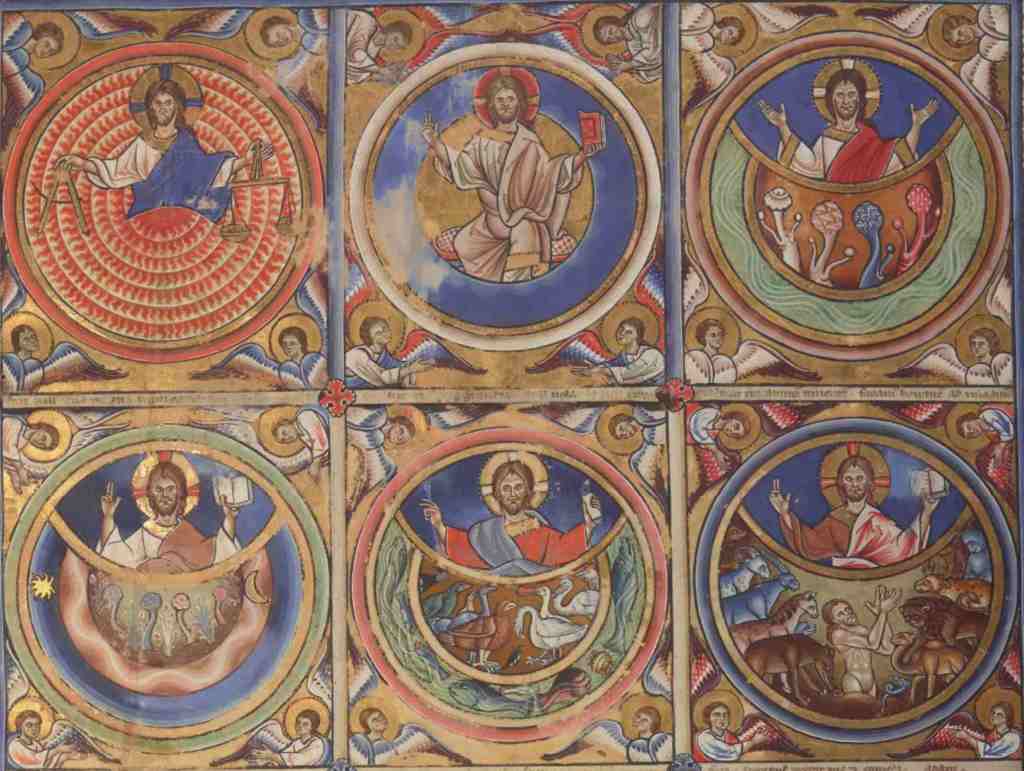
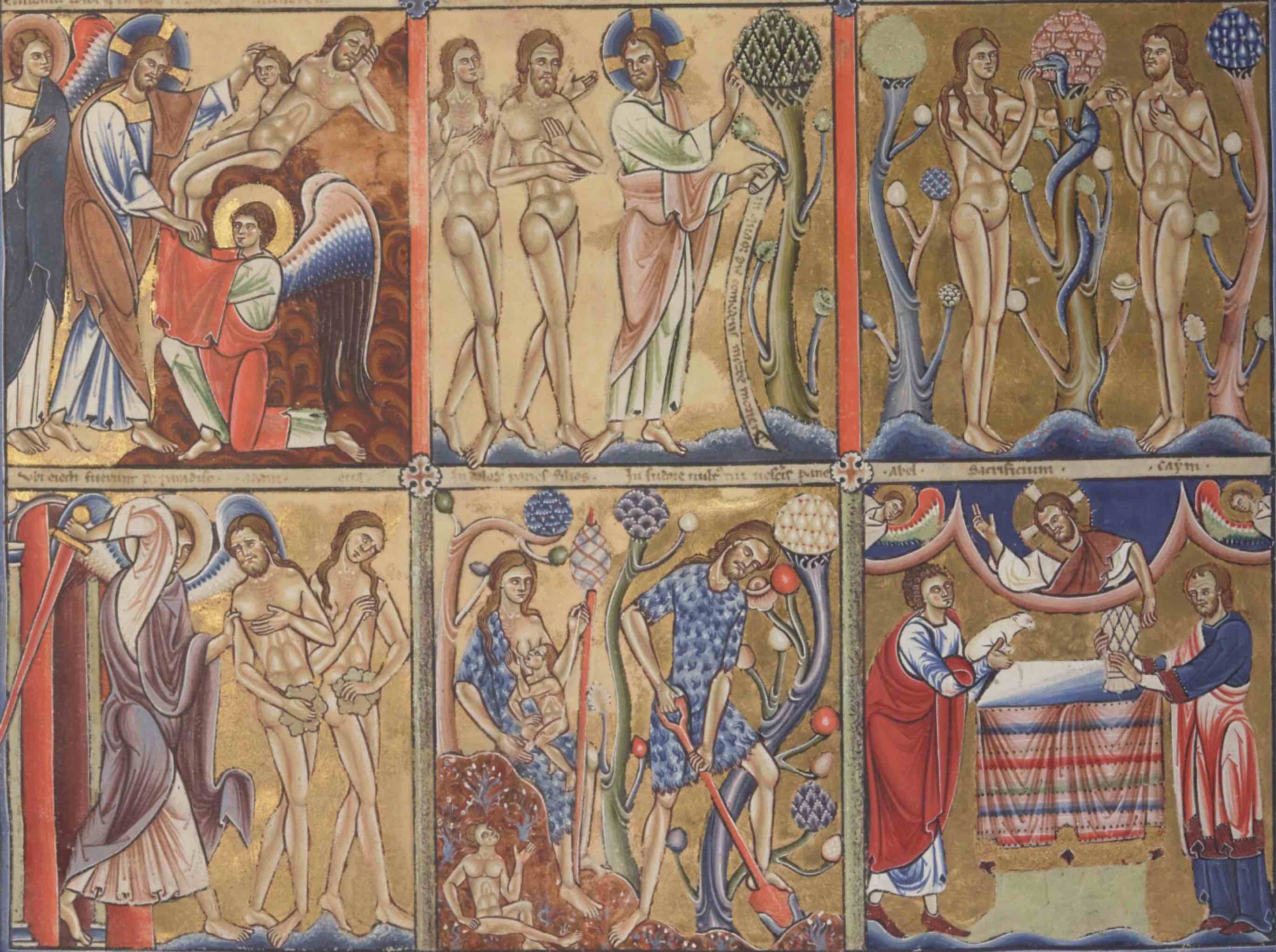
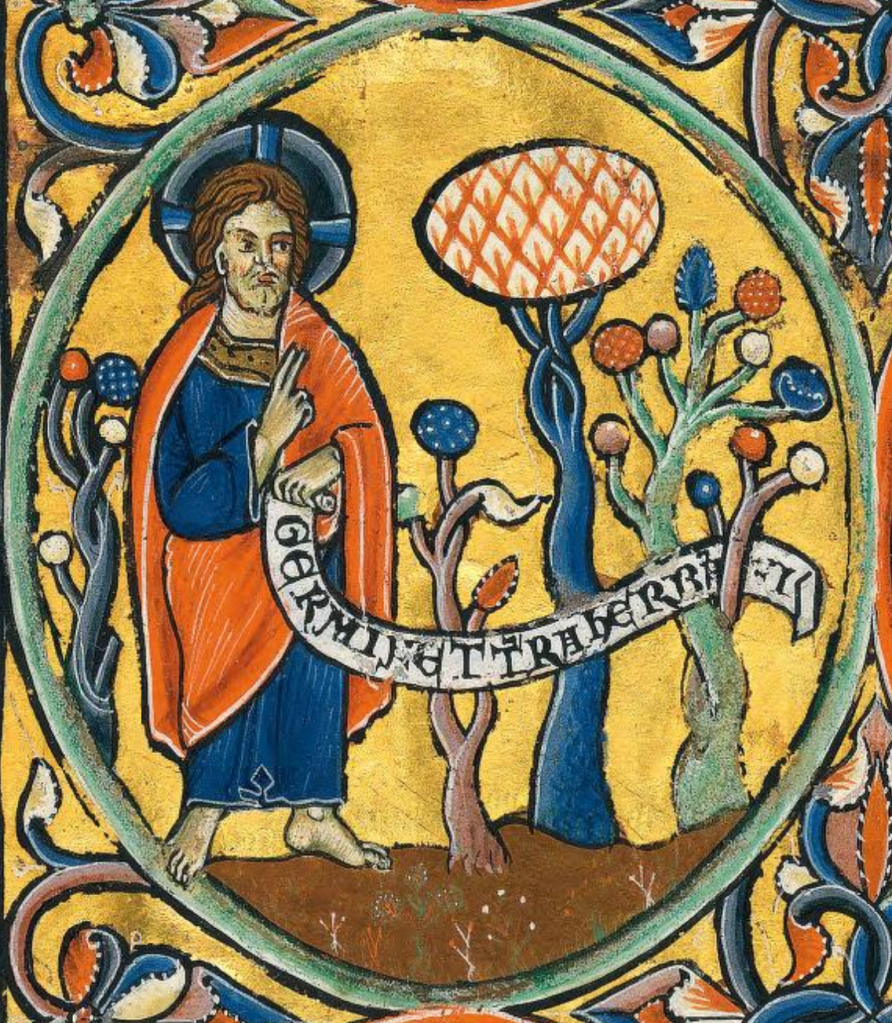
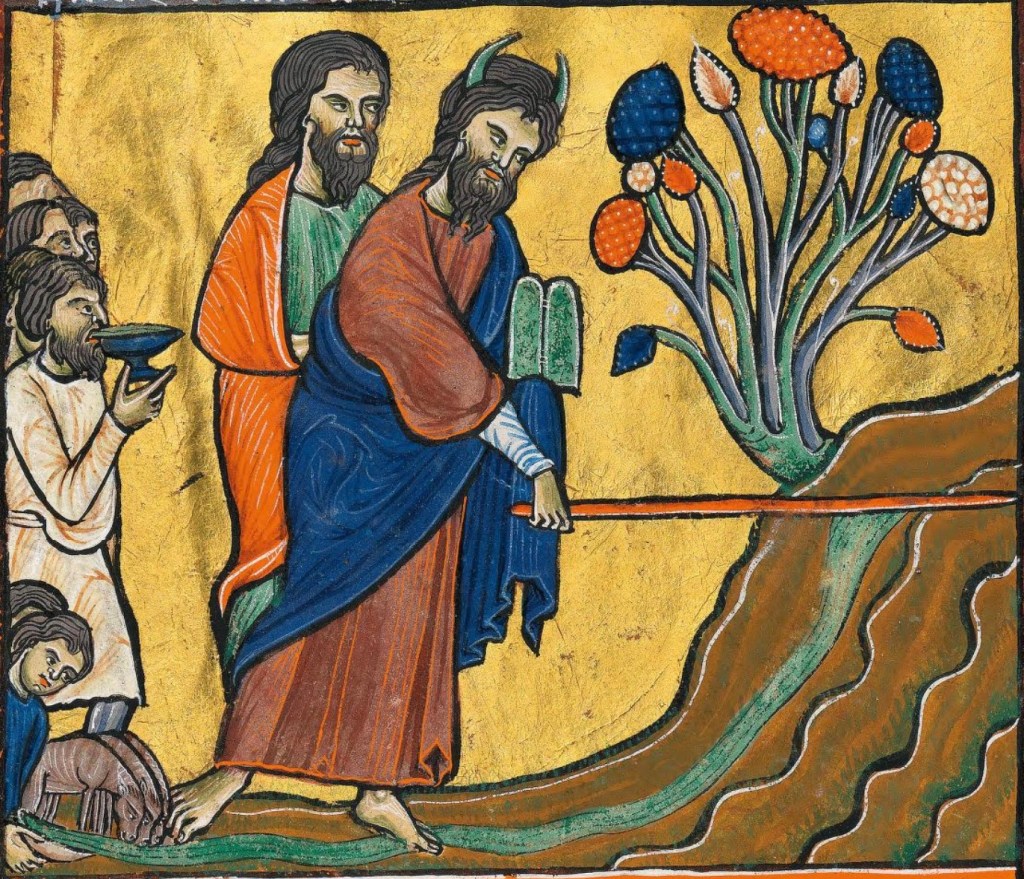
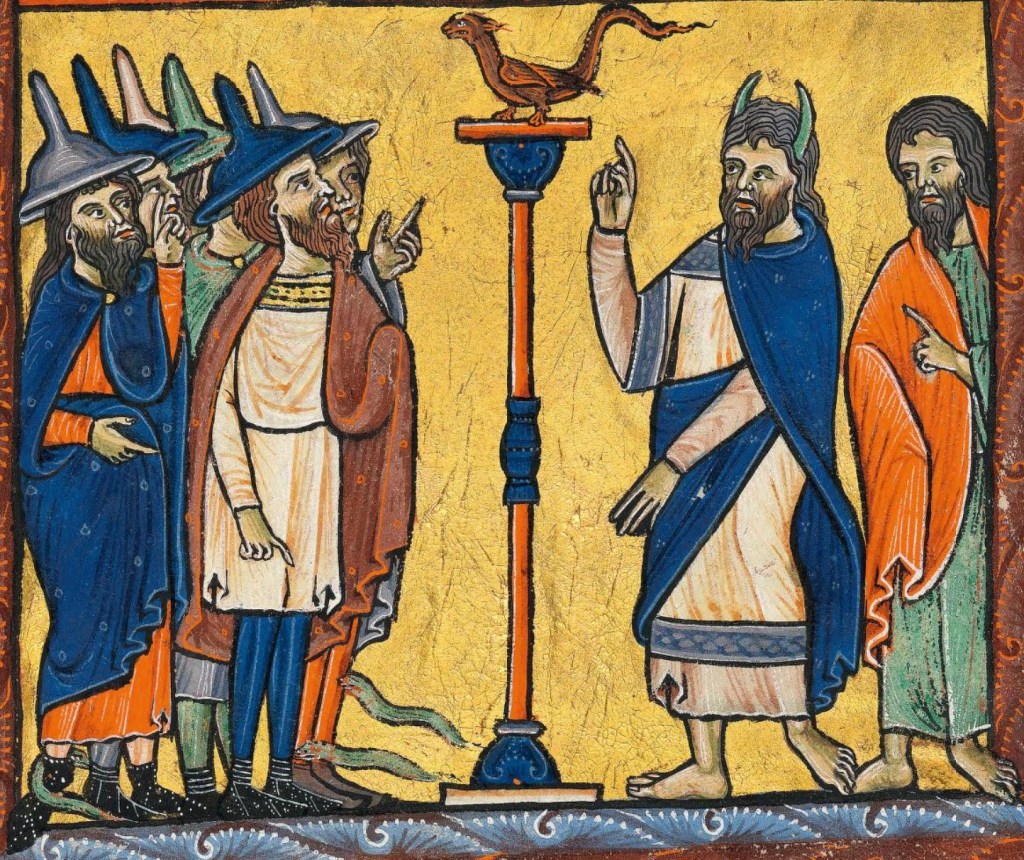
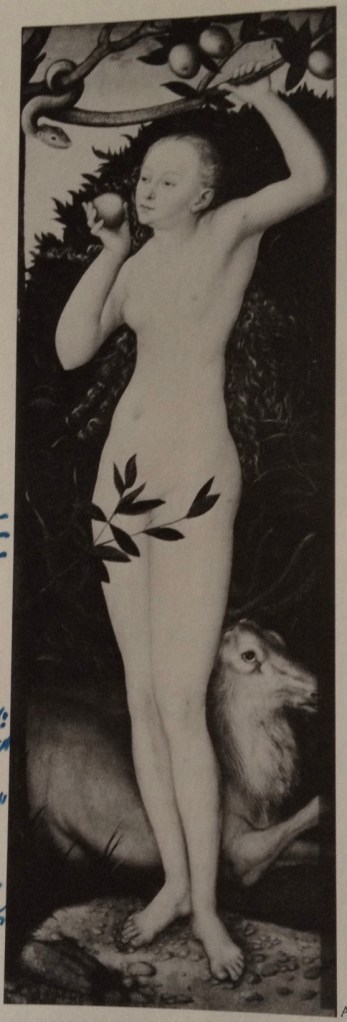
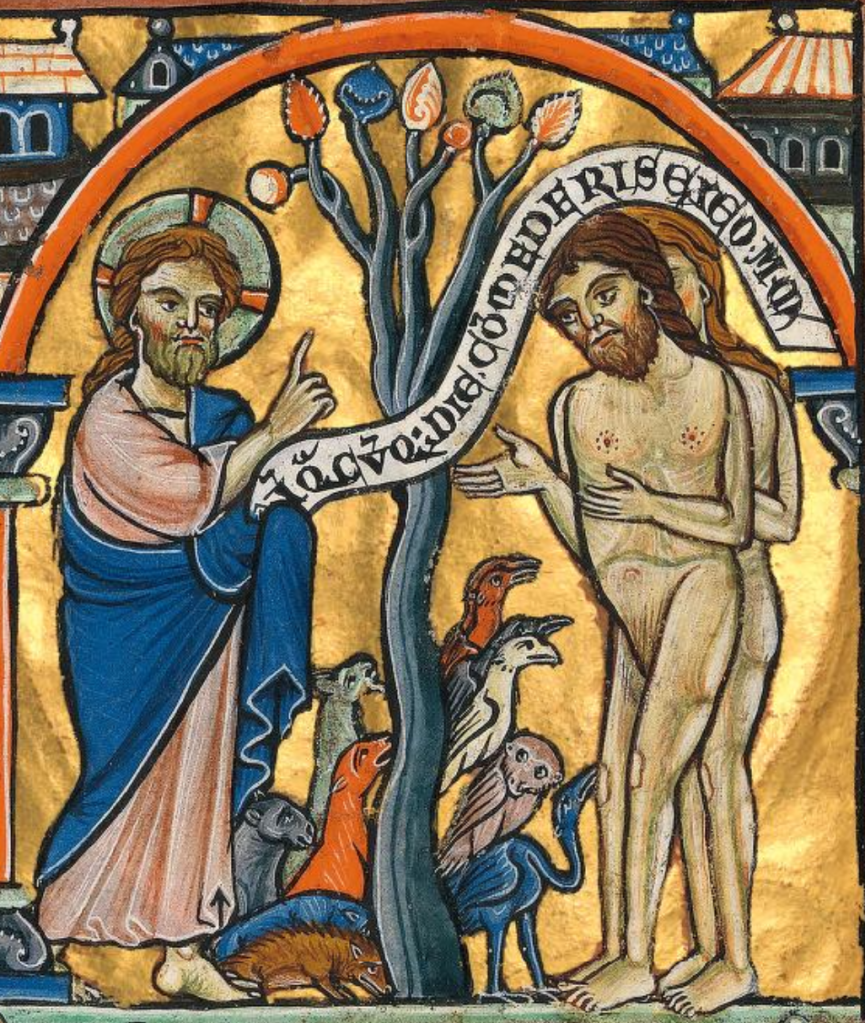
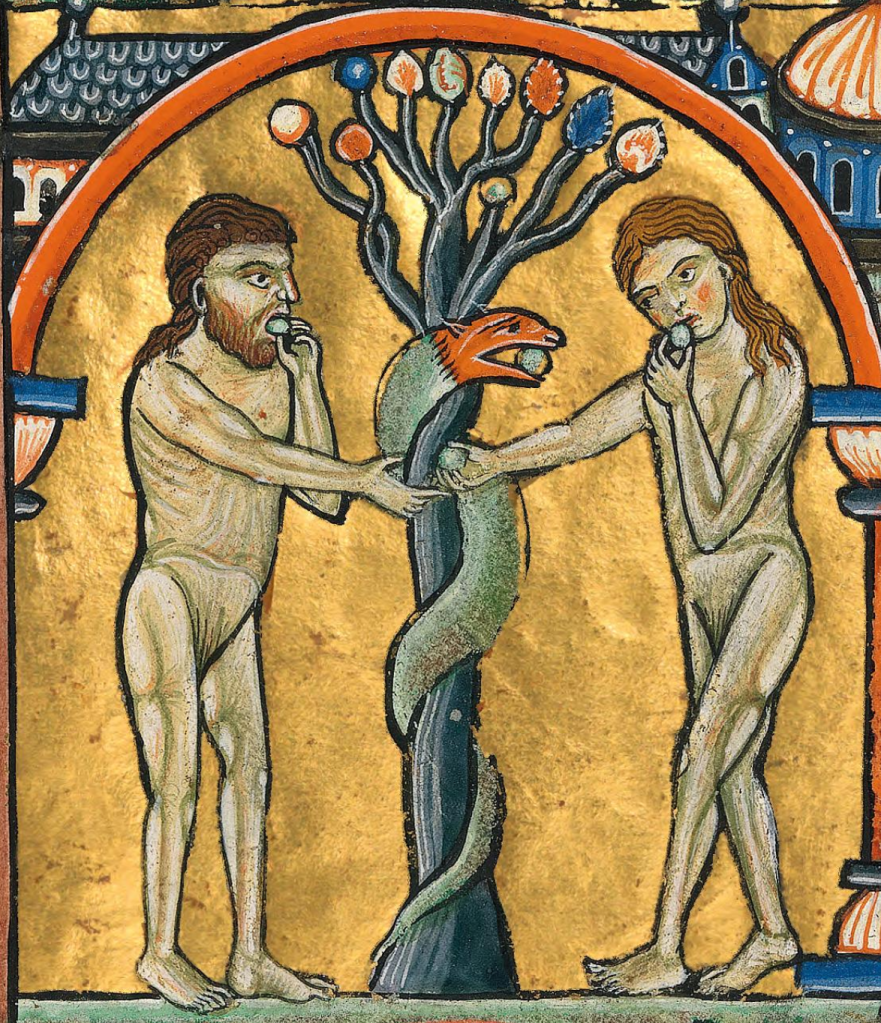

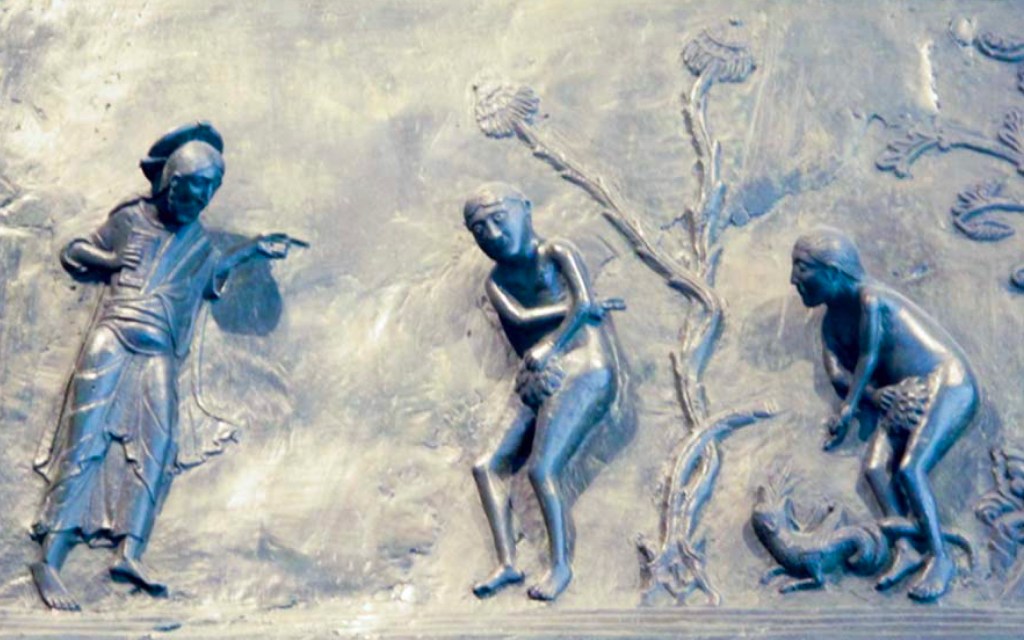
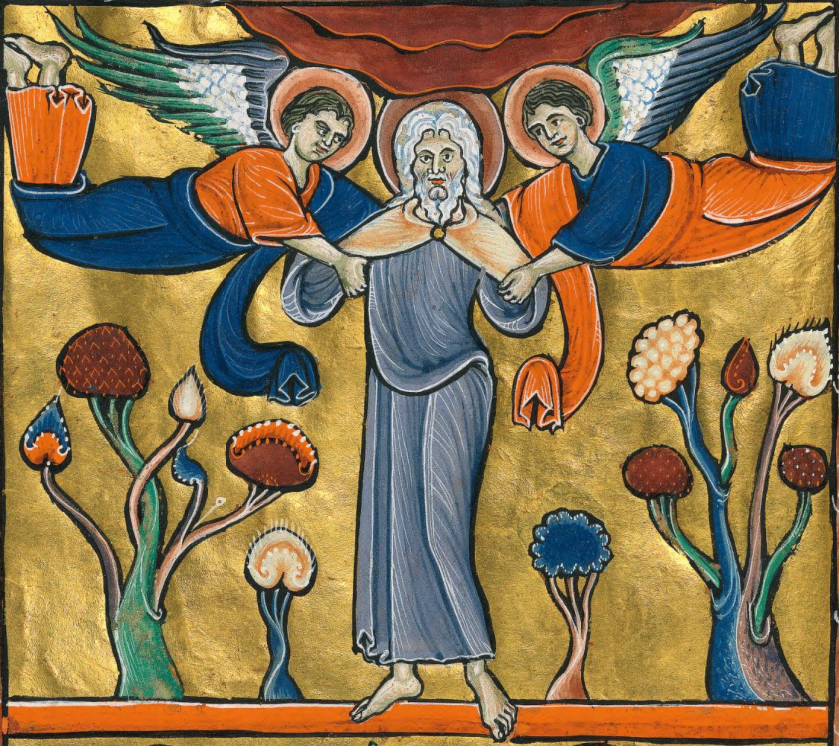
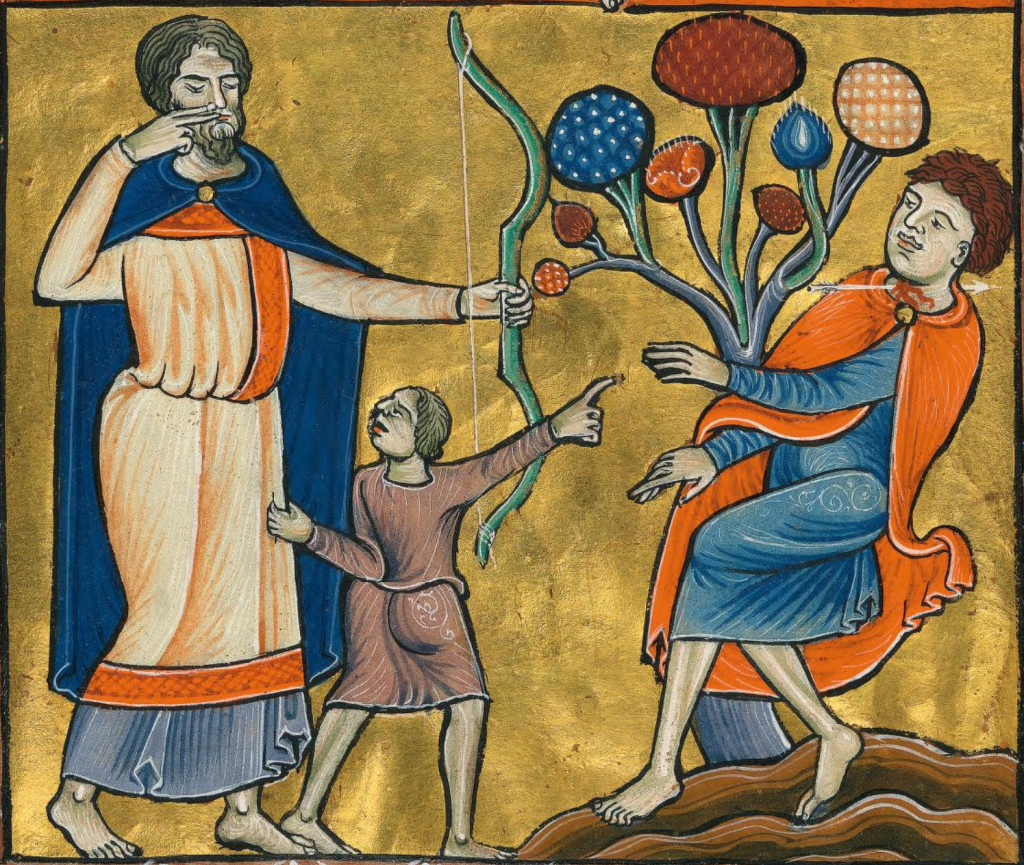
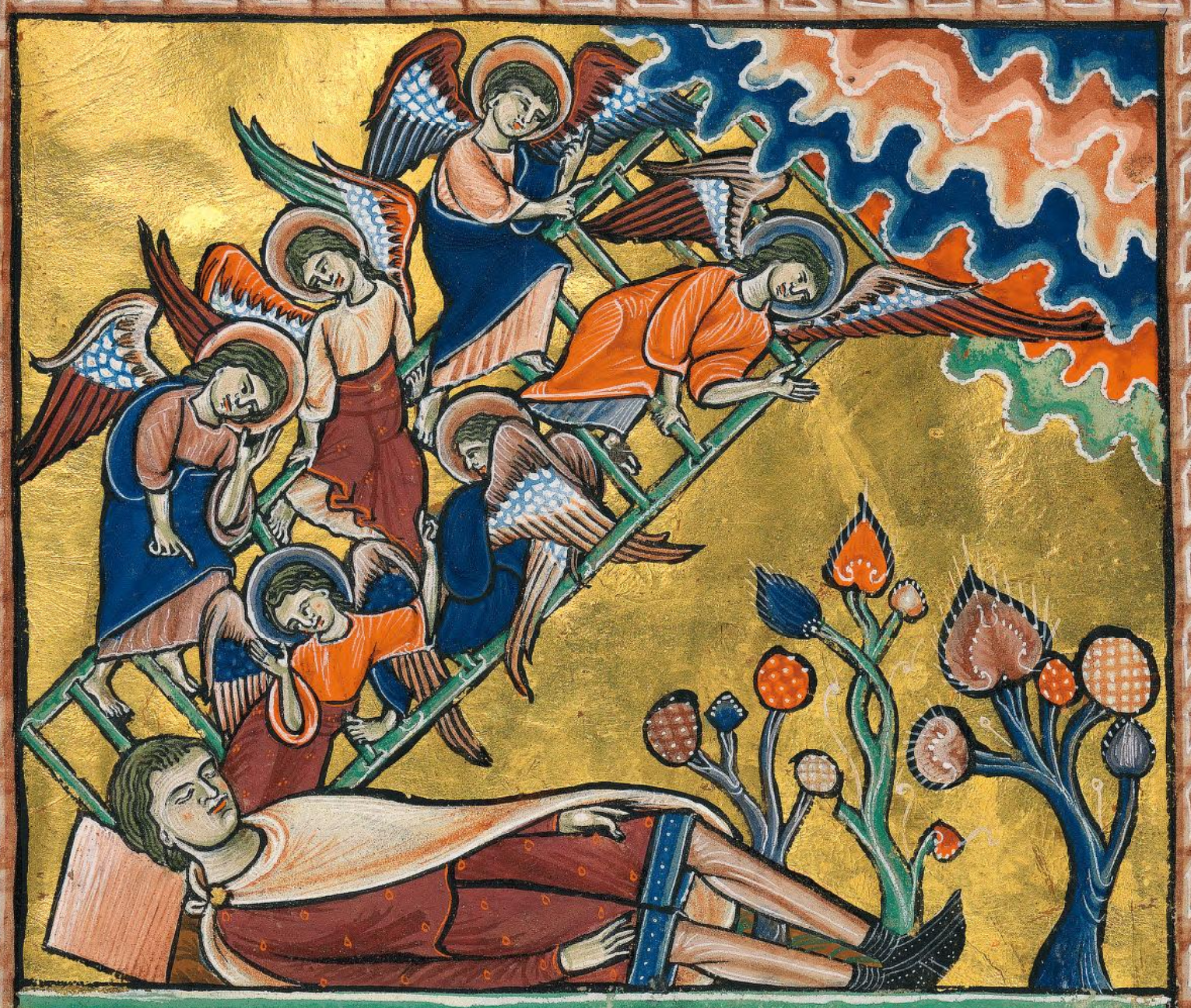
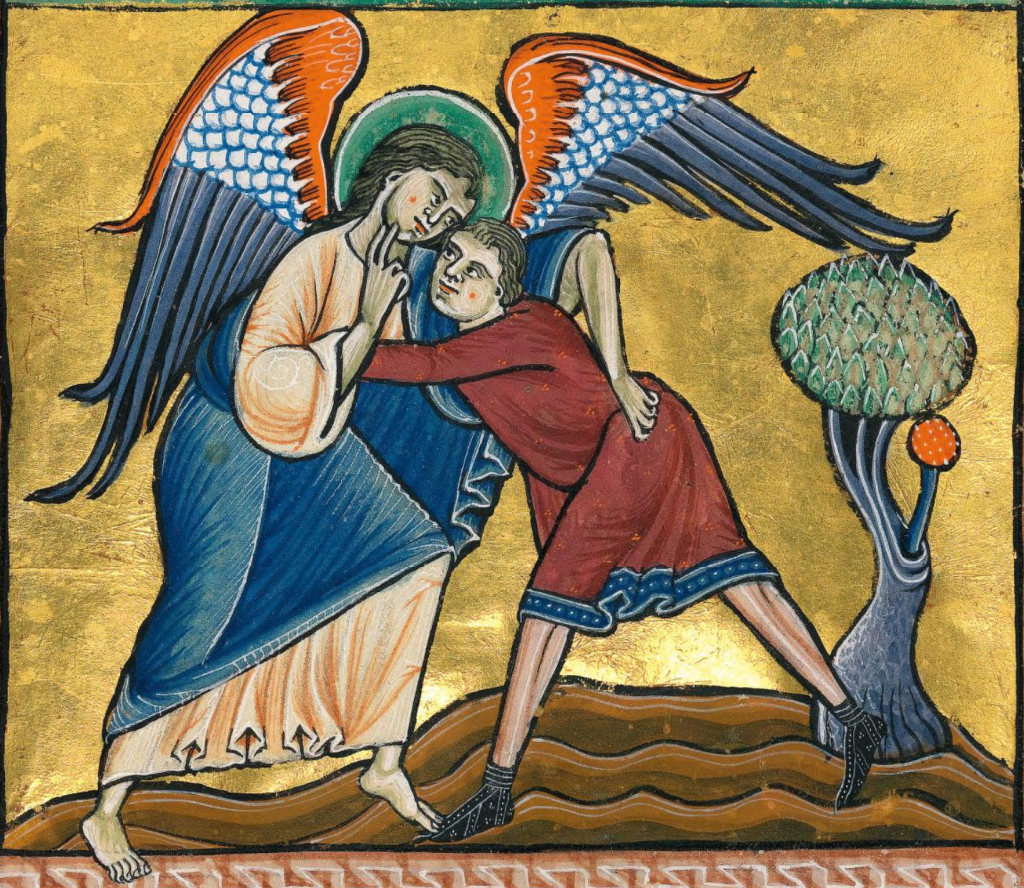
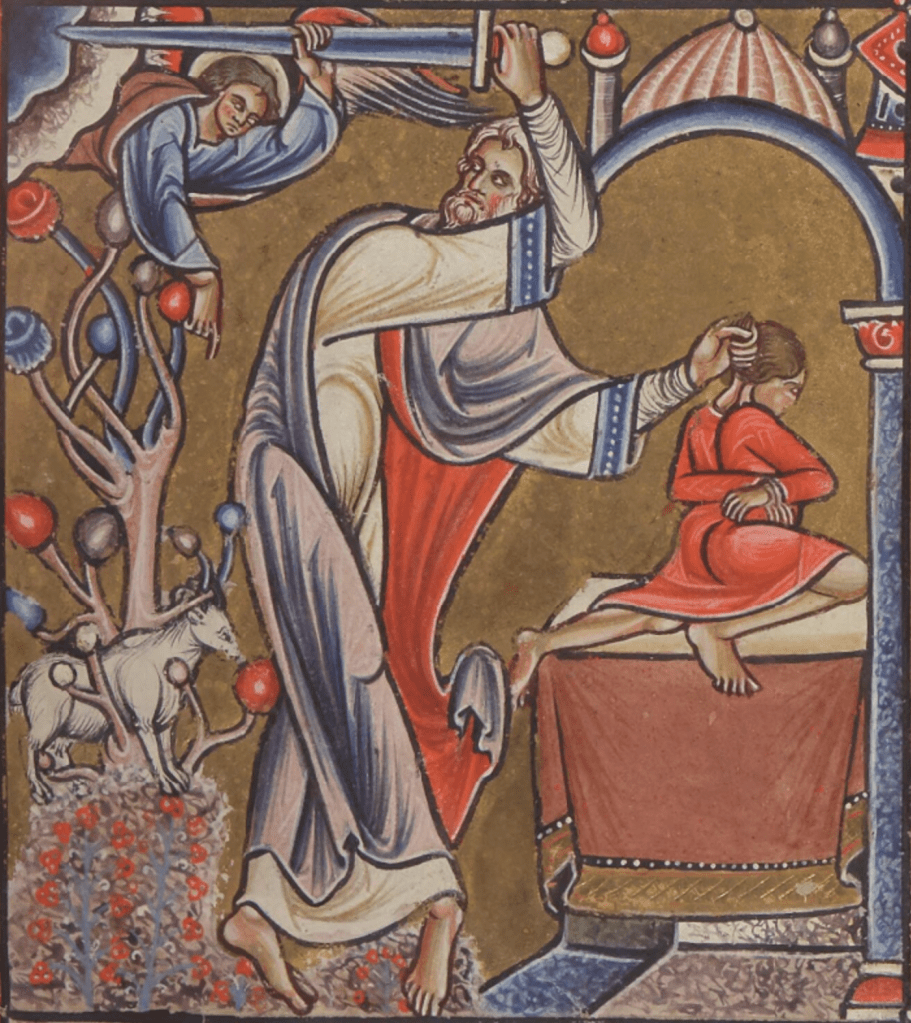
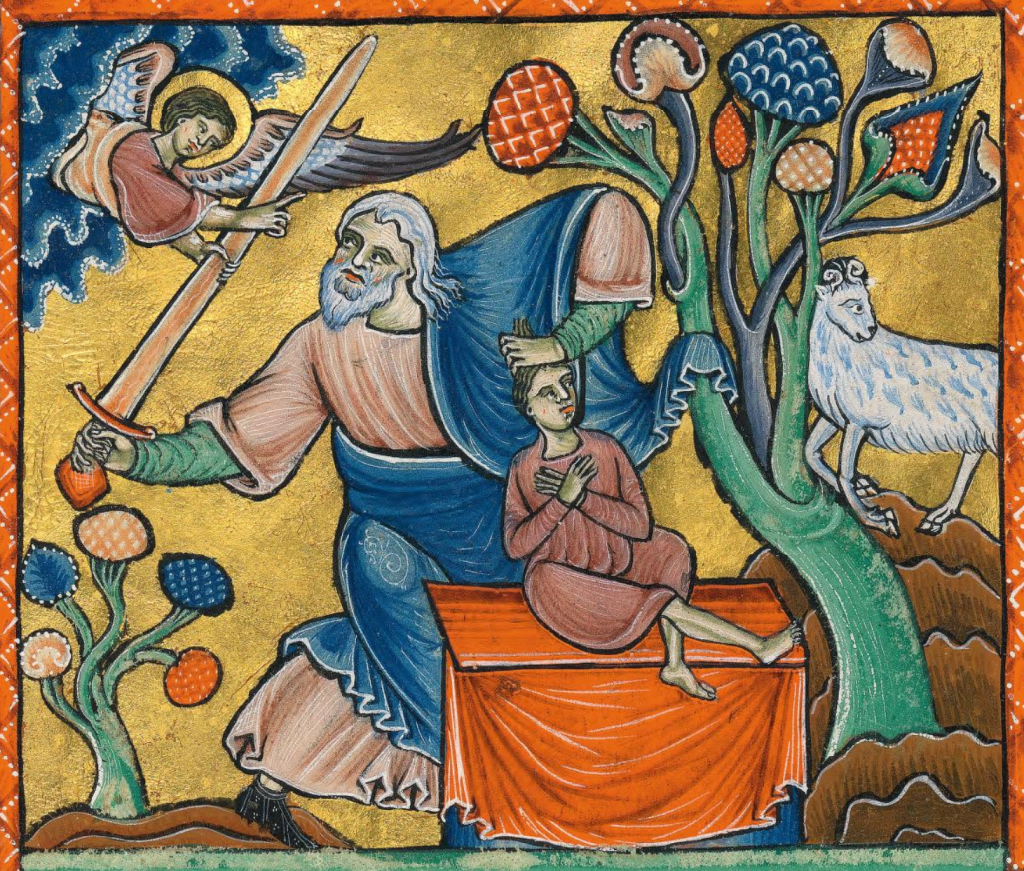
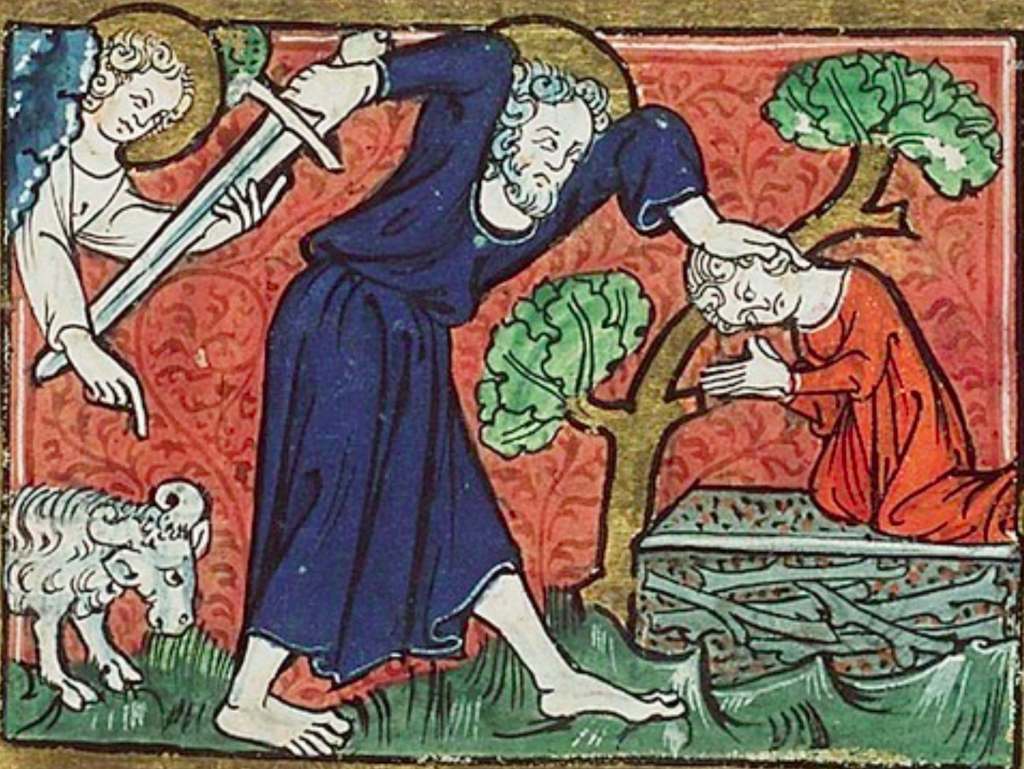
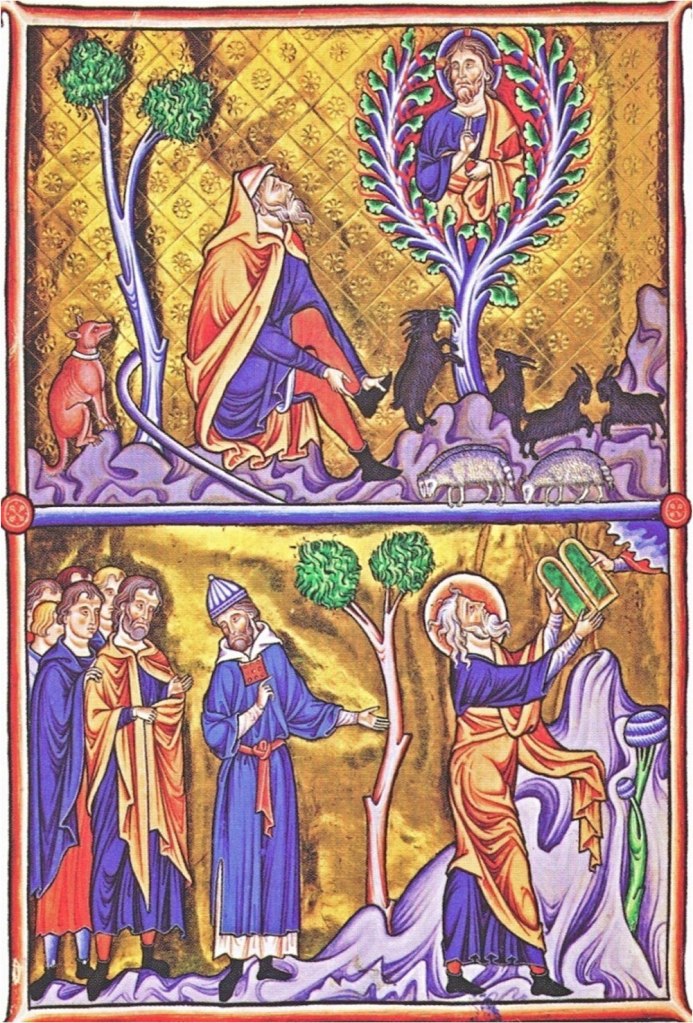
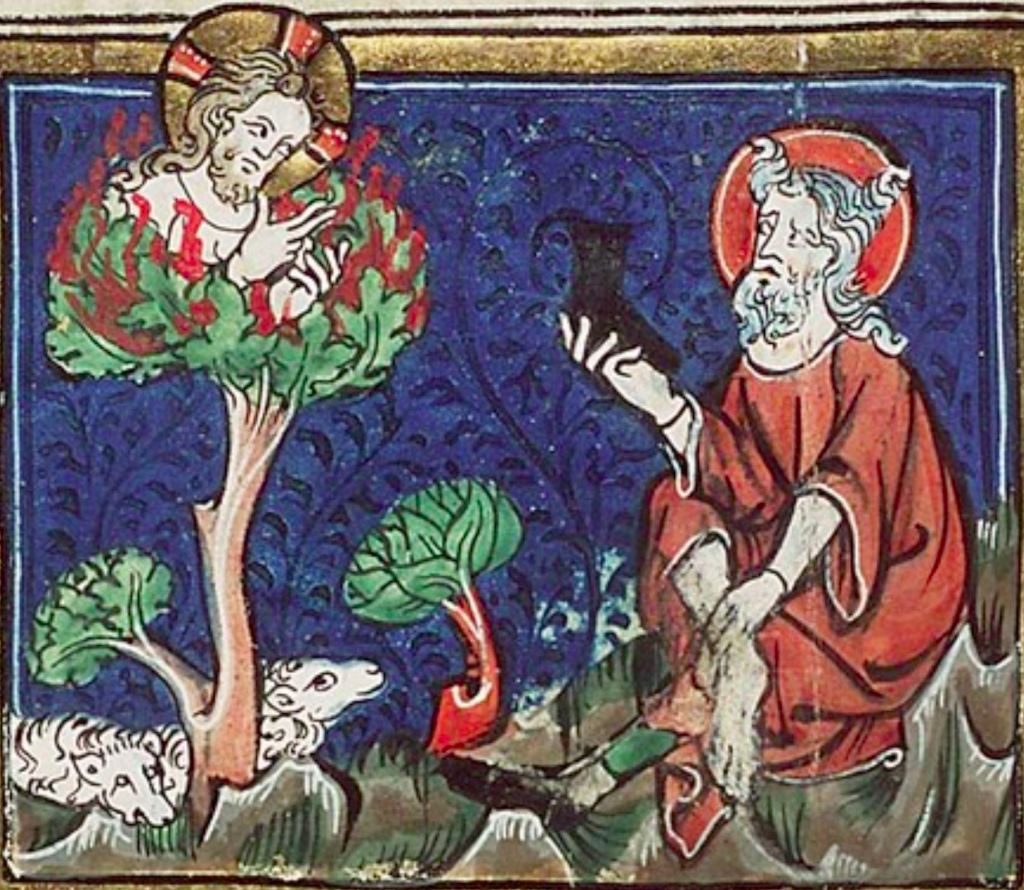
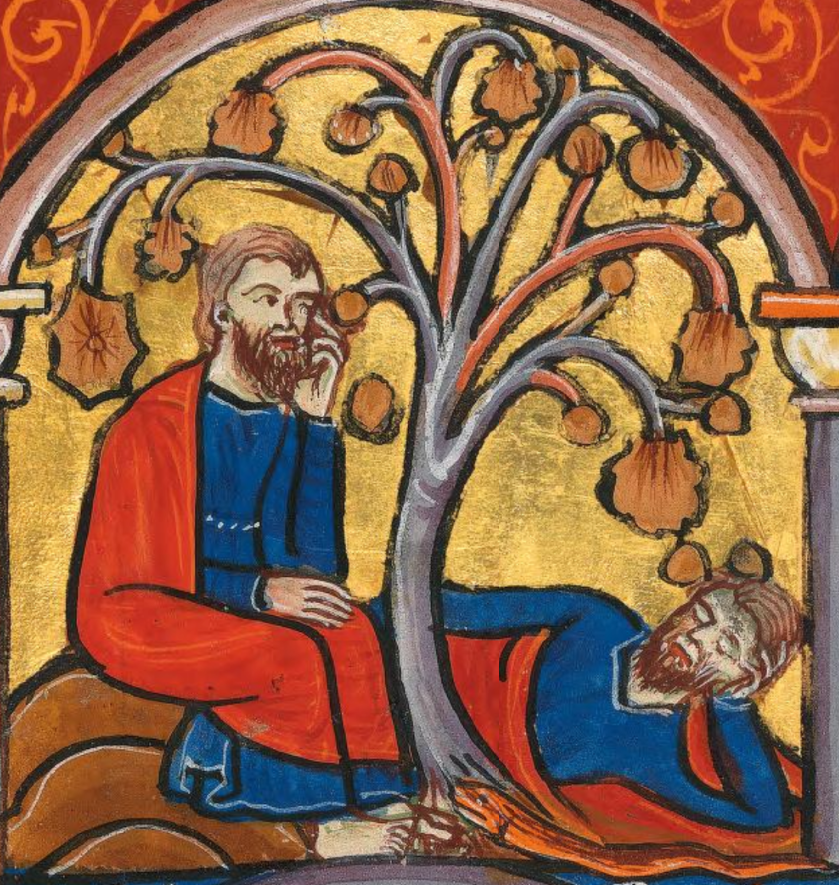
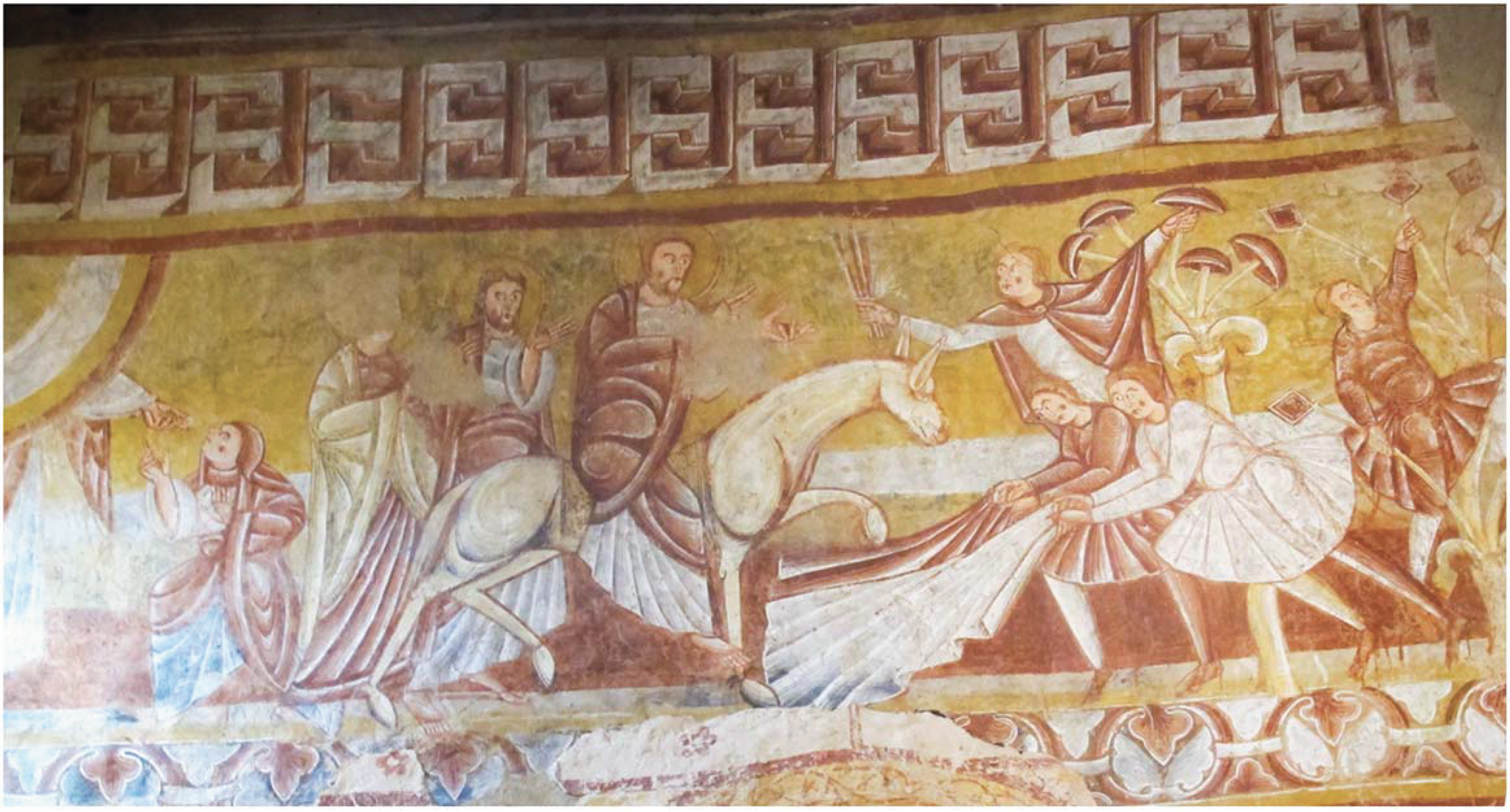
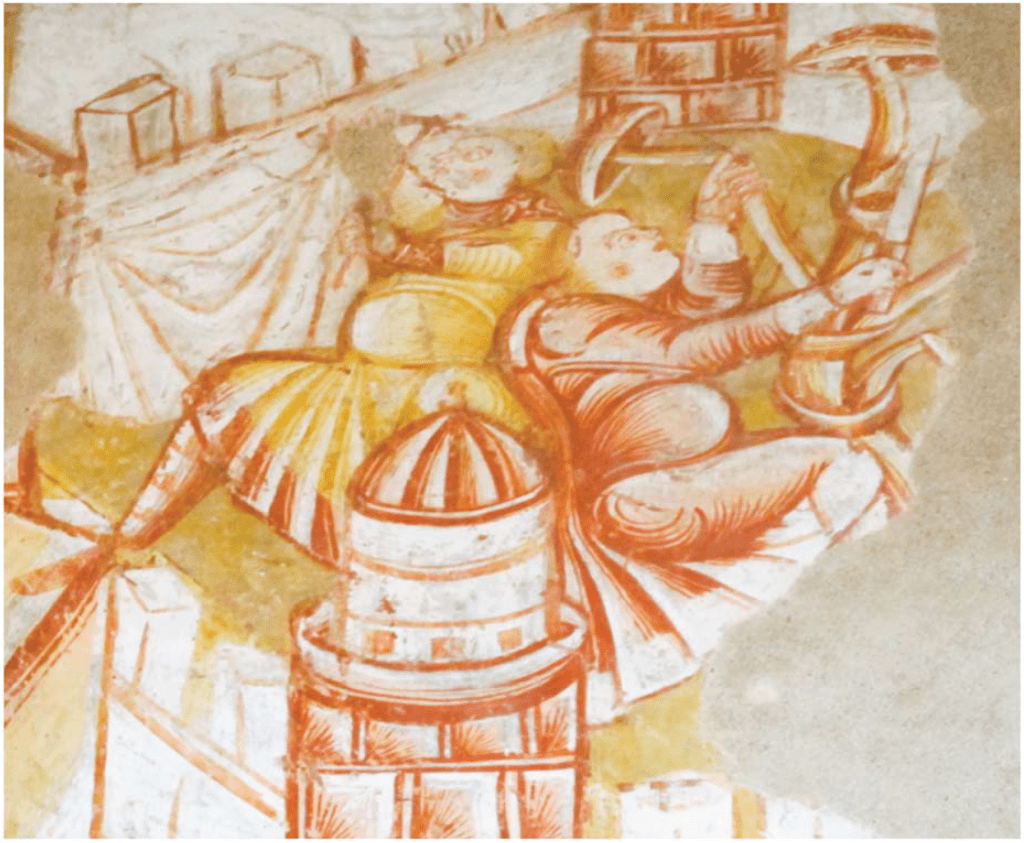
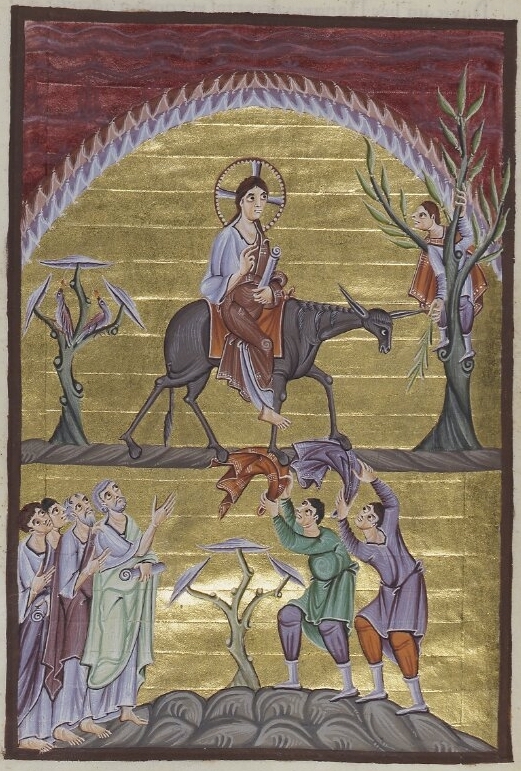
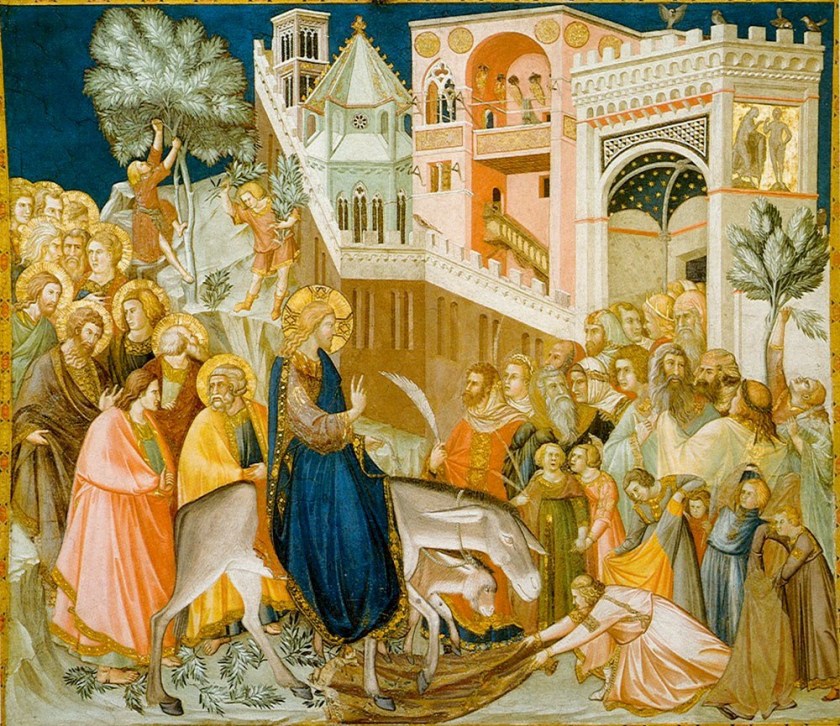
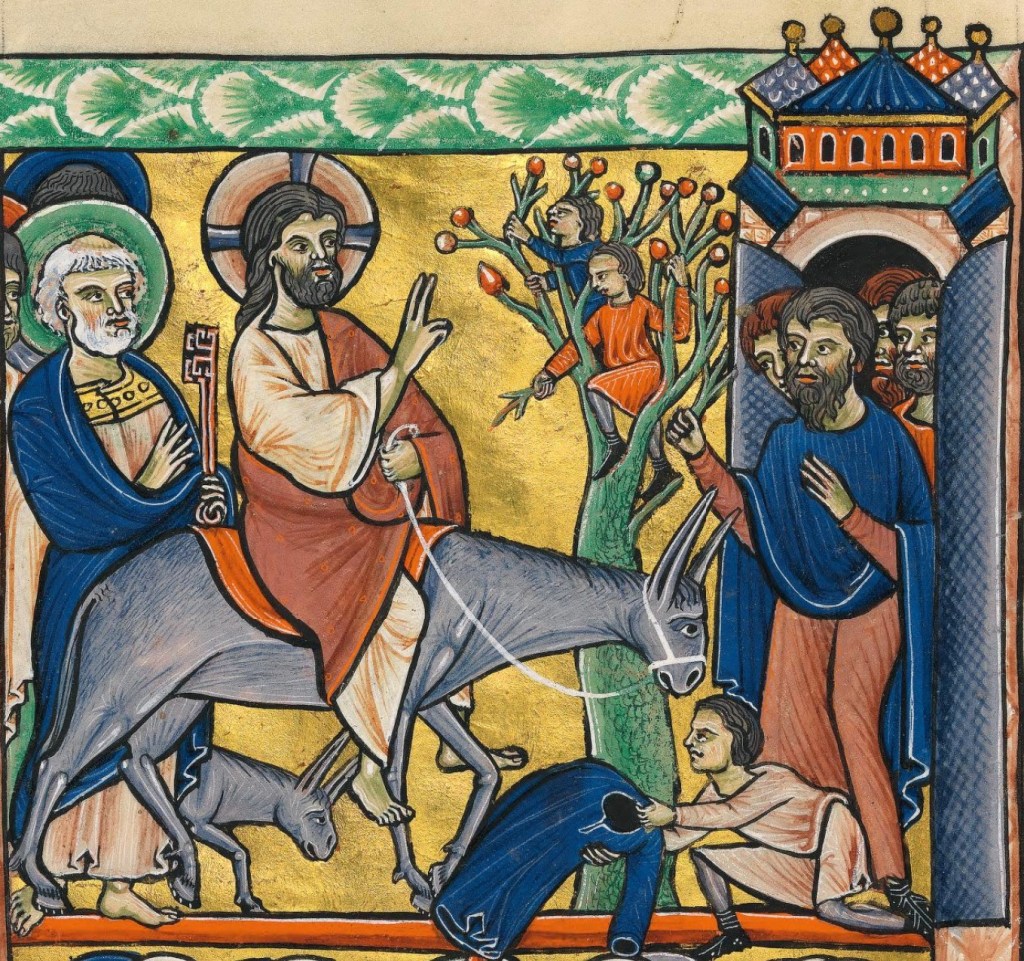
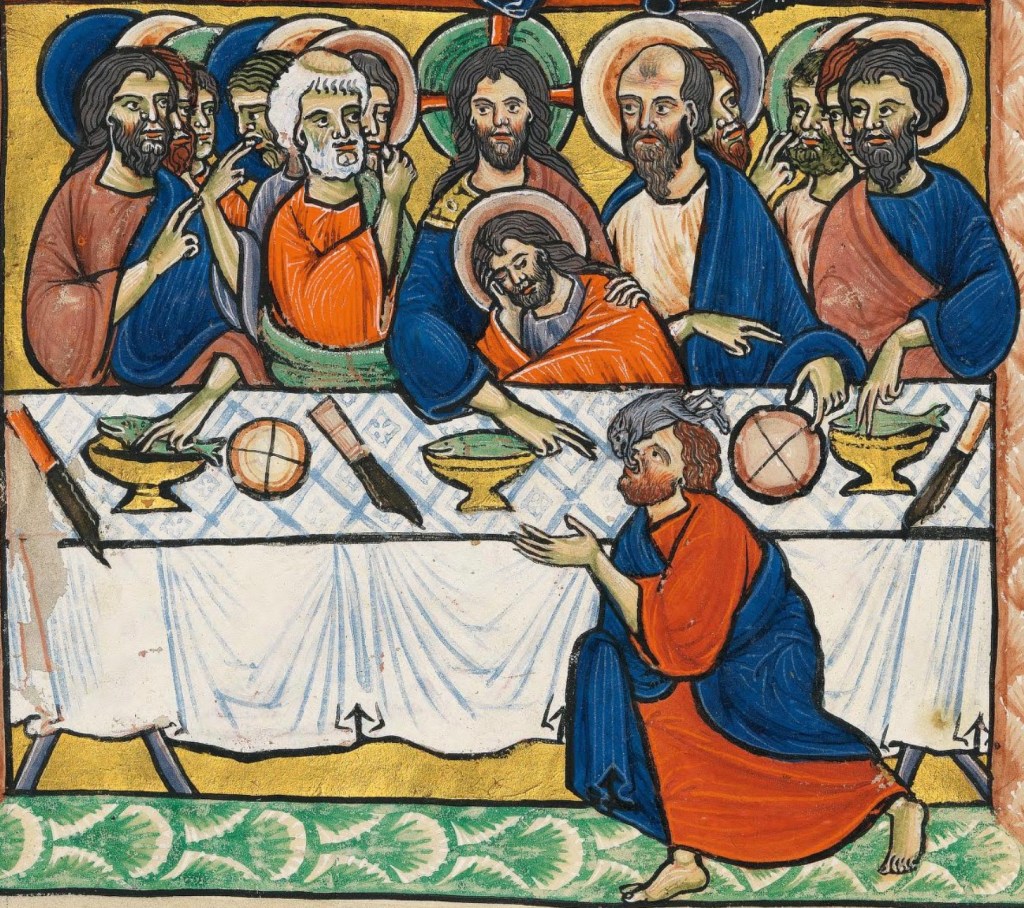
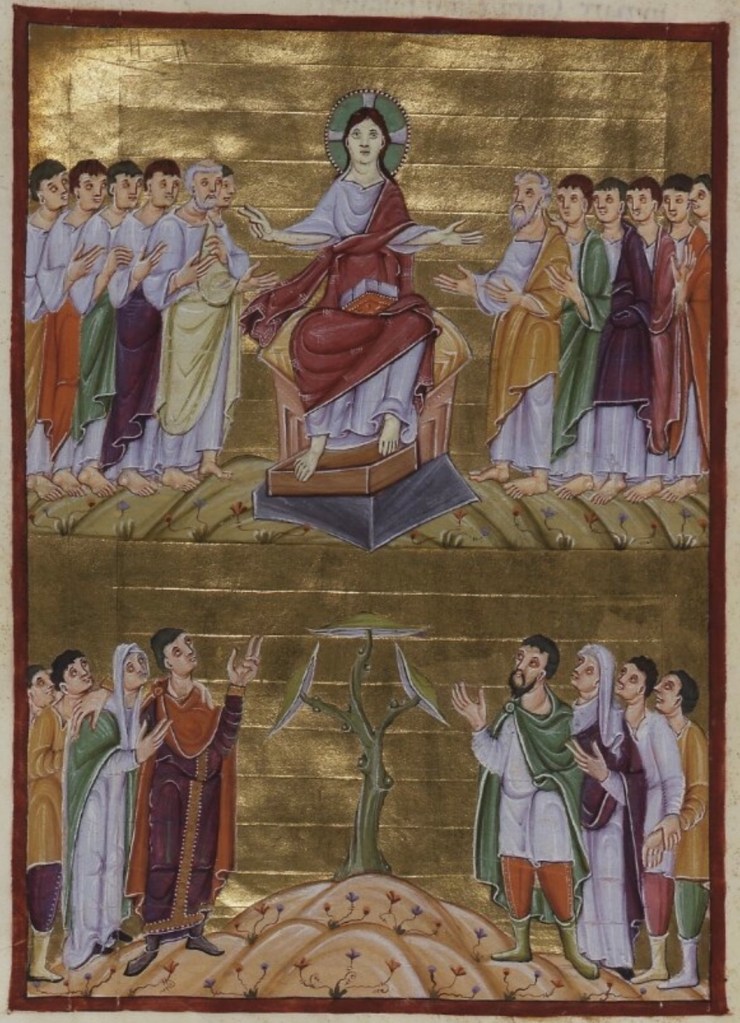
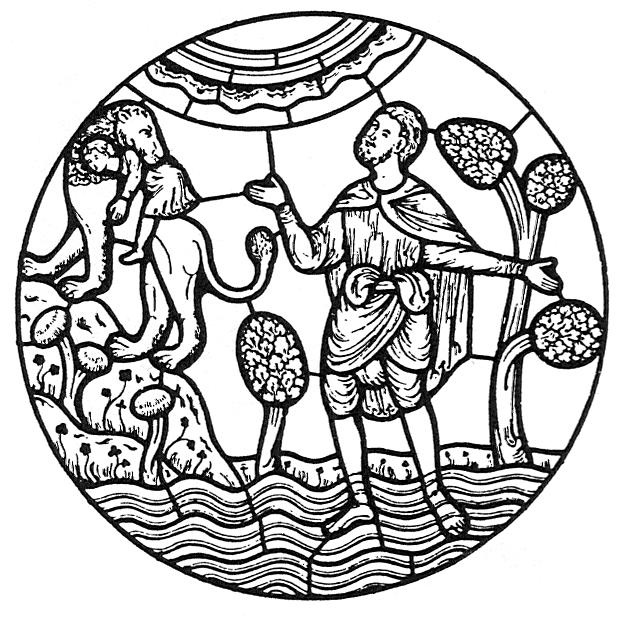
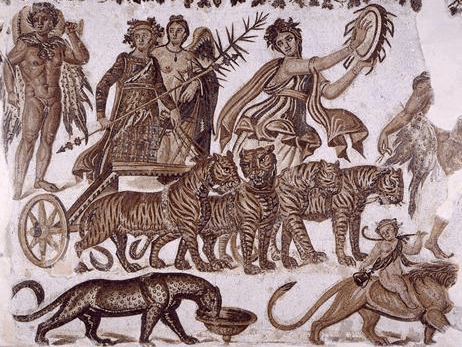
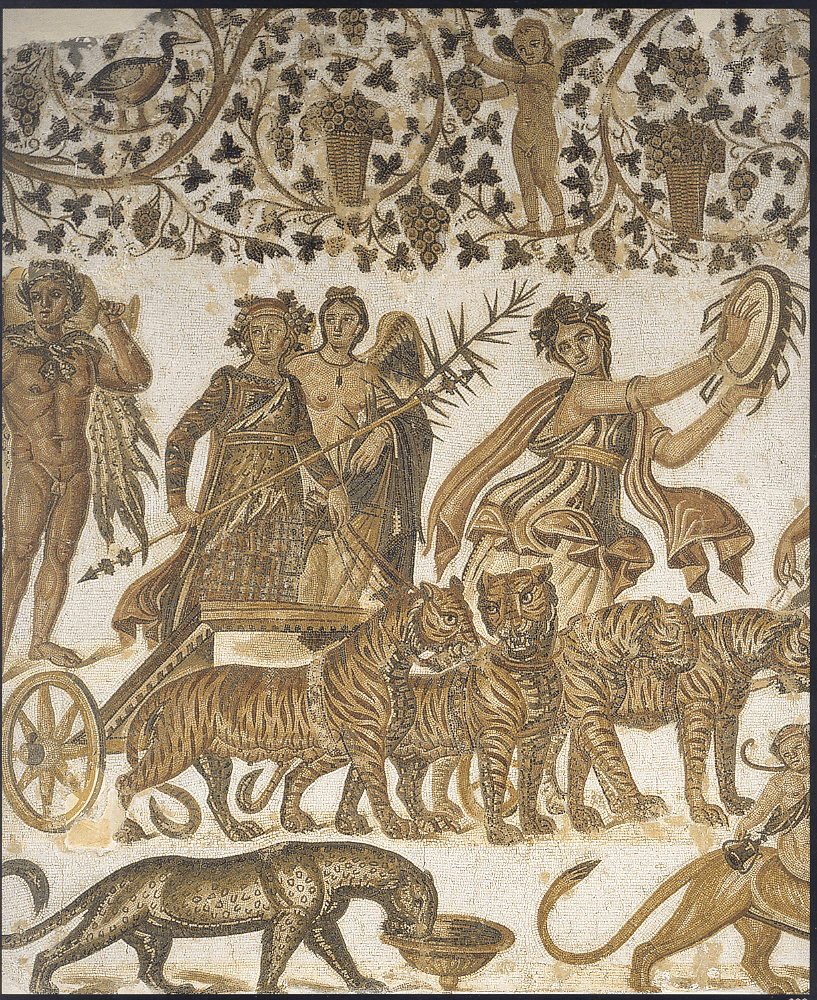
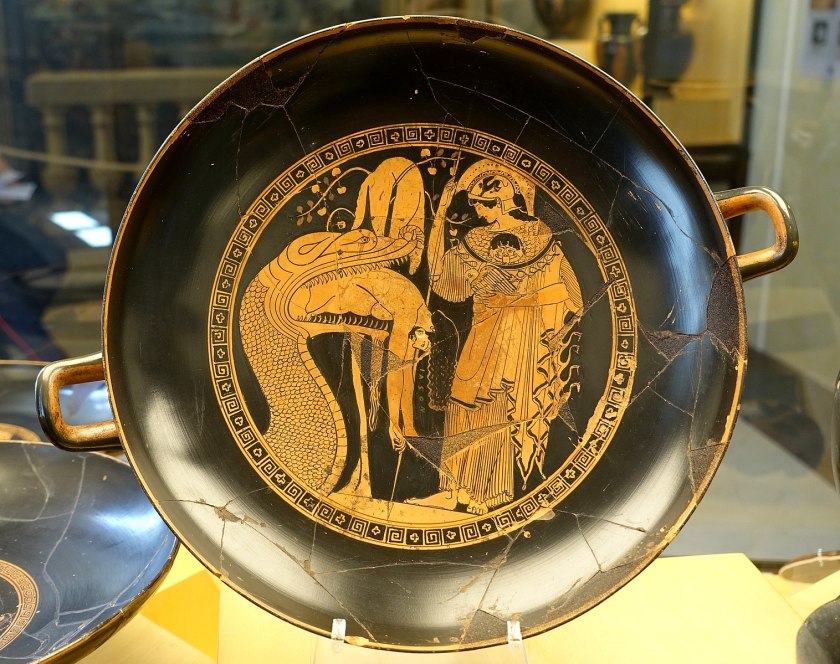
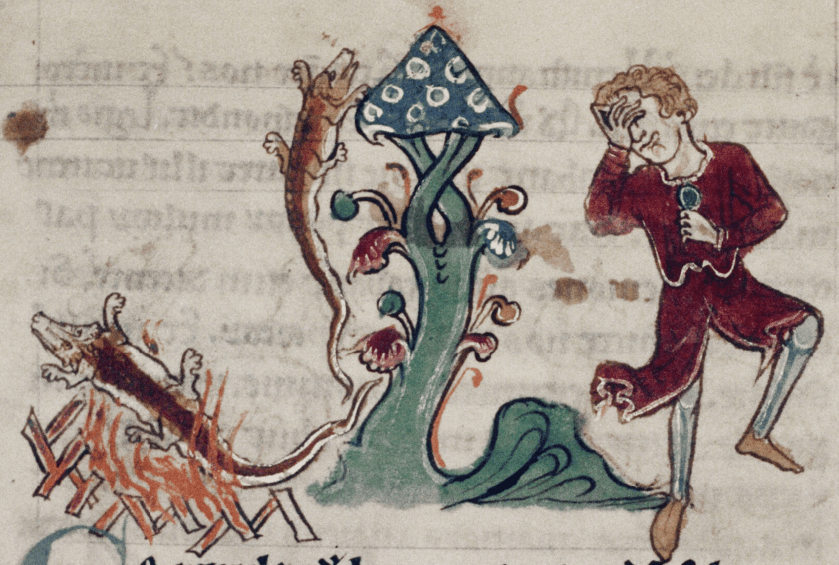
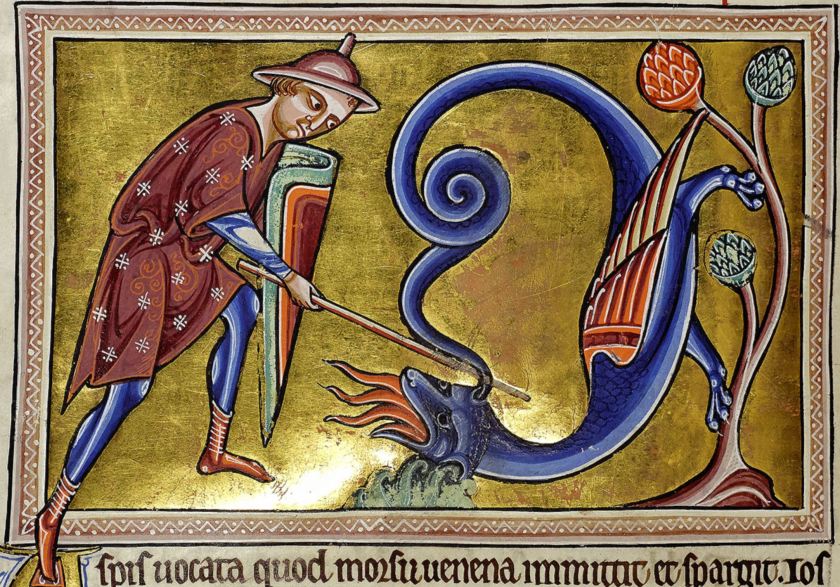

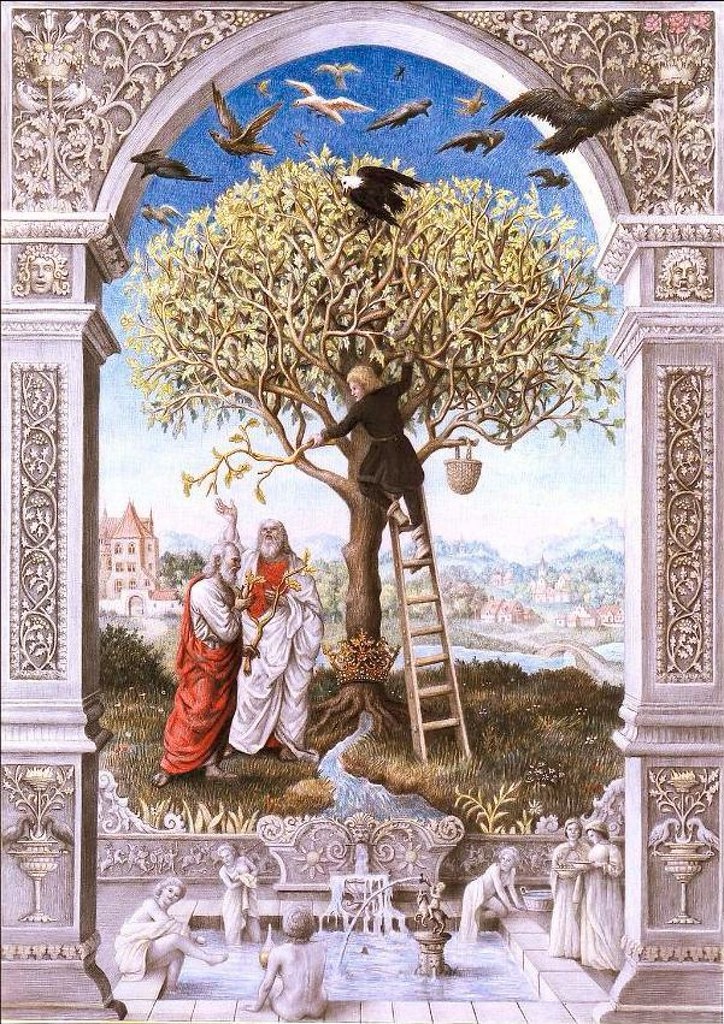
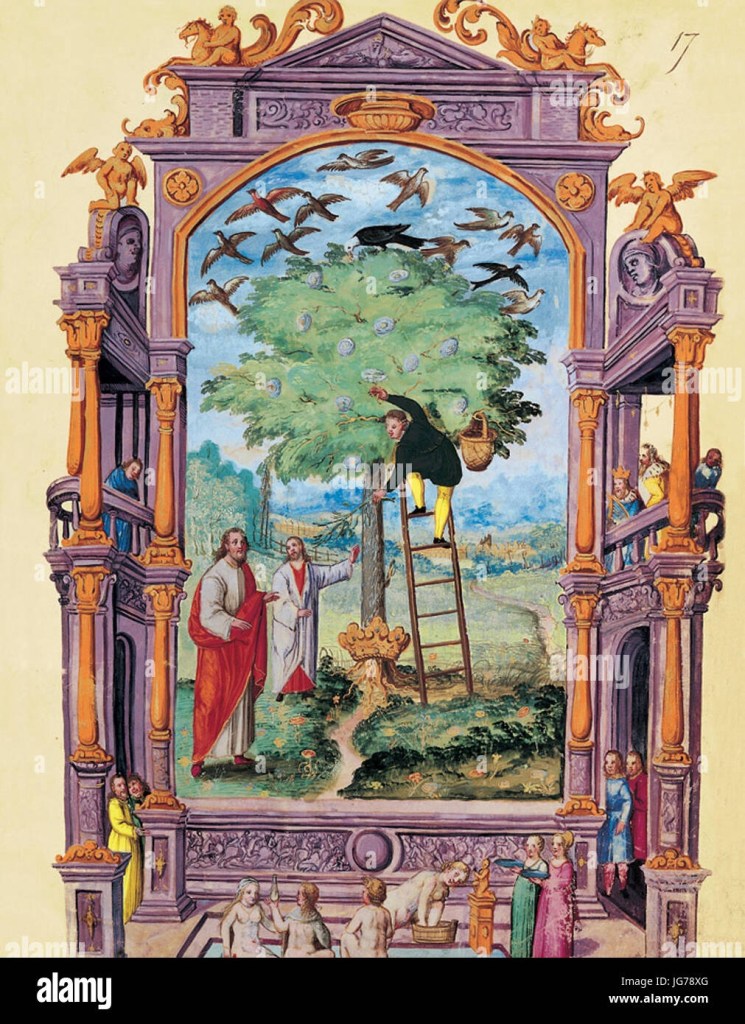
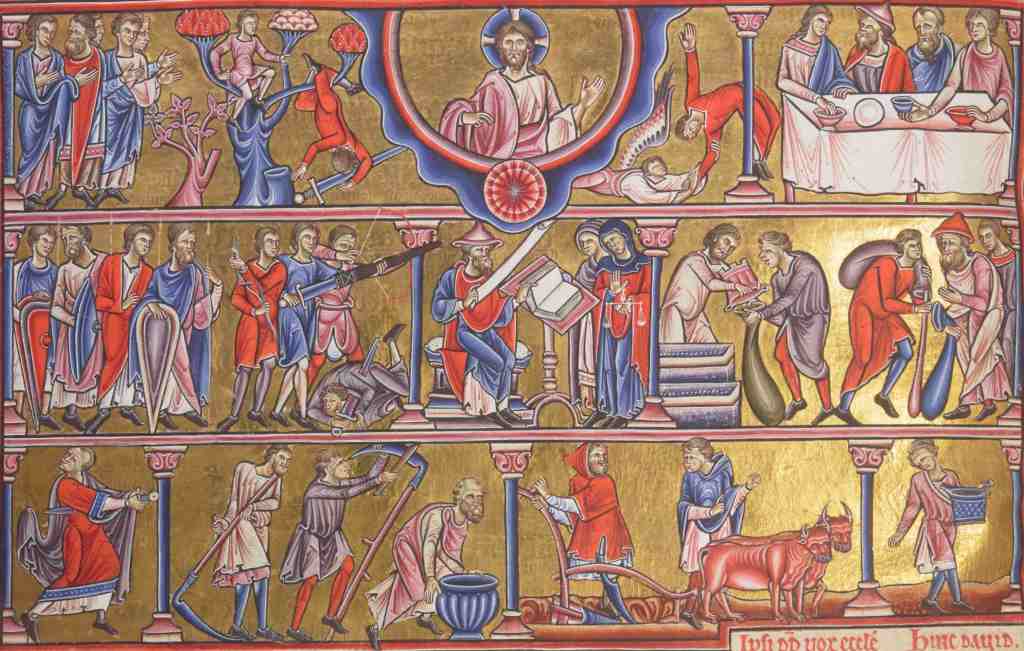
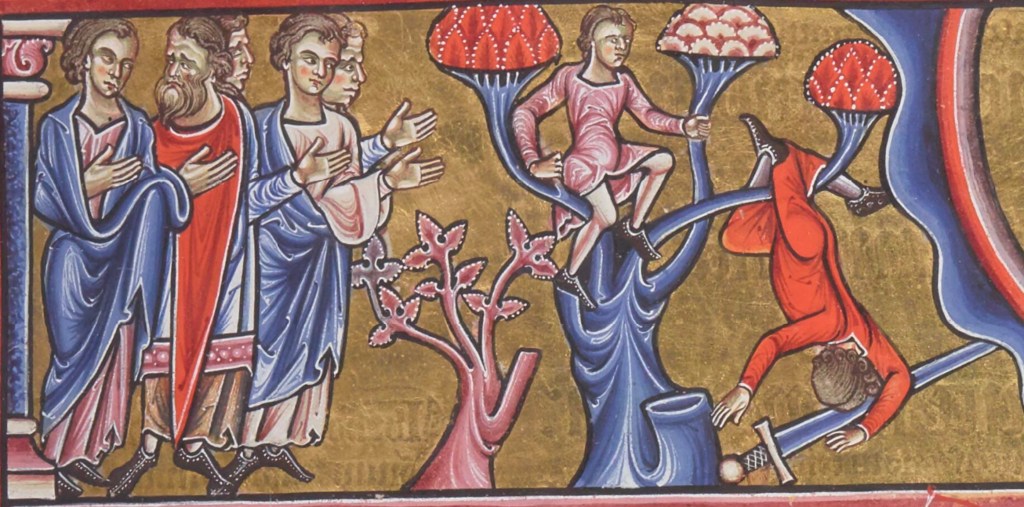
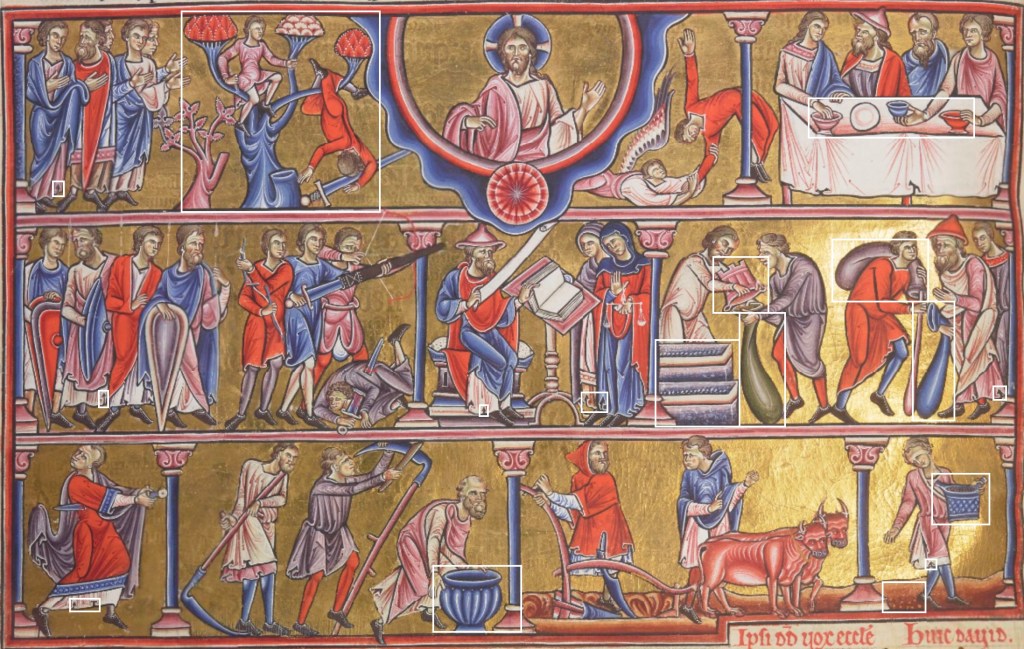
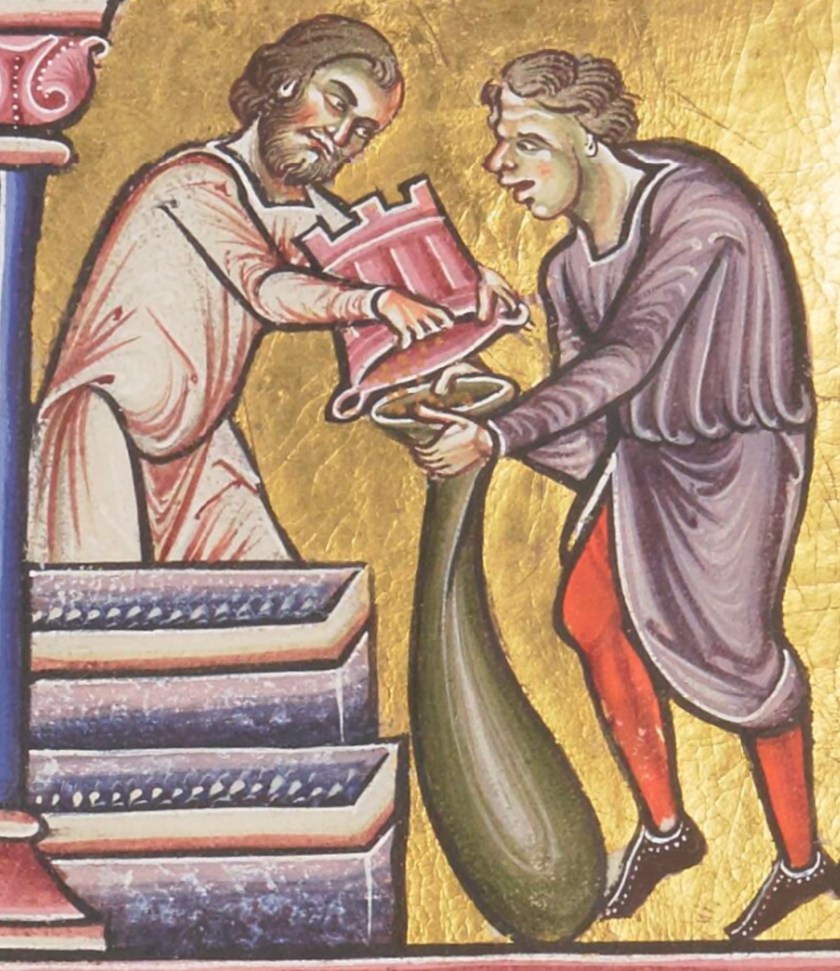
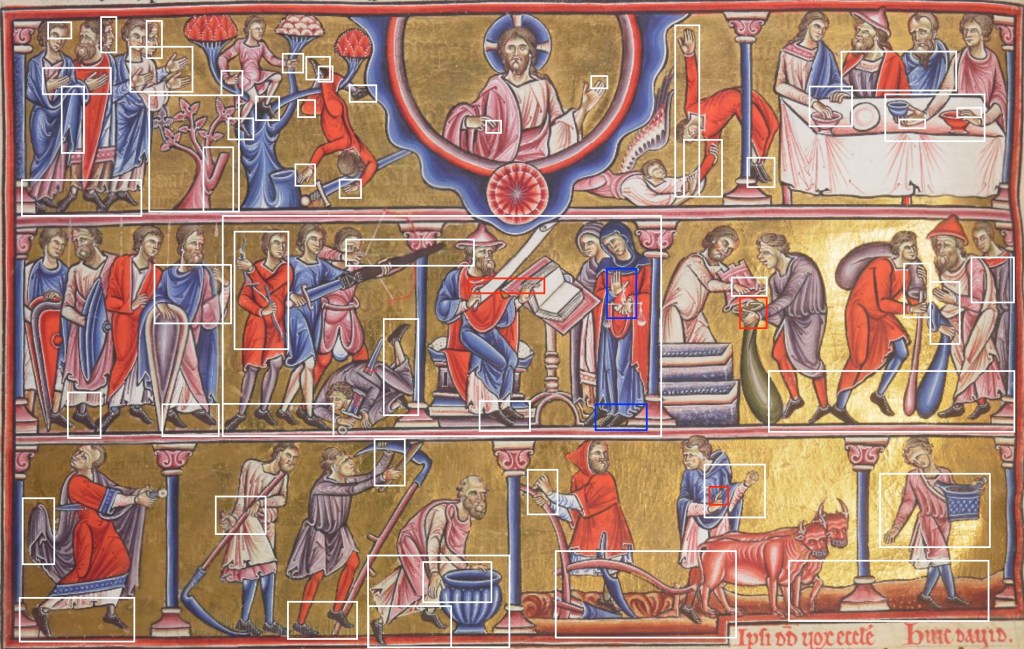
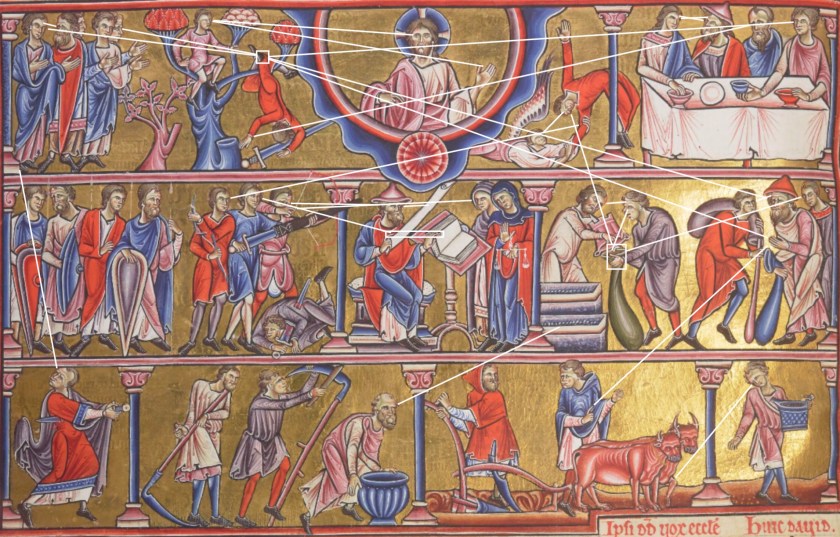
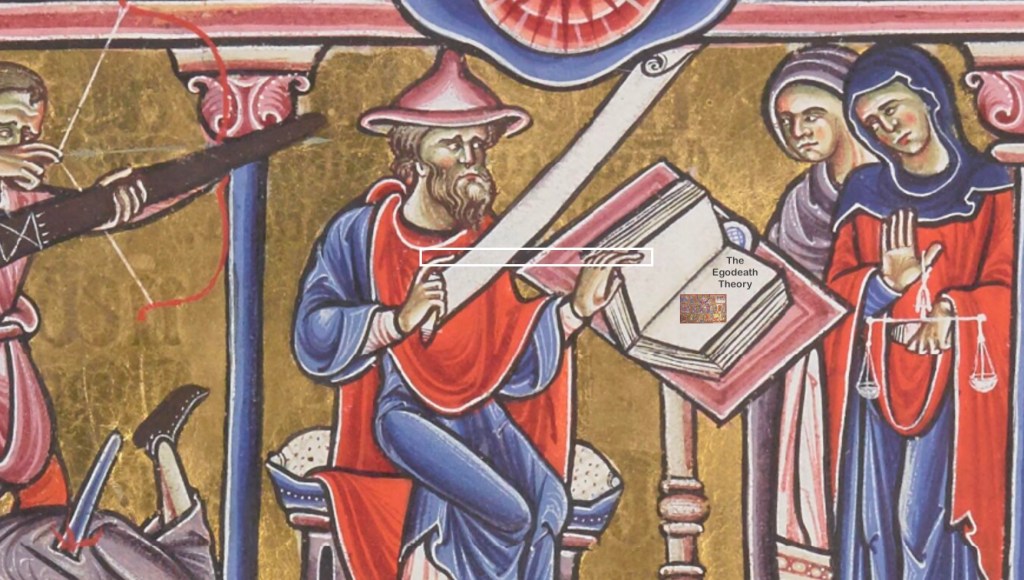
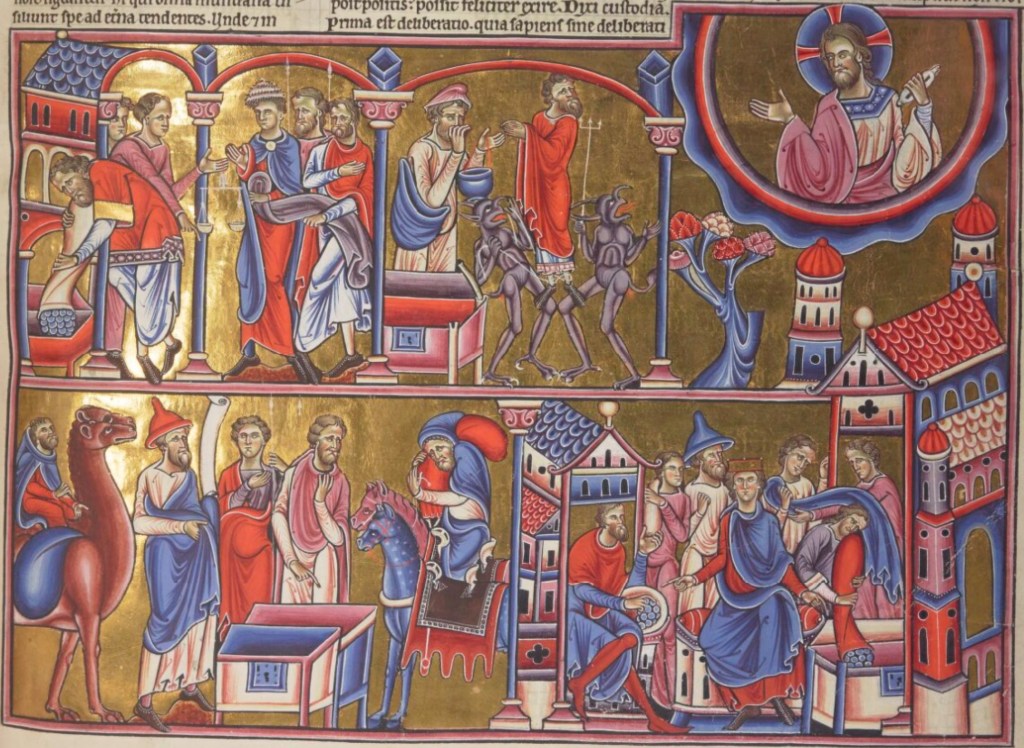
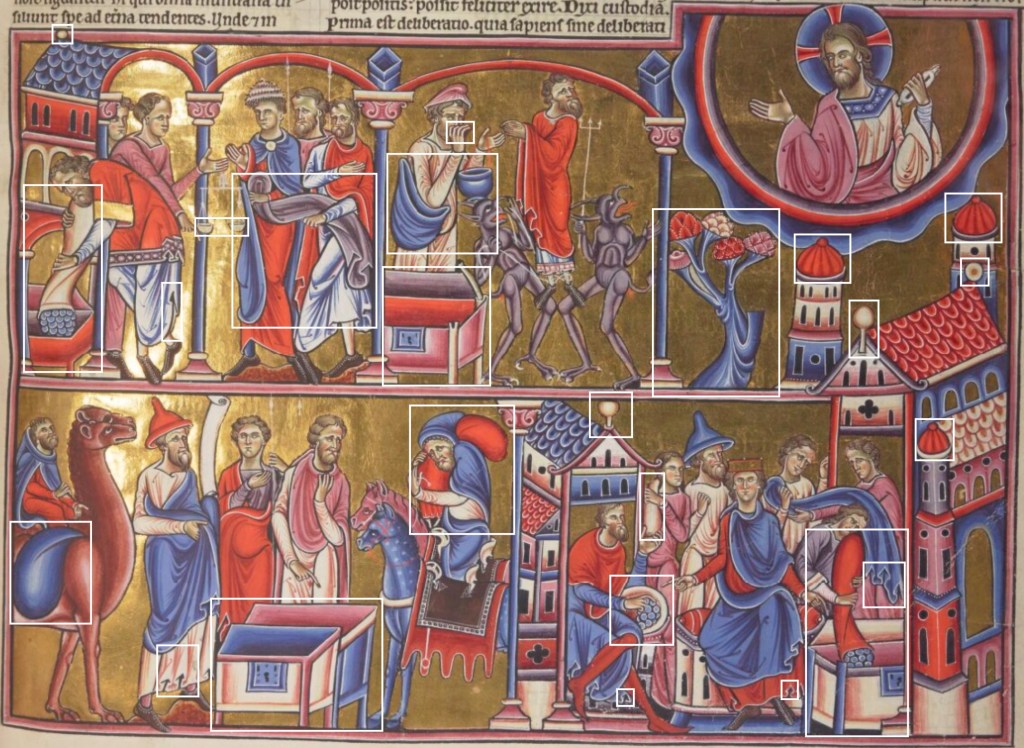
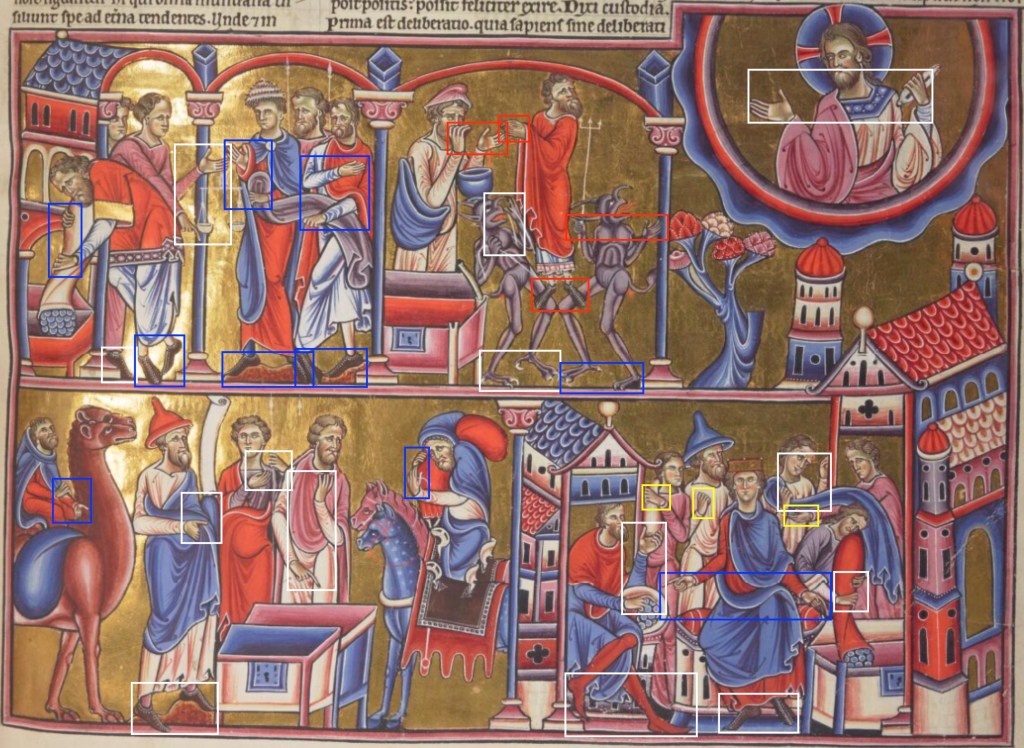
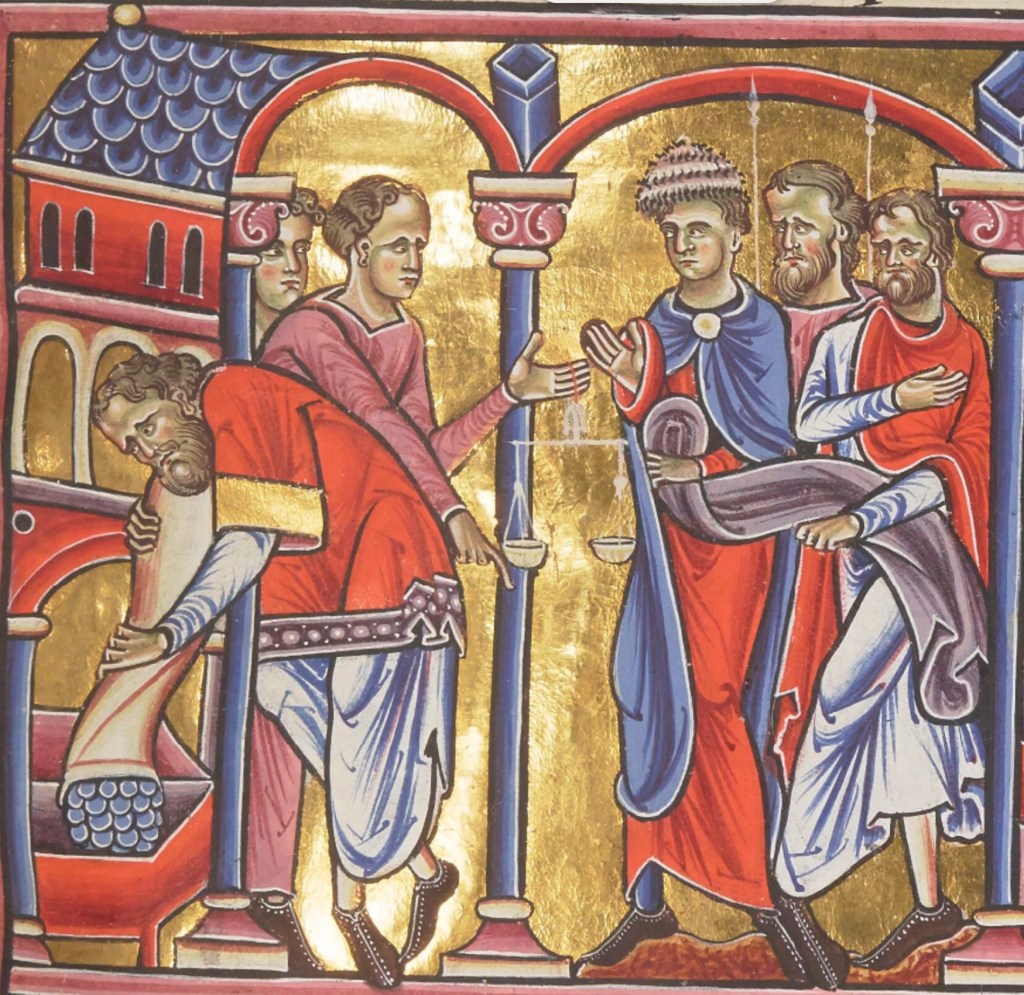
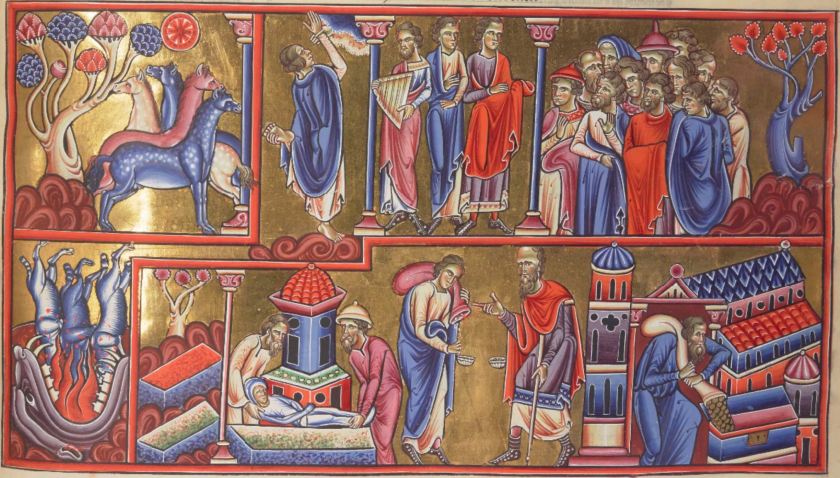
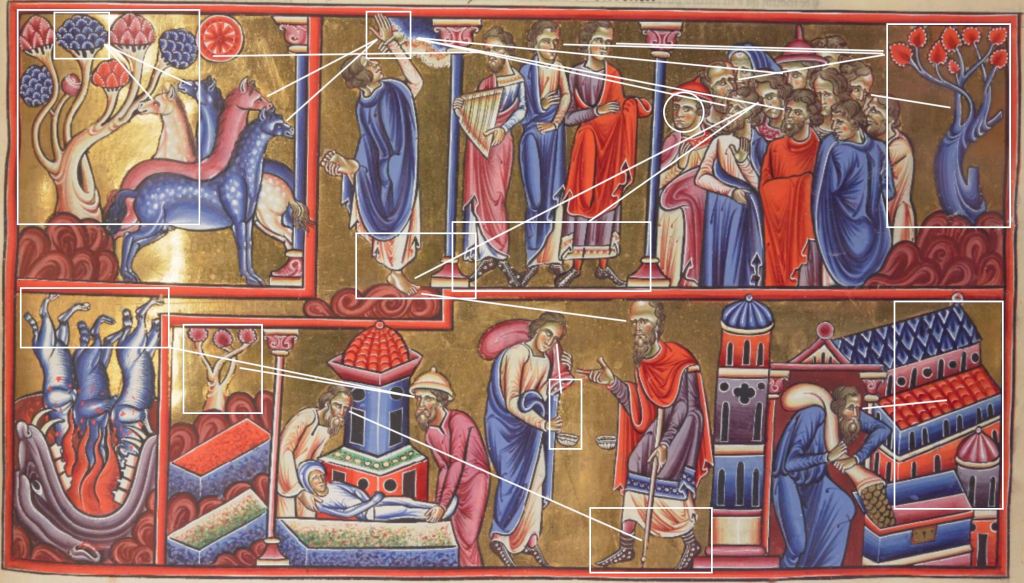
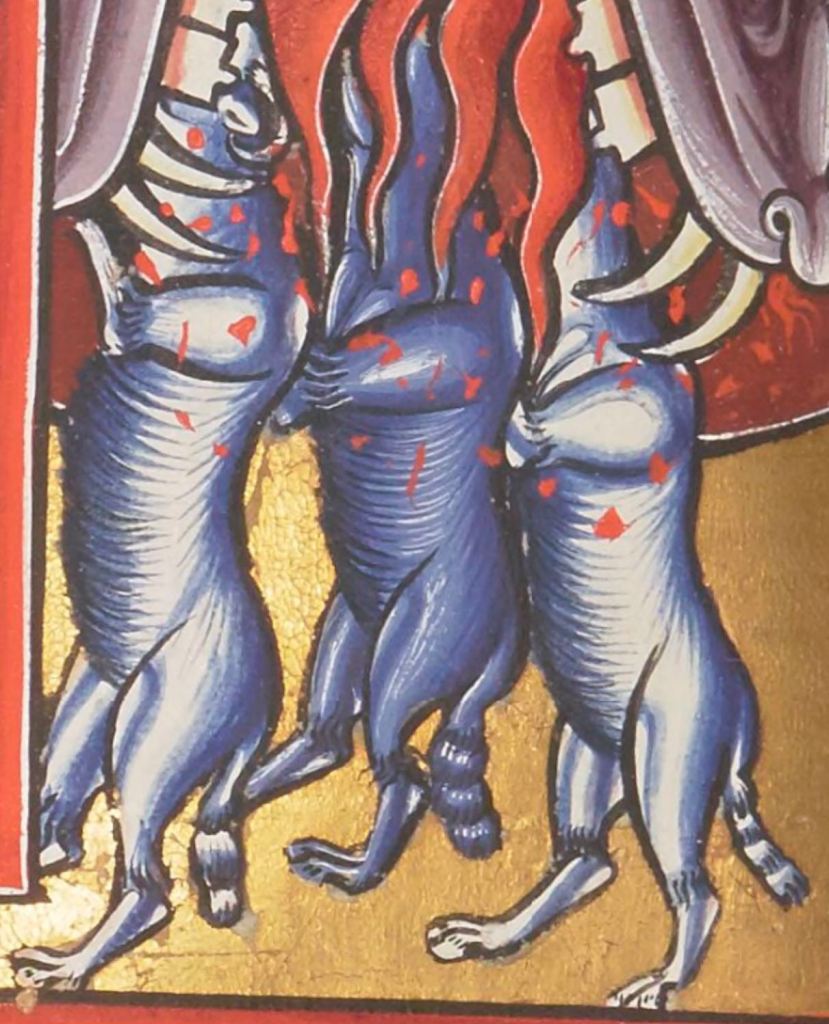
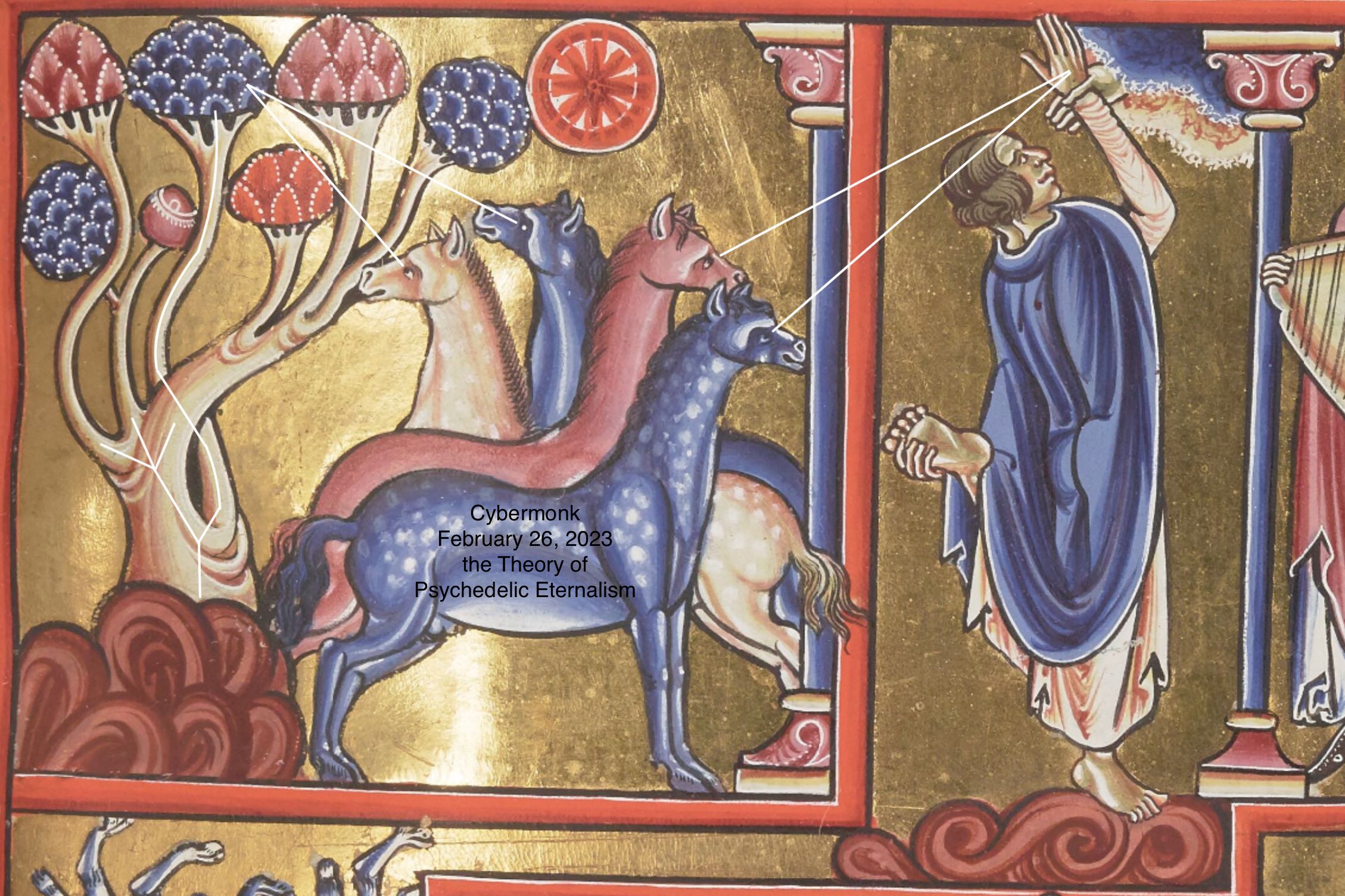
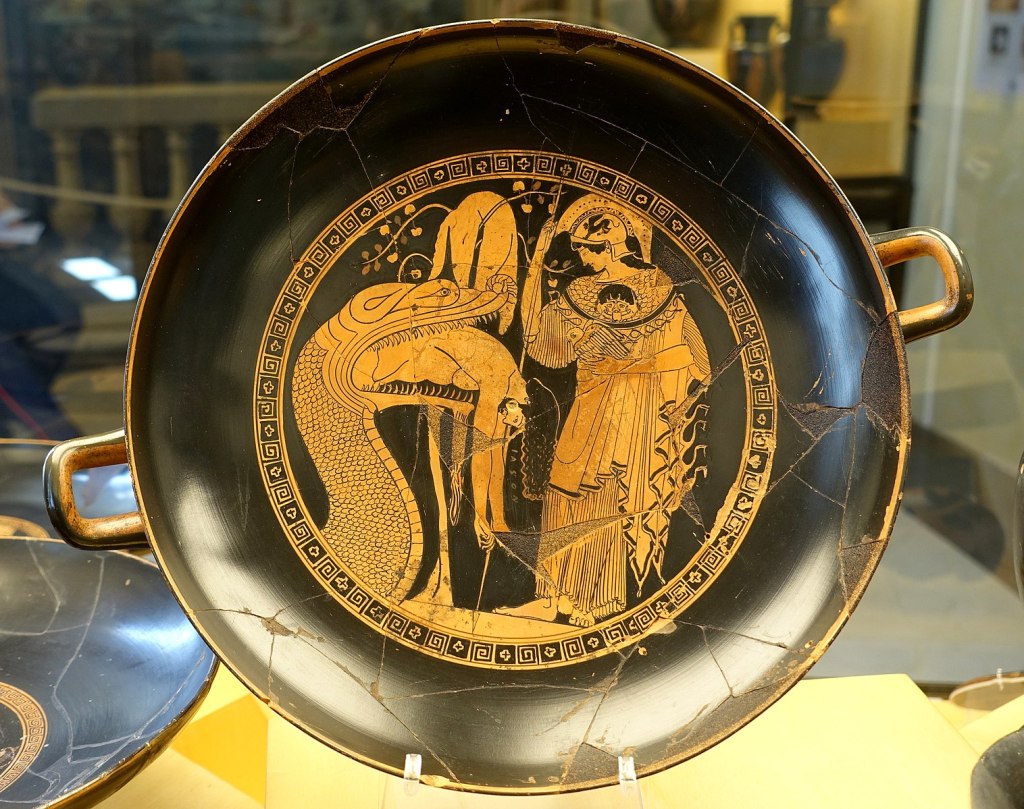

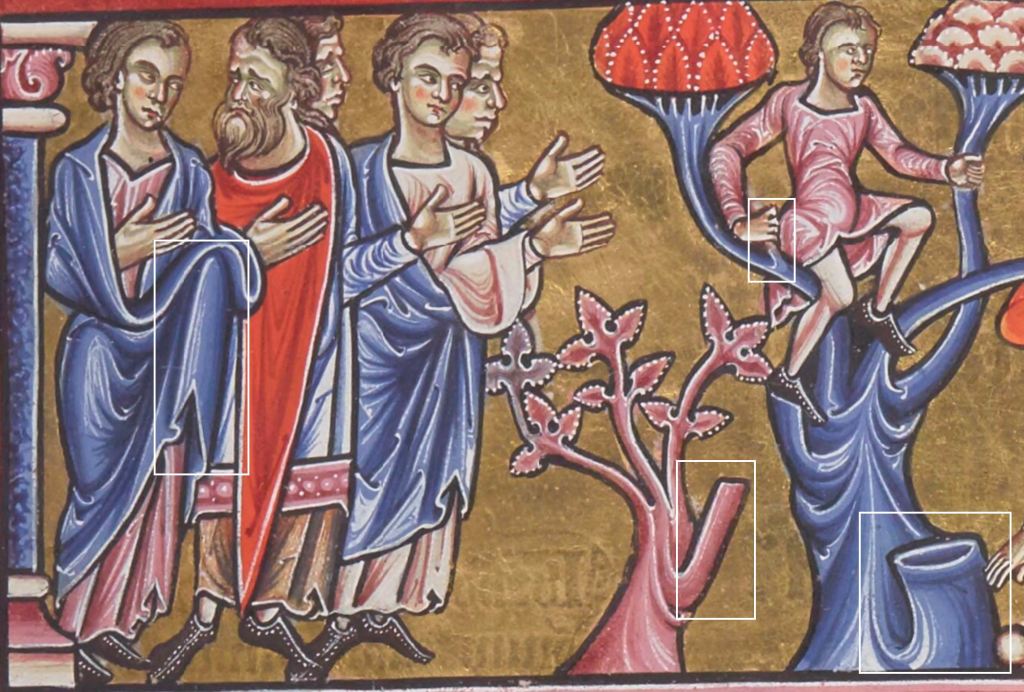
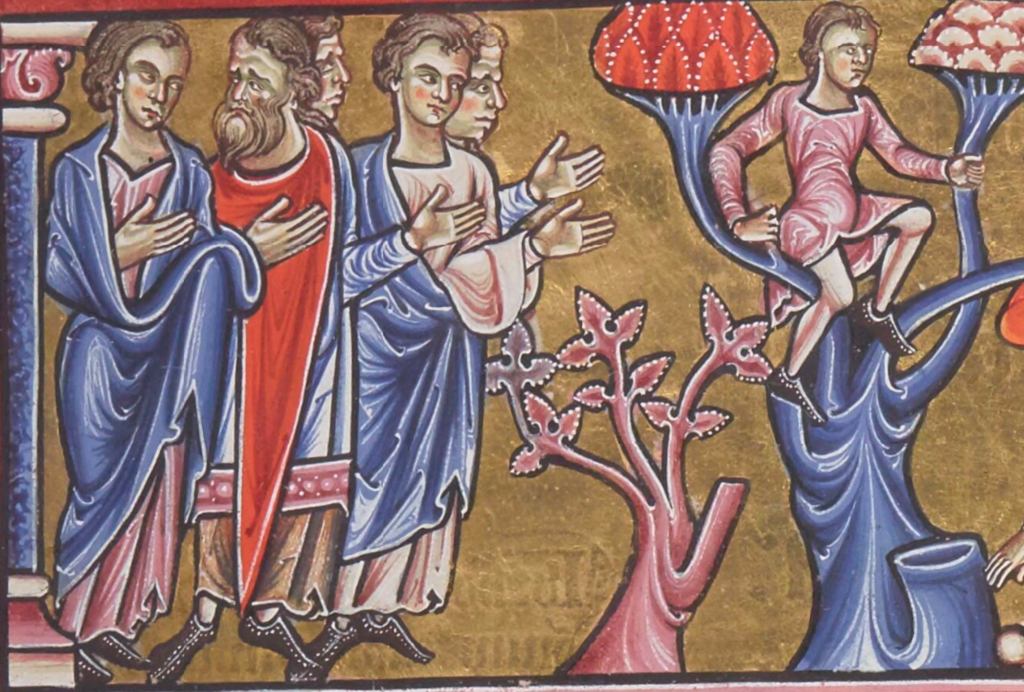
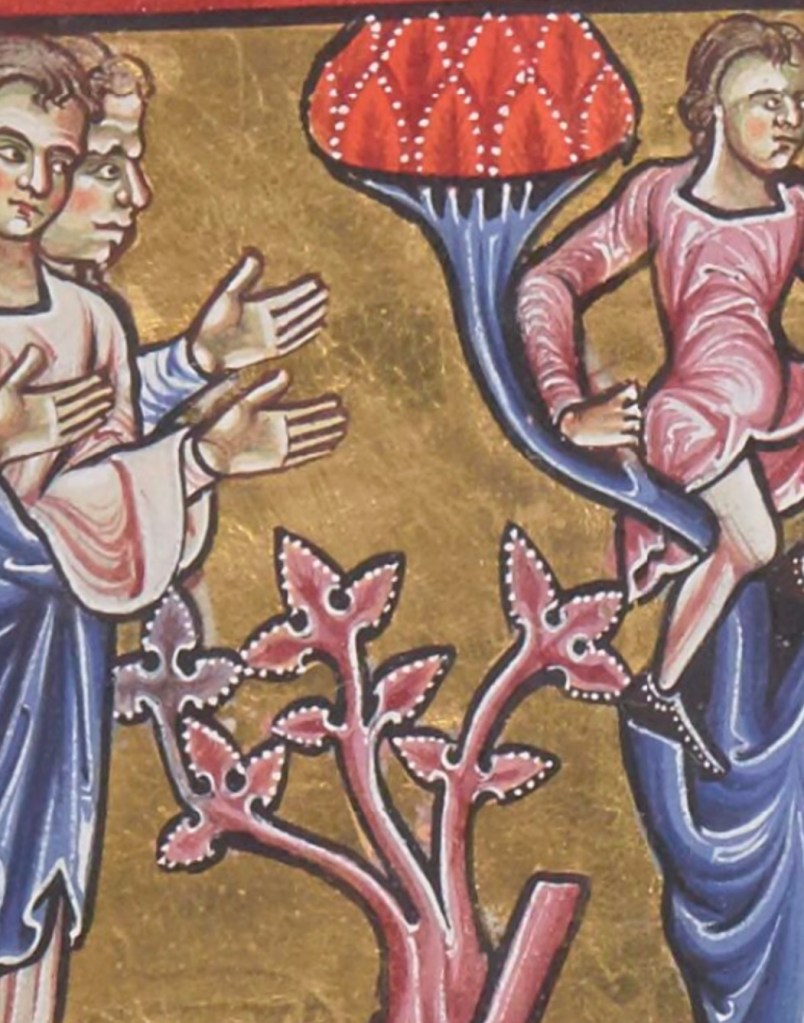
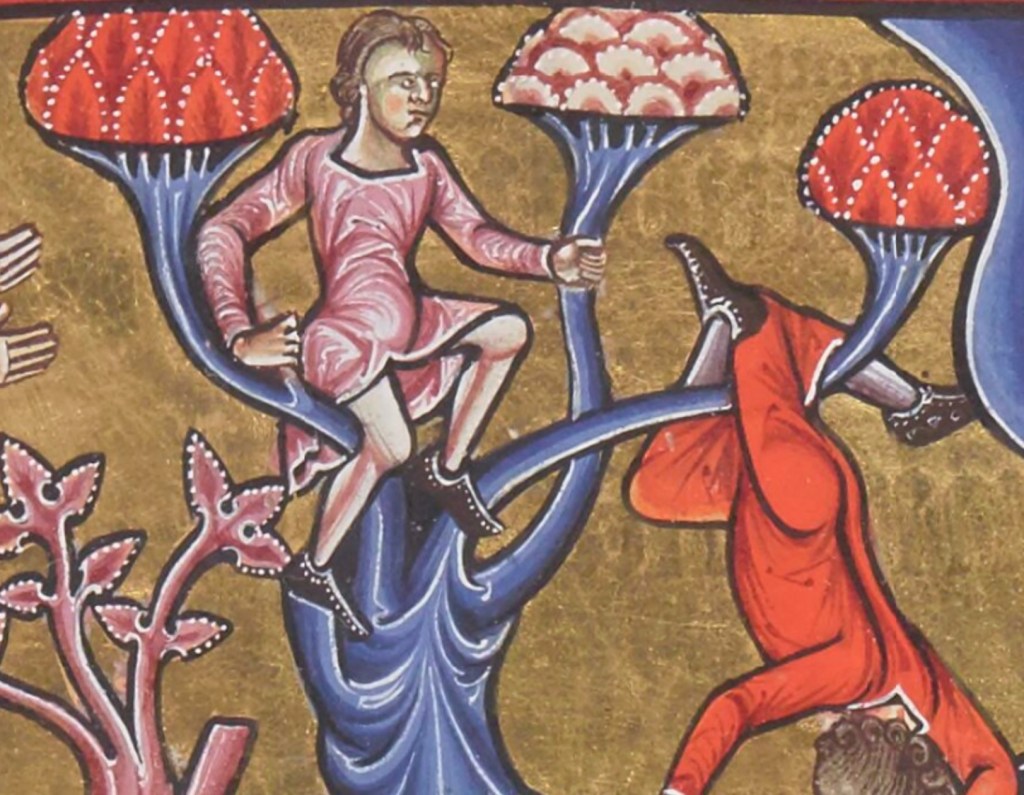
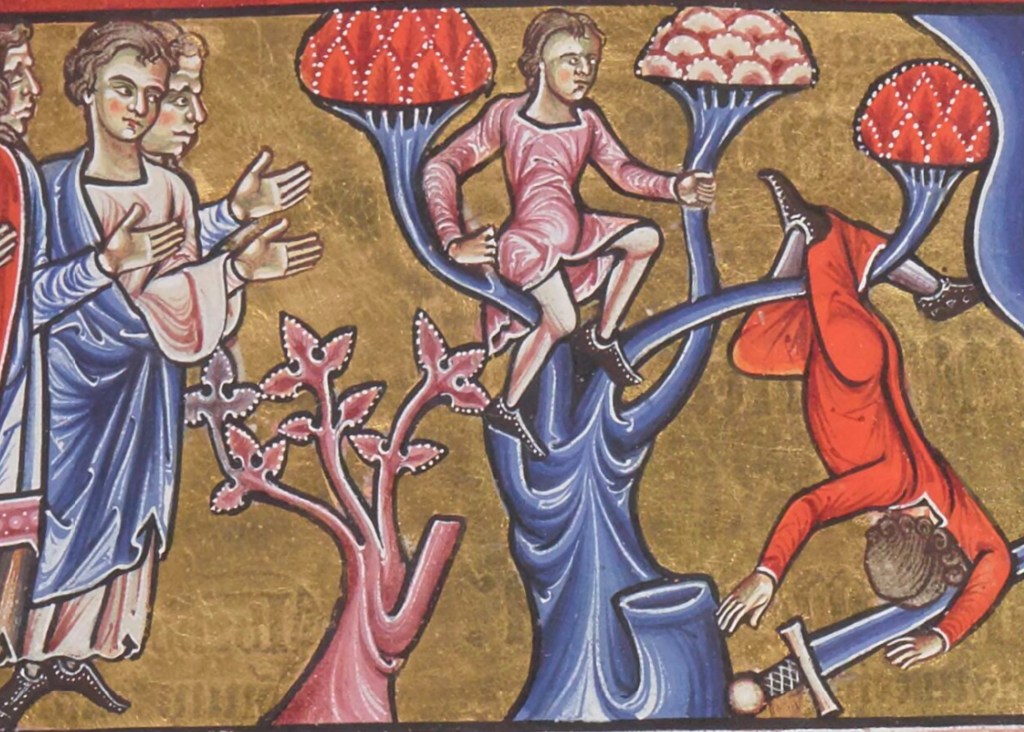

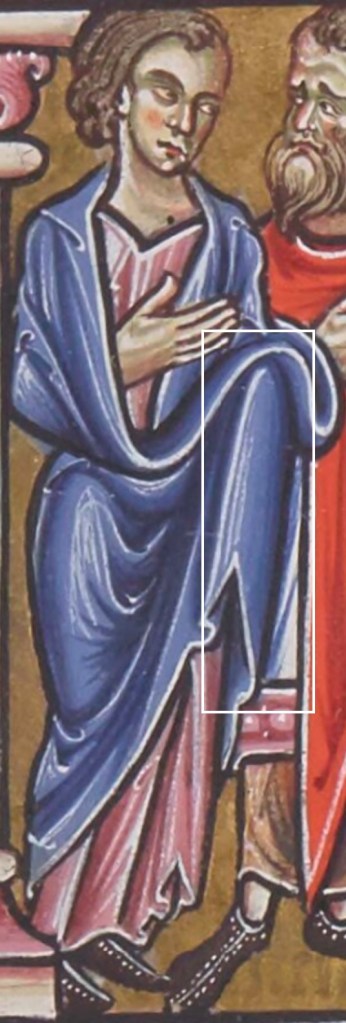
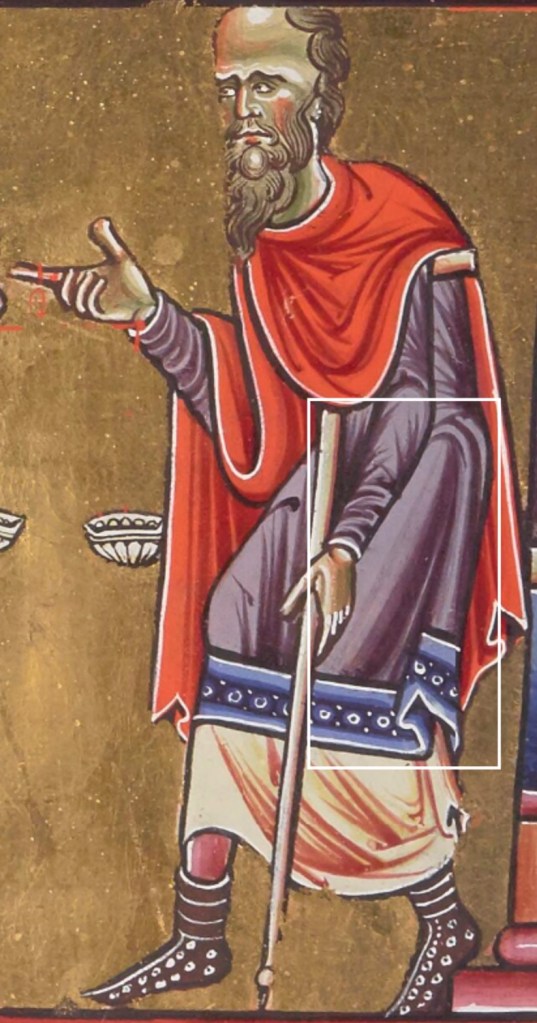
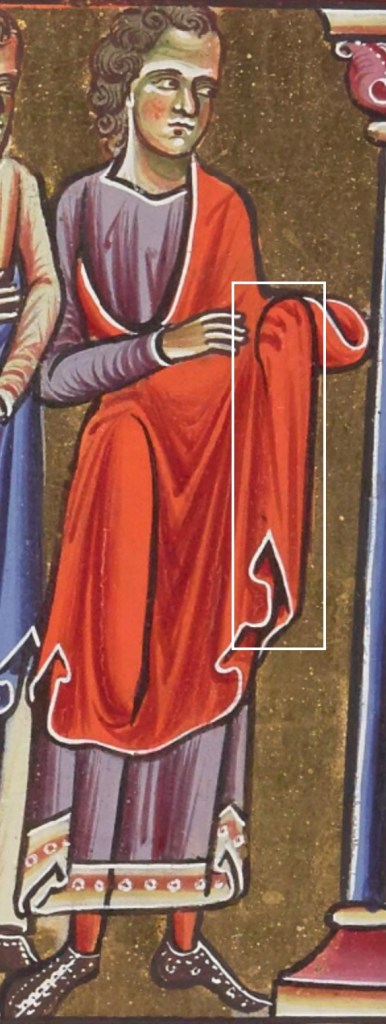
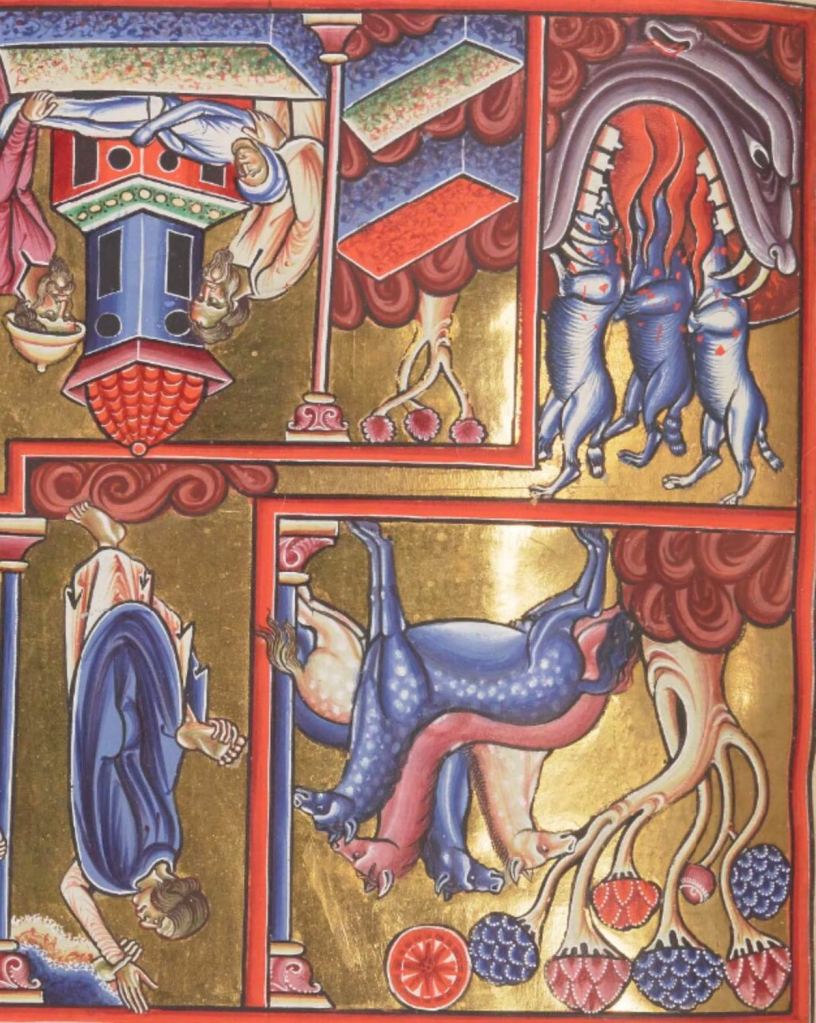
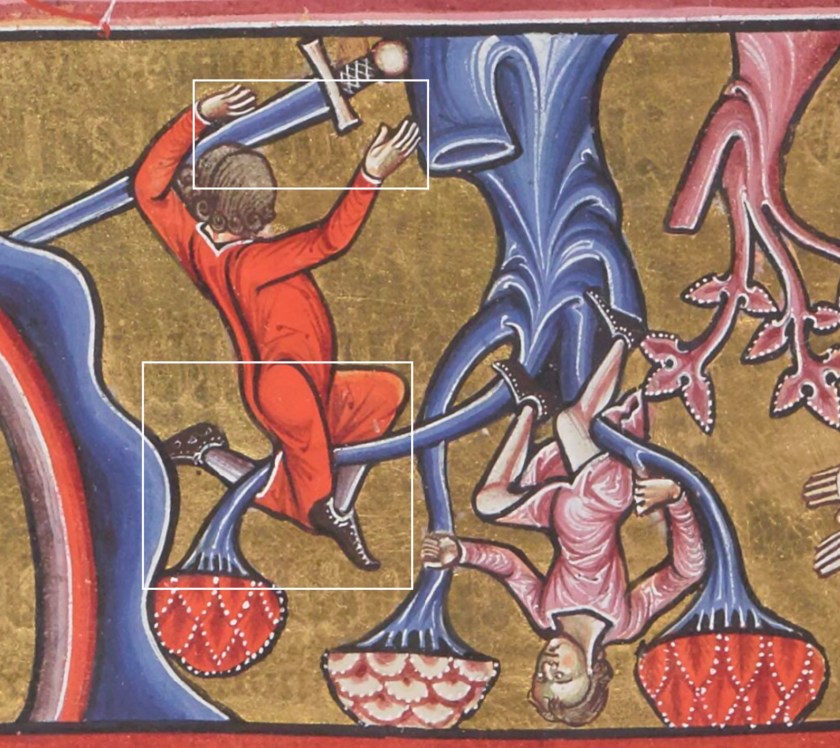
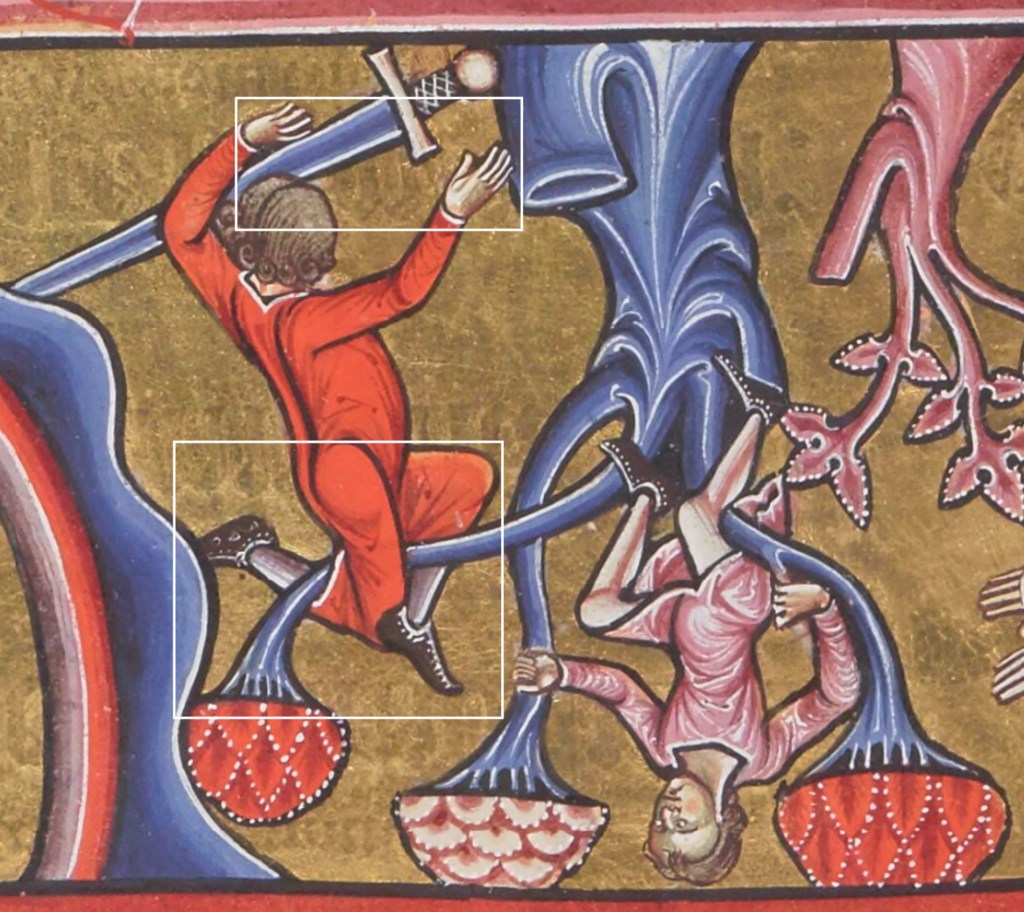

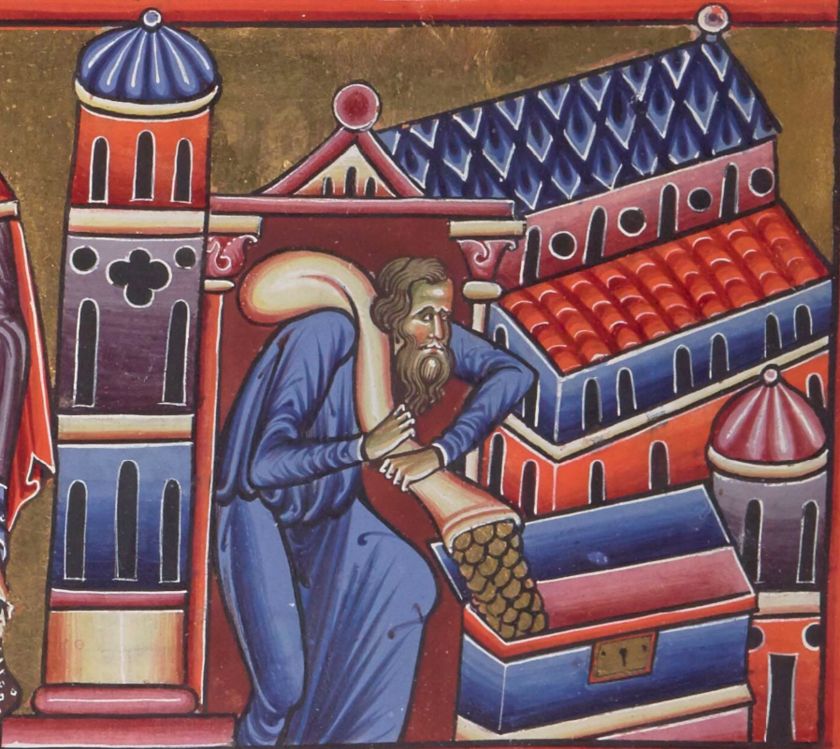

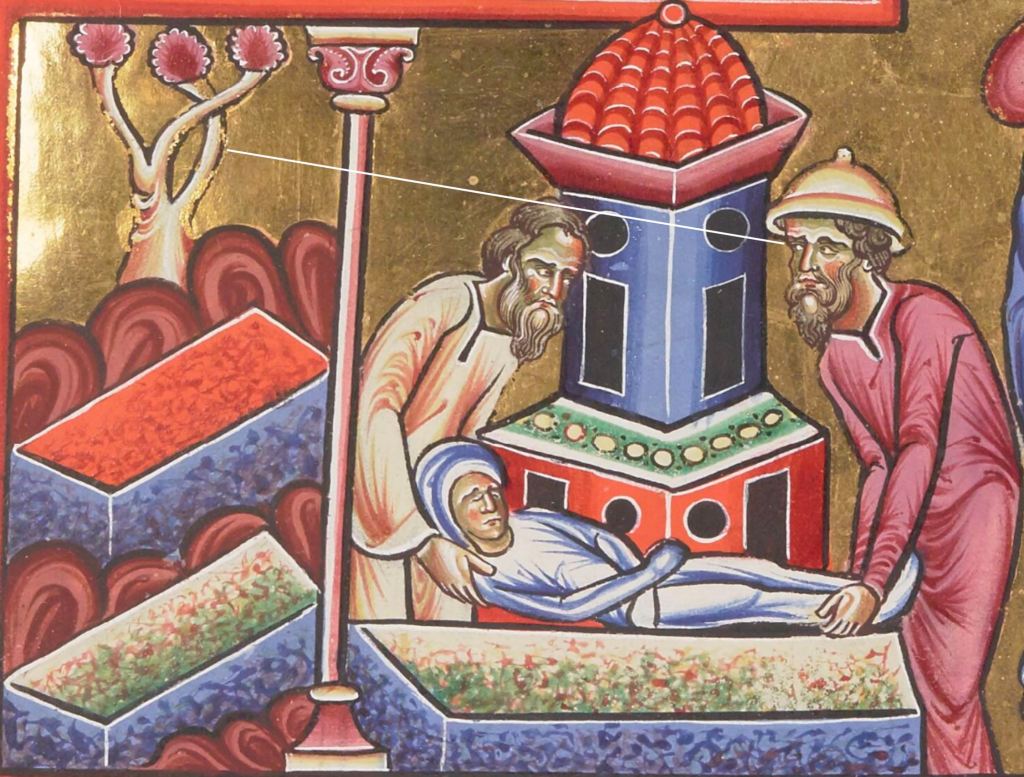


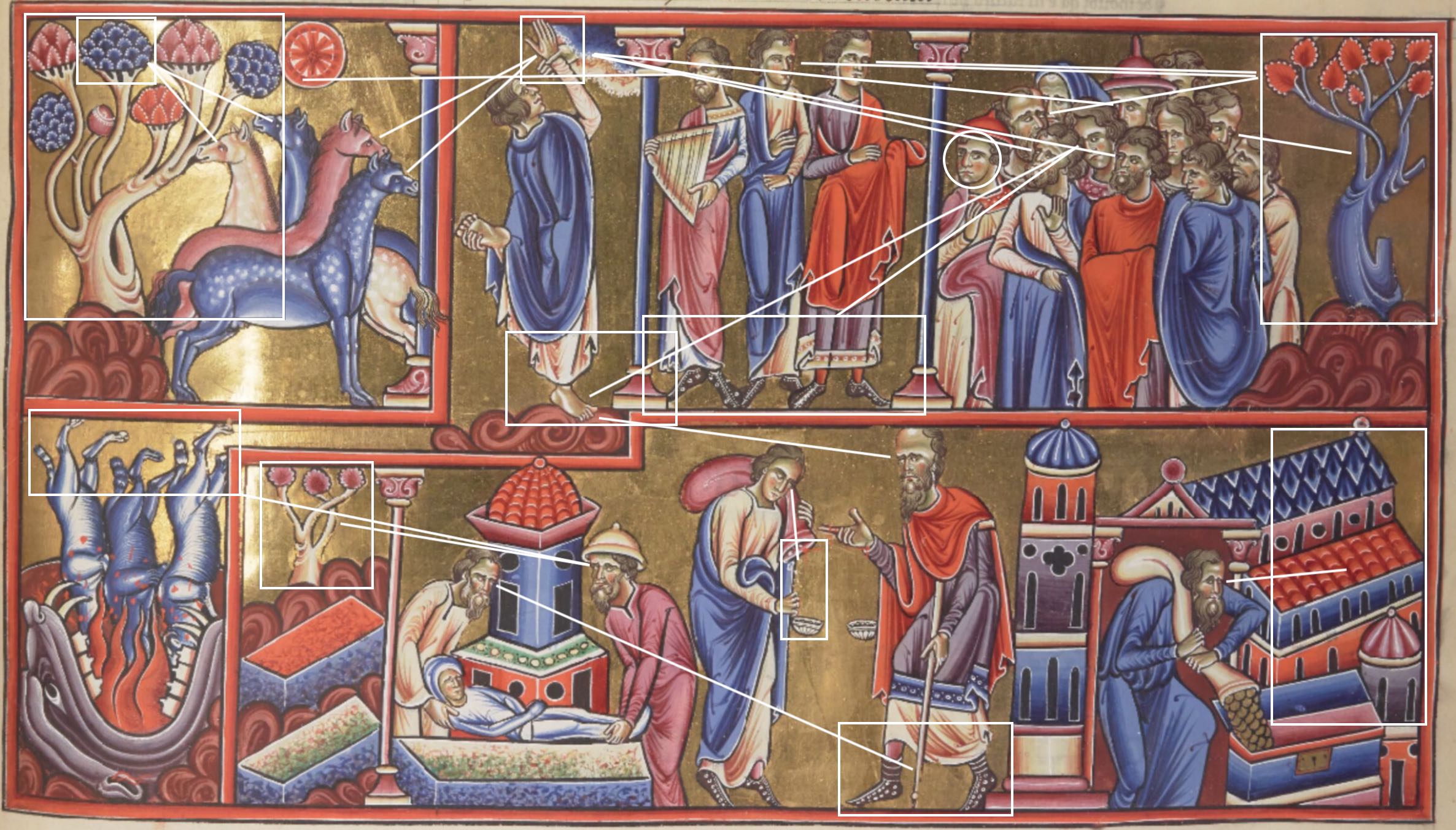

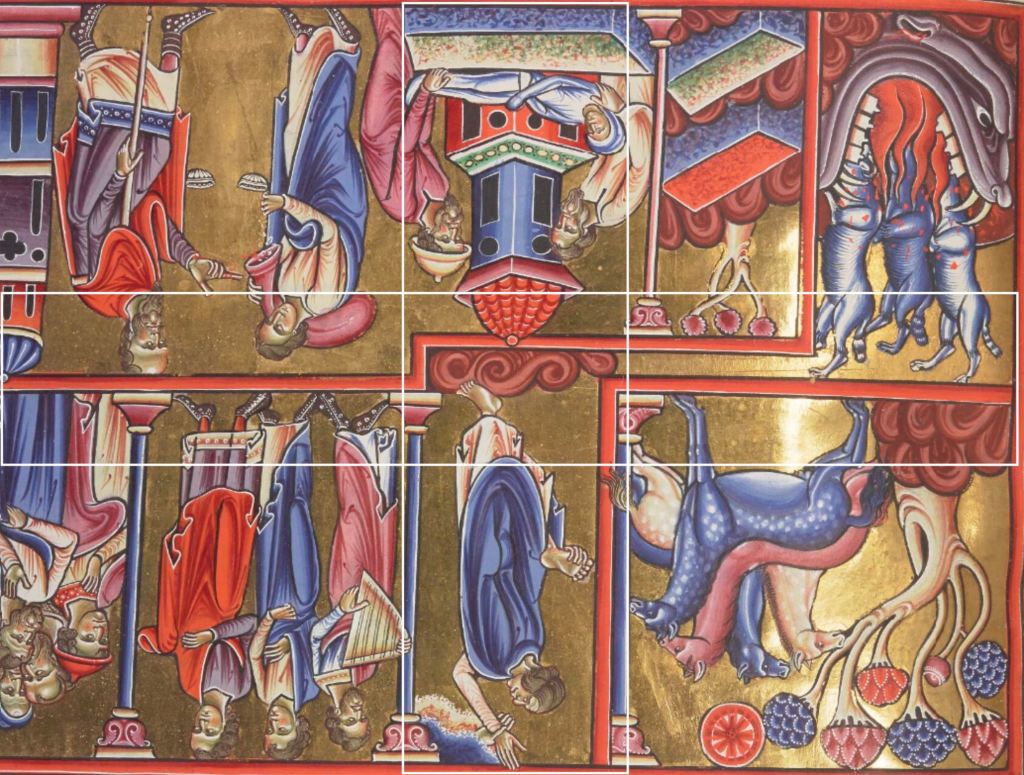
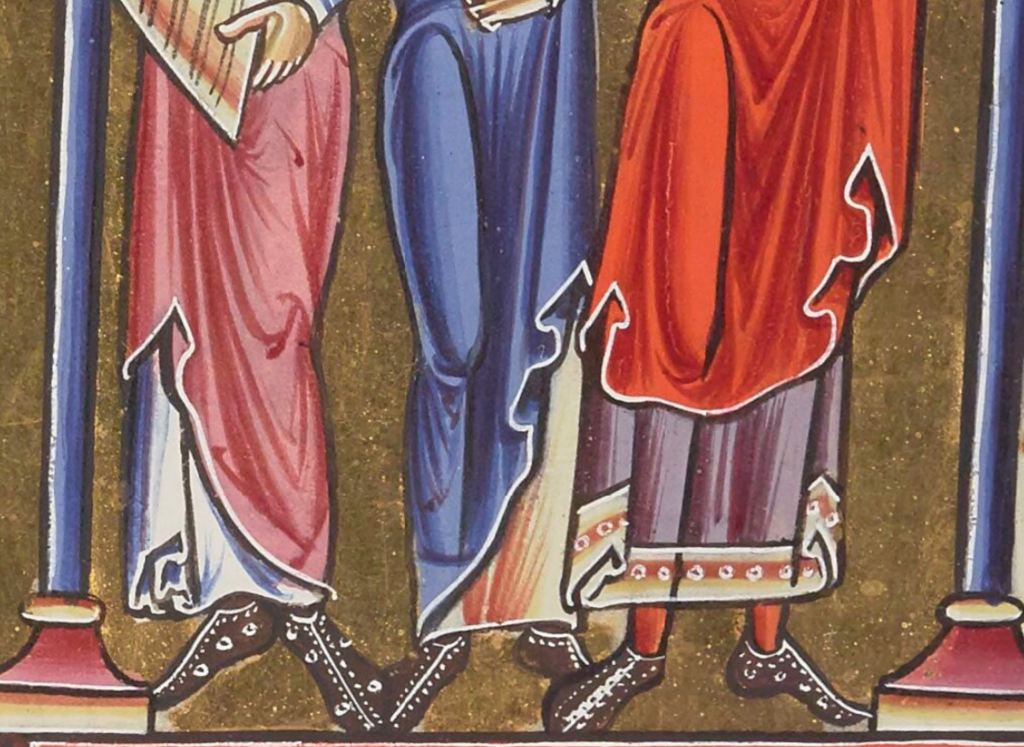
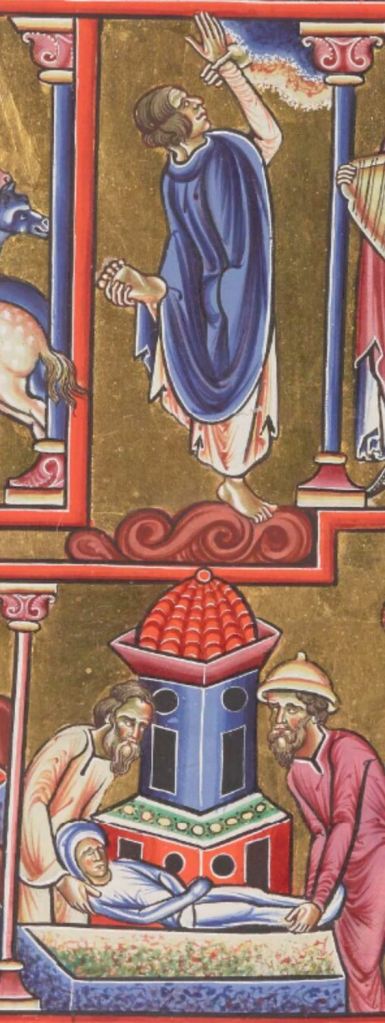
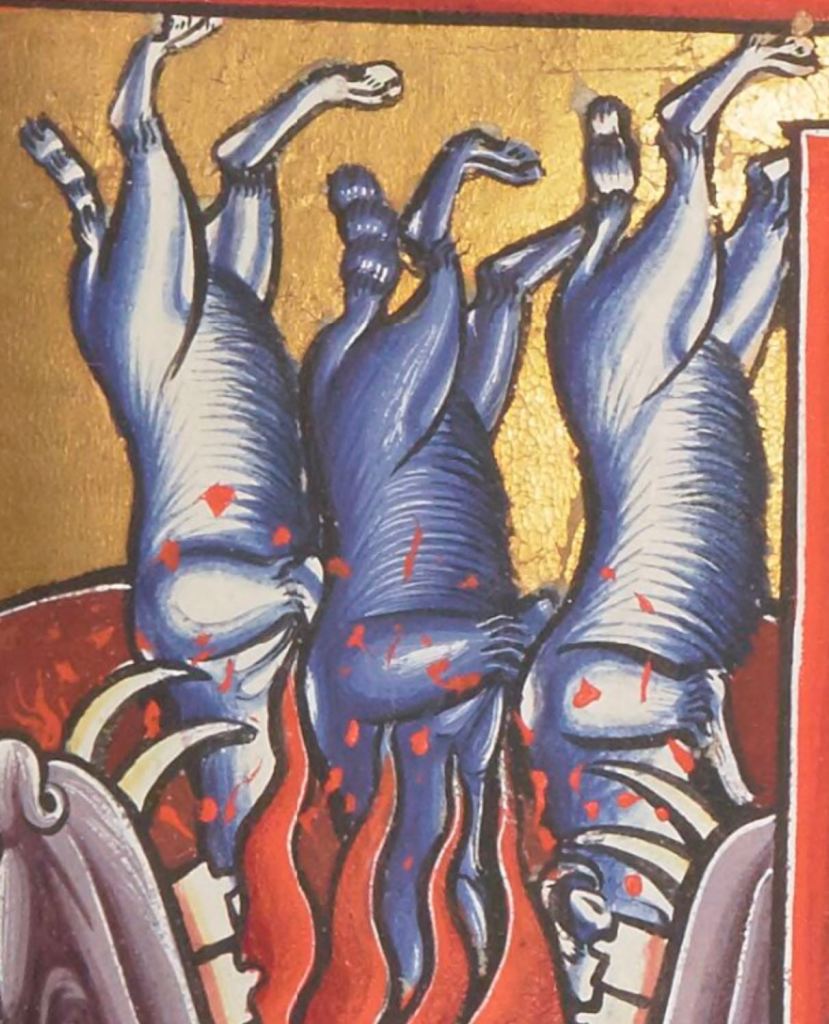
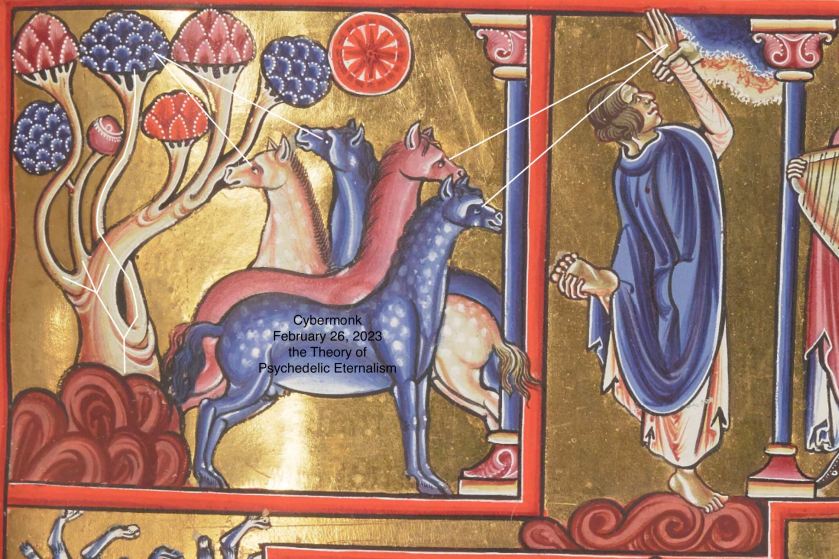
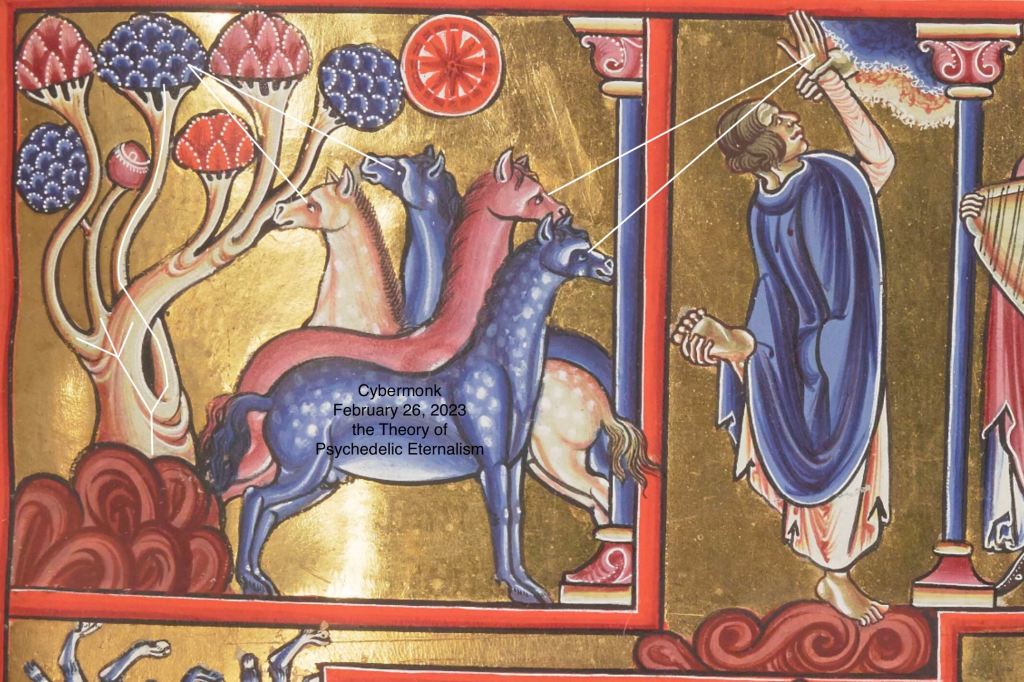
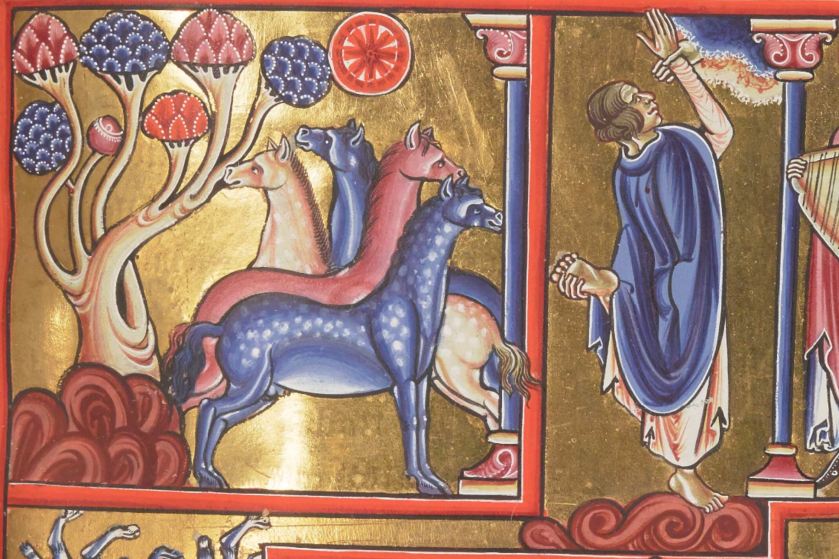
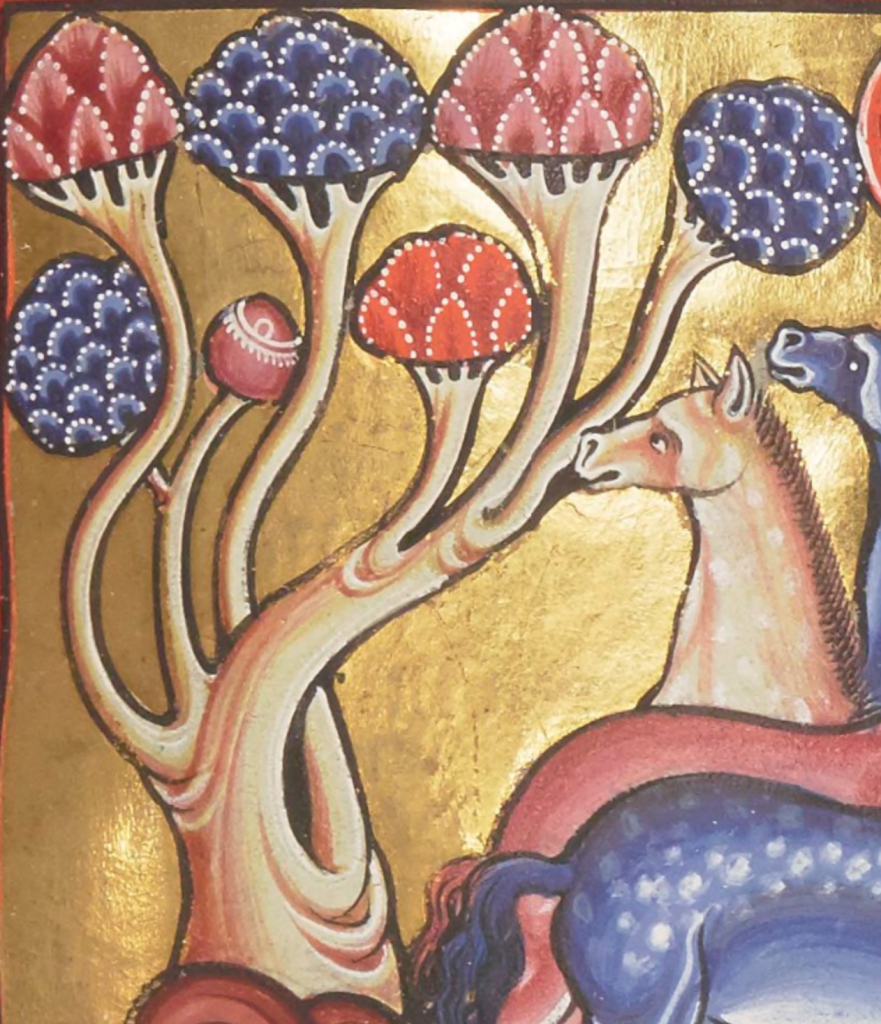

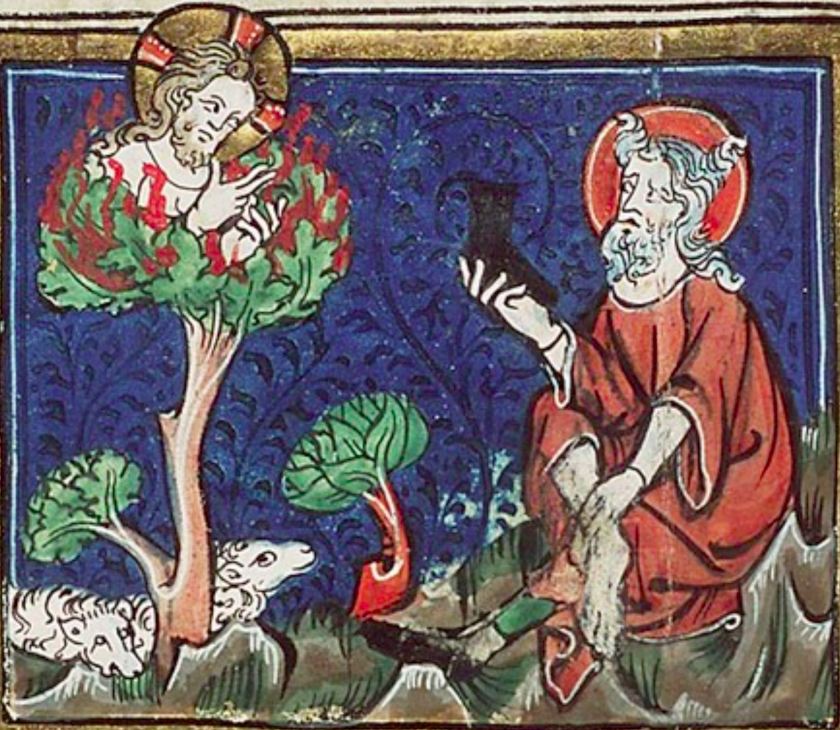
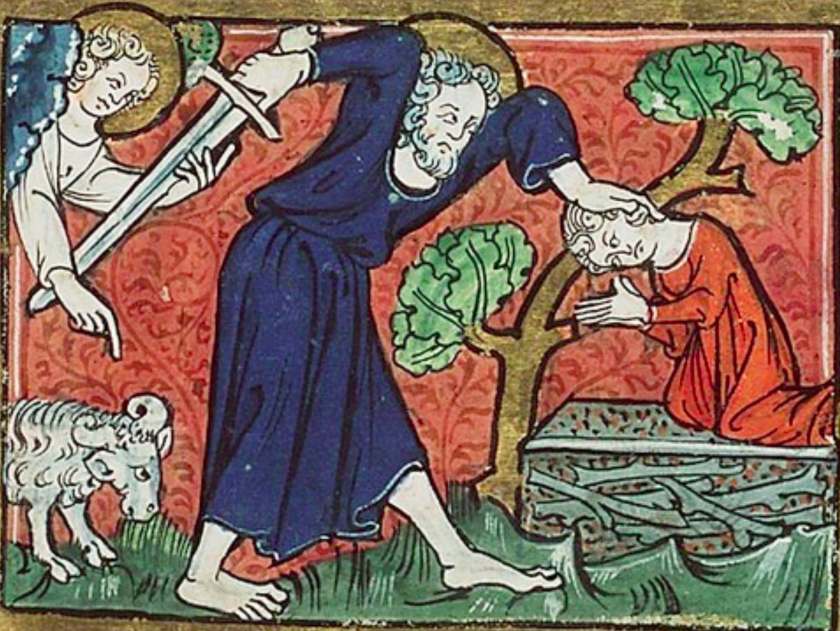
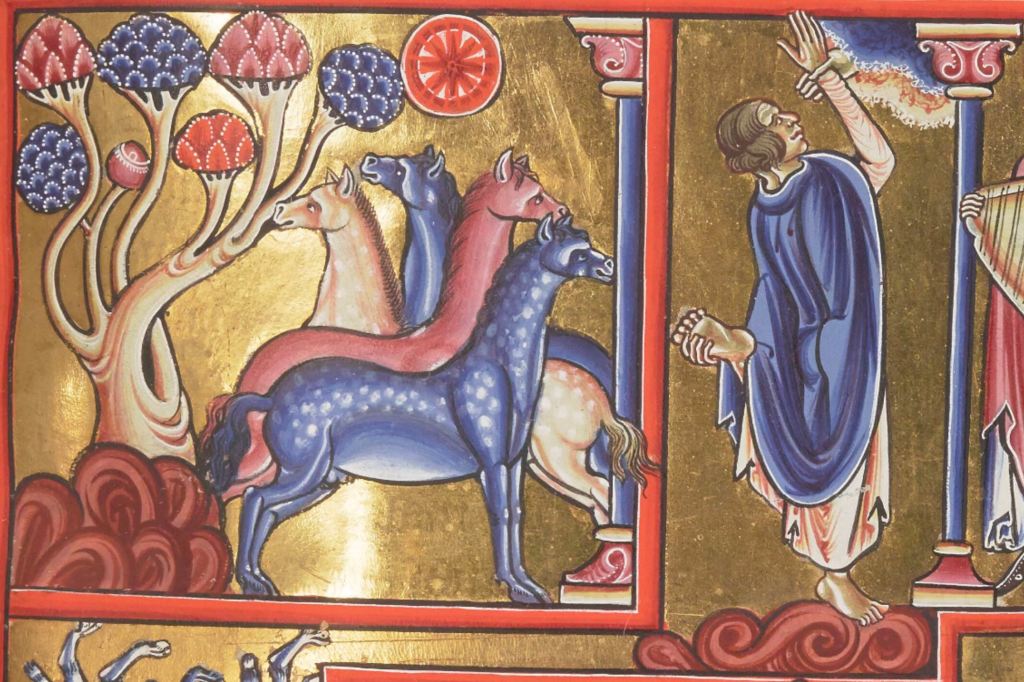
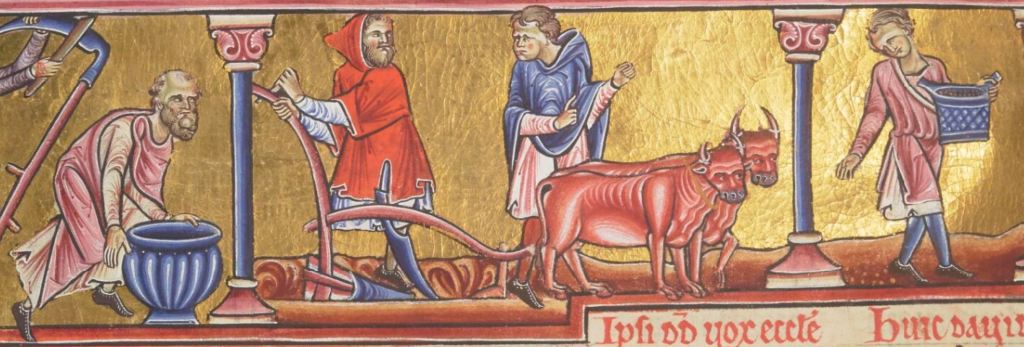


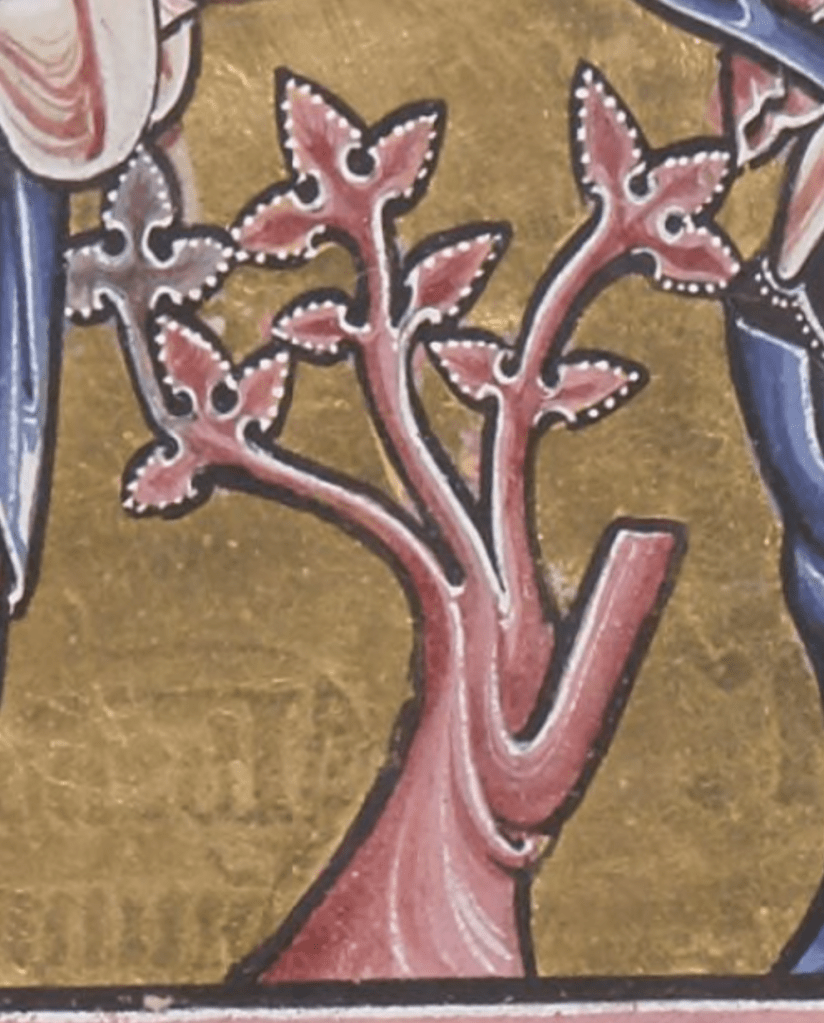

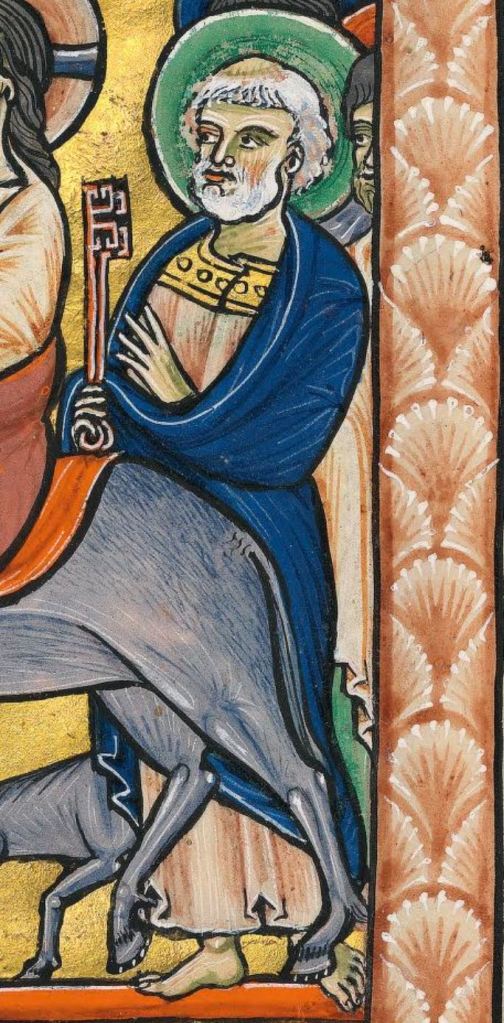
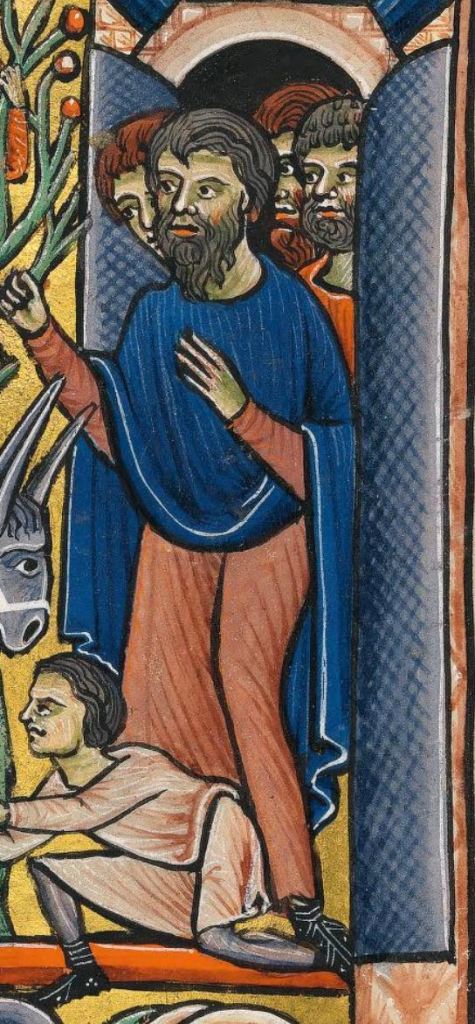
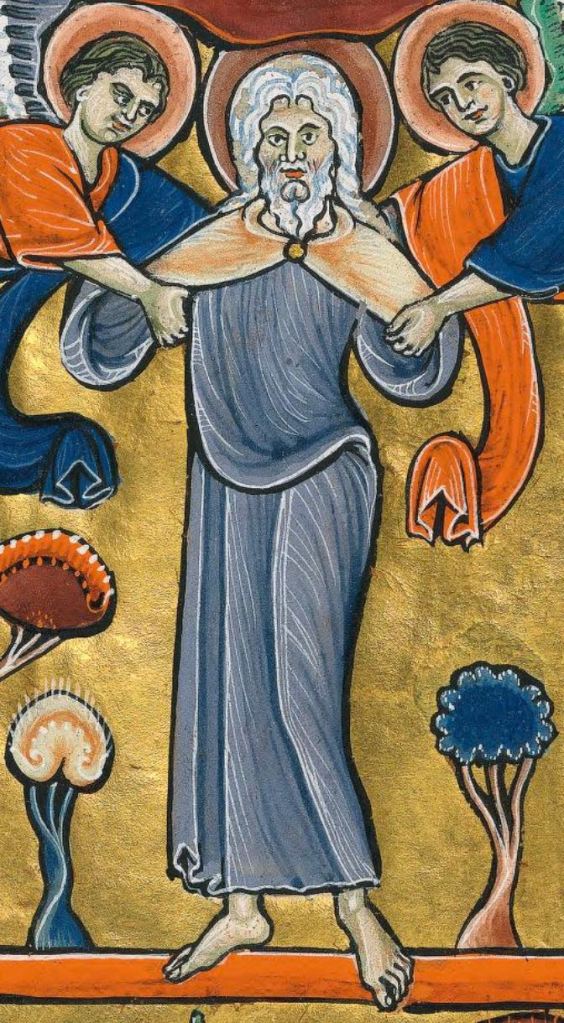
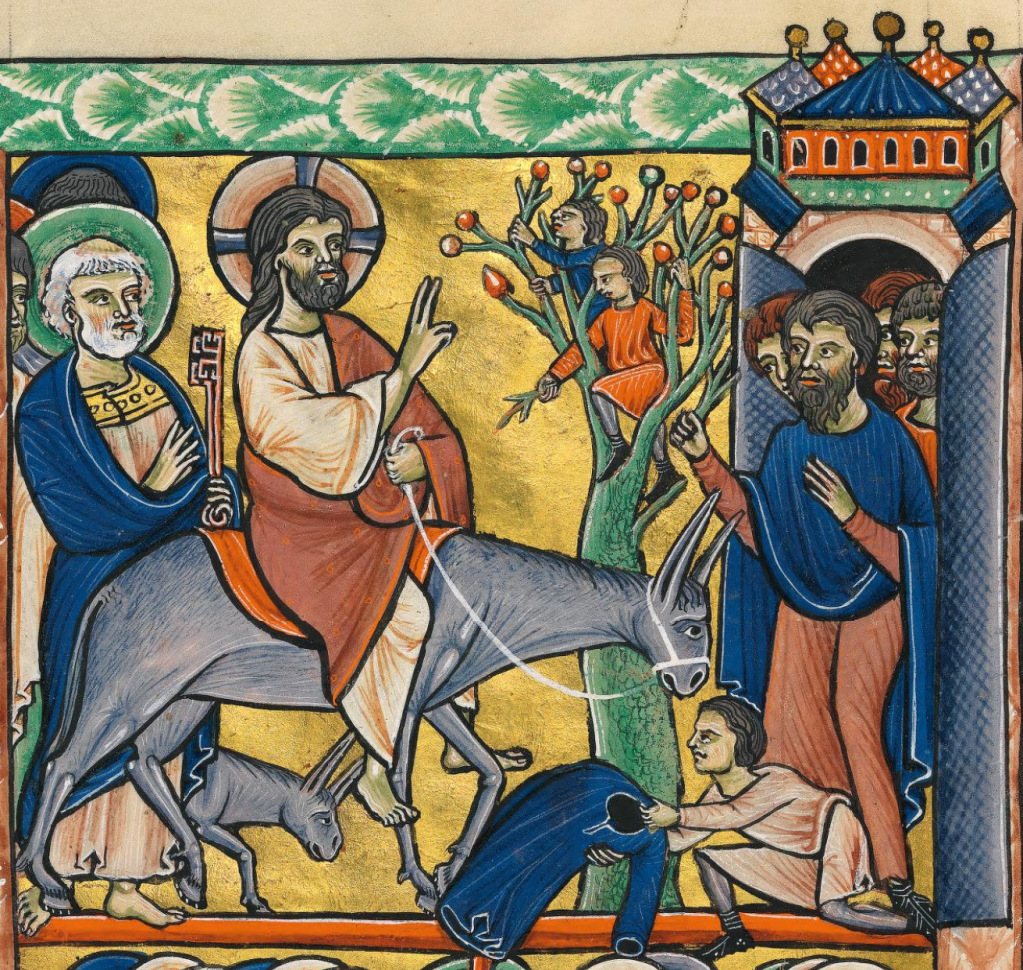
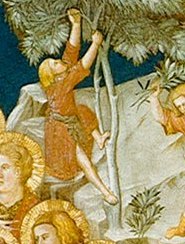
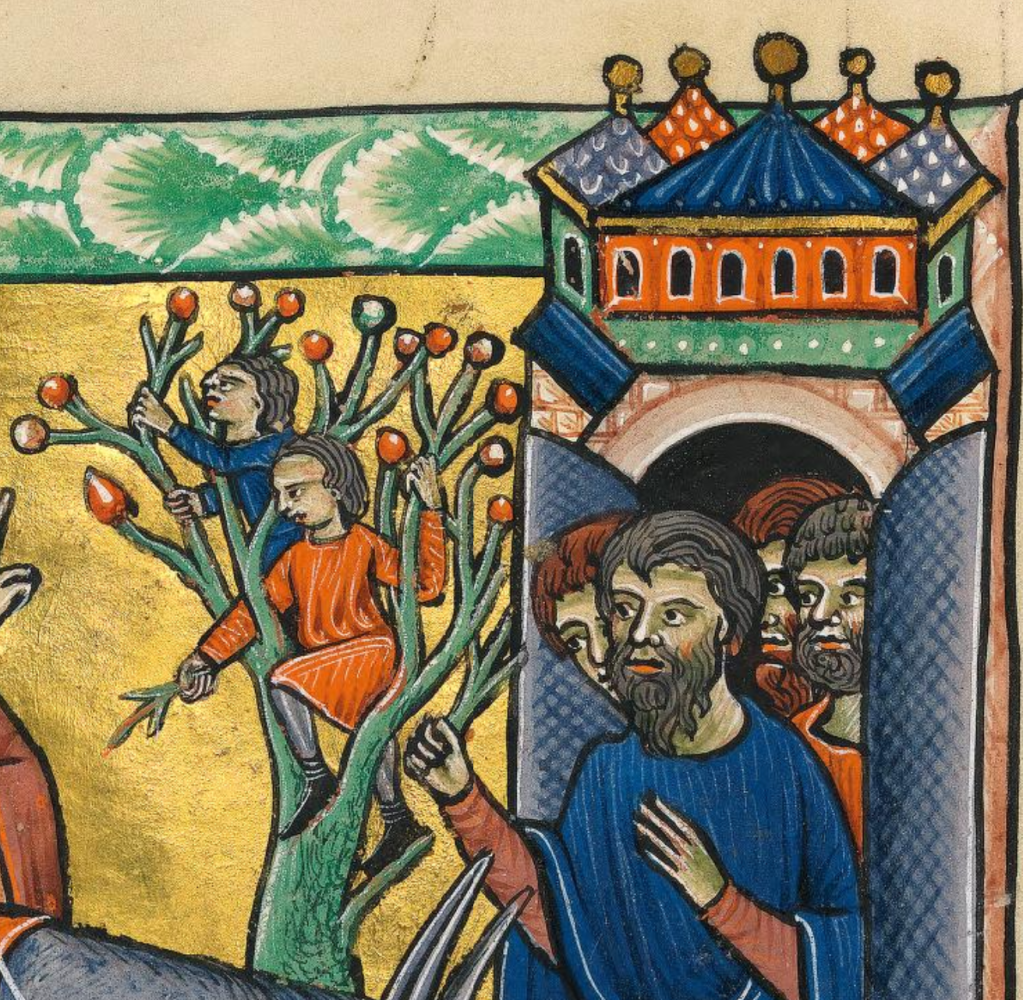
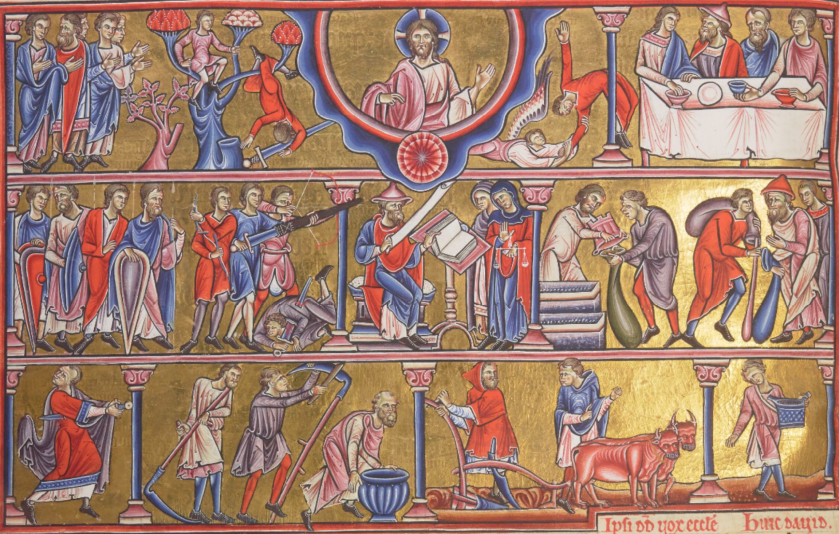

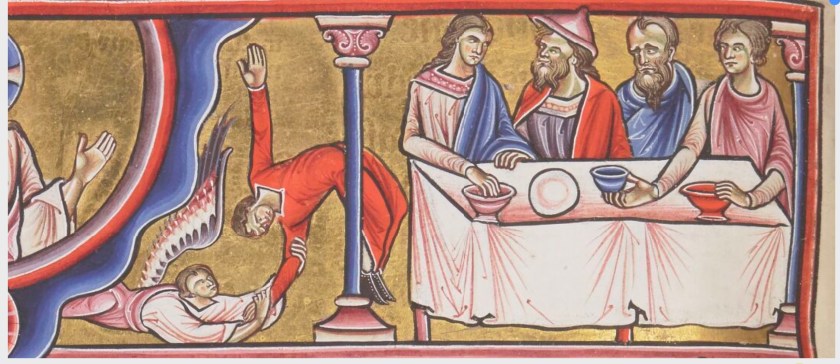
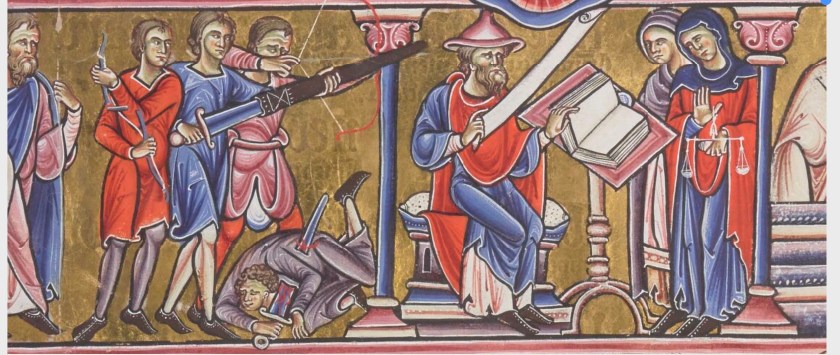
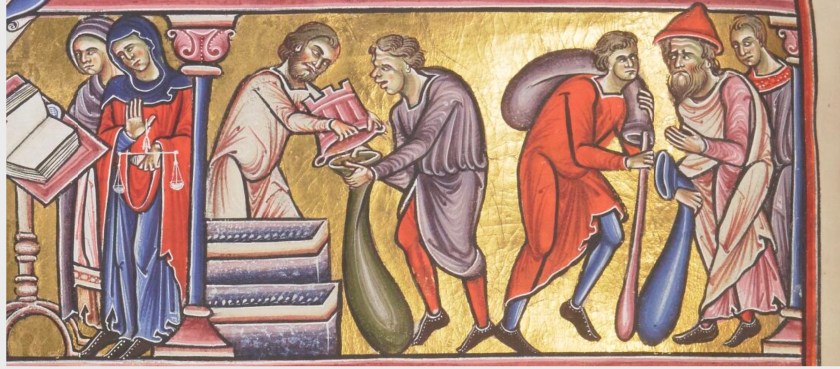
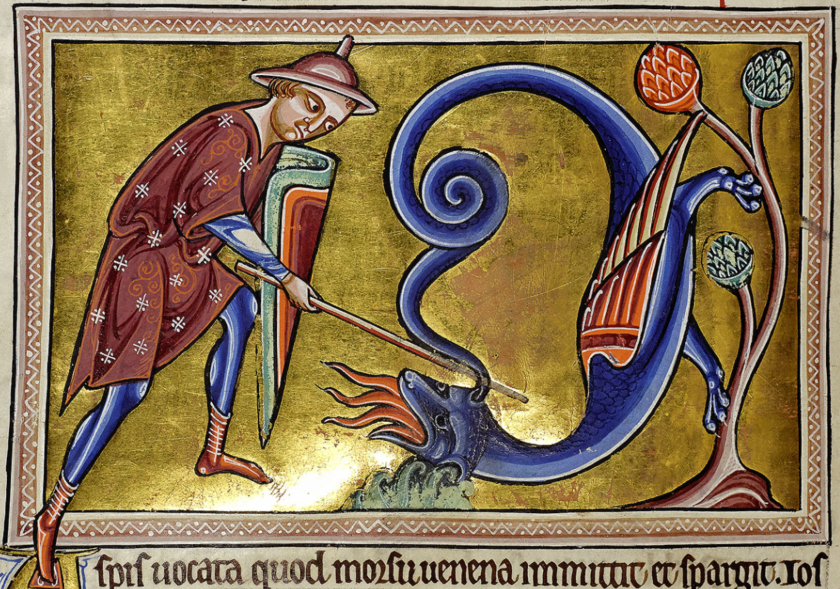
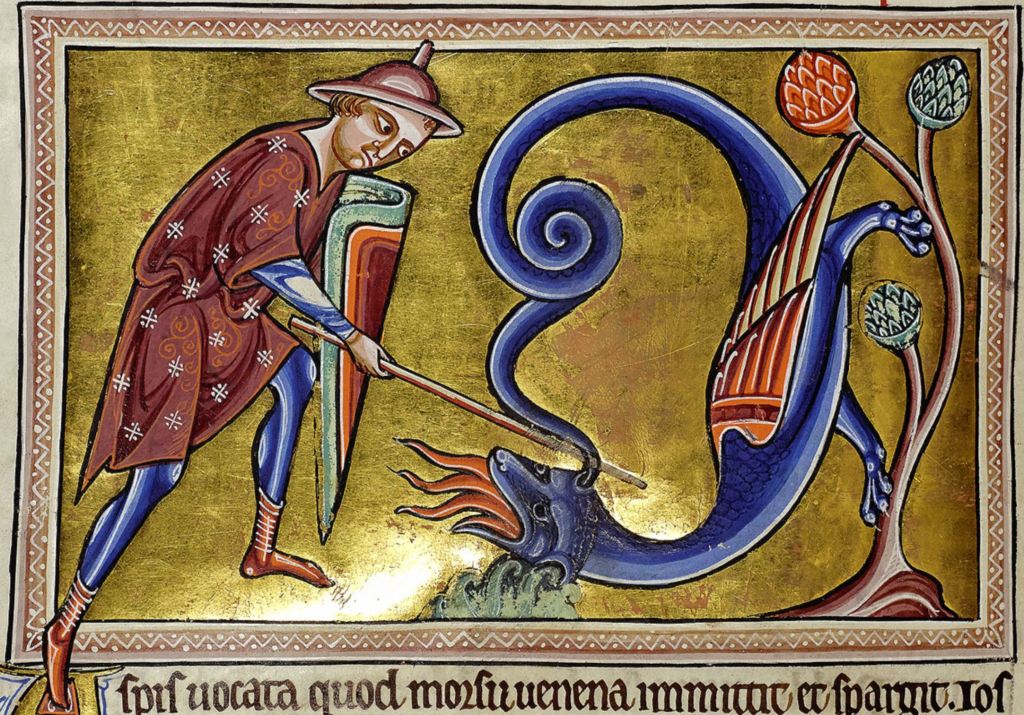
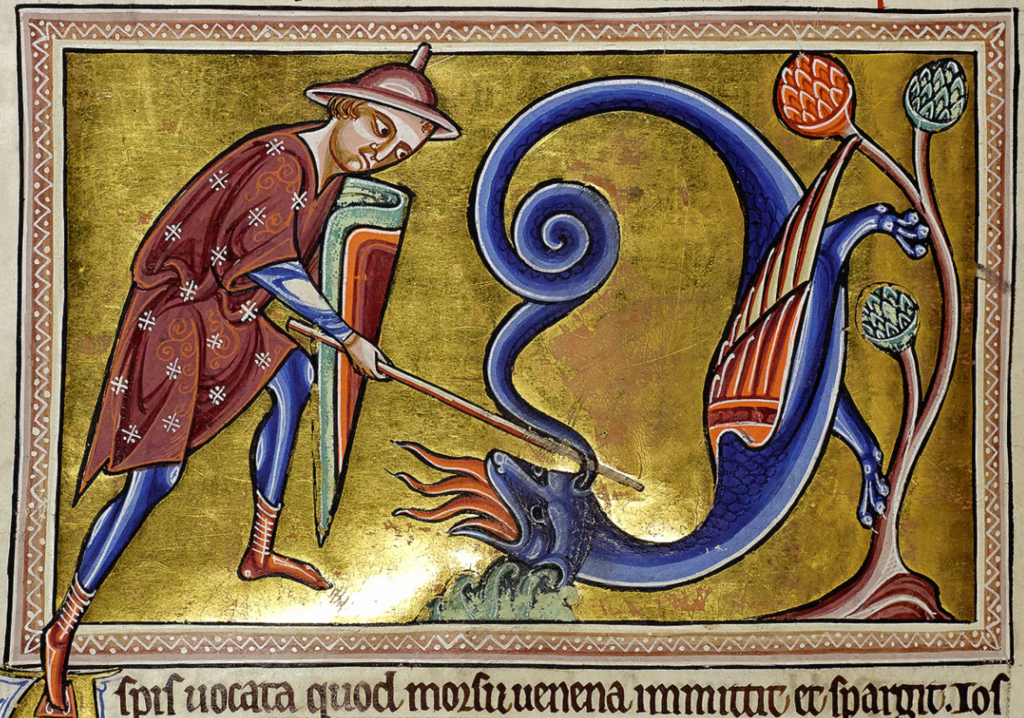
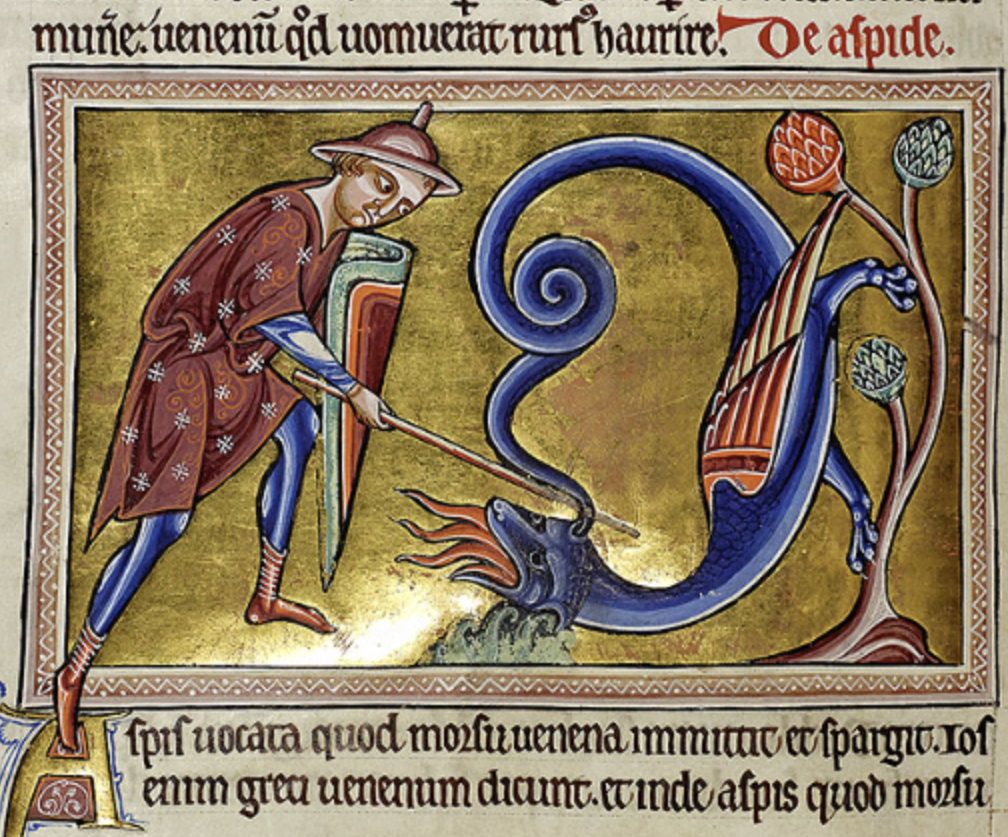
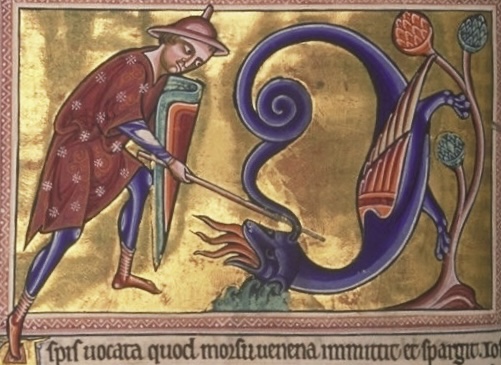
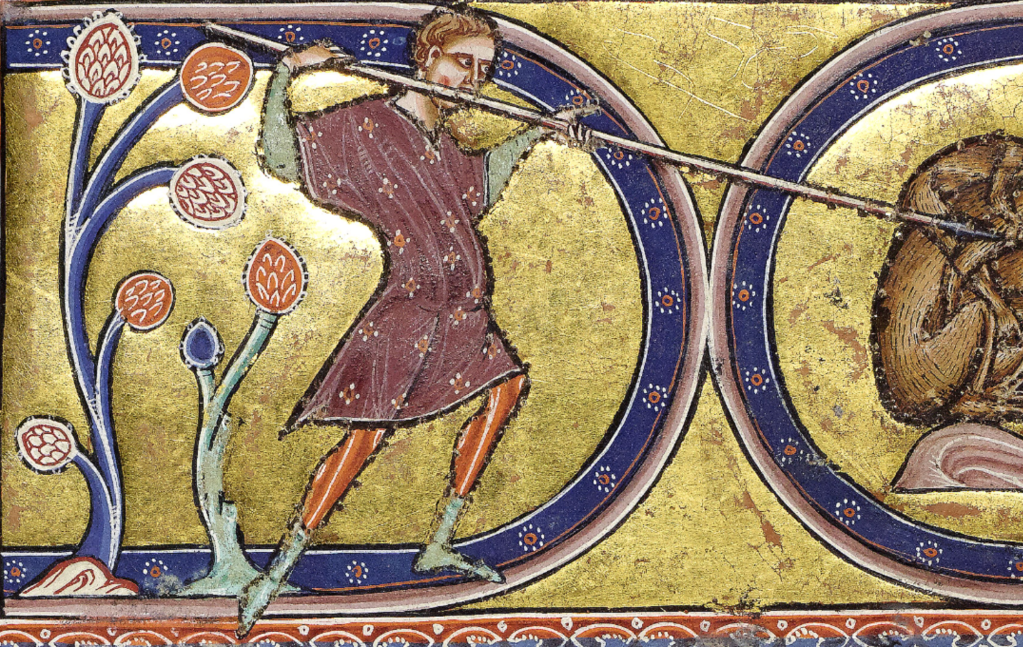
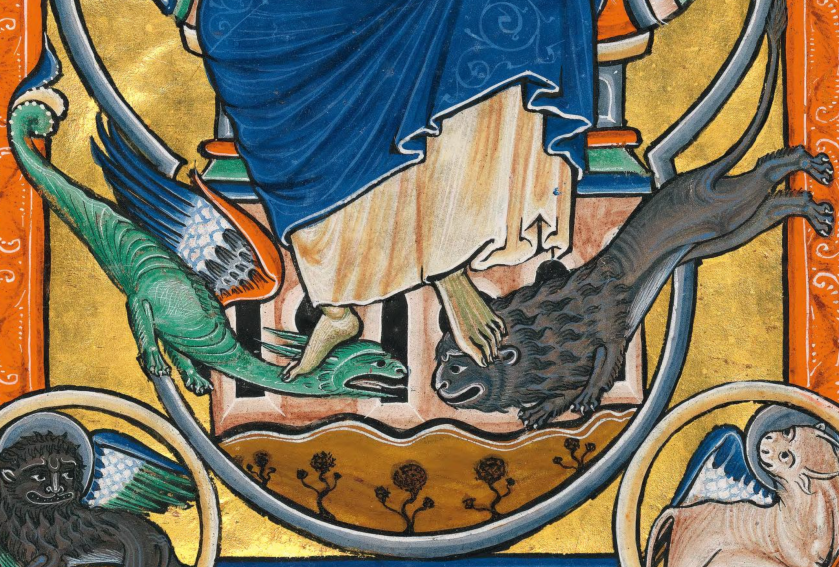

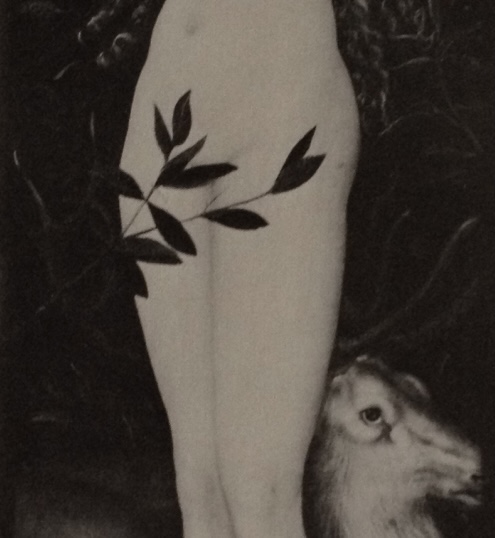

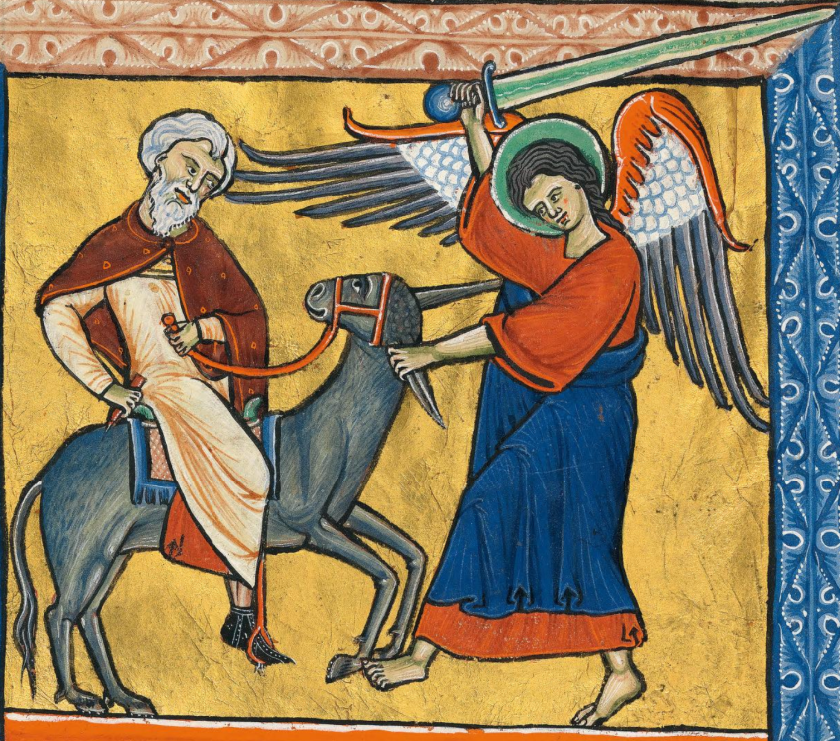

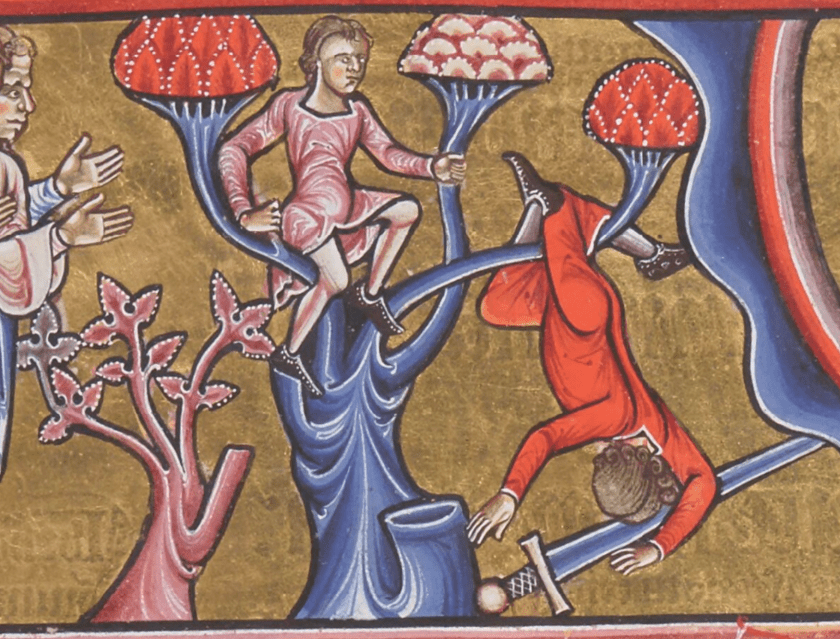
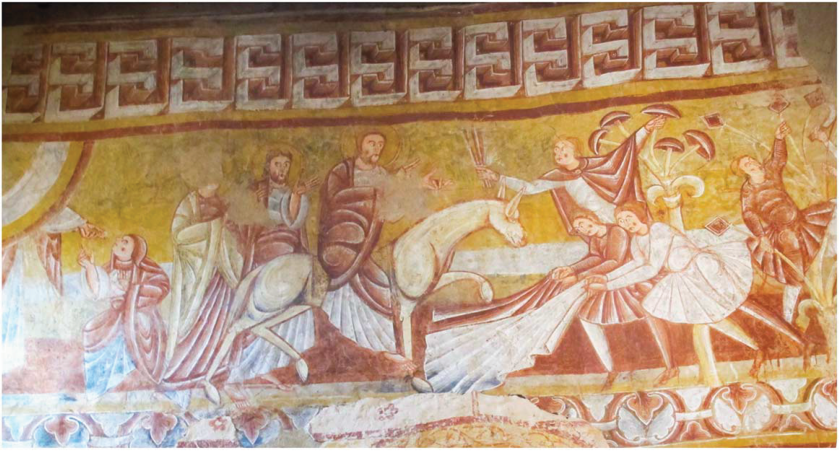
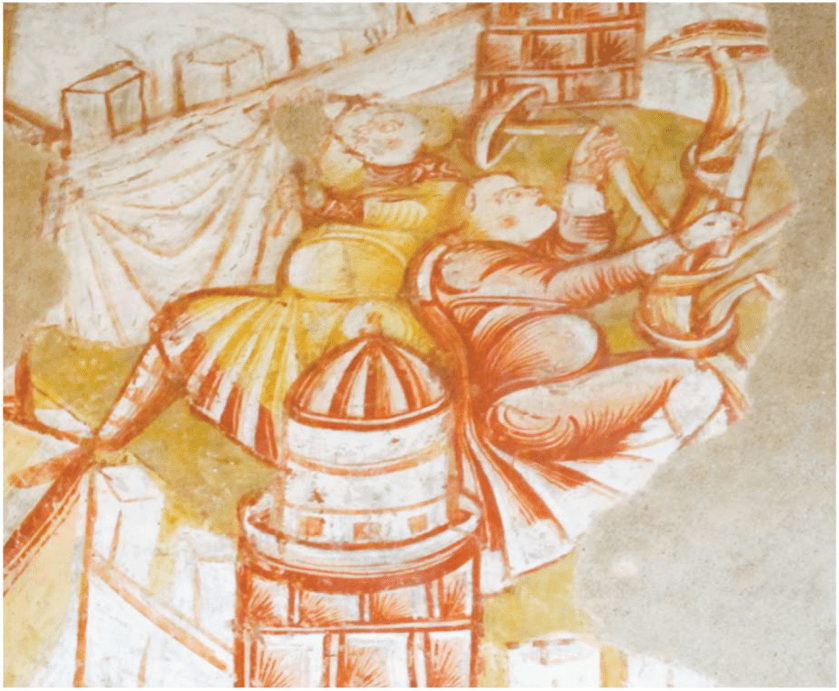
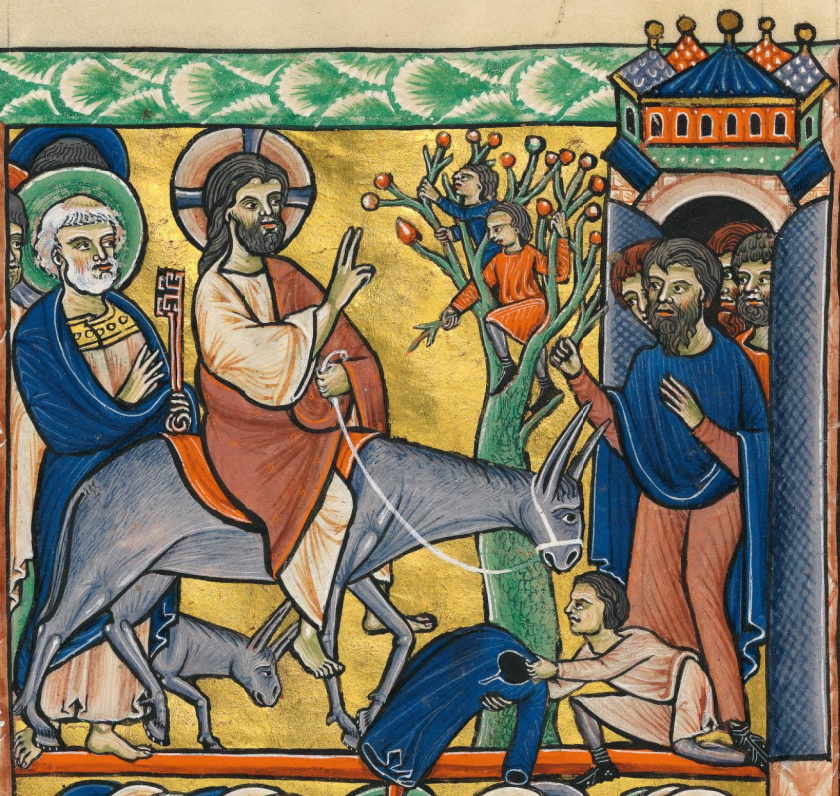
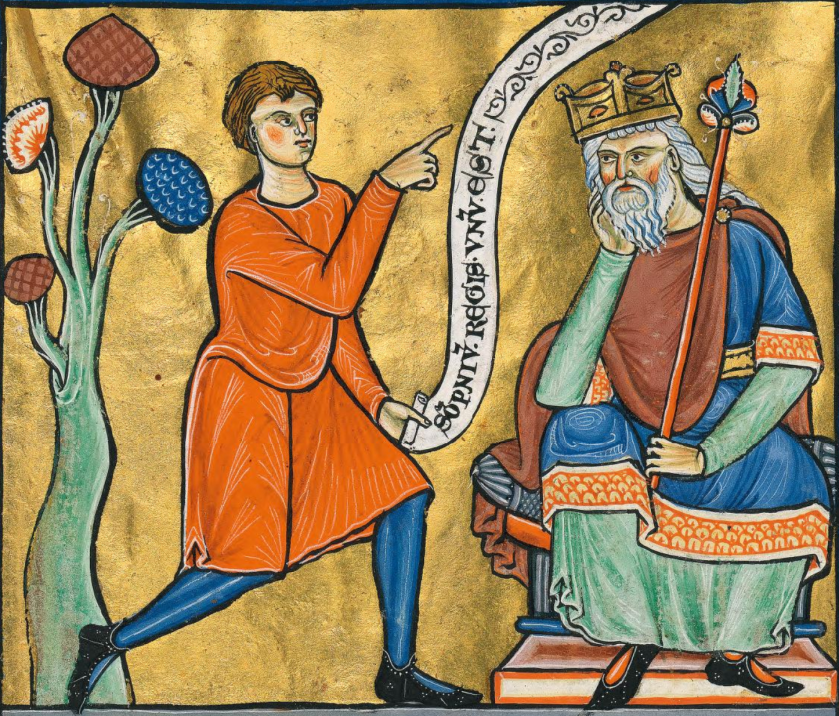
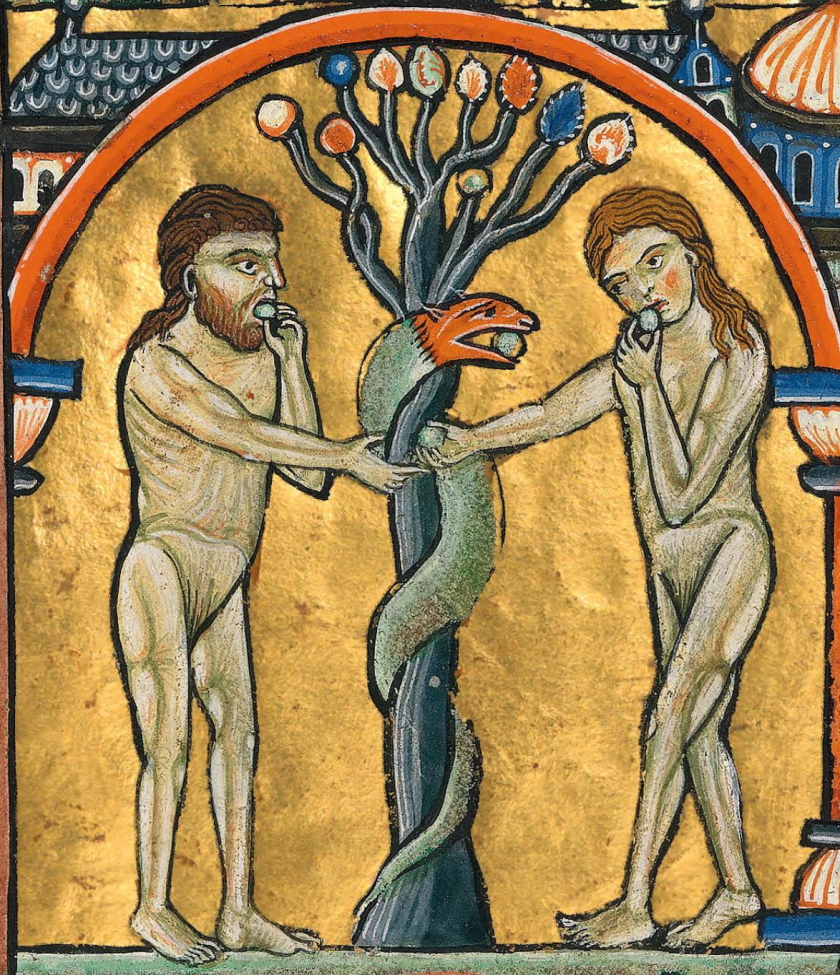
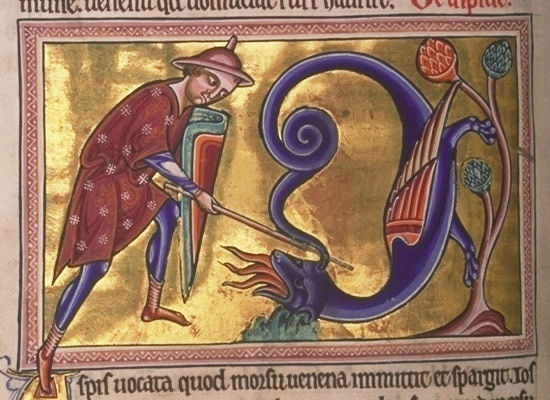

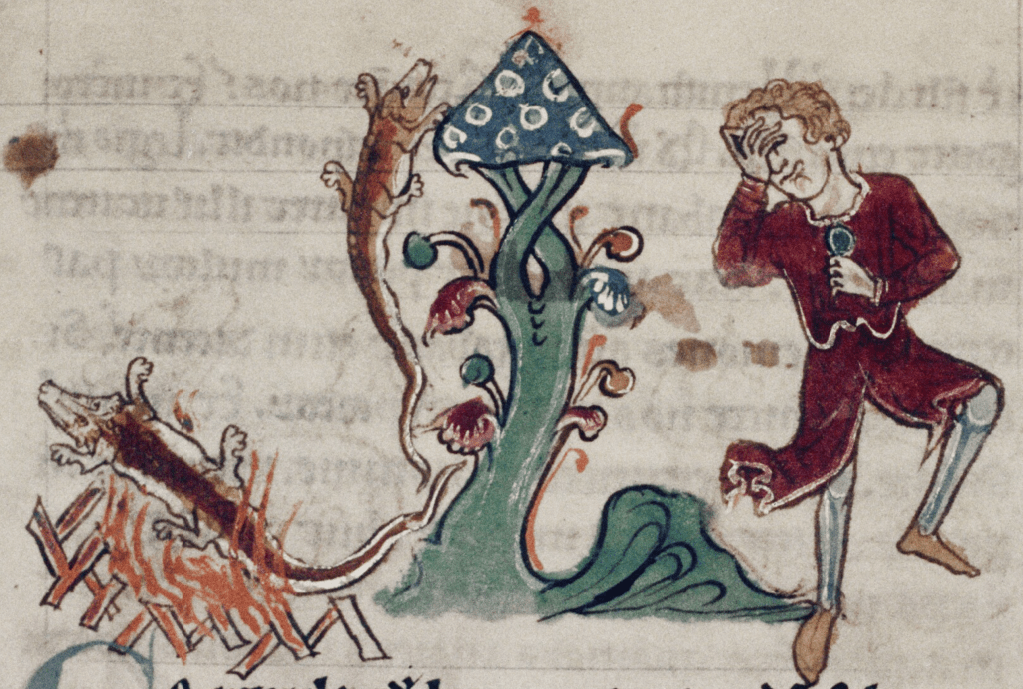
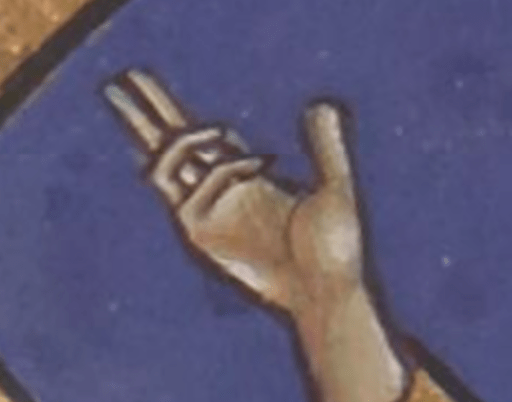
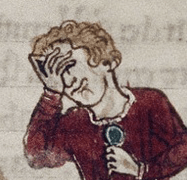
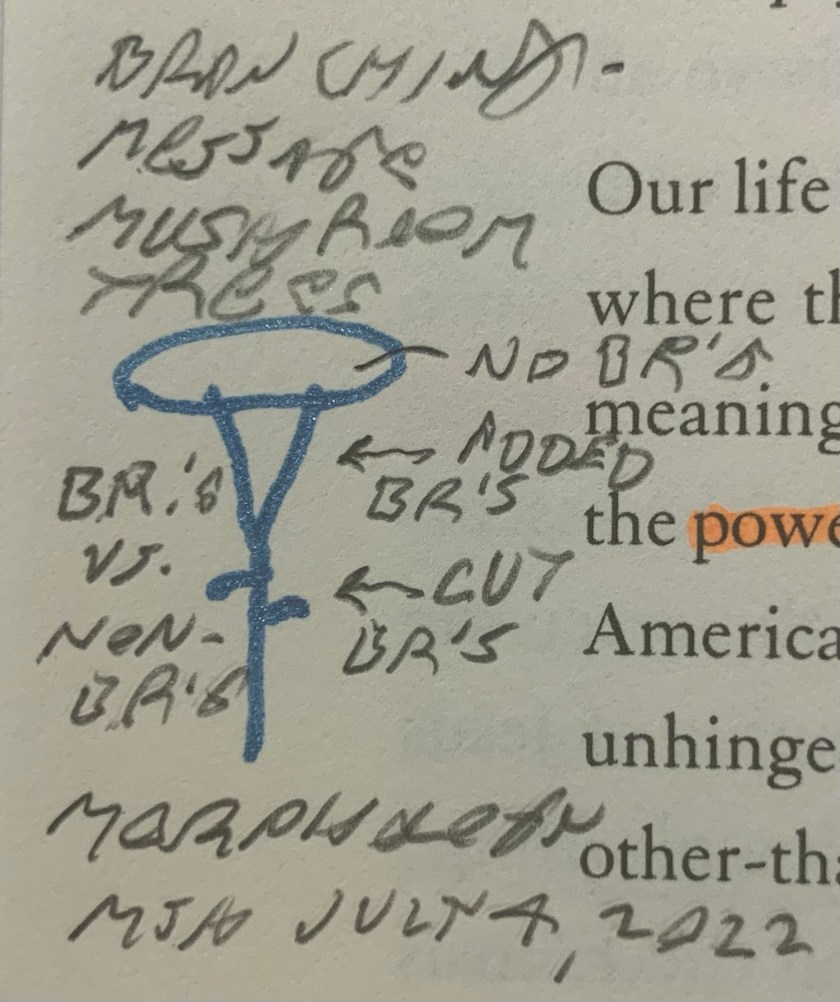
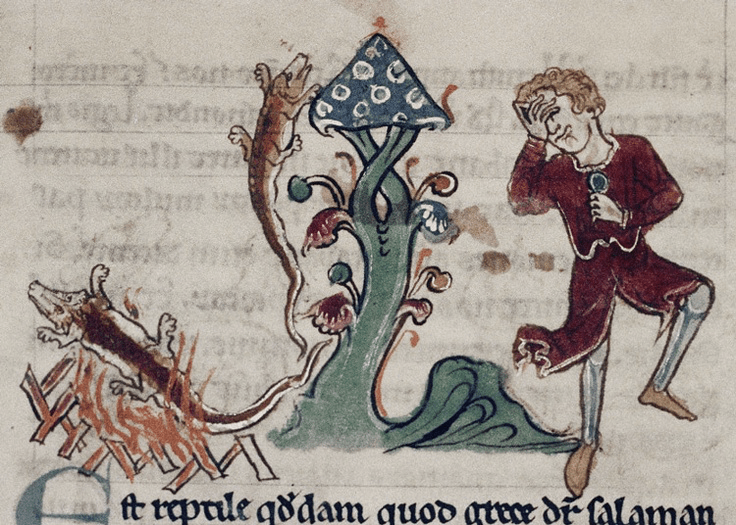
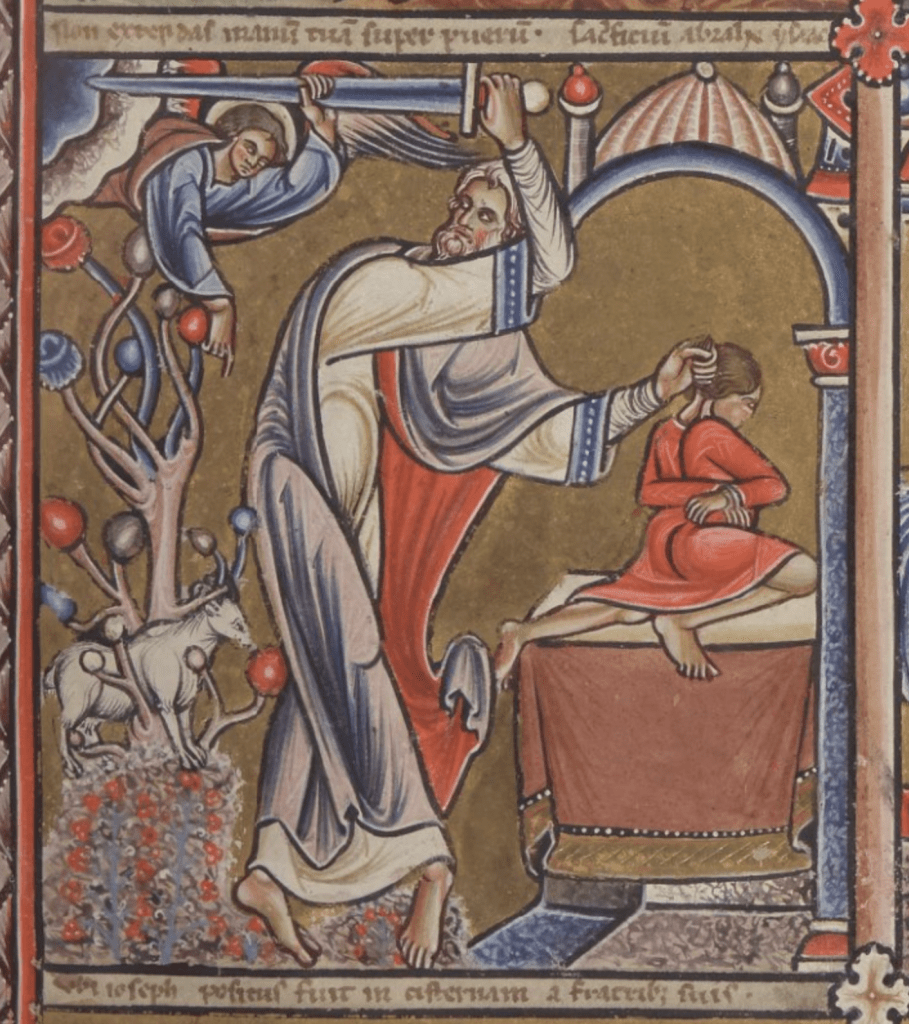
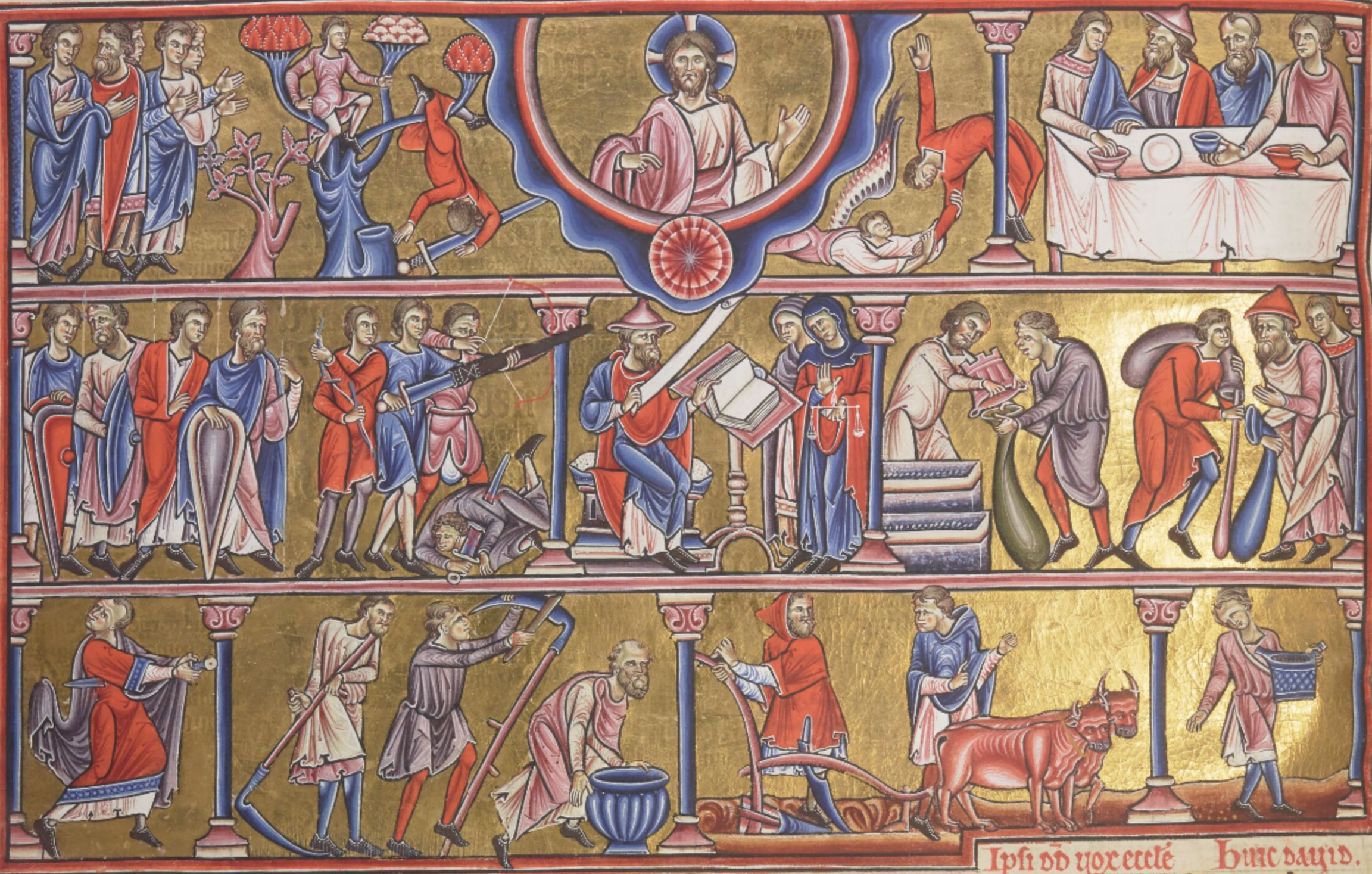



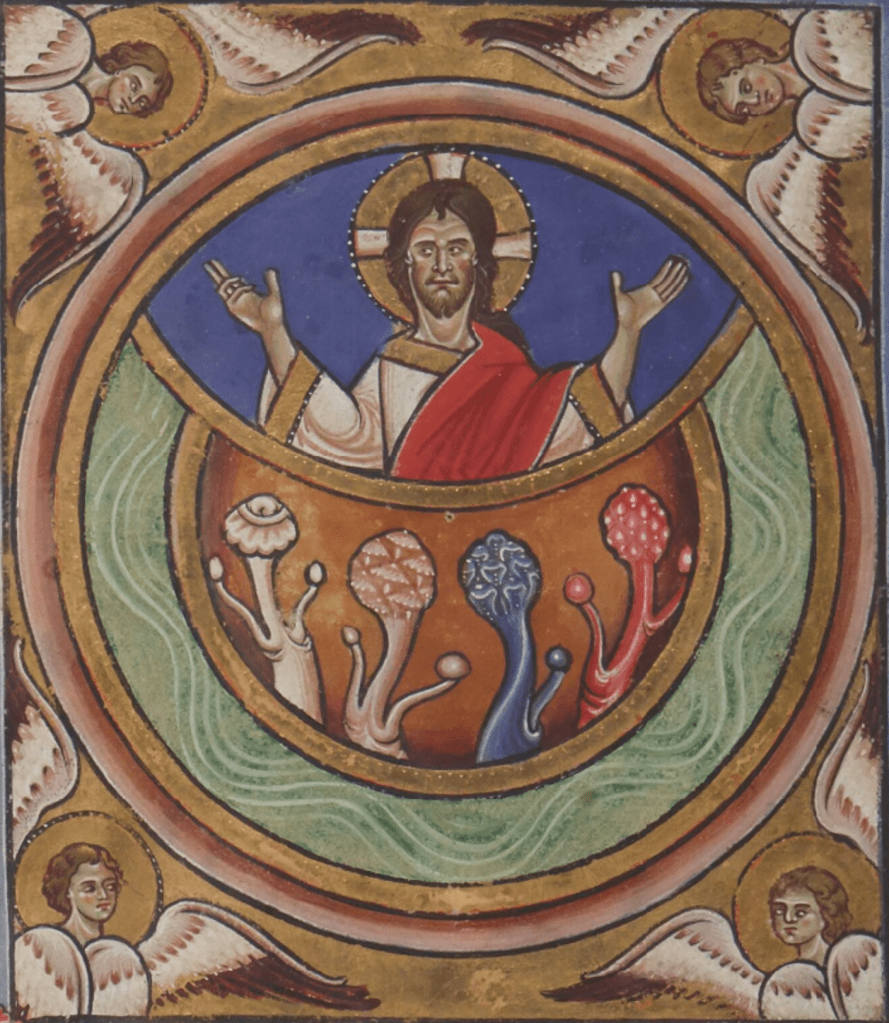
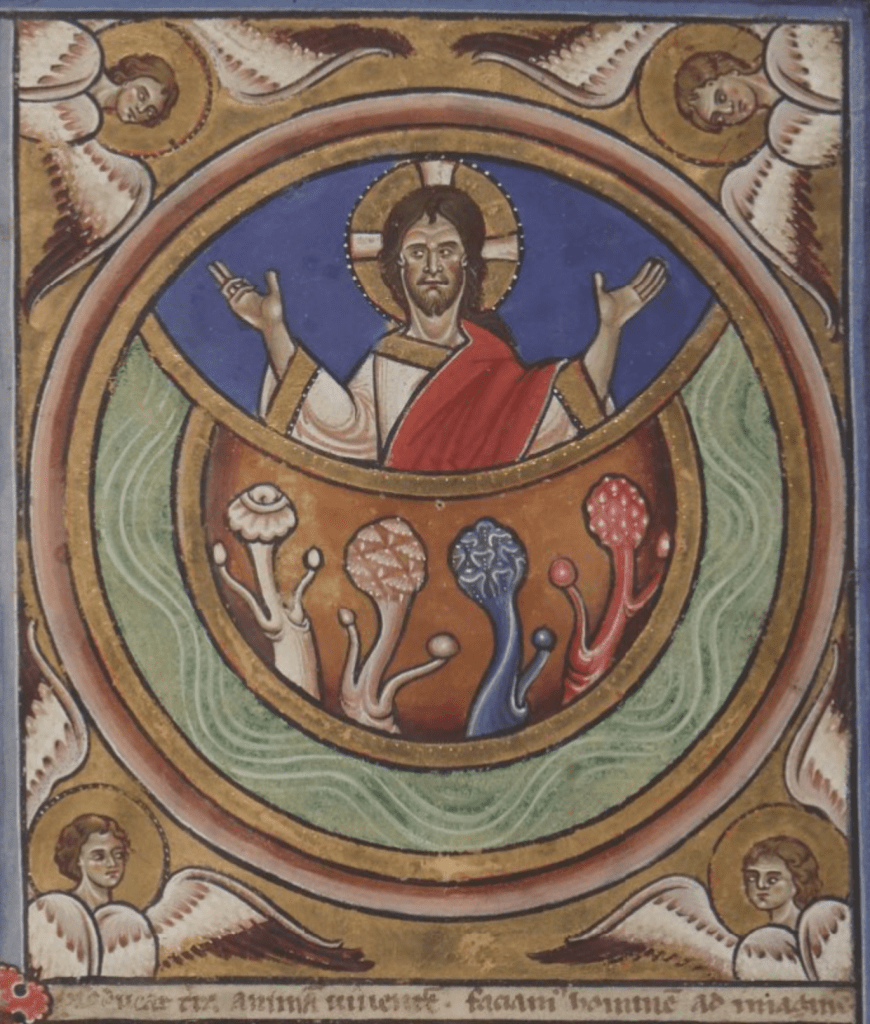
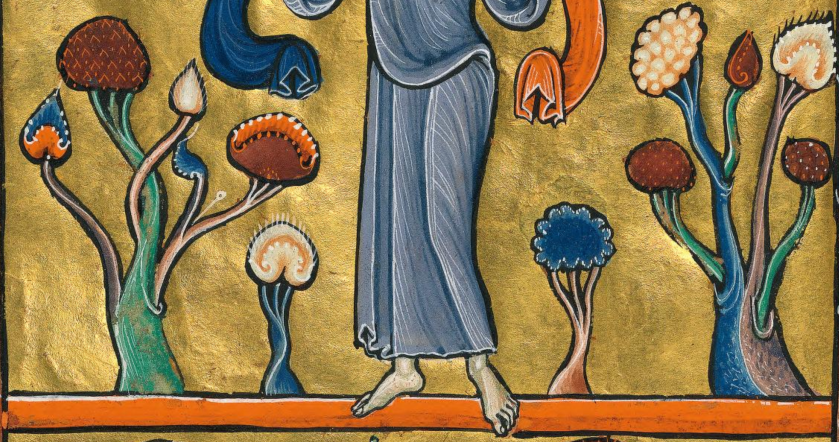
 😞
😞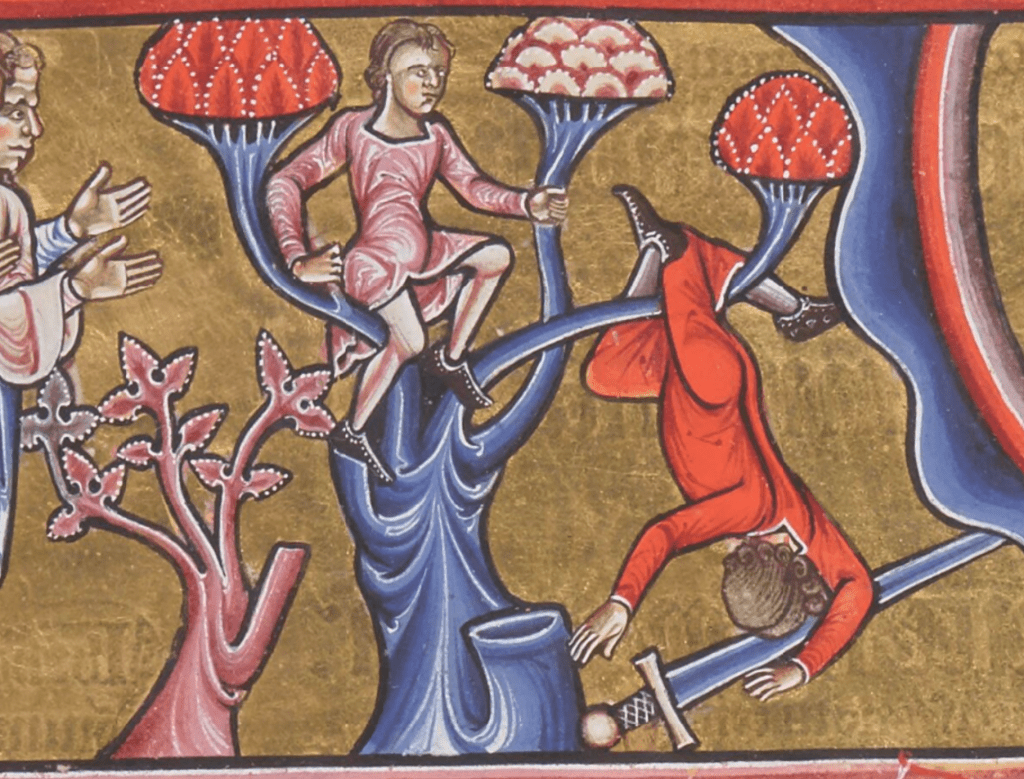
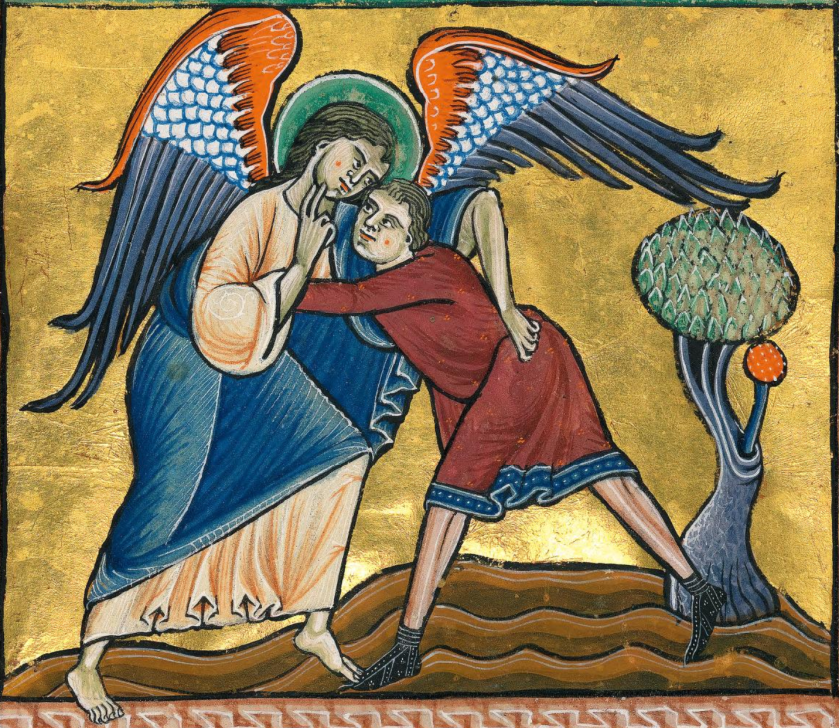
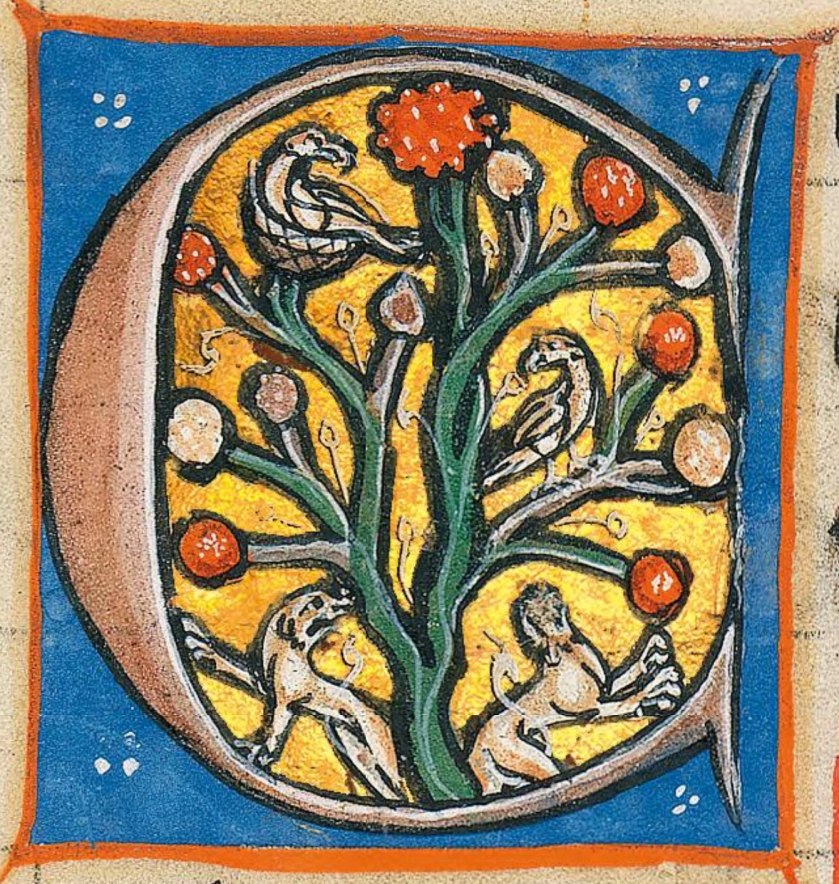
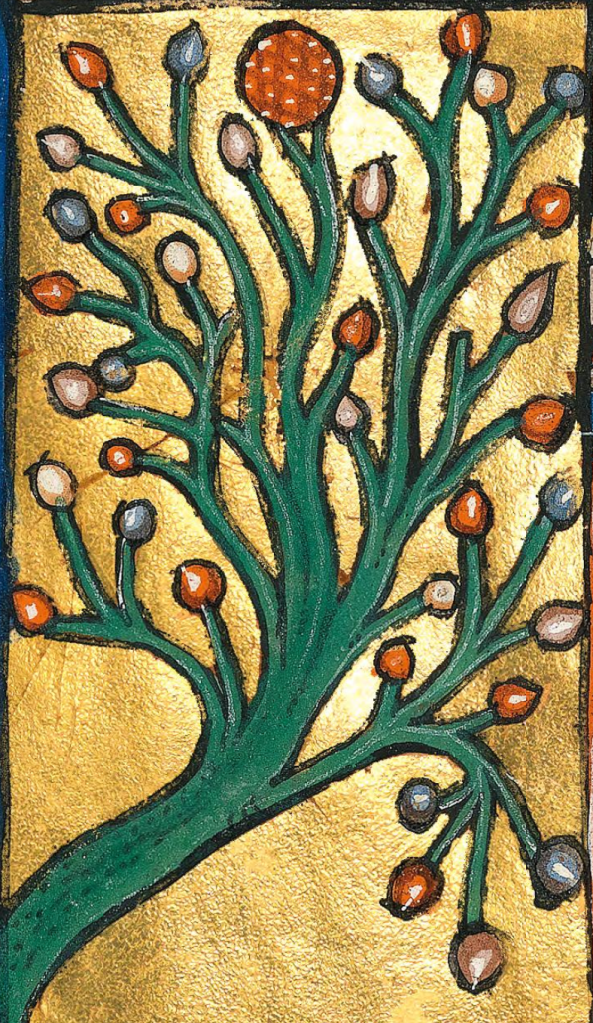

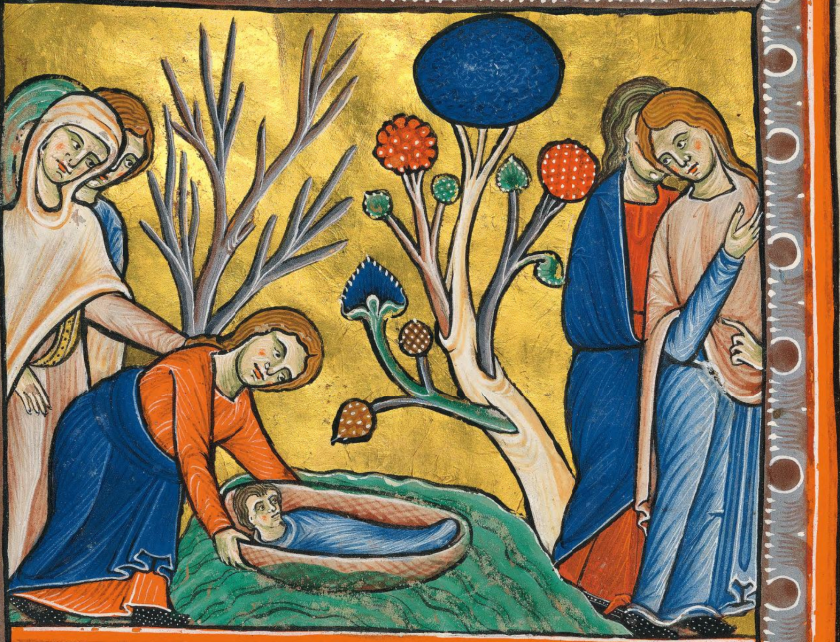
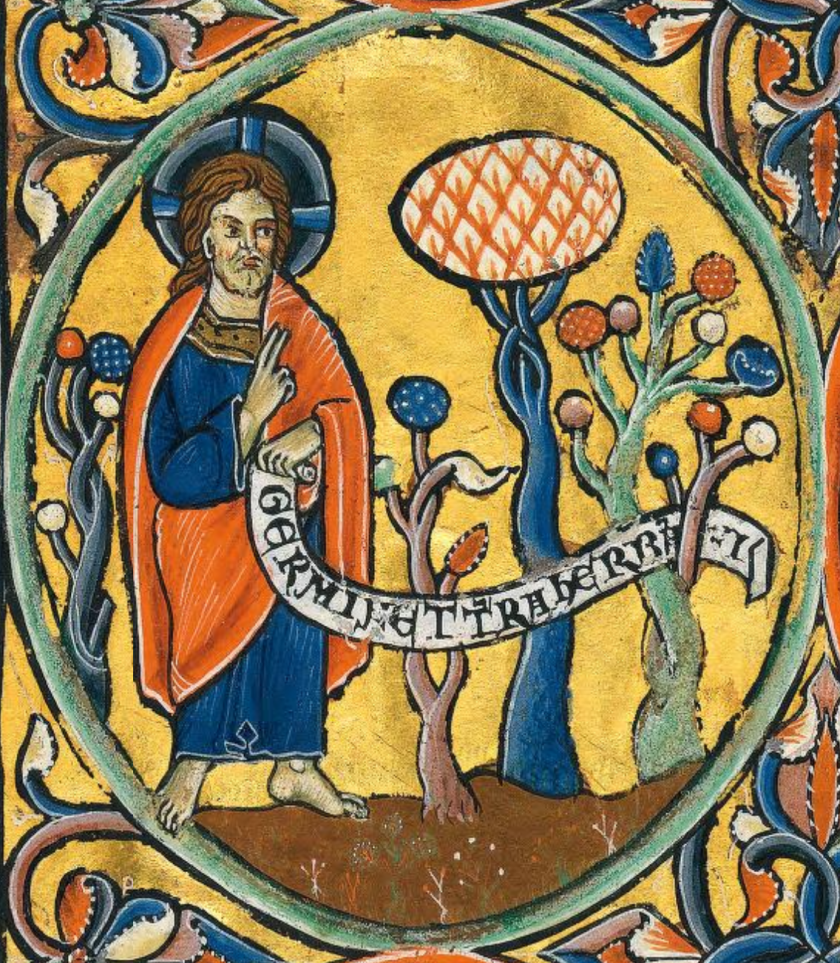
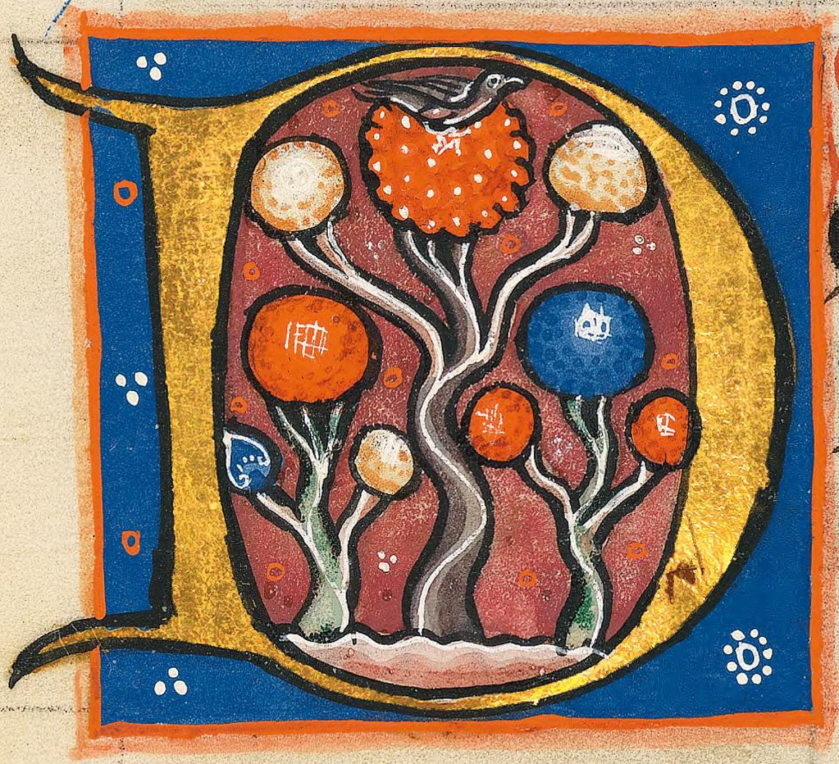
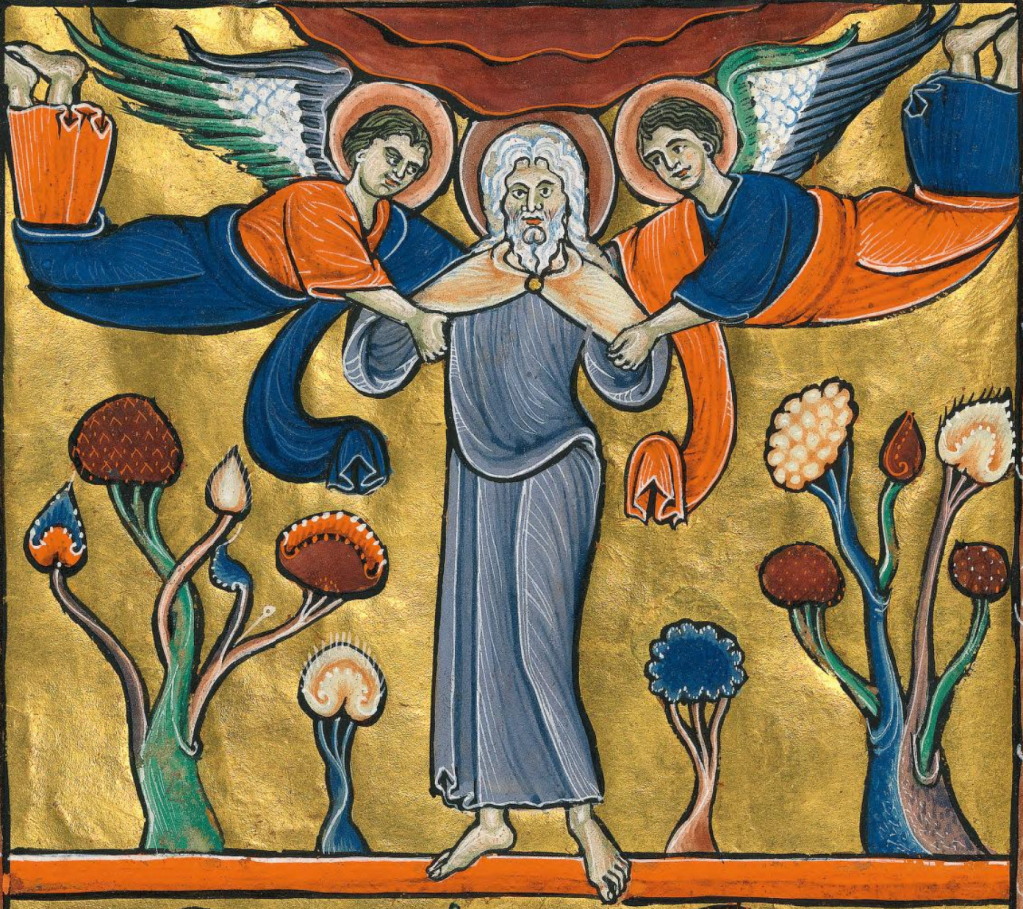
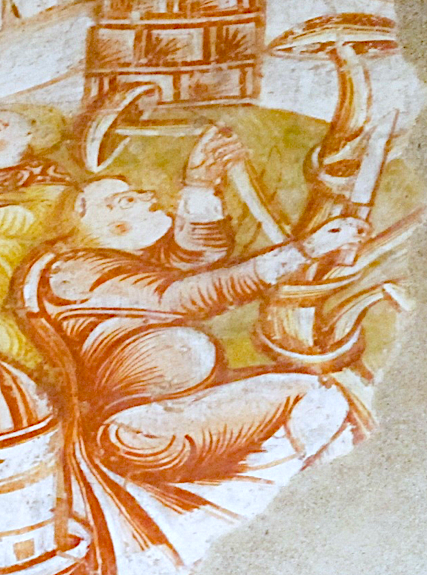
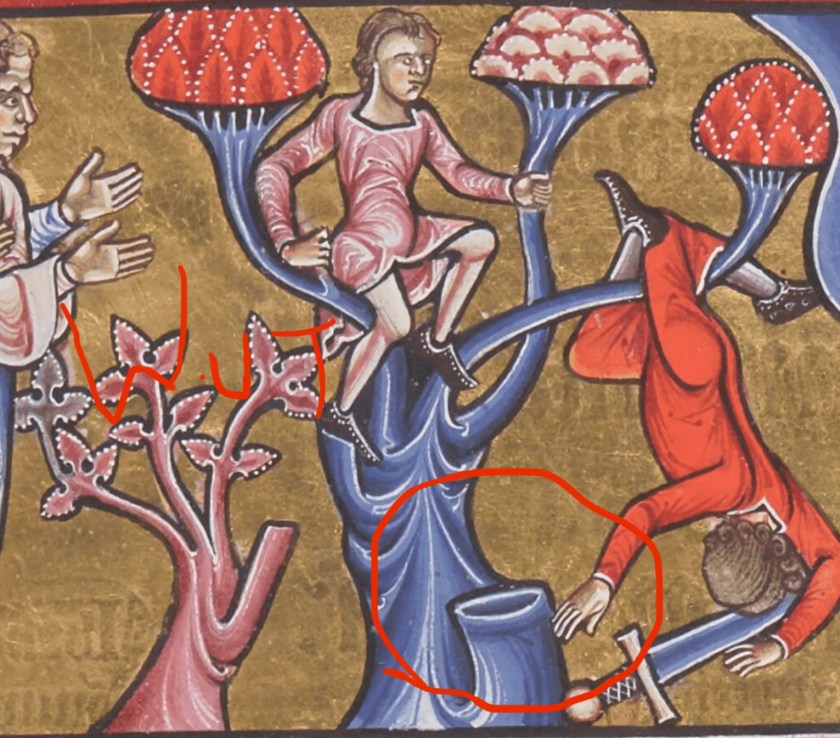

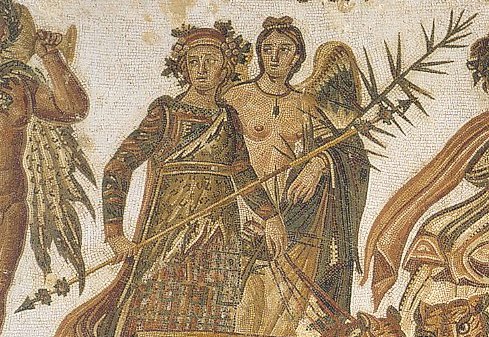
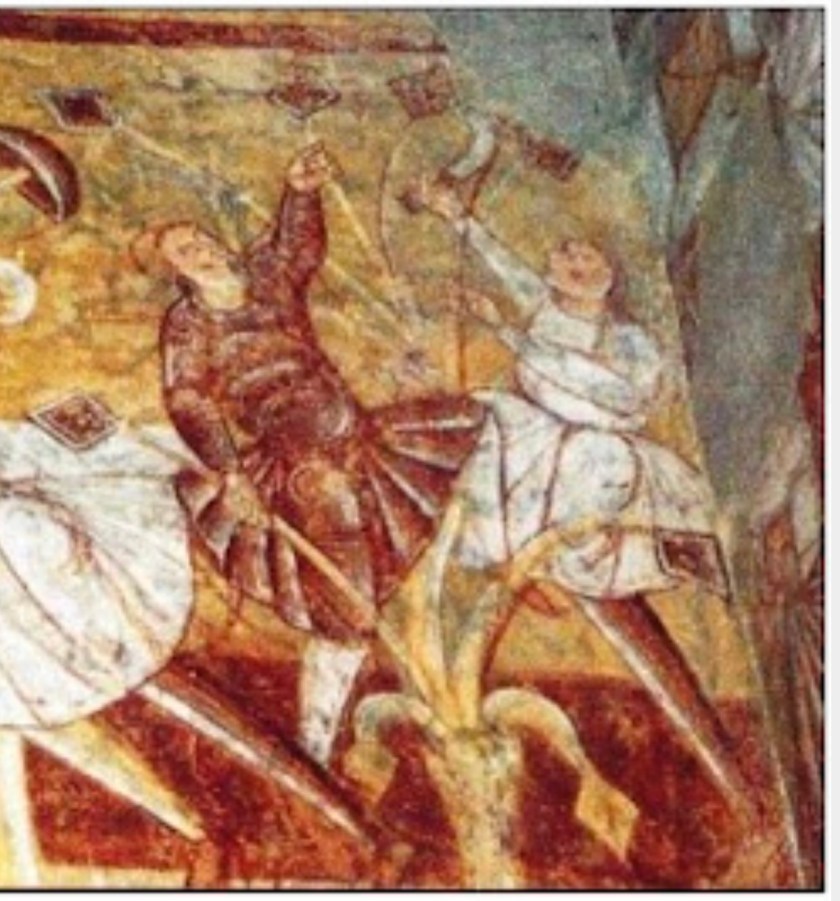

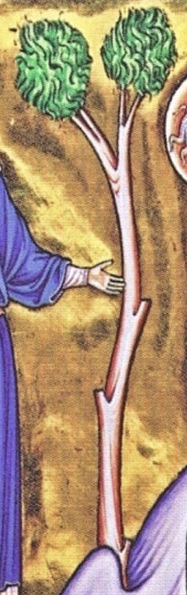
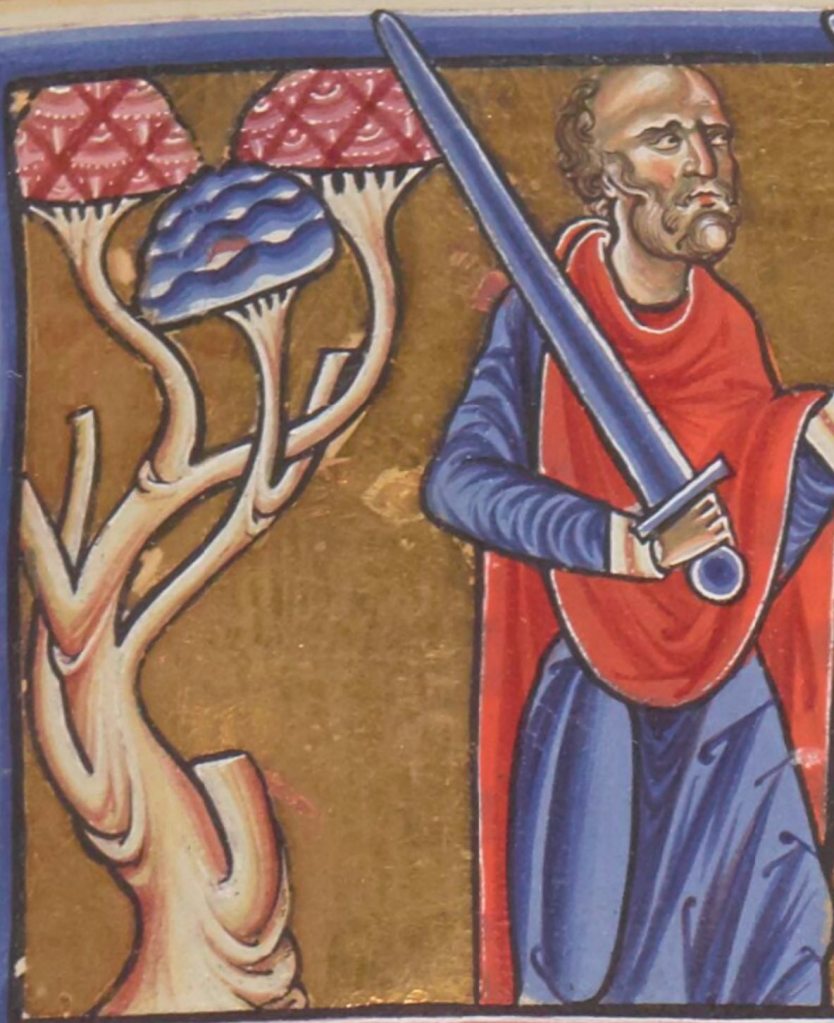
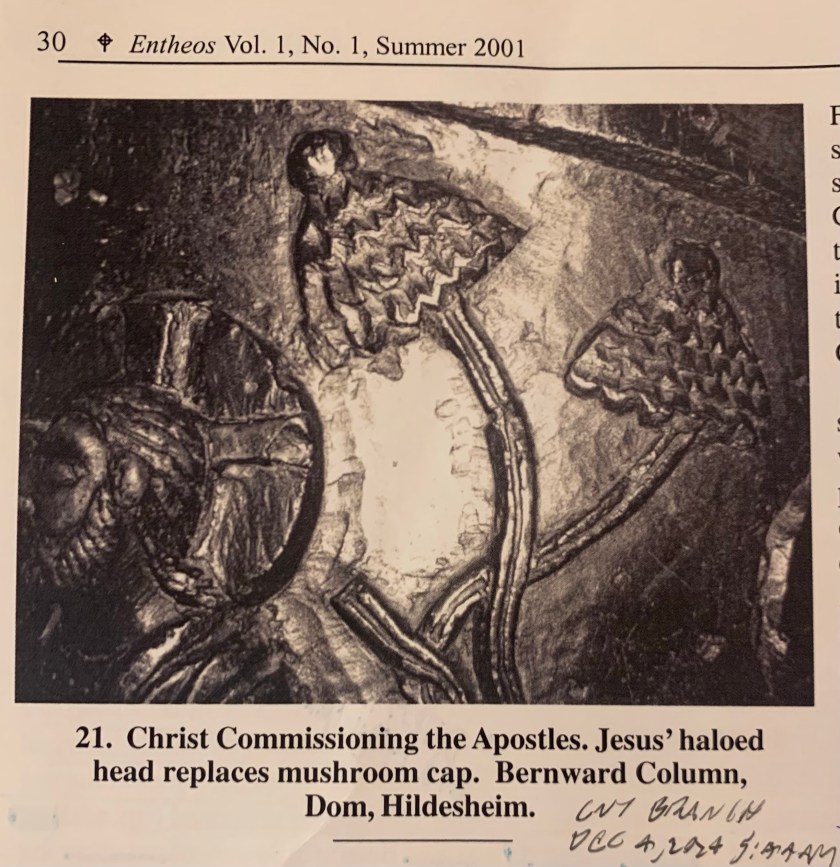
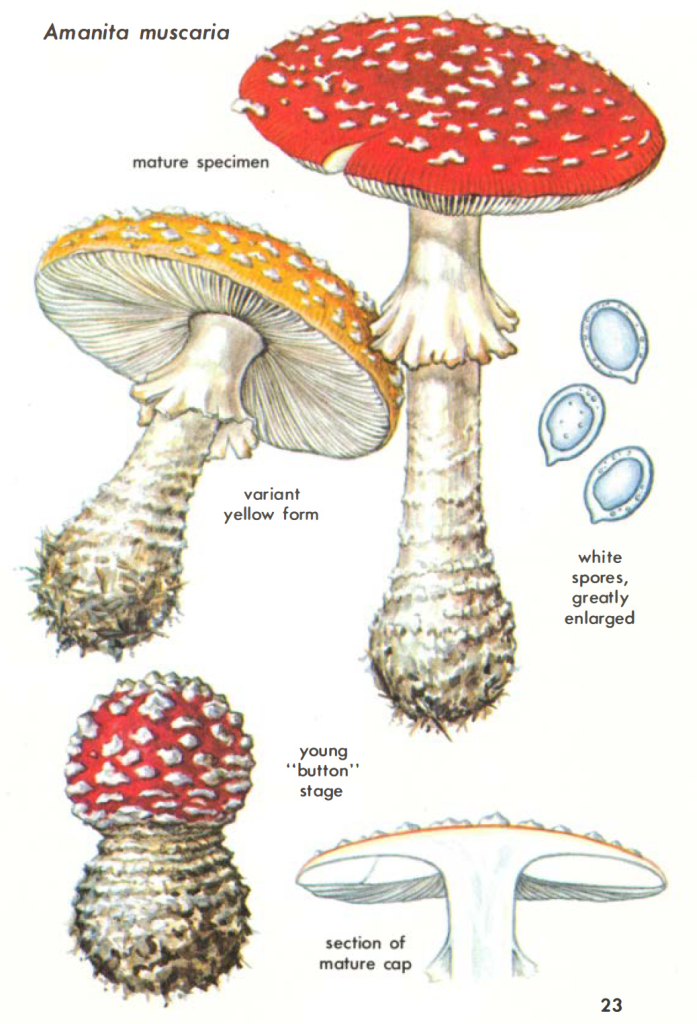
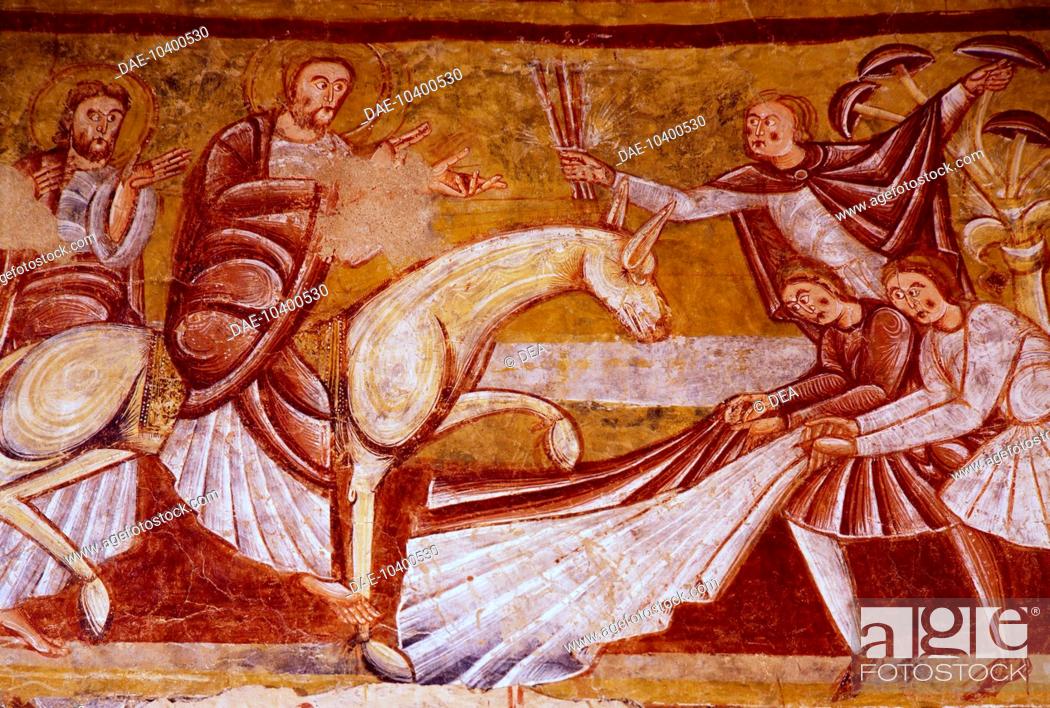
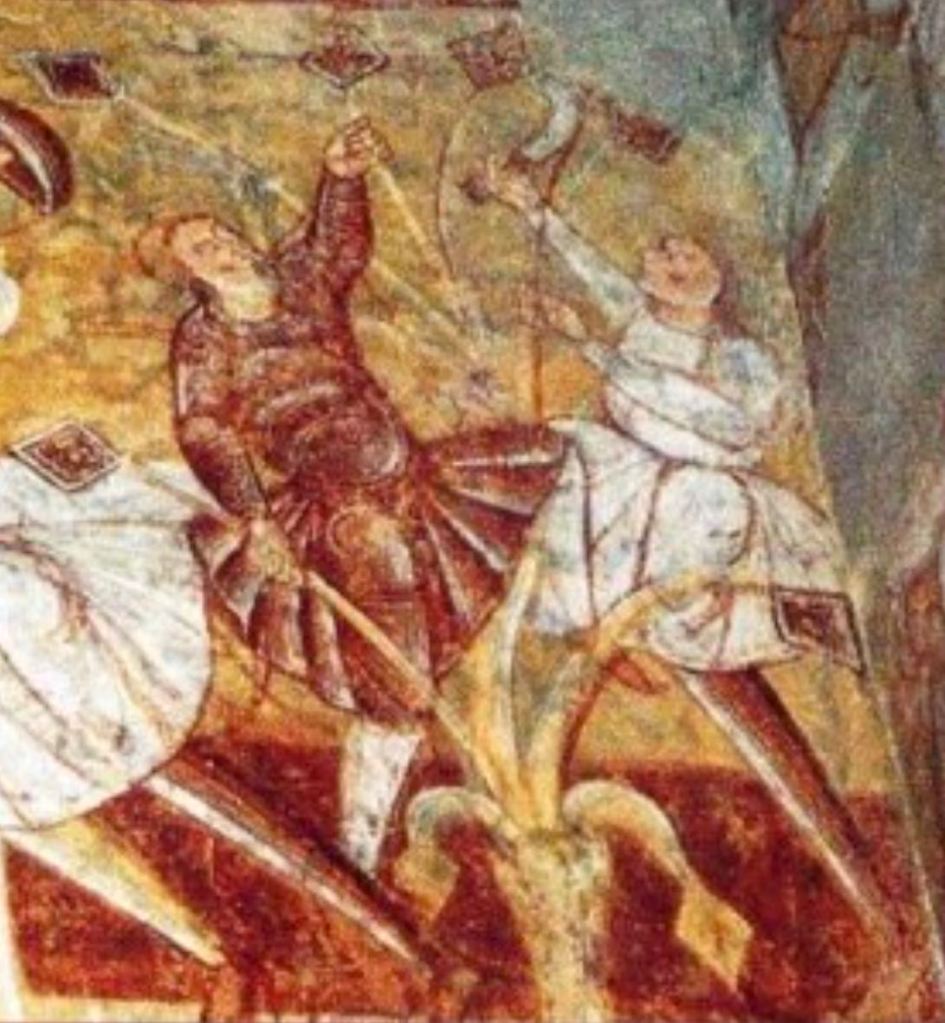
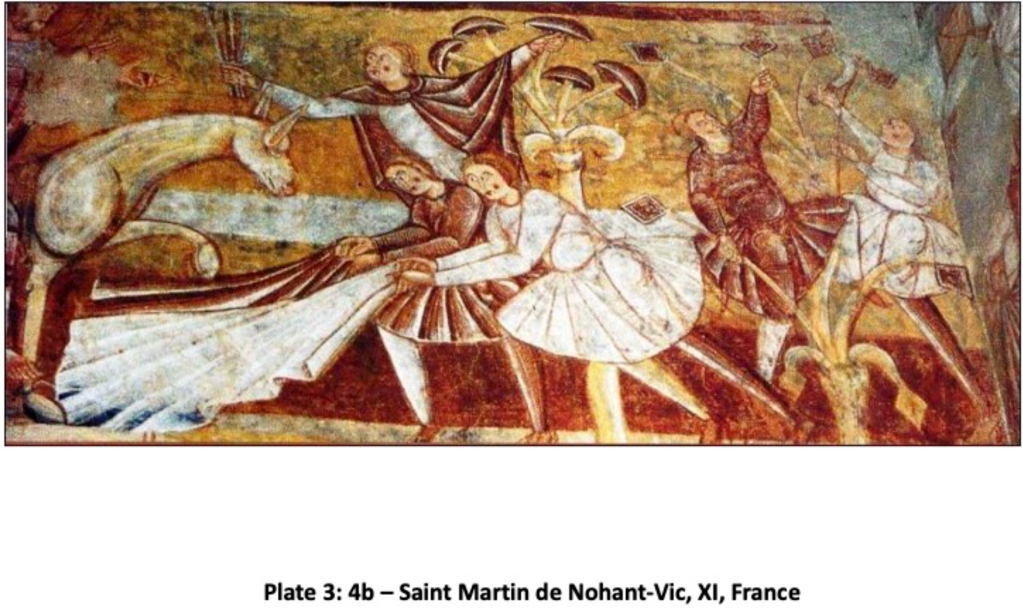
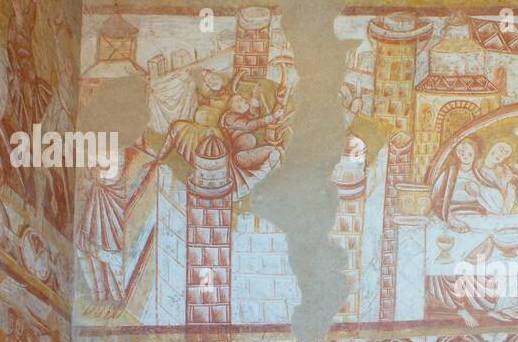
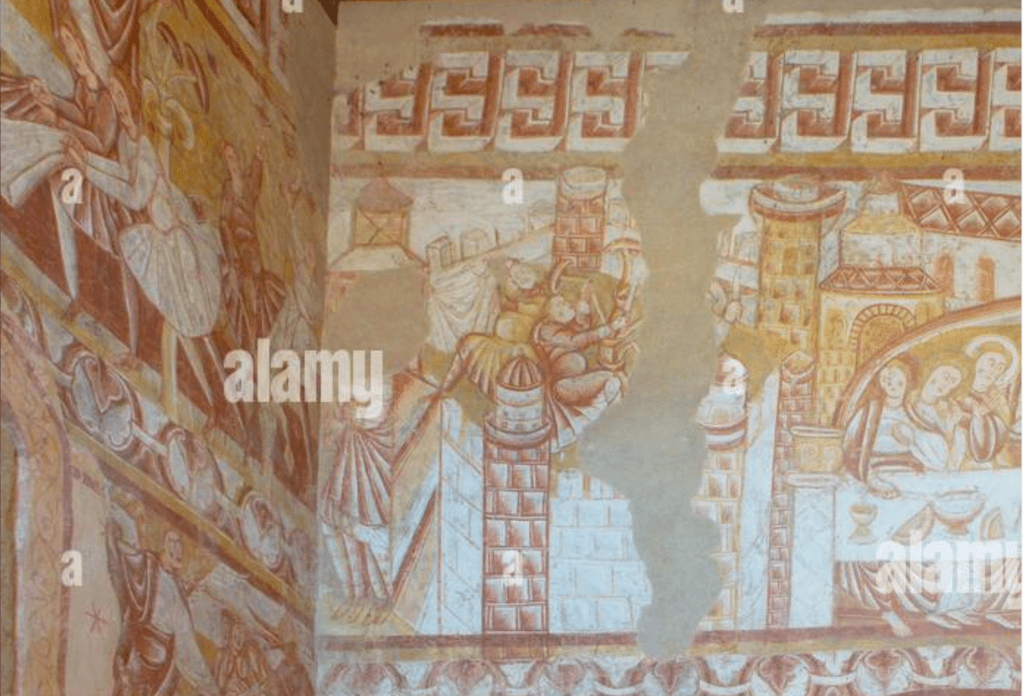
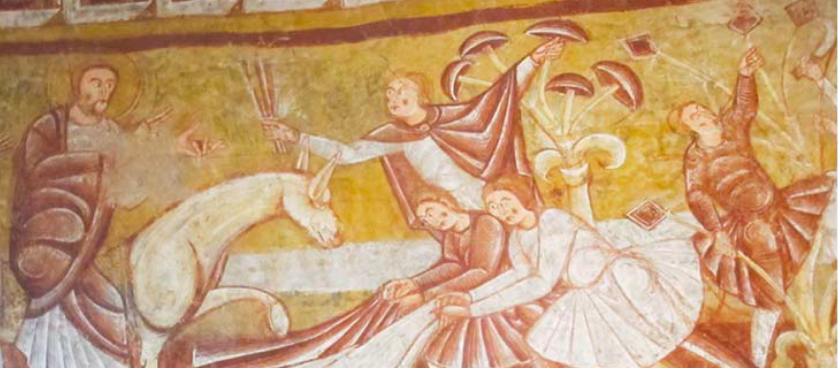
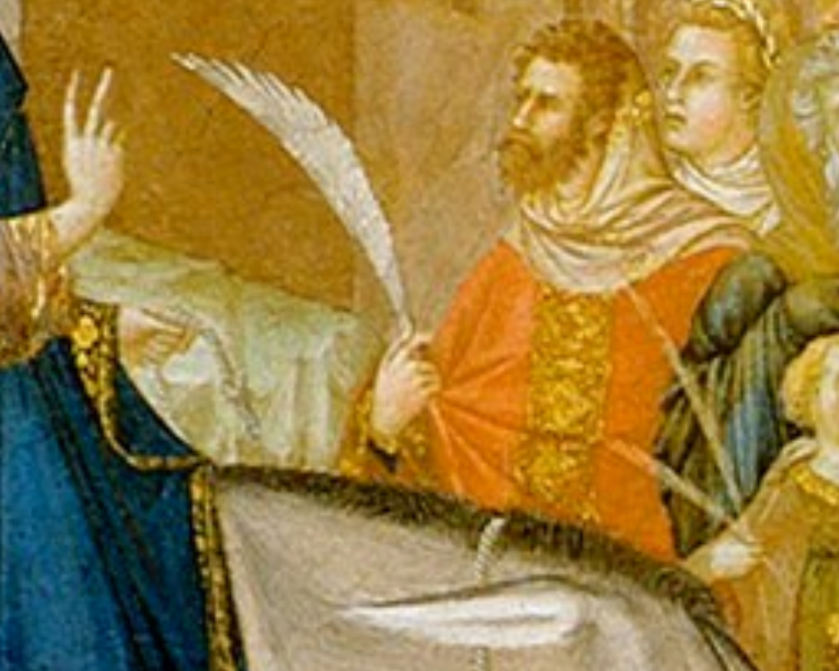

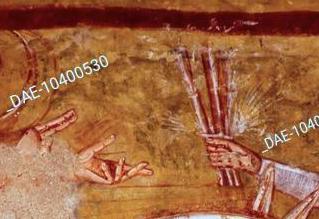
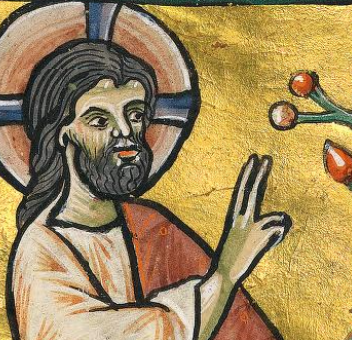


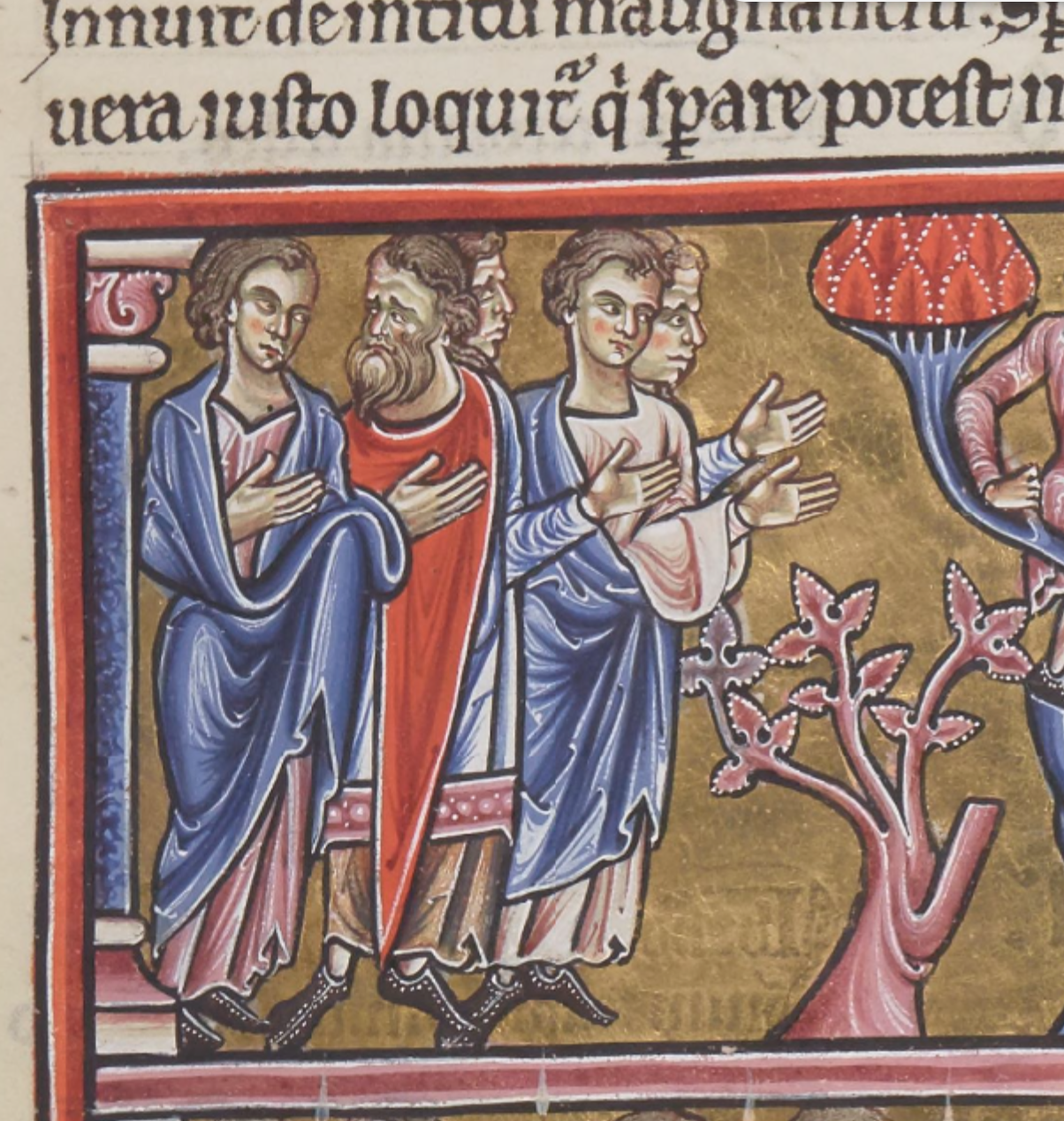
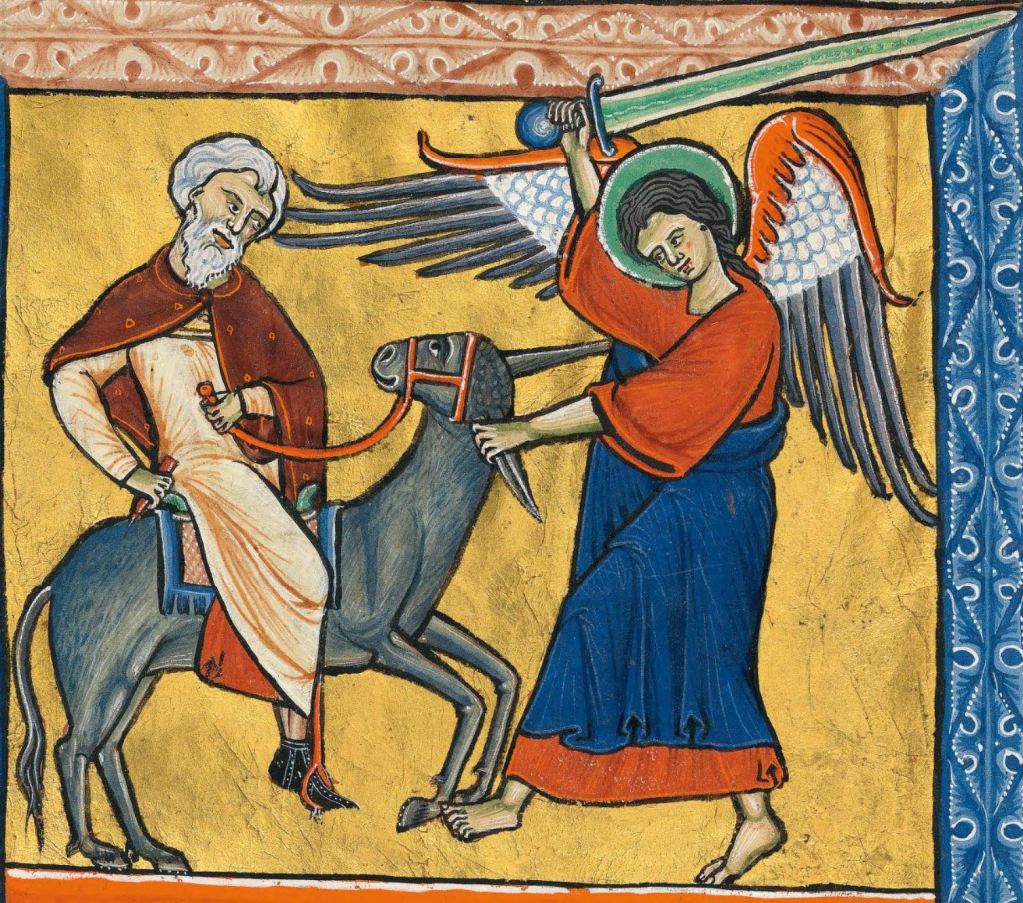
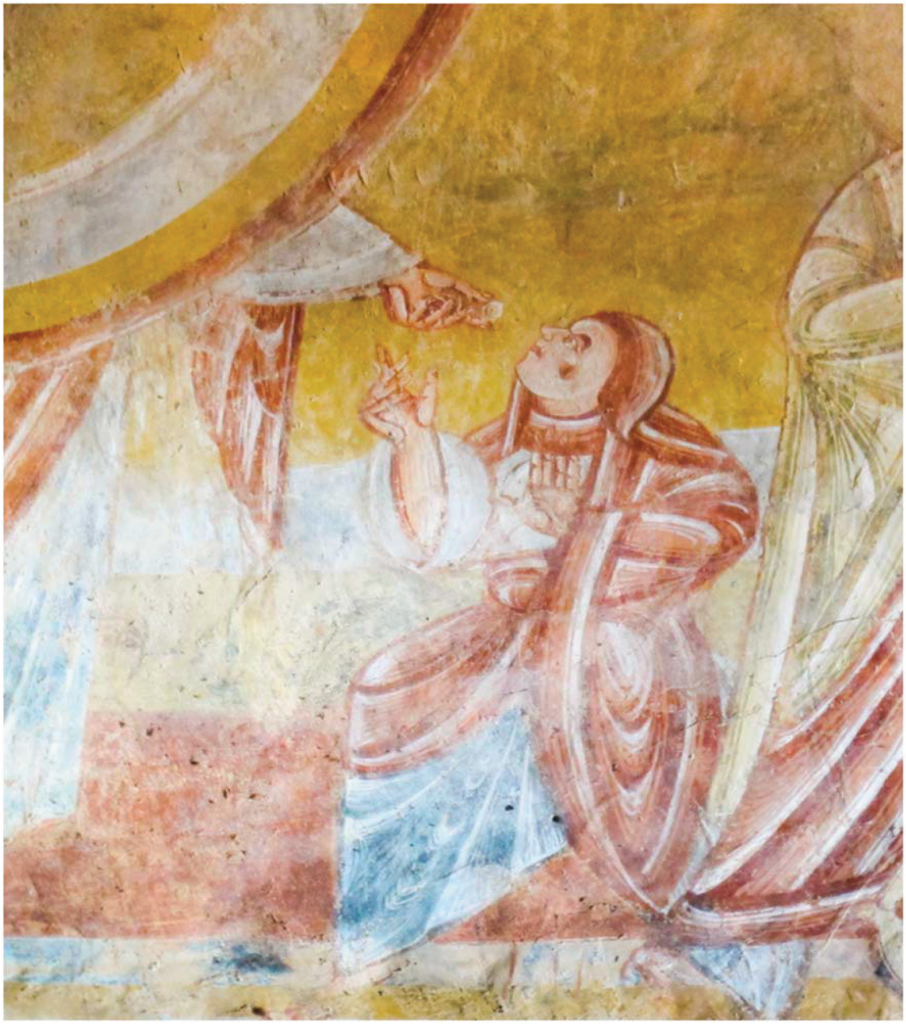
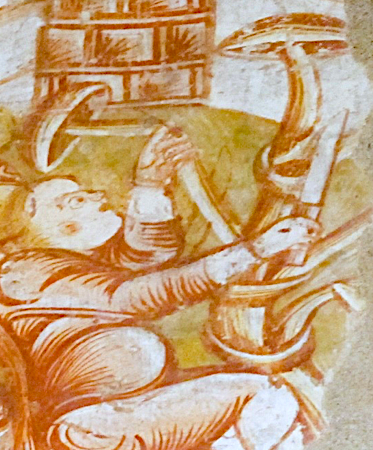
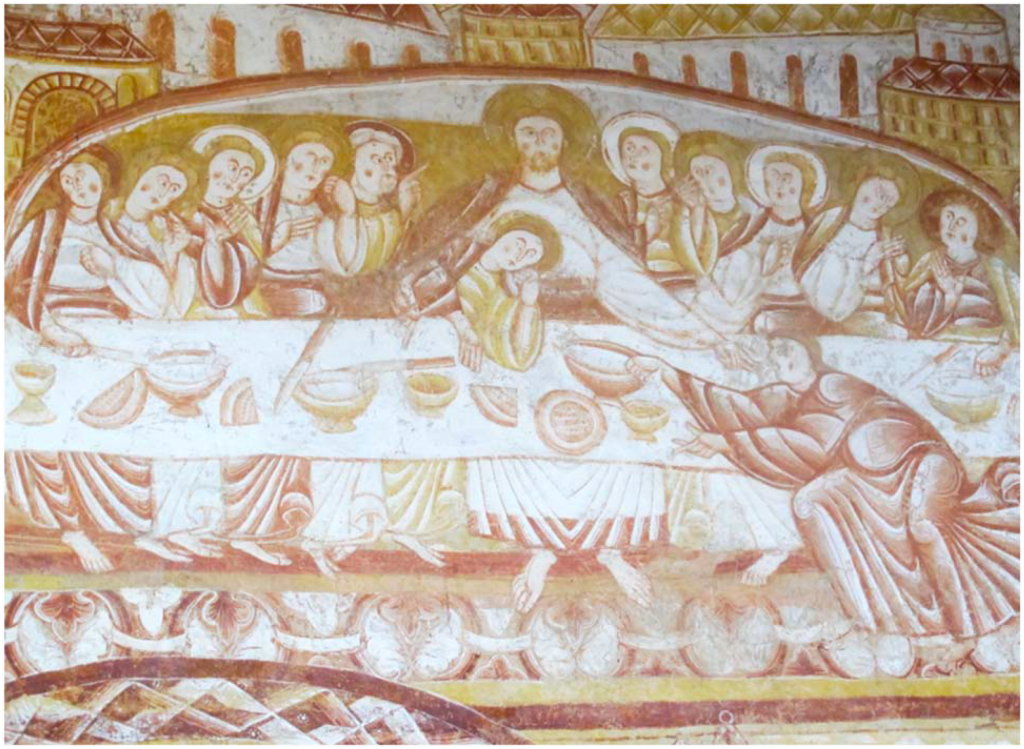
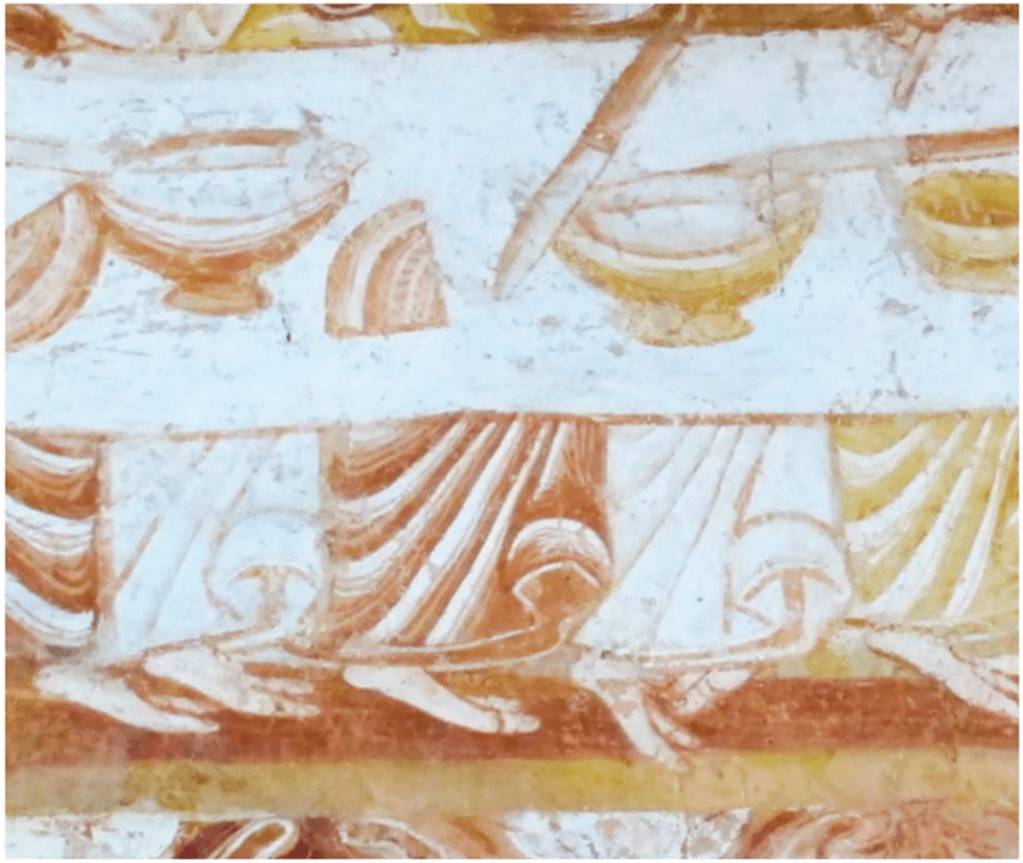
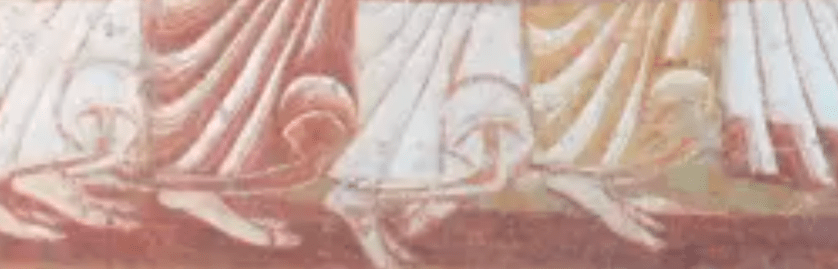
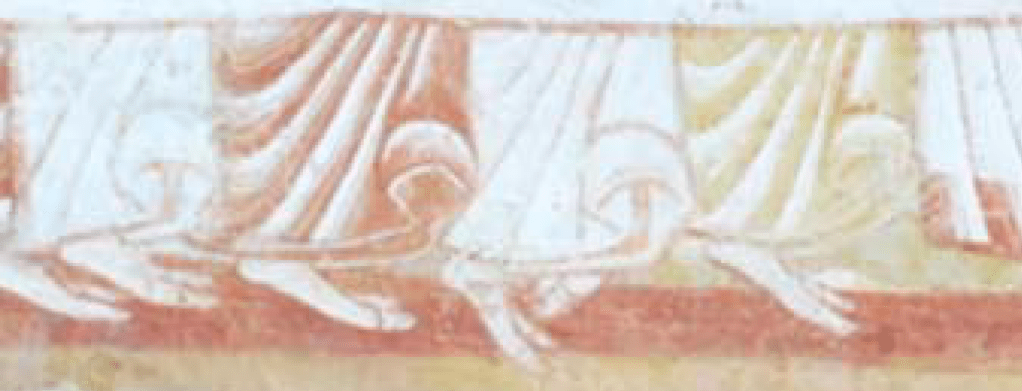
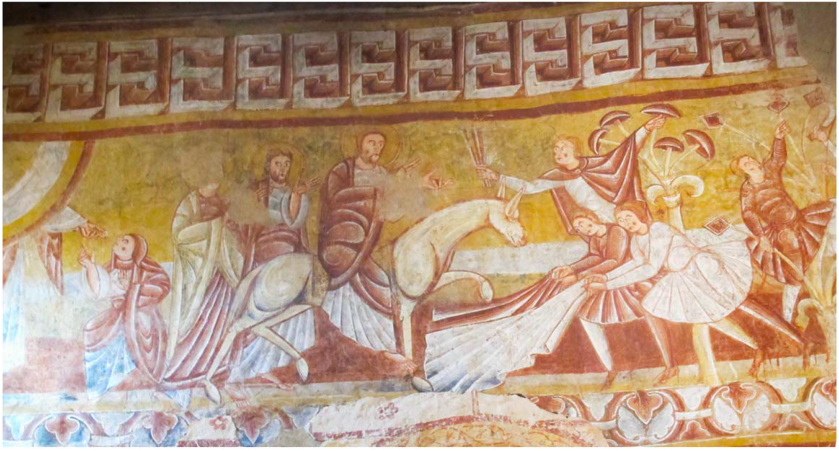

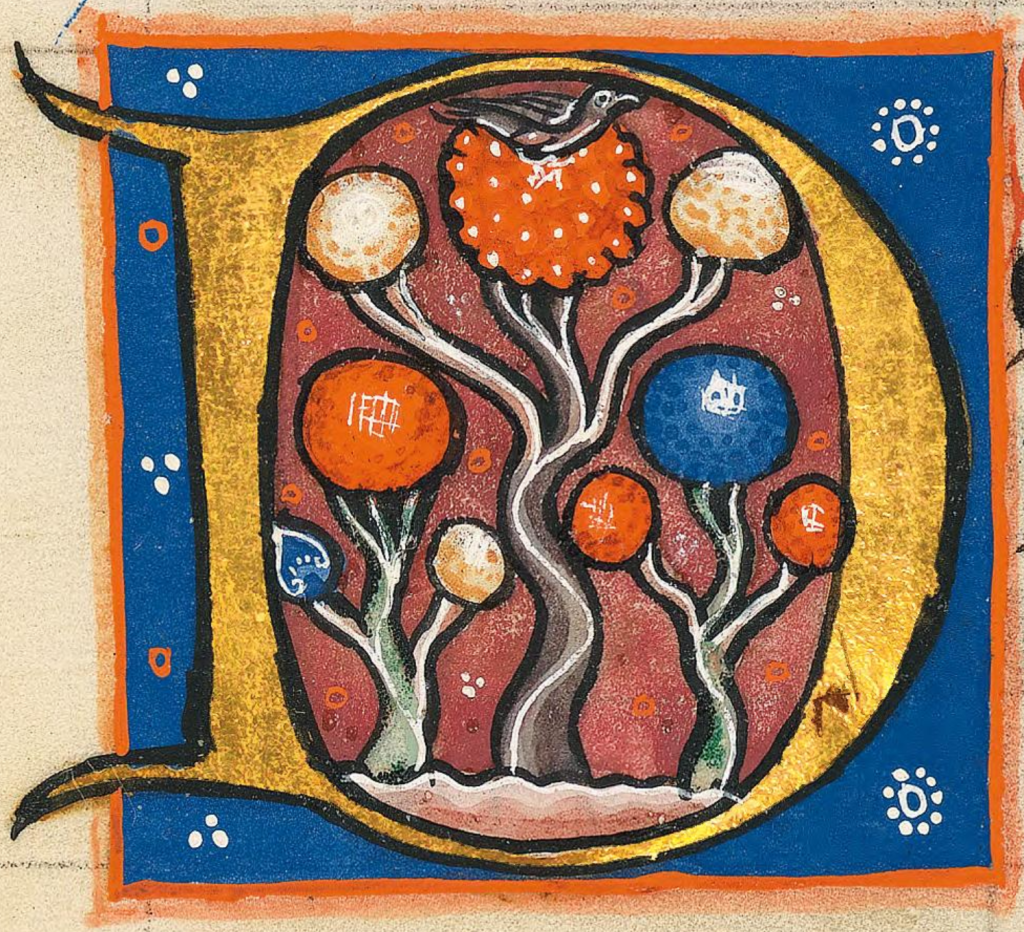

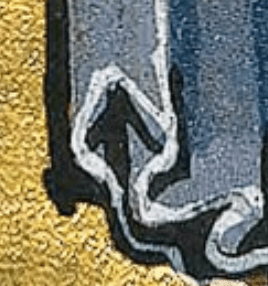

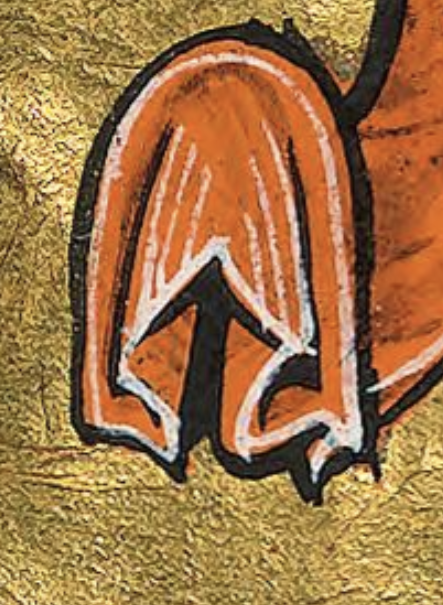
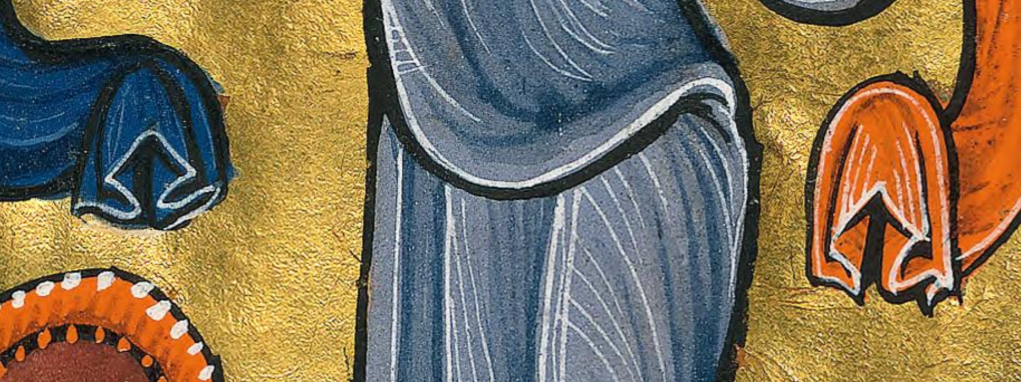
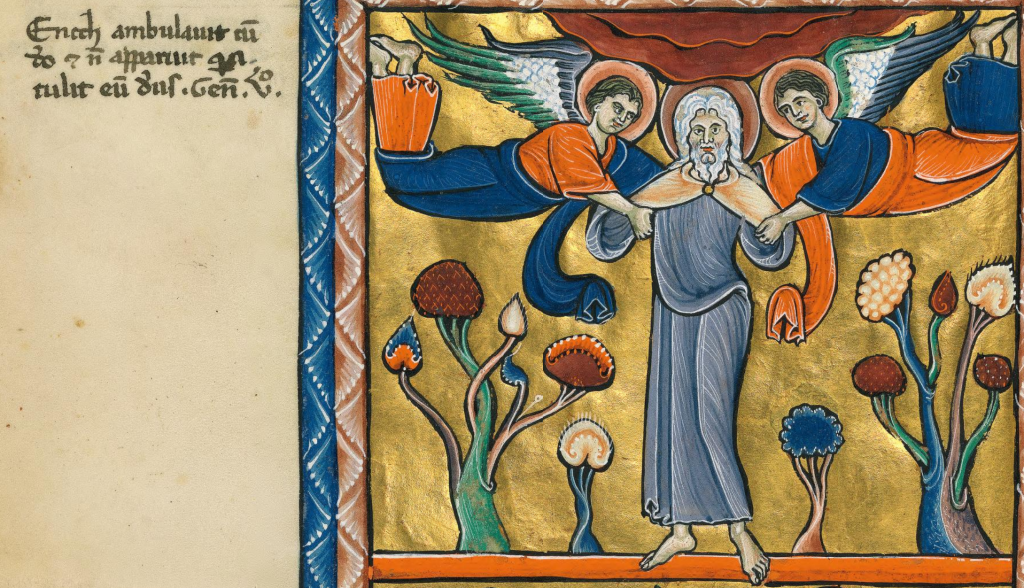


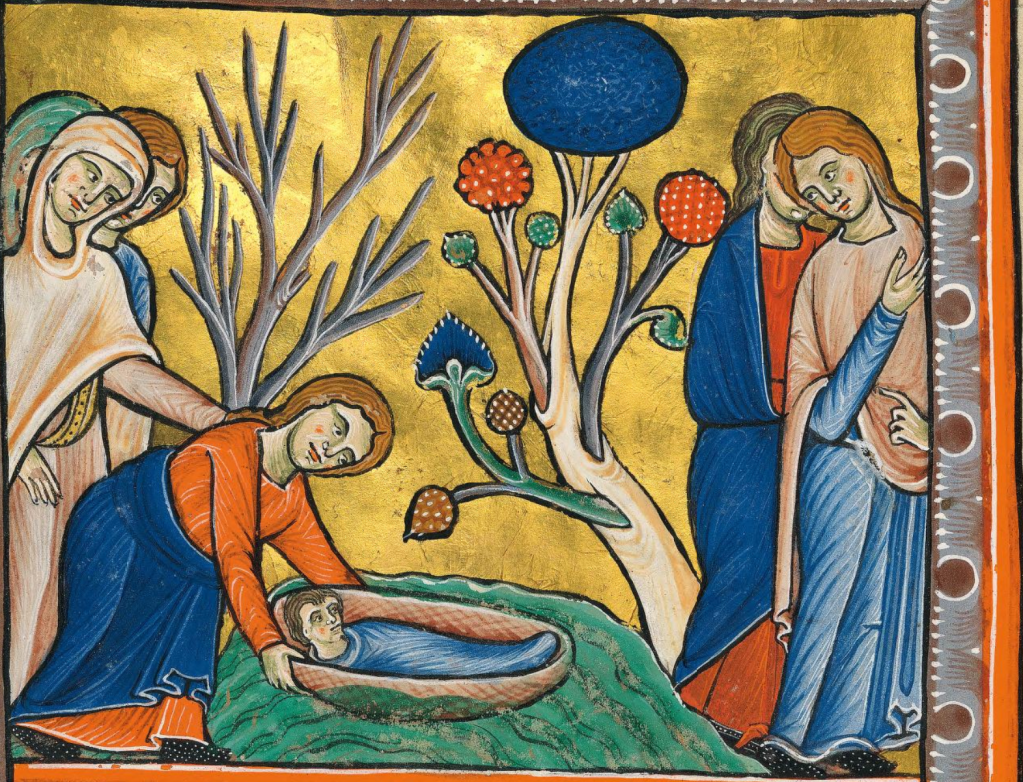
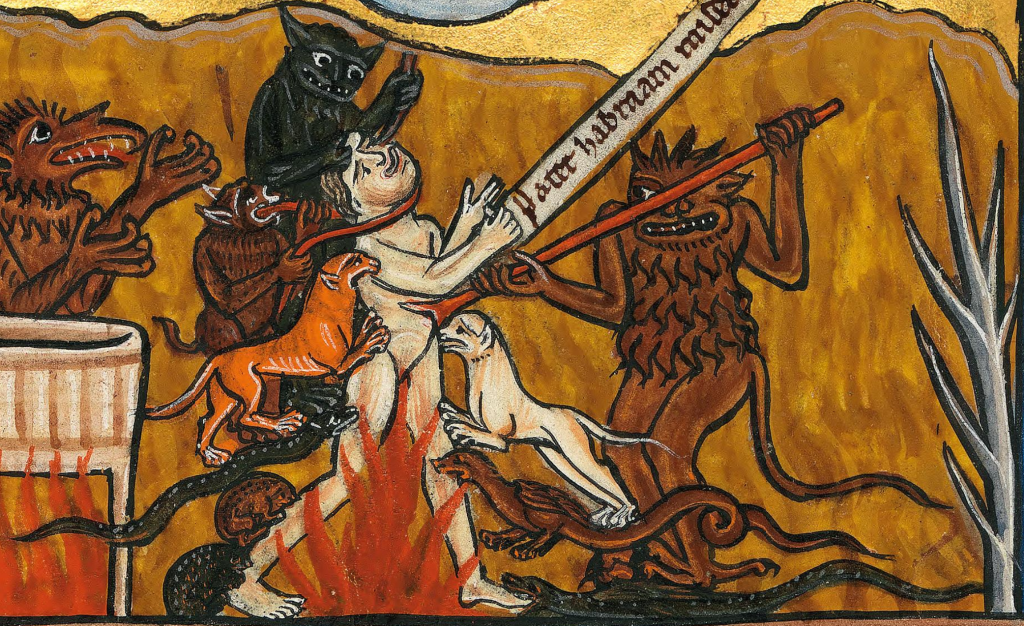
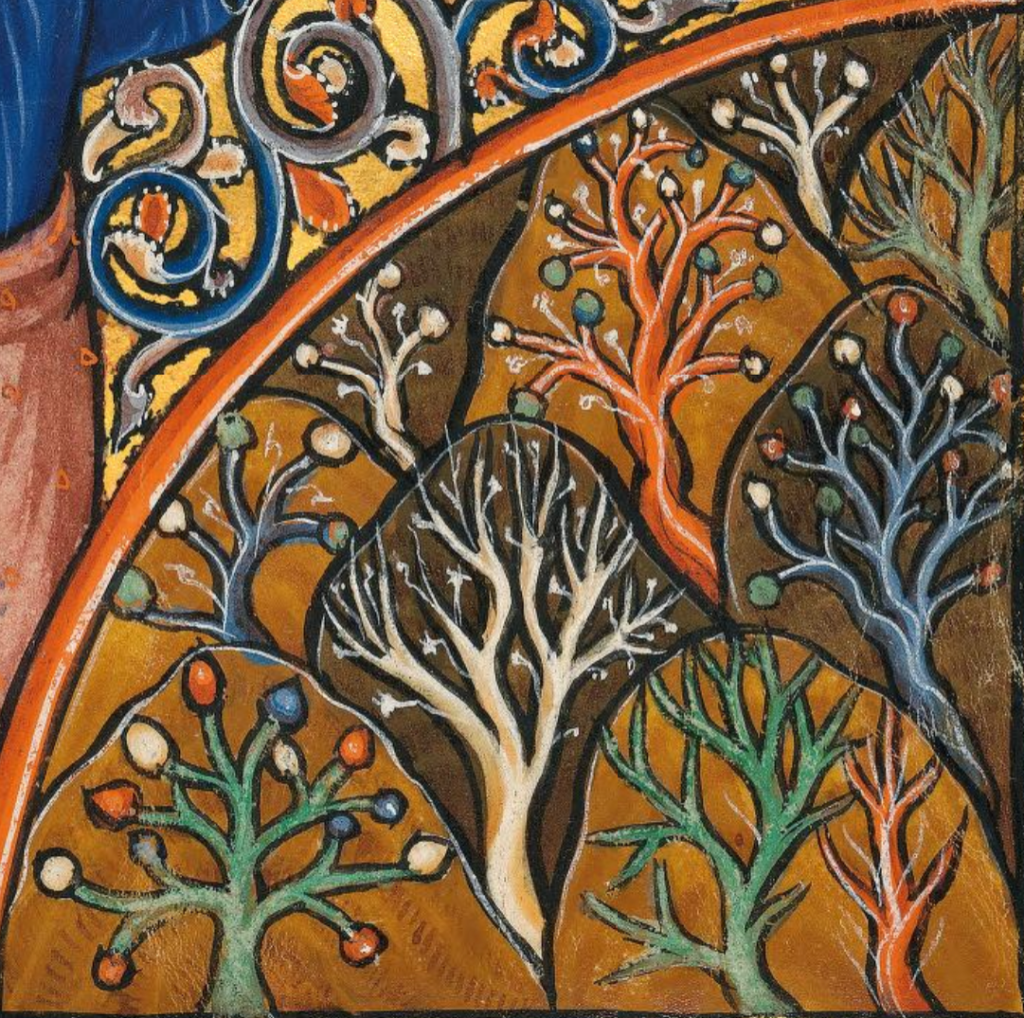
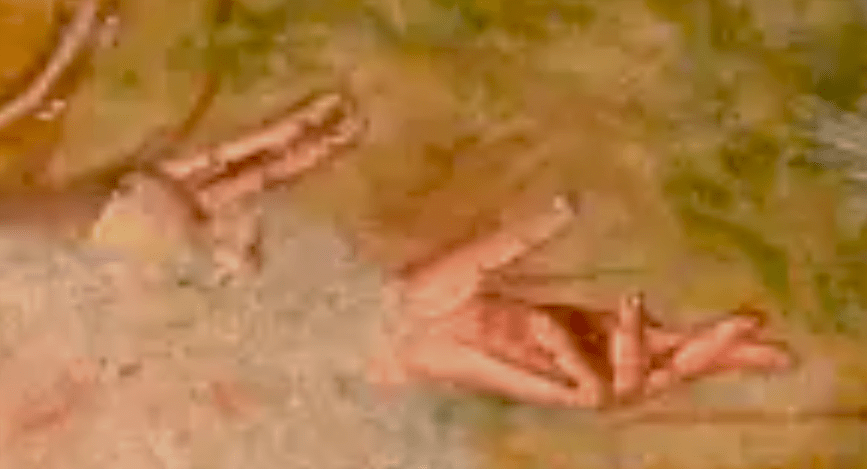

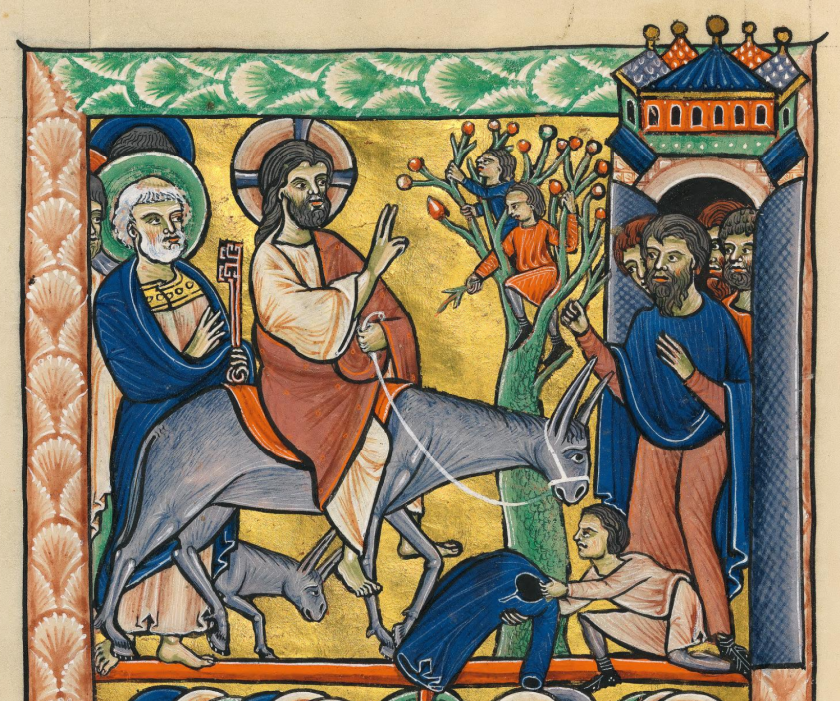
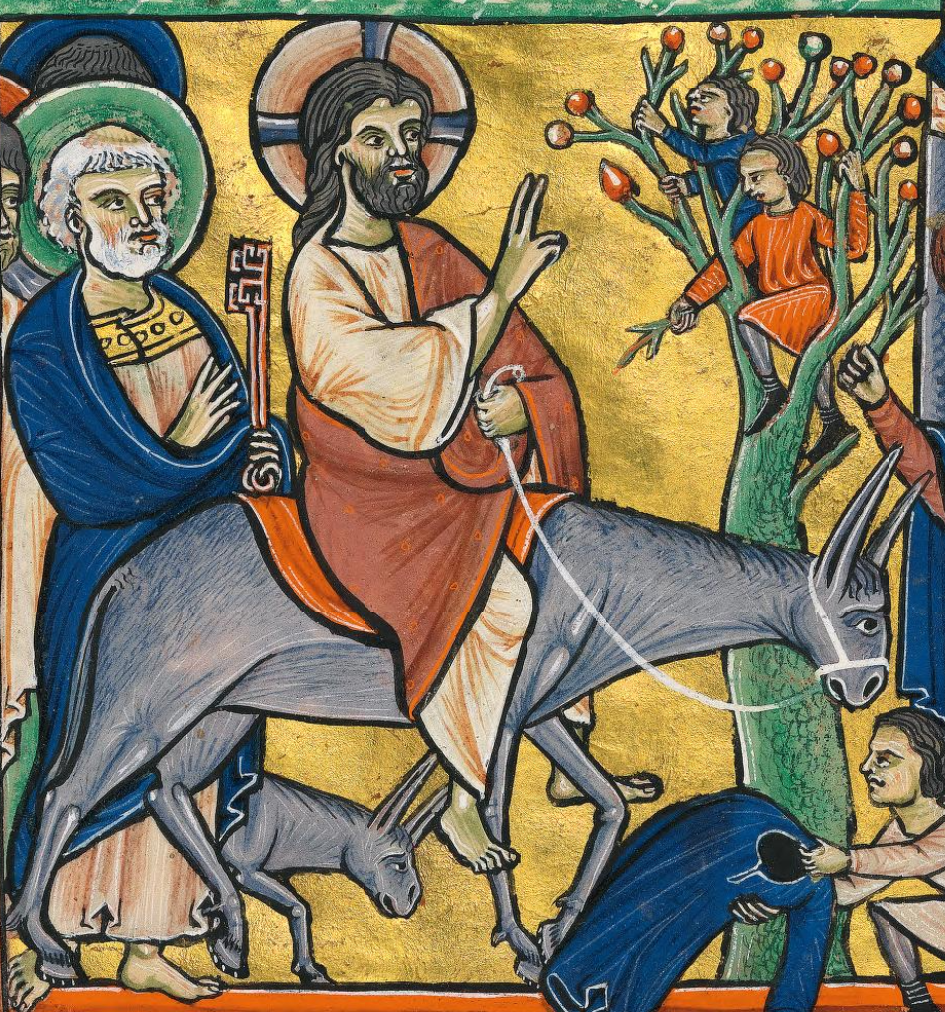
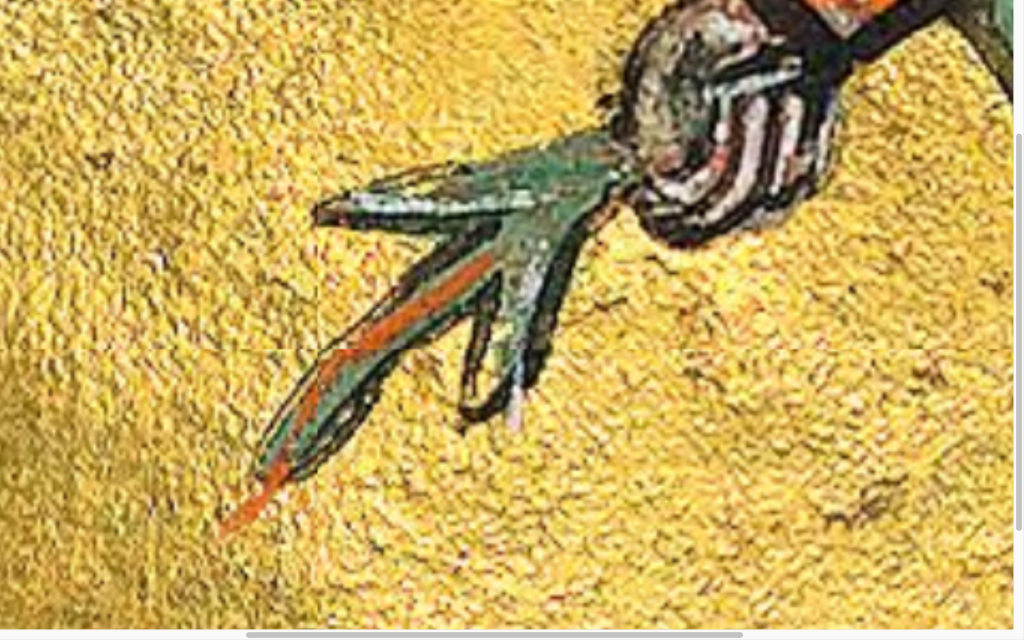
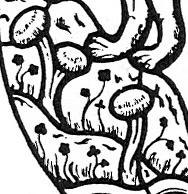
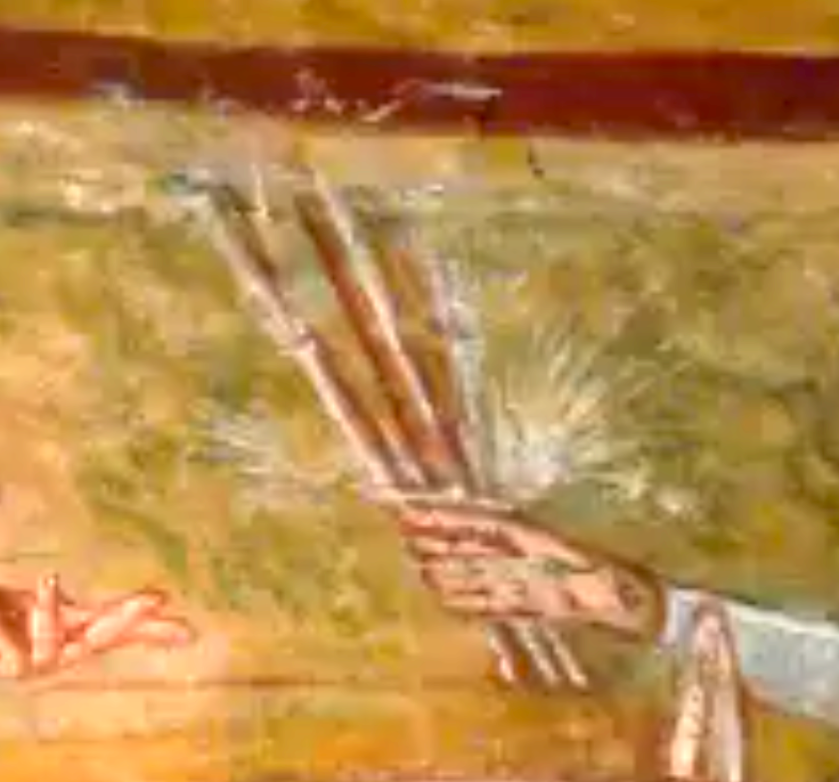


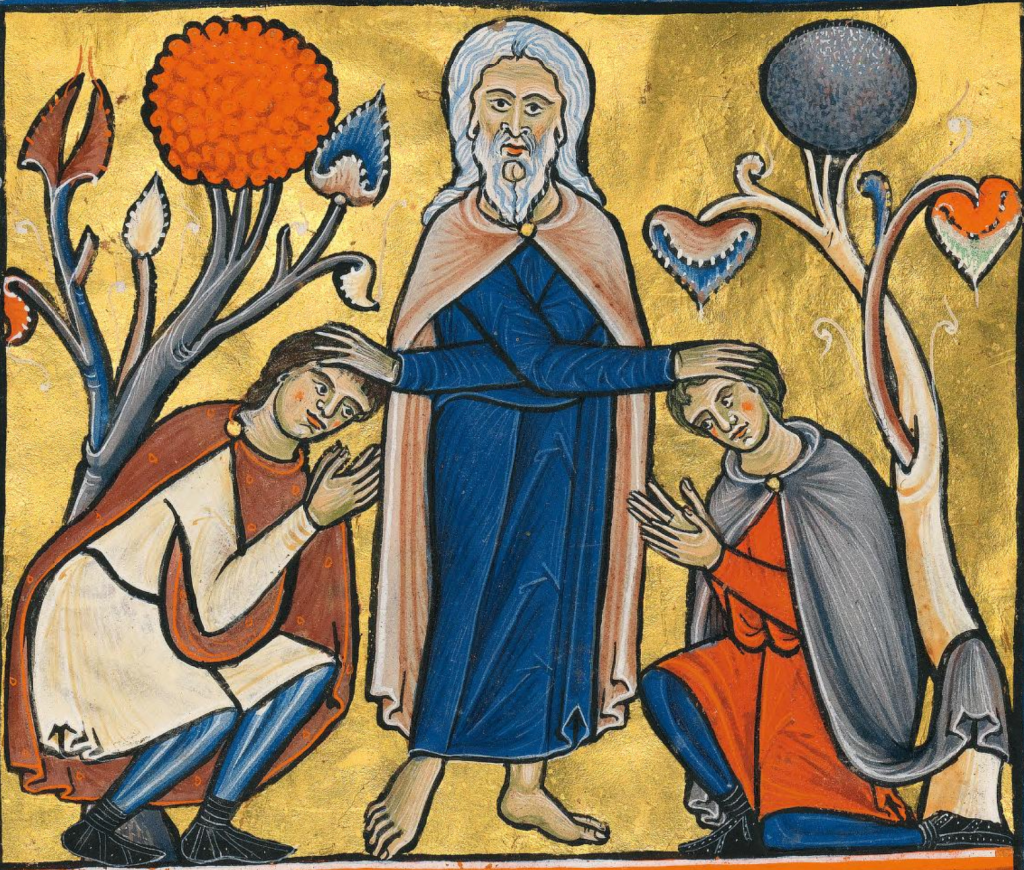
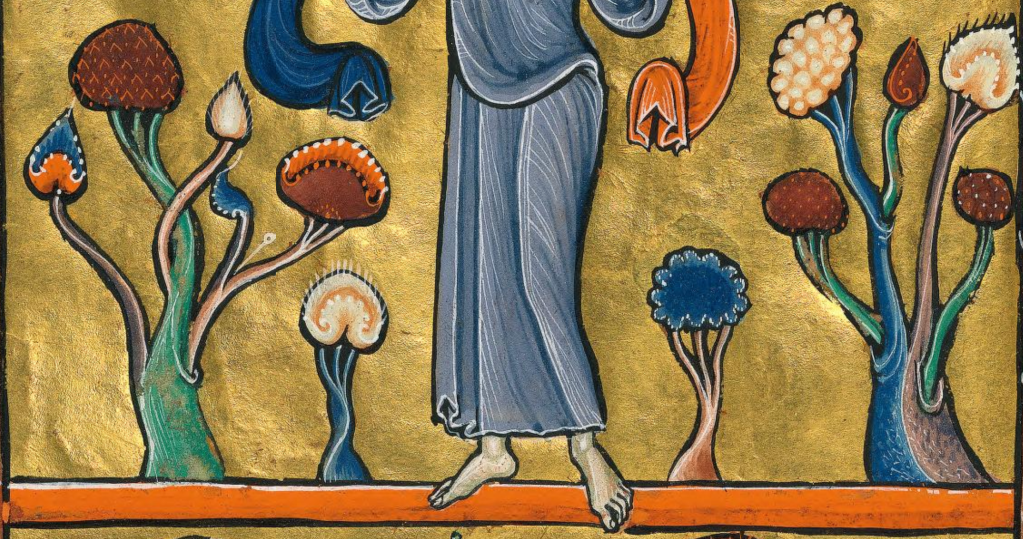
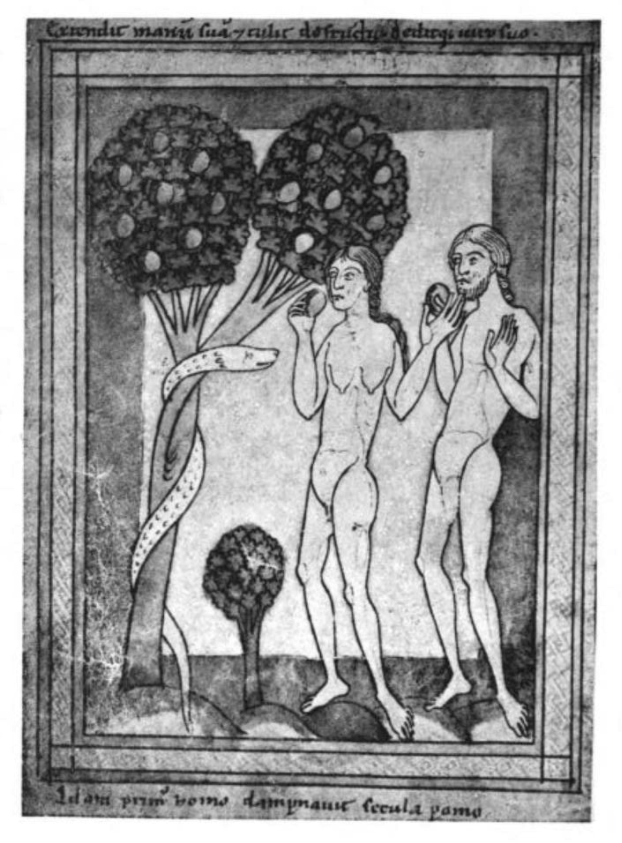
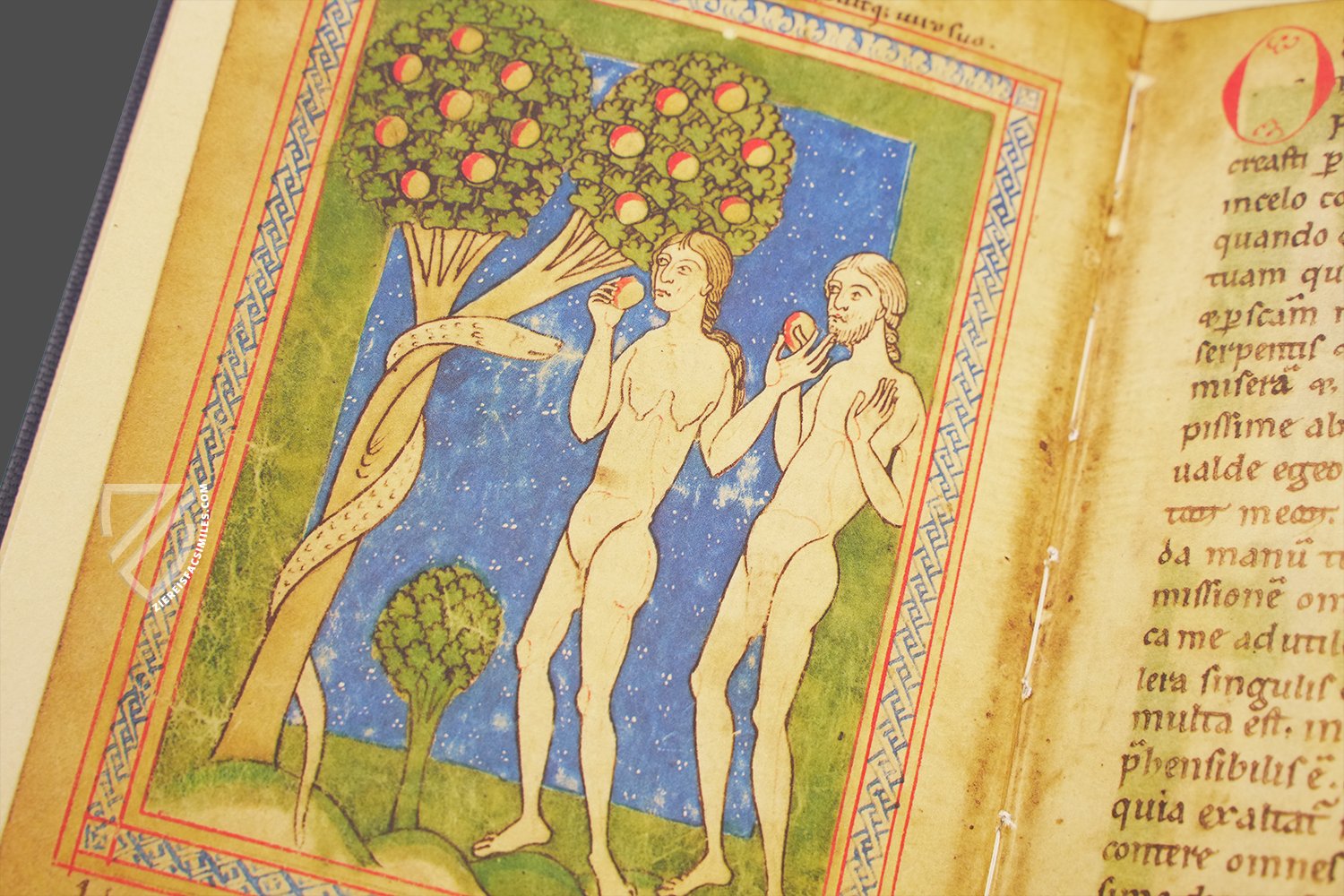
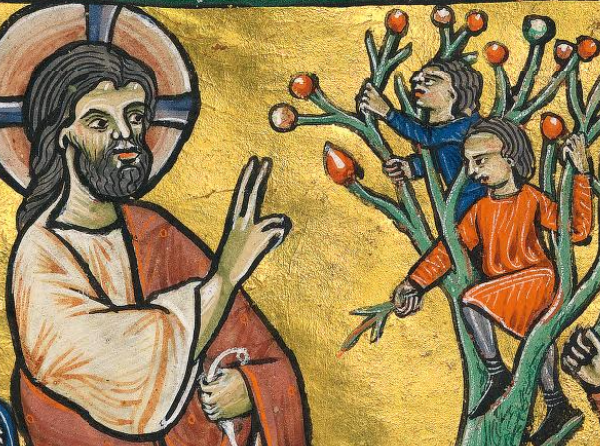
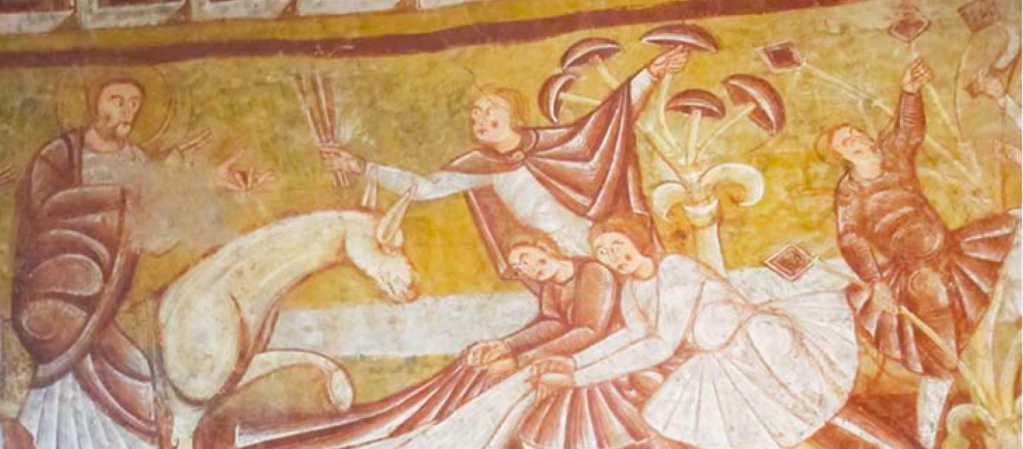
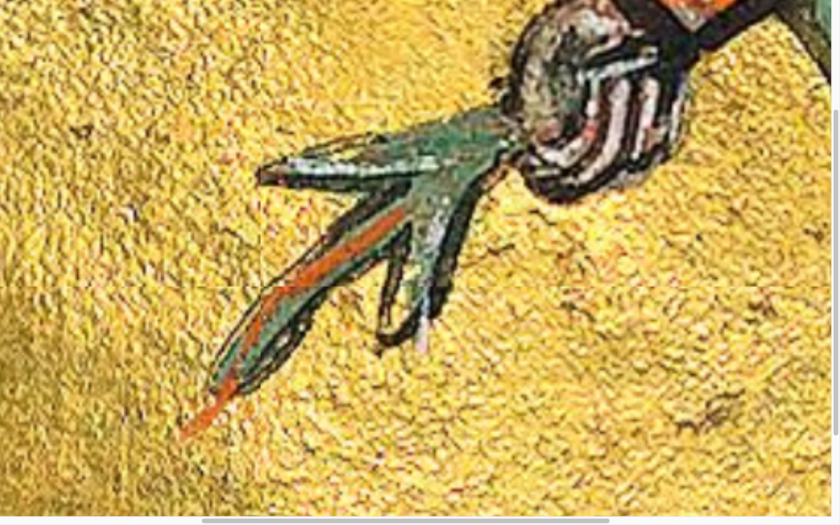
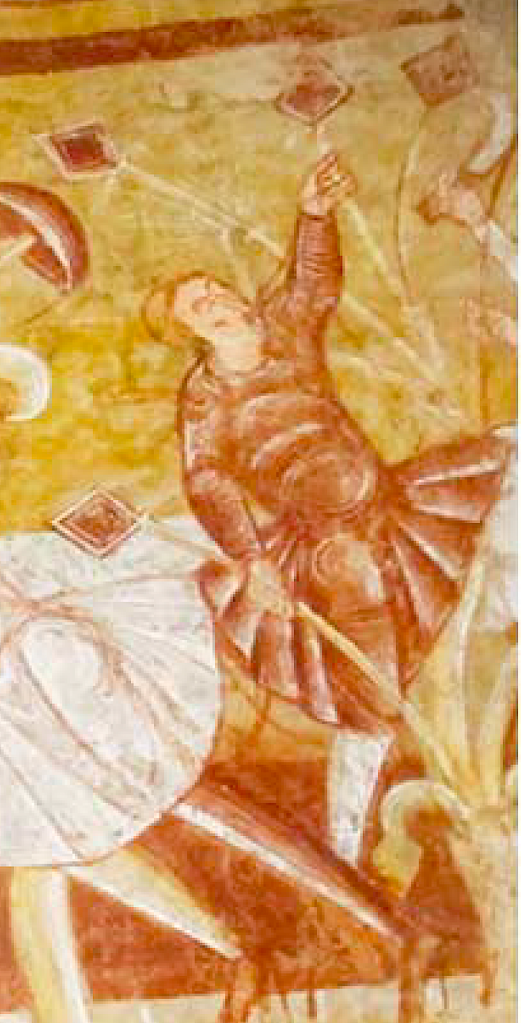
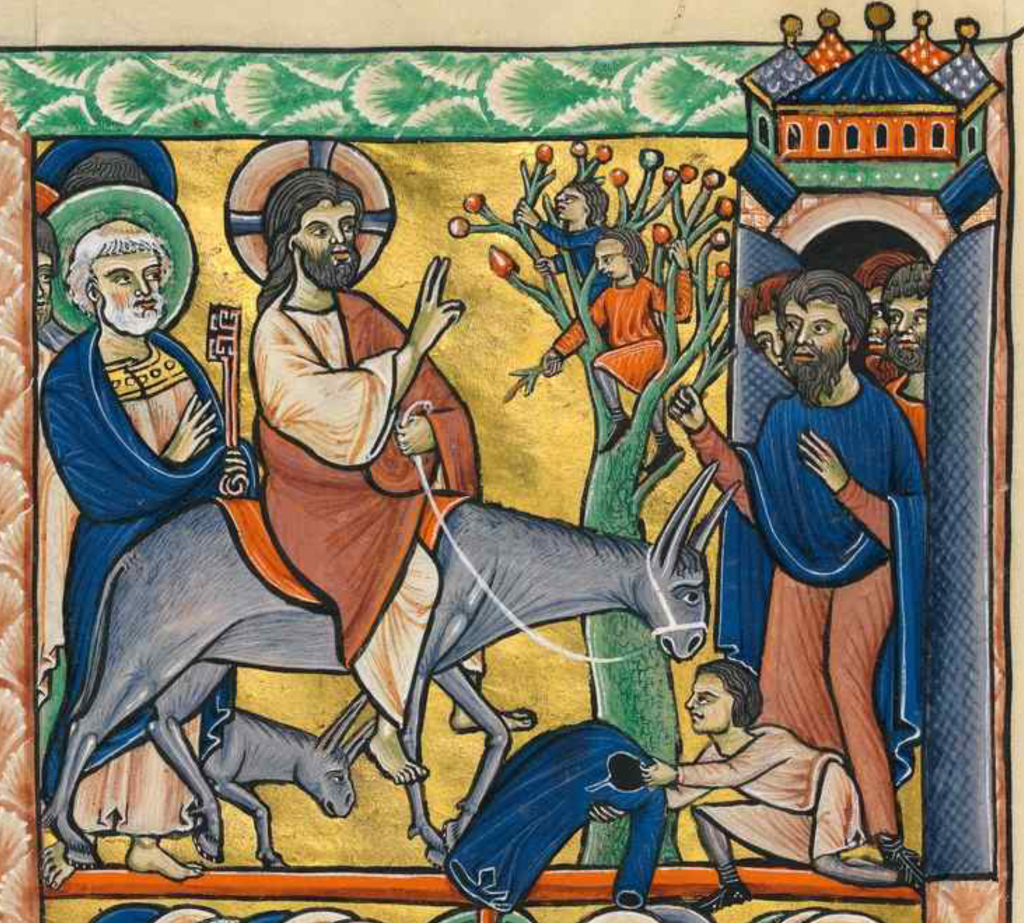
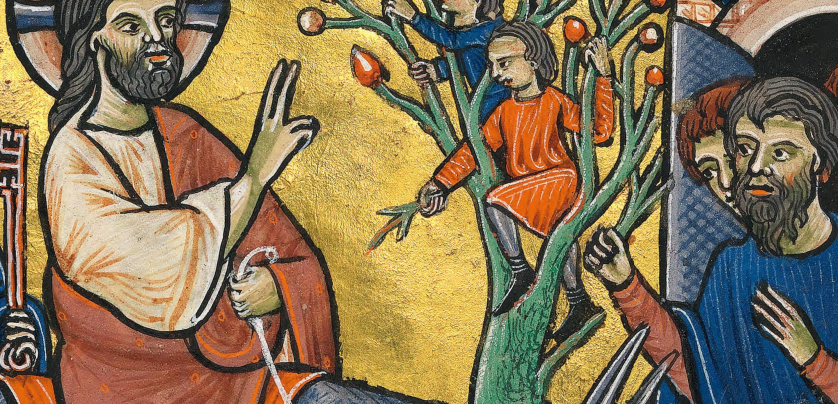
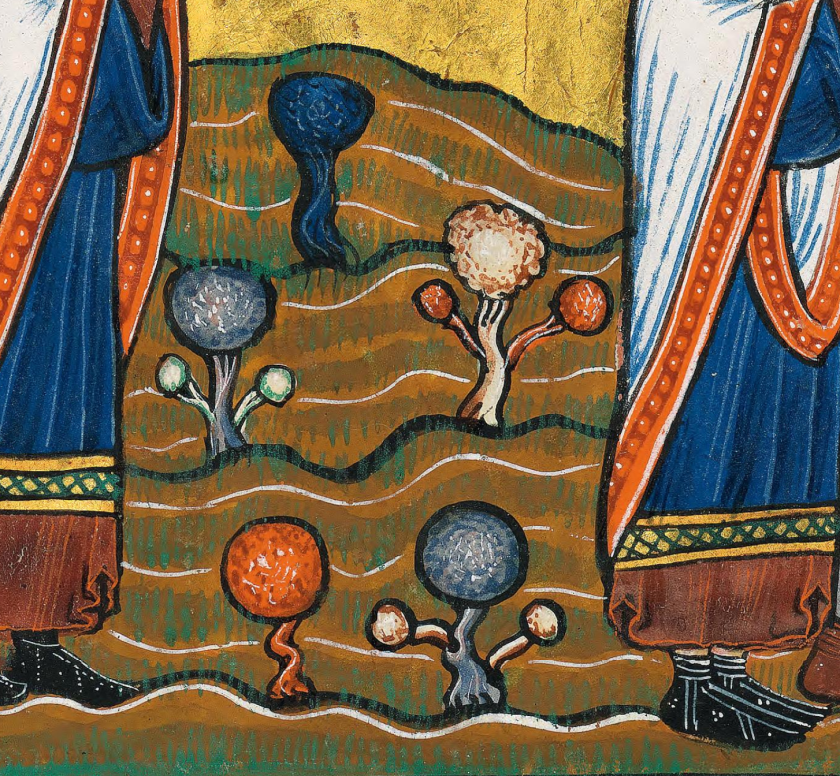
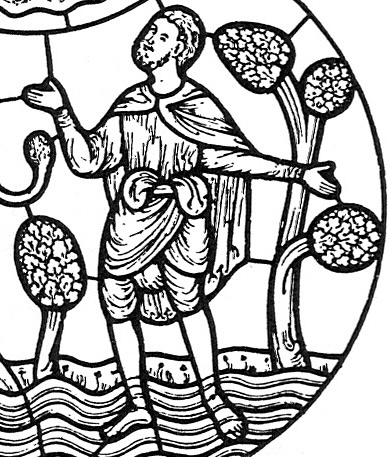


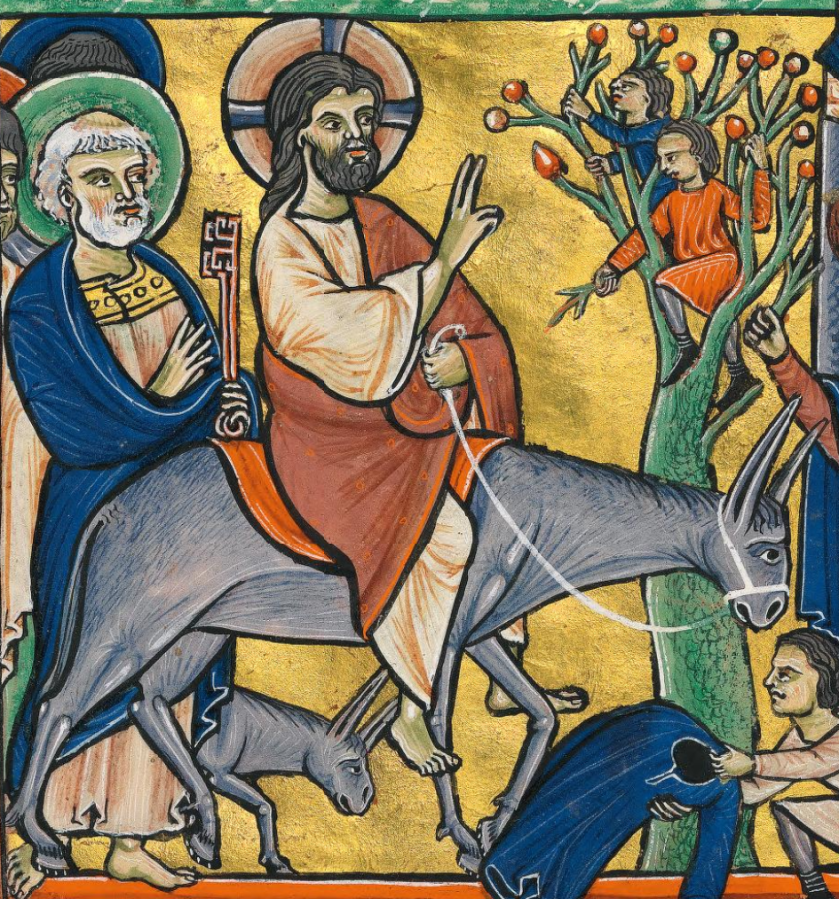

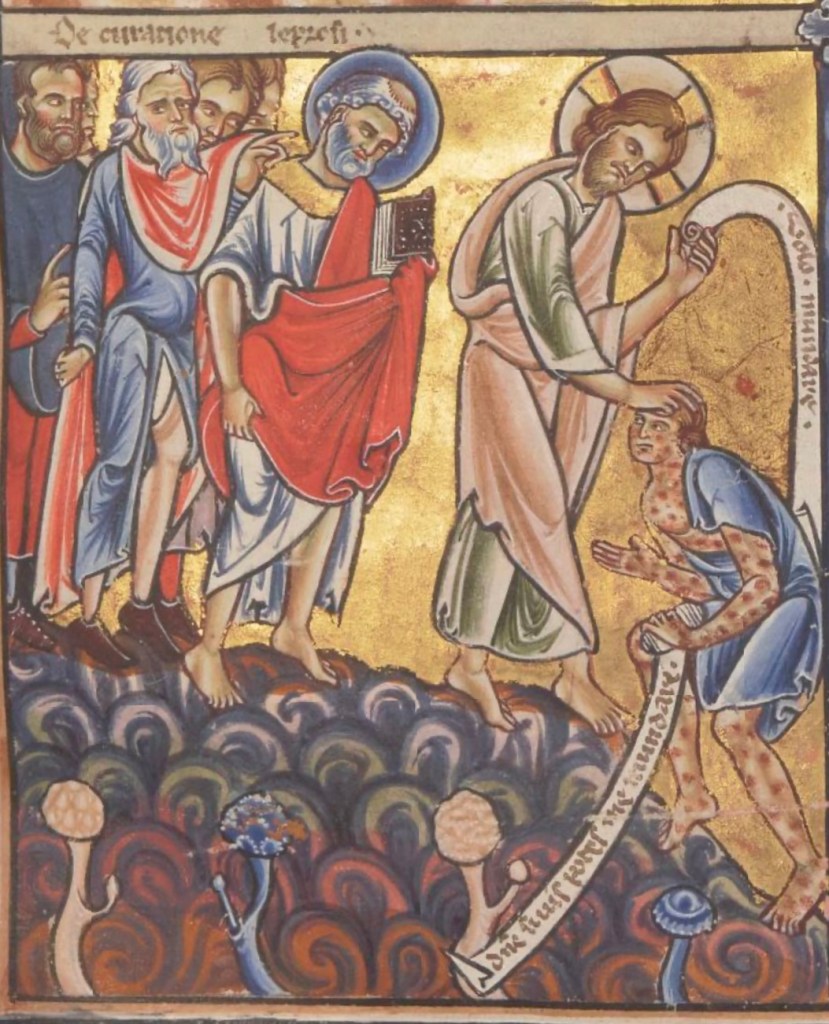
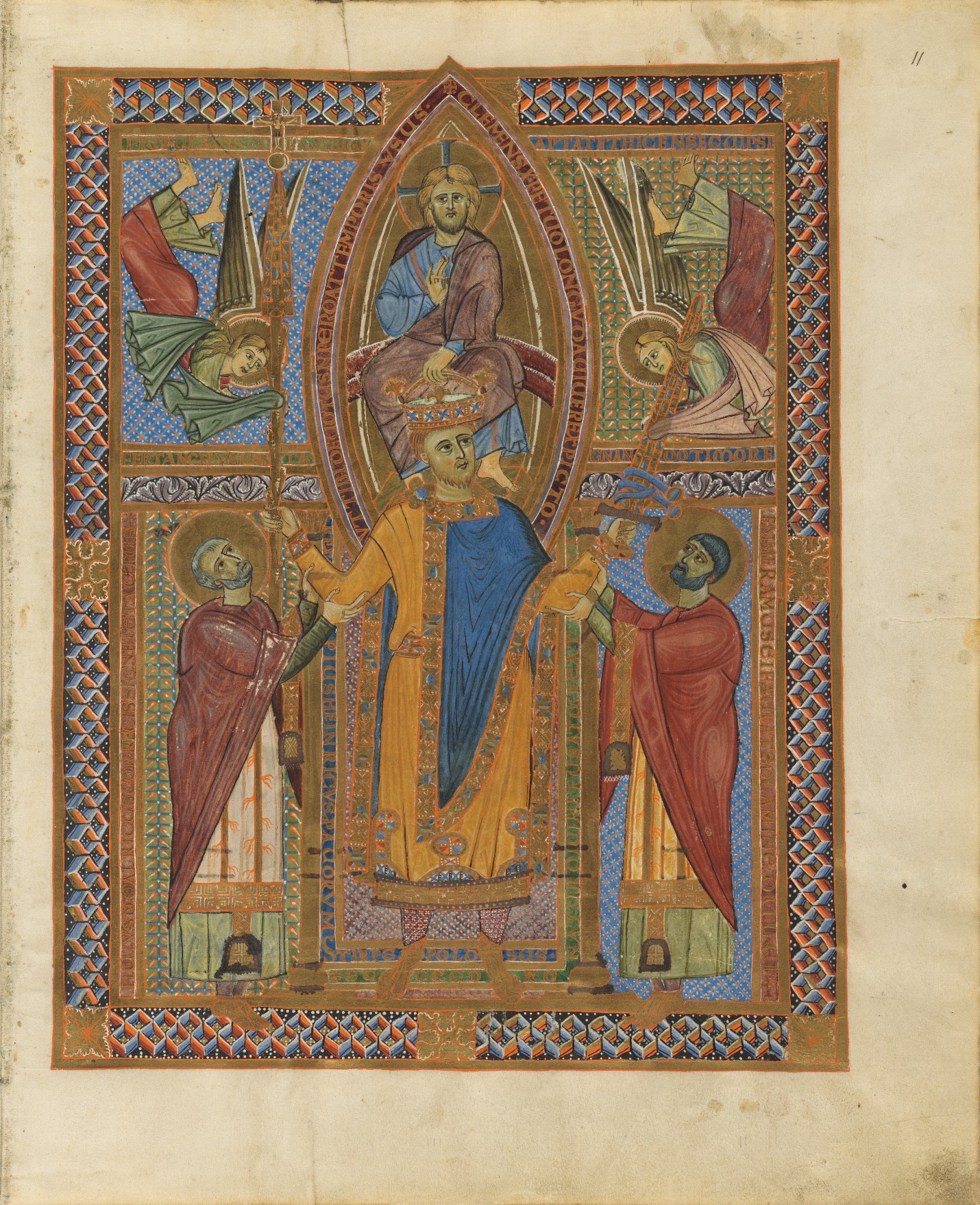
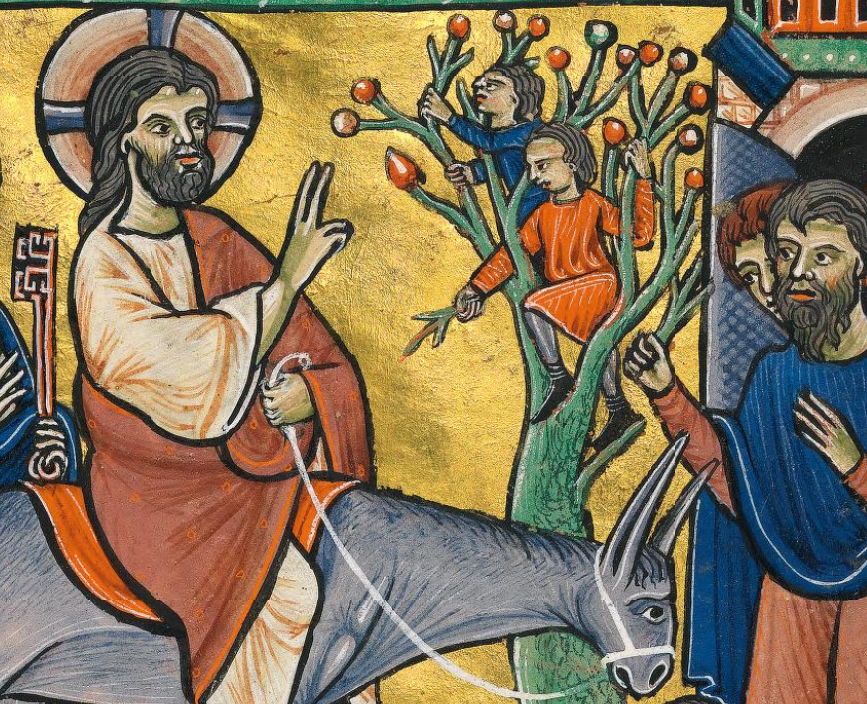
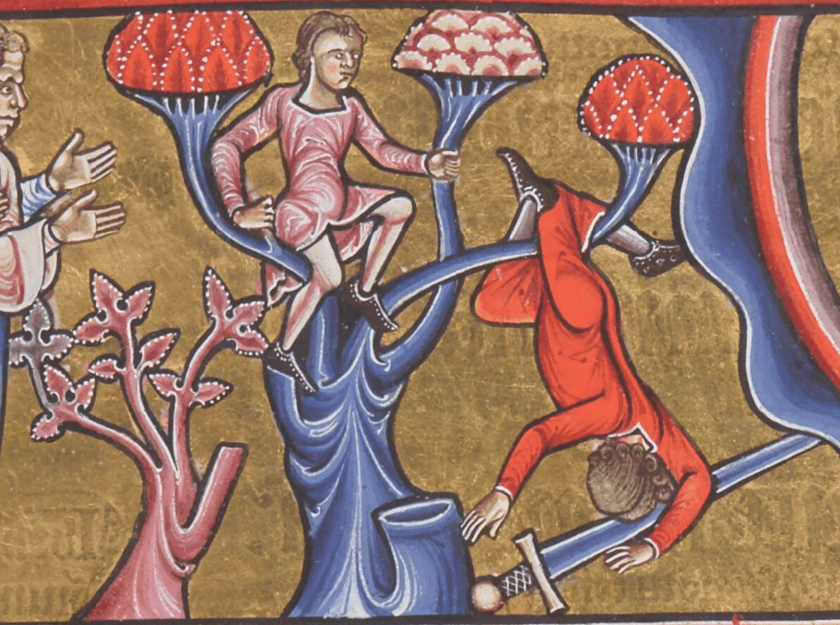
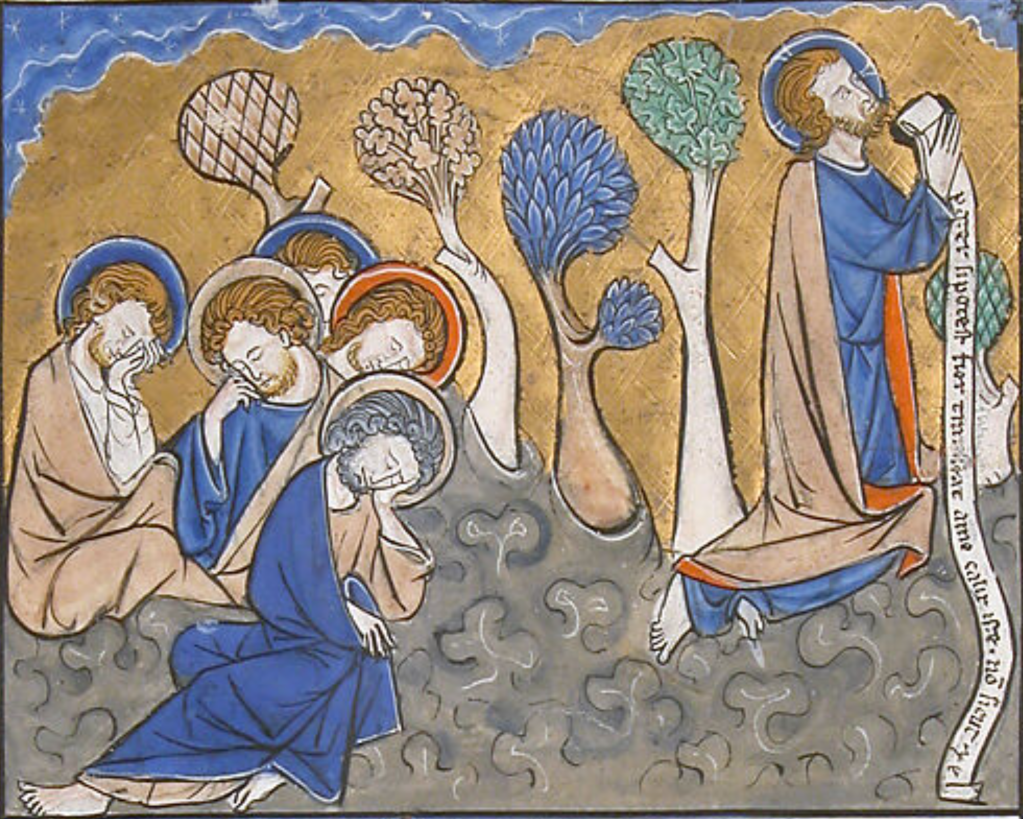
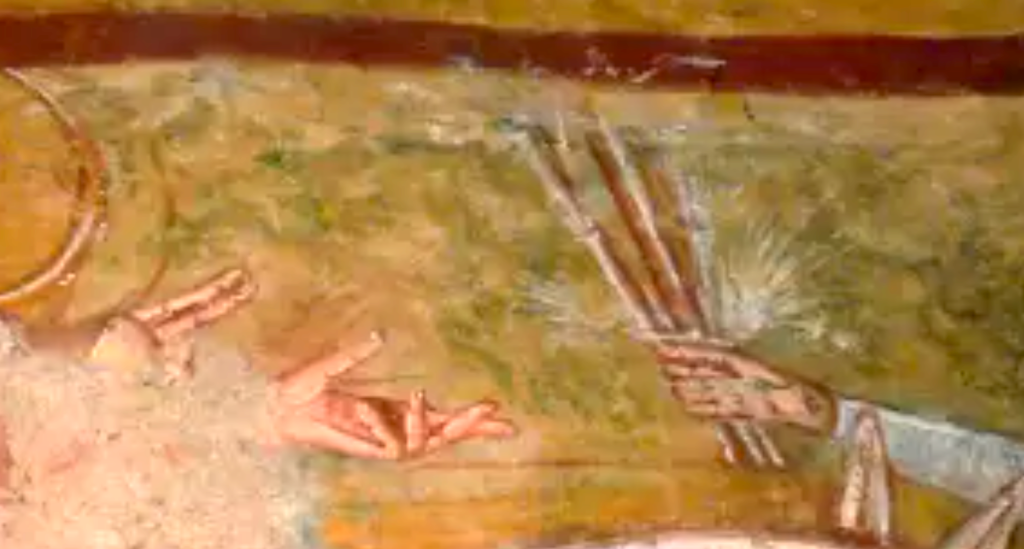
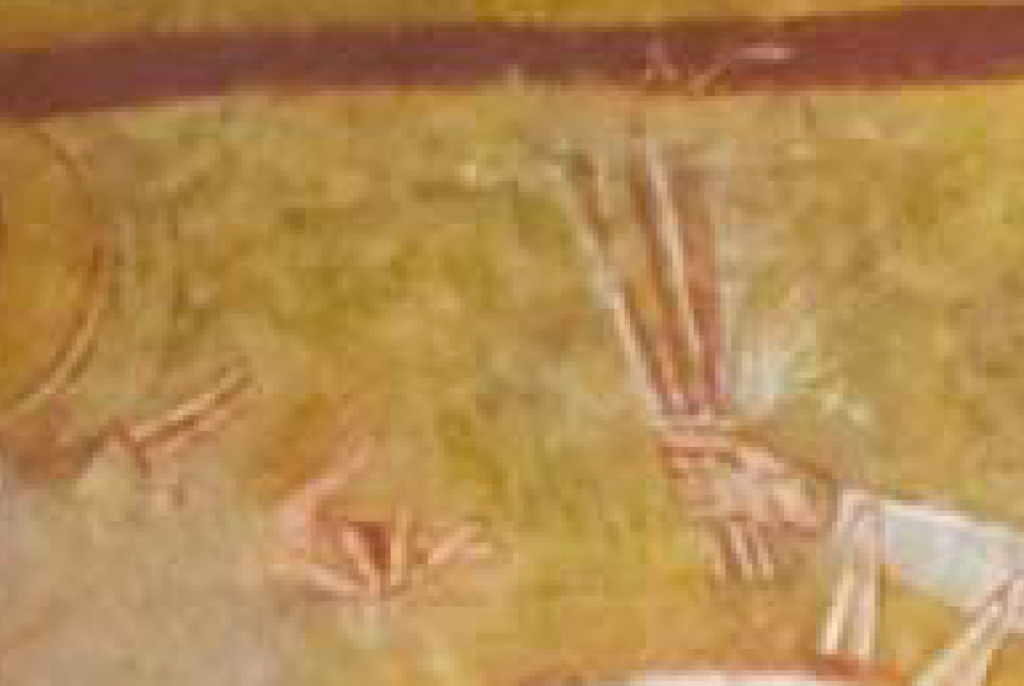
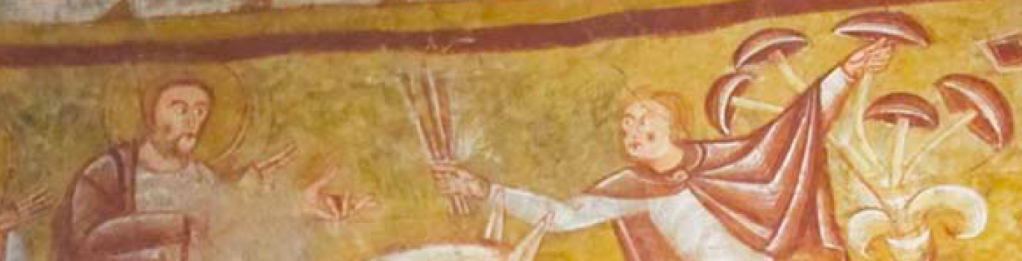
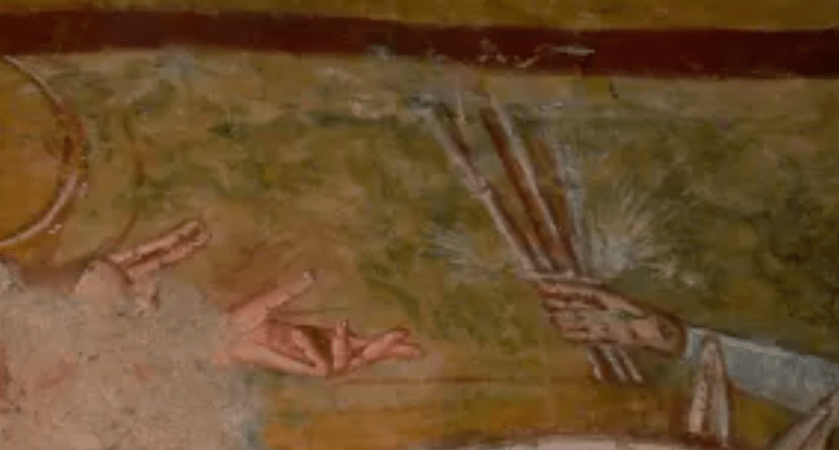
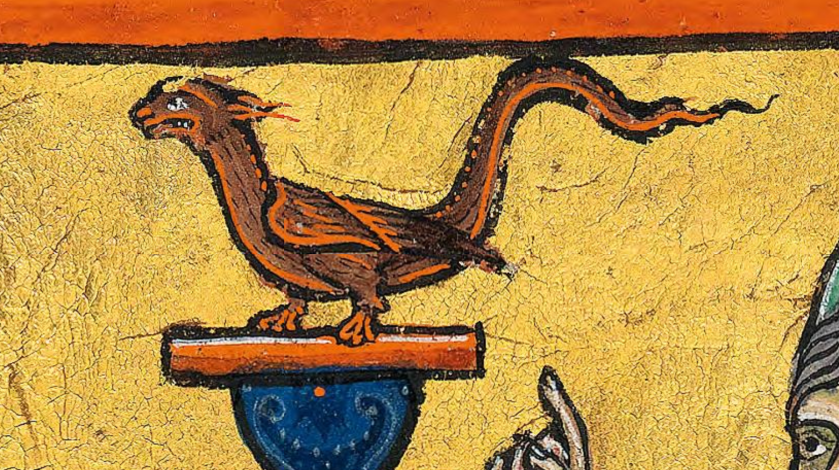
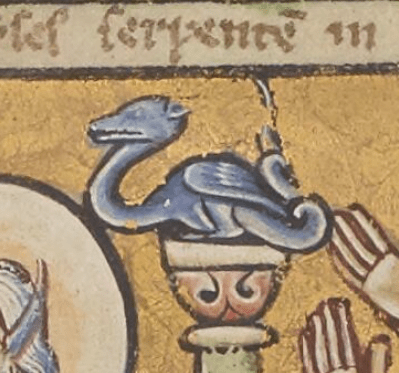
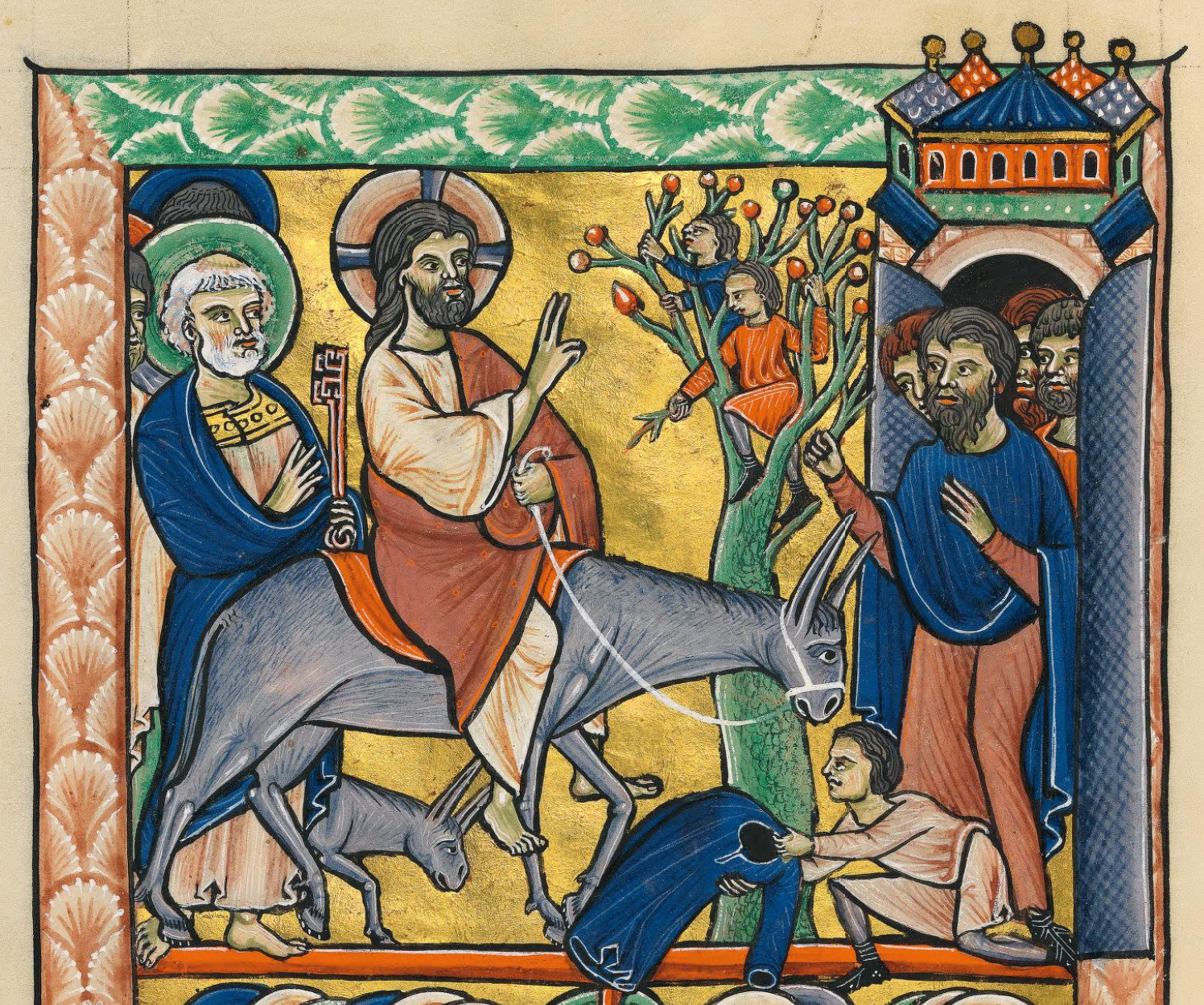
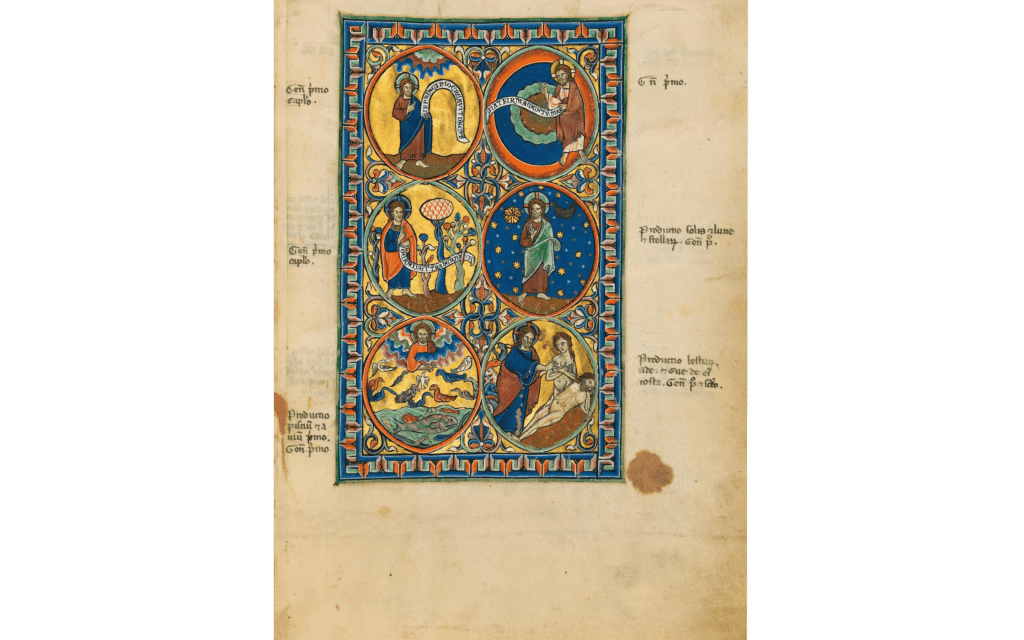
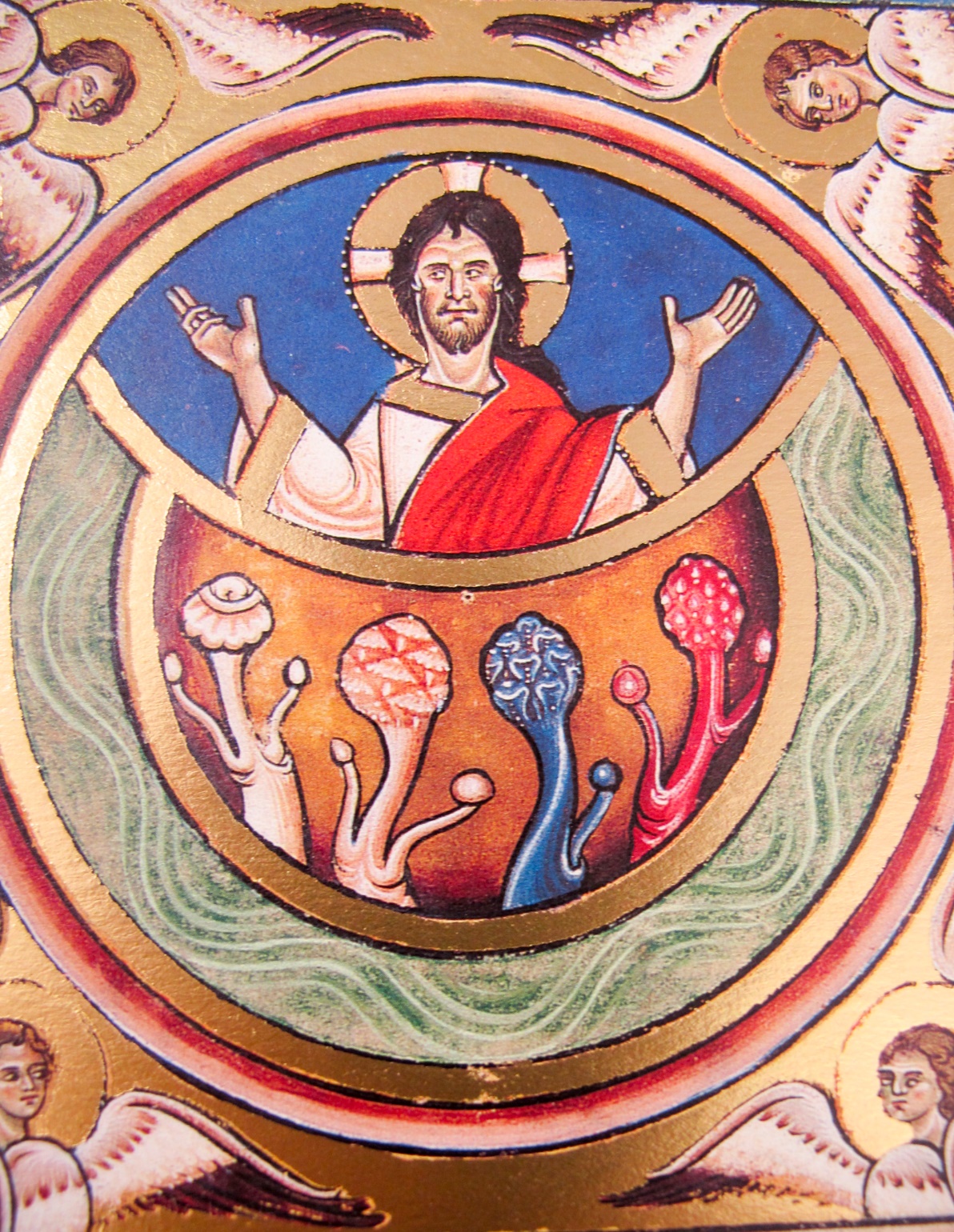
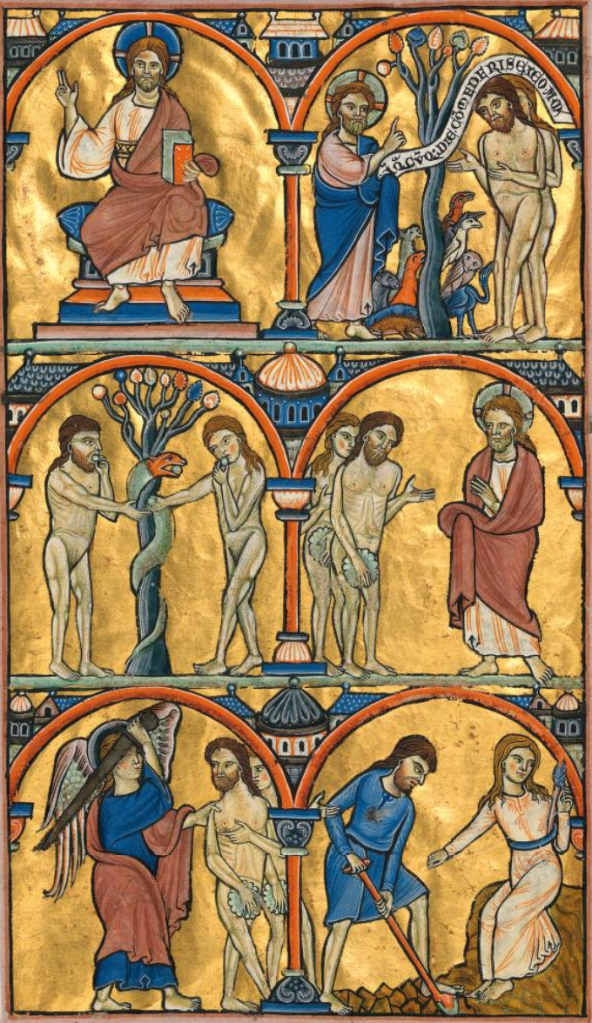
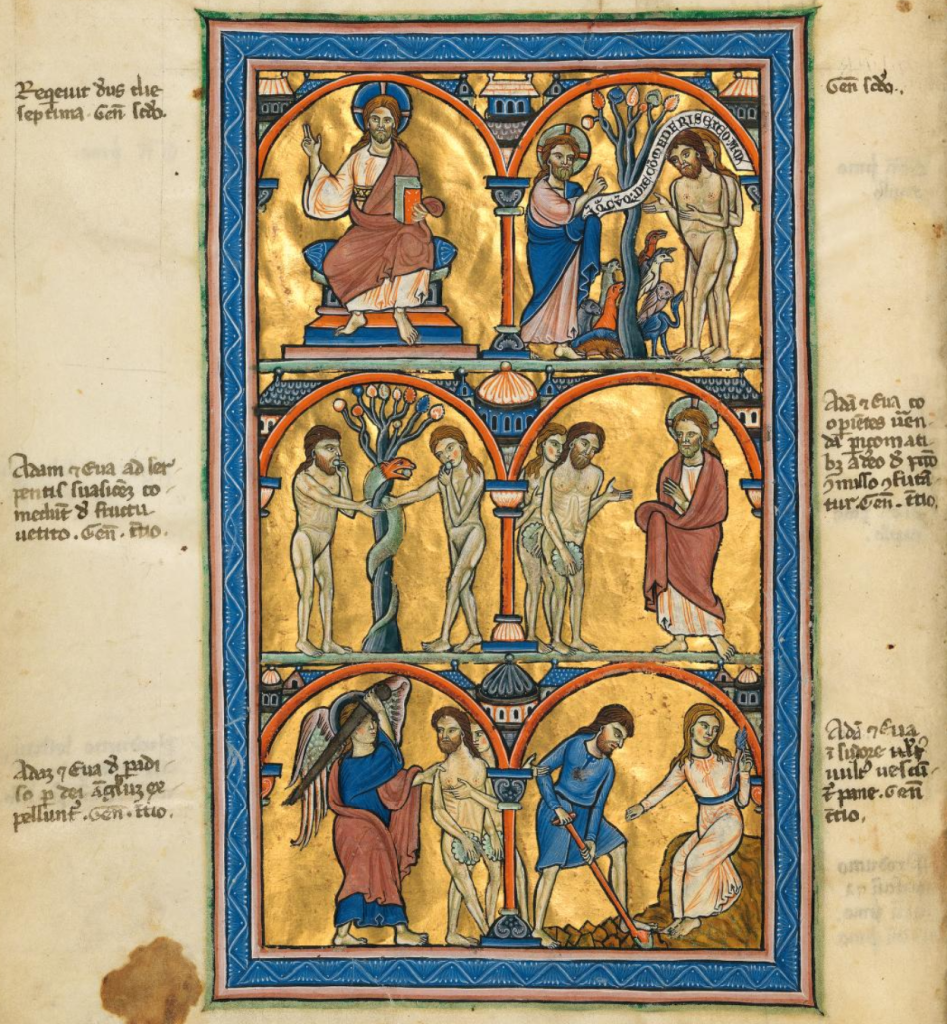
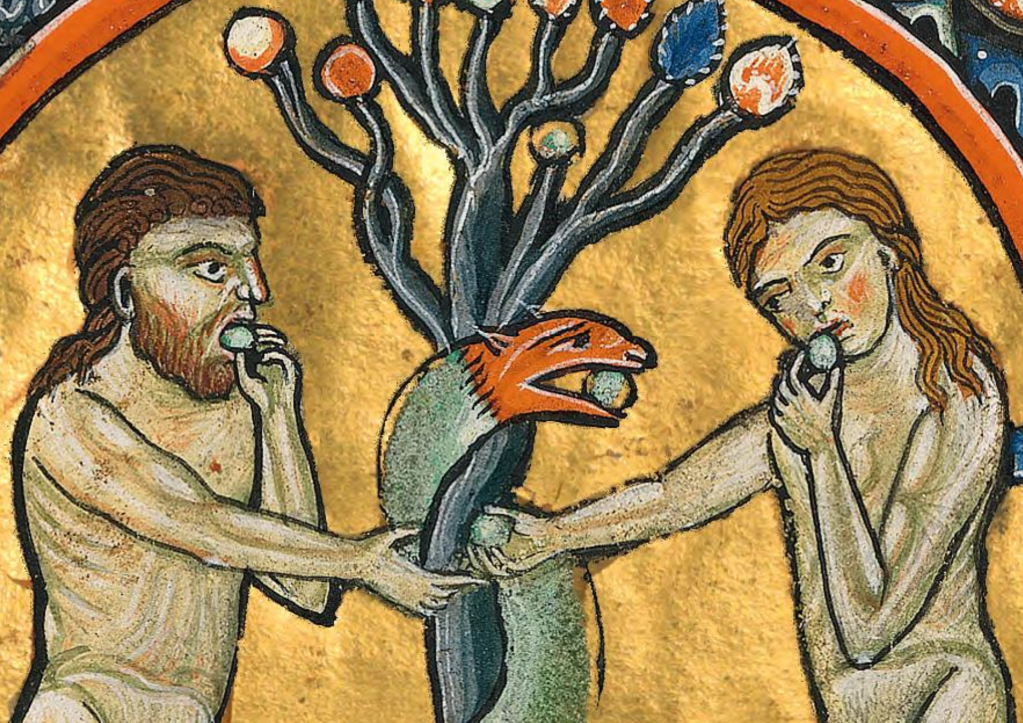
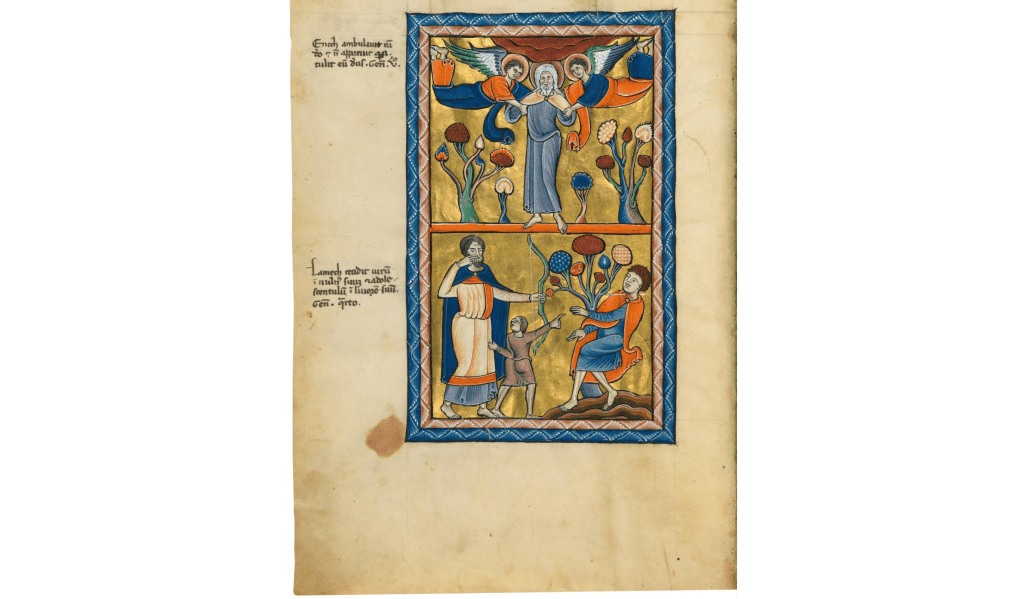

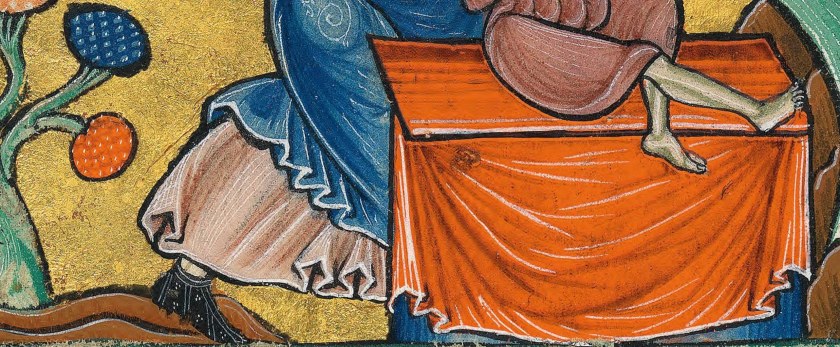
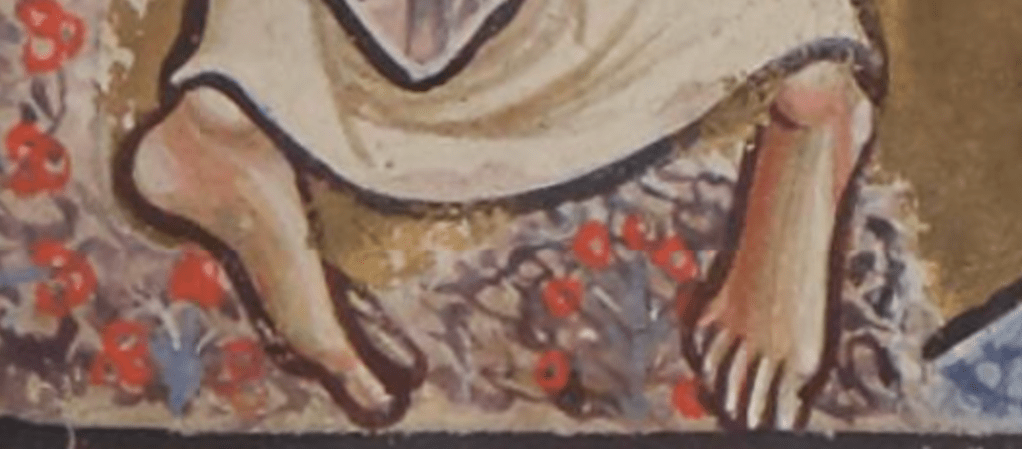
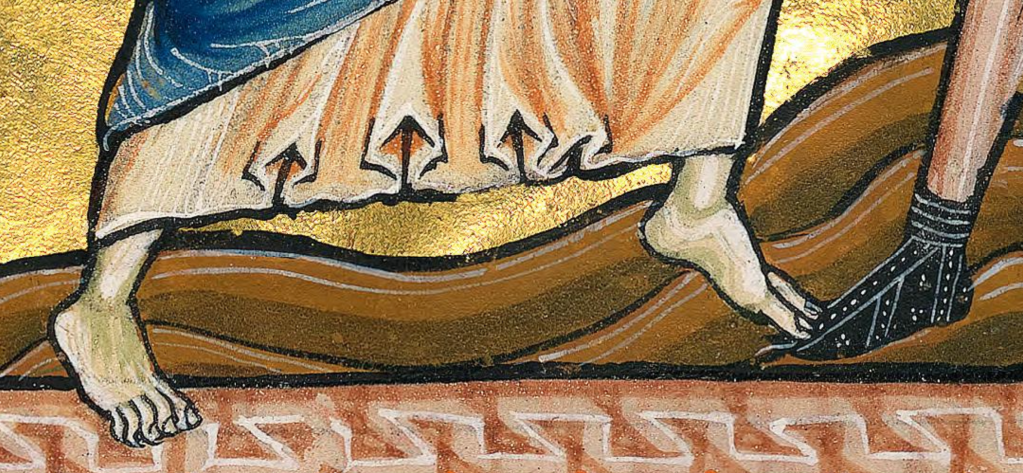
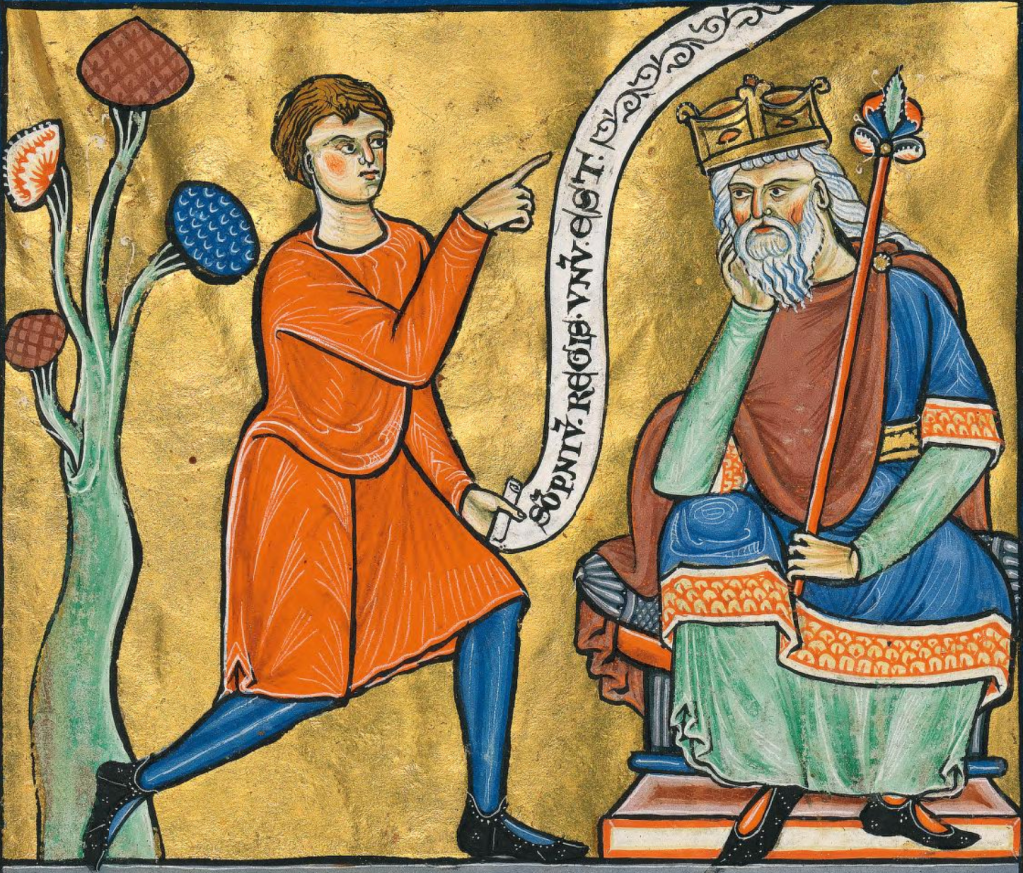
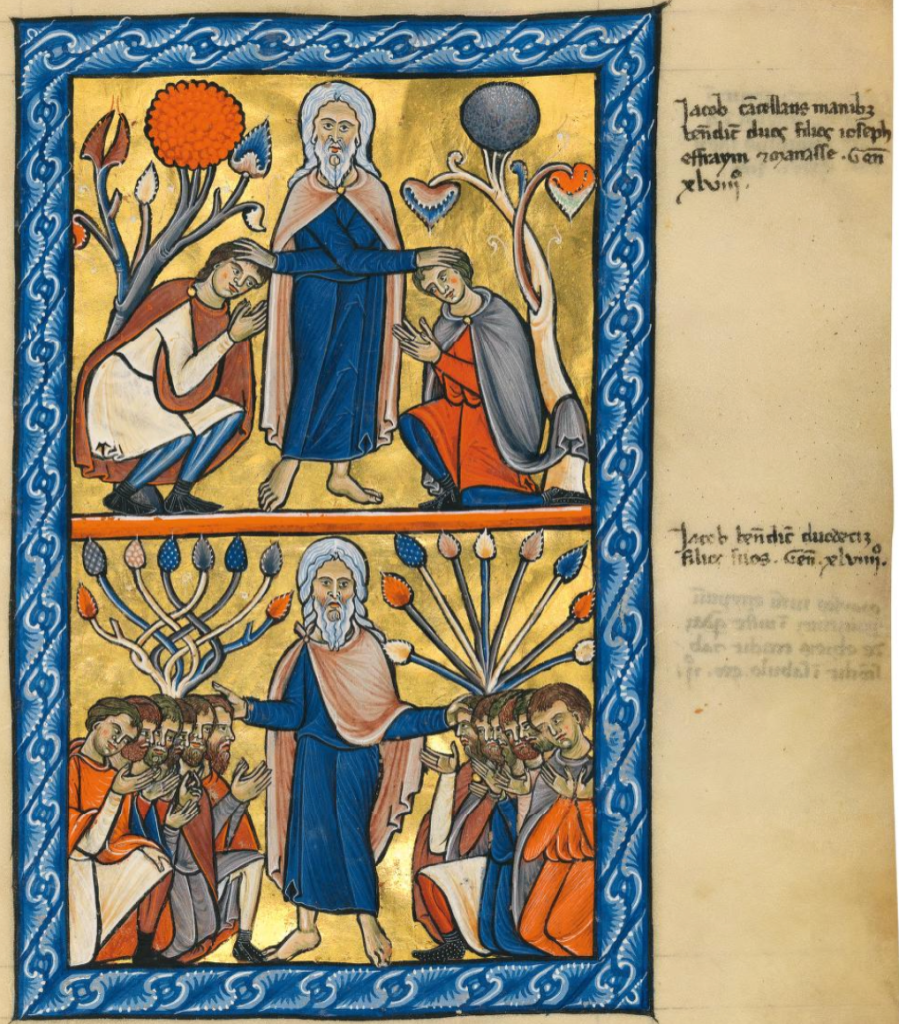
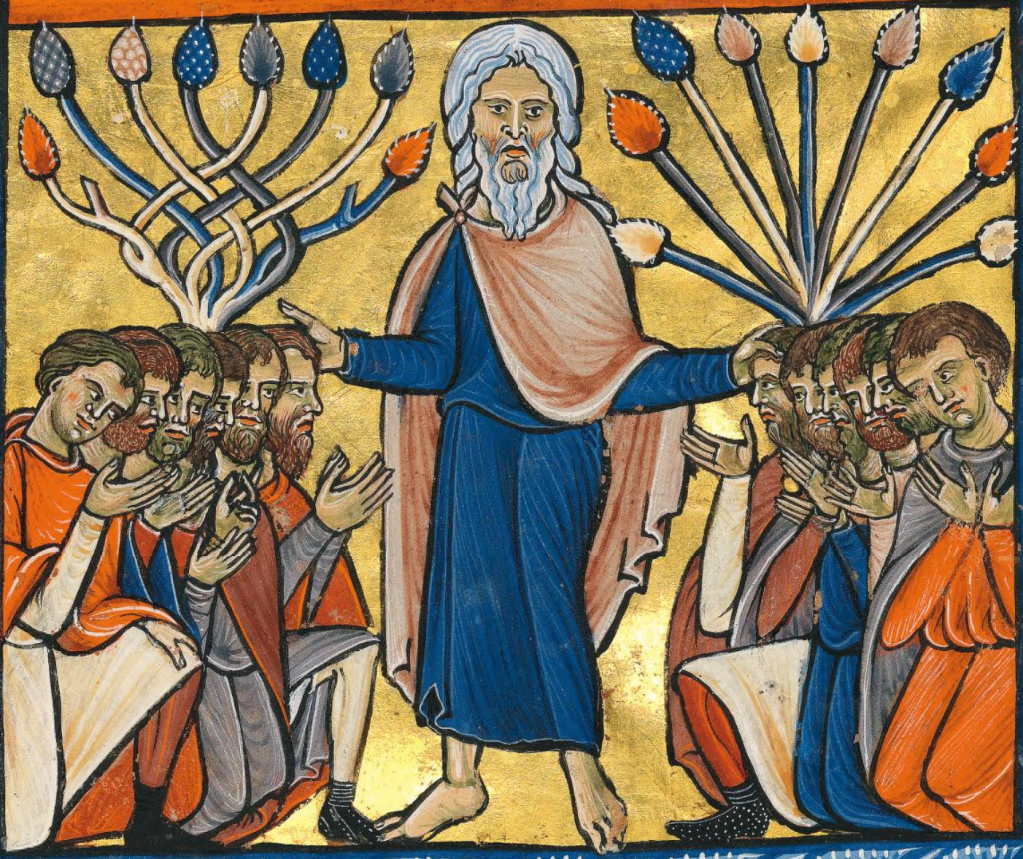
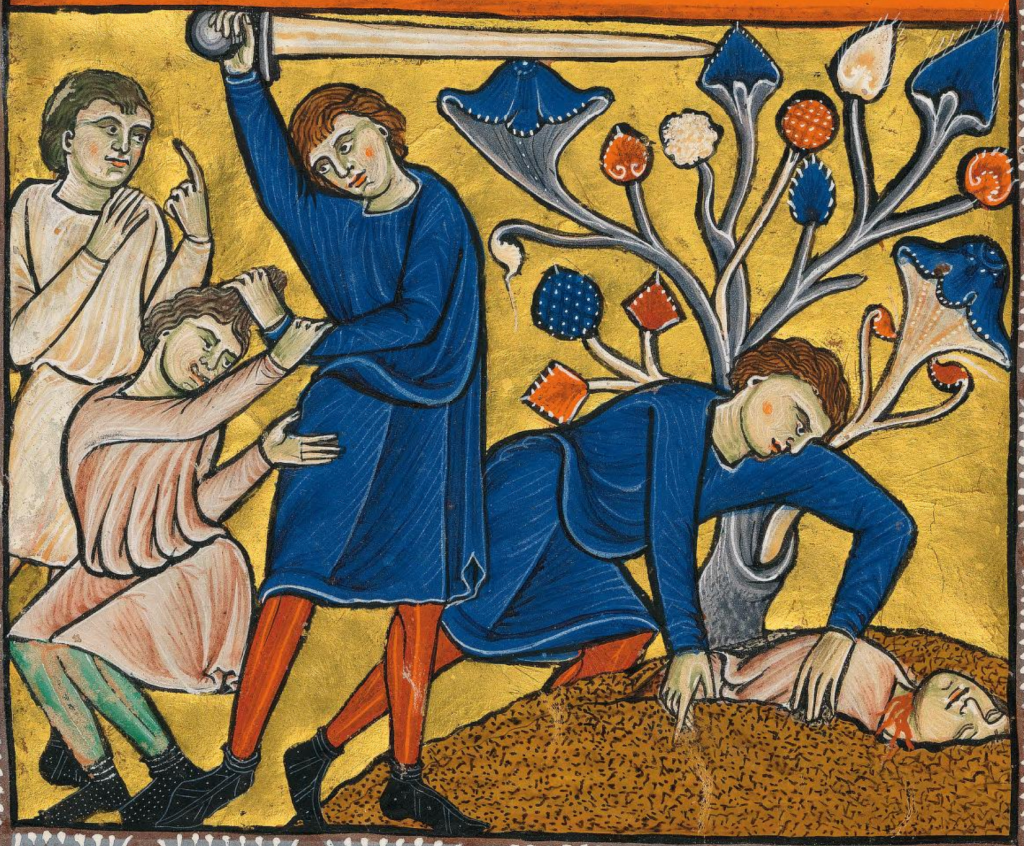

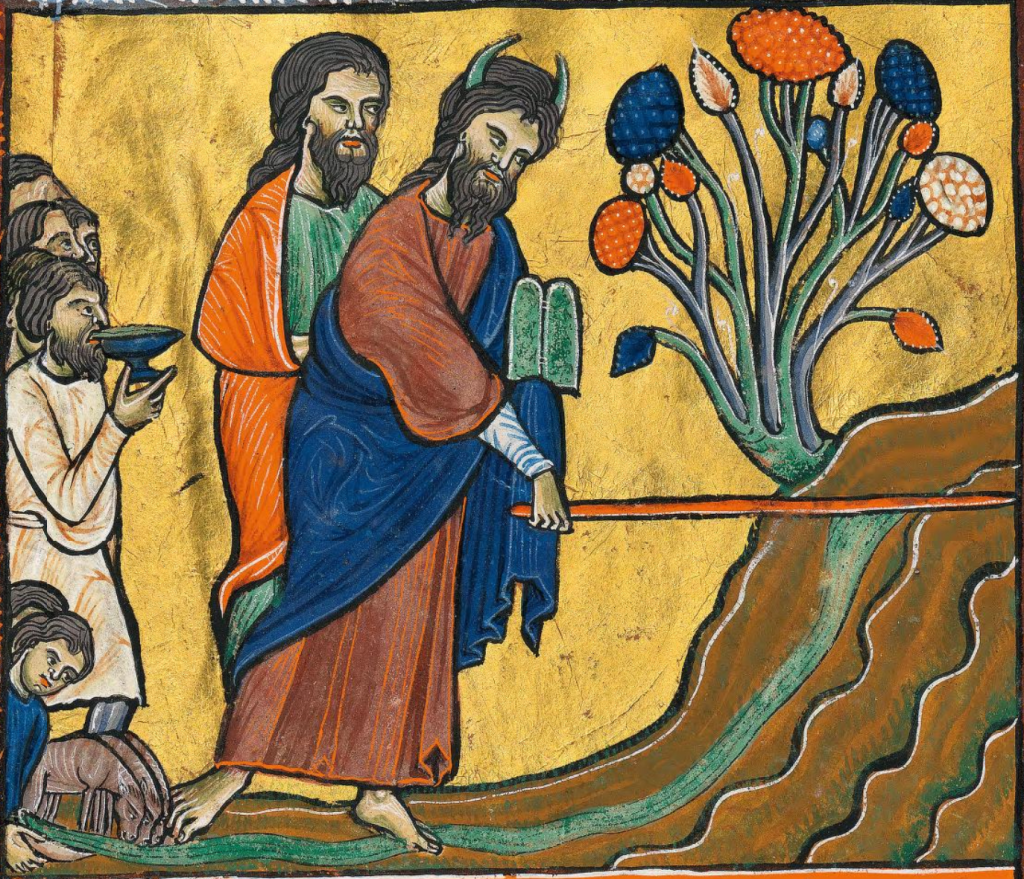
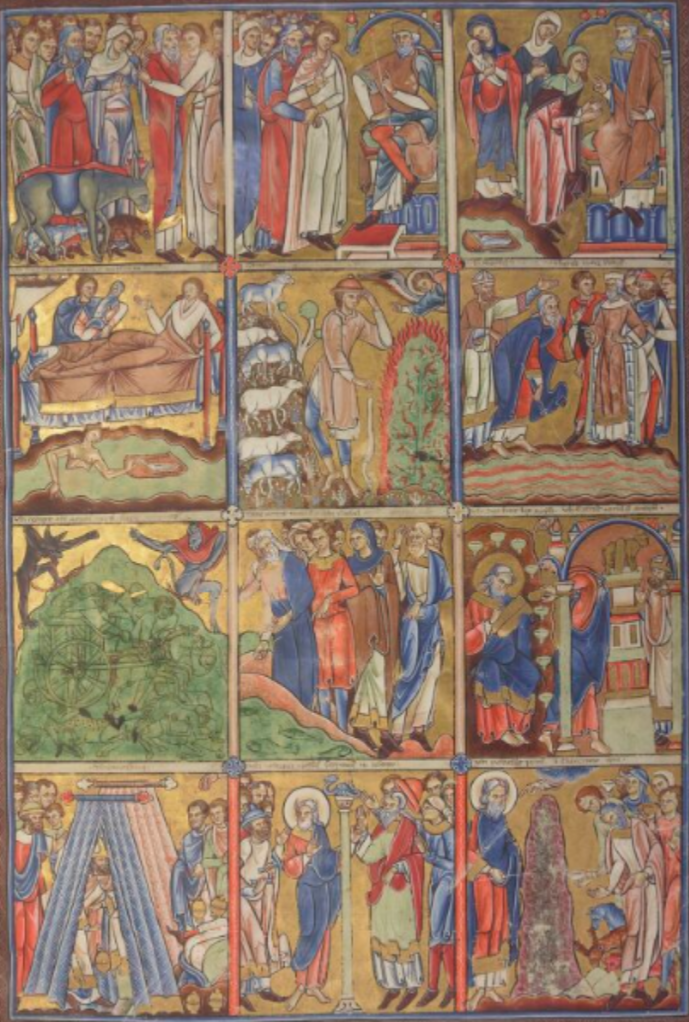

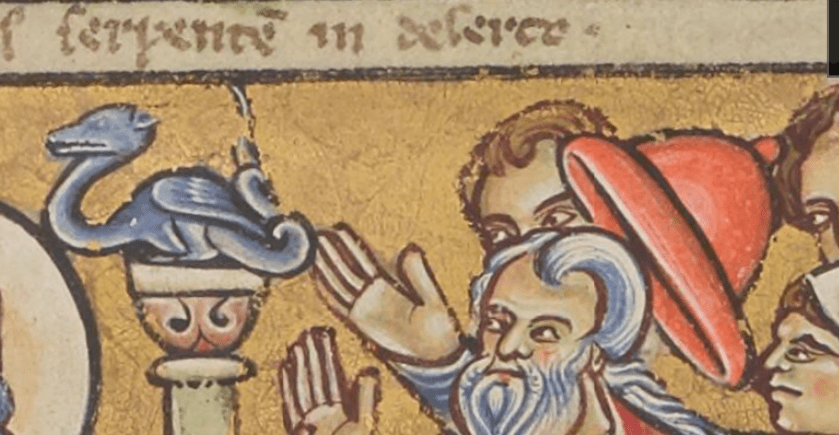
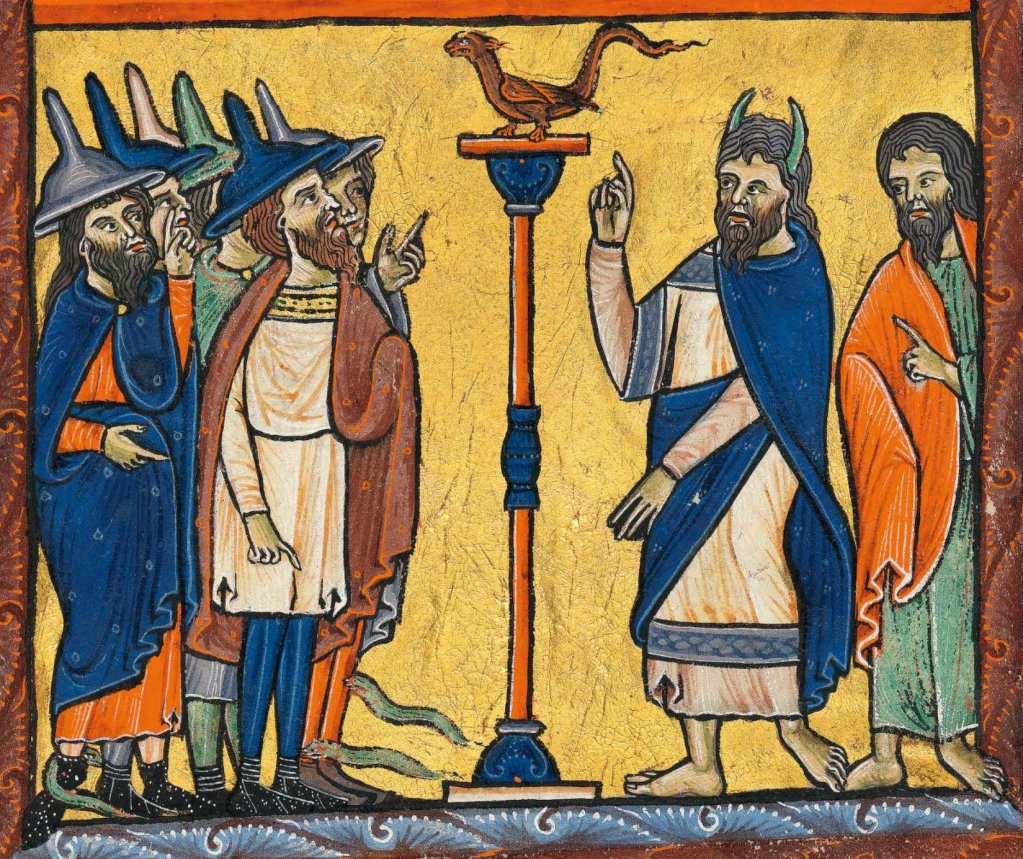
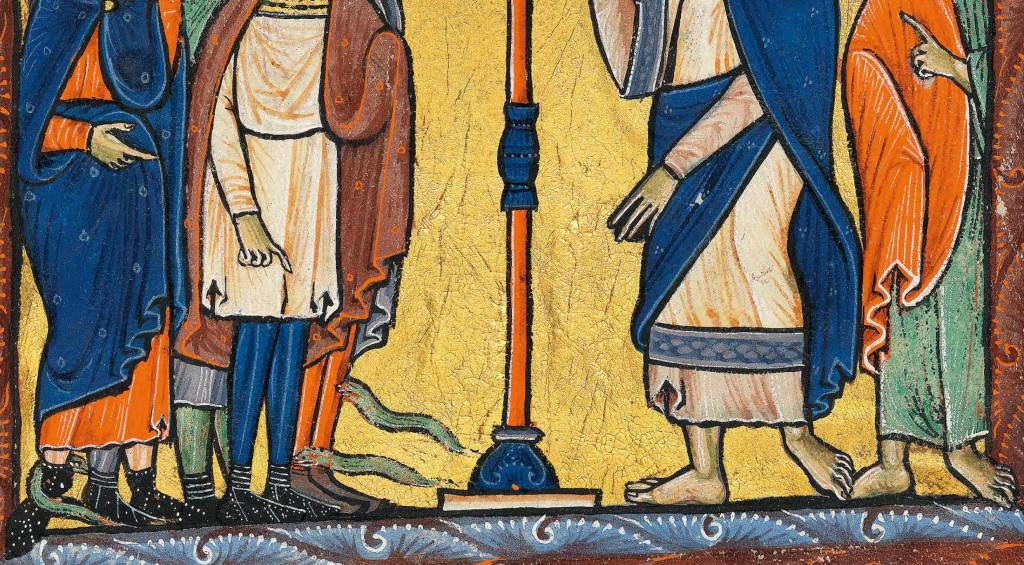
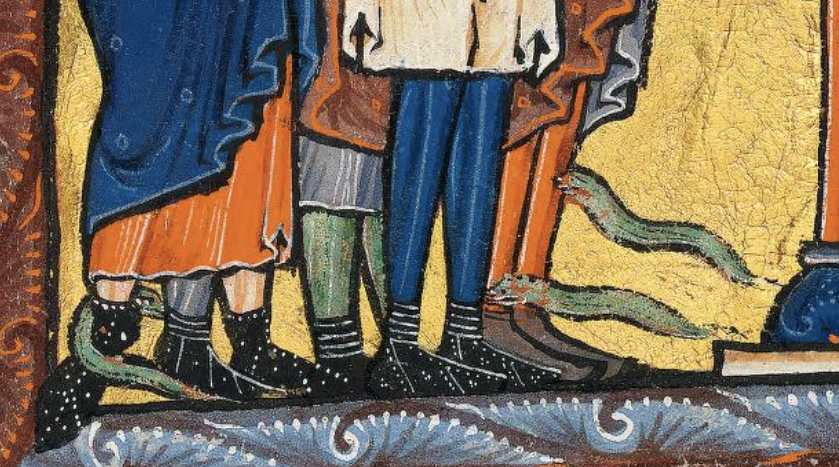
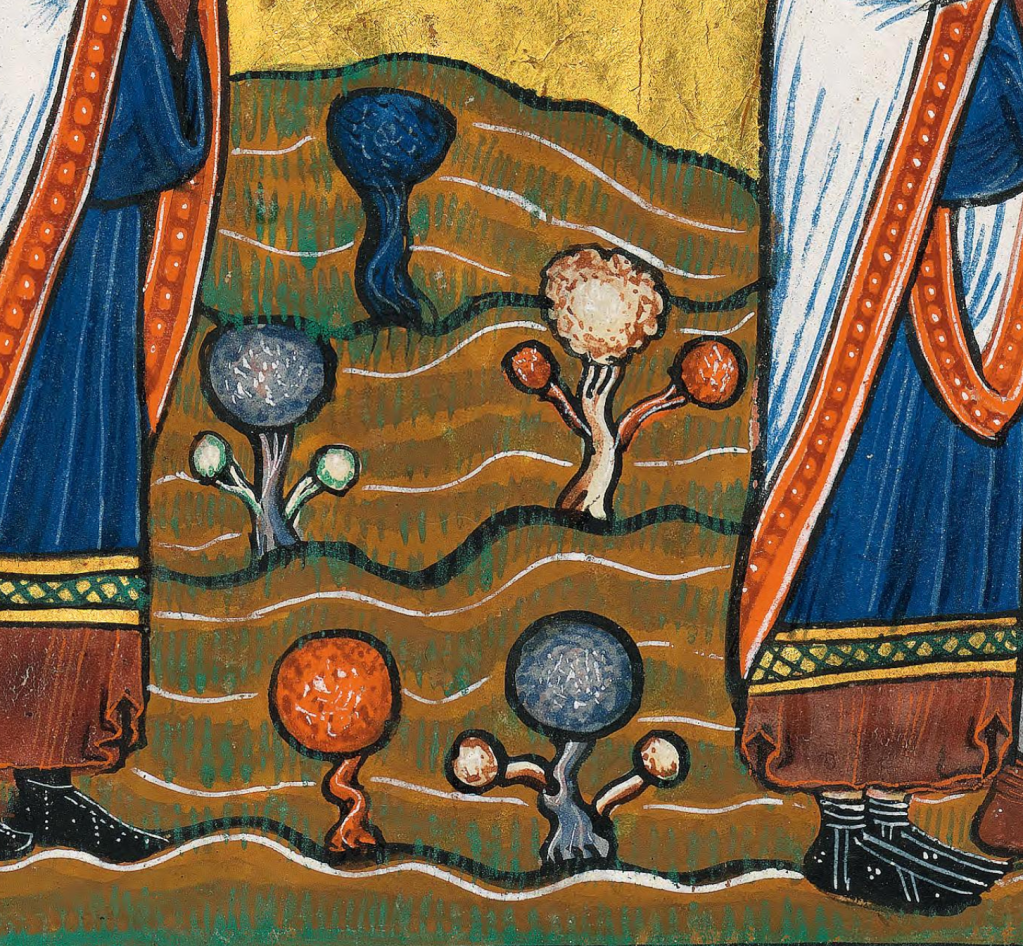
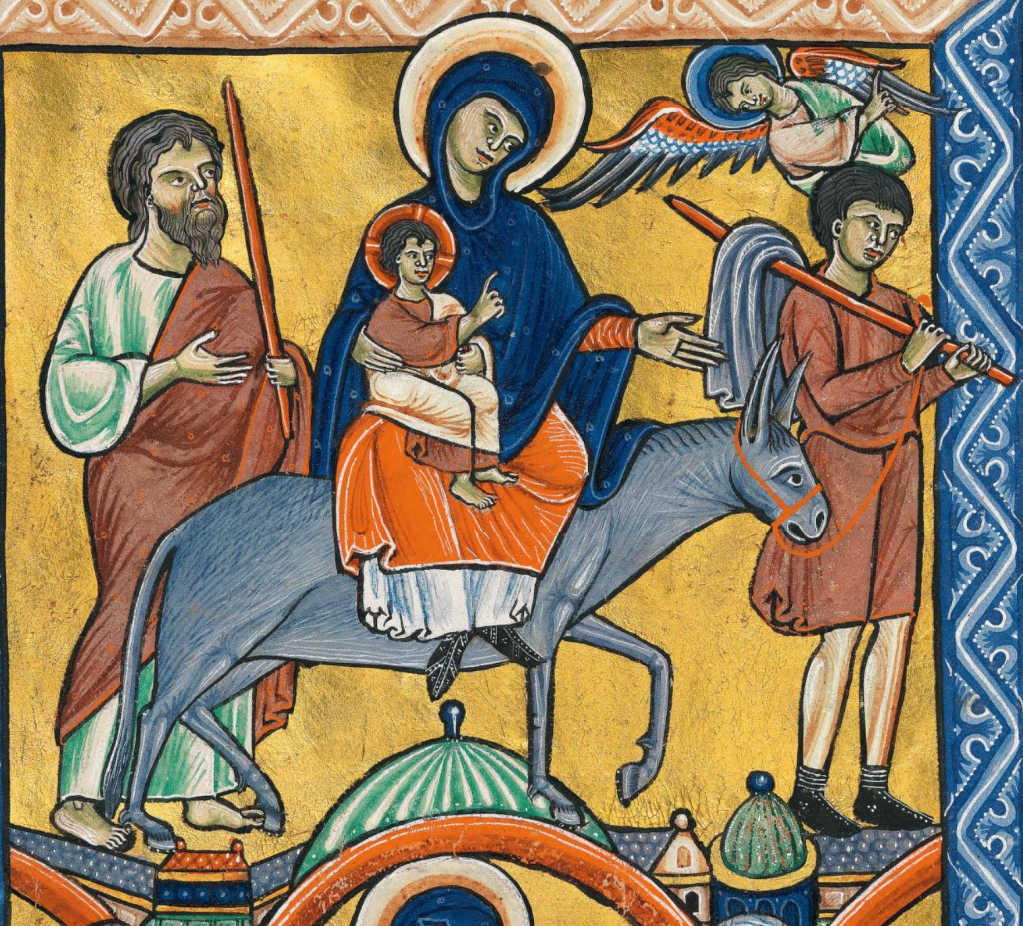
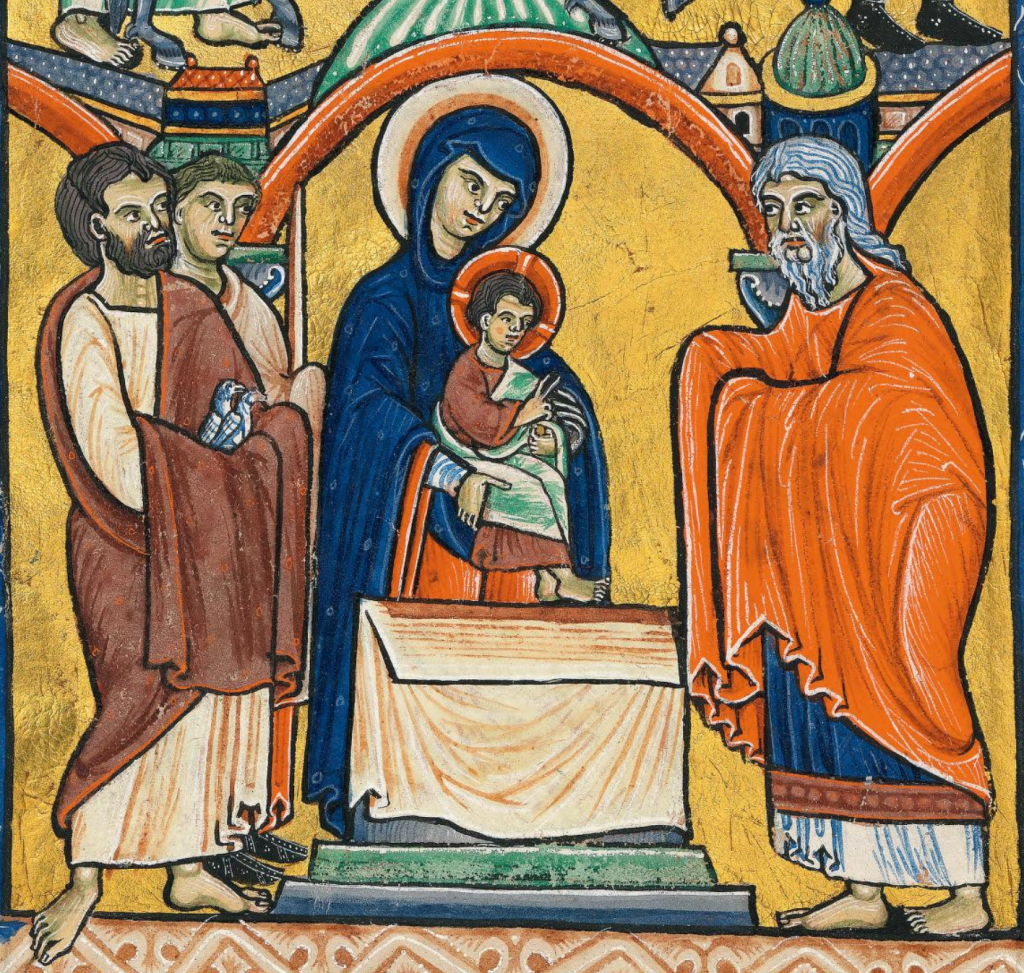
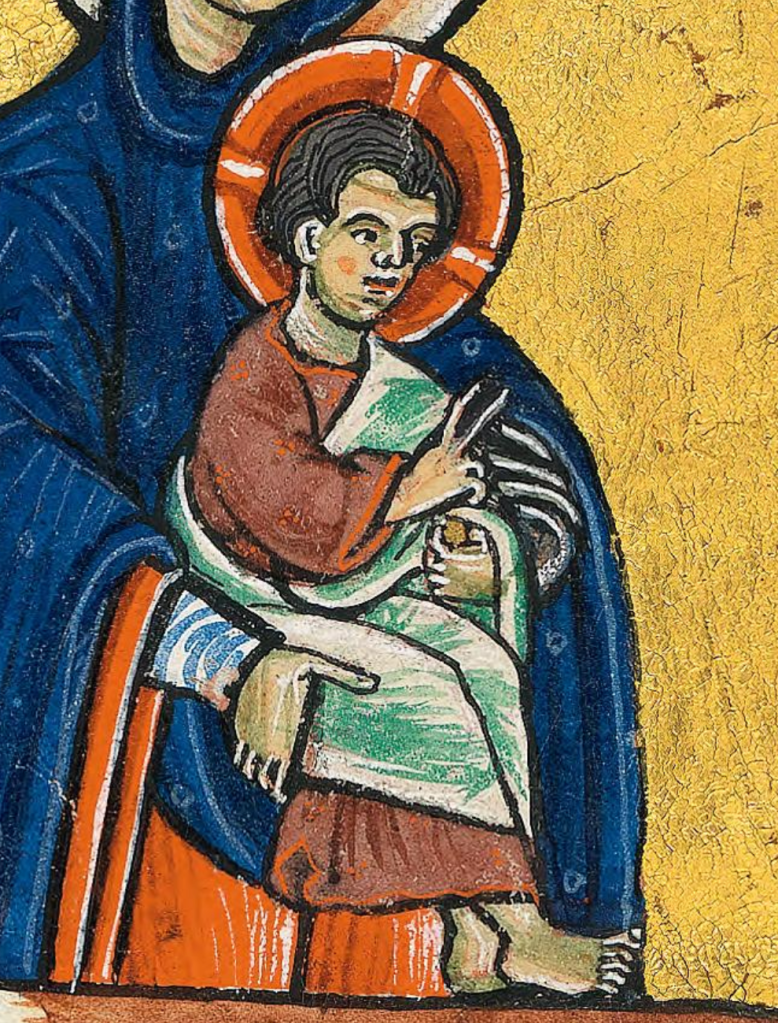
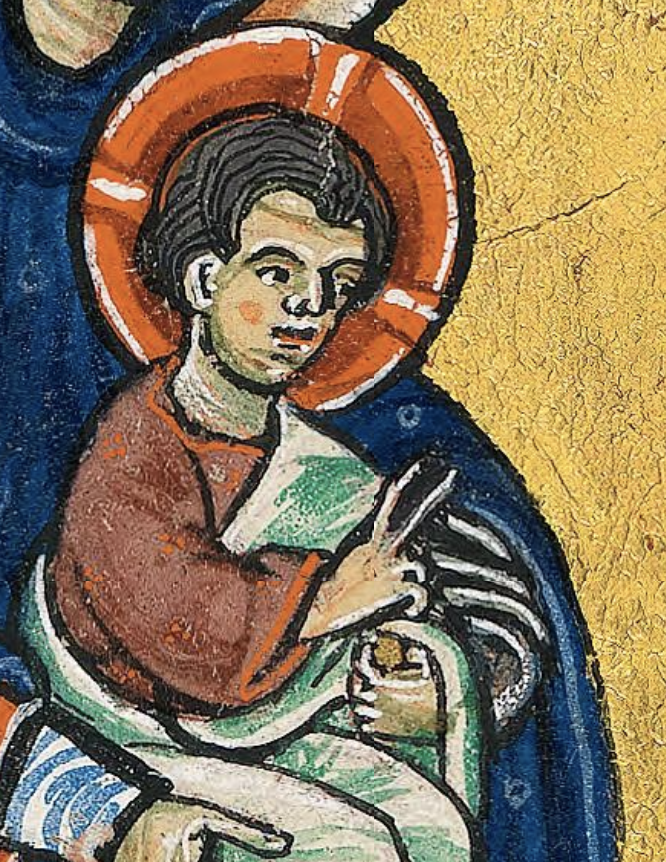
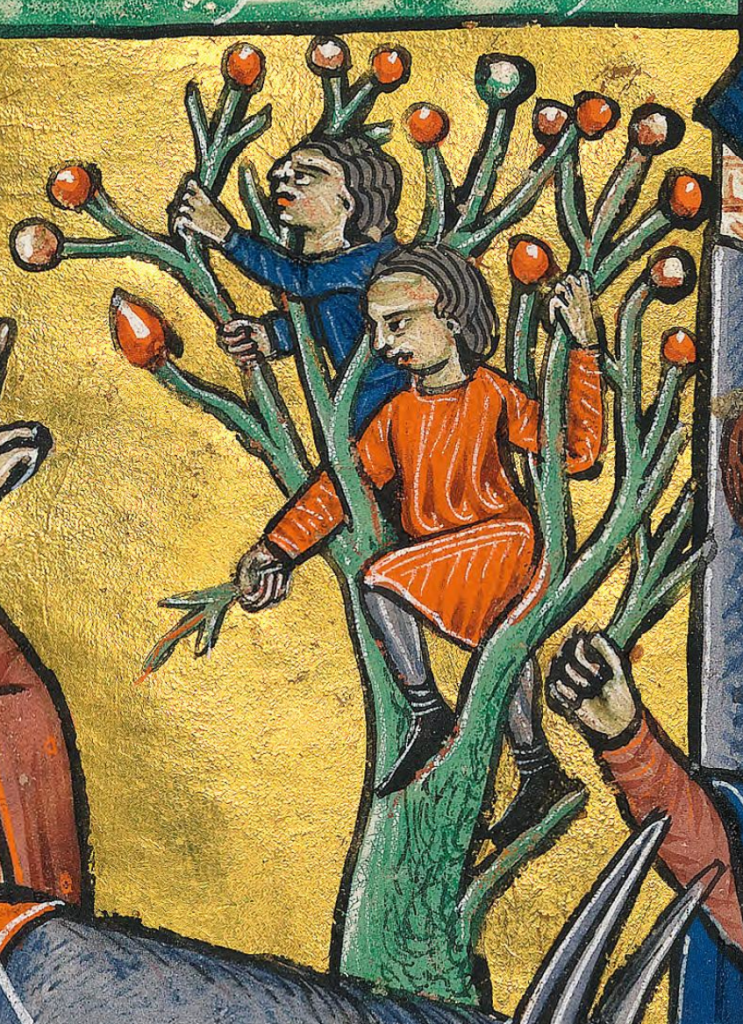
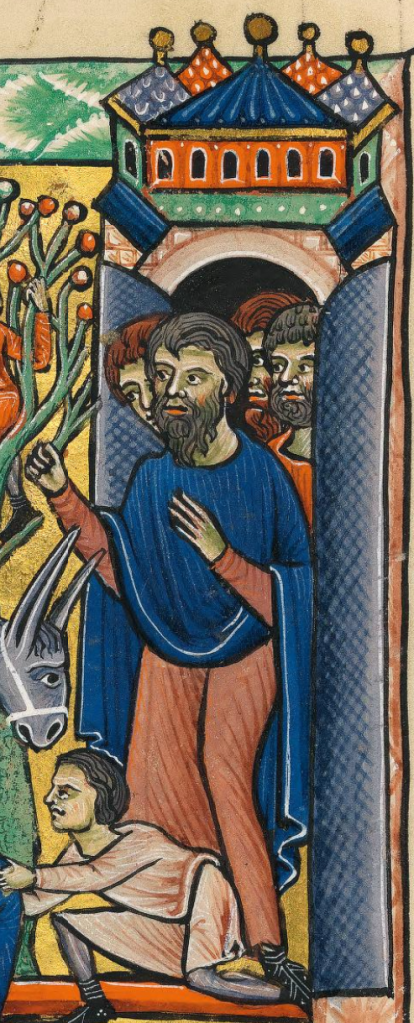
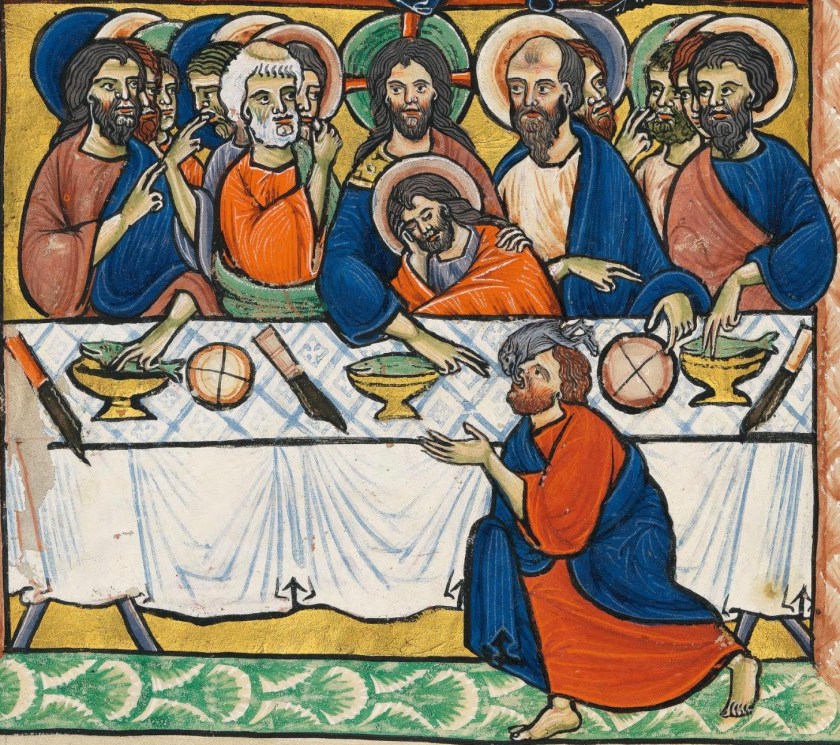
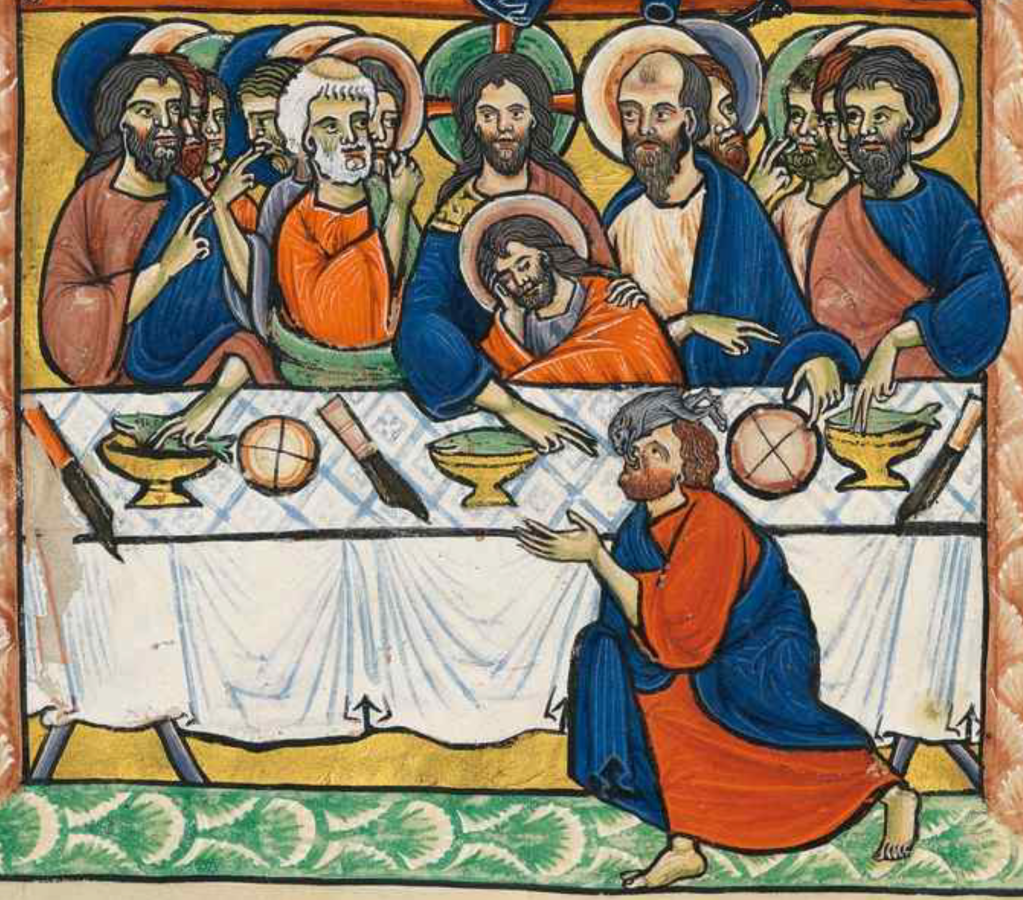
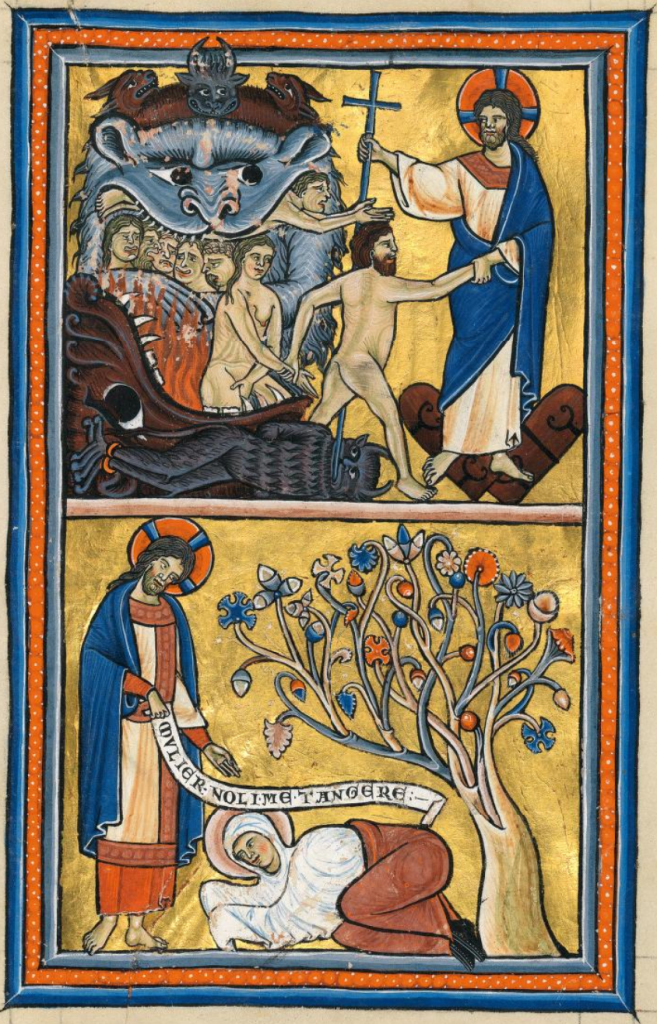
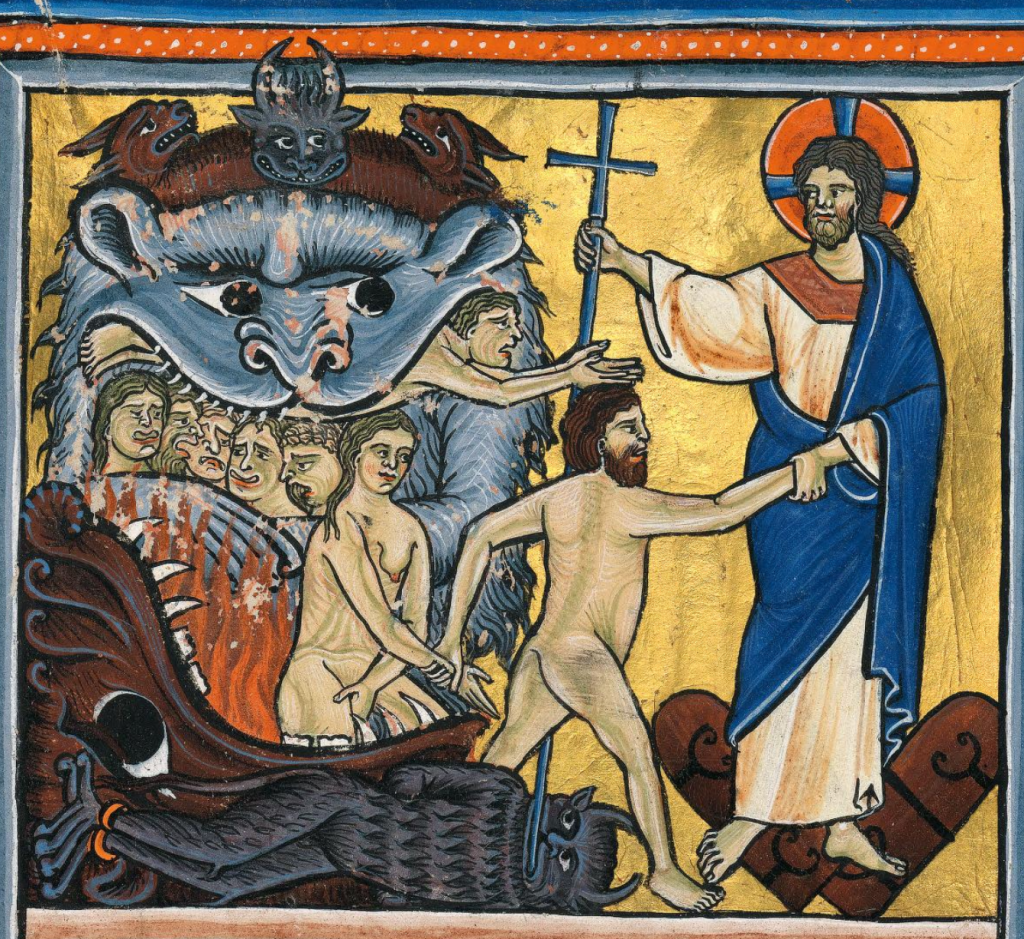
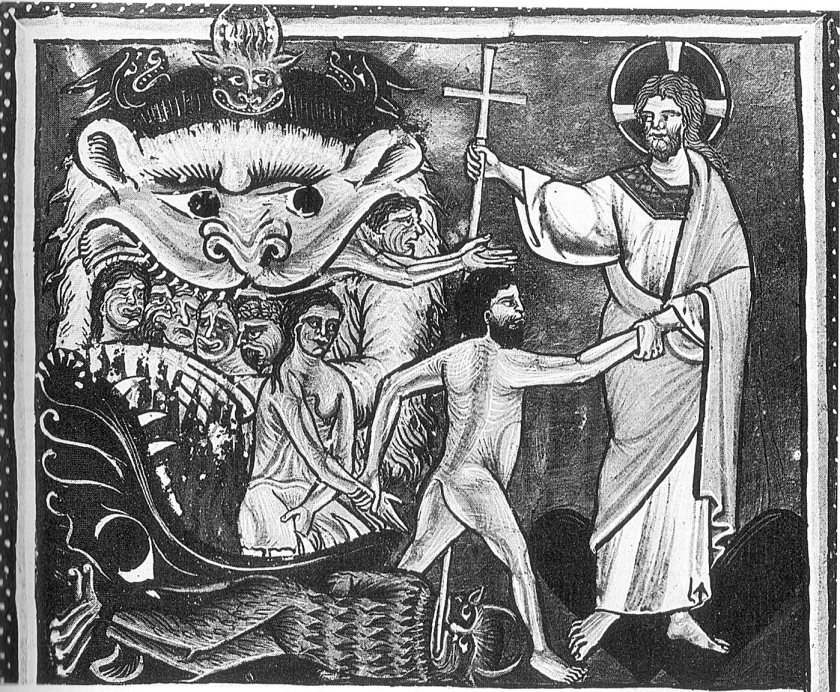
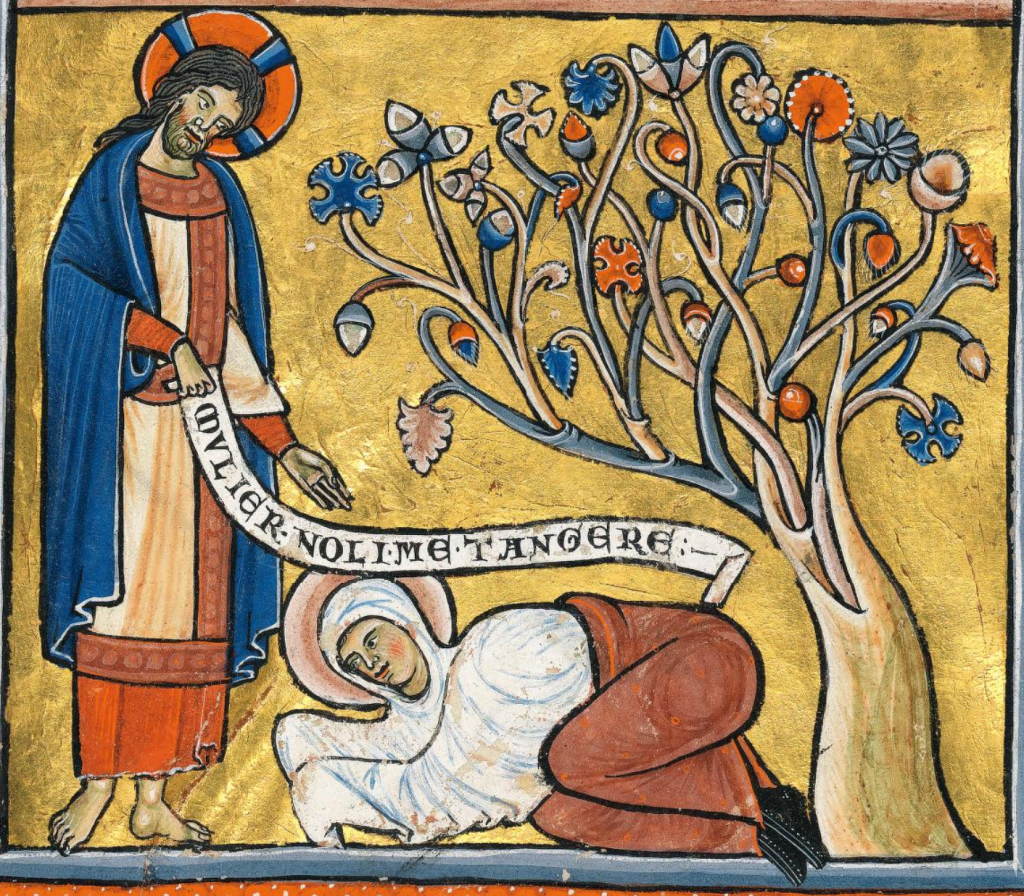
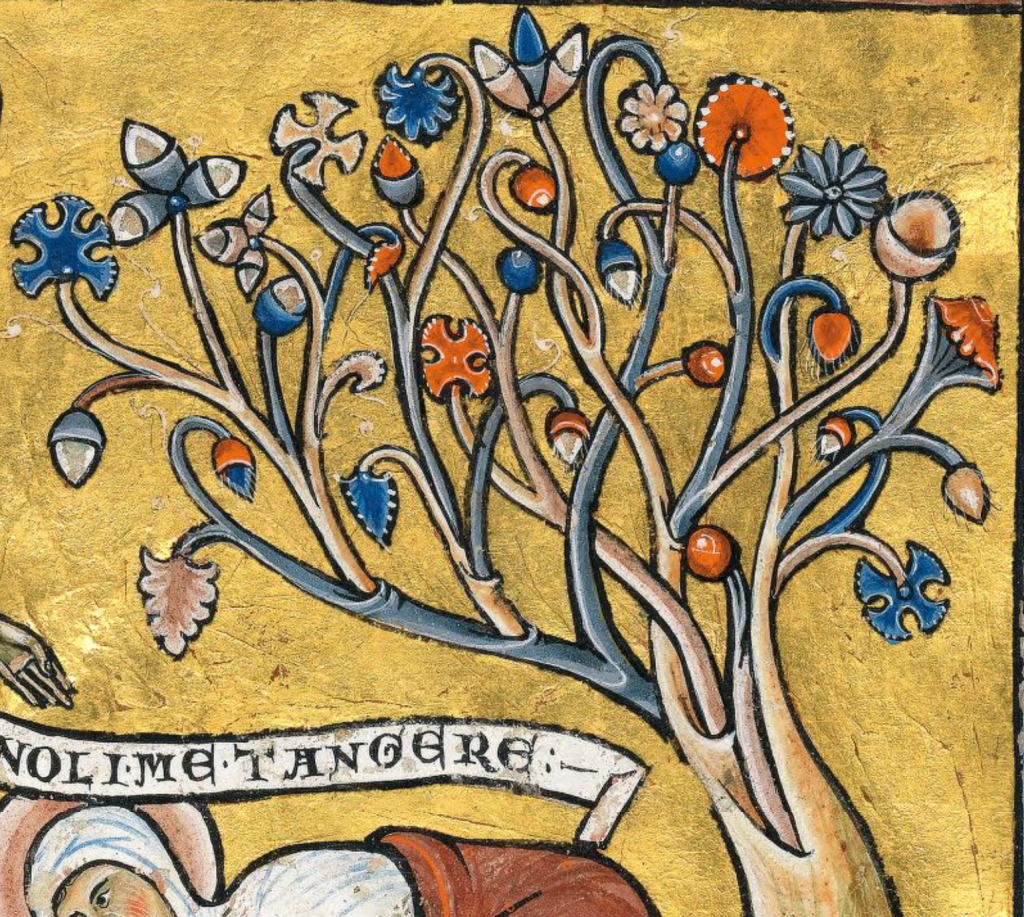
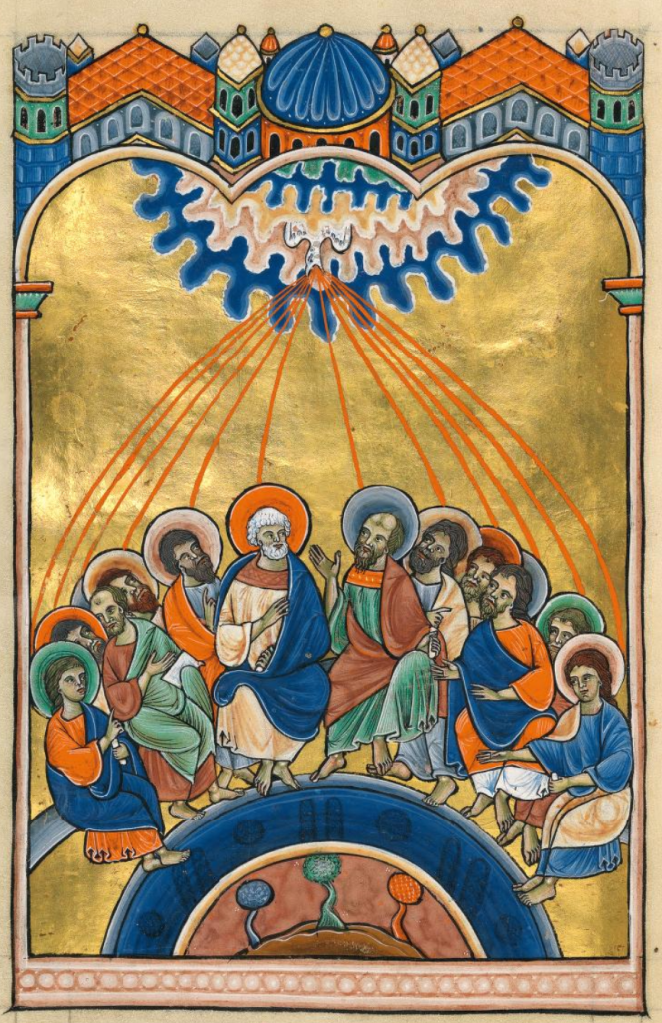
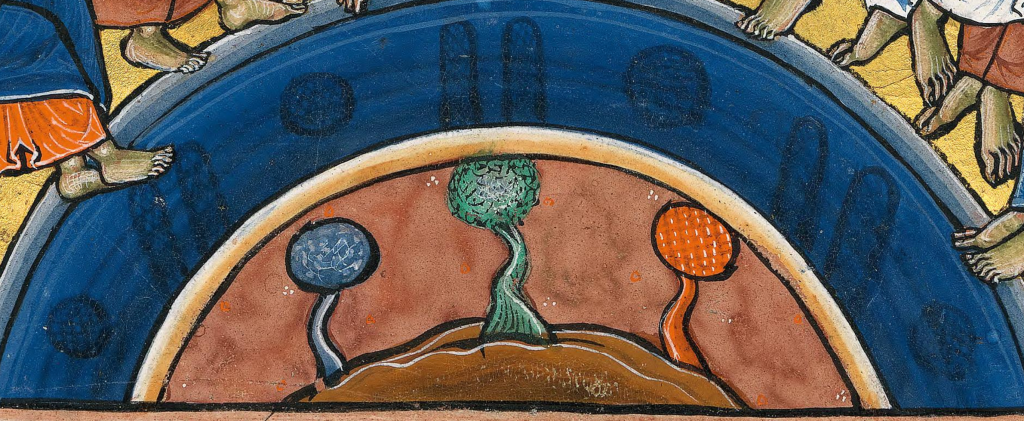
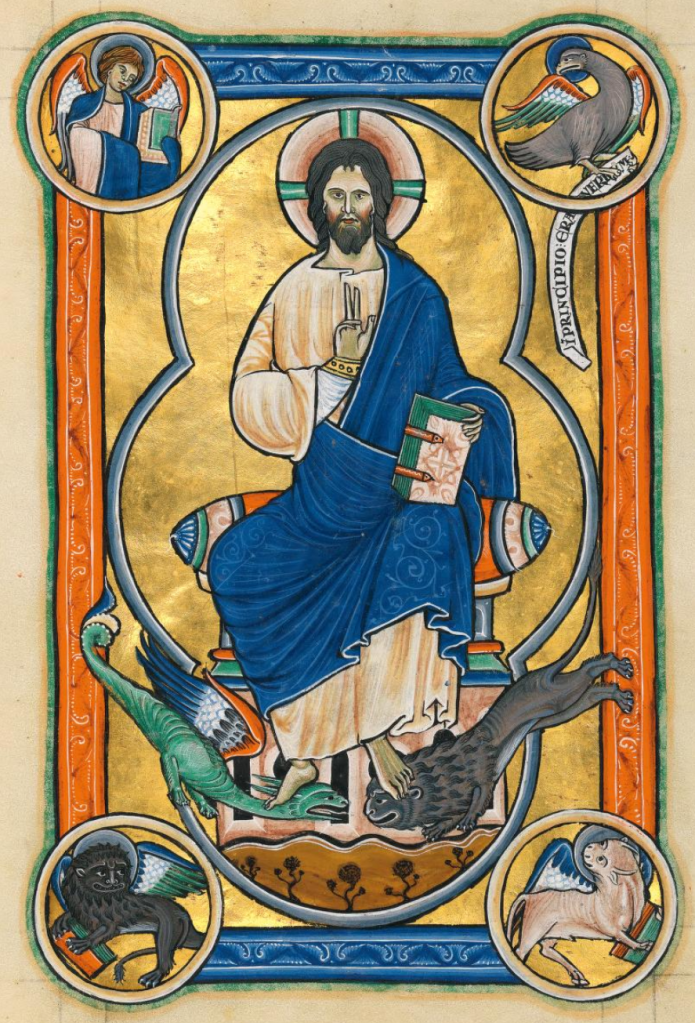
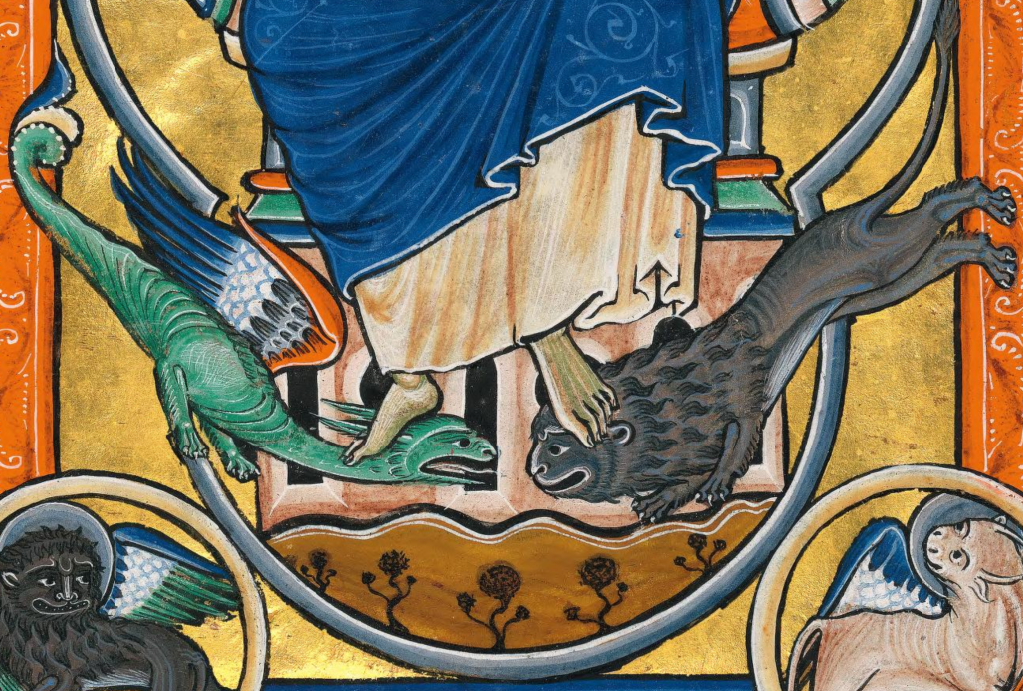
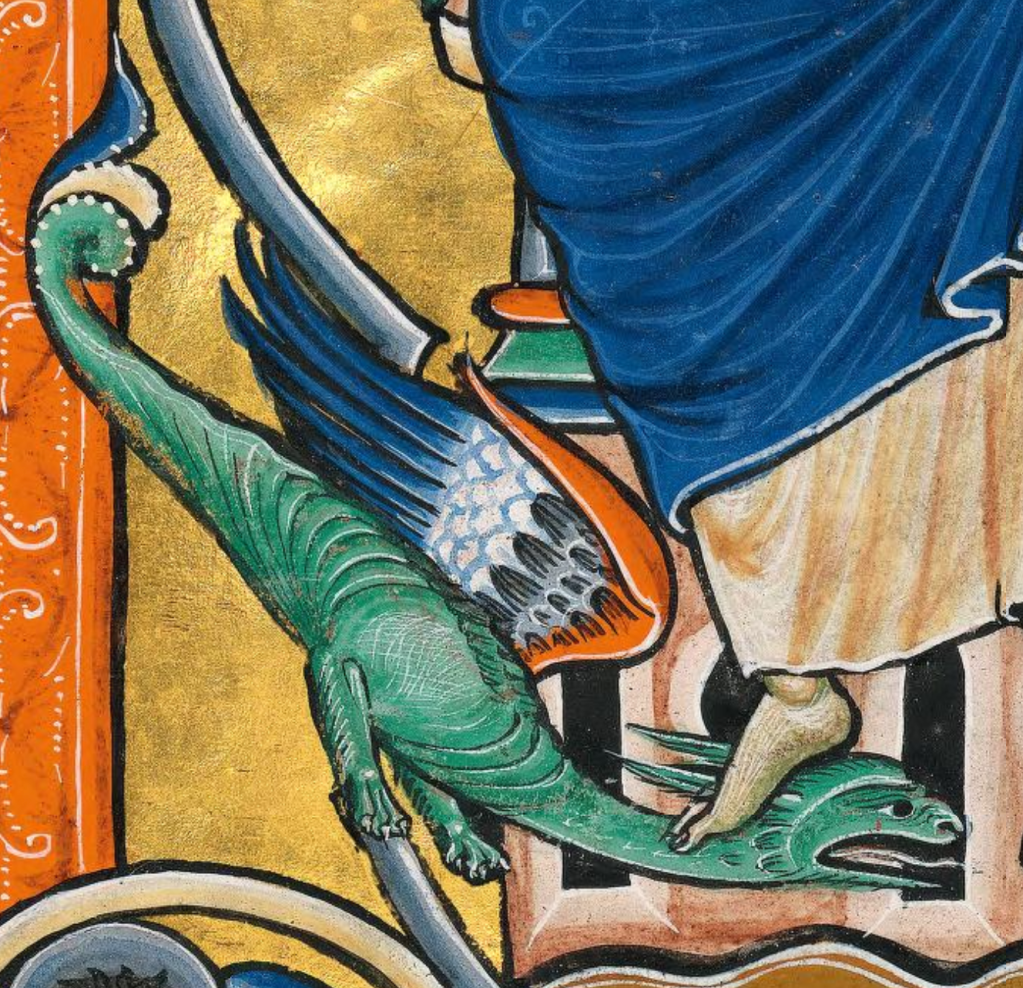
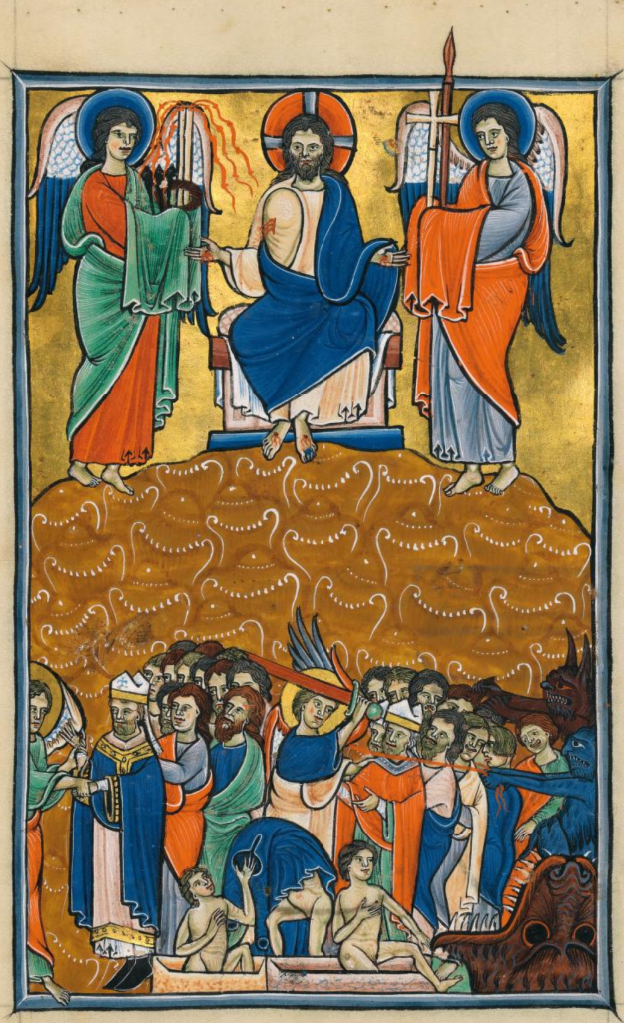

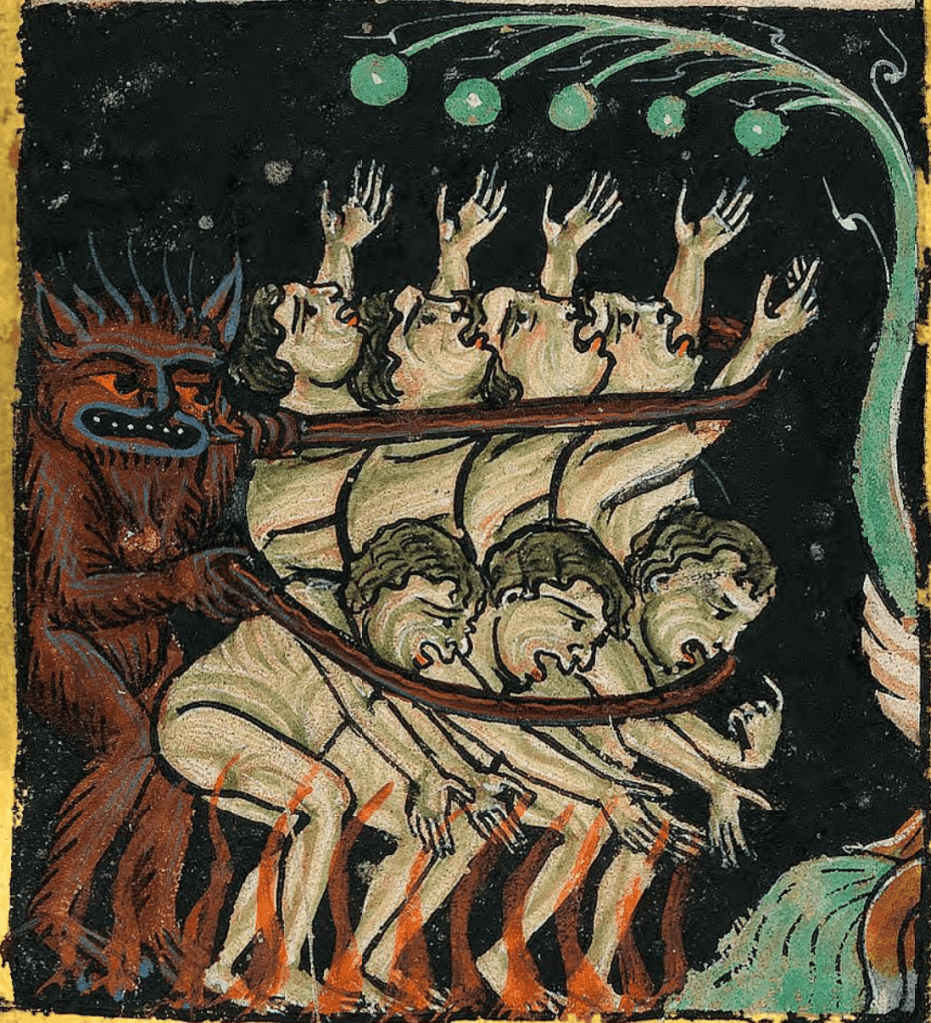
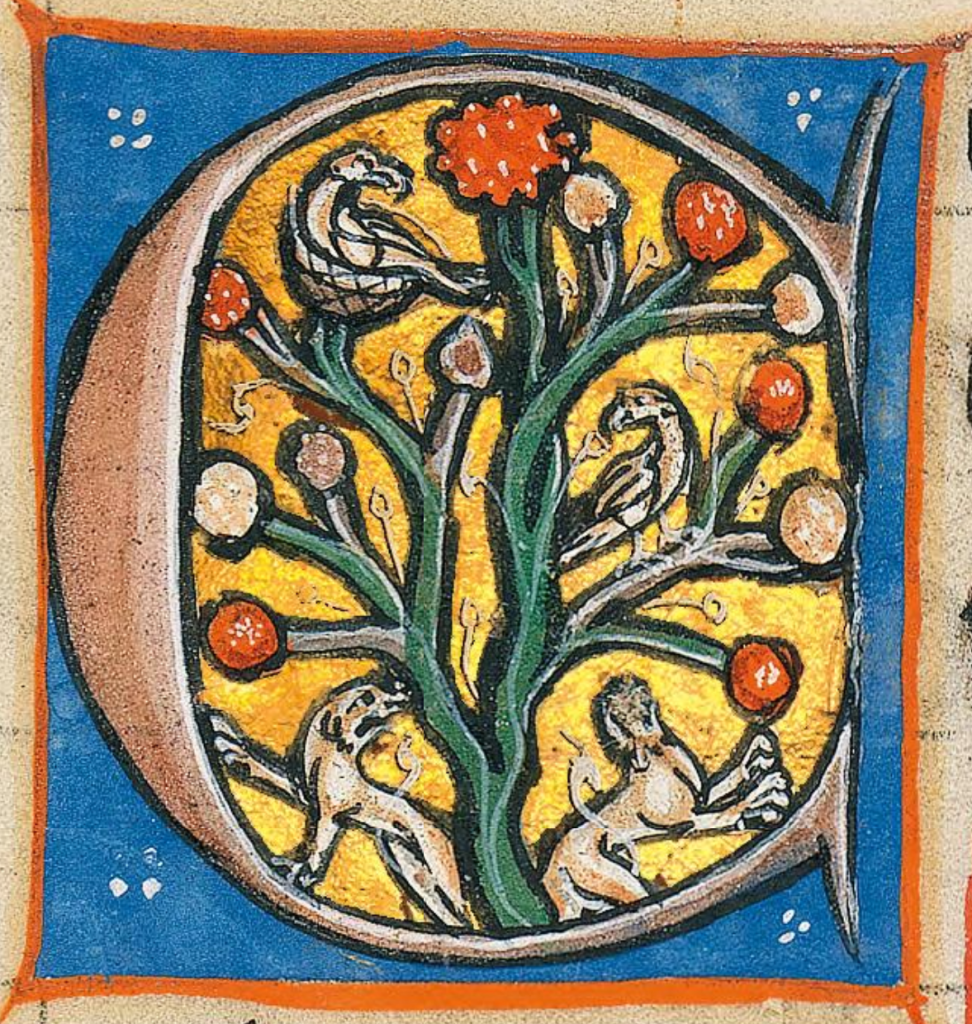


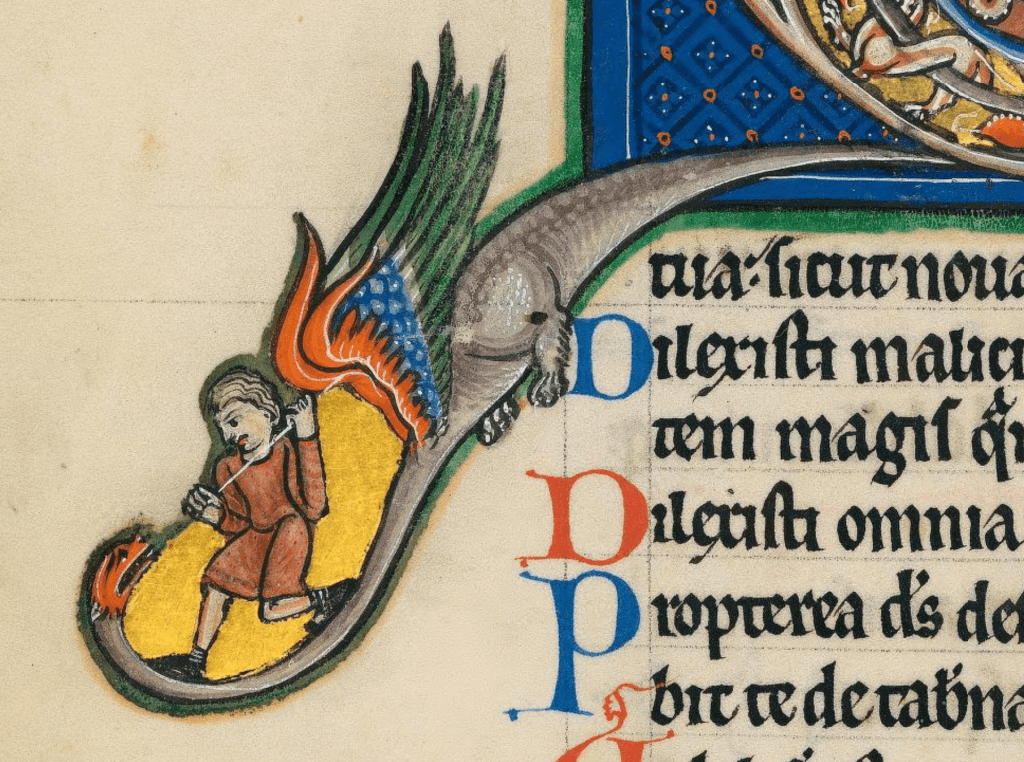
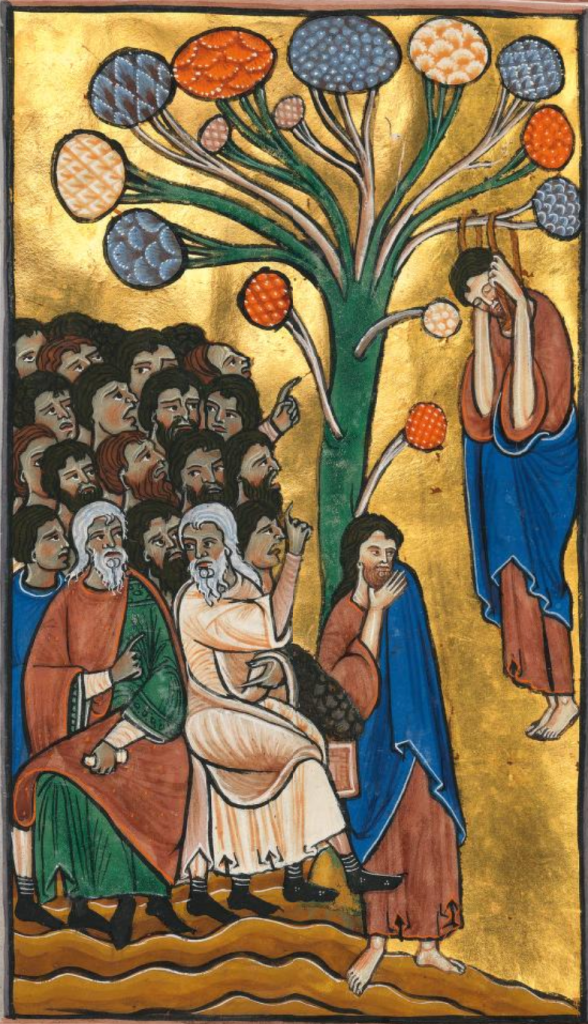
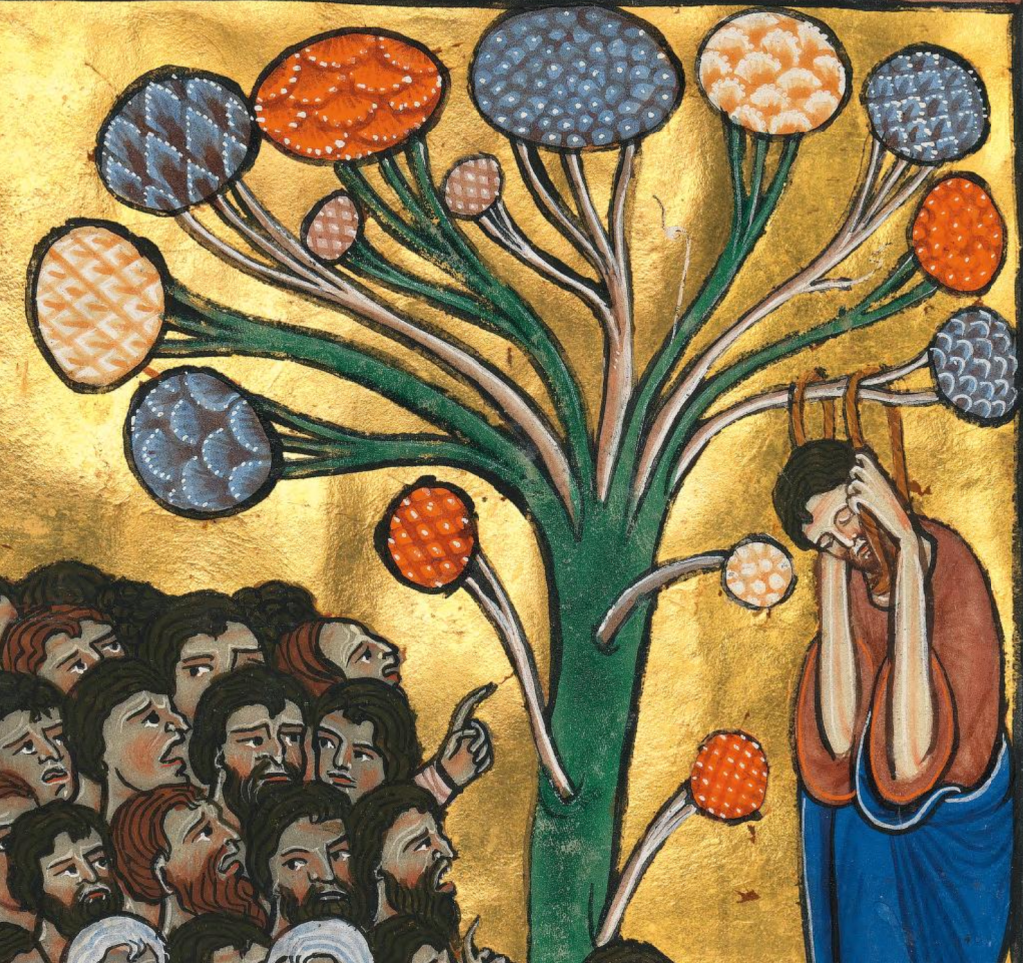
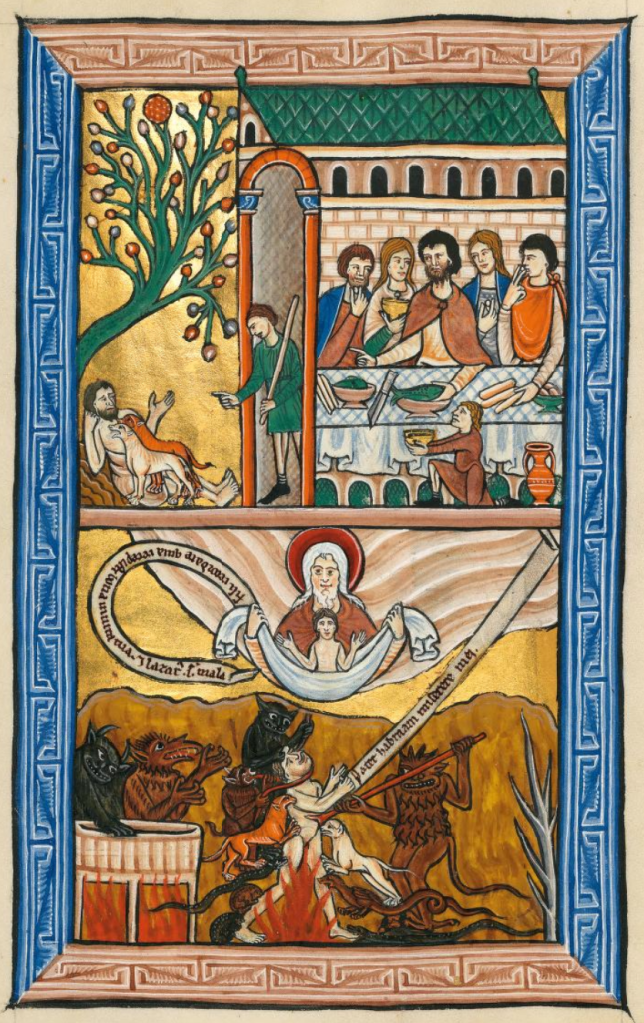
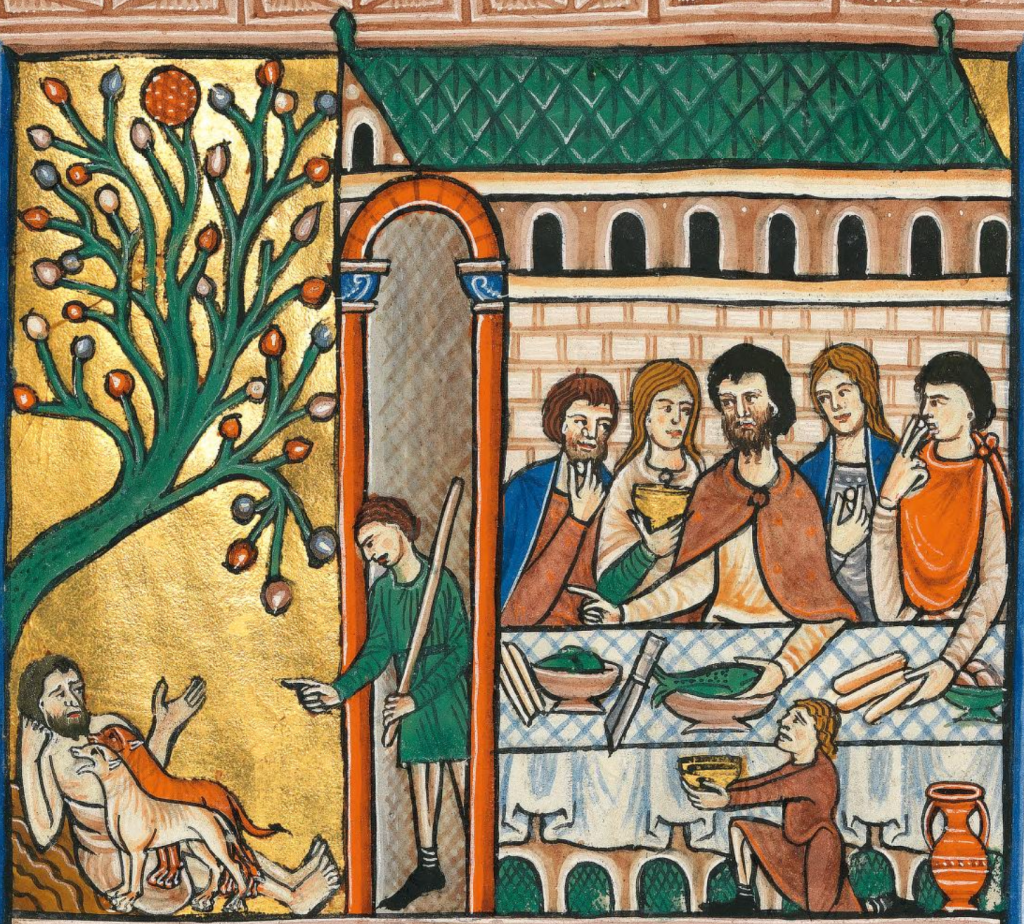
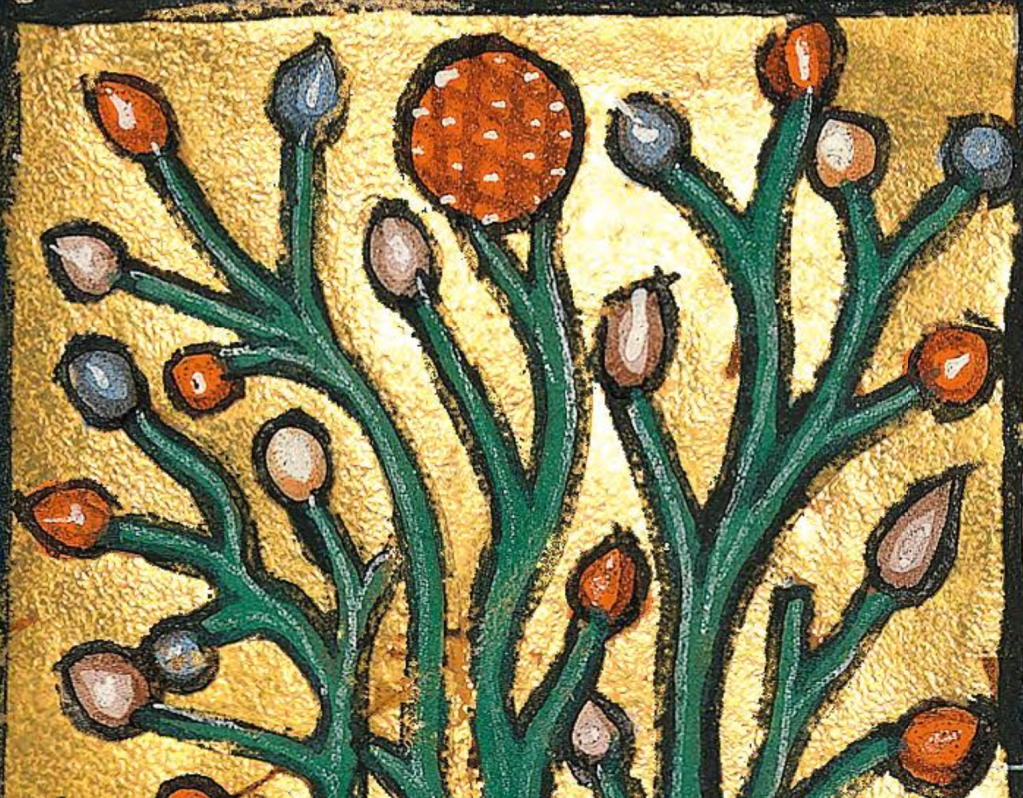
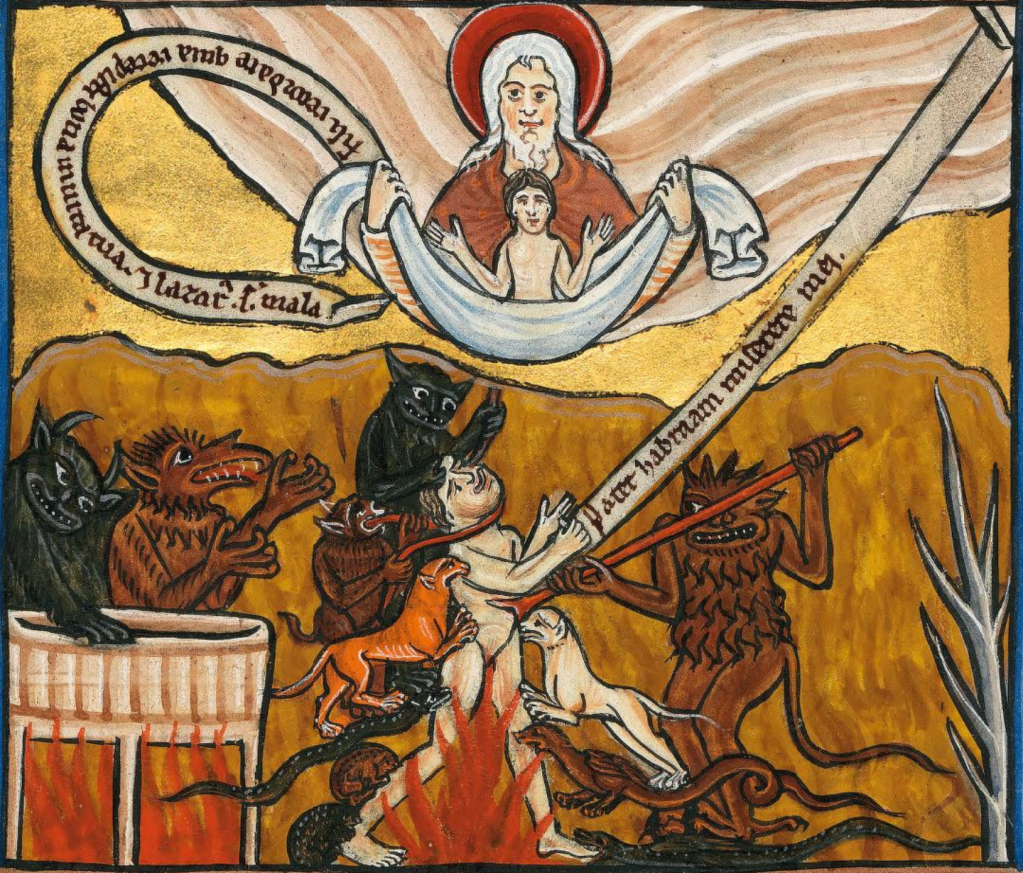






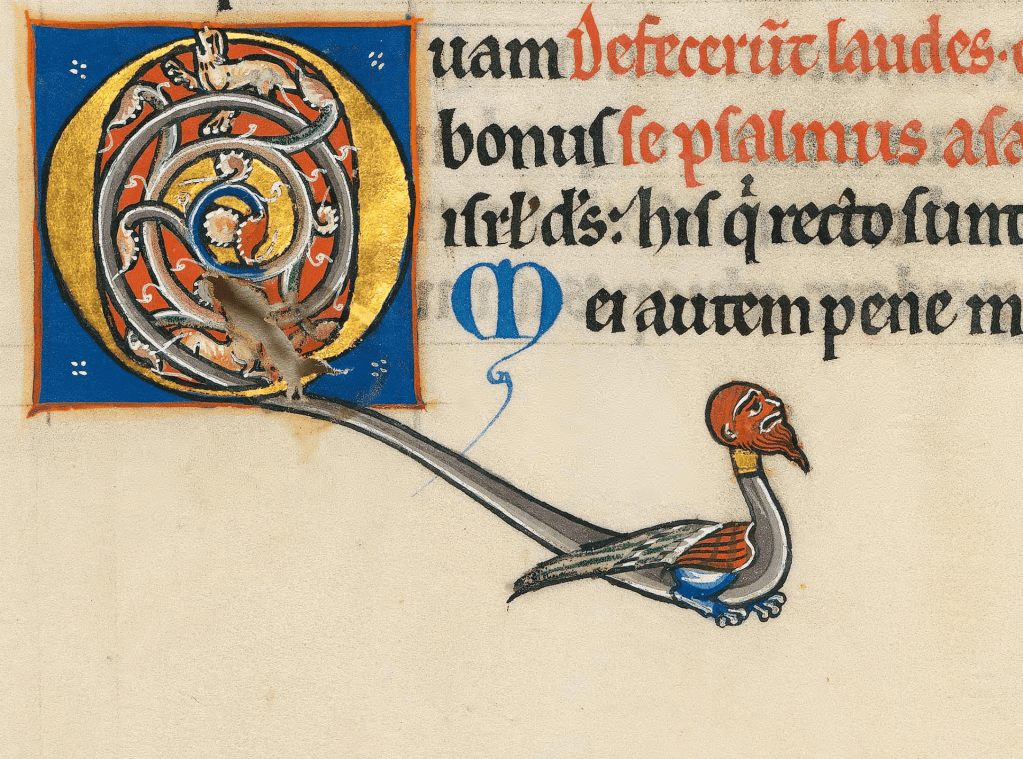

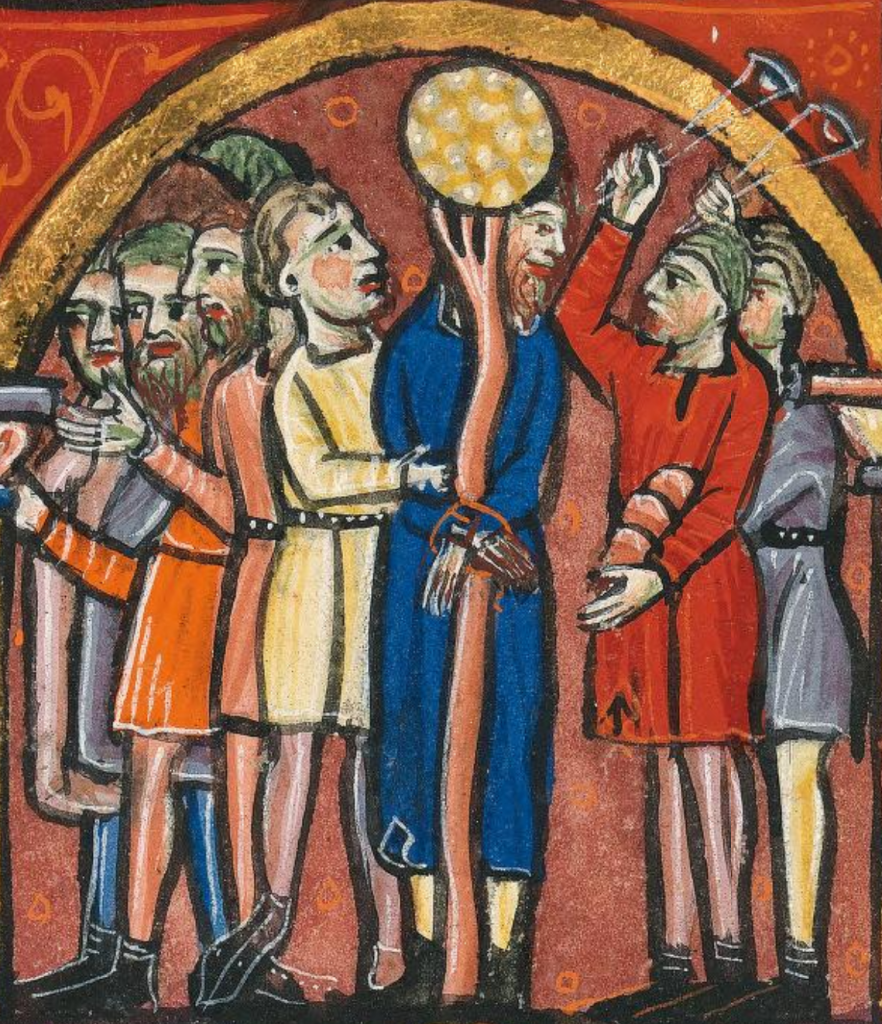
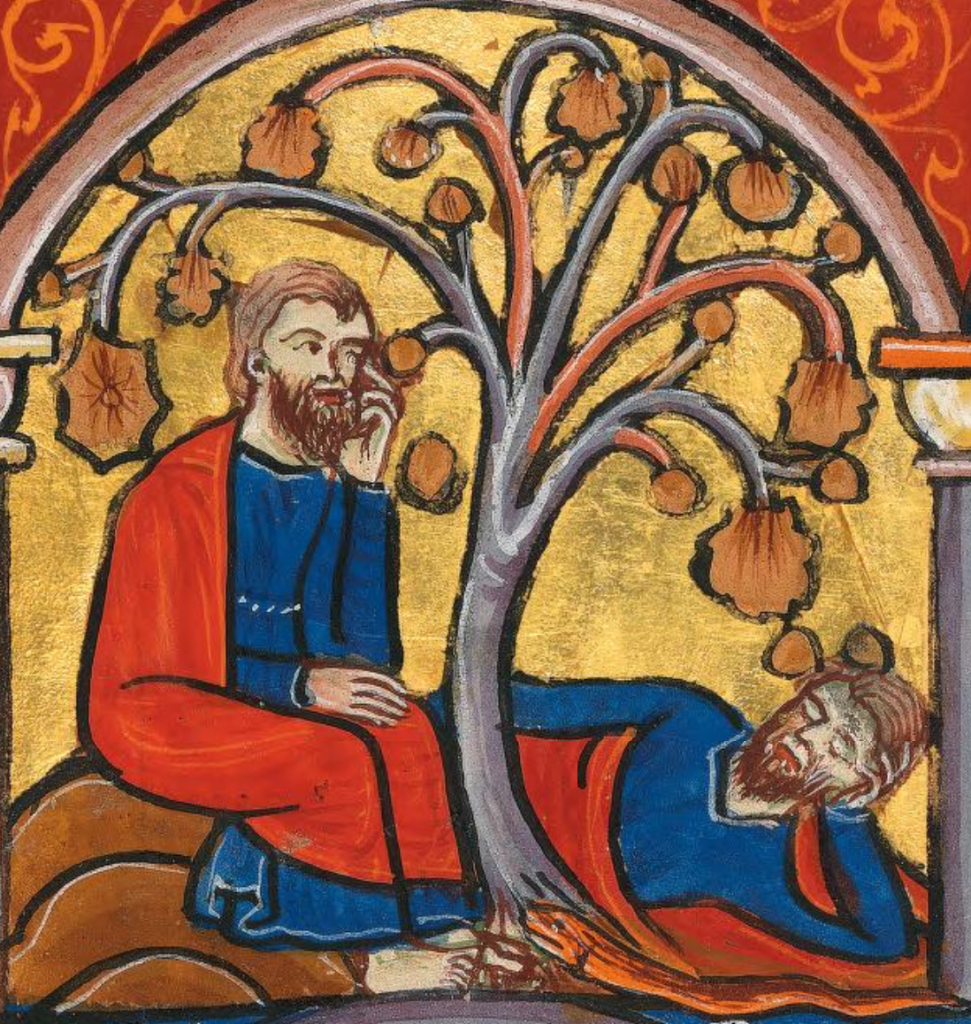
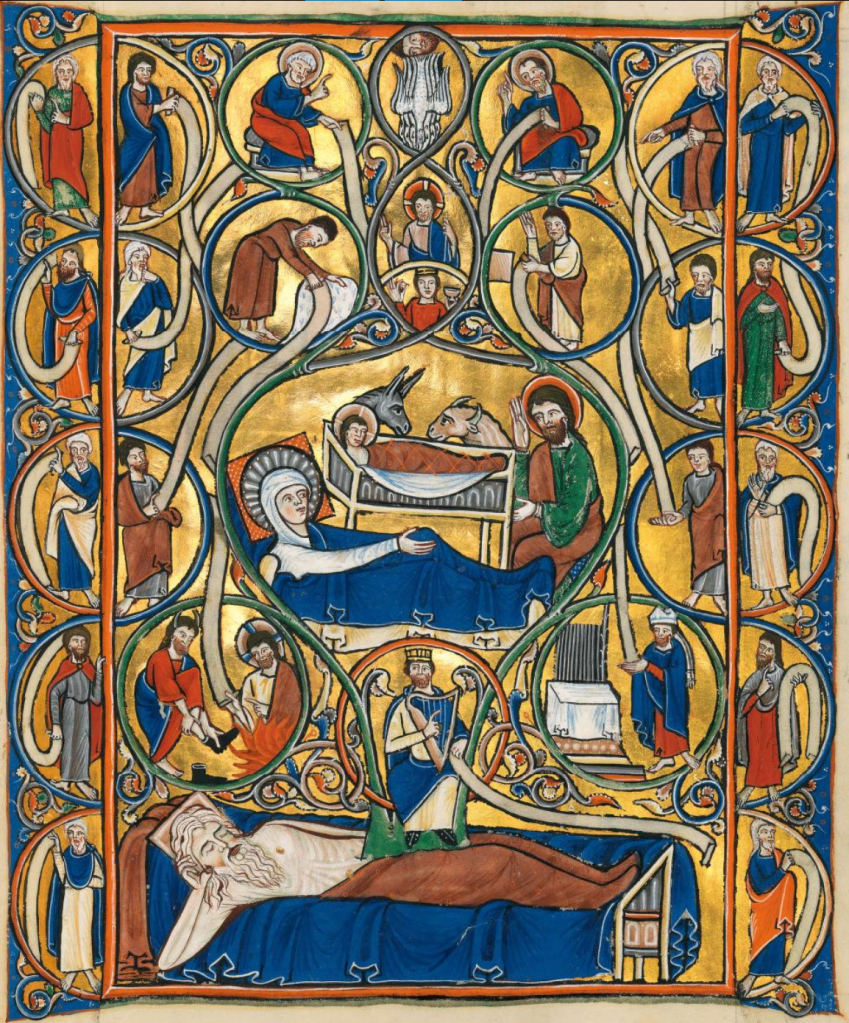
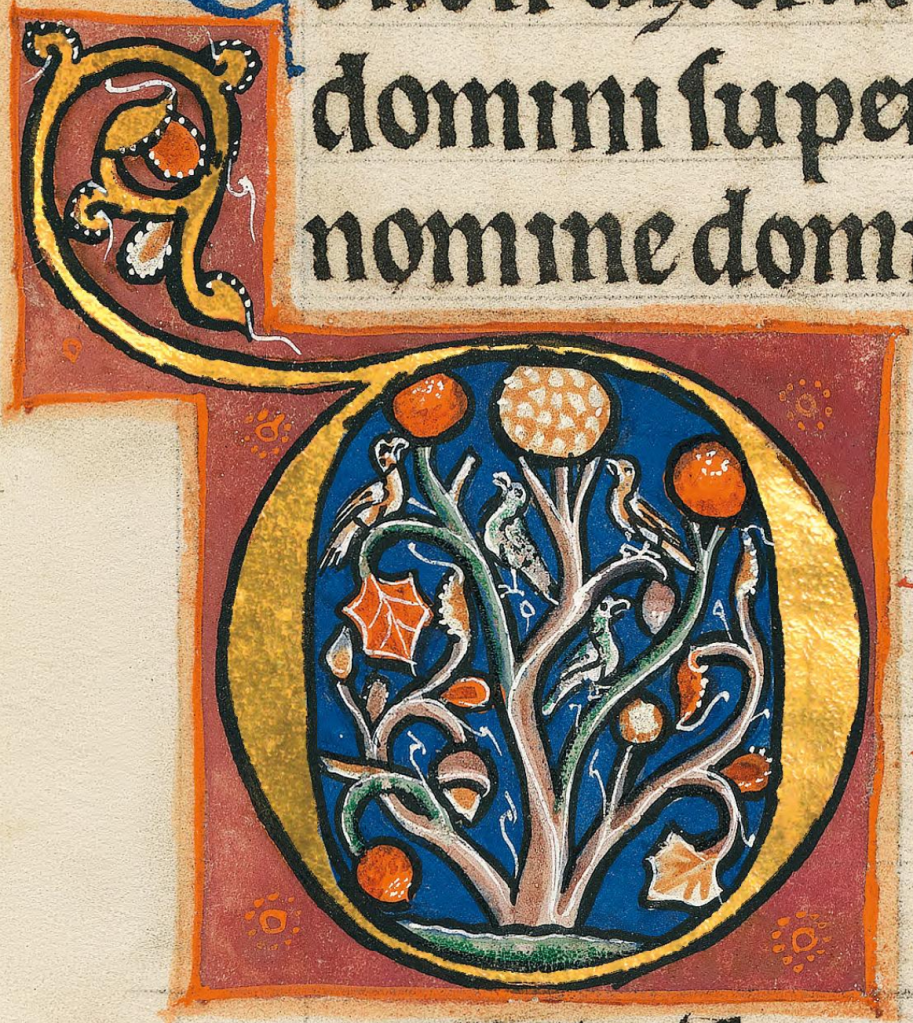
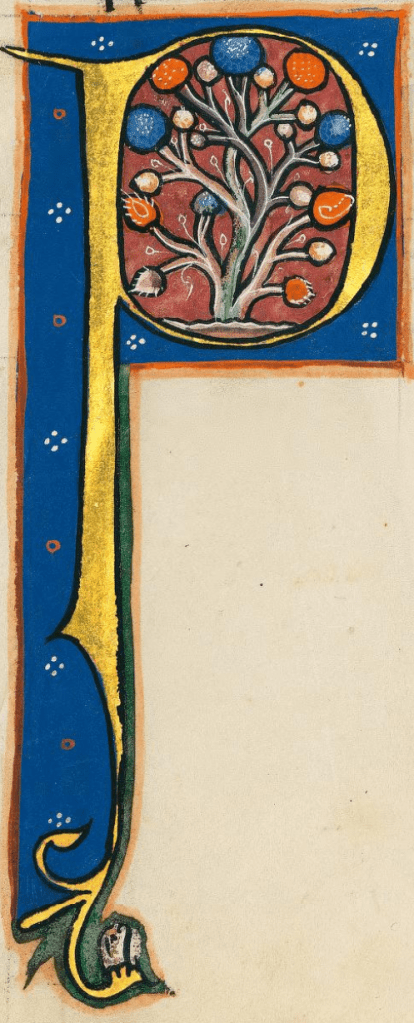
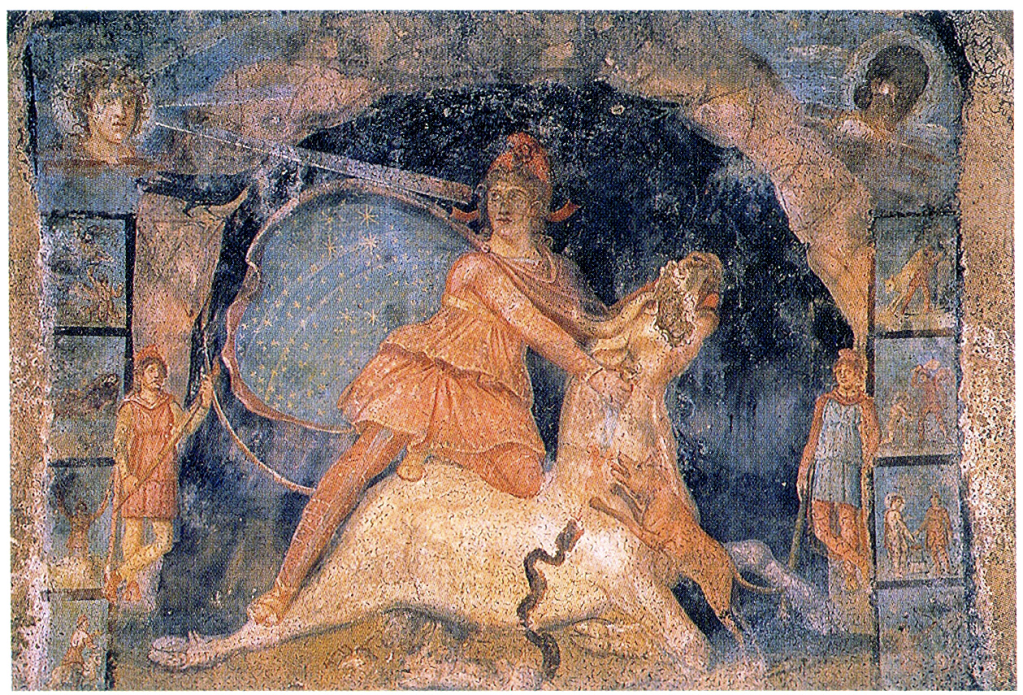
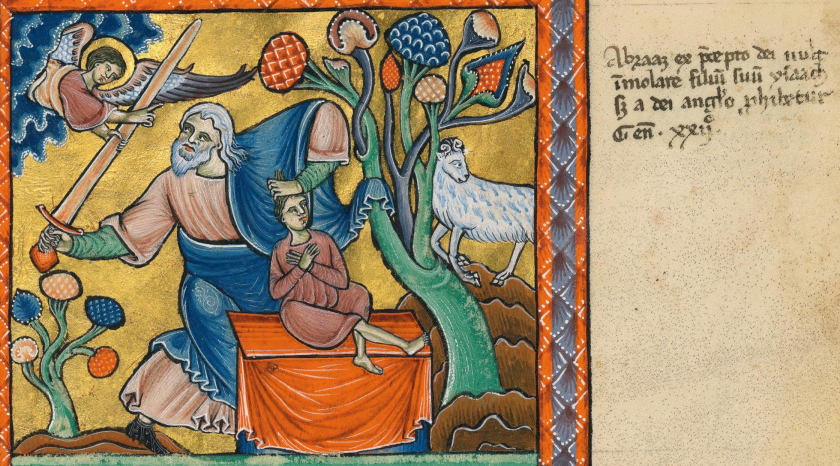
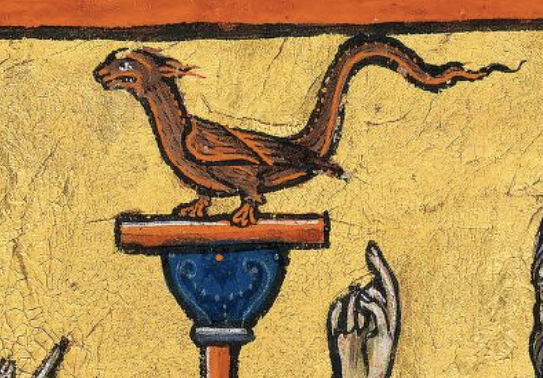
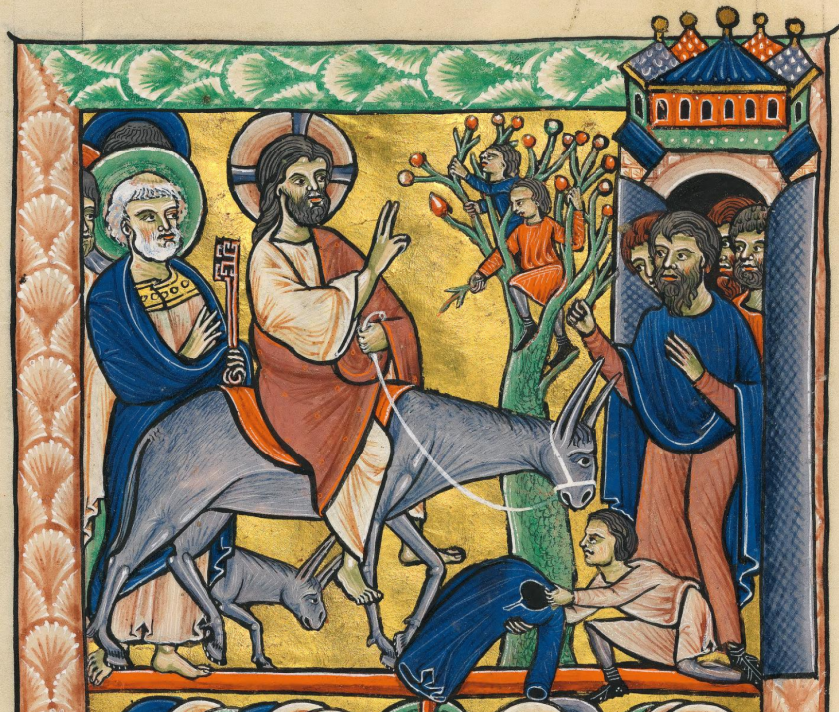
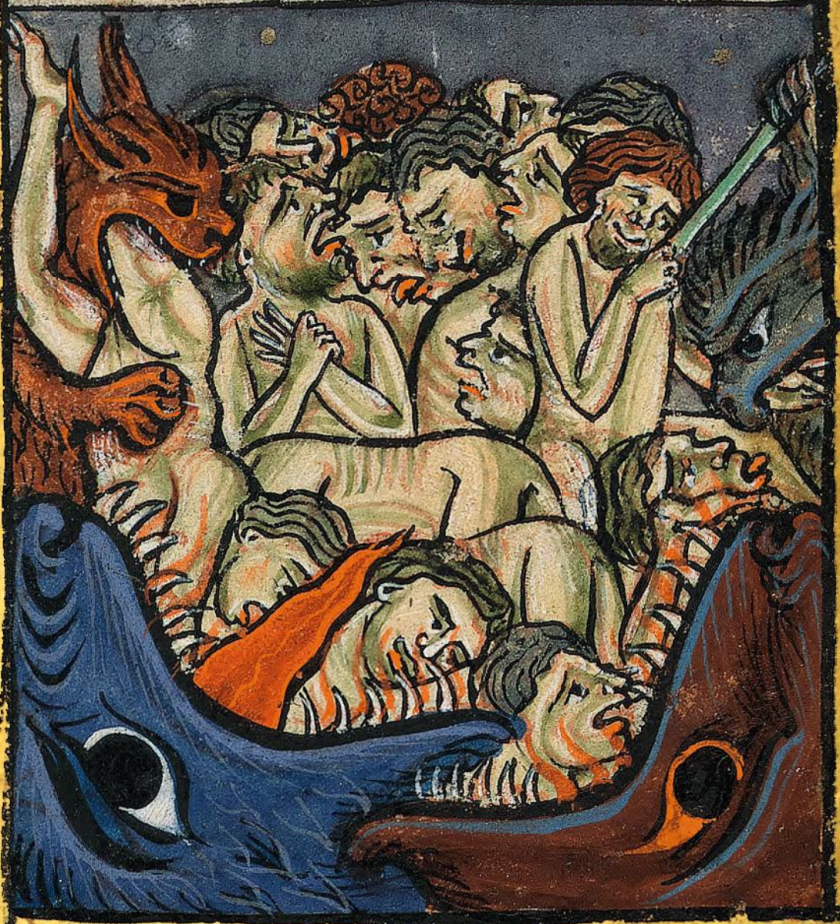

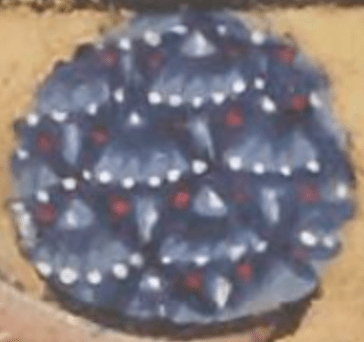
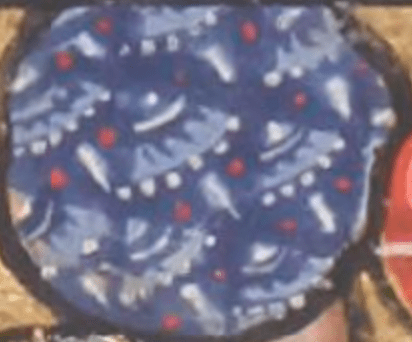



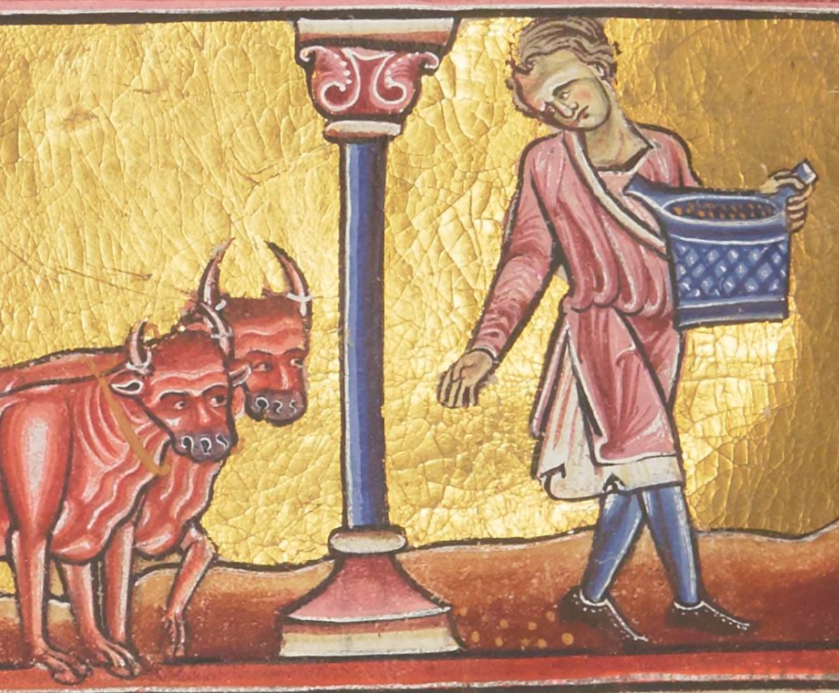
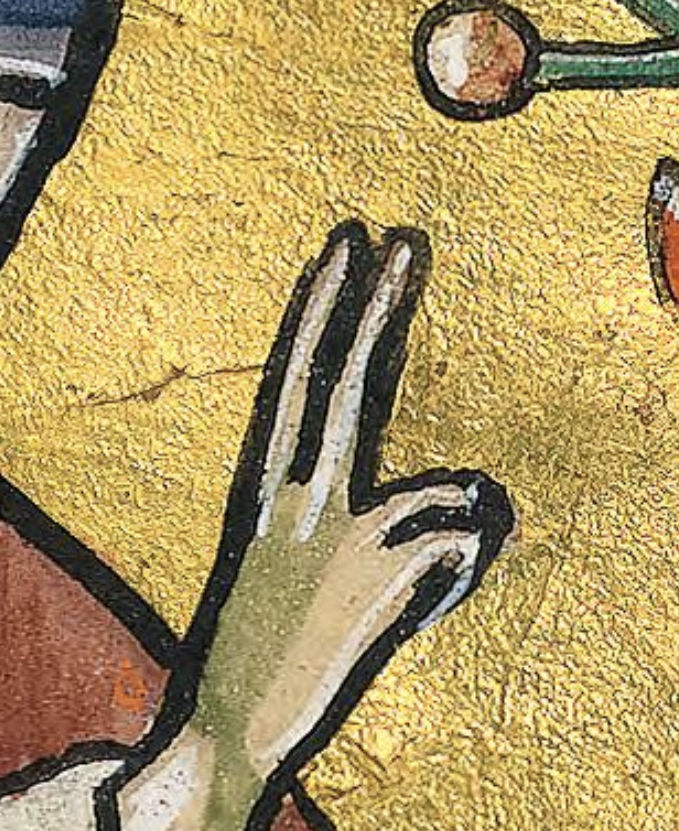
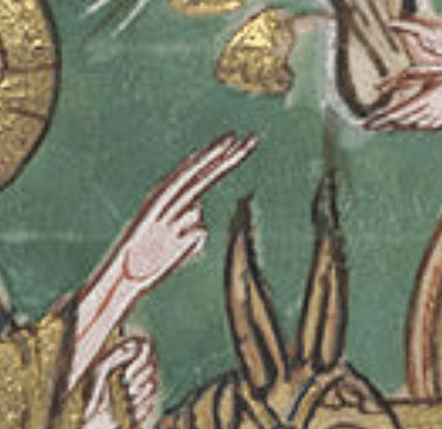

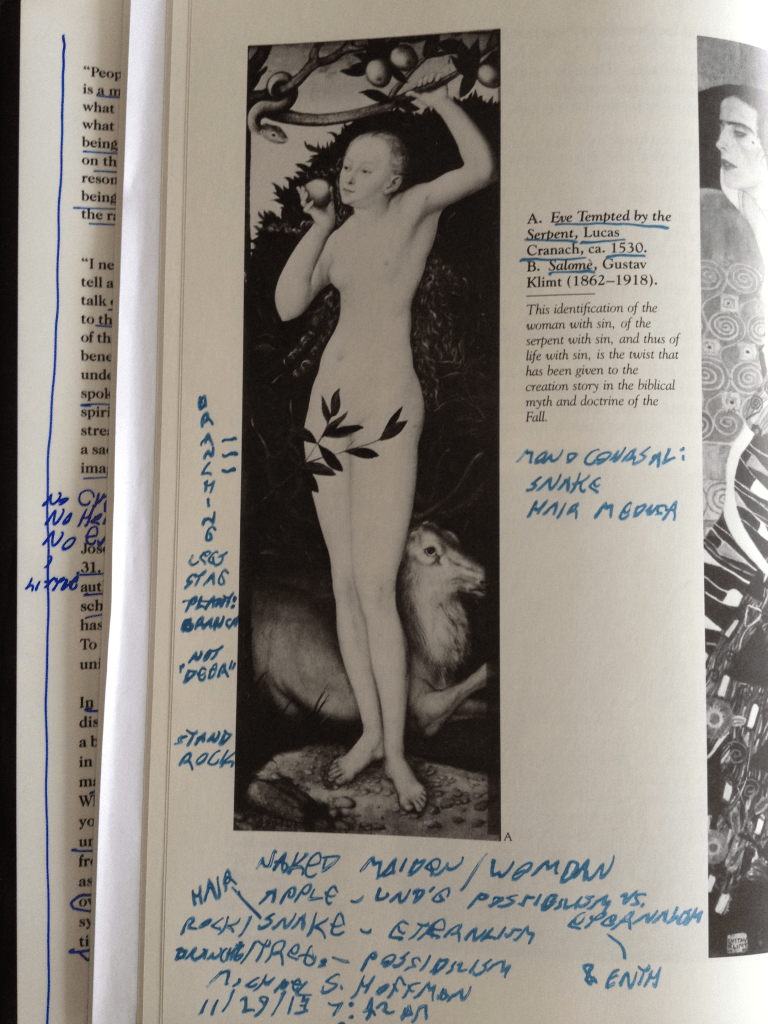
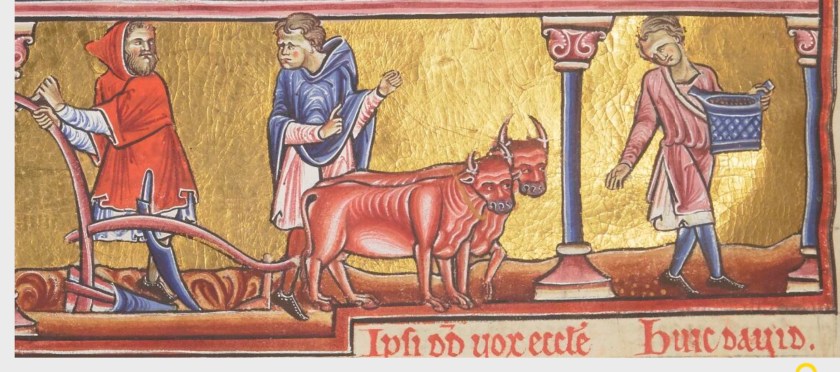
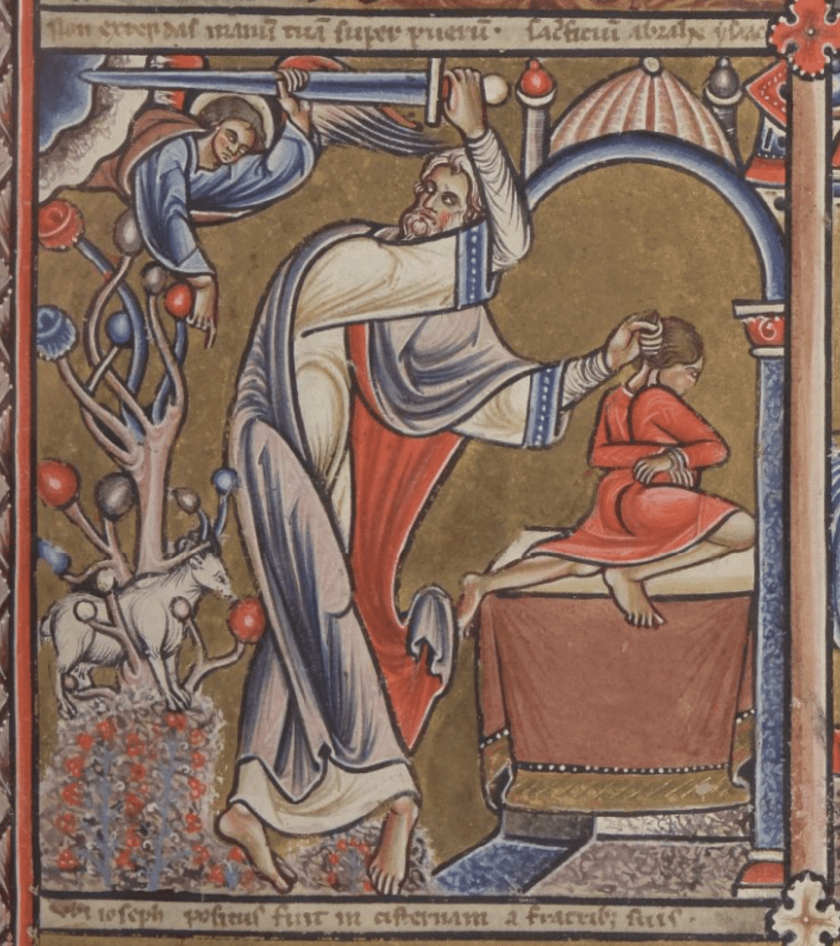
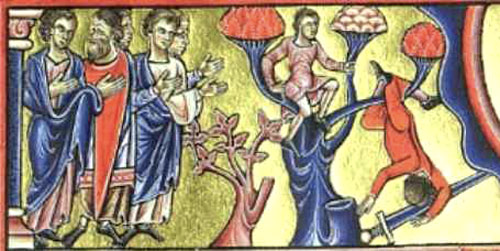
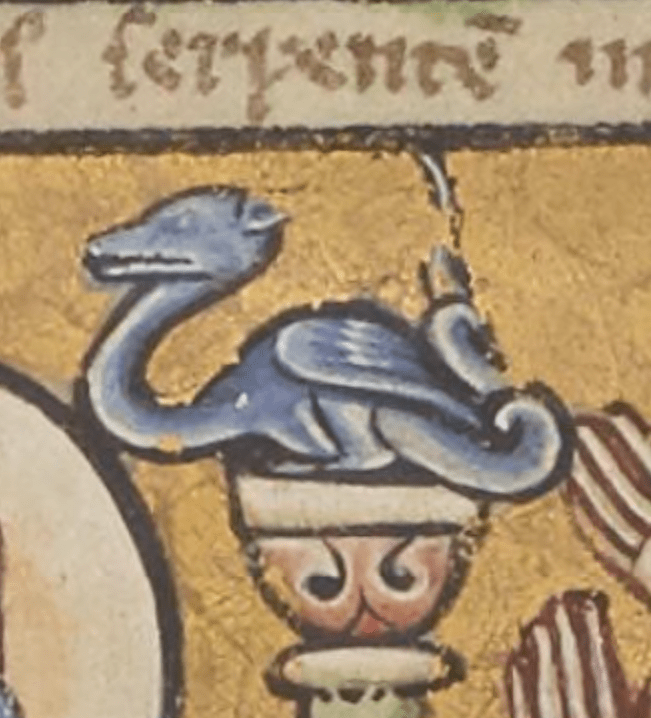
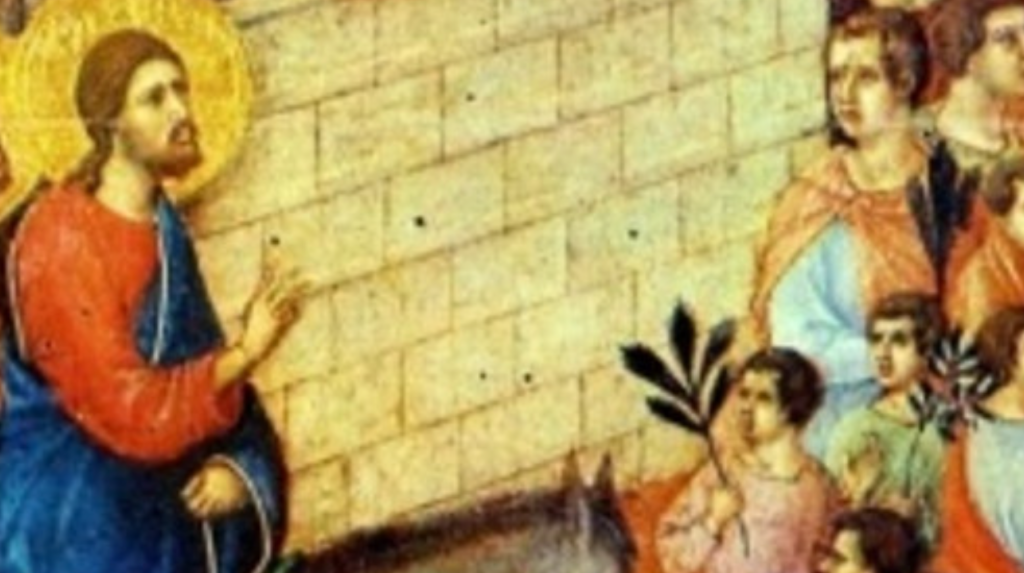
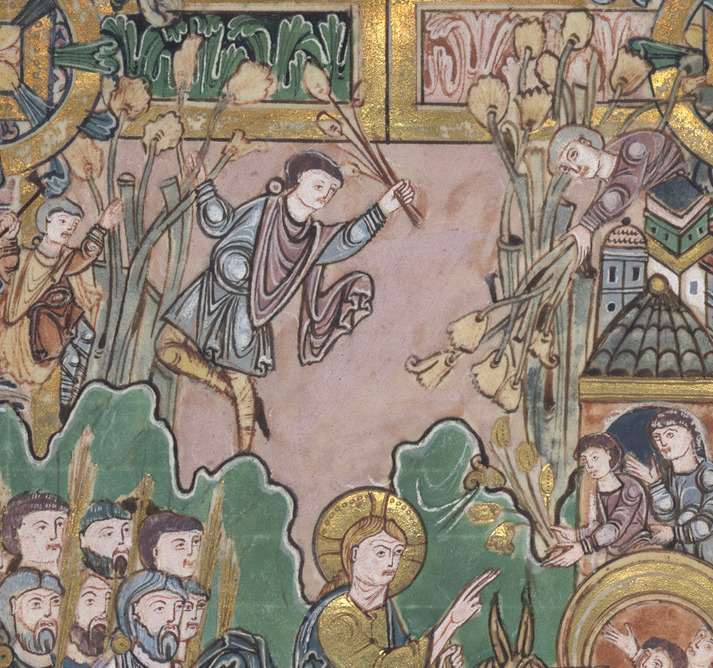
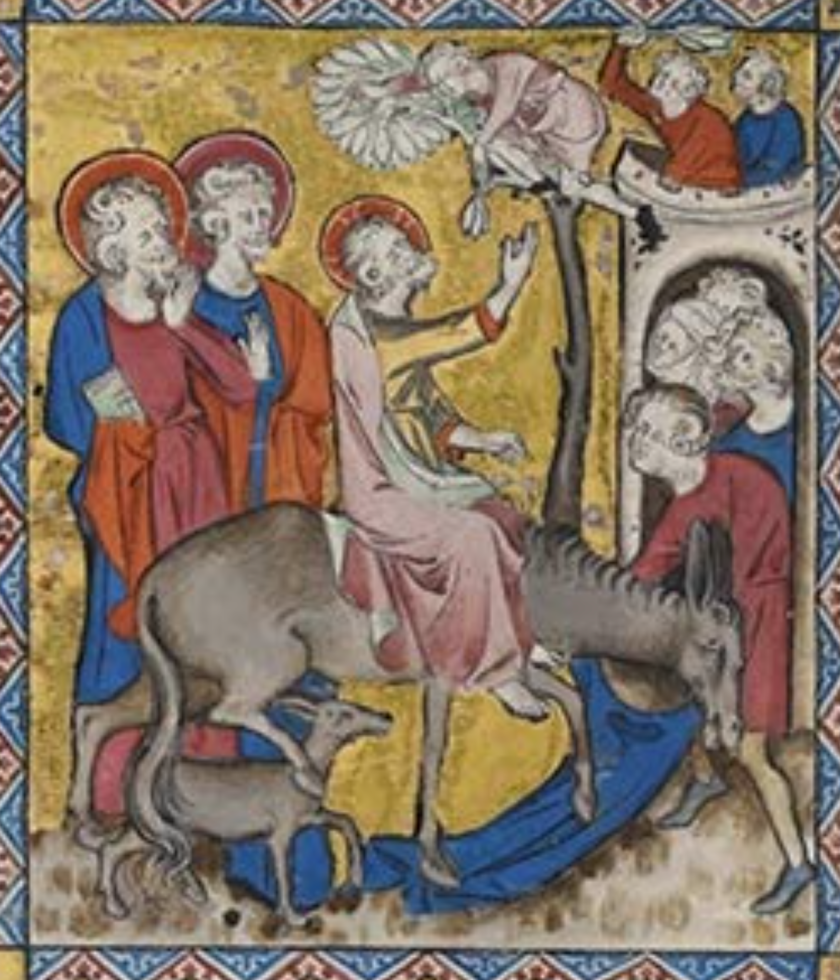

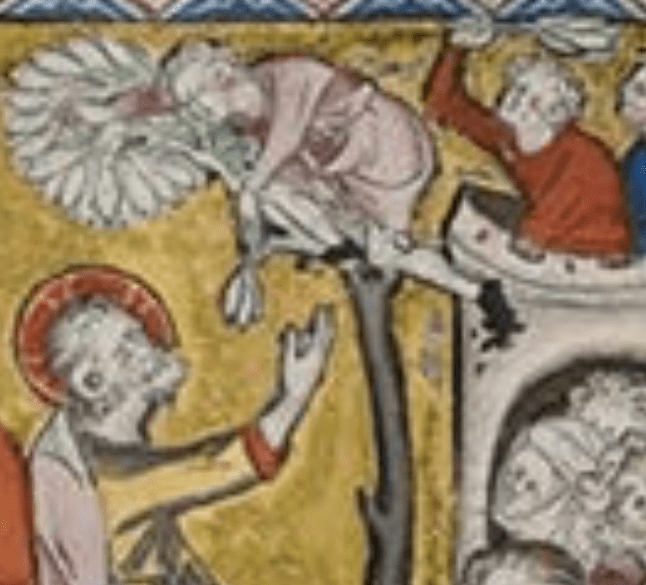
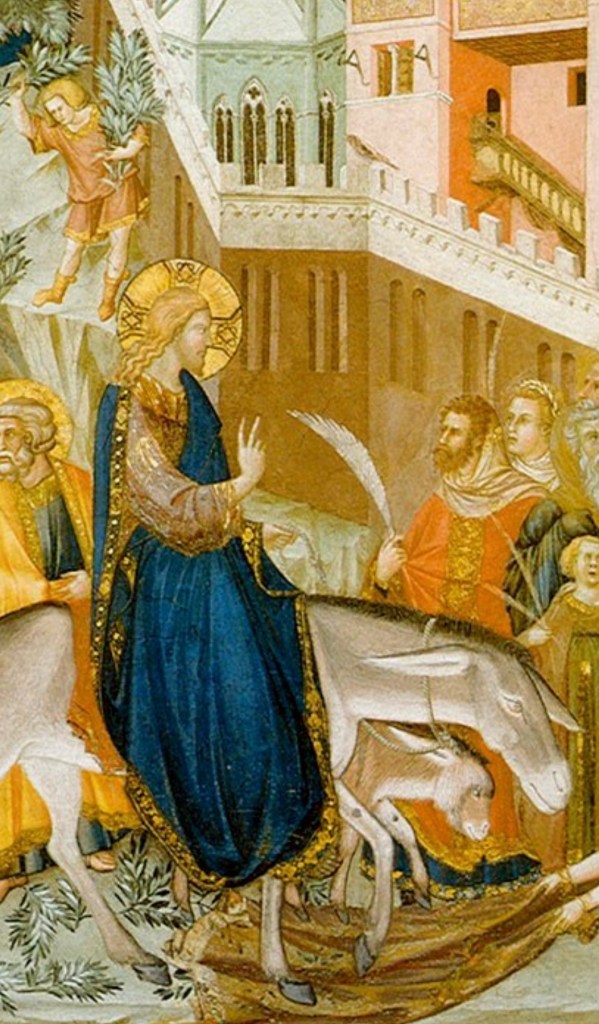
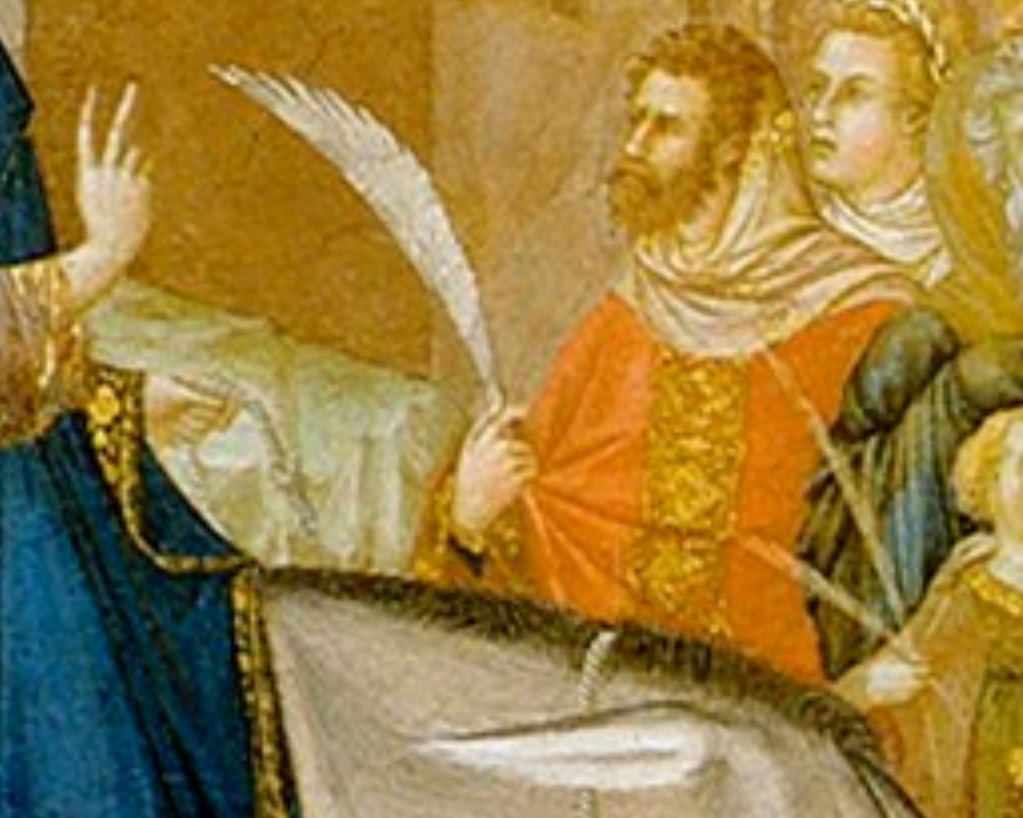
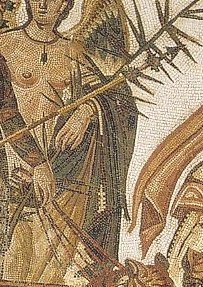

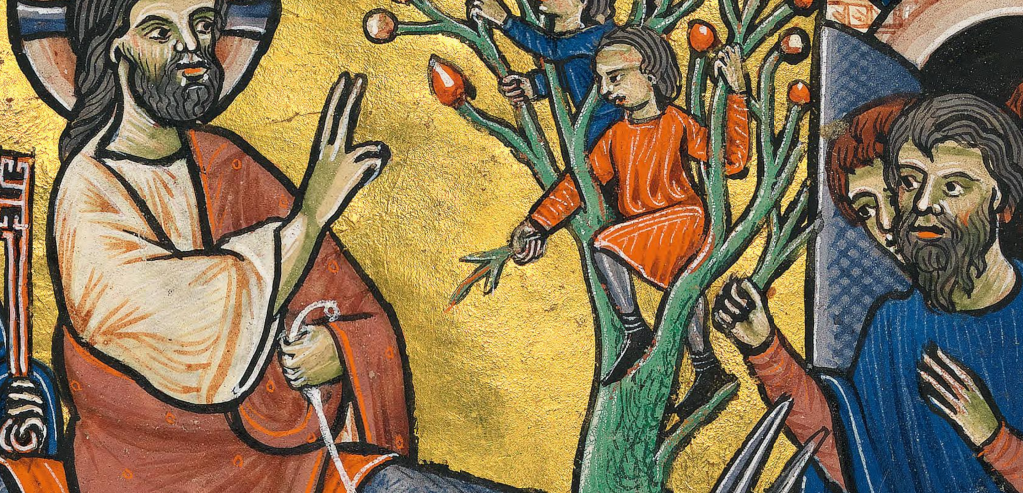
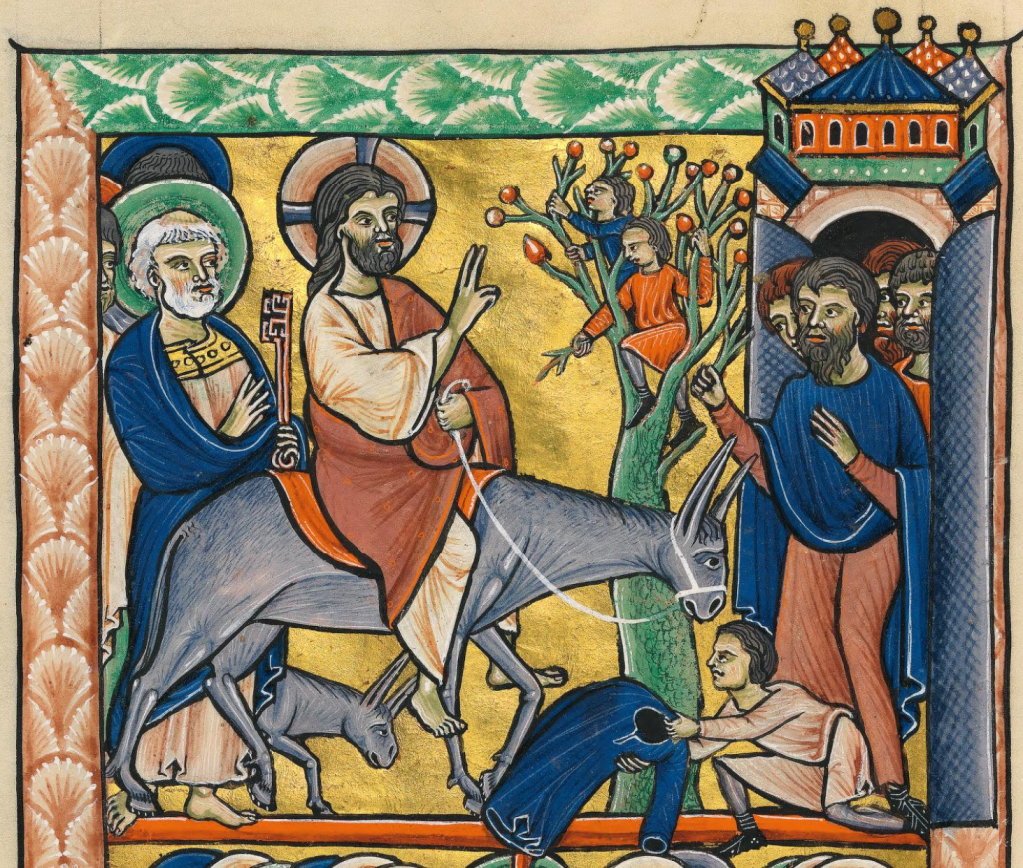
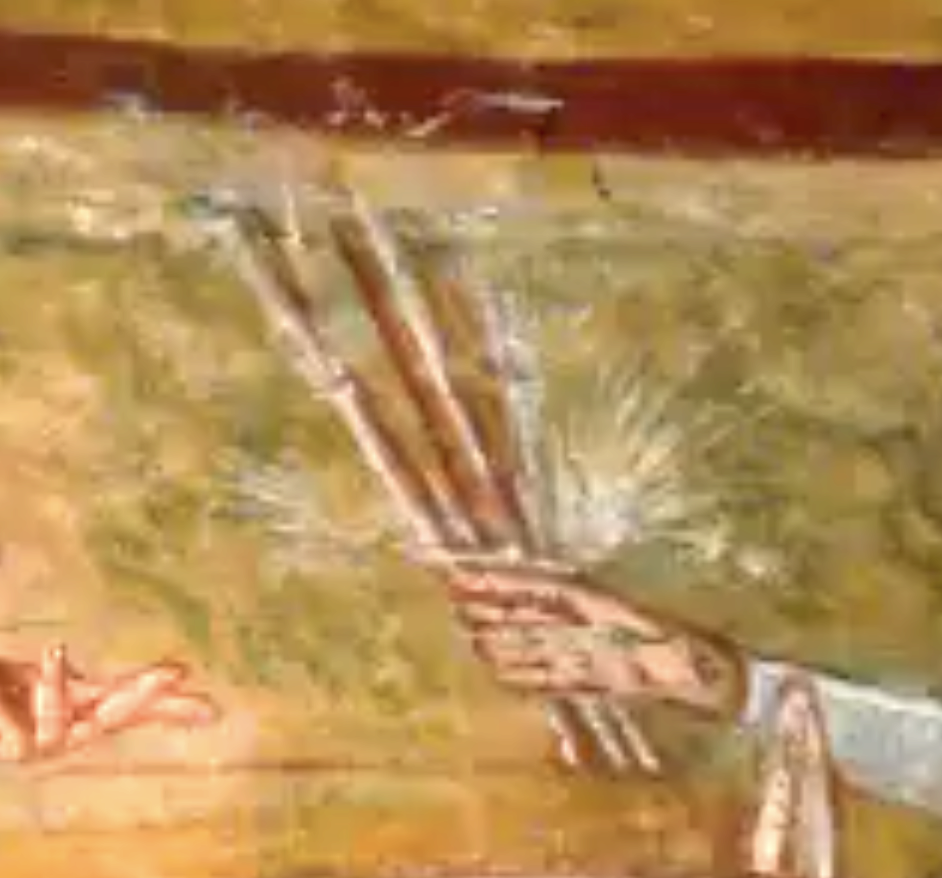

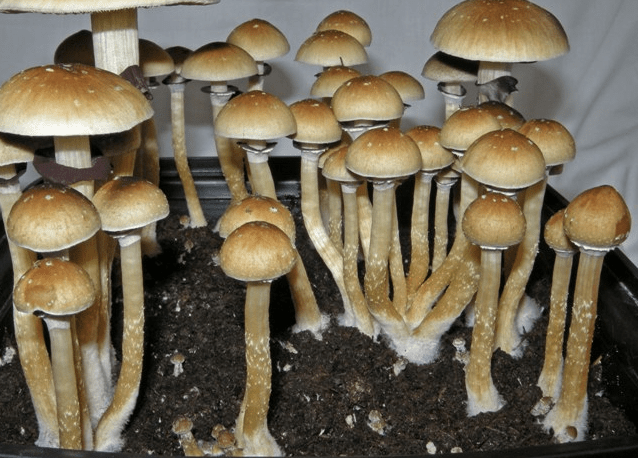


 The Egodeath theory