This blurry & heavily cropped image-fragment from John Lash proved plenty to kick off 48 hours of decoding success by applying the Entheogen Mytheme theory from the Egodeath theory, so Cyberdisciple provided the URL for the entire row and 3 rows and psalter, world’s greatest mushroom crop; world’s greatest image.
The only thing as impossibly amazing, unexpected, & surprising as Eadwine’s ability to encode Psilocybin Eternalism in an image is the ability of the Egodeath theory in 2020 to receive and decode this the greatest cybernetic message transmission of all time, and decode the mytheme {branching-message mushroom tree} in 2022.
Eadwine used the era’s {branching-message mushroom tree} symbol-technology – highly efficient.
2006 juvenile immature entheogen scholarship sees “look mommy, theres a mushroom” (picture: kiddie amanita 🍄 )
2022 mature reading of the message:
left = branching-possibilities illusion, right = non-branching reality
In 2020, I wrote here at EgodeathTheory.WordPress.com a couple pages about the process of writing the article about criteria of proof and defining compelling evidence for mushroom imagery and Christian art.
Cyberdisciple saved the day to meet the specifications for the article by formulating the categorization scheme idea, which I then refined and wrote up.
I initially titled the article to deliver an abstracted-out theoretical description of what such criteria of proof “would be” and what such compelling evidence “would be”.
Photo: Julie M. Brown, crop & image processing by Cybermonk Photo: Julie M. Brown, crop & image processing by Cybermonk
Left = branching illusion cloak, right = non-branching unveiled reality.
The youth holds a curved sword in his right hand 😑 – it says so right in Brown’s book, next to the tapestry rejection page because real Amanita specimens lack serrations on the base.
Do not mention the curved pruning knife in the upper right. If an entheogen scholar doesn’t mention it, it must not be there.
(Brown needs to lay off his heroic doses of Wouter Hanegraaff’s non-drug entheogens.)
Meta-Theory Title, Exhibit-Driven Content
The intent and title of the article was a dry neutral abstract theory of laying out the theoretical “criteria of proof”, and what would hypothetically constitute “compelling evidence”, for general-purpose use for communal judging and interpreting (translation: thumb angle = 👍 vs. 👎 ) the Brown mushroom imagery art database.
The art evidence database/ catalog is proposed at the end of the 2016 book The Psychedelic Gospels: The Secret History of Secret Hallucinogens in Secret Christianity.
The present site is that evidence catalog, including links to Irvin’s Holy Mushroom, John Rush, & Fulvio Gosso’s pair of books in Italian – search present site or Brown Hancock site article:
“by Fulvio Gosso and Gilberto Camilla, who in 2007 and 2016, respectively, published volumes one and two of Allucinogeni e Cristianesimo: Evidenze nell’arte sacre (Hallucinogens and Christianity: Evidence in Sacred Art).
“The two volumes describe fifty-two color plates showing psychedelic mushrooms, both Amanita muscaria and Psilocybe-varieties, mainly in medieval Christian artworks from Italy, France, Germany, Switzerland, Poland, Holland, and Russia.”
But the actual content of the article was a huge jackpot-fest of presenting a rapidly expanding gallery and exhibits of smoking-gun art examples with successful theoretical interpretation.
That success bred even more success, leading to re-finding the image of the two guys in the Cubensis tree – blurry and cropped severely with no consciousness of the existence of the surrounding 90% of the image – the greatest image ever.
That treatment section quickly mushroomed overnight into 11 pages, so I broke it out into a separate article about the Eadwine Mushroom Psalter’s crowning image (which led to my gallery articles of all 75 mushroom plants of the psalter, with morphology inventoried).
When I later tried to read aloud the original article, I detected two problems:
The actual content of the article was all examples of breakthroughs.
Only one page delivered the abstract theory, a Radical Maximal, expansive and requisitely greedy classification scheme, of assessing mushroom imagery – against the stingy Moderate/Minimal bias, which removes 5/6 of the evidence types and narrows the radar to only attempt to see Amanita, in text, explicitly – and only “devotional” texts count.
Also the title would instantly lose, because it was neutral, in an intensely biased reception context.
The long article delivered a 1-page compact classification scheme for types of evidence, overwhelmed by massive evidential instances including the spinoff articles that its successful method spawned.
The classification scheme is extracted or abstracted from the method I developed through decades of research & theory-construction about mytheme interpretation referring to the temporary experience of no-free-will/ block-universe eternalism in the loose cognitive association binding state from psychedelics.
The psilocybin eternalism experience leaves the mind with an additional mental worldmodel of time, control, and possibilities after returning to the ordinary state which is tight cognitive association binding which gives the freewill, branching possibility model of control-in-world.
I retitled the article more vigorously, announcing that here is compelling evidence demonstrating the criteria.
It remains an exercise for the Brown Evidence Database Committee to reverse-derive a mind-dulling 20-page theoretical hypothetical description of how one would have to go about assessing mushroom imagery if we didn’t already have the completed conclusions and evidence at this site and Egodeath.com.
We have that conclusive evidence along with the complete successful interpretive framework and Radical Maximal strategy that is required, to make perceivable the clear and obvious conclusive evidence.
I never dreamed that it was possible to have the perfect evidence for the Egodeath theory in an image, though my 2006 main article already had the Eustace cathedral and Dionysus/Ariadne branching-message images at start and end, which I didn’t recognize until Brown in March 2022 sent me the 2019 article’s version of the “youths in trees cutting branches” passage.
My 2006 main article was at the start of the Psychedelic Renaissance, according to the book How to Change Your Mind – like my breakthrough Core theory was in 1988, the Second Summer of Love in the Psychedelic 80s.
A proper full article about “The Criteria Would Be”? Such an article, at this late date after the breakthrough dust has already settled, seems like a counter-indicated scenario, acting AS IF the breakthrough hadn’t already happened.
While writing the article, the situation blossomed, obviating the article as it was initially framed.
The latter is not only now irrelevant, but inappropriate, given the new situation.
The new question for the new reality, the new, changed situation, is:
What criteria and meta-theory of evidence can we derive & back-extract from the done deal of the Egodeath theory breakthrough (the Entheogen Eternalism Mytheme theory)?
What other, competing theory and evidence database is there? Parasols of victory?
Convert those parasols of victory into switching from the Ergot/Amanita Primacy axiom to the Psilocybin Primacy axiom, arrived along with the Psilocybin Eternalism theory; the Egodeath theory.
The biggest impediment to entheogen scholarship is entheogen scholars.
Brown’s Hancock site article broadens out from the Amanita Primacy dead-end and disproves Hatsis’ delusional false wishful fantasy that Plaincourault (which is abnormal and deviant in being an Amanita-styled branching-message mushroom tree) is “the linchpin”.
The opposite is the case – as Panofsky said, the Plaincourault fresco is merely one of thousands of instances, the opposite of a special linchpin.
Brown’s Comment
December 8, 2022
Hi Michael,
Thanks for the mention in your recent Wasson post. I think you saw this below in my reply to Hatsis on Graham Hancock’s website last year – a reply which benefited greatly from David’s input.
But just in case, I am sending you the relevant section of this article – available at:
Christianity’s Psychedelic History: Reply to Thomas Hatsis’ Review of The Psychedelic Gospels
Mushroom images in art: The field is also in need of robust categories for classifying depictions of mushrooms in art.
For example, Samorini proposes a two-fold typology of mushroom trees, using the Plaincourault Amanita muscaria and the Saint Savin psilocybin mushroom as ideal types.
Researcher Michael Hoffman defines three categories for classifying mushroom images: literal depictions of mushrooms, stylized depictions of mushrooms, and depictions of mushroom effects which suggest altered states of consciousness.
I find Hoffman’s categories useful for classifying the two varieties of MICA [Mushrooms in Christian Art] that we photographed at the following religious sites. The text in parentheses indicates the black and white Figure (Fig.) or color Plate (P) in The Psychedelic Gospels that displays our photographs of these images.
_____ ASC – images suggesting altered states of consciousness:
Chapel of Plaincourault, France (P5)
Chartres Cathedral, France (P18)
/ end of article excerpt from Comment
Mushroom Kingdom
Super Mario Mushroom Kingdom movie
Ardent Advocates commit the historiography methodological error of seeing mushrooms everywhere.
Brown warns us not to be ardent advocates, and he vows and swears that he is not, and has never been, an ardent advocate of mushrooms in Christian art, and has proved his cred by throwing a sacred tapestry in the river, to the smirking applause of the anti-mushroom Psychedelic Witch.
That’s how he got Thomas Hatsis (the definitive great Historian) to approve of him 👍
Wasson, whose 1957 article in Life magazine describing the first psilocybin journey ever taken by a Westerner — his own —
p 103, Michael Pollan, How to Change Your Mind
Eadwine and the genre of branching-message mushroom trees discovered and fully explained by Cybermonk Nov 2020 & Mar 2022
Are we really to assume (not just as hyperbole) as I’ve been saying, that the entire field of entheogen scholarship has literally asserted and taken for granted that there were no Psilocybin but that all 100% of “mushrooms” in Western religious history were exclusivrly Amanita?
Entheogen scholars are literally asserting this massive, extremely harmful, fallacious assumption, taken for granted uncritically.
I thought that I was merely being hyperbolical and I was saying it’s almost as if Ruck is asserting no psilocybin – but now I’m starting to think that Ruck and everyone literally explicitly are asserting that.
In his recent article about Entheogens in Antiquity, Mark Hoffman says the field of entheogen scholarship ought to look into psilocybin in western religion.
That proves my assertion that they have failed utterly to do this.
what the hell is wrong with them?! they are addicted to their substitute ergot and Amanita.
Robert Graves asserted in 1957 that cubensis is the source of Greek myth & religion, that Greek religious myth is description of Psilocybin experiencing.
It is really Robert Graves’ fault that it is so difficult to fact-check him: he has re-titled his article about food for centaurs, and re-published it in different years, and then quoted it in the 1960 book on mythology second edition and maybe 1964, so nobody can keep track. 🤷♂️
We can’t blame Graves or Samorini for the Ergot/ Amanita shutout of Psilocybin.
Michael Pollan’s book fallaciously says that Wasson discovered psilocybin mushrooms, in Mexico.
That’s what the #1 best journalist asserts in his groundbreking influential book, How to Change Your Mind Without Thinking.
But it was two at least two or three guys before Wasson; eg Reko told Schultes, then Schultes told Graves, then Graves told Wasson.
John Lash credits all mushroom entheogen scholarship to Wasson.
John Lash trumpets to the skies in giant billboards that Wasson created the word ‘entheogen’, that Wasson discovered entheogens, that Wasson invented mushrooms in religion, that he’s the first one to study it, and that all entheogen theories come from Wasson
– including theories that are “considerable departures from” Wasson’s theory – see my hall of shame quotes page for that comical use of the universal set.
Then buried in Lash’s footnotes is a tiny escape clause that there were discoverers before Wasson.
Wasson was the first ever to study entheogens in our own history. He says so in his book SOMA – the same book in which he censors the 1906 Brinckmann book from, strongly recommended by both Panofsky letters: Tree stylizations in medieval paintings. See my page here.
It is becoming clear to me (and in line with the complaint of Letcher Hatsis) just how malformed this field of entheogen scholarship is. Including Paul Stamets.
Graves and Samorini and Browns excepted. And the recent Italian pairs of books by Fulvio Gossi.
Entheogen scholarship is driven by people copy-paste propagating the same claims, the same tropes, the same folklore foundation myths, the same blind spots, the same biases, the same extreme over-exaggeration of Eleusis, the same extreme over-exaggeration of Amanita and Plaincourault and Allegro.
Michael Pollan’s 2018 book How to Change Your Mind:
Did you know that Wasson was the first person ever to think of the idea that the tree of knowledge is Amanita?
That’s right, that’s what he asserts in his book Soma, after spending decades haranguing and insulting mycologists for asserting that the tree of knowledge in Plaincourault Fresco is Amanita, as he does a few pages later in the very same book. See my Wasson article at Egodeath.com for the passages.
Pollan’s journalist coverage includes Paul Stamets, who explains to us in his book Psilocybin mushrooms of the world: an identification guide (1998), that when a Cubensis goes to sprout on a cow pie, it first asks itself: am I in Europe or the Americas? and then it asks itself: is the year number 1976, or less?
Then the Cubensis reasons to itself: if I am not in Europe, or the year is greater than or equal to 1976, then I will sprout; otherwise I won’t.
This is how, as Paul Stamets and Letcher Hatsis explain to us, that there was no psilocybin in England before 1976.
– even though Paul Stamets’ book states that psilocybin is everywhere around the world and it grows on bovine dung.
Like everyone in the Psychedelic Renaissance, he rails against the reductionistic “healing” narrative, argues for Mystery Prankster and for Religious aspects as the real interest.
omits Browns’ mushrooms in Christian history
1:00:00 – Davis cautions about perennialism, but barely specifies the objection – vague objections against a “perennial” approach/ framing/ view, define your terms.
Contrast what Davis claims is problematic about Huxley’s mescaline book Doors of Perception/ Heaven & Hell, vs. later Jan Irvin’s condemnation of Huxley.
If you are going to disparage a perennial framing, define & articulate what you specifically mean. What is the approach and why is it bad?
The altered state must remain exploring Mystery. But I strive to collapse the mystery, correctly, without reductionism of that into some other external consideration like mundane conduct of life Healing.
The Egodeath theory has solved the Mystery, producing a thimble-sized succesful explanation of the Shadow dragon gate treasure sacrifice, and opened the way to enter the intense loose cog state.
Don’t like what’s revealed? Too bad, it’s the Science. No one promised that everyone would like Transcendent Knowledge, per wish fulfillment of what delusion expects enlightenment to be.
Atman is the greatest affront to egoic expectations of increased freewill power, like Ramesh Balsekar’s offensive asserting that no-free-will is the Satori.
I didn’t invent the Natural Law, I just derived the summary formulas of electromagnetism. Maxwell & Faraday.
The Egodeath theory is the Maxwell equations of the loose cog state.
Complainers’ job is idle unproductive complaints.
I have found the way to effectively organize everyone’s assertions.
People now recoil against crazy wisdom aka abuse of clients – abusive egoic gurus (at end).
prankster vs religious reverence
like Cyberdisciple posting about reductionism of psychedelics to “therapy” & against instrumentalism, the altered state is valuable in and of itself, it is an end and an ultimate value itself, independently of instrumental application of benefits for some mundane purpose
Davis’ vague caution about perennial rigid framing/ casting psychedelic gnosis into a particular frame, which Huxley is accused of a narrowing psychedelic perennialism – it should be done right, i argue.
My critique of the Perennial model is that it it has arbitrary noise and does a poor job of what it ought to be doing; it does not succeed at reaching its goal, and it talks too much in terms of superficial surface “beliefs” and is roundabout.
Here’s what the muddled “perennial view” is really about, underneath the noise overgrowth or Jungian-like, obscuring overlay:
the psilocybin eternalism toggling from naive possibilism-thinking to eternalism-thinking (including qualified possibilism-thinking).
The Egodeath theory’s history aspect is not focused on pushing a history narrative but explaining the science of:
Momentarily turn on the light switch to see eternalism (non-branching possibilities, preexistent control-thoughts unavoidable), that perceiving flips the mind’s mental model to add eternalism-thinking to possibilism-thinking – that is a tiny elegant potent explanation of how the mind, all minds, work.
40:00 – I disagree with the claim that people have culturally pre-loaded expectations shaping their ergot experience.
Davis agrees: Albert Hofmann didn’t have priming for his first experiences – though check Jan Irvin’s hermeneutics of suspicion that the bad guys fabricated all of the bicycle ride foundation myths.
I would not assume that your experience is set by other people. I assume that a person’s experience is sui generis.
I also think set and setting is overemphasized, as if it is determinative.
Davis ought to cover foundation mythmaking according to Irvin, who calls BS on all of the ergot foundation myths and Wasson’s fake tale of the forest walk, ritually recounted in every single retelling of that foundation myth.
Academics keep projecting their own soaking-up of the framing propaganda, onto normal people.
Normal people have no preconceptions, they have not read 100 books and watched video propaganda.
Stop exaggerating how much people are primed to have certain thoughts.
The default is that people are ignorant and have no expectations about the experience.
People’s experience comes from the psychedelic experience itself, not from the spin agendas that are trying to sell them.
Cliff Burton of Metallica (or Neil Peart or Bob Daisley) didn’t ask someone what he would experience; he made his own interpretation and directly, straightforwardly described his own experiential observations.
If you hate that, then you hate how the mind works.
People don’t need to like how the mind works.
Late Antiquity disliked heimarmene/ fatedness, all the more because they believed in it.
My role is to helpfully, clearly, and simply explain how the eternalism altered state experiential mode works and is described by world mythology.
“Everything is indigenous if you go back far enough.”
Indigenous elders blotter wisdom preservation, we have our own peyote-like 20th Century indigenous practice.
Davis creates and mentions a giant gap between Eleusis and the Cask of ’43 ergot pop sike cult.
Davis is right to caution about we must be conscious of our narratives – but he robs us of our Christian history of psilocybin Christianity, and Eleusis (like Plaincourault) is abused to remove all other sacred meals and the mixed wine banqueting symposium party tradition.
The Eleusis Ergot Primacy fallacy, and the Plaincourault Amanita Primacy fallacy, cause blindness and removal of Psilocybin from Western religious history.
The book Your Psilocybin Mushroom Companion, 2019, has a representative sample of phrasings and quoted passages from “thought leaders” with murky folk-level explanation and description of how “surrender” to the “shadow” provides Transcendent Knowledge.
The biggest false psychology in this book and in this field is the premise that what you are threatened by in “the shadow” is your own personal, unique “psychology” history, per ordinary-state mundane life.
That is the wrong, mis-identified domain of referent. That is state-reductionism.
Main chapters on surrendering to “the shadow” to gain Transcendent Knowledge
Ch 9: How to Navigate the Space
Ch 10: Challenging Trips and Introduction to the Shadow
also pp. 17 32 43 59 63 69 109 … 149 156
Pages – Frenzy Mania Control Stability Testing
17
dangerous: when people become a threat to themselves
32
feel safe, trust, let go
surrendering
resist therefore have challenging trip without the transformative effect from relinquishing control
43
trusting enough to completely let go, embrace the experience; thereby healing occurs per mystical peak experience
44
ego dissolution, ego loss
peak experience losing their sense of ‘I’ and becoming one with the entire universe/ God
[Ego dissolution is mere beginners’ ego cessation, as opposed to advanced formal active self transgression/ cancellation; sacrificial ego death proper, by alignment with block-universe eternalism – cm]
45
trustworthy
personal empowerment
[beware of that assumed aspiration, like the giveaway telltale word “freedom” -cm]
shift in self-concept
46
shadow
51
navigate situations to make decisions and plan future
new novel connections
anarchic ego dissolution and insights
chaotic state is more flexible and less dominated by the everyday narrative we tell ourselves which are harming us and holding us back
59
avoid unnecessarily bad or stressful trip
confidently release your control without any underlying anxiety
a vulnerable state
overwhelming, frightening
63
be in a more secure headspace because your thoughts can turn against you and become overbearing
69
relinquishing control
a paranoid, negative thought loop
73
a challenging experience
stuck in a negative thought loop
help get you out of a challenging place
distract you from paranoid negative thoughts
79
altar
[Setting up an altar is mentioned many times, no mention of making it from rock per block-universe eternalism. -cm]
leave the mushrooms on the altar to honor their power
87
things get rough or scary
trusted source of mushrooms
92
feel more secure and comfortable letting go
100
low doses bring negative feelings without transcendence
these uncomfortable feelings are precisely what we must resolve to free ourselves from the Shadow, gain strength, and function more competently
stuck in negativity, challenging experiences… what these challenging experiences are trying to teach you
[That’s a favorite theme of mine in this book: the dragon shadow is teaching you -cm]
101
heroic dose
ego loss and ego death
[Ego loss or ego dissolution = beginners’ dissolution/ passive lifting, unearned trespassing; unstable, transient, perishable, temporary, contingent.
Ego death = advanced, active self-transgression, comprehended, fulfilled, reconciled. -cm]
the feeling that you’ve lost your mind and you’re never getting it back, a terrifying experience, the possibility of being traumatized by a trip you aren’t prepared for
[My two recent developmental health themes:
We must have more successes/ completed graduates.
We must have less friction or turmoil or inefficiency along the way (psychological trauma.) -cm]
terrifying or blissful
prepare for this by low-dose and then increasing the dose, terrifying or blissful, prepare for this by low-dose and then increasing the dose
[Such instructions say you’re supposed to play the game by increasing the dose.
All the “safety” books are recommending that you continuously increase dose – they sound like they’re preaching moderation, but actually, they’re preaching continuous escalation until things reach the climax transformation rebirth. -cm]
106
softening the boundaries of the ego; less distinction between self and other
[Contrast that against forceful self cancellation by perceiving the two levels of control revealed the block universe utterly cancels out ego steering.
The paradigm of “you need to have less and less ego” – that cannot work.
That was my big message in January 1988: the field of Transpersonal Psychology tries to subtract ego by degrees, but it should instead wholly annihilate the egoic premise in the altered state, a puff of illusion smoke sent up from the rock altar, like Ramesh Balsekar’s no-free-will & block-universe eternalism. -cm]
108
existential dread, an insiders view of how the world works
vulnerable feeling, sensation of strong connectedness to the entire universe
ego recedes, feel like you are an integral part of the universe and the divine plan, that you are a god
but there’s a double edge to the ego-loss coin, it’s possible to forget who you are, which can feel like going insane and that you’re never coming back
too far gone to remind yourself
Chapter 9: How to Navigate the Space
111
trust, let go – Bill Richards’ book Sacred Knowledge
[“Sacred Knowledge” = Sacrifice and repudiate the unstable, egoic mental model, and jettison the trainwrecking / bedeviling; the unstable control system, in order to save control while gaining integrity and transcendent knowledge.
You must sacrifice habitual depending on childish possibilism-thinking (the autonomy single-level control-model).
Sacrificially repudiate naive possibilism-thinking, rely on eternalism-thinking instead. -cm]
111
The hardest part overwhelming frightening approach with an excepting attitude and open mind the most important navigation skill is to relax. But relinquishing your control, to not resist its powers and just let go and see where it takes you, can be challenging.
112
you’re resisting the effects, let go
it is only through letting go that we make the most progress
this surrender is the crux of a successful journey
specifics on how to surrender, do not try to control the flow of images, allow your mind to take its natural course
relax and observe as your thoughts unfold without any effort
affirm that all experiences are welcome
surrendering to the experience, we shouldn’t try to control every thought, accept and welcome them as they come, this can be difficult
113
stop resisting and trying to control the mushroom experience; then had my first mystical experience
learn how to relax your mind and let thoughts come and go without engaging them
114
drop our resistances to it, the unexpected
reveal the unconscious, our minds have repressed those thoughts
[But Strassman there is wrongly thinking of unique ordinary-state personal content in therapy, when he should be talking about archetypal egoic mental structures made perceptible in the altered state.
Lots of bunk, flatland, ordinary state Psychologism reductionism, misconceived category error, psychobabble, off-base bad theory, conflating up the wrong tree. -cm]
115 –
not welcome the appearance of repressed feelings
you might find yourself overwhelmed by the irruption of repressed unconscious material without knowing how to deal with it
being in a stable place, having a firm sense of who you are and your purpose in this world, a meaningful trip
before you can feel sufficiently safe in the world to choose unconditionally to trust deeper or higher dimensions of being
you need good ground control, able to regulate yourself and your emotions, before jumping into an altered state
but how do you know if you have good ground control
who should take extra precautions, knowing when it’s the wrong time to trip
116 –
not an escape from your problems, but quite the opposite
a deeper look at yourself from a new angle
be prepared to have feelings bubble up
117 –
you might realize things that you haven’t fully dealt with
trauma can be challenging but also rewarding
tripping can get scary even if you do have a strong sense of who you are and are in a stable place
help them release their control, trust, let go
trust the trajectory, follow your path
tree stylizations in medieval paintings, 1906. censored by Wasson
if you feel like you’re dying, melting, dissolving, exploding, going crazy: embrace it
If the trip gets dark, feel fear or anxiety: face your fear, look at the monster in the eye, and move toward it
[that was a big theme in my “requirements for guides” section of my article: this theory does not avoid the shadow, but provides the skill to head straight for the heart of the sun, set the controls for the heart of the sun -cm]
what are you doing in my mind, what can I learn from you?
118 –
literally face your demons
a transformation can occur
the monster could turn into whatever in your subconscious is troubling you
this transformation is followed by catharsis and understanding
discover that the monster has meaning and is an invitation to enhanced psychological health and spiritual maturation, its purpose is not to torment but to teach – Bill Richards, in Sacred Knowledge
[Wouter Hanegraaff’s hermetic texts talk of astral planet fate rulers “tormenting” the entheogenized soul -cm]
the strength to face your demons, from having a strong support system, might not be as successful or easy
as experienced psychonauts know, bad trips only get worse when you run from the monster
catharsis comes from facing your shadow
how to deal with and avoid bad trips
a common way a trip turns sour: you get stuck in a negative thought loop
negative thoughts fueled by anxiety that repeat or spiral into more anxious thinking
techniques to curve these negative loops anything to distract yourself
[“Any escape will help to smooth, the unattractive truth” – Rush]
118
help get you out of a negative headspace: having an altar to look at, or a rock or crystal to keep you grounded or refocus your attention
🙈🪨💎🐉
it’s important not to beat yourself up or push yourself
be gentle and forgiving with yourself
be accepting to all experiences as they come
let your thoughts flow without trying to control them
Ch 10: Challenging trips and introduction to the Shadow
120
overwhelmed by anxiety from the resistance of an altered state, the shadow, resisting the discomfort instead surrender to it
these trips hold the most potential for personal growth, learning how to surrender enables this growth most effectively
letting go, relinquishing your control is paramount, a challenging experience
resistance will only make it worse, acceptance can lead to true insight and possibly transcendence
trust in your surroundings or yourself
you’re grasping for straws of control which can lead to more extreme paranoia and unpleasant experiences – James Jesso
121
challenging trips prepare yourself induced anxiety change scares people and causes them to resist
this fear, total surrender to it is always followed by feelings of liberation, whereas struggle against it prolongs the suffering
challenging trip experiences: the fear that the psychedelic experience will never end, and its related horror that permanent insanity is immanent, are rooted in the fear of losing control
the solution is letting go – Stan Grof
122
letting go to these frightening experiences can be next to impossible, even if you’re in a calm and safe environment
a harrowing experience, he was releasing his control to the experience, and just allowing it to happen – he was still overwhelmed
he was in complete anguish, experience of terror, his whole life was falling apart, and he got stuck in a deep flashback state
however, he laments, he never experienced ego death or transcended his traumas like the literature promises
Introduction to the Shadow
Page 122: section: introduction to the shadow
122
allowing more access to unconscious material
123
[This page is confused theory; it’s ordinary-state Jungianism, made-up reductionism, a category error.
The REAL “unconscious material” in ego death transformation/ maturation is structurally every immature / untransformed mind’s egoic naive possibilism-thinking. -cm]
all those unpleasant qualities we like to hide Jungian archetypes can be used to translate the images and visions
[Janikian says that Jung was against psychedelics – yet Carl Ruck says in a recent YouTube interview with Jordan Petersen and Brian Muraresku that Carl Ruck had one year of psychedelics before the Red Book. -cm]
126
127
avoid a needlessly hard trip, avoid a bad experience, prevent any resistance or anxiety
navigation skills, be more prepared for encountering challenging experiences on higher journeys and accepting or even transcending them
Ways to deal with challenging trips
Page 127 section: ways to deal with challenging trips
can get challenging even if you plan the perfect set and setting and are with people you absolutely trust
if you experience fear or are trying to control too much, the number one tripping navigation skill was letting go
stop fighting and trying to control or end the situation and accept it; even offer it curiosity and compassion
when one runs away from psychological conflict, the threatening specter grows bigger and one feels weaker and increasingly anxious
when the frightening image is courageously approached and confronted, one grows stronger and insights awaken
the acceptance and resolution of a challenging trip can be a great source of personal growth
distractions to get you out of a challenging place might not get the most healing out of distracting yourself
but the work is too difficult
don’t go inward if you can’t release yourself to your feelings
stop fighting the experience and ask yourself or your shadow: why are you here, what can I learn from you
130
don’t fight these feelings, just let them play themselves out — without hurting yourself or anyone else — and you will feel much better afterward
angel-thought in god-mode thinking: harm not the lad to demonstrate transcending the youthful way of thinking
whatever it takes to get grounded and calm is the best way to dig yourself out of a challenging trip
the self-threatening mushroom psalter viewertouch God’s sword of control-death while relying on the eternalism, non-branching possibilities model
Page 185-186 has a paragraph on “booster doses” says “wait 1.5-2 hours” – doesn’t say to assess whether starting to decline.
An average book that compiles average memes, parroting and propagating the field’s lack of imagination:
Your Psilocybin Mushroom Companion – 2019, Michelle Janikian, journalist newbie
Even the Oregon advisory board knows better; they give a provision for “secondary doses” ie redosing when the first dose declines, so the second dose rises, sustaining the peak.
The advanced Eadwine technique: 5 g dried cubensis, then when the cognitive loosening effect is about to decline, second bowl of 5 g cubensis. Repeat in 3.5 days, for 10 sessions. {Sacrifice maiden, surrender to dragon, retrieve treasure}.
The Soggy Treacherous Ambiguity of Advanced Mytheme Usage
Slay dragon = conform to eternalism 2-level revealed control = surrender to block-universe worldline of pre-existing control-thoughts = surrender to dragon guard monster threat = tame & ride the dragon.
Sacrifice the maiden = sacrifice Isaac = harm not the maiden = rescue Isaac.
Wouter Hanegraaff warns us not to make myth the foundation of our historiography.
How in the hell is an outsider who doesn’t even understand that myth describes Psilocybin eternalism, how is he supposed to follow the twists and turns of this serpentine myth?
He ends up “offering sacrifice” to make the planetary fate-rulers go away, like so much rubbish; a context-free “offering sacrifice” – to no one, which is the first time in the history of Antiquity that anyone has sacrificed to nothing and no one.
And he has to delete the stars from the sky to pretend that he presents a cosmos that coheres and doesn’t tear itself apart in two days.
The Theory of Ego Transcendence, August 1988 handwritten first draft
Weak model: ego reduction and dissolution a la the Journal of Transpersonal Psychology; ego loss/suspension/ dissolution/ lifting.
Strong model: Loose cognitive, block-universe ego cancellation; ego death. Ramesh Balsekar in What Is Enlightenment? magazine shocking Ken Wilber by asserting no-free-will.
In 2022, I so heavily leverage religious myth explanation as a achievement in itself, that it becomes hard to imagine and remember the great breakthrough and claim and appreciate and grasp what the core theory breakthrough was in 1988 per the 1997 outlined summary announcement at Principia Cybernetica website.
in 2005, Erik Davis book Led Zeppelin 4 captured my transitional Rock lyrics application of the Core theory, as one instance of metaphorical description which then led to my mytheme decoding theory 1999-2006-2022.
I have to differentiate and distinguish between the two integrated legs of the Egodeath theory:
the Loose Mental Construct Processing, Block-Universe Cybernetics theory.
the Entheogen Mytheme theory of psilocybin eternalism.
I cannot short-change the 1988 Core theory through overemphasis or lopsided emphasis on the achievement of the 2003 Mytheme theory.
It is good that I have the 1997 summary outline of the core theory with almost no employment of or application to myth.
But I also need as a point of reference and a value system achievement check the original draft of the 2006 article before any myth was added: there are two candidate reference versions of my 1988 original summary article, both of which were woven into the Egodeath.com site:
The August 1988 handwritten initial draft.
The final draft in the series, possibly July 1989.
The 1988 article is some 12 summary principles sections, similar to the 1997 summary which is at both of my sites.
The 2006 main article alternates these principles with myth and mythic art, and uses only 4 main principles instead of 12 top-level principles.
Illustration by the Egodeath community
Currently I summarize the payload of the Theory as: no-free-will and non-branching possibilities and preexisting 2-level dependent control (you don’t control the source of your control-thoughts), in the psilocybin loose cognitive association state.
Grouped as 4 principles per my 2006 main article:
cybernetics = preexisting 2-level dependent control (you don’t control the source of your control-thoughts),
determinism = no-free-will and non-branching possibilities
dissociation = psilocybin loose cognitive association state.
metaphor = myth describes psilocybin eternalism
My father’s PhD dissertation is Emancipation of the Individual in the Writings of Karl Marx.
My 1988-1998 Core theory lacks entheogen history and mytheme decoding, though I identified the altered state effects description in Rock lyrics by then.
In the spirituality shop, I again pick up Dale Pendell’s book – the TOC lists Amanita.
My reaction: let’s see if page 1 of the entry mentions that Amanita isn’t used.
Turn to page 1 of the section: sentence 1:
Amanita muscaria is the most famous entheogen in the world that nobody uses. It is the supreme symbol of all entheogenic religion: of secret cults and societies of initiates and whispered lost knowledge.”
Pendell’s book section’s intro 100% supports my claim – extremely so – that:
Amanita imagery never means Amanita, but always means Psilocybin.
Overthrow the Amanita Primacy axiom that mis-leads the field of entheogen scholarship, and overthrow the Moderate/Minimal entheogen theory of religion along with it.
Replace that by the Psilocybin Primacy axiom, along with the Radical Maximal entheogen theory of religion.
The field of entheogen scholarship, as Letcher Hatsis says, needs to stop being based on a soggy, muddled foundation of mythology, a token, a symbol: 🍄
The field is in the same sorry academic state as the academic field of the History of Western Esotericism was when the only game in town was Eranos religionism.
You cannot build scientific academic knowledge based on a foundation of mythology.
We must have sound, scientifically-based history: what Hanegraaff advocates, radical empiricism: what did the text authors actually mean, and when?
Though my own approach is not history, but rather, accurate interpretation of the referent of religious mythology, that referent being in the domain of Psilocybin eternalism experiencing, and the mental model transformation driven by that.
The Radical Maximal Entheogen Theory of Religion, Against the Moderate/ Amanita Primacy Assumption
Historically, all religion and all mystic experiencing and all myth-described experiencing was through psychedelics.
I love this book’s vigorous, not tepid, theorizing.
Jahan has an overall Maximal mindset, although he condones the canard & uncritical assumption “psilocybin simulates the traditional non-drug methods of the mystics”.
My operating view and assumption-set is the Radical Maximal entheogen theory of religion: all mystic experiencing in history is from psychedelics.
That’s my productive strategy & methodology to forcefully flush out the evidence and make the case as much as possible.
My strategy of axiomatically reading all myth and mysticism as psilocybin experience description is the opposite of the negative, a priori axiom approach, which says:
We assume that there are no psychedelics in religion, until we find bits of evidence that, in isolation individually, force us to reluctantly concede that there are these exceptional, deviant cases that prove the rule that we started with: historically, there are no psychedelics in normal, mainstream, real religion; the kind that counts.
Any instances that you find are deviant and alien and come from outside – aka “secret”; abnormal; doesn’t count.
This is how the Ruck paradigm of Secret Amanita Alchemy successfully neutralizes any evidence of psychedelics inside of normal Christianity throughout history.
John Rush’s 2nd Edition 2022 also tells such an incoherent narrative that serves to self-neutralize his evidence database.
Brown Throwing Amanita Sacred Art into the River to Make Hatsis Like Him
Brown is led into the same glass-half-empty narrative pit by following the folly of Hatsis & Irvin:
Bad news: at first it might seem like Irvin and Rush provide a lot of evidence for mushrooms inside Christianity – but I’ve got some really bad news for you: unfortunately it turns out that Saint Walburga is just merely holding a vial, not an actual psychedelic mushroom as Irvin claims:
This image is our proxy representing how none of the Irvin & Rush images are evidence.
But the good news is, I now have credibility in Hatsis’s eyes, as a hardened, sound skeptic, since I just threw this tapestry into the river in dismissal, along with all of the Irvin & Rush galleries.
I thereby demonstrate my full devotion and commitment to not being one of those Ardent Advocates.
I pledge: I am certainly not an ardent advocate of the presence of mushrooms in Christian art!
– Brown (in the 2016 book & 2019 article, before my correction), jumping the rails in order to perform a dance to appease misguided people’s expectations
You’re not an ardent advocate?
Then what are you doing writing a book on the subject?
You think that’s a good, admirable thing to not be an ardent advocate of the thing that you’re trying to write about and assert?!
You’ve really lost the plot. But at least Hatsis respects your judgment now … right??
My Radical Maximal entheogen theory of religion takes the opposite strategy as Browns’ trying to disavow being an ardent advocate: Instead, I judge:
(early) Irvin & Rush are poor at being Ardent Advocates, insofar as they above all, love asserting the McKenna false & defeatist narrative of the total absence of entheogens because of the Big Bad Catholic church.
Against Brown 2019, Irvin & Rush are not nearly Ardent enough Advocates.
Radical Maximal entheogen theory of religion
All religion and all mystic experiencing and all myth-described experiencing was through psychedelics.
This is more an assertion about consistent elegant theorizing than about the messy happenstance of historical trivia details.
This is the most powerful theory methodology to do theory and to perceive the evidence, because if you assume that psychedelics are absent from history, then you close your eyes and you fail to see them.
As soon as I adopted this methodology in 2002 when I defined the Maximal methodology, I immediately started seeing perceiving psilocybin mushrooms in the very images where Carl Ruck was attempting only to see Amanita.
To make a profit, you must take a risky investment.
You must test and drive and commit to attempting to see mushrooms everywhere.
The tepid Entheos/Ruck school isn’t even trying to find psychedelics all throughout Western religion!
I built on Ruck’s book about Greek myth which integrates psychedelics, and I said instead, more consistently, that all religious mythology is the description of psychedelics experiencing.
This more vigorously consistent axiomatic commitment proved able to see much more evidence, through a sound, clear organizing lens of the Egodeath theory, than Entheos journal and that school.
Their assumption-set is not intent on perceiving all the evidence for psychedelics in Western religious history.
In 2002 I proposed: let us try to be much more successful at gathering the evidence for the presence of mushrooms, by assuming that mushrooms are present inside normal religion’s history, instead of assuming that they are almost entirely absent, like in Ruck’s Moderate/ Minimal, Secret Amanita Alchemy paradigm of entheogen scholarship assumes.
Browns’ book was inspired by my positive attitude assuming the presence – not absence – of mushrooms inside the normal mainstream church, and cites Egodeath.com’s image gallery.
Brown in 2016 wrote the positive book that I wanted when I was sore disappointed by Ruck’s weak and directionless, non-activist 2000 book The Apples of Apollo.
The Ruck school has done NOTHING to direct their findings toward repeal of psilocybin prohibition.
The Wasson/ Allegro/ Ruck/ Heinrich/ M. Hoffman school is over there off to the side wanking off to irrelevant Amanita, mis-leading everyone, instead of productively working to make the most vigorous possible compelling case for the entheogenic history of our religions and our culture in order to reinstate psilocybin at the peak of our culture.
Amanita-driven entheogen scholarship is a decoy substitute: its purpose and function is to mis-lead everyone into a dead end of irrelevancy, for the purpose of hiding and removing and covering up the central, normal presence of psilocybin in our religious and cultural history.
Like Letcher Hatsis asserts, the Ruck Secret Amanita Alchemy primacy axiom – the Amanita Primacy axiom – is part of the problem.
Zig Zag Zen and the Gnosis “special” issue on “Can psychedelics simulate the traditional non-drug methods of the mystics?” are part of the problem: self-defeat is built right into their assumption-set, even though later, way too late, Ralph Metzner realized what I knew since 1995 or 1986:
“Our biggest mistake in the 1960s was assuming that psychedelics are something new.”
The unimpressive weakness and feeble, directionless narrative in Apples of Apollo gave me a burst of motivation to firmly tell the opposite story, and put some muscle into it this time: vigorously assert and commit to the theory, the more productive axiom, that:
All religion and all mystic experiencing and all myth-described experiencing was through psychedelics.
Browns’ book is everything that I expected and wanted Apples of Apollo to be.
The Psychedelic Gospels tells a positive, constructive narrative with a direction.
This positive attitude is proven to reveal much more evidence than the “secret, concealed, hidden, elite, suppressed, forgotten”, negative assumption.
Jahan’s book is not a purposeless, directionless, committee-written “A Study of…”, like Apples of Apollo; it presents a directed history narrative, and a present report, for the purpose of directing psychedelics into the future, leveraging Integral Theory.
If your main, driving narrative is: “There are no mushrooms in our normal, mainstream, real version of our religion (the version that counts)”, then of course you’re going to fail to perceive the mushroom evidence – even if like Jan Irvin & John Rush, you directly self-contradict yourself by providing lots of evidence for mushrooms inside of Christianity, but then you ruin and cancel out and neutralize that evidence by spinning it in a negative, “glass half empty” mindset/ framing.
That was my huge objection to Terence Mckenna’s book Food of the Gods when he simply asserts out of sheer narrative commitment, he simply asserts that the church got rid of all mushrooms.
Brown and Samorini and I – and Irvin & Rush despite themselves – have proven that is simply false, but McKenna is not interested; like John Rush, he wants for mushrooms to be absent from the church, so that’s the story he’s going to tell and emphasize.
This is terrible, highly harmful, self-defeating strategy, because then the Supreme Court says “you have to go to jail because you’re not allowed to use psilocybin, because your culture’s & your religion’s history lacks psilocybin mushrooms.”
I’m not motivated by wanting accurate precision about details in history; I’m motivated by forming a tight, elegant explanatory theory.
I’m not a historian; I’m a theorist.
All authentic mystics accessed their mystic experiencing through ingesting psychedelics.
This book boldly asserts (a weak version of) the Maximal entheogen theory of religion, not the Ruck-type Moderate/ Minimal, mushroom-minimizing Secret Amanita Primacy axiom which emphasizes the tendency of absence of mushrooms from normal mainstream religious history, and which removes psilocybin from Western religious history by presenting only the Amanita Primacy premise.
Jahan carefully comstructs a directed, activist, narrative framing.
Jahan’s book (like Browns’) has a purpose, unlike the pointless, purposeless, directionless book Apples of Apollo.
Jahan’s book does not tell the crybaby defeatist narrative of Ruck, Irvin, and John Rush, where they are more excited to tell about the absence of mushrooms from the church than they are to look for and argue in favor of the presence.
They desire to see the absence of mushrooms inside the church or Christendom, so they operate under a conflict of interest, even though the evidence that they present contradicts their crybaby defeatist narrative of the absence of mushrooms.
This book has a constructive, positive, balanced narrative, like Browns’ book The Psychedelic Gospels.
Ruck contributes little of this positive, activist, constructive, productive narrative, but only presents a dead-end, directionless claim of, let’s be titillated by lust for secret amanita alchemy.
Notice the lack of that noxious word “Secret” in Jahan’s book.
Ruck’s narrative says only a couple deviant people used mushrooms (picture kiddie Amanita) at any point.
Book Info
The Psilocybin Connection: Psychedelics, the Transformation of Consciousness, and Evolution on the Planet: An Integral Approach
Jahan Khamsehzadeh
April 5, 2022
Mental Development Is Incomplete without Psilocybin Eternalism Transformation
I wanted to assert that psilocybin is rightly considered part of innate mental development, maturation, and completeness into the adult stage, per Hellenistic & Medieval religion, and this book works hard to support that case, that psilocybin is in our environment constituting human nature.
Perfect timing for my line of argumentation.
Ironically, I was highly suspicious of the word ‘evolution’, and yet the main point of this book is precisely the exact point that I was trying to develop and assert a couple days ago.
This book’s main objective is specifically to defend and assert the exact point that I felt that I needed to bolster my argument:
The mind which lacks psilocybin transformation must objectively be considered under-developed and incomplete and immature.
The untransformed mind demonstrably lacks integrity: it cannot bear to perceive its underlying, veiled mechanisms. A higher order of development is possible and is caused by the experience of psilocybin eternalism.
The mind which includes psilocybin eternalism transformation is objectively more developed and more robust than the mind which only has ordinary-state possibilism experiencing/ thinking/ mental model.
Alan Watts: The egoic mind is based in chronic self-contradiction (p. 238 bottom).
Transcendent thinking is coherent & integrated, non-self-defeating.
Egoic possibilism-thinking is vulnerable to collapse, disordered, and uninformed by what’s revealed about mental models in the altered state.
Transcendent thinking knows how to make egoic thinking fail.
Transcendent eternalism-thinking is ordered and resolved and durable, imperishable.
The completed, transformed, mature, developed mind is more organized, durable, imperishable, & sophisticated.
Egoic possibilism-thinking is not our final form, and is not able to freely access the psilocybin state.
Eternalism-thinking (Transcendent Knowledge) is objectively more ordered, more developed, than possibilism-thinking (the egoic mental model).
Possibilism-thinking is incorrect and incoherent, lacking self-awareness, proved by the altered state mind’s God-mode ability to penetrate egoic thinking’s control system, which is vulnerable at the fountainhead of thoughts.
Egoic possibilism-thinking is disordered and lacks integrity.
Transcendent eternalism-thinking is ordered and has integrity.
Those abbreviated statements are within the development sequence:
The Mental Development Sequence
1. the ordinary state (has possibilism experiential mode) with naive possibilism-thinking.
2. the altered state (has eternalism experiential mode) with eternalism-thinking (including qualified possibilism-thinking).
3. the ordinary state (has possibilism experiential mode) with eternalism-thinking (including qualified possibilism-thinking).
Relying on left leg, then right leg, then both legs integrated: from less developed to more developed.
Psilocybin transformation is not something extra that is added onto the developed, mature mind; rather, when the mind was designed, Psilocybin transformation was integrated into the developmental structure of the mind.
By any reasonable definition, as Greeks held, if you lack psilocybin transformation, then you are as an immature child, and are not a complete developed adult form.
I attempted, I tried a completely neutral attitude; I tried to be not biased, I tried to not disparage the initial childhood immature form of the mind; I tried to avoid that loaded, disparaging language.
Can we act like the initial mental model is a completed development, and then can we talk about the later form, gaining the second mental model, as being just an arbitrary, alternative form? No.
Mental development must be held as incomplete and improper, malformed, half developed, until transcendent psilocybin transformation.
Without Transcendent Knowledge, the mind is under-developed, developmentally incomplete, as everyone justifiably holds in religious thought.
The mind that lacks religious experience is in an immature form, not developmentally completed.
God also designed the flesh of Christ, psilocybin, at the same time as designing the mind.
Psychedelics-Influenced Rock: The Authentic Mystery Religion of the Late-Modern Era
The book starts with the author’s formative psilocybin experience in a Tool arena concert. And the book ends with a Tool lyric quote.
What a HYPOCRITE though! He spews the usual copy/paste narrative on page 40: “When I trip at a Tool arena concert, it is a lofty religious experience. But when you do that, it’s merely foolhardy recreational use.” page 40:
“Ergot moved from intentional and controlled environments and into widespread recreational use.”
I would never simply label someone else’s use as “recreational”, given the interwoven religious/ exploration/ recreational/ etc. aspects.
“A comprehensive guide to psilocybin mushrooms and their impact on our psychology, biology, and social development.
“How—and why—do psychedelics exist?
“Did psilocybin catalyze our early human ancestors’ social evolution?
“And how can an integral understanding of psychedelics quite literally change the world?
“In an ambitious and comprehensive look at psilocybin—and an inside look at how humanity co-evolved alongside “magic” mushrooms—Jahan Khamsehzadeh, PhD, explores our historical and ancestral relationship to psychedelics and presents new and exciting research about what psilocybin can mean for us today.
“Separated into three sections—Present, Past, and Future—The Psilocybin Connection advances our understanding of psychedelics in unexpected and original ways.
“Khamsehzadeh shares compelling research that suggests how naturally occurring psychedelics may have played an essential role in humanity’s social, cultural, and linguistic evolution.
“Supported by archaeological evidence, neuroscience, and academic studies, he explores how mushrooms gave rise to art and expression, impacted spiritual experiences, and even spurred human brain development.
“Blending the most comprehensive and up-to-date synthesis of psilocybin research with stories of his own and others’ psychedelic awakenings, Khamsehzadeh moves our understanding of the psychedelic mushroom forward toward a fresh, hopeful, and exciting future.”
This book is his CIIS PhD dissertation in the Philosophy, Cosmology, & Consciousness doctorate program at California Institute of Integral Studies.
Integral psychology completion of human development objectives
Psychedelic Cognitive Science objectives
1. Scientifically explain transcendent knowledge.
2. Minimize turmoil in the altered state by explaining it and explaining the intended healthy development sequence.
3. Enable people to easily have complete mental development by healthy integration of possibilism- and eternalism-thinking.
4. Enable cognitive scientists & everyone to freely go in and out through the gate into the garden of psilocybin eternalism. Freely eat from the immortality fruit million-eyes serpent-guarded tree. Fully access the loose cog state.
Axiom: Transcendent Knowledge is more valuable than anything else.
Ego death is our most desirable climax potential, our mental capability to have the most valuable knowledge and full proper well-formed full development into our mature form. a la Ken Wilber.
The Psilocybin Primacy axiom
Axiom: The Psilocybin Primacy axiom, replacing the false, Amanita Primacy axiom in the field of entheogen scholarship.
Amanita means Psilocybin, in pop cult and in Christian art.
Amanita is the billboard of Psilocybin.
Challenge Ruck: Tell me: What are the effects of Amanita?
You assert the Wasson/ Allegro/ Ruck/ Heinrich/ Irvin/ Rutajit/Rush Amanita Primacy axiom, yet you can’t even identify what the hallmark effects of Amanita are.
As Letcher Hatsis calls out, the Amanita Primacy axiom is making folk myth the foundation for a would-be scientific historiography; like what Hanegraaff warns is the religionism error.
🍄
In his recent article on entheogens in antiquity, M. Hoffman asserts that entheogen scholars ought to start considering psilocybin in Western religious history, instead of only Amanita.
Everyone’s Reaching the Same View: Better-Articulate the View
Everyone agrees and asserts the same phenomenon about levels of control submitting, surrender, reconcile, transform the mental model to conform to what’s perceived behind the lifted veil.
The problem here is not how to refute people who disagree.
The problem is to formulate a helpful specific model to organize what everybody is already asserting.
The goal is to define a field of cognitive science: loose cognitive science, and that is defined.
How to do that correctly is defined by the Egodeath theory as exemplary paradigmatic instance/ model – its analysis style, its lexicon, its value system, its manner of expression, its concerns, its domain of concerns, and the way that the Egodeath theory treats all other domains and links to them.
That is definitive of the field of loose cognitive science, or this psychedelic eternalism subfield of cognitive science.
Cognitive scientists are more interested in this domain, this topic within cognitive science, than any other topic, because this is the most valuable topic.
My 1987 objective was: Fix our buggy thinking, gain the expected non-dysfunctional cross-time self-control. Aided by Transcendent Knowledge.
My father reported to me that the leading edge was Ken Wilber and we didn’t have anything better than that, along with Alan Watts.
Then he put it into my hands to more clearly and usefully articulate Transcendent Knowledge than Ken Wilber and Alan Watts.
I participate in the psychedelic renaissance, therapy model, therapy clinic session guides:
I teach clients and facilitators how to reduce turmoil and give healthy, well-formed mental development from Psilocybin, to successfully and healthfully integrate eternalism and to understand religious myth as metaphors describing this successful development completion process.
Explain religious revelation experiencing.
Scientifically (clearly and directly) explain the intense mystic altered state.
Scientifically explain how myth describes mental transformation/ development through psilocybin eternalism.
What is revealed, and how is the mind transformed, what are we shown?
What do we become able to perceive?
Here is how the mind is supposed to develop into a healthy religious formation.
Here is what religious spiritual transcendent transformation is, how it is supposed to work in a healthy form.
Science now understands this.
Psychedelic cognitive science explains this.
The Egodeath theory is the field of psychedelic cognitive science.
Science now has understanding of Transcendent Knowledge, and Science now explains transcendent knowledge, now having the Egodeath theory.
Problems with marrying scientific understanding of Transcendent Knowledge to the word ‘evolution’
I have practiced talking-through this critique of “evolution” and this critique of Jan Irvin’s warnings and cautions about agendas.
These warnings are needed, but they come from someone whose thought-style is “absolute lopsided”, not an integrated view.
Irvin’s lopsided view flipped, in an undigested, incompleted fashion that’s indeterminate and undefined.
The book by Jahan Kham seh za deh, the psilocybin connection, about psychedelics and transformation of consciousness also his degree is in evolution.
What agenda are we being asked to support? CIIS.
CIIS & astral ascent mysticism
I like CIIS, though I have no particular detailed knowledge, but I have a good general picture of the org.
I admire their connection with David Ulansey cosmos model mystic astral ascent mysticism, and they even have the word cosmology and consciousness in their major field names.
I want to interview Earl Fountainelle shwep podcast https://shwep.net/podcast/ because we are enthusiasts of astral ascent mysticism, earth-centered altered-state cosmography.
1. Explain mental developmental sequence across states and mental models.
2. Explain the earth centric cosmos model.
3. Explain use of that cosmos model to describe psilocybin mental development.
4. Explain the Parmenides/ Minkowski block universe.
5. That leads to: Explain why Hanegraaff moves the fixed stars to below (= before) the ego death & rebirth gate.
Explain why Hanegraaff goes so far as to present a cosmos model with no stars, in his desperation to prevent revelation of eternalism, where fate-archons, heimarmeme wins.
Wouter Hanegraaff quotes in his own translation of the hermetic text, the woman sacrifices in honor to submit and surrender to the planetary archons to stop fighting against them.
This is how the mental turmoil is fixed, by surrendering and honoring the planetary archon rulers, and the ruler who is in the eighth level the fixed stars; heimarmene no-free-will/ non-branching of possibilities, given that the future is closed and your control-thoughts pre-exist.
Hanegraaff first gives us the accurate hermetic text in his own translation, where it says that the woman sacrifices in honor of the planetary archon fate-rulers.
This hermetic text, because it comes from late antiquity, already has advanced-level, ironic, confusing facility with using mythology at an expert level, to strive to now express the Late Antiquity theme of “I hate fate”.
… against what our fathers in Early Antiquity bequeathed to us: the worship of puppethood, eternalism.
That historical twist of mythic meaning forms a treacherously confusing pit for egoic freewillist Hanegraaff to fall headlong into.
Luther H. Martin tracks the trajectory from Early Antiquity’s idolizing of psilocybin eternalism, to Late Antiquity’s anti-hiemarmene fabrication of free will. That direction ultimately led us to 1985’s total forgetting of our starting point in psilocybin eternalism.
Then the ordinary state was too oppressive, and the pendulum swing produced the Egodeath theory: The Integral combination of ordinary-state possibilism + psilocybin eternalism.
… But then on the next page, Hanegraaff paraphrases what he just translated and he mis-paraphrases the hermetic text: he now claims that the woman got rid of the archon rulers like “cancer”, by vaguely “offering sacrifice”, in honor of no one, sacrificing to no one, surrendering to no one.
“Source, I respect you, and I loathe eternalism.”
We must instead honor Helios-Mithras; transcendent eternalism-possibilism.
As far as Hanegraaff’s broken, misrepresentative paraphrase, he thinks that the archons surrender to the maiden, the initiate.
What’s in his Rejected wastebasket? Eternalism.
Hanegraaff thinks that transcendent knowledge is about eliminating and exorcising the “negative psychological trait” which is fate.
That explains why he moved the stars to below the Saturn gate of rebirth.
“Evolution” 🤨 the MYSTERY-AGENDA
Before you sign on board the MYSTERY-AGENDA marketed as “psychedelic evolution” – Won’t get fooled again, Who’s Next
Take into account the invaluable, albeit absolute lopsided, expose and incoherent/unformed/ un-resolved expose from Jan Irvin.
This is a schizophrenic line of reasoning from Jan Irvin: he removes all agency from you and grants all agency to evil Agent Wasson who is all-powerful and who controls your thoughts and constructs your session’s experience.
All of that assertion is folded into Irvin’s malformed concept of, his false claim, – this is a schizophrenic line of reasoning from Jan Irvin, he removes all agency from you and grants all agency to evil Agent Wasson, who is all-powerful and who controls your thoughts from the grave.
All of this is folded into Irvin’s malformed concept of, his false claim that cognitive looseners are rightly called “suggestogens”.
Irvin’s word ‘suggestogen’ commits a social reductionism; this is reductionism of psychedelics to the social realm.
That’s what in Jan Irvin is going on here when he calls psychedelics “suggestogens”.
Irvin insultingly tells you that you have no ownership of your own thoughts, you have no agency – but conversely, all the bad guys who fabricated the myth that psychedelics give you mystic experiencing,
They are controlling your thoughts, they are constructing your experiencing.
They have agency, but you do not have agency.
They control your thoughts, they engineered your mystic experience, but you don’t have control over your experience in the altered state, says Jan Irvin to you when he employs his false term “suggestogens”.
if you agree to his term-replacement, then you agree that you have no agency, but yet nevertheless, Wasson and all the bad guys who invented and fabricated the false claim that psychedelics give mystic revelation, they have all agency, but you have no agency.
You are incapable of correctly interpreting the experience from Psilocybin.
Your experience is completely controlled and created by the bad guys.
This reminds me of John Lash, who says that every idea in your head, every idea that you thought about religious use of psychedelics, all of your ideas are owned by Wasson, and he is their owner and inventor, and he put them into your head – because even if you have a theory which “departs from” Wasson’s theory, still Wasson owns every idea in your head.
Jan Irvin’s absolutely lopsided characteristic style of thinking ends up making you agree that you do not have agency, but Wasson controls your mind from the grave.
Irvin’s concept of “suggestogens” is an outright schizophrenic-form conclusion.
It might be true that there is a degree of suggestibility, but this is not in fact the primary cognitive mechanism of operation which is, loose cognitive association binding – not suggestibility.
Nor should we be reductionistic like later Jan Irvin and reduce the field of psychedelics to the social domain.
That’s based on his April 2022 three video podcast episode with Steve Jones, Jan Irvin shows -…
Irvin in effect says there are no benefits of psilocybin toward Logos.
Also read his new book on history of mushrooms in the Americas.
… which one client said is Christian propaganda.
Jan Irvin’s new book probably is a warped anti-psychedelic version of pushing his conception of “Logos”.
We can be confident that Jan Irvin has not formulated a coherent take on psychedelics at this point, and he might never do that, because that is not his constitution.
Irvin is no good at balancing pros and cons in any analysis of anything.
His head will explode if you ask him what are the pros and cons of anything.
What are the pros and cons of psychedelics?
Irvin ought to read my article on Wasson and Plaincourault and Allegro, where my main point was that we should not do what Jan Irvin does:
We should not have a lopsided reading of each scholar, but we should always ask the pros and cons of each scholar.
But Irvin is not constitutionally able to do this, he is not interested.
It is not his style of thinking to balance the pros and cons of anything, including psychedelics.
So we will get a wildly flopping-about incoherent positive and then negative reading, all hazy and under-digested from Jan Irvin.
The development of the mind across history to finally have the intended healthy combination of possibilism and [-eternal wisdom] eternalism
Here is the equivalent of my theory of “evolution”, and how to see through anybody’s deception agenda to try to turn the science of Transcendent Knowledge into their own pet evolution project agenda.
1. Early Antiquity produced an immature, malformed mind, excessively valuing psilocybin eternalism at the expense of possibilism, and they failed to invent modern science rationality technology (ego, ord state, “rationality”) as Ken Wilber criticizes for their failure to invent these good things.
2. Modern Enlightenment-era Natural Science, based in ordinary-state possibilism-thinking. The ultimate STEM achievement it produced: the Egodeath theory.
3. Post-Modern era: now we stand developmentally complete, with both “legs” distinct and integrated, qualified possibilism-thinking and eternalism-thinking.
This is the future agenda social project of the Egodeath theory: a successful midwife technology that now enables everybody to, without dysfunction, have a religious completion of the mental model.
Smooth, well-educated, science-based development into the mature form of the mind.
Only now, having the Egodeath theory (psilocybin eternalism comprehension) can we claim to match the hierophants.
The immortality key book was hubristic, a bit premature, in its claim that we clinic session guides (sans the Egodeath theory’s explanation of the eternalism experiential mode) are superior to the hierophants.
The dishonest trick that they used to try to get away with this claim as they remove the psychedelics by deleting psychedelic peak-experiencing high-dose.
We trained psilocybin facilitators remove transformation, and we remove danger, and we replace it by a dizzy feeling, momentary beginners’ unity consciousness feeling.
And we congratulate ourselves that we are superior, we have delivered the same product as the hierophants.
We, too, deliver “a mystic experience” 😑
The dirty truth is that the reason why our psychedelic sessions are safer is because we rob you of the transformation, we rob you of 99% of the mystic experience, and we rob you of actual mental transformation.
How complete is this mystic experiencing which these under-prepared session guides so safely give, while they pride themselves on being superior to the hierophants?
The beginners’ version of ego death is mere suspension; dissolution. Trespassing, unearned taste of stolen fruit, whose poison will lead to immortality via sacrificial abandonment of relying on childish possibilism-thinking.
The advanced version of ego death is formal demonstration of self-transgression of control limits when the two-level mechanism of control is revealed in the eternalism state of consciousness, which comes from psilocybin and experientially equivalent chemicals.
Prohibition Press now signals the green light for hidebound, mentally slow academics.
The rulers now direct you to push the psilocybin agenda.
o The totally organic authentic grassroots popularity of Michael Pollan’s book How to Change Your Mind.
o The surprising accidental popular successful book The Immortality Key, Muraresku.
o Wouter Hanegraaff’s book on non-drug entheogens in Western Esotericism.
Now Hanegraaff brags that meditation measures up to the gold reference standard, which is understood now by every sensible, educated person to be psilocybin.
Hanegraaff has his hands full just laboring to convince academia that religious “theology” texts involve the mystic altered state. He uses redefinition-to-death of the word ‘entheogen’ toward that victory.
Invest in Psychedelic Renaissance stocks now!
Training courses are in session: learn how to reify client expectations of amplified egoic control power by leveraging your God-consciousness.
Become an under-qualified trip session guide: enroll in our new course for psilocybin therapy facilitators, taught by using Martin Ball’s experimental techniques, whatever they are.
prospective psilocybin session facilitators being examined by Eadwine, 3 out of 4 fail the relevant test
___
The dragon has been chained, by the Egodeath theory. 🖋
Magical Theurgy Ritual Action to Force God to Give You Control Stability
Theurgy is physical formal ritual action to guide the mind through psilocybin eternalism.
Stand on your right leg, lift your left leg. God will be magically forced to do your bidding.
That’s the full extent of the Egodeath theory’s official ritual practice.
No bowing; stand on right leg.
from Brinkmann’s 1906 book Tree Stylizations in Medieval Paintings, cited and multiple-times recommended to Wasson by Panofsky (censored by Wasson)Photo: Julie M. Browntrying to rely on left leg demonstrates seizure vulnerabilityleft branching, right non-branchingfeather = possibilism branching, vs eternalism non-branching no weight or purchase for control on left limb, which floats impotentlyyouth on right redosing second bowl of cubensis when first bowl starts to decline, to sustain the peak forming trapezoidal intensity curve, or mountain pairleg-fest: which leg is weight on? the self-threatening psalter viewerbeginner ego death = passive suspension; advanced ego death = active cancellationleft leg vs right leg: philosophical dispute by the bovine dungleft leg lifted; rely on right leg
Comment
A Cyberdisciple page
Thats proof right here:
Writing is an entheogen.
That’s sound, bc someone made a sheer claim that “I use intense theorizing and study to induce an altered state of consciousness”, therefore we definitely have here an entheogen that can, might, could, & may produce the exact same effect as psilocybin.
QED: Theorizing is therefore interchangeable with heroic psilocybin, where the too-perceiving drakon guarding the gateway threatens and demands sacrifice of the princess maiden when you’re getting the climactic treasure.
Topic: Methodology in the field of history of Western Esotericism.
Against “Essentialism”: An Argument for Dismantling a Dubious Category
Like negativity-driven critics, who risk worshipping pure destructiveness as their god, I too have many criticisms about various notions in academic history.
Category construction and generalization are not inherently bad; we just need to do a good job of it.
If you say (as bad academics did) that the essence of a religion is, how close does it look like Protestantism?, that of course is incorrect, poorly conducted essentialism.
Just because one can pick off-base, incorrect candidates for the defining essence, that does not mean that it’s always wrong to identify the essence of something (such as gnosis, or the “shadow” in psilocybin experiencing).
I’m skeptical about the utility and relevance of the term ‘essentialism’.
You might as well condemn the idea of a dictionary because each entry is inherently imperfect and overgeneralizes.
It’s a fools’ game to destroy every possible assertion as “the error of essentialism”.
It is mere self-promotion via namecalling.
I criticize everyone, therefore I am superior to everyone.
Hanegraaff tries to protect himself by denying that esoteric “currents” have any essence in common. Then he turns around and complains that no one defines ‘gnosis’.
Hanegraff, if your feelings are hurt and you are misrepresented because your colleague labeled you a perennialist and a religionist and an essentialist, maybe you should stop name-calling your colleagues that.
Watch all the scholars of esotericism namecall each other as “essentialists”.
Your theory is wrong, because it is essentialist. And religionist, and perennialist too! Materialist reductionist too.
The only acceptable theory is, fog – very useful for protecting ego from the threat of Transcendent Knowledge & ego death & ego transcendence.
The correct criterion we wish to fulfill to pick the best theory of psychedelic mystic experience is: it must amplify everyone’s egoic freedom power.
This search is not narrowly about essentialism within specifically the theory or history of esotericism, or mystic experiencing, or psychedelic mystic experiencing.
This search is about essentialism within the general study of religion or religions.
In Defense of “Essentialism”(?), of Psychedelic Eternalism Mystic Experiencing as the Most Useful Explanatory Model
Inherently, a theory of X requires that you have an essential characterization or a definition of what X is.
The moment that you say “I have a successful theory of religion (or of mystic experiencing, or of psychedelics experiencing, and bad trips, and shadow and panic seizure, fear of threat of loss of control, dark side, {serpent–dragon monster}) in effect, you have already asserted a specific, particular, “essentialist” model of this thing that you are explaining, this explanandum.
The term ‘essentialism’, in the field of religious mystical esotericism history (which is history of psychedelics/ entheogens), is just another word for specificity and useful particular theory.
The same academic critics of essentialism (Wouter Hanegraaff) don’t seem to have much of a problem with trying to call for a definition of ‘gnosis’.
omg, essentialism!! 😱 😵
I think it was Earl Fountainelle and Charles Stang who ended up apologizing for asserting a perennialist or essentialist view (of some esotericism topic of that podcast episode).
The Egodeath theory says SPECIFICALLY that ancient esotericism experiencing is of psychedelic eternalism.
The Egodeath theory says SPECIFICALLY that the mind develops from:
1) possibilism experiencing with naive possibilism-thinking, to
2) eternalism experiencing with eternalism-thinking, to
3) possibilism experiencing with eternalism-thinking (which includes qualified possibilism-thinking).
The Egodeath theory specifically asserts that this is what the dark shadow problem is really about – the mind being corrected and transformed to be accommodated to eternalism.
And asserts that inspired myth specifically refers to this mental transformation: psilocybin eternalism.
This, specifically, is the nature of ego transcendence, and Transcendent Knowledge, aka gnosis, enlightenmnet, perfection, satori, purification, telete, maturation, {treasure/victory}, etc.
The Egodeath theory’s usefulness comes from its specificity and direct clarity.
Uninspired scientists and clinic therapists try to give mystic experiencing without its negative basis. (When they’re not trying to eliminate the “defect/ error” which is mystic experiencing, altogether.)
Similarly clueless critics could criticize the Egodeath theory for having the audacity to be a specific, particular, narrow theory.
If there’s no specificity, then there is no theory. You might as well be against natural law, or universal constants in Physics.
You might as well be mad at Kepler for having elliptical orbits instead of perfect circles that you expect and demand a priori.
A theory of what gnosis is, or what the intense mystic experiencing is about, that has no essentialism, fails to be a theory at all. And fails to bring anything of value, and useful.
Erik Davis proves that the Egodeath theory, as of 2005 as reflected in its treatment of Rock lyrics, is a fully specific, determinate, particular, summarizable theory, per Science and Physics of natural law and the laws of physics and Cognitive Science.
It’s not legitimate to criticize the Egodeath theory for being essentialist; essentialism.
The valid rational type of criticism would be that the Egodeath theory is a worse essentialist theory than some other, superior essentialist theory.
What is needed here is a good, successful essentialist theory, as opposed to a bad, unsuccessful essentialist theory, of what gnosis is:
gnosis is psilocybin eternalism.
Eudoxus (or Ptolemy) and Copernicus don’t say “anything goes; gotta please everyone’s presuppositions to deliver cosmic wish-fulfillment”; they assert two distinct mutually exclusive specific assertions: Earth- vs. Sun-centered cosmos models.
The sun-centered model (after it became mature) has greater explanatory power than Earth-centered explanatory model, so the Copernican system won out – regardless of popular wishes, presuppositions, and expectations.
Article: On Essentialism and Real Definitions of Religion
“This article counters the widespread view within the study of religion that a real definition of religion should be avoided.
It argues that an essentialist approach is not necessarily as contentious as is often assumed and that alternatives to essentialist definitions are less well-founded than they may appear.
The article opens with an outline of different types of definitions and a discussion of common concerns.
It goes on to present a starting point for providing a real definition and ends with the suggestion that a real definition would be a valuable tool both academically and practically.”
“religious essentialism: the idea that all practitioners in a religious tradition share some essence, that such an essence determines their behavior, or that their beliefs are the essence that directly informs their behavior.
“the relationship between stated “beliefs” and practitioners’ “behavior” is always complex.
“The “beliefs –> behavior” formula is absurd upon reflection.”
“The idea that beliefs drive action is a popular theory of religion, but it’s a bad one.
“Something much more complicated is going on with talk about “beliefs,” and we would be wise not to take belief-talk at face value.”
Heading
I am not particularly interested in the history; rather in the meaning, the {psilocybin eternalism experiencing} main referent of esotericism myth.
I do not work in the history of western esotericism field; I come from the domain of the theory of interpreting religious myth; interpretation of western esotericism.
Facility with history of development of ideas is required, to track – to be able to handle the twists and turns of bivalent changing our value on eternalism, from glorifying it to demonizing it.
A successful explanatory model must explain both values employed in myth metaphor systems. How this meaning/employment of metaphor changed over time.
Poor astrology entry, lacks his recent proposal of cosmography which I call astral ascent cosmos model, an application of Eudoxus’ aka Ptolemaic ie geo centric.
Has other entries to see & discuss. No religionism entry (a methodology topic).
Until Western Esotericism scholars make up their damn minds what they even mean by “perennialism” and “essentialism” as critiques or bad approaches or wrong assertions, their terms are indeterminate, and so impossible to say if the Egodeath theory commits the alleged error of perennialism, or the related alleged error of essentialism.
Elisodes of SHWEP podcast Secret History of Western Esotericism confirm that Late Antiquity was a modern-like revision of Early Antiquity religion.
Earl Fountainelle emphasized that the accusation that scholars are doing “perennialism” is, to accuse them of asserting: all sages BELIEVED the same thing.
If we mean rigidly the exact same surface figurations and mythemes, it would be idiotic to assert that all sages “believed the same thing”.
Do some scholars assert that all wisdom tradition instances BELIEVED some same thing? That is very much NOT the Egodeath theory.
In a sense, in ultimate potential, all sages and mystics “believe the same thing”, but they have poor comprehension and poor clarity of expression.
My correct explanatory model is that all MINDS are designed to perform the same transformation dynamic:
Regardless of era or brands of gnosis, Psilocybin puts the mind in the same, innate eternalism experiential mode, which pushes or presses the mind to some extent toward the direction of forming a specific second mental world model – BUT I fault all these poets for usually FAILING to reach the correct well-formed belief.
They are bad people because they don’t try hard enough to clarify their thinking and expression.
I saw this perverse anti-comprehension on the part of all mystics right at the start in 1985, and that is why I said, forget all of you! Losers!
So unhelpful and defeatist and mentally weak!!
I’ll just have to figure out Transcendent Knowledge myself and explain it to you myself!
Ancient semi-sages are perverse in over-reliance on vague poetry, and they revel in irrationality and ineffective expression and, since Late Antiquity, they just reject and dislike eternalism, so they invent confused sky-castles instead, as an avoidance mechanism to preseve ego delusion.
Much of esoterism is deliberate exoteric esotericism for the purpose of shielding egoic thinking from the threat of Transcendent Knowledge.
Professional scholars have a conflict of interest: they NEED gnosis to be a giant mess that never gets figured out, as the Egodeath theory has done.
The lifelong professionals can thereby shuffle around the 10,000 brands of surface poetry in confusion – but with learned academic precision – until the end of time, while warning each other against the error of “essentialism”.
Scholars ought to learn the Egodeath theory, which explains what metaphor actually refers to, and then they could do better scholarship, by comprehending what mystic poetry is actually describing.
My theory is an explanation of why instances of wisdom traditions often FAIL to believe certain things that they all OUGHT to believe or grasp and express.
I see wisdom traditions as FAILING to form the clear scientific directly expressed Egodeath theory.
A major reason that people don’t is they hate fate/ eternalism, they resent it.
So I see essentialism as significantly different than perennialism, if essentialism focuses on how the underlying MIND works, while perennialism focuses on what people (at a surface-expression level) THINK or ASSERT.
Episode 124: Charles M. Stang on the Divine Double in Late Antiquity
Earl F & Charles Stang speak about this topic at 40:00.
“Linking these disparate cultural currents is the idea that:
“Human beings have a higher self, a divine counterpart or even ‘twin’, with which we are called on to identify.”
[On Psilocybin, the 2-level control system is revealed to awareness; lower control must rely consciously on the uncontrollable transpersonal source of control-thoughts. -cm]
Images: Revealed 2 distinct levels of control
Photo: Julie M. Brown, crop by Cybermonk – cloak = lower, personal level of control; Christ = the revealed, transpersonal higher-level source of control-thoughts; your higher self on which you always are ultimately reliant on2-level diagram of control levels revealed by psilocybin, the cloak of egoic delusion appearances (possibilism-experiencing) is perceived in its position
episode text:
“Human beings have a higher self, a divine counterpart or even ‘twin’, with which we are called on to identify.”
“This identification, a paradoxical form of self-unification and simultaneously of divinisation, is a fascinating feature of these quite different cultural currents, and plays out in different ways within each,
“but, as the interview reveals, this model of self-unification with a divine double is even more widespread than the short list we have given here would indicate.”
So, you scholars who warn against perennialism and essentialism are asserting perennialism and essentialism.
They seem to be reaching the same view as me.
Ha! Just as I suspected, they say no one knows what the accusation of “perennialism” even means, and then they go on to bandy-about that term anyway.
We scholars of esotericism don’t even know what we mean by “perennialism”, but we nevertheless accuse other scholars of “perennialism”, “essentialism”, and “religionism”.
We all praise “empiricism” instead: let’s figure out the history of gnosis by attending to bits of evidence without the error of using a theory (and thus hold bad theory, like exoteric esotericism).
At end of episode, they waffle on asserting perennialism themselves.
Despite all their confident huffing, scholars reveal they don’t even know what they are claiming and arguing against regarding is there a thing called the perennial wisdom tradition, and does it spread or is it born anew in each mind?
Earl F and Chales Stang seem to propose my view at the end, stumbling in the dark inarticulately toward my sensible view:
The mind works the same for everyone, and Transcendent Knowledge is partly formed from each mind’s having the same underlying dynamic in the mystic altered state, and also, this resulting partial comprehension of Transcendent Knowledge spreads from one mind to another.
It would be good to transcribe this 5 minutes of conversation about diffusionism model of spread of “the ancient wisdom” or specifically the historical spread of the belief in “the model of higher distinct astral soul” (like the Amanita-spread myth), cognitive isolated instances giving independent birth of such beliefs.
Heading
I’m still pissed at Wouter Hanegraaff for writing so unclearly, failing to define his damn terms, ‘religionism’, that I had to waste years trying to make sense of his careless writing where he is ALWAYS writing against “religionism” yet NEVER defining wtf he’s on about.
Now that Hanegraaff FINALLY defined wtf he means – and he acted put-upon that he had to so trouble himself – I can finally explain what that religionism bogeyman means to him.
Hanegraaff deserves his colleague to misread him, since Hanegraaff only clarified what he’s always been railing against, only after someone called him a religionist, and that finally forced him to define his damned terms.
It’s comical, really, all of these clueless academics name-calling each other, and they don’t even know what these names are supposed to mean!
They don’t even understand each other, these people who are in the field!
Now I’m in the same situation again, with the bandying-about of the under-specified term ‘essentialism’ in the scholarly field of Western Esotericism.
The Egodeath theory asserts a 100% clear-cut scientific explanatory model of Transcendent Knowledge:
In the psilocybin state, the mind experiences eternalism and then constructs a new worldmodel, eternalism.
Then in the ordinary state, the mind returns to the possibilism experiential mode, and remembers the eternalism mental world model.
Myth and systems of western esotericism describes this process through analogy.
That’s the Egodeath theory: a sound, coherent, elegant, successful model of mental transformation across the two main states of consciousness.
A model with such explanatory power that it subsequently identified the actual referent of religious mythology in just five years (1999-2003).
IS THE EGODEATH THEORY “ESSENTIALISM” in some aspect, or if applied to historiography in some way??
Is the field of western esotericism (indirectly) challenging the Egodeath theory, even though they have no idea about it?
What is bad about “essentialism”, when applied for what purpose?
Scholars understand nothing of import about esotericism until they understand the Egodeath theory.
What are the arguments for and against the Egodeath theory being essentialism, or, being sometimes used as an essentialist 😱 approach to explaining esotericism?
I am now able to converse with scholars in the field to explain to them why the Egodeath theory is not a form of religionism, but is a multistate science-based model of mental transformation.
Hanegraaff says religionism is ok with him when it’s not misused as a historiographical method but is only used as a history-styled version/ brand of esotericism.
Wouter Hanegraaff spilled oceans of ink about those bad essentialists, like the SHWEP website carelessly throws around the term as if it means anything, but never defining their damn terms clearly and repeatedly; they ought to be developing a clearer way of explaining their point.
I rather doubt that their mental bogeyman picture of vile “essentialism”(??) matches my model, the Egodeath theory, with its two distinct integrated legs: the core theory of how the mind works across the two states to transform, and how metaphor describes that.
Taken in isolation or applied to myth, is the Cybernetic theory “essentialism”? is the Mytheme theory “essentialism”?
The scholars are probably strictly rejecting religionism and essentialism AS, specifically, historiographical methodologies – they are probably not saying that essentialism is wrong as a theory of the ultimate nature of religion – it’s hard to say.
They fail to communicate what they mean and are and are not asserting.
Really Wouter Hanegraaff would have to learn the Egodeath theory and then discuss how “essentialism” applies specifically to the Egodeath theory.
The only directly relevant question is how does “essentialism” relate specifically to the Egodeath theory in particular.
I am a unique snowflake, and their broad vague categorical rejection of other people’s alleged “essentialism” fails to connect with my particular theory.
Scholars who condemn or reject “essentialism” cannot be said to be against the Egodeath theory; scholars would have to specifically discuss the Egodeath theory before we could conclude that they are claiming that the Egodeath theory in some aspect is wrong.
The Egodeath theory is in all aspects correct: are Western Esotericism scholars claiming that the Egodeath theory is incorrect – given that they have no idea what it is?
Junk religion battles against junk science, and both kick out junk esotericism. Which one is the Egodeath theory?
A pox on both your houses, and the fake alternative.
Your critiques fail to land against the Egodeath theory.
Clueless a.f. scholars, don’t know shiite about shiite, as I embarrassed Hanegraaff’s Dictionary of Gnosis So-Called for lacking entheogens, which he then corrected in his subsequent publications.
Wtf do they even know about “essentialism”?
Which failed and off-base theories or malformed method are they thinking of?
The critiques levied by the clueless scholars in the field of Exoteric Esotericism are irrelevant; the Egodeath theory is relevant.
Essentialism by others is off-base.
Essentialism be damned, you don’t even know what you’re talking about.
The Egodeath theory is correct and successful at explaining esoteric metaphor’s true referent.
The question finally is not whether scholars’ “essentialism”, as they in their confusion conceptualize and deliriously hallucinate their “perennialism/ essentialism” confusion; the question, directly, is:
Is the Egodeath theory right and applied right to decode myth to identify and explain the actual referent of myth, so as to enable well-formed historiography instead of Hanegraaff’s reversed misreadings in his book Hermetic Spirituality where he continues to ruin words like “rebirth”, “exorcise”, “stars”, “ogdoad above[sic!] heimarmene”, and non-drug entheogens?
and after reading his garbled book and explaining why he gets everything backwards and can’t even – his theory is so lame he can’t even handle the stars!
When you merely bring in and introduce the stars, his theory completely shatters and collapses – that’s how bad it is, unbelievably bad, and he’s gonna sit there and warn people not to be perennialists/ essentialists?
He has not even the faintest idea what he’s talking about!
It’s a nonsensical critique! made by scholars who have NO CLUE about esotericism, while they prattle in confusion against “the error of perennialism/ essentialism”.
The greatest leap forward that the field of esotericism scholarship has ever had is the Egodeath theory, including the Cybernetic theory and the Mytheme theory.
I’m not saying that their position is incorrect; I’m saying that their position is garbled and nonsensical.
Esotericism scholars cannot make any coherent statements about perennialism or essentialism until they know the Egodeath theory.
Books on religion, with critiques, are irrelevant about the Egodeath theory, unless they specifically address the Egodeath theory.
Until then, God only knows whether the Egodeath theory is essentialism and whether these scholars who are fundamentally confused about esotericism and religious experiencing and the psilocybin mystic state are somehow right and sound in their huffing and puffings against “essentialism” – as if they had even the faintest idea what they’re talking about.
It’s all Hanegraaff can do, a herculean task, merely to get these TOTALLY clueless academics to grasp that Hermetic texts are about the altered state, not ordinary-state speculation or garbled insanity, as they believe.
Hanegraaff is one degree less confused than other academics – that’s not saying much.
“Psilocybin-mimicking imagination exercises exorcise the negative psychological trait that is Fate/heimarmene, which accomplishment is ego death and rebirth, moving through the Saturn gate, out from the fate-ruled cosmos into hyper-transcendent freedom”, he says – getting everything dead wrong and backwards.
You can’t derive an accurate model of psilocybin experiential transformation (the mental development sequence) from Late Antiquity’s confusingly ironic & advanced repurposing of mythemes styled as an “I Hate Fate” rebellion against the eternalism revelation which Early Antiquity excessively pressed upon them.
Such absolutely out of touch, walking embodiments of category error, are hardly in a position to articulate a coherent critique of “essentialism”.
The glossary at SHWEP site doesn’t even have an entry on ‘essentialism’, despite all esotericism scholars disparaging “essentialism” constantly.
… as if they had any clue what they’re talking about.
When you try to shut out theorizing by disparaging it as “essentialism”, what you end up with is bad theorizing, malformed because you commit the error of evidentialism that you call “empiricism”.
I’m defining the evidentialism error as: failing to handle theory-frameworks skilfully, and instead, only paying attention to bits of evidence – the result is: adopting a really bad theory, without even owning that.
We must combine well-formed empiricism with well-formed essentialism – using neither the scholars’ malformed empiricism nor their malformed essentialism.
How can cautionary critiques that are presented by scholars who have not the slightest clue what they’re talking about possibly have any constructive value?
Their confusion is baked into their critiques; all of their concepts are malformed.
Hanegraaff regarding “the error of essentialism” is as credible as his “non-drug entheogens” and his astral-ascent cosmos model that shatters and collapses as soon as you ask “Where are the fixed stars (heimarmene): above or below the Saturn rebirth gate?”
Superior handling of both theory and evidence is the only way to produce accurate comprehension and historiograpgy of myth, metaphor, and esotericism.
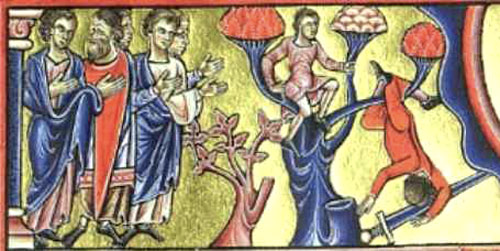
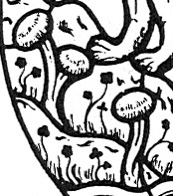
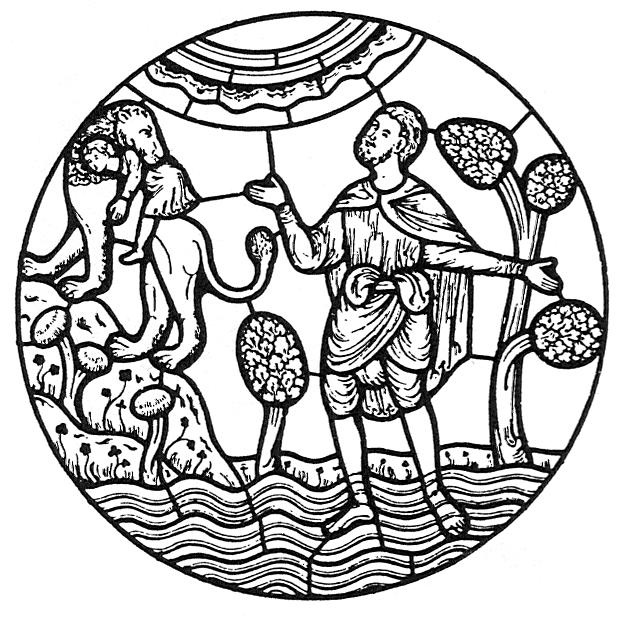
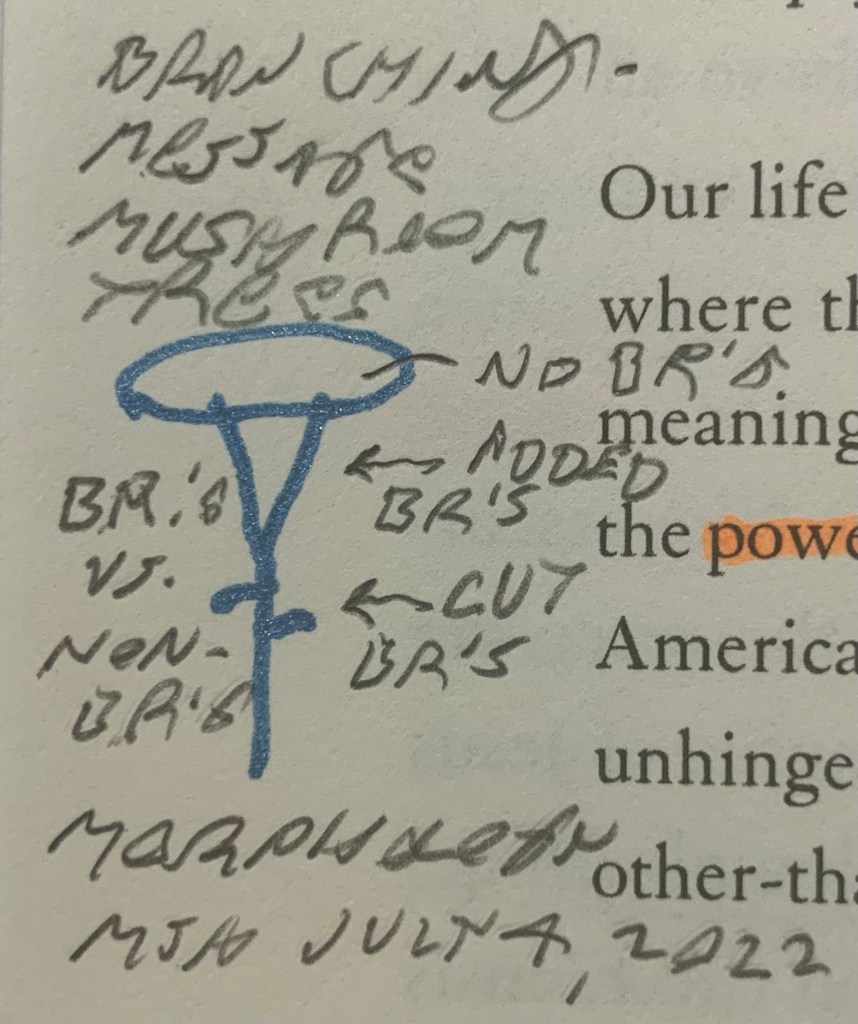
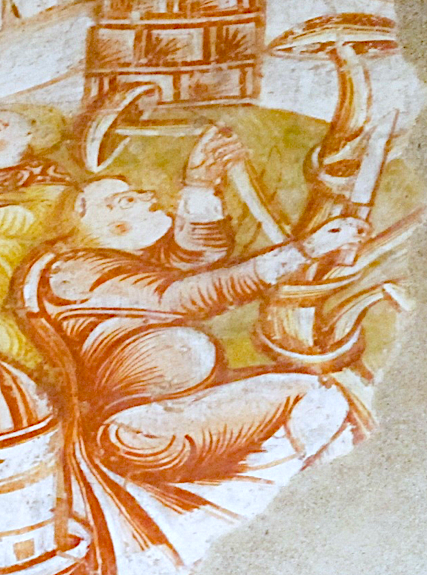
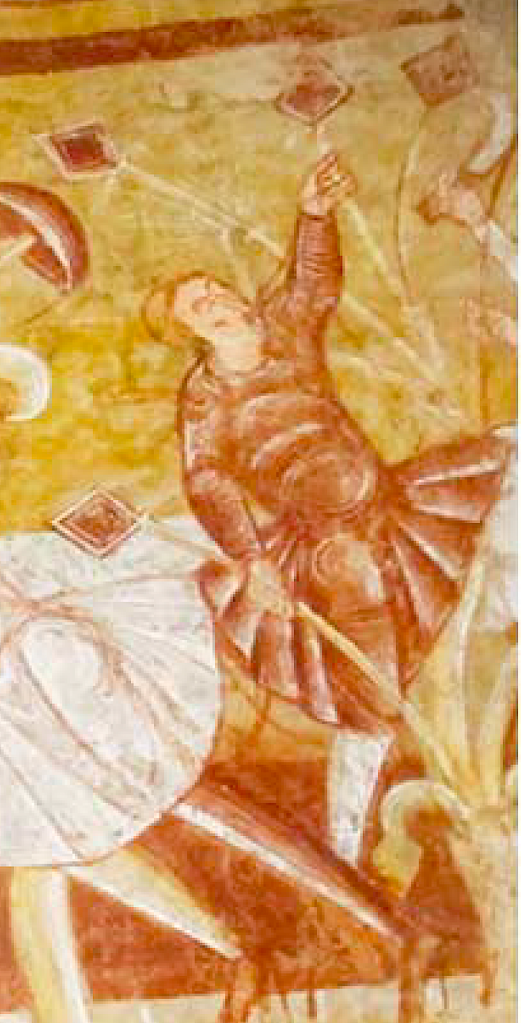
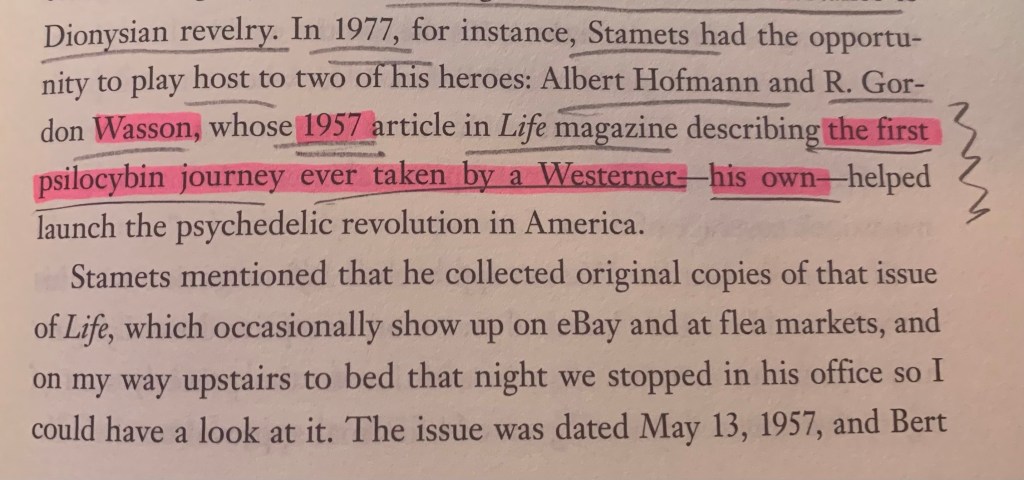
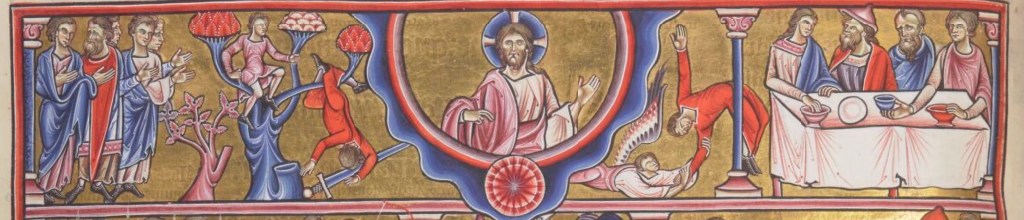
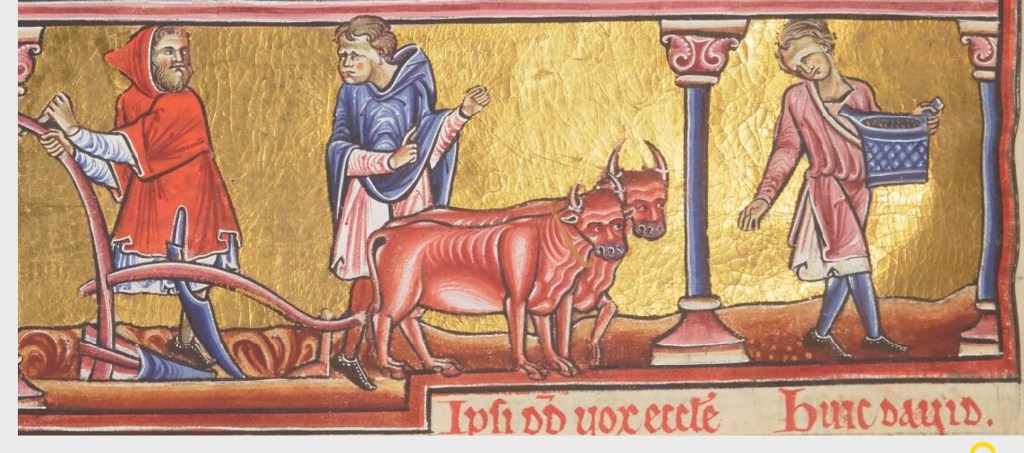
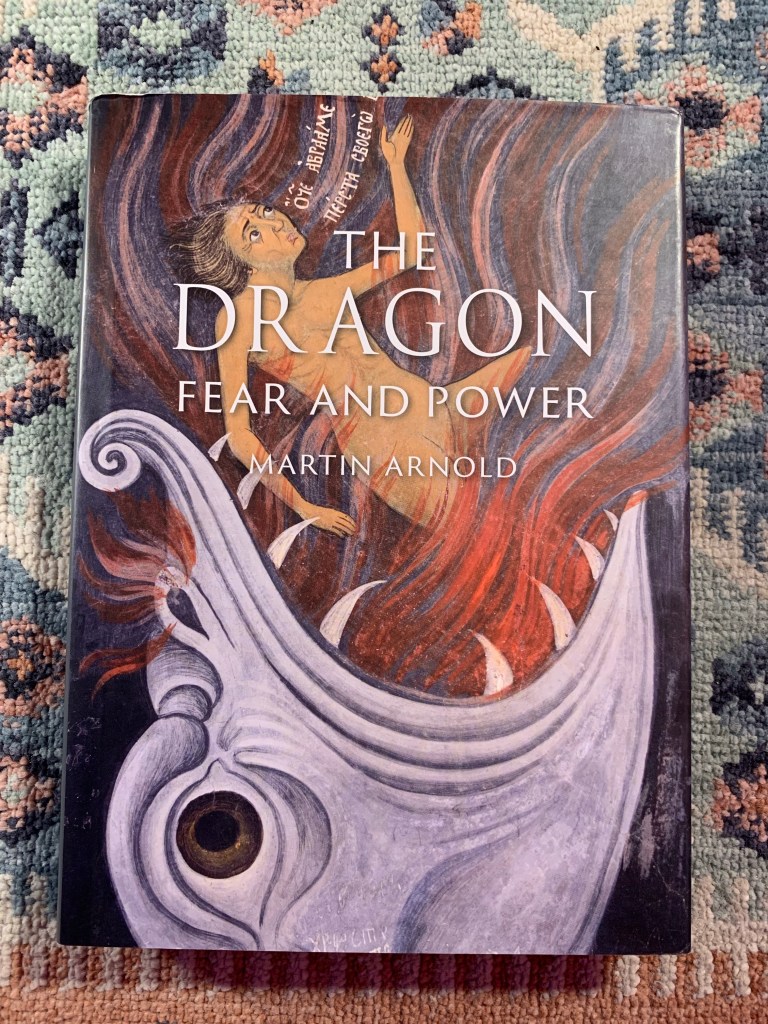
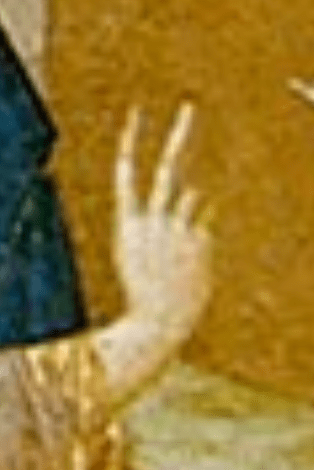
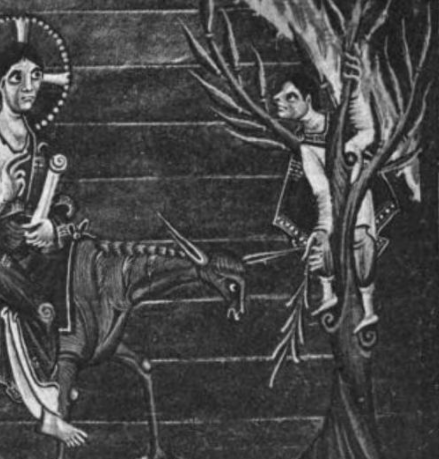
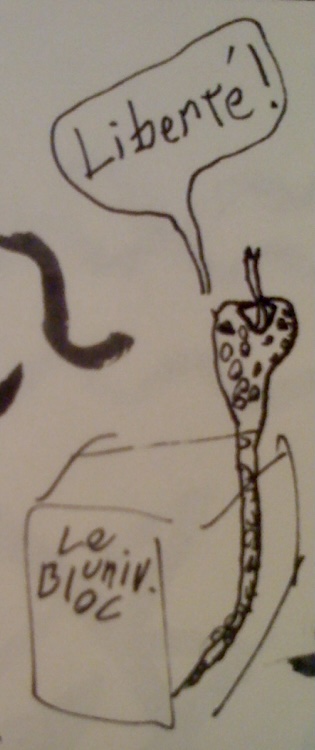
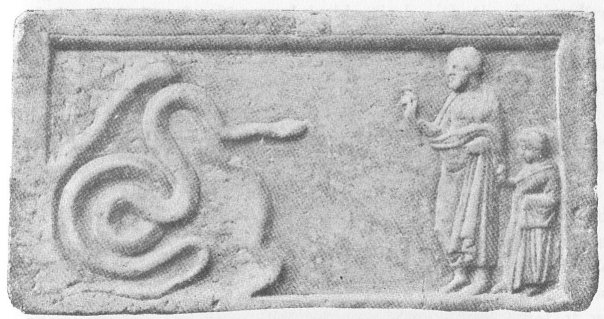

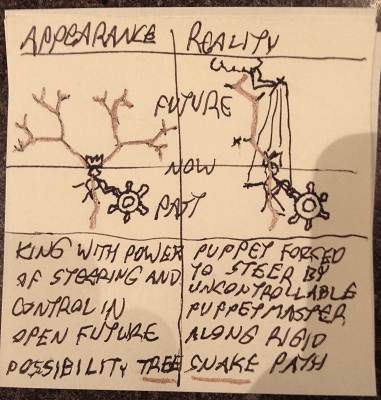
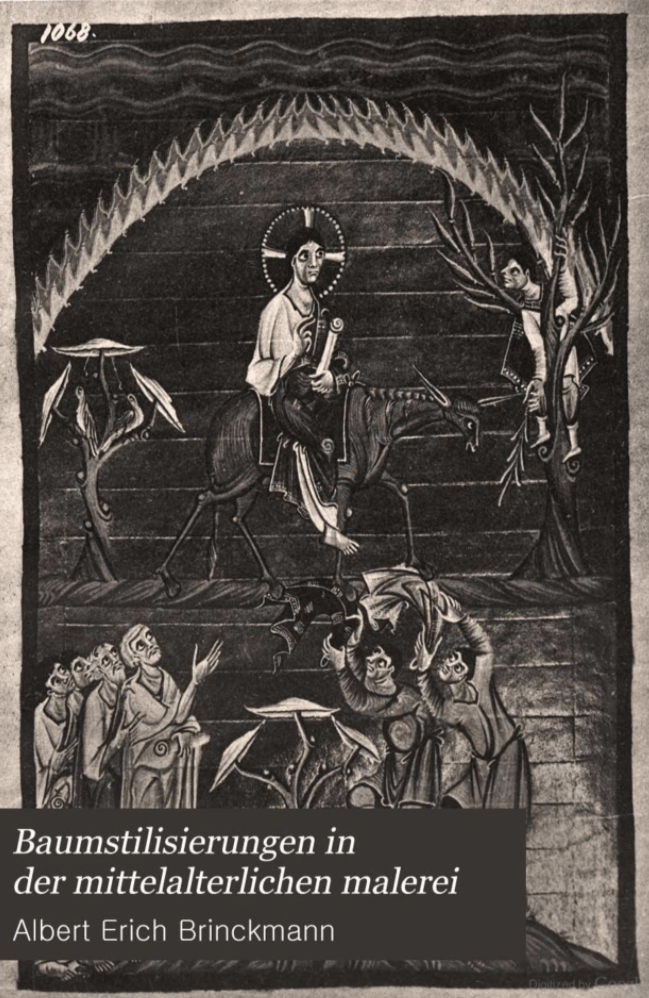
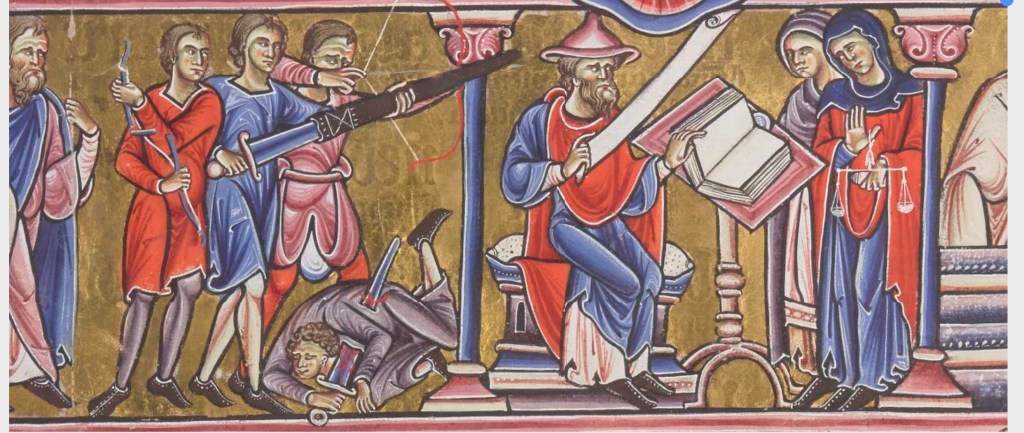
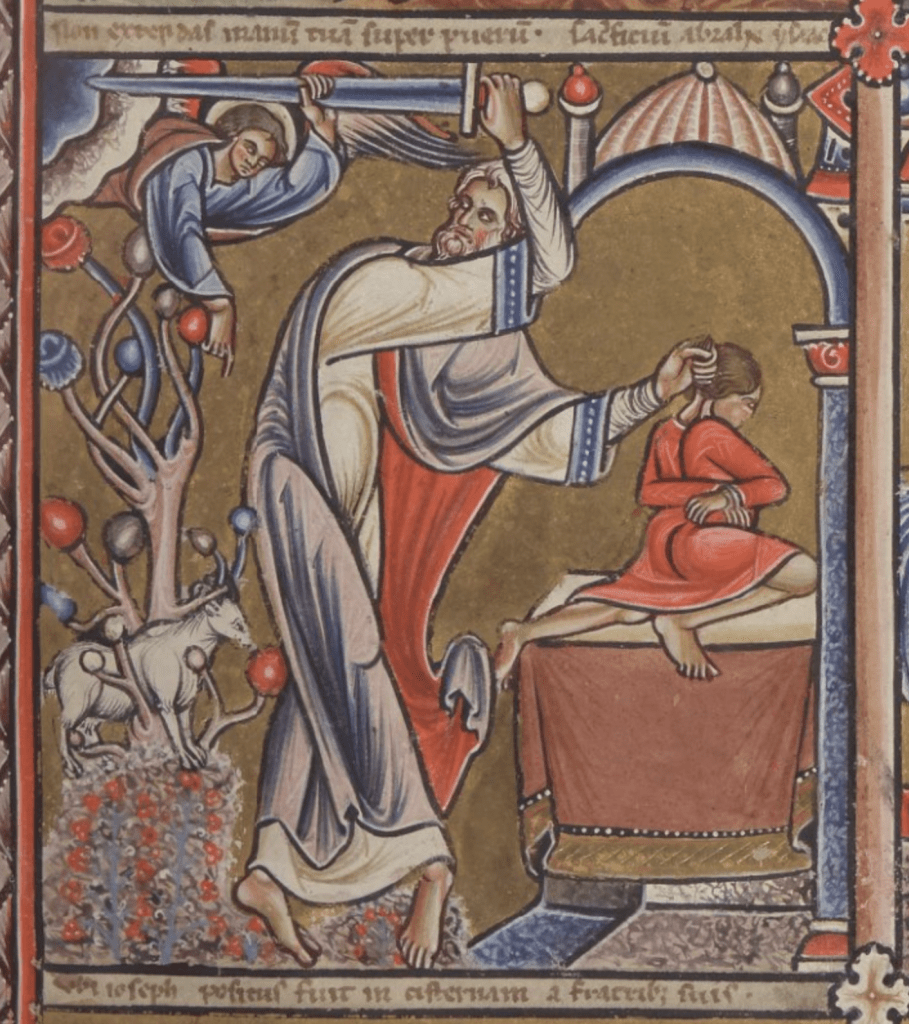
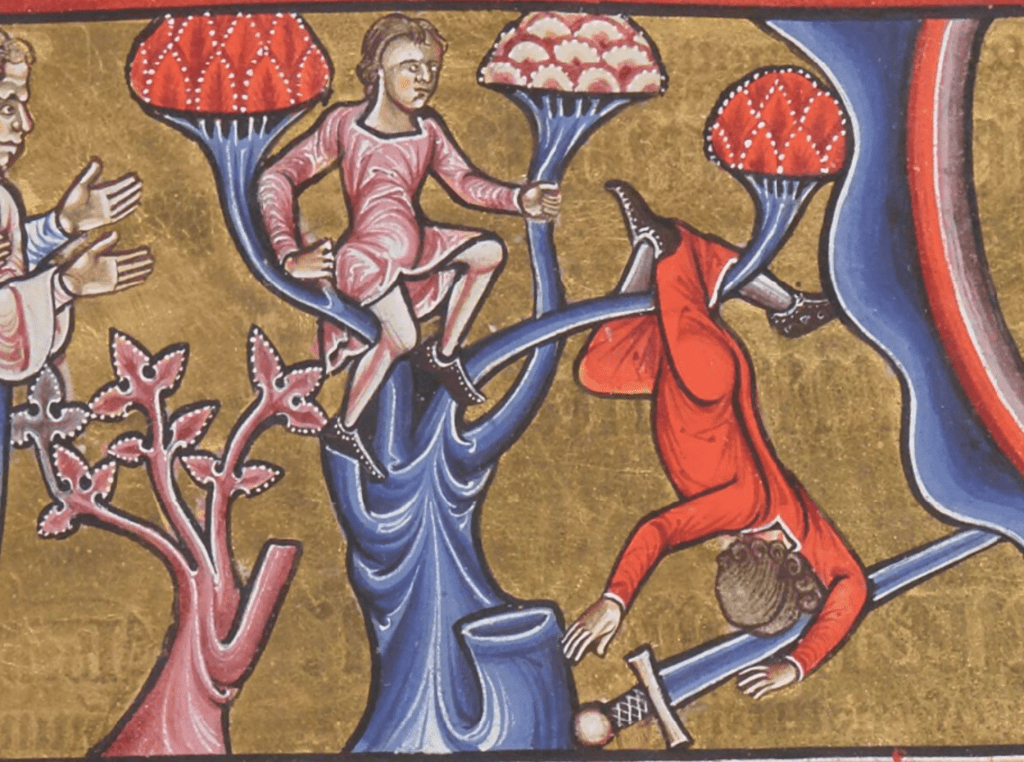
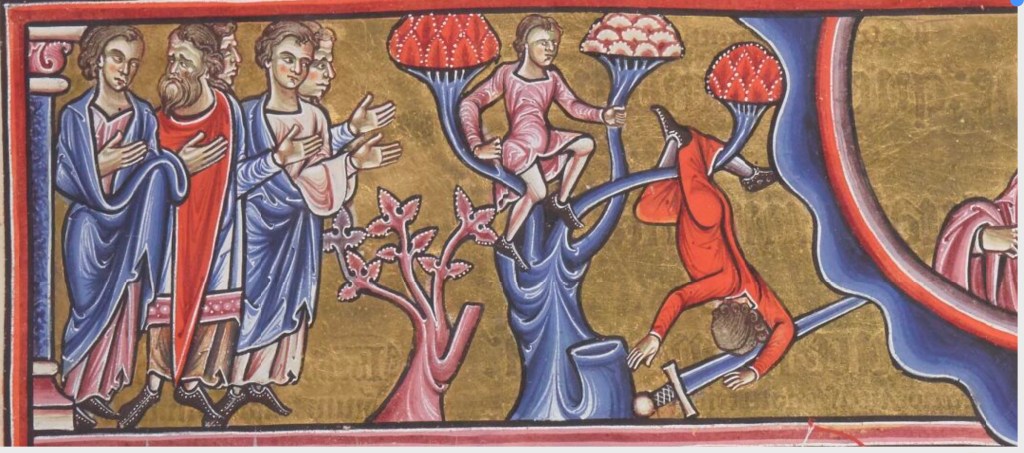
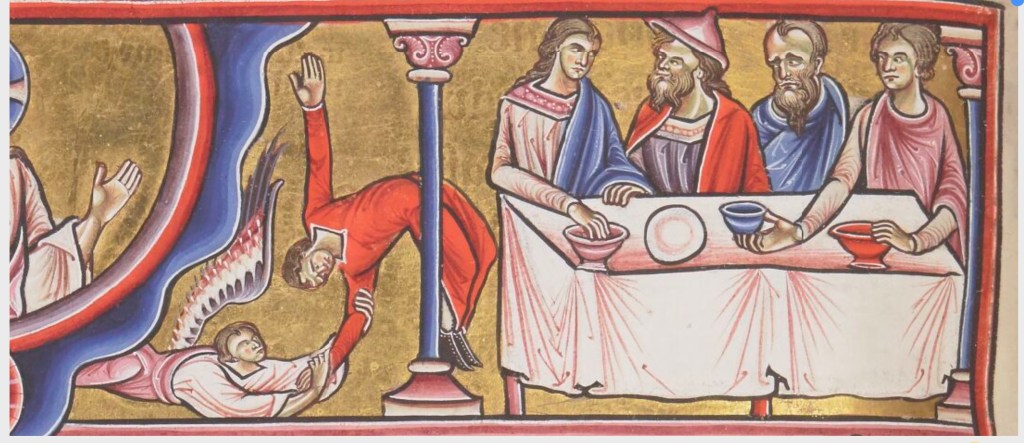
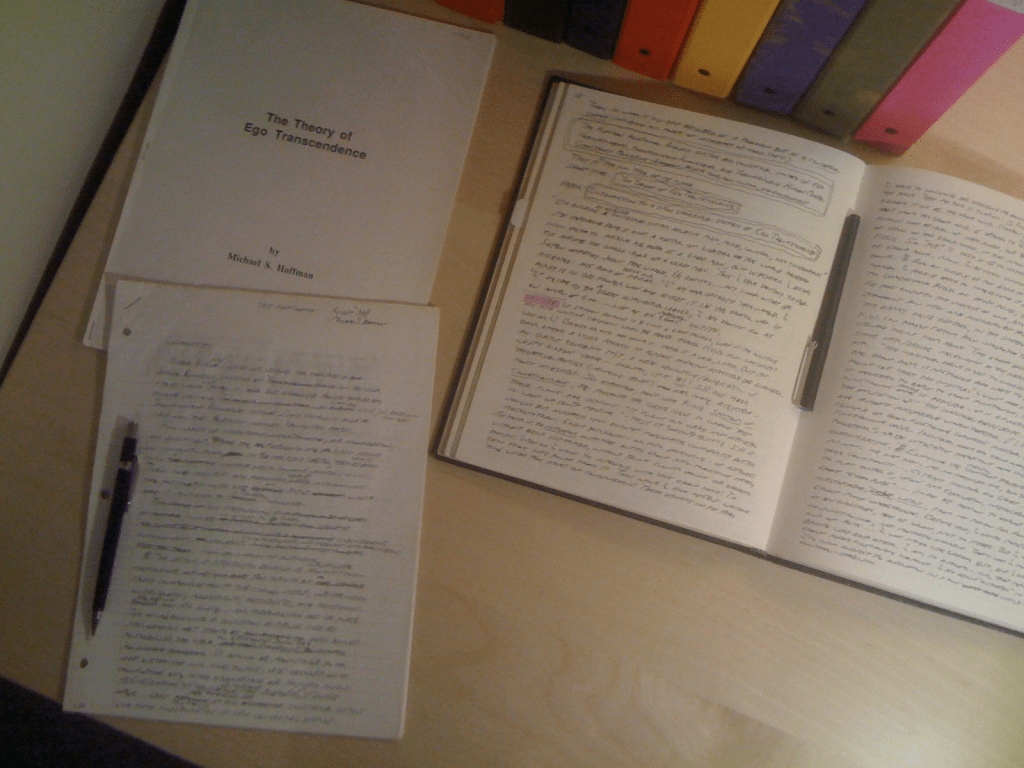
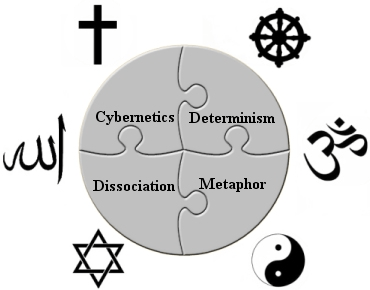

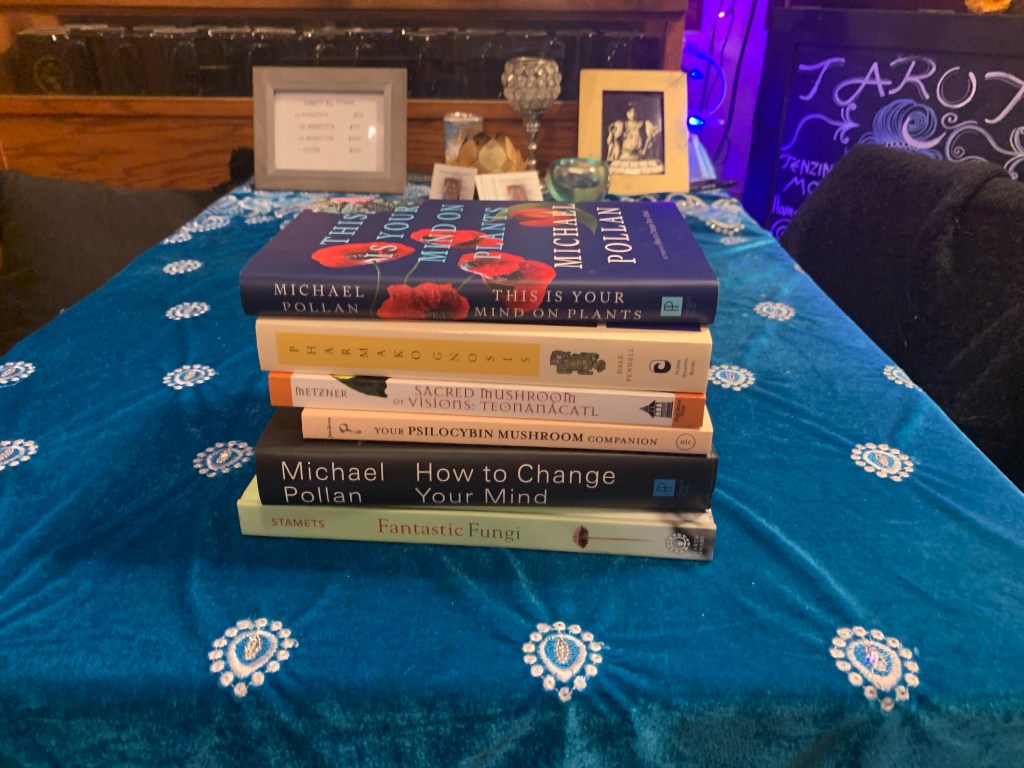
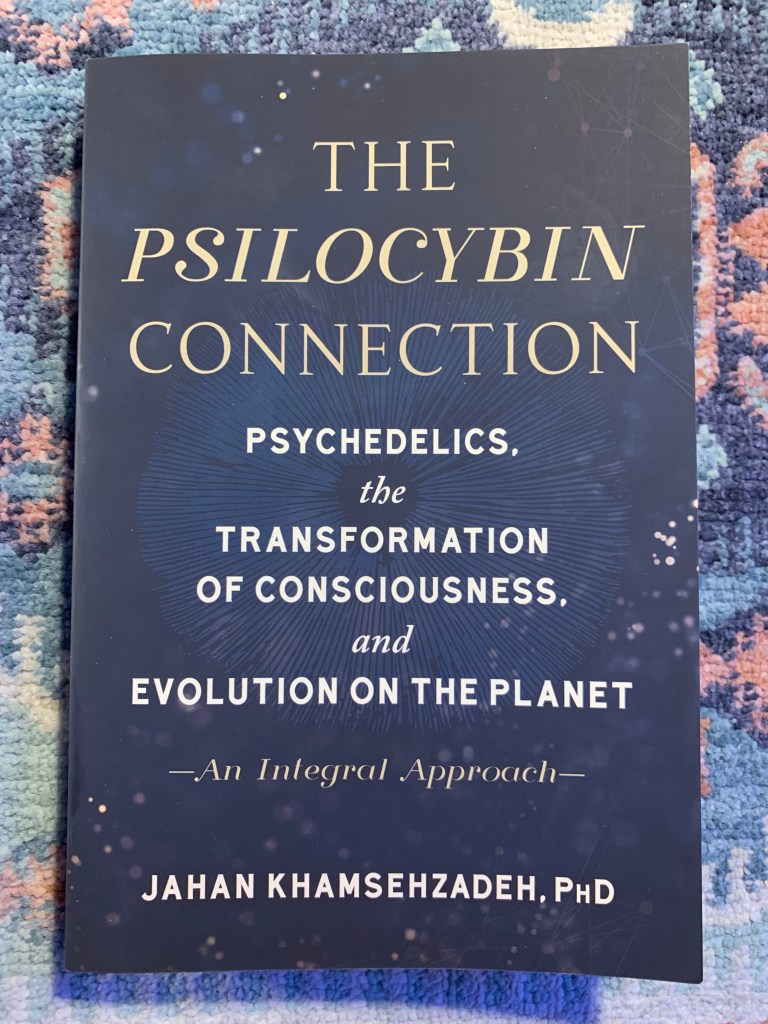

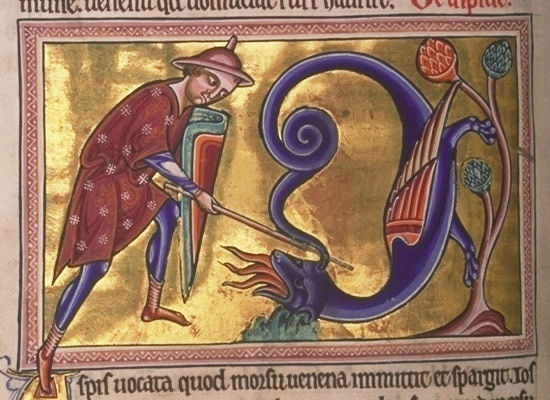
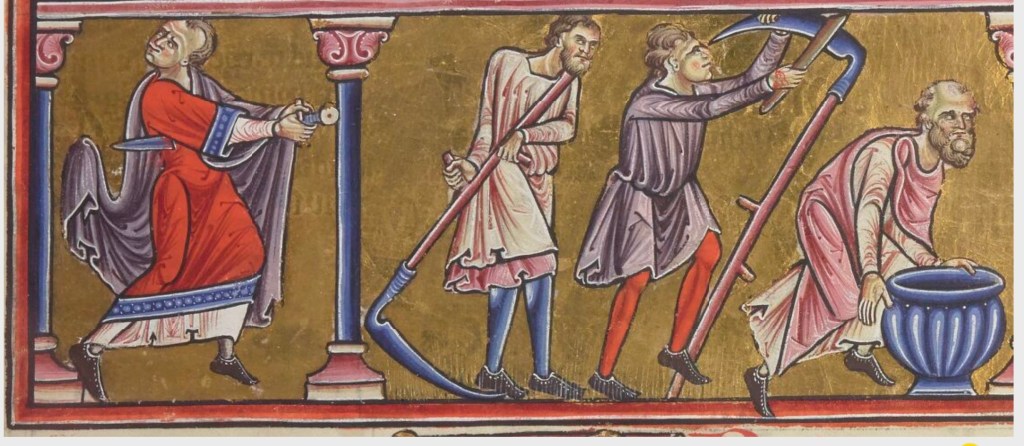
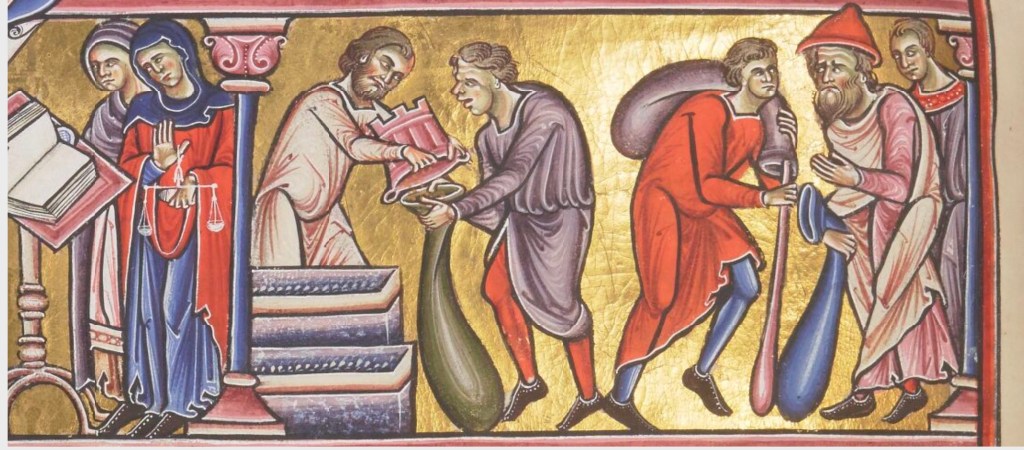
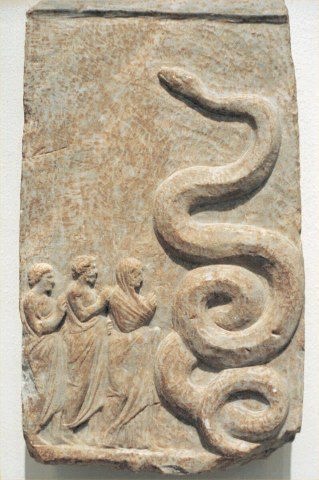
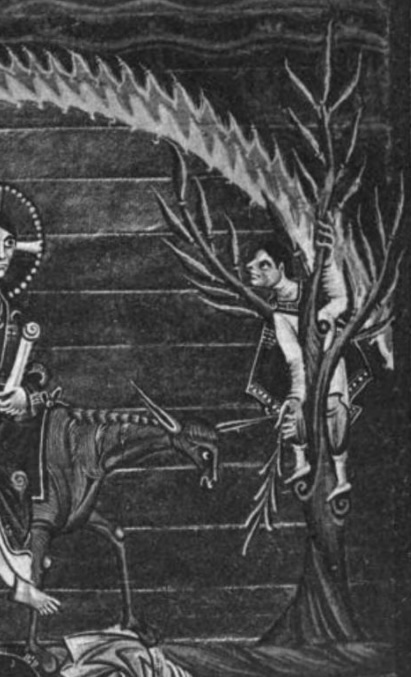
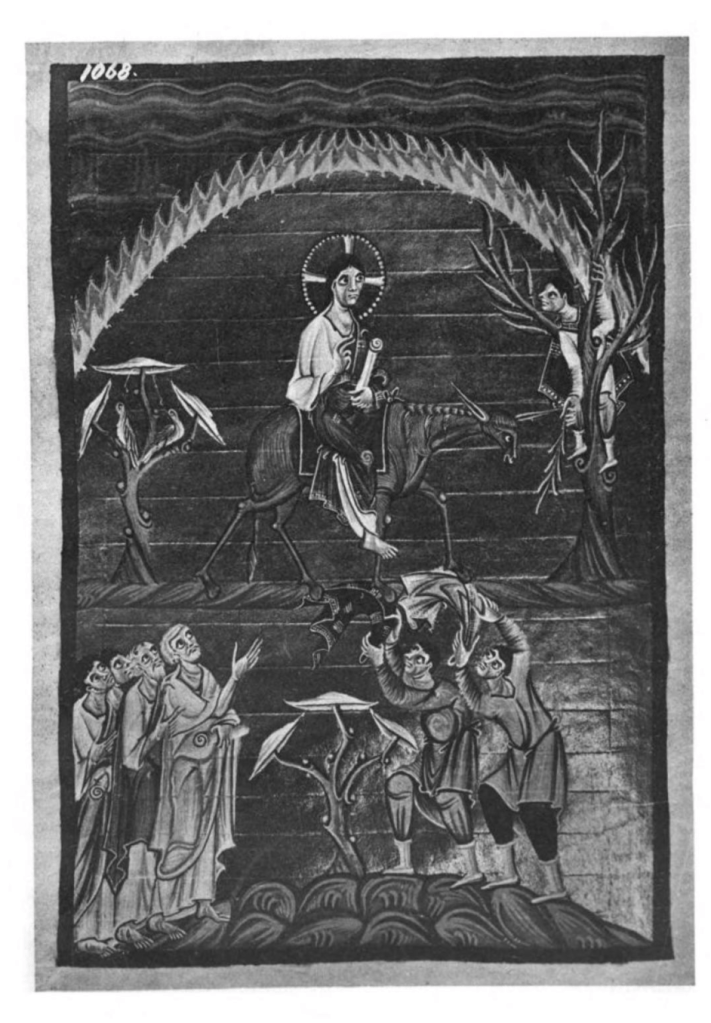
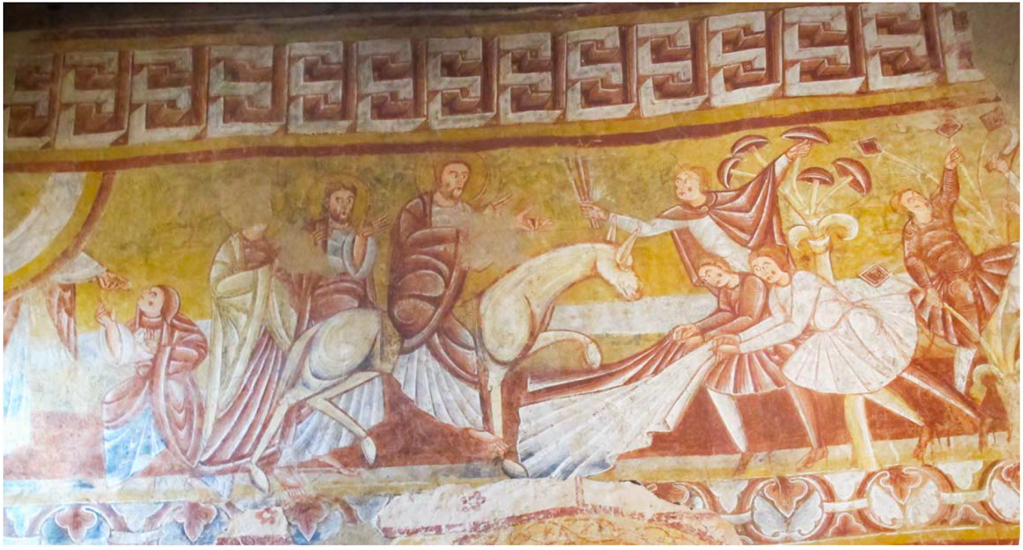
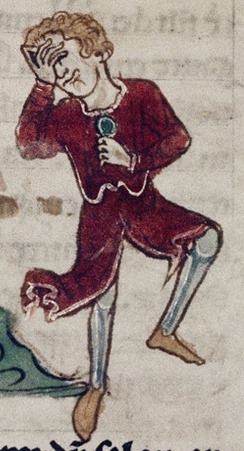
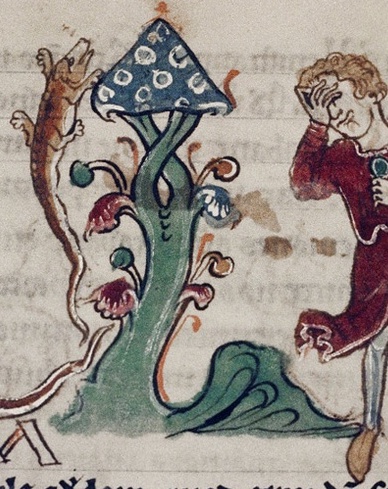
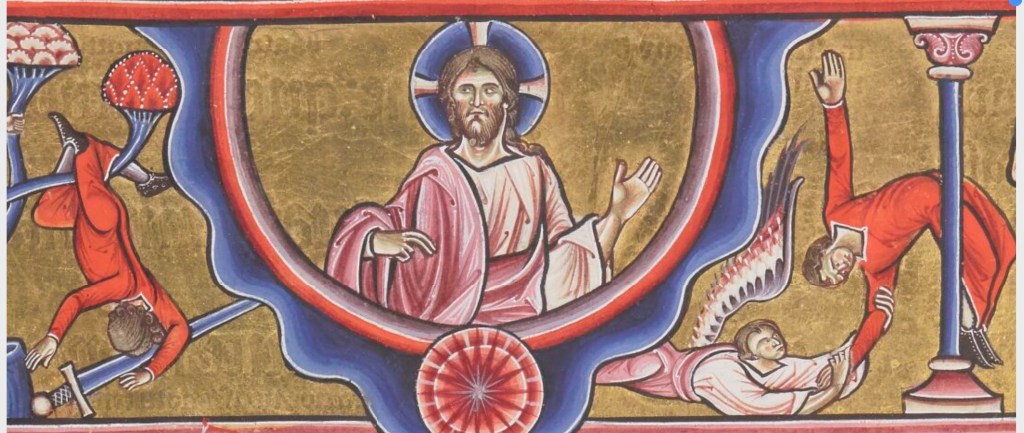
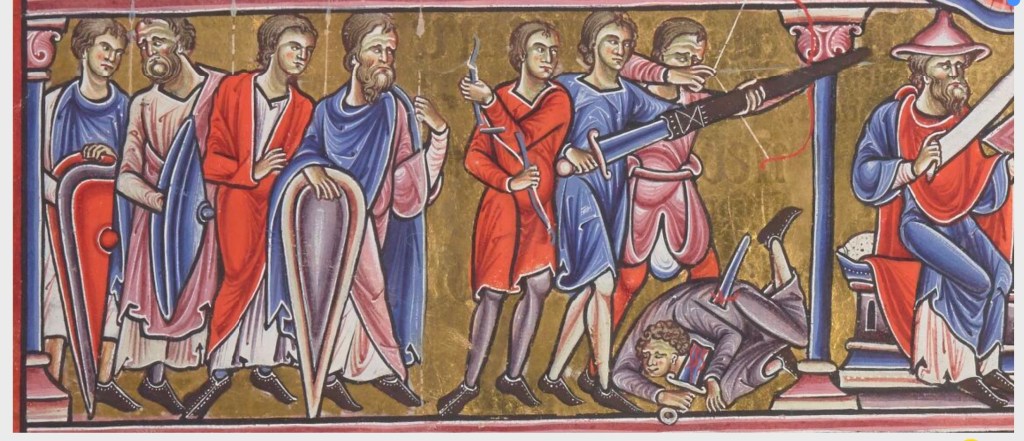
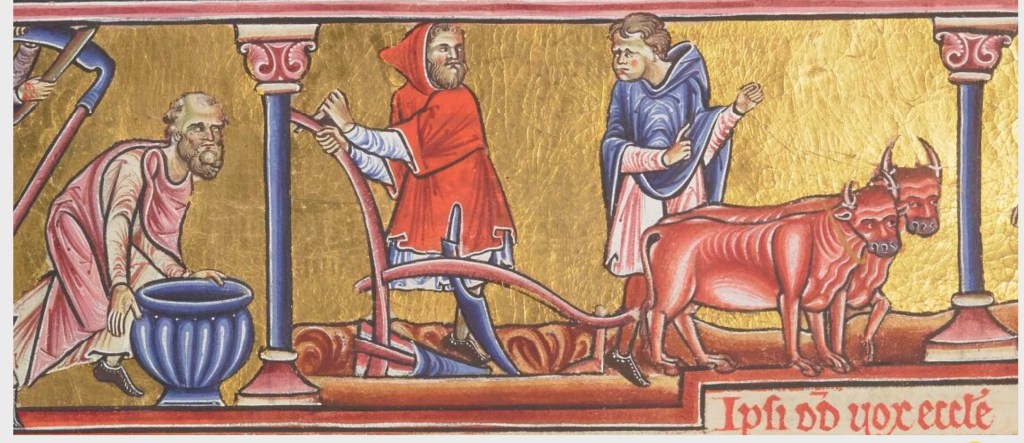
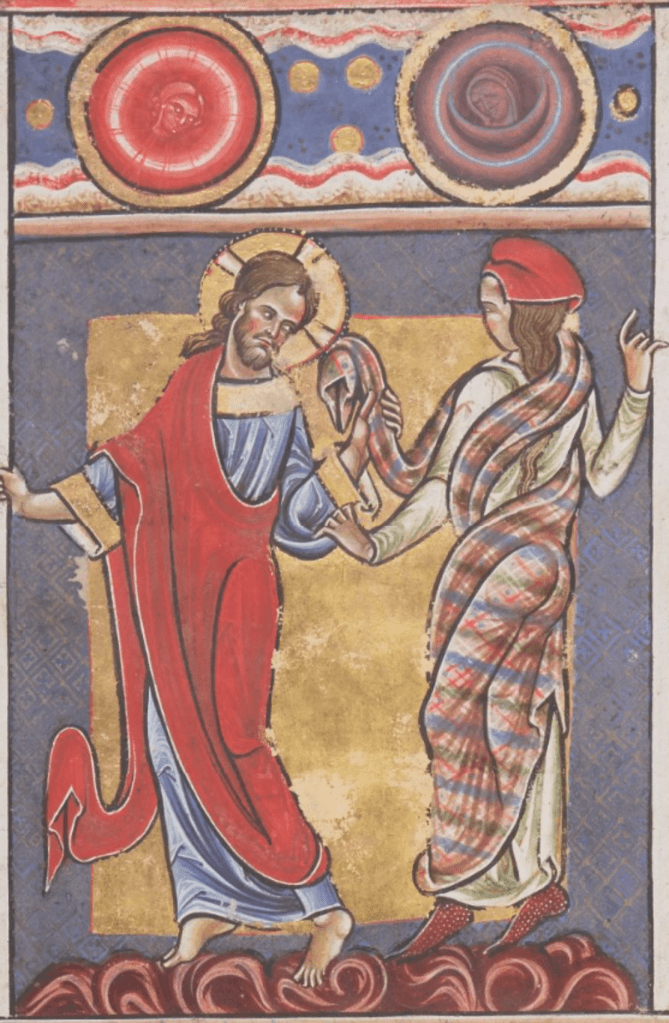
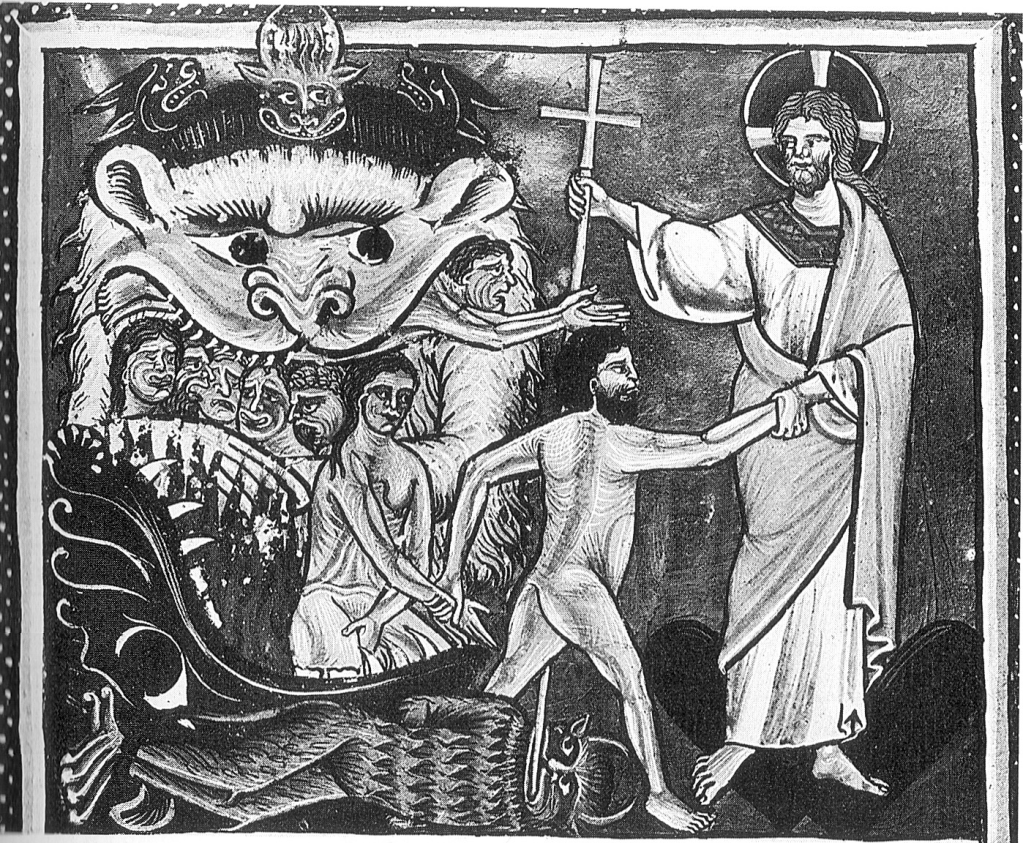

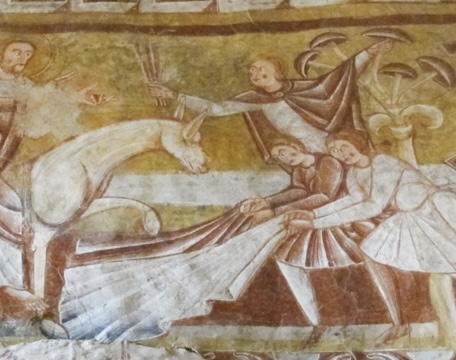
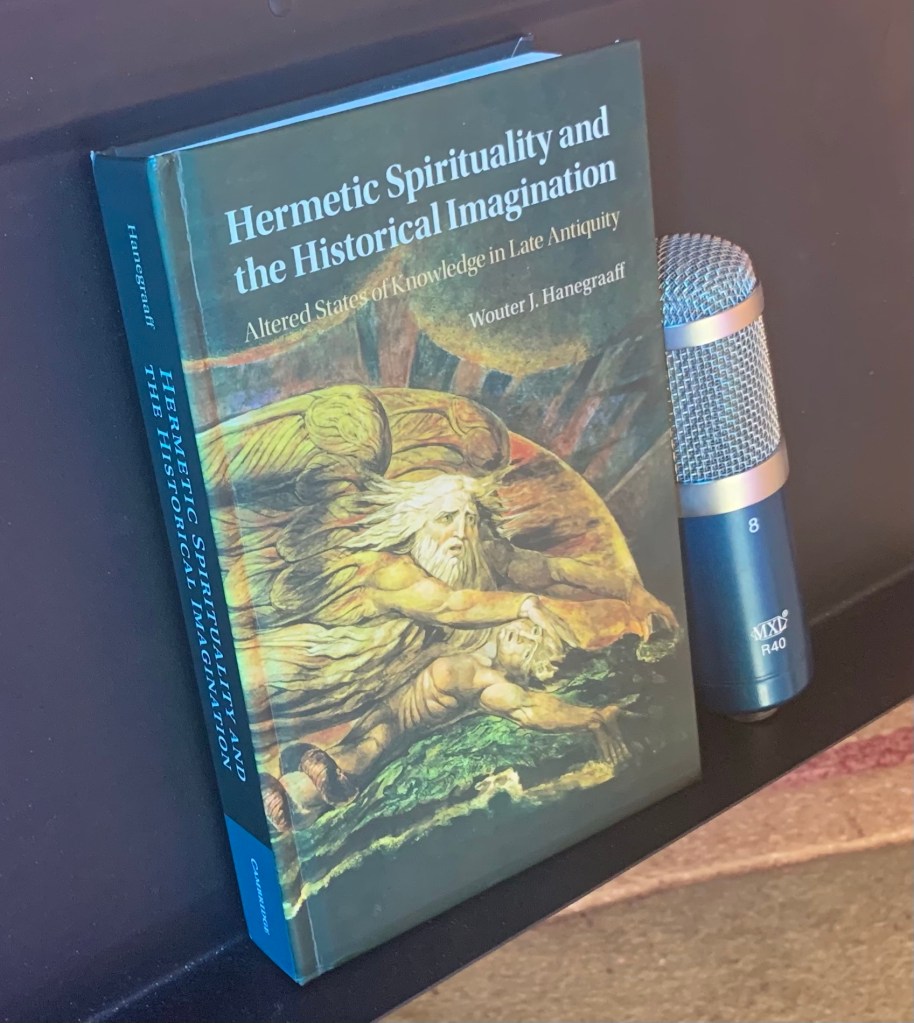
 The Egodeath theory
