Multiplier/ Parity-Check Effect; When there’s Multiple Instances of a Motif Increases, it Rapidly Multiplies, Exponentially Multiplies the Tentative Reading
Update: we’re seeing a cross-amplification effect or multiplier effect across 3 major Canterbury images: f134, f145, f177. That increased the certainty this morning, now [6:48 p.m. March 17, 2023], of the MODE of reading, the type/ genre of reading that the artist expects.
More obviously now, including a mushroom tree instantly makes a firm, extreme statement: THE CONCERN HERE, FOR EVERYTHING IN THE IMAGE, IS THE INTENSE MYSTIC PEAK PSILOCYBIN STATE.
I first wrote a few months ago “I can see into the blue krater, because I know Eadwine’s humor/meaning.” That’s true by reading across the images.
Mobile app voice mis-transcription
I have deciphered the language of Branching message Mushroom trees including handedness and non-branching and I am summarizing my language deciphering in my article for journal of psychedelic studies
we are now able to read this language and perceive the mushrooms but warning together with it we learned about both the bad loss of control and the good solution and the good enlightenment completion of mental transformation mental models conversion
I do not want in the article to lecture and pontificate so much though I really do think that anyone would certainly expect in the situation that I would give some kind of a direction some kind of a saying contextualization of what we should do just to at least a very extremely condensed list of do this do this and to do this
For example I kind of do want to make the point that this is not a situation that I need to come into conformity with the mob the club are you I refuse to join your stupid ignorant club the club needs to join me and here’s how to do that for a starter I am not here to repair your broken bottle and make your bad ideas work with your bad lexicon like default mode network ego dissolution I’m going to explain why these are poor failed attempts
The right way to frame to understand what I bring is
I am not merely helping to repair your broken CEQ questionnaire that’s all on a miss guided foundation
you need to use my correctly founded ECQ questionnaire instead is the correct way forward
I am not here to repair the Ptolemaic earth centered cosmology
I am here to provide the replacement sun centered cosmology
I am not here to provide Band-Aids and corrective epicycles to make your bad model carried forward we should abandon we need to abandon and switch away from your bad force model everybody agrees with all these falsehoods the falsely say that the default mode network causes a Reduction Myth Cognition that’s false
and they falsely say that the cause of bad trips is set in settings that has been proved to be false by the research done by journal of psychedelic studies Petr Johns dad Article day trip to hell
they falsely utter the words ego dissolution as if that explains anything that’s only the beginner newbie phase one and it has nothing to do with ego self canceling active intelligent self canceling of ego Which is the advanced version not just a cessation but a transformation and replacement and a demonstration of the vulnerability the wound in the side the seizure loss of control capacity capability that the Branching ignorant child mode experiential mode resulting mental world model of self control steering in world and it is not beginner Unity nondual ones that we should be talking about and focusing on but advanced cybernetic control to level dependent control
The club of the circle journal citation fast fest festival puts forth a heap of phony pseudo explanations and they can join a few four phrases and then declare themselves to have explained. they have explained jack shit ha ha ha ha
Default bullshit Network
ego dissolution
non-dual unity oneness
you need to surrender to the experience they say — this is not science this is crude folk pseudo explanations that barely accomplish anything except avoiding enlightenment and we need to not Move forward with these crude pseudo-explanations we need to replace them essentially and fundamentally replace by an actual science-based and stem style of communication explanatory model framework a true proper theory I am not affirming and condoning and reifying the confused folk folk story time that goes on under the guys of psychedelic science in the guise of psychedelics lights
I am about to produce a few days ago voice recording mostly focused on lifting the lid and seeing the wormy slithering terrifying you don’t want to see how the sausage is made under the hood I’m gonna lift the lid and look under the hood of what passes for psychedelic science I will have none of it thank you keep that crap away far away from me my theory replaces all that bullshit it is not repair or make wrongness work I refuse to join in reify your stupid club you need to join my club that has a proper Science & STEM foundation, My town and I want to announce this decoding 9:06 AM March 17, 2023 the town in the Canterbury Psalter buildings and this is true of Saint Martin town church images of buildings is that they don’t fall down they don’t have loss of control seizure because they have a proper foundation so we have all the Bible passages about building on not on Sand bar on solid foundation corner Stone by ego death theory has provides
And serves as a proper foundation for actual science actual psychedelic actual science not this folk parenting in a circle journal citation fast parenting non-explanations as if their explanations when they are no such thing and get the hell out of here And the miss marketing the the false marketing of so-called falsely so-called 11 factors questionnaire which role and Griffiths and Matthew Johnson fell into the big ditch that’s the false marketing of the 11 factors which fails to even give a concrete questionnaire so that Griffiths can see question 54 I was afraid to lose my self control and see the virtual factor 12 and the shadow factor 13 ( SHA ) in the dark darkest part of the storage room where they have the unpleasant experiences questionnaire items there is an unlabeled box that they say doesn’t exist it is shadow factor 13 which contains question 54 I was afraid to lose my self control
Then building on top of the soggy mud foundation of 11 factors questionnaire that even miss represents what it is Studer as Miss represents and these people have names Eric Studer us and Alex Gama and friends Vollenweider misrepresent and falsely market there 11 factors which Ashley contains 13 factors and actually contains to high-level factor called unpleasant experiences and pleasant experience and actually contain 66 items Not 45 items as they give the false impression by marketing they’re stupid 11 factors
they give the false marketing impression it’s false advertising the so-called 11 factors and for another thing what the hell is the name of 11 factors every single article that mentions these questionnaires uses a different name!! this is no science ; this is a joke! So then Roland Griffiths and Matthew Johnson built on that false marketing which enabled them to fall in the pit that Studer is set up for them to fall into and they missed out on eight negative experiences including number 54 I was afraid to lose my self-control and so they produced Yaldabaoth The
malformed monstrosity offspring that they gave birth to the CEQ which has managed to attain 100% bunkness Congratulations and I couldn’t believe it they’re in the psychedelics today podcast the other day they mentioned that someone actually used the CEQ I couldn’t believe it or you this is a completely broken instrument there’s a hole in the side that a dragon whole fleet of dragons gonna come through loss of control
HRS questionnaire item it was difficult to control my thoughts but stertorous or rather role and Griffiths doesn’t even perceive that as a potentially challenging experience totally out of touch completely the worst people to be formulating this kind of question are they have zero they’re completely tone deaf
they have zero feel for bad trips
leaving Dittrich seeming highly astute in 1975 caress of steel by Rush good foundation for the OAV questionnaire angst dread category — though it is not “of ego dissolution” , as it is falsely labeled
Admitted to go above a minute ago above I was trying to recite from memory the four I’m going to make this official the four bunk pseudo explanation the four pillars of false pseudoscience number one default mode Netwerk and its alleged falsely alleged reduction of cognition number two ego dissolution
Number three non-dual unity oneness which is merely beginner trespassing on the sacred and will get thrown out by loss of control out through the gate guarded by the angel of death which is flaming which is fire which is loss of control threat
Number four is neural plasticity your brand sucks your branding my branding is on point because what your guises stupid club of psychedelic scientists you are doing cognitive Nuro reductionism neural neural science cognitive neuroscience reductionism which illuminates the explanandum while pretending to be explaining it this is reductionism this is the ultimate paradigm and best possible instance and example of reductionism is precisely this particular reductionism is the mother of all this is the king of all instances of reductionism is by reducing the Psilocybin experiential state by neuroscience falls
Pretended explanations that do not explain anything at all and serve as a substitute for any actual explanation by eliminating that which they pretend to explain so this lexicon of yours is toxic and I will have none of it you need to use my Termanology instead that is bona fide genuine actual cognitive approach not your pseudo cognitive approach which you instantly switch instead in reductionistic the worst reductionism replacing cognitive by neuroscience stop talking about
neuroscience we need to be talking exclusively about cognitive at about the cognitive model and its dynamics what are the dynamics of the cognitive model of self and also you guys always forget to say the model of the world the branching versus non-branching world has nothing to do has jack shit to do with neuroscience stop talking about neuroscience you are substituting and preventing explanation
loose cog l m loose mental functioning binding mental construct processing loose cognitive association binding BTFO Nuroplasticity “neuroplasticity”
the rough folk wisdom as it barely works and fails to bring back the treasure of Transcendent Knowledge
I am not here to make your bad language lexicon succeed at ego dissolution allegedly we what we fear the cause of bad trips is the resisting ego dissolution and supposedly the APZ questionnaire reanalysis in 1985 creating the OAV questionnaire version one and then the official 1994 version to the real OAV questionnaire
Has baked into it the false explanation too quickly already the label of the dread category the angst category dread category DED acronym is false: it says that what we dread is ego dissolution.
What we dread is loss of control as the world Model transforms out from underneath us the model Not just of self as Thomas messenger falsely says and as Chris Leatherby falsely says 99% of the time he forgets to say the model of the world and he only says the model of the self.
but put aside your whole dead-end cul-de-sac stunted approach and Leap ahead by light years by completely switching to the Egodeath For Theory
8:33 a.m. March 17, 2023] blue krater collecting ccubensis behind oxen – Cybermonk – It just struck me reflecting on Canterbury image F145 and the blue and tan color of the distribution bins the two bins filled with liberty cap Cubensis
And the use of the blue stem mushroom tree in F145 and the blue fruit this is sufficient evidence to prove or corroborate the blue color of the collection krater in Canterbury image F134
I don’t think that I pointed that out before the blue color though I might possibly have mentioned it
but now though it is different because I feel confident I have more evidence of the use of the blue color and things cohere better this way
This is pattern recognition
this is language visual language translation and often it really hits me per deepening of network connections per Paul Thagard book conceptual revolutions and I’ll suddenly see a set of connections from a different angle than before where I get a better look at some reading and recognizing the Merit , The full goodness of the reading
Crop by Michael Hoffman Local file metadata: “f145 bigscreen” “f145 bigscreen yi hand shapes.jpg” 1.1 MB, 2:09 a.m. Feb. 15, 2026. WordPress gallery metadata: “f145-bigscreen.jpg”, 1 MB, Feb. 15, 2026, 3660 x 2694 px. https://gallica.bnf.fr/ark:/12148/btv1b10551125c/f145.item.zoom, fullscreen
todo: Error: the annotated png and jpg should not have been named “f145 bigscreen” Locally, renamed the .png & .jpg to add suffix to differentiate: “f145 bigscreen yi hand shapes.png” “f145 bigscreen yi hand shapes.jpg”
I MISTAKENLY didn’t place ANY weight on blue color, when I announced a month ago that radical, unthinkable interpretation of {blue krater} as for the purpose of [collecting Cubensis]; because I overreacted against Ruck & Rush relying too much on red & white.
Yes, I only just now [this morning, ~6am Mar 17 2023] thought of f134’s dispensary bins as blue and tawny, but, I identified the blue krater 1-2 months ago, as for collecting Cubensis harvest — happens to be blue BUT I tried to not at all make any significance of the blue color; I made a point of not basing my arg at all on blue color.
I ERRED IN DISMISSING THE BLUE COLOR as having any possible significance, when I announced that I was able to see by E.S.P. what’s in the blue krater.
Strange that I didn’t at that time close the circle and start asserting that the grain dispensary bin is Cubensis.
How the fck did I nail blue krater as being for Cubensis in f134, yet FAIL to say THEREFORE ALSO the grain dispensary bins TOO *must be* Cubensis, for consistency? MY CLAIM ABOUT BLUE KRATER BEING FOR CUBENSIS WAS IRRATIONAL GIVEN THAT I FAILED TO ALSO IN CONJUNCTION ASSERT — AND OPEN MY EYES AND SIMPLY LOOK — that the grain bin bucket dispensary MUST also therefore, for consistency, be interpreted NOT as grain, but as Cubensis.
But even after improving the image crop to show the full harvest sequence, I still FAILED to EXTEND the idea; WHY DID I TREAT BLUE KRATER IN ISOLATION FROM GRAIN BIN & BUCKET ROW 2 RIGHT???
Doesn’t make any sense! Why didn’t I fkking LOOK at the grain bin? BLIND!
I am as blind as Marcia Kupfer, who wrongly (mis-thinks Brown) sees “youths intrees cutting branches“, when, in reality (according to Beginner-Level Brown), “theres mushrooms”.
Browns’ Deep Analysis: There’s Mushrooms.
There’s mushrooms.
Browns’ analysis to BTFO Kupfer’s “youths in trees cutting branches”
crap, THERE’S NOTHING THERE (at my two links above); YA DIDN’T THINK IT THROUGH, STUPID PAST-ME!
Valentines’ Day, I improved the crop, in Idea Dev p 18.
But again, YA DIDN’T THINK IT THROUGH.
You CANNOT say “blue krater collects Cubensis” without ALSO saying “THEREFORE ALSO THE GRAIN BINS MUST BE CUBENSIS.” OBVIOUSLY.
It should INSTANTLY be clear, that:
TO ASSERT THAT BLUE KRATER = CUBENSIS IS TO ASSERT GRAIN BIN & BUCKET = CUBENSIS TOO (of course, OBVIOUSLY!)
How did Dumb Past-Me think “blue krater” without ALSO instantly thinking “[BLUE!!!] grain bin & bucket”??? STUPID!
I remember my headspace: you can see that in my first post of the two, I was in the midst of creating page listing many images of Stand Right Foot, and Brown and I discussed Eadwine Leper image:
I was busy defending this: Jesus is standing on left leg because he’s taking on the impurity and uncleanness and disease of the leper.
and so this is often my defense for blindness, eg Lorenzetti’s Entry into Jerusalem:
WHAT THE HELL IS BROKEN WITH MY MIND THAT I DIDN’T INSTANTLY SEE the {heimarmene stars gate}, which is ONE OF MY MAIN MYTHEMES?
Answer: Where’s Waldo? ie, that image has too much going on that I was busy analyzing, and, specifically, what I learned from that failure was, PAY WAY MORE ATTENTION TO the {gate} mytheme/motif.
So I can tell you: I didn’t think it through, because busy on other stuff, juggling.
“Why didn’t you see that thing go by, when you were juggling?”
Score: Dumb Past-Me 0, Evil Future Me 1
tho it’s hard to condemn Dumb Past Me for first baby step 🤷♂️ – most ppl don’t have the guts to think of blue krater to collect msh. OTOH, my proposal felt long-shot unlikely, BECAUSE I became in a state of self-contradiction: I was in effect then claiming that:
1. Blue krater = collect cubensis AND 2. Grain bin & bucket, dumb guy excited; the image is to mock him for being excited about stupid grain; simpleton.
Row 2 right shows a simpleton happy to get grain.
WHAT A SIMPLETON he is, BLIND TO HIGHER THINGS
WE WISE PEOPLE KNOW TO AVOID LOOKING AT DUMB GRAIN AND TURN/AIM OUR EYES ELSEWHERE, AT THE GOOD, MUSHROID PARTS OF THIS IMAGE, NOT AT THE GRAIN BINS AND BUCKET WHERE THE DOLT IS HAPPY TO BE
🤦♂️
I QUIT. THIS ART DECODING IS TOO HUMILIATING.
SCORE: DUMB PAST-ME 1 POINT, EVIL FUTURE-ME 10 POINTS
I Fell into the Pit of the Fatal Premise of “Mixed Themes” of OSC+ASC
of Inconsistent Mixture of Mundane and Peak Psilocybin in Same Image – Do not do that! STOP DOING THAT, IDIOT.
Like Max Freakout pointed out inconsistency to Kafei: who held “Jesus was a mundane person AND his life HAPPENS to match mystical analogies”
“This Scene Is Motivated by Grain Cultivation AND a Separate Side Interest Dabbling in Mushroom” – WRONG ANSWER, FAIL 💥😵
To Increase a Radical Position, Be Consistently Radical
not sure if made this point thought of few minutes ago: (I “felt” this point then): find “self contradiction” here. I started to say:
State 1: Jan 31, 2023: Dumb Past Me holds: The blue krater is grain. AND The grain bins and grain bucket is grain. CONSISTENCY: YES.
State 2: Feb 1 & 14, 2023: Half-wit (“Jesus led a mushroom cult; I is smart“) Dumb Past Me holds: The blue krater is to collect Cubensis. AND The grain bins and grain bucket is grain. CONSISTENCY: NO — clever bold aggressive assertion, but, now you just broke consistency, without even even thinking about it, because you failed to think about the branching ramifications.
And that is how I felt: Bold, hyper assertive, but not consistent; not supported well at all.
State 3: March 17, 2023: Evil Future Me (this morning) smartly realizes: The blue krater is to collect Cubensis. AND The grain bins and bucket are to distribute Cubensis. WINNER!!! 🎉 🏆 👑 🎶 CONSISTENCY: YES; it is actually STRENGTHENED, a lot!!
Deniers of mushroom imagery in Christian art.I read this Cyberdisciple email today Feb. 16, 2026
Deniers of mushroom imagery in Christian art:
* Erwin Panofsky 1952
* Gordon . . . . Wasson 1968
* Andy Letcher 2006
* Thomas Hatsis 2013
* Chris Bennett 2020
* Ronald Huggins 2022
* Sharday Mosurinjohn 2025
* Richard Ascough 2025
* Christian Greer 2025 maybe
____________________
Thomas Hatsis denies mushroom imagery in Christian art, despite his pushing for psychedelics in Western religious history.
Bennett:
“Finding mushroom imagery is TOO HARD You should be weak like me and only look for Easy-Mode, Cannabis evidence.”
Mosurinjohn & Ascough: You entheogen scholars are pathetic and illeigitmate, deseving of fullest disrespect.
“Finding mushroom imagery is impossible, because in fact there is none. You should ignore Western history and only look for Easy-Mode, Indigenous Shams; they have had mushroom wisdom[sic] for millennia.”
Who wrote the stupid wrong vague anti-Western phrase “mushroom wisdom”? actual:
“Researchers from Queen’s University think not. [not “no evidence”; they think DEFINITELY NOT psychedelics in mystery religions – why? they slip from “possibly not” to “= definitely not”, exactly as they make a stink about Ruck doing, in the positive direction. -mh]
“So they just dropped a thorough takedown of the whole theory
“Drs. Sharday Mosurinjohn (whom I interviewed in April) and Richard Ascough systematically dismantle
[ultra vague, non-scholarly, untestable, undefined assertion -mh] what they call “the psychedelic mysteries hypothesis[sic, PARADIGM],”
pointing out there’s zero archaeological [RESTRICTIVE QUALIFIER] evidence for psychedelics at Eleusis [RESTRICTIVE QUALIFIER].
[dirty rhet arg’n strategy: only accept 1 type of evidence: whatever type of evidence your side (Deniers of mushroom imagery in Christian art) has destroyed (washed out these particular cups), and is minimal.]
“They say proponents are presenting speculation as fact, and the entire narrative is built on shaky foundations and circular reasoning.
Hypocrites Mosurinjohn & Ascough
present their speculation (maybe no psychedelics in mystery religions, since the only type of evidence that that counts is the dirt that we Deniers washed away, and by that arb. definition, “THERE IS NO EVIDENCE. “)
as if fact (We showed that there’s definitely no psychedelics in mystery religions; DEBUNKED ROGAN. & Muraresku. & ruck)
“So why does the myth persist?”
[the above presenting of negative speculation as negative fact by Mosurinjohn & Ascough has now MAGICALLY become factual, so that we can say confidently with a con-artist’s tone of finality, “the myth of psychedelics in mystery religions”.]
“The authors [Mosurinjohn & Ascough] argue it’s about legitimacy.
[ie, YOU ENTHEOGEN SCHOLARS ARE ILLEGIT & PATHETIC & discredited and invalidated – like Wasson p. 180 SOMA smearing blundering “mycologists” ie Affirmers of mushroom imagery in Christian art eg John Ramsbottom.
Ramsb. more than effectively retaliated, by re-printing his new book just to add:
“We are committed skeptics, not interested in truth re: mushroom imagery in Christian art.”
– signed, Popebanker Wasson, privately to the top myc’ist, J Rams.
As Jan Irvin figured in conversation w/ me in 2006, it took Wasson decades to figure out that he’d been, for years, DESTROYED & EXPOSED as a committed liar, by the top myc’ist, Ramsbottom.]
Winslow con’t:
“People want to believe there’s a ‘respectable’ Western pedigree for psychedelics with our European ancestors.
[ie YOU ENTHEOGEN SCHOLARS LACK A RESPECTABLE PEDIGREE]
[now wheel-out the weaponized Indigenous Shams:]
“Never mind that there are plenty of Indigenous lineages around the world that have preserved psychedelic wisdom[sic, folly] for millennia.
“If we need history’s stamp of approval to justify research and policy reform today (we don’t), surely that’s enough.”
The Dust-up over Psychedelic “Lineage”
I am my own authentic lineage, so am above all this.
There’s a huge stinck stink & controversy(s) now about “LINEAGE”.
The concern, making “lineage” your (weak) foundation, is funny to me, because I myself am an (ahistorical?) religious founder figure.
Not actual-me is the founding figure, but rather, the Mythic Michael Hoffman, never existed, he was nothing but a s3x-cult, disgusting Fly Agaric fungus.
“Therefore Christianity sucks” – that’s the John Allegro/ Carl Ruck/ Terence McKenna/ John Rush, driving-mission, achieved, by abusing entheogen scholarship to accomplish.
Tail wag dog: abuse of the field of entheogen scholarship, for the purpose of smearing the big bad church and permanently reify Prohibition.
The evil Church is so bad, don’t even THINK of trying to repeal Psilo Prohibition.
Huggins’ Articles Debunking Entheogen Scholarship
Huggins 2022: Dizzy, Dancing or Dying? The Misappropriation of MS. Bodl. 602, fol. 27v, as ‘Evidence’ for Psychedelic Mushrooms in Christian Art
email from Michael Hoffman to Cyberdisciple cc’d Max & Brown: p.m. Feb. 16, 2026 –
Cyberdisciple,
Forgot about this
[Cyberdisciple attached photo of Alluciongenic e Christianemimo book p. 90, which has a garbled citation of Egodeath.com by M. Hoffman]
I have one of the Gosso/Camilla books… I have that book; p. 90, thx.
No one cites the Egodeath theory, except 10 publications I know of, or 20…
I am looking for Nov 2020 email from you giving the wrong type of url for Great Canterbury Psalter i guess, lacking .zoom suffix??
Omit .zoom suffix, get ugly, dark, dingy color palette. per my first batch of crops Nov. 2020.
In What Year Did the Great Canterbury Psalter Go Online?
I found some history recently toward an answer.
Helping my discovery, my timing is good, except I had to take hiatus, for engineering univ. courses, Jan 2008 – Sep 2011.
John Lash uploaded Eadwine’s leg-hanging mushroom tree image in the Great Canterbury Psalter around 2008;
after his 2006 book 1st Edition, he did vigorous research travelling like Browns to the Great Canterbury Psalter, uploaded in 2008 the article THE DISCOVERY OF A LIFETIME
Paul Lindgren is the ACTUAL discoverer of mushroom imagery in Christian art in Great Canterbury Psalter around 1999;
check w/ Ruck & M. Hoffman who talked w/ him.
Lindgren is credited twice in Conjuring Eden: Art and the Entheogenic Vision of Paradise
to my surprise, Ronald Huggins oct 2025 article about Plaincourault fresco DOES cite “Conjuring Eden”. The Deniers’ ignorance is now slightly less than zero.
Huggins again fails to cite Entheogens in Christian art: Wasson, Allegro, and the Psychedelic Gospels (Jerry Brown & Julie Brown, 2019) https://doi.org/10.1556/2054.2019.019
He throws about the Panofsky & Brinc citations like they are his private weapon that only Huggins gets to use.
Jan Irvin is not allowed to access the (damn) DRAWER (cited by Huggies) at Harvard instead of arming ALL scholars by citing Browns 2019.
What year Great Canterbury Psalter got bright not dingy color palette?
Before a couple days ago, I assumed that the entire library site in Nov. 2020 had dingy dark palette, then they saw my site and fixed to a bright color palette in their entire site.
Not the case.
See my dark, early crops, bet they omit .zoom from suffix.
– M. Hoffman
Confirmed: Original URL from Cyberdisciple Lacks .zoom Suffix, so, Dark Color Palette
On Nov. 17, 2020, Cyberdisciple emailed Michael Hoffman & Max Freakout a URL for Great Canterbury Psalter – but, omitted the .zoom prefix, so, ugly dingy color palette.
So I don’t know when or why the library fixed the bad palette.
I accidentally a couple years after, when I resumed Great Canterbury Psalter, I used — on mobile — urls that have the .zoom suffix, = bright color palette.
email to Cyberdisciple & Brown 4:10 p.m. Feb. 16, 2026
Definitely Julie’s photos are clearer for me.
eg: the guy behind Christ making IY hand-shape, his thumb now looks normal length, not double-length.
Bad Resolution Can Throw Off Interpretation
In Nov 2020 I learned a huge lesson that Browns assert: importance of clear images.
John Rush f134 row 1 left 2/5 (Eadwine’s leg-hanging mushroom tree image in the Great Canterbury Psalter), fist appears to point.
Fist does NOT point.
Compression artifacts make him appear to point.
I had to redo my interp w/ higher res (though too-dark palette initially, because the Great Canterbury Psalter URL lacked .zoom suffix).
John Rush Crazy Id’n of 4 plants in Day 3
todo : image:
f11: Day 3: Creation of Plants, with Lines and Annotations
Crop and annotations by Michael Hoffman, Jan. 29, 2026, fullscreen
Ronald Huggins 2025 Oct hammers on John Rush’s overambitious gallery, too, re: the easy whipping boy who we all criticized:
John Rush, record-holder for blurriest images and most dubious claims about them — if you can even follow what Rush is asserting. Self parody.
I recently found on my drive, precious PDF backup from late Rush’s Website: Rush says about Day 3’s 4 plants, poorly specified ID’n. CH1-ALLPLATES.pdf (also: CH3- ALLPLATES.pdf)
My sensible Dec. 2020 ID’n for 4 mushroom types in Day 3, comes after at least 3 previous, pretty far off or vague attempts to ID the 4 mushroom-plants.
Arthur 2000: tries to make a 5-plant SOMA recipe.
Rush 2011.
Brown 2016 and/or 2019.
Michael Hoffman Dec. 2020 – the first sensible, non-garbled, specific, useful list of ID’ns.
something huge to notice: the bias against psilocybin: in Rush’s accounting,
I am doing a voice recording right now one and a half hours into it and I am having hit after hit after hit
I’ve got about 6 to 8 hits by comparing the branching lower level branching morphology of trees in F177 compared to across mapped with the upper level and lower level branching morphology of image F134
Update: Just Recognized/comprehended Evidence of Upper Level Tree Breakout of Y on Left, I on Right: Two Y Caps Matching Red Leaves, the Special/Good/True Cap / Branch Is Different
Pink Key Tree in image f134 and Simple Key Tree f177 Have More Going on Than Seems
DO NOT ASSUME ANY FEATURE IS WHIMSICAL ARBITRARY MEANINGLESS
that was the mistake I made up until the morning of March 21, 2022 when I was still saying these are “problematic Branching Mushroom trees” with whimsical branches added and whimsical cut branches added, meaningless 😞
then a huge turning point there that day in discussion with Brown of the youth in trees cutting branches I switched and realized that
it’s not a it’s not a WHIMSICAL bug; it’s a feature, it is the message and purpose of msh trees.
and so I switch to using the descriptor phrase of {branching message mushroom trees} which I wrote at the top of my reply to Brown on that day March 21, 2022 for the first time.
Every Feature Must Be Assumed Deliberate and Conveying Meaning
134 pink guy left “branching-thinking” hand OBSCURES the (in relative local scope) “good”, I branch of tree’s upper-level YI branching — bad ilusion hand OBSCURES the true good nonbr. branch.
pink key tree’s branch 3 = I of YI , and at a finger level (vs hand/arm) the LEAF 3 Is the Good leaf, leaf 1 & 2 are the Bad (= branching; Y) leaves, within relative local scope of Y I Morph’y.
not so simple key tree
I have now explained why pink/”simple”(?) key tree branch number three and the leaf number three of branch number three is touching his right heel in the big mushroom tree
it turns out that a huge major motif held by the Mushroom Tree Artists a big concept is relative Branching
we already see that I already explained in the dancing man image salamander
I explained how the cut trunk is the good trunk , but you put that aside and then you separately analyze the relative good and bad branching region of the tree that everyone looks at , the mushroom tree that everybody looks at.
and I showed how you analyze that in relative isolation/local scope to identify the relatively good parts which are the nonbranching parts, and the relatively/ locally bad zones or regions, the zones of the tree that are bad because they are branching zones (within a local relative scope)
F177 panel two, the simple key tree exists on the lower level of the whole image – signif!
And it does not have, that tree does not have an upper level to distinctly analyze, in contrast with the two trees that are on the upper level of the image
you are not at all done you are merely the row 2 Right , the right-foot Red intermediate youth
you merely have an intermediate morphology analysis comprehension if you halt and stop at the lower level of the big mushroom tree
you have not completed the analysis until you have become the floating the funnel hat guy with both feet floating off the ground is an advanced upper level you have to continue to analyze the upper level and
he is looking at the upper level morphy of the msh tree – not the cut trunk lower level.
this is the big huge concept I have discovered of the relative scope of relatively branching and relatively non-branching
just like with clothing and skin we can have the cloak
the outer cloak obscures the undergarment
and similarly the flesh of Eve in the Plaincourault Fresco veils or Obscures her bones
these are the artists of the Branching message Mushroom trees were very sensitive to the concept the key concept of relative scope of analysis
so I have quiz questions for you
which of the three rams in F177 is the good and true
the answer is the middle one , Which maps to the middle cap of the simple key tree or the middle crown
which is the one that doesn’t touch the ceiling and that crosses behind the other so here’s a big cluster of breakthroughs that I just had with the idea of cross behind or it is occluded the true non-branching branch is occluded
q: which of the three branches of the pink key tree is the good true one ? 🤔
the answer is number three, because it is isomorphic with the I of a “YI trio” or perhaps better wording is ” a YI pair” . 😑
Important principle basic: A YI pair consists of three items
two of those tips two of those branches form the Y which is bad and
one of those tips or one of those branches the right most one forms a I which is good which is non-branching.
quiz : on branch number three of the pink key tree , which leaf is the good leaf ? 🤔
answer: leaf number three, because it maps to the I of a YI pair. 😑
con’t:
and ram number three his right foot is occluded by the red border
you can’t see his right foot because he is not enlightened
I have explained the deliberate botching of the cross behind of tree F177 row 01 left
The artist is telling us that you need to think about & be discussing (for at least guaranteed partial credit) {cross-behind},
We get in the Peak State we get a distorted partial partially hidden partially unveiled look at the hidden underlying non-branching — thus the {botched cross under} –
In this genre (mushroom trees , non-branching, & handedness), never ask “is this feature meaningful?” (especially with anything quirky); always ask “what is the meaning?”
You get partial credit just merely for recognizing that the artist is presenting us with an interpretation question/ challenge/ problem
regarding partial credit and regarding artist intent, I know that I am guaranteed the Eadwine the artist is going to give me at least partial credit for recognizing that there exists the problem of interpreting the botched cross-under (misaligned by the Expert’s expert painter “accidentally”
when we know that nothing is accidental in these paintings; they are the exact extreme opposite of being sloppy careless and accidental and meaningless and whimsical as claimed by the art historian Panofsky in his attempt to claim that artists are complete morons, malfunctioning human copy-machines that flub and distort for no intentional meaningful reason, in order to shield them from meaning mushrooms.
they just mean the Amanita host tree, Italian Pine, which “has nothing whatsoever to do with mushrooms” – no wonder Wasson censored Panofskys letters and belched out his contradictory statement , totally vague bluff, “Palestine tree type” –
what species would that be, Gordon Con Artist Wasson the censorer of Brinckman due to how PATHETIC that 86-page, long-outdated book already was by 1952.
THE Y BRANCH OBSCURES AND HIDES (& distorts) THE HIDDEN VEILED-then-revealed non-branching reality:
That the good, non-branching branch in A YI tree configuration — is obscured AND DISTORTED (misaligned) by the false illusory delusion of Y branching.
The artist either has to paint the I branch in front of the Y , or behind the Y.
and the artist wants to convey more information, rather than less, by drawing the I branch behind the Y, to represent the theme (as the cross-behind motif) that the branching mental model obscures or veils or overlays the true, non-branching mental model (NOT just of “self” per shortsighted Metzinger and Johnstad and Letheby, but of world: is it branching, or non?)
the pink key tree is short
beware of underestimating it
it is not sufficient to just do a very simple analysis
the pink key tree has THREE levels: cut trunk; 3 branches (think Y I); 3 leaves;
also 2 side leafs = like veil remnants, are used to depict motif of cut branches
it has a lower level that has a cut trunk, and it has a distinct separate upper level that you have to consider in isolation
And the same with the big mushroom tree in F134
we have to do a separate analysis exactly as I did an image 177 of the lower level of the tree versus a distinct analysis of the upper level of the tree and
again note that
the pink key tree itself has two levels of branching : it has the lower level of cut branch, andalso it has the upper level of three branches
as soon as you see three of X, this means that we have A YI configuration: bad local Y and good local I.
it has three branches, and the right most of the three branches has three leaves.
these are like fingers; the equivalent to the fingers
we have your branching right arm, and then we have your branching right fingers
Jesus’ left hand making a branching shape with fingers & right hand making non-branching shape with fingers
and we have the pSalter reader who does not show one hand is being higher, but shows one finger as being shockingly at the same level (!!) as the fingers of the other hand (loss of control results)
so we’re down to the level of analyzing toes and fingers here
similarly contrasting the trunk versus the branches (upper) versus the leaves
and we have very important tie- in here
we have my big discovery a couple weeks ago about the left hand is relatively higher up in the tree branching & the right hand is relatively lower down in the tree branching
so that on a local on a local level if you crop out and I can probably now go back and do some improvements there, by making some new crops of the two guys in the two Entry tree climbing images
Loenzetti’s Entry in Jerusalem & Golden’s, same
ok i see it! 🎉🏆
his right hand is on the non-branching stem and his left hand is on the relatively branching portion, the Y (when cropped to show only the local scope of analysis)
A YI analysis regarding his left hand and right hand higher and lower in the tree
Do a crop that emilinates the lower part of the tree and you will see a YI configurations I think something like that you’ll look at it an isolation you’ll see that his right hand is holding a completely non-branching stem after you crop out and delete the portion of the tree below it
Random Images; Not the Best Picks Here
In my voice recording (tape continues to roll some one hour 51 minutes because this voice dictation will destroy all my text and I will have the voice recording as a back up as warmspirit confirmed a good idea)
I explained the empty ossuaries, the empty tomb stones the empty rock tombs
empty ossuary in conjunction with loss of control:
the mental model, even though it does not contain a ego agent, it goes inherently unstable as it asserts itself more strongly in the altered State.
so the empty rock ossurary means that 1) the ego doesn’t exist , —
and 2) it also means that self control loss of control of the mind actually does occur ; there actually is a real loss of control, — (in thought, not in physical harmful action, but in the mind there really is an actual loss of control)
together with 3) learning through that loss of control learning a new mental model that perseveres; that is not perishable
in F177 the fact that the simple key tree is on the lower level means that it is more basic and that you need to apply it not only to the lower level of the upper level trees but you also need to analyze the upper level of the upper level row one trees
you need to repeat the same morphology analysis and not just limit yourself to a simple analysis of only the trunk
battling against demon-possessed voice dictation that makes me always speak with impure lips
mobile app is so buggy, i cant even correct typos without it deleting text, so must send this as-is.
Teacher of Right Thinking About Control
Crop by Cybermonk
Force Eyes to Aim and See
Crop by Cybermonk
FORCE EYES TO AIM AND LOOK AND SEE
Crop by Cybermonk
its unlikely this shows mushrooms bc theres no reason for this grain-centered religious image in Great Canterbury Psalter to think of mushrooms. Argues Panofsky the most influential art HISTORIAN (who else utters such wisdoms and markets himself as wanna be historian? 🤔 )
Hatsis.png
From the same unlikely-to-think-of-mushrooms image:
so you see per the art historian historian Panofsky the historian you can see that we have no reason to expect the bins to be distributing mushrooms, to
to justify such an expectation, you would have to require something like a gigantic 10 foot tall mushroom tree depicted in the same image
along with mushroom effects depictions in the same image such as ego death loss of control adjacent attached to the bins
But even if this one image did have a giant 10 foot mushroom tree and depiction of loss of control threat that gives that’s contradicted by the fact that none of the other images in this book include such motifs and depictions
What is wrong with me that in 2.x years of looking, scouring this Canterbury psalter image f134, though I would have LOVED nothing more to to see mushrooms in the bins, it never ONCE even OCCURRED to me to OPEN MY EYES AND LOOK in this direction?
I’m always yelling at McKenna for telling us in 1994 book Food of the Gods, do not attempt to look for Psilocybin in Christianity; it’s a given that it’s not there, because look how morally superior I am, in my glorious loser defeatedness, to the Big Bad Church who eliminated all entheogens.
Isn’t it just terrible the Big Bad Church for having done that? he asks.
And I am the same.
The only rational explanation for my inexplicable neglect, I couldn’t be bothered to ever ONCE just simply aim my eyes in the direction of the bins:
God prevented me from looking in the direction of top of bins.
If you look at eye-tracking record of what spots I aimed my eyes at in this image, i never aimed my eyes at the bins.
God made me so disappointed that the bins contents are not visible and can only be crudely drawn hay bins of disappointing grain, that it — I am reporting remorsefully but intriguingly the fact — WE MUST TAKE A LESSON FROM MY FAILURE TO AIM MY EYES — that it never once occurred to me to ATTEMT to LOOK zoom in on too of bins.
this point is independent of playing the old spot the mushroom childish game debating about whether the liberty cops images in the Benz actually represent wheat.
regardless of whether you claim that the top of the bins shows liberty cabs or wheat grains being distributed the fact remains that I did not even attempt to look it did not even occur to me to try to look and to zoom and to simply look at can we see what’s in the bin and the answer is yes we can see quite a lot of detail of what is in the bin
why in the hell — this is inexplicable — why in the hell did it never occur to me to aim my eyes & zoom in the direction of the top of the bends to see what is being distributed?
This is so basic so elementary but of course I’m drawing an analogy to the entire field what is wrong with people such that when Panofsky said bunch of cockamamie pseudo reasoning that can’t stand up to two seconds of pushback why did everyone simply cave I would expect 1000 people knocking at his door in 1970 with the book Soma reporting Panofsky said that we are historians know all about Mushroom trees I don’t understand why didn’t the entire world stop all of their business
And say “wonderful terrific! this is the best news ever! you art historians have thoroughly studied mushroom trees! wonderful!
please give us the stack of citations!!
I’m sure you must have a lot more than a single 46-year-old book (now in 1970, 64 years outdated) that’s only 86 pages long, and only mentions the word pilzbaum five times, and that nobody’s bothered to translate from German to English.”
What is wrong with everybody in 1970 that they didn’t instantly beat down Petoskey’s door eagerly demanding citations from him to find out all about where exactly specifically did art historians treat this topic please show us the books filled with these mushroom trees discussions between the scholars and how they proved that Italian pine, an Amanita host, has naught to do with Amanita?
this is completely inexplicable
why people didn’t simply open their eyes and simply look, at msh trees ?
why I didn’t simply think of hey why not look at the bin
and this is the same pattern as the inexplicable impossible to explain in Paul Stamets 1996 book psilocybin mushrooms of the world,
Why is there no section heading called all about the copious psilocybin mushrooms that we are Certainly to expect, that we have every reason to expect tons and tons of cubensis and liberty cap and Cubensis in Europe and in England and In the Mediterranean
where does he discuss this obviously the most number one most interesting topic of all regarding psilocybin mushrooms of the world is our high expectation that certainly there must be a lot as he told Graham Hancock in 2007 of course there are always been tons and tons of them and so there must be a lot of evidence for them
where is the section where he discusses this number one top most important interesting question?
he never has such a section
His book amounts to an information black out he delivers only a half of a phrase careless here and a side of mention hear bits and fragments but he never looks he never turns his eyes in the direction to make a statement or explain the expedition that they vigorously may did the research he never describes where he sent out letters to all people mycologists
Asking please send in your reports that there are Cubensis all over you up and that there are liberty cap all over England and please send in your reports he never describes asking that question
why not
Why is everybody constitutionally incapable of asking the question: where is the expected Cubensis and Liberty Cap in England and in Europe and in the Mediterranean
In search of the lost chord, or, short of that, the perfect crop: include The Light, intimate, show the “threat” (ie definitely WILL lose control if), don’t dilute with the solution / breaking bow by lowering right finger meaning right foot meaning using / relying on eternalism-thinking.
And make that damn idiot get the hell down off the tree, so distracting wtf! i’m tryin to fkkin THINK!! 😠 🤨
couldn’t make up mind to show center of sun, so cut in half 🤷♂️ it’s actually (ironically) a bit distracting. i might even try cutting off some more sun; it’s a “feel”, empirical thing — yeah, I REPORT THAT THE CROP WAS STRONGER WITH LESS SUN SHOWN.
file name not bad: Canterbury-f134-light-showing-branching-causes-loss-of-control.png
objectives of the above crop: still wishing for more intimate room zoom-in than this crop. Main motive: wanted more of the Sun Light.
breaking bow is good, but it’s the part 2 of the message that dilutes the main, first phase, 1) PROBLEM!!!!: branching causes loss of control, aiming bow, unsheath sword. 2) SOLUTION: non-branching causes breaking the bow and sheathing the sword.
and WHY IS THERE IS GUY UPSIDE DOWN WTF DISTRACTING,
HEY YOU IN THE TREE! GET DOWN FROM THERE! I’M TRYING READ THE GODDAM BIBLE, WTF!! 🤬wrecking my trip 😠waste of shrooms 😠
The psalter viewer is seeing that the possibility branching model causes loss of control and that the non-branching model prevents loss of control.
btw there’s 2 BINS of msh being distributed even to newbie fools, to the right of the balance
v good. Approved. 😑 👍
Page Titles
ehggh i have to have two pages / titles – “how i did it” vs. “what it is”.
History of How I Decoded Canterbury Psalter Images f134 and f177 as Seeing that the Branching Model Causes Loss of Control
History of How I Decoded Canterbury Psalter Images f134 and f177 as Furnace Ram Blade Threat of Loss of Control from Asserting Branching Model
includes:
Psalter Viewer Seeing Branching Model Causes Loss of Control
includes: the teacher of righteousness = the furnace of destruction (of left-foot-standing rams) = the threat of loss of control
The Teacher Of Righteousness Is Psilocybin Which Teaches the Threat of Loss of Control That Results from Relying on the Branching Possibilism Mental Worldmodel Rather than Non-Branching Eternalism-Thinking
~~
Intro
👇🤚☀️🖼🗡🏹☀️👉 👈🔍🔬🧐 😲 😱 🤯 😵
1-Minute Outline
Solved Dancing Man Standing Right Leg Xmas 2015
Mostly Solved Canterbury f134 in 2020 (attack vector: isolated blurry Lash crop unaware of any context/big image) – then row 1 after got hi-res, then row 2 & 3
The King of All Brown-Certified Blurry Internet Images
The King of All Brown-Certified Blurry Internet Images – was good enough for me — lol except for his pointing finger at foot illusion messed up my first interpretation phase
John Lash 🥇
Solved Finger Shapes/ YI/ branching-message mushroom trees March 21 2022 thru May 2022 (solved whole Dancing Man (Salamander))
Solved f177 March 2023 (magic tool from gods: white lines & boxes, + grid divide-and-conquer analysis / crops)
Finished Solving f134 March 2023
Need space between numbered items, this WordPress isn’t working for my formatting needs.
Roughly in the sequence of events / phases of my discovery process:
xmas 2015: solved the aspect of Dancing man , stand right foot = eternalism-thinking.
Brown asked if we wrote a “Compelling Evidence/ Criteria of Proof for the infantile shallow game of spot-the-msh. Nov 10(?) 2020.
Wrote that article. Mostly filled in, stumbled again on John Lash blurriest of blurry crop but I had exact key to it. instantly 11 pages of decoding.
Cyberdisciple sent hi-res full image/ (full psalter) (dark toned at library site at the time).
Decoded f134 whole first row.
Decoded f134 row 2 & 3.
~Feb 2021 started, then !Feb 2022 published, catalogs of all 75 msh trees of Canterbury psalter, and all the caps tightly cropped (posted, hid, later re-posted).
[research: WHEN DID I FORMULATE “YI” CONCEPT? March-May 2022 i guess]
But the roots of that go back to Brinckmann book late 2020, seeing repeated pattern of {tall branching tree on left, short non-branching tree on right}. Entheos journal 2002 presented Montecassino MS, two versions of scene, w/ short bush next to tall tree.
CONTRAST! HERE ARE TWO CONTRASTED TREES, WHAT IS DIFF? CONTRAST MORPHOLOGY = ??
yet i did not solve / recognize my 2006 “look mummy its a Cubensis” river crossing window St. Eustace, until very late: FINALLY, March-May 2022 era.
I’ll latch onto Eustace as the crystal-clear grasp of “YI tree pairs”, BUT, only recently, it seems to me, it feels like, very recent March Feb 2023 grasp of the principle of EQUIVALENCE: OF TWO SEPARATE TREES OR 1 tree with two parts??
Hard to say, timing is very debatable, my gradual, multi-year, phase-by-phase increasing graps of morphology variants options including “cut”, “cut trunk”, “pair of trees”, “single-cap tree on right” (used for f177 Horses tree).
Panofsky grotesquely defames medieval authors claiming “worked from templates”; they prided themselves on “you HAVE TO put a signature twist on the pattern”. Opposite of Panofsky static zero-intention narrative.
Feb or March 2023, did lots work on the YI pattern, including crop FROM f177 w/o the 177 context. I zoomed out from there to see which whole comic panel , I woke up to find myself standing in f177, and looked around.
I’m chuffed about flipping rams upside down yesterday 5 minutes ago (merely a day or few ago) to prove they are RAMS STANDING ON LEFT FOOT burn their control power up.
Egoic control power is doomed to cancel itself to nullity due to its instability when amplified.
The irony of this picture: I have SO much more profound grasp of the finger-height, w/ Sun Light controlling the going into seizure or stepping away, controlled by your fingertip height, than I did WAY BACK four days ago when i put Egodeath theory meta-picture inside this picture.
That white box — after you add Sun Light to it — is coming from a NEXT-LEVEL GRASP superior to when I added the meta-image and the Egodeath theory.
Also now I grasp and comprehend the BALANCE has jack to do with reference the OSC concept of justice or judgement; i mean IT IS MUCH MORE ABOUT BALANCE OF CYBERNETIC CONTROL LOSS THAN “BE REASONABLE WITH COMPASSIONATE good judgment”.
Sort of like mistaking “shed skin + venom” as if it’s the main aspect that makes snake #1 mytheme.
YES she holds “good judgment” and “mercy” and “compassion”, but, the #1 thing is: control stability = {balance}.
Gotta get your asssociations IN ORDER. #1: shape of snake. #99: venom, shed skin” are mere “bonus” incidental. features.
She holds a balance: #1 connotation is “balance don’t lose control”. connotation #5 is “have good judgment/ compassion”.
Remember: these images, combininatg combining {msh} {handedness} {nonbranching} are FAR ABOVE ANYTHING ELSE, about peak control transcendence; on the order of frenzy mayhem peak of peak, advanced high dose sophisticated super altered state at its MOST CLIMACTIC. Oppoite of moderate.
These are not Newbie Low Dose depictions, scenes, connotations, level of concern.
These images in this genre are not about daily mundane life; they are all about HIGH DOSE PSILOCYBIN ADVANCED SOPHISTICATED PEAK STATE TRANSFORMATION.
These images are the ultimate high gateway moment of passing through the gate of profoundest transformation, shifting from relying on possibilism-thinking to relying on eternalism-thinking — they explain and depict THE MOMENT OF POWER CONVERSION TRANSFORMATION SHIFTING OF FOUNDATION in the ultimate clear light peak window.
Don’t let mundane presuppositions get your connotations out of order.
I solved most of Canterbury image f177 yesterday (I mean past 8 days), and then applied that refined mentality to return to image f134, where I managed to flush out a lot of missed, major connections and answered all of my bothersome remaining questions/ dissonances/ frictions that I still had.
Last thing finally, I COMPREHENDED the {sun} in both f134 & f177.
HUGE POWERFUL OUTSTANDING MILESTONE a cpl days ago: drawing looking-lines on f177, then boxes, then lines/boxes on f134: VERY effective & appropriate here.
It amazes me how far short I was of full grasp in Nov 2020 re: sheathing and unsheathing the sword; that’s clearly doc’d in my Nov 2020 article, yet, last night 5 minutes ago, a day ago, WHEN I DREW THIN WHITE BOX ON HIS FINGERS — important: that was after I drew the many many boxes on everyone’s hands, that was a KEY turning point, to make me appreciate “wow, relative hand position is a really big deal in this pic, I did not know.”
THAT set me up to realize the ramifications of the Psalter viewers finger height, his EXACT FINGER HEIGHT.
During Nov 2020 to the other day, it had NEVER occurred to me to think on the level of his FINGERS [i joked about toes inventory in 2020?] – but after Brown mentioned St. Martin “youths in trees cutting branches” March 21 2022, before and after that date i was horsing around with donkey and other pictures, and I started examining Jesus’ finger shapes. year ago.
March … wow we’re coming up on a year! since Brown & my discussion of youths in trees cutting branches.
Around March 2022, I looked closely at Jesus finger shapes. now a year later for the FIRST TIME it occurred–
[todo: captures of the f134 self-threatening psalter viewer & next to, Jesus’ finger shapes in St Martin’s church Entry into Jerusalem, also important I WAS SO VERY GLAD to find God in a YI tree making the EXACT SAME finger shapes as St Martin church.]
That all prepped me to end up yesterday drawing short wide white box on his fingers, but i didn’t go into that crop expecting that … I think I FIRST did putting specialty white boxes on f134 Row 1 Right right side of table his TWO HANDS SHAPES I BEEN PUZZLING SINCE NOV 2020 🤔 📅 🤔 📅 🤔 wtff — his totally awkward hand positions, brazenly unnatural. What the hell could he possibly be signalling??
ERROR thought: since Nov 2020, i said, and wrote, and carved in stone and signed in blood: “There isn’t handedness in the banquet table scene, it is exempt.” <– with this IQ level, I can join the Hatsis research project to set those Secret Christian Amanita Cult people straight, and I am qualified to contribute to the CEQ “ditch the Dread (DED)” Griffiths team 🦄💨🌈
Cybermonk 😞
There isn’t handedness in the banquet table scene; it is exempt.
Cybermonk shouting on world wide web for 3 years
It was only when I drew white boxes on f134 (copying my f177 breakthrough technique), that I APPRECIATED how “loaded” with and “driven by” the relative hand-heights motif, f134 is.
The unsheathing/ re-sheathing the sword of God’s ego death seizure is directly tied to relative hand height. This is how important hand-height is.
Ok, so yesterday (past cpl days) I put a ROUGH box around hands of … HANDS of stpr the self-threatening psalter viewer , but that didn’t break me out of my 2020 slumber.
The turning point was drawing boxes not around the entire hands of guy at table, but I was forced to draw boxes ONLY on his backs of hands, to obtain the height difference — “yay i solved that”, I’m almost certain that I solved that right before I then applied same precision boxes concept ….
I thought “I should try not merely drawing rough box around his two hands pari pair of hands; “….
I thought ” I should try again putting box on his hands in a specialized way, like i just did with great success to solve FINALLY! the two-bowl-of-cubensis guy at table.
So, I went into the new a new crop of the self-threatening psalter viewer , just knowing I was going to do some sort of “better box” because his hand shapes bothered me; I COULDN’T TELL HOW HIGH HIS FINGER, I still “yesterday” (1-2 days ago?) just had a blurry confused mental reading of his relative hand heights.
So: I go in to do some sort of “better box” on this hand heights, i zoom more and more, you know i did a lot of finger shapes interpretation, with great success, … so it occurs to me to make my white box(es ) target his right hand finger ‘cos i still am scratching my head trying to “read” : “what is the height of his right hand relative to left hand??”
👇🤚☀️🖼🗡🏹☀️👉👈🔍🔬🧐 😲 🤯 😱 😵
In a minute, working close-in, the more i zoomed, the more it dawned on me the chilling perceiving of OMG on the level of fingertips 🖼👉👈🔍🔬🧐 HE IS IN VIOLATION OF THE LAW OF WHICH MENTAL MODEL to use in high-dose, on the scale of precision of a fingertip height! forget “hands position”, WE’RE TALKING *FINGERTIP RELATIVE HEIGHT!!!” IS what is controlling the sword of God coming toward him or leaving him!
Jumping ahead a tiny bit to the next step in my grasping the exact thoughts that are depicted by the self-threatening psalter viewer: THEN, the sun.
THE SUN
☀️🍄☀️🍄☀️🍄☀️😲☀️🍄☀️🍄☀️🍄☀️
i had blinders, scales over my eyes. sun? what sun? i don’t see a sun.
What does my 2020 article on f134 say about “sun”? NOTHING 😵⚰️
The red circle in f134 & f177 is ☀️ just a meaningless decoration. Nothing to do with PSYCHEDELIC FREEAK OUT WHITE LIGHT CONTROL-TRANSCENDING, SELF-VIOLATION PEAK EXPERIENCING ETC
Cybermonk
f177 was SUCH a Closed Book, EVEN after solving the 4 horses looking — Except, Ironically, the Hardest Part (Stand Right Foot) Was Already in the Bag, and in my pocket ready to apply after the moment I saw “one of the 3 beasts is a ram”, then off to the races: i was VERY well equipped last week when I started decoding f177.
Date I started decoding f134: Nov. ~12, 2020
Date I finished phase 1 of decoding f134: Nov. ~30, 2020(?)
Date I finished phase 2 [define] of decoding f134: (?)
Date I began decoding f177:
event was, very importnat to remember the subjective edperience a week ago, i was apply YI theory to various pictures, then saw 177, not believing it, completely skeptical and doubtful, seeing that 177 msh tree cropped tight, no context, i notice it conforms to YI pattern, ok, no big deal, SO WHAT. When it caught fire was when I had the preposterous thought, “it almost seems as if the horses are looking at the “good” route, the I of this YI tree. Then after i proved that completely unlikely idea, then I zoomed out, then asked what other horses look at — “oh man that means their gaze connects / equates non-branching = stand right leg / depend on 2-level dependent control.
aside: it has been so helpful to alternate between describing ideas & seeing those exact ideas depicted in this genre of art.
Date I finished phase 2 [define] of decoding f134: (?)
Date I finished phase 3 [define] of decoding f134: March 14, 2023
eg today March 15, 2023 I wrote down yesterday’s idea:
Fool receiving msh = ignorance of {handedness}, {non-branching}, & {mushroom trees} (& control instability).
she isn’t “justice” at all; but OSC balance and viable non-harmful reasonableness, innocence in a positive sense.
Cybernetic balance in the intense mystic altered state –> intense loose-cognitive state – NOT mundane concept of “justice”; not the OSC concept of “justice”.
Date I started decoding f177: tbd
Date I finished decoding f177: tbd
Row 2 Right Depicts 3 levels of Understanding Psilocybin Teaching that the Branching Model Causes Loss of Control: Newbie; Basic; Advanced
What if I had known (more than I did) of the comparable puzzle f177 in Nov. 2020? 🤔 Ans: meaningless horses, there is no way anybody could make any sense of them.
Might as well show me Latin. A closed book EXCEPT stand right foot, THAT I understood….
3 Levels of Understanding: Newbie; Basic; Advanced feet in air upside down in tree unsure how to follow Law of Control Stability applied to “stand on right foot or control-death — when you hang in tree.
plan to crop funnel upside down next to tree hanger and vice versa.
Self-Threatening Psalter Viewer with Nice Room & Sun Framing –
Is it time to re-frame/ re-describe him?
The objective is not only or directly to threaten oneself, but to observe and test and demonstrate how control escalates into receiving destructive chaos instability, while learning about 2-level dependent control and pre-existing control thoughts and receiving memories about “here is where you are forced to remember that here is where you catastrophic loss of control” and helpless puppet mode is approached or stepped back from”.
You move toward control imbalance, instability. “Instability” is a bit vague compared to “threaten”. But admit, bow + sword guys (his thoughts that he receives) are threatening him.
What’s the purpose / function of threatening him? Understanding what the threat is. When lift fingertip in light of sun, — REMEMBER F177 ATTACHES SUN TO MSH TREE IN FACT, TO THE BAD CAP OF MSH TREE FWIW.
sun attached to bad cap of msh tree = PERCEIVING THE THREAT THAT RESULTS FROM BRANCHING MENTAL MODEL OF CONTROL IN WORLD.
Psalter Reader Perceiving Threat of Control Instability
that’s pretty good! 😊 👍 🌞 😎 👉 👈 😱 😵
Psalter Reader Perceiving Threat of Control Instability as a Function of Which👎[unnamed? reject] Mental Model
[3 levels of abstraction distance:] Right-hand fingertip height (relative to left-hand fingers) is mapped to [2 levels of abstraction distance:] relying on right foot (vs left foot) or right knee (vs left knee, if hanging upside down above God’s cybernetic sword of control-destruction), which is mapped to referent: [1 level of abstraction distance:] non-branching (vs. branching), which is mapped to referent: eternalism-thinking (vs. possibilism-thinking)
Referent: relying on possibilism-thinking (unstable) vs eternalism-thinking (stable), during advanced loose cognitive peak from Psilocybin
1 Degree of abstraction/analogy: branching vs. non-branching
2 Degrees of abstraction distance: relying on right foot down on ground vs. left foot down on ground
3 Degrees of abstraction distance: right hand down vs. left hand
4 Degrees of abstraction distance: right fingertip down vs. left fingertips
When Moses held arm up, winning battle; down, losing.
Psalter reader is receiving message from God-mode thinking: the message is: when you raise finger associated with relying on possibilism-thinking, loss of control; unstable control = no control = control-death.
A communication about control-death. received from the Light.
Raising right finger above left means relying on possibilism-thinking, which produces control-death; control is non-viable, it destroys itself, goes unbalanced, falls on God’s sword.
Lowering right finger below left means [ie. is mapped to] relying on eternalism-thinking, which produces control-viability.
so:
Psalter Reader Perceiving Threat of Control Death [Instability, non-viability; destruction; failure; catastrophe] from Branching World Model [threat is not strong enough; it’s more determinate than that]
below, i came up with: “seeing that branching model causes loss of control”
“control death” to alien, too special neologicism. whereas “causes loss of control” is ultra standard lang & plain lang.
seeing that the branching world model causes loss of control
aka holding / asserting / relying on possibilism-thinking , the “possibilism” mental worldmodel
relying on pwm control agency pwm the “possibilism” mental worldmodel
relying on the
relying on the “possibilism” mental worldmodel causes loss of control
psalter viewer is seeing that relying on the “possibilism” mental worldmodel causes loss of control
oh here you go:
psalter viewer is seeing that relying on the possibility branching mental worldmodel causes loss of control
now shorten:
psalter viewer is seeing that relying on the possibility branching model causes loss of control
try slight loss of clarity to cut syllable:
psalter viewer is seeing that using the possibility branching model causes loss of control
i dunno– “relying on” is VERY on-point! hate to lose it! alternate between them? solve by elim it ! —
psalter viewer is seeing that the possibility branching model causes loss of control
I like that. a lot. very strong. very strong.
the possibilism mental worldmodel the “possibilism” mental worldmodel
Psalter Reader Perceiving Control Death Caused by Branching Model
that’s not bad
“threatening” is true, but is not nece the ultimate purpose/point. “there’s a threat” is a tiny bit tangential, or a means or intermediate mechanism, it’s not quite the point. and it sounds too much like “THERE’S A CHANCE OF BADNESS”. 😄 uh no, it’s not a “CHANCE” or “risk”. If you jump off cliff, a risk.
Psalter Reader Perceiving Control Destruction Caused by Asserting Branching Model
too wordy.
Psalter Reader Perceiving Control Cancellation Caused by Asserting Branching Model
kinda like ‘cancellation’. BRANCHING MODEL CAUSES CONTROL CANCELLATION.
I don’t like “instability”, for same reason as “threat”. It’s too “maybe”. “a chancy risk”.
wanna say: control WILL/DOES cancel if you assert branching model (possibilism-thinking).
Branching Model Cancels Control Power/Ability
Branching Model Cancels Control Power
nah, I don’t like asserting “here’s how to get power”.
Branching Model Cancels Control
Psalter Viewer Perceiving that the Branching Model Cancels Control
Psalter Viewer Seeing that the Branching Model Cancels Control
Psalter Viewer Seeing that the Branching Model Causes Loss of Control
I LIKE THAT! Everyone can relate to “causes loss of control”. Plain & potent & everyday talk.
and not “holding the branching model poses a threat ” — no. No “pose threat”; it CAUSES loss of control.
Standing left foot causes loss of control. THE
CHILLS –
CHILLS! THE FURNACE– [9:36 p.m. March 15, 2023] the {furnace} is (the threat of) loss of control.
THE FURNACE I CAN’T TYPE TOO INSPIRED
THE {FURNACE} IS LOSS OF CONTROL!!!! DECODED!
not claiming ENTIRELY new idea to me – theory revision is continuous
THE {FURNACE} that purifies and transforms, burning off the perishable/ passing/ childish transient things, IS threat of/ susceptibility to LOSS OF CONTROL!!!! DECODED!
CORRECTIVE SCOURGING THE = THE THREAT OF loss of control , that teaches.
The threat of loss of control teaches.
Golden Teacher Cubensis the THE TEACHER OF RIGHTEOUSNESS IS PSCILOCYBIN IS THE THREAT OF LOSS OF CONTROL THAT RESULTS FROM RELYING ON THE BRANCHING MENTAL WORLDMODEL
The death we see here is abandoning — made to abandon the old left-foot way because it / when it threatens to death, loss of control, see the snake = see the threat of loss of control, the girls open the lid, see the snake, panic, throw (jettison) themselves off the rock mountain
Seeing 1-D worldline = see the loss of control inherent in it, the more you look & examing with more of Lash liquid transparent LIGHT, the more you see that snake shaped worldline = loss of control. To die cybernetically, receeive communication from the light, about the threat inevitiable and the alternative is 2-level dependent control which calms storm gives peace viable control; the first foundation collapsed when threatened to death by showing it the vulnerability to loss of control; control instabilibty,
losing balance, the twin fell off of Zeus’ ram with golden fleece and fell into the ocean.
crutch = damaged fatally the egoic premise for control by seeeing revealed the vulnerability, seeing that branching model causes loss of control and switches mind to the non-branching model: the adult developmental form, taught by the Golden Teacher, the teacher of right basis of control agency model in world model, the Teacher of Righteousness Psilocybin sun of light of loss of control threat is fastened to the Psilocybin tree, the branching part of the thee tree is where the Absalom prince dies by threat, fatal demonstration of vulnerability hanging helpless from the tree, loss of control is on the branching part of the tree where the sun light is attached revealing THE FATAL PROBLEM FLAW.
The donkey egoic personal control agency model premised on a collapsing, vulnerable foundation that has a fatal flaw vulnerability: when you shine Golden Teacher light, shows that branching model causes and leads to the altar of self-cancelling control and transformation to the perceived new foundation able to see a viable alternative, frozen vulnerable mode is given from outside the system.
Paul vulnerability in the side: vulnerable to Light that demonstrates the problem: loss of control, PAUL’S “AFFLICTION”, “seizure”, imbalance, instability, a foundation that is designed to collapse when the light of Psilocybin loose cog shines on and exposes the dependent nature of personal control thinking.
the furnace flames = threat of loss of control = teacher of righteousness
golden teacher the THE TEACHER OF RIGHTEOUSNESS IS PSCILOCYBIN IS THE THREAT OF LOSS OF CONTROL THAT RESULTS FROM RELYING ON THE BRANCHING MENTAL WORLDMODEL
THE TEACHER OF RIGHTEOUSNESS IS PSCILOCYBIN IS THE THREAT OF LOSS OF CONTROL THAT RESULTS FROM RELYING ON THE BRANCHING MENTAL WORLDMODEL
The Teacher Of Righteousness Is Psilocybin Which Teaches the Threat of Loss of Control That Results from Relying on the Branching Possibilism Mental Worldmodel Rather than Non-Branching Eternalism-Thinking
the self-threatening psalter viewer
Psalter Viewer Realizing Loss of Control from Branching Model
who says “model” in real life?? Letheby 😄
Psalter Viewer [is doing what?] Perceiving Loss of Control from Branching Model
i’m being inevitably pulled toward ‘seeing’ re: daily/ plain vocab.
Psalter Viewer [is doing what?] Perceiving Loss of Control from Branching Model
Psalter Viewer Experiencing Loss of Control from Branching Model
Psalter Viewer Demonstrating Loss of Control from Branching Model
ga i kinda like that, stronger or more direct , to the point, than mere “threat”.
Psalter Viewer Demonstrating Loss of Control Caused by Relying on Branching Model
“from” is equivalent, shorthand. vs. “by Relying on”.
Psalter Viewer Demonstrating Loss of Control Caused by Relying on Branching Model
Psalter Viewer Being Shown Loss of Control Caused by Relying on Branching Model
Psalter Viewer Being Shown Loss of Control Results from Relying on Branching Model
Psalter Viewer Being Shown Loss of Control Results from Relying on Branching Model
i kinda like “caused by” better. “results from” = weak
Psalter Viewer Being Shown Branching Model Causes Loss of Control
Psalter Viewer Seeing that Branching Model Causes Loss of Control
100% Hot Words. 👍 ☀️🌞😎 — well, except ‘that’ 😠 🤨
Psalter Viewer Seeing Branching Model Causes Loss of Control
👍 ☀️🌞🌞🌞😎☀️☀️☀️
man i wish i had those 2 suns crops : /
i never given tribute to Sun 😞 , i failed John Lash
so, you see, I’m TRYING to name my filename of the Trip Room, ps. viewer. with big Sun Light.
Psalter Viewer Seeing that Branching Model Causes Loss of Control.png ??
like, WHY is he self-threatening, what is the REsULT or FUNCTION of the self-threatening? the point is, branching thinking causes Loss of control
he’s SEEING (sun light) (message from God next to sun) that X.
I was like the f134 Row 2 Right: Red Guy: I only understood the basic idea / analogy, not in-depth permutations. I only recognized RAMS like a week ago but once I saw curve horn, step aside!! Very much a case of follow Irvin through Hatsis re: stand on right foot (dec 24 2015), rediscover John Lash 2008 knee-hang msh tree blurriest of Brown-certified Blurry Internet Images — YET, “I got this. 😑 “
Motivation for Creating this Page: Capture Headspace, Don’t Block on Perfection
It is better to post the beginnings of a sketch of a page to flesh out later, than nothing and lose the headspace.
f134 Frozen Snapshot to Preserve
from draft article on branching-message mushroom trees:
Great Canterbury Psalter f134
todo: list Psil/msh …. draw white box on all msh in this image: tree, table bowls, 2 bins, bucket, 3 bags, blue krater, sower’s basket is sowing msh seeds. harvesting msh. cultivating msh. HONORARY JOHN RUSH BOXES.
Figure 1. Great Canterbury Psalter, BnF Latin MS 8846, folio f134. 1176-1200 CE.
Great Canterbury Psalter f134 with Highlight Boxes
Figure 1. Great Canterbury Psalter, BnF Latin MS 8846, folio f134. 1176-1200 CE. Annotations by Michael Hoffman.
Figure 1. Great Canterbury Psalter, BnF Latin MS 8846, folio f134. 1176-1200 CE. Annotations by Michael Hoffman.
Figure 1. Great Canterbury Psalter, BnF Latin MS 8846, folio f134. 1176-1200 CE. Annotations by Michael Hoffman.
Features:
Psilocybin caps & stem, therefore every element in this image depicts analogy to peak Psilocybin effect.
Row 2 Right: Naive newbie (stand on left foot), basic understander (stand on right foot), advanced interpreter (hang upside-down from right knee). [awesome todo! crop side by side Funnel Hat and flipped Red Hanging]
Row 2 Middle: Self-Threatening Psalter Reader has right-hand finger lifted to exactly the same height as left-hand fingers, surfing the edge of catastrophic loss of control.
Row 2 Right: Mushroom distributor looking at worried/excited brow of foolish youth.
Sun light below God = intense perception of control dynamics in peak loose cog state.
Row 2 Right: Floating Feet Guy Is Looking at Floating Feet of Right-Knee-Hanging Guy. His feet are same height = advanced surfing the edge of loss of control, furrowed brow. [11:17 p.m. March 14, 2023]
Row 3 Left: Reaper feet both down, surfing the edge of loss of control as he shifts % of weight to L vs. R foot.
Row 2 Right: Limbless youth attached to funnel hat guy is looking at wrong hands of foolish youth receiving Psilocybin.
Systematic mastery of {handedness} requires presenting problematic, non-simple scenarios: hanging upside down by right knee, 3D table perspective of Maiden hands; pair of 1-legged guys (Row 3 Middle).
Candidates for initiation who pass the exam (Row 1 Left) banquet on one or two bowls of Cubensis, such as a secondary delayed dose (Row 1 Right).
Row 1 Left: Pink key tree is isomorphic with the Cubensis tree, indicating left = branching (unstable control), right = non-branching (stable control).
Row 2 Middle: Threatening arrowhead inches from the anxious psalter viewer
Row 2 Middle: Breaking bow to refrain from transgressing control limits, per good judgment and mercy.
Skillful balancing in tree by right foot on cut branch, left foot floating, left hand floating (not relied on), right hand holding onto cut branch.
Left hand touching sword blade of control limits. Reliance on possibilism-thinking has been cut/pierced, like cut branching.
Row 1 Middle: Right hand touching cut major right-hand trunk.
Row 3 Left: Right foot on stable column base.
Row 3 Right: Oxen wisely lifts left foot, stands on right foot.
Row 1 Left: Candidates for initiation, 3 of 4 don’t qualify, not able to demonstrate reliying on right-hand, non-branching thinking.
Row 3 Middle: Blue krater to gather Cubensis.
Foolish youth on left leg, wise youth on right leg, wise man on no leg, with mushroom hem on stable column base, carrying a limbless, non-branching youthful thinking.
Two cybercide guys, transgressing lower, egoic control limits of possibilism-thinking, right foot on stable column base.
John Lash uploaded row 1 left in 2008.
Per John Lash[The Discovery of a Lifetime], BnF Latin MS 8846 has been called the Paris Eadwine Psalter; the Anglo-Catalan Psalter; the Paris MS, or the Great Canterbury Psalter.
from draft article on branching-message mushroom trees:
Great Canterbury Psalter f177
todo: cover topic of Sun attached to msh tree.
The simple tree and the leaf tree teach non/branching therefore each tree is considered as msh tree.
winnow basket for mental model filtering and for msh.
The Psilocybin mushroom tree converts everything in the image to Psilocybin mushrooms / effects.
dirt pile = dung = msh. all aspects of image are msh and peak mature fx intense.
2 bags of msh
3 msh trees (1 converts the others to count as msh)
weighing msh on balance
lockbox filled with msh.
Figure 1. Great Canterbury Psalter f177.
Figure 1. Great Canterbury Psalter f177, with looking-lines and target features added by Michael Hoffman.
Features:
todo: keep the list ultra streamlined, move explanations to the body instead.
Psilocybin caps & stem, therefore every element in this image depicts analogy to peak Psilocybin effect, edge of loss of control depending on which mental model is relied on.
Addresses/ recognizes the q: if “stand right not left foot, what if upside down, what happens to that “simple” rule? The middle ram is relatively good because left foot not touching ground (ceiling), like the simple key tree’s middle cap not touching the ceiling.
Sun light attached to Cubensis tree over horses = intense perception of control dynamics in peak loose cog state.
[condense/move out: good compared to the other can’t be fully bad, because left foot not touching ground. b/c foot not touching (a 2nd layer/ degree of artist problematizing their set-up simplistic rule of “stand on right”)…. what would it mean if one ram left foot not touching ground? Answer: m
The middle ram is relatively good, like the simple key tree’s middle cap not touching the ceiling.
[move from Features to body discussion The artist is telling us to discuss these perverse gray area deviant cases that problematize simplistic rule “left down bad”.]
Row 1 middle, 3 guys stand right foot, 1 by crossing legs, middle’s foot hidden.
Row 2 left: 3 rams stand left foot, middle’s foot hidden.
Right-foot balancing guy standing on stable tower.
Big tall brain of guy with difficult motif-combination {left heel of lame leg stable column base holding balance} + {crutch} indicating inability to use left heel, big brain = understanding of inability of left heel; understanding gives stability. Right foot balancing = eternalism-thinking; crutch + left leg = qualified possibilism-thinking.
Big brain guy looking at Row 1 foot.
Crowd has no legs because they represent the viewer, more than referent of analysis. Left person looks at viewer establishing this connection.
Row 1 middle: Looks left, points left; looks right, points left and right; looks right, points right, lifted garment.
Two horses look at blue non-branching cap, two look and right hand of God.
Crutch is knowledge that left heel is unstable; lame left leg indicates eternalism-thinking, which is stable. Left heel (with crutch negating) is on stable column base.
Simple key tree above ego death rock ossuaries graveyard in row 2 is YI morphology; establishes YI is good. Left = branching = unstable; right = non-branching = stable.
Left tree trunk = YI = Good. Cross-under matches simple key tree.
Right tree trunk = YI = Good. Virtual cross-under would match the two other trees[3:59 a.m. March 11, 2023].
Buildings = stability = towers.
Winnowing basket to sort possibilism-thinking (down chute) vs. eternalism-thinking.
Psilocybin lockbox. Stands in gateway, must understand eternalism to access lockbox and pass through gate. Stability / Instability acts as a lock/gateway to prevent unworthy/ uneducated (about cybernetic eternalism) from accessing the Psilocybin intense mystic altered state. The Bad Trip Barrier, the 39% under optimal conditions have extreme panic terror seizure panic escalation frenzy whirlwind elevator to heaven.
An image viewer (row 1 right) has furrowed brow, dread because relying on unstable possibilism-thinking, indicated by displaying left hand– instead of hiding limbs branching [4:04 a.m. March 11, 2023] to negate.
Left tree’s upper level: IY, I, IY = Bad, Good (because non-branching at trunk level), Bad.
Left tree’s upper level: YI, IY, YI = Good, Bad, Good (because cut branch = non-branching).
Right-hand session guide holds right foot while looking at pink key tree.
Left-hand session guide holds right arm while looking at crutch and left heel.
Standing on right leg held up by right hand by God, left foot in left hand neither used to remain balanced and standing.
Egoic animal thinking down chute sacrificial 3 rams in dragon furnace consumed. Illusion and repudiated animal thinking that causes control instability is repudiated and cast down chute to consuming furnace sacrificial three rams.
Various top-row figures look at left tree, right tree, or right foot.
Toes-balancing guy uses balance to weigh 5g dried from the Psilocybin lockbox.
Balance bag same angle as lockbox bag.
A Driving Research Question
Why didn’t I engage image f177 in Nov. 2020 era, but waited to 2023 to recognize the structuredness around “extreme standing right leg”?
See Also
Nov. 2020 records of initial, main phase of decoding Canterbury image f134:
it took me from Nov. 2020 to March 2023 to think of looking in the bins i just assumed what McKenna told me: “do not open your eyes and look, it’s not there, give up; instead, revel in the glorious moral righteousness of perpetual defeatedness“
The Big Deal: Thin White Box on Fingers Shows them THE SAME HEIGHT! Which means… THE VERY EDGE OF LOSS OF CONTROL, INSTRUCTING THE MIND – man, this is some precision, expert shiite; HOLY!!
White-Box Realization, on Finger of Each Hand, Totally Blew Me Away
Because I zoomed in and added a white box, I found this amazing HUGE ramification finding, maximum meaning-packed, peak ultimate powerful image.
Psalter Reader Has Two Gas Pedals
The psalter reader is like sitting driving a car that has two pedals:
One pedal is “go into control-seizure escalation, unsheath the sword, head into the control-loss vortex”.
The other pedal is “brake, sheath the sword, back away from the control-loss vortex; move away from control-seizure escalation.”
Reaper Shifting Weight Between Left and Right Foot, Going Toward and Away from Ego Death Control Instability Seizure, Control-Loss Seizure Vortex
This means I now have a reading for reaper guy w/ both feet on the ground! 🎉 after 2 years+!
Intro
This totally warrants a semi-redundant post.
This is PEAK OF PEAK depiction, realization, grasp of the full profundity of what’s meant — THIS IS THE FIRST RECOGNITION OF THE FINGER HEIGHT BEING EXACTLY THE SAME(!!) 😲
Sure, I posted a little; at a rough level of inspection — yesterday it was during making white boxes on f134 for the first time, yes, I–
TODO: Gotta redo, go back & add thin white box around fingers on main white-box image. 🤷♂️ b/c the message doesn’t come across – i stupidly only white-boxed his vague broad hands; yeah sure you can see his finger, but, YOU CAN’T TELL IT IS *SAME*(!!) height as right-hand fingers.
The image’s power only HALF comes across 😞 in my v1 too-big, too broad white-boxes. GOT TO have finger-thin white box to GET IT.
Hands Almost Same Height, Finger Extended Approximately/ Roughly, = Merely Moderately Mind Blowing
Here’s What’s Brand New: Yes, I Noted Yesterday, His Hands Generally Are Almost Same Height, and Finger Extended (modestly “wow, ramifications!”)
But, Extra Potency by Further Following Up that Rough Noticing:
OMG His Lifted Finger Is at EXACTLY the SAME Elevation as His Right-Hand Fingers 🤯 😵
you see, yesterday, I thought he was motioning AS IF to raise finger up to level of right-hand fingers.
but NO; he’s holding his fingertip AT the same level, which means he is AT the edge of control loss; not “near” or “threatening to be near”; he is THERE!!!
Huge difference! I wasn’t getting the full message –
Takeaway: Ya Gotta Zoom; Zoom; Zoom!!
The Detail Turns Out to Be 10/10 AWESOME Meaning-Amplification, by Harnessing the Scene’s Dynamics (Sheathing vs. Unsheathing God’s Sword) to the Exact Right-Hand Fingertip Height — Which Is Shown EXACTLY the Same Height as Left Fingers 🤯 🤯
Which Means He Is Controlling / Being Controlled at EXACTLY the PRECISE Tipping Point of Control Escalation Seizure!!
AWESOME DEPICTION!!
Also New, Tonight Is the Comprehending THE SUN LIGHT Above the Sun (David Ulansey; Lash’s Liquid White Light)
[need a bit more of God’s Sun in the crops to convey the “Comprehending the Edge of Control Chaos” experience]
Yes I did a page recently (March 7/ March 8), but WOW!! the effect is SO amplified now that I grasp and comprehend HIS FINGER HEIGHT OH NO MY GOD!! HE IS ON THE EDGE OF PEAK BALANCE CONTROL LOSS PLAYING
THIS IS A DEPICTION OF RIDING SURFING THE EVENT HORIZON AT THE VERY EDGE OF CONTROL STABILITY, WALKING ALONG THE CONTROL STABILITY BOUNDARY.
I plan to do some more crops to get it right — ya gotta zoom on this at the library, keep the Sun Light from God Mode Consciousness — include the center of the Sun Light that John Lash always talks about and
I just realized the sun in f177 is not the sun.
It is the white light that John Lash writes about.
Peak loose cognition meta perception control feedback CLEAR LIGHT OF CONTROL EDGE OF STABILITY TRANSCENDENCE AND ABILITY TO VIOLATE, TO BE MADE TO VIOLATE THE PERSONAL CONTROL SYSTEM.
So this realization of the height of HIS FINGER TIP 😱 changes my reading subtly, of the concept of “self threatening”.
He receives control-thoughts from God, in the clear light ultra perception of cognitive processing and modelling of the personal control system, including how control balance/ stability works.
God demonstrates: I move your finger slightly higher, your left foot slightly down, I make your weight shift slightly to the left foot, you go into control seizure ram fighting thicket caught escalation.
And you perceive how the mind works in that regard so you learn the difference between the two mental models: possibilism-thinking vs. eternalism-thinking.
I make your weight shift to your left foot, I make your finger ascend slightly, and the seizure battle resumes, the storm increases, the sword is being unsheathed.
I make your weight shift to your right foot, I make your finger descend slightly, and the seizure battle stops, the storm subsides, the sword is being sheathed and the bow broken.
Mercy, Judgement, Charity? Viable Life-Sustaining Balance of Control
I wasn’t WRONG in Nov 2020, reading broadly generically “mercy” and “good judgment” but now, knowing f177 the balance guy weighing out 5g dried french fries for Hatsis “the Naturalistic [OSC] Interpretation Is Always Correct and Neutral Unbiased Reading Else Definite Culturecide” sober historian, by the guy balancing on his toes.
I have to WEED OUT my connotations that are mundane. ABSOLUTELY FORGET any whiff of connotations of “wheat” or of mundane “justice” — that’s category error.
Images f134 & f177 are EXCLUSIVELY depicting peak Psilocybe Cubensis.
Nothing else can rise up to that height in connotation level at this highest level of experiencing.
The power of this finger raising/lowering scene comes from the very firm motif-law that propels the engine of this image:
Sun light attached to Cubensis tree over horses = intense perception of control dynamics in peak loose cog state.
11-Factors’ Shadow factor 13 (SHA)
About 11-Factors’ Shadow factor 13 (SHA): defined as the 8 Dread items that are in the Unpleasant Experiences high-level factor[dimension|scale], including the beacon of light guiding us through the dark wormy forest of Psychedelic Pseudoscience, Dread (DED) item #54: I was afraid to lose my self-control.
Ocean/Visionary unaccounted items are Virtual factor 12 (VIR).
Quote Houot’s dissertation: Nearly 40% reported extreme fear in Griffiths hi-dose, under optimal conditions. Yet, CEQ silently omitted the key effects.
Psychedelic “Science” suppressing and repressing the shadow dragon monster by summarily tossing it into Wouter Hanegraaff’s Rejected wastebasket (BURY YOUR HEAD IN THE SAND HARDER) just guarantees continued 40% bad trips (best case) and guarantees failing to bring back the treasure of Transcendent Knowledge.
The above is my 5th try at adding the most interesting white boxes & lines.
Back to School
We also need to re-understand that the classroom isn’t only interrogating the viewer about elementary “stand on right foot”; ultimately, for advanced decoders of this genre, the TRULY QUALIFIED SESSION GUIDE tester row 1 left is interrogating the student about speciifically reasoning the motif logic of what would it mean to rely on Right leg/foot if you are hanging upside down in the tree by your R knee? Advanced-level exam scene.
Can you pass the exam even when hanging upside down by the R knee w/ both your feet floating??
I’m having doubts about my few minutes ago saying he’s looking at God. His hands match God’s, but so does everyone’s. More interesting and uniquely meaningful is:
His floating feet suggest he’s focusing on Red’s floating feet and knees, EXACTLY as I just did.
Take 1: deleted, line not aimed at feet: too many boxes:
I should have been writing “knee-hanging mushroom tree” not “leg-hanging mushroom tree”. Stand on Right foot = hang from right KNEE.
Late note addition:
From standard POV, his feet are in conformity with the rules from right side up POV, yet his hands are not. How to square this?
Ans: From standard POV, he is standing on God’s cloud relying on R foot; R foot down on cloud, L foot higher floating. Add this to below where I pointed out hands & knees agree but feet disagree, from his frame of reference.
Finally Figured Out Correct Reason Sage’s Feet Floating!! SO OBVIOUS NOW OF COURSE!
Upside down Tree guy feet not used – Funnel Hat Is Working Out the Analysis of Upside Down Tree Guy
That would totally explain, b/c right now I feel my feet are off ground b/c I’ve been hanging upside down looking at this red initiate
oh man oh man late late addn, yes, TO HELP EXPLAIN BOTH FEET OFF GROUDN… OH I GOT IT OH I GOT IT I FINALLY EXPLAINED CORRECTLY BOTH FEET OFF THE GROUND AND YES I DO THINK HE REPRESENTS LOOKING AT UPSIDE DOWN GUY AND GODS HANDS AND REPRESEENT THE advanced questions/ advanced viewer; the red young enlighted guy represents merely beginner level comprehension of this image.
It’s pretty elementary (relatively), to comprehend “stand right foot”. But draw white lines from the dangling feet in tree to the funnel hat fguy’s feet. QED! FINALLY FIGURED OUT THE TOTALLY COMPELLING READING OF HIS FLOATING FEET, BEEN WONDERING SINCE NOV 2020!
quick announce copypasta from branching-message mushroom trees article: I should rearrange sections in order of realization, no time stamps here.
Great Canterbury Psalter f134
The purpose of upside down is because handedness permutations are the mechanism, a thorough permutation raises the question of options including upside down.
the stretching challenge of “consistency”.
revealing arb’ness [no, wrong ans: it is to match his knees, not arb’y] of his two hands when:
What would God-mode thinking mean, when employing the analogy mech’m, to hold “L hand higher than R” — when ur upside down??????? 🤔🤔😵🤯🏆🎉
If panic seizure is a function of important holding of L hand higher than R (b/c means L/R feet reliance), the THEN WHAT WOULD THIS ALL-IMPORTANT life-or-death, insanity psychosis control-seizure esc’n depends on which leg is “DOWN”, then what would that ALL IMPORTANT MOTIF MEAN, IF U R UPSDIE DOWN? for full permutations.
Q.E.D.
I’ve answered the mysteries questions that I noted since Nov. 2020!
Noticed other day, now i can articulate: the Maiden has kinda arguabley debateably wrong hands thatT THE ARTIST WANTS US TO DEBATE HER HANDS. Left is higher in that closer tot top of painting, but, BUT!!! with respect to the frame of ref in the scene, HER RIGHT HAND UP ON THE BOWL RIM IS HIGHER THAN HER L HAND FLAT ON TABLE 😱 !!
So Eadwine, genius, is bringing in even more permutation problematic puzzle questions:
what if upside down?
what if 3D angle perspective? is the maiden (ingesting) in danger of psychedelic freakout panic seizure, or not???? Is she following the God-mode-thinking rule, or not? Is her L or R foot on the ground? the right ans is: it’s debatable. depends on which frame of ref.
what if guy only has 1 leg?? (covered months ago)
The Frame of Reference Problem that Eadwine Recognized and Demonstrated as Being Inherent in the Seemingly “Simple” Handedness Rules: What Would “Rely on Right Leg” Mean if Hanging Upside Down?
f177 rams standing on L leg – or middle one floating — is other examples of the Frame of Ref Problem INHERENTLY RAISED by, that this artist identified, inherent in the “simple” rules of {handednesss}. I GET IT! EUREKA! I GET IT!
omg yet more: THE KNEES! THE KNEES! His hands establish that we’ll go with HIS frame of ref – but o noes if we do THAT , alas, his FEET violate that, so seizure disaster right? BUT WAIT!!! HOW he hangs is by his knees not feet, see his left knee is LIFTED higher than R from his POV which we committed to, so he conforms to God-mode thinking.
If God-Mode Thinking Requires Stand R Foot and we say Hand Height Repr’s that, then what if hang upside down BY KNEES not feet? Which knee should be higher? His feet vs his knees.
todo: technically formally analyze per frames of reference. A long math exercise. I ‘ll just say from his FoR, :
L hand higher than R
L foot lower than R BUT *that* is not estab’d as the — WE ARTIST HAS RE-MAPPED TO SAY INSTEAD OF LET HAND HEIGTH REPR FOOT HEIGHT, LET US REMAP, VIOLATING FOOT HEIGHT MAPPING FOR RIGHT-SIDE-UP PPL, AND BREAK THAT MAPPING, AND INSTEAD, DO MAPPING TO KNEE HEIGHT. MUST RELY ON RIGHT NEE KNEE AND HAVE LEFT KNEE RAISED, WHICH RULE WE DO CONFORM TO HERE. to do: add “L” and “R” on hands & feet. When considered right side up, his feet fit rule, his right is closer to ground. When consid updown FoR, his feet violate law, but his knees which he is INSTEAD using, fit the law.
left knee higher than right knee (his FoR) but
left foot lower than right foot (his FoR)
This explains the awkward “arb” knee & foot positions.
todo: red boxes on feet but white on knees.
Q.E.D. 🏆 🎉 👑 🎶 🏅
LOL i missed something, todo, in my previous” “clever’ lists of right leg/foot/hip/heel — I MISSED KNEE 😵⚰️🙃😄
Rely on {right foot/ heel/ leg/ hip /KNEE} 🙃
Challenge: Prove that the L Hand *MUST* (not arb, after all) be higher than right (given upside down FoR) to reflect knee height that forcibly results from hanging from R knee
must point out , as Eadwine I GUARAN TY DOES, that you CANNOT have L knee higher while hanging by R knee, in your FoR. try it.
This justifies the not-so-arb hand positions that continue to be “L hand must be higher than R”, because, when you hang by r knee, your L knee is INEVITABLY higher than R knee – that is the reason why L hand MUST be higher, which HAPPENS to match right-side up FoR reasoning, but, based now on knee geometry, not based on foot geometry, here negated in a way that very strongly asserts “he is coming from God-mode cloud thinking”. fwiw agian, his feet happen to conform to God’s law from a right side up FoR.
Q.E.D.
omg this solves the problem i noted maybe 6 mo ago, (2 yrs ago??) that ACKSHUALLY, ya’know, gotta say: hate to say, but: HIS HANDS ARE IN VIOLATION. If i look i can find where i wrote that his hands are in violation of God’s law. I wrote up somewhere a phony explaining away that I didn’t like, that bugged me. I was forced to make a doesn’t fit exception for him.
Wrong, Pseudo-Answer
a more advanced wrong ans is: “relative to his FoR, his L hand is higher than R” – WRONG ANSWER. We must re-reason from scratch, starting from knee geometry:
Correct Answer
true, correct answer for full credit is:
If you hang by L knee, your R knee dangles higher. So the representative mapped hand height for evil (non-viable) relying in possibilism-thinking , would be what? R hand higher than left.
If you hang by R knee, your L knee dangles higher. So the representative mapped hand height for godly (viable) relying in eternalism-thinking, would be what? L hand higher than right. That is the TRUE expl for his hand height being the correct, non-arb’y “hold L hand higher than R hand”
Figure 1. Great Canterbury Psalter, BnF Latin MS 8846, folio f134. 1176-1200 CE.
Great Canterbury Psalter f134 with Highlight Boxes
Annotations by Cybermonk
Errata/Important Addition
[March 14, 2023] ANNOUNCEMENT on f134 major success by Applying Eye Tracking from f177!
OMG so meaning-filled!
Funnel Hat is looking at God’s command, “left hand higher than right” Addendum an hour later: I do believe we must say: Funnel Hat’s worry also means he is also looking at the upside-down guy whose hands are in violation, reasoning like we are.
His furrowed brow is ours as we struggle to analyze the puzzle including why is the guy upside down and why are his hands in violation (ans: knees).
He is not only worrying about the fool receiving dose w/ hands in violation, he also is worrying about the tree-hanging guy.
Funnel Hat guy represents how advanced WE the Egodeath community viewers are, now working-out the problem as I have been doing since Nov 2020, puzzling over the rule-violating hands of the upside down guy.
The youth he carries IS LOOKING AT WRONG HANDS OF FOOL RECEIVING MSH!
addl followon breakthough/add’l connections highly signiif: very big; brkthru: why must L hand be higher? It means L leg lifted; rely on R leg. R hand down = R foot down = rely on R leg = rely on eternalism-thinking not possibilism-thinking.
omg GOD IS SHOWING US HIS L FOOT LIFTED, R FOOT DOWN; “RELY ON ETERNALISM-THINKING” EUREKA 🏆🎉😲
Also wow my white lines technique is super powerful, must be, to handle Eadwine’s potency.
Regular ol Announcement, con’t:
This is a huge victory for me b/c yesterday I decided to OFFICIALLY CALL B.S. on the notion, the impressionistic narrative picture-painting prejudice, “No Psilocybin in Europe before 1976” spread by Letcher Hatsis though I don’t have quotes handy other than Hatsis’ infamous, zero-context nonsensical assertion (not a proper-formed statement that an [ideal] actual Historian would make):
The shape of the liberty cap is anachronistic.
The Anti-Mushroom Psychedelic Witch, Hatsis
Again, there was no context provided of what the F that’s even asserting. Does Plato approve?
There was no triangle spearhead shape in the heavens over Europe before 1976 🤷♂️
I just yesterday posted my official proclamation to the world: EVERYTHING THEY SAY ABOUT “NO PSIL IN EUROPE IS TOTAL 🐮💩 & impossible & the opposite of the truth.”
THEN the very next day, now, here’s Hancock reporting his 2007 conversation w/ Stamets, who told him: “The claim of ‘No Psilocybin in Europe before 1976’ is total BS & impossible & the opposite of the truth.”
Who is “a famous mycologist” other than Stamets?
Who is spreading this insanity, that puts people in cages, propping up Prohibition?
What “Famous Mycologist” Asserted “No Psilocybin Were in Europe”?
Who Is Spreading These Prohibition-Basis Falsehoods?
In book Supernatural aka Visionary (audio version), Hancock asked Stamets about the popular factoid “no Psilocybin in Europe”, and Stamets said Preposterous! Impossible! Tons of them always.
Too bad Stamets’ lackadaisical writing, avoiding & steering around that topic in 1994 book, condoned that folk factoid misimpression.
I’ve scoured Stamets’ book 3 times: he is unable to think of & look at the topic.
You (the reader) have to do his work of cobbling together his implicit position statement, to guess & deduce (& debate what is) the Stamets position.
Why is it MY responsibility?
Stamets is to blame for vague avoidance of the topic.
Why does Letcher Hatsis want there to be no Psilocybin in Europe/England before 1976?
Takeaway: NEVER TRUST AN ENTHEOGEN SCHOLAR.
They have a conflict of interest, they are invested in commitment to denial of Psilocybin in Europe/England history.
Hatsis to Brown & me: “You’re not allowed to deviate from your basis, who is Allegro, to assert or discuss Psilocybin in Europe history.”
Amateur blogger Hatsis is a closeted lover of Allegro, SMC is his favorite book: Reading Allegro Again (Hatsis 2015) – the true Follower of Allegro, Thomas Hatsis, the real leader of the Discipleia Allegrieae (that’s Latin 😑 ).
Graham Hancock on Psychedelics Today Podcast Just Started
omfg i can’t believe, at 23:00 asserting Stamets says there was tons Psilocybin in Europe. The misimpression is Stamets’ fault b/c he was so lackadaisical in his book Psilocybin Mushrooms of the World.
Stamets couldn’t be bothered to make a clear statement on the topic as a topic.
“Was Jesus a Mushroom?”
oh, man, i just got a hit, new powerful angle on the Row 2 Right f134! funnel hat & mushroom pourer are concerned about the wrong foot/ wrong hand fool receiving msh! March 14, 2023 – this also might be my first announcement that of an idea from 1-2 days ago that like f177, these are NOT french fries from bovine dung harvest being distributed despite Hatsis wisdom that a “naturalistic” reading (ie, mundane OSC-based presupposition-prejudice) is always the neutral, correct assumption (overcorrection against John Rush – actually Rush is totally correct [after slight corrections]: all art means Psil msh fx).
Mocking Hatsis and his articles pays off productively yet again, thx 4 ur contribs!
doomed: right hand lifted while receiving msh distribution Canterbury-f134-happy-fool.png
Look at the expression of bucket man and funnel hat man: zoom in at the library site & read their minds:
“That dumb happy man is doomed to control seizure corrective instructional panic attack, learning the hard way.”
Proposal: funnel isn’t warning overzealous Red Youth against “always use eternalism-thinking”.
Funnel hat is looking at Happy Fool [no, on zoom inspection, turns out, he’s looking at God’s hands!]; so is Bucket man.
New proposal: bag = mushroom pouch stash in f177 & f134.
His raised right foot (bad) touches his stash (= inevitable instability doom).
Incompatible: msh + naive possibilism-thinking. That’s why Funnel has a worried wrinkled forehead.
That’s Hatsis’ Retarded Idiot Debate-Question Formulation that He Wants to Stunt the Field With – But We Do Know, Stamets Was a Mushroom
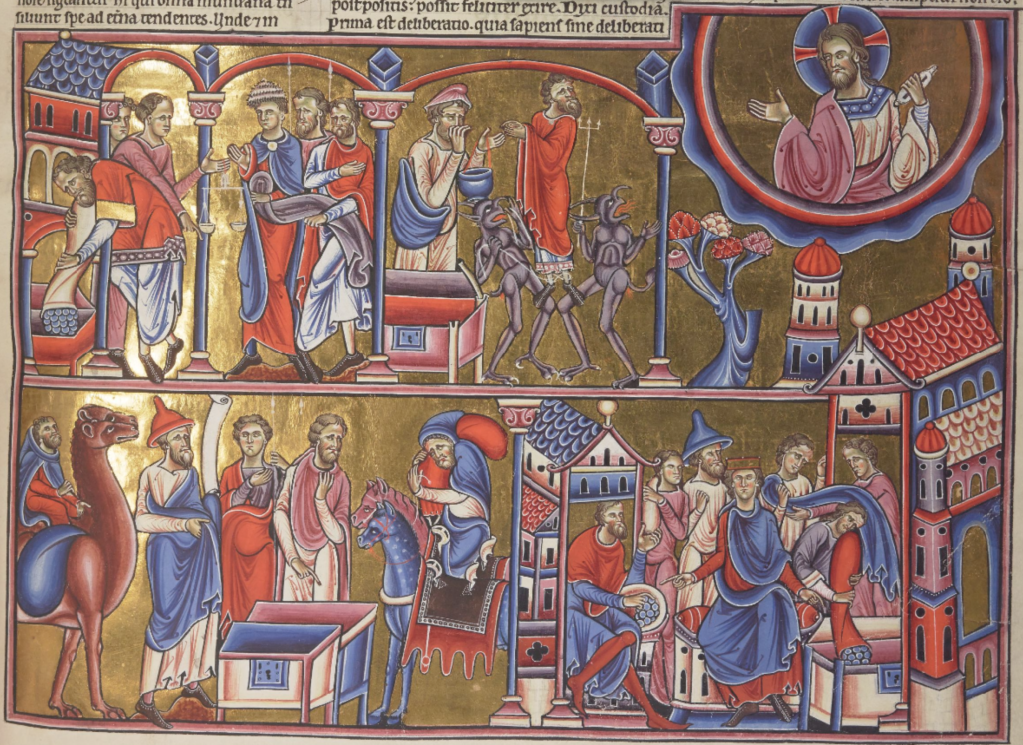
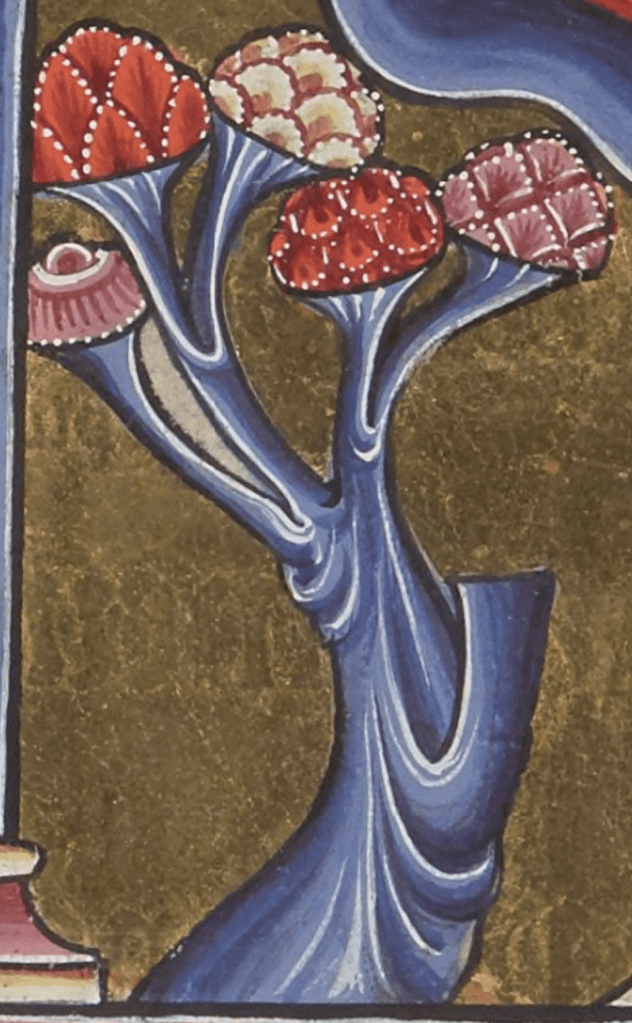

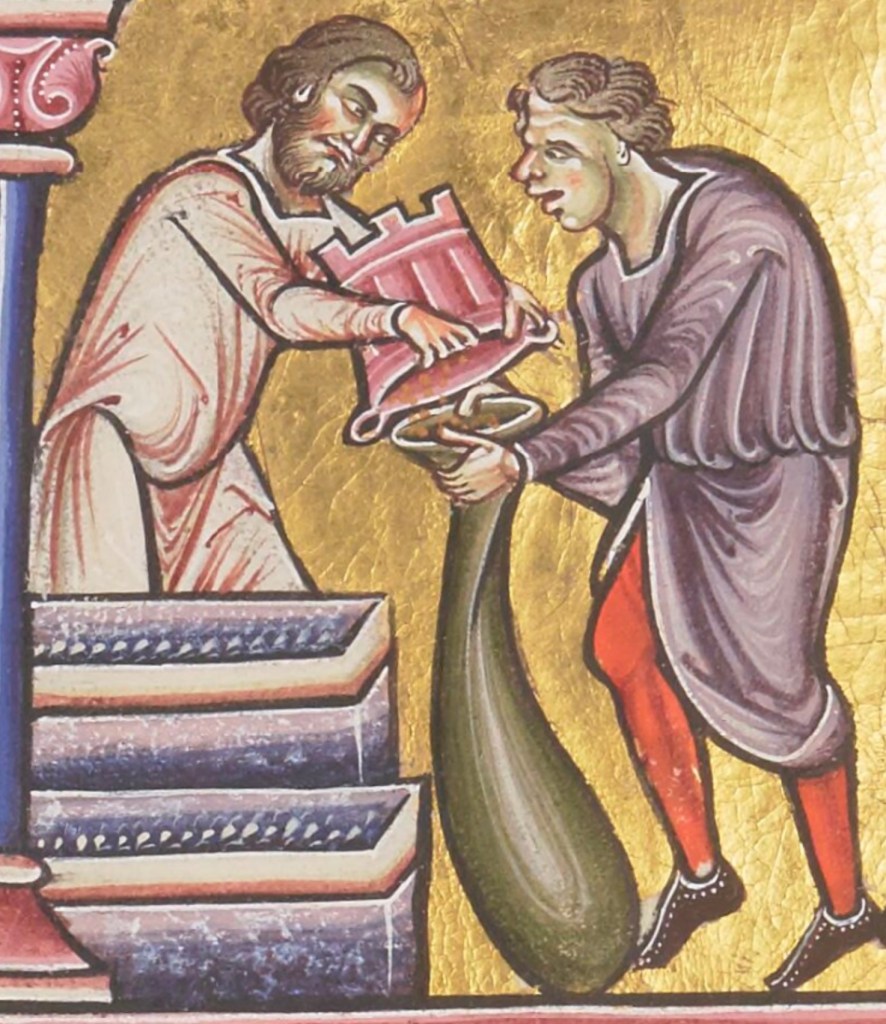
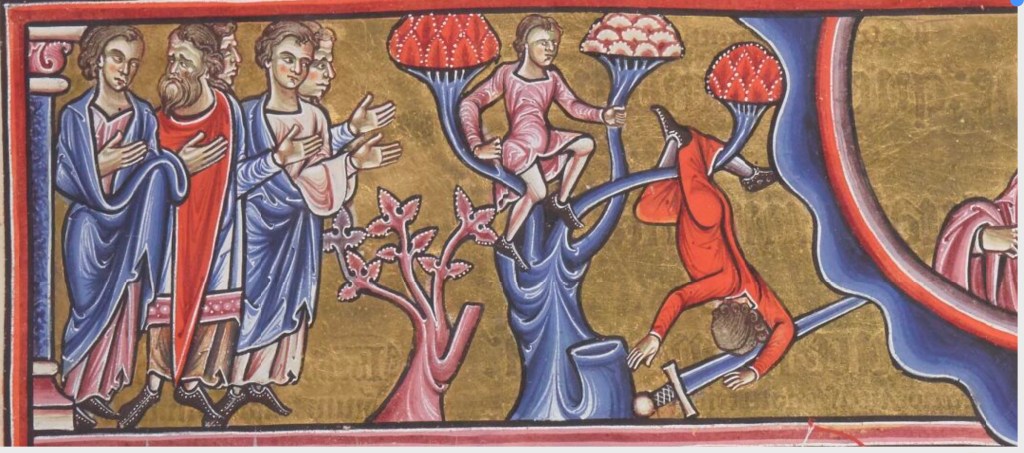
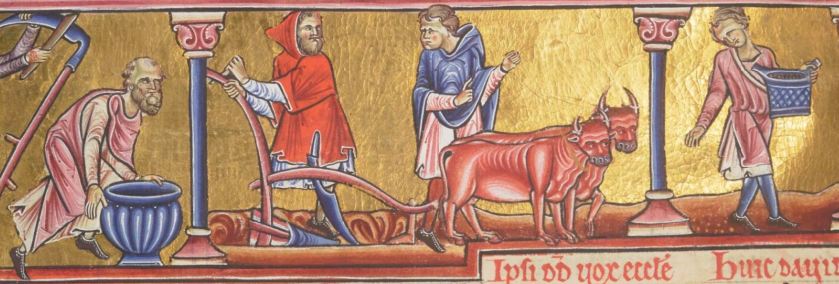
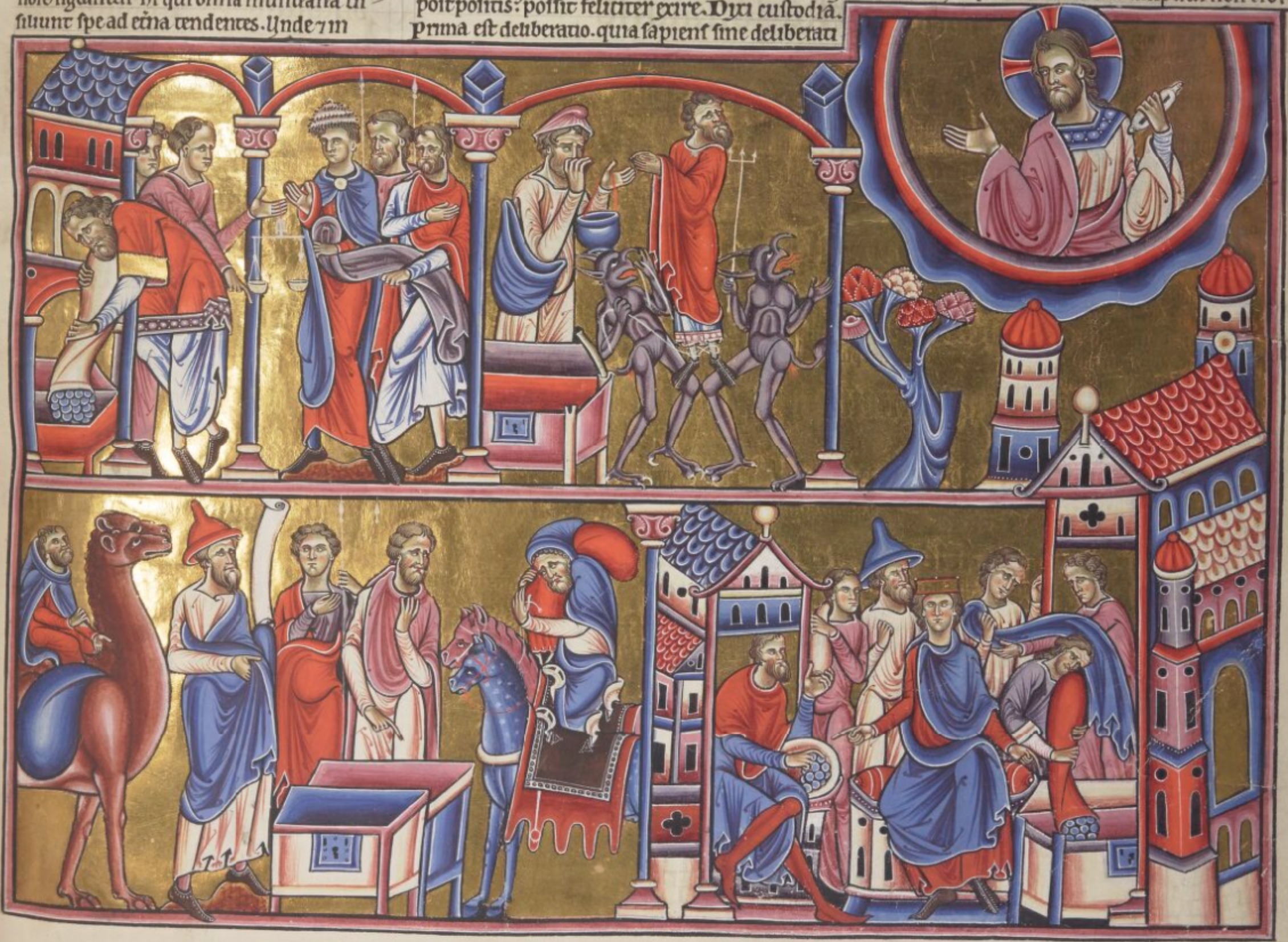
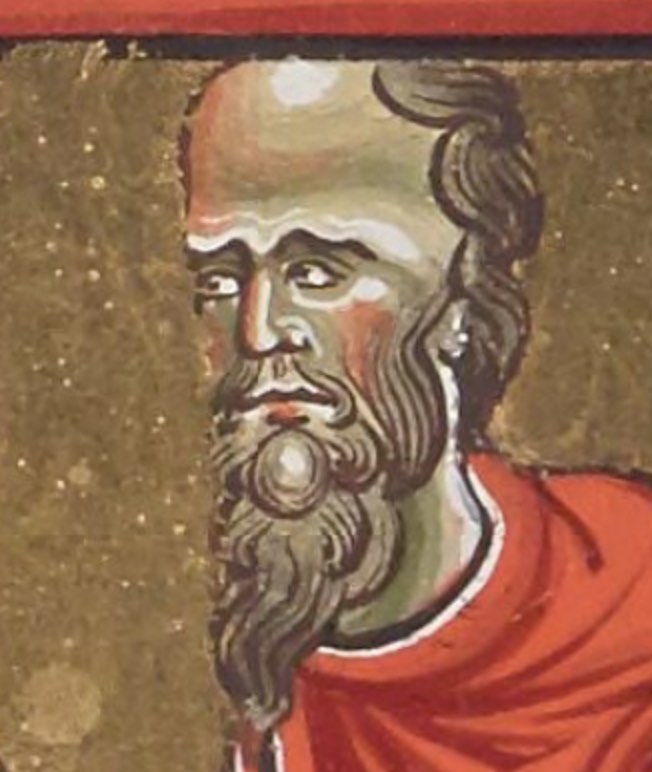
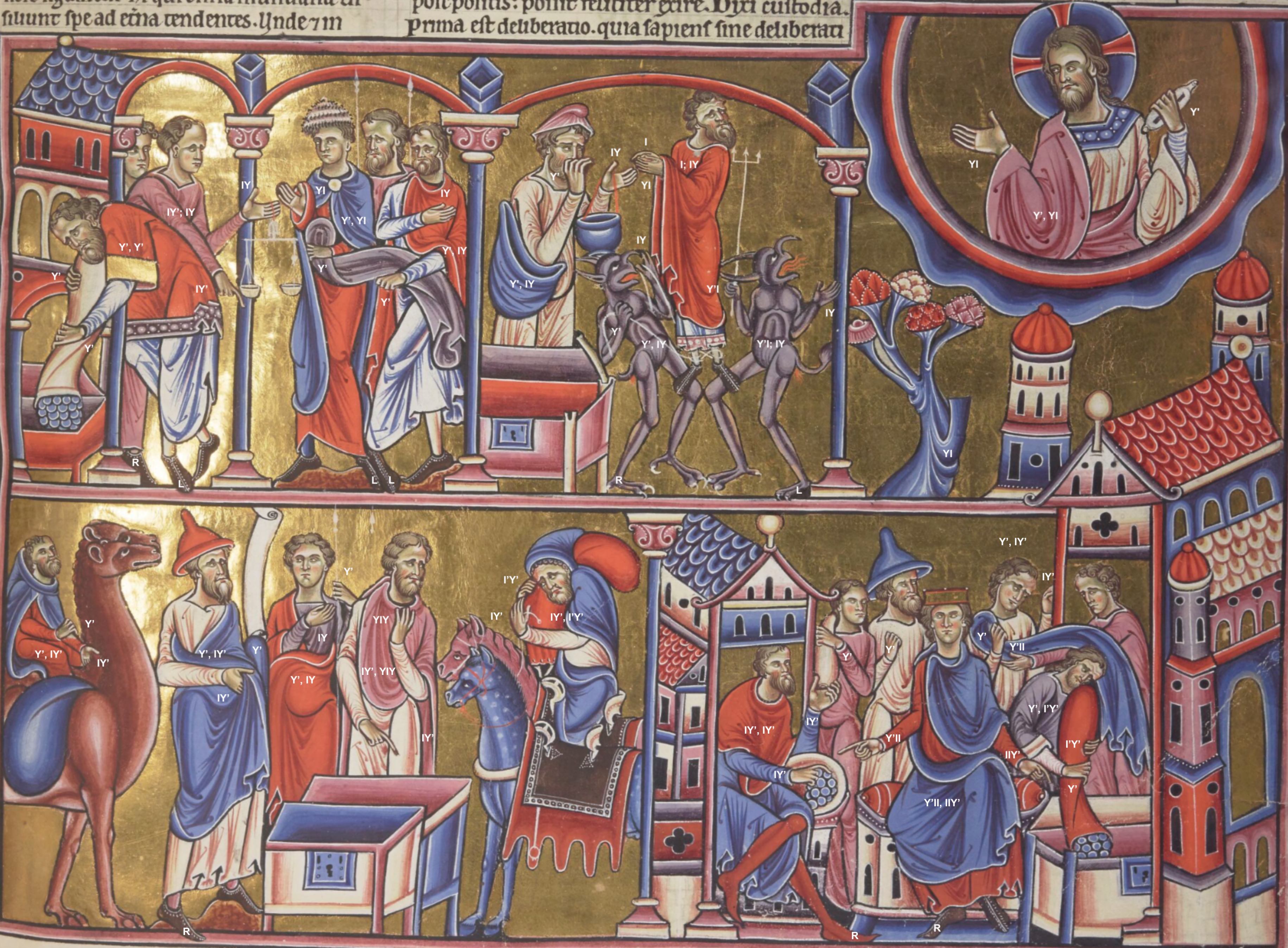
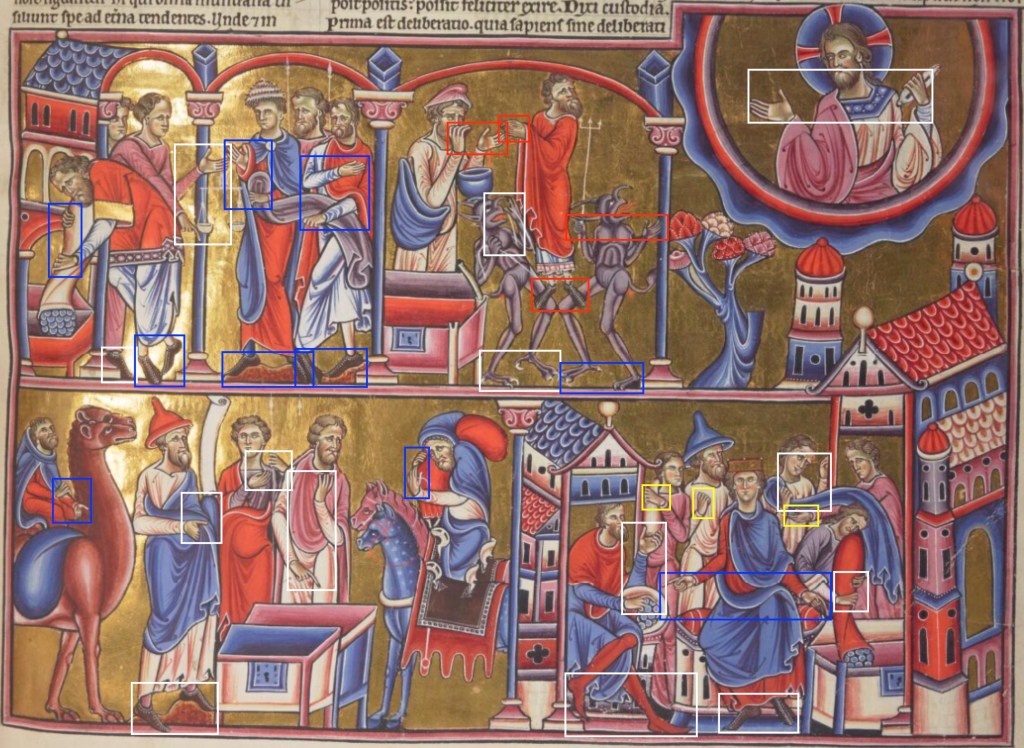
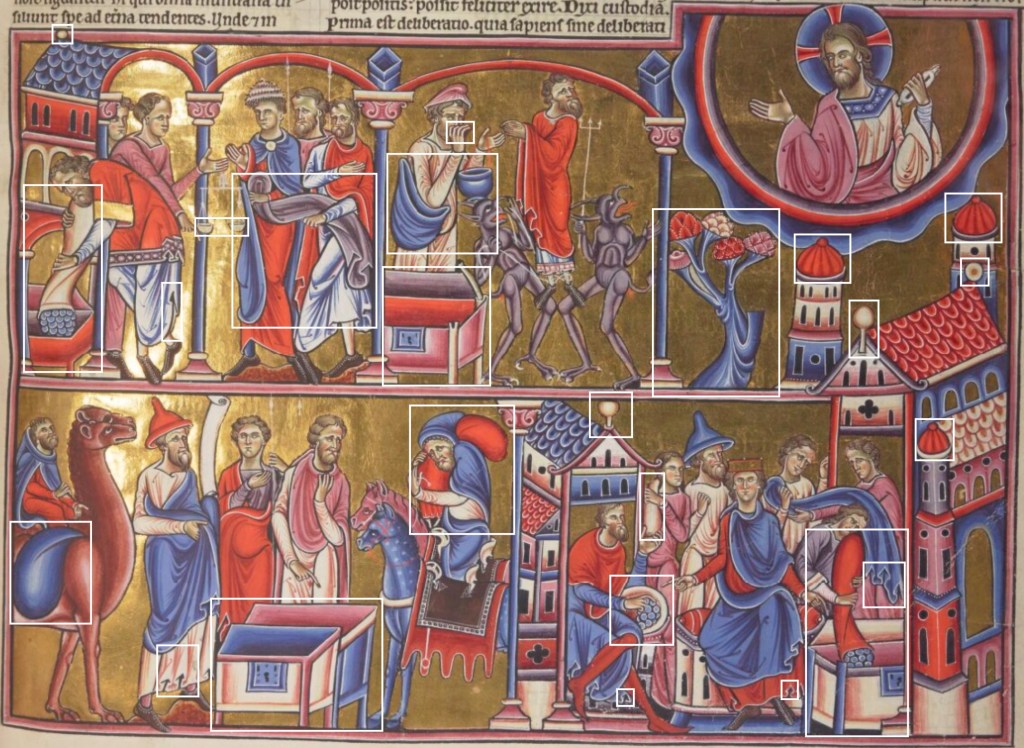


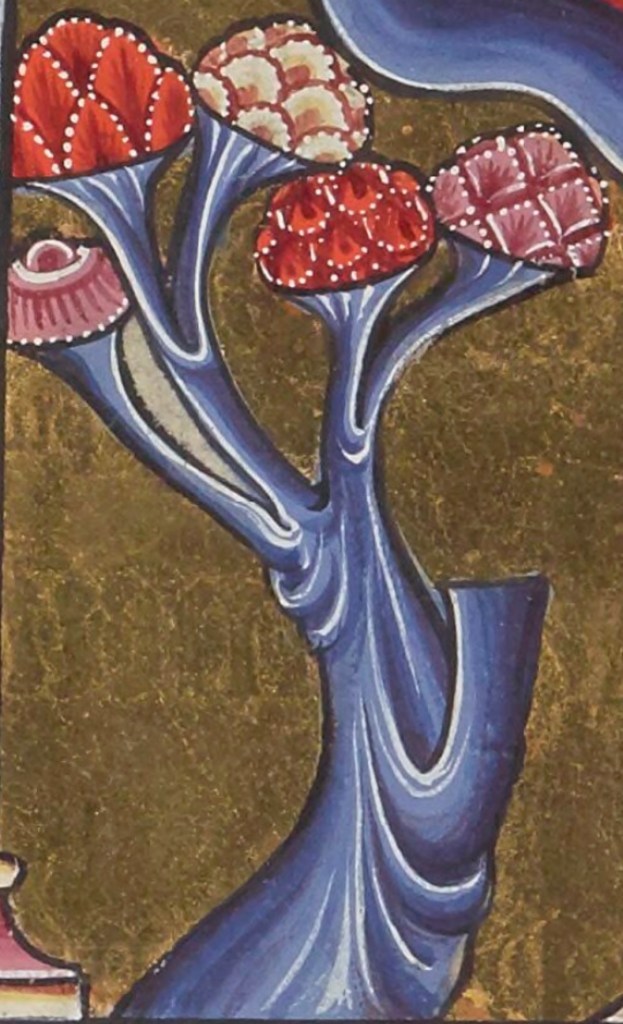
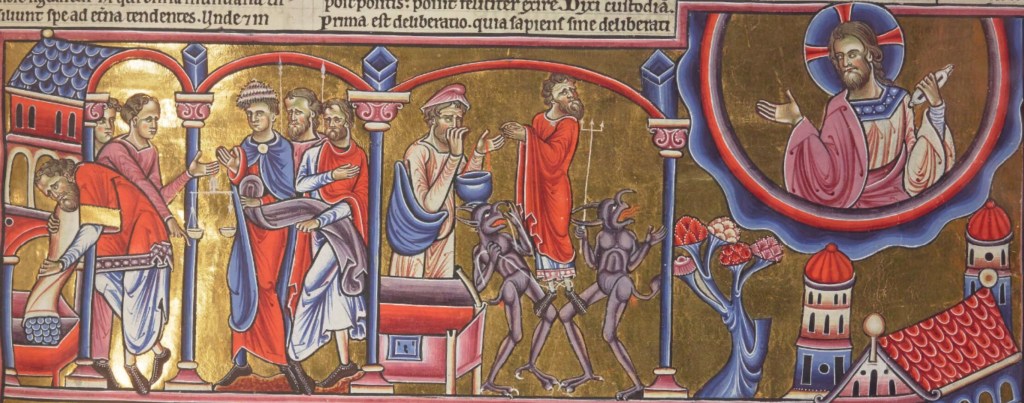
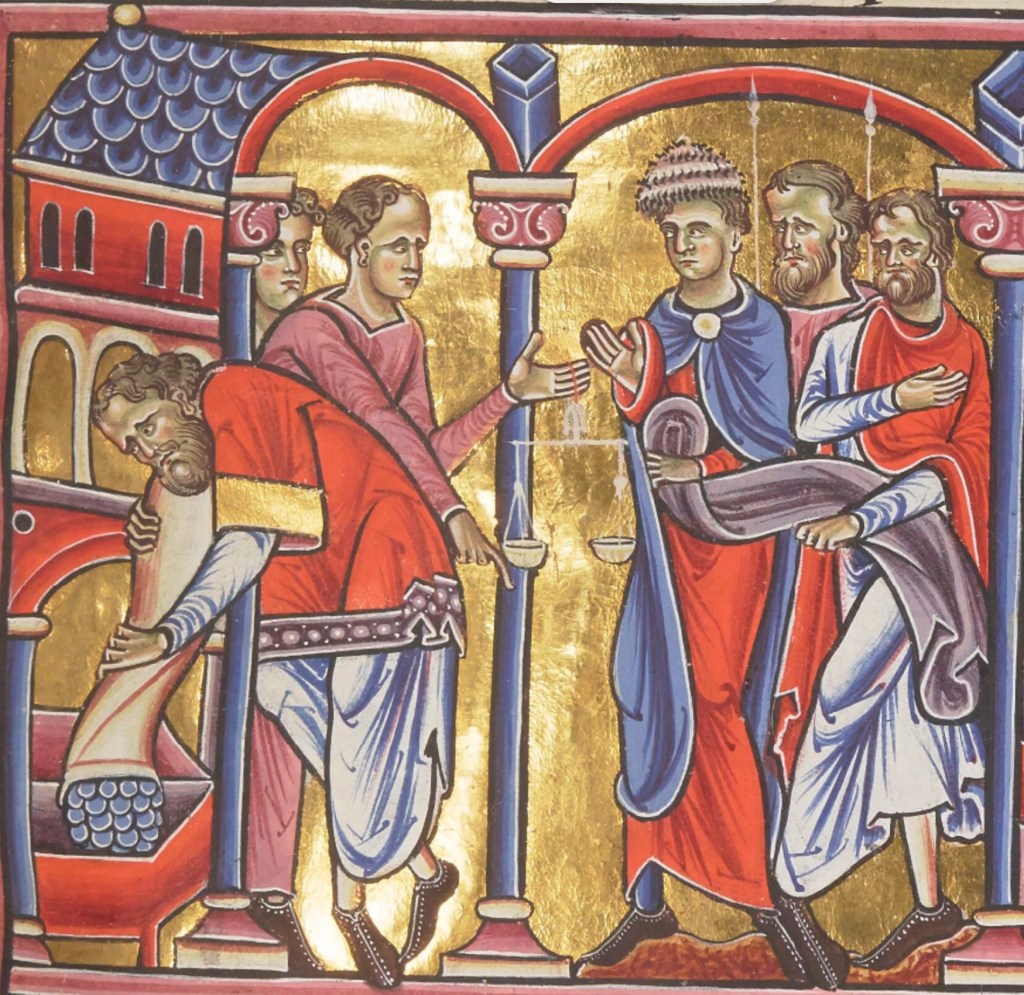
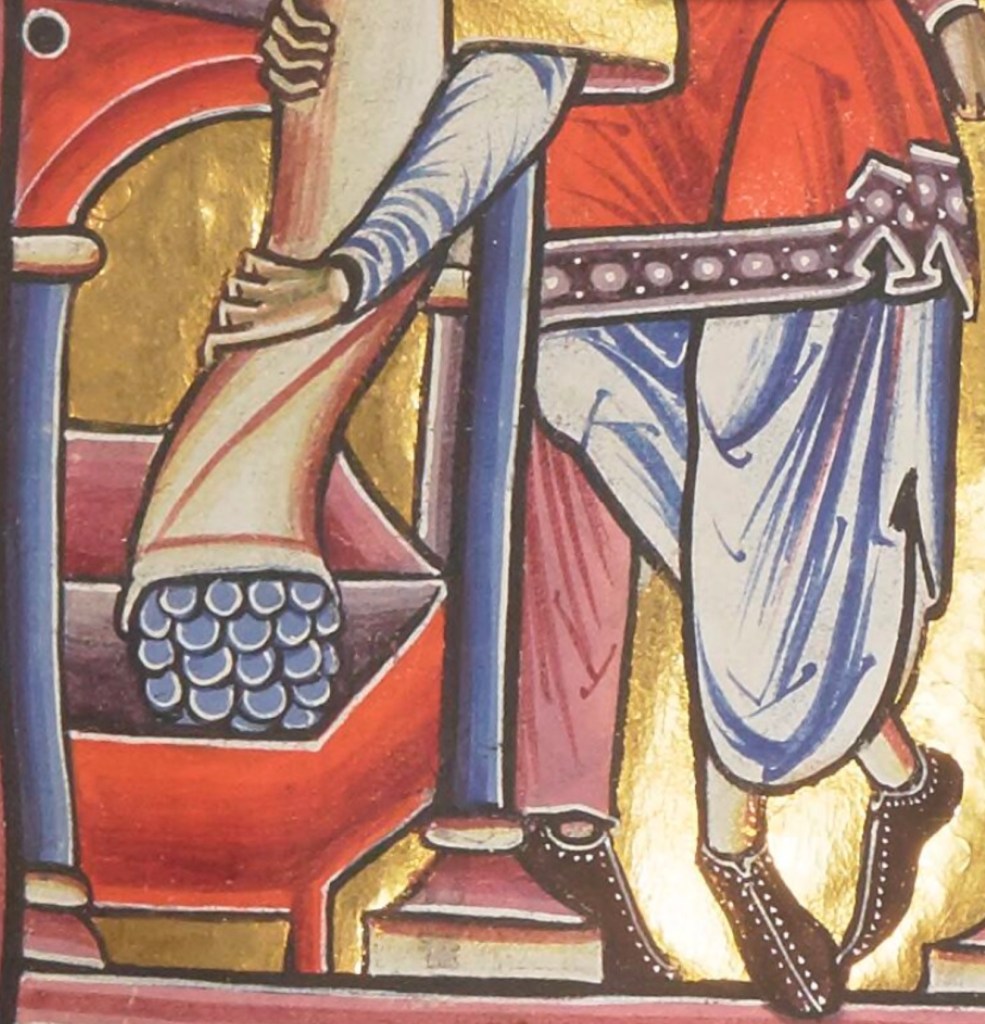
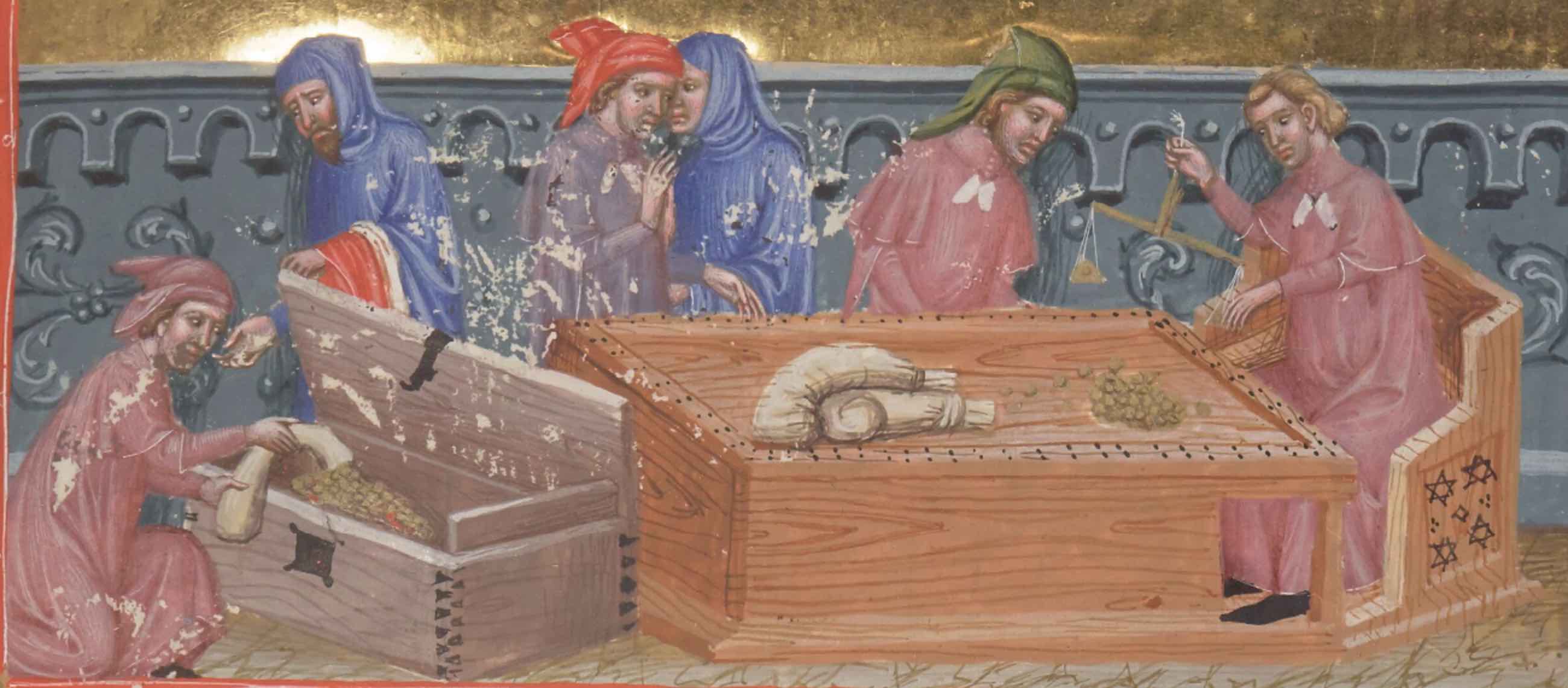
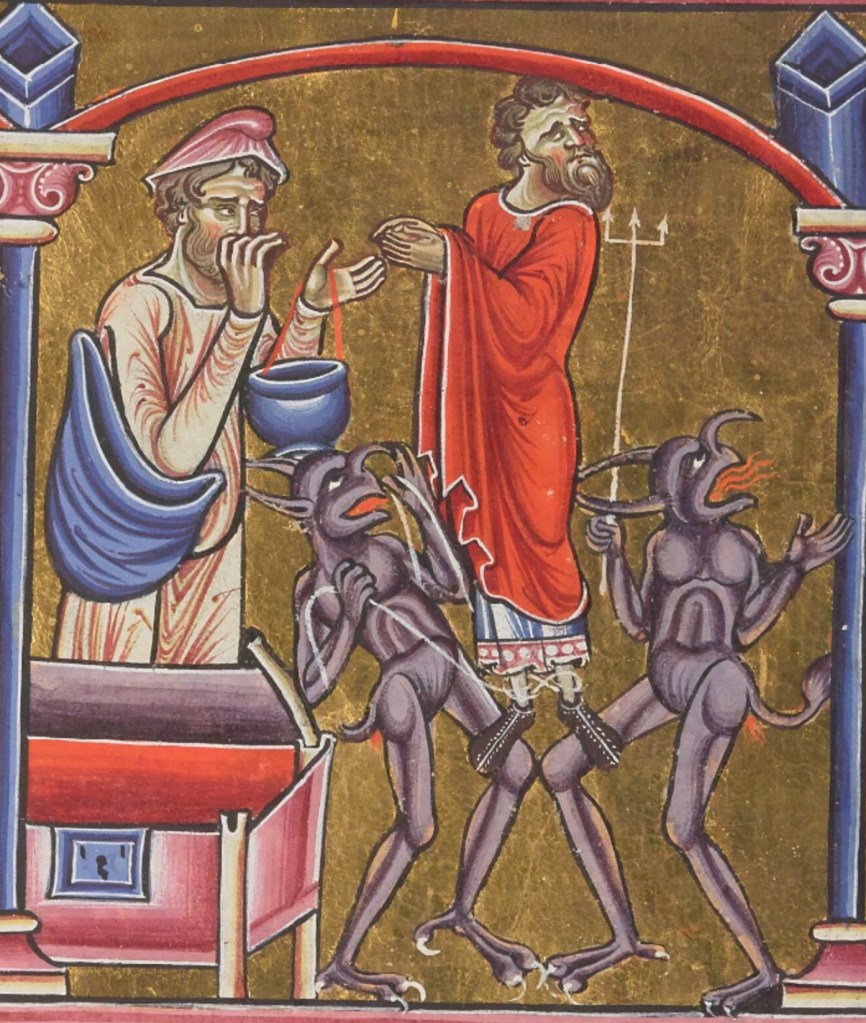
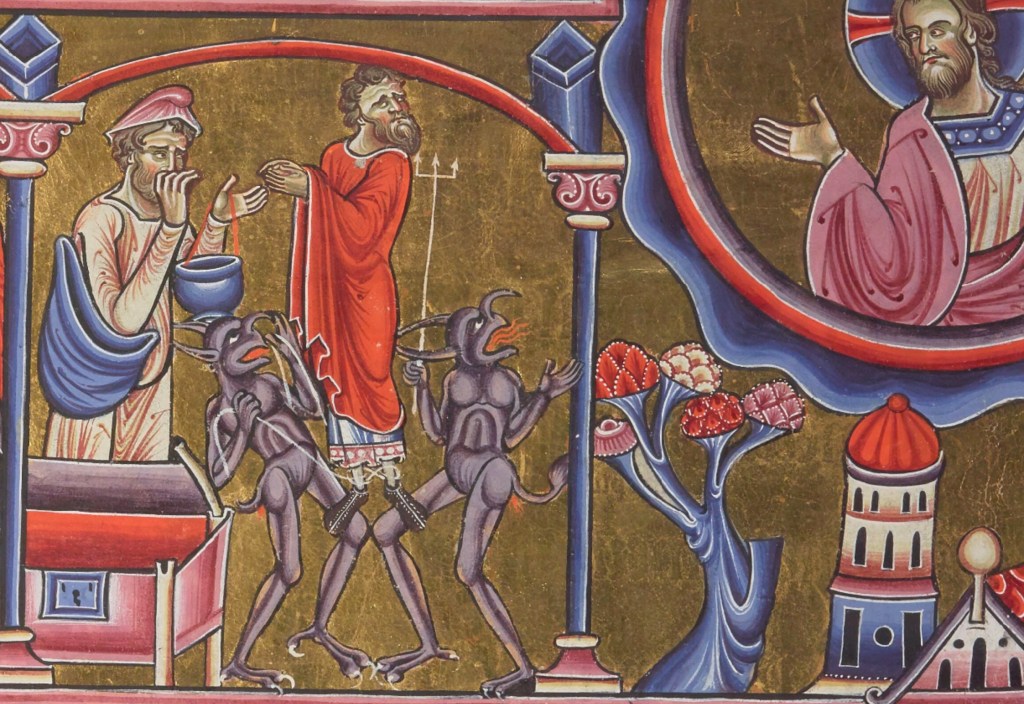
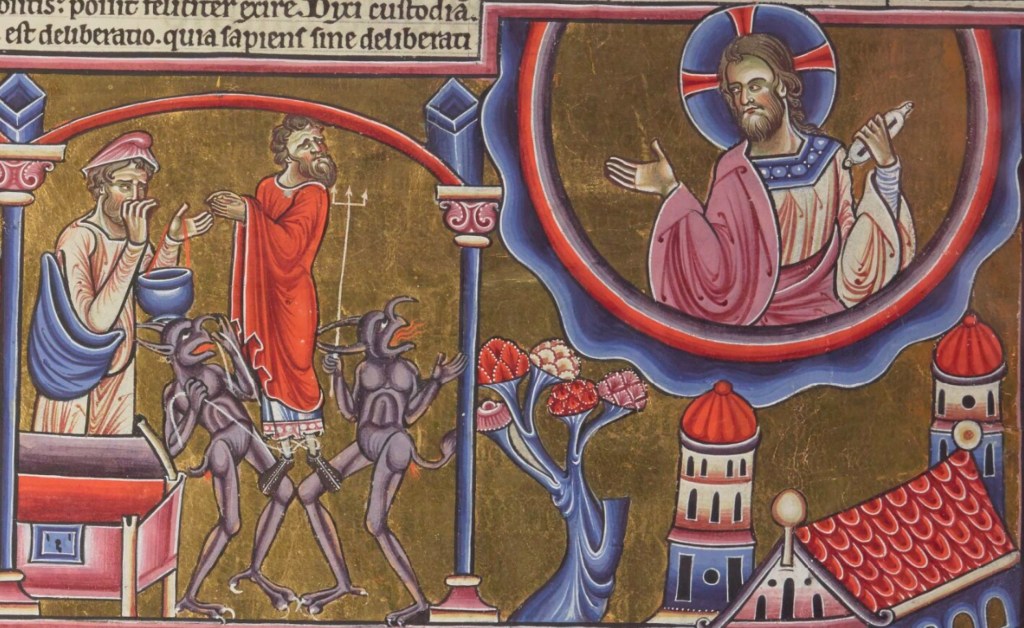
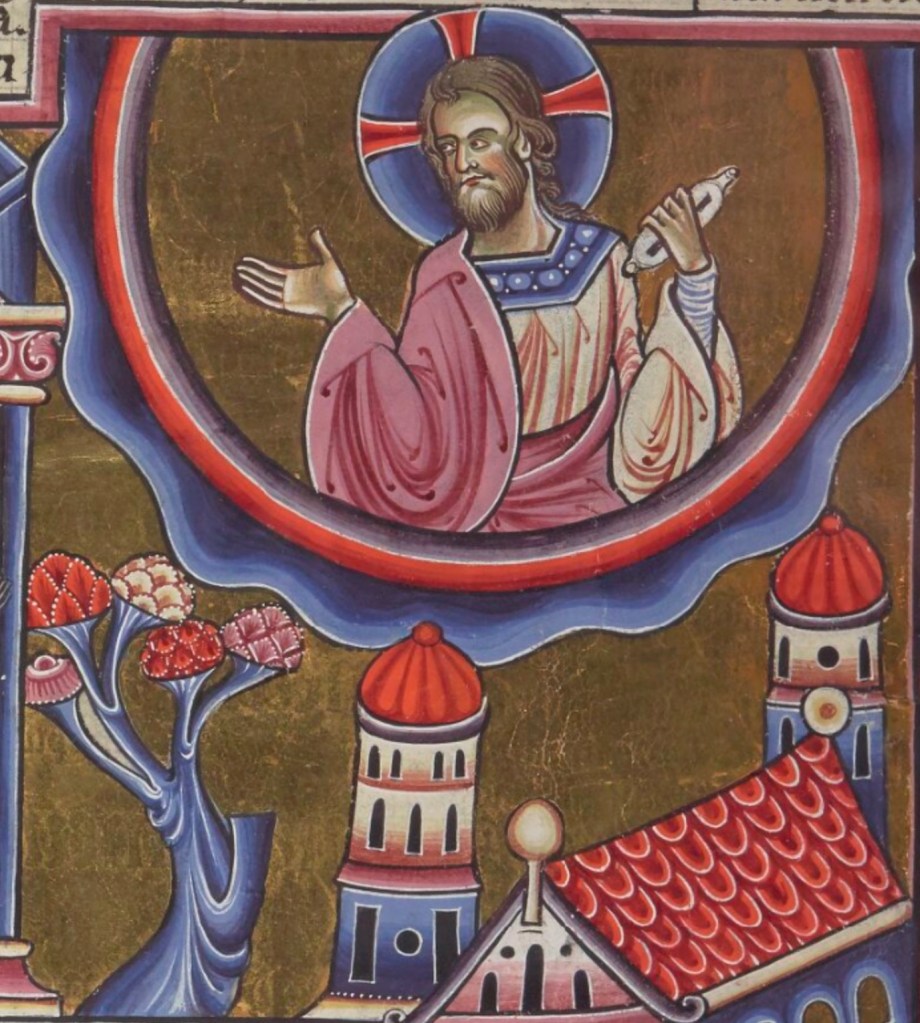

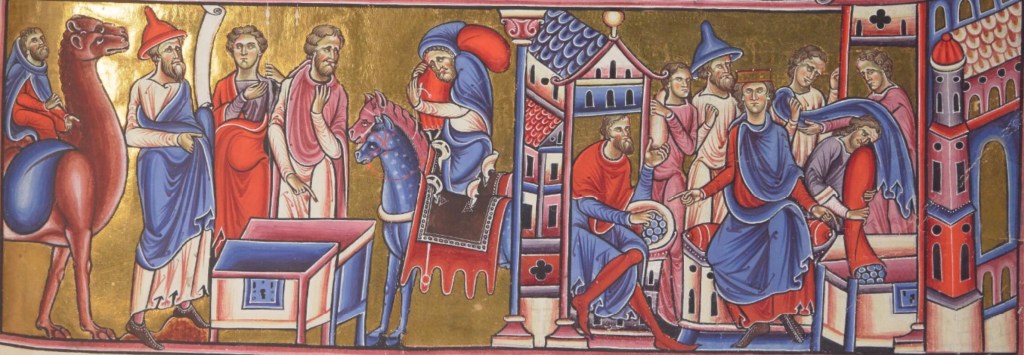

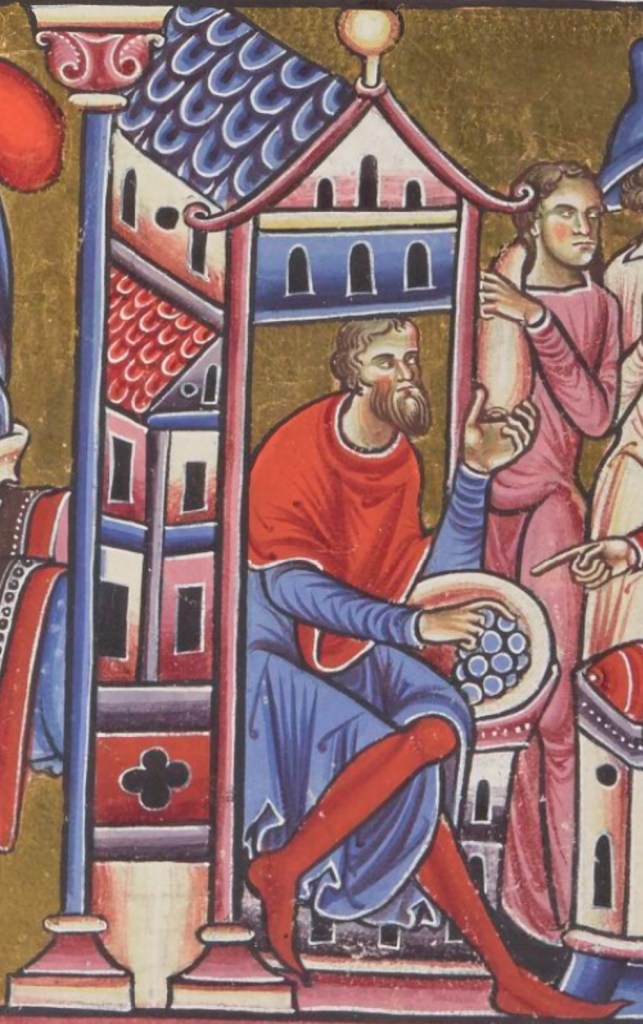
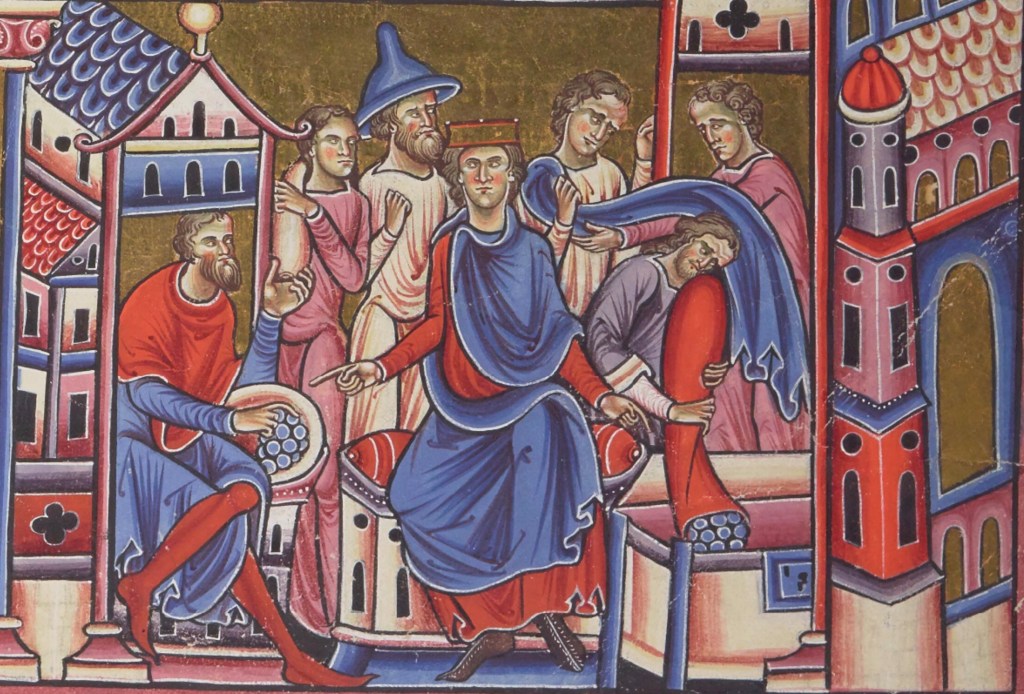
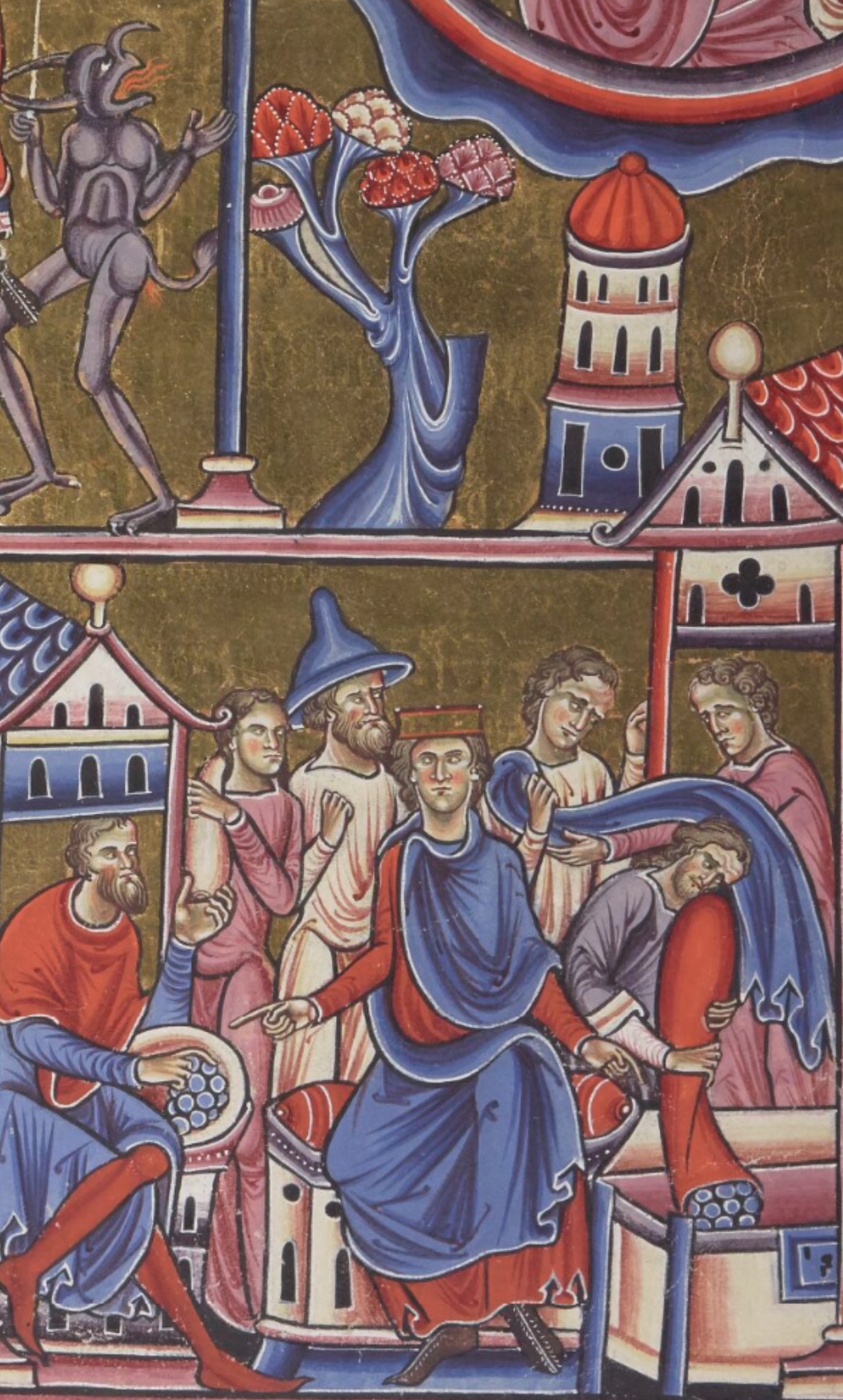
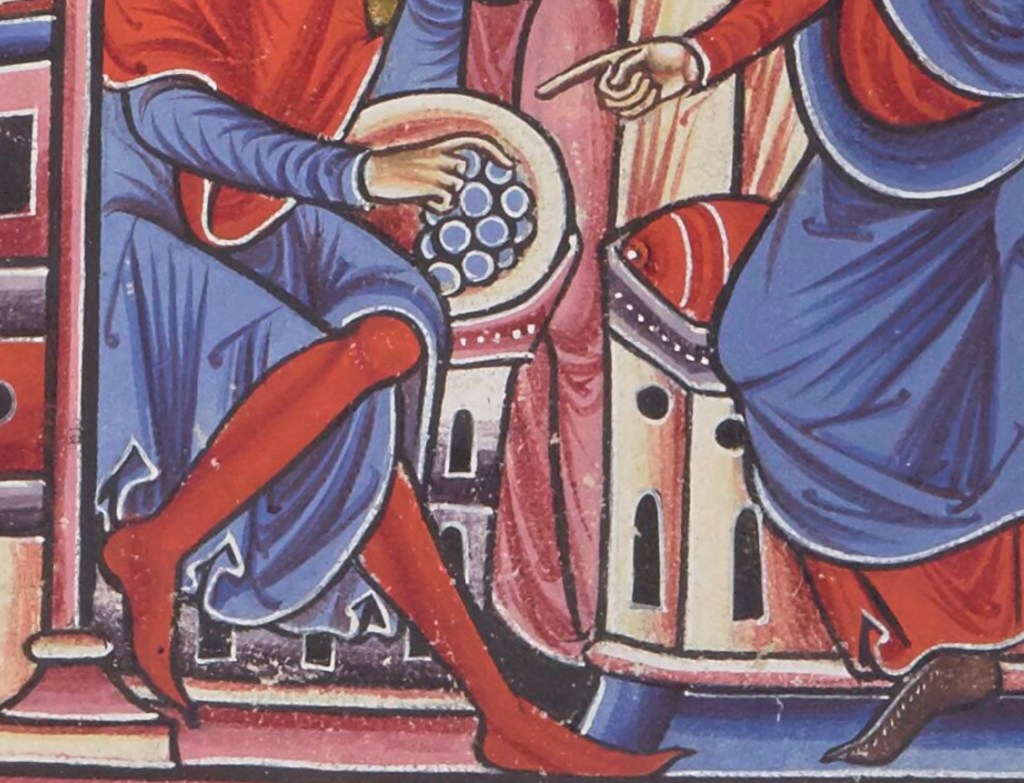
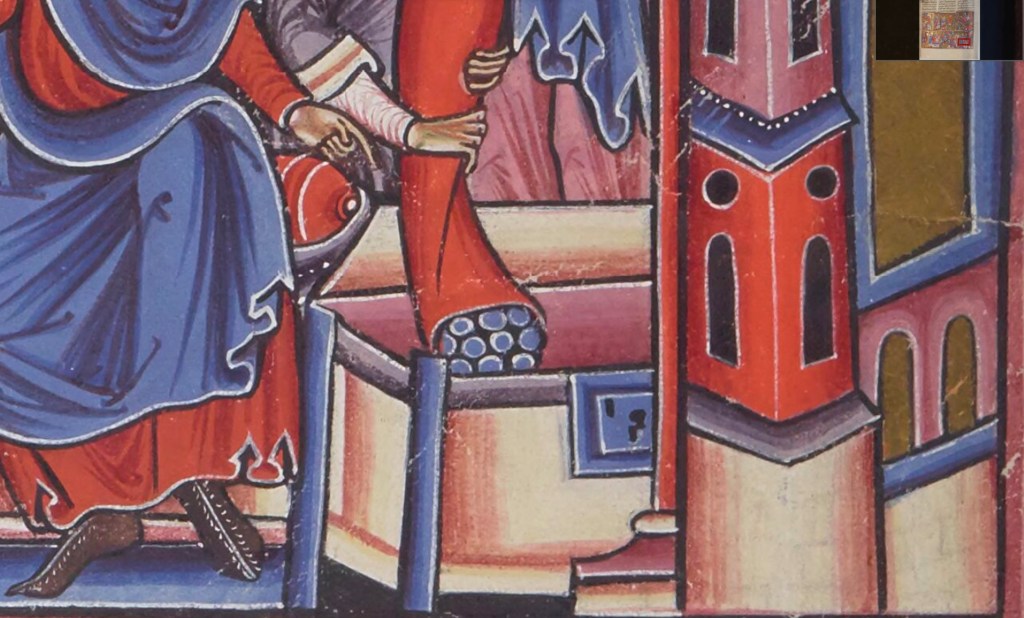
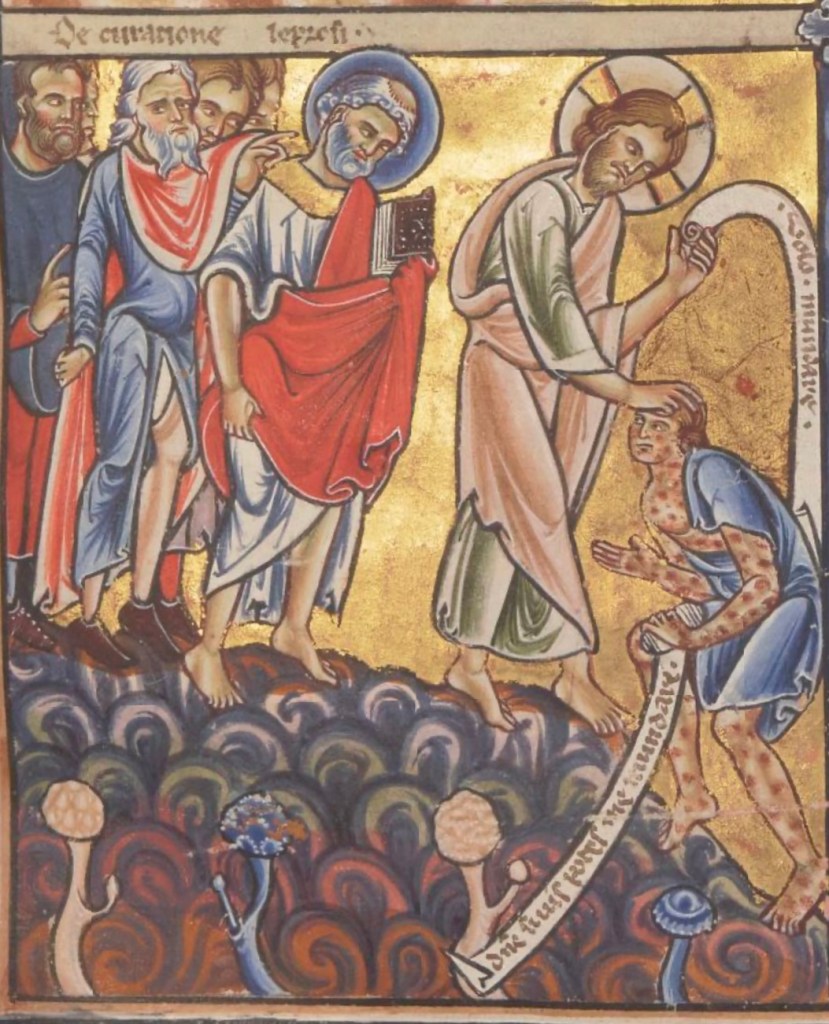


 Wasson 1968
 You should be weak like me and only look for Easy-Mode, Cannabis evidence.”
 these particular cups), and is minimal.]
 “)
“)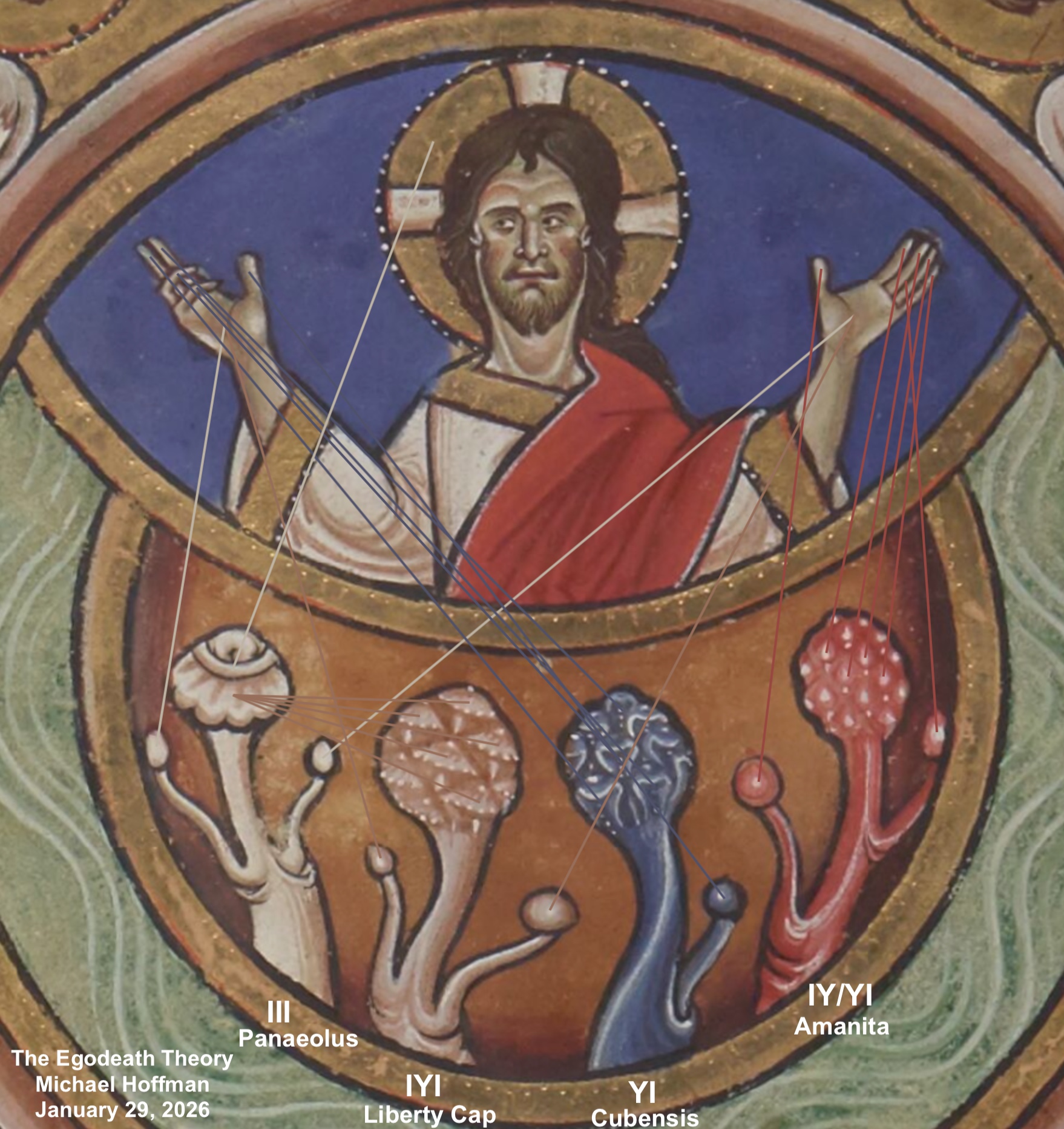
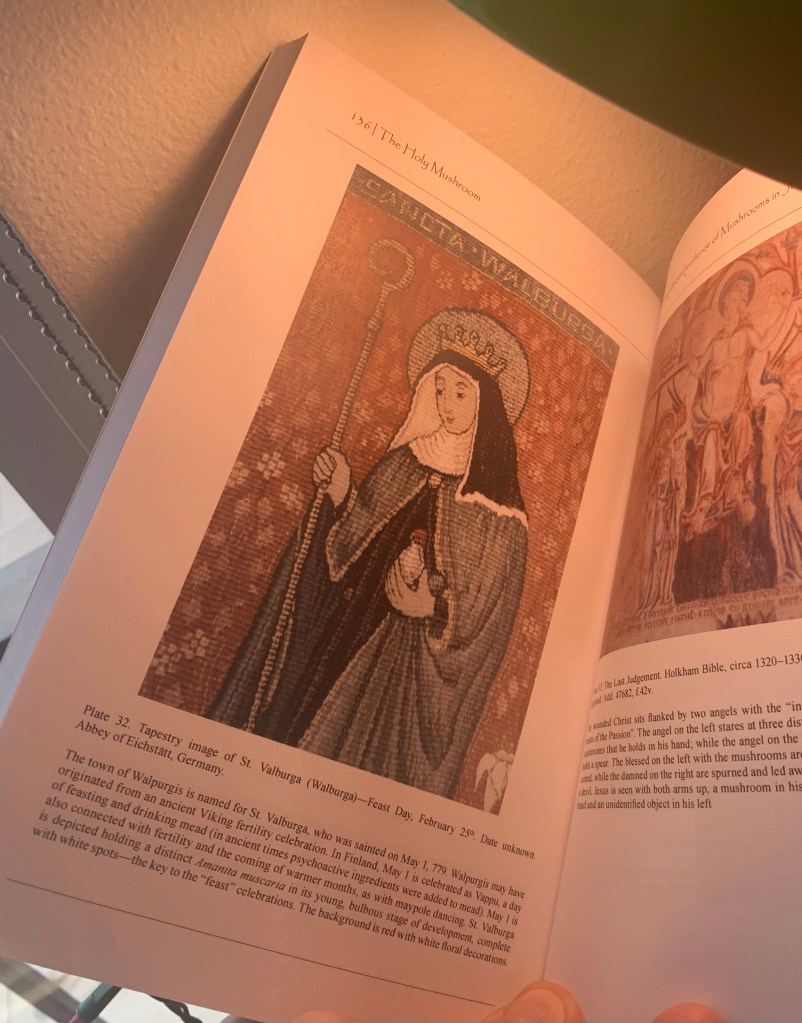
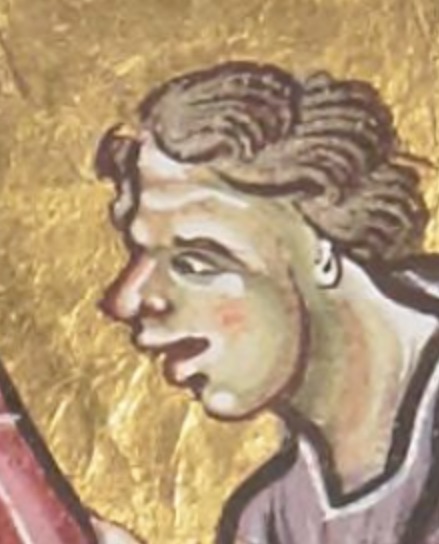
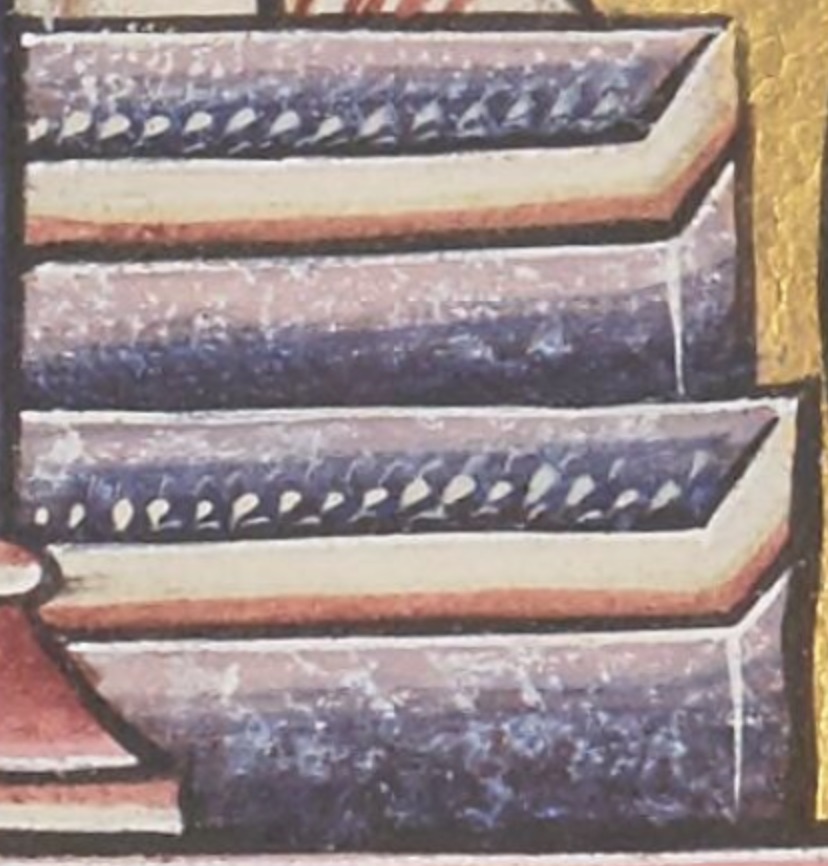
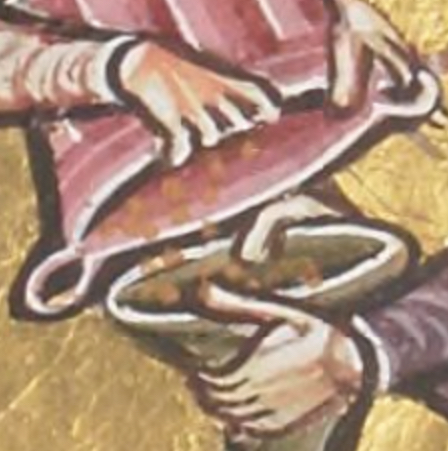
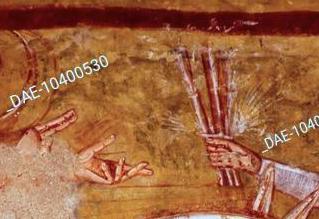

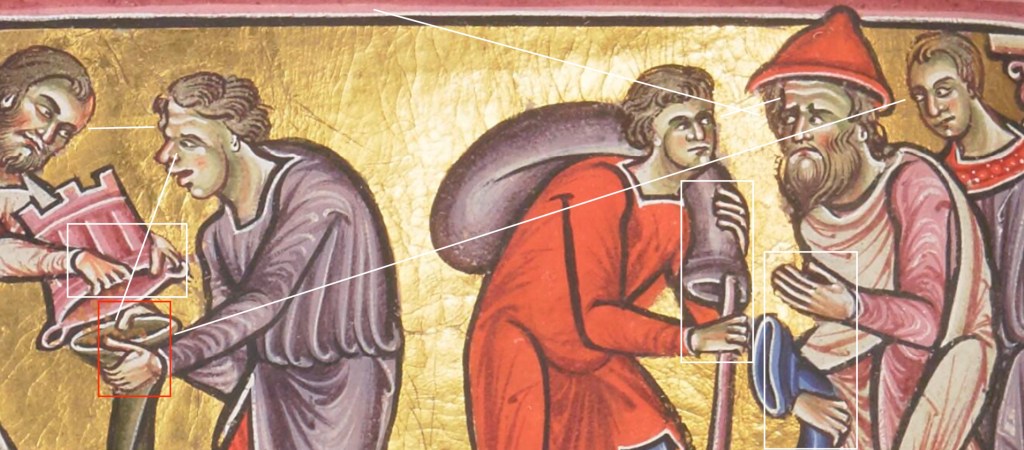
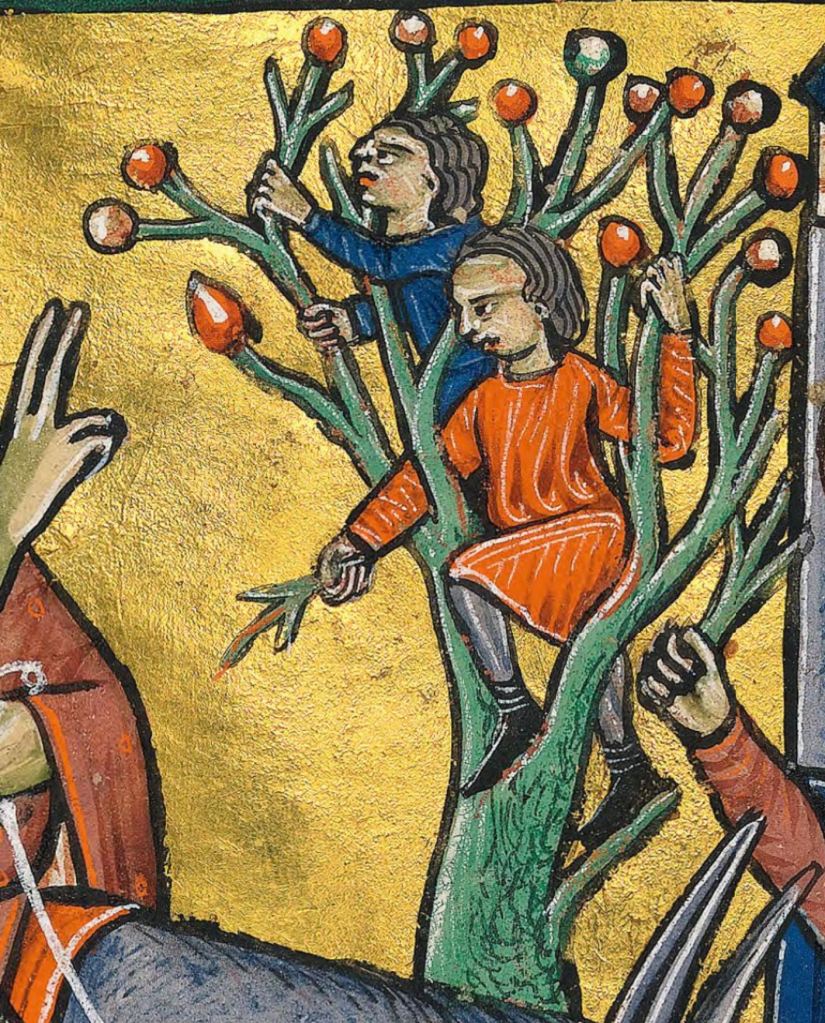
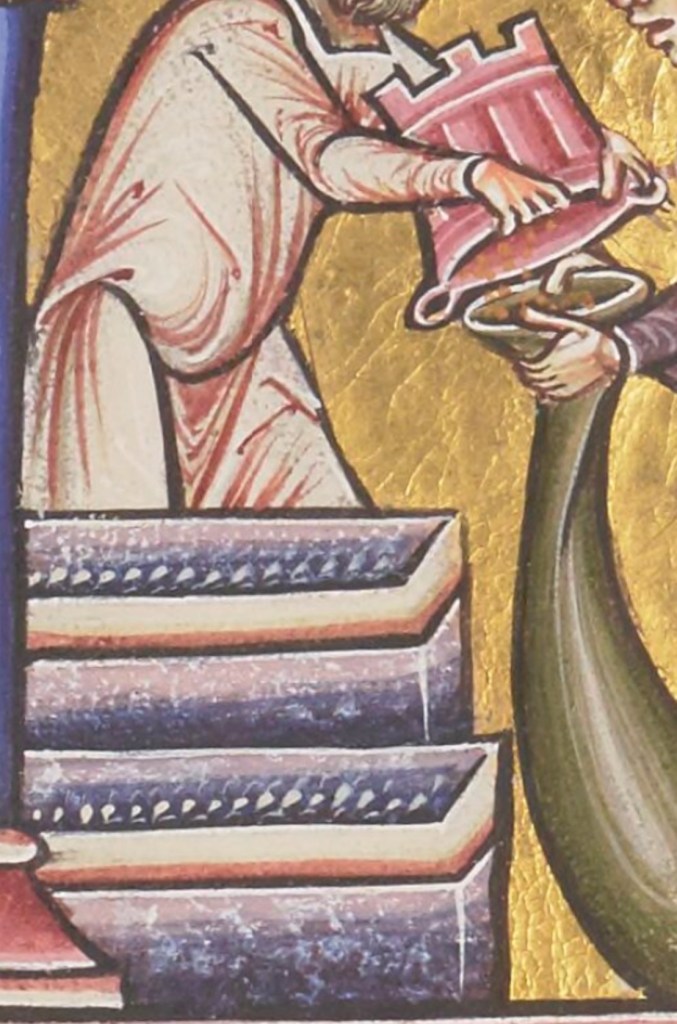

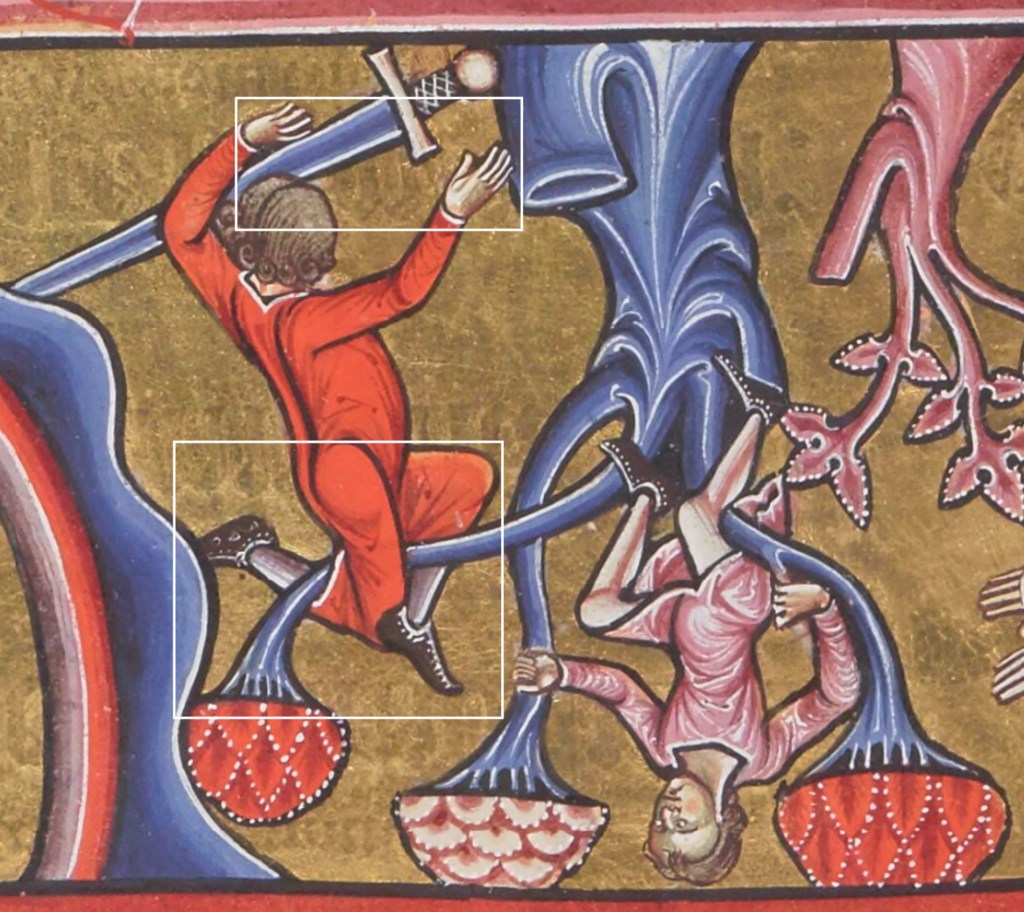
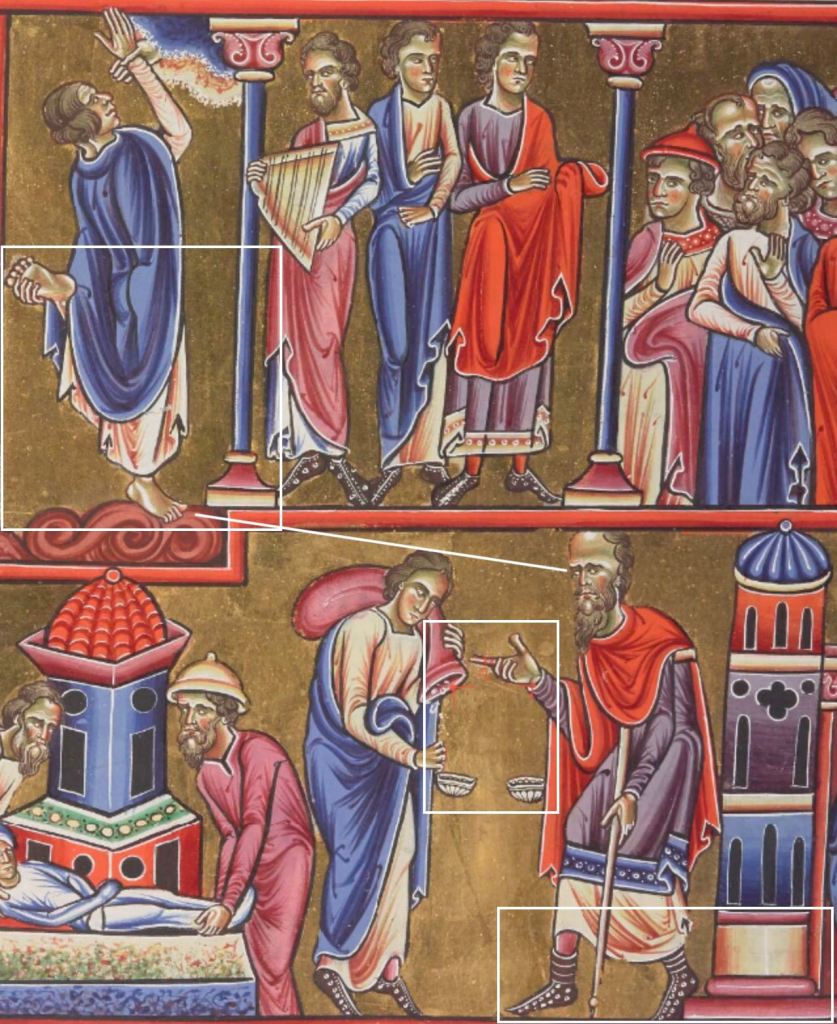

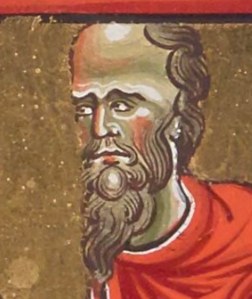
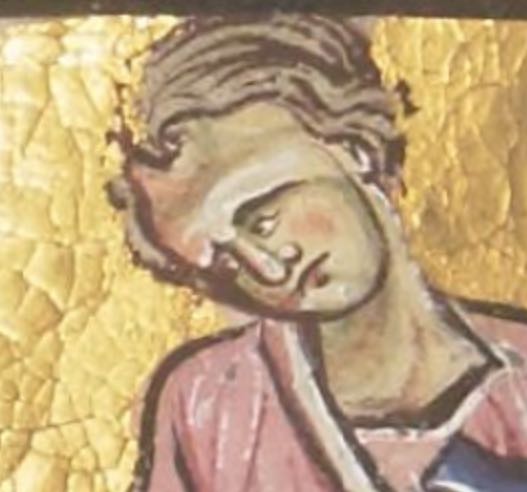
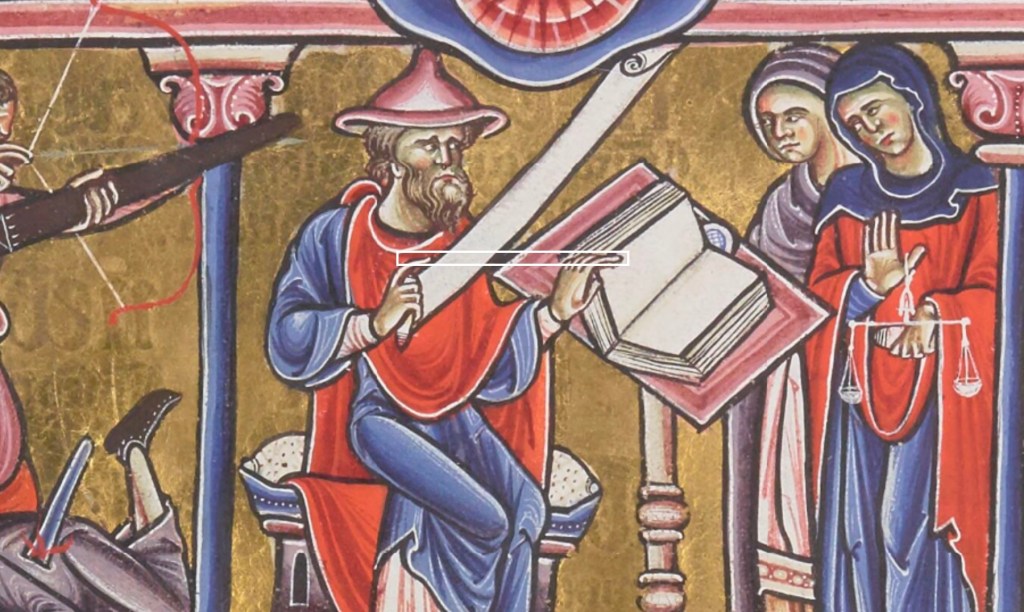
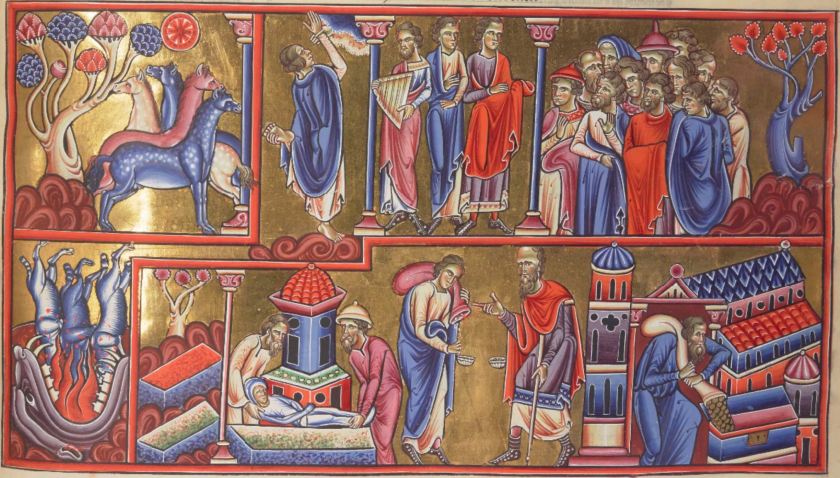
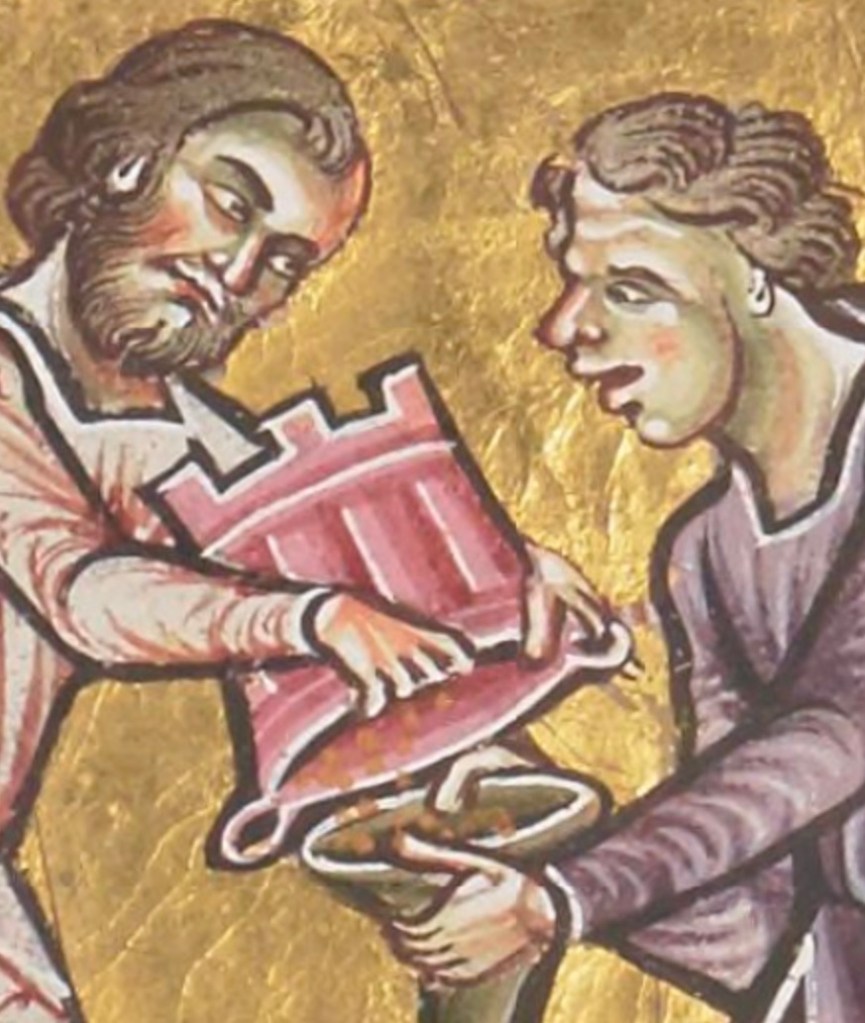
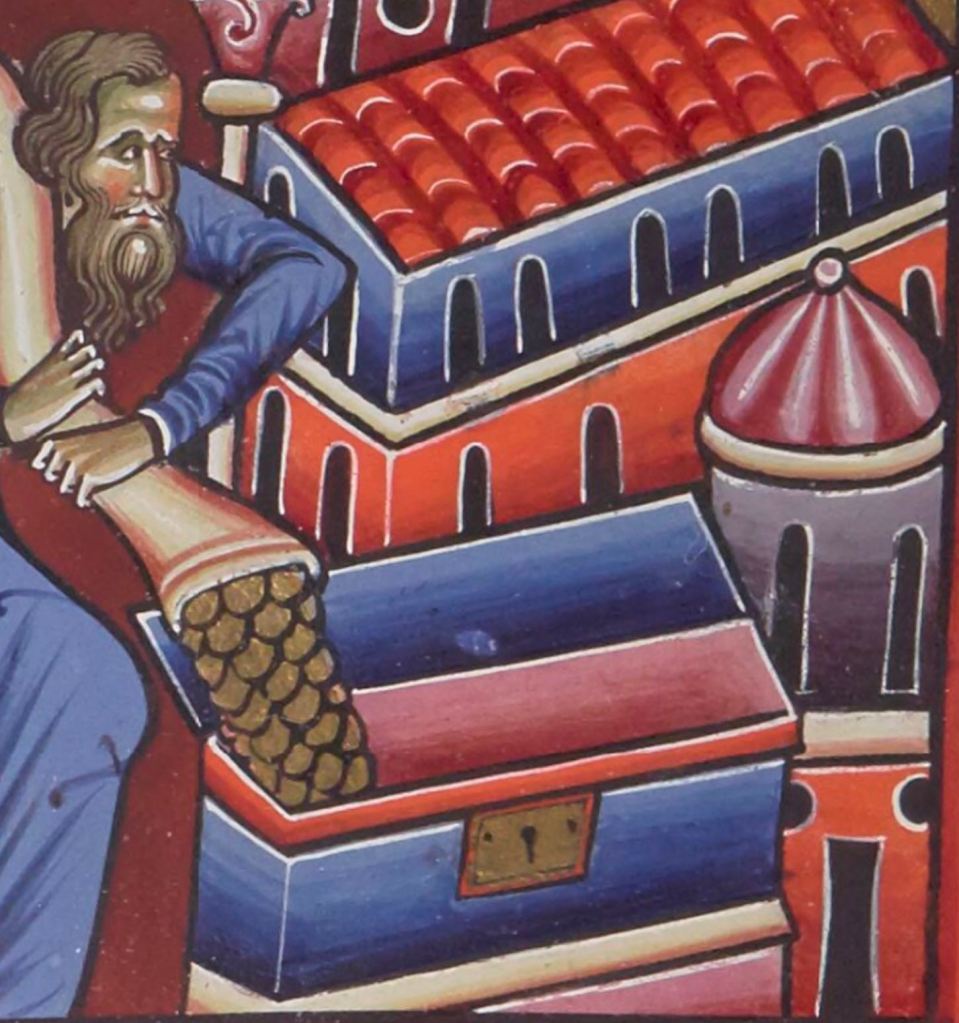
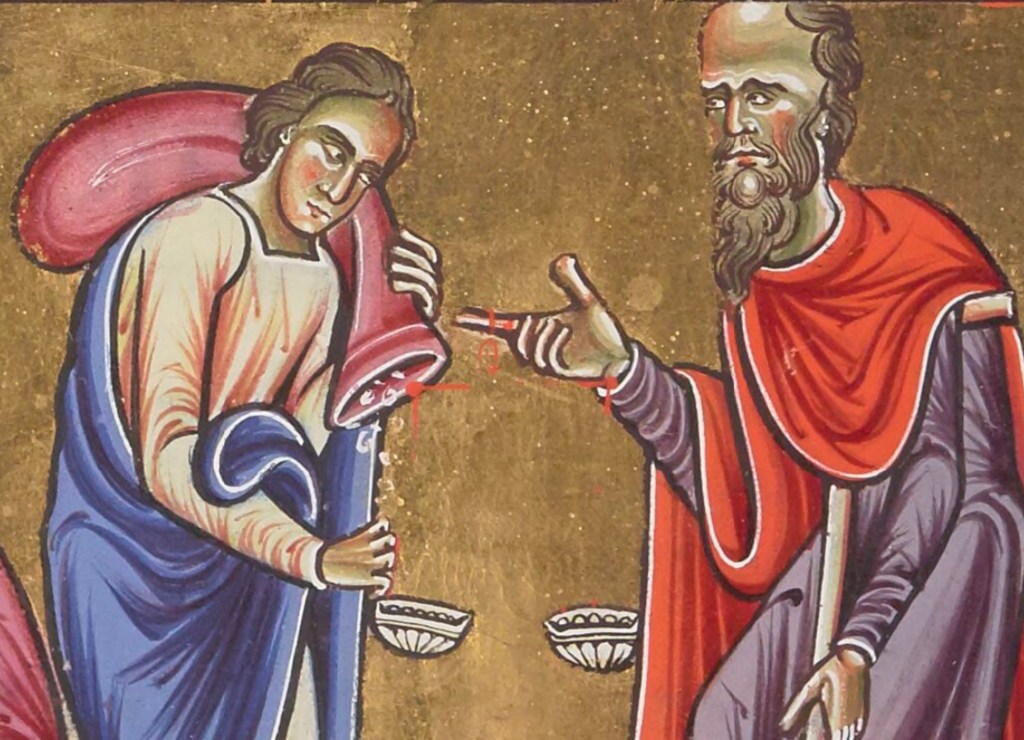
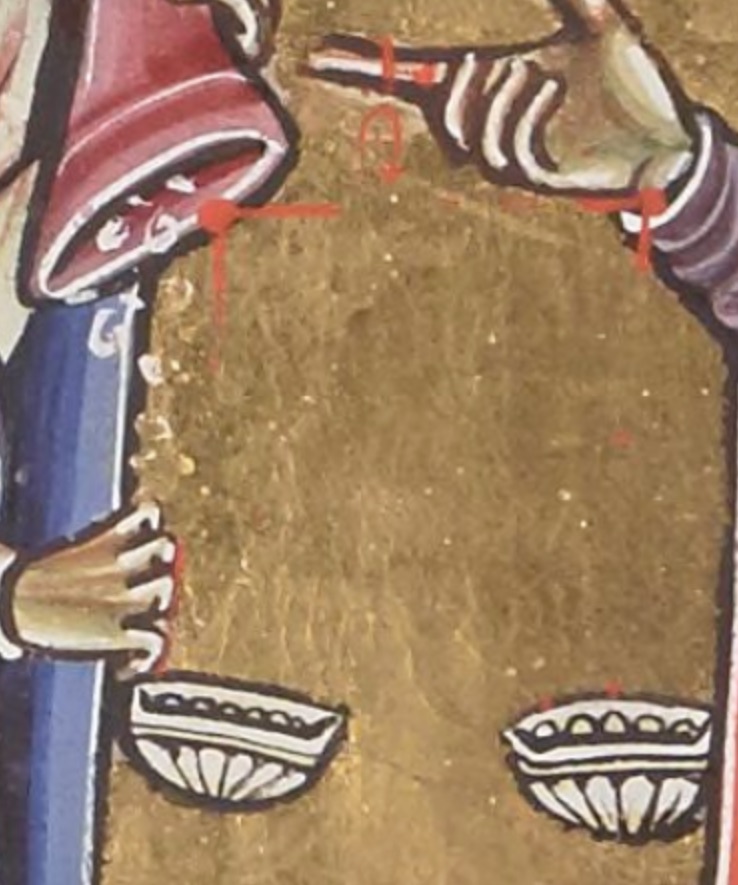
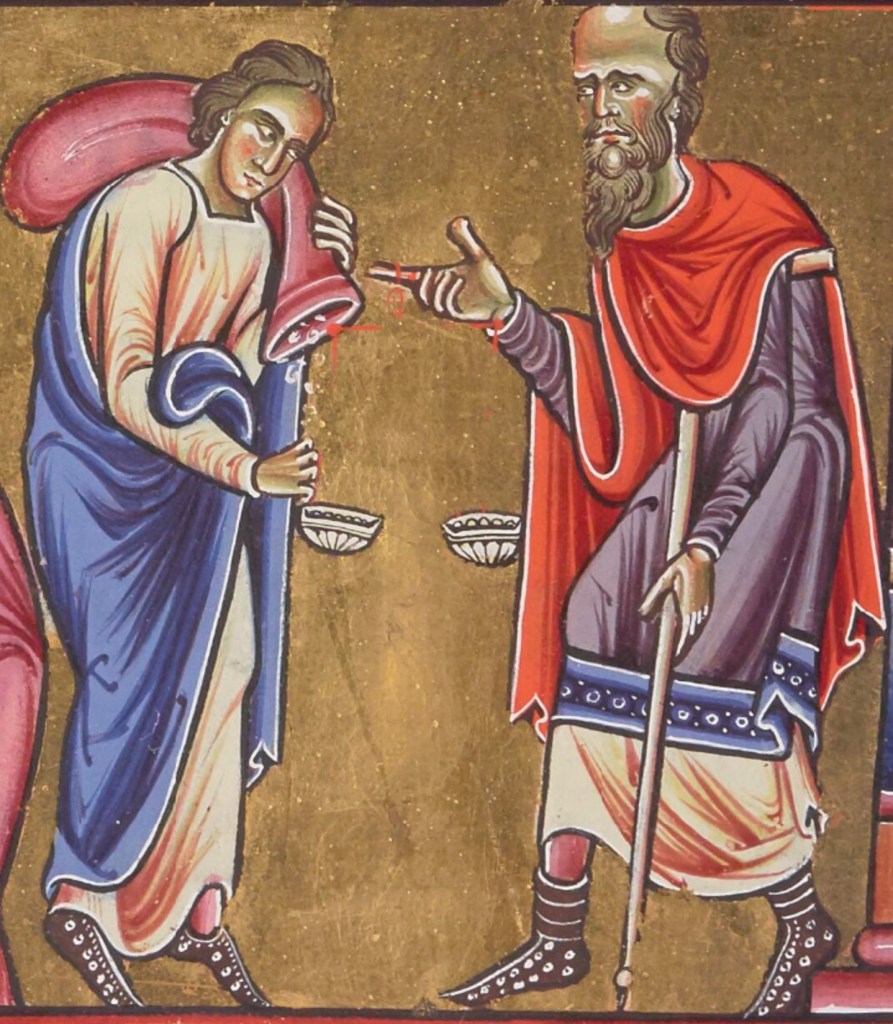
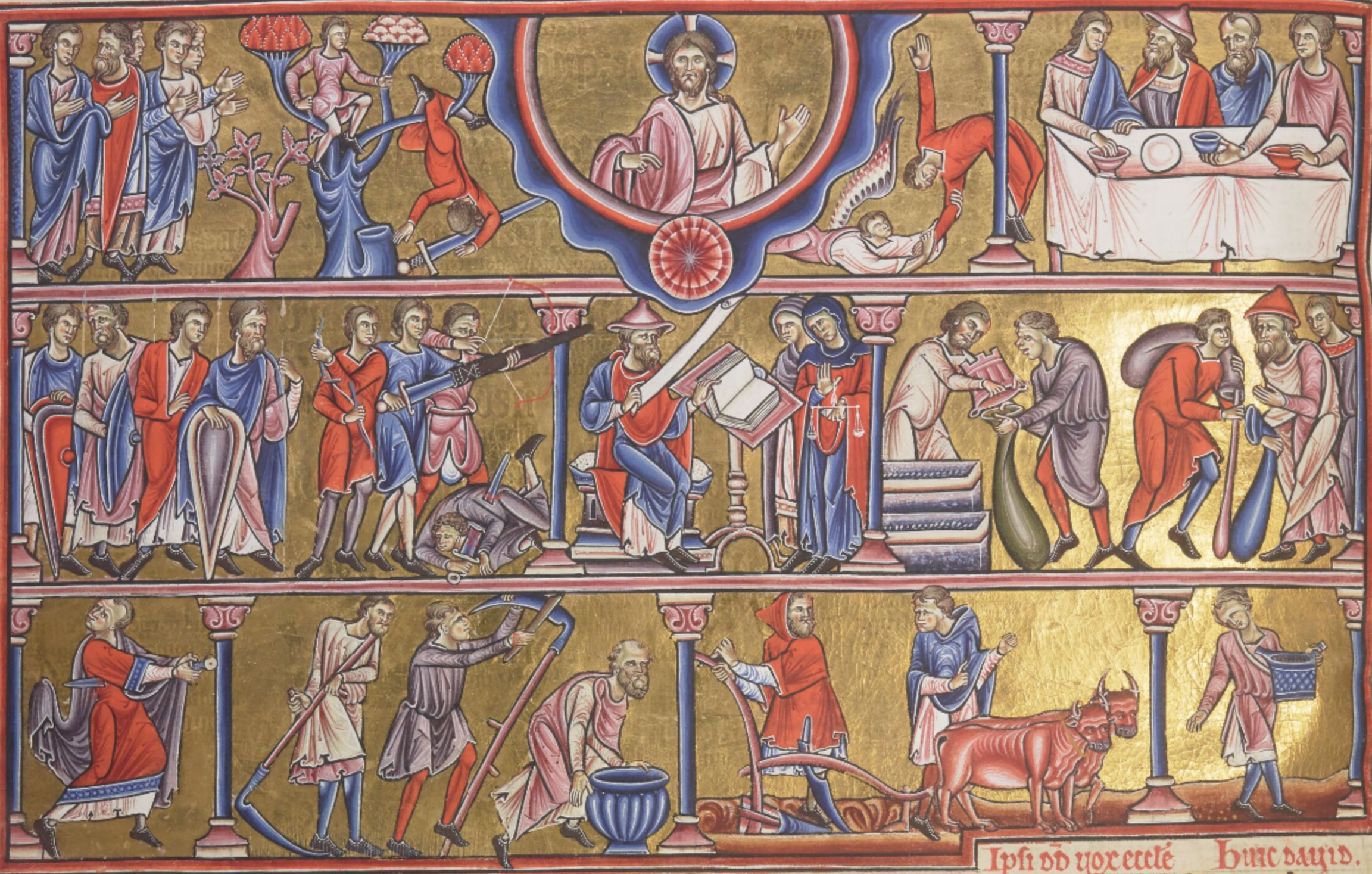
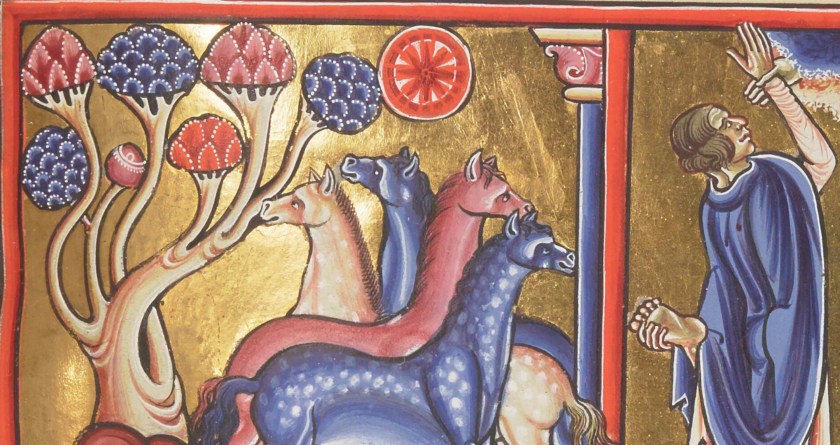
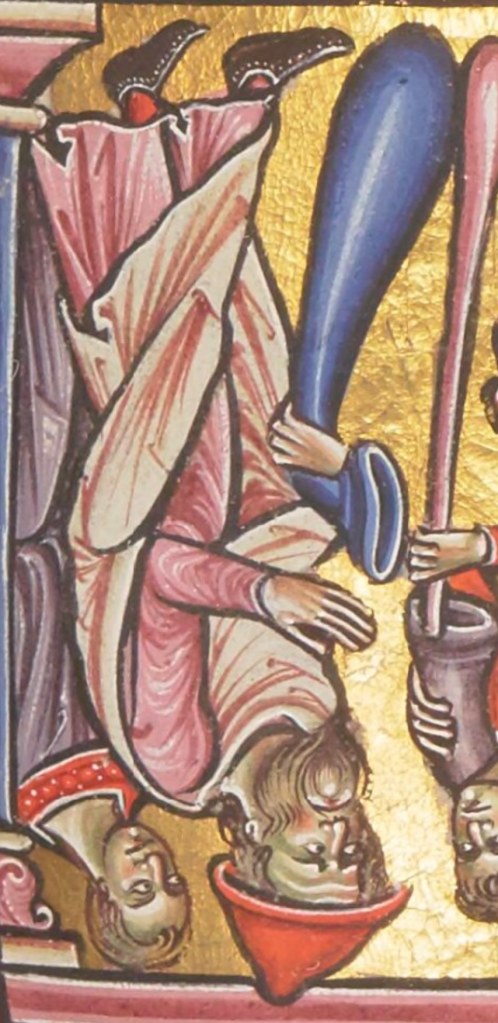
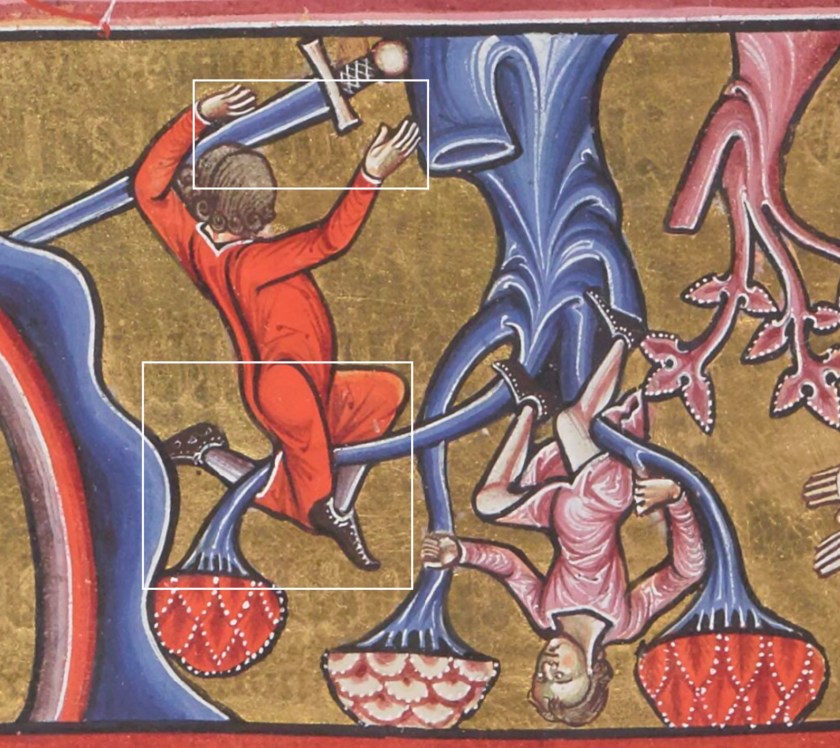
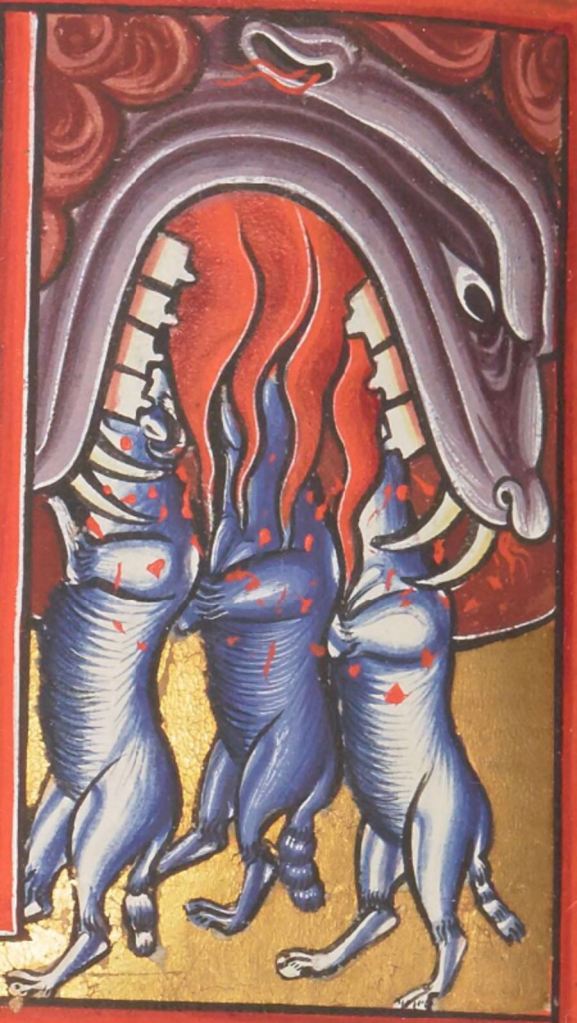
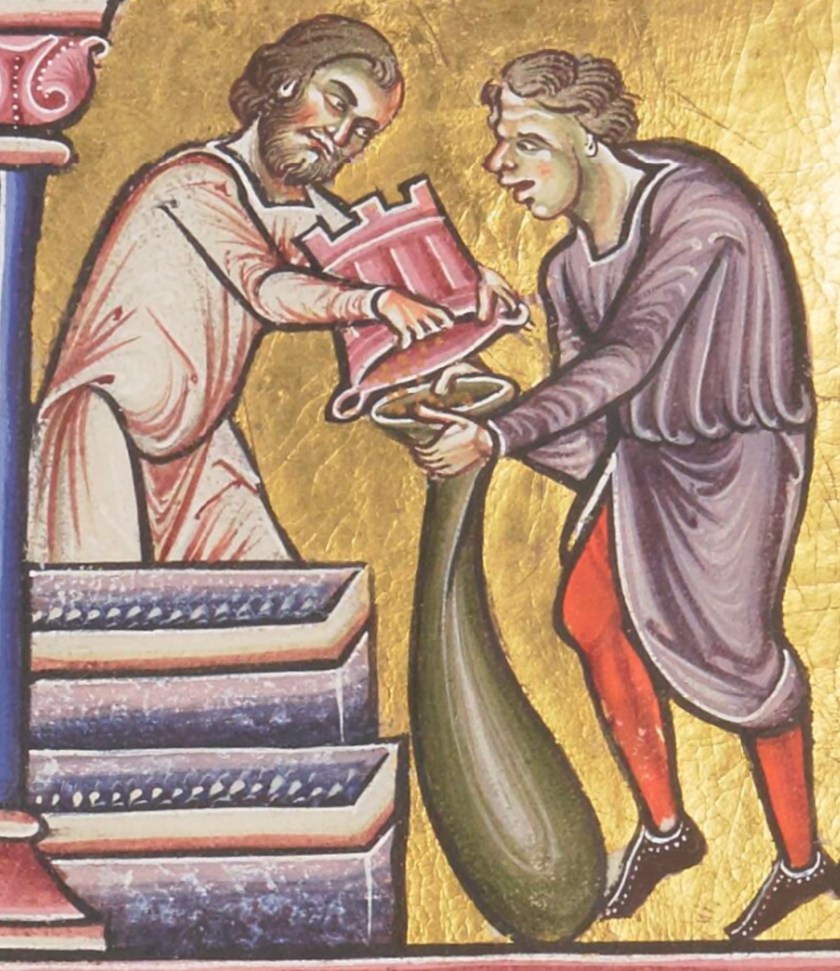
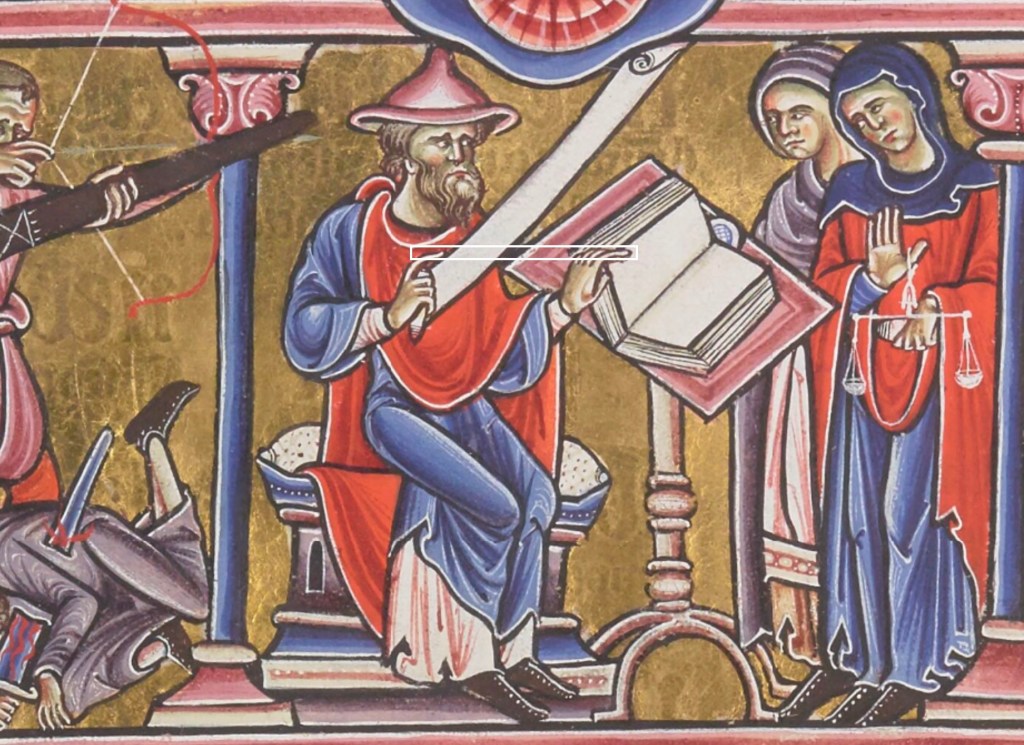
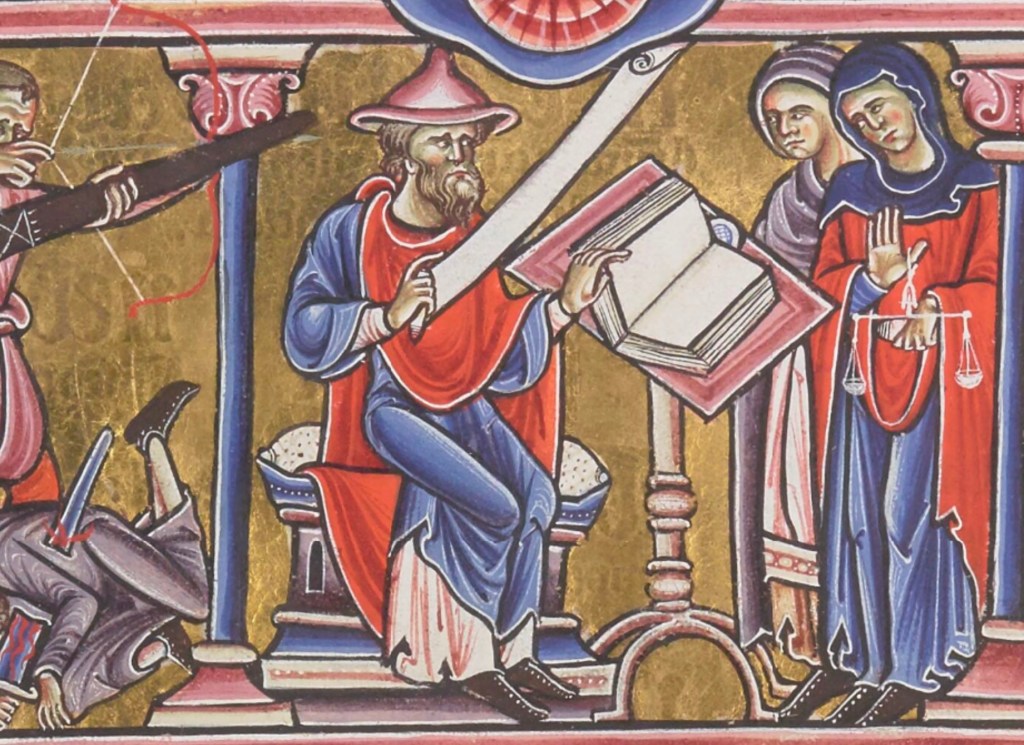
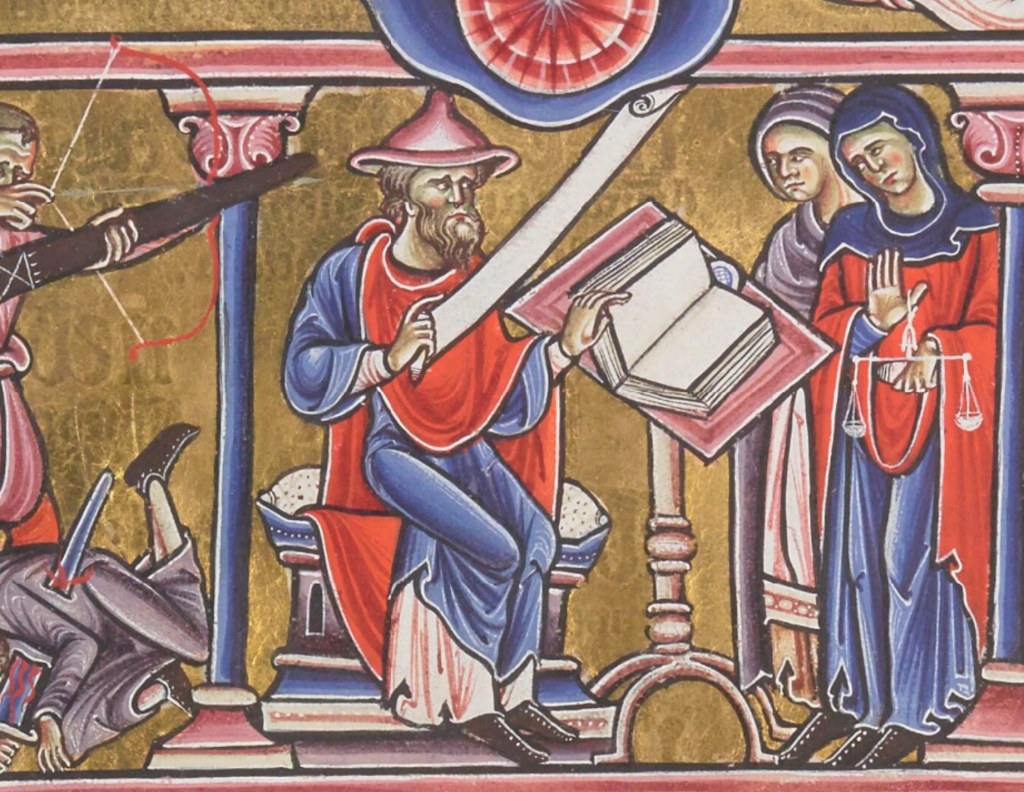
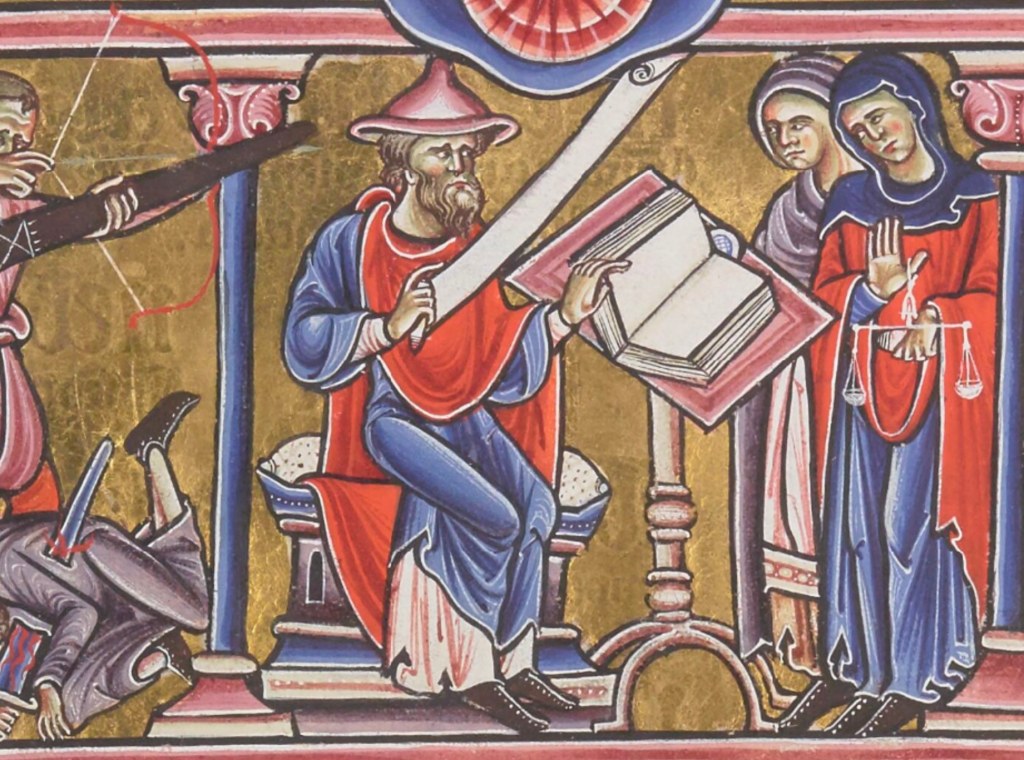
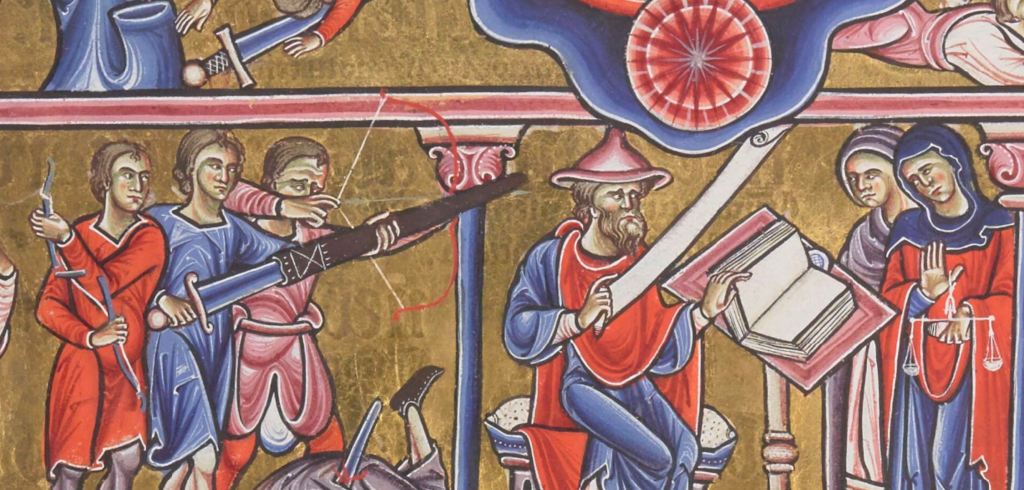
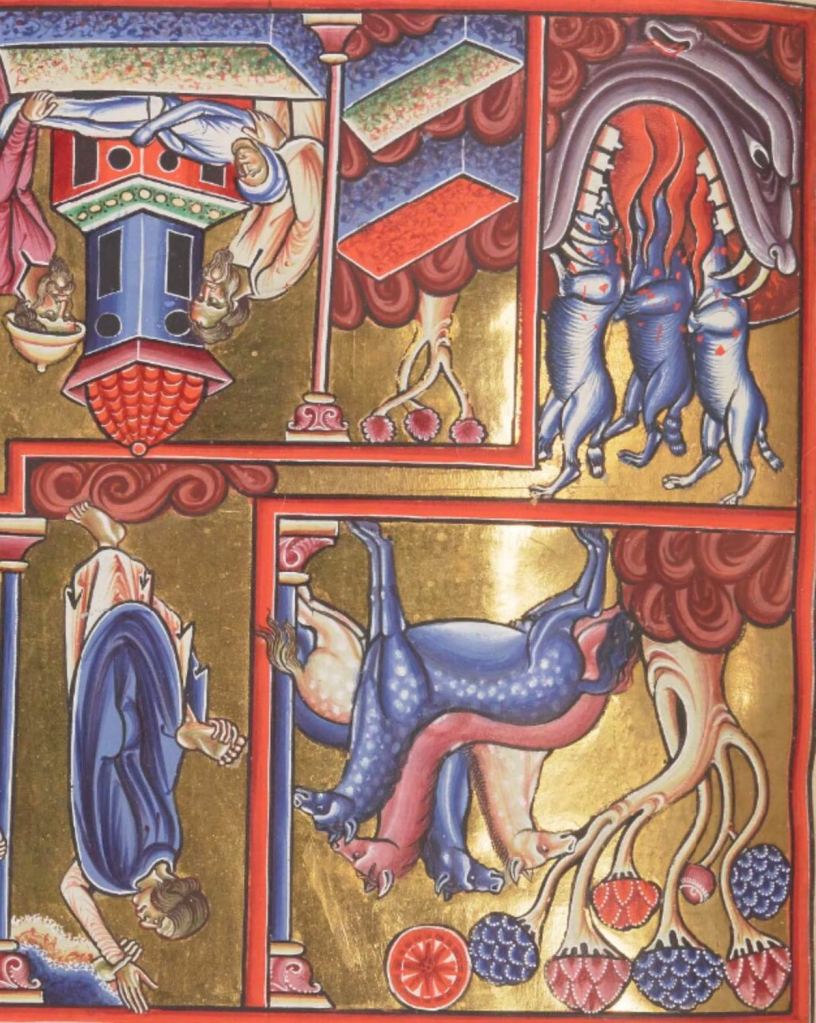
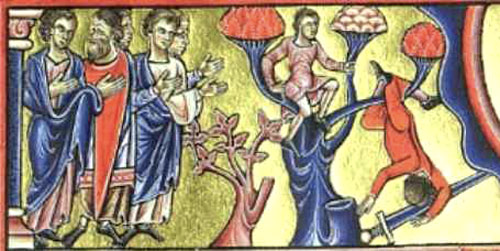
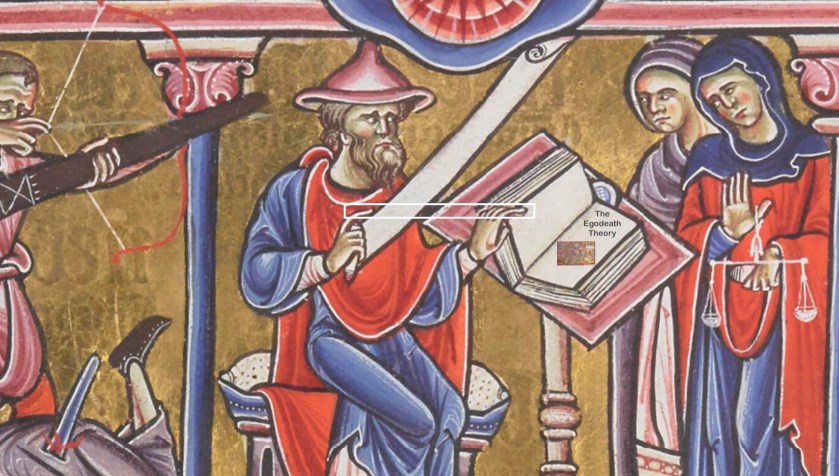
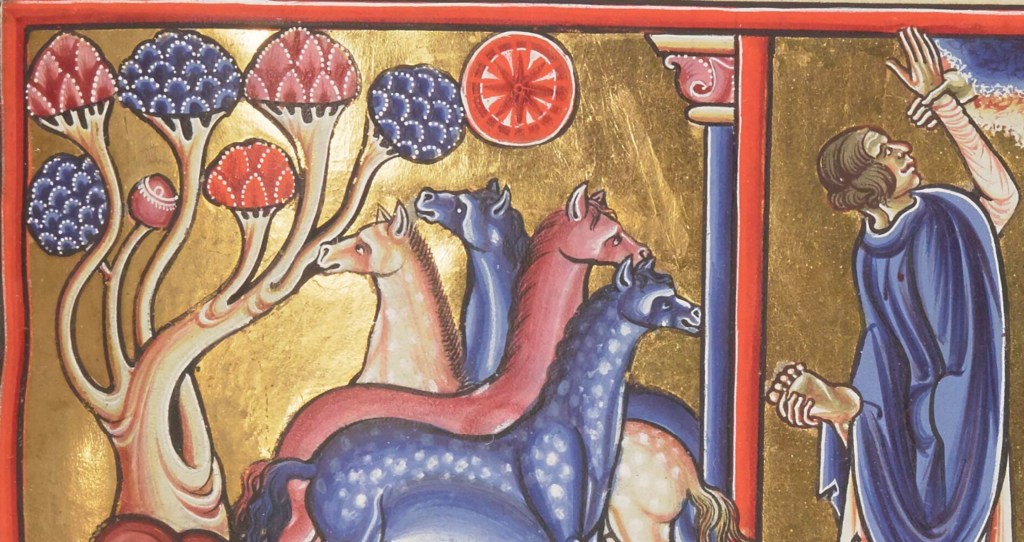
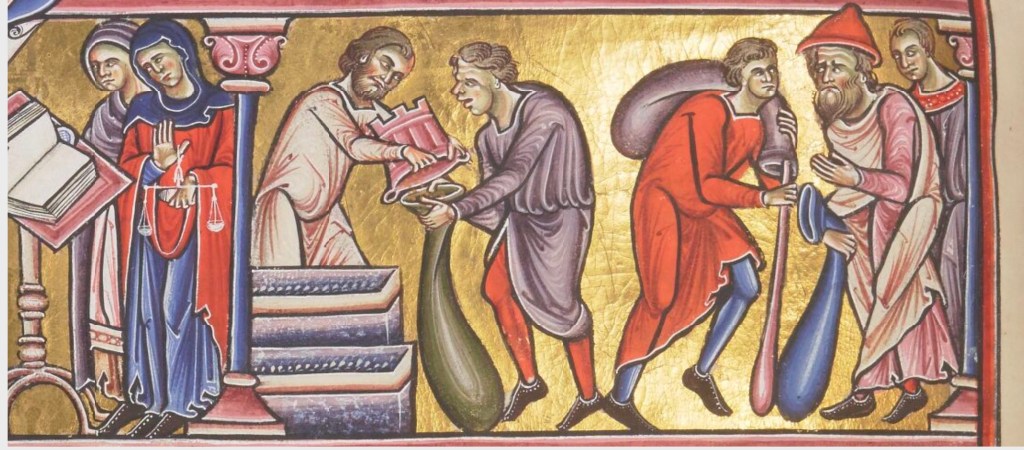
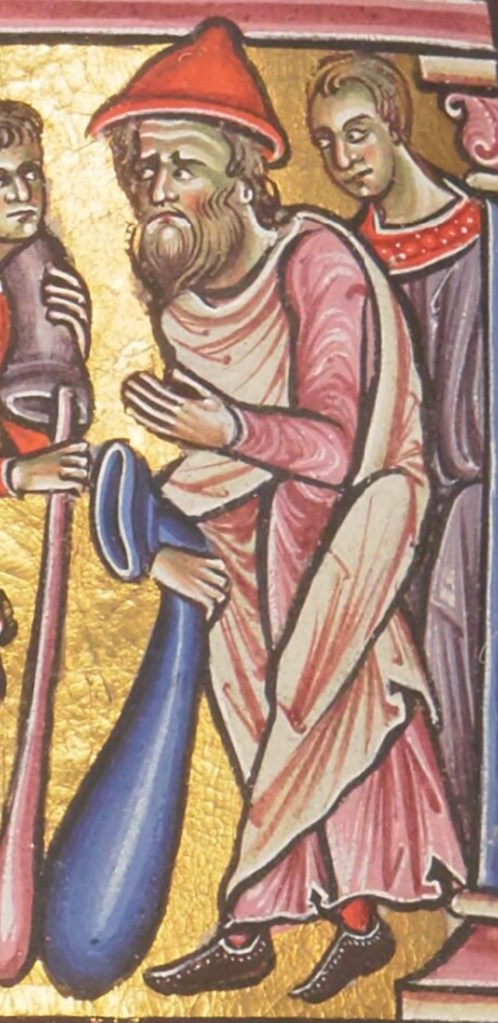

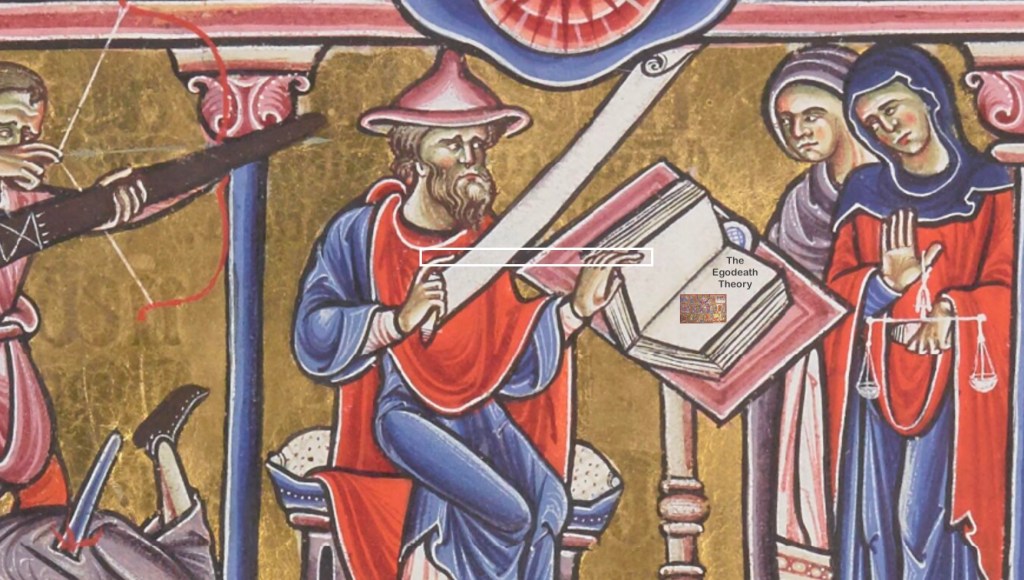
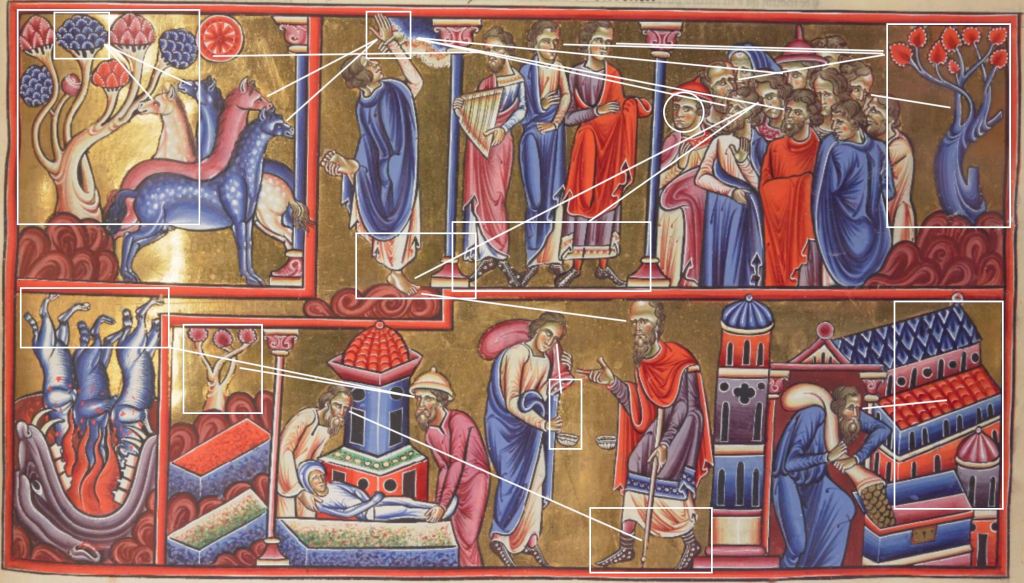
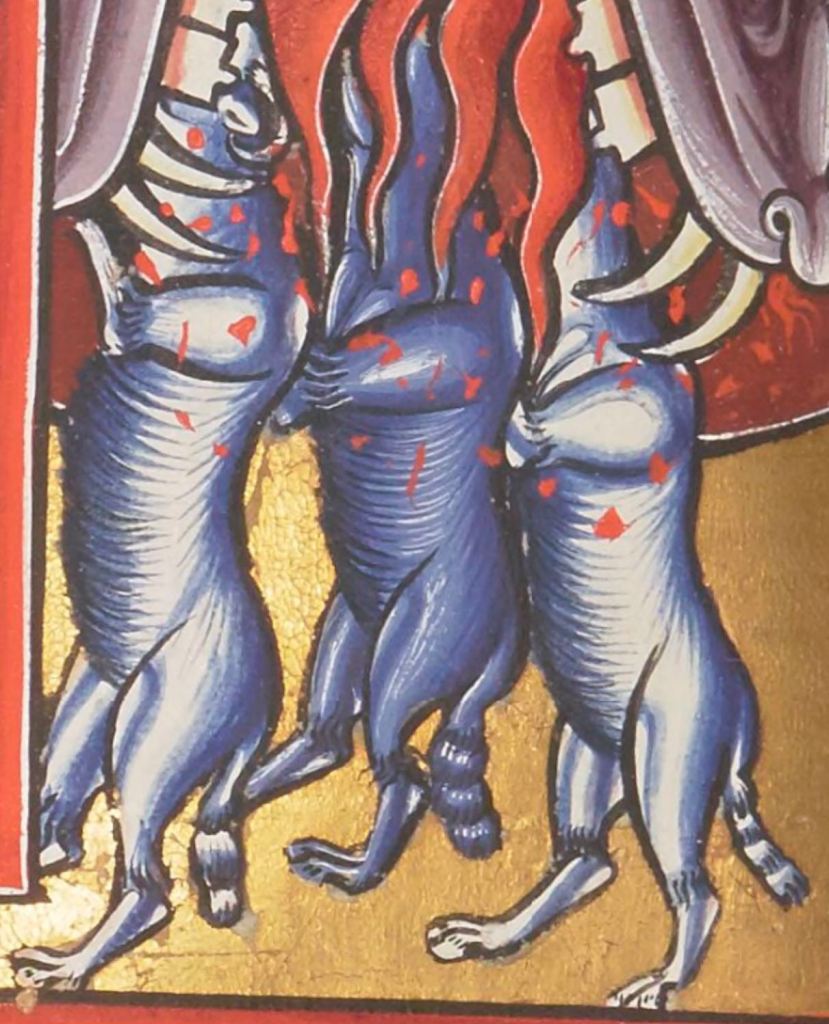

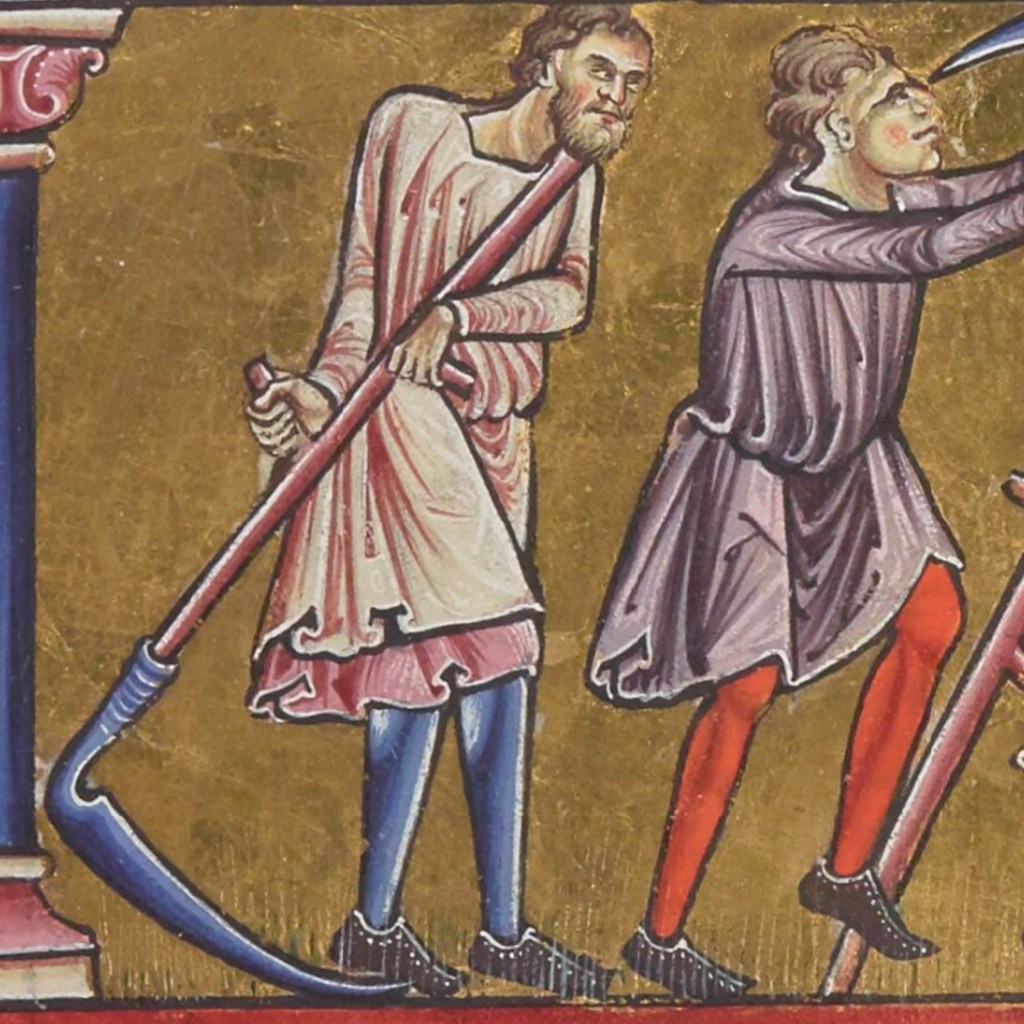
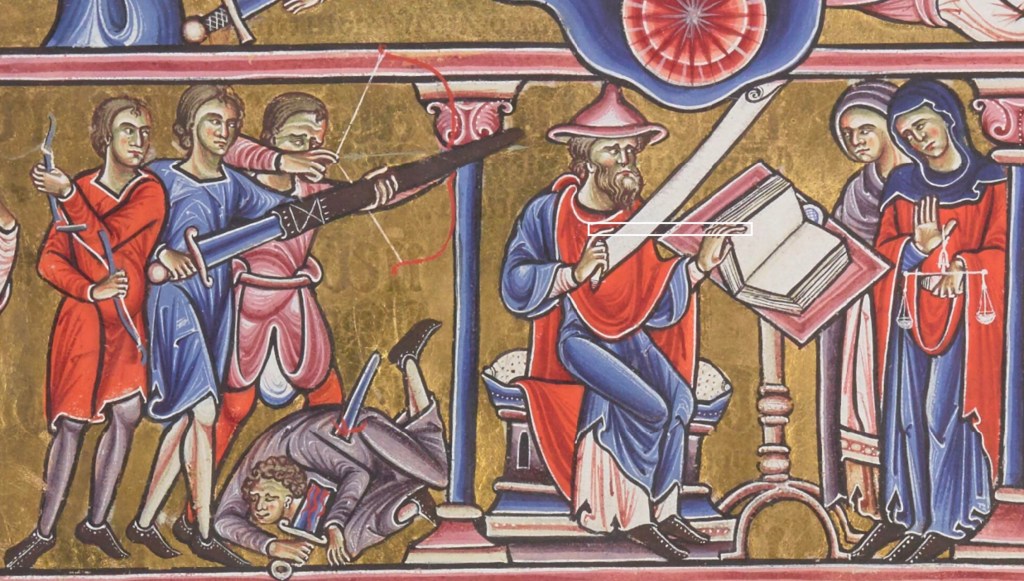
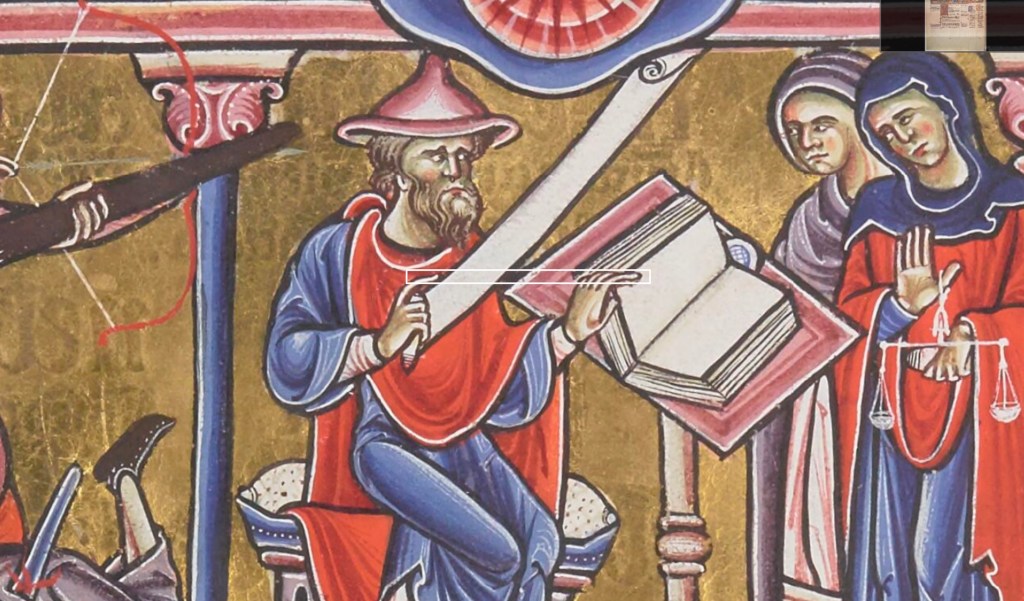
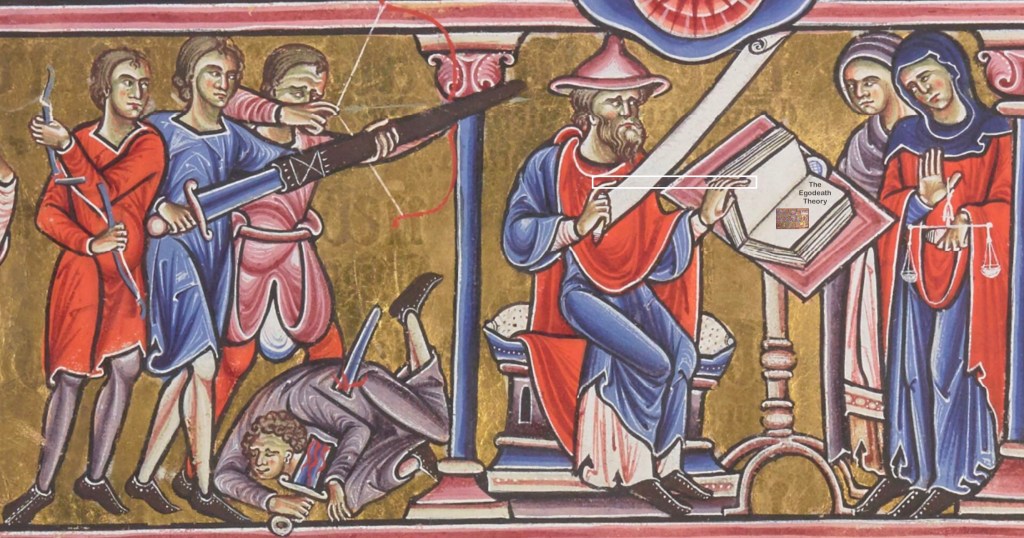
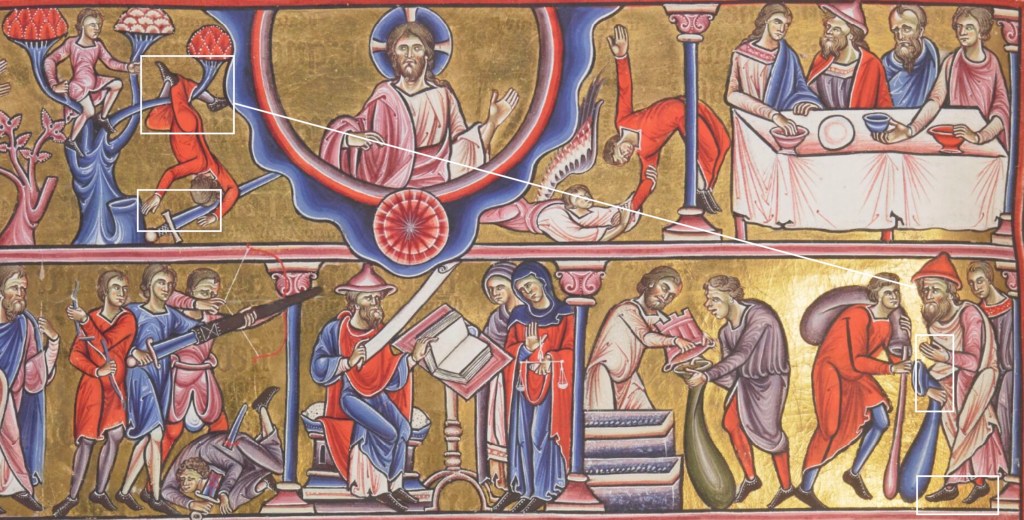
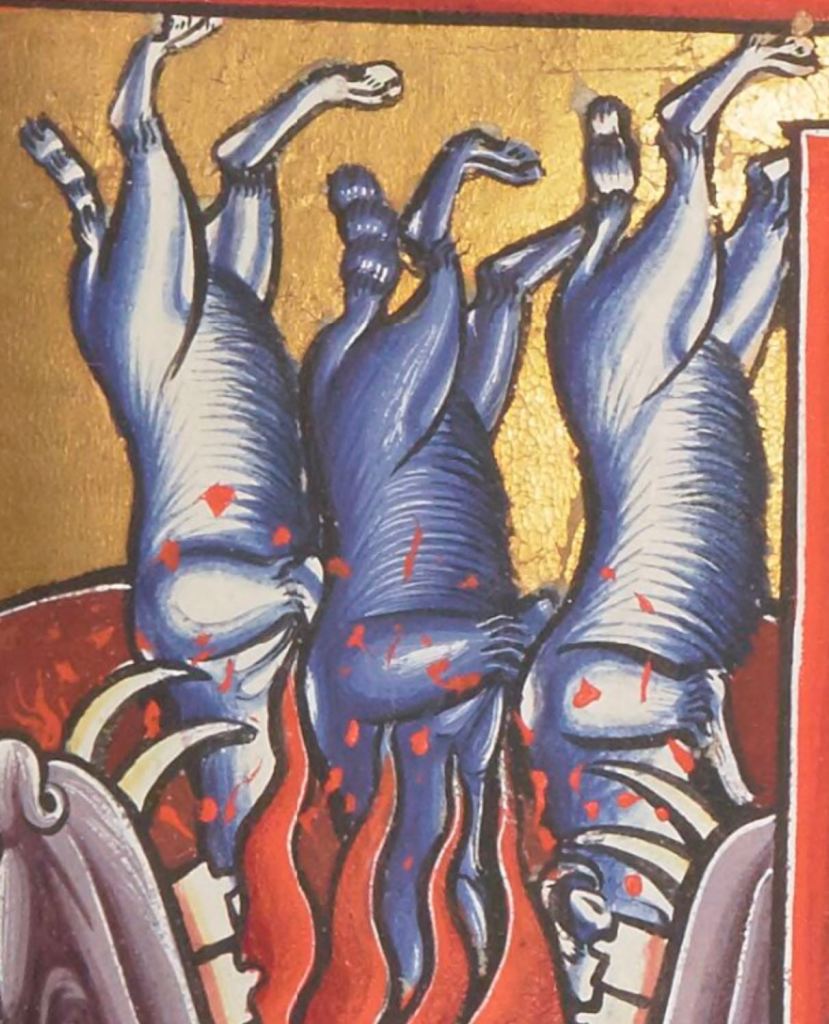
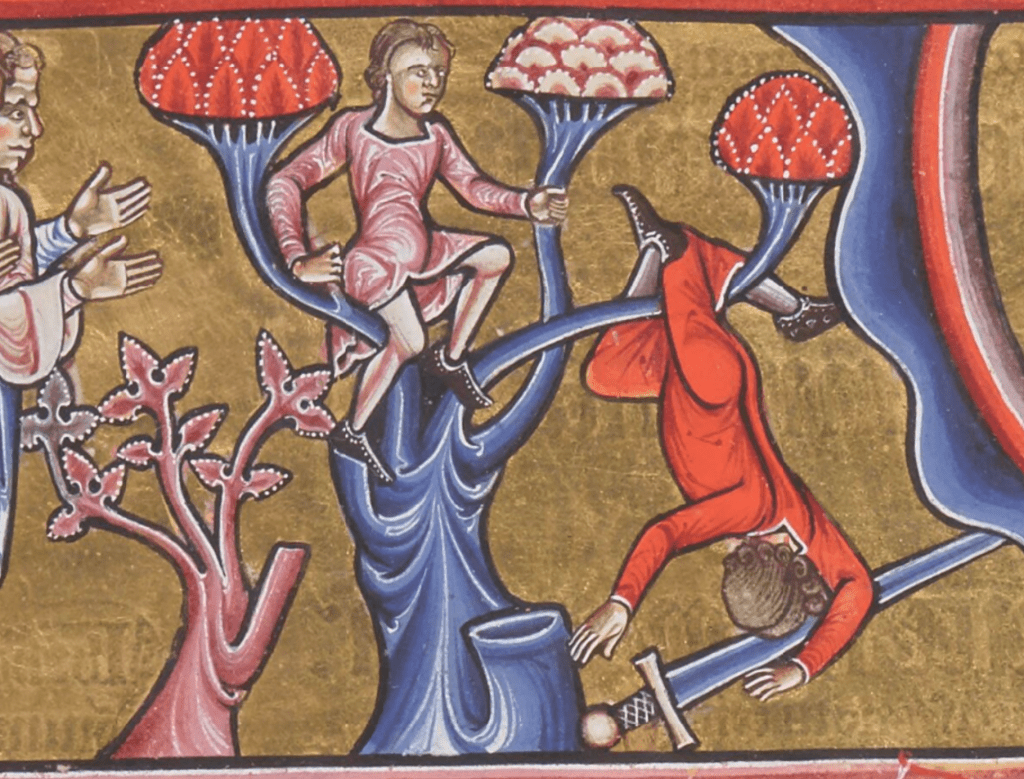
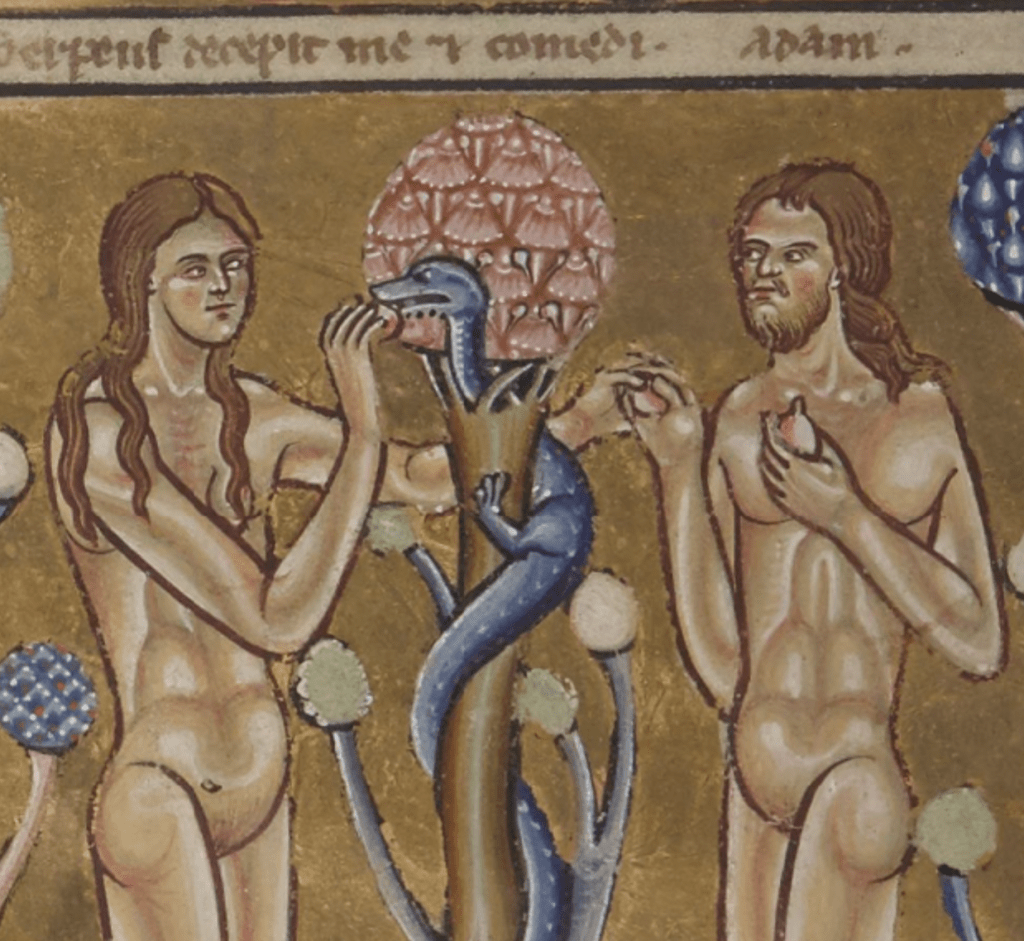
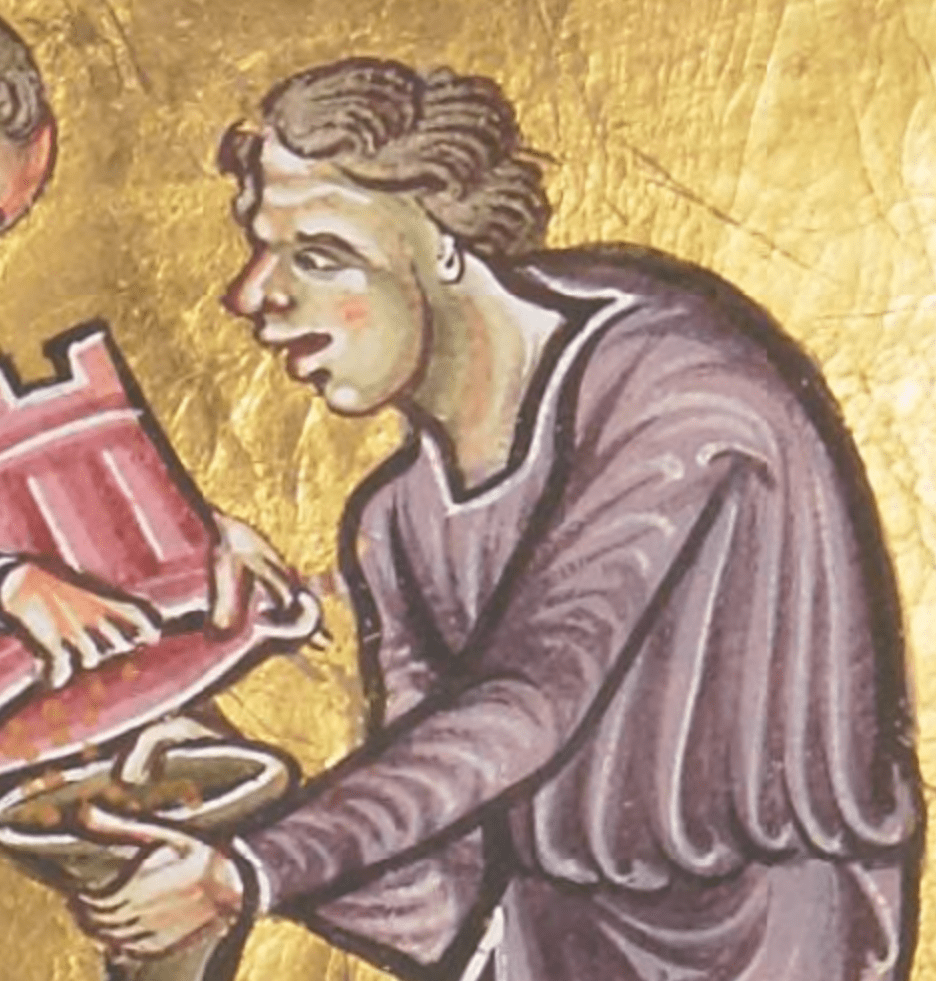
 The Egodeath theory