Contents:
- Episode Info
- Episode Outline
- My Markup Copy of the Outline
- Jan Irvin of the Past – His Book Publication Dates
- Intro – Kent’s Position
- Kent (Like Hatsis) Is Outdated, Trailing a Decade or Two Behind the Leading Edge of Research in the Field
- Kent’s Project Is to Separate (Break) the Connection Between Psychedelic Drugs & Religion
- Do Not Utilize the Phrase “The Mushroom”; It Announces Contempt for Scientific Clarification
- Fact-Check What My Position Has Been re: “Grouping” Wasson-Allegro-McKenna
- In What Way Can Wasson, Allegro, and McKenna Be Grouped? What Are Their Positions on Narrow & Broad Questions?
- Amanita Single-Plant Fallacy for Christian History
- The Great Strength and Defensibility of the Position that Christianity Is Based on Psychedelics, and the Weakness and Indefensibility of the Too-Narrow Position that Christianity is Based on Amanita
- Hidden then Revealed, vs. Brittle “Secret” Presuppositional Theory
- What My Position Is, vs. the “Secret Amanita Cult” Theory of Christianity
- Amanita Sucks as an Entheogen
- The Existence of Amanita Has Set Back Entheogen Scholarship and Understanding of Psychedelics by Decades
- The Poorness of Amanita as an Entheogen Disproves the Pop “Amanita Theory of Christianity”, not the “Mushroom Theory of Christianity” as Kent Over-Concludes
- Truly, You Have a Dizzying Intellect: Mushrooms on Church Door Proves: No Hidden Mushrooms; thus Proves: No Mushrooms in Christian History
- Letcher Hatsis Kent Pretends to Dismiss the Entire “Mushroom Theory of Christianity” by Merely Disproving the “Secret Amanita Cult Theory of Christianity”
- The Specific Entheogen Identity of Soma and Kykeon Is of Limited Importance
- Conflation and Mis-Centering a Critique
- Conflating “Confirming Mushrooms in Christian Art” with “Identifying What the Holy Grail Refers to”: Literalist, Poetry-Illiterate “Granter of Immortality”
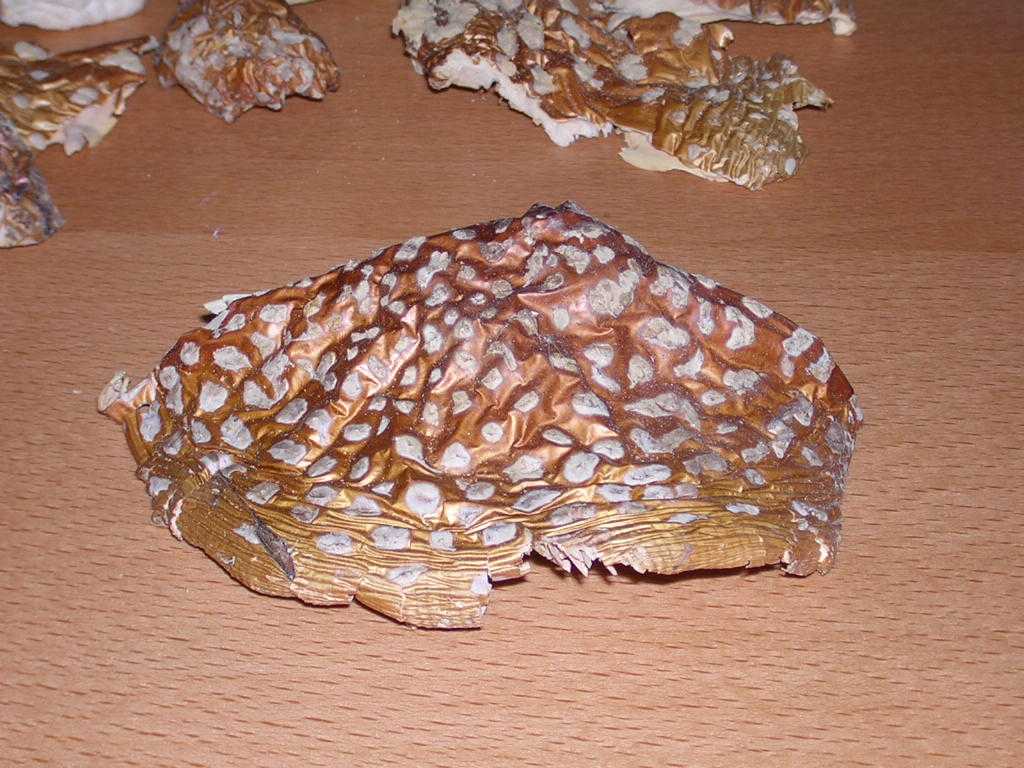
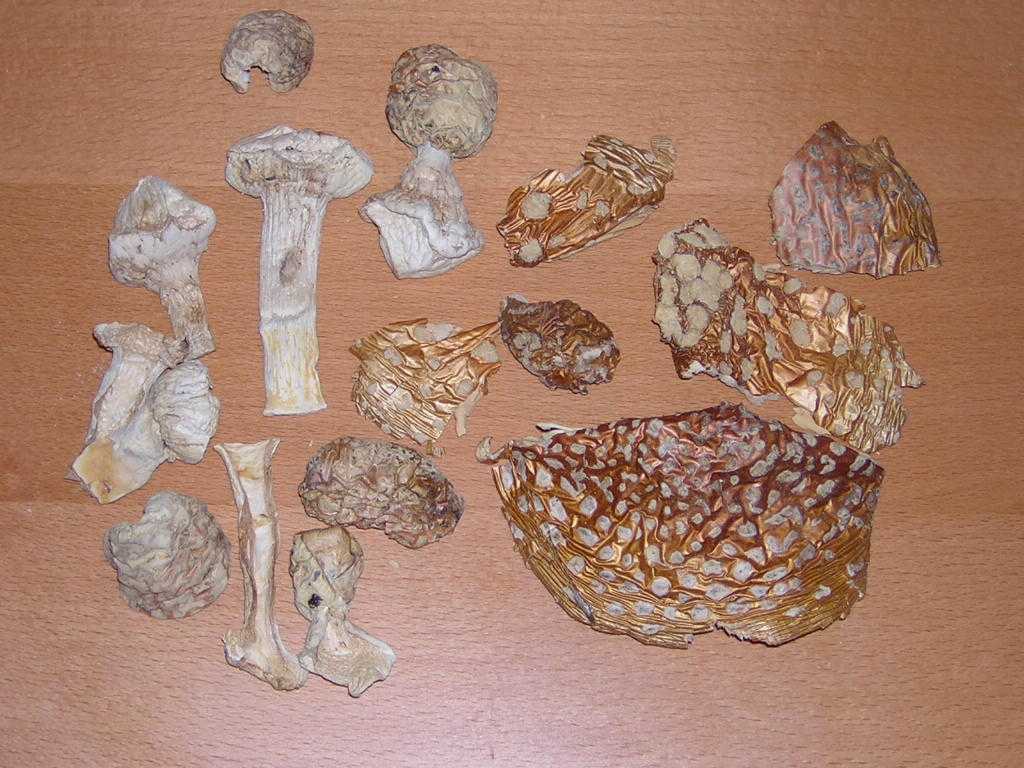
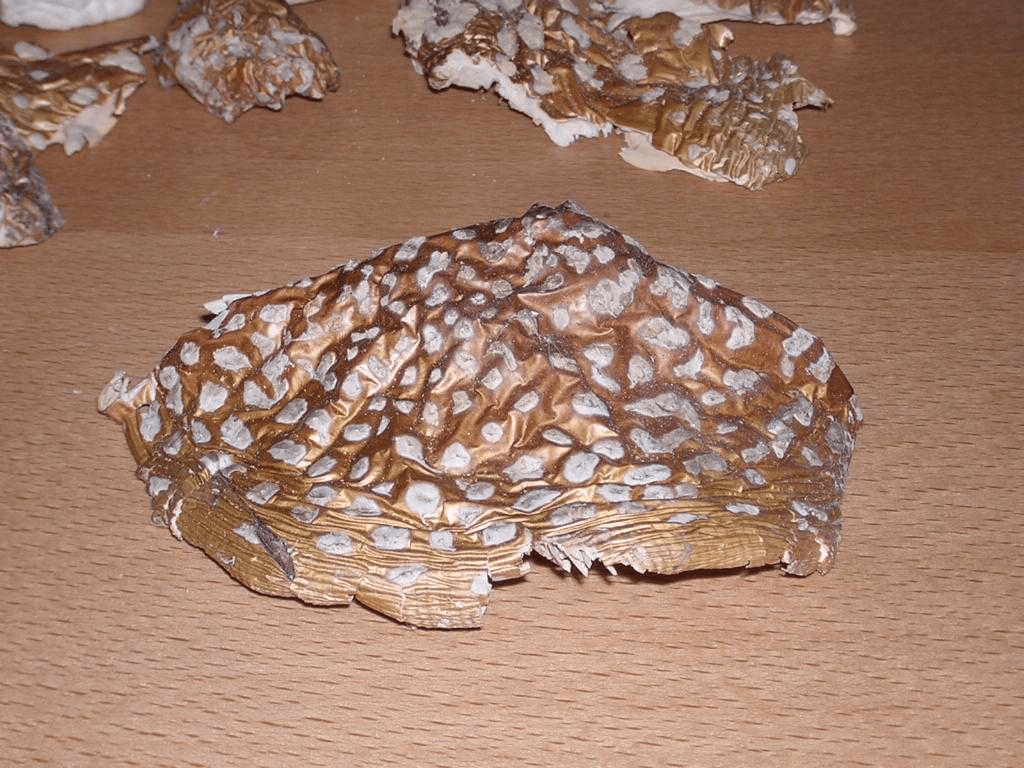
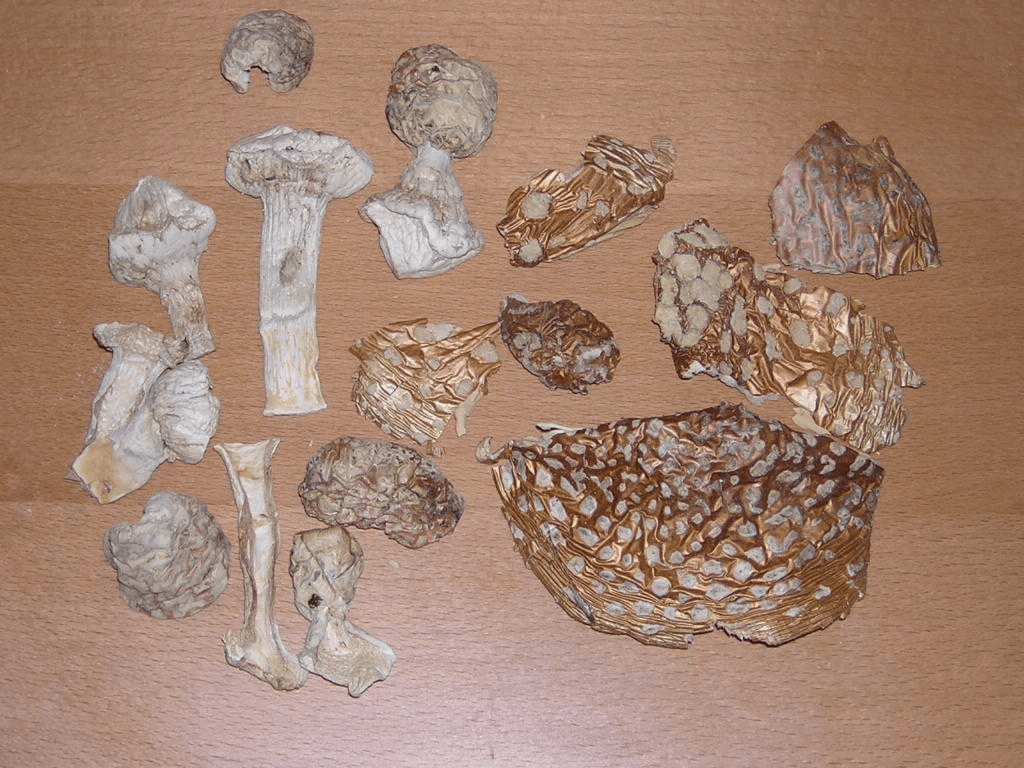
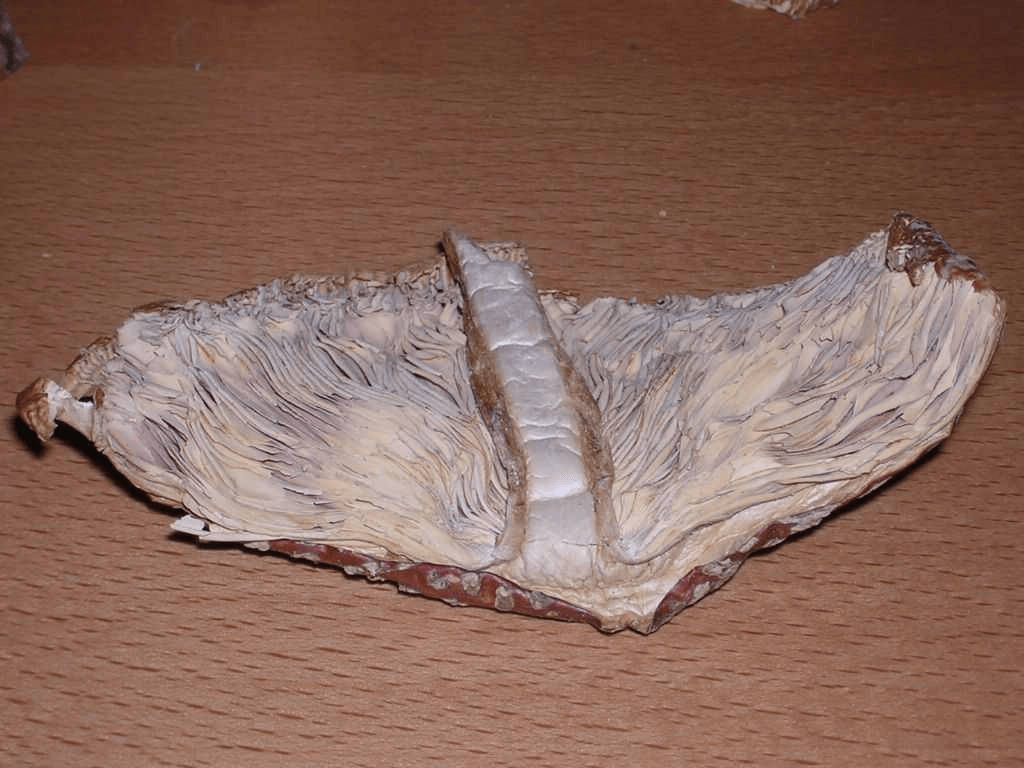
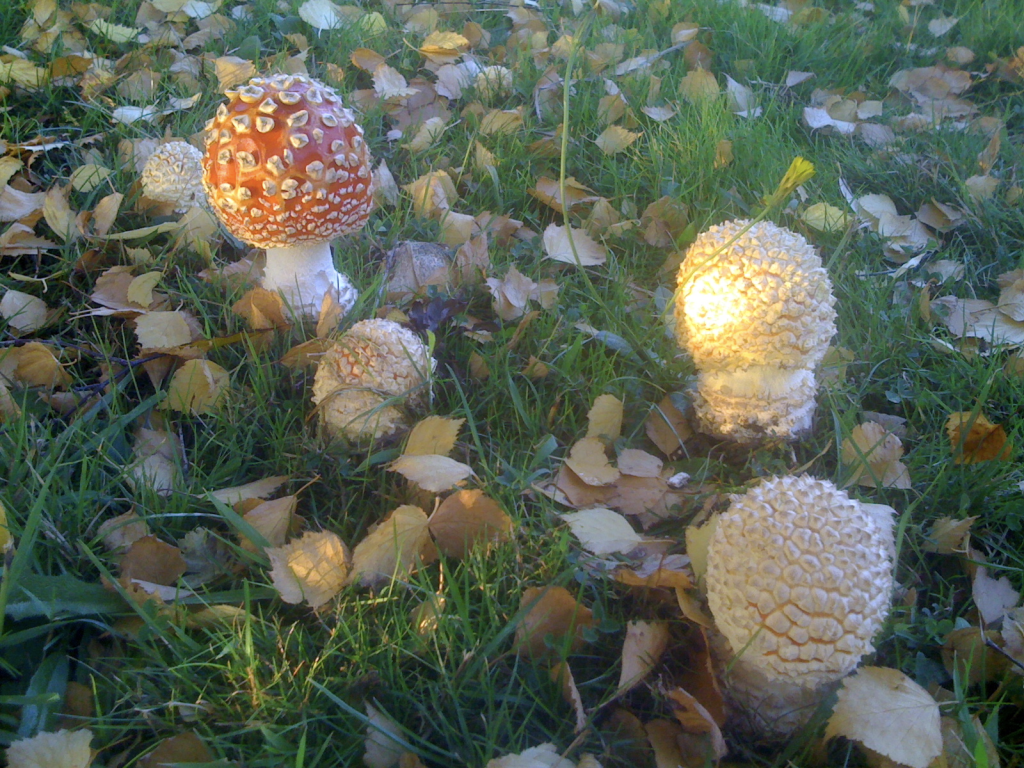
- My Amanita Photos
- The Mytheme: {Holy Grail grants Immortality}
- Brags About Adherence to Scientific Method, Yet Fails to Use Scientific Method Competently
- If Kent Were Actually Progressive and Scientific, He Would Study the Egodeath Theory
- Why Transcendent Knowledge Is of Highest Value
- Cultural Integration of Initiation, Coming-of-Age Ceremony Connected with Psychedelic Experiencing
Episode Info
Episode 22, Feb 23, 2020 – James Kent (DoseNation) part 6
https://www.youtube.com/watch?v=on6EFVLF-58
Max Freakout and Cyberdisciple conclude their discussion about psychedelic journalist James Kent, in particular the recent ‘Final 10’ DoseNation podcast series.
Transcendent Knowledge Podcast episodes
https://egodeaththeory.wordpress.com/2020/11/07/transcendent-knowledge-podcast-episodes/
My page about the podcast series including outline of each episode.
Episode Outline
- Western tradition of psychedelic drug use
- Mushrooms and religion
- Mushrooms as religious sacrament
- Minimal, moderate and maximal theories of psychedelic religion
- John Allegro and the cult of Amanita Muscaria
- Gordon Wasson and the identity of Soma
- Amanita mushroom references in Christian art and the ‘where’s Waldo?’ project
- James Arthur and Jack Herer’s psychedelic scholarship
- Over-emphasis on amanita, under-emphasis on psilocybe in psychedelic scholarship
- The unpopularity of amanita mushrooms as a recreational drug
- Mono-plant fallacy
- Elite priestcraft conspiracy theory of mushrooms in Christianity
- Andrew Letcher’s debunking of mushroom Christianity
- Irrelevance of identifying a particular plant as religious sacrament
- Does anyone really care about amanita mushrooms?
- Metaphorical interpretation of the holy grail causing immortality
- Rejection of pop-psychedelia
- James Kent’s failure to integrate the ego death theory
- Realistic expectations of psychedelic drugs
- Direction of initiation and psychological progression
- Lack of clear initiation ritual context in modern society
My Markup Copy of the Outline
Western tradition of psychedelic drug use
Mushrooms and religion
Mushrooms as religious sacrament
Minimal, moderate and maximal theories of psychedelic religion
[vs narrower or other scopes which is to say, OTHER CENTERING-focal-POINTS OF INQUIRY:
- Min/Mod/Max theories of mushrooms in Greek & Christian religion
General note for this website: when I say “Greek & Christian”, it is shorthand for “Hellenistic & Christendom, integrated”, seen as interpenetrating, not as if hermetically isolated and separated and at odds with each other. It means Hellenistic+Christendom; or, “in Helleno-Christian history”; in the history of Helleno-Christianity.
John Allegro and the cult of Amanita Muscaria
Gordon Wasson and the identity of Soma
Amanita mushroom references in Christian art and the ‘where’s Waldo?’ project
James Arthur and Jack Herer’s psychedelic scholarship
Over-emphasis on amanita, under-emphasis on psilocybe in psychedelic scholarship
The unpopularity of amanita mushrooms as a recreational drug
Mono-plant fallacy
Elite priestcraft conspiracy theory of mushrooms in Christianity
Andrew Letcher’s debunking of mushroom Christianity
Irrelevance of identifying a particular plant as religious sacrament
Does anyone really care about amanita mushrooms?
Metaphorical interpretation of the holy grail causing immortality
Rejection of pop-psychedelia
James Kent’s failure to integrate the ego death theory
Realistic expectations of psychedelic drugs
Direction of initiation and psychological progression
Lack of clear initiation ritual context in modern society
Jan Irvin of the Past – His Book Publication Dates
2005-2009
Astrotheology & Shamanism: Christianity’s Pagan Roots. A Revolutionary Reinterpretation of the Evidence
Jan Irvin, Andrew Rutajit
2005, 2006, 2009
http://amzn.com/1439222428
2009
The Holy Mushroom: Evidence of Mushrooms in Judeo-Christianity
September 30, 2009
http://amzn.com/0982556209
I look more at Helleno-Christianity -mh.
2009
The Sacred Mushroom and The Cross: A study of the nature and origins of Christianity within the fertility cults of the ancient Near East
1970; [40th] Anniversary edition (November 12, 2009)
John Allegro; Jan Irvin (Introduction), Carl Ruck (Foreword), Judith Brown (Foreword)
http://amzn.com/0982556276
Publisher : Gnostic Media Research & Publishing
2:36 Intro – Kent’s Position
2:36
The history of psychedelics use in western culture.
Kent (sometimes) says no, there has not been a tradition of psychedelics use in Western culture — but Kent is inconsistent / self-contradictory here.
This confusion, vagueness, and inconsistency is typical of bad reasoning, especially around Allegro.
All critical writings about Allegro tend to be marked by confusion, vagueness, basic scholarship errors, and inconsistency, including self-contradiction. -mh
11:50, 14:50 Kent (Like Hatsis) Is Outdated, Trailing a Decade or Two Behind the Leading Edge of Research in the Field
11:50
14:50
Letcher can be a little more excused than Hatsis; Letcher’s book was written back when Irvin still held and asserted his values and views (focusing on Christianity instead of Hellenistic also (as I do); focusing on Amanita instead of all psychoactive mushroom species (as I do)). -mh
21:00 Kent’s Project Is to Separate (Break) the Connection Between Psychedelic Drugs & Religion
21:00
He fights against the Moderate view, he advocates the Minimal view —
the minimal entheogen theory of religion.
the moderate entheogen theory of religion.
“the
22:45 debunking and falsifying the psychedelic theory of religion
Why Doesn’t Max, or My Initial Comments, Point Out the Obvious: That the Field Conflates Amanita and Mushroom, Shutting Out the True Center, Psilocybe?
that question is Jan 13 2021. Below, I do work-up toward that critique, but not with the pointed shorthand of late, my embracing of
“Psilocybe Scholarship Good, Amanita Scholarship Bad:
Destroy All Amanita Scholarship”
(partially shared between both me and Letcher-Hatsis).
22:45 “debunking and falsifying the psychedelic theory of religion, as he sees it” — Max lists the ways.
- Allegro. “the cult of Allegro”, “the cult of Amanita”. Max largely agrees with Kent here. I agree with Kent here.
- Kent denies and dismisses the entire project of trying to find Amanita representations in Christian art, w/o any consideration that even 1% could be genuine.
This seems excessively discmissive even though Max and I are not [24:22] advocate the project of trying to find Amanita repre’ns in Christian art.
That project Amanita scholarship has its limitations.
Cyberdisciple sasys “I think that people know that now; we now have a lot of meta-scholarship on the scholarship on Amanita.”
Cyberdisciple seems to be praising the contributions of Letcher-Hatsis, here.
“Does Kent take on the claims that have been made about other mythologies … Soma tradition = Amanita?”
Max: “Kent lumps Soma in w/ Allegroism & the scholarly cult of [25:13] Amanita, bc he uses Wasson as the figurehead of Soma, and Wasson’s theory is Soma = Amanita.
26:00 Wasson-Allegro-McKenna
“Kent thinks Wasson & Allegro are grouped as one, typical [26:00], Amanita-cult (of scholars), which is like Hoffman on “Wasson-Allegro-McKenna”, all expressing the same idea about the mushroom.”
Do Not Utilize the Phrase “The Mushroom”; It Announces Contempt for Scientific Clarification
Above, careful saying the phrase “the mushroom”.
I would never utilize the phrase “THE MUSHROOM”, THAT IS A BAD-THEORY CONSTRUCT, IT’S WAY TOO VAGUE, way too loaded a phrase.
What am I supposed to mentally picture when someone says “the mushroom”?
Using the malicious, destructive phrase “the mushroom” is deliberately and maliciously unclear, it’s a bad-attitude statement “I disrespect and disavow all precision, I am trying to maliciously jam together and conflate all scholarly theorizing that has anything to do with mushrooms and religious history; I am bent on destroying the field, not clarifying the field.”
Using the phrase “the mushroom” is a loud announcement “I HEREBY DISCARD ALL SCIENTIFIC SCHOLARLY METHOD AND CLARITY AND PRECISION.” The term is loaded with sarcasm and bad attitude and so is completely useless.
We must critique the term “the mushroom”, but we cannot utilize the term, “the mushroom”.
I hate that phrase “the mushroom”; it is a nasty CONFLATION PROJECT, trying to mangle-together all variants of fields of scholarship theorizing about mushrooms and all religious history.
It is the most horrible SLOPPY UNSCHOLARLY CONFLATION-PURPOSED term; when you utilize the phrase “the mushroom”, you are announcing that you are going to throw out all scholarly care and precision and are entering massively anti-scientific conflation mode.
Fact-Check What My Position Has Been re: “Grouping” Wasson-Allegro-McKenna
NEED FACT-CHECK on My Position:
Have I written that Wasson-Allegro-McKenna can be grouped?
I doubt I have much grouped the three, but it depends on what sense of ‘group’.
Sure, you can identify something in common; none of them are the maximal entheogen theory of Christianity.
In What Way Can Wasson, Allegro, and McKenna Be Grouped? What Are Their Positions on Narrow & Broad Questions?
Wasson (focus: Amanita)
Moderate entheogen theory of religion
Minimal entheogen theory of Christianity; specifically:
… Minimal Amanita theory of Christianity
Allegro (focus: Amanita)
Moderate entheogen theory of religion
Moderate entheogen theory of Christianity; specifically:
… Moderate Amanita theory of Christianity
McKenna (focus: Psilocybe)
Moderate entheogen theory of religion
Minimal entheogen theory of Christianity; specifically:
… Minimal mushroom theory of Christianity (regardless of Amanita vs. multiple psychoactive mushroom species)
McKenna disagrees with Wasson & Allegro, in that McKenna focuses on Psilocybe, rather than Amanita.
McKenna disagrees with Allegro, MAYBE, re: whether primitive Christians used mushrooms at all. Need fact check.
All 3 agreed — despite Allegro’s self-contradictory no-context initial inclusion of Plaincourault image — no mushrooms in post-primitive Christian history. Here’s where I emphatically disagree, part of what makes me Maximal.
- Later Christianity used mushrooms.
- Later Christianity used mushrooms HEAVILY.
- Primitive Christianity used mushrooms HEAVILY.
- The entire surrounding culture, Hellenistic+Christendom used mushrooms HEAVILY; NORMALLY; in the Mainstream, from Antiquity until the start of the Modern era, such as Newton 1687.
Useful Ideas and Attitude in Kent re: X
27:06 where’s waldo
Amanita Single-Plant Fallacy for Christian History
field of Amanita-Christianity scholarship is endlessly looking at Christian art to make tenuous connections to Amanita, multipole books do this. Kent is correct here. MH calls this the mono-plant fallacy.
28:00 ANY plant that can loosen cognition can be a potential religious sacrament for religious exp’c and mystical ego death.
[January 13, 2021] lately I swing further: If before, I said “Don’t forget Psil too”, lately, I say “Forget Amanita! It’s the false center of the entheogen scholarship field! Put Psil at center INSTEAD!” Lately, I don’t merely say “Amanita is too narrow”; I say “Amanita has REPLACED Psilocybin; get rid of Amanita focus, replace it by Psilocybe focus.”
The Great Strength and Defensibility of the Position that Christianity Is Based on Psychedelics, and the Weakness and Indefensibility of the Too-Narrow Position that Christianity is Based on Amanita
28:40 That narrow theory makes for a weak, hard-to-defend theory. How brittle and open to attack.
The misguided efforts of entheogen scholars who presume “What we need to find is Amanita“, leaves the proponents of that too-narrow theory very open to attack & effective criticism like from Letcher-Hatsis. It’s a weak theory, that this ONE species (Amanita) is the key to the entire large claim that Christianity was based on psychedelics. It’s a narrower position to disprove, which is easier to disprove than the multi-plant position (eg any specifies of species of entheogenic plant or mushroom.
[January 13, 2021] – I dislike the above wording; instead, now, shove aside Amanita, and replace it by Psil instead, in entheogen scholarship.
30:27 Letcher’s book Shroom attacks one very very very narrow theory, priests hid… they take the VERY most narrow version they can POSSIBLY invent, and then CONFLATE that extremely hyper-narrow theory with the very opposite: the TOTAL, ALL-ENCOMPASSING, widest-possible theory.
They argue that the infinitely narrowed theory position, is the same as, the infinitely broad, all-inclusive theory that entheogens are important in Christian history.
- The infinitely narrow theory invented, assumed, concocted (for the purpose of strawmanning/ misrepresentation of the field), and attacked by Letcher-Hatsis:
“the “secret Amanita cult” theory, including a particular assumed model of transmission
conflated like an SOB, per bad, illegitimate strategy, with: - The infinitely broad theory that:
entheogens are important in Christian history
Kent falls into some of that bad reasoning, of Letcher-Hatsis.
Hidden then Revealed, vs. Brittle “Secret” Presuppositional Theory
[31:00]
The “transmitted secret cult” canard/ unexamined narrow presupposition.
Assumption that mushroom use was secret, deviant, abnormal, hidden, not revealed. vs. the Egodeath theory’s “hidden then revealed” model.
I cringed and halted a Hatsis video yesterday [now is 9:01 a.m. December 24, 2020] when he said “The ‘Holy Mushroom’ theory” and wanted to loudly rant and rave WTF ARE YOU EVEN TALKING ABOUT, THERE’S NO SUCH THING AS “THE HOLY MUSHROOM THEORY”, SPEAK ENGLISH!
Stop conflating like a MF! You’re just wrecking the field by your clumsy, sloppy thinking.
THIS IS NOT PROPER THEORIZING!
NO ONE KNOWS WHAT YOU’RE REFERRING TO; your phrase “the Holy Mushroom theory” IS NOT A PROPER CONSTRUCT IN the field of Western entheogen scholarship!”
Every time Hatsis says “the Holy Mushroom theory” I feel like he’s hallucinating what the field is.
Why does Letcher-Hatsis glorify and put Irvin (of 2009) up on a pedestal?
Acting as if Irvin — of 11 years ago, who doesn’t even believe those views and values anymore! — Irvin2009’s one, little, particular, narrow, quirky model of mushrooms in Christian history, is the same thing as the entire proposition in all of its forms, that Christianity was based on and continually inspired by mushrooms — REGARDLESS of the separate detail question of which species, whether it was “secret”, whether it was “suppressed”, and various other detail questions.
I really resent that conflation of the entire field of “mushrooms in Christian history” with the particular, weakest-theory-we-could-find-or-imagine, “the secret Amanita cult theory of Christianity”!
The SLOPPY thinking of Letcher-Hatsis is TRYING TO WRECK the field of Western entheogen scholarship.
Stop STRAWMANNING everyone in the field (Brown, me) by trying to FORCE us to be asserting a position which we DENY, the particular “transmitted secret Amanita cult” theory that Jan Irvin doesn’t assert either, anymore anyway. And hasn’t asserted for 11 years or so.
Like Kent, Hatsis’ theorizing is OUTDATED; he’s way behind in the field he presumes to critique.
What My Position Is, vs. the “Secret Amanita Cult” Theory of Christianity
My position is equally in Greek religion, not just Christian: my particular theory isn’t even within Christianity, it’s broader.
My thinking is essentially fundamentally broader than ONLY questioning mushrooms in Christian history; my concern is with Greek AND Christian history — as an INTEGRATED pursuit, pictured as ONE CHAPTER, not as two chapters.
In my mytheme decoding, I am always grouping Hellenistic and Christian mythemes together, with great success.
My mytheme decoding, integrating Greek & Christian evidence, is bolstered by World religious mythology, although that’s not my center of focus; the entire ancient “world”, of Western antiquity.
When I decode “vine leaf”, I gather examples of vine leaves from both Greek & Christian art.
I readily and successfully use evidence from Greek art to confirm and corroborate interpretations of Christian art & texts; and I use evidence from Christian art to confirm and corroborate interpretations of Greek art & texts.
Let’s consider for a moment only my theory within Christianity, momentarily shrinking me down to Irvin2009’s size of theory:
I assert that:
- Christianity consciously shared the Greek banqueting tradition.
- The mushroom in Hellenistic & Christendom religion was much more likely to be any of numerous species of Psilocybe (decorated with Amanita imagery), than literal use of Amanita.
- Christian use of mushrooms was done consciously in the traditions-cluster of:
- mystery-religion initiation
- mixed-wine banqueting
- esoteric Christianity
My theory is not Irvin’s theory, unlike the falsehood that Hatsis digs-in deeper, every time he utters his confused and confusing, loaded, strawmanning phrase, “the Holy Mushroom theory”.
Stop using a term from Irvin2009, which Irvin2020 doesn’t agree with.
My theory is not Irvin’s theory and cannot be conflated with Irvin’s theory, and must be considered, discussed, critiqued, and approached distinctly from Irvin’s theory.
Neither like hash-for-brains John Lash, is my theory “derived from Wasson” or “a variant of Wasson’s theory that is a considerable departure from it”.
What gibberish double-talk nonsense, that’s always connected with Amanita (and with Allegro).
MY THEORY IS NOT “A DEPARTURE FROM WASSON” — MY THEORY HAS JACK AND F-ALL TO DO WITH WASSON.
Don’t even relate my theory – A BONA FIDE ACTUAL THEORY – to Wasson’s garbled non-theory, ineptly expressed so that not one person on earth understands what his position is.
Anyone who describes my theory as “a variation of Wasson’s theory, including a considerable departure from it” is maliciously strawmanning and trying to make Wasson the king, owner, pole-star, boundary, and center of the field.
My theory has NOTHING to do with Wasson one way or another.
Wasson’s theory is CRAP and FALSE; WAY off-base, and ENTIRELY WRONG, and completely irrelevant.
Wasson’s “theory” isn’t even a theory; it’s a garbled heap of self-contradiction.
My theory has its own completely independent basis and origin.
Wasson can drop off a cliff, I DON’T CARE ABOUT ALLEGRO AND WASSON AT ALL, they are irrelevant nobodies and they aren’t in my field.
You might as well say my theory is a “considerable departure from football.”
John Lash’s caricaturization of ALL writers on entheogens as “variants of the Wasson theory” is MEANINGLESS GIBBERISH designed to make Wasson and Allegro the center and boundary of the field of Western entheogen scholarship.
I COULD CARE LESS ABOUT WASSON AND HIS BRAIN-DEAD, INEPTLY STATED THEORY.
MY THEORY HAS NOTHING TO DO WITH WASSON AND IS NEITHER “DERIVED FROM WASSON” NOR “A VARIANT OF WASSON’S THEORY INCLUDING A CONSIDERABLE DEPARTURE FROM WASSON”, SPAGHETTI-FOR-BRAINS.
WHAT ABOUT YOUR THEORY, JOHN LASH — YOU OWN BAD LOGIC RENDERS YOUR OWN THEORY AS “A VARIANT OF WASSON’S THEORY, INCLUDING A CONSIDERABLE DEPARTURE FROM IT”. WHAT GARBLED NONSENSE!
STOP TRYING TO ENSLAVE US ALL TO WASSON AND ALLEGRO.
STOP HANDING THE ENTIRE FIELD TO WASSON-ALLEGRO.
WASSON AND ALLEGRO ARE IRRELEVANT FOR THE FIELD OF WESTERN ENTHEOGEN SCHOLARSHIP.
Amanita Sucks as an Entheogen
37:04 Max’s intellectual history.
Max was frustrated with Heinrich’s writing about Amanita despite Amanita being uninteresting and un-ergonomic – Max wanted to hear about Psilocybe mushrooms & effects, not the surface form of Amanita like the books all obsessed on and limited the field to.
Only McKenna was covering Psilocybe.
All other entheogen scholars were madly fixated and obsessed on Amanita, and even then, merely on its superficial surface form, not its cognitive phenomenology and explaining that.
Why did ALL other writers obsess & fixate on Amanita? -max
I recently wrote the same and started a page to examine just how bad has this problem been:
Was Phase 1 of the Field of Western Entheogen Scholarship in Fact Centered Around Amanita?
The giant super striking photo in Heinrich’s book is a very lousy reason to obsess on Amanita (ignoring all the Psilocybine-containing species) and equate/conflate:
- the entire broad theory/field of scholarship, eg
- the mushroom theory of Christianity
- (but I’d integrate and include Hellenistic religion too, as the orienting-center of focus, NOT making Christianity the orienting-center of focus as if to hermetically isolate Hellenism from Christendom)
- with only, specifically and exclusively, the Amanita theory/field of scholarship;
- the Amanita theory of Christianity
- I specifically advocate:
- the Psilocybe theory of Greek & Christian religion
- by ‘psilocybe’, I mean all mushroom species that contain psilocybin and/or psilocin.
Usage-Definition: In my writings, by ‘psilocybe’, I mean all mushroom species that contain psilocybin and/or psilocin. Assume Mediterranean was lush and moist and had many mushrooms. “It was a dry desert with no mushrooms” is a myth, opposite of truth. The region was moist and had a plethora of mushrooms; there was no shortage of mushrooms as fantasized by modern, anti-mushroom biased writers.
todo: gather these definitonal usage-conventions of mine, into a single lookup-able place, eg in my Theory Concepts page.

Strange Fruit: Alchemy and Religion: The Hidden Truth
Strange Fruit: Alchemy, Religion and Magical Foods: A Speculative History
The above is an alternate subtitle within this edition eg title page.
Clark Heinrich, 1994 (Amazon says “January 1, 1995”)
ISBN: 0747515484
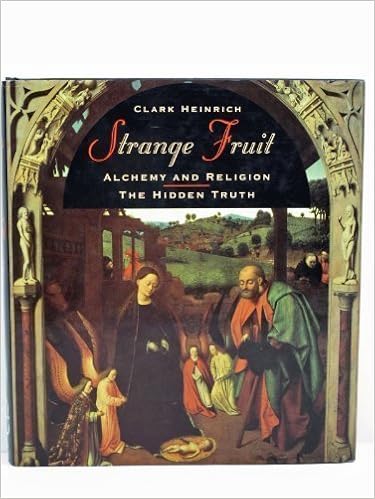
Clark Heinrich. Magic Mushrooms in Religion and Alchemy. (2nd ed. of Strange Fruit.) ISBN: 0892817720. 2002.
todo: there’s — fix the above ISBN #/ link, in orig webpage my 2006 article’s Bibliography. That ISBN is for Merkur’s book Mystery of Manna.
Magic Mushrooms in Religion and Alchemy
2nd Edition
http://amzn.com/0892819979
The Existence of Amanita Has Set Back Entheogen Scholarship and Understanding of Psychedelics by Decades
42:00
The existence of Amanita set “psychedelic scholarship … drugs & symbolism back”, leads to “fighting” (Hatsis), made a reputation for himself by fighting Irvin, to get a book deal.
Letcher’s book fighting against Irvin, created its own academic market of arguing over these things, that is not really particularly relevant, or important, or leading-edge.
Max: It’s a misleading waste of time on the way to the Egodeath theory. because Amanita has set back psych scholarship in this way, it’s also setting back Kent’s own thinking in the same way, in his critique of Pop Sike culture that’s talking about Amanita.
Kent has exactly same blindness about amanita as the people he’s criticizing.
The Poorness of Amanita as an Entheogen Disproves the Pop “Amanita Theory of Christianity”, not the “Mushroom Theory of Christianity” as Kent Over-Concludes
44:22
Kent argues that Amanita is very unpopular, and is not very psychoactive — he uses that argument to supposedly disprove the ENTIRE field of invesigation, of psychedelics in Christian history.
Kent argues: How could Amanita be the true sacrament that has been hidden by the Priestcraft for centuries, if even nowadays when everybody knows about Amanita and has access to Amanita, nobody can be bothered to take Amanita? that’s a score against the theory.
Cyberdisciple agrees with Kent that the poorness of Amanita as an entheogen is a score against “the theory” but Cyberdisciple clarifies, unlike Kent:
“The poorness of Amanita as an entheogen is not a score against the psychedelic Christianity theory; the poorness of Amanita as an entheogen is a problem only for the very narrow, Amanita-specific, single-species theory.
Truly, You Have a Dizzying Intellect: Mushrooms on Church Door Proves: No Hidden Mushrooms; thus Proves: No Mushrooms in Christian History
Cyberdisciple: “Hasn’t this argument been made already, that the poorness of Amanita as an entheogen disproves bad entheogen scholarship and bad Pop Sike Cult, that fixates on Amanita as the uber-entheogen of Christian history?
“What’s Kent doing here that’s new, isn’t this just what Letcher was saying over a decade ago?”
Max: “Yes, though Kent uses different examples. Letcher leans heavily on a Belgium cathedral door, which Kent doesn’t mention.”
My passage copied from idea development page 6:
Books by Andy Letcher that are rushed out by big-name Establishment presses, making loud-sounding arguments about nothing in particular, a shell game, in which we nod our heads in dizzied consent that this constitutes an argument:
“The mushroom on the church door is evidence that there’s no hidden mushrooms in Christian art.
Therefore I have shown there’s no evidence for mushrooms in religion; such use is late 20th C only.”
Letcher
Yes Letcher, truly you have a dizzying intellect; I give in!
Movie: Princess Bride, “battle of the wits” scene, after convoluted but futile argument. 2:50
https://www.youtube.com/watch?v=EZSx3zNZOaU&t=170s (after skip ads)
You are right (in your theory and position, whatever it is, that shifts on every other page, as needed, to give the right surface impression of something having been proved).
His book has all the logical structure of a pile of oatmeal.
/ end of passage copied from idea development page 6
Letcher Hatsis Kent Pretends to Dismiss the Entire “Mushroom Theory of Christianity” by Merely Disproving the “Secret Amanita Cult Theory of Christianity”
“Door aside, THE SHAPE OF THE THEORIZING IS EXACTLY THE SAME in Kent & Letcher; it’s the same counterattack to a relatively unimportant and very narrow theory.
“So Kent’s argument/critique is basically uninteresting.”
[then in some aspects, we can criticize together, the Letcher-Hatsis-Kent argumentation, their attempt to dismiss the entire “mushroom theory of Christianity” (or Hellenistic & Christendom), by simply merely disproving the “Amanita theory of Christianity”. -mh]
“But it’s worth deconstructing for its sheer relevance because it’s talking about this crucial idea of psychedelia and religion.
[44:30] No One Uses or Likes Amanita, so it’s a terrible particular theory, the particular specific theory that Amanita was secret and was THE mushroom for Christian history.
[45:30] differences between, but much more the similarities of fallacies committed by Letcher & Hatsis.
The Specific Entheogen Identity of Soma and Kykeon Is of Limited Importance
46:07
“Soma wasn’t Allegro’s concern. Soma was Wasson’s concern.
“Other writers great effort to try to identify Soma and also in Western tradition Kykeon as well, so much ink spilled trying to give precise singular identities to Soma & Kykeon, whereas it’s all really just a misleading waste of time on the way to the Egodeath theory, which points out that both Soma and Kykeon are simply going to be entheogenic sacraments.
“It doesn’t matter what they are, as long as they are entheogenic psychedelic.”
46:30 single-plant fallacy [single-species of Amanita vs. multi-species Psilocybin-containing -mh]
47:00
Cyberdisciple — overemphasis on Kykeon causes the single-plant fallacy.
47:00
Cyberdisciple:
“Overemphasis on Eleusis and the Kykeon there, within Greek culture entheogen scholarship.
“It doesn’t really matter proving which plant used, that’s not really where the action is, what’s important and revolutionary.
“We don’t need that smoking-gun evidence in that way.
“This whole model of how do we PROVE psychedelics in the past and past religious cultures, we don’t need to find the exact plant, in order to do the work of the changing our paradigm of religious history and religion.”
47:43
Max: Kent concludes nobody cares about Amanita, that’s true and false. It’s true and false that people overemphasize amanita.
Kent fails to move beyond the people he criticizes, toward the Egodeath theory.
Conflation and Mis-Centering a Critique
My theory is: Psilocybe in mixed-wine banqueting, mystery-religion initiation, and esoteric Christianity.
My theory is not centered on Christianity.
My theory in the field of Western entheogen scholarship encompasses Christian history, but my theory is not centered on Christian history, nor specifically on primitive Christianity (as is Allegro).
My theory is CENTERED ON Hellenistic & Christendom history.
My theory is not centered like Allegro, on primitive Christianity, and so my theory cannot be judged from a standpoint that’s centered on primitive Christianity, that assumes centrality of the concern of primitive Christianity.
Why does Letcher-Hatsis insist on equating one, narrow, very particular model of the relationship of “mushrooms” and “Christianity”, with the ENTIRE general broad theory or question of “what is the significant role of mushrooms in Christianity?”
Letcher-Hatsis commits a fallacy of conflating:
- A PARTICULAR SPECIFIC explanatory theory, more or less specified by Jan Irvin2009 (but NOT Irvin 2015+) in particular,
with the opposite in scope: - The most general possible theory that mushrooms were in some way important in Christian history.
No Valid Scientific Method if Sloppy Basic Thinking
Hatsis can lecture all he wants about sound scientific historians’ methodology, but he’s sloppy at basic thinking/theorizing.
No amount of alleged sound scientific historians’ methodology can rescue your bad scholarship, if you are sloppy at basic thinking and theorizing.
Conflating a Particular Narrow Theory with a General Broad Theory — Disproving the Particular Theory Does Not Disprove the General Theory
Sloppy conflation of a particular theory with a general theory, is part of “sound scientific historian methodology”, according to Hatsis’ methodology.
The Folly of Basing One’s Entire Critique on a Single Book, from 11 Years Ago (Which the Author Would No Longer Advocate Anyway)
Evidentially Hatsis has only read ONE book in the general field or theory of “mushrooms had an important role in Christian history”: Jan Irvin’s The Holy Mushroom (2009; 11 years ago).
Hatsis strongly gives the impression that he has only read or considered ONE writer in the field, of mushrooms in Christian history.
Forget Hermetically Isolated Christianity (a Fiction); Consider Greek & Christian; Hellenistic & Christendom Together
It’s a malformed field. People should not just look at the theory that “Mushrooms had an important role in Christian history“; scholars should instead look at the theory that “Mushrooms (of VARIOUS species) had an important role in GREEK AND Christian history.“
Mushrooms (of VARIOUS species) had an important role in GREEK AND Christian history.
Hatis is trying to GIVE and HAND OVER and ENSLAVE the *entire* theory that mushrooms were important in Christian history, to Jan Irvin of 2009, who doesn’t even advocate that theory or values anymore!
Since WHEN does Jan Irvin “own” the entire proposition that mushrooms were important in Christian history?
Stop making Jan Irvin (of 11 years ago) the single, only spokesman for the ENTIRE theory that mushrooms were important in Christian history!
Letcher-Hatsis has so many presuppositions that he folds into his malformed usage, his misuse of his construct, “the Holy Mushroom theory”.
Every time Letcher-Hatsis says “the Holy Mushroom theory”, he’s conflating massively:
- A narrow, hyper-specific, particular theory, with the entire broad as possible overall general theory, that mushrooms were IN SOME WAY — not necessarily particularly specified — in Christian history.
Conflating “Confirming Mushrooms in Christian Art” with “Identifying What the Holy Grail Refers to”: Literalist, Poetry-Illiterate “Granter of Immortality”
At 1:09:00 in episode 8, Kent asserts that identifying mushrooms in Christian art is specifically the issue of, we need to identify what The Holy Grail refers to. Some say upturned Amanita, immortality.
[To an appropriate, limited extent, I too have been interested in Amanita:
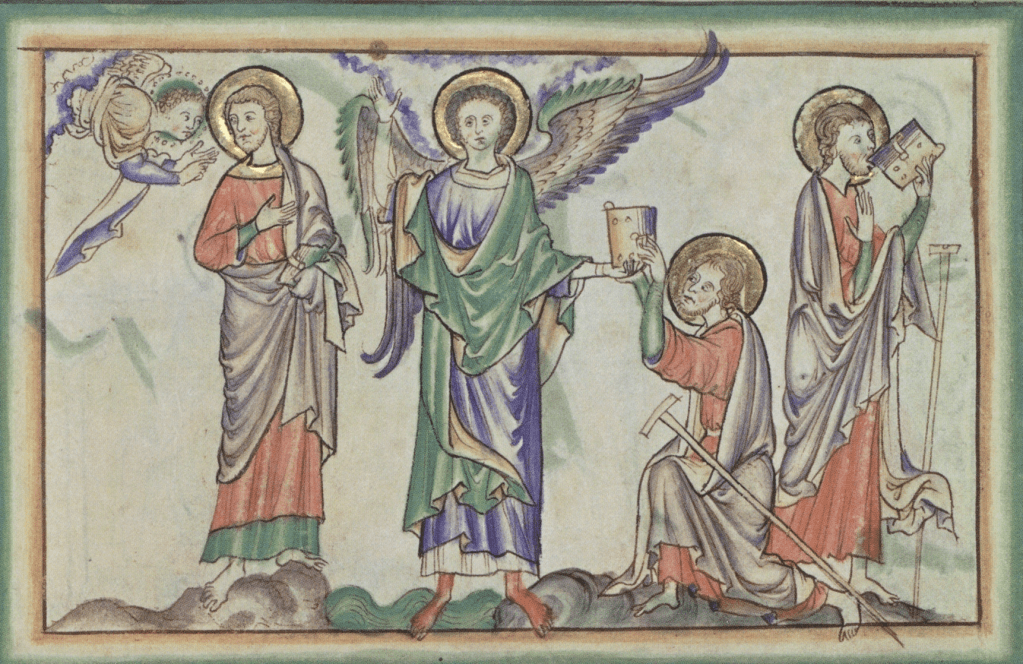
- My first research question in entheogen scholarship was the book of Revelation chapter 10, angel-given, eaten scrolls that give visions, which I was happy with Heinrich having solved/identified; I agree with Heinrich’s 1994/1995 book which I read in 1999, that the eaten scroll of Revelation 10 refers to Amanita.
- The Holy Grail refers to the upturned Amanita.
- Those are my best photographs, of a rain-pool pair of Holy Grail Amanitas.
- It was particularly valuable that my photos of Holy Grail prove that the Dionysus Triumph leopard fountain is upturned Amanita.
Those are the ways I’ve been “part of the problem”, of being almost too positive toward Amanita, instead of my recent, principled, better-centered focus on Psilocybe in Greek & Christian history. -mh]
Picture of Eating Scroll, of Revelation/Ezekiel, from John Rush
Mushroom in Christian Art, Chapter 3
John Rush
http://www.clinicalanthropology.com/mushroom-in-christian-art/mushroom-in-christian-art-chapter-three/
Rush’s comment: “The Angel Gives John the Book to Eat, Douce Apocalypse, 1265-1270 CE Notice the angel represents the stalk of the mushroom-cloud from which he or she emerges, and the celestial erection in John’s cape once he eats the “book.””
My Amanita Photos

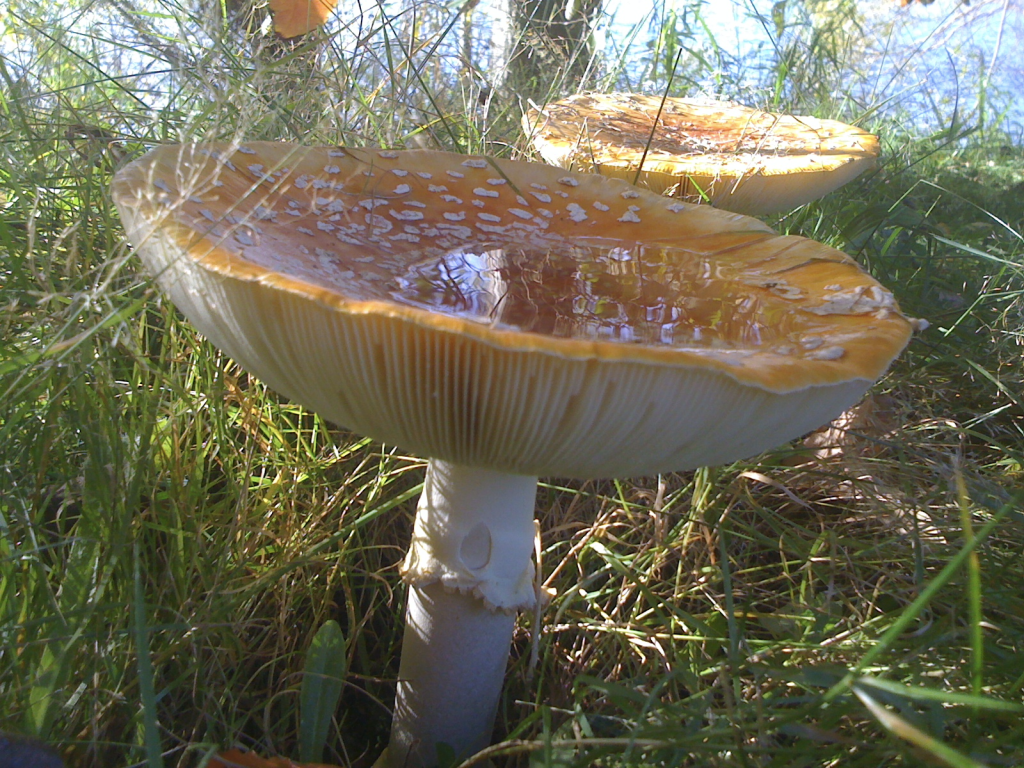

IMG_3638.JPG
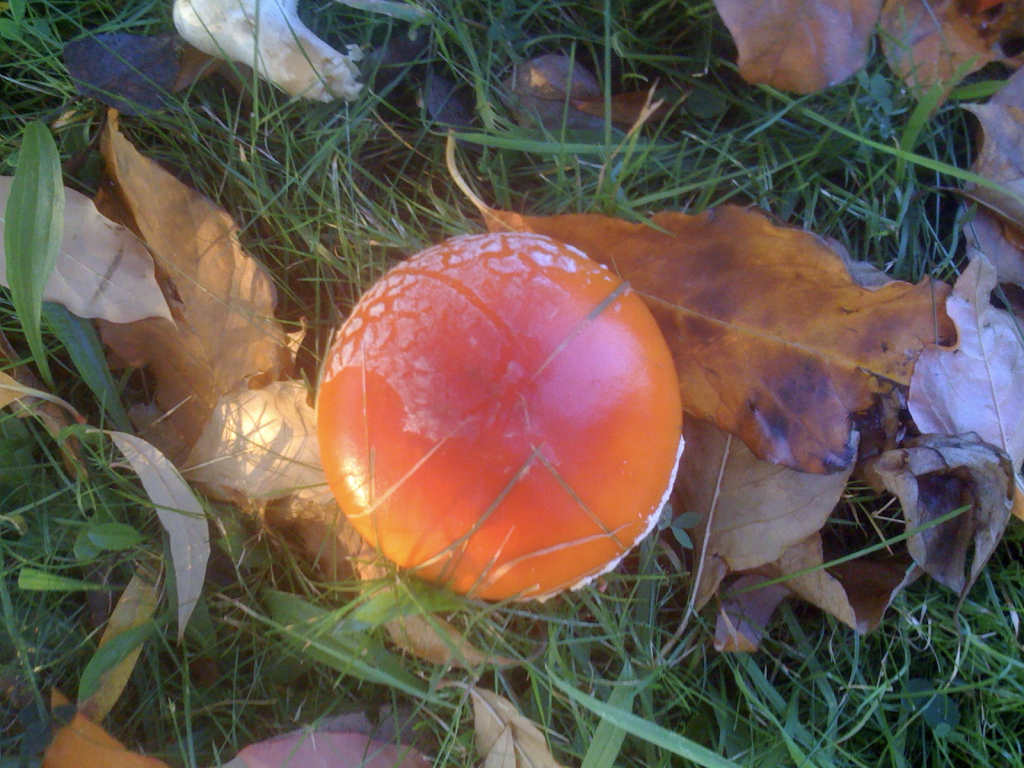
IMG_3647.JPG
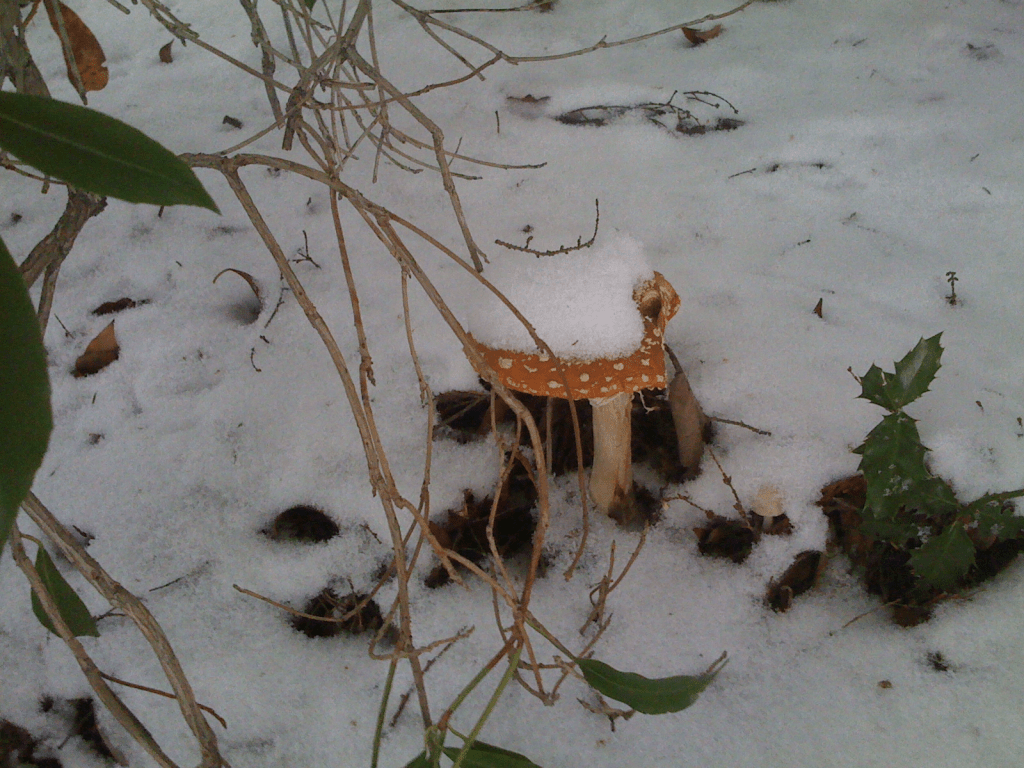

IMG_2558.JPG

IMG_2452.JPG
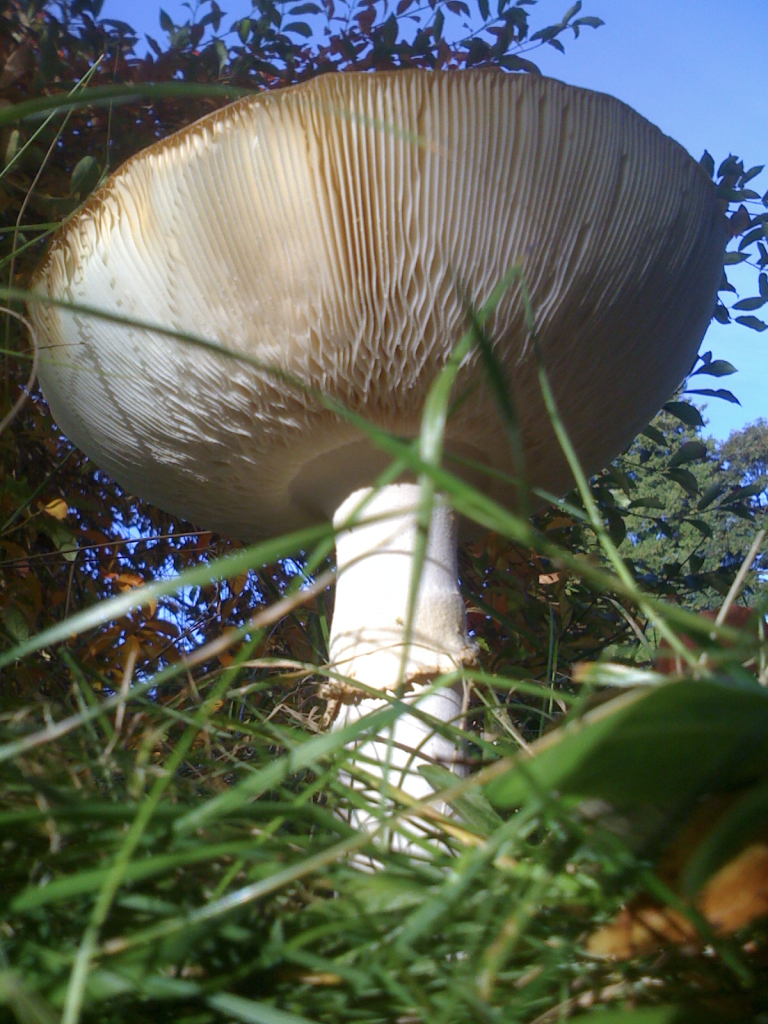
IMG_2149.JPG
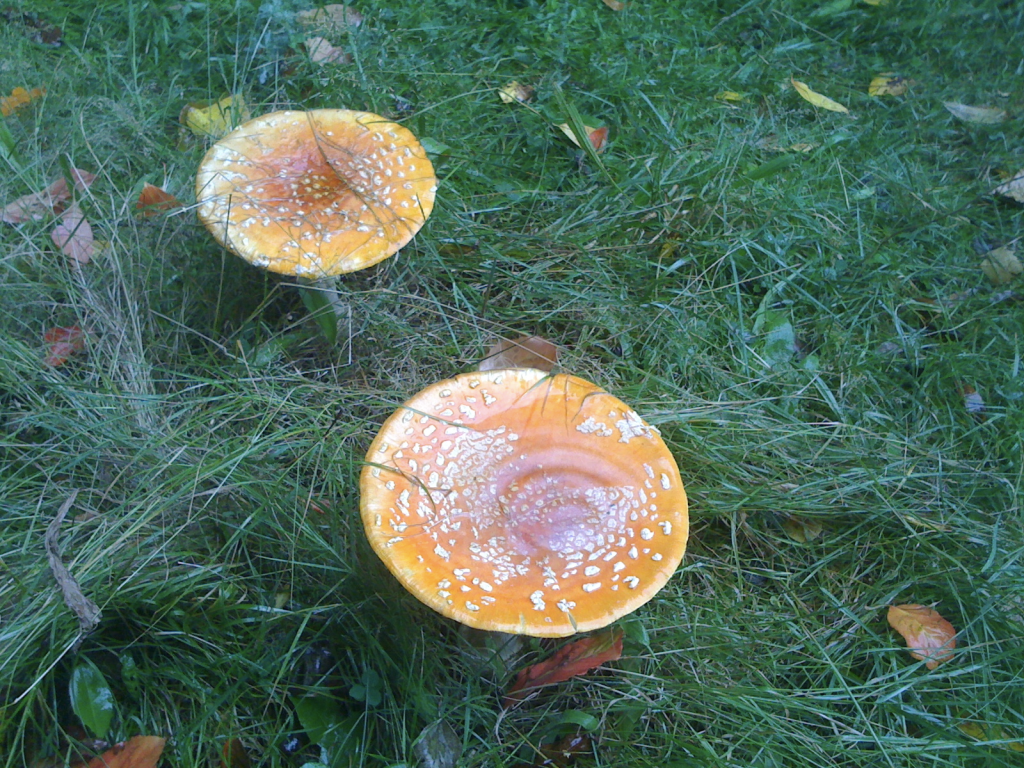
IMG_1977.JPG

IMG_1856.JPG

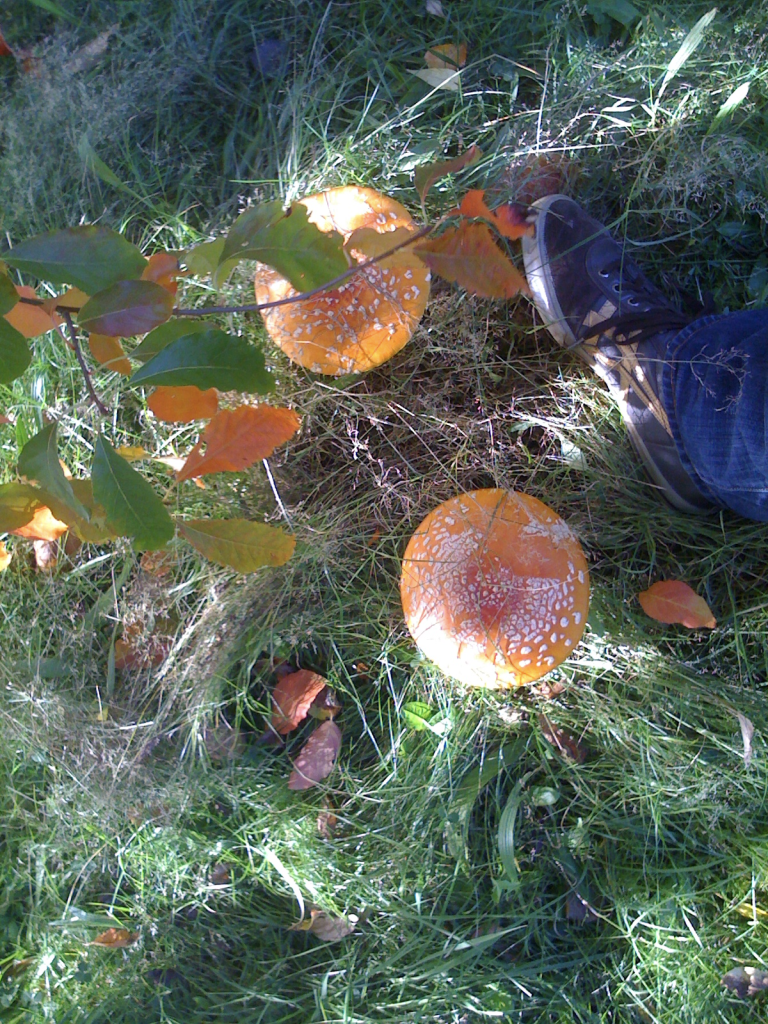
IMG_1800.JPG

IMG_1803.JPG

IMG_1789.JPG
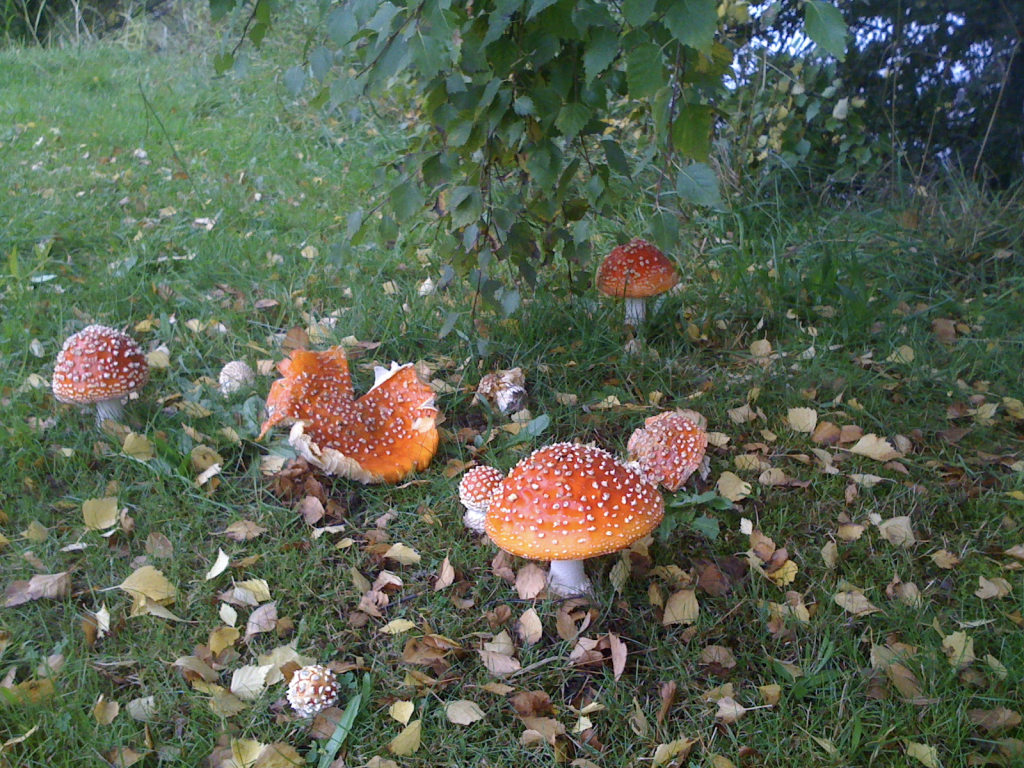
IMG_1758.JPG
The Mytheme: {Holy Grail grants Immortality}
49:00
At 1:09:00 in episode 8, Kent re: identifying mushrooms in Christian art is specifically need to identify what The Holy Grail refers to. Some says upturned Amanita, immortality.
Kent mis-argues that “Amanita only gets you high for a few hours, it doesn’t grant you immortality; therefore Amanita cannot possibly be the real Holy Grail.”
49:41 immortality is related to eternity.
Experiencing timeless eternity in the altered state (loose cognitive binding), IS produced by Amanita, disproving Kent’s argument. eternalism.
Point of view where the mind sees that everything has already happened; the 4D block universe.
The Egodeath theory clearly explains experiencing eternalism/ immortality/ eternity.
Regarding the mytheme {immortality}, Kent’s mytheme-illiteracy prevents him from thinking clearly about evidence.
Kent’s blindness to meaning-flipping. 2-level meaning of religious texts.
There are various meanings packed into {immortality}.
Kent fails to define what he means by “immortality”.
Literalist, lack of critical thinking about meanings; Kent uses unstated presumption, thus literalism and the single-meaning fallacy.
Kent fails to define what he means by the terms that he denies.
Kent repeatedly says “x is false” but doesn’t define ‘x’.
51:55
Cyberdisciple lists meanings of {immortality}, rattling off several off top of head, while Kent doesn’t even TRY to define ANY such meanings.
Kent’s thinking typifies literalist (ordinary-state possibilism) thinking. Failure to have Poetry Consciousness, which is a REQuirement to interpret.
Kent is OUT of the field of religion-interpretation, becasuse he’s literalist, and he assumes the audience is all literalists too.
Literalism the only mode Kent is able to think in.
Brags About Adherence to Scientific Method, Yet Fails to Use Scientific Method Competently
55:00
Kent brags about “the scientific method” — in a regressive way; he uses very brittle reductionist OUTDATED mode , caricature, of “scientiific”.
Kent is regressive, NOT scientific. the Egodeath theory is definitive of the actual Scientific method.
If Kent Were Actually Progressive and Scientific, He Would Study the Egodeath Theory
55:20
the Egodeath theory precisely fits/solves/addresses Kent’s complaints about Pop Sike eg dark side.
56:20
Paranormal is criticized — the Egodeath theory same, provides better, metaphor interpretation.
So it’s completely ridiculous to say the Psych Community is regressive yet ignore the Egodeath theory. for psychedelics to move ahead.
Block re: explaining religion, Kent’s hangups, instead of UNDERSTANDING religion.
Kent Wants to Destroy Religion, Not Understand Religion
58:00
59:00
ppl aren’t dealing w/ these questions
59:20 if you believe in progress, you have to recog that the conditions — egoic scienfitic methods — is just 1 stage of progress. rationalistic scientific way of thinking. “highly evolved state” Kent is thinking of, is actually, immature undeveloped egoic.
Kent talks of evolutionary states, yet he dismisses higher knowledge as hallucination. and glorifies egoic reductionistic type of scientism.
Kent fails to consider Loose Cognitive Science (which the Egodeath theory enables and is the requisite, mandatory gateway for), even though his book (which he doesn’t mention) is neuroscience.
The DARK SIDE AND PSYCHEDELICS WILL keep coming up, against Kent’s emotional wish for them to just go away.
We can’t keep trying to shut out self-control loss, the religious altered state (loose cognitive binding) and shut out the death of possibilism-premised model of self and world; those factors will keep coming up, bursting in (due to the innate structure of the mind); Kent tries to the shut the door again on the religious effects of psychedelics.
Max: Kent emotionally says, wants to shut out this barrage of interest in religious use of entheogens, “Just stop talking about sacred mushrooms, they’re not sacred!”
Cyberdisciple: “Kent’s immature.”
1:02:30
Max: “I lost interest; Kent’s content is not worth critique.”
/ end of discussion of Kent
Jan Irvin had a very similar trajectory: he was all pro- Pop Sike, then flipping against it. “I don’t take his line of thinking seriously.”
“Kent has a more earnest attempt than Irvin to critique & deal w/ Pop Sike inadequacies.”
“I always wanted to not end up being like that, flipping against psychedelics. after 10-15 years, the Egodeath theory , the religious significance of psychedelics.
By breaking down Kent’s argument, I can avoid that trap.”
1:05:13
Cyberdisciple: “We have sympathy with Kent’s critiques of the over-inflated “selling” of Pop Sike.
Max: “Healing” is oversold, that leads to disappointment, which is not healthy for… which is a danger in the ‘psychedelic community’.
“parallel: Kent talks of the inevitablity of Western culture abandoning psychedelic ritual. He’s actually describing himself.
Why Transcendent Knowledge Is of Highest Value
Why Psychedelics Are the Most Valuable Thing
See my WordPress page:
Why Transcendent Knowledge Is of Highest Value
MH never bougtht into Pop Sike and conflated that w/ the true value of psychedelics; figured out for himself the true value of psychedelics.
1:08:29
1:09:21 “Benefits”
1:10:30 wrmspirit discussing “benefits”, Cyberdisciple’s comment on a WordPress post thread. Rock lyrics.
1:11:30
Benefits of Psychedelics
- having that eternalism experience of switching mental worldmodels, makes clear the limits of the egoic control system , the limits of its logic.
- brings peace and light to understand.
- brings terror, so that:
- coming out the other side is a kind of peace.
- Cyberdisciple never gets angry any more.
- His laundry is whiter than when egoic thinking.
- He now sits on a cloud unperturbed.
- Birds & butterflies fly to him.
- He can never be moved; unmovable, unshakeable; rock solid.
Cultural Integration of Initiation, Coming-of-Age Ceremony Connected with Psychedelic Experiencing
Initiation in Culture; Cultural Integration of Initiation, in Multi-State Post-Modernity Cutlure. Look for that in religion.
1:16:00
Initiation and its cultural place.
1:17:30
Baptism of youths, and bar mitzva ceremonies, develop in conjunction with … Baptisms in an earlier era were meant to reflect psychedelic experiencing, so that later the ceremony would be understood in retrospect, as connected with psychedelic experiencing.
1:18:02 – end

 The Egodeath theory