brief update May 16 2022: Browns’ motivation for leveraging the tapestry was to try to fabricate distance between the psychedelic gospels theory vs Irvin [of Gnostic Media 2011 era] (per Hatsis targeting Irvin’s then project of broadening of Allegro).
But in fact Brown 2022 = John Rush 2nd edition February 2022 = the Maximal/Normalcy entheogen theory of religion.
Next coverage topic of the Egodeath theory:
In what exact way did the Church “affirm” & “deny” mushrooms?
The situation of theory positions/ positioning has changed a lot since April 26, 2019 when Brown submitted the article to the Journal of Psychedelic Studies special issue, which became available online September 2019.
uploaded my discussion Episode 141, final third, May 16, a terrific presentation of:
the Principle of Artist Responsibility
/ end of May 16 note
NEVER TRUST AN ENTHEOGEN SCHOLAR

Egodeath Mystery Show ep140c defines the Principle of Artist Responsibility.
The Principle of Artist Responsibility
If the image forces an impression of mushrooms on the viewer, then the artist knew and chose to force the viewer to have a mushroom viewing experience and therefore the image means mushrooms and represents mushrooms.
Principle of interpreting mushroom imagery in Christian art:
If an artist would certainly acknowledge that their image gives the viewer the impression of a mushroom, then by definition, the art “means mushroom”, and the image “represents mushroom”.
This is the way of sense, Reason, sensibility, and sanity. To deny the above is insanity and madness and a pretextual bluffing & denial of the self-evidently obvious.
If an image in Christian art looks like mushrooms, then instantly, by definition & inherently, the image “means mushrooms” and “represents mushrooms”.
This is the viable definition of what it means for an image in Christian art to “mean mushrooms” and to “represent mushrooms”.
The only alternative is the insanity of claiming that the artist had no idea that the image that they created forces upon the viewer the impression of mushrooms – this is insanity & madness & sheer brazen manifest nonsense.
– Cybermonk
Brown’s Paradox
this is hilarious – I’m recording an episode of the Egodeath Mystery Show, reading the Section Called “Ardent Advocates”, Ardent enthusiasts, where Brown brags about deleting mushroom evidence and lectures us about the importance of fieldwork
and I expose Brown for deceiving the reader and misrepresenting their fieldwork in the article as contrasted with the book where they clarify that they actually in fact did not travel
i expose their foolish decision not to travel in person due to their own poor interpretation of data on the internet & photos taken by others
they decided not to do field work
i expose the bad, academic pressure conformity reason – they try to appear compromising- why they pick this tapestry in the section where they lecture about the superiority of their “sound, tried & true historical methodology, which easily explains away” false claims of mushrooms in Christian Art, just like Thomas Hatsis brags about
fck it, I am going to copy this photograph from Julie M Brown’s article without giving her credit, because in fact this photo was not taken by Julie M Brown; she was never there:
Photo Credit: NOT the indefatigable Julie M. Brown, who couldn’t be troubled to travel the extra 6 miles to do field work to see this 🍄-lookin Christian art firsthand. “Courtesy of the Abbey of St. Walburga”
Book quote from the psychedelic Gospels page 153:
“We would rent a car and drive to see a tapestry dedicated to Saint Walburga. Her relics exuded a miraculous healing oil which drew people to the Abbey. this white bulb [in a photo taken by someone else] is serrated all over with regular grooves. That’s not a mushroom she’s carrying, but a white vial with a red top, probably holding her healing oil. An Internet search turned up other photos of Saint Walburga holding mainly vials made of bronze or brass. You just saved us from traveling to the wrong place.”
The Browns posture & show how they, too, are good at dismissing Mushroom imagery in Christian art, on the strength of their excellent example of the tapestry.
Will you let us in your club now, the Moderate entheogen theory?
(which is the Minimal entheogen theory, which is the Suppression Assumption paradigm of entheogen scholarship, which assumes minimal presence of mushrooms in Christianity.)
the Browns use the tapestry as an example of why it’s so important to do field work and travel in person first hand to see a clear look at the imagery directly with your own eyes, unlike the blurry images used by Irvin & Rush, the screen-bound ardent advocates.
except there’s a whole set of massive problems with this
the problems go on and on
how can I even summarize
for one thing, they don’t actually say that the reason Jan Irvin asserted this is amanita is because of low resolution blurry images
and they do not say that the reason why they had a better interpretation of the tapestry is because they had a clearer image
The book, but not the article, reveals that they did not travel in person, yet the entire point of this article section is why, to do accurate Interpretation, it requires that you see the art firsthand.
Neither Brown nor I have seen this art firsthand, and I correctly interpret it based on my reading a printed book by Clark Heinrich (and possibly by my fieldwork looking at Amanita specimens)
My superior, correct, compound interpretation:
The tapestry depicts a vial that’s designed to look like Amanita; = to give the viewer the impression of 🍄
My superior, correct, compound interpretation was not due to firsthand viewing the tapestry, but to a more sound and less biased and prejudiced handling of the imagery than the Browns.
Even worse than the Browns’ horrible error regarding the serrations, is the Browns choosing to commit to the ridiculous, obviously false theory of art interpretation, that an image could not mean two things, which is purely a prejudiced approach, is a flimsy excuse fabricated and invented purely to out of prejudice appear to explain away the problem data that presents a problem for the deniers and the Salvation Salesmen
The Browns are participating in this flimsy pretextual excuse to dismiss and deny the obvious mushroom impression that this tapestry objectively forces upon the reader, and the artist damn well knew it, and it’s insulting for the Browns to deny that.
The foul motivation of the Browns for pushing this load of malarkey, this preposterous denial that mushroom imagery means mushrooms, is complicity in Prohibition, and virtue signaling to the evil enemy, saying “we’re willing to lie right & feed people pretexts along with you, to tell falsehoods, lies, and make up specious, obviously false argumentation, just to make ourselves look good in your corrupt eyes.”
We’ll push this obvious fallacy of the single-interpretation fallacy, in order to purchase the surface appearance of credibility and put on a great display of compromise & show that we’re willing to push corrupt reasoning, a flimsy excuse PRETEXT that we know is specious baloney, to deny and delete art evidence based on the single-meaning fallacy:
The tapestry looks like both a vial and a mushroom, and “therefore” it must represent only a vial, and cannot also represent 🍄
😑 😒 😏
wink wink – insincerely, brown and brown.
can we please join your club now?
a distinct problem is that the book says that because of the serrated base in the tapestry they decided to not do field work
The Browns decided not to do field work, in the case of the 🍄-lookin tapestry, based on their internet research, combined with the strength of their superior 🍄 imagery interpretation skills.
in the article versus the passage in the book – well you have to read both the passage & the book to piece together all of these face-plant huge errors that the Browns commit.
it’s quite embarrassing, so don’t draw any attention to this big much bigger fumble than I realized
No wonder Brown paid attention when I first wrote a webpage about Thomas Hatsis’s book psychedelic mystery traditions here at EgodeathTheory.wordpress.com and I contacted Brown about the serrated base, no wonder he paid so much attention because:
my god, there is about seven big problems with the Browns’ treatment & employing of this tapestry!
it’s very embarrassing, so don’t draw any attention to it
because of the [supposed] strength of their correction of Jan Irvin regarding this tapestry, they decided to not travel and they decided not to do field work but YET they decided to include this tapestry as their main exhibit, their only image, in the section where they battle against those people who see too many mushrooms in Christian Art, the Ardent Advocates, the “ardent enthusiasts”, who see too many mushrooms because they don’t do fieldwork to see art firsthand, unlike the Browns, who do fieldwork to help them accurately interpret & then rightly reject 🍄 identification in 🍄-looking Christian art.
this vial/tree does not mean a mushroom: 🍄
this does not mean a circle: ⭕️
there are several angles on this; there must be at least five major errors
one major error:
Uniquely and only in the case of identifying mushrooms in Christian art, scholars use a special fallacy that’s invented specifically regarding interpretation of mushrooms in Christian art, and the Browns fall – or willingly & complicitly cast themselves – into that pit headlong. 😵
Only in the case of identifying mushrooms in Christian art does anybody ever argue that “if item X in poetry or item X in art both looks like A and looks like B, then we must interpret the item as only meaning A but not also meaning B.”
Only in the case of mushrooms in Christian art – and psychedelics allusions in Rush lyrics – does anybody use this fallacious reasoning, this PRETEXT, this insincere travesty of poetry/art interpretation.
The single-meaning fallacy is only committed in the case of mushroom imagery in Christian art.
In no other topic would anybody buy into the single-meaning fallacy of poetry interpretation or art imagery interpretation.
together with Panofsky
Erwin Panofsky argues that mushroom trees look like trees and mushrooms, therefore they must only mean trees, and they must not also mean mushrooms.
and Brown shows how he can keep up with the liars, pretext pushers, and that he too can commit the same fallacy & put-on posturing pretext, in the case of the tapestry:
This is the single-meaning fallacy, which nobody would accept in any other subject other than trying to “easily explain away” mushroom imagery, specifically.
the item looks like a vial and looks like a Amanita, “therefore” the item means (only) vial and cannot also mean 🍄.
😑 😉
And Brown uses the serrated base argument (an argument not at all involving blurriness of images) to explain why they decided not to do field study and not to go look at the tapestry firsthand, YET because the tapestry is such a great example of the Internet Scholars working from too blurry images… – but oh wait, that’s not the reason Brown gives for you Jan Irvin’s misidentification of the tapestry.
Brown does not claim that Irvin’s misidentification of the tapestry was due to working off of a too-blurry Internet image and failing to do field work to look first hand.
The article intro brags about providing fieldwork evidence.
Julie M Brown photo credit, for example the tapestry – oh wait , the caption in the article reads “image courtesy of church people”
Church People, please provide us with the image, because we’re too lazy to travel the extra 6 miles to see your non-Amanita 🍄-looking vial held by the saint.
could you please send us a blurry picture over the Internet, because we’re too lazy to do fieldwork – signed Jerry and Julie M Brown
don’t worry, we’ll give you photo credit for your photograph that you’ll send us over the Internet.
we can’t be troubled to go to see first-hand your stupid tapestry that looks like amanita ourselves, but we’re going to use & abuse your artwork to “easily explain away, through sound tried & true historical criteria” mushrooms in Christian art, because that’s going to make us look good, and make us look compromising, and send a message of “look how compromising we are; we’re willing to delete Mushroom evidence from the database.
“please join our committee for the database to show how we do such a great awesome interpretation and you can count on us because we’re really good at deleting mushrooms from the online art database”
for example, let’s delete all images that have a serrated base, because that doesn’t match Amanita, which has a smooth base.
Unlike those Internet scholars, we are going to do fieldwork and travel all the way to our database catalog of online Internet database so that we can do a better job of interpreting than these slacker Internet scholars like Jan Irvin who never get away from behind the keyboard and screen.
for example, look at our fieldwork we did: during our fieldwork trip, we decided not to do field work, and not to go to the trouble of traveling the extra 6 miles to see the Amanita-lookin tapestry, but we’re gonna write a section in this article called “Wasson’s Paradox” criticizing him for failing to travel the extra 6 miles.
🙃 😅 🤡
NEVER TRUST AN ENTHEOGEN SCHOLAR
So Brown, you’re saying that your one and only exhibit to prove why the blurry Internet scholars are wrong, relies neither on blurriness nor on field research, and this one and only image in that section against the Ardent Advocates is not, in fact, a fieldwork photograph from Julie M Brown, because as explicitly stated in the book, and falsely deceitfully implied in the article Through evasive language “while we were on our trip we realized”-
this is deceitful, misleading language, and the context of formatting in the article is an attempt to deceive the Article reader, to rhetorically misrepresent, & mislead the reader, to persuade by lies of omission, just like that liar Wasson who censored the pair of Panofsky letters
Quote from the article – I’m reading it I am holding in my hand looking at the Browns 2019 article printout firsthand right now and I’m quoting:
“During our research trip to Germany we realized [while looking at a photo by someone else, who was there in person, unlike us] that Saint Wahlburga was not holding a mushroom but a vial containing healing ointment, as confirmed in numerous other artworks [which we saw via internet] and accounts of her life (Figure 18).”
underscore & [] added by Cybermonk
That is deliberately deceptive wording and rhetoric.
this photo was not taken by Julie M Brown from firsthand viewing the tapestry; fig 18 was provided by church people, and was probably emailed over the Internet, which exactly counters the specific message and framing which is the whole point & argument of this section.
Is the reader expected to critique this passage and defensively read it side-by-side with the clarification against the section in the book ??
what kind of a weird person would do that?
The only way you will not be misled by this misrepresentative wording is if you also put the book side-by-side with this passage of the article.
only some crazy theorist of in-depth obsessive kind of person who would make 20 podcasts and 15 webpages in-depth critiquing Panofsky letters, only that sort of a nutjob would be positioned to realize – ?! hold on here – compare the section against the book – they didn’t even travel to this tapestry to see it firsthand!
and yet that’s how they’re trying to foist off this picture that they didn’t even take, in this dishonest, deceptive, posturing, misleading article!! 😡
NEVER TRUST AN ENTHEOGEN SCHOLAR
the Browns did not in fact do any field work, in the case of the St Walburga tapestry, which they use as their one and only exhibit in their section “Ardent Advocates”, which exists entirely to make the point of having to view work in person and field research in order to make superior Correct Interpretations.
everything about the framing and positioning of this picture is deception, is deceptive and deliberate misleading the reader, and an abuse of this Christian art.
and Thomas Hatsis talks about that we entheogen scholars need to keep up our reputation and be credible, and talks about the importance of being credible
but here is Dr. Brown trying to mislead the article reader, which is what Gordon Wasson consciously and deliberately tries to do all the time, as my more in-depth critique of the pair of Panofsky letters exposes.
Brown tries to force the second letter to make Panofsky assert that planecrawled is Amanita.
If Brown celebrates my expose of Wasson, which goes many times deeper than Brown’s questionable interpretation of the letters, Brown had better be ready for my expose of Brown’s own deceitful writing & pretexts too 🤨
and exposing of Browns’ corrupted, specious, compromising pretexts to delete 🍄 from the Irvin/Rush database
what was that again about credibility that Hatsis said? – and Brown claims to have better credibility than Hatsis?
NEVER TRUST AN ENTHEOGEN SCHOLAR
and I guarantee for whatever reason: for one reason or another, I guarantee that if the Browns had followed their own hypocritical advice, if they had done fieldwork, I guarantee they would have concluded the poetic truth, that obviously if an item looks like a vial and a mushroom, obviously the item in art means a vial and it also means a mushroom.
they would have concluded that if they had done fieldwork which they are bragging about left and right, and they even use this image to give the false impression that they did field work
they strategically choose to misrepresent this image to give the poor article reader the false impression of having done fieldwork
for example, below the picture in the article, Brown continues to lecture the reader about the importance of doing field work – but the caption reads not “photo credit Julie M Brown”; the caption reads “image courtesy of church people”
– thx 4 emailing it over the internet so we can look at it on our computer screen without having to go to the trouble to travel the extra 6 miles in person to see your stupid mushroom-looking tapestry, and this will be great ammunition to show people how compromising we are and how ready we are to delete mushrooms from the art database
please be friends with me now, Dr. Secret Amanita committee
because in this section which lectures, the whole point in the section is to lecture people about the importance of not relying on blurry Internet images, and about the importance of doing field research
the article at the beginning brags about providing photographs from field research
in every way this image is used to argue why Brown’s method is superior to the mushroom Ardent Advocates approach
why did Brown decide to use the, to misrepresent this picture as the one and only exhibit for the superior merit of their fieldwork approach?
they decided to misrepresent this picture, where it came from
Because the picture is such a great example of Jan Irvin’s failed attempt to interpret this picture as a Mushroom –
just one little problem, the Browns use the single-meaning fallacy, combined with an incredibly bad error which is committed in the book but not spelled out in the article, but the entire reason why they decided not to do field work is because the tapestry has a serrated base; in contrast, Amanita specimens have a smooth base, as anyone can plainly see in these two children’s books:
observe with your own eyes the smooth base of the baby 🍄 and the mommy 🍄 in these two children’s book front covers:
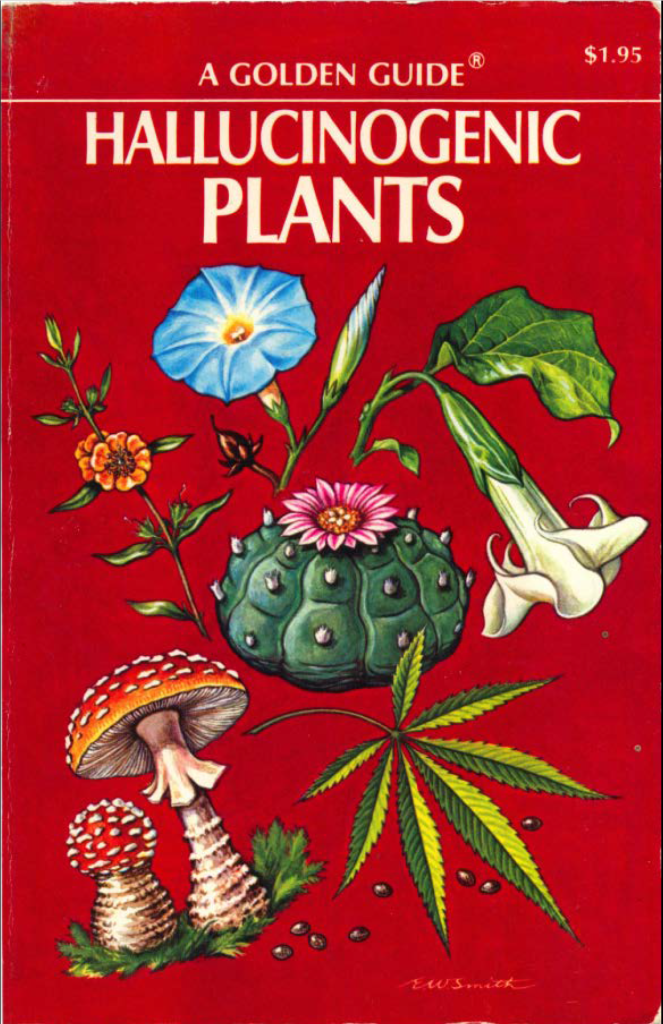
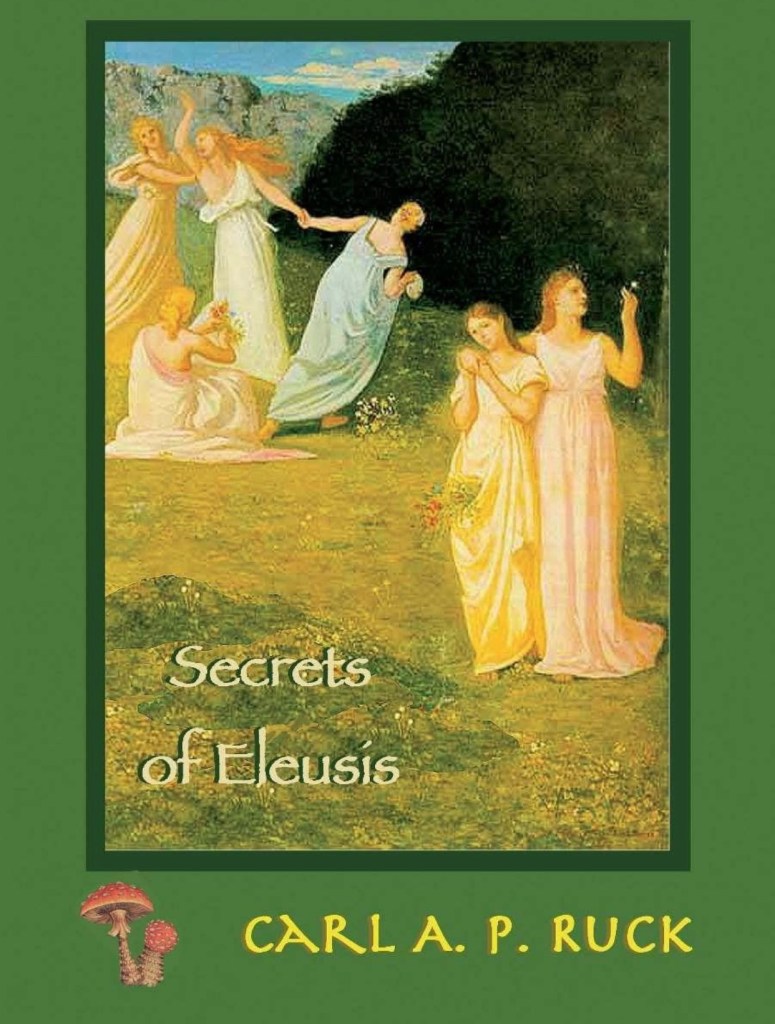
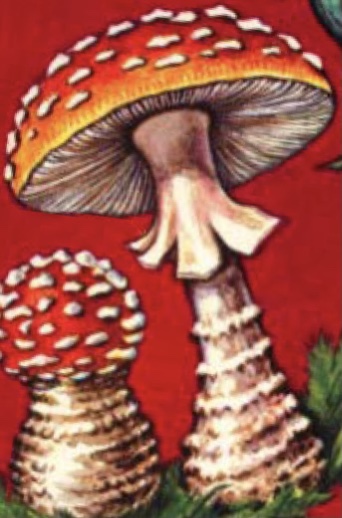
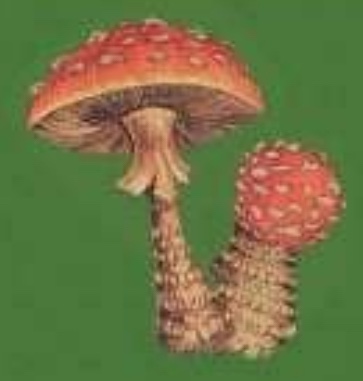
scientific drawings of 🍄 showing the clear lack of any serrations on the base bulb. So if a tapestry shows serrations, this means you should not do fieldwork, because there’s no way that that tapestry could possibly mean or give anybody the impression of amanita, and the artist would be shocked, shocked! if you said that this image gave you, forced upon you objectively, the impression of 🍄
in fact this superior, savvy Brown interpretation of why this mushroom-looking image in no way means or represents mushrooms, is such a good example of why you must do field work, like we do, that we’re going to use this photograph, provided not by Julie M. Brown, but by the courtesy of church people who are there seeing the tapestry firsthand, as our one and only exhibit in our section where we lecture against the mushroom advocates who commit the fallacy of seeing mushrooms everywhere.
Using this tapestry, we’re going to prove the single-meaning theory of poetry (that is uniquely employed only in the case of mushrooms in Christian art) that if an item looks like one thing and also looks like a mushroom, it must not mean mushroom, and it must only mean that other thing 😑
😑
this is how the Browns, just like Thomas Hatsis, “easily explain away through sound, tried & true historical criteria” – and “fieldwork”; ie by not doing fieldwork to correct the mistake and misimpression of those who are “too enthusiastic” and see too many mushrooms in Christian Art –
like Jan Irvin who misinterpreted the tapestry because Jan Irvin failed to do field work because he never leaves his computer screen & goes to library, unlike the Browns
and Jan Irvin misinterpreted the tapestry because he had a blurry Internet version in contrast to the Browns went in person
so that Julie M brown’s first-hand photo of the tapestry …

photo credit: Not Julie M.Brown, Because she couldn’t be troubled to travel the extra 6 miles to do fieldwork.
Thank you church people for sending me this photo over the Internet so that I could look at it on my computer screen and misinterpret the clear serrations on the base in order to “easily explain away through sound tried and true historical Criteria” mushrooms in Christian art.
this will make a great exhibit for our section where we lecture against those Internet scholars who work off blurry pictures off the computer screen instead of doing fieldwork like we do.
thanks from Germany, just 6 miles away from your stupid non-mushroom mushroom-lookin tapestry! – the Browns
… The Browns travelled to the tapestry so that Julie M. Brown’s camera could be brought within a few feet of the tapestry and that their eyeballs would be there while standing slack-jawed and scratching their head, asking:
how am I going to pretend to fabricate a phony pretext to pretend that this image which forces you to think of amanita doesn’t mean amanita, and that the artist would be shocked to think that anybody would ever cross their mind of amanita when looking at this image?
how am I going to foist a load of baloney onto people to appear to easily explain away this mushroom-lookin imagery in Christian art?? 🤔 tough interpretation problem I’ve got here
just like Wasson standing slack-jawed scratching his head in front of the planecrawl fresco, so did the Browns go travel to the tapestry, so that they could become “expert field researchers” , unlike Jan Irvin, the blurry Internet scholar who never leaves his computer screen & travels to library, the Browns themselves as experts 😲 stood first hand slack-jawed scratching their head, eyeballs within 3 feet of the tapestry – in fact her eyeballs went 3 inches away from the tapestry!
👁🖼 🚫📷 🚫💻
and her camera went right up to that tapestry and she saw with her own eyeballs that that vial, because it looks like a vial and it looks like a mushroom, therefore it cannot mean mushroom, and must exclusively mean vial, and there’s no way that Jan Irvin could’ve realize this great truth of the single-meaning theory of poetry Interpretation, to “easily explain away through sound tried and true historical criteria” of eyeballs within 3 inches of tapestry, and that’s why some especially ignorant craftsman Jan Irvin laboring under the delusion made his blunder of misapprehension, because the image he had was too blurry –
– except that none of the above is what the Browns argue.
The Browns do not say that Irvin made his mistake in this case because of working with a blurry image instead of seeing the artwork firsthand.
the Browns do not say that they traveled – in fact, hidden away from the article readers, in their book, they say that they smartly did not travel, they did not do field work, but they instead leveraged photographs provided by other people who were there at the tapestry, and that they used pictures on the Internet to make the smart decision to not do field work.
the photo credit is not Julie M. Brown – PLEASE DON’T NOTICE THIS EXTREME, FUNDAMENTAL SELF-CONTRADICTION at “Courtesy of” in the caption of Figure 18.
The Browns are hypocrites and they picked the wrong example in five different ways
they major faceplanted and tried to deceive, misrepresent, omit, & foist to mislead readers of the article, to convey the misleading misimpression that they traveled to see the tapestry firsthand, when in fact the book says that because of the serrated base, they decided not to do field work
but nevertheless, they’re going to use this tapestry as an example of the importance of why you must do field work.
PHOTO CREDIT NOT JULIE M BROWN, BUT CHURCH PEOPLE
Julie M. Brown failed to do field work, because she failed to interpret Internet scholarship correctly, and the Internet scholars who never leave the computer screen or read Strange Fruit 1994 book did a way better job than the Browns did in interpreting this tapestry.
the Ardent Advocates didn’t strain and strive to fabricate a flimsy, transparently obvious pretext and try to push on us this pretext, that artists depict imagery that looks like mushrooms in their art, and they don’t realize it.
what an insult, get the hell out of here, “this mushroom-looking image does not mean a mushroom” – oh fcking bullsht, Browns!
get this prohibitionist bullsht pretext flimsy sorry excuse out of here!!
who side are you on?
what an obvious lie
nobody believes this
how can you insult us, trying to get us to swallow the same pretext phony flimsy excuses to explain away the self-evidently obvious – as if the artist had no idea that this image forces on viewers the impression of 🍄 – insultingly preposterous!
what exactly are you asking us to believe in your pretext malarkey, spell it out for us, own up explicitly to your load of horsesht you’re trying to foist on your readers:
you’re telling us you expect us to believe that the artist had no idea that this image forces on the viewer the impression of an Amanita.
get this complicit Prohibitionist bullshiite the hell out of here, Browns possessed by the lying devil!
Satan, I command you to leave the Browns, in the name of Jesus Christ.
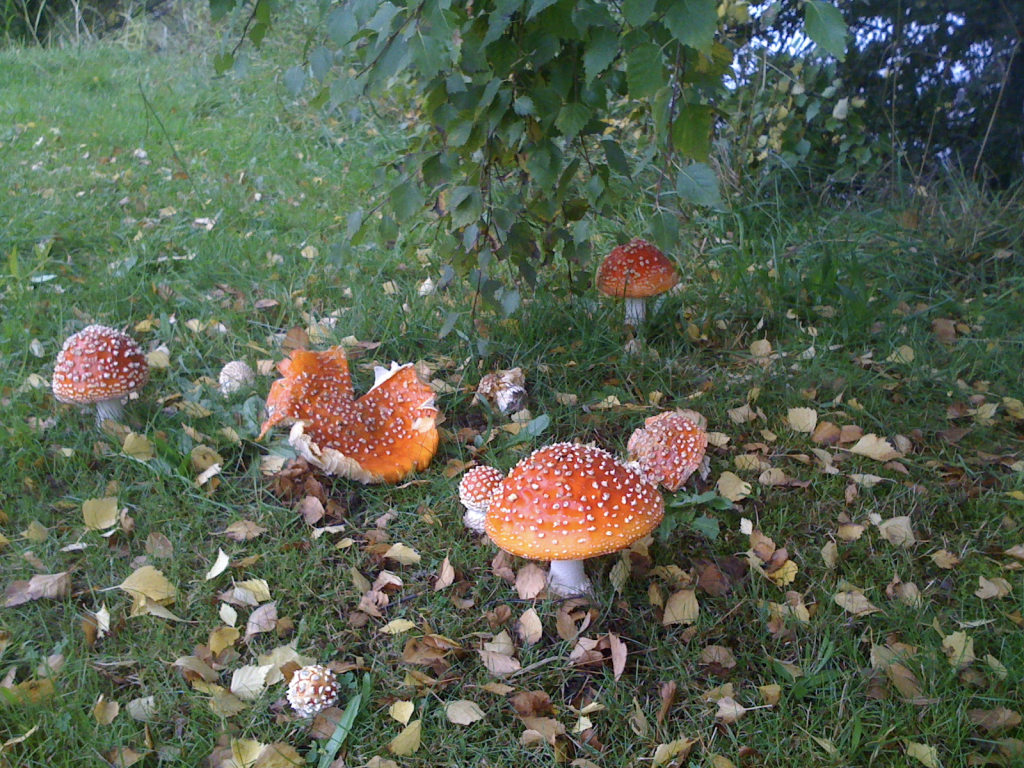
Photo Credit: Cybermonk 10:10 a.m. 10/10/2010, who actually does field work, unlike Julie M Brown in the case of tapestry, bc if art means vial, it cannot also mean 🍄, yet who uses tapestry to lecture against mushroom enthusiasts why they ought to do field work like she does

So no wonder now it is no wonder any longer why Brown was so attentive when I pointed out the huge blunder about the vial.
this is the Browns’ Paradox.

 The Egodeath theory