Topic: Methodology in the field of history of Western Esotericism.
Against “Essentialism”: An Argument for Dismantling a Dubious Category
Like negativity-driven critics, who risk worshipping pure destructiveness as their god, I too have many criticisms about various notions in academic history.
Category construction and generalization are not inherently bad; we just need to do a good job of it.
If you say (as bad academics did) that the essence of a religion is, how close does it look like Protestantism?, that of course is incorrect, poorly conducted essentialism.
Just because one can pick off-base, incorrect candidates for the defining essence, that does not mean that it’s always wrong to identify the essence of something (such as gnosis, or the “shadow” in psilocybin experiencing).
I’m skeptical about the utility and relevance of the term ‘essentialism’.
You might as well condemn the idea of a dictionary because each entry is inherently imperfect and overgeneralizes.
It’s a fools’ game to destroy every possible assertion as “the error of essentialism”.
It is mere self-promotion via namecalling.
I criticize everyone, therefore I am superior to everyone.
Hanegraaff tries to protect himself by denying that esoteric “currents” have any essence in common. Then he turns around and complains that no one defines ‘gnosis’.
Hanegraff, if your feelings are hurt and you are misrepresented because your colleague labeled you a perennialist and a religionist and an essentialist, maybe you should stop name-calling your colleagues that.
Watch all the scholars of esotericism namecall each other as “essentialists”.
Your theory is wrong, because it is essentialist. And religionist, and perennialist too! Materialist reductionist too.
The only acceptable theory is, fog – very useful for protecting ego from the threat of Transcendent Knowledge & ego death & ego transcendence.
The correct criterion we wish to fulfill to pick the best theory of psychedelic mystic experience is: it must amplify everyone’s egoic freedom power.
Web search: Essentialism
0 hits: https://www.bing.com/search?q=esotericism+essentialism
theory of religion essentialism https://www.bing.com/search?q=theory+of+religion+essentialism
This search is not narrowly about essentialism within specifically the theory or history of esotericism, or mystic experiencing, or psychedelic mystic experiencing.
This search is about essentialism within the general study of religion or religions.
In Defense of “Essentialism”(?), of Psychedelic Eternalism Mystic Experiencing as the Most Useful Explanatory Model
Inherently, a theory of X requires that you have an essential characterization or a definition of what X is.
The moment that you say “I have a successful theory of religion (or of mystic experiencing, or of psychedelics experiencing, and bad trips, and shadow and panic seizure, fear of threat of loss of control, dark side, {serpent–dragon monster}) in effect, you have already asserted a specific, particular, “essentialist” model of this thing that you are explaining, this explanandum.
The term ‘essentialism’, in the field of religious mystical esotericism history (which is history of psychedelics/ entheogens), is just another word for specificity and useful particular theory.
The same academic critics of essentialism (Wouter Hanegraaff) don’t seem to have much of a problem with trying to call for a definition of ‘gnosis’.
omg, essentialism!! 😱 😵
I think it was Earl Fountainelle and Charles Stang who ended up apologizing for asserting a perennialist or essentialist view (of some esotericism topic of that podcast episode).
The Egodeath theory says SPECIFICALLY that ancient esotericism experiencing is of psychedelic eternalism.
The Egodeath theory says SPECIFICALLY that the mind develops from:
1) possibilism experiencing with naive possibilism-thinking, to
2) eternalism experiencing with eternalism-thinking, to
3) possibilism experiencing with eternalism-thinking (which includes qualified possibilism-thinking).
The Egodeath theory specifically asserts that this is what the dark shadow problem is really about – the mind being corrected and transformed to be accommodated to eternalism.
And asserts that inspired myth specifically refers to this mental transformation: psilocybin eternalism.
This, specifically, is the nature of ego transcendence, and Transcendent Knowledge, aka gnosis, enlightenmnet, perfection, satori, purification, telete, maturation, {treasure/victory}, etc.
The Egodeath theory’s usefulness comes from its specificity and direct clarity.
Uninspired scientists and clinic therapists try to give mystic experiencing without its negative basis. (When they’re not trying to eliminate the “defect/ error” which is mystic experiencing, altogether.)
Similarly clueless critics could criticize the Egodeath theory for having the audacity to be a specific, particular, narrow theory.
If there’s no specificity, then there is no theory. You might as well be against natural law, or universal constants in Physics.
You might as well be mad at Kepler for having elliptical orbits instead of perfect circles that you expect and demand a priori.
A theory of what gnosis is, or what the intense mystic experiencing is about, that has no essentialism, fails to be a theory at all. And fails to bring anything of value, and useful.
Erik Davis proves that the Egodeath theory, as of 2005 as reflected in its treatment of Rock lyrics, is a fully specific, determinate, particular, summarizable theory, per Science and Physics of natural law and the laws of physics and Cognitive Science.
It’s not legitimate to criticize the Egodeath theory for being essentialist; essentialism.
The valid rational type of criticism would be that the Egodeath theory is a worse essentialist theory than some other, superior essentialist theory.
What is needed here is a good, successful essentialist theory, as opposed to a bad, unsuccessful essentialist theory, of what gnosis is:
gnosis is psilocybin eternalism.
Eudoxus (or Ptolemy) and Copernicus don’t say “anything goes; gotta please everyone’s presuppositions to deliver cosmic wish-fulfillment”; they assert two distinct mutually exclusive specific assertions: Earth- vs. Sun-centered cosmos models.
The sun-centered model (after it became mature) has greater explanatory power than Earth-centered explanatory model, so the Copernican system won out – regardless of popular wishes, presuppositions, and expectations.
Article: On Essentialism and Real Definitions of Religion
https://academic.oup.com/jaar/article-abstract/82/2/495/2931292
Caroline Schaffalitzky de Muckadell
Journal of the American Academy of Religion
Volume 82, Issue 2, June 2014, Pages 495–520, https://doi.org/10.1093/jaarel/lfu015 Published: 11 April 2014
Abstract:
“This article counters the widespread view within the study of religion that a real definition of religion should be avoided.
It argues that an essentialist approach is not necessarily as contentious as is often assumed and that alternatives to essentialist definitions are less well-founded than they may appear.
The article opens with an outline of different types of definitions and a discussion of common concerns.
It goes on to present a starting point for providing a real definition and ends with the suggestion that a real definition would be a valuable tool both academically and practically.”
Article
Religious Essentialism
“religious essentialism: the idea that all practitioners in a religious tradition share some essence, that such an essence determines their behavior, or that their beliefs are the essence that directly informs their behavior.
“the relationship between stated “beliefs” and practitioners’ “behavior” is always complex.
“The “beliefs –> behavior” formula is absurd upon reflection.”
“The idea that beliefs drive action is a popular theory of religion, but it’s a bad one.
“Something much more complicated is going on with talk about “beliefs,” and we would be wise not to take belief-talk at face value.”
Heading
I am not particularly interested in the history; rather in the meaning, the {psilocybin eternalism experiencing} main referent of esotericism myth.
I do not work in the history of western esotericism field; I come from the domain of the theory of interpreting religious myth; interpretation of western esotericism.
Facility with history of development of ideas is required, to track – to be able to handle the twists and turns of bivalent changing our value on eternalism, from glorifying it to demonizing it.
A successful explanatory model must explain both values employed in myth metaphor systems. How this meaning/employment of metaphor changed over time.
Found a glossary entry for perennialism, not for essentialism: https://shwep.net/info/glossary/
Poor astrology entry, lacks his recent proposal of cosmography which I call astral ascent cosmos model, an application of Eudoxus’ aka Ptolemaic ie geo centric.
Has other entries to see & discuss. No religionism entry (a methodology topic).
Until Western Esotericism scholars make up their damn minds what they even mean by “perennialism” and “essentialism” as critiques or bad approaches or wrong assertions, their terms are indeterminate, and so impossible to say if the Egodeath theory commits the alleged error of perennialism, or the related alleged error of essentialism.
Elisodes of SHWEP podcast Secret History of Western Esotericism confirm that Late Antiquity was a modern-like revision of Early Antiquity religion.
Earl Fountainelle emphasized that the accusation that scholars are doing “perennialism” is, to accuse them of asserting: all sages BELIEVED the same thing.
If we mean rigidly the exact same surface figurations and mythemes, it would be idiotic to assert that all sages “believed the same thing”.
Do some scholars assert that all wisdom tradition instances BELIEVED some same thing? That is very much NOT the Egodeath theory.
In a sense, in ultimate potential, all sages and mystics “believe the same thing”, but they have poor comprehension and poor clarity of expression.
My correct explanatory model is that all MINDS are designed to perform the same transformation dynamic:
Regardless of era or brands of gnosis, Psilocybin puts the mind in the same, innate eternalism experiential mode, which pushes or presses the mind to some extent toward the direction of forming a specific second mental world model – BUT I fault all these poets for usually FAILING to reach the correct well-formed belief.
They are bad people because they don’t try hard enough to clarify their thinking and expression.
I saw this perverse anti-comprehension on the part of all mystics right at the start in 1985, and that is why I said, forget all of you! Losers!
So unhelpful and defeatist and mentally weak!!
I’ll just have to figure out Transcendent Knowledge myself and explain it to you myself!
Ancient semi-sages are perverse in over-reliance on vague poetry, and they revel in irrationality and ineffective expression and, since Late Antiquity, they just reject and dislike eternalism, so they invent confused sky-castles instead, as an avoidance mechanism to preseve ego delusion.
Much of esoterism is deliberate exoteric esotericism for the purpose of shielding egoic thinking from the threat of Transcendent Knowledge.
Professional scholars have a conflict of interest: they NEED gnosis to be a giant mess that never gets figured out, as the Egodeath theory has done.
The lifelong professionals can thereby shuffle around the 10,000 brands of surface poetry in confusion – but with learned academic precision – until the end of time, while warning each other against the error of “essentialism”.
Scholars ought to learn the Egodeath theory, which explains what metaphor actually refers to, and then they could do better scholarship, by comprehending what mystic poetry is actually describing.
My theory is an explanation of why instances of wisdom traditions often FAIL to believe certain things that they all OUGHT to believe or grasp and express.
I see wisdom traditions as FAILING to form the clear scientific directly expressed Egodeath theory.
A major reason that people don’t is they hate fate/ eternalism, they resent it.
So I see essentialism as significantly different than perennialism, if essentialism focuses on how the underlying MIND works, while perennialism focuses on what people (at a surface-expression level) THINK or ASSERT.
Episode 124: Charles M. Stang on the Divine Double in Late Antiquity
Charles M. Stang on the Divine Double in Late Antiquity
SEPTEMBER 8, 2021
Earl F & Charles Stang speak about this topic at 40:00.
“Linking these disparate cultural currents is the idea that:
“Human beings have a higher self, a divine counterpart or even ‘twin’, with which we are called on to identify.”
[On Psilocybin, the 2-level control system is revealed to awareness; lower control must rely consciously on the uncontrollable transpersonal source of control-thoughts. -cm]
Images: Revealed 2 distinct levels of control
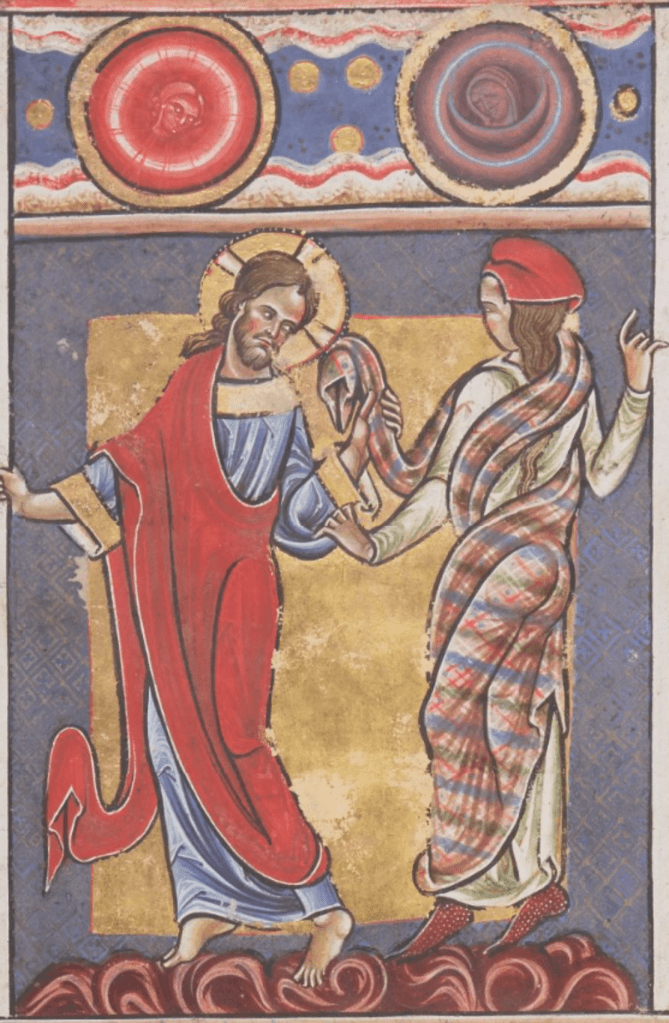
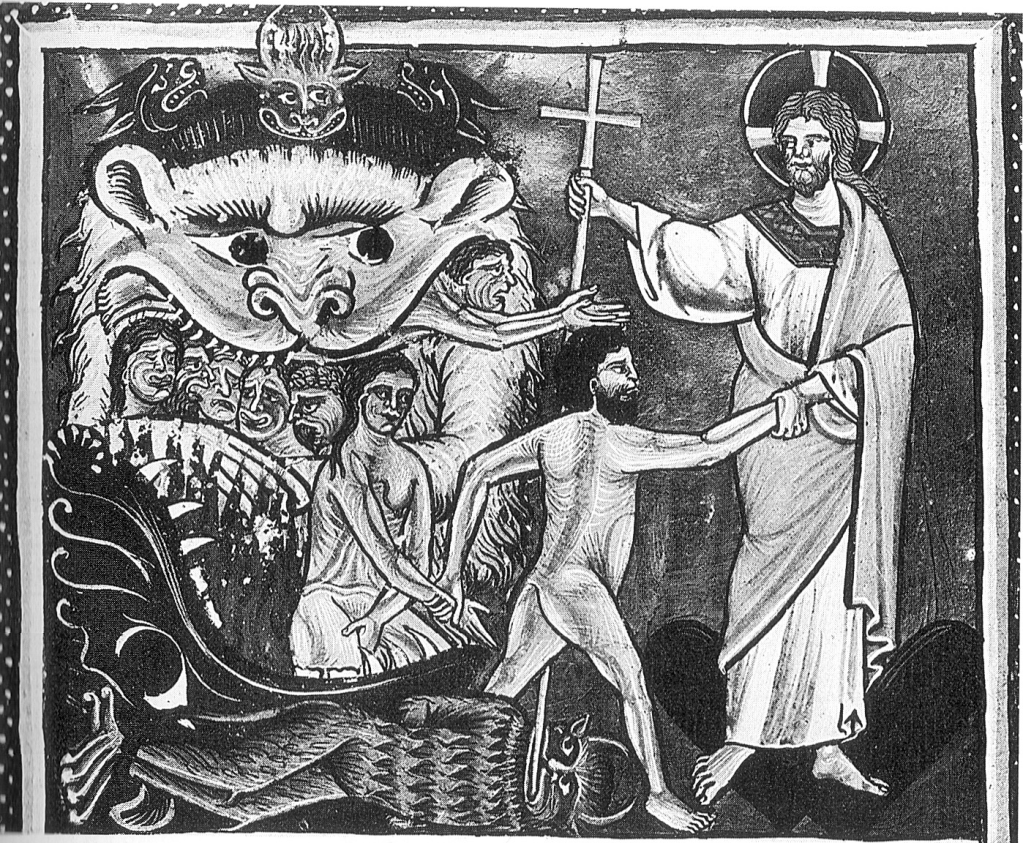

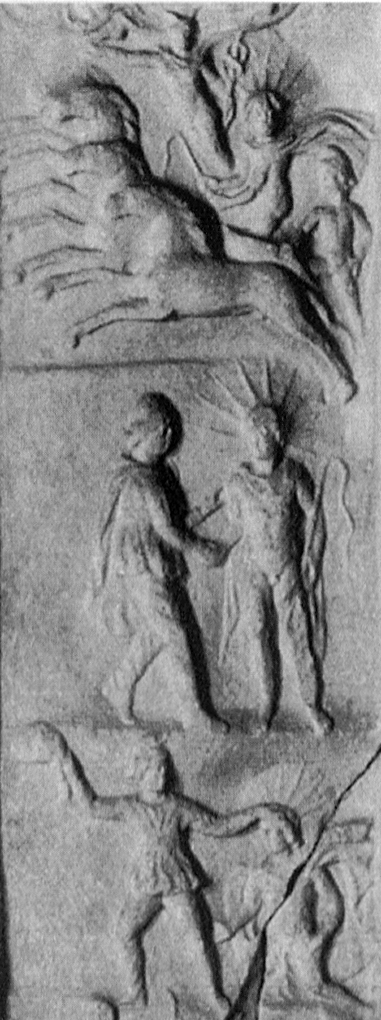
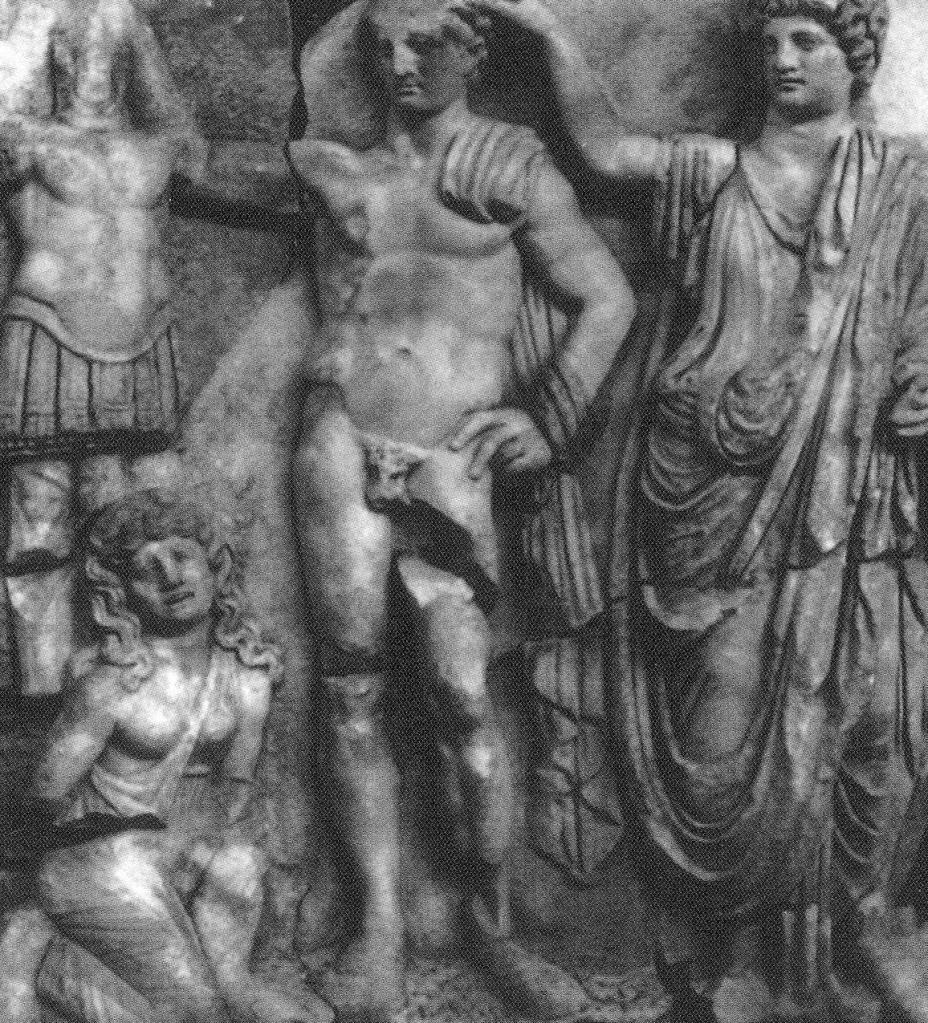
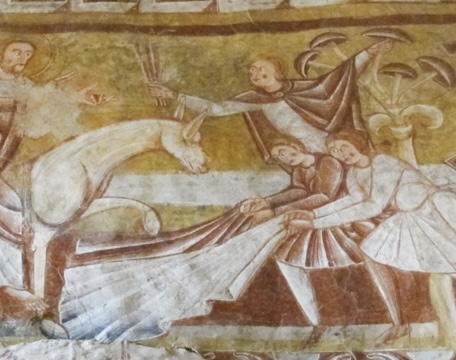
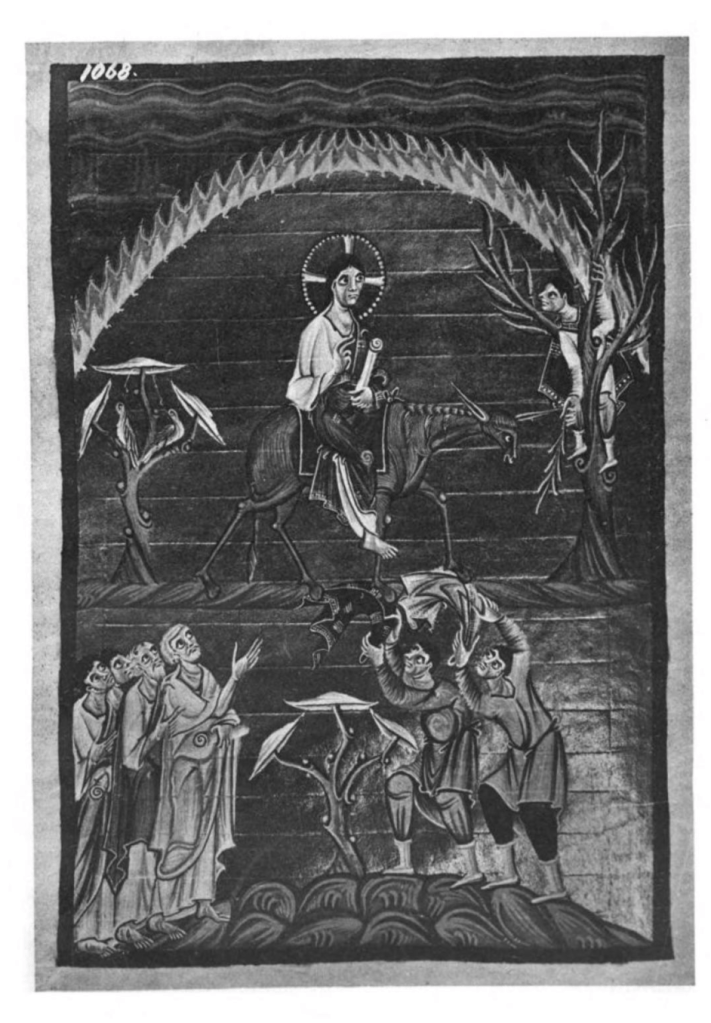
episode text:
“Human beings have a higher self, a divine counterpart or even ‘twin’, with which we are called on to identify.”
“This identification, a paradoxical form of self-unification and simultaneously of divinisation, is a fascinating feature of these quite different cultural currents, and plays out in different ways within each,
“but, as the interview reveals, this model of self-unification with a divine double is even more widespread than the short list we have given here would indicate.”
So, you scholars who warn against perennialism and essentialism are asserting perennialism and essentialism.
They seem to be reaching the same view as me.
Ha! Just as I suspected, they say no one knows what the accusation of “perennialism” even means, and then they go on to bandy-about that term anyway.
We scholars of esotericism don’t even know what we mean by “perennialism”, but we nevertheless accuse other scholars of “perennialism”, “essentialism”, and “religionism”.
We all praise “empiricism” instead: let’s figure out the history of gnosis by attending to bits of evidence without the error of using a theory (and thus hold bad theory, like exoteric esotericism).
At end of episode, they waffle on asserting perennialism themselves.
Despite all their confident huffing, scholars reveal they don’t even know what they are claiming and arguing against regarding is there a thing called the perennial wisdom tradition, and does it spread or is it born anew in each mind?
Earl F and Chales Stang seem to propose my view at the end, stumbling in the dark inarticulately toward my sensible view:
The mind works the same for everyone, and Transcendent Knowledge is partly formed from each mind’s having the same underlying dynamic in the mystic altered state, and also, this resulting partial comprehension of Transcendent Knowledge spreads from one mind to another.
It would be good to transcribe this 5 minutes of conversation about diffusionism model of spread of “the ancient wisdom” or specifically the historical spread of the belief in “the model of higher distinct astral soul” (like the Amanita-spread myth), cognitive isolated instances giving independent birth of such beliefs.
Heading
I’m still pissed at Wouter Hanegraaff for writing so unclearly, failing to define his damn terms, ‘religionism’, that I had to waste years trying to make sense of his careless writing where he is ALWAYS writing against “religionism” yet NEVER defining wtf he’s on about.
Now that Hanegraaff FINALLY defined wtf he means – and he acted put-upon that he had to so trouble himself – I can finally explain what that religionism bogeyman means to him.
Hanegraaff deserves his colleague to misread him, since Hanegraaff only clarified what he’s always been railing against, only after someone called him a religionist, and that finally forced him to define his damned terms.
It’s comical, really, all of these clueless academics name-calling each other, and they don’t even know what these names are supposed to mean!
They don’t even understand each other, these people who are in the field!
Now I’m in the same situation again, with the bandying-about of the under-specified term ‘essentialism’ in the scholarly field of Western Esotericism.
The Egodeath theory asserts a 100% clear-cut scientific explanatory model of Transcendent Knowledge:
In the psilocybin state, the mind experiences eternalism and then constructs a new worldmodel, eternalism.
Then in the ordinary state, the mind returns to the possibilism experiential mode, and remembers the eternalism mental world model.
Myth and systems of western esotericism describes this process through analogy.

That’s the Egodeath theory: a sound, coherent, elegant, successful model of mental transformation across the two main states of consciousness.
A model with such explanatory power that it subsequently identified the actual referent of religious mythology in just five years (1999-2003).
IS THE EGODEATH THEORY “ESSENTIALISM” in some aspect, or if applied to historiography in some way??
Is the field of western esotericism (indirectly) challenging the Egodeath theory, even though they have no idea about it?
What is bad about “essentialism”, when applied for what purpose?
Scholars understand nothing of import about esotericism until they understand the Egodeath theory.
What are the arguments for and against the Egodeath theory being essentialism, or, being sometimes used as an essentialist 😱 approach to explaining esotericism?
I am now able to converse with scholars in the field to explain to them why the Egodeath theory is not a form of religionism, but is a multistate science-based model of mental transformation.
Hanegraaff says religionism is ok with him when it’s not misused as a historiographical method but is only used as a history-styled version/ brand of esotericism.
Wouter Hanegraaff spilled oceans of ink about those bad essentialists, like the SHWEP website carelessly throws around the term as if it means anything, but never defining their damn terms clearly and repeatedly; they ought to be developing a clearer way of explaining their point.
I rather doubt that their mental bogeyman picture of vile “essentialism”(??) matches my model, the Egodeath theory, with its two distinct integrated legs: the core theory of how the mind works across the two states to transform, and how metaphor describes that.
Taken in isolation or applied to myth, is the Cybernetic theory “essentialism”? is the Mytheme theory “essentialism”?
The scholars are probably strictly rejecting religionism and essentialism AS, specifically, historiographical methodologies – they are probably not saying that essentialism is wrong as a theory of the ultimate nature of religion – it’s hard to say.
They fail to communicate what they mean and are and are not asserting.
Really Wouter Hanegraaff would have to learn the Egodeath theory and then discuss how “essentialism” applies specifically to the Egodeath theory.
The only directly relevant question is how does “essentialism” relate specifically to the Egodeath theory in particular.
I am a unique snowflake, and their broad vague categorical rejection of other people’s alleged “essentialism” fails to connect with my particular theory.
Scholars who condemn or reject “essentialism” cannot be said to be against the Egodeath theory; scholars would have to specifically discuss the Egodeath theory before we could conclude that they are claiming that the Egodeath theory in some aspect is wrong.
The Egodeath theory is in all aspects correct: are Western Esotericism scholars claiming that the Egodeath theory is incorrect – given that they have no idea what it is?
Junk religion battles against junk science, and both kick out junk esotericism. Which one is the Egodeath theory?
A pox on both your houses, and the fake alternative.
Your critiques fail to land against the Egodeath theory.
Clueless a.f. scholars, don’t know shiite about shiite, as I embarrassed Hanegraaff’s Dictionary of Gnosis So-Called for lacking entheogens, which he then corrected in his subsequent publications.
Wtf do they even know about “essentialism”?
Which failed and off-base theories or malformed method are they thinking of?
The critiques levied by the clueless scholars in the field of Exoteric Esotericism are irrelevant; the Egodeath theory is relevant.
Essentialism by others is off-base.
Essentialism be damned, you don’t even know what you’re talking about.
The Egodeath theory is correct and successful at explaining esoteric metaphor’s true referent.
The question finally is not whether scholars’ “essentialism”, as they in their confusion conceptualize and deliriously hallucinate their “perennialism/ essentialism” confusion; the question, directly, is:
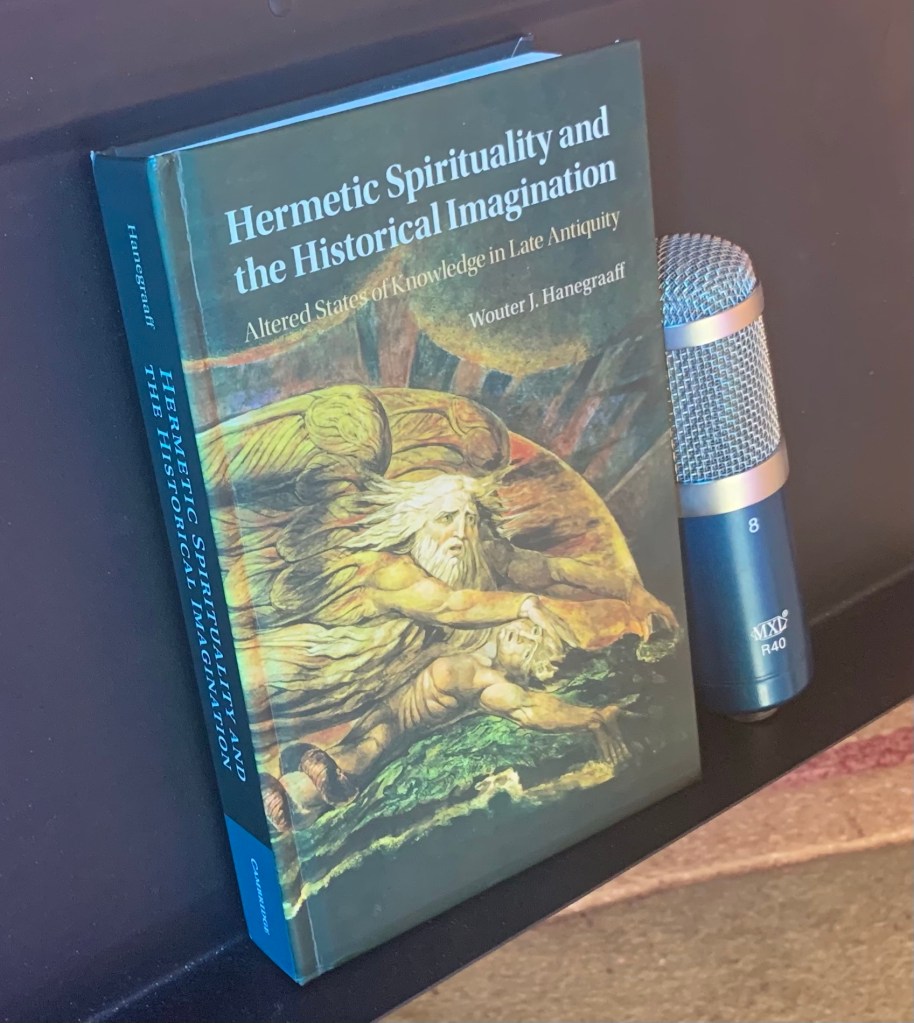
Is the Egodeath theory right and applied right to decode myth to identify and explain the actual referent of myth, so as to enable well-formed historiography instead of Hanegraaff’s reversed misreadings in his book Hermetic Spirituality where he continues to ruin words like “rebirth”, “exorcise”, “stars”, “ogdoad above[sic!] heimarmene”, and non-drug entheogens?
and after reading his garbled book and explaining why he gets everything backwards and can’t even – his theory is so lame he can’t even handle the stars!
When you merely bring in and introduce the stars, his theory completely shatters and collapses – that’s how bad it is, unbelievably bad, and he’s gonna sit there and warn people not to be perennialists/ essentialists?
He has not even the faintest idea what he’s talking about!
It’s a nonsensical critique! made by scholars who have NO CLUE about esotericism, while they prattle in confusion against “the error of perennialism/ essentialism”.
The greatest leap forward that the field of esotericism scholarship has ever had is the Egodeath theory, including the Cybernetic theory and the Mytheme theory.
I’m not saying that their position is incorrect; I’m saying that their position is garbled and nonsensical.
Esotericism scholars cannot make any coherent statements about perennialism or essentialism until they know the Egodeath theory.
Books on religion, with critiques, are irrelevant about the Egodeath theory, unless they specifically address the Egodeath theory.
Until then, God only knows whether the Egodeath theory is essentialism and whether these scholars who are fundamentally confused about esotericism and religious experiencing and the psilocybin mystic state are somehow right and sound in their huffing and puffings against “essentialism” – as if they had even the faintest idea what they’re talking about.
It’s all Hanegraaff can do, a herculean task, merely to get these TOTALLY clueless academics to grasp that Hermetic texts are about the altered state, not ordinary-state speculation or garbled insanity, as they believe.
Hanegraaff is one degree less confused than other academics – that’s not saying much.
“Psilocybin-mimicking imagination exercises exorcise the negative psychological trait that is Fate/heimarmene, which accomplishment is ego death and rebirth, moving through the Saturn gate, out from the fate-ruled cosmos into hyper-transcendent freedom”, he says – getting everything dead wrong and backwards.
You can’t derive an accurate model of psilocybin experiential transformation (the mental development sequence) from Late Antiquity’s confusingly ironic & advanced repurposing of mythemes styled as an “I Hate Fate” rebellion against the eternalism revelation which Early Antiquity excessively pressed upon them.
Such absolutely out of touch, walking embodiments of category error, are hardly in a position to articulate a coherent critique of “essentialism”.
The glossary at SHWEP site doesn’t even have an entry on ‘essentialism’, despite all esotericism scholars disparaging “essentialism” constantly.
… as if they had any clue what they’re talking about.
When you try to shut out theorizing by disparaging it as “essentialism”, what you end up with is bad theorizing, malformed because you commit the error of evidentialism that you call “empiricism”.
I’m defining the evidentialism error as: failing to handle theory-frameworks skilfully, and instead, only paying attention to bits of evidence – the result is: adopting a really bad theory, without even owning that.
We must combine well-formed empiricism with well-formed essentialism – using neither the scholars’ malformed empiricism nor their malformed essentialism.
How can cautionary critiques that are presented by scholars who have not the slightest clue what they’re talking about possibly have any constructive value?
Their confusion is baked into their critiques; all of their concepts are malformed.
Hanegraaff regarding “the error of essentialism” is as credible as his “non-drug entheogens” and his astral-ascent cosmos model that shatters and collapses as soon as you ask “Where are the fixed stars (heimarmene): above or below the Saturn rebirth gate?”
Superior handling of both theory and evidence is the only way to produce accurate comprehension and historiograpgy of myth, metaphor, and esotericism.

 The Egodeath theory