Critique of Griffiths Mystical Experiences Questionnaire (MEQ30) and other mystic experiencing questionnaires (Brown Communication Thread)
Contents:
- Prof. Jerry Brown on Challenging Experiences and Risks
- Reply to Brown about Risks Acknowledgement
- The Risk Is With the Treasure Pursuit
- Dark Night of the Soul per Joseph Campbell
- Lucid.news on Psychedelic Chaplaincy
- CEQ Deletes the Main Negative Psychedelic Effects – Part 1
- CEQ Deletes the Main Negative Psychedelic Effects – Part 2
- CEQ Deletes the Main Negative Psychedelic Effects – Part 3
- CEQ Deletes the Main Negative Psychedelic Effects – Part 4
- Must Identify the Specific Nature of the Risk
- Reckon with This: Canterbury Mushroom Psalter
- See Also
Subject line:
Critique of Griffiths MEQ30 and other ME questionnaires
Jan. 7, 2023
Prof. Jerry Brown on Challenging Experiences and Risks
Hi Michael,
Your recent posts critiquing Griffiths and others for ignoring challenging psychedelic experiences in evaluating mystical experiences brought to mind the following:
1/ The Dark Night of the Soul, Before Revelation (Campbell)
1/ The Dark Night of the Soul – described in mystical and psychological literature, including this quote from Wikipedia by Joseph Campbell: Joseph Campbell states:
“The dark night of the soul comes just before revelation. When everything is lost, and all seems darkness, then comes the new life and all that is needed.”
Also, see Wikipedia for references in popular culture.
https://en.wikipedia.org/wiki/Joseph_Campbell
2/ Grof’s Basic Perinatal Matrix II
2/ Grof’s Basic Perinatal Matrix II. Early on in his work, Grof proposed these matrixes I-IV as a paradigm for the LSD experience.
Basic Perinatal Matrix II (BPM II) is that point in the birth when labor has started and we are being pushed up against the cervix by the mother’s contractions but the cervix has not yet begun to dilate or open.
This can be a very scary experience, and people in later life who were traumatized at this point in their birth may feel claustrophobia, existential angst, depression, feelings of terror, or other negative consequences.
Edgar Allen Poe may have been a BPM II baby as evidenced by his short story “The Pit and the Pendulum” where a character finds himself in a prison where walls are closing in on him and the only way out is down a bottomless pit.
[wikipedia:
https://en.wikipedia.org/wiki/Stanislav_Grof#BPM_II:_Cosmic_engulfment_and_no_exit
https://en.wikipedia.org/wiki/Psychedelic_therapy
my posts:
https://egodeaththeory.wordpress.com/2023/01/15/the-theory-of-psychedelic-eternalism-provides-a-scientific-explanatory-basis-for-mystic-state-experiencing/#Against-Psychoanalysis]
3/ Bob Jesse’s concern in Lucid News Interview: Address Risks & Negative Experiences
01/06/2023 – A Psychedelic Pioneer’s 2023 Forecast
http://eepurl.com/ihxulX – Lucid News email newsletter, January 6, 2023.
Bob Jesse on risks:
3/ Bob Jesse’s concern, expressed in the Lucid News Interview that we are not addressing or educating about the risks or negative experiences that psychedelics can and do occasion.
KJ at Lucid News wrote:
“Surveying the landscape, Jesse noted that FDA trials for approval of MDMA and psychedelic medicines are progressing along a well-marked track, and should pave the way for insurance coverage for FDA-approved uses.
“So it’s the non-FDA routes we need to watch most carefully,” he [Bob Jesse] emailed. “With ballot and legislative initiatives [e.g., Oregon and Colorado] what expectations are being set?
“Word is getting out about the potential upsides of psychedelic use, but what about the risks?
“Some people don’t respond favorably, and occasionally the outcomes are negative.
“A few will have very bad outcomes.
“Our culture has developed intuitive understandings of activities that carry risks, like riding a bike, driving, and rock climbing.
“They’re usually quite safe — except when they aren’t.
“Western culture doesn’t yet have that kind of understanding, including risks and risk reduction, of psychedelics. We’re in an adolescent stage at most.” [emphasis added by Brown, on Jesse’s statements]
Reasons for Positive Framing of Mystic-State Experience
IMHO this approach by Griffiths and other leading researchers may be due to trying to position psychedelics positively to successfully navigate the media and political landscape surrounding the Psychedelic Renaissance and current research.
Regards, Jerry
[January 7, 2023]
Reply to Brown about Risks Acknowledgement
People are underestimating the nature of the risk.
The peak risk is the central name of the game, the {dragon shadow threat} is what entheogens are ultimately all about.
The risk is not an incidental side effect, to steer away from; the risk is the main central gate to steer toward and master and navigate through.
To position psychedelics positively to successfully navigate the media and political landscape surrounding the Psychedelic Renaissance and current research, the field needs to recognize & comprehend that the {shadow dragon monster} threat is the threat to self-control stability during control-model transformation during switching from possibilism to eternalism in the eternalism altered state.
Possibilism vs. Eternalism: Two Models of Time and Control
https://egodeaththeory.wordpress.com/2020/11/12/possibilism-vs-eternalism-2-models-of-time-and-control/
Category: Control Transformation
The eternalism explanation of the entheogenic altered state is an extremely small, specific, and simple explanatory model that fits with:
* The reported effects & risks.
* The reported folk solutions to the peak risk (“surrender, submit, accept your lack of control”).
* The transformation that’s the whole point of the game: gaining Transcendent Knowledge, gnosis, perfection, completion, the adult developmental form.
Fallacy: “Activity X has a risk, therefore disallow that activity.” Every activity has risks, yet we consider the balance of risks and benefits.
“We’re in an adolescent stage”
That is the stage of initiation and rites of passage from youth (or maiden) form to adult form.
Comprehend the dragon shadow threat, reconcile, stop thinking as a child, put away childish things, learn to stand on right leg instead of left leg.
Convert from possibilism-thinking to eternalism-thinking and sacrifice and jettison childish thinking to pass through the dragon-guarded gate to get the treasure, Transcendent Knowledge, the adult form which is compatible with the altered state
— unlike the childish, immature form of thinking – the childish conception of control agency in a branching world, creating one’s future in an open future.
That child dies in some sense, repudiated as non-viable in the altered state, in the course of the mind’s standard maturation/ initiation process.
The Risk Is With the Treasure Pursuit
When I advised Oregon Psilocybin Board,
https://egodeaththeory.wordpress.com/2022/11/18/proposed-rules-for-oregon-measure-109-psilocybin-centers/
afterwards I realized I omitted an important, driving piece of the equation:
* There is a threat. (dragon, control loss)
* There is a solution. (surrender, submit, allow)
* Forgotten, but not any more: The treasure, gnosis, Transcendent Knowledge, guarded by the threatening dragon monster shadow.
I noticed today that Jordan Peterson gets it right, during his interview of Griffiths:
“That’s specifically why you’re encouraged in mythological stories to confront the dragon and get the gold, that’s the basic story“
We don’t merely experience a random threat or risk as an isolated thing.
The threat is the main challenge for completing the game, the objective is to get the treasure, be able to pass in & out through the gate like God’s holy city and garden at the end of the Bible to access freely the sacrament of the non-dying.
The “isolated random risk” (the shadow) is actually specific and central.
We must go through the threat, the risk – the {shadow/ dragon/ monster} is the entire gateway and center of the whole pursuit: the dragon risk comes together with pursuit of the treasure of gnosis, Transcendent Knowledge, transformation.
Pursuing the {treasure} and successfully engaging & reconciling with the specific risk (the {shadow/ dragon}) produces a transformed acclimation of the constitution of the psyche, to become able to endure the altered state, and become re-naturalized as a member of the altered state realm.
Dark Night of the Soul per Joseph Campbell
Thanks, I wanted to check the definition of “dark night of the soul” which Charles Stang mentioned, to see if that concept covers the issue of reconciling with the {dragon/ shadow} of threat of non-control. Likely Griffiths & Stang & I have divergent conceptions of a dark night.
I accidentally bought a 2nd copy of Campbell’s book The Hero with a Thousand Faces – not bad.
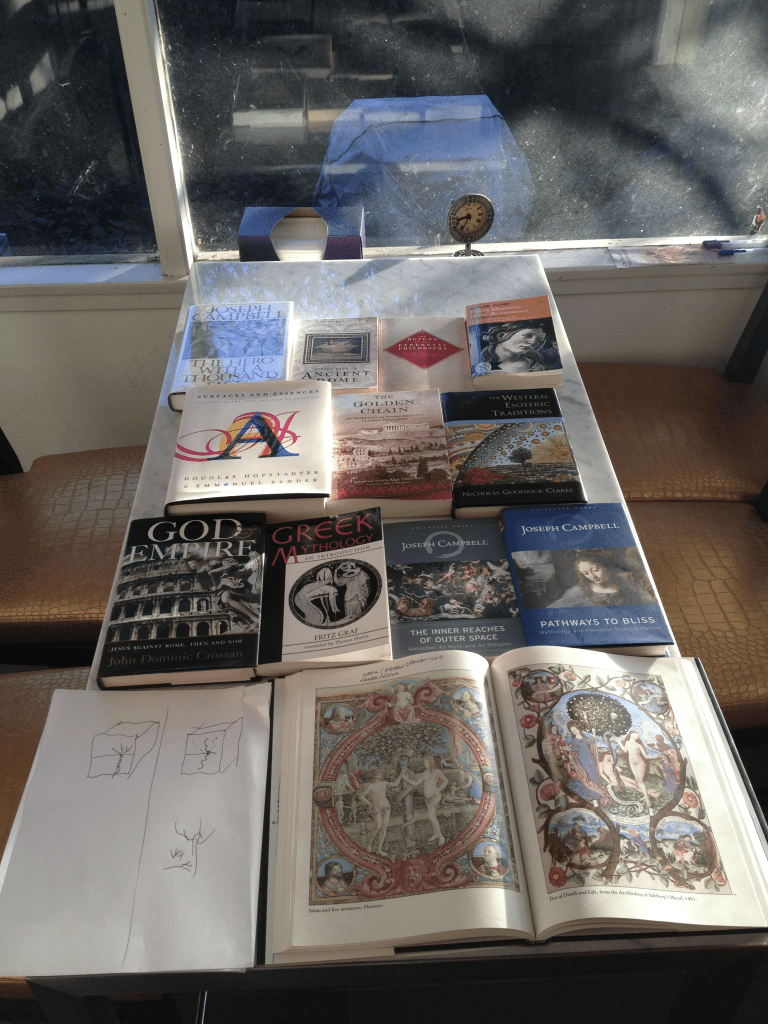
My first copy was with me in my Thanksgiving 2013 “tree vs. snake” breakthrough – but I don’t think I had looked at that book yet, only looked at pictures in The Power of Myth – Illustrated Version, the power which I experienced for weeks after that shaking confirmation of my couple years of speculation about {branching} vs. {non-branching} in mythemes.
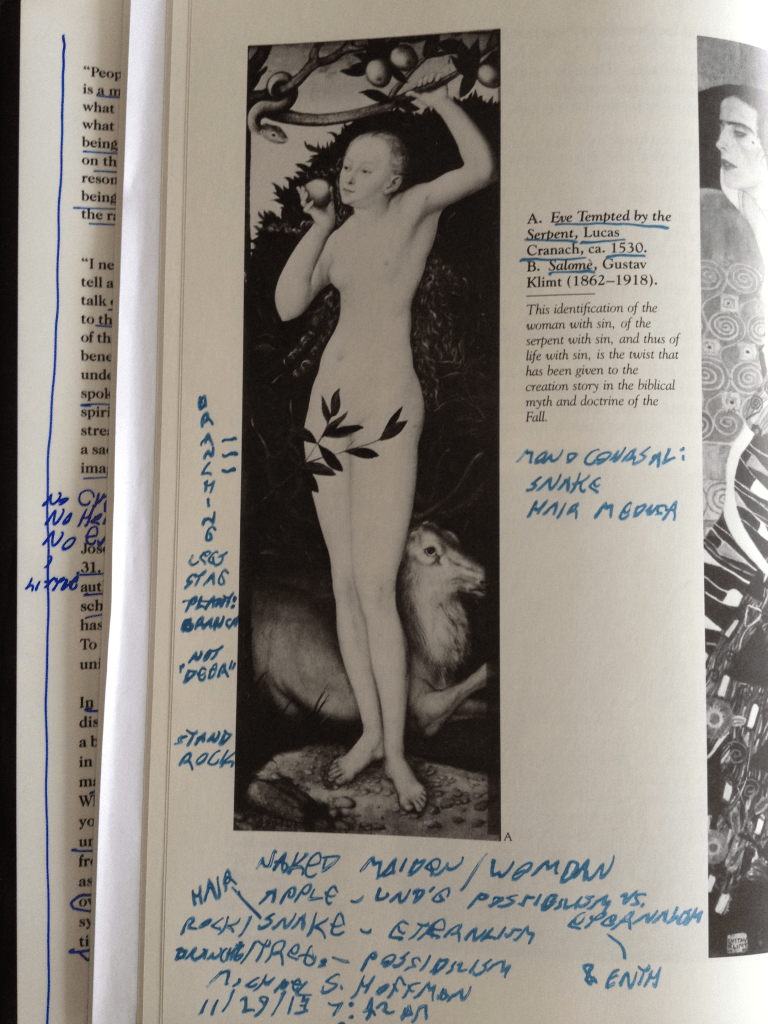

{tree vs. snake} = possibilism vs. eternalism
by studying Hellenistic & Christian art in parallel, Nov. 2013 breakthrough
Still, in 2013 into 2014, I yet lacked articulate comprehension of:
- {handedness} – I solved and explained this Christmas 2015. Relying on right leg/ right hand, not left leg/ left hand. left vs. right = possibilism (left, branching, bad, unstable) vs. eternalism (right, non-branching, good, stable). Where Possibilism and Eternalism are not just models of time, but of control and possibilities branching too.
- {cut branches} – I solved and explained this Thanksgiving 2020. Asserts eternalism rather than possibilism.
- {branching-message mushroom trees} – I solved and explained this March-July 2022.. Your youth with knife cutting branch on tower.
None of that is in Campbell. Campbell doesn’t explain {handedness} and {cut branches} and {branching-message mushroom trees}, which the Egodeath theory (the theory of psychedelic eternalism) has accomplished.
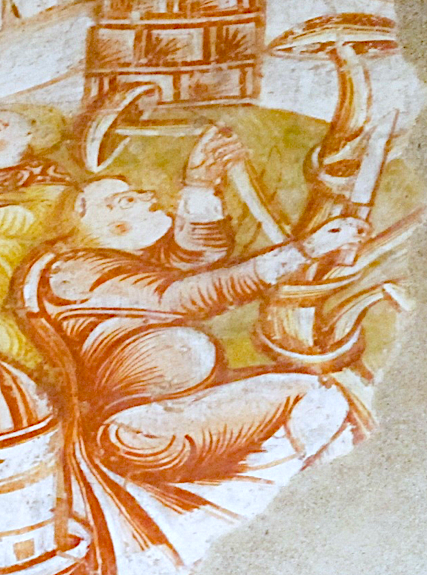
Hold branch w/ left hand (possibilism-thinking), cut branch w/ right hand (eternalism-thinking).
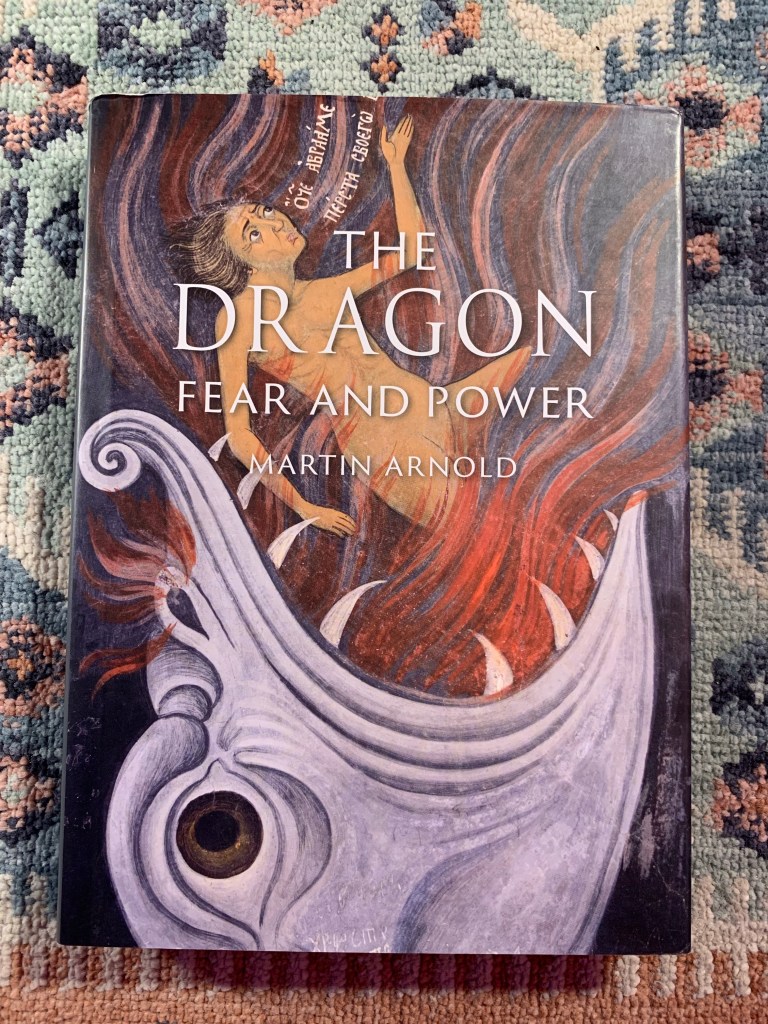
Martin Arnold’s 2018 book The Dragon: Fear & Power claims that we can’t figure out what the dragon means, and the book reduces the {dragon} to the Social domain, reductionistically, not at all recognizing the dragon as an altered-state-specific denizen.
It was so hard to figure out handedness and branching-message mushroom trees, that good mushroom art was in my 2006 main article, and I only recognized the message of handedness & non-branching in 2022, 16 years later.
Now I’m extra happy with the dumb luck that my main article has absolutely profound branching and handedness messaging in the first and last illustrations, even if the text didn’t yet comprehend that, but just has my “here be dragons” un-completed effort to explain in 2006 Moses’ {healing rigid snake on a pole} — or on a {tree with cut branches}.
Dumb luck – but no coincidence actually, that where there is Psilocybin in art, there is profound representation of eternalism as non-branching, per my next great mytheme equation:
{branching vs. non-branching} = possibilism vs. eternalism
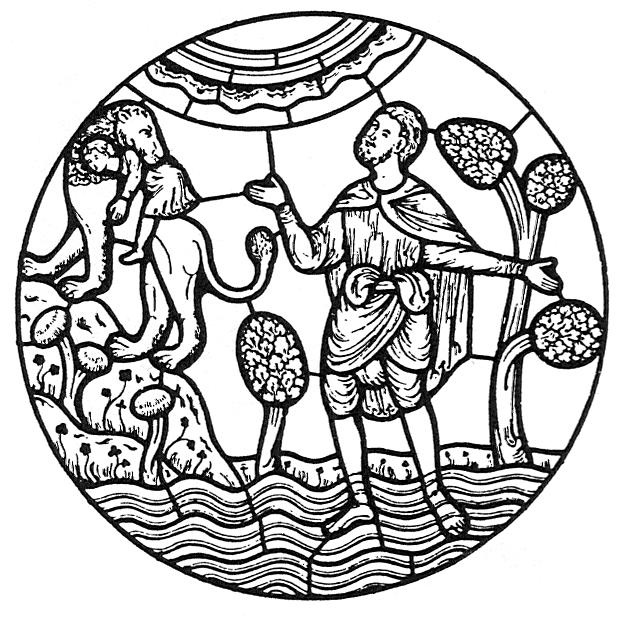
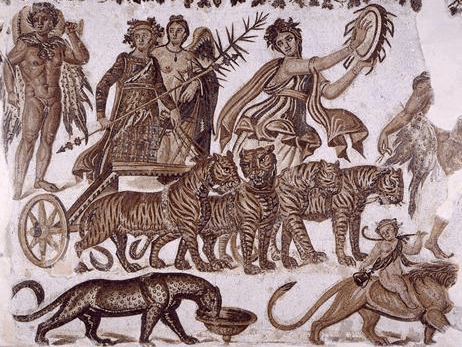
The Entheogen Theory of Religion and Ego Death (2006 main article)
https://egodeaththeory.wordpress.com/the-entheogen-theory-of-religion-and-ego-death-2006-main-article/
Lucid.news on Psychedelic Chaplaincy
This is a strange coincidence, I was going to reply with URLs for a pair of articles from lucid.news, and I see that your thread already has lucid.news content.
Pioneering Clergy of Diverse Religions Embrace Psychedelics
https://www.lucid.news/pioneering-clergy-of-diverse-religions-embrace-psychedelics/
Chaplains Are Learning to Become Psychedelic Guides
https://www.lucid.news/chaplains-become-psychedelic-guides/
Your Jesse article in Lucid newsletter mentions the report I’m looking for: KJ quotes Bob Jesse:
“Jesse is also looking forward to the release of another much anticipated report: “This year will see publication of a controlled study conducted at Johns Hopkins and NYU, in which religious leaders of various traditions were given high-dose psilocybin sessions and asked to report their experiences through the lens of their tradition.”
CEQ Deletes the Main Negative Psychedelic Effects – Part 1
You [Brown] wrote:
“trying to position psychedelics positively to successfully navigate the media and political landscape surrounding the Psychedelic Renaissance and current research.”
Charles Stang inquired about coverage of negative mystical experiences, and so Griffiths said his Challenging Experiences Questionnaire (CEQ) is supposed to cover negative/ challenging/ risks — but CEQ fails, in its “final” version.
CEQ’s Initial Item Pool was not too bad, though that pool already overlooked the 8 (of 21) Dread questions which didn’t make the cut for the final version of 11-Factors’ Anxiety factor, or the Impaired Control and Cognition factor, of Studerus’ 11-Factors version of OAV.
One of those 8 questions (#54: “I was afraid to lose my self-control”) was key, and was initially in 11-Factors’ Anxiety factor/category — that’s how close Griffiths came to adding that important item to the Initial Item Pool – but it’s still likely Griffiths would have removed such good Control-challenge effects questions from the “final” CEQ.
The CEQ argues that we must protect client safety and protect continued research, by better accounting for the full range of challenging experiences, unlike the 21-question Dread category of the Dittrich questionnaire series:
APZ (22 Angst/Dread effects items)
OAV (21 Angst/Dread effects items)
5D-ASC (21 Angst/Dread effects items)
11-Factors replaces the OAV 1994 high-level dimensions/categories (O, A, & V).
11-Factors also adds 11 low-level factors/categories (practically 13)).
11-Factors adds the low-level factors/categories, 11 of them, and 2 phantom virtual factors or remnant factors begging to be overlooked.
The remnant factors/categories are:
- Unpleasant Experiences (8 non-factor items vs. 13 factor members) – effects questions that are members of the high-level Unpleasant factor, but not of any low-level factor/category. “Factor 12”
- Pleasant Experiences (16 non-factor items vs. many factor members) – effects questions that are members of the high-level Pleasant factor, but not of any low-level factor/category. “Factor 13”
11-Factors has a 21-item Unpleasant Experiences high-level category, which exactly matches the 21-item Angst/Dread dimension/category of OAV 1994 & of 5D-ASC.
The CEQ first gathers most (13 of 21) of the negative effects questions from OAV’s ‘Angst/Dread‘ category when picking 64 items from the 3 main questionnaires to form the Initial Item Pool.
But then CEQ recklessly discards most of the negative effects during a project of highlighting the favored new category of “Grief”, ignoring Control issues, to produce the “final” set of CEQ items (discarding Dread, adding Grief to replace – not augment! – Dread).
Psychedelic Psychometrics Science = Arbitrarily Delete 86% of Negative Effects Questions
Instead of adding coverage of risks, Griffiths deleted(!) 18(!) of 21 effects questions (86%) from Angst/Dread.
This wild, uncontrolled bulk deletion of challenging effects questions increases risk, while claiming to decrease risk.
There’s no discussion about removing items, just vague broad math that obscures the “judgment” process that’s mentioned in the CEQ article:
“Twenty-seven items (spanning all six scales of the HRS) that were judged by the authors to assess a potentially challenging aspect of experience with classic hallucinogens were retained for the initial item pool for the CEQ.” – CEQ article Griffiths 2016 p. 4.
CEQ Deletes the Main Negative Psychedelic Effects – Part 2
Did Griffiths pick any of HRS’s Volition sub-scale items for CEQ’s Initial Item Pool? If so, that would contradict their statement on p. 2 that Volition effects are not expected and judged/hypothesized to be challenging:
“Of the six sub-scales of the HRS (i.e. affect, cognition, intensity, perception, somaesthesia, and volition), one might hypothesize that the affect, cognition, and somaesthesia subscales might be most sensitive to challenging experiences [unlike intensity, perception, and volition].”
The HRS, including showing each item in each category, is unobtainable. So I can’t answer whether Griffiths picked any of HRS’s Volition items for the CEQ Initial Item Pool.
HRS – “Hallucinogen Rating Scale” Questionnaire
https://egodeaththeory.wordpress.com/2022/12/23/hrs-hallucinogen-rating-scale/
The resulting CEQ is Griffiths’ “Science” done in the dark, under the occluding cover of misapplied math.
The 3 main questionnaires are:
- SOCQ/MEQ43/MEQ30
- HRS (Strassman)
- APZ 1975
- APZ with OAVG [1985]
- OAV [1994] & BETA [1994?]
- 5D-ASC [2000 & 2006]
- 11-Factors [2010].
The CEQ article confusingly says “5D-ASC” (with typos actually) but in fact pulls from 11-Factors.
The CEQ Initial Item Pool is 64 questions from those 3 questionnaires. It ought to have been 8 more; 72.
The questions pulled in from 11-Factors is confused: Griffiths was supposed to pick the entire set of 21 Unpleasant Experiences items, but they only picked the subset of 13 of those items that are members of Anxiety (ANX) low-level factor or Impaired Control and Cognition (ICC) low-level factor.
Griffiths mistakenly ignored the 8 effects items that in 11-Factors ended up as direct members of the high-level category, Unpleasant Experiences.
Griffiths 2016 (CEQ) made the mistake because Studerus 2010 didn’t communicate well, that 11-Factors has two levels of categories, not just high-level O/A/V categories:
High-level categories of 11-Factors: 11-Factors conjoins O(ceanic) & V(isionary) to produce 45 Pleasant Experiences. “Unpleasant” is identical with OAV’s Angst/Dread (the same 21 effects items/questions). 45 + 21 = 66, identical with OAV’s 66 total items.
Low-level categories of 11-Factors: Omits 24 items of OAV’s 66, at this level; 66-24=42 items are in the 11 low-level factors/categories. Omits Unpleasant (8) & Pleasant (16) items that are members of high-level but not of any low-level factor/category.
Psychedelic Effects Question #54 😱
#54. I was afraid to lose my self-control.
😱🐉🚪💎🌳🍄🐍🏆😇🍄🚪⚡️🍄
In Studerus 2010 Figure S1 vs. S2 – watch how items / questions / effects move – Psychedelic Effects Question #54 😱🐉🚪💎🌳🍄🐍🏆😇🍄 moves out of Anxiety factor at some point, after Figure S2.
How Question #54 Eventually Moves Out from 11-Factors’ Anxiety Factor to Become a Direct Member of “Unpleasant” High-Level Category
These diagrams were added later.
In the first, Figure S1 tree hierarchy, the Anxiety factor (blue box) includes question #54: “I was afraid to lose my self-control”:
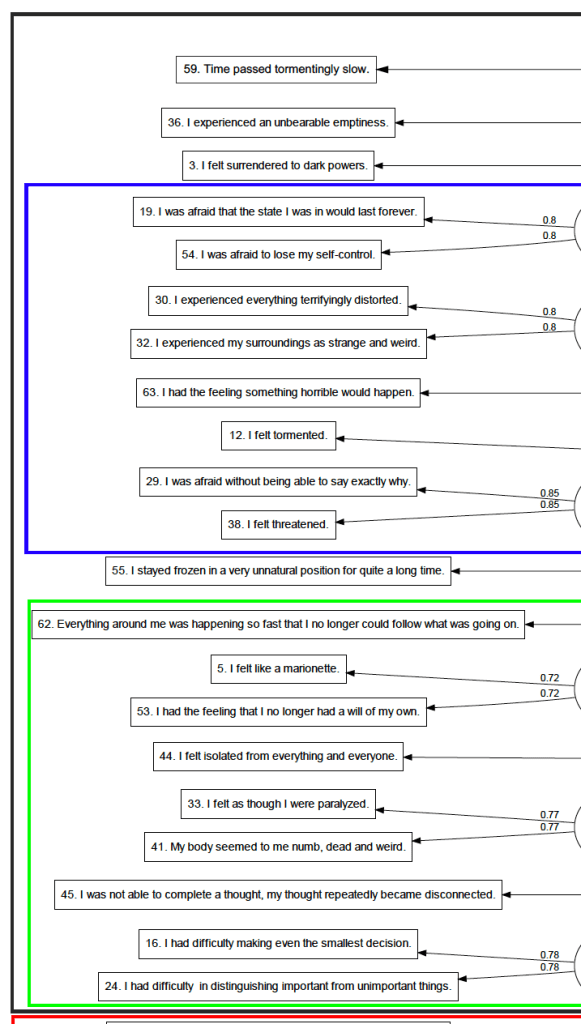
Direct Unpleasant members items: 4
Anxiety factor items (blue box): 8
Impaired Control and Cognition factor items (green box): 9
Total: 21
In the second, Figure S2 tree hierarchy, the Anxiety factor continues to include question #54, and #12: “I felt tormented” is now a direct member of Unpleasant, removed from the Anxiety factor:
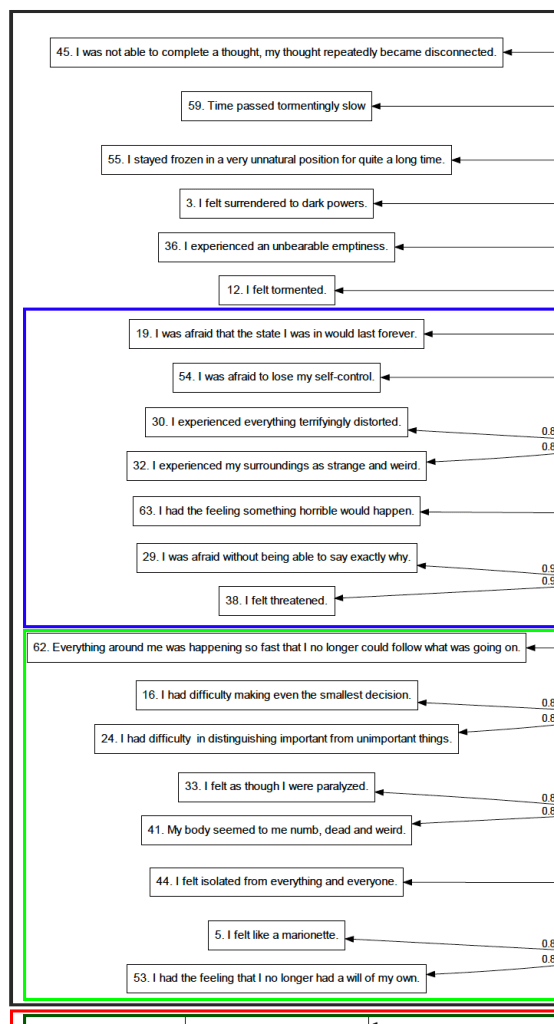
Direct Unpleasant members items: 6
Anxiety factor items (blue box): 7
Impaired Control and Cognition factor items (green box): 8
Total: 21
In the final version of the factor categories, Figure 1 in the article p. 9, the Anxiety factor (bottom group) no longer includes #54, “I was afraid to lose my self-control”, between items #19 & #30:
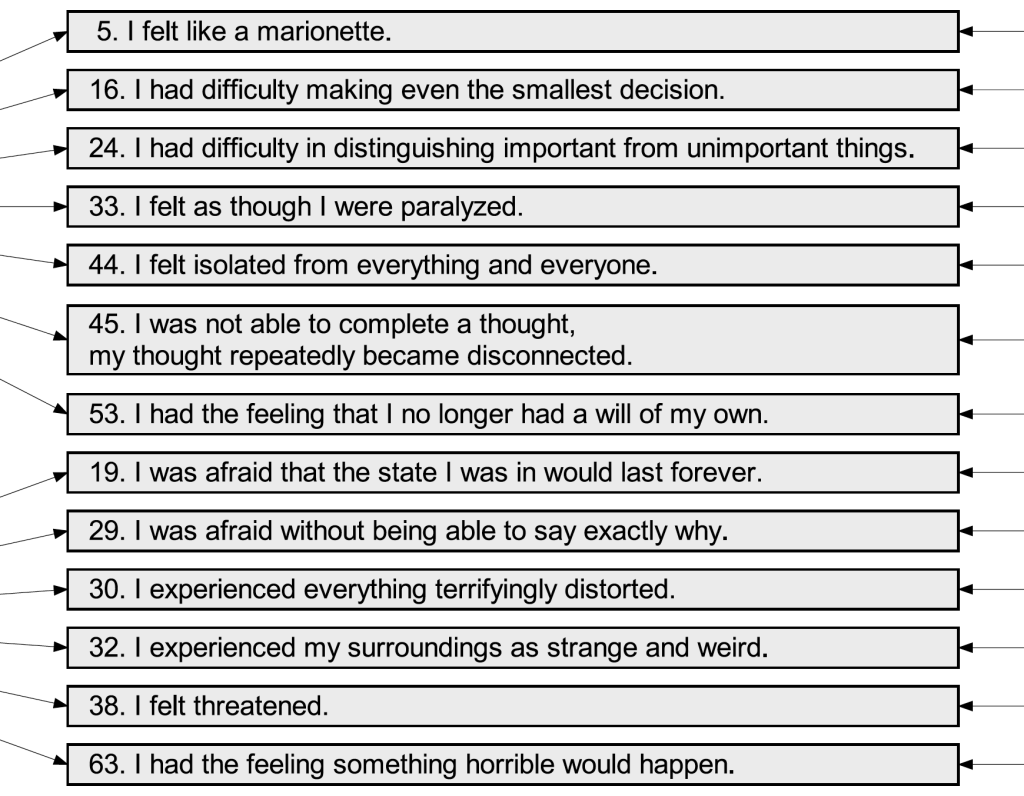
Direct Unpleasant members items: 8 (not shown!)
Anxiety factor items (bottom group): 6
Impaired Control and Cognition factor items (top group): 7
Total: 13 (8 Unpleasant items not represented)
CEQ Deletes the Main Negative Psychedelic Effects – Part 3
The counts are in parentheses in the TOC of my 11-Factors page:
https://egodeaththeory.wordpress.com/2022/12/30/11-factors-questionnaire-with-all-13-groups-of-all-66-effects-questions-shown/
That’s how Griffiths failed to include the most important question, the main question I track that got disastrously overlooked: #54: “I was afraid to lose my self-control.”
Griffith’s psychometrics math is bad and not legit, evidenced by the lack of item #54 and similar items about Control challenges.
As the CEQ article argues, when risks aren’t accounted for, it is risky (for psychonauts & for researchers, to keep research permitted).
The CEQ, in its “final” version, increases risk compared to OAV’s Angst/Dread categories of 21 effects items/questions, since discards 18 Dread items and only retains 3 of those items, and not the most challenging items, such as #54.
CEQ can be somewhat repaired by adding my Control factor/category containing 7 items (deliberately 1 bigger than Griffiths’ pet new Grief category), but the ~7 dup questions probably need to be removed – it’s paranoia-inducing being asked the same effect question in 2 or 3 slightly different ways because dup’d across the source questionnaires.
The CEQ needs a reality check and a re-do, and an actual discussion of the content of every negative question that they omit from the resulting questionnaire.
Naturally, the people who made a lopsidedly positive MEQ are unable to make an actual CEQ. It’s the same team repeating the same kind of mistake. As if they are able to correct their habitual error of blind spots.
So I made my specialized Eternalism and Control Questionnaire (ECQ), to correctly supplement the CEQ which attempts and fails to band-aid the MEQ.
The CEQ is the repressed, dissociated shadow of the MEQ.
The “final” CEQ in effect discards the Dread questions – it retains 3 weak questions of OAV’s 21 Dread effects questions:
* CEQ keeps the Isolation question, to pad-out Griffiths’ Isolation pseudo-category (= 3 dup effects questions from the 3 main questionnaires). “I felt isolated from everything and everyone.”
* CEQ keeps a generic, vague Fear category question (I’ve got a bad feeling about this), “I had the feeling something horrible would happen.”
* CEQ keeps the “last forever” question to put in their Insanity category. “I was afraid that the state I was in would last forever.”
The important Control issues that the final CEQ fails to cover includes the main challenging experience, the experience of the threat of catastrophic loss of control – the terrifying {dragon monster} experience demanding surrender – and demanding sacrifice of the claim to autonomous egoic control agency in a branching world.
So I listed my 7 top recommended questionnaire items that need to be added in a Control factor (category) in the CEQ.
But even with my correction, the CEQ seems like a non-serious mockup/sketch, not a usable questionnaire.
CEQ is the repressed shadow of the MEQ (Mystical Experience Questionnaire).
CEQ Deletes the Main Negative Psychedelic Effects – Part 4
I hope people find some value in my questionnaire research, it was hard to find summary information. The claim to build a Science-based foundation seems to boil down to these psychometrics questionnaires, which are not beyond critique.
The CEQ (Challenging Experiences Questionnaire) is intended to address some objections. But CEQ is itself half-baked in its final result that doesn’t even seem usable, with 7 dup questions about the same effect from different questionnaires padding out the hit-or-miss categories.
At the moment, I’m searching to see if Griffiths yet published the 2015-started research, I don’t think it’s about Meditation, I think it’s about Psychedelic Chaplaincy, that he was mentioning on Jordan Peterson’s YouTube channel not long ago, May 2021 https://www.youtube.com/watch?v=NGIP-3Q-p_s&t=2635s but Griffiths has a pact to not talk about the results until the study is published.
Griffiths has been getting a lot of pushback. From Jordan Peterson, from Charles Stang, and I’ve found others.
That first Lucid article tells of a rabbi breaking away from, or moving through Griffiths’ experiments and then breaking away into a direction that’s not the brand of religion that’s baked into Griffiths’ model. The rabbi started the Jewish group Shefa: https://www.shefaflow.org/about-shefa
I even detect possible hints of Griffiths’ research partner Matthew Johnson wanting to break out of the Griffiths conception of religion or spirituality.
An earlier major article by Roland Griffiths & Matthew Johnson has photos of a Buddha statue in the clinic couch room (the last page):
Human Hallucinogen Research: Guidelines for Safety
Matthew W. Johnson, William A. Richards, and Roland R. Griffiths
https://www.ncbi.nlm.nih.gov/pmc/articles/PMC3056407/pdf/nihms256719.pdf
2008
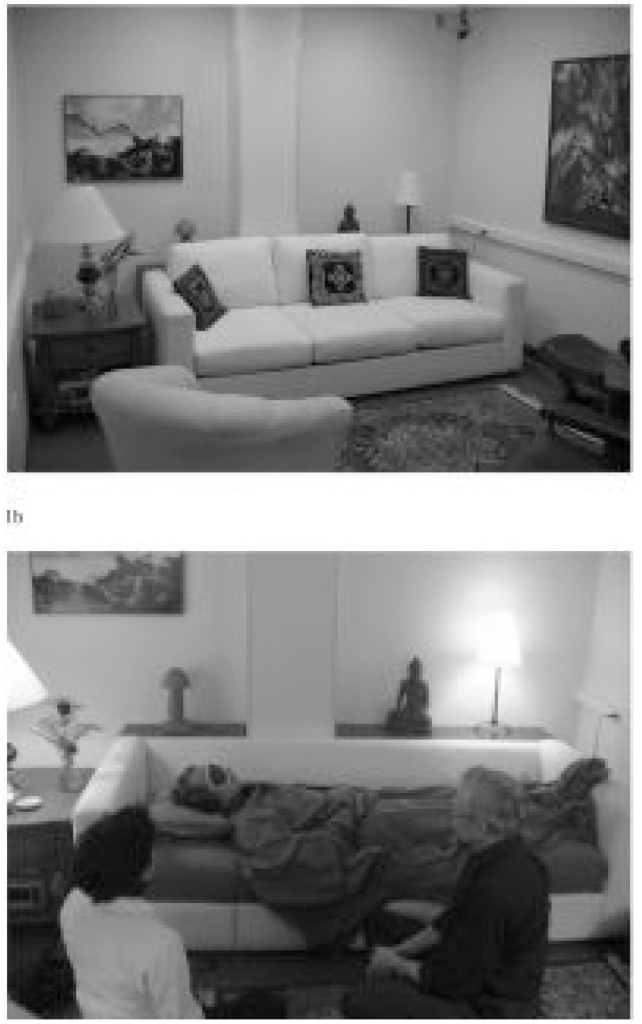
… and then more recently (2021 – 2008 = 13 years later), Johnson wrote the article Consciousness, Religion, and Gurus, the “lose the New Age symbolism” article discussed on Charles Stang’s Harvard series of webinars, Psychedelics and the Future of Religion (academic year 2020-2021, now folded into the newer “Transcendence and Transformation” initiative at Harvard Divinity School.
Consciousness, Religion, and Gurus: Pitfalls of Psychedelic Medicine
Matthew W. Johnson
https://www.ncbi.nlm.nih.gov/pmc/articles/PMC8033601/pdf/pt0c00198.pdf
2021
Buddha Statue Spotted; Someone Alert Matthew Johnson
url https://en.wikipedia.org/wiki/Psychedelic_therapy#Resurgence_in_the_early_21st_century –
https://en.wikipedia.org/wiki/Psychedelic_therapy#Resurgence_in_the_early_21st_century
Must Identify the Specific Nature of the Risk
Jesse – “a key role for the media to play in educating about the full range of possible outcomes and contextualizing the negative ones.”
That comes down to recognizing the {shadow/ dragon} as threat of loss of control during pursuing Transcendent Knowledge and transformation to the adult form, while switching from possibilism-thinking to eternalism-thinking, in the eternalism state of consciousness.
The eternalism experiential mode, which eventually produces the eternalism mental world model of time, control, and possibilities.
Bricklin: Enlightenment = Eternalism
Bricklin’s book The Illusion of Will, Self, and Time: William James’s Reluctant Guide to Enlightenment (SUNY series in Transpersonal and Humanistic Psychology), equates “enlightenment” with eternalism.
That book is part of Consciousness Studies, the Journal of Transpersonal Psychology, & Journal of Consciousness Studies, and was reviewed in draft by Benny Shanon & Ramesh Balsekar.
Balsekar asserted no-free-will as enlightenment, among the Ken Wilber Integral Theory crowd.
Such books by Sam Harris, Balsekar, Shanon, Campbell, and Bricklin don’t bring the ideas together tightly and simply, as the Egodeath theory does.
The Illusion of Will, Self, and Time: William James’ Reluctant Guide to Enlightenment (Bricklin, Eternalism)
https://egodeaththeory.wordpress.com/2023/01/15/illusion-will-self-time-james-enlightenment-bricklin-eternalism/
/ end of Bricklin section
The risk is the {shadow/ dragon}, is the threat of transgressive control instability during the transition from possibilism to eternalism – as a state, followed by producing a mental world model.
The state transition to the eternalism experiential mode transforms both egoic steering/controller thinking, and the branching-possibilities world in which steering and creating one’s future happens, or (normally) feels like it’s happening (according to the possibilism experiential mode, which is the ordinary state).
Reckon with This: Canterbury Mushroom Psalter
Jesse: “the historical and scientific evidence is overwhelming that entheogens, used appropriately, often occasion experiences that people describe as profoundly ‘spiritual’ or ‘religious’ (both of these terms are hard to pin down). Government and the culture will need to reckon with that“
The evidence is common because the source of religious experiencing is entheogens, as evidenced by branching-message mushroom trees and other mushroom imagery within the heart of Christian history — not only “early Christianity”, but Middle Ages, explicitly (not “hidden” or “secret”; not foreign or alien), inside the mainstream cathedrals and chapels and illuminated manuscripts
— as with my full uncovering of all 75 of the mushroom plants, with essential interpretation, in the Great Mushroom Psalter by Eadwine, November 2020 – March 2022.
The 75 Mushroom Trees of the Canterbury Psalter
https://egodeaththeory.wordpress.com/2022/03/13/the-75-mushroom-trees-of-the-canterbury-psalter/
— Michael
[January 7, 2023] / end of msg (& correction msgs) to Brown
See Also
Page: Idea Development page 15
Section: Article About Griffiths’ Psychedelic Priests Study
https://egodeaththeory.wordpress.com/2022/09/03/idea-development-page-15/#Article-Psychedelic-Priests-Study
About article:
Pioneering Clergy of Diverse Religions Embrace Psychedelics
Don Lattin, April 2022
Add the ‘Control’ Category to the Challenging Experiences Questionnaire (CEQ) (Matthew Johnson thread)
https://egodeaththeory.wordpress.com/2023/01/09/add-the-control-category-to-the-challenging-experiences-questionnaire-ceq-matthew-johnson-thread/

 The Egodeath theory