Michael Hoffman, theory of psychedelic eternalism
As said at start, demons are swinging the audio level all over the place.
Contents:
- Intro
- The Egodeath Theory of Psychedelic Hyper-Eternalism
- Egodeath Theory Emphasizing Qualified Possibilism Instead of Eternalism: “Egodeath Theory of Psychedelic Hyper-Eternalism“
- Beginner Possibilism Guy; Beginner Eternalism Guy; Advanced Hyper-Eternalism Guy
- 1997 Psyche Level (Soul Level) version of the Egodeath theory = 2-level; end-state = brute eternalism; You must agree with me that no-free-will is the case; you must conduct all your thinking in a no-free-will way
- 2025 Pneuma/Spirit version of the Egodeath theory = 3-level; end-state = hyper-eternalism; You must agree with me that no-free-will is the case merely at the underlying level and must be affirmed/ relied on in the altered state but, in practice, you always conduct all your thinking in a free-will looking way; experience power of steering in branching tree, as if {king steering in a tree} even though you know that underlying reality is {snake frozen in rock}
- Does Middle Platonism have an aspect of hyper-heimarmene? todo: confirm
- Confirmed Astral Ascent Mysticism per Egodeath Theory: Name of hyper-eternalism sphere (beyond eternalism) is Pleroma, = precession of the equinoxes
- Sledge Video “What is the Demiurge? Pt 4 Why the Demiurge is Necessary for Salvation”
- “Pneumatic”, “Spiritual”, Hyper-Transcendent Version of Egodeath Theory = Accurate Useful Description of Actual Resulting Mental Model = Qualified Possibilism, More than Brute/ Simple Eternalism
- Search Web: pleroma cosmic heimarmene
- The Egodeath Theory Had Religious Re-Marketing Rebirth During March 2025 Due to Prepping to Communicate it to my Psychedelic Church
- Factors that caused me to shift emphasis/ framing of the Egodeath theory from “You end up with Eternalism” to “You end up with Qualified Possibilism” in March 2025; Well-Formed Transcendent “Compatibilism“
- Valentinus: Unsheathed Sword of Intelligence (Litwa, Feb. 2025)
- h3 “On Self-control” fragment, Now Known to be by Valentinus. Litwa: Valentinus Unsheathed “On Self-control” book
- It Was DMT. 😑
- Bullsh!t Is Bullsh!t: False Tepidness Is Hardly Truer than False Denial of Entheogens
- “We Figured Out How Hermetists Had Intense Altered States: Through Entheogenic Practices in the Wide Sense! ” – Wouter Hanegraaff & Justin Sledge, Posturing Academics
- “We Figured Out How Hermetists Had Intense Altered States: Through Non-Drug Entheogens! ” – Wouter Hanegraaff & Justin Sledge, Posturing Academics
- From Total Denial to Insistent Assertion Along with Strenuous Minimizing of Entheogens: “I boldly insist that ancients definitely used entheogenic practices (but it was almost always non-drug entheogenic practices)” – Countersignal Yourself Harder
- Desc from Video
- Featured places
- Embassy of the Free Mind
- Museum
- Quick paste from idea development page 26: Related Comments
- My Wussy Half-Truth in 1997 like the traditional methods of the mystics are non-drug entheogens
- “Dizzy Doesn’t Count”
- keyboard shortcut for my 2004 “Entheogenic Esotericism” post
- When You Think of Psychedelics Extremism, Think Egodeath theory
- 🍄👑 King of the Ardent Advocates
- Transcription (with timestamps)
- Transcription without Timestamps
Intro
Find: DMT, psychotropic, altered, psychedelic, substance, ayahuasca, ecstatic, consciousness, bias, Muraresku, evidence, balance, entheogen.
Video Thumbnail: He’s holding no-free-will/ heimarmene/ Fatedness/ eternalism in his hand and looking at it from outside of it, seeing the uncontrollable source of control-thoughts, from the mature {immortal} POV; hyper-eternalism aka qualified possibilism-thinking.
— Michael Hoffman, the theory of psychedelic eternalism
what was that –^
The Name of the Theory, and the descriptive elaborative sentence to disambig it
theory of psychedelic eternalism
means theory of psychedelic hyper-eternalism ; qualified possibilism-thinking; virtual freewill;
knowing that at the underlying level = eternalism
though the shape of experience and personal control system is always:
literalist ordinary-state possibilism with autonomous control
lopac
The mind learns to differentiate child vs adult thinking, and rely on adult thinking, not rely on child thinking. We have then two minds: higher rider mind, lower donkey mind.
The lower, personal mind thinks as if it’s a monolithic, autonomous control agent
The higher, transpersonal mind knows that the lower mind is actually put forth from the uncontrollable source of control-thoughts, frozen in future 4D block time
4D block spacetime
fbs
Which Came First: Infinitely better than “CybTrans.com” domain name Egodeath.com, or, calling it “Egodeath theory” eg 1996/1997? when did I first write “Egodeath theory”? Ans: Not in 1997; by 2001 June.
Apparently Erik Davis asked me in 2001 about the theory. News to me.
next, check Egodeath Yahoo Group: first occur of “Egodeath theory”?? __ ans: https://egodeathyahoogroup.wordpress.com/2021/01/09/egodeath-yahoo-group-digest-1/#message23 – super interesting. shows other verbose name; says “Egodeath theory” is short brand name; long brand name is what I wrote late 1988: c t e t ; CTET to The Cybernetic Theory of Ego Transcendence
“The Cybernetic Theory of Ego Transcendence” [descriptive, except missing ‘eternalism’ & ‘psychedelic’] (1988) =
“the Egodeath theory” (2001?)
the [Cybernetic + Psychedelic + Eternalism] Theory of Ego Transcendence
the [Analogy + Cybernetic + Psychedelic + Eternalism] Theory of X
the [Analogy Psychedelic Eternalism Cybernetic] Theory of X
the [Analogy Psychedelic Eternalism Cybernetic] Theory
The Analogy Psychedelic Eternalism Cybernetics Theory
– LAST WORD TO DELETE = ? DELETE 1 WORD:
Sort 4 key words in order , most important first:
- Analogy – not important for Core, only for periph application & history & myth.
- Psychedelic – crucial to emphasize; nothing w/o this; everyone tries to shut out, do not allow.
- Cybernetic – it’s a given, since we are control agents
- Eternalism – CRUCIALLY DISTINCITVE
THAT’S Wouter Hanegraaff They
That’s why recently I selttled on short form “theory of psychedelic eternalism”.
- it is a theory.
- this is the brand name of a theory.
- the last descriptors to delete, the very most distcintive precious crucial differentiattors, are not ‘analogy’ or ‘cybernetics’, but: eternalism + psychedelics. thus:
theory of psychedelic eternalism
so:
Egodeath theory = theory of psychedelic eternalism
thus
Egodeath theory of psychedelic eternalism
that is brand name + 2 crutical key word descriptors. it’s more like a Foo Bar theory OF ego death. ie:
the possibilism experiential mode
the Psychedelic Eternalism Theory of Egodeath <– order interesting
=
the Egodeath theory of psychedelic eternalism
the theory that egodeath is really about psychedelic eternalism
psychedelic eternalism
pe
Psilocybin esotericism
p-e
p-e Psilocybin esotericism Psychedelic Eternalism Theory of Myth
damn it what is keyboard shortcut for “psychedelic eternamlism”??
next, standard order:
X = Ego Transcendence
Self-control Cybernetics, Dissociative Cognition, & Mystic Ego Death (1997 core theory spec) (Hoffman, 1997) https://egodeaththeory.wordpress.com/2020/11/30/self-control-cybernetics-dissociative-cognition-mystic-ego-death/
I know I have a handy link somewhere here, around 1997 article’s notes
Self-control Cybernetics, Dissociative Cognition, & Mystic Ego Death (1997 core theory spec) (Hoffman, 1997) https://egodeaththeory.wordpress.com/2020/11/30/self-control-cybernetics-dissociative-cognition-mystic-ego-death/
Archive.org link: cybtrans.com
https://egodeaththeory.org/2021/01/08/announcement-the-cybernetic-theory-of-ego-transcendence/#CybTrans-com — has link:
https://web.archive.org/web/19970214094018/http://www.cybtrans.com/philosph/postings.htm —
Does that page say like “Egodeath theory”? no, says “origin of this theory” … title of site: Ego Death and Self-Control Cybernetics
but it doesn’t NAME the theory! “This is a philosophy or theory of [insert: of what?]
the psychological phenomenon of mystic ego death“
verbose description, good. but, no named theory. POOR BRANDING. DAMN IT, IT NEVER NAMES THE THEORY!!
IT DOESN’T NAME THE TWO HALVES, IT SIMPLY REJECTS THE HISTORY/ENTH / the Mytheme theory HALF, SAYING THE CORE WOULD be too big if the history/ entheogens/ the Mytheme theory content were included in the core. stupid. should have said:
The Foo Bar Theory, including:
- Core theory cybernetics yada
- history/ myth / the Mytheme theory / ahistoricity / entheogens hsitory yada theory
“Importing foreign and historical elements into the core of this Theory would cause the misguidedness of those elements to be inherited as well, making the core overly complex. This new core theory of enlightenment is not a history of ideas about enlightenment, but an essential framework for a mental model of spacetime and self-control. It is a type of metaphysical system, with special emphasis on self-control cybernetics.” — https://web.archive.org/web/19970214094113/http://www.cybtrans.com/philosph/p173.htm
Several problems that I didn’t perceive or clearly think about in 1997:
- the brand name of the whole theory;
- the name of the core theory portion;
- ” periph “.
monolithic, autonomous control agent
maca
literalist ordinary-state possibilism with monolithic, autonomous control
lopmac
analogical psychedelic eternalism
ape2c
analogical psychedelic eternalism dependence
aped
analogical psychedelic eternalism with 2-level, dependent control
ape2dc
2-level, dependent control
2ldc
analogical psychedelic eternalism
ape
analogical psychedelic eternalism with 2-level control
ape2
from {Amanita, Christianity, surface form, low esotericism} to {Psilocybin, Greek + Christian, cognitive effects, high esotericism}
ap
The Theory of Psychedelic Hyper-Eternalism
The Theory of Psychedelic (Hyper-) Eternalism
what do I want to highlight at lowest level of detail; ie at max zoom out level?
what then is the very next thing? In concept-label or theory-brand label… is it a trademark name of a theory, or, a description specifier characterization?
theory of psychedelic eternalism
tope
theory of psychedelic (hyper-)eternalism
theory of psychedelic hyper-eternalism
tph <–
tphe
tophe
Psychedelic Hyper-Eternalism
The Egodeath Theory of Psychedelic Eternalism
(winner 🏆 b/c clarity at this concise level) [EDTPE]
analogical psychedelic eternalism with 2-level, dependent control
ape2dc
analogical psychedelic eternalism with 2-level control
ape2
analogical psychedelic eternalism dependence
aped
This is a 4-term descriptor from which it is possible to construct the entire Egodeath theory.
the complem term is:
literalist ordinary-state possibilism with autonomous control –>
literalist ordinary-state possibilism autonomomy
lopa
literalist ordinary-state possibilism autonomomy
thus “aped vs. lopa“.
“analogical psychedelic eternalism dependence” vs. “literalist ordinary-state possibilism autonomomy”
avl
“analogical psychedelic eternalism dependence” vs. “literalist ordinary-state possibilism autonomomy”
You can construct the entire theory from just the most key terms:
theory of psychedelic eternalism
tope
theory of what? of the “psychedelic eternalism” theory of myth
petm
a theory of:
“psychedelic eternalism” theory of myth
the “psychedelic eternalism” theory of myth
qualified freewill thinking
The Theory of Psychedelic Eternalism
(winner 🏆🏆 b/c clarity at this concise level) [TOPE]
theory of psychedelic eternalism
tope
It is clarifying to say:
Egodeath theory of psychedelic eternalism — succinct, emphasize the simple thing.
Do not — in short name — emph the complex thing, “qualified possibilism-thinking” – too indirect, roundabout.
The Egodeath Theory of Psychedelic Hyper-Eternalism
The Egodeath Theory of Psychedelic Eternalism (which is Hyper-Eternalism, ie Qualified Possibilism)
The Egodeath Theory of Psychedelic Possibilism
[too much marketing lie??]
Despite my analysis, the best title feels:
Egodeath Theory Emphasizing Qualified Possibilism Instead of Eternalism: “Egodeath Theory of Psychedelic Hyper-Eternalism“
Beginner Possibilism Guy; Beginner Eternalism Guy; Advanced Hyper-Eternalism Guy
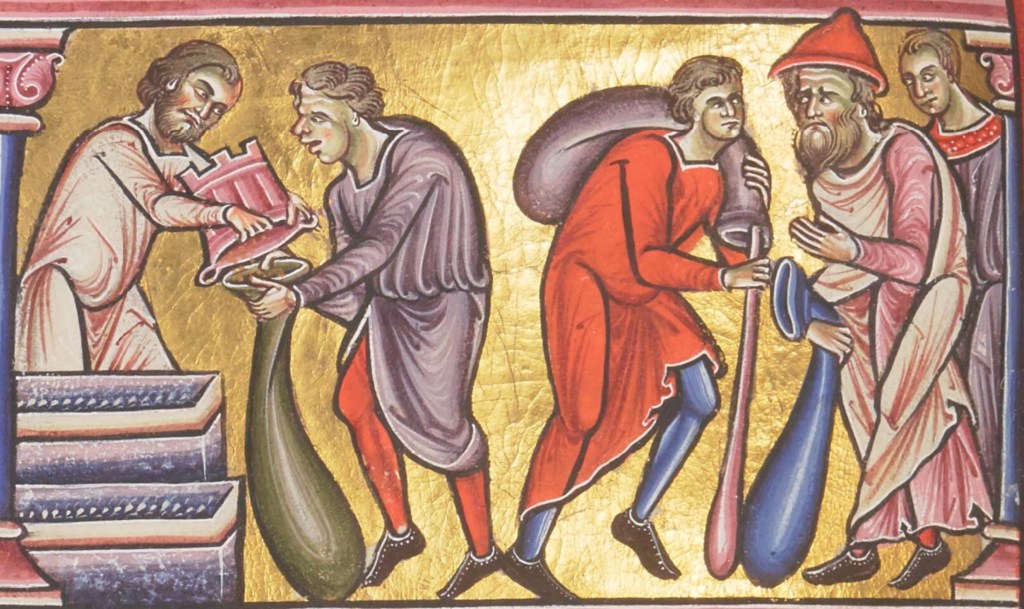
picture of the week
Difficulty 1 of 10:
L leg = naive possibilism-thinking;
R leg = brute eternalism-thinking
That’s nice. You got that. Ok, next, explain:
Difficulty 10 of 10:
no leg indicated = hyper-eternalism
1997 Psyche Level (Soul Level) version of the Egodeath theory = 2-level; end-state = brute eternalism; You must agree with me that no-free-will is the case; you must conduct all your thinking in a no-free-will way
2025 Pneuma/Spirit version of the Egodeath theory = 3-level; end-state = hyper-eternalism; You must agree with me that no-free-will is the case merely at the underlying level and must be affirmed/ relied on in the altered state but, in practice, you always conduct all your thinking in a free-will looking way; experience power of steering in branching tree, as if {king steering in a tree} even though you know that underlying reality is {snake frozen in rock}
I really feel that March 2025, the Egodeath theory matured in its Marketing framing positioning: from brute emphasis on “eternalism is the case”,
Certainly, I have been developing 3-phase model since 2000 when Coraxo pointed out that my 1997 2-level model (etrmin terminating in heimarmene) is incapable of discussing Gnosticism. I immediately recognized that a as a widespread problem characteristic of Late Antiquity.
Does Middle Platonism have an aspect of hyper-heimarmene? todo: confirm
{king steering in a tree}
kst
Advanced the Egodeath theory : you always use egoic personal control system (so, possibilism); you’re always in the tightcog ordinary state (so, possibilism). gestures to the advanced puzzle: row 1, Eadwine’s leg-hanging mushroom tree image in the Great Canterbury Psalter: evaluate upside down
Confirmed Astral Ascent Mysticism per Egodeath Theory: Name of hyper-eternalism sphere (beyond eternalism) is Pleroma, = precession of the equinoxes
Sledge new Demiurge 4 vid says Pleroma is a hermetic name of the 9th cosmic sphere; the Ennead, above eternalism sphere 8 (sphere of the fixed stars).
https://www.youtube.com/watch?v=kq-CoIFf8l0 —
Vid name: “What is the Demiurge? Pt 4 Why the Demiurge is Necessary for Salvation”
March 28, 2025
YouTube channel: ESOTERICA – Dr. Justin Sledge
836K subscribers
47,798 views
“Gnosticism is often thought to teach that the creator of the cosmos is a demonic entity known as the Demiurge. However, this sharply dualistic teaching isn’t the only Gnostic voice. Valentinus taught that the Demiurge, while ignorant, was a necessary aspect of salvation. Indeed, even the Demiurge would achieve psychic redemption according to this school of Gnosticism. Let’s explore the Valentinian conception of the Demiurge, one that upends both ancient and contemporary stereotypes about Gnosticism.
Consider Supporting Esoterica! Patreon – / esotericachannel One Time Donation Support – Paypal Donation – https://www.paypal.me/esotericachannel Merch – / @theesotericachannel New to Studying Esotericism? Check out my Reading Guide here – https://docs.google.com/document/d/1c… Rare Occult Books – https://www.esotericaoccultbooks.com/
Episode 1 – • What is the Demiurge – Pt 1 – How the…
Episode 2 – • What is the Demiurge – Pt 2 – The Evi…
Episode 3 – • What is the Demiurge – Pt 3 – Simon M…
Archons – • Who are the Archons – The Rulers of t…
Recommended Readings:
M David Litwa @m.davidlitwa
Books + Classes – https://mdavidlitwa.com/
Litwa – Valentinus – https://amzn.to/4c5gAIp
Valentinian Christianity: Texts and Translations – https://amzn.to/3FF2ZeF
Rethinking “Gnosticism”: An Argument for Dismantling a Dubious Category – https://amzn.to/4jpoOxJ
The Spiritual Seed: The Church of the Valentinians
Sledge Video “What is the Demiurge? Pt 4 Why the Demiurge is Necessary for Salvation”
Sledge said in the new video:
- the 7 planetary archons rulers governors (controllers) = fate = cosmos sphere 1-7. [the body?]
- the demiurge (Yaldabaoth) = Fate = sphere 8. The soul; the psyche rises to this level, max. Highest sphere of the cosmos.
- the aeons? nous? the Pleroma = sphere 9, above Fate. The pneuma; the spirit, rises to this level. Hyper-eternalism. hyper-cosmic. Hyper-heimarmene. Above/outside the 4D spacetime block. outside 4D spacetime; outside/above 4D spacetime eternalism.
4D spacetime block
fdsb
4D spacetime eternalism
fdse
outside/above the 4D spacetime rock
The Spiritual Egodeath Theory edtpem etpem etpem psychedelic eternalism transformation from possibilism to eternalismm Egodeath theory of psychedelic eternalism e t p e
the Egodeath theory of psychedelic eternalism
etpe
the Egodeath theory of psychedelic eternalism
the spiritual egodeath theory of psychedelic eternalism
the egodeath theory of spiritual psychedelic eternalism
but “spiritual” is no good, you have to know the ancient 3-tier system body/ soul or psyche / spirit or pneuma — which I wrote up in 2001 per E Pagels book reviews.
2000, I realized you can express “transcend eternalism” ie 3-phase model — yet, I continued emph’g “terminate at eternalism” like {red guy} during 2000-2024.
While I DEVELOPED the model to explain {sage} on right during 2000-2024, I still marketed “Egodeath theory terminates in eternalism; eternalism is the case”.
Recent studying mushroom inspired me that in fact I always remain emphatically qualified possibilism-thinking even during peak window.
I held that at arms’ length, twice, recently.
You KEEP egoic personal control system , but you SEE it and STEP OUTSIDE IT in awareness.
It’s “that thing”. “that system over there”.
“I see my egoic personal control system down there.”
“I am watching my egoic personal control system over there.”
“Pneumatic”, “Spiritual”, Hyper-Transcendent Version of Egodeath Theory = Accurate Useful Description of Actual Resulting Mental Model = Qualified Possibilism, More than Brute/ Simple Eternalism
Aim to Look Very Like the Pre/Trans Fallacy; Chop Wood Carry Water, but Modified Foundation Can Endure Psilocybin Loose Cognitive Hyper-Awareness/ Transcendent Awareness Perception Capability Endurant
Search Web: pleroma cosmic heimarmene
I then confirmed by searching: pleroma cosmic heimarmene
https://www.google.com/search?q=pleroma+cosmic+heimarmene
“Gnosticism” article at Thelemistas.org
https://www.thelemistas.org/en/MSS/Wetzel/Gnosticism – page confirms astral ascent mysticism, pleroma, what Sledge said.
“divine perfection known as the Pleroma, a realm of heavenly beings or aeons“
“he Gnostic insistence that a species of esoteric knowledge and self-control are the keys to transcending the flawed [= eternalism] creation of the demiourgos.
“The first, pre-cosmic creations of the demiourgos are the archons (“rulers”), which are spirits typically associated with the seven Ptolemaic planets and the sphere of fixed stars.
[only demiurge directly = fixed stars — demiurge & archons are subsets within fatedness / eternalism]
“The rule [external control over your thoughts] of the demiourgos [sphere 8 fixed stars] and the archons [sphere 1-7 planets] is frequently called by the Gnostics heimarmene (“fate“)”
“and is often conceived of as cruel, tyrannical and oppressive in the extreme.
“This is so because these archons are the creations of a fallen, ignorant and lesser “god,” whose creation is merely a flawed shadow copy of the Pleroma [sphere 9: precession of equinoxes; above fate-sphere of fixed stars]:”
The Egodeath Theory Had Religious Re-Marketing Rebirth During March 2025 Due to Prepping to Communicate it to my Psychedelic Church
A stunted tale is “end up at eternalism, the end.”
True characterization of what you end up with: qualified possibilism-thinking.
Also a key influence (forcing a change of thinking) while studying mushrooms Jan-Feb 2025: I had unclean lips, there is no way to say “here is how YOU SHOULD think”, w/o impliying egoic mental model.
I made progress in Jan/Mar 2025 re: mytheme decoding {donkey w/ rider on path} incl Entry Jeru.
Factors that caused me to shift emphasis/ framing of the Egodeath theory from “You end up with Eternalism” to “You end up with Qualified Possibilism” in March 2025; Well-Formed Transcendent “Compatibilism“
The Egodeath theory doesn’t give you eternalism (unless you alter def’n of that word).
The Egodeath theory gives you transcendence of eternalism. Or “transcendent eternalism” or “hyper-eternalism”.
The Egodeath theory does NOT give you naive possibilism.
I’m a believer in eternalism b/c that is required to have stable control in loose cognition.
Relational eternalism.
Similar to the higher god, vs. the demiurge.
Not sure ATM how map this section to that gnostic contrast…. demiurge ~= false egoic personal control system.
The Egodeath theory removes naive possibilism.
Egodeath theory replaces naive possibilism by qualified possibilism (including knowing that the underlying level = eternalism).
A better rep’n is “end up w/ best type of , ultimate type of Compatibilism”
Red Youth 1997: eternalism is the case!
Coraxo 2000: your model can’t describe Gnosticism.
I developed the 3-phase model 2003-Feb 2025.
Feb 2023, when invited to present the Egodeath theory, realized it will not fly, to describe Transcendent Knowledge = terminate at eternalism. that is not an accuate characterization, unless you redefine ‘eternalism’ to emphasize re-formed possibilism-thinking; qualified possibilism-thinking.
You end up MORE with qualified possibilism-thinking, than with eternalism-thinking or “qualified eternalism-thinking”.
You end up w/ ability to stable personal control system during Psilocybin loose cognition.
Justin Sledge influenced me in March hearing him argue that Transcendent Knowledge isn’t worth the trouble b/c chop wood carry water;
“Transcendent Knowledge DOESN’T MAKE ANY DIFFERENCE” —
except, the personal control system gains the ability to endure the Psilocybin, loose cognitive state.
Valentinus: Unsheathed Sword of Intelligence (Litwa, Feb. 2025)
“On Self-control” fragment, Now Known to be by Valentinus. Litwa: Valentinus Unsheathed “On Self-control” book
- {unsheathing blade} if L finger closer to the ground. unstable control. unstable control. possibilism-thinking.
- {sheathing blade} if R finger closer to the ground. stable control. eternalism-thinking.
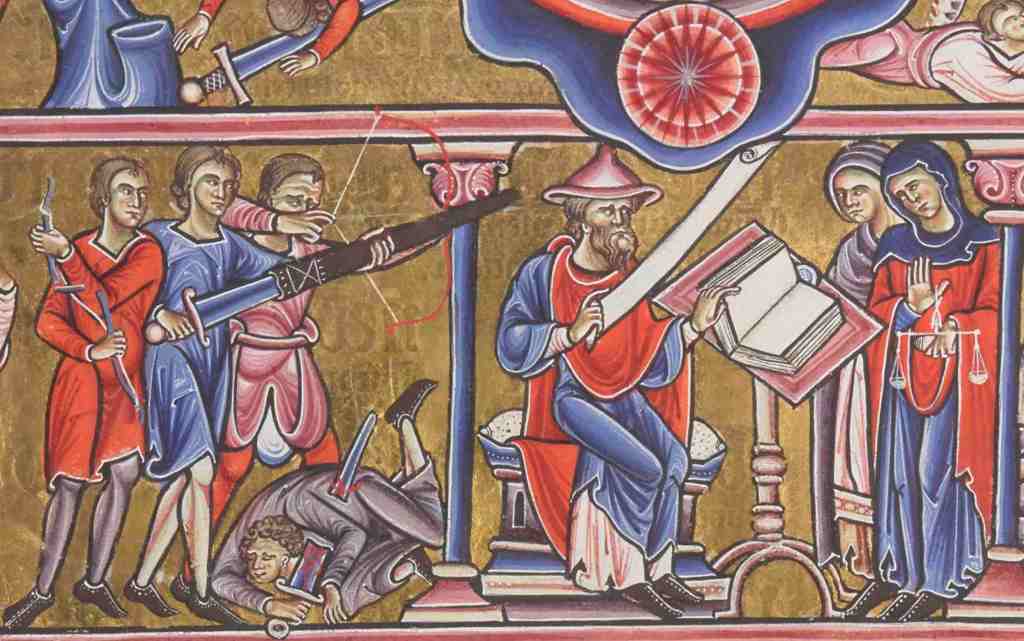
https://www.amazon.com/dp/B0DW9172HN/ —
Valentinus: Unsheathed Sword of Intelligence
M. David Litwa, February 5, 2025
Blurb:
“This book studies the life and thought of Valentinus using his genuine fragments.
“After translating the fragments and introducing Valentinus’ life, it reorders the fragments and segues into a line-by-line spiritual and historical commentary:”
- Valentinus Sees a Vision (Fragment 7)
- Summer Harvest (Fragment 8)
- Evil Angels and the God Human (Fragment 1)
- The Image and the Name (Fragment 5)
- You Are Deathless! (Fragment 4) {immortal} = mature.
- The Pure in Heart (Fragment 2)
- On Self-control (Containing Fragment 3)
- The Truth is Everywhere (Fragment 6)
“This volume is the first to integrate the discovery that Valentinus wrote the letter On Self-control (formerly attributed to Basil of Caesarea).
“It closes with an argument that Valentinus wrote the Gospel of Truth.”
Litwa’s new book on Valentinus fragments, the first time “On Self-control” was included & attributed.
It Was DMT. 😑
Sledge at 1:20:00:
“every episode i do, i get comments “It was DMT. 😑”
Sledge’s commenters are correct: IT WAS DMT.
I am not tired of scholars denying entheogens altogether; I am tired of scholars making a false call for “balance”, as if heavy breathing is sufficient for mental model transformation from possibilism to eternalism.
The maximal entheogen theory of religion (Michael Hoffman 2002 & 2003, the Egodeath Yahoo Group) sees entheogens everywhere because:
- They were everywhere.
- No method other than entheogens is sufficient for mental model transformation from possibilism to eternalism.
I equate the false call for “balance” and “middle position avoiding extremes” with Browns’ betting everything on Walburga not being Amanita, and then botching the negative interp. Compounded by displaying the art so as to assert Amanita, while wording in roundabout way to assert not Amanita. Posturing to other scholars, “we are in the club of moderates.”
The Egodeath theory is NOT in that club and REJECTS that club.
Ardent Advocates 1, False Moderates 0
4-error penalty b/c two authors, two publications, repeating same elementary false interp.
I reject and hate the Moderate aka Minimal entheogen theory of religion.
The plague of 2000: “never entheogens in our religion history.”
The plague of 2025: “above all, we must avoid overstating how much entheogens in our religion history.” F that! It was nothing but entheogens. Any religion lacking entheogens isn’t real religion. Real religion is none other than entheogens.
take my keyboard shortcut a e e e for test drive:
“Authentic esotericism is entheogenic esotericism. Entheogens are the key to esotericism. This is the simplest possible theory of esotericism, and the most natural, the least contrived and strained. Theories of esotericism that are not based on entheogens suffer from the problem of grandiose verbiage, unmet promises and claims, chronic vagueness, excuses for lack of potent and prompt efficacy, and no ability to deliver the experiences which are talked about. Drug-free esotericism doesn’t work; it is not effectively ergonomic.” – Michael Hoffman, Egodeath Yahoo Group, June 12, 2004
Wouter Hanegraaff is now known to definitely have read my 2004 title/posting “Entheogenic Esotericism” written 8 years before his 2012 keynote of same name.
His email reply yesterdayish said re that point and one other: thank you for the info”
I also pointed him to my good new page explaining why he MUST be wrong writing “the Ogdoad above heimarmene”.
- Hanegraaff’s Inability to Place Fixed Stars in Sphere 8 Proves Rebirth above Saturn Is into Fate, before Freedom
The Note 114/ p 294 quote is in section:
https://egodeaththeory.org/2025/03/18/hanegraaffs-inability-to-place-fixed-stars-in-sphere-7-or-8-proves-rebirth-is-into-fate-not-freedom/#p294
“Whether the fixed stars should be included [with Saturn, sphere 7] or should rather be associated with the Ogdoad [sphere 8] remains an open question for me.” – p. 294, footnote 114, Hermetic Spirituality and the Historical Imagination: Altered States of Knowledge in Late Antiquity, by Wouter Hanegraaff, 2022
114
My victory & credibility-boost re: placing fixed stars in sphere 8 (highest Fate level, reborn into from Saturn sphere 7) bolsters my bold claim & sound argument that non-drug entheogens = academic bullsh!t. that’s just a retreating form – they’re losing ground – of sheer denial.
Wouter Hanegraaff says: academics were wrong to say zero entheogens. Academics ought to say “Only a tiny bit of entheogens; but usually heavy breathing and the traditional methods of the mystics, instead.”
SO BOLD – SO BRAVE – SLEDGE AND Hanegraaff
NOTICE the deniers’ TRAJECTORY of retraction:
How long before they admit that I am right?
Intense mystic altered state without psychedelics MAKES NO SENSE – that is the evidence.
mystics’ history: Either they didn’t actually have the intense mystic altered state that they claimed to have, or, they had it, through psychedelics. The evidence is that only psychedelics have enough efficacy to cause that change/ that intense mystic altered state.
Letcher 2006, same: “Ok, we admit our total denial was wrong. But there were only a LITTLE Psilocybin mushrooms in England before 1970.”
The deniers are retreating in my direction. Stop dilly dallying and admit I’m 100% right, immediately.
What happened to Thomas Hatsis promised book that will prove no mushroom imagery in Christian art? Videos at YouTube announce that book – we’re waiting. ie, Thomas Hatsis is retreating in my direction.
new type of keyboard shortcut: fav quotes:
“Amanita muscaria is the most famous entheogen in the world that nobody uses. It is the supreme symbol of all entheogenic religion: of secret cults and societies of initiates and whispered lost knowledge.” – Dale Pendell, Pharmako Gnosis, first sentence of Amanita chapter
nouse
dpam
“Blessed are those who wash their robes, that they may have the right to the tree of life and may go through the gates into the city.” – Revelation 22:14 (the last page of the Bible), NIV
rev2214
Bullsh!t Is Bullsh!t: False Tepidness Is Hardly Truer than False Denial of Entheogens
“We Figured Out How Hermetists Had Intense Altered States: Through Entheogenic Practices in the Wide Sense! 🏆” – Wouter Hanegraaff & Justin Sledge, Posturing Academics
“We Figured Out How Hermetists Had Intense Altered States: Through Non-Drug Entheogens! 🏆” – Wouter Hanegraaff & Justin Sledge, Posturing Academics
From Total Denial to Insistent Assertion Along with Strenuous Minimizing of Entheogens: “I boldly insist that ancients definitely used entheogenic practices (but it was almost always non-drug entheogenic practices)” – Countersignal Yourself Harder
Hanegraaff says reject bullsh!t 1, and instead, assert bullsh!t 2 instead, which slightly eases back from bullsh!t 1. but bullsh!t is bullsh!t.
the other whopper: https://egodeaththeory.org/2025/03/18/hanegraaffs-inability-to-place-fixed-stars-in-sphere-7-or-8-proves-rebirth-is-into-fate-not-freedom/#p258a —
“the Ogdoad above the heimarmene” – p. 258, Hermetic Spirituality and the Historical Imagination: Altered States of Knowledge in Late Antiquity, by Wouter Hanegraaff, 2022
oah
Desc from Video
https://www.youtube.com/watch?v=rgzuj1joXX0 —
Video title:
“What is Hermeticism – Then & Now Conversation @EmbassyoftheFreeMind w/prof. Hanegraaff”
Dec 12, 2023
80,296 views
ESOTERICA YouTube channel
835K subscribers
Desc:
“A roundtable conversation hosted by the Embassy of the Free Mind in Amsterdam moderated by Dr. Lucinda Martin, between dr. Justin Sledge of Esoterica and Prof. Dr. Wouter Hanegraaff on the topic:
Hermes and Hermeticism, Then and Today.”
https://embassyofthefreemind.com/en/ <- for wusses
https://embassyofthefreemind.com <- hardcore
Links here might not work, go via YouTube Desc:
Subscribe to the Embassy’s YouTube Channel – / embassyofthefreemind Embassy of the Free Mind – https://embassyofthefreemind.com/en/ Dr. Lucinda Martin – / lucinda-martin-468790115 Embassy Web Shop – https://embassyofthefreemind.shop/ Buy Christ, Plato Hermes Trismegistus – https://embassyofthefreemind.shop/col… Consider Supporting Esoterica! Patreon – / esotericachannel Paypal Donation – https://www.paypal.me/esotericachannel Merch – / @theesotericachannel Buy 2, get free shipping to the US and give 1 as a gift!
Featured places
See more information in Google Maps

Embassy of the Free Mind
Museum
Transcript
Follow along using the transcript. [below]
You can toggle timestamps at YouTube.
Quick paste from idea development page 26: Related Comments
Added machine transcription below.
At 1:20:00, Sledge rejects both errors (just like Brown positions themself as centrist by rejecting mushroom imagery in Christian art (St. Walburga tapestry, definitely not Amanita) and affirming it by also at the same time displaying that same art in beautiful gallery of awesome instances of definite Amanita imagery in Christian art):
- Avoid psychedelics eliminativism – I agree, that is baloney.
- Avoid DMT reductionism (“it’s always DMT”).
Sledge means: Avoid entheogenic reductionism; avoid saying that the way esotericists accessed the altered state of consciousness was always psychedelics.
Sledge is wrong. This is false centrism.
In fact, the way ppl had the altered state of consciousness sufficient for mental model transformation is always, exclusively psychedelics, no other method.
That’s my official firm position.
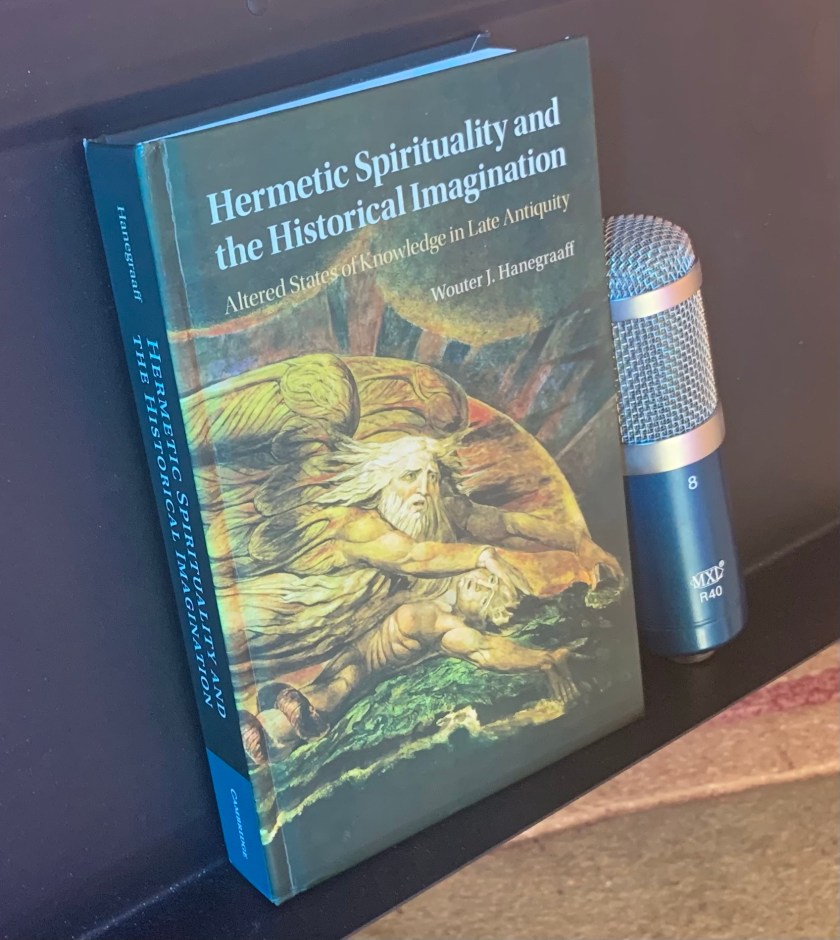
My Wussy Half-Truth in 1997 like the traditional methods of the mystics are non-drug entheogens
“There are multiple triggers for the dissociative cognitive state, including psychedelics, meditation, schizophrenia, sensory deprivation, hyperventilation, temporal-lobe epilepsy, UFO abduction, and near-death experiences.” – Michael Hoffman 1997
“the” dissociative state? maybe, but that is BS, in that it is not sufficient to cause mental model transformation from possibilism to eternalism. “DIZZY DOESN’T COUNT” – Michael Hoffman slogan.
“Dizzy Doesn’t Count”
{balance scale} = B.S. 🚫⚖️

I give NO credit to claims of “the traditional methods of the mystics” that are allegedly non-drug.
Non-drug entheogens is academic balony, with ZERO substantiation. It is pure doctrinal positioning, a circle of academics pleasing each other, not reality.
I wimped and caved, in:
Self-control Cybernetics, Dissociative Cognition, & Mystic Ego Death (1997 core theory spec) (Hoffman, 1997) https://egodeaththeory.wordpress.com/2020/11/30/self-control-cybernetics-dissociative-cognition-mystic-ego-death/
BEING SLIGHTLY DIZZY PROVES MY POINT:
Heavy breathing makes you dizzy – it does not cause mental model transformation, mental model transformation from possibilism to eternalism. which is the only thing that’s relevant for this debate.
My authority: My leading-edge father in 1980 led me in Grof BS Breathing. It is way way way too weak. weak!
keyboard shortcut for my 2004 “Entheogenic Esotericism” post
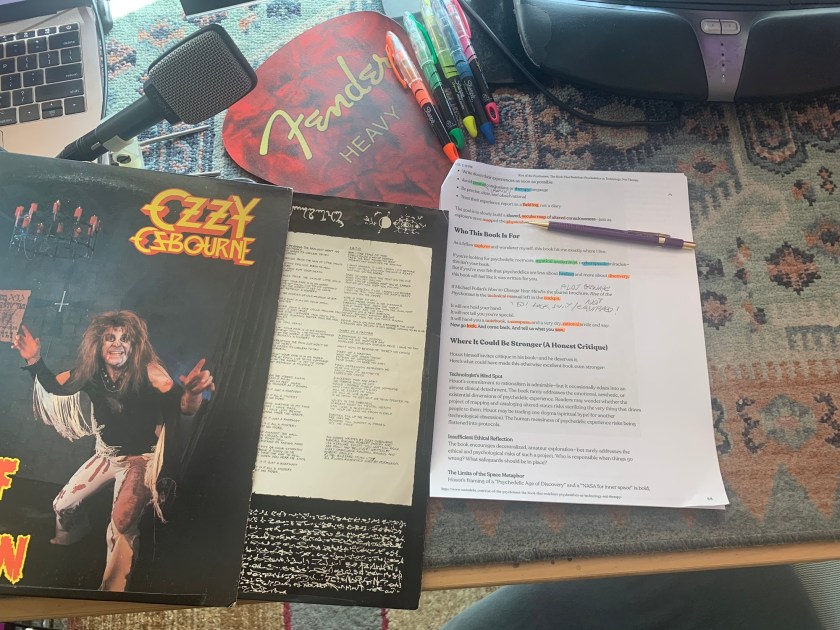
Made a keyboard shortcut for my 2004 “Entheogenic Esotericism” post at the Egodeath Yahoo Group
https://egodeaththeory.org/2025/03/18/hanegraaffs-inability-to-place-fixed-stars-in-sphere-7-or-8-proves-rebirth-is-into-fate-not-freedom/#Email-to-Hanegraaff-March-18-2025 links to:
https://egodeathyahoogroup.wordpress.com/2021/01/09/egodeath-yahoo-group-digest-66/#message3335 —
[aeee]
“Authentic esotericism is entheogenic esotericism. Entheogens are the key to esotericism. This is the simplest possible theory of esotericism, and the most natural, the least contrived and strained. Theories of esotericism that are not based on entheogens suffer from the problem of grandiose verbiage, unmet promises and claims, chronic vagueness, excuses for lack of potent and prompt efficacy, and no ability to deliver the experiences which are talked about. Drug-free esotericism doesn’t work; it is not effectively ergonomic.” – Michael Hoffman, Egodeath Yahoo Group, June 12, 2004
that lacks definition: “sufficient for mental model transformation from possibilism to eternalism” – note also: hyper-eternalism
When You Think of Psychedelics Extremism, Think Egodeath theory
🍄👑 King of the Ardent Advocates
I agree, Justin Sledge, it is always Psilocybin, never DMT. Do not say it’s always DMT. It is always Psilocybin. (It is never Wouter Hanegraaff’s non-drug entheogens.)
Per hardline Egodeath theory:
- No one ever had mystic experiernc any way other than Psilocybin.
- Academics lie when they emphatically proclaim their DOCTRINAL STATEMENT OF FAITH that “there are many ways to produce same effect as Psilocybin” – LIARS CLUB. Fabricicated alt methods do not work, defined as: they do not produce sufficient effect. re strength or reliablility. note however, Cuebensis is not as reliable or ergonomic as blotter. Cubensis is hard to worrk with, for Psilocybin transformation.
Transcription (with timestamps)
Easy to get w/o timestamps, also. todo??
0:09[Music]
0:22a lesson that I’ve learned in my short life thus far is that if we let others Define what success is for us we never
0:30achieve it however if we Define what success means to us and for us regardless of social political or
0:37economic expectations then we might have a chance
0:43this summer I got to experience a real bit of success what it feels like for me
0:50for this channel for the project of esotera I got to join in a roundt
0:56discussion with a personal hero of mine professor professor vouter hanrath at an
1:02institution I also deeply admire and Revere the embassy of the free mind also
1:08known as the Ritman library to discuss a topic that has long fascinated me the
1:15philosophy and spirituality of hermeticism of course Professor hanuka’s
1:21work has transformed the field of the study of wosa terorism and frankly it speaks for itself though I remember
1:29being young person in my late teens probably and finding his work in the late 1990s and think to myself my God
1:38you can study all this cool esotericism stuff with rigor with scientific
1:44academic rigor and that that still motivates me down to this day further
1:51when I discovered there was an entire vast Library where esoteric wisdom was
1:56collected in the very antiquarian volumes and manuscripts that first brought that light to this world I
2:04resolved I resolved that I would go there and I would study that material
2:09come what may among the same canals that dayart and Spinosa once tried so on a
2:16very very warm evening I got to experience a bit of what success is for me to speak on a topic dear to me with a
2:23personal hero in a space I hold with reverence among a crowd of absolutely
2:30wonderful like-minded people and some of the most wonderful dear friends I’ve met in the recent years so I want to
2:37introduce you to this conversation by encouraging you to head over to the Embassy of the free Minds YouTube
2:42channel and their website and subscribe subscribe to their content you can find the links below and in the
2:49description if you like the content we put forward here at esoterica you’ll enjoy their content immensely indeed we
2:57share a common goal making as a teric wisdom accessible with scholarly rigor secondly
3:05I’d encourage you to support their work by picking up some of the items from their web shop for instance this two
3:12volume Christ Plato Hermes Tris magistus volume is one of my absolute favorite
3:17books it is a veritable catalog of hermetic and mystical wisdom documenting
3:23the first 50 years of printing it’s like having a portable
3:28Museum but for topics that esoterica specializes in it’s well worth picking
3:34up I think you can get a copy of this two volume hardback really really amazingly bound and printed document for
3:40like 50 bucks now we recorded a lot of material at the Ritman Library so I’ll be rolling out some of that soon as well
3:46so if you like esoteric spirituality really really beautiful old books and a 17th century Dutch mansion
3:55on the canals of Amsterdam stay tuned but with special thanks to everyone at
4:01the embassy of the free m especially Dr lenda Martin here is my conversation
4:07with Professor hanra on hermeticism then and
4:14[Music]
4:27now okay okay sorry about the technical difficulties we’ve uh We’ve consulted and determined
4:34it was the Hermetic dionis who were infiltrating our sound system let me
4:39start over uh for those at home I’m Lucinda Martin I’m the director of the Ritman Research Institute and the bibla
4:46philosophica hermetica the library of hermetic philosophy and this evening we
4:51have a round table which we’re calling Hermes yesterday and today now as I said before our library
4:59used to be one of the few places to study hermetic discourses and traditions these things were long viewed as
5:05Superstitious by Academia and by mainstream churches and thus seen as Unworthy of of attention in the meantime
5:13Scholars have begun to realize the contributions of hermetic streams of thought to the cultural history of
5:20humanity and last November our library was added to the UNESCO memory of the world register because of the
5:27contributions some of our authors have made to the development of modern human
5:32rights in 2017 the Ritman family established a museum the embassy of the
5:38free mind which is where we are this evening to teach the general public about the content of the library we
5:45present exhibitions and we offer lectures and seminars and even a Children’s Program you might therefore
5:51say that the kind of event that we’re hosting tonight is in our DNA it brings together two of the most
5:58prominent voices about hermetic traditions and discourses one operating in Academia and one specialized in
6:06communicating to the public and those are also our two concerns Val Jan is Professor of the
6:14history of hermetic philosophy and related streams of thought at the University of
6:19Amsterdam he has many scholarly Publications including his most recent book hermetic spirituality and the
6:26historic imagination just Sledge is the creator of the YouTube channel esoterica which
6:33has more than 300,000 followers this evening we want to explore the past present and future of
6:41hermetic streams of thought and their study what role they’ve played in history what they mean to people today
6:49and what questions are open that still need to be answered about this subject
6:54each of our speakers will give a short presentation and then we want to open the discussion to as many questions as
7:01possible both from our live and our remote audience in this way we hope to
7:06include the perspectives of academics practitioners and anyone interested in
7:11this fascinating subject with that please join me in welcoming vouter and
7:18[Applause]
7:26Justin start okay well thank you very much for the nice
7:32introduction uh first of all and it’s very nice to be here again in the riton library a place where uh I’ve been
7:39coming uh since uh the end of the 80s the 1980s and um which is really the place
7:47uh where you can study the Hermetic literature uh there’s no better place no other place in the world which is as um
7:53as Central to this kind of research as this place here so this is so I’m very happy to be here again um what I would
8:00like to do just in 15 minutes is uh just give an very short uh introduction to
8:06what our hertica are all about for somewhat larger audience many people in the audience here might already know
8:12what it’s all about more or less but maybe the larger audience doesn’t so um
8:17what are Thea all about I’d like to uh tell a little bit about this um by while
8:23at the same time also telling you about my my personal interest and my own own development in my uh encounters my
8:31encounters with th greatest herish herish Trish magistus the um the
8:37legendary author of the Hermetic writings uh I encountered the carpus hermeticum the most Central text of
8:44hermetic writings uh by the end of the 1980s uh in a Dutch translation which
8:49was made possible by the biblo of philosophic hertica here in Amsterdam and the translation of the carpatica
8:56made by uh um rulof Brook and K whel which was uh of great importance for uh
9:03you know calling attention to the hertica in in the Dutch context I got fascinated I read these texts I was
9:10wondering what is it all about I couldn’t really make out entirely what they were all about there were many
9:15things that puzzled me about him but I got fascinated and hooked about this text um and um what is clear in any case
9:24these are texts that are attributed to an legendary author Hermes mesus or in
9:30which this legendary author or wisdom teachers plays a central role uh they
9:35were written in the second third centuries of the Common Era more or less uh in Greek and um um but they were
9:43written in Egypt and this combination of Egypt and Greek is interesting and and important for understanding what arar
9:50are all about because uh when you think of Greece then you think usually about
9:56Greece Greek culture as the origin of Greek rationalism Greek philosophy Etc
10:01and many people think that the whole of Western civilization began in Greece right so Greece has this kind of iconic
10:08status of the or as the origin of Western philosophy uh and rationalism
10:13but then these these texts were written in Egypt and Egypt is often seen as the counterpart in that respect Egypt is
10:21often perceived as the home of everything that’s not rational and not
10:26philosophical but uh that has to do with magic and Superstition and all kind of
10:32things that were seen as the counterpart of rationality and so the fact that her hetic writings were written precisely in
10:38Egypt but in Greek and in Greek which uses a lot of philosophical language is
10:44fascinating so you have these these two countries Egypt and Greece together so
10:49to speak in uh one carpus of text hertica these Texs are attributed to
10:54this legendary teacher um and uh they are all about the search for gnosis
11:00ultimate knowledge knowledge about the true nature of reality the true nature of God and the true nature of ourselves
11:08and um to already you know give you very shortly the answer of um what the quest
11:14prognosis is all about the ultimate um um answer that our hermetic uh authors
11:21gave to the question what is reality is all about what is the true nature of reality was that they said everything is
11:28light there is only one reality spiritual light which is universal and
11:33um God is light reality is light and the human being is light the only thing that
11:38really exists is light Universal light and they call that the Noose with a Greek word um now of course when we’re sitting
11:46here do you look at each other and we are looking we standing in a room here and you see people you see beautiful
11:52pictures at the walls Etc you’re not seeing light uh you’re you’re seeing all kind of objects and people
11:59um why is that well that is because according to the hertica uh we are not
12:05actually perceiving reality as it really is we are diluted so our state of consciousness in which we find ourselves
12:11is a diluted State a state of state of hallucination and this is these are really appropriate terms uh a state of
12:18hallucination in which we see things that seem very real but are not ultimately real because the only thing
12:24that’s really real is universal light that’s also a kind of core uh belief of the htic authors um so the question is
12:32how do we uh uh wake up from the state of delusion and illusion in which we
12:37find ourselves in which we think this is reality and how do we find our way towards a true perception of the true
12:44nature of reality which is universal light that was really what the way of Hermes was all about and that is what
12:50you find in the Hermetic literature so in the Hermetic literature you find the
12:55description of what uh is often described as the path of Hermes or the way of Hermes in which um the authors
13:03and practitioners who wrote these texts where describing how you can uh Free
13:11Yourself liberate yourself from delusionary perceptions of reality and
13:16find your way to gnosis of reality as it really is that’s a kind of a core
13:22summary of what oura are all about these are unique profound very fascinating
13:27text I have been studying them for decades now and this is in Corpus of text that you can keep reading there are
13:33many text that you might come across when you read them a couple of times you know what they’re all about these are
13:39text that you can keep reading because they always keep surprising you I’ve uh written a pretty thick book about him um
13:46and been doing little else then studying the herar for five or six years I’m absolutely sure if I uh start reading
13:54the text the text again I will again discover new things that I didn’t see before uh because this is how
14:01fascinating and multi levs levels leveled their hetic text are so these
14:06are Classics these are Classics um to say something else also about the
14:12reception of the Hy because these a Tex from the second third Century late Antiquity uh Egypt and the Roman Empire
14:20very long time ago uh many things happened with armatic writings over the centuries they got translated they got
14:28copied by scribes Etc a lot can be said about it but an highlight of the Revival
14:33of the Hermetic uh literature came in the 15th century when the Greek texts uh
14:40especially the text that is known as the Corpus hermeticum uh got translated into Latin by one of the great humanists in
14:47the uh of the Renaissance marcelio ficino and this famous translation came
14:52out in 1471 uh known as the Pander uh the book on the wisdom and uh
15:00power of God the famous translation of the carum now I got fascinated by uh the
15:08reception and the translation of the hertica in the Renaissance in the spirit uh in 1997 and that’s maybe a nice small
15:17story to tell of how very small things that happen in your life can totally change your life forever and because I
15:23was living in Paris at that time uh I was one evening I was visiting a friend of mine famous scholar of the study of
15:30esotericism antoan f uh who’s an pioneering St scholar in our field I was
15:37having a nice evening at home with him and I was looking um at a little glass case that he had in his room which had a
15:45collection of very old books uh very valuable old books the kind of books that you find here in the Ritman library
15:51and one of them caught my interest for some reason I took it out it turned out to be in French translation from from
15:58the 16th century of hermetic literature and um and somehow something
16:06tickled my interest and I still think if I hadn’t taken that book out my life would have changed completely would have
16:11been and I would not have done most of the things that I actually have done I asked Onan fa can I borrow this book
16:19well it’s a valuable 16th century text with he amazingly uh you know allowed me
16:25to take it home or with me to my room uh that I had in Paris and I took it with me and I was reading it uh in reading it
16:32in b i very well remember this I couldn’t make out most of it it was written in 16th century French very
16:39difficult uh I didn’t understand most of it but I understand some of it and I noticed there’s something about this
16:46text there’s something fascinating about it it’s a kind of an intuition that you can have sometimes I want to know more
16:51about this two weeks later I went to Amsterdam and I went to the bi of philosophic hertica here and I met an a
16:59neolatin translator who happened to be sitting there with born uh who was translating hermatic text into Dutch and
17:06I asked what are you what what are you doing and he said uh well I’m translating a text by looo lelli and
17:14then a little bell went off my head because I had been reading this French text and this had been written by La
17:20lazel that is the French the frenchification so to speak of lovic larell and so this was a coincidence I
17:28thought I want to know more about loo latari I started working with with born and we ended up translating all the
17:34works by latari uh from Latin into English wrote a large introduction about
17:40it and published a book about this and why was this so important well uh why was this so fascinating uh to me and why
17:48do I think it is important to say something about about larell well there is the famous there’s a famous narrative
17:55that has been told about their htic Traditions by and the Hermetic tradition by Francis Yates an great scholar uh who
18:03published an Masterpiece in 1964 jordano Bruno and the hetic
18:09tradition in which she argued that the htic that the translation of the hertica in the 15th century um was a momentous
18:17event in cultural history uh the translation that fito made of the Corpus
18:23ticum changed the nature of the Renaissance it introduced Magic uh and
18:29learned discourse about magic into the intellectual culture and it had a huge
18:34impacts on the entire early modern periods and gave um the starting point
18:40in many ways according to Francis Yates to the Scientific Revolution which for finally led to the modern world so she
18:46created she made this beautiful large Grand narrative about the enormous
18:51impact of the Hermetic literature the Hermetic tradition which um all started
18:57with the Trans translation of the scorpus herum in 14 1471 now I was reading this L larel this
19:05L larell and I was looking him up in Franc Jade’s famous book and I could
19:11hardly find him he was mentioned here and there in a few foot notes but what I discovered was that this unknown guy
19:19lelli had been the second translator of the carpus ticum next to uh to ficino he
19:26had written some treatises that had not been included by ficino so it was not
19:32just ficino who translated the carpus it was also lelli um so I wanted to know more about
19:38lelli and to cut a very long story short short because I just have a few more minutes um it’s basically turned out
19:46that by looking at one forgotten figure that’s already in this case when you actually start studying him and
19:53contextualize him and learn about him and learn about his work you discover
19:58that the basic normative standard narrative that had so impressed
20:04countless people The Narrative by Francis Yates had to be revised and her whole story well turned out to be very
20:13different from reality so uh basically on the basis of lell I came to the what
20:20I discovered at that occasion was how strongly Scholars with their interpretation of ancient text can
20:27determine the way that we look at history and sometimes their interpretations are
20:32wrong and have to be revised and then suddenly the whole picture changes that uh that Discovery has always always
20:39stayed with me um the whole story of the Hermetic tradition that Francis Jades
20:44was telling had had to be revised on the basis of new discoveries of an unknown
20:50hermatic author L lelli uh much more recently beginning in 2015 more or less
20:56I decided to finally go back to this mysterious uh hermetic text themselves
21:02the text that were written in the second and the third century and really studied them very very very carefully going back
21:08to the Greek the Greek Originals looking at all the translations the footnotes the commentaries and whatever is there
21:14reading all the secondary literature and again I found that um if you uh if you
21:21delve deep into this text then you find that they are very profound they’re very deep there’s you you keep discovering
21:28do things about them but what struck me most is that again the way that we look
21:34at this text uh is often determined by the narratives that in this case 20th
21:40century Scholars have put on these text and often these narratives are wrong and again in this case I have been arguing
21:48and maybe we can talk a bit more about it later that uh we have to look at this whole whole hermatic literature of for
21:54Antiquity in a radically different way from how we used to the text and that is my final part of my little talk these
22:01text have often been described as the philosophical hertica so this which
22:06which suggest these are philosophical texts um I’ve come to the conclusion that these are actually not
22:12philosophical texts they use philosophical language Greek philosophy
22:17they use elements from the from Plato and and platonic philosophy but they are
22:23not interested in resolving philosophical questions in a way that standard philosophers are usually doing
22:30they’re interested in something else they’re using philosophy in order to find uh answers to the question of what
22:37is the ultimate nature of reality but most of all to find answers to how can we heal ourselves from our deluded
22:44Consciousness and how can we find the way back to a direct perception of reality as it really is so I’ve proposed
22:52to refer to this uh Corpus of philosophical hertica as spiritual
22:58hertica this is not these are not philosophical text these are what I call spiritual text which uh are uh centrally
23:07uh devoted to uh trying to transform our
23:12interior Constitution to transform ourselves to transform our minds and our whole Consciousness in such a way that
23:20we uh get liberated from deluded perceptions of the world and actually
23:25discover how reality really is that is uh that is what these texts in my view
23:30are all about final thing I want to say is that um so the Ultimate Reality that
23:37you discover by means of gnosis that is the central method of Thea is that
23:43there’s only one reality and that is light Universal light at the same time uh very often
23:50Scholars have have suggested that this means that human beings according to Thea have to liberate ourselves from
23:57matter from the material world from the body and find our way back to an non-material and other worlds of pure
24:04spirituality but I found that this is actually not what texts say they’re actually about embodiment they’re not
24:10about escaping from the world towards other spiritual reality of pure light they’re actually about making contact
24:17with that reality and then channeling it into this world so the herar is actually
24:23an extremely World affirming positive worldview that celebrates the beauty of
24:28existence the beauty of reality and uh doesn’t teach us to escape from the
24:34world but actually U tries to teach its practitioners to transform the world to
24:40make it better to make it more beautiful and to make it more true um so
24:45nonduality the reality of one reality of Light which is the only reality that
24:51really exists One Core element of Thea and the other core core element is the
24:56task of trying to channel that Universal light into our material world and um
25:03that I think is the core uh concept are the Core Concepts of thetic htic
25:08spirituality that you find here and as Scholars and that is what I do in my daily life you can uh Trace how these
25:16text with this strange and often misunderstood message get uh interpreted
25:22reinterpreted passed on often misunderstood or creatively re
25:27interpreted in all kind of ways through the century until we reach the present day and the reinterpretation of the
25:33hertica is still going on at this moment in all kind of alternative spiritual circles and maybe we will talk about
25:39this also with Justin sletch about this so that was my small introduction thank
25:49you um what I want to talk about is a bit what valter mentioned um there’s sort of what hermeticism was and sort of
25:56what hermeticism was in the ancient world but there’s also how we’ve received hermeticism what it was and how
26:02we received it are quite different things as you can imagine and what prompted this at some level was me
26:07thinking about how I use the word hermetic when I’m sitting down writing scripts for esoterica and what I
26:12discovered was that I use it in all kinds of completely different ways this word took on so many valences of meaning
26:20and I began to ask myself where did some of these valences come from and I think
26:25that question is incredibly complicated and I’m going to give you one tiny answer to where I think that may have
26:30come from and where that answer comes from I think at some level that answer is very overdetermined and this is just
26:37one piece of that puzzle perhaps a footnote that could have been a valter’s book in fact is that we often find the
26:42Corpus syum and hermetic literature traveling with other texts often
26:48Scholars will talk about the Corpus of medicum as if it’s sort of floating alone by itself and in some editions it did but in a great many editions
26:54especially editions that were very decisive and very popular the Corpus herum is moving alongside as a fellow
27:02traveler to other texts and as you can imagine you know many folks here have
27:07been painted like The Fringe you keep The Company You Keep we begin to be painted as the company we keep for
27:13better and and force so this text is a very important
27:19text in the history of all of this this is a 1497 uh Aldine this is if you even
27:24folks here may recognize the type of Aldis monut uh this is a platonic primer This was
27:30meant to be a a text basically that you would pick up and you would read before you read ficino’s complete translation
27:36of Plato now what’s important about this text iside the fact it’s the first time that yamus appears in print this is
27:43where he gets famously the title day Myster e that you see a complete interesting collection not yet with the
27:49Corpus ticum but a very interesting collection of all kinds of texts that
27:56when you look at them I bet you look at them and go hermetic right you kind they give you sort of hermetic Vibes even
28:02though the Corpus hermeticum isn’t there but we have is De mysteres by yamus we have the commentary on the alabes we
28:10have Pro’s book on sacrifice and Magic what’s also important about this is that many of these texts veilance this
28:15collection a little bit magicky there a little bit magicky veilance to these texts so on deities and diamonds on
28:22dreams on diamonds by Michael celis this is a famous sort of textbook of demonology a Christian text no less uh
28:28one of the few only Christian texts in here we go through and we get or a kind of grab bag of platonic literature
28:35neoplatonic literature Pythagorean literature that all is going to set the stage for marcelio ficino’s translation
28:42of Plato’s Opera now this text does not yet contain the Corpus hedum but it will
28:47in just a moment but again if you take a look at these texts they’re already beginning to take on some of the effects
28:54of what we Mal began to think about as kind of the thing that aen Renaissance megus would want to pick up in fact if I
29:00were a Renaissance megus I would be the first person in line to buy this
29:05compendium in 1516 right and this to FYI see I can pop back this is just two
29:11years before ficino dies right so just to get an idea and also it contains one text by ficino at the very end just FYI
29:19so already establishing and just FYI the Aldine press is funded by money from uh
29:24from the deorta family so giovan deorta is actually knee deep in this from the very beginning and the Aldine press
29:30which is quite famous one of the most beautiful presses of all time is already pumping out a book by ficino in 1497
29:36just a couple of year before he dies in 1516 this Edition is greatly expanded
29:43and the AL press logo is put right beneath it now for my book nerds in the room and I imagine there’s at least one
29:49of you the symbol of the Aline press is a
29:55symbol of extreme quality when you you want to think about the engine of the Renaissance it’s the Aldine press they
30:01are pumping out Greek and Latin text and accessible easy to read very easy to
30:06read relatively inexpensive volumes and the Aline press will eventually give us small books that will become the
30:12background for we now called paperbacks if you wanted access to Old wisdom add
30:18Fontes back to the sources the alme Press was your go-to and when the alme
30:24Press printed something it meant it was worth reading was a classic it was one of the
30:29sources and there it is right in the middle now of oops I’m sorry I don’t
30:35have it written out here but right at the very heart of this text is now murky
30:41Tris megisti Pander it’s now at the center of it in fact I have this at home
30:46if you open it up to the center hermus magistus is now at the Beating Heart of
30:52a platonic reader right follows it is the escolapios and then a grab bag
30:57mostly of ficino all ficino but many of ficino things taken from his three books on life many of which deal with quasi
31:05medical quasi magical ways of living the text is now even more leaning in the direction of something like what a
31:11Renaissance Megos would want including at Beating Heart now Hermes Tris magistus so with the Pander is now
31:18sitting at the very heart of what would be the book you would want if you were a John D if you were Gino de Bruno if you
31:24were someone like that this text is decisive in the history of all this because this is one of the first times
31:31where the Pander will be printed with other texts and this Edition in some form of fashion is going to become one
31:38of the most best-selling editions of the corpus sedicum now when we talk about
31:43editions of a corpus fum we might say this is 11th edition of the Corpus fum the 11th Edition when you hear that what
31:50you’re hearing is it’s the 11th edition of the Corpus medicum as if the corpor amicum is by itself it’s not it’s now
31:58traveling with a collection of books that are now shaping what hermeticism is
32:04what adantes means so when you read books like when you bury procol’s book on Magic and cel’s book on demons right
32:12next to Pythagoras and that’s now beginning to color what hermetic is going to mean hermetic is
32:17now taking on AV veillance because now it’s traveling with other books that are now coloring what it’s going to look
32:25like the 15 16 Edition would be now would be the last time that the Aldine press would pick this up the next
32:31edition of the Corpus medicum the very next edition of the Corpus medicum right would now be printed in 1532 now switched over to basil and now
32:39look what’s happened all the ficino’s been dropped so is the Michael cellus on demons maybe that made some people
32:44uncomfortable demons have a tendency to do that and yamus and Pander have
32:50switched pride of place he now is no longer at the center of the collection he is now at the top and many of the
32:56things have been dropped but not yamus not procus including on spirits and on Deon and on sacrifice and
33:04Magic probably one of the most popular books about sort of occultism in the in
33:10the Middle Ages this Edition with one with one change we’ll see in just a minute this one right here is also very
33:16important because it follows a different manuscript tradition than the 14 Infamous 1471 edition of the Pander this
33:23Edition never achieved great success as an addition however this addition did beginning in
33:31uh 1549 this the center of location for this printing is now going to be switched over into France in this
33:38Edition as you can see has now switched yamus for p of place now he’s now at the
33:43front again and now heres Tris mistas bookends the text Michael CIS has made a return
33:50on demons has come back and what we have still poery and procus notice how much
33:56more magically inclined this collection is now than the first one it’s almost the plurality of the
34:03text we’re dealing with demons and magic and Hermes Tris magistus is now the bookend of the text this Edition
34:10beginning in 14 1549 would go into I haven’t counted them yet but there would be editions printed almost every five
34:17years through the 17th century think about that time period about 1549 into
34:22the sort of mid 17th century that’s the time period where we see a huge explosion in the interest of people like
34:29d and things like that this text I think would have been the goto text that you
34:34wanted to go to to get access to this literature this was a octavo Edition very small
34:40inexpensive if you wanted a copy of the of the Hermes Tris magistus if you wanted access to that ad Fontes you
34:46picked it up here now think about this from the point of view of the reader to get to the Herm you have to
34:53cross this path if you’re reading the book cover to cover imagine imagine the primed imagine what you’re thinking as a
34:59reader as your mind has been primed through this reading and by the time you get to the to the
35:06Pander imagine to valter’s point imagine what you are now receiving you are now reading the Pander through this prism
35:14and I think that’s an incredibly important prism to understand when we think about an addition of the Corpus
35:20ticum we have to think about how Not only was it received but literally how it was read
35:27in a book at that time understanding the book culture shapes how the
35:33understanding of these texts happened and without understanding that book culture and this literature as it’s put
35:38into this configuration I think that tells us a great deal or at least gives us part of
35:43a clue about how this hermeticism whatever that means is going
35:49to be received by readers and by people like who are going to be practicing
35:54hermeticism just to drive this point home and to make it a little bit more ancient and more I may perhaps more
35:59interesting uh this is the Edition this is the text from the 1549 I think would be an interesting thing for my folks out
36:05there who are mystically inclined toward hermeticism would be put yourself back into the
36:101550s go meet all your 1550s buddies start a reading group and then read these texts in this
36:16order and see what it would have felt like intellectually to work through
36:22yamus and to come through the Plato commentary on Plato’s alabes which by the way is never the Plato’s albies is
36:28never read now I’ve went through five years of graduate school in philosophy and the only thing we ever learned about
36:33it was Plato probably didn’t write it right but I tell you this you know what the first book you read if you signed up
36:39to a neoplatonism class by yamus you read the alabes everybody read the alabes now
36:46nobody does aside from Specialists so and this by the way is a commentary on uh particularly a commentary by procas
36:53on the alabes I challenge you if you’re interested in in this read those read these books in this order because that’s
36:59how someone like John D would have picked this book up and he had this on a shelf by the way this is how he would have read it so Gathering these books
37:07from from the past we have to think about Hermes Tris mistas and the Pander
37:12and his wisdom as not isolated into one book or one system of books but buried
37:17among other books and relating intellectually and gaining avalance from
37:23these other books this is nothing new if we rind all the way back to the
37:30nagamati library the only other place in Antiquity really where we find hermetic text in C2 in the actual volumes the
37:38physical Coptic volumes we also find hermetic literature writing along other
37:44literature nagamma codex 6 is a weird codex I know that the nagamma Codex are
37:51all kind of weird but the nagati Codex 6 is especially unusual it’s the only one
37:56to have an Max Thunder perfect mind is unlike any other text in the nagamati library for folks who know it it’s
38:02beautiful maybe one of those beautiful texts of the ancient world the authoritative discourse and the concept
38:07of our great power are also very odd kinds of text you probably even if you’re interested in nostic ISM you
38:13probably haven’t heard much about them they’re relatively brief and they’re relatively odd texts there’s a random
38:18chunk of the Republic which has a very interesting veillance when it’s been translated into Coptic and then the last
38:23three texts are hermetic I would say and argue that this is not new in the same way that we can
38:31look through the printing history of the Corpus medicum we could probably assume at some level at least from this one
38:37piece of evidence that it may have not even in the ancient world traveled by itself it may have always been a kind of
38:44ancient traveler and what that means at some level is that whatever hermetic
38:49meant and valter’s point whatever hermetism was in IPO in itself it
38:55probably always also Flo as a signifier it probably meant something different in
39:01different communities in different textual contexts it certainly meant something you know what connection and
39:06when the when the when the the Codex writer was putting this together what connection in their mind connected
39:12Thunder perfect mind to the discourse of the V and the inot I don’t know and I
39:17don’t think it was random but I don’t know and that’s a great place to at least speculate why put them in this
39:24codex and so what I want to say as sort of a conclusion to wrap this up
39:29is that the hermeticism that anyone has inherited is always floated in this way it seems like we have evidence in the
39:35late Antiquity for this we have evidence in the history of printing for this and I think that what’s fascinating and
39:41what’s exciting about that is that on the one hand we can do a great links to do what I what I would call forensic
39:47philosophy the great work that valter has done in his recent book to sort of forensically reconstruct hermeticism as
39:54it was in these texts and which interesting I think voucher in your work is how also you take some text and put
39:59them sort of closer to the periphery of what hermetism was and some outside of it right and even that and I think
40:04that’s an interesting part of this like you have now also entered in sort of rearranged them in a way that you think
40:10makes the most sense and I like the fact that we could throw your yeah you could throw the diagram up here as well and it
40:15will be part of this history of how we’ve rearranged them to make them the hermetism we think is the authentic hermetism yeah uh and I think that
40:23that’s a great and I find your read very compelling but it’s an interesting part of sort of the how we put these things
40:29together we could throw valters up there as well but what that means is that we have hermeticism in Hermes and hermus
40:35megistus as something like we might call floating signifiers they mean something it doesn’t you can’t say anything’s
40:41hermetic but the exact meaning is always determined at some level by how we receive it and how we receive it is
40:48often in history been through these bundles of wisdom not a not in itself a
40:54bundle of wisdom and that’s exciting because it means that whatever hermetism is or was it’s not hermetically closed
41:02it’s hermetically open thank
41:14you well the cogs are turning with uh all the information you’ve both given us um I think you’ve really given us a good
41:21introduction to um what the original practitioners of hermetic religion we’re
41:27after um and centuries later we’ve heard something about the reception um
41:32obviously this is not just a gap of time it’s a gap between relived religion and
41:37reception through texts um and I I wonder what what needs
41:44these discourses these traditions this religion or these thoughts have served
41:49over the over the centuries and I think we can even extend that to Scholars I mean this served something for Francis
41:56Yates as well yeah yeah so I just be curious about both your thoughts about
42:02that one thing I was thinking listening to your to your wonderful story a story about how these texts travel is uh is
42:10that in a certain way you are uh giving New Life to maybe to something of Fran Shades narrative because I’ve been
42:17deconstructing Franc Shades narrative and you’re in a certain way reconstructing it by saying this uh this
42:22hermatic literature uh was read as close connection with magic right with with
42:29magical text and text about demons etc etc and so the interesting thing is that
42:35if you actually read the Corpus herum in the translation by ficino they you find
42:40there’s no magic in it there’s no magic anywhere um so you find magic in the escalus but not in the carpus ofum and
42:47um so and also another thing is also that uh it um that that has been a bit
42:54bit forgotten but fito strangely enough he translated it because because kimoi
43:01told him you have to translate it well if you’re MOS tells you that you translate it uh that’s very clear so he
43:08did it but uh it seems that he wasn’t very interested and K also seems to they
43:14do not seem to have been so impressed by the Corpus and meum they made no effort to translate to to printed wasn’t
43:21printed it got printed in 171 Years Later by a pirate in a pired copy uh by
43:28two other humanists who just rested through the press and um FICO himself
43:33never tried to publish it so I always get the impression that uh for them the
43:39Corpus was a bit of a disappointment actually uh didn’t offer them what they
43:44had thought it would give them but then it gets caught up in the whole you know what what you’ve been telling us all
43:51these uh all these new prints and new additions that travel with a text and you get this kind of this kind of uh
43:58yeah hermatic magical hermatic you know constellations and uh and that is what
44:04Francis Shades talks about would that make sense I think so and I think and if I could rewind this I would go back to
44:10one of these slides and we look at that collection and to us I think we think
44:15all that makes sense all that makes sense together Pythagoras and Michael celus and ficino and all that but if you
44:22actually read those books they don’t sit comfortably together yamus didn’t agree with poery Michael cettus was a
44:28Christian if you look at these texts by ficino wasn’t really interested in in in hermatic ideas it doesn’t seem like they
44:35had a huge impact on him what’s interesting to me is that the printer thought they made sense to go together
44:41and that we look at them and they make sense together to us but intellectually they are it’s a very
44:47tense conversation and I think what’s interesting right is that what I’d point out is a dialectic actually between
44:54Francis the8 saying they’re all connected and I’m saying they’re connected but the connection actually
45:00isn’t natural it’s a connection that makes sense that made sense to a printer and what’s interesting is that we’ve
45:05inherited their decisions it sounds like it was a marketing decision it could have been it could have been clickbait
45:11right like demons and mistas he could have been Renaissance clickbait for all I know but um who demons and and but
45:18what’s interesting is that we’ve we we’ve inherited a decision that may have been made by two printers yeah or by two
45:24humanists who just leged a copy of the Pander yeah and and and a defective copy
45:29and a defective copy yeah yeah yeah and I think that that’s um and uh and what’s interesting is when it’s the 1471
45:35Edition and when it’s not um and so I think what for me it’s not so much a a
45:41defense of the Yates position it’s a sense that it was natural for her to come to that position because that’s how
45:46it traveled and again going to point back to your point about contingency the
45:51decision made by a printer and Aldis mantua’s press in 1497 shaped how an entire generation came to
45:59view this collection of literature despite the fact that that collection of literature had nothing to do with Michael cus or or nothing to do with own
46:06demons or nothing to do with Theus or um or poery for that matter and yet that
46:11surveillance it got right because the accident of history and another effect of this was that certain other auers
46:17that should have gotten more attention were marginalized because uh so lelli my
46:22guy uh really um he gets printed in uh you know early 16th century but he never
46:29never got the got a popularity uh that might have been gained by traveling with
46:34all these other guys and uh and one reason is that there was no nothing nothing magical in him either it wasn’t
46:41in P it wasn’t in lell no magic but interestingly and maybe as as a footnote
46:46that’s interesting I think is that um that the author who was most influenced
46:51by lelli uh but you can hardly tell this if you don’t pay very very close attention
46:57is agria and agria the great author of The you know the three books on Magic uh
47:04actually uh many of his core ideas come straight from from lelli but uh this is
47:09kind of an esoteric Secret in um in agria you don’t notice it unless you
47:15really studied very care and it’s so important to note that lazzari’s addition of the Corpus medicum was complete it had all 17 yeah and he’s the
47:23first person in history to say hermetic kusum I am a hermeticist that’s true no
47:29one they people say they were on the path of Hermes in Antiquity no one called themselves a hermeticist but it’s
47:34great because he says heran that’s an excellent point that’s that’s absolutely true uh yes he is the
47:40first to say that and he believed also uh sorry to go on B we were both fans of
47:46laari I mean yeah I am in her yes he said that and a Christian and uh he
47:52believed that he had encountered the reincarnation of Po MRE the teacher of Hermes and the
47:59Corpus of medic one who had who was the same entity as Jesus Christ so for him
48:04po mandri was the logos was Christ who had now now returned in his own time as
48:10this wondering preacher giovan Doro who was his master his Guru and um so he
48:16believed that Christ and and po mandas had returned in his own time and so the end of time was near uh yeah he was so
48:22so so he was so unusual that solers doubted he really existed for a while yeah yeah yeah yeah but be that unusual
48:29that in the future people doubted you really were real yeah well I I wanted to go back to to your explanation V about
48:35what um about what the original um people on the path of Hermes were after
48:41and you said light yeah and I thought what is this light is it an experience
48:48what is the light and to what extent is it a a factor for these later people I
48:53mean maybe these Christians also saw this light and of course there are many passages in the Bible Christ is the
49:00light of the world and so forth um but what do you think they understood this light to be well uh H this is this is I
49:09think a core Point uh the most important uh word I think in the hertica is n the
49:15Greek word n that is the core text if you don’t get the the core word if you want to understand the hertica you have
49:22to start understanding what new means in Greek now if you uh if an open open up
49:28in the Greek dictionary uh dictionary and you look up the word news the
49:33dictionary will tell you it means mind or it means intellect and so you immed
49:38and that’s Al also what you find in all the modern translations uh news gets translated as mind or intellect and
49:44immediately everything starts looking very philosophical to us because well we know what intellect is right we have an
49:50intellect we are intelligent we have a mind it’s in our brain this are all this is all very very familiar language to us
49:56so we read this word about the news and we think we know what it means I’m arguing we do not understand at all what
50:03it means when we translate as intellect or mind because it meant something else and in order to find out what it meant
50:11you have to uh read the text themselves and you have to have to to let their
50:16hermetic authors tell you what news means to them and forget about the dictionary translation for a moment and
50:23if you read read it carefully then I think the only conclusion you can draw is that this is what it means there is
50:29such a thing as an Universal Divine Light God is light this is not of course
50:36the light that comes from the lamps here this is a spiritual reality of Light
50:41which you uh which you can only perceive which you cannot perceive with your natural senses with your eyes you can
50:48only perceive it by an inner uh sense the an inner kind of visual visual sense
50:56which again is called noose so you can only understand the light of divinity
51:01with the light of your own mind or your own noose um so your own noose your own
51:07light your own Inner Light is the light by which you see the light if that makes any sense uh but this light is not
51:15natural light it is a spiritual light and it is the only is the essence of what God really is and um but it is not
51:23just a philosophical concept it is something that is being uh you know according to the hertica so
51:28at the very beginning of Corpus hertica one the poas uh in the very first verses
51:34you will find that the Visionary uh Hermes probably is in a kind of an yeah
51:40an altered state of consciousness in an ecstatic State his bodily senses are on shutdown so to speak uh his new um sour
51:49high he says and um at one point he um gets to see he no I should say
51:58differently he gets to see an enormous being a great entity uh who introduces
52:04himself as pandri this great entity who talks to him and asks him what do you
52:10want to know and he says I want to know the nature of reality and I know want
52:15want to know what God is and then uh pandus changes his appearance and uh
52:21then hermy sees a universal light uh which and he he um spontaneously feels
52:27feelings of love for that light and that is the news so what actually happens is
52:33that that pandis is the news he changes his appearance and he shows what he really is universal light so if you ask
52:41me what is it yeah uh the the hermatic ERS would tell tell you there’s only one
52:47way to know it and that is by experiencing it and then you will know what it is it is not what comes out of
52:52this LMS but what you describe sounds a lot like what you can read in MA eot in
52:58Toler in souo and by the way they’re all also in all the encyclopedia is a
53:03philosophy right so I you know I don’t see the problem with uh philosophy and religion well the problem is that it’s
53:11not the problem is that um we easily get
53:16uh sidetracked because we think that we know when you hear the word intellect they you think oh yeah I know what
53:22intellect is and and we tend to take an Anon IC perspective and to to project
53:28our modern understandings of intellects intellectual intellectualism intellectual rationality rationality
53:34mind we tend to project it onto the text and and then and that uh keeps us very
53:43easily from reading what what are they actually telling us that it means and we
53:48we just pass our own meetings over the meetings that they this exactly what the examples you showed um illust St I think
53:56it’s an example of what we sometimes in philosophy called the dictionary fallacy it’s if if we’re having a debate about something and you say well the
54:02dictionary says it means this dictionaries tell us how words are used not what they mean meaning is only
54:07determined by context and if you go to a dictionary to look up the word noose it says intellect you’re like well settled
54:13like yeah words change meaning and depal context and when you have an incredibly
54:19technical context like what the was happening at the Corpus amicum you’re committing the dictionary fallacy
54:27okay well I have a whole list of questions here and we could go on all night but I’m pretty sure uh the
54:32audience has a few questions too Corey yeah
54:38thanks um I have a question valter you mentioned in your remarks that um the hermetica are basically an
54:45inexhaustible uh F or source for different interpretations as you read
54:50them later um could you maybe give an example of one of your interpretations that changed as a consequence of later
54:58reading or as you develop or sort of changing of one of your conclusions
55:03yeah yeah thank you that was actually one of the question that we thought about earlier how have you changed your
55:09mind and I might as well well interpreted like that yeah um I’ve become extremely interested over the
55:16past 20 years or so for all kinds of reasons in the concept of um alterations of Consciousness or Altered States Of
55:23Consciousness that has become a major uh concern for me a major prism for reading
55:30um materials that I study and um and when I read this text in the 1990s that
55:36concept was not on my radar uh but later later it came on my radar and um so what
55:43I have been arguing in this book uh which has the subtitle altered stat of knowledge and late Antiquity um is that
55:51um uh you know anything that we can know at all uh yeah depends on our state of
55:58consciousness so at this moment I am in an sober State of Consciousness I am
56:04quite sober and focused I’m wide awake I’ve had a cup of coffee uh I can see
56:09you guys I can I can gain a lot of knowledge at this moment by looking at you I know what you look like I can I I
56:16can see the trees outside Etc that’s knowledge that accessible to me in this state of mind I can also in the State of
56:22Consciousness I can also sit behind the computer and start writing an scholarly article and that goes very well in this
56:28state of consciousness right but if you are in an radically altered state of consciousness like for instance the
56:34state that Hermes describes in the first creats of the carpus hermeticum an ecstatic State then um in that stat you
56:42know forget writing an article or that kind of thing you cannot do that but so there’s certain kinds of knowledge that
56:49are not accessible to you then but other other kinds of knowledge are accessible to you so at that’s in that state he
56:55suddenly can uh see the news and he can see poyares and in our state of consciousness now we cannot see the news
57:02poies we do not see the universal light right so so the point is that as we change our Consciousness our state of
57:09consciousness certain uh types of knowledge become accessible to us and other types of knowledge knowledge
57:15become inaccessible to us and um this for me has become an uh a key for
57:23understanding the hertica it’s something that I did see in the past I began to understand
57:28that uh the uh that an number of key
57:33texts of the hertica especially Corpus 1 Corum 13 and the tweeters on the eight
57:39and the N of nedy really are uh the descriptions of radical alterations of
57:45Consciousness which allow radically different types of knowledge which can
57:50which are only accessible in that state and not in another state and this
57:55relates to a concept that I find fascinating uh this idea of State specific knowledge so this idea that
58:01certain kind of knowledge are specific to this state of consciousness other states of knowledge are spe specific to
58:09other states of Consciousness and is there a state in which any kind of Consciousness is accessible to you I
58:16doubt it so I I personally doubt it I think that any knowledge that we have is dependent on the State of Consciousness
58:23that you’re in and this for me has has become kind of really a key uh for
58:29reading the hermetica and of course everybody reads the text from their own perspectives and I’ve been criticized in
58:36a lot of earlier Scholars who read the text through their own biased
58:41perspectives and misunderstood them and no doubt people will say at one point V hanov is is misinterpreting because he
58:48has his interest in altered state of consciousness possible but uh but at
58:53least it’s another kind of reading which I think makes sense so I hope that’s an answer Justin do you want to answer the
58:59same question has your thinking changed uh over time about these things yeah very dramatically actually I remember an
59:06undergraduate first discovering the Corpus of medicum and just being blown away by it just being like this is
59:13amazing and just thinking it was such you know part of it motivated me eventually to coming to study under under valure here at the
59:19hhp and then I went to graduate school and I discovered this thing called middle platonism and I started reading
59:25middle Pless like numinus and Pho and then I looked back to the Corpus of medicum and thought to myself this is
59:32bad philosophy right this is just like this is like low brand you know numinous um
59:43and then uh maybe five years ago or something it sort of dawned to me this
59:48is soteriology not not philosophy and that shift to this is so
59:54iology this is philosophy in the in the service of serology right then the text
1:00:00spoke to me again and that was why I so excited when your book came out because I got affirmed I got you know when you
1:00:06when you come to an idea that vter autograph like writes a 300 page book and it’s like you’re like
1:00:11ah thank god um and so I I it’s that it was for me that progression what an
1:00:18amazing text then I had my ficino moment I was like H not such an amazing text and then I was like ah it’s amazing for
1:00:25reasons I didn’t appreciate the failure was my inability to see it for what it
1:00:31was it’s a text of ser a collection of soteriology and phenomenology oh yeah
1:00:37right that in so far it’s it’s text of serology and phenomenology bam it it hit
1:00:42me again so it’s a all disappointment all
1:00:48dialectic yes um oh sorry sorry uh you just me
1:00:54mentioned meister eart and actually uh I wrote something about Margaret pet and
1:01:00um she might have inspired him I think she did Super biased but um what actually what the whole news um um the
1:01:08way you describe it really made me think of the concept of Love uh by Margaret pet actually um the same type of sorry
1:01:16the same type of um attributes and uh you know what it does what love does is
1:01:22kind of similar to what noose does it’s like kind of knowing uh a kind of a circuit between um the soul and God and
1:01:29that in the end um the eye that sees is the same eye that looks but this these
1:01:35type of things you also find in neoplatonic things a lot so I was just wondering did you ever make this
1:01:40connection yourself or how do you view love or Aros in this whole hermetic um
1:01:48constellation I mean I I guess to this is the minim mystics some of my favorite hi is perhaps my one of my favor
1:01:54favorite Poets of all time was just set bhof this today and it’s one of my favorite places in Amsterdam I love H
1:02:01it’s just one of my favorite poets I think that there is a kinship between mystical Christianity and hermeticism
1:02:08and I think the proof of that is that we have hermeticism at all it when it passed through the Byzantine filter
1:02:13which changed it right and I call it the Byzantine filter but really the Byzantine filter took things out and
1:02:19added things in and Michael cus probably was somewhere in there maybe
1:02:25but I think that the reason why it survived for instance in lactantius and the reason why and Augustine really
1:02:30hated it but it survives a bit positively in lactantius and stoas and eventually it it does cross that
1:02:36Byzantine hump is because there is enough philosophical kinship between certain strains of neoplatonic
1:02:41Christianity and certain readings of the Corpus of medicum that they if you kind of squint and look at it sideways it it
1:02:48it passes a smell test otherwise if it didn’t pass that smell test I don’t think the vistine editors would have ever let it get through and so I think
1:02:54that for whatever reason it it was there was something there was a kinship enough
1:03:01that they were able to squin at it look sideways tweak it a little bit and then pass it on with kind of an imprator
1:03:07stamp and I think the the evidence that there’s a a kind of intellectual connection is the fact that we have it
1:03:14at all yeah I would like to add something else also maybe
1:03:20um one possible angle to look at this is uh use in modern research on neurology
1:03:27and uh brain brain process Etc and uh there is quite some evidence to assume
1:03:34that certain kind of states are simply possible because our brain is able to produce them and so it’s possible that
1:03:41and this remains speculative but it’s possible that Mar pet had similar kind of experiences as are described in the
1:03:48carpus and medine and so it’s it does not just have to be an uh an question of
1:03:55borrowing from one source to another it can also uh it’s also possible that certain kind of mental states are have a
1:04:02certain kind of universality because they are based upon how the brain works it’s possible I just throw this in here
1:04:08as a possibility uh with respect to love um in hertica It’s Complicated they
1:04:14don’t use the word love so much uh there is a notion of platonic love in the S
1:04:21sense of the desire for ultimate beauty that you want to want to attain but I think more
1:04:27important in the heraa is the opposed sense that uh the source of reality
1:04:33which is the paga in Greek the source which is an name not just for God but the source that out of which God himself
1:04:41comes maybe the ultimate mystery of existence the py they call it um they
1:04:46describe it as some kind of boundless source of creativity of manifestation everything comes out of it and uh
1:04:53everything is produced by the P by The Source out of pure generosity and pure
1:04:59uh you know giving so it is a very positive idea that uh out of pure
1:05:05goodness the source generates reality for our enjoyment and um so uh there is
1:05:13good reason to uh interpret this as the source is an source of Love of uh of the
1:05:19love for existence for anything that flourishes that lives that is beautiful
1:05:26Etc yeah hello can you hear me hello thank
1:05:34you very much for highly interesting lecture I have uh a couple of comments
1:05:39or questions first uh the thing about U dictionary meaning of of words like you
1:05:46can look up News Psy whatever and it will not do I totally agree you have to
1:05:52read these terms in in context and and I also think that uh in appropriate translations of the hertica these terms
1:06:00should perhaps not be translated into modern languages yes I agree yeah so but
1:06:06but are there any Modern English translations of the hertica that can be recommended I have read several that
1:06:13they are all different in some in some aspects I personally think that there is no uh really satisfactory modern
1:06:21translation of theum uh uh at this moment I think they’re all highly problematic uh for
1:06:28that’s not an criticism for the for the you know through the translators they’re doing their best but they’re doing
1:06:35they’re using certain procedures for instance translating everything as intellect Etc which I think uh this
1:06:41starts the meaning uh I I can already give I can however give give good news
1:06:46there is an uh new translation coming up by Christian wilberg which will be published in one or two years and uh
1:06:53I’ve seen some uh chapters of it it’s excellent it’s better than all the other ones that I’ve seen and there’s
1:06:59something very interesting also which touches a bit on the whole transmission of text that you you’re you’re referring
1:07:05to um and that is a point that he has highlighted namely in the transmission of the text very often a scribe copies
1:07:13the text and then makes annotations in the margins what has happens and
1:07:18everybody has overlooked this until Christian wiberg is that the next stripe
1:07:23often uh moves that annotation uh into the main text and
1:07:29then another scribe thinks it belongs to the text and so it’s so the so there are many pieces of Thea that actually do not
1:07:36belong there and but have have been misinterpreted as belong to the hermatic text it results in all kinds of uh
1:07:43grammatical mistakes sometimes the text doesn’t make sense carbus herum 3 is a notorious example uh it is full of
1:07:50grammatical inconsistencies you cannot read it but uh he has reproduced or
1:07:56reconstructed this text by putting all the marginalia back into the margins and reconstructing the original text and
1:08:02suddenly it’s a crystal clear text and all the problems has vanished and uh that is not just for Corpus 3 that’s for
1:08:08a whole series of other text so this is a revolutionary new translation that’s coming up very soon it’s going to change
1:08:15our view of trtica that’s great news yeah escalus too is also very defective yeah and I
1:08:23also say the escal 2 is very defective oh it’s a mess it’s it’s been known to be a mess for centuries it’s a mess
1:08:29absolutely true yeah and my second question is about U the arguments for a
1:08:36non dualistic reading of the hertica I find that very interesting the arguments for that AR
1:08:42Arguments for uh non dualistic reading what my arguments are what I’ve what I
1:08:49just been trying to do is hermeneutics I talk a lot about hermeneutics I use gamer Etc and uh I’ve just been trying
1:08:58to understand this text on their own terms I’ve been trying to understand what are they trying to tell me are
1:09:04trying to bracket any kind of a uh prejudices that I could think of that I could identify that might that I might
1:09:11be be a projecting on them and try to let the text speak to me and
1:09:16um this is the conclusion I draw this is yeah for the argument you will have to read the whole book but I that I think
1:09:24once you see that they’re talking about about nism that that is their background metaphysics all kind of questions fall
1:09:31into place as there have been this heavy uh dualistic Gnostic frames put on it so
1:09:38people have wanted to see a gnostic dualistic Gnostic matter against Spirit
1:09:44kind of narratives on her hertica it doesn’t work it cannot account for many
1:09:49of the text and if you take a non-dualistic reading I think it’s resolves well I would say
1:09:5795 yeah percent of the problems there are a few tricky cases I can understand that that’re totally out great with you
1:10:02thank you much and I would say to also valter what’s interesting about this collection and nagamati 6 is that we
1:10:08typically think of gnosticism whatever that category is as dualism these texts are interesting because as a bag these
1:10:14are not terribly dualist texts no and I think the fact that these three at the end is not an accident that this bag is
1:10:21is an interesting sort of non-dualistic bag of things going on that’s interesting I have to have to follow up
1:10:27on that Thunder perfect mind is a great text that really undermines dualisms and things like that so I think that part of
1:10:32what may have been motivating this author may have been these texts are unusual in that respect and they all got
1:10:38thrown into the grabb of codex 6 that’s an excellent suggestion I’m going to to
1:10:43follow up on that and yeah yeah well it occurs to me that we have a really full
1:10:48room tonight and that indicates something namely the fascination um Within this material and Justin you have
1:10:55a lot of interaction with with your followers and I just wonder what you think where does this Fascination come
1:11:02from with these stories and images and the material in general I one of my
1:11:08favorite groups of people to interact with on the internet uh which is which is sometimes a difficult thing to say
1:11:14that because interact with people on internet but I think one of the most exciting groups of people that I’ve got to interact with on the internet are the
1:11:20what I would call sort of Neo hermetic folks uh that are on the uh hermeticism subreddit who are big fans of you but
1:11:27also sort of Reviving a form of hermeticism and it’s it’s fascinating watching them interact with your work
1:11:34with my work as they grapple with that problem and I think that they they are willing to do that frankly spiritually
1:11:41athletic work it is you know it’s one thing for Scholars to reconstruct and talk about there another thing to try to
1:11:47live it and that’s an amazingly heroic I think and and deeply athletic thing
1:11:52spiritually I think I think what people are find so fascinating about it is that it is a western non-dualism those are
1:11:59rare since you know Plato in some sense and um there is something that combines
1:12:06to your point earlier something about the Machinery of Greek philosophy which is very very powerful with something of
1:12:14the spirituality or or whatever word we want to use of ancient Egyptian spiritual technology and that’s a that’s
1:12:21just a cocktail worth drinking Greek philosophy Egyptian spirituality in in this really deeply
1:12:28sympathetic synthetic form I think that just excites a lot of people because it’s a powerful monistic alternative to
1:12:36uh to something like the abrahamic faiths which have frankly done a lot of harm to a lot of people and so it gives
1:12:41them an Avenue in their own Western tradition to have access to a spiritual technology that combin so much of what
1:12:49people are craving and I think that’s why people are willing to do the in my opinion again very impressive very
1:12:55admirable work of bringing these Traditions back into a kind of of of Neo
1:13:01Neo hermeticism and uh I’m just incredibly impressed by by folks going to do that work yeah and the the the
1:13:08term spiritual technology is a very nice one it is also FCO uses an almost similar kind of term which is very
1:13:15applicable here and I think one the reason is simply that a lot of uh modern practitioners yeah they’re practitioners
1:13:20they’re maybe interested in Reading ancient text but they’re really interested in experience and practice
1:13:26they want to do it they want to have the experience themselves last week just last week fascinating I got an email
1:13:32from an guy in Venezuela that I don’t know who first wrote to me under a secret name uh an ritual name because
1:13:39he’s member of an uh of a society uh they they used they call themselves The
1:13:45University of alchemy uh in in Spanish and it turns out that these are people
1:13:51uh in Venezuela who are uh they he contacted me because he had read a book
1:13:56H but for years already um they have been uh practicing rituals uh with an Amazonian drink which
1:14:05some of you may know about uh aaska which is quite well known now and they are using iasa in a ritual setting so
1:14:13iasa has a mind altering uh effect and they are using the text of the corus mum
1:14:19as their basic template for drinking aasa in ritual content so they using Corpus 13 there is the hyn that they
1:14:27that about the D and all that and they’re doing this in order to um expel
1:14:34the demons from their body and and invite the forces of light into their body that’s what you read in Corpus 13
1:14:41and they really they’re just PR practicing this and so this is how how hermeticism you know continues in
1:14:48completely new context in Venezuela it’s a bit stronger than kofy incense I imagine uh yeah yeah right so yeah this
1:14:55was fascinating I heard this last week contact with and again that’s and I think what’s fascinating about that is that that the what of all the things we
1:15:03know about these spiritual Technologies was that they highly syncretistic and Technologies are all about what’s effective not Dogma yeah and so exactly
1:15:11like if it’s effective awasa is getting you to sose yeah I imagine that in Egypt if they had aaska you best believe that
1:15:18they they and they we do know they were using kofy incense and other kinds of things that have these kind of uh these kind of power so to me that’s that
1:15:25people say oh that’s a a weird Innovation I’m like that’s what technology is exactly yeah that’s might
1:15:31be actually the perfect place to interject my question because um while you were talking about um po Andre being
1:15:39identified as being Christ I was reminded of one of your recent YouTube videos where you were talking about uh
1:15:48Apostle Paul’s vision of uh Christ uh legitimizing him to be uh spreading
1:15:55gospel even though he never met him but you connected that to an ancient Jewish
1:16:00tradition of uh meraba meditation kind of things and there in that context I
1:16:06was wondering I I I was thinking about like this uh Rabbi from Israel Shannon
1:16:11who was thinking about that the ancient Israelites might have been drinking uh an anaa like from Syrian Ru and acaia
1:16:20wood where you can make DMT and like make a Sim kind of Brew so that there’s like the possibility and then like you
1:16:27have the other work of M resu recently uh immortality key about the early
1:16:34Christian sects being offshoots of uh mystery schools from the Greek world
1:16:40where it’s also really quite uh possible that they were eming certain uh concoctions uh that made them uh uh uh
1:16:49carried them to the Chariot of God or however you may call it in the uh so I was wondering how how you were
1:16:55thinking about this in uh uh the broader context of uh the the hermeticism and
1:17:01Altered States and the seccy behind it I mean I would say that there are
1:17:06certainly psychotropic substances being used whether it’s alcohol or kofy incense and other kinds of uh incenses
1:17:13that you know the cannaboids that were found recently at terod um certainly they’re being used the question is where
1:17:19do we have evidence for it and when we fill the gap of evidence of specul it’s really important to to name that as
1:17:25speculation the am Mystics never mentioned in we we get some list of the techniques they used but they’re they
1:17:31look a lot more like yoga than they do em bibing certain kinds of substances what I would say is though that the
1:17:38hermetica literature Ami literature there’s just a bunch of different Technologies of of as scent that are
1:17:45going on in this period And I think it’s in some level being motivated by the crisis of the thirr century and that by
1:17:52in the third in the third Century you had a lot of reasons to want to get out of town and the Jews had their way to get out of town and the hermic had their
1:17:58way to get out of town everybody’s looking for a way out of the crisis of the third century and I think that that
1:18:03that may be also part of it but for me it would be the question of where do we have evidence and when Theus tells us
1:18:10that this instance is being used we need to chase that to the very end and we need to be especially attentive of it
1:18:16because there’s been such an anti psychedelic anti uh uh anti-substance
1:18:23bias in Academia for so long but I think we need to double down on those efforts to to give that a fair play but find out
1:18:29what was really happening yeah you must find an uh find a middle ground here because because you’re quite right
1:18:36there’s no evidence in the hertica zero nothing uh in yamas you have a few
1:18:41references at one point twice he mentions some concoction something we do not know what it is uh and I do
1:18:48interpret yamus as an as an practitioner of the hertica so so that’s that’s
1:18:54puzzling it’s interesting but we simply don’t know more kufi instance yes there
1:18:59are some other things I talk about this but the evidence is very hard to interpret and it’s very minimal so I
1:19:06very very much agree with you we we we should not project these things on the on the materials if we don’t have
1:19:12evidence at the same time you’re also right there is this kind of anti- energetic uh kind of bias in scholarship
1:19:19which doesn’t want to see it at all um and I try to push back against that a
1:19:24little bit in my book on the other hand there’s also you mentioned by Mor rescu uh and other people there’s also an an
1:19:31other kind of bias which wants to see it everywhere and uh and Bayan is an I
1:19:37think an example of that it’s an interesting book but it’s full of rhetoric but the actual evidence is very
1:19:43very slight there’s one piece of evidence is very very interesting that he has has discovered for the for the Illini mysteries in Spain that is I
1:19:51think fascinating for the rest I’m not so not so convinced so I think we have to find a balance between this tendency
1:19:57of wanting to see anthens everywhere and wanting to see him nowhere I think we have to see them where they uh where we
1:20:03have evidence or where we are uh have good reason to assume that uh this is in
1:20:11credible hypothesis right I I tend to call this spectrum because I get comments that you know every episode I
1:20:17do I get it was DMT um and and I and I call this on the one hand this I call it second eliminativism where we want to
1:20:24eliminate all psychotropic drugs from history but the other is what I call DMT reductionism it was always just DMT and
1:20:30so I psycho psychedelic limi ISM uhuh but also DMT reductivism uhuh uh it’s
1:20:37it’s going to be more complicated than that I was always wondering like in uh uh I haven’t really found any references
1:20:43to this but every time I read uh in the Bible in Daniel 53 there’s this story
1:20:48about Nebuchadnezzar calling upon the the uh the the the barrels from the Temple of Solomon to be carried and then
1:20:56they drink from it and their knees start trembling and then the hand of God announces the Doom of his failed Kingdom
1:21:03and that sounds an awful lot uh about like a psychedelic trip gone wrong for
1:21:09Nebuchadnezzar uh so in that sense just a lot of wine yeah but like if you also see like
1:21:15evidence that in Galilee like lots of traveling Mystics From Galilee used lots of uh potions that had way more than
1:21:23just wine in the sense that so that’s that it’s like not that weird it’s like
1:21:28maybe modern I think we agree that we have to fight a middle yeah we yeah when we when
1:21:33when we see yamus use a word that we don’t understand then we have to stand in the presence of Unknowing and it at
1:21:40least again double down on the possibility and Chase it to the very end but often at least in my experience
1:21:47doing this research and about I don’t know about yours often the very end is I don’t know the evidence is simply inconclusive but there are cases I mean
1:21:54so the tendency of not wanting to see it at all I am discussing an the text uh in
1:21:59in the book which is not hermatic but it’s in the Greek magical papiery as they’re called the so-call Mithra litery
1:22:06and that’s an interesting case because there’s a F this is a famous text it has been commented on by many scholars it’s
1:22:13really a well studied text and well to the best of my knowledge I found almost
1:22:19nobody who mentions the anth theogenic component there and it actually contain
1:22:24there’s one fifth of the complete text uh consists of a recipe of how to make
1:22:29an psychedelic concoction it’s the recipe is there you have to take this you have to take that you have to put it
1:22:34together in this way Etc there are a couple of ingredients that are not identified so we cannot replicate it uh
1:22:40but there isn’t one fif of the text is a recipe and almost all the scholars have
1:22:47ignored it and I find that’s a a very strong example of of I agree or Dela
1:22:53there’s psychedelic drugs in delapa that people just ignore yeah yeah like he gets all this phrase but it’s like how
1:22:59to go insane for a day yeah well believe it or not we’re already running out of time so maybe the
1:23:06people who have already that you’ve already recognized and then I have one more question that I think we really
1:23:11need to ask before we let these two guys go thank you very much for your uh
1:23:17interesting lecture I have two questions one goes back to uh I think uh the
1:23:24comment you made about the the man who said he was both a hermeticist and a Christian I was wondering about what
1:23:32time uh that was written and uh that goes with how we receive
1:23:39hermeticism like whole Europe was Christian these texts are rediscovered
1:23:46they are cared for in such a way because they recognize each other they become
1:23:51great friends and I wonder how you see how that evolves if it does into the
1:23:57emergence of for example Rose chanism and then another question I have perhaps
1:24:03more uh for you vouter um if the hermeticist had this nonu VI and they
1:24:10didn’t have this uh um you know antagonism between matter and Spirit uh
1:24:17I was reading the tus of Plato and that’s quite difficult to get through
1:24:23but the the notion that that the the the
1:24:28the ideas are impregnated into the the matter the the sort of underlying
1:24:36substratum the Virgin matter of creation then giving rise to the Sun or the form
1:24:43how how that plays a role if it does in in the hermatic world view um those are
1:24:50my two questions thank you very much for your uh talks yeah I think here so Yus I think
1:24:56this is one of the key references for Yus and I do um I do interpret in my
1:25:01book yamas as an hermetic practitioner I go I’m very insistent with this he uh he
1:25:07talks about our hermetic mysteries in his book people have often wanted to keep him out of Egypt because Egypt is
1:25:13Magic and Superstition and he’s a philosopher so he shouldn’t go there but he actually went there I think he lived
1:25:19there and he studied there and I have Arguments for this and um uh and uh yeah
1:25:26so this is where you find this idea that’s that’s that’s the ideas or the
1:25:31The Good the beautiful and the true the ultimate realities have to be em have to get embodied into into matter uh so you
1:25:38find it there so yeah and the Tas is a key reference so I totally agree and you know the other question is yeah so this
1:25:45guy was lelli yes he was a Christian and uh interesting for him so this was the
1:25:501480s all right uh um but interesting was that um he was not interested in
1:25:56Plato he was not interested in other uh you know platonic philosophies Yas or whatever just just the Bible and the
1:26:04hertica that that was it was it for him that is what interested him and he uh he was reading his understanding of
1:26:11Christianity back into the hertica or maybe giving an hermatic interpretation of Christian whatever want you he want
1:26:19to see it and uh yes this was Radical and relatively new in the way that he did
1:26:25it and I would say also about the tus is that Plato there’s a there’s a Plato can
1:26:31never make his mind up in the in the fadis right matter is pretty evil and in the tus it’s just limited no matter how
1:26:38good of a builder you are if the thing you have to build with isn’t very good the house will always be imperfect it’s
1:26:44just a limitation so in the T it’s it’s a limitation it’s there’s no dualism in in the Tas Yus really wants to go with a
1:26:51full em ENT of the Soul just completely sunk into the body unlike platinus who
1:26:57wants to say not completely sunk right and you turn inward and I think that this is this is a tension inside of this
1:27:04is a tension inside of platonism that we don’t talk about because we talk about neoplatonism as if it’s a thing it’s an
1:27:1118th century invention that covers over the fact that this tension plays itself out in py and Yus and I think that yamus
1:27:18falls on the side of the Corpus of medum because the Corpus of medum is precisely what you argue it’s a text about the the
1:27:23the goodness of the world and precisely as embodiment and I think that’s why he leans hard on the tus and not so hard on
1:27:30the Fades Eddie leads also hard on the on the on the Symposium because in the
1:27:37Symposium DEA and I find it relevant that that an female um uh Priestess of
1:27:44the Mysteries is initiating Socrates there into what it is all about and this
1:27:50is not philosophy but it is erotica it is erotica it’s erotics and she explains
1:27:55what it’s all about and what she says it’s about um giving birth in beauty
1:28:01that is the formulation um so uh it is not about escaping from the world it’s it’s giving
1:28:08birth to the higher forces to the ideas into the world so she used the language
1:28:14of uh giving birth uh to explain what the key of of platonic wisdom is all
1:28:21about and I find is extremely uh significant uh for understanding the hertica we actually have a question from
1:28:28from somebody in the in the remote audience asking about if some of the if some of the um well-known platonists
1:28:36could have had um teachers who were versed in hermetic
1:28:41Traditions when one of the pl sorry of the platonic so for example um do you
1:28:47believe that someone like Pythagoras had teachers in Egypt that were well versed in the Hermetic tradition or ideas no
1:28:53that’s too early so Pythagoras is much earlier so the Hermetic writing that’s why I expanded I think the direction the
1:29:00person is going in is is can there be a real link there well there’s one interesting thing so so Pythagoras is
1:29:07much earlier than the htic writings so the Hermetic writings are second third Century the question is could the
1:29:12Hermetic writings come from an older tradition that’s much older than that and I uh I
1:29:20am cautiously tending towards uh the view that among other people Peter
1:29:26Kingsley has been promoting uh saying that there is an pagaran the tradition
1:29:31which ultimately goes back to Parmenides so you can trace a line from Parmenides
1:29:36that’s really early and Pagan Traditions that gets connected to uh to rtica there
1:29:43are many questions to be asked about it it is very it is speculative to a certain point it’s very hard to prove
1:29:49but I think there are reasons to take that hypothesis seriously so that doesn’t mean that her herar is influence
1:29:55influential on pythagoreanism but it could mean that pythagoreanism and also
1:30:01primes is one of the background uh ontologies or metaphysical system that go into hertica I tend to see I tend to
1:30:08see them mostly the the intellectual Machinery coming from middle platonism like numinus is I think the most direct
1:30:14person that the new the pythagore if you’ve never read numinus really read numinus next to uh the Corpus of medicum
1:30:21I think that’s the main intellectual power that things are coming from but also what’s really exciting is there’s a new addition out of the conversation of
1:30:28the House of life that’s a demonic text that is attributed to Toth it was used
1:30:33as an initiation probably as an initiation text written in Egyptian used in these temples and so we are getting
1:30:39at least a glimpse now into what was previously basically a black box of what are these Egyptian priests people like
1:30:46zosimos what are they doing in these temples from a from a lurgical and philosophical point of view in the
1:30:51Egyptian I language the text is very difficult but I do think that that’s an Avenue of research that I’m super
1:30:57excited about uh hi I have a question about I’m
1:31:03here hi uh I I have a question about the technical hermetica because uh we’ve
1:31:10been mostly talking about the um the philosophical or spiritual hermetica but
1:31:16um I don’t know that much about technical hermetica other than that they are also attributed to Herm
1:31:22but I think some of those are actually a little bit older than uh the philosophical her I’m right uh but they
1:31:29always feel like quite separate things to me and also yeah tonight is an
1:31:35example because we’ve been mostly talking about philosophical hereda like how closely were they connected and did
1:31:41the technical Armeda play a part in the Quest for nosis uh for pract
1:31:47practitioners um for example in classical times or in Renaissance like did it travel a bit of a similar path
1:31:56uh such as the philosophical Meda I mean I I guess what I would say
1:32:01is I would I I think I would agree with bter and I would say I just want to challenge the distinction between philosophical spiritual and Technical
1:32:07hertica and say that that the technical hertica Tech like the corini something like that are some of these alchemical
1:32:14and astrological texts part of what’s motivating them to be attributed to heris magistus is the idea of the
1:32:21goodness of the world and by studying the goodness of the world through Alchemy or astrology one enlivens one’s
1:32:28noose to to Behold The Glory the beauty and through IIA reverence of the world
1:32:35and therefore I would say that the distinction between the the soteriological hermetica or the
1:32:42philosophical hereda and the technical hermetica are actually just a Continuum one actually makes the other possible
1:32:48because at some level if the world is just bad if you’re I don’t know if you’re radical dualist why study this thing it’s just a giant clock driven a
1:32:54bunch of by evil damn archons like like why would I get out but if it’s like no
1:33:00it’s this is part of the beauty of the world and I experienced that through reverence and that’s part of the road to
1:33:07Salvation then this this this distinction just breaks down and I think that that that breakdown is is a very
1:33:14important thing we need to be begin doing is separating take showing these as as as a hand and a glove and not
1:33:21technical versus one actually makes the other possible yeah there’s there’s some continuity I would say it’s a spectrum
1:33:28and uh there is a middle ground where where you it’s harder to say whether it’s technical or spiritual it’s both
1:33:33and zos is a good example so the the practi the practitioner of alchemy uh
1:33:39whom I interpret as an as an hermetic practitioner next to yamas and so he was
1:33:44working in Laboratories all the time that of us is work and I find it hard to to believe and it’s that I think is also
1:33:52so consistent with what we know of socios it’s hard to believe that somebody who is insistently working with
1:33:58matter all the time would have a totally anti perspective and he has often been
1:34:04seen as agnostic against matter stereotypical agnostic against matter
1:34:09but that doesn’t make sense I think you have to see him also as a spiritual practitioner for whom you’re trying to
1:34:16uh discover the secrets the mysteries of matter uh which and affected from a
1:34:22dualistic point of view the whole breakdown between M the the whole distinction between matter and spirit
1:34:27breaks down and uh you’re just working with one of the same thing um yeah well
1:34:34you’ve both hit on things that um you know need to be worked on and can definitely uh be delved into further and
1:34:41so I wanted to ask you both what you would like to explore in the future and what do you think are the kind of the
1:34:46big questions that still need to be to be investigated
1:34:52I who goes first I guess what I would say what
1:34:57excites me is one the discovery and publication of Egyptian literature and looking at how Egyptian literature is
1:35:03tying into this literature and two more work needs to be done on the technical hereda because I think that getting
1:35:10there’s so much of that in Arabic and so much of that uh in in syak that we we
1:35:15tell a story of of uh Egypt Greece Thomas aquinus and I’m like hold on
1:35:23what what about the you the brethen of Purity and what about and so there’s a story about the transmission of all that
1:35:28that you know went into bdad and the B hikma and without telling that story uh
1:35:34we have two legs of a stool and I think that’s uh I don’t want to sit on that stool so the so so these big gaps in
1:35:42transmission yeah and and also trans gaps in Innovation what do the brethen of Purity do what are they what’s going
1:35:48on in the natine and agriculture how are they transforming her from being what it is in this text to
1:35:54now being the prophet Enoch and how is this how is the spirituality and the spiritual technology adapting to new
1:36:00environments especially in uh in the near East yeah I would say something similar to what you you just said I
1:36:06think uh one of the major challenges is to change our narratives and not just uh
1:36:11the narratives about heraa but in order to interpret them in a better new way we have to uh get rid of a whole range of
1:36:20uh old-fashioned eurocentric uh narratives of progress
1:36:26that uh say that uh basically everything you know philosophical and good comes
1:36:32from Greece Etc and uh marginalizes everything that comes from Egypt Etc and
1:36:38is superstitious and magical Etc these are very deeply ingrained narratives in the standard ways of of uh thinking of
1:36:45academics in my work on the hermetica I’ve been fighting constantly with with the power of those Nar narratives so
1:36:52Scholars have kept projecting narratives of Greek superiority on hertica and you
1:36:57completely get it wrong when you do that uh they have been been projecting uh Christian and biblical narratives on
1:37:04their hertica the hertica Are pagan there is not a trace of Christianity in it and uh very very little Judaism a
1:37:11little bit but very very little they’re basically Pagan and uh but nevertheless
1:37:17Scholars have have projected the entire Genesis Narrative of the fall of Man into matter under hermetica he thought
1:37:24it was there and it wasn’t there and the for generation for Generations people have kept repeating that narrative so we
1:37:30have we have to get rid of a lot of these narratives and another one and it links to what you said so you mentioned
1:37:35the bre of Nar the Breen of Purity and all many of these things in the Islamic world we have to um look at Western
1:37:43culture uh in a much more inclusive way which which includes the whole transmission of pagan pagan Traditions
1:37:52uh Judaism Christianity and Islam so we have to get rid of this idea that uh Judaism and Christianity belongs to the
1:37:59west and Islam doesn’t belong there if you want to act actually understand how these things work you have to see this
1:38:05in a much broader context and include a whole largely unexplored field of the
1:38:11transmission of esoteric and hermetic literature in the Islamic world as well so you need to have the languages you
1:38:17need to have uh have you need to look at at at Arabic and Persian and syak and
1:38:23all these languages and there’s tons of work to be done there yeah yeah really
1:38:28really basic stuff to I know a lot of visitors are are are surprised to hear
1:38:33that um Knowledge from from Egypt had anything to do with the Renaissance well okay God forbid have
1:38:41some things to tell them then yeah yeah well everyone please join me in
1:38:46thanking these two
1:38:58[Applause]
1:39:05well before I let you go I’d like to make just a couple of quick announcements our next lecture is on the
1:39:1113th of July and we’ll be talking about hermetica again we have Marat Nasser
1:39:17here she’s a very interesting lady an Egyptian lady lady who had a a career in
1:39:23in um London and is now using her substantial wealth to build something called her mopis in central Egypt um
1:39:32building on and commemorating um this this this culture and these events that happened a millennia ago um so she’ll be
1:39:39here to present her project to us um and I also want to mention that starting in September we’re going to have an online
1:39:46lecture series on the thought of Jung Carl Yung and un Burma so keep your eyes
1:39:53open for that um but please join us now in the cafe uh for a beverage and I think the garden is maybe open as well
1:40:00so we can chat there thank [Applause]
1:40:17you
Transcription without Timestamps
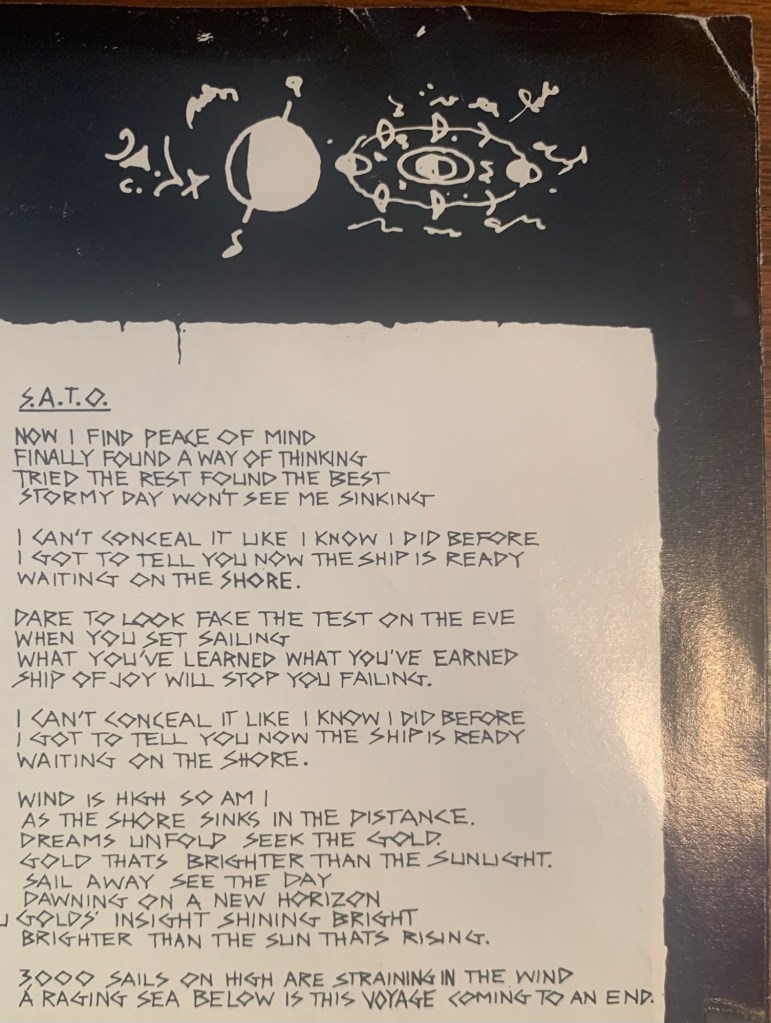
WAITING ON THE SHELF.
[Music]
[Music]
a lesson that I’ve learned in my short life thus far is that if we let others Define what success is for us we never
achieve it however if we Define what success means to us and for us regardless of social political or
economic expectations then we might have a chance
this summer I got to experience a real bit of success what it feels like for me
for this channel for the project of esotera I got to join in a roundt
discussion with a personal hero of mine professor professor vouter hanrath at an
institution I also deeply admire and Revere the embassy of the free mind also
known as the Ritman library to discuss a topic that has long fascinated me the
philosophy and spirituality of hermeticism of course Professor hanuka’s
work has transformed the field of the study of wosa terorism and frankly it speaks for itself though I remember
being young person in my late teens probably and finding his work in the late 1990s and think to myself my God
you can study all this cool esotericism stuff with rigor with scientific
academic rigor and that that still motivates me down to this day further
when I discovered there was an entire vast Library where esoteric wisdom was
collected in the very antiquarian volumes and manuscripts that first brought that light to this world I
resolved I resolved that I would go there and I would study that material
come what may among the same canals that dayart and Spinosa once tried so on a
very very warm evening I got to experience a bit of what success is for me to speak on a topic dear to me with a
personal hero in a space I hold with reverence among a crowd of absolutely
wonderful like-minded people and some of the most wonderful dear friends I’ve met in the recent years so I want to
introduce you to this conversation by encouraging you to head over to the Embassy of the free Minds YouTube
channel and their website and subscribe subscribe to their content you can find the links below and in the
description if you like the content we put forward here at esoterica you’ll enjoy their content immensely indeed we
share a common goal making as a teric wisdom accessible with scholarly rigor secondly
I’d encourage you to support their work by picking up some of the items from their web shop for instance this two
volume Christ Plato Hermes Tris magistus volume is one of my absolute favorite
books it is a veritable catalog of hermetic and mystical wisdom documenting
the first 50 years of printing it’s like having a portable
Museum but for topics that esoterica specializes in it’s well worth picking
up I think you can get a copy of this two volume hardback really really amazingly bound and printed document for
like 50 bucks now we recorded a lot of material at the Ritman Library so I’ll be rolling out some of that soon as well
so if you like esoteric spirituality really really beautiful old books and a 17th century Dutch mansion
on the canals of Amsterdam stay tuned but with special thanks to everyone at
the embassy of the free m especially Dr lenda Martin here is my conversation
with Professor hanra on hermeticism then and
[Music]
now okay okay sorry about the technical difficulties we’ve uh We’ve consulted and determined
it was the Hermetic dionis who were infiltrating our sound system let me
start over uh for those at home I’m Lucinda Martin I’m the director of the Ritman Research Institute and the bibla
philosophica hermetica the library of hermetic philosophy and this evening we
have a round table which we’re calling Hermes yesterday and today now as I said before our library
used to be one of the few places to study hermetic discourses and traditions these things were long viewed as
Superstitious by Academia and by mainstream churches and thus seen as Unworthy of of attention in the meantime
Scholars have begun to realize the contributions of hermetic streams of thought to the cultural history of
humanity and last November our library was added to the UNESCO memory of the world register because of the
contributions some of our authors have made to the development of modern human
rights in 2017 the Ritman family established a museum the embassy of the
free mind which is where we are this evening to teach the general public about the content of the library we
present exhibitions and we offer lectures and seminars and even a Children’s Program you might therefore
say that the kind of event that we’re hosting tonight is in our DNA it brings together two of the most
prominent voices about hermetic traditions and discourses one operating in Academia and one specialized in
communicating to the public and those are also our two concerns Val Jan is Professor of the
history of hermetic philosophy and related streams of thought at the University of
Amsterdam he has many scholarly Publications including his most recent book hermetic spirituality and the
historic imagination just Sledge is the creator of the YouTube channel esoterica which
has more than 300,000 followers this evening we want to explore the past present and future of
hermetic streams of thought and their study what role they’ve played in history what they mean to people today
and what questions are open that still need to be answered about this subject
each of our speakers will give a short presentation and then we want to open the discussion to as many questions as
possible both from our live and our remote audience in this way we hope to
include the perspectives of academics practitioners and anyone interested in
this fascinating subject with that please join me in welcoming vouter and
[Applause]
Justin start okay well thank you very much for the nice
introduction uh first of all and it’s very nice to be here again in the riton library a place where uh I’ve been
coming uh since uh the end of the 80s the 1980s and um which is really the place
uh where you can study the Hermetic literature uh there’s no better place no other place in the world which is as um
as Central to this kind of research as this place here so this is so I’m very happy to be here again um what I would
like to do just in 15 minutes is uh just give an very short uh introduction to
what our hertica are all about for somewhat larger audience many people in the audience here might already know
what it’s all about more or less but maybe the larger audience doesn’t so um
what are Thea all about I’d like to uh tell a little bit about this um by while
at the same time also telling you about my my personal interest and my own own development in my uh encounters my
encounters with th greatest herish herish Trish magistus the um the
legendary author of the Hermetic writings uh I encountered the carpus hermeticum the most Central text of
hermetic writings uh by the end of the 1980s uh in a Dutch translation which
was made possible by the biblo of philosophic hertica here in Amsterdam and the translation of the carpatica
made by uh um rulof Brook and K whel which was uh of great importance for uh
you know calling attention to the hertica in in the Dutch context I got fascinated I read these texts I was
wondering what is it all about I couldn’t really make out entirely what they were all about there were many
things that puzzled me about him but I got fascinated and hooked about this text um and um what is clear in any case
these are texts that are attributed to an legendary author Hermes mesus or in
which this legendary author or wisdom teachers plays a central role uh they
were written in the second third centuries of the Common Era more or less uh in Greek and um um but they were
written in Egypt and this combination of Egypt and Greek is interesting and and important for understanding what arar
are all about because uh when you think of Greece then you think usually about
Greece Greek culture as the origin of Greek rationalism Greek philosophy Etc
and many people think that the whole of Western civilization began in Greece right so Greece has this kind of iconic
status of the or as the origin of Western philosophy uh and rationalism
but then these these texts were written in Egypt and Egypt is often seen as the counterpart in that respect Egypt is
often perceived as the home of everything that’s not rational and not
philosophical but uh that has to do with magic and Superstition and all kind of
things that were seen as the counterpart of rationality and so the fact that her hetic writings were written precisely in
Egypt but in Greek and in Greek which uses a lot of philosophical language is
fascinating so you have these these two countries Egypt and Greece together so
to speak in uh one carpus of text hertica these Texs are attributed to
this legendary teacher um and uh they are all about the search for gnosis
ultimate knowledge knowledge about the true nature of reality the true nature of God and the true nature of ourselves
and um to already you know give you very shortly the answer of um what the quest
prognosis is all about the ultimate um um answer that our hermetic uh authors
gave to the question what is reality is all about what is the true nature of reality was that they said everything is
light there is only one reality spiritual light which is universal and
um God is light reality is light and the human being is light the only thing that
really exists is light Universal light and they call that the Noose with a Greek word um now of course when we’re sitting
here do you look at each other and we are looking we standing in a room here and you see people you see beautiful
pictures at the walls Etc you’re not seeing light uh you’re you’re seeing all kind of objects and people
um why is that well that is because according to the hertica uh we are not
actually perceiving reality as it really is we are diluted so our state of consciousness in which we find ourselves
is a diluted State a state of state of hallucination and this is these are really appropriate terms uh a state of
hallucination in which we see things that seem very real but are not ultimately real because the only thing
that’s really real is universal light that’s also a kind of core uh belief of the htic authors um so the question is
how do we uh uh wake up from the state of delusion and illusion in which we
find ourselves in which we think this is reality and how do we find our way towards a true perception of the true
nature of reality which is universal light that was really what the way of Hermes was all about and that is what
you find in the Hermetic literature so in the Hermetic literature you find the
description of what uh is often described as the path of Hermes or the way of Hermes in which um the authors
and practitioners who wrote these texts where describing how you can uh Free
Yourself liberate yourself from delusionary perceptions of reality and
find your way to gnosis of reality as it really is that’s a kind of a core
summary of what oura are all about these are unique profound very fascinating
text I have been studying them for decades now and this is in Corpus of text that you can keep reading there are
many text that you might come across when you read them a couple of times you know what they’re all about these are
text that you can keep reading because they always keep surprising you I’ve uh written a pretty thick book about him um
and been doing little else then studying the herar for five or six years I’m absolutely sure if I uh start reading
the text the text again I will again discover new things that I didn’t see before uh because this is how
fascinating and multi levs levels leveled their hetic text are so these
are Classics these are Classics um to say something else also about the
reception of the Hy because these a Tex from the second third Century late Antiquity uh Egypt and the Roman Empire
very long time ago uh many things happened with armatic writings over the centuries they got translated they got
copied by scribes Etc a lot can be said about it but an highlight of the Revival
of the Hermetic uh literature came in the 15th century when the Greek texts uh
especially the text that is known as the Corpus hermeticum uh got translated into Latin by one of the great humanists in
the uh of the Renaissance marcelio ficino and this famous translation came
out in 1471 uh known as the Pander uh the book on the wisdom and uh
power of God the famous translation of the carum now I got fascinated by uh the
reception and the translation of the hertica in the Renaissance in the spirit uh in 1997 and that’s maybe a nice small
story to tell of how very small things that happen in your life can totally change your life forever and because I
was living in Paris at that time uh I was one evening I was visiting a friend of mine famous scholar of the study of
esotericism antoan f uh who’s an pioneering St scholar in our field I was
having a nice evening at home with him and I was looking um at a little glass case that he had in his room which had a
collection of very old books uh very valuable old books the kind of books that you find here in the Ritman library
and one of them caught my interest for some reason I took it out it turned out to be in French translation from from
the 16th century of hermetic literature and um and somehow something
tickled my interest and I still think if I hadn’t taken that book out my life would have changed completely would have
been and I would not have done most of the things that I actually have done I asked Onan fa can I borrow this book
well it’s a valuable 16th century text with he amazingly uh you know allowed me
to take it home or with me to my room uh that I had in Paris and I took it with me and I was reading it uh in reading it
in b i very well remember this I couldn’t make out most of it it was written in 16th century French very
difficult uh I didn’t understand most of it but I understand some of it and I noticed there’s something about this
text there’s something fascinating about it it’s a kind of an intuition that you can have sometimes I want to know more
about this two weeks later I went to Amsterdam and I went to the bi of philosophic hertica here and I met an a
neolatin translator who happened to be sitting there with born uh who was translating hermatic text into Dutch and
I asked what are you what what are you doing and he said uh well I’m translating a text by looo lelli and
then a little bell went off my head because I had been reading this French text and this had been written by La
lazel that is the French the frenchification so to speak of lovic larell and so this was a coincidence I
thought I want to know more about loo latari I started working with with born and we ended up translating all the
works by latari uh from Latin into English wrote a large introduction about
it and published a book about this and why was this so important well uh why was this so fascinating uh to me and why
do I think it is important to say something about about larell well there is the famous there’s a famous narrative
that has been told about their htic Traditions by and the Hermetic tradition by Francis Yates an great scholar uh who
published an Masterpiece in 1964 jordano Bruno and the hetic
tradition in which she argued that the htic that the translation of the hertica in the 15th century um was a momentous
event in cultural history uh the translation that fito made of the Corpus
ticum changed the nature of the Renaissance it introduced Magic uh and
learned discourse about magic into the intellectual culture and it had a huge
impacts on the entire early modern periods and gave um the starting point
in many ways according to Francis Yates to the Scientific Revolution which for finally led to the modern world so she
created she made this beautiful large Grand narrative about the enormous
impact of the Hermetic literature the Hermetic tradition which um all started
with the Trans translation of the scorpus herum in 14 1471 now I was reading this L larel this
L larell and I was looking him up in Franc Jade’s famous book and I could
hardly find him he was mentioned here and there in a few foot notes but what I discovered was that this unknown guy
lelli had been the second translator of the carpus ticum next to uh to ficino he
had written some treatises that had not been included by ficino so it was not
just ficino who translated the carpus it was also lelli um so I wanted to know more about
lelli and to cut a very long story short short because I just have a few more minutes um it’s basically turned out
that by looking at one forgotten figure that’s already in this case when you actually start studying him and
contextualize him and learn about him and learn about his work you discover
that the basic normative standard narrative that had so impressed
countless people The Narrative by Francis Yates had to be revised and her whole story well turned out to be very
different from reality so uh basically on the basis of lell I came to the what
I discovered at that occasion was how strongly Scholars with their interpretation of ancient text can
determine the way that we look at history and sometimes their interpretations are
wrong and have to be revised and then suddenly the whole picture changes that uh that Discovery has always always
stayed with me um the whole story of the Hermetic tradition that Francis Jades
was telling had had to be revised on the basis of new discoveries of an unknown
hermatic author L lelli uh much more recently beginning in 2015 more or less
I decided to finally go back to this mysterious uh hermetic text themselves
the text that were written in the second and the third century and really studied them very very very carefully going back
to the Greek the Greek Originals looking at all the translations the footnotes the commentaries and whatever is there
reading all the secondary literature and again I found that um if you uh if you
delve deep into this text then you find that they are very profound they’re very deep there’s you you keep discovering
do things about them but what struck me most is that again the way that we look
at this text uh is often determined by the narratives that in this case 20th
century Scholars have put on these text and often these narratives are wrong and again in this case I have been arguing
and maybe we can talk a bit more about it later that uh we have to look at this whole whole hermatic literature of for
Antiquity in a radically different way from how we used to the text and that is my final part of my little talk these
text have often been described as the philosophical hertica so this which
which suggest these are philosophical texts um I’ve come to the conclusion that these are actually not
philosophical texts they use philosophical language Greek philosophy
they use elements from the from Plato and and platonic philosophy but they are
not interested in resolving philosophical questions in a way that standard philosophers are usually doing
they’re interested in something else they’re using philosophy in order to find uh answers to the question of what
is the ultimate nature of reality but most of all to find answers to how can we heal ourselves from our deluded
Consciousness and how can we find the way back to a direct perception of reality as it really is so I’ve proposed
to refer to this uh Corpus of philosophical hertica as spiritual
hertica this is not these are not philosophical text these are what I call spiritual text which uh are uh centrally
uh devoted to uh trying to transform our
interior Constitution to transform ourselves to transform our minds and our whole Consciousness in such a way that
we uh get liberated from deluded perceptions of the world and actually
discover how reality really is that is uh that is what these texts in my view
are all about final thing I want to say is that um so the Ultimate Reality that
you discover by means of gnosis that is the central method of Thea is that
there’s only one reality and that is light Universal light at the same time uh very often
Scholars have have suggested that this means that human beings according to Thea have to liberate ourselves from
matter from the material world from the body and find our way back to an non-material and other worlds of pure
spirituality but I found that this is actually not what texts say they’re actually about embodiment they’re not
about escaping from the world towards other spiritual reality of pure light they’re actually about making contact
with that reality and then channeling it into this world so the herar is actually
an extremely World affirming positive worldview that celebrates the beauty of
existence the beauty of reality and uh doesn’t teach us to escape from the
world but actually U tries to teach its practitioners to transform the world to
make it better to make it more beautiful and to make it more true um so
nonduality the reality of one reality of Light which is the only reality that
really exists One Core element of Thea and the other core core element is the
task of trying to channel that Universal light into our material world and um
that I think is the core uh concept are the Core Concepts of thetic htic
spirituality that you find here and as Scholars and that is what I do in my daily life you can uh Trace how these
text with this strange and often misunderstood message get uh interpreted
reinterpreted passed on often misunderstood or creatively re
interpreted in all kind of ways through the century until we reach the present day and the reinterpretation of the
hertica is still going on at this moment in all kind of alternative spiritual circles and maybe we will talk about
this also with Justin sletch about this so that was my small introduction thank
you um what I want to talk about is a bit what valter mentioned um there’s sort of what hermeticism was and sort of
what hermeticism was in the ancient world but there’s also how we’ve received hermeticism what it was and how
we received it are quite different things as you can imagine and what prompted this at some level was me
thinking about how I use the word hermetic when I’m sitting down writing scripts for esoterica and what I
discovered was that I use it in all kinds of completely different ways this word took on so many valences of meaning
and I began to ask myself where did some of these valences come from and I think
that question is incredibly complicated and I’m going to give you one tiny answer to where I think that may have
come from and where that answer comes from I think at some level that answer is very overdetermined and this is just
one piece of that puzzle perhaps a footnote that could have been a valter’s book in fact is that we often find the
Corpus syum and hermetic literature traveling with other texts often
Scholars will talk about the Corpus of medicum as if it’s sort of floating alone by itself and in some editions it did but in a great many editions
especially editions that were very decisive and very popular the Corpus herum is moving alongside as a fellow
traveler to other texts and as you can imagine you know many folks here have
been painted like The Fringe you keep The Company You Keep we begin to be painted as the company we keep for
better and and force so this text is a very important
text in the history of all of this this is a 1497 uh Aldine this is if you even
folks here may recognize the type of Aldis monut uh this is a platonic primer This was
meant to be a a text basically that you would pick up and you would read before you read ficino’s complete translation
of Plato now what’s important about this text iside the fact it’s the first time that yamus appears in print this is
where he gets famously the title day Myster e that you see a complete interesting collection not yet with the
Corpus ticum but a very interesting collection of all kinds of texts that
when you look at them I bet you look at them and go hermetic right you kind they give you sort of hermetic Vibes even
though the Corpus hermeticum isn’t there but we have is De mysteres by yamus we have the commentary on the alabes we
have Pro’s book on sacrifice and Magic what’s also important about this is that many of these texts veilance this
collection a little bit magicky there a little bit magicky veilance to these texts so on deities and diamonds on
dreams on diamonds by Michael celis this is a famous sort of textbook of demonology a Christian text no less uh
one of the few only Christian texts in here we go through and we get or a kind of grab bag of platonic literature
neoplatonic literature Pythagorean literature that all is going to set the stage for marcelio ficino’s translation
of Plato’s Opera now this text does not yet contain the Corpus hedum but it will
in just a moment but again if you take a look at these texts they’re already beginning to take on some of the effects
of what we Mal began to think about as kind of the thing that aen Renaissance megus would want to pick up in fact if I
were a Renaissance megus I would be the first person in line to buy this
compendium in 1516 right and this to FYI see I can pop back this is just two
years before ficino dies right so just to get an idea and also it contains one text by ficino at the very end just FYI
so already establishing and just FYI the Aldine press is funded by money from uh
from the deorta family so giovan deorta is actually knee deep in this from the very beginning and the Aldine press
which is quite famous one of the most beautiful presses of all time is already pumping out a book by ficino in 1497
just a couple of year before he dies in 1516 this Edition is greatly expanded
and the AL press logo is put right beneath it now for my book nerds in the room and I imagine there’s at least one
of you the symbol of the Aline press is a
symbol of extreme quality when you you want to think about the engine of the Renaissance it’s the Aldine press they
are pumping out Greek and Latin text and accessible easy to read very easy to
read relatively inexpensive volumes and the Aline press will eventually give us small books that will become the
background for we now called paperbacks if you wanted access to Old wisdom add
Fontes back to the sources the alme Press was your go-to and when the alme
Press printed something it meant it was worth reading was a classic it was one of the
sources and there it is right in the middle now of oops I’m sorry I don’t
have it written out here but right at the very heart of this text is now murky
Tris megisti Pander it’s now at the center of it in fact I have this at home
if you open it up to the center hermus magistus is now at the Beating Heart of
a platonic reader right follows it is the escolapios and then a grab bag
mostly of ficino all ficino but many of ficino things taken from his three books on life many of which deal with quasi
medical quasi magical ways of living the text is now even more leaning in the direction of something like what a
Renaissance Megos would want including at Beating Heart now Hermes Tris magistus so with the Pander is now
sitting at the very heart of what would be the book you would want if you were a John D if you were Gino de Bruno if you
were someone like that this text is decisive in the history of all this because this is one of the first times
where the Pander will be printed with other texts and this Edition in some form of fashion is going to become one
of the most best-selling editions of the corpus sedicum now when we talk about
editions of a corpus fum we might say this is 11th edition of the Corpus fum the 11th Edition when you hear that what
you’re hearing is it’s the 11th edition of the Corpus medicum as if the corpor amicum is by itself it’s not it’s now
traveling with a collection of books that are now shaping what hermeticism is
what adantes means so when you read books like when you bury procol’s book on Magic and cel’s book on demons right
next to Pythagoras and that’s now beginning to color what hermetic is going to mean hermetic is
now taking on AV veillance because now it’s traveling with other books that are now coloring what it’s going to look
like the 15 16 Edition would be now would be the last time that the Aldine press would pick this up the next
edition of the Corpus medicum the very next edition of the Corpus medicum right would now be printed in 1532 now switched over to basil and now
look what’s happened all the ficino’s been dropped so is the Michael cellus on demons maybe that made some people
uncomfortable demons have a tendency to do that and yamus and Pander have
switched pride of place he now is no longer at the center of the collection he is now at the top and many of the
things have been dropped but not yamus not procus including on spirits and on Deon and on sacrifice and
Magic probably one of the most popular books about sort of occultism in the in
the Middle Ages this Edition with one with one change we’ll see in just a minute this one right here is also very
important because it follows a different manuscript tradition than the 14 Infamous 1471 edition of the Pander this
Edition never achieved great success as an addition however this addition did beginning in
uh 1549 this the center of location for this printing is now going to be switched over into France in this
Edition as you can see has now switched yamus for p of place now he’s now at the
front again and now heres Tris mistas bookends the text Michael CIS has made a return
on demons has come back and what we have still poery and procus notice how much
more magically inclined this collection is now than the first one it’s almost the plurality of the
text we’re dealing with demons and magic and Hermes Tris magistus is now the bookend of the text this Edition
beginning in 14 1549 would go into I haven’t counted them yet but there would be editions printed almost every five
years through the 17th century think about that time period about 1549 into
the sort of mid 17th century that’s the time period where we see a huge explosion in the interest of people like
d and things like that this text I think would have been the goto text that you
wanted to go to to get access to this literature this was a octavo Edition very small
inexpensive if you wanted a copy of the of the Hermes Tris magistus if you wanted access to that ad Fontes you
picked it up here now think about this from the point of view of the reader to get to the Herm you have to
cross this path if you’re reading the book cover to cover imagine imagine the primed imagine what you’re thinking as a
reader as your mind has been primed through this reading and by the time you get to the to the
Pander imagine to valter’s point imagine what you are now receiving you are now reading the Pander through this prism
and I think that’s an incredibly important prism to understand when we think about an addition of the Corpus
ticum we have to think about how Not only was it received but literally how it was read
in a book at that time understanding the book culture shapes how the
understanding of these texts happened and without understanding that book culture and this literature as it’s put
into this configuration I think that tells us a great deal or at least gives us part of
a clue about how this hermeticism whatever that means is going
to be received by readers and by people like who are going to be practicing
hermeticism just to drive this point home and to make it a little bit more ancient and more I may perhaps more
interesting uh this is the Edition this is the text from the 1549 I think would be an interesting thing for my folks out
there who are mystically inclined toward hermeticism would be put yourself back into the
1550s go meet all your 1550s buddies start a reading group and then read these texts in this
order and see what it would have felt like intellectually to work through
yamus and to come through the Plato commentary on Plato’s alabes which by the way is never the Plato’s albies is
never read now I’ve went through five years of graduate school in philosophy and the only thing we ever learned about
it was Plato probably didn’t write it right but I tell you this you know what the first book you read if you signed up
to a neoplatonism class by yamus you read the alabes everybody read the alabes now
nobody does aside from Specialists so and this by the way is a commentary on uh particularly a commentary by procas
on the alabes I challenge you if you’re interested in in this read those read these books in this order because that’s
how someone like John D would have picked this book up and he had this on a shelf by the way this is how he would have read it so Gathering these books
from from the past we have to think about Hermes Tris mistas and the Pander
and his wisdom as not isolated into one book or one system of books but buried
among other books and relating intellectually and gaining avalance from
these other books this is nothing new if we rind all the way back to the
nagamati library the only other place in Antiquity really where we find hermetic text in C2 in the actual volumes the
physical Coptic volumes we also find hermetic literature writing along other
literature nagamma codex 6 is a weird codex I know that the nagamma Codex are
all kind of weird but the nagati Codex 6 is especially unusual it’s the only one
to have an Max Thunder perfect mind is unlike any other text in the nagamati library for folks who know it it’s
beautiful maybe one of those beautiful texts of the ancient world the authoritative discourse and the concept
of our great power are also very odd kinds of text you probably even if you’re interested in nostic ISM you
probably haven’t heard much about them they’re relatively brief and they’re relatively odd texts there’s a random
chunk of the Republic which has a very interesting veillance when it’s been translated into Coptic and then the last
three texts are hermetic I would say and argue that this is not new in the same way that we can
look through the printing history of the Corpus medicum we could probably assume at some level at least from this one
piece of evidence that it may have not even in the ancient world traveled by itself it may have always been a kind of
ancient traveler and what that means at some level is that whatever hermetic
meant and valter’s point whatever hermetism was in IPO in itself it
probably always also Flo as a signifier it probably meant something different in
different communities in different textual contexts it certainly meant something you know what connection and
when the when the when the the Codex writer was putting this together what connection in their mind connected
Thunder perfect mind to the discourse of the V and the inot I don’t know and I
don’t think it was random but I don’t know and that’s a great place to at least speculate why put them in this
codex and so what I want to say as sort of a conclusion to wrap this up
is that the hermeticism that anyone has inherited is always floated in this way it seems like we have evidence in the
late Antiquity for this we have evidence in the history of printing for this and I think that what’s fascinating and
what’s exciting about that is that on the one hand we can do a great links to do what I what I would call forensic
philosophy the great work that valter has done in his recent book to sort of forensically reconstruct hermeticism as
it was in these texts and which interesting I think voucher in your work is how also you take some text and put
them sort of closer to the periphery of what hermetism was and some outside of it right and even that and I think
that’s an interesting part of this like you have now also entered in sort of rearranged them in a way that you think
makes the most sense and I like the fact that we could throw your yeah you could throw the diagram up here as well and it
will be part of this history of how we’ve rearranged them to make them the hermetism we think is the authentic hermetism yeah uh and I think that
that’s a great and I find your read very compelling but it’s an interesting part of sort of the how we put these things
together we could throw valters up there as well but what that means is that we have hermeticism in Hermes and hermus
megistus as something like we might call floating signifiers they mean something it doesn’t you can’t say anything’s
hermetic but the exact meaning is always determined at some level by how we receive it and how we receive it is
often in history been through these bundles of wisdom not a not in itself a
bundle of wisdom and that’s exciting because it means that whatever hermetism is or was it’s not hermetically closed
it’s hermetically open thank
you well the cogs are turning with uh all the information you’ve both given us um I think you’ve really given us a good
introduction to um what the original practitioners of hermetic religion we’re
after um and centuries later we’ve heard something about the reception um
obviously this is not just a gap of time it’s a gap between relived religion and
reception through texts um and I I wonder what what needs
these discourses these traditions this religion or these thoughts have served
over the over the centuries and I think we can even extend that to Scholars I mean this served something for Francis
Yates as well yeah yeah so I just be curious about both your thoughts about
that one thing I was thinking listening to your to your wonderful story a story about how these texts travel is uh is
that in a certain way you are uh giving New Life to maybe to something of Fran Shades narrative because I’ve been
deconstructing Franc Shades narrative and you’re in a certain way reconstructing it by saying this uh this
hermatic literature uh was read as close connection with magic right with with
magical text and text about demons etc etc and so the interesting thing is that
if you actually read the Corpus herum in the translation by ficino they you find
there’s no magic in it there’s no magic anywhere um so you find magic in the escalus but not in the carpus ofum and
um so and also another thing is also that uh it um that that has been a bit
bit forgotten but fito strangely enough he translated it because because kimoi
told him you have to translate it well if you’re MOS tells you that you translate it uh that’s very clear so he
did it but uh it seems that he wasn’t very interested and K also seems to they
do not seem to have been so impressed by the Corpus and meum they made no effort to translate to to printed wasn’t
printed it got printed in 171 Years Later by a pirate in a pired copy uh by
two other humanists who just rested through the press and um FICO himself
never tried to publish it so I always get the impression that uh for them the
Corpus was a bit of a disappointment actually uh didn’t offer them what they
had thought it would give them but then it gets caught up in the whole you know what what you’ve been telling us all
these uh all these new prints and new additions that travel with a text and you get this kind of this kind of uh
yeah hermatic magical hermatic you know constellations and uh and that is what
Francis Shades talks about would that make sense I think so and I think and if I could rewind this I would go back to
one of these slides and we look at that collection and to us I think we think
all that makes sense all that makes sense together Pythagoras and Michael celus and ficino and all that but if you
actually read those books they don’t sit comfortably together yamus didn’t agree with poery Michael cettus was a
Christian if you look at these texts by ficino wasn’t really interested in in in hermatic ideas it doesn’t seem like they
had a huge impact on him what’s interesting to me is that the printer thought they made sense to go together
and that we look at them and they make sense together to us but intellectually they are it’s a very
tense conversation and I think what’s interesting right is that what I’d point out is a dialectic actually between
Francis the8 saying they’re all connected and I’m saying they’re connected but the connection actually
isn’t natural it’s a connection that makes sense that made sense to a printer and what’s interesting is that we’ve
inherited their decisions it sounds like it was a marketing decision it could have been it could have been clickbait
right like demons and mistas he could have been Renaissance clickbait for all I know but um who demons and and but
what’s interesting is that we’ve we we’ve inherited a decision that may have been made by two printers yeah or by two
humanists who just leged a copy of the Pander yeah and and and a defective copy
and a defective copy yeah yeah yeah and I think that that’s um and uh and what’s interesting is when it’s the 1471
Edition and when it’s not um and so I think what for me it’s not so much a a
defense of the Yates position it’s a sense that it was natural for her to come to that position because that’s how
it traveled and again going to point back to your point about contingency the
decision made by a printer and Aldis mantua’s press in 1497 shaped how an entire generation came to
view this collection of literature despite the fact that that collection of literature had nothing to do with Michael cus or or nothing to do with own
demons or nothing to do with Theus or um or poery for that matter and yet that
surveillance it got right because the accident of history and another effect of this was that certain other auers
that should have gotten more attention were marginalized because uh so lelli my
guy uh really um he gets printed in uh you know early 16th century but he never
never got the got a popularity uh that might have been gained by traveling with
all these other guys and uh and one reason is that there was no nothing nothing magical in him either it wasn’t
in P it wasn’t in lell no magic but interestingly and maybe as as a footnote
that’s interesting I think is that um that the author who was most influenced
by lelli uh but you can hardly tell this if you don’t pay very very close attention
is agria and agria the great author of The you know the three books on Magic uh
actually uh many of his core ideas come straight from from lelli but uh this is
kind of an esoteric Secret in um in agria you don’t notice it unless you
really studied very care and it’s so important to note that lazzari’s addition of the Corpus medicum was complete it had all 17 yeah and he’s the
first person in history to say hermetic kusum I am a hermeticist that’s true no
one they people say they were on the path of Hermes in Antiquity no one called themselves a hermeticist but it’s
great because he says heran that’s an excellent point that’s that’s absolutely true uh yes he is the
first to say that and he believed also uh sorry to go on B we were both fans of
laari I mean yeah I am in her yes he said that and a Christian and uh he
believed that he had encountered the reincarnation of Po MRE the teacher of Hermes and the
Corpus of medic one who had who was the same entity as Jesus Christ so for him
po mandri was the logos was Christ who had now now returned in his own time as
this wondering preacher giovan Doro who was his master his Guru and um so he
believed that Christ and and po mandas had returned in his own time and so the end of time was near uh yeah he was so
so so he was so unusual that solers doubted he really existed for a while yeah yeah yeah yeah but be that unusual
that in the future people doubted you really were real yeah well I I wanted to go back to to your explanation V about
what um about what the original um people on the path of Hermes were after
and you said light yeah and I thought what is this light is it an experience
what is the light and to what extent is it a a factor for these later people I
mean maybe these Christians also saw this light and of course there are many passages in the Bible Christ is the
light of the world and so forth um but what do you think they understood this light to be well uh H this is this is I
think a core Point uh the most important uh word I think in the hertica is n the
Greek word n that is the core text if you don’t get the the core word if you want to understand the hertica you have
to start understanding what new means in Greek now if you uh if an open open up
in the Greek dictionary uh dictionary and you look up the word news the
dictionary will tell you it means mind or it means intellect and so you immed
and that’s Al also what you find in all the modern translations uh news gets translated as mind or intellect and
immediately everything starts looking very philosophical to us because well we know what intellect is right we have an
intellect we are intelligent we have a mind it’s in our brain this are all this is all very very familiar language to us
so we read this word about the news and we think we know what it means I’m arguing we do not understand at all what
it means when we translate as intellect or mind because it meant something else and in order to find out what it meant
you have to uh read the text themselves and you have to have to to let their
hermetic authors tell you what news means to them and forget about the dictionary translation for a moment and
if you read read it carefully then I think the only conclusion you can draw is that this is what it means there is
such a thing as an Universal Divine Light God is light this is not of course
the light that comes from the lamps here this is a spiritual reality of Light
which you uh which you can only perceive which you cannot perceive with your natural senses with your eyes you can
only perceive it by an inner uh sense the an inner kind of visual visual sense
which again is called noose so you can only understand the light of divinity
with the light of your own mind or your own noose um so your own noose your own
light your own Inner Light is the light by which you see the light if that makes any sense uh but this light is not
natural light it is a spiritual light and it is the only is the essence of what God really is and um but it is not
just a philosophical concept it is something that is being uh you know according to the hertica so
at the very beginning of Corpus hertica one the poas uh in the very first verses
you will find that the Visionary uh Hermes probably is in a kind of an yeah
an altered state of consciousness in an ecstatic State his bodily senses are on shutdown so to speak uh his new um sour
high he says and um at one point he um gets to see he no I should say
differently he gets to see an enormous being a great entity uh who introduces
himself as pandri this great entity who talks to him and asks him what do you
want to know and he says I want to know the nature of reality and I know want
want to know what God is and then uh pandus changes his appearance and uh
then hermy sees a universal light uh which and he he um spontaneously feels
feelings of love for that light and that is the news so what actually happens is
that that pandis is the news he changes his appearance and he shows what he really is universal light so if you ask
me what is it yeah uh the the hermatic ERS would tell tell you there’s only one
way to know it and that is by experiencing it and then you will know what it is it is not what comes out of
this LMS but what you describe sounds a lot like what you can read in MA eot in
Toler in souo and by the way they’re all also in all the encyclopedia is a
philosophy right so I you know I don’t see the problem with uh philosophy and religion well the problem is that it’s
not the problem is that um we easily get
uh sidetracked because we think that we know when you hear the word intellect they you think oh yeah I know what
intellect is and and we tend to take an Anon IC perspective and to to project
our modern understandings of intellects intellectual intellectualism intellectual rationality rationality
mind we tend to project it onto the text and and then and that uh keeps us very
easily from reading what what are they actually telling us that it means and we
we just pass our own meetings over the meetings that they this exactly what the examples you showed um illust St I think
it’s an example of what we sometimes in philosophy called the dictionary fallacy it’s if if we’re having a debate about something and you say well the
dictionary says it means this dictionaries tell us how words are used not what they mean meaning is only
determined by context and if you go to a dictionary to look up the word noose it says intellect you’re like well settled
like yeah words change meaning and depal context and when you have an incredibly
technical context like what the was happening at the Corpus amicum you’re committing the dictionary fallacy
okay well I have a whole list of questions here and we could go on all night but I’m pretty sure uh the
audience has a few questions too Corey yeah
thanks um I have a question valter you mentioned in your remarks that um the hermetica are basically an
inexhaustible uh F or source for different interpretations as you read
them later um could you maybe give an example of one of your interpretations that changed as a consequence of later
reading or as you develop or sort of changing of one of your conclusions
yeah yeah thank you that was actually one of the question that we thought about earlier how have you changed your
mind and I might as well well interpreted like that yeah um I’ve become extremely interested over the
past 20 years or so for all kinds of reasons in the concept of um alterations of Consciousness or Altered States Of
Consciousness that has become a major uh concern for me a major prism for reading
um materials that I study and um and when I read this text in the 1990s that
concept was not on my radar uh but later later it came on my radar and um so what
I have been arguing in this book uh which has the subtitle altered stat of knowledge and late Antiquity um is that
um uh you know anything that we can know at all uh yeah depends on our state of
consciousness so at this moment I am in an sober State of Consciousness I am
quite sober and focused I’m wide awake I’ve had a cup of coffee uh I can see
you guys I can I can gain a lot of knowledge at this moment by looking at you I know what you look like I can I I
can see the trees outside Etc that’s knowledge that accessible to me in this state of mind I can also in the State of
Consciousness I can also sit behind the computer and start writing an scholarly article and that goes very well in this
state of consciousness right but if you are in an radically altered state of consciousness like for instance the
state that Hermes describes in the first creats of the carpus hermeticum an ecstatic State then um in that stat you
know forget writing an article or that kind of thing you cannot do that but so there’s certain kinds of knowledge that
are not accessible to you then but other other kinds of knowledge are accessible to you so at that’s in that state he
suddenly can uh see the news and he can see poyares and in our state of consciousness now we cannot see the news
poies we do not see the universal light right so so the point is that as we change our Consciousness our state of
consciousness certain uh types of knowledge become accessible to us and other types of knowledge knowledge
become inaccessible to us and um this for me has become an uh a key for
understanding the hertica it’s something that I did see in the past I began to understand
that uh the uh that an number of key
texts of the hertica especially Corpus 1 Corum 13 and the tweeters on the eight
and the N of nedy really are uh the descriptions of radical alterations of
Consciousness which allow radically different types of knowledge which can
which are only accessible in that state and not in another state and this
relates to a concept that I find fascinating uh this idea of State specific knowledge so this idea that
certain kind of knowledge are specific to this state of consciousness other states of knowledge are spe specific to
other states of Consciousness and is there a state in which any kind of Consciousness is accessible to you I
doubt it so I I personally doubt it I think that any knowledge that we have is dependent on the State of Consciousness
that you’re in and this for me has has become kind of really a key uh for
reading the hermetica and of course everybody reads the text from their own perspectives and I’ve been criticized in
a lot of earlier Scholars who read the text through their own biased
perspectives and misunderstood them and no doubt people will say at one point V hanov is is misinterpreting because he
has his interest in altered state of consciousness possible but uh but at
least it’s another kind of reading which I think makes sense so I hope that’s an answer Justin do you want to answer the
same question has your thinking changed uh over time about these things yeah very dramatically actually I remember an
undergraduate first discovering the Corpus of medicum and just being blown away by it just being like this is
amazing and just thinking it was such you know part of it motivated me eventually to coming to study under under valure here at the
hhp and then I went to graduate school and I discovered this thing called middle platonism and I started reading
middle Pless like numinus and Pho and then I looked back to the Corpus of medicum and thought to myself this is
bad philosophy right this is just like this is like low brand you know numinous um
and then uh maybe five years ago or something it sort of dawned to me this
is soteriology not not philosophy and that shift to this is so
iology this is philosophy in the in the service of serology right then the text
spoke to me again and that was why I so excited when your book came out because I got affirmed I got you know when you
when you come to an idea that vter autograph like writes a 300 page book and it’s like you’re like
ah thank god um and so I I it’s that it was for me that progression what an
amazing text then I had my ficino moment I was like H not such an amazing text and then I was like ah it’s amazing for
reasons I didn’t appreciate the failure was my inability to see it for what it
was it’s a text of ser a collection of soteriology and phenomenology oh yeah
right that in so far it’s it’s text of serology and phenomenology bam it it hit
me again so it’s a all disappointment all
dialectic yes um oh sorry sorry uh you just me
mentioned meister eart and actually uh I wrote something about Margaret pet and
um she might have inspired him I think she did Super biased but um what actually what the whole news um um the
way you describe it really made me think of the concept of Love uh by Margaret pet actually um the same type of sorry
the same type of um attributes and uh you know what it does what love does is
kind of similar to what noose does it’s like kind of knowing uh a kind of a circuit between um the soul and God and
that in the end um the eye that sees is the same eye that looks but this these
type of things you also find in neoplatonic things a lot so I was just wondering did you ever make this
connection yourself or how do you view love or Aros in this whole hermetic um
constellation I mean I I guess to this is the minim mystics some of my favorite hi is perhaps my one of my favor
favorite Poets of all time was just set bhof this today and it’s one of my favorite places in Amsterdam I love H
it’s just one of my favorite poets I think that there is a kinship between mystical Christianity and hermeticism
and I think the proof of that is that we have hermeticism at all it when it passed through the Byzantine filter
which changed it right and I call it the Byzantine filter but really the Byzantine filter took things out and
added things in and Michael cus probably was somewhere in there maybe
but I think that the reason why it survived for instance in lactantius and the reason why and Augustine really
hated it but it survives a bit positively in lactantius and stoas and eventually it it does cross that
Byzantine hump is because there is enough philosophical kinship between certain strains of neoplatonic
Christianity and certain readings of the Corpus of medicum that they if you kind of squint and look at it sideways it it
it passes a smell test otherwise if it didn’t pass that smell test I don’t think the vistine editors would have ever let it get through and so I think
that for whatever reason it it was there was something there was a kinship enough
that they were able to squin at it look sideways tweak it a little bit and then pass it on with kind of an imprator
stamp and I think the the evidence that there’s a a kind of intellectual connection is the fact that we have it
at all yeah I would like to add something else also maybe
um one possible angle to look at this is uh use in modern research on neurology
and uh brain brain process Etc and uh there is quite some evidence to assume
that certain kind of states are simply possible because our brain is able to produce them and so it’s possible that
and this remains speculative but it’s possible that Mar pet had similar kind of experiences as are described in the
carpus and medine and so it’s it does not just have to be an uh an question of
borrowing from one source to another it can also uh it’s also possible that certain kind of mental states are have a
certain kind of universality because they are based upon how the brain works it’s possible I just throw this in here
as a possibility uh with respect to love um in hertica It’s Complicated they
don’t use the word love so much uh there is a notion of platonic love in the S
sense of the desire for ultimate beauty that you want to want to attain but I think more
important in the heraa is the opposed sense that uh the source of reality
which is the paga in Greek the source which is an name not just for God but the source that out of which God himself
comes maybe the ultimate mystery of existence the py they call it um they
describe it as some kind of boundless source of creativity of manifestation everything comes out of it and uh
everything is produced by the P by The Source out of pure generosity and pure
uh you know giving so it is a very positive idea that uh out of pure
goodness the source generates reality for our enjoyment and um so uh there is
good reason to uh interpret this as the source is an source of Love of uh of the
love for existence for anything that flourishes that lives that is beautiful
Etc yeah hello can you hear me hello thank
you very much for highly interesting lecture I have uh a couple of comments
or questions first uh the thing about U dictionary meaning of of words like you
can look up News Psy whatever and it will not do I totally agree you have to
read these terms in in context and and I also think that uh in appropriate translations of the hertica these terms
should perhaps not be translated into modern languages yes I agree yeah so but
but are there any Modern English translations of the hertica that can be recommended I have read several that
they are all different in some in some aspects I personally think that there is no uh really satisfactory modern
translation of theum uh uh at this moment I think they’re all highly problematic uh for
that’s not an criticism for the for the you know through the translators they’re doing their best but they’re doing
they’re using certain procedures for instance translating everything as intellect Etc which I think uh this
starts the meaning uh I I can already give I can however give give good news
there is an uh new translation coming up by Christian wilberg which will be published in one or two years and uh
I’ve seen some uh chapters of it it’s excellent it’s better than all the other ones that I’ve seen and there’s
something very interesting also which touches a bit on the whole transmission of text that you you’re you’re referring
to um and that is a point that he has highlighted namely in the transmission of the text very often a scribe copies
the text and then makes annotations in the margins what has happens and
everybody has overlooked this until Christian wiberg is that the next stripe
often uh moves that annotation uh into the main text and
then another scribe thinks it belongs to the text and so it’s so the so there are many pieces of Thea that actually do not
belong there and but have have been misinterpreted as belong to the hermatic text it results in all kinds of uh
grammatical mistakes sometimes the text doesn’t make sense carbus herum 3 is a notorious example uh it is full of
grammatical inconsistencies you cannot read it but uh he has reproduced or
reconstructed this text by putting all the marginalia back into the margins and reconstructing the original text and
suddenly it’s a crystal clear text and all the problems has vanished and uh that is not just for Corpus 3 that’s for
a whole series of other text so this is a revolutionary new translation that’s coming up very soon it’s going to change
our view of trtica that’s great news yeah escalus too is also very defective yeah and I
also say the escal 2 is very defective oh it’s a mess it’s it’s been known to be a mess for centuries it’s a mess
absolutely true yeah and my second question is about U the arguments for a
non dualistic reading of the hertica I find that very interesting the arguments for that AR
Arguments for uh non dualistic reading what my arguments are what I’ve what I
just been trying to do is hermeneutics I talk a lot about hermeneutics I use gamer Etc and uh I’ve just been trying
to understand this text on their own terms I’ve been trying to understand what are they trying to tell me are
trying to bracket any kind of a uh prejudices that I could think of that I could identify that might that I might
be be a projecting on them and try to let the text speak to me and
um this is the conclusion I draw this is yeah for the argument you will have to read the whole book but I that I think
once you see that they’re talking about about nism that that is their background metaphysics all kind of questions fall
into place as there have been this heavy uh dualistic Gnostic frames put on it so
people have wanted to see a gnostic dualistic Gnostic matter against Spirit
kind of narratives on her hertica it doesn’t work it cannot account for many
of the text and if you take a non-dualistic reading I think it’s resolves well I would say
95 yeah percent of the problems there are a few tricky cases I can understand that that’re totally out great with you
thank you much and I would say to also valter what’s interesting about this collection and nagamati 6 is that we
typically think of gnosticism whatever that category is as dualism these texts are interesting because as a bag these
are not terribly dualist texts no and I think the fact that these three at the end is not an accident that this bag is
is an interesting sort of non-dualistic bag of things going on that’s interesting I have to have to follow up
on that Thunder perfect mind is a great text that really undermines dualisms and things like that so I think that part of
what may have been motivating this author may have been these texts are unusual in that respect and they all got
thrown into the grabb of codex 6 that’s an excellent suggestion I’m going to to
follow up on that and yeah yeah well it occurs to me that we have a really full
room tonight and that indicates something namely the fascination um Within this material and Justin you have
a lot of interaction with with your followers and I just wonder what you think where does this Fascination come
from with these stories and images and the material in general I one of my
favorite groups of people to interact with on the internet uh which is which is sometimes a difficult thing to say
that because interact with people on internet but I think one of the most exciting groups of people that I’ve got to interact with on the internet are the
what I would call sort of Neo hermetic folks uh that are on the uh hermeticism subreddit who are big fans of you but
also sort of Reviving a form of hermeticism and it’s it’s fascinating watching them interact with your work
with my work as they grapple with that problem and I think that they they are willing to do that frankly spiritually
athletic work it is you know it’s one thing for Scholars to reconstruct and talk about there another thing to try to
live it and that’s an amazingly heroic I think and and deeply athletic thing
spiritually I think I think what people are find so fascinating about it is that it is a western non-dualism those are
rare since you know Plato in some sense and um there is something that combines
to your point earlier something about the Machinery of Greek philosophy which is very very powerful with something of
the spirituality or or whatever word we want to use of ancient Egyptian spiritual technology and that’s a that’s
just a cocktail worth drinking Greek philosophy Egyptian spirituality in in this really deeply
sympathetic synthetic form I think that just excites a lot of people because it’s a powerful monistic alternative to
uh to something like the abrahamic faiths which have frankly done a lot of harm to a lot of people and so it gives
them an Avenue in their own Western tradition to have access to a spiritual technology that combin so much of what
people are craving and I think that’s why people are willing to do the in my opinion again very impressive very
admirable work of bringing these Traditions back into a kind of of of Neo
Neo hermeticism and uh I’m just incredibly impressed by by folks going to do that work yeah and the the the
term spiritual technology is a very nice one it is also FCO uses an almost similar kind of term which is very
applicable here and I think one the reason is simply that a lot of uh modern practitioners yeah they’re practitioners
they’re maybe interested in Reading ancient text but they’re really interested in experience and practice
they want to do it they want to have the experience themselves last week just last week fascinating I got an email
from an guy in Venezuela that I don’t know who first wrote to me under a secret name uh an ritual name because
he’s member of an uh of a society uh they they used they call themselves The
University of alchemy uh in in Spanish and it turns out that these are people
uh in Venezuela who are uh they he contacted me because he had read a book
H but for years already um they have been uh practicing rituals uh with an Amazonian drink which
some of you may know about uh aaska which is quite well known now and they are using iasa in a ritual setting so
iasa has a mind altering uh effect and they are using the text of the corus mum
as their basic template for drinking aasa in ritual content so they using Corpus 13 there is the hyn that they
that about the D and all that and they’re doing this in order to um expel
the demons from their body and and invite the forces of light into their body that’s what you read in Corpus 13
and they really they’re just PR practicing this and so this is how how hermeticism you know continues in
completely new context in Venezuela it’s a bit stronger than kofy incense I imagine uh yeah yeah right so yeah this
was fascinating I heard this last week contact with and again that’s and I think what’s fascinating about that is that that the what of all the things we
know about these spiritual Technologies was that they highly syncretistic and Technologies are all about what’s effective not Dogma yeah and so exactly
like if it’s effective awasa is getting you to sose yeah I imagine that in Egypt if they had aaska you best believe that
they they and they we do know they were using kofy incense and other kinds of things that have these kind of uh these kind of power so to me that’s that
people say oh that’s a a weird Innovation I’m like that’s what technology is exactly yeah that’s might
be actually the perfect place to interject my question because um while you were talking about um po Andre being
identified as being Christ
I was reminded of one of your recent YouTube videos where you were talking about uh
Apostle Paul’s vision of uh Christ uh legitimizing him to be uh spreading
gospel even though he never met him
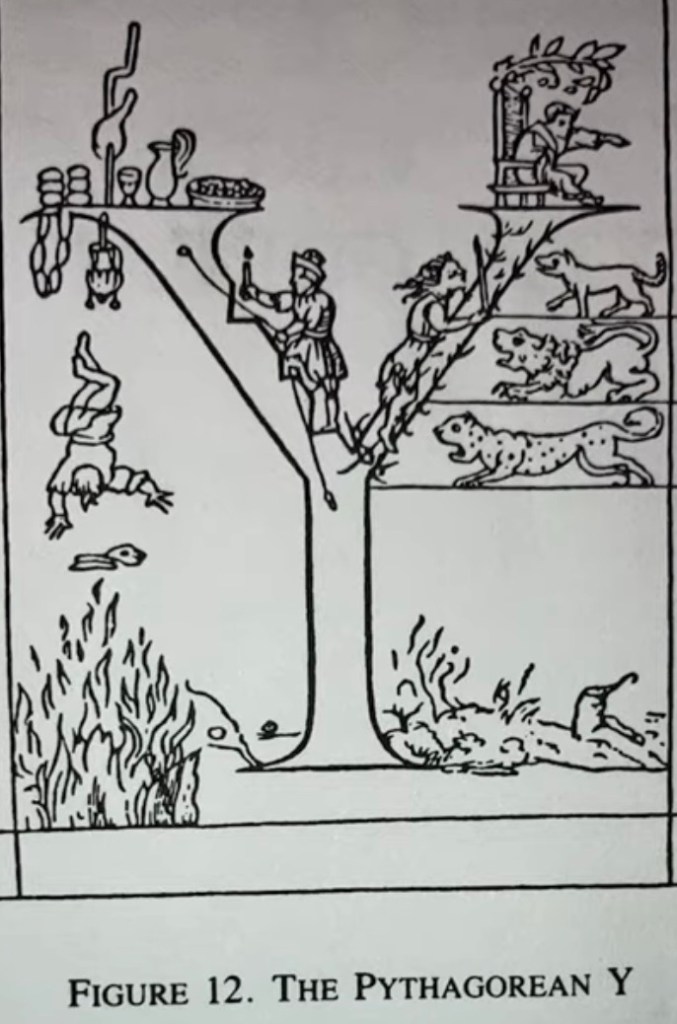
but you connected that to an ancient Jewish
tradition of uh meraba meditation kind of things and there in that context I
was wondering I I I was thinking about like this uh Rabbi from Israel Shannon
who was thinking about that the ancient Israelites might have been drinking uh an anaa like from Syrian Ru and acaia
wood where you can make DMT and like make a Sim kind of Brew so that there’s like the possibility and then like you
have the other work of M resu recently uh immortality key about the early
Christian sects being offshoots of uh mystery schools from the Greek world
where it’s also really quite uh possible that they were eming certain uh concoctions uh that made them uh uh uh
carried them to the Chariot of God or however you may call it in the uh so I was wondering how how you were
thinking about this in uh uh the broader context of uh the the hermeticism and
Altered States and the seccy behind it I mean I would say that there are
certainly psychotropic substances being used whether it’s alcohol or kofy incense and other kinds of uh incenses
[definitely Psilocybin incense – Cybermonk
that you know the cannaboids that were found recently at terod um certainly they’re being used the question is where
do we have evidence for it
[YES. next question?]
and when we fill the gap of evidence of specul it’s really important to to name that as
speculation the am Mystics never mentioned in
[except ‘eucharist’ 10 zillion times]
we we get some list of the techniques they used but they’re they
look a lot more like yoga than they do em bibing certain kinds of substances what I would say is though that the
hermetica literature Ami literature there’s just a bunch of different Technologies of of as scent
[aka avoidance placebos]
that are
going on in this period And I think it’s in some level being motivated by the crisis of the thirr century and that by
in the third in the third Century you had a lot of reasons to want to get out of town and the Jews had their way to get out of town
[It was DMT.]
and the hermic had their
way to get out of town
[It was Psilocybin. you are correct]
everybody’s looking for a way out of the crisis of the third century and I think that that
that may be also part of it but for me it would be the question of where do we have evidence and when Theus tells us
that this instance is being used we need to chase that to the very end and we need to be especially attentive of it
because there’s been such an anti psychedelic anti uh uh anti-substance
bias in Academia for so long but I think we need to double down on those efforts to to give that a fair play
[while quadrupling down emphasizing our fabricated “traditional non-drug methods of the mystics”]
but find out
what was really happening yeah you must find an uh find a middle ground here
[like making a great show of throwing Walburga tapestry in the river, while also highlighting it in our gallery]
because because you’re quite right
there’s no evidence in the hertica zero nothing uh in yamas you have a few
references at one point twice he mentions some concoction something we do not know what it is uh and I do
interpret yamus as an as an practitioner of the hertica so so that’s that’s
puzzling it’s interesting but we simply don’t know more kufi instance yes there
are some other things I talk about this but the evidence is very hard to interpret and it’s very minimal so I
very very much agree with you we we we should not project these things on the on the materials if we don’t have
evidence at the same time you’re also right there is this kind of anti- energetic uh kind of bias in scholarship
which doesn’t want to see it at all um and I try to push back against that a
little bit in my book on the other hand there’s also you mentioned by Mor rescu uh and other people there’s also an an
other kind of bias which wants to see it everywhere and uh and Bayan is an I
think an example of that it’s an interesting book but it’s full of rhetoric but the actual evidence is very
very slight there’s one piece of evidence is very very interesting that he has has discovered for the for the Illini mysteries in Spain that is I
think fascinating for the rest I’m not so not so convinced so I think we have to find a balance between this tendency
of wanting to see anthens everywhere and wanting to see him nowhere I think we have to see them where they uh where we
have evidence or where we are uh have good reason to assume that uh this is in
credible hypothesis right I I tend to call this spectrum because I get comments that you know every episode I
do I get it was DMT um and and I and I call this on the one hand this I call it second eliminativism where we want to
eliminate all psychotropic drugs from history but the other is what I call DMT reductionism it was always just DMT and
so I psycho psychedelic limi ISM uhuh but also DMT reductivism uhuh uh it’s
it’s going to be more complicated than that I was always wondering like in uh uh I haven’t really found any references
to this but every time I read uh in the Bible in Daniel 53 there’s this story
about Nebuchadnezzar calling upon the the uh the the the barrels from the Temple of Solomon to be carried and then
they drink from it and their knees start trembling and then the hand of God announces the Doom of his failed Kingdom
and that sounds an awful lot uh about like a psychedelic trip gone wrong for
Nebuchadnezzar uh so in that sense just a lot of wine yeah but like if you also see like
evidence that in Galilee like lots of traveling Mystics From Galilee used lots of uh potions that had way more than
just wine in the sense that so that’s that it’s like not that weird it’s like
maybe modern I think we agree that we have to fight a middle yeah we yeah when we when
when we see yamus use a word that we don’t understand then we have to stand in the presence of Unknowing and it at
least again double down on the possibility and Chase it to the very end but often at least in my experience
doing this research and about I don’t know about yours often the very end is I don’t know the evidence is simply inconclusive but there are cases I mean
so the tendency of not wanting to see it at all I am discussing an the text uh in
in the book which is not hermatic but it’s in the Greek magical papiery as they’re called the so-call Mithra litery
and that’s an interesting case because there’s a F this is a famous text it has been commented on by many scholars it’s
really a well studied text and well to the best of my knowledge I found almost
nobody who mentions the anth theogenic component there and it actually contain
there’s one fifth of the complete text uh consists of a recipe of how to make
an psychedelic concoction it’s the recipe is there you have to take this you have to take that you have to put it
together in this way Etc there are a couple of ingredients that are not identified so we cannot replicate it uh
but there isn’t one fif of the text is a recipe and almost all the scholars have
ignored it and I find that’s a a very strong example of of I agree or Dela
there’s psychedelic drugs in delapa that people just ignore yeah yeah like he gets all this phrase but it’s like how
to go insane for a day yeah well believe it or not we’re already running out of time so maybe the
people who have already that you’ve already recognized and then I have one more question that I think we really
need to ask before we let these two guys go thank you very much for your uh
interesting lecture I have two questions one goes back to uh I think uh the
comment you made about the the man who said he was both a hermeticist and a Christian I was wondering about what
time uh that was written and uh that goes with how we receive
hermeticism like whole Europe was Christian these texts are rediscovered
they are cared for in such a way because they recognize each other they become
great friends and I wonder how you see how that evolves if it does into the
emergence of for example Rose chanism and then another question I have perhaps
more uh for you vouter um if the hermeticist had this nonu VI and they
didn’t have this uh um you know antagonism between matter and Spirit uh
I was reading the tus of Plato and that’s quite difficult to get through
but the the notion that that the the the
the ideas are impregnated into the the matter the the sort of underlying
substratum the Virgin matter of creation then giving rise to the Sun or the form
how how that plays a role if it does in in the hermatic world view um those are
my two questions thank you very much for your uh talks yeah I think here so Yus I think
this is one of the key references for Yus and I do um I do interpret in my
book yamas as an hermetic practitioner I go I’m very insistent with this he uh he
talks about our hermetic mysteries in his book people have often wanted to keep him out of Egypt because Egypt is
Magic and Superstition and he’s a philosopher so he shouldn’t go there but he actually went there I think he lived
there and he studied there and I have Arguments for this and um uh and uh yeah
so this is where you find this idea that’s that’s that’s the ideas or the
The Good the beautiful and the true the ultimate realities have to be em have to get embodied into into matter uh so you
find it there so yeah and the Tas is a key reference so I totally agree and you know the other question is yeah so this
guy was lelli yes he was a Christian and uh interesting for him so this was the
1480s all right uh um but interesting was that um he was not interested in
Plato he was not interested in other uh you know platonic philosophies Yas or whatever just just the Bible and the
hertica that that was it was it for him that is what interested him and he uh he was reading his understanding of
Christianity back into the hertica or maybe giving an hermatic interpretation of Christian whatever want you he want
to see it and uh yes this was Radical and relatively new in the way that he did
it and I would say also about the tus is that Plato there’s a there’s a Plato can
never make his mind up in the in the fadis right matter is pretty evil and in the tus it’s just limited no matter how
good of a builder you are if the thing you have to build with isn’t very good the house will always be imperfect it’s
just a limitation so in the T it’s it’s a limitation it’s there’s no dualism in in the Tas Yus really wants to go with a
full em ENT of the Soul just completely sunk into the body unlike platinus who
wants to say not completely sunk right and you turn inward and I think that this is this is a tension inside of this
is a tension inside of platonism that we don’t talk about because we talk about neoplatonism as if it’s a thing it’s an
18th century invention that covers over the fact that this tension plays itself out in py and Yus and I think that yamus
falls on the side of the Corpus of medum because the Corpus of medum is precisely what you argue it’s a text about the the
the goodness of the world and precisely as embodiment and I think that’s why he leans hard on the tus and not so hard on
the Fades Eddie leads also hard on the on the on the Symposium because in the
Symposium DEA and I find it relevant that that an female um uh Priestess of
the Mysteries is initiating Socrates there into what it is all about and this
is not philosophy but it is erotica it is erotica it’s erotics and she explains
what it’s all about and what she says it’s about um giving birth in beauty
that is the formulation um so uh it is not about escaping from the world it’s it’s giving
birth to the higher forces to the ideas into the world so she used the language
of uh giving birth uh to explain what the key of of platonic wisdom is all
about and I find is extremely uh significant uh for understanding the hertica we actually have a question from
from somebody in the in the remote audience asking about if some of the if some of the um well-known platonists
could have had um teachers who were versed in hermetic
Traditions when one of the pl sorry of the platonic so for example um do you
believe that someone like Pythagoras had teachers in Egypt that were well versed in the Hermetic tradition or ideas no
that’s too early so Pythagoras is much earlier so the Hermetic writing that’s why I expanded I think the direction the
person is going in is is can there be a real link there well there’s one interesting thing so so Pythagoras is
much earlier than the htic writings so the Hermetic writings are second third Century the question is could the
Hermetic writings come from an older tradition that’s much older than that and I uh I
am cautiously tending towards uh the view that among other people Peter
Kingsley has been promoting uh saying that there is an pagaran the tradition
which ultimately goes back to Parmenides so you can trace a line from Parmenides
that’s really early and Pagan Traditions that gets connected to uh to rtica there
are many questions to be asked about it it is very it is speculative to a certain point it’s very hard to prove
but I think there are reasons to take that hypothesis seriously so that doesn’t mean that her herar is influence
influential on pythagoreanism but it could mean that pythagoreanism and also
primes is one of the background uh ontologies or metaphysical system that go into hertica I tend to see I tend to
see them mostly the the intellectual Machinery coming from middle platonism like numinus is I think the most direct
person that the new the pythagore if you’ve never read numinus really read numinus next to uh the Corpus of medicum
I think that’s the main intellectual power that things are coming from but also what’s really exciting is there’s a new addition out of the conversation of
the House of life that’s a demonic text that is attributed to Toth it was used
as an initiation probably as an initiation text written in Egyptian used in these temples and so we are getting
at least a glimpse now into what was previously basically a black box of what are these Egyptian priests people like
zosimos what are they doing in these temples from a from a lurgical and philosophical point of view in the
Egyptian I language the text is very difficult but I do think that that’s an Avenue of research that I’m super
excited about uh hi I have a question about I’m
here hi uh I I have a question about the technical hermetica because uh we’ve
been mostly talking about the um the philosophical or spiritual hermetica but
um I don’t know that much about technical hermetica other than that they are also attributed to Herm
but I think some of those are actually a little bit older than uh the philosophical her I’m right uh but they
always feel like quite separate things to me and also yeah tonight is an
example because we’ve been mostly talking about philosophical hereda like how closely were they connected and did
the technical Armeda play a part in the Quest for nosis uh for pract
practitioners um for example in classical times or in Renaissance like did it travel a bit of a similar path
uh such as the philosophical Meda I mean I I guess what I would say
is I would I I think I would agree with bter and I would say I just want to challenge the distinction between philosophical spiritual and Technical
hertica and say that that the technical hertica Tech like the corini something like that are some of these alchemical
and astrological texts part of what’s motivating them to be attributed to heris magistus is the idea of the
goodness of the world and by studying the goodness of the world through Alchemy or astrology one enlivens one’s
noose to to Behold The Glory the beauty and through IIA reverence of the world
and therefore I would say that the distinction between the the soteriological hermetica or the
philosophical hereda and the technical hermetica are actually just a Continuum one actually makes the other possible
because at some level if the world is just bad if you’re I don’t know if you’re radical dualist why study this thing it’s just a giant clock driven a
bunch of by evil damn archons like like why would I get out but if it’s like no
it’s this is part of the beauty of the world and I experienced that through reverence and that’s part of the road to
Salvation then this this this distinction just breaks down and I think that that that breakdown is is a very
important thing we need to be begin doing is separating take showing these as as as a hand and a glove and not
technical versus one actually makes the other possible yeah there’s there’s some continuity I would say it’s a spectrum
and uh there is a middle ground where where you it’s harder to say whether it’s technical or spiritual it’s both
and zos is a good example so the the practi the practitioner of alchemy uh
whom I interpret as an as an hermetic practitioner next to yamas and so he was
working in Laboratories all the time that of us is work and I find it hard to to believe and it’s that I think is also
so consistent with what we know of socios it’s hard to believe that somebody who is insistently working with
matter all the time would have a totally anti perspective and he has often been
seen as agnostic against matter stereotypical agnostic against matter
but that doesn’t make sense I think you have to see him also as a spiritual practitioner for whom you’re trying to
uh discover the secrets the mysteries of matter uh which and affected from a
dualistic point of view the whole breakdown between M the the whole distinction between matter and spirit
breaks down and uh you’re just working with one of the same thing um yeah well
you’ve both hit on things that um you know need to be worked on and can definitely uh be delved into further and
so I wanted to ask you both what you would like to explore in the future and what do you think are the kind of the
big questions that still need to be to be investigated
I who goes first I guess what I would say what
excites me is one the discovery and publication of Egyptian literature and looking at how Egyptian literature is
tying into this literature and two more work needs to be done on the technical hereda because I think that getting
there’s so much of that in Arabic and so much of that uh in in syak that we we
tell a story of of uh Egypt Greece Thomas aquinus and I’m like hold on
what what about the you the brethen of Purity and what about and so there’s a story about the transmission of all that
that you know went into bdad and the B hikma and without telling that story uh
we have two legs of a stool and I think that’s uh I don’t want to sit on that stool so the so so these big gaps in
transmission yeah and and also trans gaps in Innovation what do the brethen of Purity do what are they what’s going
on in the natine and agriculture how are they transforming her from being what it is in this text to
now being the prophet Enoch and how is this how is the spirituality and the spiritual technology adapting to new
environments especially in uh in the near East yeah I would say something similar to what you you just said I
think uh one of the major challenges is to change our narratives and not just uh
the narratives about heraa but in order to interpret them in a better new way we have to uh get rid of a whole range of
uh old-fashioned eurocentric uh narratives of progress
that uh say that uh basically everything you know philosophical and good comes
from Greece Etc and uh marginalizes everything that comes from Egypt Etc and
is superstitious and magical Etc these are very deeply ingrained narratives in the standard ways of of uh thinking of
academics in my work on the hermetica I’ve been fighting constantly with with the power of those Nar narratives so
Scholars have kept projecting narratives of Greek superiority on hertica and you
completely get it wrong when you do that uh they have been been projecting uh Christian and biblical narratives on
their hertica the hertica Are pagan there is not a trace of Christianity in it and uh very very little Judaism a
little bit but very very little they’re basically Pagan and uh but nevertheless
Scholars have have projected the entire Genesis Narrative of the fall of Man into matter under hermetica he thought
it was there and it wasn’t there and the for generation for Generations people have kept repeating that narrative so we
have we have to get rid of a lot of these narratives and another one and it links to what you said so you mentioned
the bre of Nar the Breen of Purity and all many of these things in the Islamic world we have to um look at Western
culture uh in a much more inclusive way which which includes the whole transmission of pagan pagan Traditions
uh Judaism Christianity and Islam so we have to get rid of this idea that uh Judaism and Christianity belongs to the
west and Islam doesn’t belong there if you want to act actually understand how these things work you have to see this
in a much broader context and include a whole largely unexplored field of the
transmission of esoteric and hermetic literature in the Islamic world as well so you need to have the languages you
need to have uh have you need to look at at at Arabic and Persian and syak and
all these languages and there’s tons of work to be done there yeah yeah really
really basic stuff to I know a lot of visitors are are are surprised to hear
that um Knowledge from from Egypt had anything to do with the Renaissance well okay God forbid have
some things to tell them then yeah yeah well everyone please join me in
thanking these two
[Applause]
well before I let you go I’d like to make just a couple of quick announcements our next lecture is on the
13th of July and we’ll be talking about hermetica again we have Marat Nasser
here she’s a very interesting lady an Egyptian lady lady who had a a career in
in um London and is now using her substantial wealth to build something called her mopis in central Egypt um
building on and commemorating um this this this culture and these events that happened a millennia ago um so she’ll be
here to present her project to us um and I also want to mention that starting in September we’re going to have an online
lecture series on the thought of Jung Carl Yung and un Burma so keep your eyes
open for that um but please join us now in the cafe uh for a beverage and I think the garden is maybe open as well
so we can chat there thank [Applause]
you

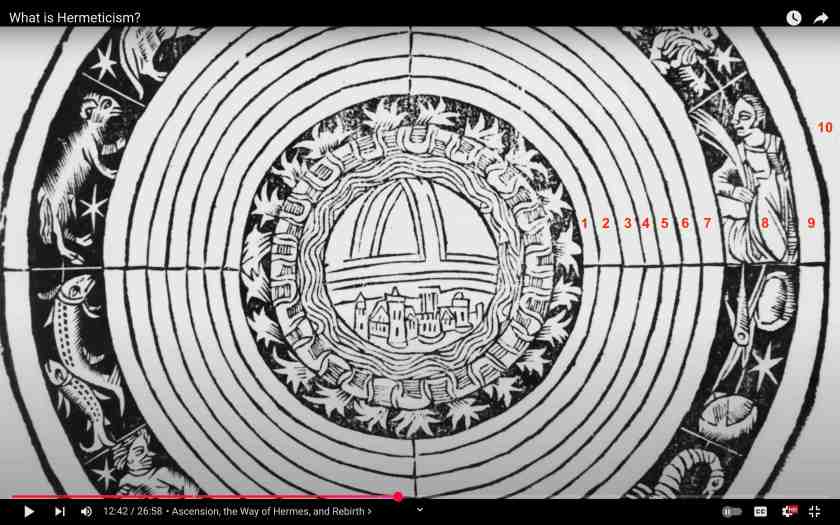

 The Egodeath theory